You probably think you know what lies inside a pyramid: dark corridors, dusty sarcophagi, maybe a curse or two if you’re feeling dramatic. But what sits deep below these colossal stone mountains is far stranger than any movie script. From hidden rivers to mysterious voids and forgotten tombs, the underworld of pyramids is starting to look less like a tidy burial complex and more like a labyrinth built to confuse both grave robbers and modern science.
What fascinates me most is how every new scan, drill core, or excavation keeps proving our assumptions wrong. Just when archaeologists think they’ve mapped a site, a radar image flickers onto a researcher’s screen and shows a new tunnel, a sealed chamber, or something that looks uncomfortably like a trap. The more we learn, the more it feels as if the ancient builders planned for us to be puzzled thousands of years later. Let’s go underground and look at some of the strangest things ever .
1. Secret Tunnels and Labyrinths Hidden Under the Great Pyramid
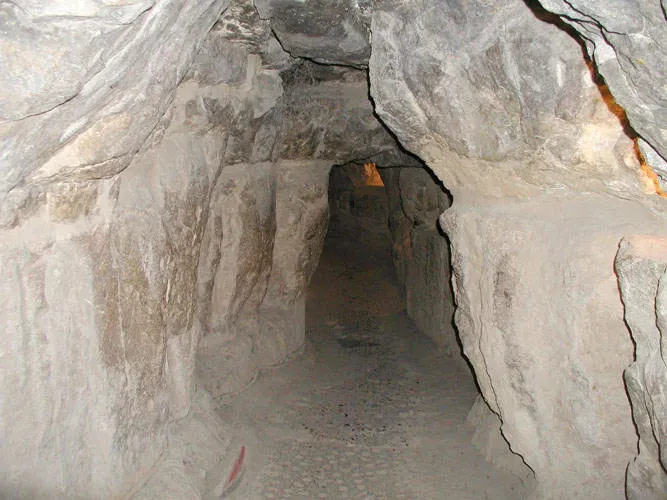
One of the most unsettling realizations of the last few decades is that the Great Pyramid of Giza is not just a solid mass of stone with a few corridors carved inside. It sits on top of a landscape of bedrock cuts, shafts, and tunnels that suggest a far more complex design than early explorers imagined. Ground‑penetrating radar and microgravity surveys have hinted at additional cavities, while older records from 19th‑century explorers describe descending shafts and rough passages hacked into the plateau itself.
Some of these lower areas were likely used as workspaces and access routes during construction, but others look more like deliberately hidden features. There are rough, bottle‑necked shafts where a person can barely squeeze through, leading to abruptly sealed-off sections. When I first saw a 3D reconstruction of these lower zones, it reminded me less of a tomb and more of a maze designed to mislead anyone who tried to dig their way in from below. We still don’t know for sure how many passages remain uncharted beneath the Great Pyramid, and honestly, that uncertainty is half the thrill.
2. The Subterranean Chamber: A Rough, Unfinished “Room” That Makes No Sense
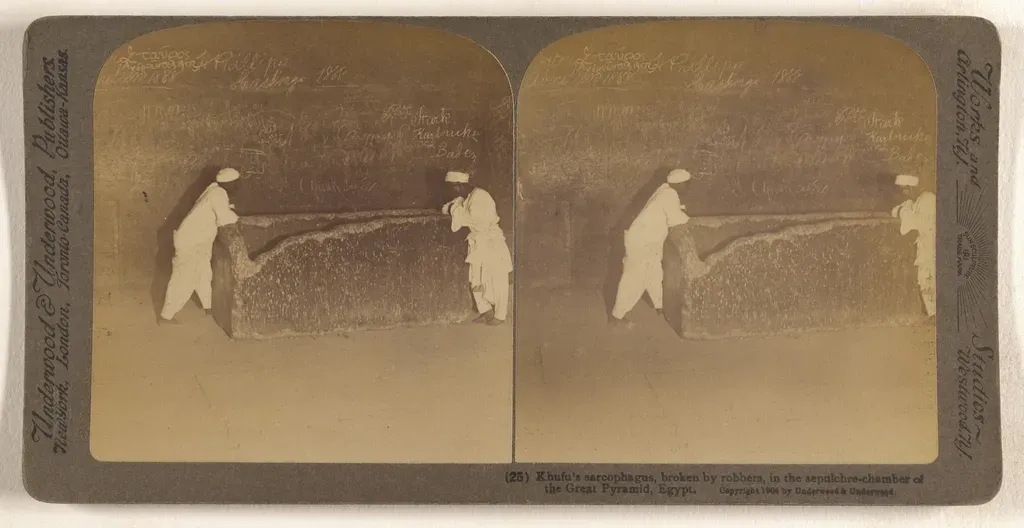
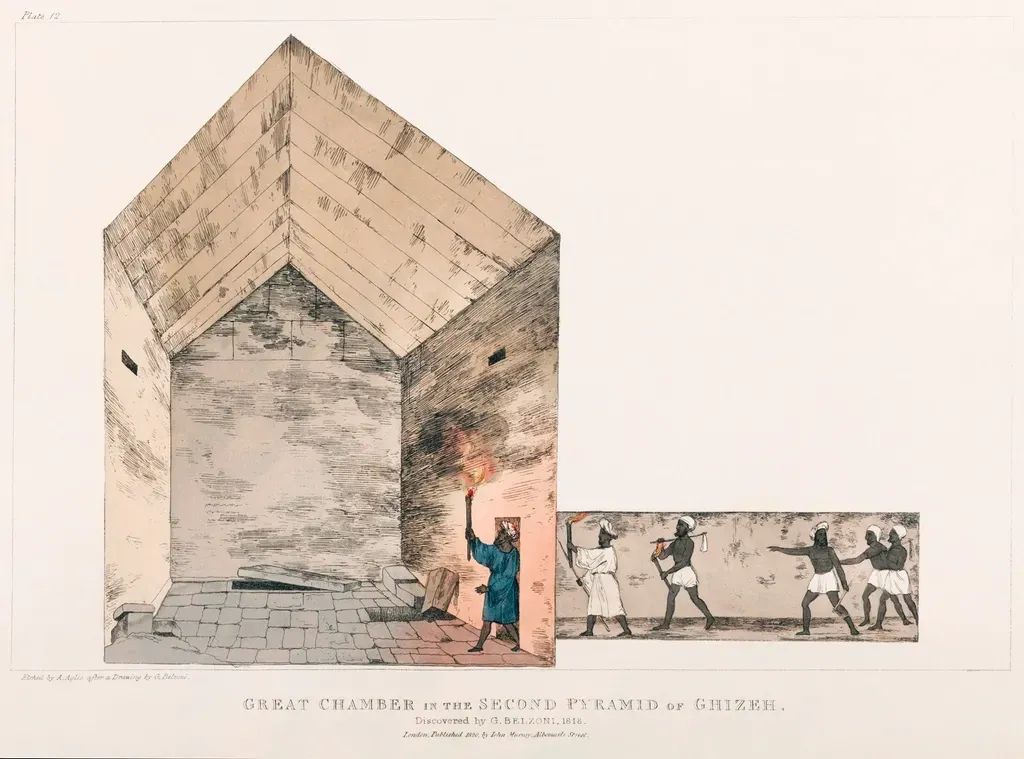
Beneath the Great Pyramid, there is a strange chamber cut directly into the bedrock, often called the Subterranean Chamber. Unlike the polished, carefully aligned spaces higher up, this room feels almost primitive: rough walls, uneven floor, and a deep pit sunk into its center that looks more like a test trench than part of a royal burial. Early visitors assumed it was simply an unfinished room abandoned when the builders changed plans, but that explanation has never quite satisfied everyone.
Some scholars think the chamber was part of an earlier concept for the king’s burial, later replaced by the higher chambers as the project evolved. Others see it more symbolically, as a deliberate connection with the underworld, a kind of architectural descent into chaos beneath the orderly geometry above. Standing in that space, with bare rock swallowing the light of your torch, it is hard not to feel that you’ve stepped into the most secret layer of the pyramid’s design, where function blurs into ritual and even archaeologists are left guessing.
3. Underground “Boats” and Buried Solar Ships
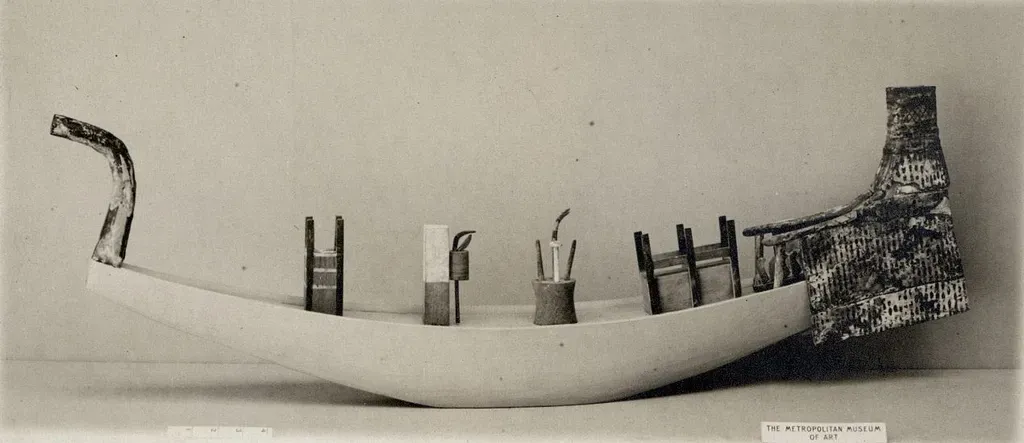
One of the coolest and most unexpected finds around the pyramids has been entire dismantled boats buried in pits around the monuments, and in some cases, carved below courtyard level. Near the Great Pyramid, archaeologists uncovered large boat pits cut into the bedrock, sealed tight with massive stone slabs. Inside one of them, they found thousands of carefully stacked wooden planks that have since been reassembled into a full‑sized ship, often described as a solar vessel meant to carry the pharaoh with the sun god across the sky and into the afterlife.
What makes this so strange is not just the idea of burying a seaworthy ship in the desert, but how obsessively it was hidden. Some of these pits are so precisely sealed and buried that, without modern excavation methods, they probably would have remained undiscovered forever. It feels oddly modern, like someone carefully packing away a luxury car in an underground garage for use in another world. These boats remind us that the spaces beneath and beside pyramids were not just dead space; they were carefully curated parking lots for sacred technology.
4. A River of Mercury Flowing Beneath a Mesoamerican Pyramid
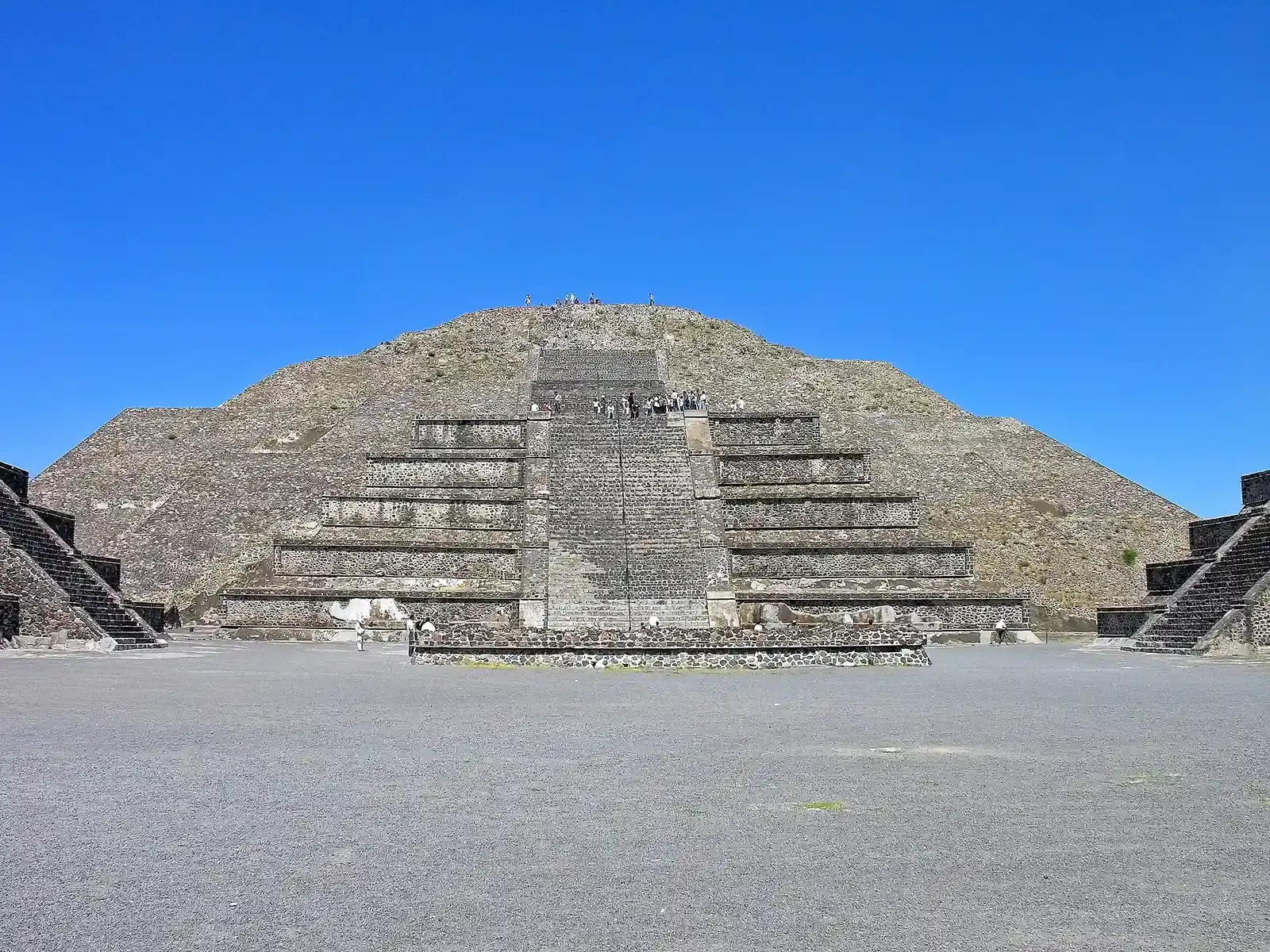
Far from Egypt, under a pyramid in the ancient city of Teotihuacan in central Mexico, researchers made a discovery that sounds like something out of a fantasy novel: liquid mercury pooled in hidden underground chambers. Excavations beneath the so‑called Temple of the Feathered Serpent (often considered a pyramid in form and function) revealed a tunnel leading to small sealed spaces, where shimmering pools of mercury were found along with ritual objects and statues. Mercury is rare in nature and difficult to extract, so this was not an accident of geology; it was placed there deliberately.
Most archaeologists think the mercury symbolized a sacred underworld river, reflecting cosmic water or the path of the dead. Imagining an ancient priest descending a dark tunnel, torch in hand, watching the liquid metal glow and reflect the flickering light, you can almost see why they used such a dangerous substance for dramatic effect. From a modern perspective, it is both impressive and unsettling; they engineered a literal toxic underworld beneath their pyramid to tell a story about life, death, and rebirth.
5. Hidden Tombs and “Lost” Burials Under Pyramid Complexes
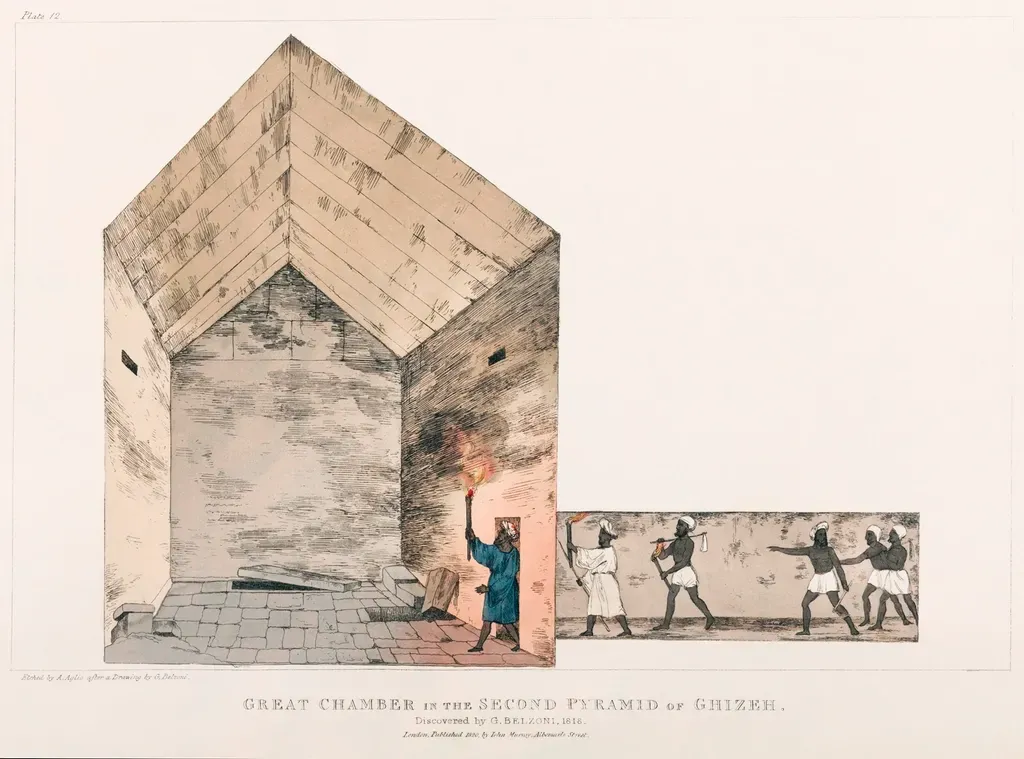
We often picture pyramids as single tombs for single rulers, but excavation around and beneath pyramid complexes has revealed a tangle of additional burials. At several Old Kingdom pyramid sites in Egypt, including the pyramids of later kings, archaeologists have uncovered hidden burial shafts, secondary tombs, and rock‑cut chambers that extend outward and downward from the main structures. Some of these belong to royal family members or high officials, others to people whose identities are still debated.
These unexpected graves change how we think about pyramids. Instead of isolated monuments, they look more like vertical centers of gravity around which entire necropolises crystallized, with layers of the dead stacked above, below, and around the main royal burial. I remember reading about one shaft discovered beneath the floor of a subsidiary chapel that no one realized was there for more than four thousand years; that kind of find makes it clear how incomplete our maps still are. It also suggests a more intimate relationship between the king’s journey and the people allowed to be buried in his sacred shadow.
6. Mysterious Sealed Shafts, Traps, and Dead Ends
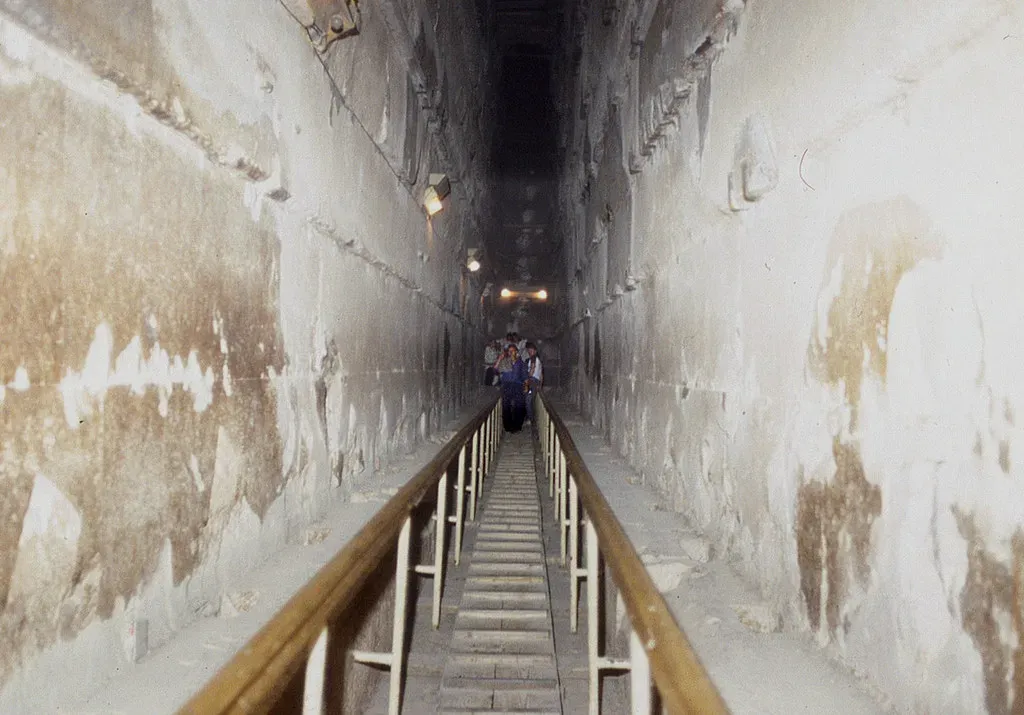
Some of the strangest features beneath pyramids are not grand chambers or decorated tombs but narrow shafts and abrupt dead ends that feel almost hostile. In several complexes, including well‑known pyramids in Egypt, researchers have identified vertical and sloping shafts that dive into the bedrock, only to end in sealed blocks or empty pockets. A few contain blocking stones that seem deliberately jammed into place, as if someone wanted to make sure no one ever reached whatever once lay beyond.
There is a strong argument that these were anti‑robbery measures or symbolic pathways for the soul rather than intended human passageways. But walking through 3D laser scans or watching a tiny robot camera inch forward inside these spaces, I can’t help thinking of them as ancient puzzles, with missing pieces we may never recover. Whether they once held treasures, ritual deposits, or nothing at all, they show that the architects were thinking vertically as well as horizontally, using depth, confusion, and inaccessibility as part of the design language of the pyramid.
7. Underground Water, Moats, and Sacred “Micro‑Landscapes”
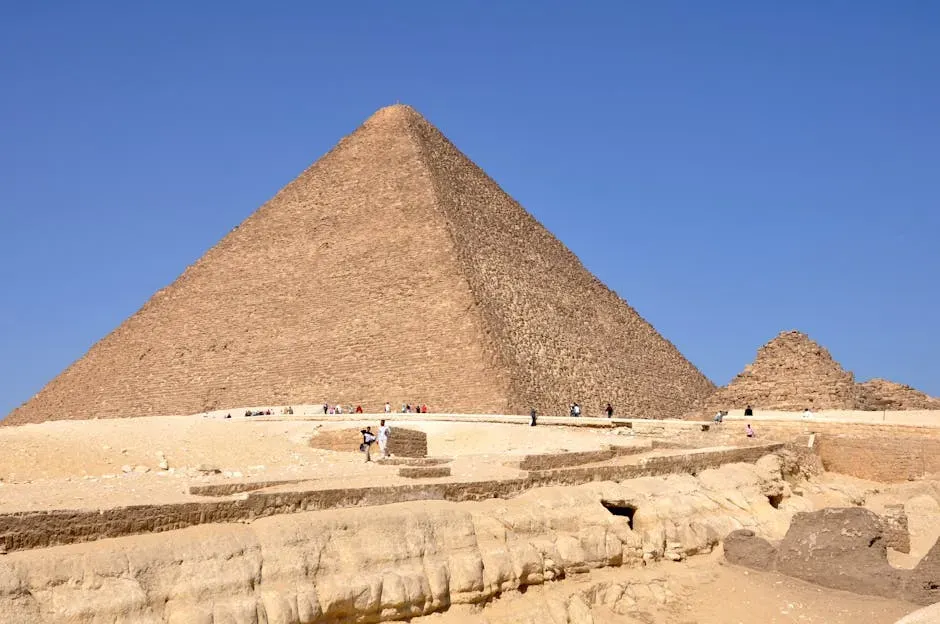
Not every discovery beneath pyramids is solid stone; sometimes it is water that steals the spotlight. At various pyramid sites in both Egypt and Mesoamerica, archaeologists have documented evidence of ancient moats, channels, and underground water features integrated into the design. In some cases, these are natural water tables and springs harnessed by the builders; in others, they appear to be artificial basins or trenches cut into the bedrock and then filled, transforming the base of the pyramid into a kind of sacred island.
The symbolism is powerful: a pyramid rising from a water world, echoing creation myths where the first mound of land emerges from primeval chaos. When you realize that there may have been reflections of the pyramid shimmering in still water at its base, the whole site suddenly feels more theatrical, almost like a stage set for rituals involving light, sound, and movement. To me, this is one of the most underrated strange discoveries – it shows that the landscape under and around the pyramid was as carefully scripted as the monument itself, turning the ground into a living part of the story.
8. Caverns, Natural Caves, and Reused Sacred Underworlds
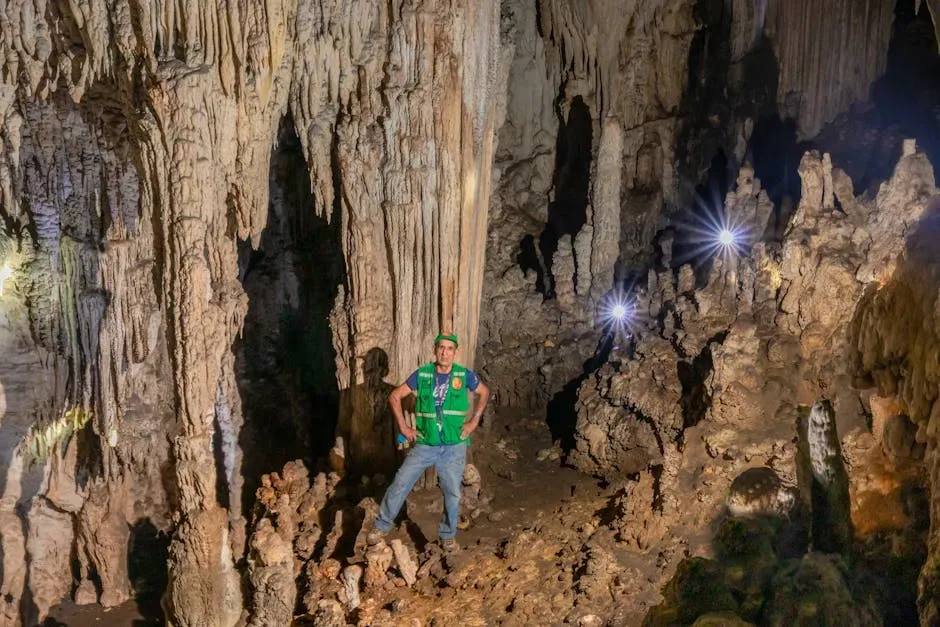
In some places, pyramid builders did not just carve into solid rock; they built right on top of earlier caves and natural caverns that already held spiritual meaning. At a few Mesoamerican sites, for instance, pyramidal structures align with or literally cover cave entrances that were used for rituals long before the monumental building phase. These caves often sink far below the surface, filled with offerings, skeletons, or traces of fire and incense, creating a layered sacred geography where the man‑made mountain sits above the natural underworld.
This reuse of older sacred spaces is, in my opinion, one of the clearest signs that pyramids were never just about burials or political power. The builders were plugging into a much older human instinct: the sense that caves and depths are closer to gods, ancestors, or forces we do not fully understand. When a pyramid crowns a hill riddled with caverns, it feels like an exclamation mark placed on top of an ancient sentence the landscape was already writing. We are only beginning to read that sentence properly, and I suspect that more underground surveys in the coming years will reveal that many “new” discoveries are actually very old holy places, simply wrapped in stone.
Conclusion: Pyramids as Portals to a Hidden World
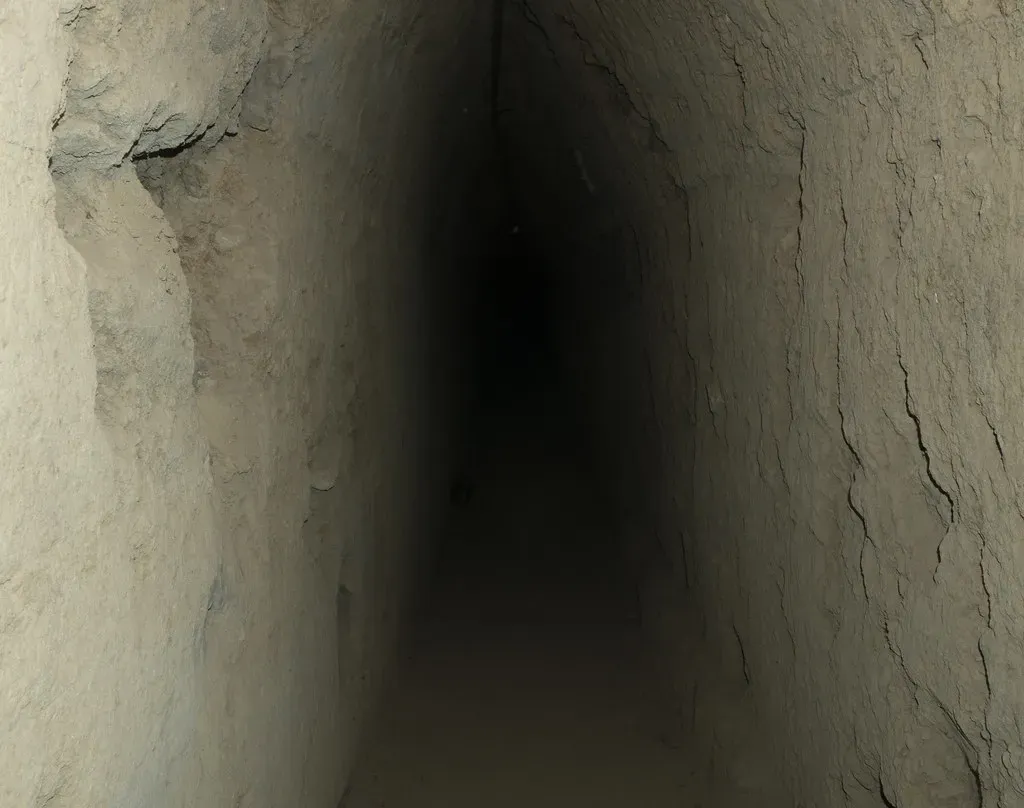
The deeper we dig , the less they resemble simple tombs and the more they look like interfaces between worlds. Secret tunnels, unfinished rock chambers, buried boats, pools of toxic mercury, hidden tombs, deceptive shafts, engineered water features, and re‑used caves all point in the same direction: these monuments were deliberately anchored in mystery. They were designed to manage the traffic between the living and the dead, the surface and the underworld, clarity and confusion. In my view, treating them as oversized gravestones misses the point; they are more like giant machines built to choreograph belief.
What strikes me most is that even with lasers, robots, and satellite imaging, we’re still fumbling in the dark down there. Every new find forces archaeologists to redraw their diagrams and admit that the ancients were playing a deeper, more layered game than we had assumed. Maybe that is the real strange discovery: not a single artifact or chamber, but the realization that our neat explanations cannot quite keep up with the complexity carved into the rock beneath our feet. When you think of pyramids now, do you picture just the stone above ground, or can you feel the hidden world humming quietly below?