You probably think of Earth as mostly mapped, measured, and understood. Plate tectonics, volcanoes, erosion – surely by now scientists have figured out how rocks end up where they are. But scattered around the planet are strange geological formations that stubbornly refuse to fit the usual explanations. They look like something a mischievous giant, an alien survey team, or an experimental sculptor might have left behind – and they’re still puzzling people who study rocks for a living.
As you move through these mysteries, you’ll notice a pattern: the more data scientists collect, the more the neat, simple answers fall apart. In some cases, you have several competing theories and no consensus; in others, you can explain pieces of the puzzle but not the whole picture. That’s what makes these formations so thrilling. They remind you that even in 2026, with satellites overhead and sensors in the ground, Earth can still surprise you in ways that feel almost unsettling.
Mima Mounds: A Landscape That Looks Like the Earth Got Goosebumps
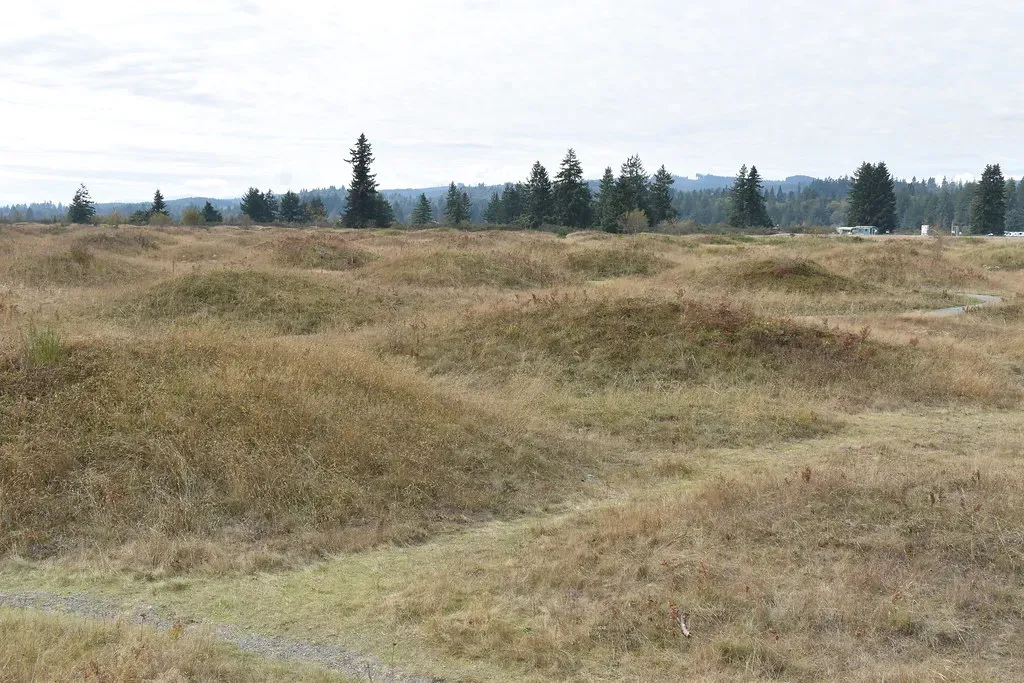
If you walked out onto the Mima Mounds Prairie in Washington State, you’d feel like you’ve stepped onto the back of some enormous, sleeping creature. The ground rises and falls in thousands of low, rounded hummocks, each a few feet high and several yards across, spread in a grid-like pattern as far as you can see. These mounds are not a one-off oddity either; similar “pimple mounds” show up in scattered places from the Pacific Northwest to California and even parts of the Midwest, as if something has been quietly dimpling the landscape for thousands of years.
Scientists have thrown almost everything at this mystery. You’ll find hypotheses involving burrowing rodents slowly piling soil upward, ancient flood deposits sorted by water, frost cracking, earthquake shock waves, and subtle self-organizing processes in soils and plants. Some computer models suggest that rodents could theoretically build and maintain mounds over long periods, but field evidence is messy and conflicting, and more than a few experts remain unconvinced. After decades of debate and dozens of papers, you’re still left with a weird truth: you can stand on a Mima mound in 2026 and honestly say that no one can definitively tell you how that bump under your feet came to be.
Namibian and Australian Fairy Circles: Polka Dots in the Desert
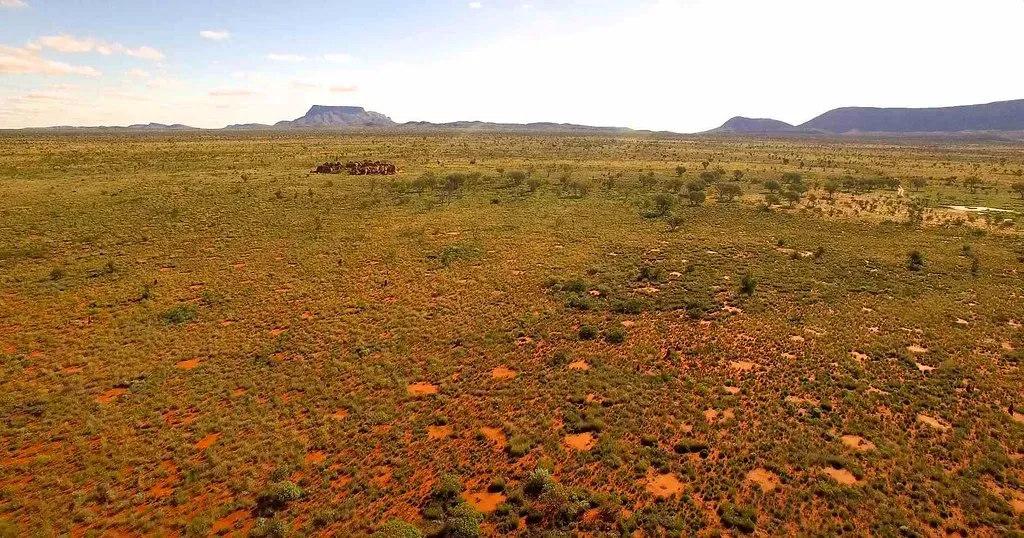
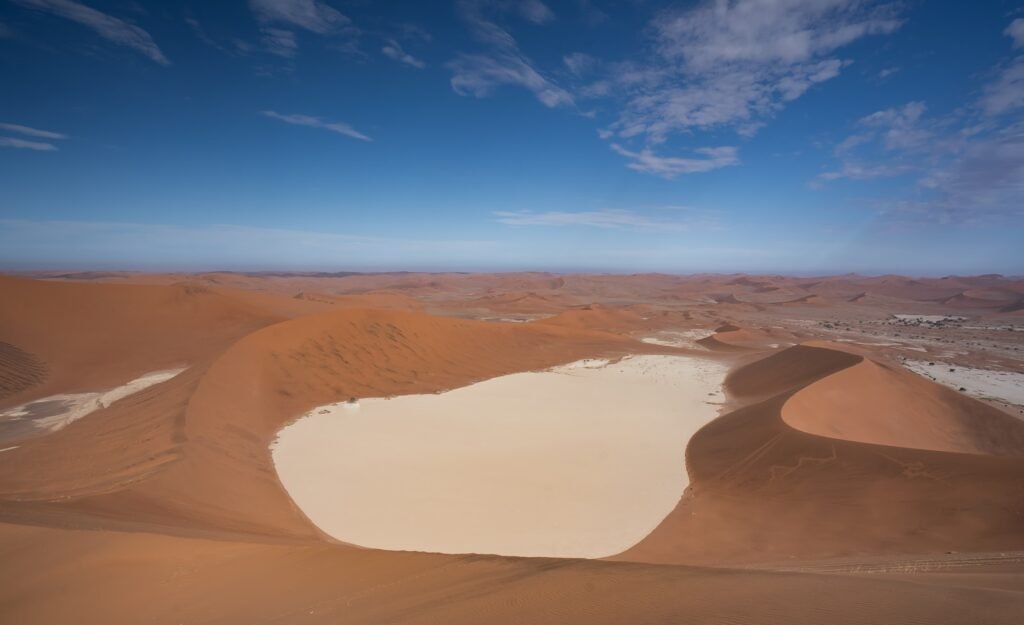
Imagine driving through the Namib Desert and suddenly realizing the ground around you is covered in near-perfect circles – bare patches of reddish soil ringed by lush grass, like someone stamped invisible coins into the landscape. Each circle can be several yards wide, and they repeat across the desert in eerie, almost mathematical patterns. Then, half a world away, you find strikingly similar circles dotting remote grasslands in Western Australia. When two deserts on different continents start wearing the same mysterious polka dots, you know you’re looking at something truly strange.
Researchers have chased two main suspects for years: tiny architects like termites altering soil and roots, and large-scale “self-organization” in vegetation driven by intense competition for water. Recent work has weakened the termite-only explanation in parts of Namibia, and some experiments support the idea that plants themselves, through feedback between root growth and water use, can naturally create these ring patterns. At the same time, local knowledge and new data from Australia suggest that termites and other soil processes still matter in some regions. You’re left in a tantalizing middle ground: you can describe the patterns, simulate parts of them, and rule a few things out, but you still can’t give a single, tidy explanation that works for every fairy circle on Earth.
Devils Tower: A Perfect Rock Pillar with an Imperfect Backstory
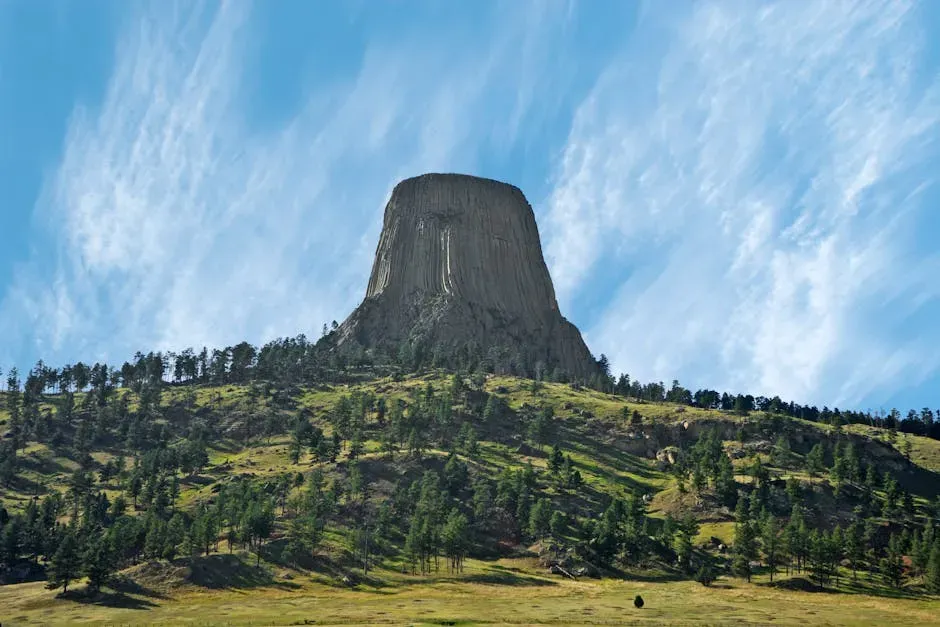
When you first see Devils Tower rising out of the plains of northeastern Wyoming, it hardly looks real. The structure shoots up more than 800 feet above the surrounding landscape, its sides made of almost impossibly straight, hexagon-like columns of rock, stacked together like an enormous bundle of stone pencils. Climbers use the cracks between those columns as routes, and from a distance the whole thing looks more like a science-fiction set piece than a natural feature. You instinctively feel that something unusual must have happened here.
Geologists agree that Devils Tower is made of cooled magma, and they understand how shrinking, cooling rock can crack into spectacular vertical columns. The sticking point is what exactly that magma body was: a volcanic plug, a laccolith (a dome-shaped intrusion), a thick sill, or some hybrid that has since been stripped by erosion. Over more than a century of study, different models have risen and fallen, and even today official reports from geologists treat its precise origin as unresolved. You can outline several plausible formation scenarios, but you still have to admit that you don’t yet know which specific one turned a blob of molten rock into this solitary, iconic tower.
Savonoski Crater: A Perfect Circle in the Wilds of Alaska
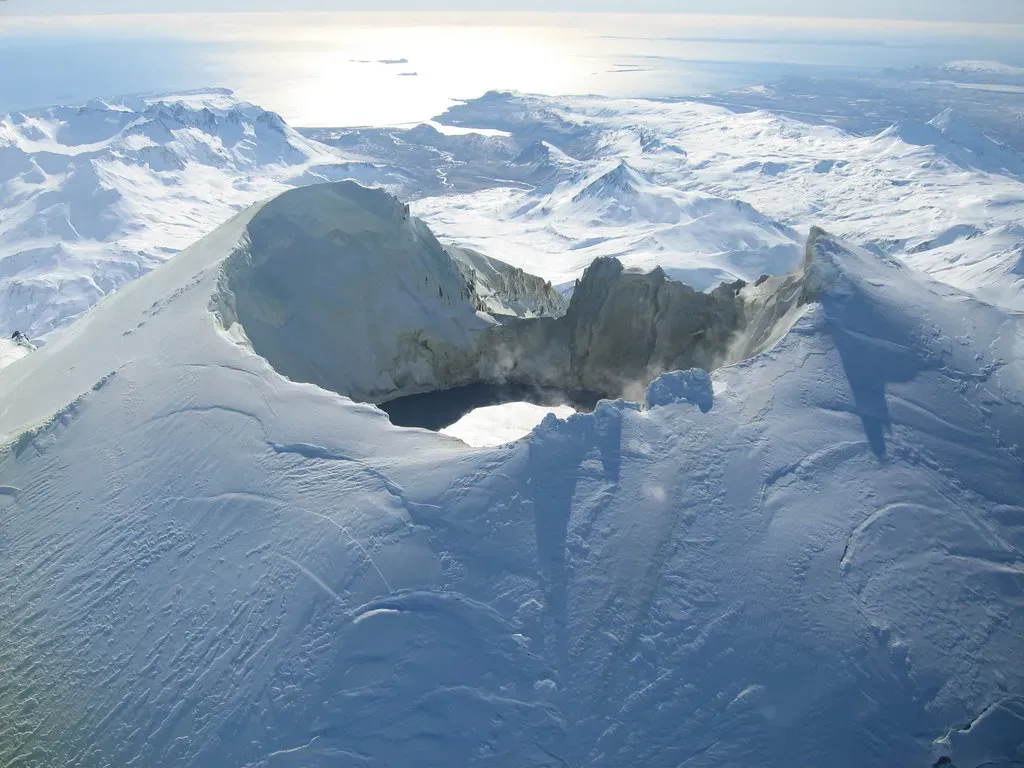
Deep in the remote landscapes of Alaska’s Katmai region, you can find a nearly perfect circular depression known as Savonoski Crater. From the air it looks like the clean punch-out from a massive celestial hole punch, tucked among a maze of volcanic peaks, ash layers, and glacial scars. At first glance, you would probably guess it was the scar of a meteorite impact, the classic bowl left by something from space crashing into the ground at terrifying speed.
The mystery is that when scientists actually studied it, the usual smoking guns of an impact – shocked minerals, certain types of melt rock, distinctive ejecta – proved frustratingly elusive. At the same time, the crater also refuses to line up neatly with standard volcanic explanations, and the region’s complicated history of eruptions and ice cover muddies the story further. For decades, teams have surveyed, mapped, and debated, and yet here you are in 2026 with a big, almost perfectly round hole that still resists being pinned down as volcanic or impact in origin. It sits there in the Alaskan wilderness as an awkward question mark in the middle of the landscape.
Menominee Crack: When the Forest Floor Suddenly Ripped Open
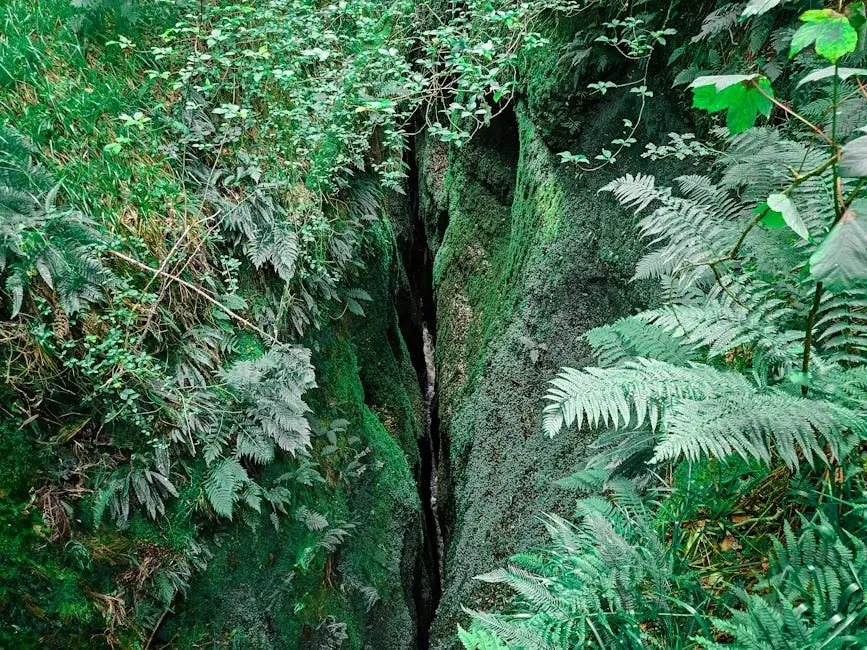
Picture yourself walking through a quiet forest in Michigan and stumbling upon a jagged fracture in the ground, hundreds of feet long, with the soil on one side heaved up like a frozen wave. That is essentially what locals discovered outside Menominee in 2010, after hearing a booming sound that some compared to distant thunder or an explosion. Overnight, the forest floor looked as if it had tried to shrug its shoulders and never quite settled back down.
Geologists eventually classified the feature as a type of “pop-up” structure – where stresses in rock layers suddenly release, buckling the surface – and they can offer a rough mechanical description of how it might have happened. But the deeper questions linger for you: why there, why then, and why so dramatically at that exact spot when similar rocks lie quietly all around? No one can point to a clear, specific trigger event like a recorded earthquake of the right size, and the suddenness of the sound and crack has fueled speculation. In a field where processes usually unfold slowly over thousands or millions of years, the Menominee crack is unsettling because it feels like the ground decided to move in a single, abrupt, unexplained gesture.
Stone Spheres of Costa Rica: Almost Perfect Balls of Carved Rock
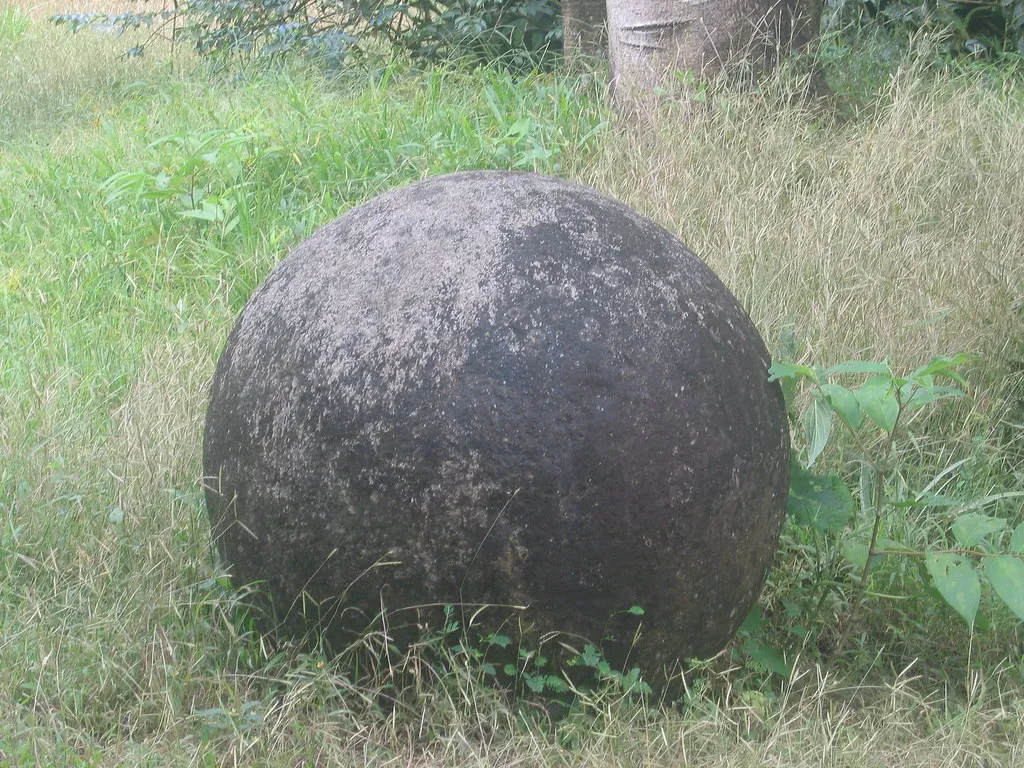
Scattered through parts of Costa Rica, especially in the Diquís Delta region, you find something that looks less like geology and more like an art installation: hundreds of near-perfect stone spheres. Some are small enough to carry; others are more than two meters across and weigh many tons. They are carved from tough rock like gabbro and granite, and many are astonishingly smooth and round, despite being created long before metal tools, modern measuring devices, or power machinery.
Archaeologists know that an extinct pre-Columbian culture made these spheres, and they have found some of the original quarry sites. What you do not have are detailed records explaining why they were made, exactly how they were transported through rugged terrain, or how craftspeople achieved such precision with the tools available at the time. Some researchers suspect they marked status, aligned with settlements, or held ceremonial meaning, but evidence is patchy, and later disturbance and looting have scrambled many original contexts. You can reconstruct bits and pieces – approximate dates, materials, general cultural associations – yet the full story behind these eerily perfect stones remains a stubborn blank in the archaeological and geological record.
Plain of Jars, Laos: Massive Stone Vessels with a Murky Origin Story
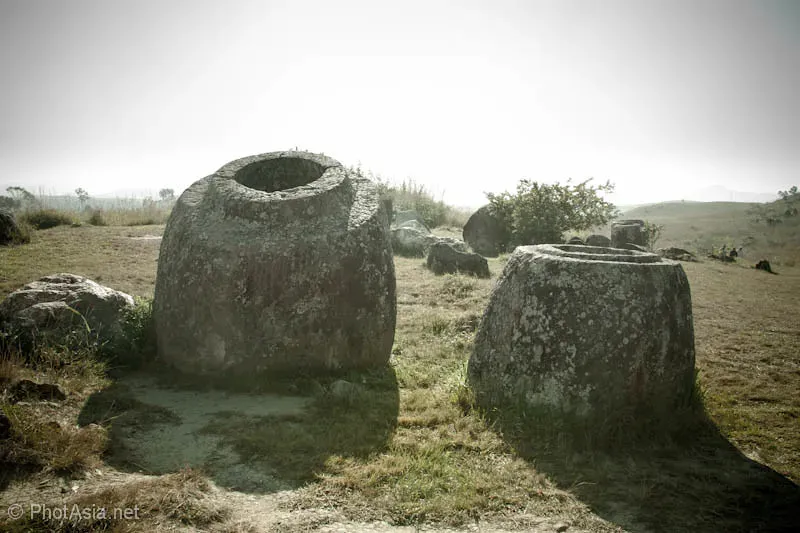
On the highlands of Laos, you can walk through fields dotted with huge stone jars, some the size of a small car, sitting silently on the ground. They are carved from single blocks of rock – sandstone, granite, or conglomerate – and many show signs that they were quarried far from where they rest now. When you stand next to one, you immediately feel the sheer effort it must have taken to cut, shape, and move it using ancient technology and human muscle alone.
Most specialists think the jars are linked to ritual or funerary practices from roughly the Iron Age, based on human remains and artifacts found nearby. But you still do not know with certainty how people transported such heavy objects over hills and valleys, what precise sequence of rituals they were used in, or why some areas are packed with jars while others remain empty. Add to this the tragic layer of unexploded ordnance from twentieth-century conflicts, which has limited detailed surveys in many jar fields, and a complete explanation slips even further away. From a distance, the jars can look like a natural geological oddity; up close, they become a haunting blend of geology and human mystery that still defies full interpretation.
Fantasy Canyon, Utah: Rock Sculptures That Look Too Delicate to Be Real
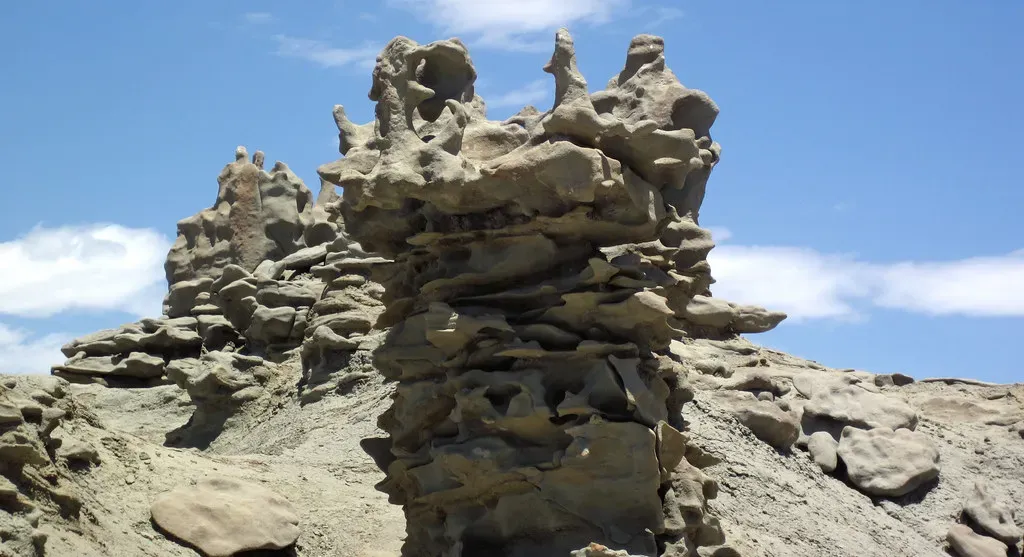
When you see photos of Fantasy Canyon in northeastern Utah, you might assume someone digitally edited them. The rocks there twist into spires, thin fins, balancing knobs, and fragile arches that look more like melted wax or coral than sandstone. The whole area is tiny – only a few acres – yet it packs in some of the strangest shapes you’ll find anywhere on land, as if erosion decided to improvise a surreal sculpture garden for its own amusement.
Geologists do understand the basics: the formations belong to a particular sandstone that weathers easily, and subtle differences in cementation and grain size cause some parts to crumble faster than others. Wind, sporadic rain, and time slowly carve out the bizarre silhouettes you see today. The lingering mystery for you lies in the unsettling precision and variety of the shapes, and the way such an extreme level of sculpting ended up focused in such a small, localized patch of rock. You can explain the ingredients and the general process, but when you are actually standing there, staring at stone that looks thin enough to snap with a finger, it still feels like there is a missing chapter in Earth’s design manual.
Conclusion: Earth Still Has Secrets It Refuses to Share
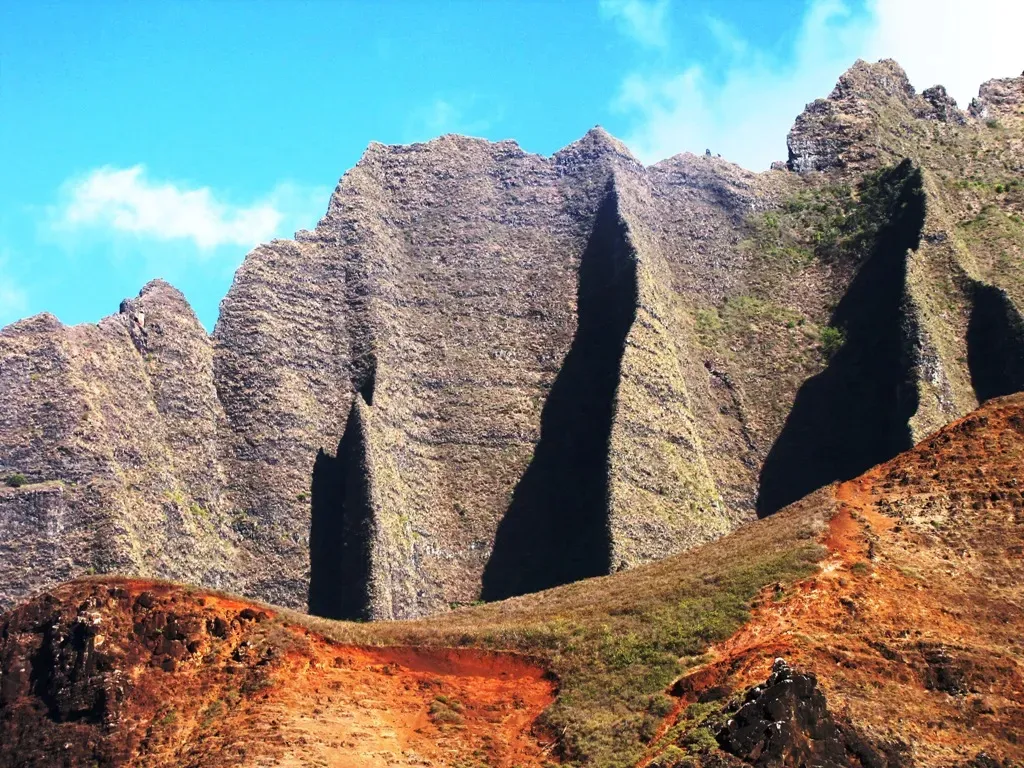
When you put these places side by side – the goosebump fields of Mima mounds, the desert polka dots of fairy circles, the lonely tower in Wyoming, the silent jars in Laos – you start to see your planet differently. Instead of a fully solved puzzle, Earth looks more like a book with whole pages blurred out, where you can recognize a few letters but not the full story. Modern tools let scientists map patterns, test hypotheses, and often eliminate bad ideas, yet some phenomena remain frustratingly immune to a final answer. The unknown is not just out in deep space; it is also under your own feet.
You might never personally visit most of these places, but just knowing they exist changes how you think about certainty. When even straightforward-seeming things like small hills, empty circles, or oddly shaped rocks can defy explanation for decades, you are reminded to hold your conclusions a little more lightly and your sense of wonder a little more tightly. Maybe the real value of these mysteries is that they keep you curious enough to keep asking questions – about Earth, about history, and about what else you still have not noticed. Next time you see an ordinary-looking landscape, are you sure it is really as simple as it seems?