If you zoomed out far enough, your entire life would look like a brief flicker under a restless sky. Earth has never been truly isolated; from the moment it formed, it’s been sculpted, battered, and fine‑tuned by forces from beyond our atmosphere. Some of those forces were gentle and steady, like a cosmic heartbeat. Others arrived as sudden shocks, rewriting the rules for life in a geological instant.
When you start to see Earth as part of a larger cosmic story, everyday things feel strangely different. The length of your day, the shape of continents, the air you breathe, even the existence of complex life all carry the fingerprints of celestial events. As you go through these ten phenomena, you’re not just reading about the distant past; you’re looking at why you are even here to wonder about it at all.
1. The Giant Impact That Created the Moon
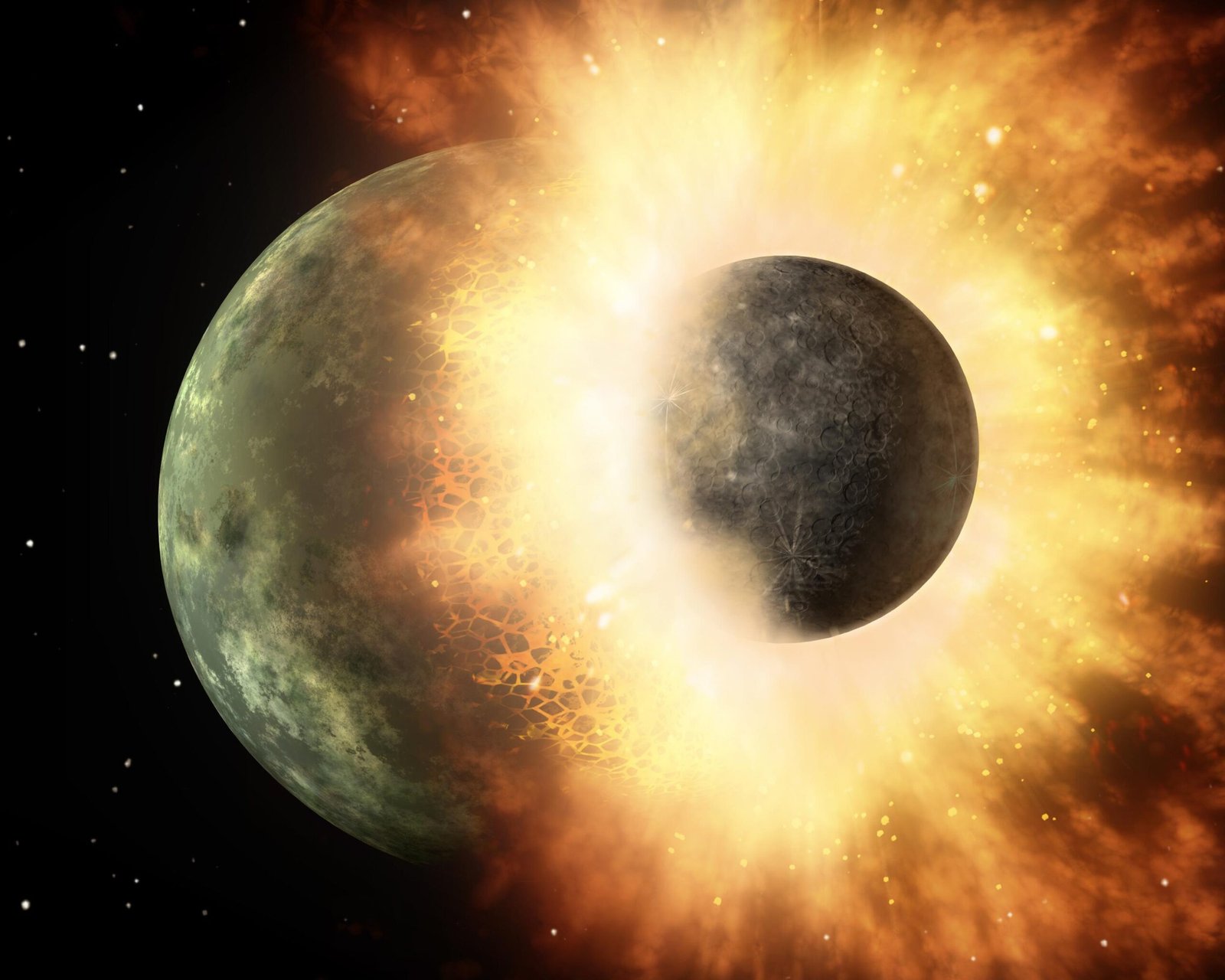
Imagine Earth in its infancy: molten, unstable, and already on a collision course with something almost as big as Mars. According to the leading giant impact hypothesis, a protoplanet often referred to as Theia slammed into the early Earth more than four billion years ago. Instead of simply shattering everything, this impact blasted material into orbit that eventually coalesced into the Moon you see today.
This single event reshaped your planet in ways you still feel every day. The impact likely stripped away some of Earth’s early atmosphere and mixed its interior, influencing its long-term geology and magnetic behavior. More importantly for you, the newly formed Moon’s strong gravitational pull helped stabilize Earth’s axial tilt, preventing wild swings in climate. Without that stabilizing presence, your world might have lurched between chaotic extremes, making it far harder for complex life – and eventually you – to emerge.
2. Tidal Forces and the Slow Drift of the Moon
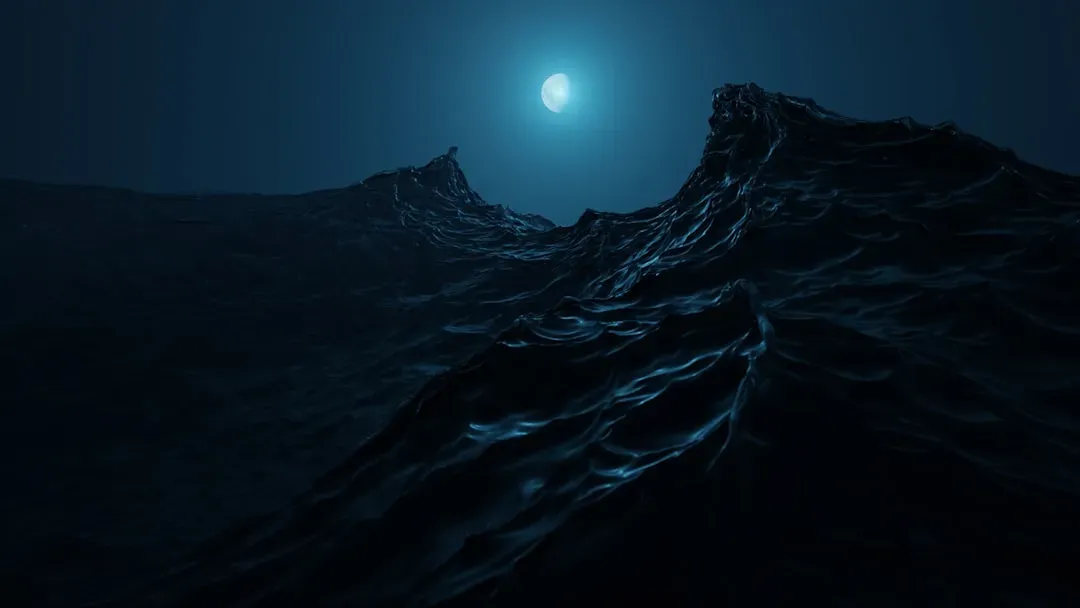
Every time you watch the tide roll in and out, you’re seeing the quiet but relentless tug-of-war between Earth and the Moon. Tidal forces not only move water; they transfer energy. Over hundreds of millions of years, that transfer has acted like a subtle brake, gradually slowing Earth’s rotation while nudging the Moon farther away. Your 24‑hour day is basically the result of this cosmic friction system settling into its current balance.
For early life, stronger tides and shorter days created a very different world from the one you know. Intense tidal zones along ancient coastlines may have concentrated organic molecules, providing natural “labs” where chemistry could get complicated enough to become biology. As the Moon crept outward and Earth’s spin slowed, climate patterns, winds, and ocean circulation changed too, shaping the environments life had to adapt to. When you think about your daily schedule, you’re really living by a clock wound by billions of years of lunar tides.
3. The Sun’s Evolving Brightness and the “Faint Young Sun” Problem
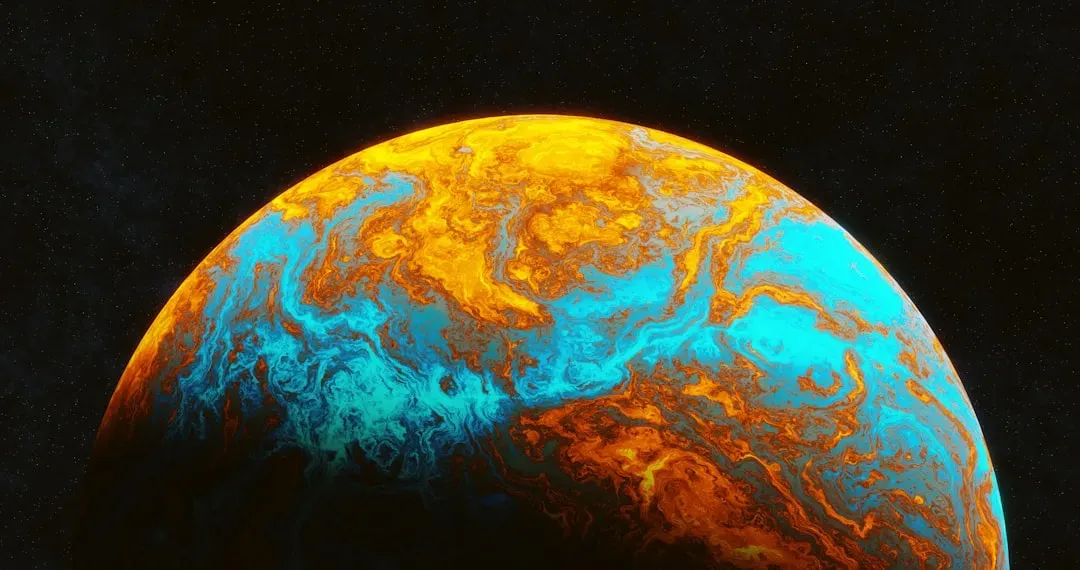
Here’s a paradox you probably don’t feel when you step outside: the Sun used to be dimmer, yet early Earth wasn’t a frozen snowball. When life first appeared, the young Sun was shining with significantly less energy than it does now. By simple math, your planet should have been locked in ice, but geological evidence shows liquid water and active chemistry. To reconcile this, you have to picture an atmosphere richer in greenhouse gases than today, trapping enough heat to keep the surface habitable.
As the Sun slowly brightened over billions of years, Earth’s climate system had to keep adjusting. Processes like weathering, plate tectonics, and the carbon cycle acted like a planetary thermostat, drawing down greenhouse gases as solar energy increased. You benefit from that long-term balancing act every time the seasons come and go within livable limits. If the Sun’s output or Earth’s ability to regulate its atmosphere had drifted even a bit differently, your planet might have ended up locked in permanent ice or searing heat long before humans arrived.
4. Asteroid Impacts and the Birth of Oceans and Crust
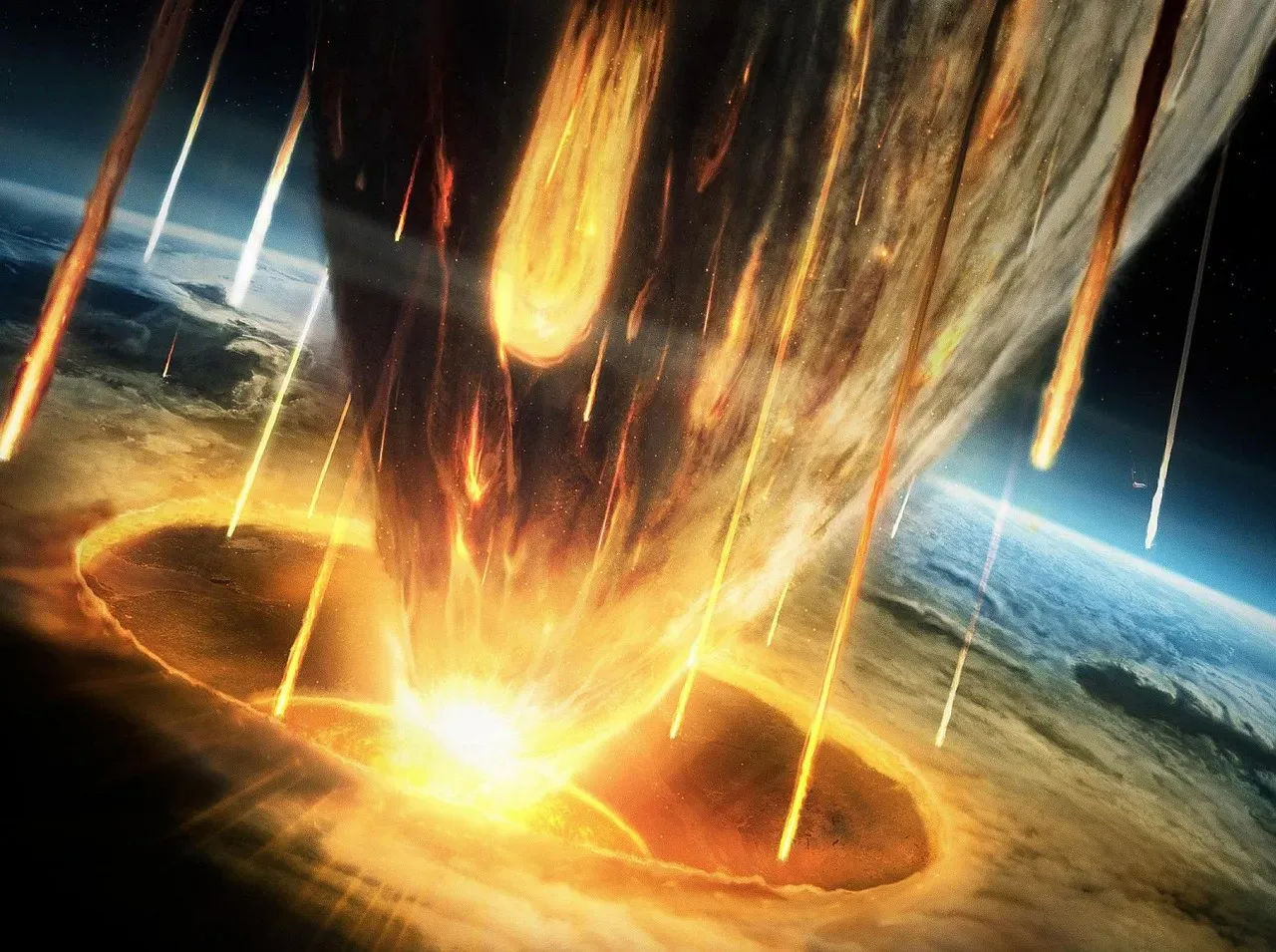
When you picture asteroid impacts, you might jump straight to extinction events, but early in Earth’s history they played a very different role. During a period often called the late heavy bombardment, countless space rocks and icy bodies repeatedly smashed into the planet. These impacts melted rock, reshaped the crust, and likely delivered significant amounts of water and volatile compounds that helped build your oceans and atmosphere.
For a while, life would have struggled to get any long-term foothold, because massive impacts could vaporize oceans or sterilize large parts of the surface. But as the bombardment tapered off, what was left was a world with a differentiated crust, deep basins ready to hold standing seas, and an atmosphere enriched by extraterrestrial material. Every time you look at an ocean horizon or walk across a stable continent, you’re standing in the aftermath of billions of years of cosmic rockfalls that quietly set the stage for habitability.
5. The Chicxulub Impact and the End of the Dinosaurs
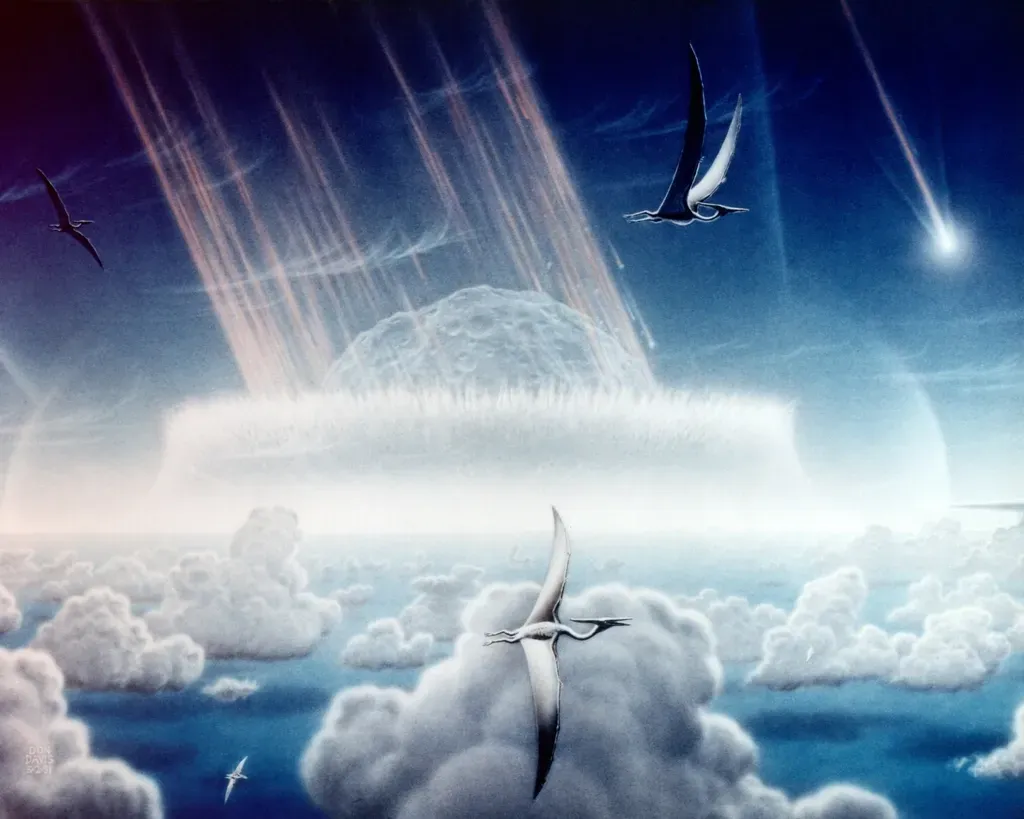
Now you arrive at one of the most famous celestial hits: the asteroid that slammed into what is now the Yucatán Peninsula about sixty‑six million years ago. This event, known from the Chicxulub crater, unleashed unimaginable energy, triggering wildfires, tsunamis, and a global dust veil that darkened the skies. In a geological blink, it ended the long reign of non‑avian dinosaurs and many other groups that had dominated Earth’s ecosystems.
For you, the important part is not just what died but what got a chance to diversify afterward. With the dominant megafauna gone, mammals – once small, mostly nocturnal creatures – rapidly radiated into new ecological roles. Over tens of millions of years, that opening eventually led to primates and, much later, modern humans. In a very literal sense, you owe your existence to a piece of rock from space that rewrote the evolutionary script in a single catastrophic moment.
6. Comet and Meteor Showers as Delivery Systems for Organic Ingredients
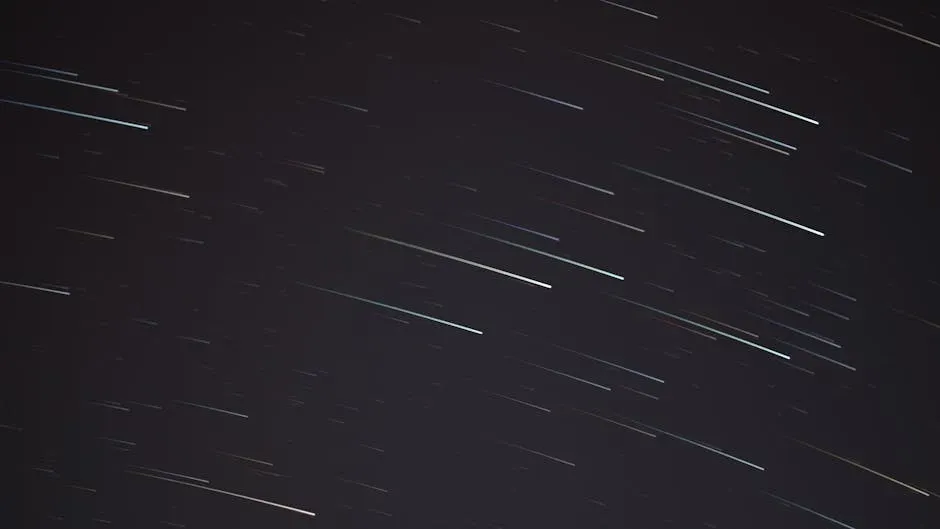
When you watch a meteor shower, it feels like pure spectacle, but those streaks of light hint at something deeper. Comets and certain types of meteorites carry organic molecules, including amino acids and other carbon-based compounds. When these objects hit Earth, especially in the early days, they may have sprinkled the planet with chemical building blocks that fed into the origin and early evolution of life.
You can think of this as a kind of cosmic grocery delivery service, dropping off ingredients rather than finished recipes. While life didn’t simply fall from the sky fully formed, repeated deliveries of complex molecules could have made prebiotic chemistry more efficient and more diverse. That means each shooting star you see today carries an echo of a time when similar fragments may have helped prime your planet for biology, even if the real cooking still had to happen in Earth’s own natural laboratories.
7. Solar Flares, Space Weather, and Earth’s Magnetic Shield
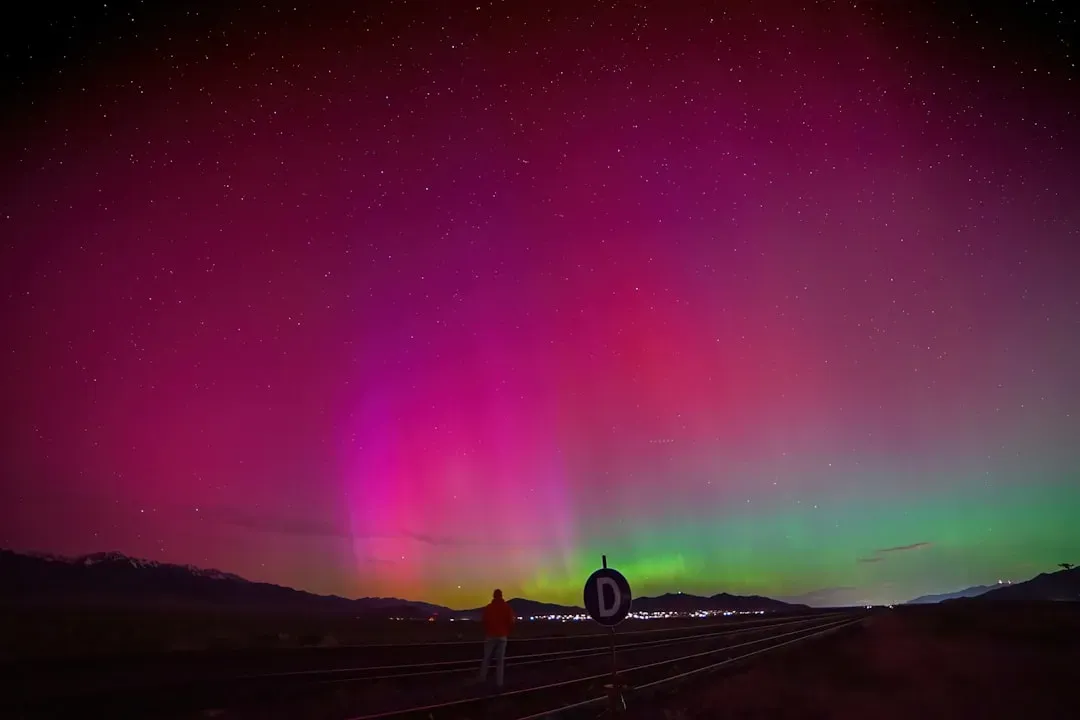
The Sun is not a calm, steady lamp; it’s an active, sometimes violent star. Solar flares and coronal mass ejections hurl charged particles into space, and when those particles slam into Earth’s magnetic field, you get space weather. Without protection, those storms could strip away the atmosphere and bombard the surface with radiation at levels deadly to complex life. Instead, you have a magnetic shield that deflects most of that danger and channels some of it toward the poles, where it creates auroras.
This shield depends on Earth’s internal dynamo – a churning, metallic core that generates a global magnetic field. Over time, this has helped preserve the atmosphere and allowed life to thrive on land rather than hiding only in deep water or underground. Every time you see a photo of glowing auroras, you’re looking at the visible edge of a system that quietly keeps your planet from becoming more like some of the harsher, stripped worlds elsewhere in the solar system. It’s a reminder that your safety depends not just on distance from the Sun, but on how your planet responds to its outbursts.
8. Milankovitch Cycles and the Rhythm of Ice Ages
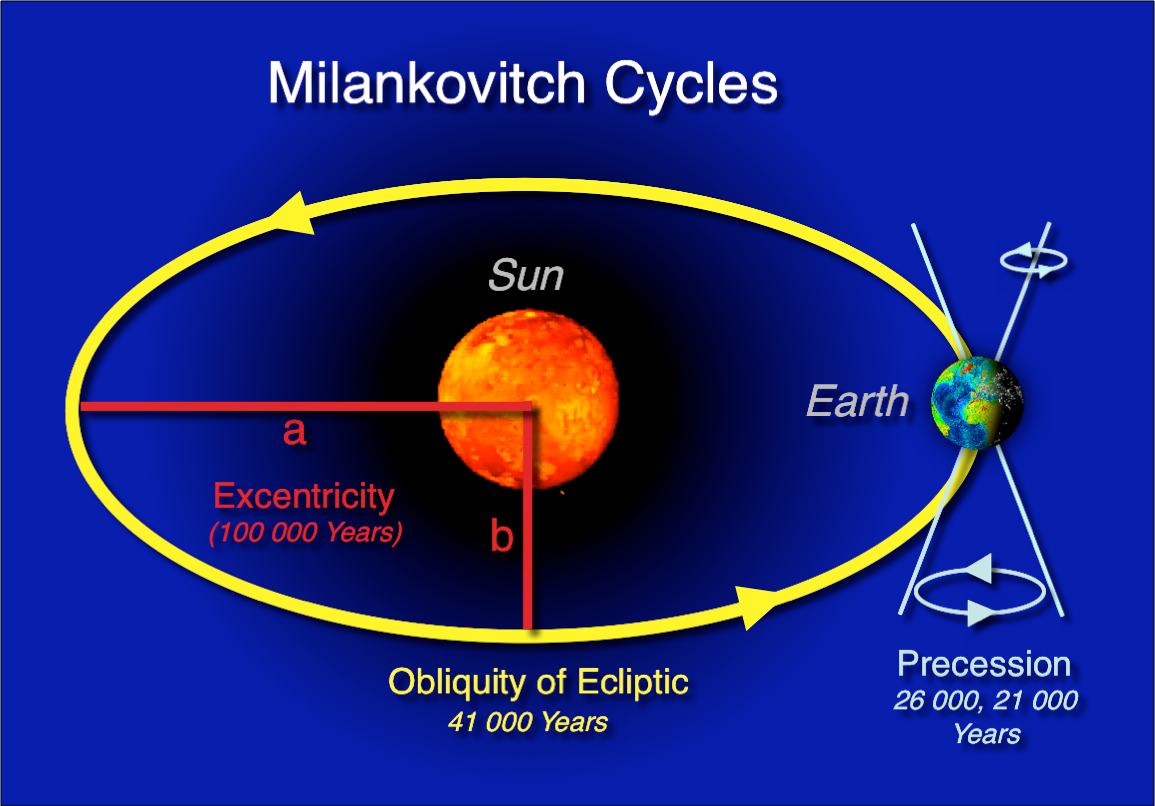
Earth’s orbit and tilt are not fixed; they slowly shift over tens of thousands of years in patterns known as Milankovitch cycles. The tilt of the axis changes, the orbit becomes more or less elliptical, and the direction of the tilt wobbles like a spinning top. On human timescales, these changes are invisible, but over long periods they alter how sunlight is distributed across the planet, especially between seasons and latitudes.
You feel the consequences in the timing of ice ages and warm interglacial periods. When orbital configurations reduce summer warmth in high northern latitudes, ice sheets can grow and persist, reshaping coastlines, climate zones, and ecosystems. As the cycles shift again, ice retreats and seas rise. Human evolution and migration unfolded against this backdrop of changing ice and climate, forcing your ancestors to adapt, move, and innovate in response to slow but relentless celestial rhythms they couldn’t see but definitely lived through.
9. Supernovae and the Heavy Elements in Your Body
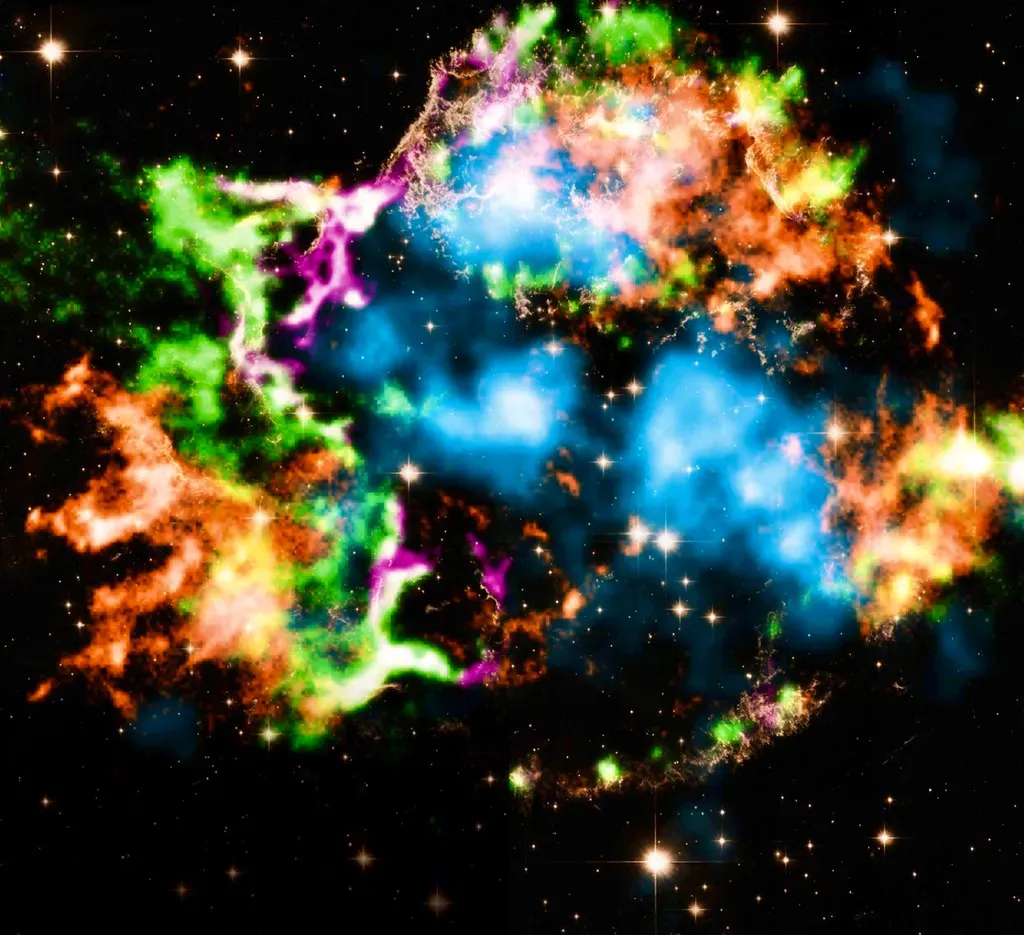
If you trace the atoms in your body back far enough, you end up inside exploding stars. Elements heavier than helium – from the calcium in your bones to the iron in your blood – were forged in the cores of massive stars and during their explosive deaths as supernovae. Those blasts seeded space with enriched material that later got recycled into new star systems, including the one you live in now.
So when you say you are made of stardust, you’re not being poetic; you’re being literal. The solar nebula that formed your Sun, planets, and everything on Earth was already laced with these heavy elements from ancient stellar explosions. Without those distant, violent events, you would have a universe rich in hydrogen and helium but desperately poor in the chemistry needed for rocks, oceans, or biology. You owe your planet’s very material substance to stars that lived and died long before Earth ever existed.
10. The Sun’s Distant Future and the Limits of Earth’s Habitability
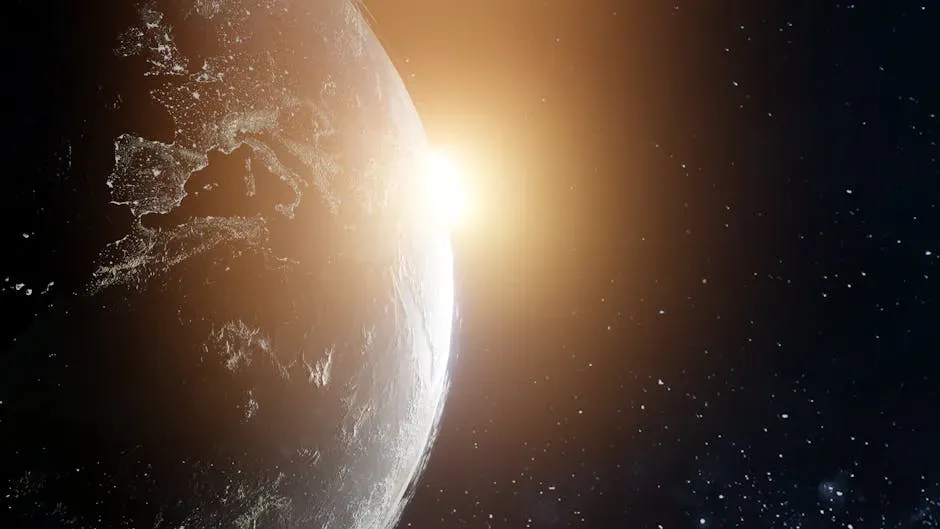
While you’re used to thinking of the Sun as steady and eternal, it has a life story too – and you are somewhere in the middle of it. As it continues to burn hydrogen in its core, it will keep getting brighter and slightly larger. Far in the future, that increase in energy will likely push Earth’s climate into a runaway greenhouse state, boiling away the oceans and making the surface uninhabitable long before the Sun swells into a red giant.
This distant fate sets a time limit on how long Earth can remain friendly to complex life, no matter what humans do. On cosmic timescales, your planet is a temporary oasis under a gradually intensifying star. Knowing that doesn’t change your day-to-day life, but it does shift your perspective: you live at a particularly lucky moment, when conditions are stable enough for a technological civilization to exist. In the grand timeline of the universe, your window is precious and fleeting, and that makes what you do with it feel a lot more meaningful.
Conclusion: Living on a Planet Written by the Sky
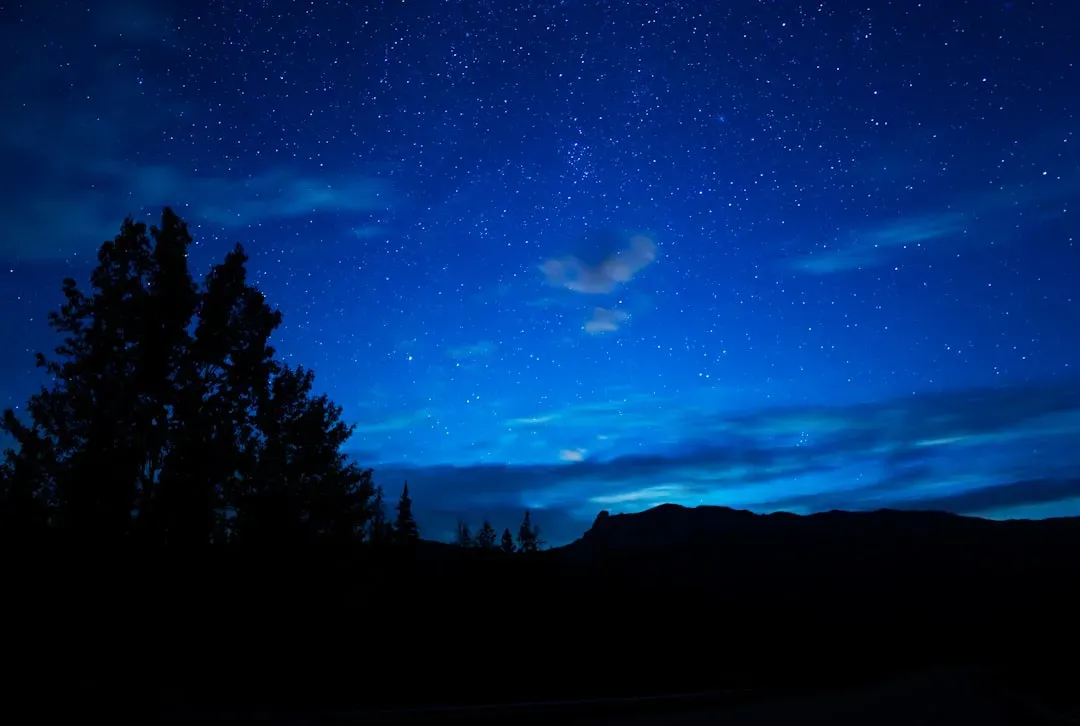
When you step back and connect these stories, you start to see Earth not as a self-contained bubble, but as a chapter in a much larger cosmic narrative. A colossal impact gave you the Moon and stable seasons, countless smaller collisions helped build your oceans and crust, and orbital rhythms choreographed ice ages that shaped where and how your ancestors lived. Meanwhile, the Sun’s moods, nearby stellar explosions, and even the galaxy’s structure have all left their marks on your world.
You live on a planet whose history is literally written by the sky, from the atoms in your body to the length of your day and the diversity of life around you. The next time you look up at the Moon, watch a meteor streak across the night, or catch a hint of the Milky Way, you’re not just stargazing – you’re visiting the forces that made you possible. Knowing that, how can you look at a clear night and see it as anything less than a mirror of your own story?