If you grew up thinking endangered animals only lived in distant rainforests or on isolated islands, the reality might surprise you. Some of the most threatened creatures on Earth are living quietly in the United States, often just out of sight on beaches you walk, rivers you drive past, or forests you hike through. They’re not just abstract symbols on a list; they’re neighbors sharing your home turf, silently depending on what you know and what you choose to do.
When you start to look closer, you realize that protecting these animals is less about grand gestures and more about small, steady choices – what you buy, where you walk, how you vote, what you share with friends. As you explore these seven endangered US animals, you’ll see that you don’t need to be a scientist or a ranger to make a real difference. You just need curiosity, a bit of awareness, and the willingness to act on what you learn.
Florida Panther – The Ghost of the Swamps
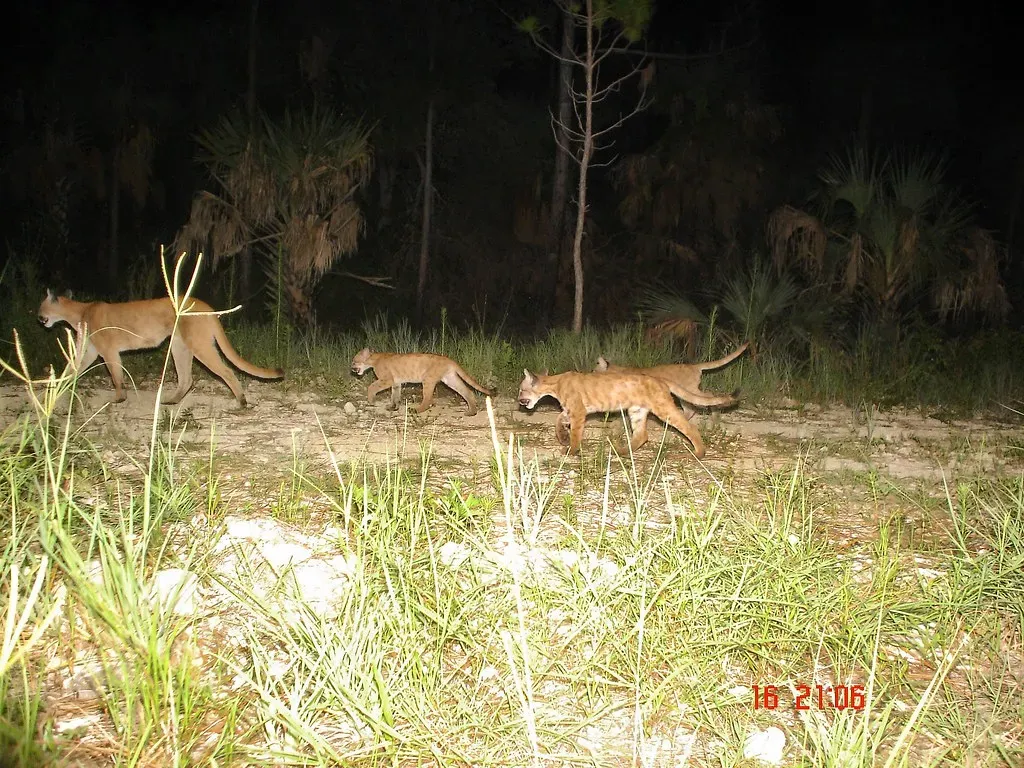
If you ever find yourself in South Florida’s tangled forests or cypress swamps, you’re walking through the last stronghold of the Florida panther. This big cat is a subspecies of the cougar, now restricted to a small corner of the state after losing nearly all of its original range. It has become one of the most iconic endangered animals in the US, with only a small population surviving in the wild. The main threats it faces are habitat loss from development, collisions with vehicles, and genetic problems that come from such a tiny, isolated population.
You can help this “ghost of the swamps” in ways that may seem surprisingly ordinary. If you live in or visit Florida, you can support wildlife crossings and reduced speed zones on panther roads, and you can back conservation groups that buy and protect critical habitat. You can also pay attention to how new housing, roads, and commercial projects in Florida are planned and speak up when they push deeper into panther territory. Even from afar, you can donate to reputable panther research programs and share credible information so more people understand that the Florida panther is hanging on by a thread – and that your choices influence whether that thread holds.
Hawaiian Monk Seal – The Island Survivor
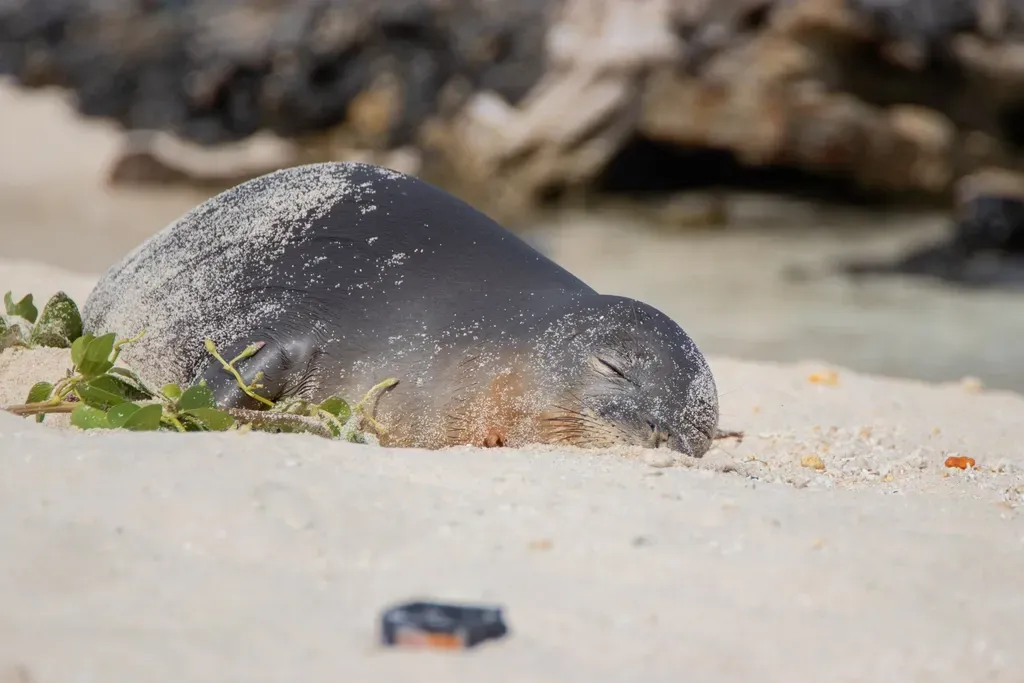
When you picture Hawaii, you might think first of beaches and palm trees, but one of the rarest marine mammals on Earth also calls those islands home. The Hawaiian monk seal is found almost entirely within US waters, mainly around the Northwestern Hawaiian Islands and some of the main islands. It faces a tough combination of problems: entanglement in discarded fishing gear, reduced prey in some areas, habitat loss from rising seas and coastal development, and occasional conflicts with people and dogs on busy beaches. Because it breeds and rests on land, it’s unusually exposed to what you and other visitors do along the shoreline.
If you visit Hawaii, you can help simply by respecting distance rules, keeping dogs leashed, and reporting any seals you see that look injured or entangled to local authorities. You can also support cleanup efforts that remove ghost nets and plastic from beaches and nearshore waters, reducing the risk of entanglement. Even if you never set foot on the islands, your choices about single‑use plastic, seafood, and tourism companies matter: you can favor operators who follow wildlife‑friendly guidelines and avoid supporting activities that disturb resting seals. In short, you can treat the Hawaiian monk seal as a neighbor whose home you’re borrowing for the day, not a prop in your vacation photos.
Red Wolf – The Vanishing Howl of the Southeast
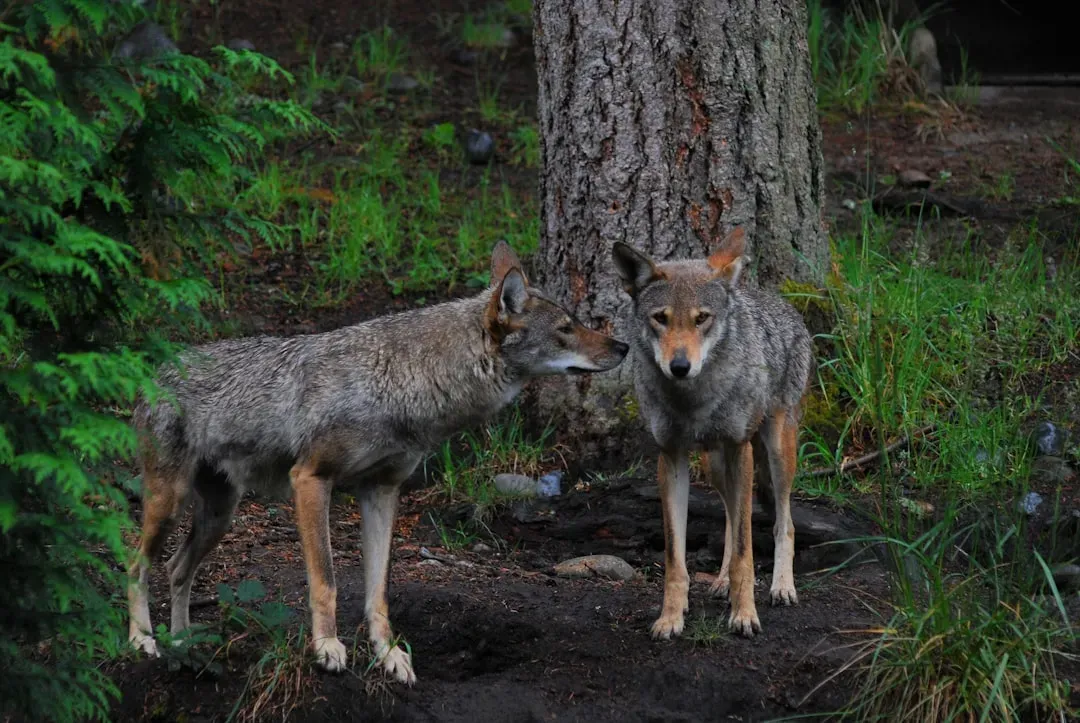
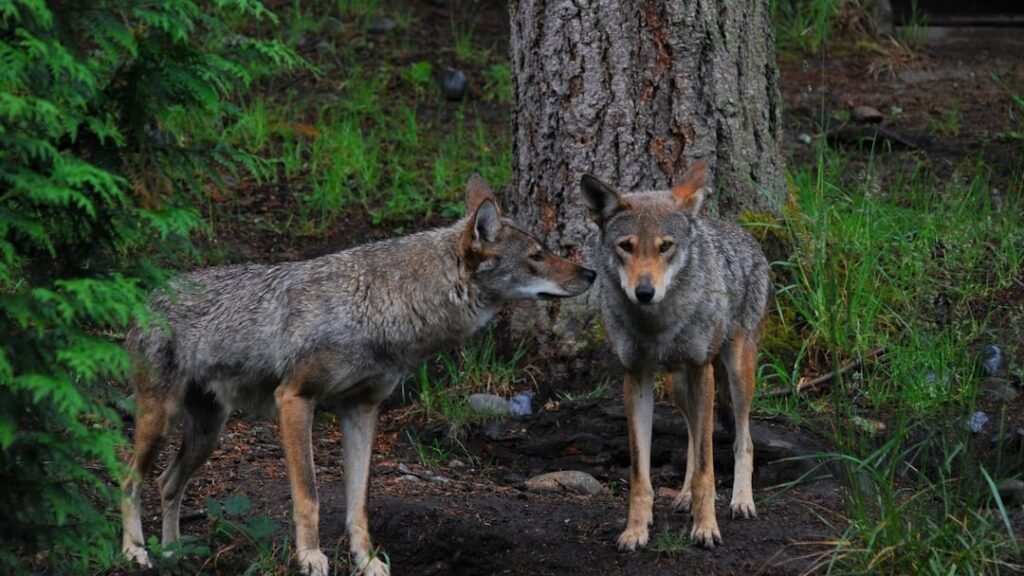
Imagine standing in a coastal marsh at dusk and hearing a wild, rising howl that almost no one in the country has heard in person. That sound belongs to the red wolf, once native to large parts of the southeastern US and now reduced to a tiny reintroduced population in and around eastern North Carolina. The red wolf was officially declared extinct in the wild in the late twentieth century, then brought back through a bold captive breeding and release effort. Since then, it has struggled with habitat fragmentation, conflicts with people, illegal killings, and hybridization with coyotes.
You can support red wolves by backing organizations that work on coexistence, rather than simply fencing or shooting predators. If you live in or near red wolf country, you can keep pets secured at night, support responsible hunting practices that avoid mistaken identity, and share accurate information when neighbors repeat myths about wolves. You can also encourage local decision makers to fund non‑lethal conflict prevention, like better livestock enclosures and clear identification requirements for night hunting. Even your willingness to learn the difference between wolves, coyotes, and dogs – and share that knowledge calmly with others – helps create a culture where the red wolf has a chance to keep howling.
Hawksbill Sea Turtle – The Jewel of the Coral Reefs
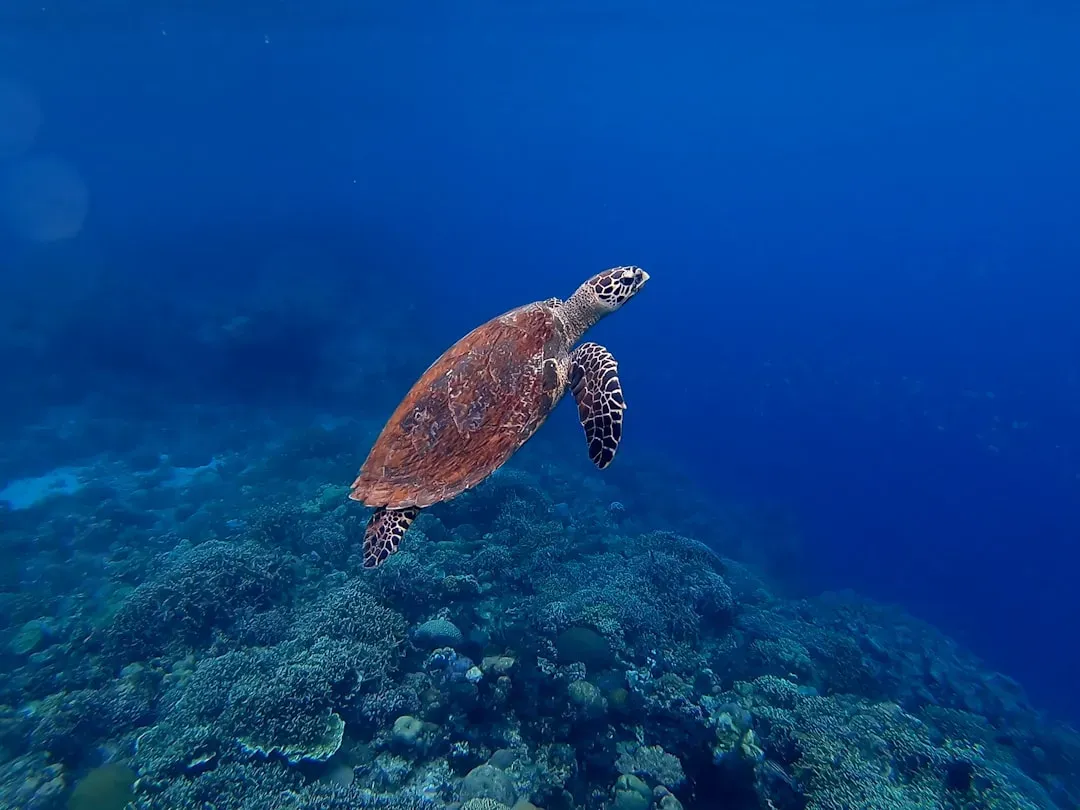
If you’ve ever snorkeled over a coral reef and seen a turtle with a sharply pointed beak and a beautifully patterned shell, you may have met a hawksbill. In US waters, hawksbill sea turtles nest mainly in places like Puerto Rico, the US Virgin Islands, and parts of Florida, while roaming widely through coral reef habitats. They are critically endangered globally and have been harmed by historical hunting for their ornate shells, habitat loss on nesting beaches, entanglement in fishing gear, and coral reef decline. Lights from beachfront buildings can also disorient hatchlings, drawing them inland instead of toward the sea.
You can protect hawksbills by supporting dark‑sky and turtle‑friendly lighting rules along nesting beaches, and choosing accommodations and tour operators that follow those guidelines. When you’re in the water, you can avoid standing on or touching coral, and you can never chase or crowd a turtle for a photo, which stresses them and can change their natural behavior. At home, you can reduce plastic use, support reef‑safe sunscreen, and back reef restoration projects, because healthy reefs provide food and shelter for hawksbills. Every time you shift from treating the ocean as a backdrop for your vacation to treating it as a living neighborhood, you give hawksbills a better chance to survive.
California Condor – Giant Wings Over Western Skies
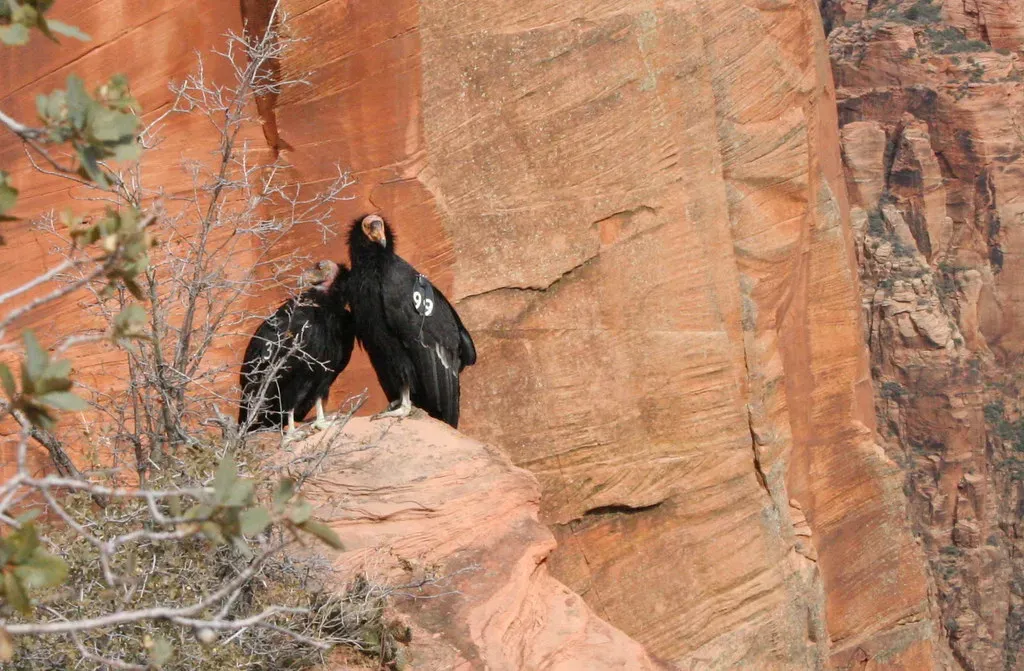
There’s something almost prehistoric about seeing a California condor glide overhead, with wings broader than you are tall and white patches flashing under its feathers. This massive scavenger once ranged widely across the American West, but by the late twentieth century, only a tiny handful remained, all in captivity. Thanks to intensive conservation, condors have been reintroduced to parts of California, Arizona, Utah, and Baja California, yet they remain highly endangered. The biggest ongoing threat is lead poisoning from bullet fragments in carcasses and gut piles left behind by hunters.
You can help condors most directly by supporting or personally using non‑lead ammunition if you hunt, and encouraging others to do the same. You can also back programs that monitor condors, provide supplemental food when needed, and rescue sick birds for treatment. If you visit condor areas, you can keep a respectful distance, avoid disturbing nests, and report any injured birds to local wildlife managers. Just talking openly about how simple changes in hunting practices can save a species often shifts the conversation from blame to shared responsibility – and that gives condors a much better future.
West Indian Manatee – Gentle Giants of Warm Waters
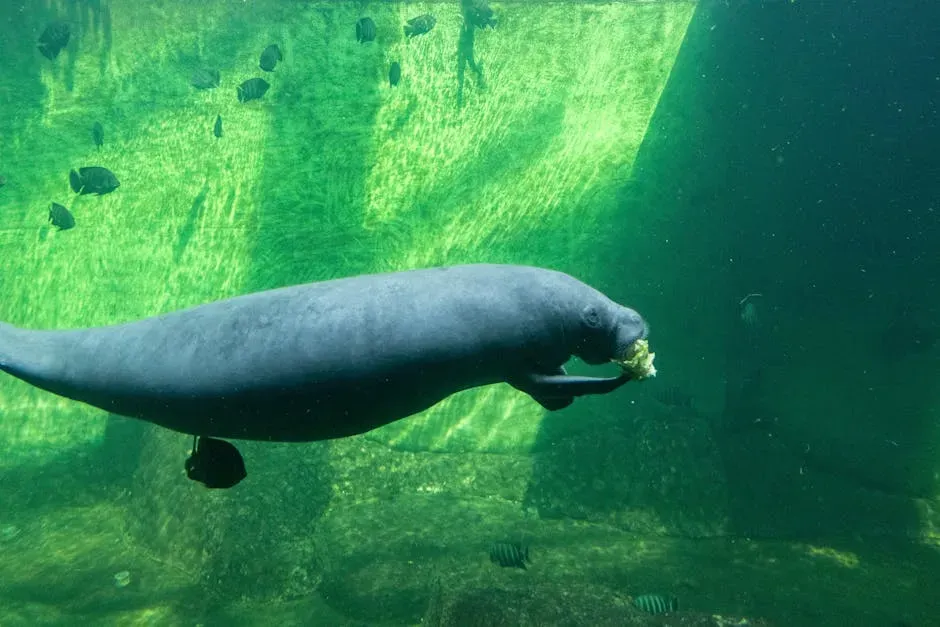
In winter, if you look into the warm outflows of Florida’s springs and power plants, you might see a cluster of gray, slow‑moving shapes drifting like submerged boulders. Those are West Indian manatees, protected under US law and considered threatened, with some regional populations facing serious pressure. They’re gentle grazers, feeding on seagrass and other vegetation in shallow waters, and they are vulnerable to boat strikes, cold stress during harsh winters, red‑tide events, and seagrass die‑offs linked to pollution. Scars from boat propellers are so common that many manatees can be identified just by the patterns on their backs.
You can help manatees by obeying slow‑speed zones, especially in known manatee areas, and by avoiding shallow seagrass beds with fast boats or jet skis. If you paddle or kayak, you can keep a lookout and give them space, instead of trying to touch or ride them, which is stressful and illegal in many places. You can also support efforts to clean up waterways, reduce fertilizer and stormwater runoff, and restore seagrass, since a hungry manatee is more likely to suffer through cold or disease. Even reporting manatee sightings or distressed animals to hotlines helps researchers track where they go and what they need from you to survive.
Indiana Bat – A Tiny Guardian of Summer Skies
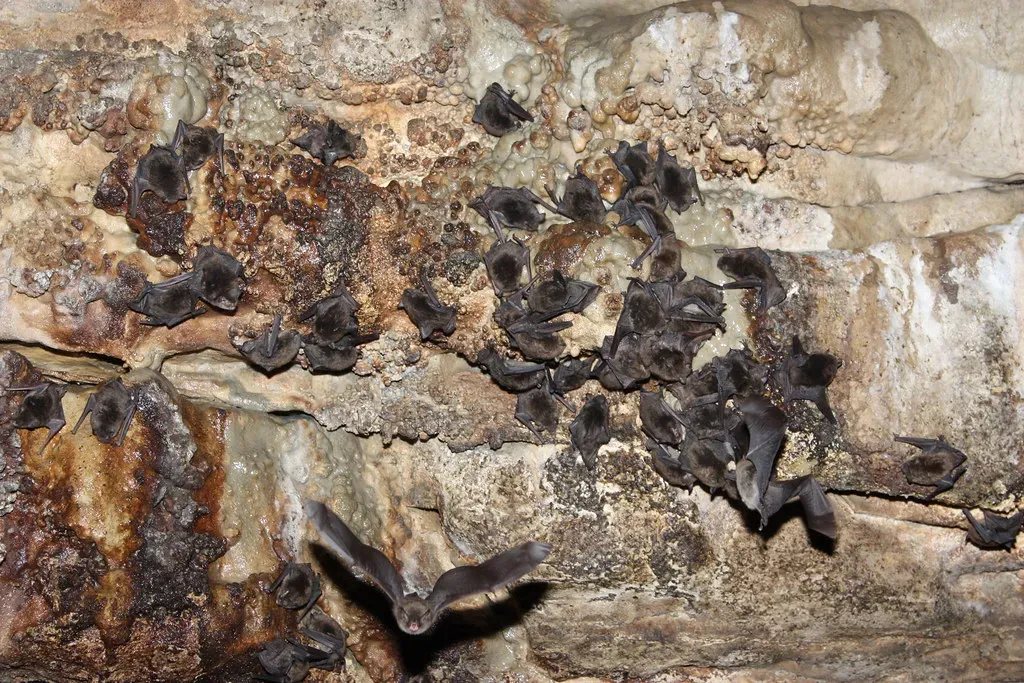
On a warm summer night in the eastern and midwestern US, you might see small bats flitting overhead, quietly devouring insects long before you even think about reaching for bug spray. Some of those could be Indiana bats, a federally endangered species that hibernates in a handful of caves across several states and spends the summer in forests and along rivers. They face a devastating disease called white‑nose syndrome, which has killed large numbers of bats, along with habitat loss from logging, development, and changes to cave environments. Because bats are small and mostly active at night, they’re often misunderstood or ignored, even though they provide you with free pest control.
You can help Indiana bats by supporting the protection of caves and old trees, especially large snags and riparian forests that female bats use for maternity roosts. If you’re a caver or hiker, you can follow decontamination guidelines to avoid carrying fungal spores from one cave to another, and respect seasonal cave closures meant to protect hibernating bats. At home, you can install bat houses, reduce pesticide use, and correct neighbors who repeat myths about bats being aggressive or useless. By shifting how you talk about bats – from fear to respect – you create more support for the quiet, behind‑the‑scenes work that keeps Indiana bats and other species in the air.
When you step back and look at all seven of these animals together, you start to see a pattern: each one is a kind of mirror reflecting how you treat land, water, and shared space. Whether it’s a panther on a back road, a turtle hatchling on a dark beach, or a bat over your yard, none of them are asking you for perfection. They’re asking for awareness, room to live, and a bit of patience.
You may never meet a Florida panther or a California condor in person, but your choices about speed limits, plastic, ammunition, lights, and land use echo directly into their lives. Every time you pause before buying something, speak up in a local meeting, or simply share what you’ve learned with someone else, you shift the odds slightly in their favor. Conservation is rarely a single heroic act; it’s a long series of ordinary decisions made by people like you. Knowing that, which of these animals will you keep in mind the next time you step outside and look around?