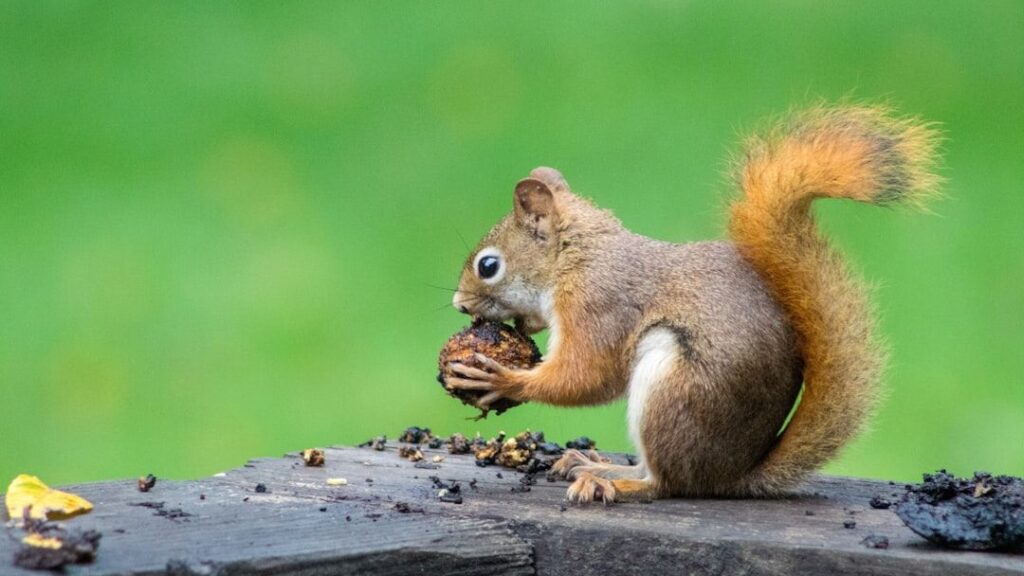

If you’ve ever watched a squirrel dash across a fence or freeze with a nut in its mouth, you already know they’re oddly fascinating. But once you look a bit closer, you realize these fluffy-tailed acrobats are living much more complex, surprising lives than you see at first glance.
As you read through these facts, you’ll start to notice your neighborhood squirrels differently: not just as cute background noise, but as clever little survivors with impressive memory, social drama, and a serious talent for problem-solving. By the end, you might even find yourself rooting for the squirrel that raids your bird feeder… at least a little.
1. You Think They Forget Their Nuts, But They’re Actually Using A Smart System
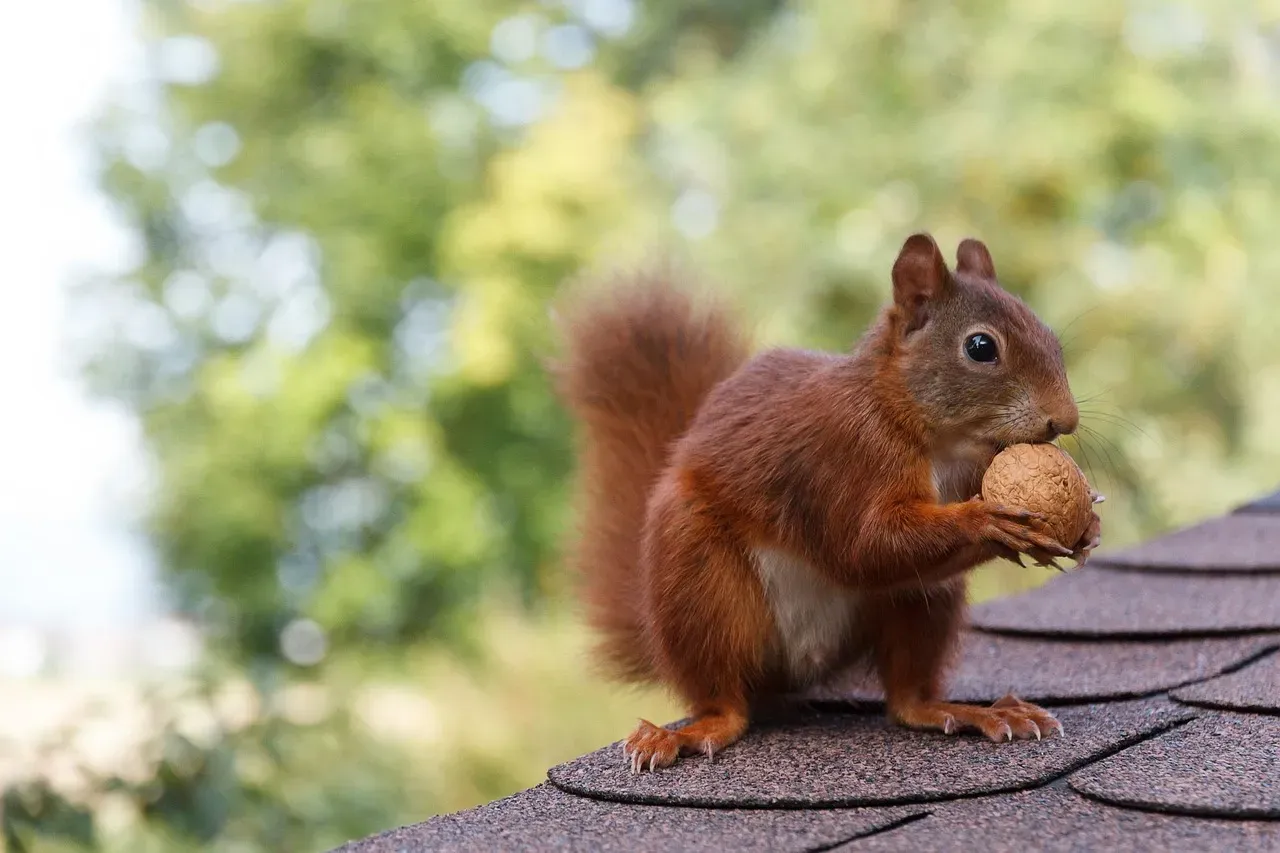
You’ve probably assumed squirrels just bury nuts randomly and hope for the best, but that is not what’s happening. When you watch a squirrel digging hole after hole, you’re seeing a strategy called scatter hoarding, where food is spread across many small caches to reduce the risk of losing everything at once. Instead of one big pantry, they build dozens or even hundreds of tiny “banks” in the ground, so a thief or a bad storm cannot wipe out their entire stash.
What makes this even more impressive is that squirrels remember their hiding spots using spatial memory and landmarks, not by relying on smell alone. You might see them pause and look around, almost like they’re taking mental snapshots of trees, rocks, or pathways nearby. Later, they use those visual cues and their internal map of the area to dig up what they stored. So when you see a squirrel calmly dig in the exact right spot months later, you’re looking at a tiny animal using a surprisingly advanced memory system.
2. They “Fake Bury” Food To Confuse Thieves Watching Them
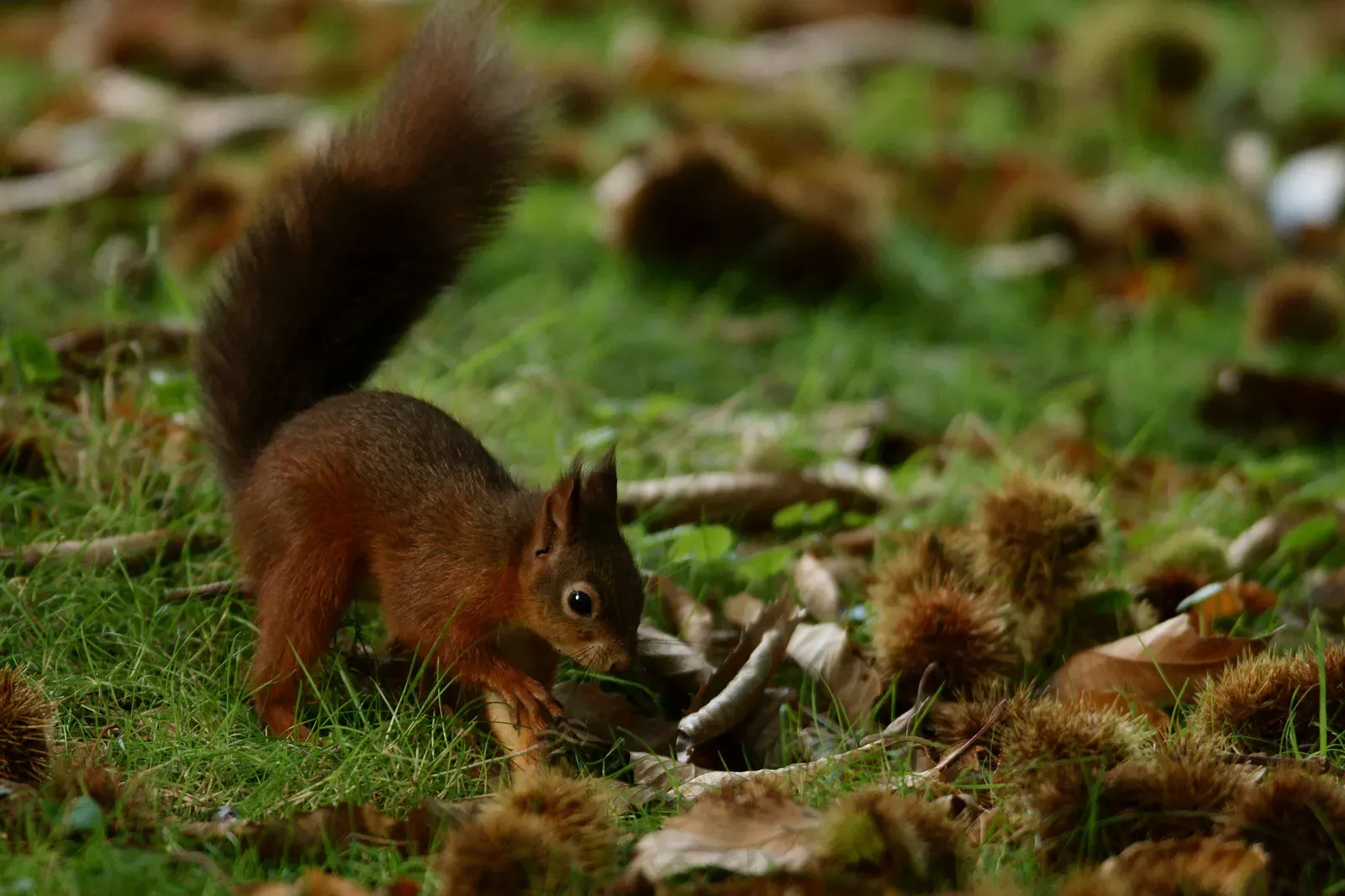
If you’ve ever felt paranoid about someone watching over your shoulder, you and a squirrel have more in common than you think. When a squirrel notices another animal paying a little too much attention, it may perform what looks like a normal burial but without actually leaving the nut in the ground. It digs, pretends to drop the food, covers the spot carefully, and then sneaks off with the nut still hidden in its mouth.
In other words, you’re watching a bluff. This behavior helps throw off would-be thieves, like other squirrels, birds, or small mammals lurking nearby. Instead of relying on brute strength, squirrels lean on deception, almost like a magician doing a misdirection trick. The next time you see a squirrel acting oddly dramatic around a nut, there’s a good chance it’s not confused at all – just outsmarting anyone trying to steal its lunch.
3. Their Front Teeth Never Stop Growing (And They Have To File Them Down)
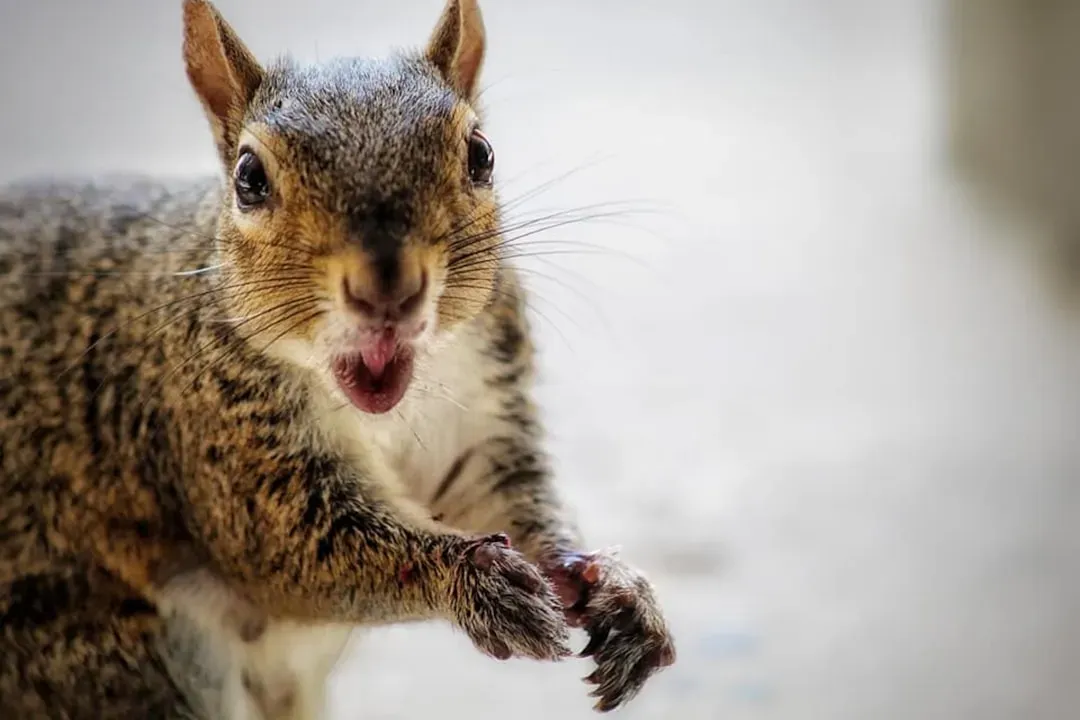
Chewing is basically a built-in dental plan for a squirrel. Every time it gnaws on a nut shell, a branch, or even your wooden deck rail, it’s keeping those teeth worn down to a healthy length. You can think of it like you trimming your nails regularly, except their “trimming” is done by constant biting and scraping. So when you see a squirrel obsessively chewing something tough, it’s not just being destructive – it’s literally maintaining its survival tools.
4. You Can “Hear” Their Mood If You Listen To Their Calls And Tail Flicks
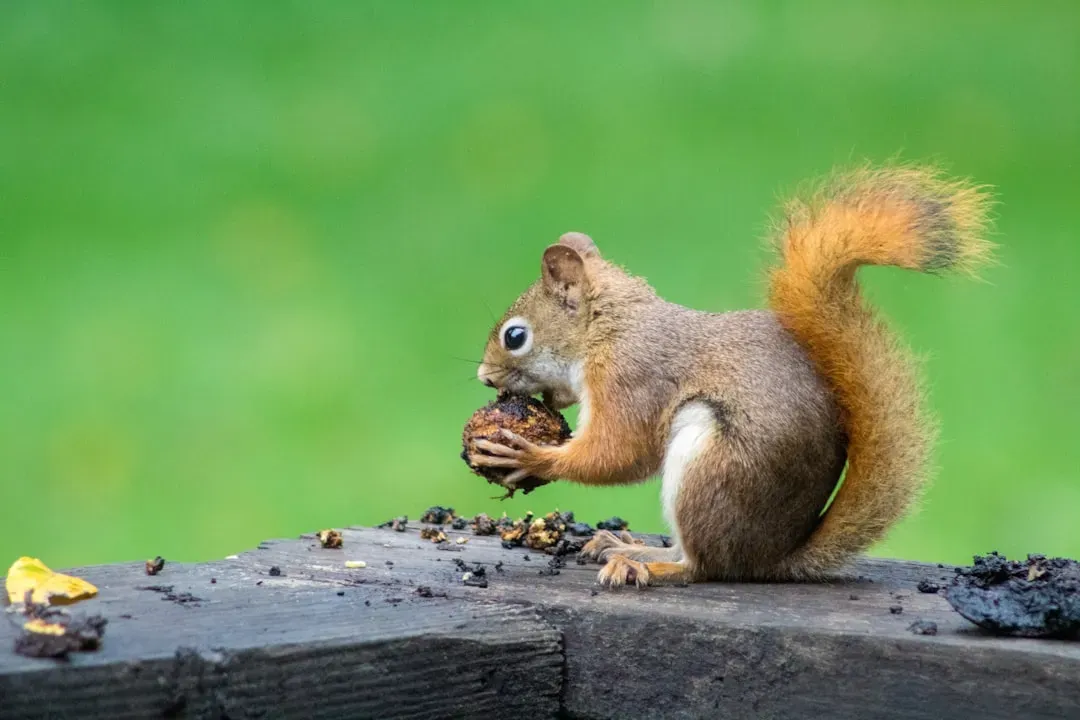
At first, all squirrel sounds may blend into background chatter, but once you start paying attention, you can pick up patterns. Squirrels use a mix of chirps, barks, and even soft “mew” or “muk-muk” sounds to communicate different messages. Some calls are sharp and repetitive, especially when they spot a predator, while others are more gentle and used around young or potential mates.
Their tail is another part of their communication toolkit, and you can almost read it like a flag. Quick, jerky flicks often signal agitation or warning, especially when a squirrel is scolding a predator or even you. Slow and controlled tail movements can help with balance when they jump, but they can also be part of subtle signaling to other squirrels. So if a squirrel seems to be chattering and snapping its tail at you from a tree, you’re probably not imagining it – there’s a good chance you’re being told off.
5. They’re Acrobat Pros: Your Fence Is Basically A Squirrel Highway
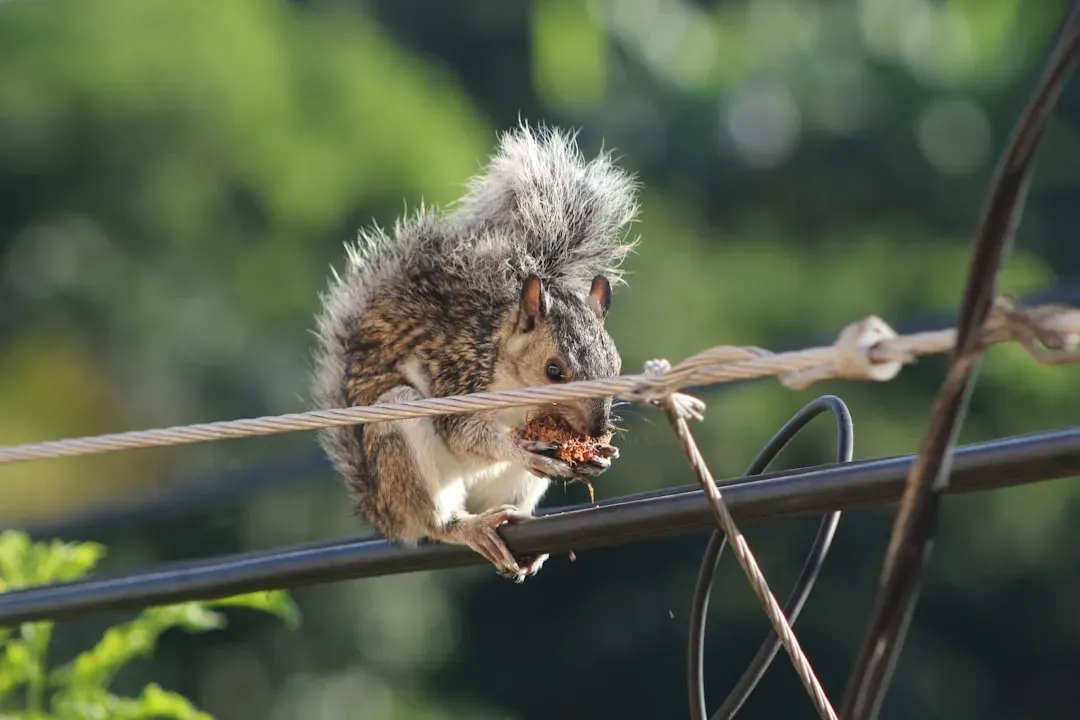
When you see a squirrel effortlessly race across a thin wire or leap from branch to branch, you’re watching a specialist in balance and agility. Their long tails act like a counterweight, helping them stabilize in midair and recover quickly if they slip. Strong hind legs give them powerful pushes for leaps that look ridiculous if you scale them up to human size.
They combine this physical ability with sharp spatial judgment, constantly sizing up distances and landing spots in fractions of a second. That’s why squirrels can navigate phone lines, railings, fences, and rooftops like a custom-built obstacle course. To you, that wire might look like a dangerous tightrope, but to a squirrel it’s just the fastest route from one food source to another. Your entire neighborhood skyline becomes one big squirrel highway once you know what you’re looking at.
6. Some Squirrels “Plant” Forests Without Realizing It
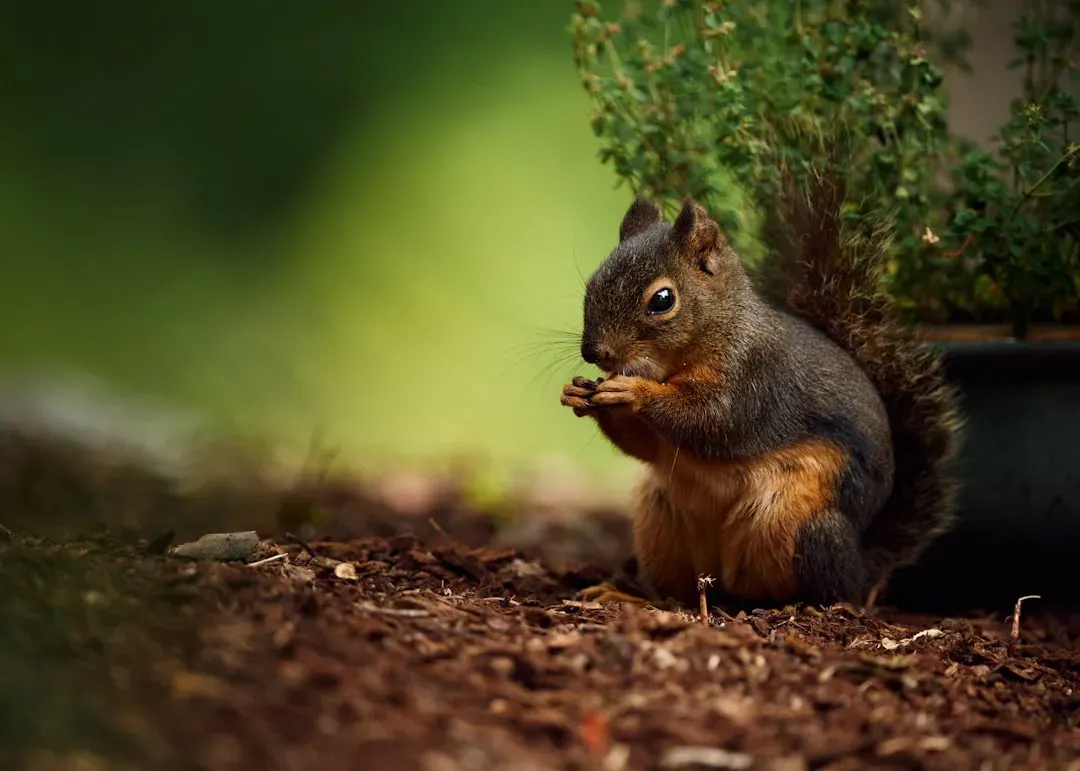
You might think of squirrels as little hoarders, but in a way, they’re also accidental gardeners. When they bury nuts and do not come back to retrieve them, those forgotten seeds can eventually sprout into new trees. Over years and decades, this simple behavior helps shape forests and woodlands, especially for trees like oaks that produce acorns.
You can imagine each buried nut as a tiny lottery ticket for the forest’s future. Most will be dug up and eaten, some will rot, but a small number will turn into fully grown trees. That means the squirrel that once annoyed you by digging up your flower bed might indirectly be helping maintain the health and diversity of local ecosystems. Without knowing it, you’re watching a partnership between animal and tree play out right under your nose.
7. They Can Handle Falls From Heights That Would Seriously Injure You
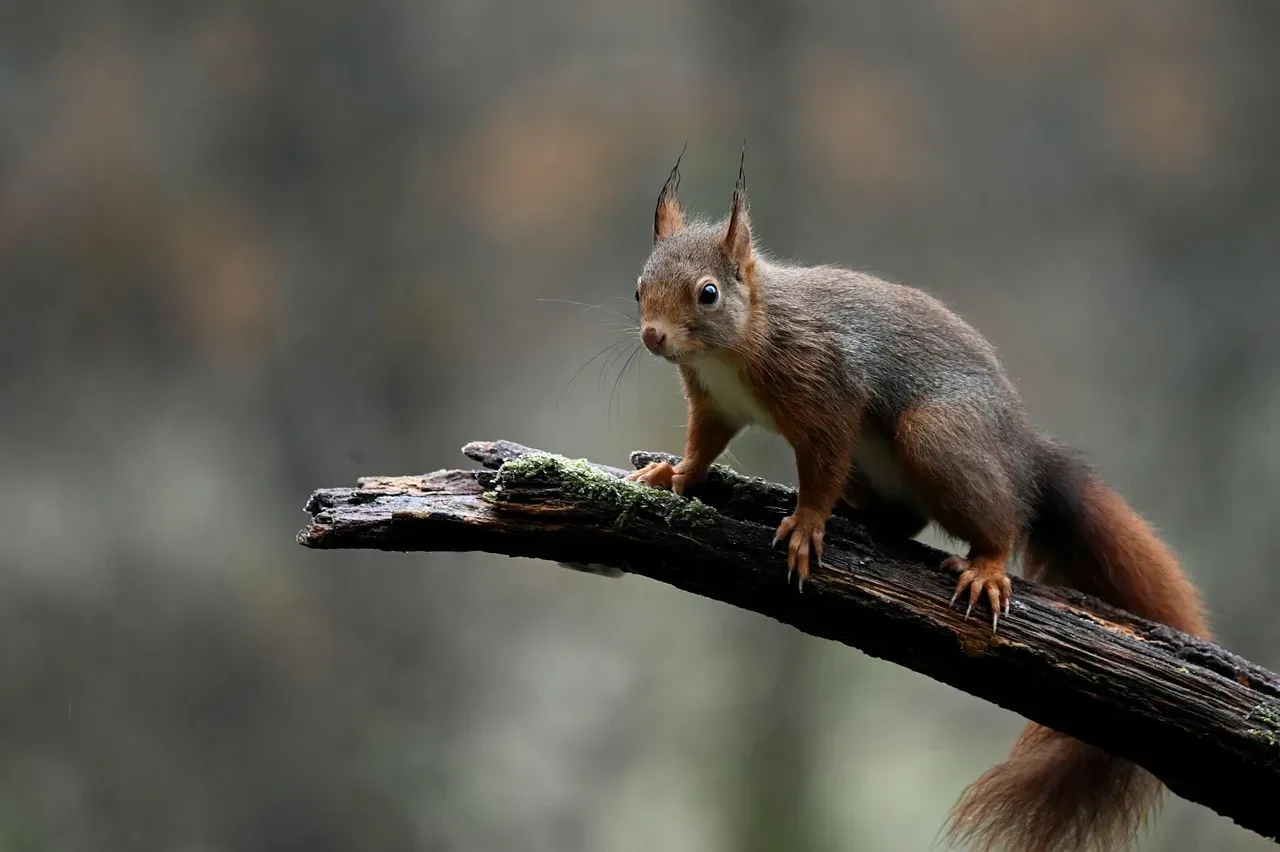
When a squirrel slips from a high branch, your instinct might be to wince and look away. But squirrels are built in a way that lets them survive falls that would be extremely dangerous for you. Their small, light bodies and fluffy tails help slow their descent, and their flexible joints act like shock absorbers when they hit the ground.
They can also twist in the air to orient themselves for a safer landing, a bit like a tiny, furry gymnast adjusting mid-flip. Add in those strong hind legs for push-off and impact, and you get an animal that can often walk away from drops that look terrifying. So if you see a squirrel take what looks like a horrible fall and then run off like nothing happened, that’s not a miracle – it’s physics and anatomy working together in its favor.
8. They’re Much Better Problem-Solvers Than You Probably Give Them Credit For
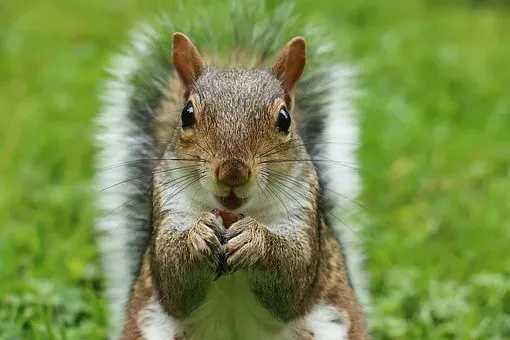
If you’ve ever tried to keep a squirrel off a bird feeder, you already know how relentless they can be. What you might not realize is that you’re basically giving them a puzzle to solve, and they’re more than up for it. Squirrels learn by trial and error, testing different tactics – climbing, jumping, hanging upside down – until they find something that works.
Over time, they remember what succeeds and even adapt when you change the setup. To you, it might feel like an ongoing battle of wits, but from the squirrel’s point of view, it’s just another challenge to figure out in order to get a good meal. When you watch one pause, look around, and then calmly try a new approach, you’re seeing genuine problem-solving in action. In a quiet way, that little animal is telling you it’s not nearly as simple-minded as people often assume.
Once you start noticing these details, squirrels stop being just background wildlife and become complex little characters you share space with every day. You see their tricks, their strategies, their clumsy moments and their genius-level solutions, and suddenly that rustle in the trees feels a lot more interesting.
The next time a squirrel stares you down from a fence post or sprints across a power line, you’ll know there’s far more going on than just random scurrying. You’re watching a tiny survivor with memory, strategy, personality, and a surprising impact on the world around you. So, now that you know all this, will you ever look at a squirrel the same way again?