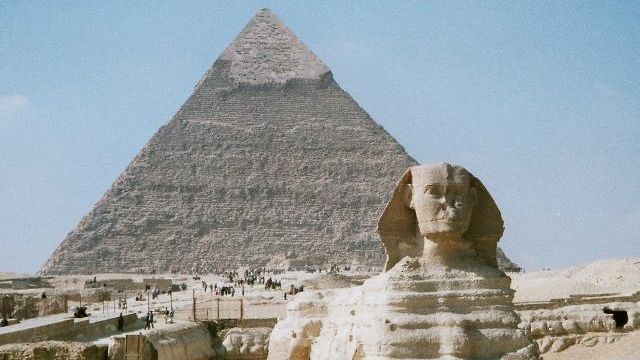

Imagine standing at the feet of the Great Sphinx, staring up at that weathered lion body and human face, and knowing that beneath your shoes there might be entire rooms no one has entered for thousands of years. The idea of hidden chambers has hovered somewhere between serious archaeology and wild conspiracy theory for decades, and suddenly it feels closer to reality than ever. Advances in non-invasive scanning, like ground‑penetrating radar and muon tomography, have revealed intriguing “anomalies” beneath the monument that look suspiciously like rooms, corridors, and cavities.
But here’s the twist: while the headlines scream about “newly discovered chambers,” the actual science is far more cautious and nuanced. Researchers are seeing voids, density differences, and possible man‑made structures, but what they truly are is still an open question. In this article, we’ll walk through twelve plausible “hidden chambers” the data suggests, blending what current evidence supports with what remains firmly in the realm of informed speculation. Think of it as a tour of the most talked‑about possible spaces – exciting, but with both feet planted on solid ground.
1. The Central Void Directly Beneath the Sphinx’s Chest
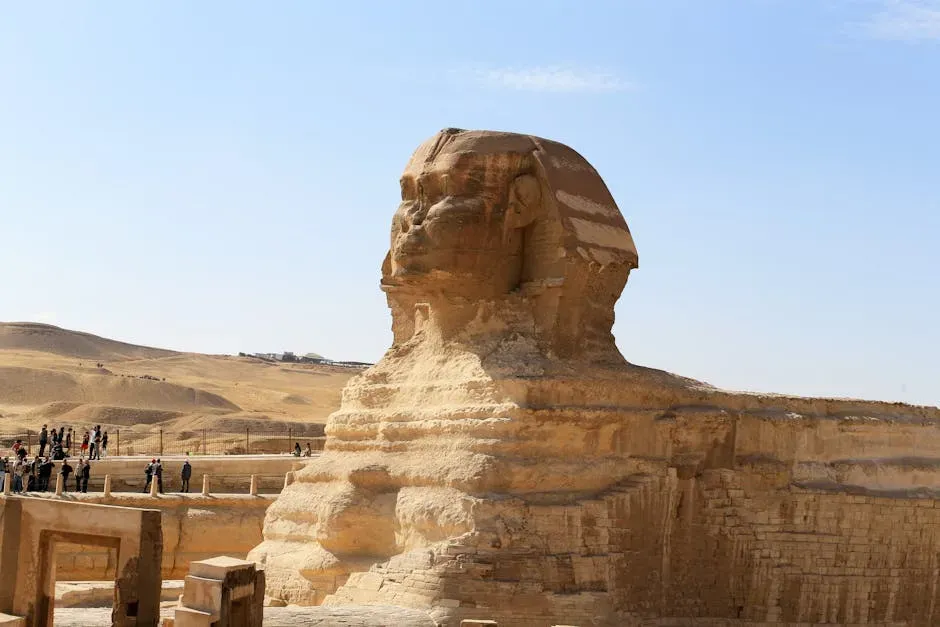
One of the most widely discussed anomalies is a significant void detected roughly beneath the Sphinx’s chest area. Non‑invasive surveys over the past few decades have consistently hinted at some kind of hollow space there, whether a natural cavity in the limestone bedrock or a deliberately cut chamber. Picture a pocket of emptiness tucked under the heart of the monument, like a secret lung hidden in stone.
Researchers tend to be cautious, describing this space as a “density anomaly” rather than rushing to call it a room. That might sound disappointing, but it’s actually what makes it fascinating: the data keeps showing something that is clearly not just uniform rock. If future scans refine its shape into straight lines, right angles, or consistent dimensions, it will look less like geology and more like architecture. Until then, the central void is a kind of scientific cliffhanger – real enough to measure, mysterious enough to argue about.
2. The North‑Side Shaft Leading to a Subterranean Niche
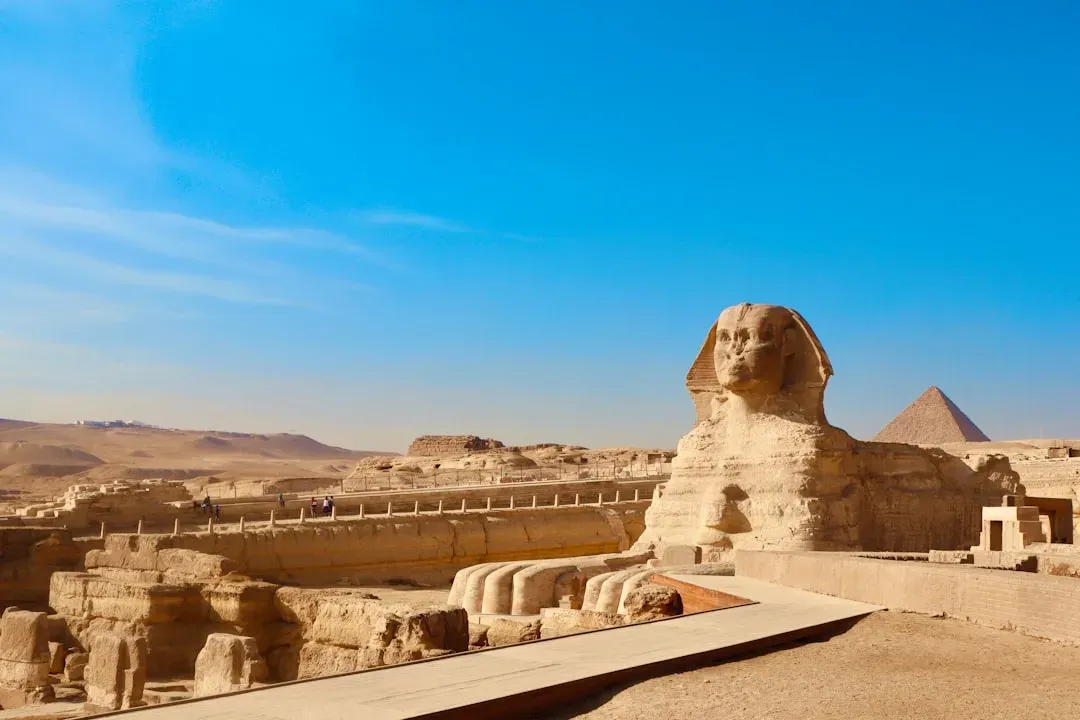
The Sphinx’s north side has long attracted interest because earlier investigations identified a shaft or tunnel entrance in this area. Some studies suggest that this shaft does not simply end in solid rock but connects to a small, distinct hollow space, the kind archaeologists would describe as a niche or pocket chamber. Imagine a narrow passage dropping down and then opening into a cramped, possibly ritualized space just big enough for a person to crouch or for a small cache of objects to be stored.
This kind of micro‑chamber fits what we know about Old Kingdom builders, who loved hiding small compartments for symbolic items, offerings, or symbolic “doors” to the underworld. If the north‑side shaft niche exists as a finished space, it probably is not some mythical library but something subtler: a node in a spiritual and architectural network that linked statue, temple, and tomb. It might feel underwhelming to treasure hunters, but for archaeologists, a single niche with tool marks, plaster, or pigment would be like a direct handshake from the past.
3. The Suspected Chamber Beneath the Sphinx’s Paws
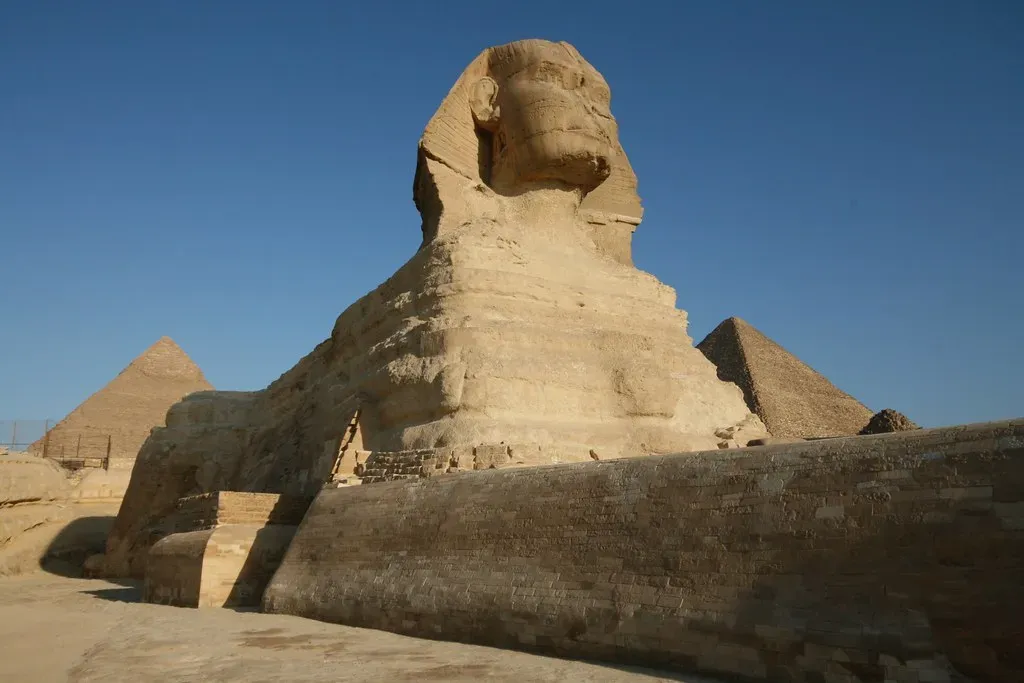
Tourists love to photograph the Sphinx’s massive front paws, but those paws might be guarding more than just sand. Geophysical surveys in front of the monument have detected anomalies that could correspond to a chamber or cavity beneath the forepaws area. Egyptologists have long known there are carved spaces and restorations in this zone, including stelae and masonry additions, so a sub‑paws chamber would not be out of character.
If such a chamber exists, it likely connects the Sphinx to its ritual courtyard and the nearby Valley Temple. Think of it as a backstage area beneath the main stage: a hidden zone where priests may have passed, stored offerings, or perhaps conducted rituals away from public view. The romantic idea of a vast treasure chamber is almost certainly exaggerated, but a modest room with altars, pottery, or inscriptions would be far more valuable scientifically. It would help explain how the Sphinx functioned not only as a monument, but as a living part of an ancient religious complex.
4. The Eastern Gallery Oriented Toward the Rising Sun
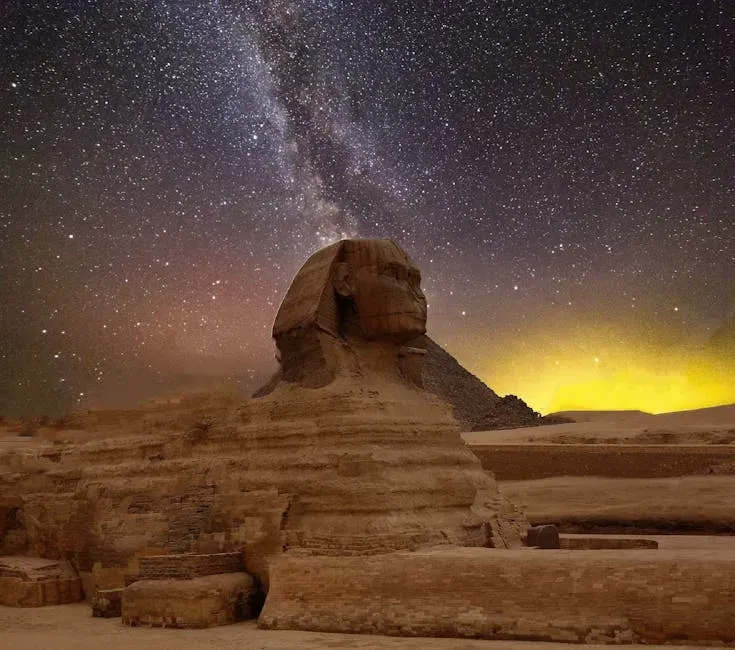
One of the most alluring possibilities is a long, low cavity extending eastward from the Sphinx toward the sunrise. The Sphinx’s gaze already locks onto the east, and ancient Egyptian religion was obsessed with the daily rebirth of the sun god. Detecting a gallery or corridor aligned with that direction fits almost too neatly into what we know about their symbolic thinking, which is exactly why researchers are treading carefully between pattern and projection.
Imagine a narrow underground gallery that catches the first beams of morning light through some vanished entrance or opening, turning the Sphinx into a kind of solar instrument. Even if this corridor is mostly filled with debris or partial collapse today, its original shape could still be detectable through careful scanning. If future work confirms an eastward extension with a deliberate orientation, it would bolster the idea that the Sphinx was much more than a carved guardian – it was part of a choreographed dance with the sky.
5. The Western Utility Cavity Tied to Quarrying and Construction
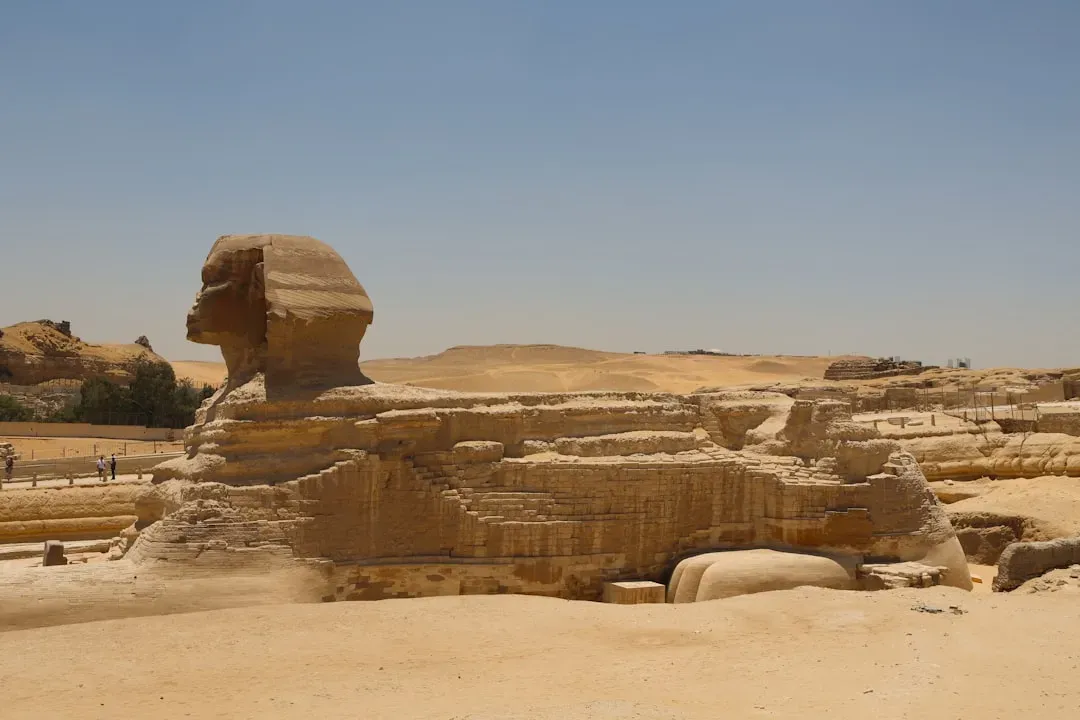
Not every hidden space needs to be mystical to be important. Some anomalies to the west of the monument may represent practical, work‑related cavities left from quarrying, stone extraction, or construction access. Think of them like the backstage halls in a modern theater: everything the audience never sees, but without which the performance could not exist.
This kind of chamber might be rough‑cut, irregular, and not even fully roofed or enclosed in antiquity. It could contain chisel marks, abandoned blocks, or evidence of temporary supports used to stabilize the Sphinx during carving and restoration. While less glamorous than a royal burial, that kind of evidence would be gold for historians of engineering. Personally, I find these “utility” spaces as exciting as ceremonial rooms, because they tell us how real workers, with real tools and real constraints, pulled off one of the most iconic sculptures in human history.
6. The Deep Bedrock Cavity Beneath the Sphinx’s Tail
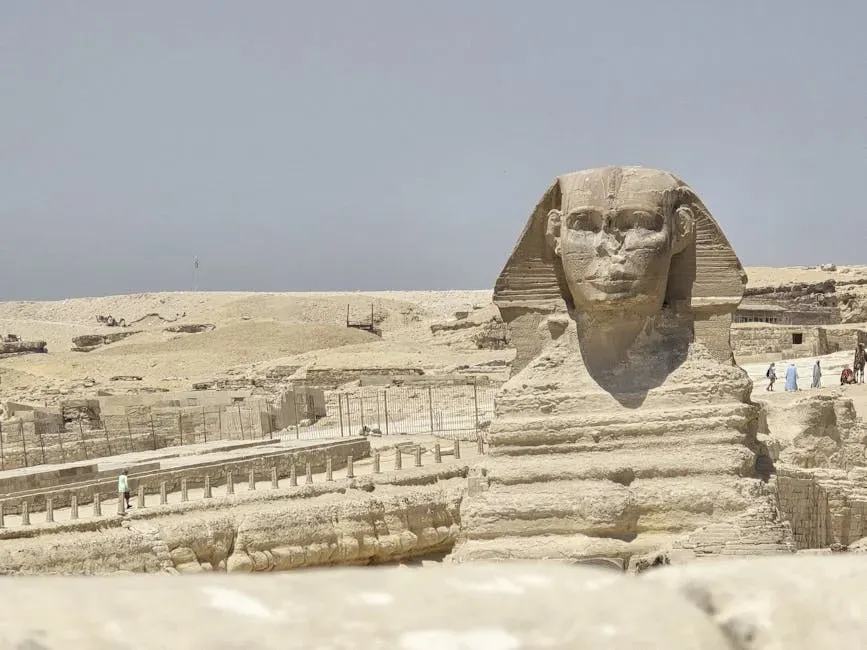
At the rear of the monument, near the Sphinx’s tail, some surveys hint at a deeper‑than‑expected hollow or cavity within the bedrock. The geology of the Giza Plateau is layered and imperfect, with softer bands of limestone in between harder strata. A natural pocket here, later reshaped or exploited by builders, would not be surprising. The question is whether what scanners are seeing is a purely natural void or one with telltale signs of human modification.
If ancient engineers encountered such a natural cavity, it would have been both a challenge and an opportunity. They might have filled portions with debris for stability, carved narrow access shafts to inspect or drain it, or even repurposed a safe section as storage. Think of it like renovating an old house and finding a crawlspace: you might seal some of it, reinforce other parts, and occasionally stash a few things where no one expects. Any tool marks, regular walls, or artificial flooring here would be a strong sign that the “tail cavity” is not just geology doing weird geology things.
7. The Possible Vertical Shaft Connecting Surface and Subterranean Levels
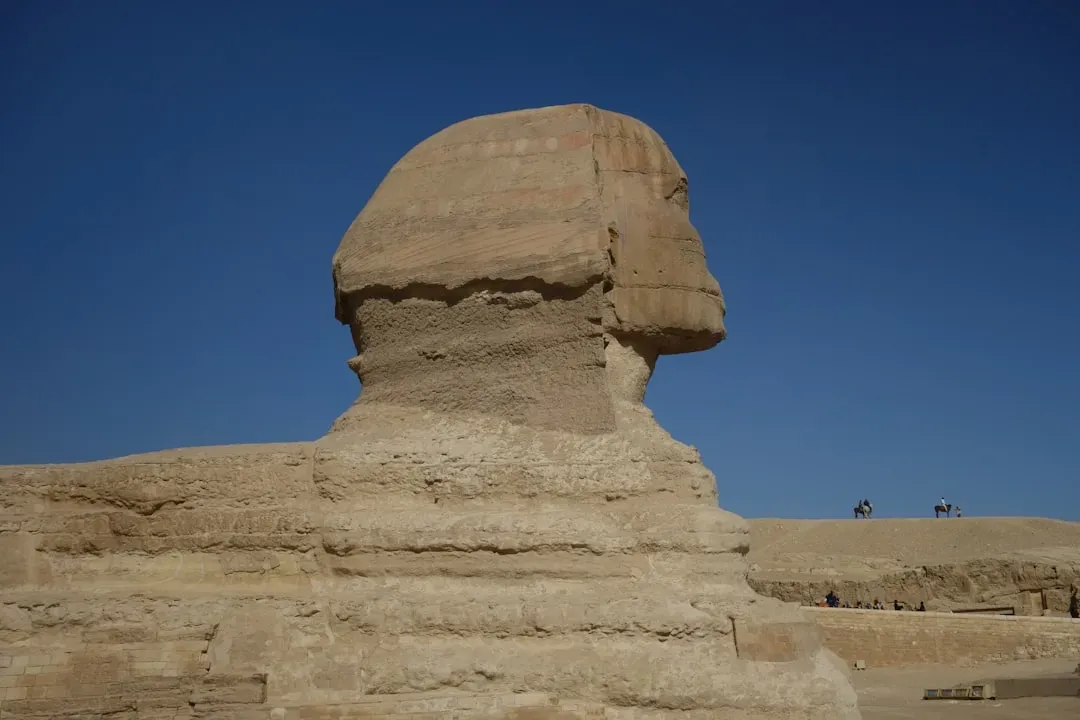
Several anomaly maps and its surroundings hint at near‑vertical features that could be ancient shafts. Egyptians loved vertical access points; they built them into tombs, service passages, and ritual pits, partly to connect the world of the living above with the realm of the dead below. Under or near the Sphinx, a vertical shaft would be a classic piece of infrastructure, allowing workers or priests to descend discreetly into underground spaces.
Picture something barely wide enough for a person, lined with rough‑cut steps or footholds, plunging straight down into the bedrock. Over time it could have been backfilled, blocked, or repurposed. A shaft like this might once have linked various small chambers , or connected the Sphinx complex with nearby temples and causeways. The very existence of such a feature would instantly complicate the overly simple image of the Sphinx as just a carved block sitting on rock; instead, it would reveal a vertical dimension to the monument’s hidden architecture.
8. The Hypothesized Corridor Linking the Sphinx to the Pyramid Complex
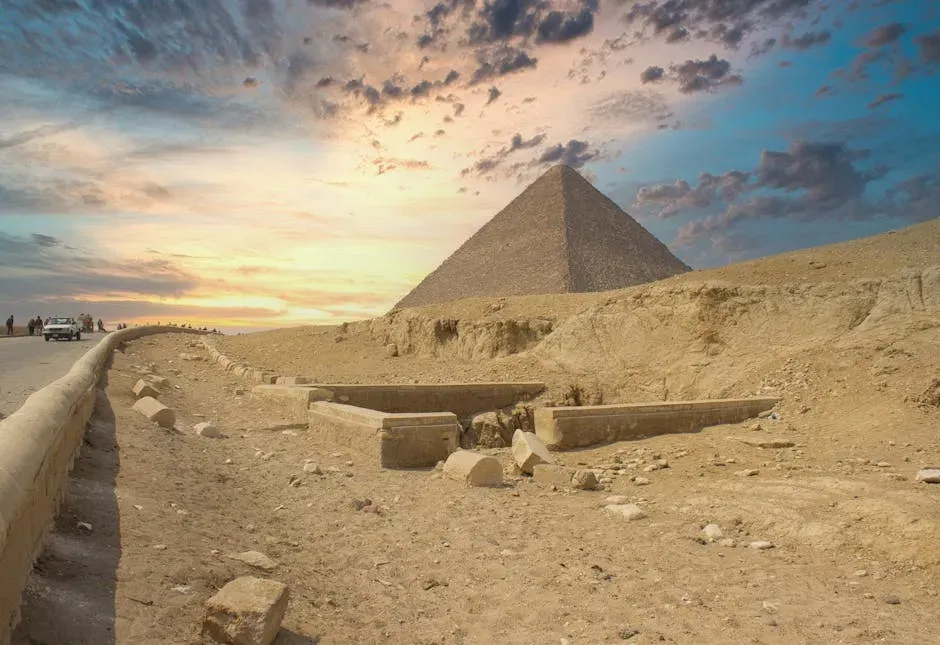
One of the most tantalizing ideas, which straddles the line between evidence and ambition, is that underground corridors connect the Sphinx to other parts of the Giza Plateau, possibly even the Great Pyramid complex. Some surveys in the broader area have found linear anomalies consistent with buried walls or filled passages running roughly between major monuments. However, turning those lines into a clear map of tunnels is still more dream than data.
If even a single corridor segment under or near the Sphinx proved to be an intact, walkable space, it would transform our understanding of how integrated the Giza complex really was. Imagine moving beneath the plateau like in a subway system, except the trains are priests and builders carrying offerings and tools in torchlight. Personally, I suspect that if such corridors exist, they are shorter and more fragmented than popular imagination suggests. But even a modest connecting tunnel would show that the Sphinx was never a standalone statue – it was plugged into a much larger sacred machine.
9. The Sub‑Basement Beneath Known Restoration Tunnels
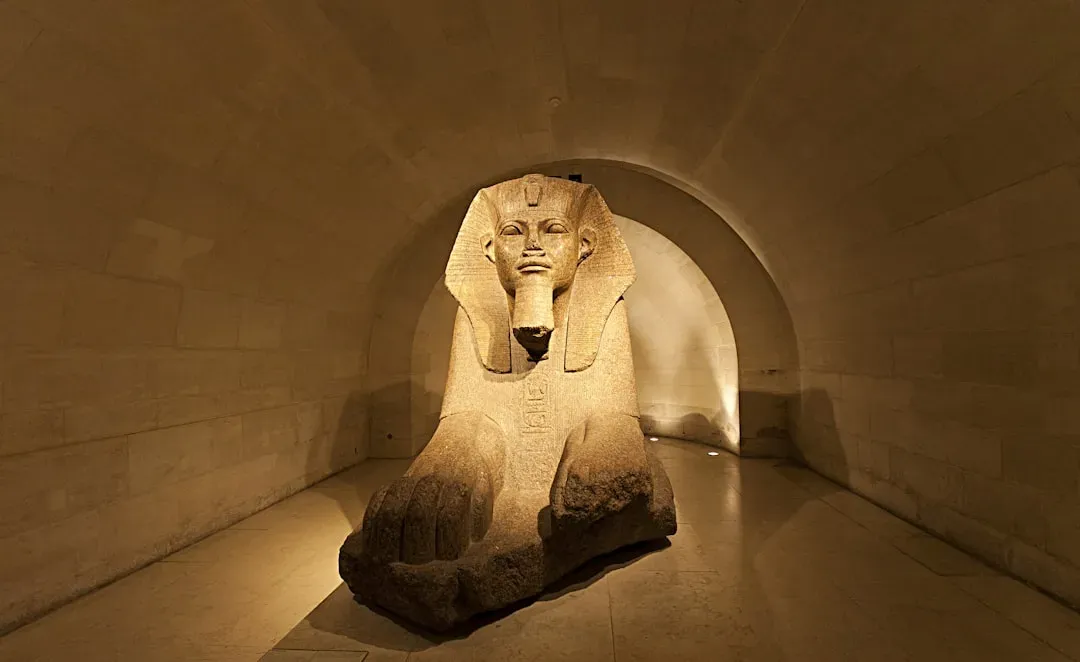
Over the past century, various restoration and exploration projects have created or re‑opened small tunnels around the Sphinx, some of which have been documented and stabilized. Beneath these known access points, modern scans sometimes detect deeper voids or density changes. That raises a simple but electrifying question: did earlier excavators and restorers only skim the upper level of a much more complex vertical stack of spaces?
Think about a historic building where basement renovations later reveal an even older cellar below. The Sphinx could hide a similar story, with a “sub‑basement” layer that was left untouched because it was either unreachable or unrecognized at the time. If confirmed, such deeper chambers might preserve older, less disturbed archaeology – soil layers, organic material, or tool marks not erased by modern interventions. These would be less flashy than treasure rooms, but arguably more important, because they hold time capsules of information on how the site evolved.
10. The Ritual Niche Aligned with Ancient Water Levels
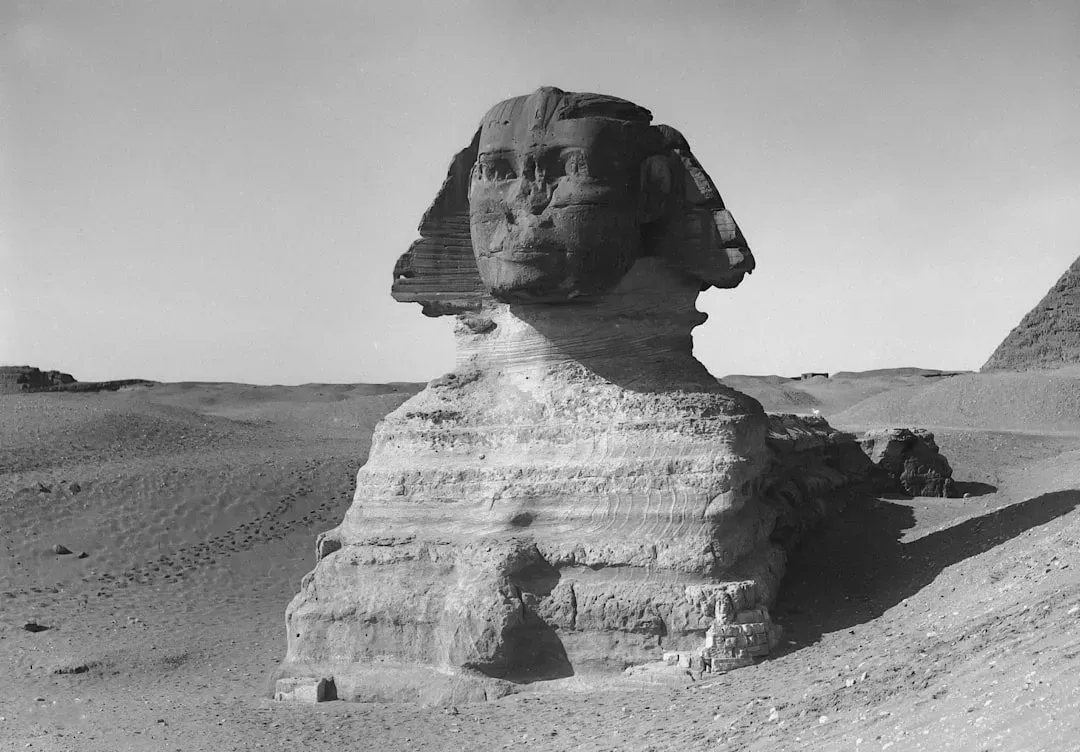
Some research suggests that parts of the Sphinx enclosure and the surrounding bedrock bear the marks of ancient water erosion, hinting that the area might have been wetter or subject to heavy rains in the deep past. Within this context, a small chamber or niche positioned at a particular elevation could have had a symbolic relationship to water levels, the Nile, or primordial flood myths. A void at just such a height under or beside the Sphinx would not be accidental; it would be a deliberate architectural decision.
Imagine a hidden room or alcove that once stood at the threshold between dryness and occasional flooding, perhaps used in rituals that invoked the primeval waters from which creation emerged. Even if the chamber now sits in dry, compacted soil, its position could still reveal what it was meant to symbolize. To me, the idea that a tiny, nearly invisible space might encode an entire cosmology is more captivating than any gold hoard. It turns the Sphinx from a silent guardian into a stone notebook where priests scribbled in the language of levels and layers.
11. The Collapsed Chamber Preserved Only as a Ghost in the Data
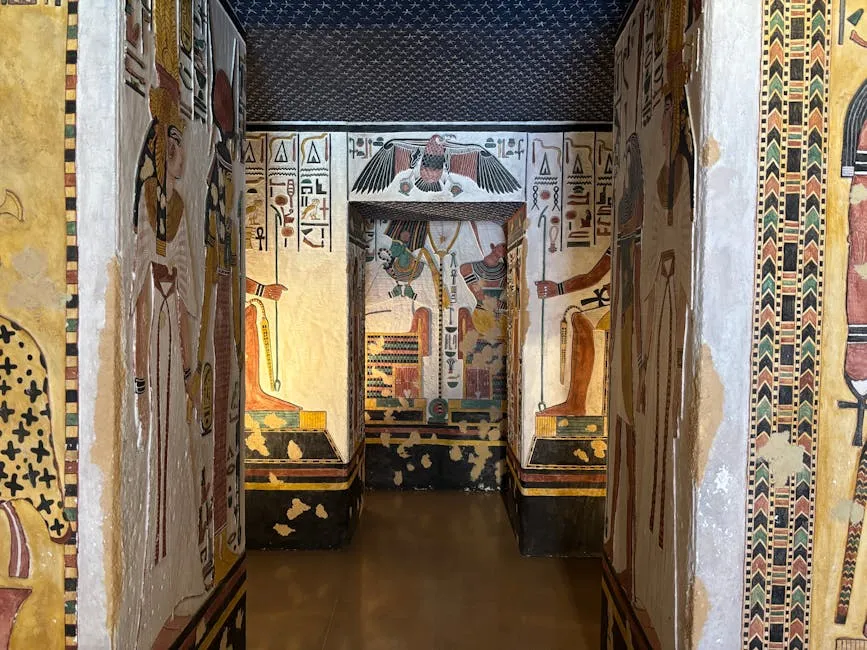
Not every chamber that once existed beneath the Sphinx would have survived intact for thousands of years. Some anomalies could represent spaces that partially collapsed in antiquity and were later filled with rubble, sand, or reinforcing masonry. In scans, these might appear as zones with mixed density – neither uniform rock nor clean, empty voids, but something in between, like a ghost of a room that used to be there.
This kind of “lost chamber” is both frustrating and fascinating. Archaeologists might never be able to walk inside it, but by modeling its boundaries, they could infer its original shape and perhaps its purpose. It is a reminder that the Sphinx has lived many lives: carved, eroded, buried, unburied, repaired, and rebuilt. When I think about these half‑vanished spaces, I picture them as erased sentences in a long‑read essay, still faintly visible if you tilt the page to the light just right.
12. The Legendary Archive Chamber – Myth, Misreadings, and Measured Skepticism
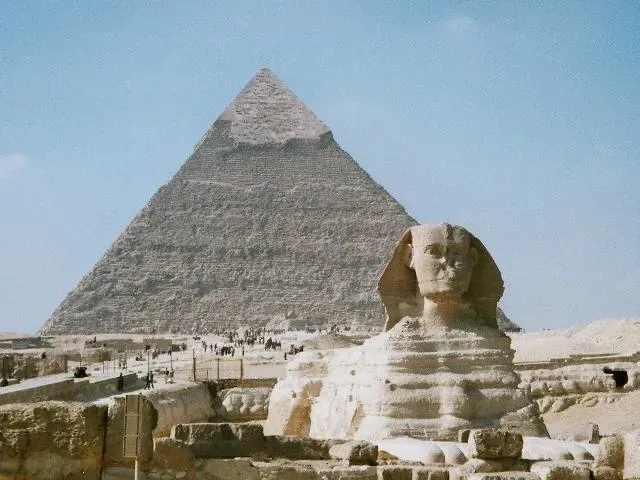
No discussion of hidden chambers is complete without addressing the legendary idea of a grand archive or “hall of records” buried beneath its paws. This concept has been fueled by esoteric traditions, misinterpretations, and a heavy dose of modern fantasy. Scientifically, there is currently no solid evidence of a vast library chamber packed with scrolls or advanced artifacts . What we have are smaller, plausible voids that realistically match storage rooms, niches, or maintenance spaces, not a sprawling underground citadel.
That does not mean the story is boring; on the contrary, the tension between myth and data is what keeps this debate so alive. I think the most exciting outcome would not be confirmation of an exaggerated legend, but discovery of something more modest and more human: a small, inscription‑bearing chamber or deposit that adds another chapter to the Sphinx’s long biography. If and when a genuine archival space is found on the plateau, it may not look anything like the fantasies, and that is okay. Reality has a way of being stranger, subtler, and more moving than the stories we invent in advance.
Conclusion: Mystery, Evidence, and the Beauty of Not Knowing Everything
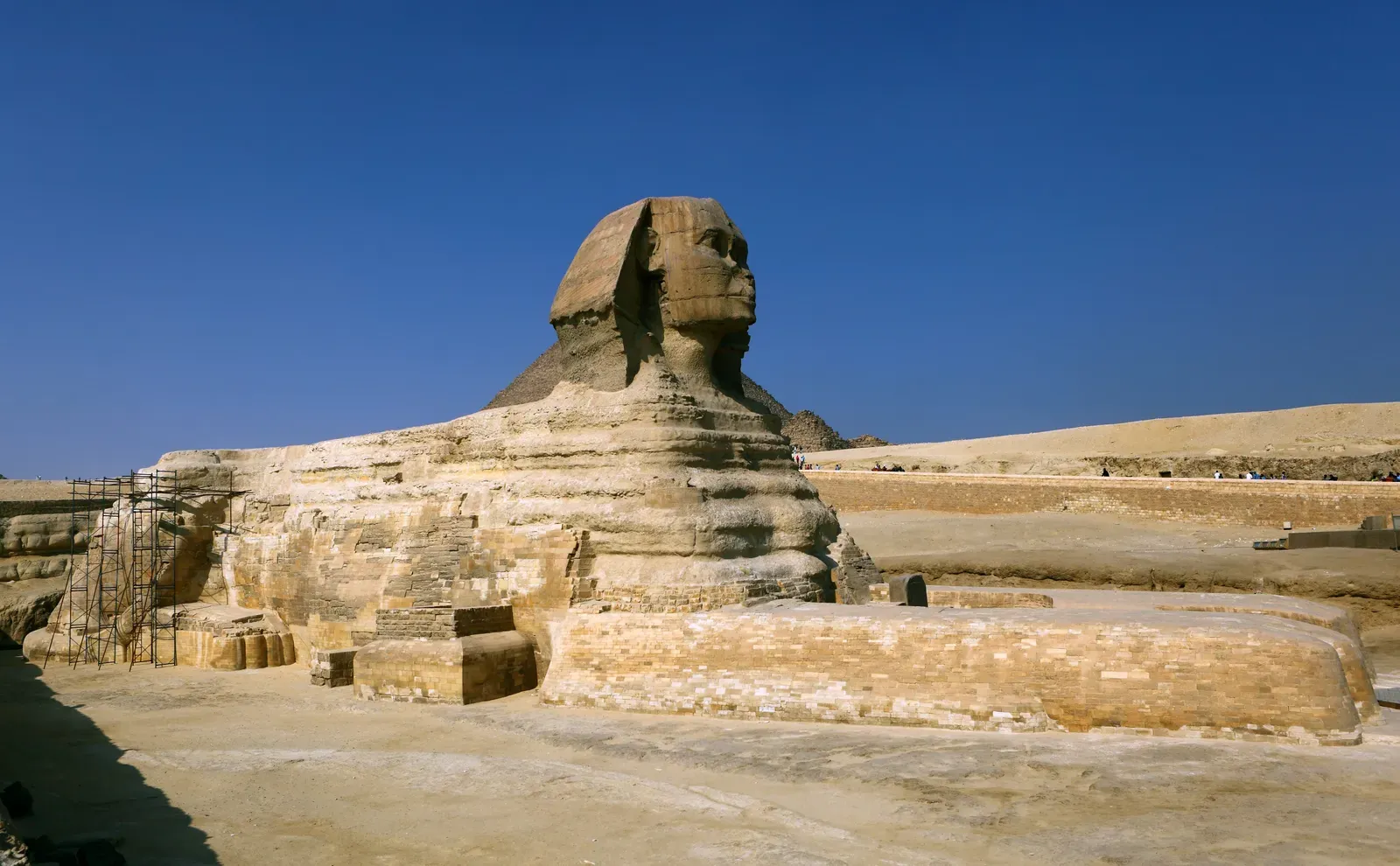
When people talk about twelve hidden chambers , it is tempting to picture a neatly mapped underground palace just waiting for a dramatic reveal. The truth on the ground is messier and, in my view, more rewarding. We have a patchwork of voids, anomalies, suspected shafts, and possible rooms that together suggest a far richer underworld than the simple bedrock pedestal most of us imagine. Some spaces are probably natural cavities, some are likely workrooms or utility cuts, and a few might be genuine ritual or symbolic chambers deliberately woven into the Sphinx’s design.
From where we stand in 2026, the responsible stance is a mix of excitement and skepticism. We should be thrilled that new technologies are finally letting us “x‑ray” this ancient giant without tearing it apart, but we should also resist the urge to inflate every data blip into a lost civilization. Personally, I love that the Sphinx still refuses to give up all its secrets; those hidden rooms – real, partial, or imagined – keep the conversation alive between our time and theirs. In the end, maybe the deeper question is not just what lies , but why we so badly want there to be more. If you could open only one of these twelve possible chambers, which one would you choose?