You probably feel the pull of two very different instincts when you think about death. On one side, there’s your rational brain saying that consciousness has to be about neurons, chemistry, and electricity. On the other side, there’s that deeper, almost stubborn sense that you’re more than a brain, that something about you could outlast your body. You live your whole life from the inside of your own awareness, and then suddenly the big question hits: what actually happens to that awareness when you die?
Modern brain science is giving you incredibly detailed maps of what your mind does while you’re alive, from how you form memories to why you feel love or fear. But when it tries to touch the metaphysical – questions about the soul, an afterlife, or the ultimate nature of consciousness – things get messy fast. You’re left balancing scientific data, philosophical arguments, spiritual traditions, and your own lived experience, trying to make sense of a mystery that nobody has fully solved. That tension, between what you can measure and what you feel might be true, is exactly where this topic becomes so gripping.
The brain’s shutdown sequence: what actually happens as you die?
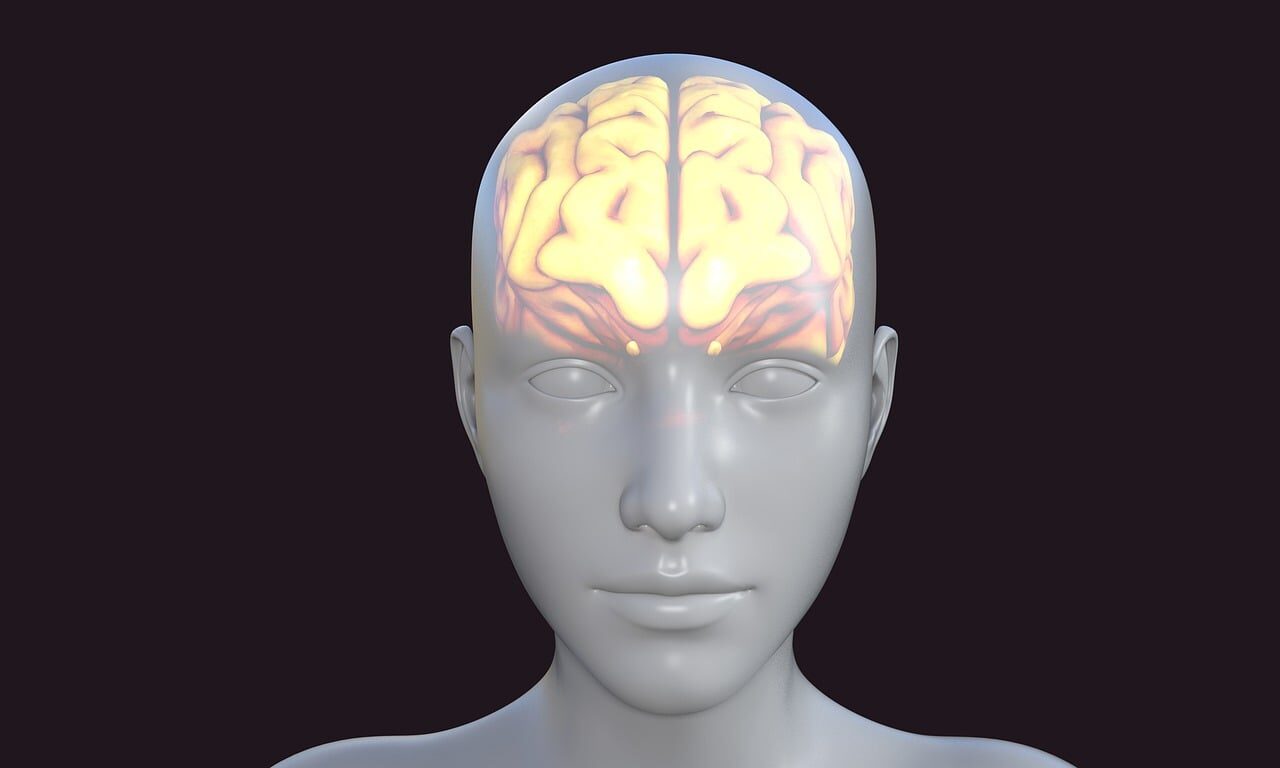
When you die, your body doesn’t just flick off like a light switch, and neither does your brain. As your heart weakens and blood flow drops, the brain is starved of oxygen and energy, and you see a predictable sequence: confusion, loss of coordination, fading consciousness, and then a final stop in brain activity. If you were hooked up to medical monitors, you’d see your brain waves slow and flatten, signaling the collapse of normal awareness.
Yet right at the edge of that shutdown, your brain can become strangely active. Some studies of people in cardiac arrest show brief bursts of organized brain activity even after the heart has stopped. In plain terms, your brain seems to try one last time to stabilize itself, firing in ways that might relate to intense, vivid experiences. From the outside, it looks like a system failing; from the inside, it might feel like the most powerful moments of your existence. This is where science starts to brush up against questions that feel deeply metaphysical, even if the data itself stays strictly physical.
Near-death experiences: brain glitch or glimpse beyond?
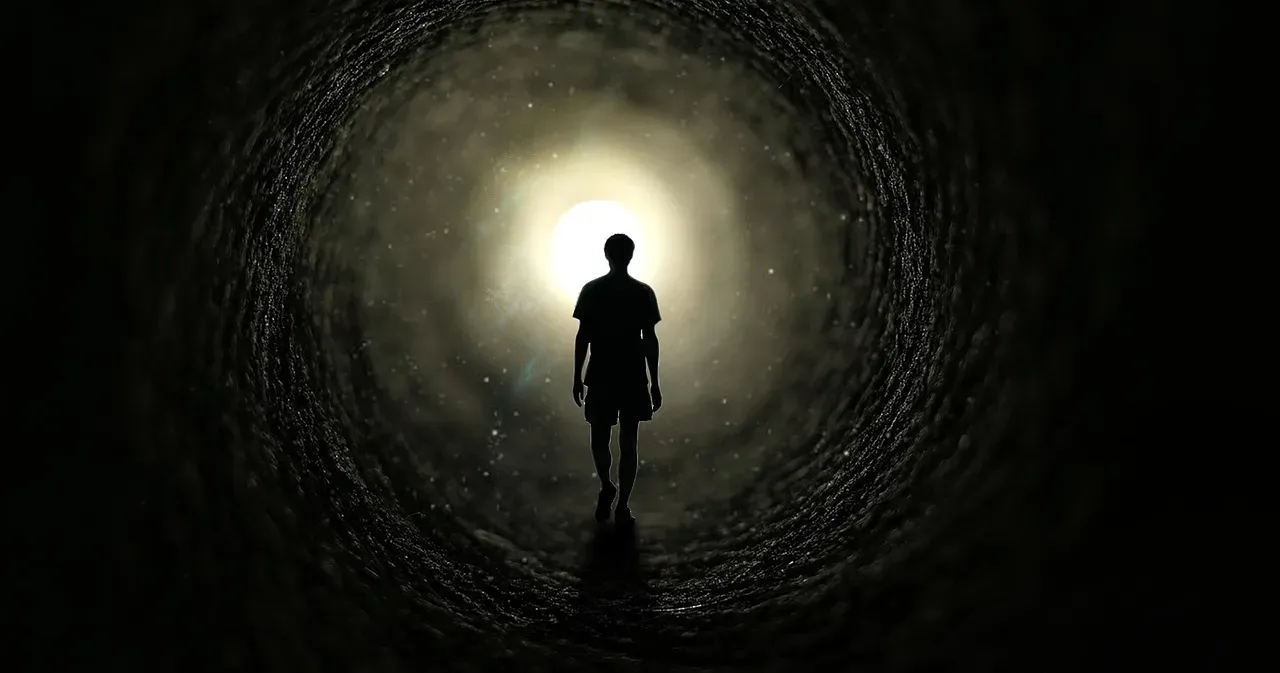
If you talk to people who’ve been resuscitated after cardiac arrest, you’ll hear stories that can make the hair on your neck stand up. You might hear about tunnels, bright light, overwhelming peace, the sense of leaving the body, meeting loved ones, or being told it’s not “time” yet. At the same time, when researchers look at these reports, they see patterns that make sense in terms of brain function under extreme stress: changes in blood flow, surges of certain chemicals, and disorganized but intense electrical activity.
From a strict neuroscience point of view, you can explain a lot of near-death experiences as your brain trying to make sense of a failing system. Visual disturbances become tunnels of light; disconnection from your body maps onto the feeling of floating above it; altered time perception turns seconds into what feels like long journeys. But you also cannot ignore that for many people, these experiences are so real and transformative that they walk away convinced they’ve touched something beyond the brain. You’re left with a fork in the road: either your brain can create unbelievably convincing illusions, or it can sometimes open a door you do not yet understand.
Consciousness: just neurons firing, or something more?
You experience your own consciousness as the most obvious thing in the world – you know what it feels like to be you more clearly than you know anything else. Yet when you look at that experience from a scientific angle, it immediately becomes slippery. You can trace which brain regions light up when you see colors, feel pain, or recall your childhood, but that still doesn’t explain why there is an inner experience at all. You can describe the mechanics, but not the “why it feels like something” part.
This gap is what philosophers call the “hard problem” of consciousness, and it matters a lot for what you think happens when you die. If you assume that your awareness is nothing more than brain activity, then when the brain ends, your experience ends with it. But if you suspect that consciousness is more like a fundamental property of reality, and your brain is just a temporary receiver or filter, then it starts to feel plausible that something could remain after the receiver breaks. Brain science can show you correlations between brain states and conscious states, but it still cannot tell you with certainty whether the mind is entirely produced by the brain or only expressed through it.
Memories, identity, and the fragile story of “you”
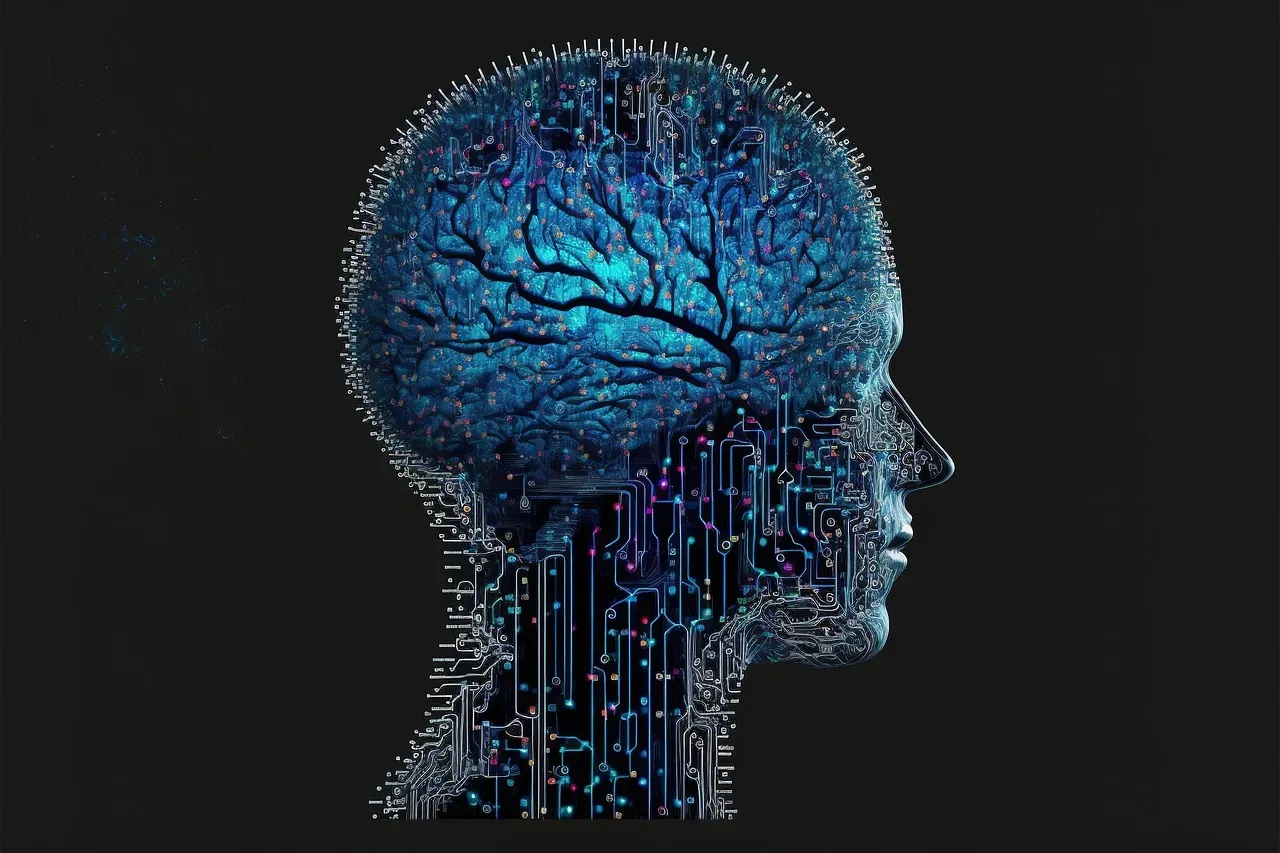
When you think about what might survive after death, you probably imagine your “self” carrying on – your memories, personality, and sense of continuity. Neuroscience can already shake that up while you are still alive. Brain injuries, dementia, and certain neurological diseases can erase memories, change your personality, or alter your emotions so profoundly that friends say you are no longer the same person. That alone forces you to confront how tightly your identity is tied to the brain.
At the same time, knowing that your self is so fragile can also deepen the mystery. If a small stroke can erase decades of your remembered life, what does that say about anything personal surviving the complete breakdown at death? You might take this as strong evidence that there is nothing beyond the brain and that when the circuitry goes, the story ends. Or you might see the brain as just the physical storage device for the version of you that exists in this life, while something more fundamental – awareness, or whatever you want to call it – continues in a way you cannot yet describe. Either way, the science pushes you to rethink easy, comforting assumptions.
Do brain scans tell you anything about the soul?
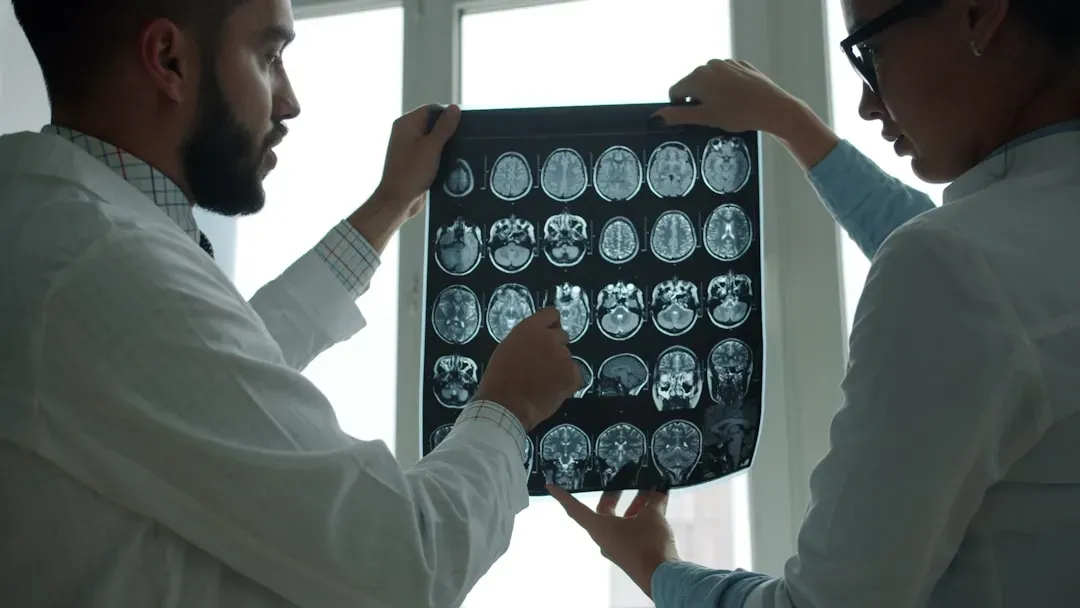
Modern brain imaging lets you watch your brain react to meditation, prayer, awe, and thoughts about death itself. You can literally see regions involved in self-awareness, emotion, and body sense dial up or down as you shift into spiritual states. For example, when people go deep into certain meditative or religious practices, brain regions linked to a strong sense of separate self can quiet down, while areas for emotion and attention brighten. That aligns eerily well with reports of feeling at one with everything or sensing a presence beyond yourself.
But here’s the catch: seeing patterns in brain scans doesn’t tell you whether those experiences are “just in your head” or genuine contact with something beyond the physical. From the scientific side, you’re only looking at what the brain is doing while you report those states. It is like checking the dashboard of a car while the driver describes the scenery – you know how the car behaves, but not whether the road is real or imagined. So brain science can show you how your nervous system participates in spiritual and near-death experiences, but it cannot, even in principle, tell you whether the soul exists or what happens to it.
The limits of science: where evidence ends and belief begins
It can be tempting to expect neuroscience to eventually answer every big question, but this particular one sits right at the edge of what science can reach. Science is incredibly good at describing and predicting what happens in the physical world, including your brain. It is much weaker at addressing questions of ultimate meaning, value, or purpose. When you ask what happens when you die, you are not only asking what your neurons do; you are also asking what, if anything, your life and consciousness mean beyond their physical form.
That means you inevitably enter a space where personal belief, philosophy, and spiritual tradition step in. You can look at the best available evidence and conclude that consciousness ends with brain activity, and that the most honest answer is that death is the end of subjective experience. Or you can see the unsolved puzzles around consciousness, near-death experiences, and the nature of reality as hints that your current tools are too limited to capture the whole picture. Either way, you should be honest about where the evidence stops and where your interpretation begins, rather than pretending that brain science can settle questions it simply is not built to answer.
How all this can change the way you live now
Regardless of which side you lean toward – brain-only or something-beyond – facing death directly can change how you live. If you believe that consciousness ends with the body, then every moment you spend alive becomes unbelievably precious. You might feel a stronger push to love the people around you, create things that matter, and savor small joys, because this is the only shot you get as this particular you. There is a kind of fierce tenderness that can come from realizing just how temporary you are.
If, on the other hand, you feel that something in you continues, you might approach life with a different kind of courage. Death becomes a transition rather than an absolute wall, and that can ease the fear while making you more curious about what lies beyond. Either way, you live right now in a body with a brain that will one day fail, and you have a limited window to decide how you respond to that fact. You can numb out, deny it, and hope the question goes away, or you can let it sharpen your appreciation for the days you do have.
Conclusion: what you can really know – and what you choose anyway
In the end, brain science can tell you a lot about the process of dying but very little about the ultimate fate of your consciousness. You know that as the brain shuts down, awareness fades; you know that intense, sometimes beautiful experiences can happen on the edge of death; and you know that your identity, as you experience it, is deeply tied to the physical brain. Beyond that, when you ask what happens to the “you” that feels like more than a collection of cells, you step into territory where science falls oddly quiet.
So you are left with a mixture of data, uncertainty, and your own deepest intuitions. You can decide that death is the definitive end of subjective experience, or that your awareness somehow continues in a way current science cannot yet grasp. Neither choice can be proven to you while you are still alive, but both will quietly shape how you live, how you love, and how you face loss. Maybe the most honest stance is to admit that you do not fully know, while letting that mystery make your present life more vivid instead of less. Faced with a question this big, what kind of life do you want to live before you find out for yourself?