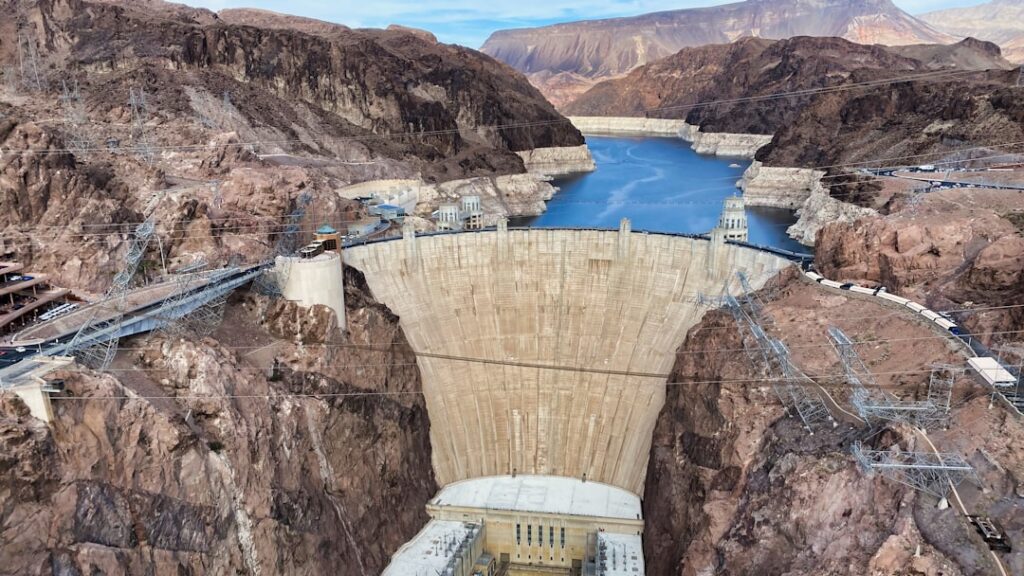

You probably grew up hearing about the Hoover Dam as a kind of concrete superhero: colossal, unshakable, the thing that tamed the Colorado River. So when you hear that this giant is showing cracks, your first reaction is simple and very human: should you be scared? The honest answer is that you should pay attention, but you do not need to panic.
Like any aging giant, the Hoover Dam is changing. You are looking at a structure built in the 1930s, working nonstop through heat waves, droughts, floods, and millions of tons of water pressure day after day. Cracks, temperature changes, and shifting demands on the river are all part of the story now. Once you understand what those cracks really mean, you can see the difference between realistic risk and Hollywood disaster.
The Dam Is Getting Old – And Concrete Ages Too
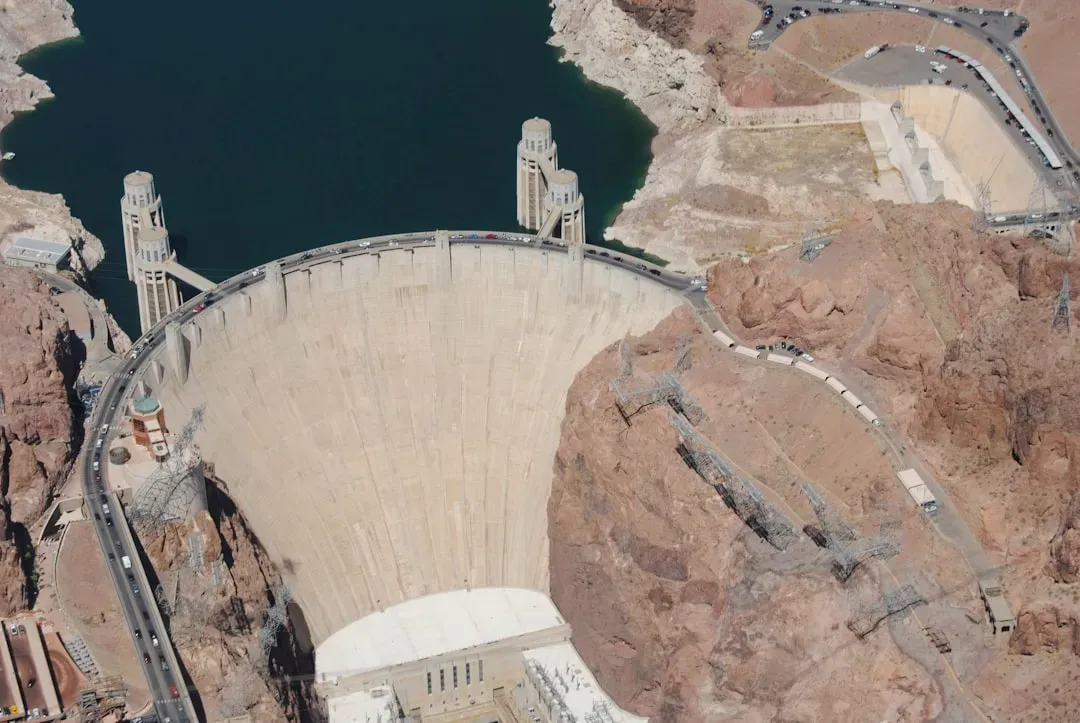
If you picture the Hoover Dam as a permanent stone wall frozen in time, you miss something important: it is a living structure in engineering terms, constantly responding to temperature, pressure, and the slow march of age. You are dealing with concrete that was poured almost a century ago, using techniques that were cutting-edge then but look basic compared to modern standards. Over decades, that concrete continues to cure, shrink slightly, and respond to changes in temperature and moisture.
When you hear that the dam has cracks, you are mostly hearing about a natural part of this aging process: hairline or controlled cracks that engineers actively monitor and manage. You might think of it like wrinkles on a face that has been out in the sun for years: visible, real, and worth keeping an eye on, but not automatically a sign that the person is about to collapse. The crucial question is not whether cracks exist, but whether they are growing in dangerous ways. So far, the dam’s operators treat these cracks as signals, not surprises.
Why Cracks Appear in a Colossus of Concrete
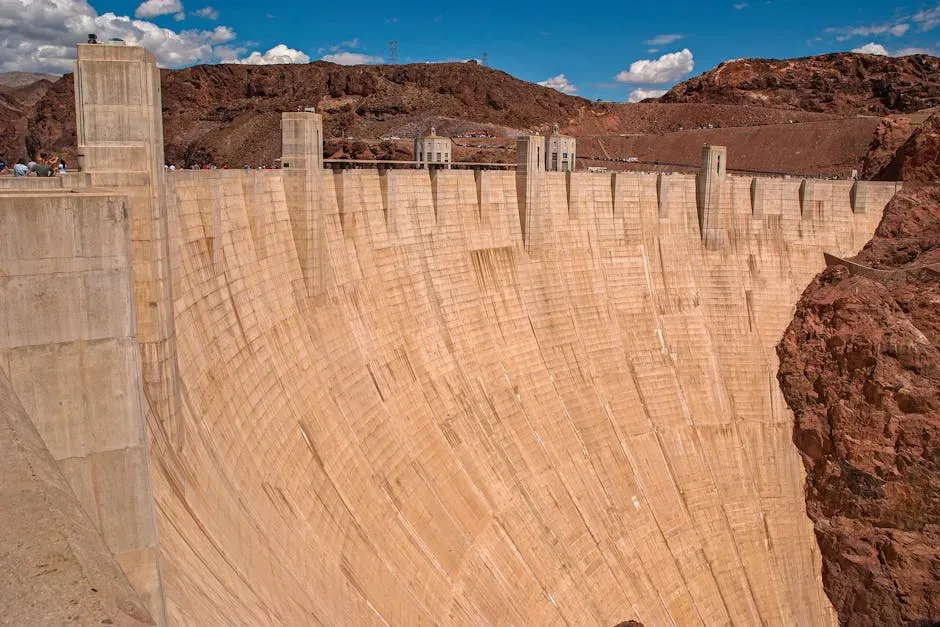
You might assume a structure this massive would be immune to something as simple as cracking, but the very size of Hoover Dam makes cracking more likely, not less. When you pour concrete in huge blocks, different parts heat up and cool down at different speeds. That temperature difference creates internal stresses, and over time those stresses can show up as fine cracks. Add in the constant push of water on one side and the dry air and heat of the desert on the other, and you have a recipe for ongoing, small-scale movement.
Engineers actually expect this and design for it. You are not looking at a monolithic slab; you are looking at interlocking blocks with joints, drains, and systems that let the dam flex just enough to stay stable. Cracks often appear along these joints or within blocks in predictable patterns. The real danger would be sudden, large cracks expanding quickly or connecting in ways that point to deep structural issues. That is why the dam is outfitted with instruments that measure movement, stress, and seepage, so you are not relying on guesswork or just looking at the surface.
Drought, Heat, and Climate Change: New Stress on an Old Design
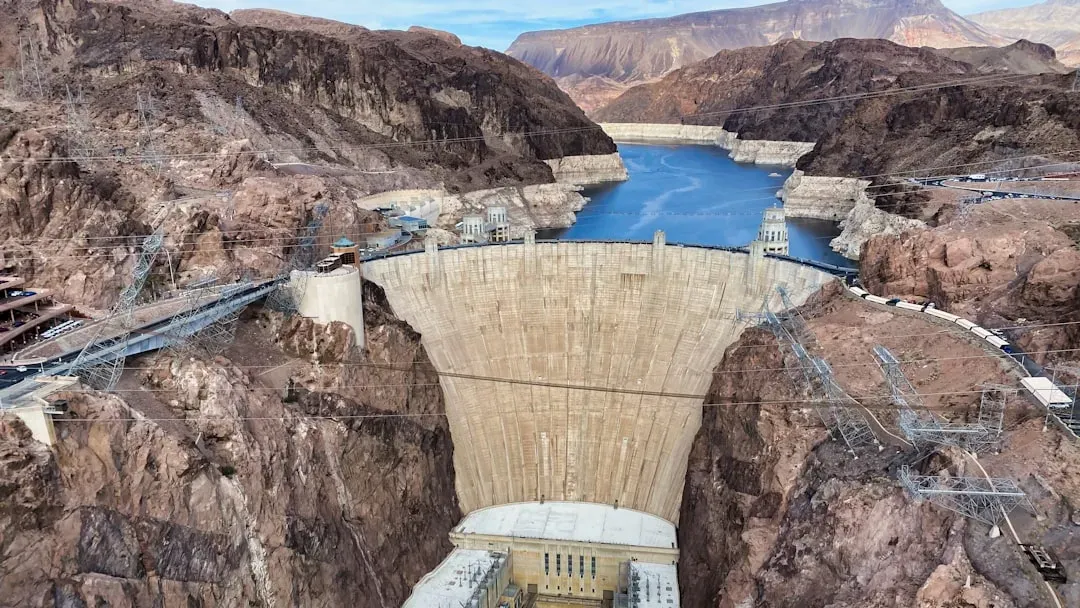
You are living in a time when the Colorado River is under enormous pressure from drought and a warming climate. Water levels at Lake Mead – the reservoir behind Hoover Dam – have dropped dramatically in recent years, exposing bleached bathtub rings on the canyon walls that feel almost shocking when you see them. You might assume less water means less risk, but reality is messier: fluctuating water levels change how pressure is distributed on the dam and its foundation, shifting the pattern of stress.
At the same time, higher air and water temperatures push the dam’s concrete through wider temperature swings than it was originally expected to face. That repeated expansion and contraction can aggravate existing micro-cracks and joints, just like constant bending can eventually weaken a paperclip. You also have more intense heat waves in the region, which stress not just the structure but the power systems and grids it connects to. The dam was designed with a wide safety margin, but you are now running an old playbook in a climate that is not playing by old rules.
What “Failure” Actually Means (Hint: It Is Not Always a Hollywood Wall Break)
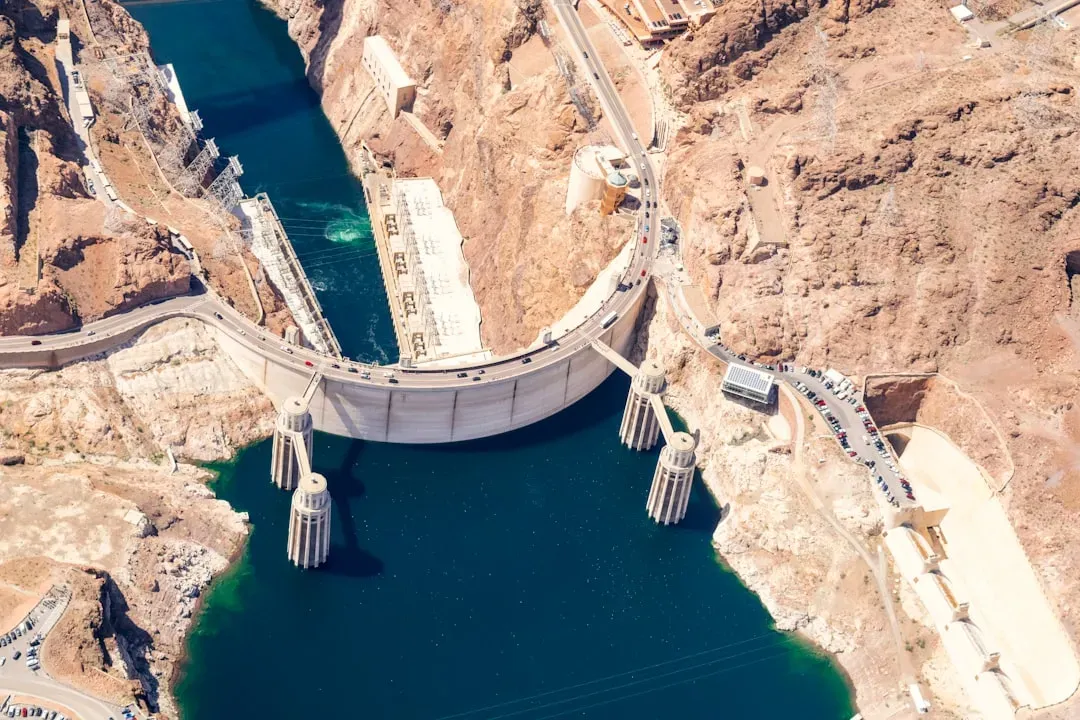
When you hear the phrase “dam failure,” your mind probably jumps to one vivid image: a giant wall of water smashing through concrete and roaring downstream. That kind of sudden, catastrophic collapse is the nightmare scenario, but it is not the only way a dam can “fail.” In reality, you are dealing with a spectrum of failure modes, many of which look more like serious malfunction than instant apocalypse. Power generation can fail, spillways can be damaged, gates can jam, or parts of the structure can be compromised without the entire wall giving way.
For Hoover Dam, a true structural failure would be extremely serious, but it is also considered very unlikely under current monitoring and maintenance practices. Modern dam-safety thinking is built around the idea of catching smaller problems early – such as increasing seepage, unusual movement, or widening cracks – so you never get close to that catastrophic line. In other words, the system is designed to let you see trouble brewing long before you face the nightmare movie scene in your head.
If Hoover Dam Really Broke: Who and What Would Be Hit
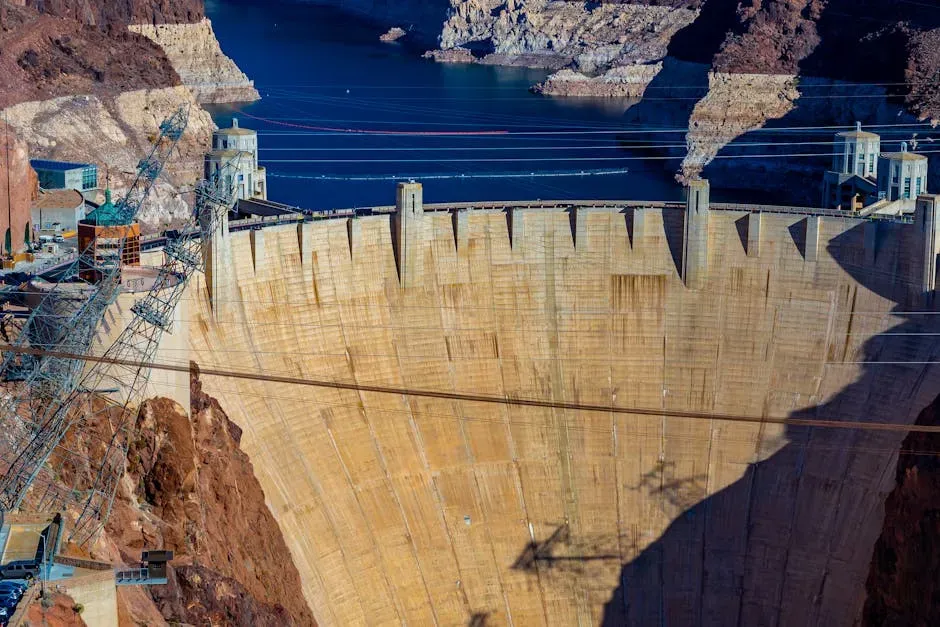
Still, you probably want to know the uncomfortable truth: if the Hoover Dam somehow suffered a catastrophic breach, the consequences downstream would be brutal. You would see a massive pulse of water rush into the Colorado River channel, slamming into downstream dams and communities in Nevada, Arizona, and California. Critical infrastructure, bridges, and highways along the river corridor would be at risk, and low-lying areas near the river could face severe, fast-moving flooding.
The damage would not stop with floodwaters. You would see huge shockwaves in power supply, especially across the southwestern grid that relies on Hoover Dam’s hydropower as a stabilizing source. Agricultural users and cities that count on carefully controlled releases of Colorado River water would be thrown into chaos, not just from flooding but from the sudden collapse of a carefully managed system of reservoirs. Even if other dams downstream took part of the hit, they could themselves be stressed or overtopped, creating a dangerous cascade of failures or emergency releases.
The Hidden Risks: Power, Water Supply, and the Western Grid
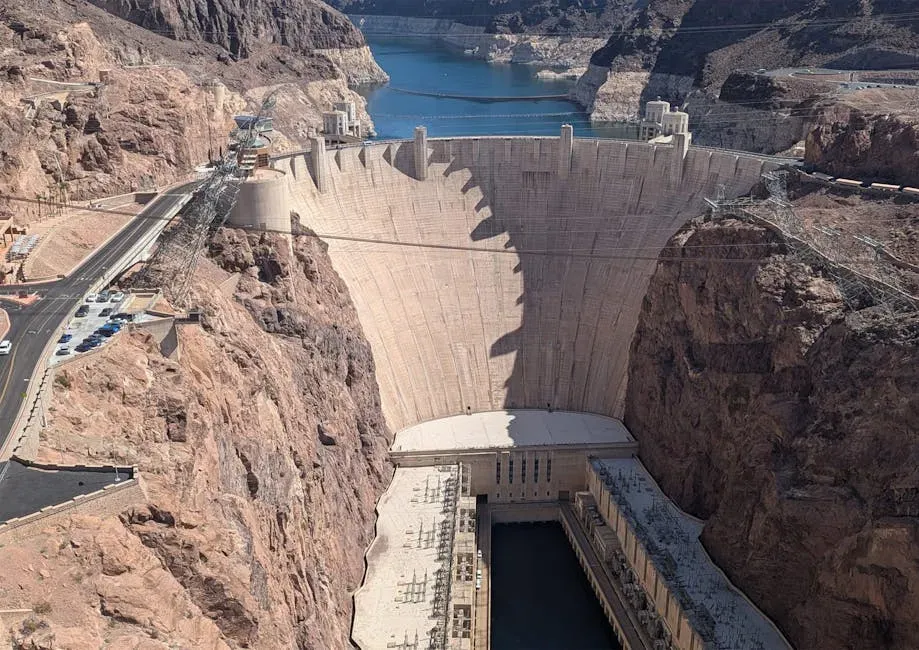
Even without a dramatic structural collapse, Hoover Dam can “fail” in ways that hit you where it hurts most: your lights, your bills, and your tap water. Because the reservoir has dropped so low in recent years, power generation has already been reduced compared with what it used to be. If levels fall too far, turbines lose efficiency or may even have to shut down, turning a once-mighty powerhouse into a much weaker player on the grid. You might not notice until your city faces higher electricity costs or struggles to cover peak demand with more expensive sources.
On the water side, Hoover Dam is a central traffic light in the Colorado River system, controlling when and how much water flows downstream to millions of people and vast stretches of farmland. If the dam’s operation became severely limited, you would see ripple effects in water deliveries to major cities like Las Vegas and parts of Southern California, along with irrigation districts that feed grocery stores across the country. It would feel less like one dramatic disaster and more like a slow tightening of a vise on urban life, food prices, and regional development plans.
How Engineers Watch the Cracks – And Why You Should Still Care
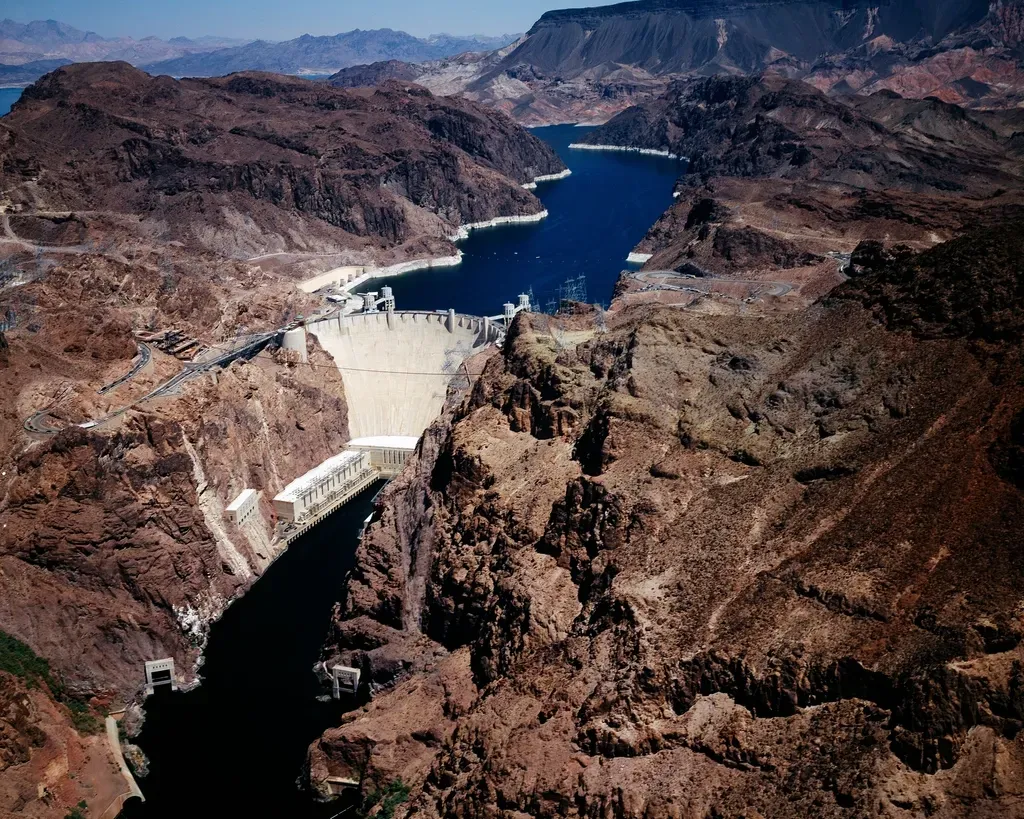
You might be relieved to know that Hoover Dam is one of the most closely watched pieces of infrastructure in the world. Engineers track temperature, movement, seepage, and vibration with a network of instruments buried in the dam and surrounding rock. They drill, inspect, scan, and model how the structure behaves under different conditions, from low water to rare floods. When they see cracks, they do not simply shrug; they measure, compare, and look for patterns that might suggest a deeper problem.
But none of that means you can just tune out and assume everything will be fine forever. You live in a time when climate, population, and demand are all shifting faster than the original designers ever imagined. Public pressure, funding choices, and political will all shape how much maintenance, reinforcement, and modernization actually happens. If you care about what happens to Hoover Dam, you have to care about boring phrases like “infrastructure funding” and “dam-safety programs,” because that is where the real protection comes from, long before any crack makes headlines.
What You Can Take Away: Respect the Risk, Ditch the Panic
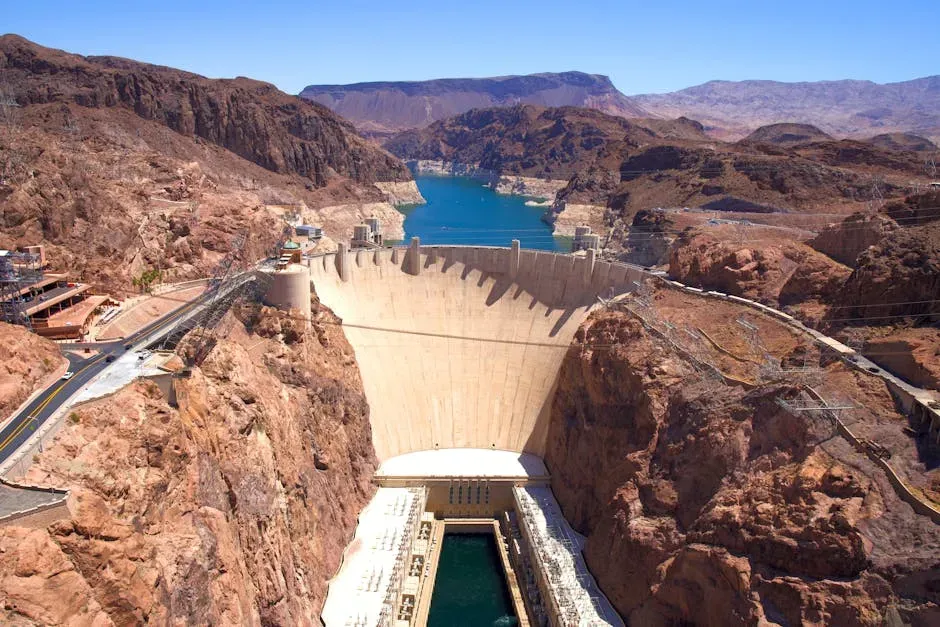
When you pull all of this together, you end up in a middle ground that is not as comforting as blind faith and not as paralyzing as panic. You are dealing with an aging, heavily stressed, but actively managed mega-structure that remains essential to life in the American Southwest. The cracks you hear about are real, but they are being watched by people whose entire job is to avoid ugly surprises. You do not need to assume the dam is on the verge of sudden collapse, but you also should not pretend it is timeless and invincible.
In a way, Hoover Dam is a mirror for how you treat all old infrastructure: roads, bridges, power plants, and water systems that quietly keep your life running. You can either invest, monitor, and adapt, or you can wait for nature and time to send you the bill in the form of failure. So the next time you see a dramatic headline about cracks in Hoover Dam, you can ask a deeper question: are we giving this giant the care an old, still-working heart deserves, or are we just hoping it never skips a beat?