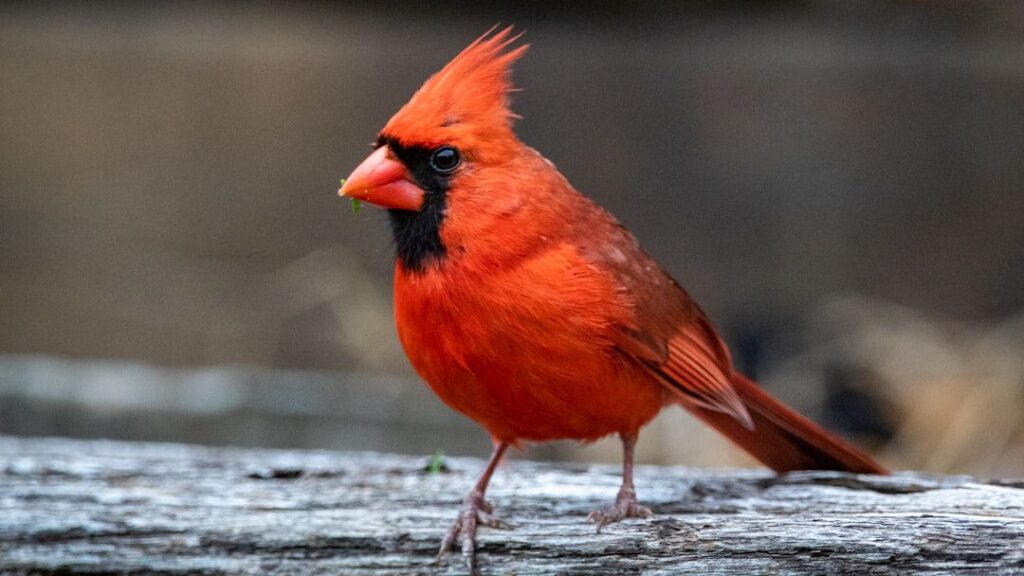

If you’ve ever stopped in your tracks because a bright red bird flashed across your yard, you’re not alone. Cardinals have a way of feeling almost magical, like a small burst of color that refuses to blend into the background. But as familiar as they might seem, there’s a lot about these birds that you probably walk right past without realizing it.
Once you start paying closer attention, you’ll notice that cardinals are full of quiet surprises: from the way they communicate to how they raise their young, and even the hidden colors you can’t see with your eyes alone. As you read through these facts, you might find yourself looking at the next cardinal you see with a whole new sense of curiosity and respect.
1. You Rarely See Just One Cardinal For Long
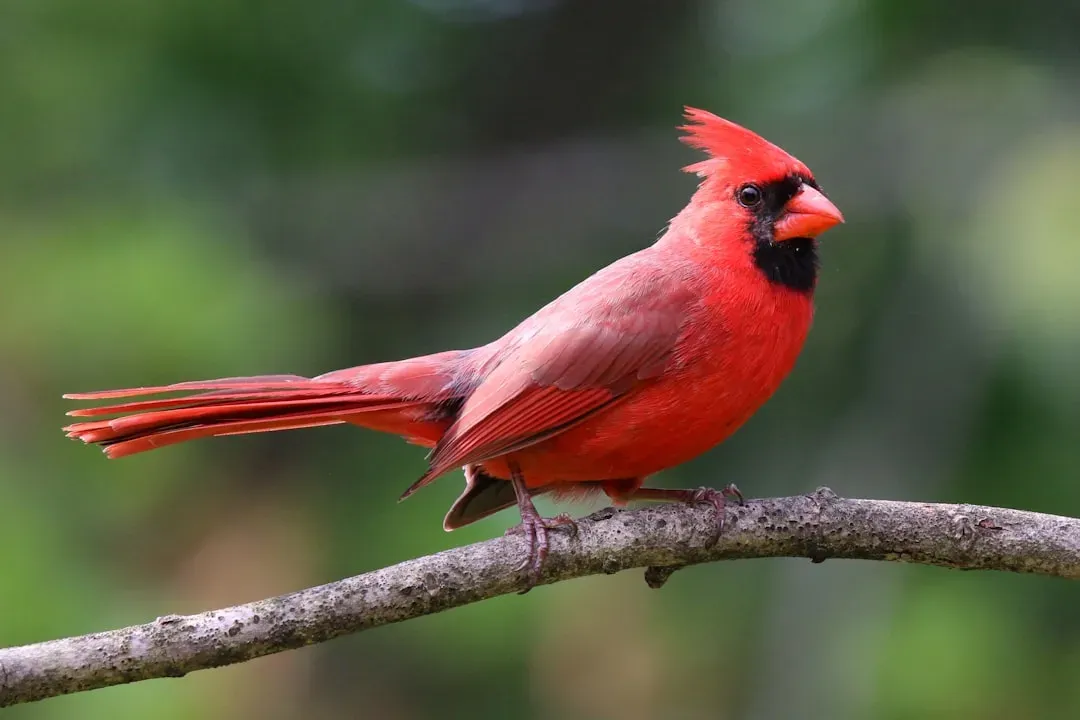
You might think you’re spotting a single bird here and there, but cardinals are actually pretty social, especially in the non-breeding season. If you watch a little longer, you’ll often notice more of them nearby, loosely grouped in what’s called a flock, quietly moving through shrubs, hedges, or tree lines together. They don’t swarm like blackbirds, but they do travel as a kind of neighborhood crew, keeping an eye on each other and on potential threats.
In winter, these loose flocks can grow to impressive numbers if you live in a good habitat with plenty of food and cover. When you see one at your feeder, there is a good chance others are perched in the background, waiting their turn or checking that things are safe. If you step back from the window for a minute or two, you’ll often see a handful appear, like a slow reveal that was happening the whole time right in front of you.
2. Female Cardinals Are Much More Colorful Than You Think
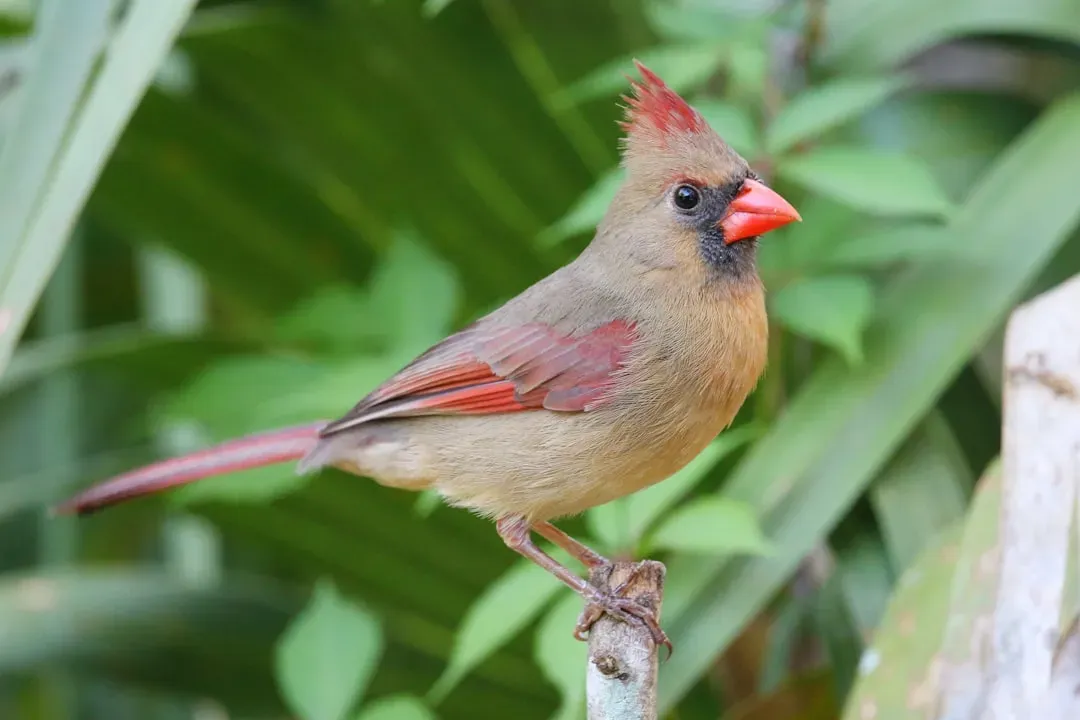
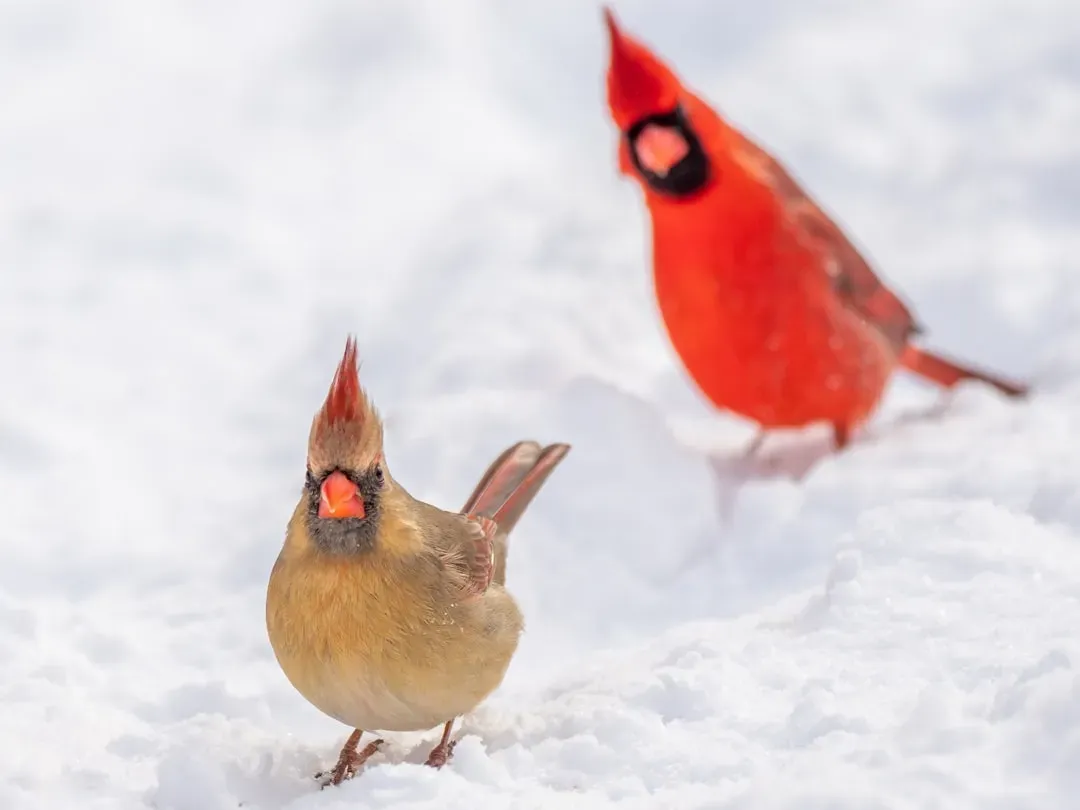
When most people think of cardinals, they imagine the blazing red male, but the female is where you’ll find all the subtle beauty you probably overlook. At first glance she looks brownish, but if you really study her, you’ll notice warm tans, soft oranges, and muted reds brushed along her wings, tail, and crest. She’s like a watercolor painting next to the male’s neon sign, and she blends perfectly into twigs, dead leaves, and dry grasses.
This softer coloring isn’t just for looks; it helps her stay less visible when she’s on the nest, which is crucial for protecting eggs and nestlings. Yet she still wears just enough color – especially on her crest and bill – to signal to potential mates and other cardinals. Next time you see a “drab” cardinal, pause and let your eyes adjust; you’ll start to see layers of color you probably missed your entire life.
3. You Hear Cardinals Long Before You See Them
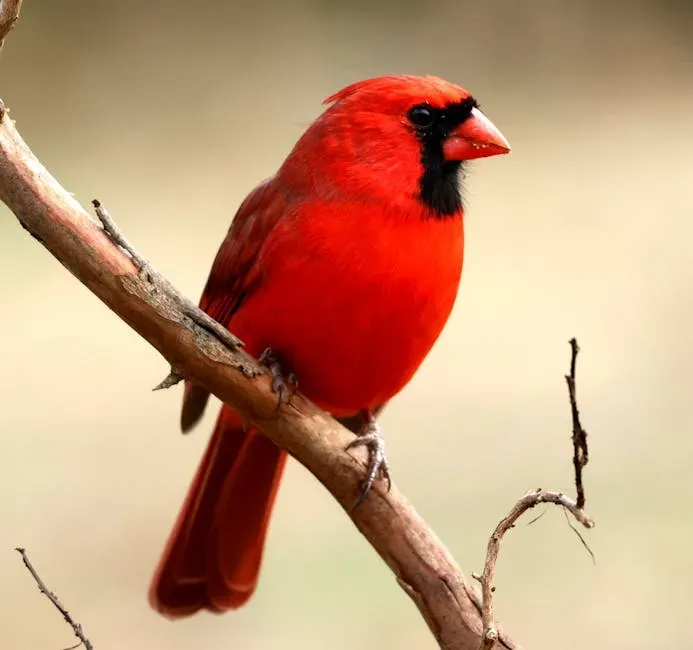
Even if you think there are no cardinals around, you’re probably hearing them more often than you realize. Their songs and calls are surprisingly varied, from clear whistles that rise and fall to quick metallic “chip” notes that sound like tiny alarms. If you listen closely in early morning or late afternoon, especially in spring and early summer, you’ll notice the same patterns of whistles repeated again and again from the same perch.
Once you learn even one of their common songs, you’ll start picking it out from the background noise and suddenly realize just how many are hiding in the trees and shrubs. It can feel a bit like decoding a secret language that was always there, waiting for you to tune in. As you practice, you’ll often be able to say, “There’s a cardinal over there,” long before your eyes ever find that flash of red.
4. Both Males And Females Sing, And That’s Unusual
If you grew up thinking only male birds sing, cardinals are one of those species that quietly break that rule right in your backyard. Female cardinals also sing, and not just a little – sometimes they deliver long, complex songs that are every bit as expressive as the males. You’ll often hear a kind of duet between a pair, with one bird answering the other from a nearby tree or bush.
This back-and-forth isn’t just romantic; it plays a role in territory, communication about threats, and coordination during nesting. A female on the nest might use her song to signal her mate about food or danger, or to help strengthen the bond between them. Once you realize females sing too, you’ll stop assuming that every beautiful cardinal song you hear comes from the bright red bird, and you’ll start listening with a bit more curiosity.
5. Their Red Color Comes From What They Eat
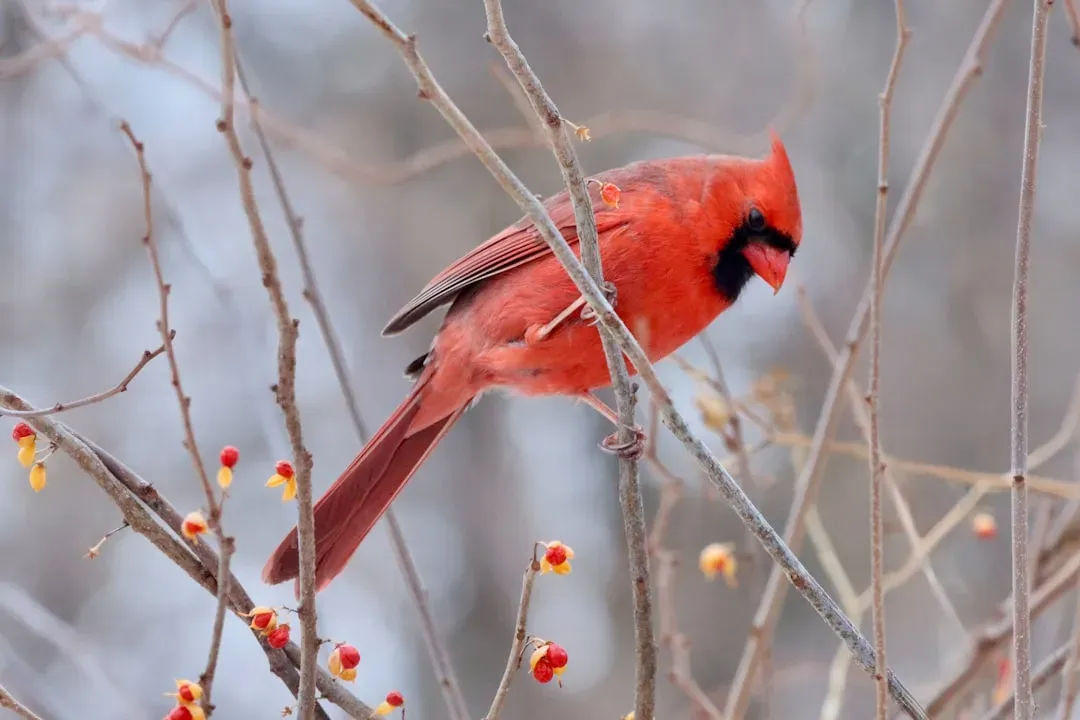
If a male’s diet is lacking in pigment-rich foods, his feathers can look duller and less saturated, which might make him less attractive to females during the breeding season. This means that what you plant in your yard and what grows naturally around you can directly influence the brightness of the birds you see. In a way, every fiery-red cardinal at your feeder is wearing a living advertisement for the quality of your neighborhood’s food resources.
6. Cardinals Are Fiercely Territorial, Even With Their Own Reflection
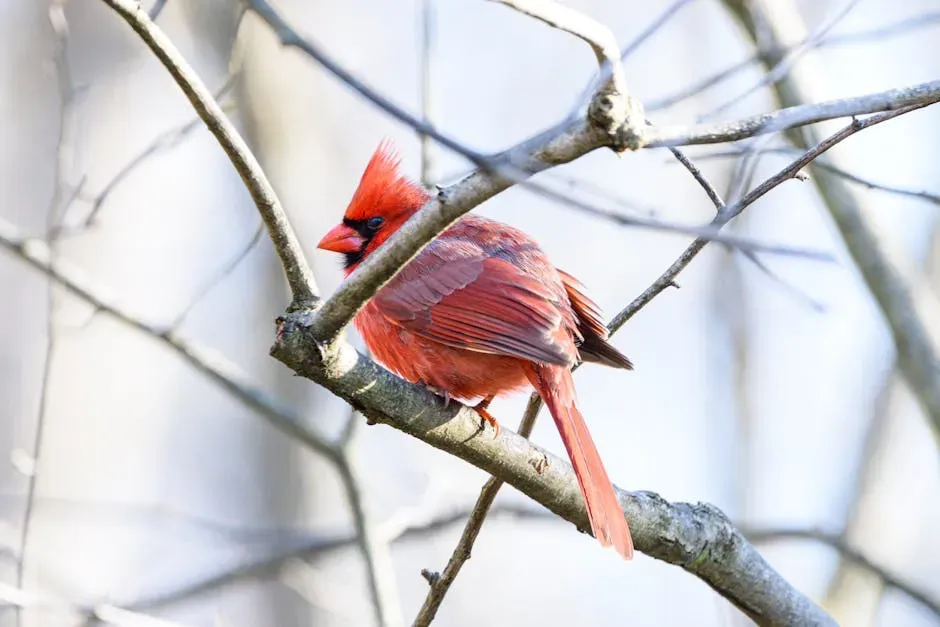
You may have seen a cardinal repeatedly slamming into your window or attacking the side mirror of your car and wondered what on earth it was doing. What you’re watching is pure territorial behavior: the bird thinks its reflection is a rival encroaching on its home range. Because the “intruder” never leaves, the cardinal can become obsessed, returning again and again to try to drive it off.
This can go on for days or even weeks, especially during the height of breeding season when the stakes feel highest for the bird. While it might look funny at first, it’s actually stressful for the cardinal and can waste valuable time and energy. Something as simple as temporarily covering the offending window or mirror, or breaking up the reflection with tape or a decal, can dramatically reduce this frantic battling with an invisible enemy.
7. They Mate For The Season And Often Stay Nearby For Years
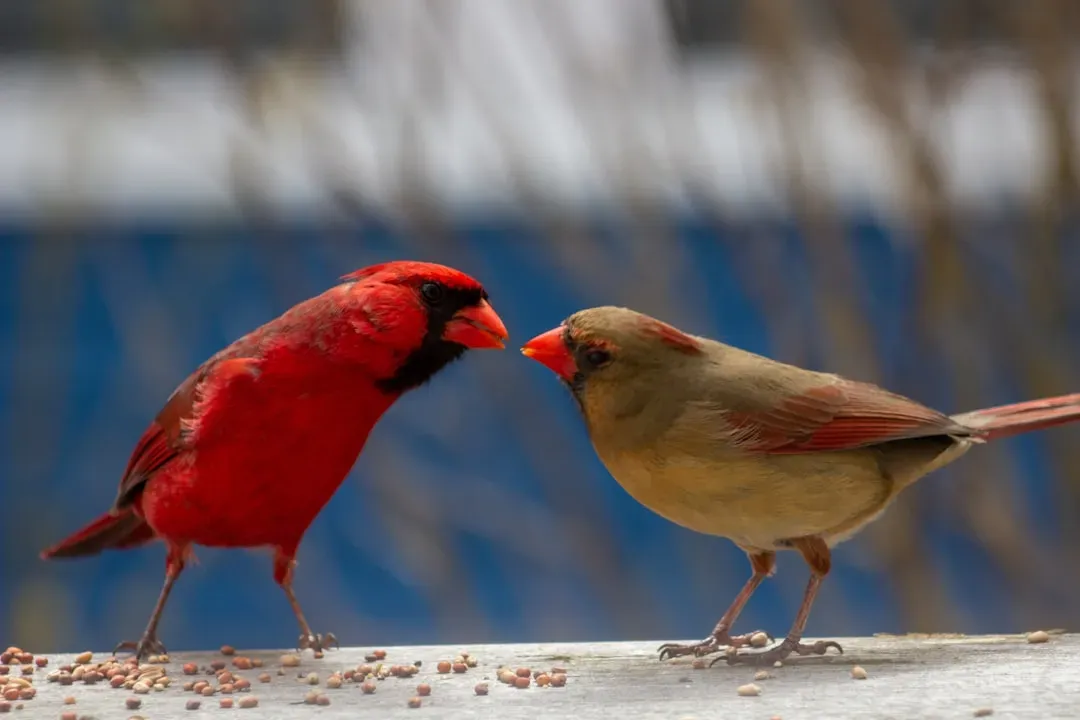
Cardinals are not strictly “for life” in every single case, but they do tend to form long-term pair bonds and remain together for multiple breeding seasons when things go well. If you’ve noticed the same male and female appearing together at your feeder year after year, there’s a good chance you’re watching a long-standing couple. They learn your yard, your shrubs, and your feeding habits just as reliably as you learn their daily routines.
During the breeding season, you’ll see a lot of sweet behaviors between them, like the male gently passing seeds or bits of food into the female’s beak. This courtship feeding isn’t just endearing to watch; it also shows her that he can provide during the demanding nesting period. Over time, you start to feel like you “know” them, even though they’re wild birds following instincts that have played out for countless generations.
8. You’re Probably Walking Right Past Their Nests
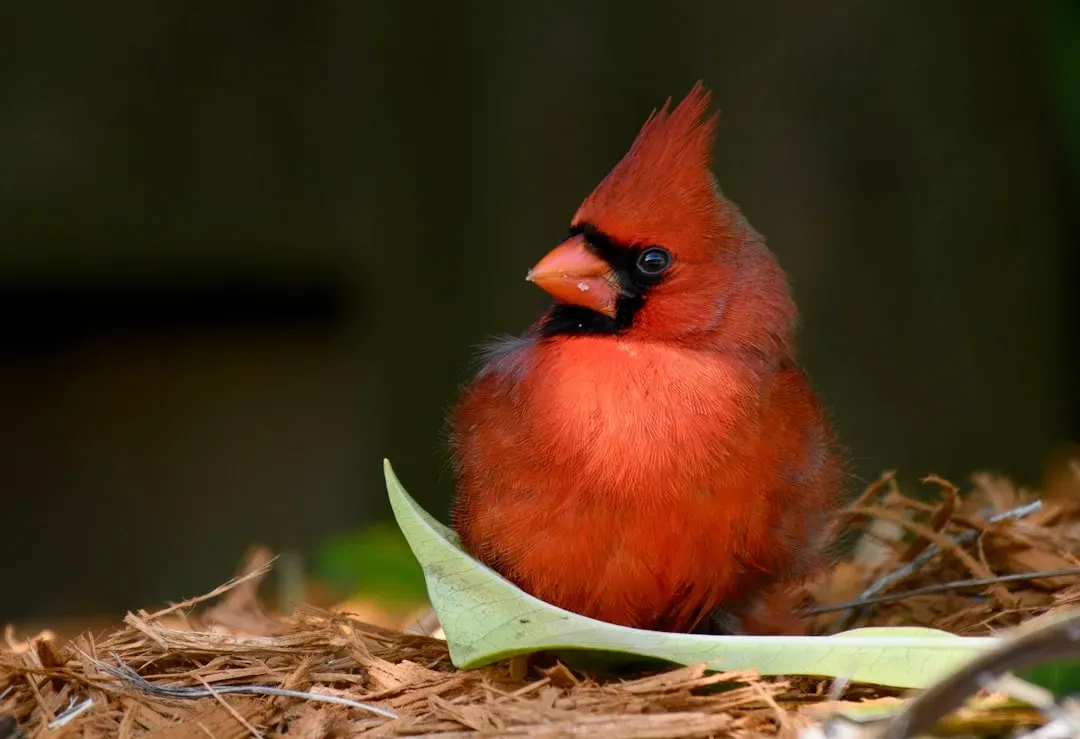
Cardinal nests are surprisingly close to where you live your daily life, often tucked just a few feet off the ground in dense shrubs, tangles of vines, hedges, or small trees. You might walk by the same spot on your front path, driveway, or backyard every day and never realize there’s a nest holding eggs or tiny nestlings just an arm’s length away. The female’s soft colors and stillness help her stay nearly invisible among the leaves and twigs.
If you ever notice a cardinal repeatedly darting into the same bush or thicket, especially during spring and early summer, there’s a good chance a nest is hidden inside. The best thing you can do is keep your distance, avoid trimming that area until after the nesting season, and keep pets away if possible. When you know where a nest is, it suddenly turns an ordinary shrub into something you watch with quiet anticipation, like a secret little world unfolding in slow motion.
9. Their Beaks Are Designed Like Tiny Nutcrackers
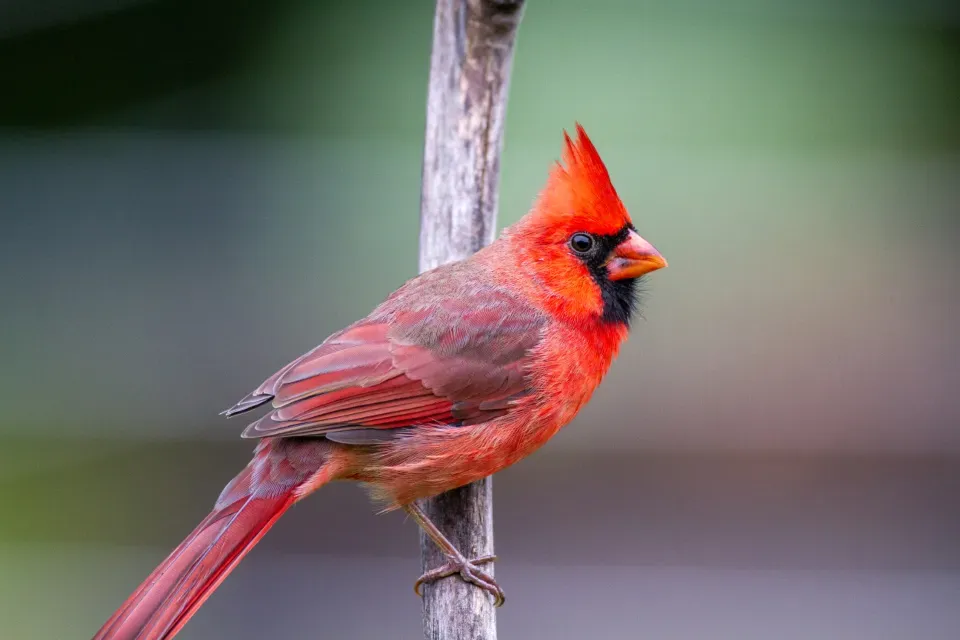
That short, thick, cone-shaped beak isn’t just cute; it’s a serious tool. Cardinals are built to crack open tough seeds and hulls that many other birds struggle with, especially sunflower seeds and other hard-shelled favorites at your feeder. If you watch a cardinal up close, you’ll see it briskly crush and twist seeds with its beak, spitting out the hulls with impressive efficiency.
This strong beak gives cardinals a big advantage in colder months when insects are scarce and high-energy seeds become crucial. It also allows them to handle a wide variety of foods, from seeds and grains to fruits and occasionally small insects. By offering a mix of seed types, you’re essentially filling their toolkit with more options, and their beak is perfectly adapted to make use of almost all of it.
10. They Stay Put Instead Of Migrating Away
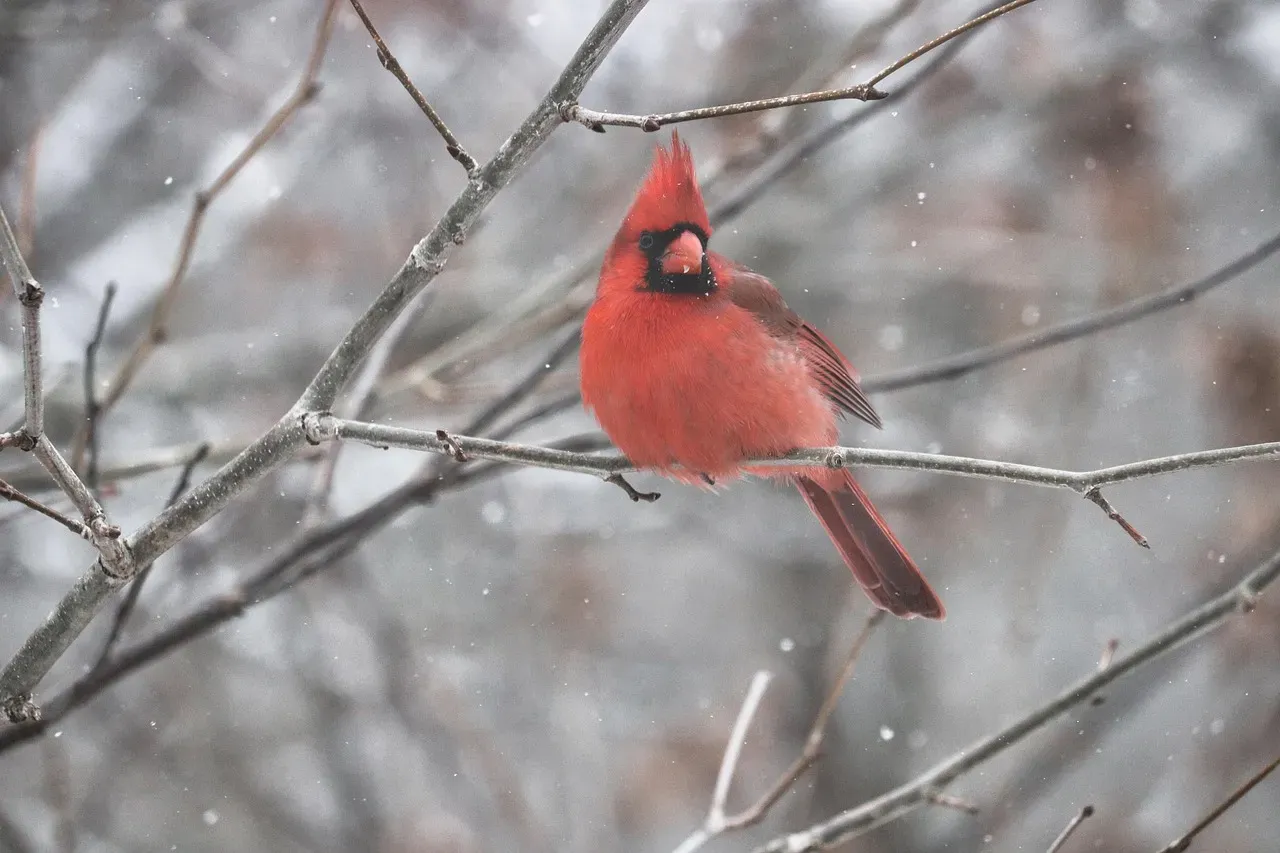
Unlike many songbirds that disappear in autumn and reappear in spring, cardinals are year-round residents across most of their range. That means the birds you see at your feeder in the snow are likely the same ones you see singing from your trees in May. They tough it out through the seasons, relying on dense cover and consistent food sources to survive cold, windy weather.
This loyalty to place is why adding feeders, native plants, and shelter in your yard can have such a lasting impact. You’re not just helping a random passing bird; you’re supporting the same individuals and families month after month, year after year. When you step outside on a freezing morning and hear that clear whistle slicing through the air, it feels like a familiar neighbor refusing to let winter win.
11. You Can Attract More Cardinals With The Right Yard Design
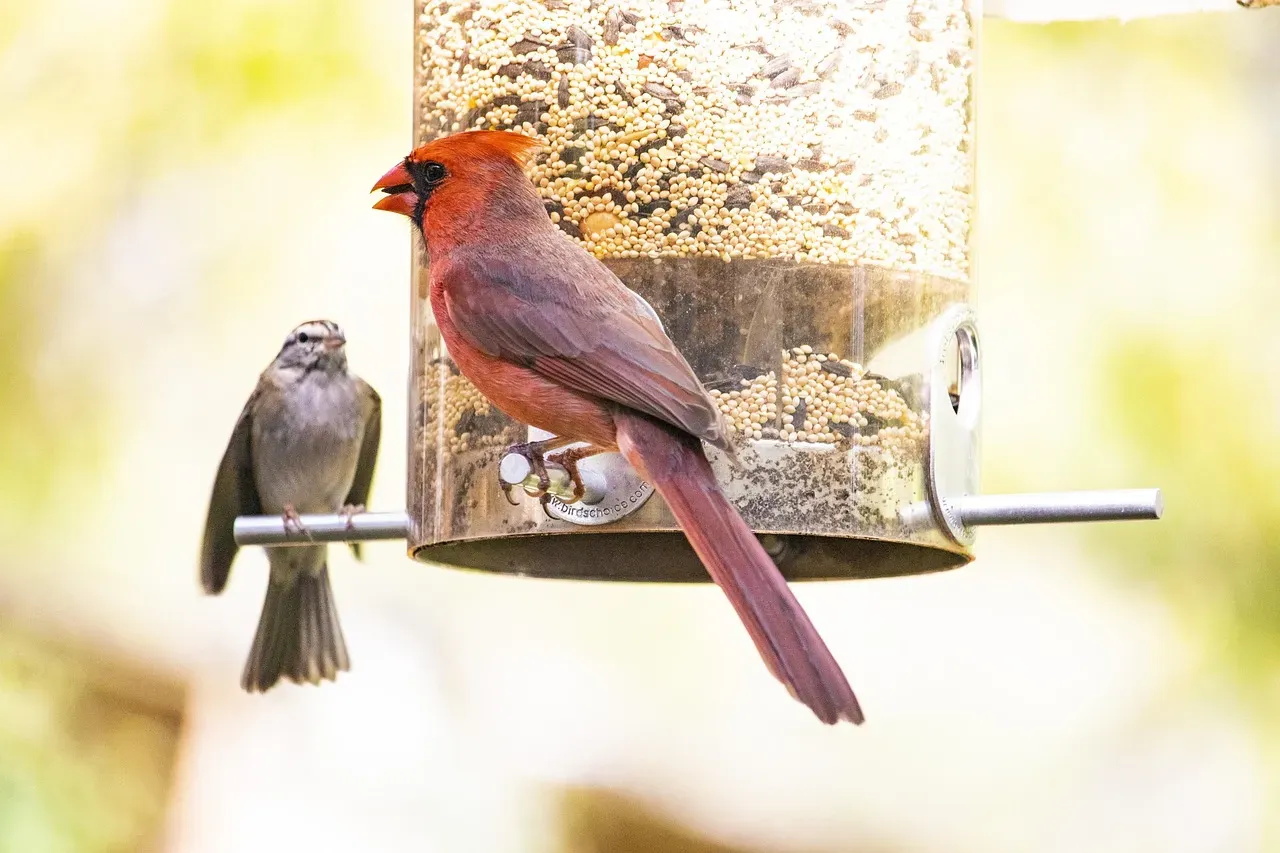
If you’ve ever wondered why some yards seem to host cardinals constantly while others barely see any, the answer often comes down to structure and food. Cardinals love places with layers: low shrubs, medium-height bushes, and taller trees, all creating a stair-step of cover they can hop through. They’re not big fans of wide-open spaces where they feel exposed, so a bare lawn with a lonely feeder in the middle is less appealing than a yard with messy, natural edges.
By planting dense shrubs, allowing a hedge to grow a bit fuller, and adding native plants that produce seeds and berries, you’re basically rolling out the red carpet for cardinals. Pair that with platform or hopper feeders stocked with black oil sunflower seeds, safflower seeds, or peanut pieces, and you’ve created a buffet with built-in safety zones. Over time, you’ll notice cardinals showing up not just to grab a quick bite, but to linger, explore, and weave your space into their daily route.
12. Their Range Has Been Quietly Expanding Northward
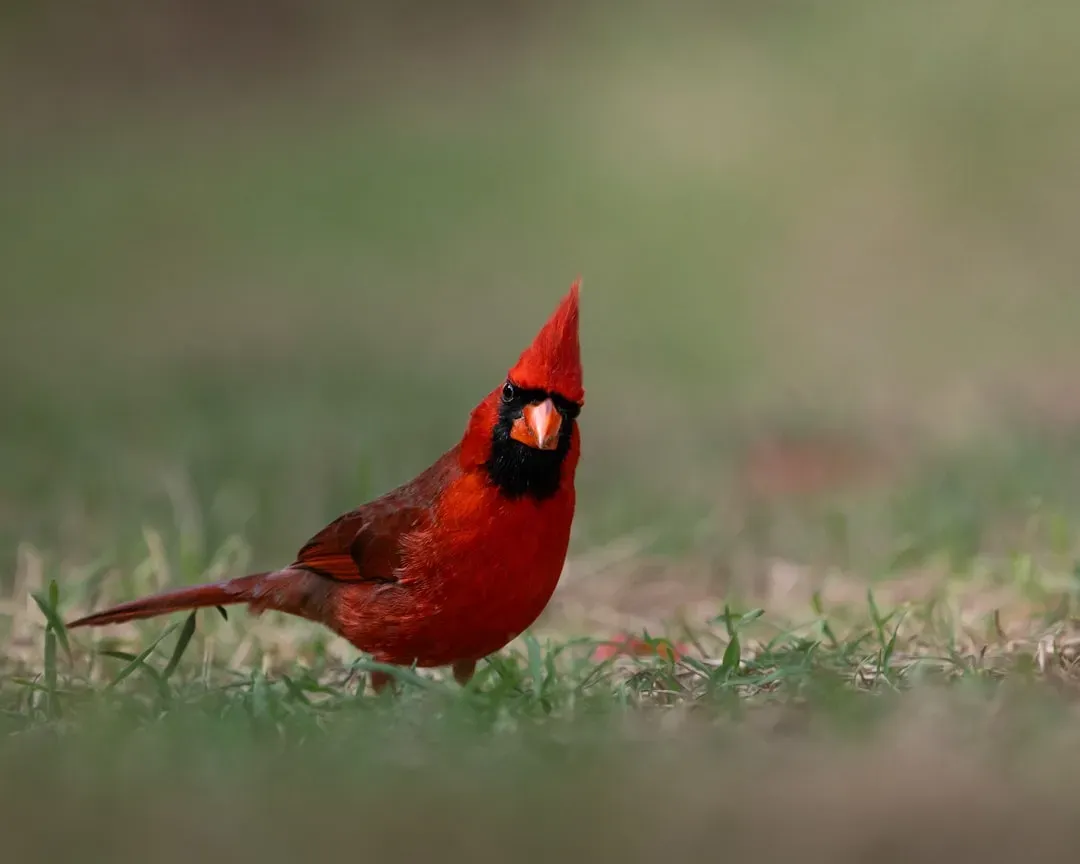
If you live farther north than you did as a kid and you’re seeing more cardinals now, you’re not imagining it. Over the last century or so, cardinals have gradually pushed their range northward, helped along by backyard feeders, ornamental plantings, and milder winters in many regions. Your neighborhood bird-friendly choices, combined with broader climate trends, have made new areas more welcoming for them.
This slow expansion is a reminder that your everyday decisions ripple out in ways you might not expect. When you plant shrubs that hold berries into winter or keep a feeder stocked through cold snaps, you’re part of a much larger pattern that can literally shift where species live. Watching cardinals in a place where they were once rare feels a bit like seeing a quiet success story perched right on your fence.
Conclusion: The More You Notice, The More Magical They Become
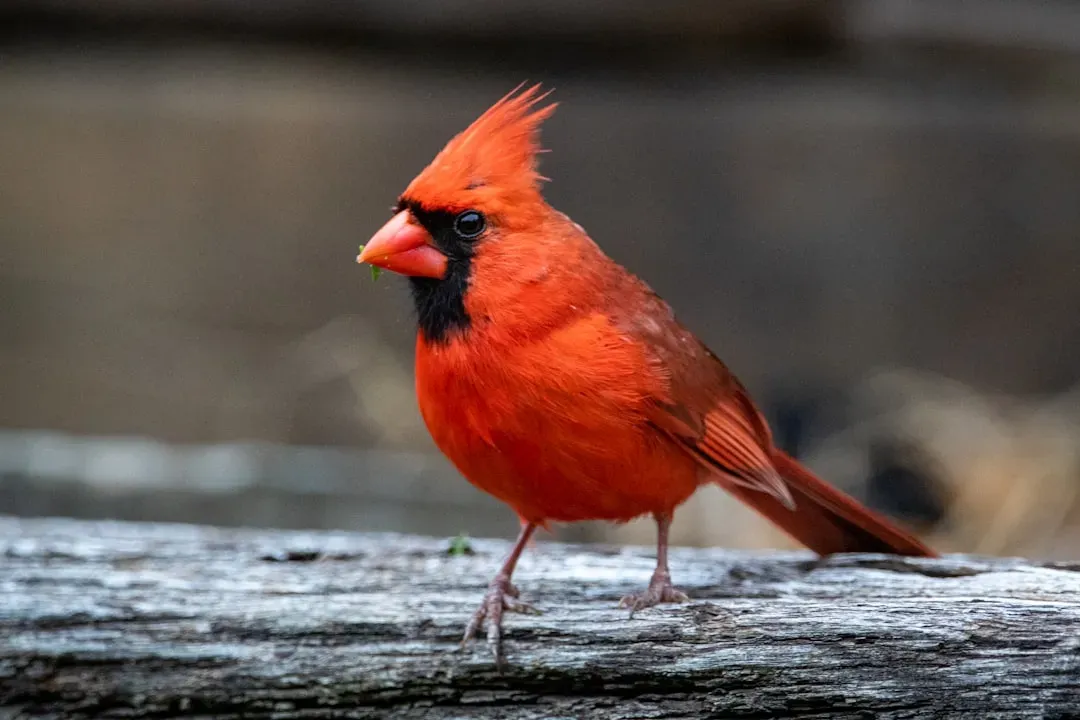
Once you start paying attention, cardinals stop being just “those red birds” and become complex neighbors whose lives play out parallel to yours. You notice the subtler beauty of the female, the duets echoing through early mornings, the carefully hidden nests only a few steps from your door. You see how your yard, your plants, and even your windows shape their daily routines in ways you never realized.
The next time a cardinal lands in front of you, try watching a little longer and listening a bit closer. Ask yourself what you might be missing in that brief moment of color and sound – a hidden nest, a loyal partner, a tiny seed-cracking machine surviving another winter. In a world that moves fast, how many other small wonders like this are you walking past without ever really seeing them?