If someone told you that one of the largest volcanoes on Earth is quietly rumbling beneath your feet in the United States, you might shrug it off as a distant, movie-style disaster. But when you realize that this supervolcano sits under a place you might have vacation photos from, the story suddenly feels very different. Yellowstone is real, active, and powerful – and yet the truth about what it’s doing right now is far more nuanced than the scariest headlines suggest.
As you read about the idea that Yellowstone could erupt tomorrow, you’re walking a tightrope between imagination and evidence. On one side, you have terrifying worst-case scenarios; on the other, you have decades of careful scientific monitoring that paint a more measured picture. This article walks you straight into that tension. You’ll see what scientists are actually measuring, how worried you should be, and why the phrase “it could erupt tomorrow” is technically true but also deeply misleading.
The Myth of an Overdue Doomsday Eruption
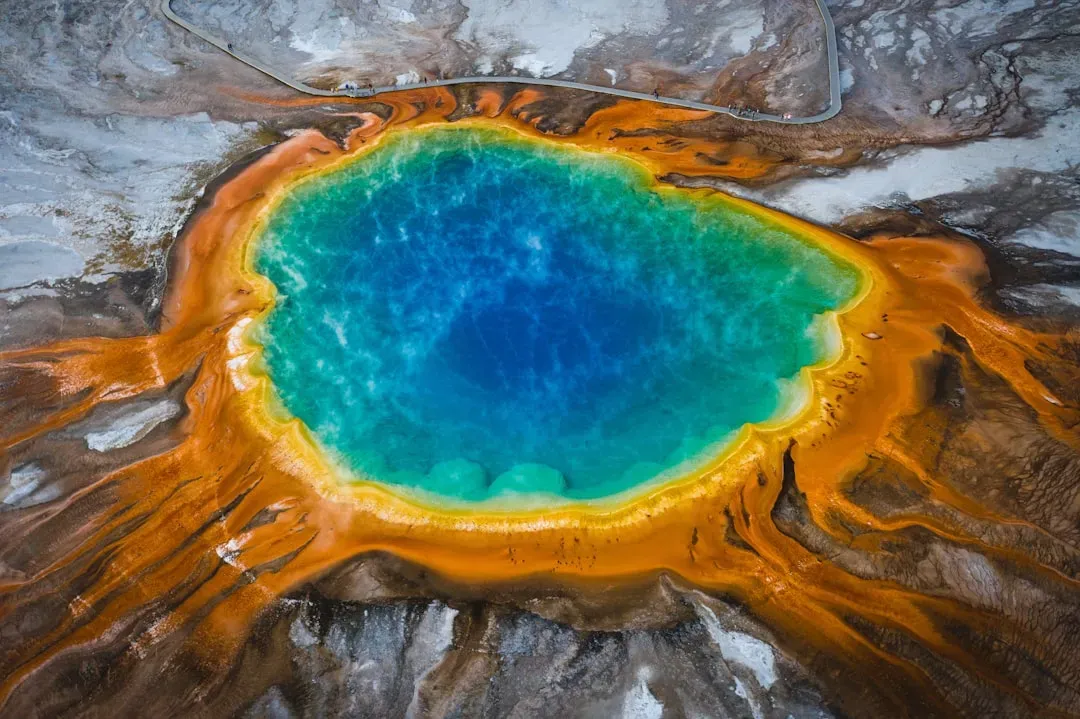
You have probably heard someone say that Yellowstone is “overdue” for a massive eruption, as if it follows a strict schedule and your calendar alarm is about to go off. That idea sounds convincing at first, especially when you hear that past supereruptions happened roughly hundreds of thousands of years apart. But when you look closer, you realize those numbers are rough averages, not appointments carved into stone. Volcanoes do not work like train timetables; their behavior is chaotic, messy, and controlled by processes you can’t reduce to neat intervals.
If you’ve ever averaged your commute time, you know that some days you get there much faster and some days much slower, and the “average” never actually happens. Yellowstone’s past eruptions are like that: spread out, irregular, and not following a precise rhythm. When you hear that it “could erupt tomorrow,” that statement is technically true in the same way that you could technically win the lottery tomorrow. Possible? Sure. Likely? Not even close. Scientists who study Yellowstone see no evidence that it’s sitting on a ticking clock about to hit zero.
What a Supervolcano Actually Is – And What Yellowstone Has Already Done
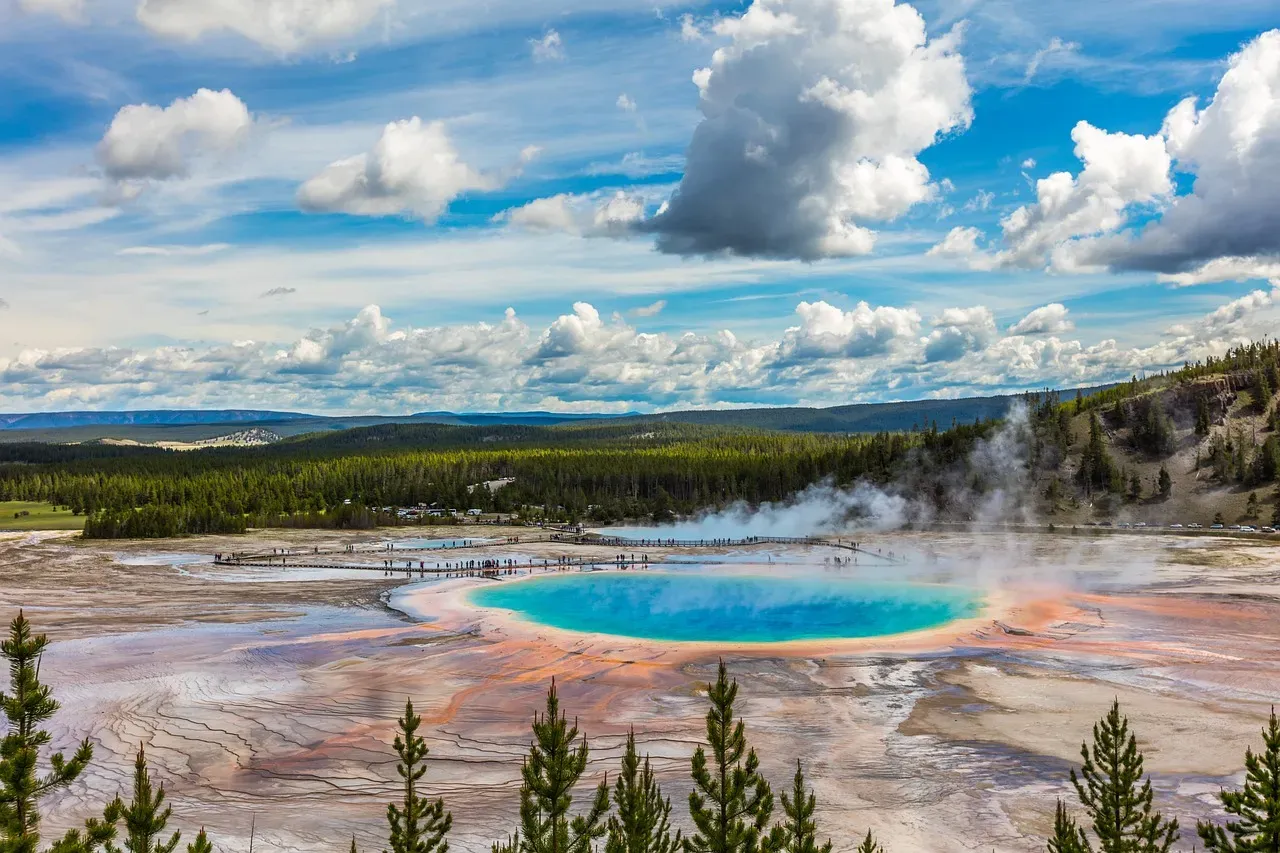
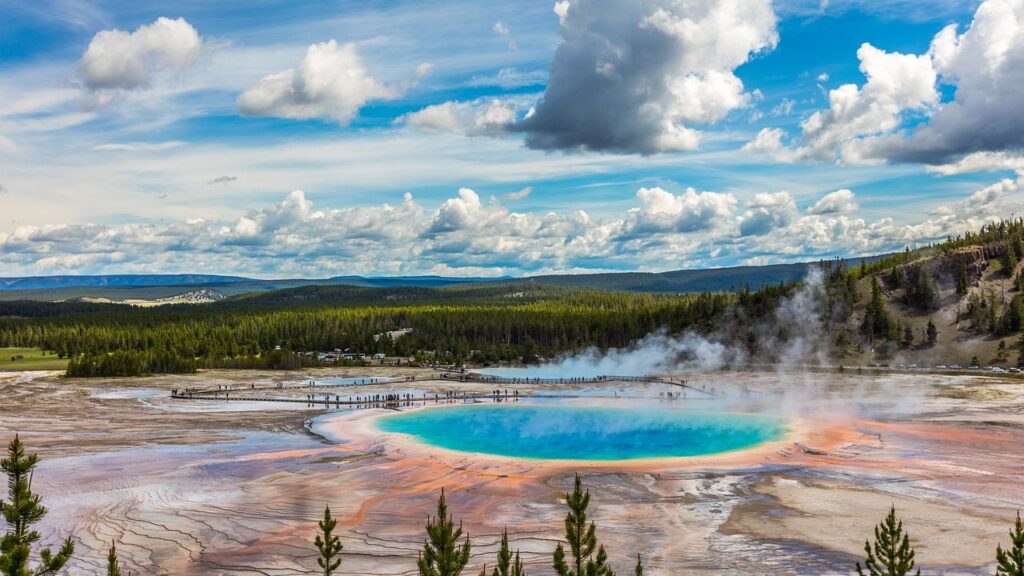
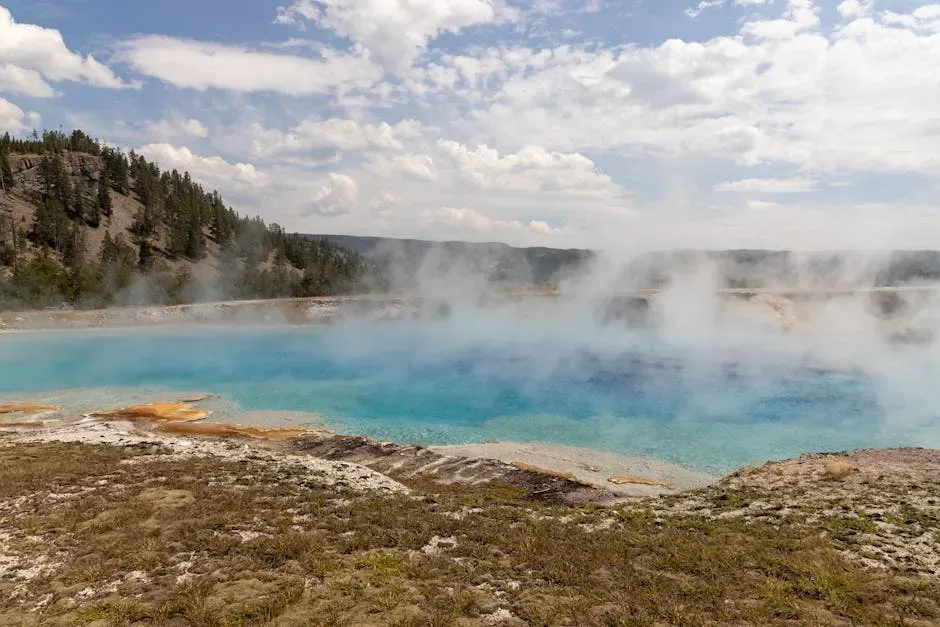
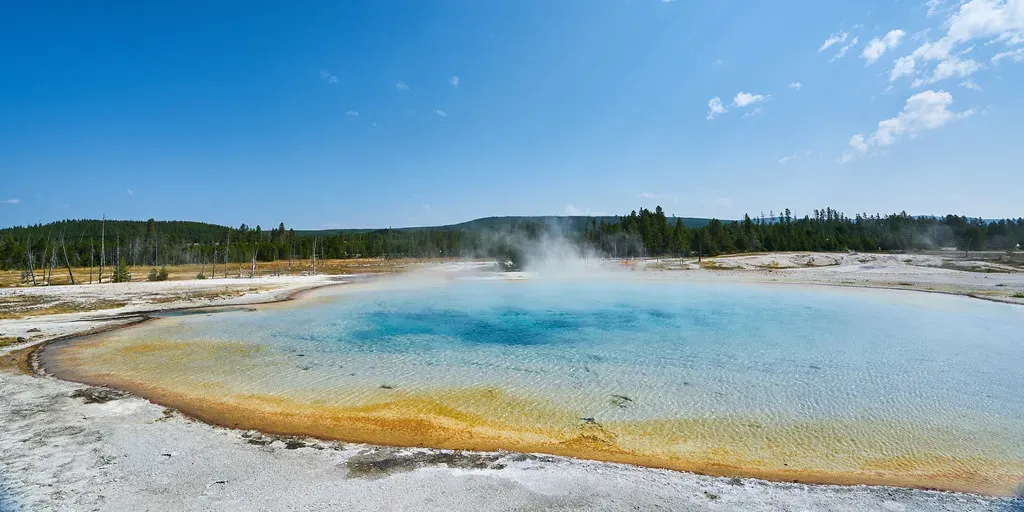
When you hear the word “supervolcano,” your mind probably jumps to apocalyptic skies, global chaos, and ash burying entire continents. Yellowstone has earned that label because it has produced eruptions in the distant past that were thousands of times larger than typical eruptions you see on the news. Under the park, there’s a vast magma system, not just a single simple chamber, feeding a complex network of hot water, steam, geysers, and hydrothermal features that tourists marvel at each year. You are literally standing on top of a gigantic heat engine when you walk around Old Faithful.
Yellowstone’s history includes three very large eruptions over the last few million years, along with many smaller lava flows and countless hydrothermal blasts. Those big events did reshape large parts of the landscape and spread ash over huge areas, but they were separated by long, irregular stretches of time. You are living in one of those quiet stretches now, in a period where most of what the volcano does shows up as hot pools, colorful microbial mats, and occasional steam explosions – not continent-altering blasts from the deep.
How Scientists Monitor Yellowstone Every Day
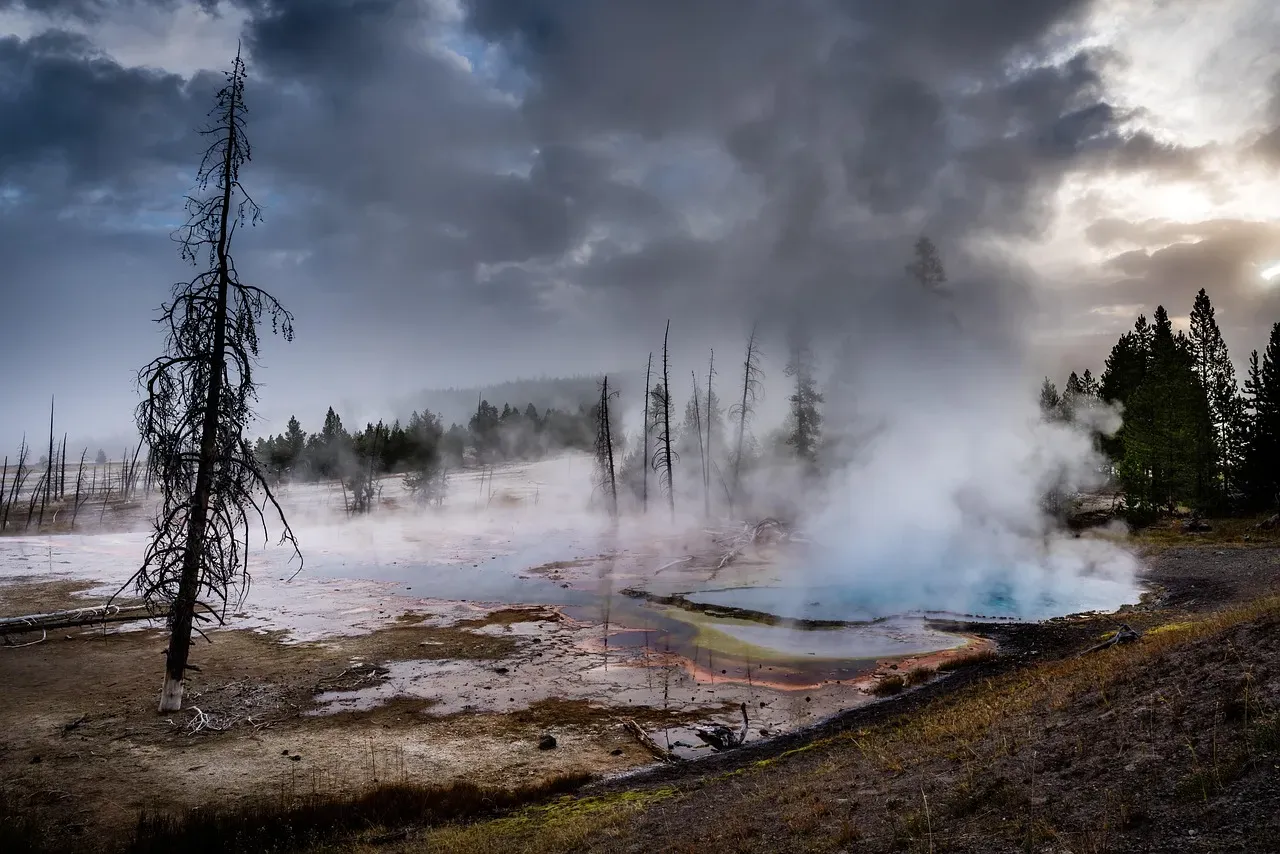
If you picture Yellowstone as an unpredictable monster that no one is watching, you’re missing one of the most important parts of the story: you are looking at one of the most closely monitored volcano systems on the planet. Scientists keep round-the-clock tabs on it using a network of seismometers, GPS stations, satellite data, gas sensors, and thermal cameras. It’s like the volcano is wired up to a massive medical monitoring system, where every twitch, burp, and temperature change gets logged and analyzed.
You might be surprised to learn that volcanologists are not casually glancing at a dashboard once a month; they are constantly evaluating trends over months, years, and decades. When the ground rises or sinks by a few centimeters, they notice. When the composition of gases changes slightly, they notice. When patterns of earthquakes shift, they notice. The goal is not to eliminate uncertainty – that’s impossible – but to make sure that if Yellowstone ever starts moving toward a truly dangerous state, you get as much warning as nature allows.
The Earthquakes You Never Feel – And Why They Matter
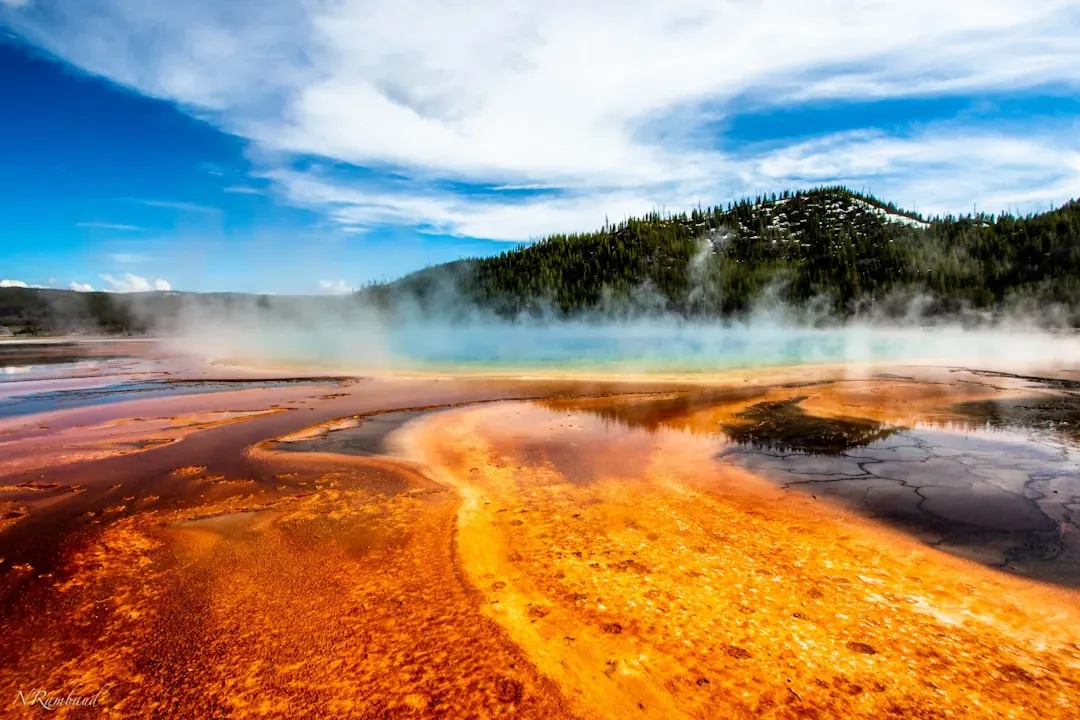
You may associate earthquakes with dramatic shaking, toppled furniture, and cracking walls, but most of Yellowstone’s quakes are so small you would never feel them, even if you were standing right above the epicenter. These tiny tremors happen by the thousands every year and are a normal part of life for such a geologically active region. They are caused by shifting faults, moving fluids underground, and the constant flexing of the crust as heat and pressure are redistributed below the surface.
When you hear that Yellowstone had an “earthquake swarm,” it can sound scary, but in reality, these swarms are common and often reflect fluids moving around rather than magma climbing toward the surface. Scientists track how deep those quakes are, how they cluster, and whether their patterns change over time. If you think of Yellowstone as a living being, those quakes are like its heartbeat and breathing – essential signals that help scientists distinguish between a normal workout and the start of a serious health crisis.
Ground Uplift, Subsidence, and the Breathing Caldera
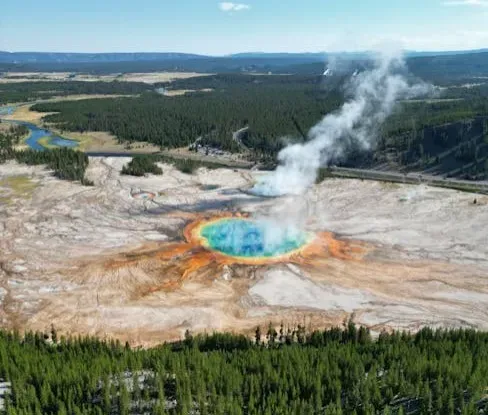
If you could fast-forward time and watch Yellowstone from space, you would see the ground gently rising and sinking over years, almost like the caldera is breathing. Sensitive GPS instruments and satellite radar allow scientists to measure these changes with remarkable precision, sometimes down to millimeters. When magma or hot fluids move into an area, the surface can bulge up; when they drain away or cool, it can sag. None of this automatically means an eruption is coming, but it does tell you that the volcanic system is very much alive.
You might instinctively assume that any uplift is an immediate red flag, but that’s not how experts see it. They look at how fast the ground is changing, where it’s changing, and whether that pattern lines up with other signals like increased gas emissions, unusual seismicity, or changes in thermal features. If Yellowstone were truly gearing up for a major eruption, you would almost certainly see sustained, rapid deformation combined with other worrying signs – not slow, stop-and-go breathing that plays out over many years.
What Scientists Are Actually Seeing Right Now
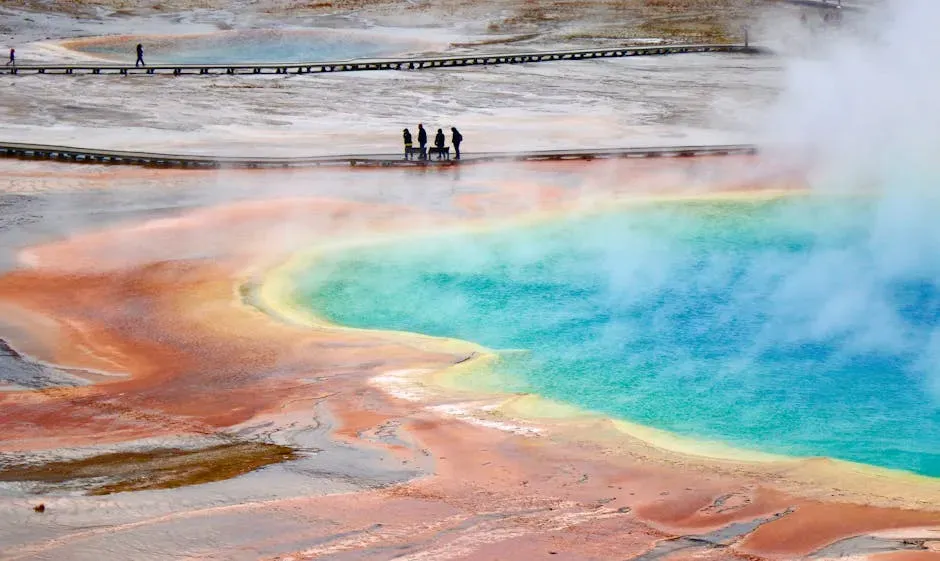
When you strip away sensational headlines and focus on what instruments are measuring today, you find a story that is active but not alarming. Yellowstone continues to have frequent small earthquakes, subtle ground deformation, and robust hydrothermal activity, exactly as you would expect from a large volcanic and geothermal system. The key point for you is that monitoring agencies repeatedly report that there are no signs of an impending large eruption. The volcano is not quiet, but it’s not in crisis either.
From your perspective, that can feel like a strange middle ground to sit in: you know there is a powerful system under your feet, yet all the current evidence points to normal behavior for Yellowstone. You might see media pieces using phrases that make it sound like something is about to break loose, but the people reading the data every day are far more restrained in their language. They talk in terms of probabilities, trends, and long timescales, not in dramatic countdowns. If anything, what you are seeing right now is a textbook example of a well-watched volcano doing exactly what a restless but stable system does.
Could It Really Erupt Tomorrow? Understanding Risk vs. Possibility
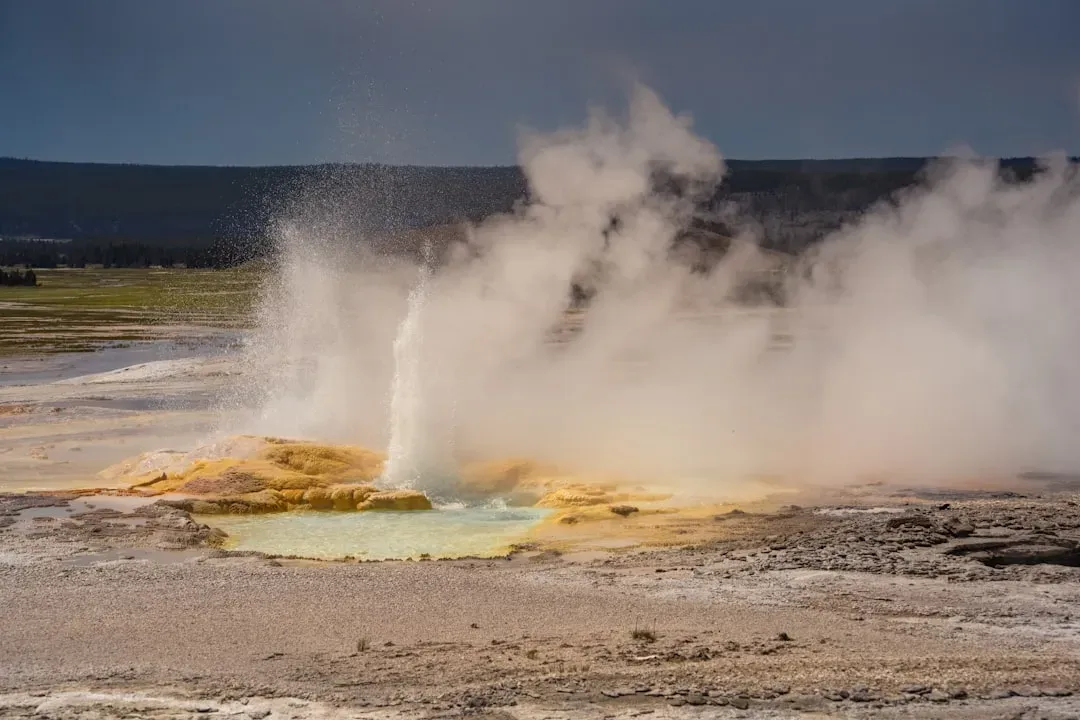
You may feel whipsawed by the idea that Yellowstone could, in theory, erupt tomorrow, while scientists at the same time say the likelihood is extremely low. This tension comes from the difference between what is possible and what is probable. In a strict sense, you cannot rule out the chance of a surprise event, just like you cannot promise that a healthy person will not have a sudden medical emergency. Nature always leaves a little room for the unexpected, and scientists are honest about that uncertainty.
But when you think about risk in your own life, you almost never plan around the most extreme outliers; you weigh the odds. In that sense, Yellowstone’s risk of a supereruption in your lifetime is considered very small compared with many other hazards you face, like major storms, pandemics, or even routine accidents. Scientists point out that Yellowstone is more likely to produce smaller eruptions or hydrothermal explosions than a continent-defining blast. So while “it could erupt tomorrow” makes for a gripping headline, it does not match how experts actually think about the odds you live with every day.
What a Large Eruption Would Mean for You and the Planet
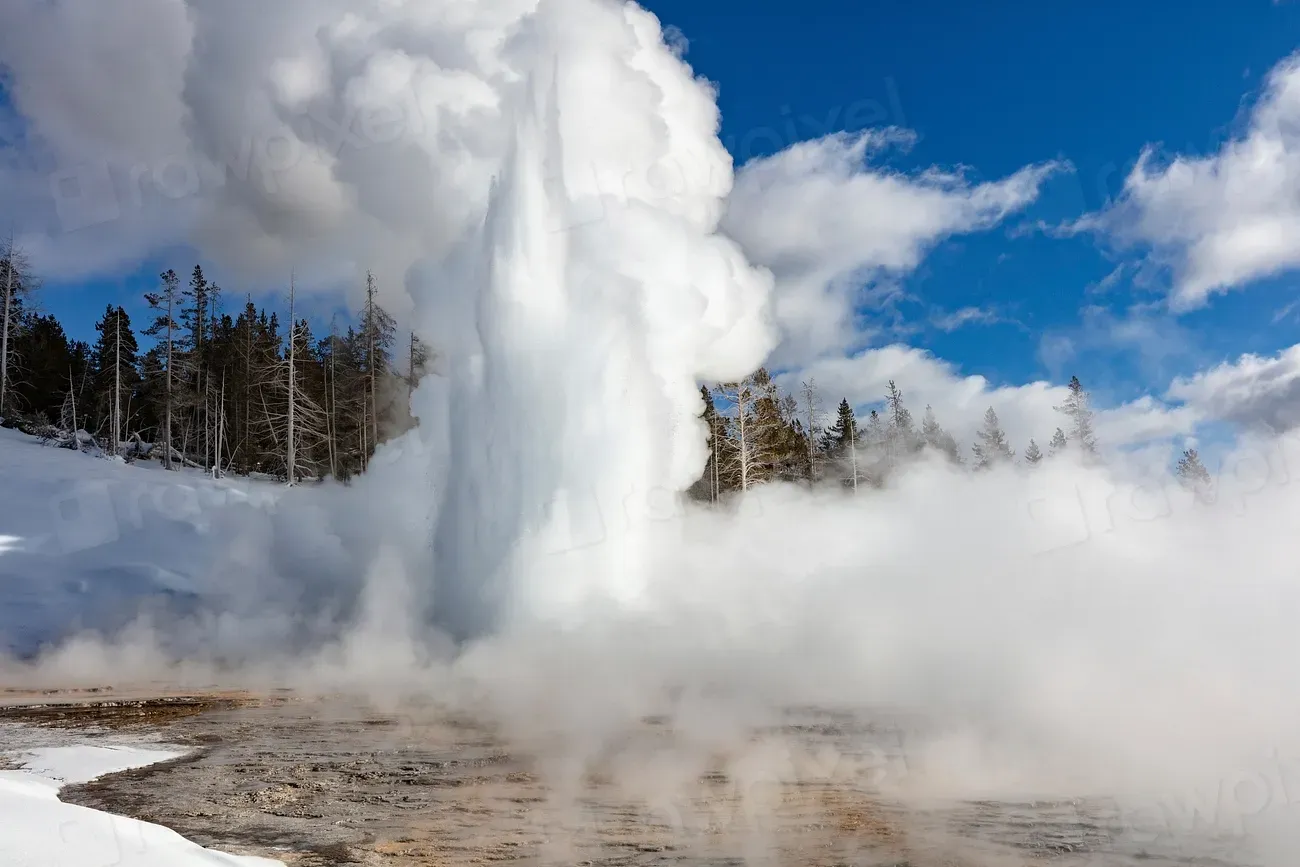
Even though the chances are low, you might still want to know what would actually happen if Yellowstone experienced a truly large eruption in your lifetime. The immediate impacts close to the eruption would be devastating, with everything within the blast zone destroyed by pyroclastic flows, heavy ash, and intense heat. Farther away, ash fall would disrupt transportation, agriculture, and infrastructure, especially downwind. You would be dealing with clogged air filters, contaminated water supplies, and serious strain on energy and food systems in the affected regions.
On a global scale, a supereruption could inject massive amounts of ash and sulfur-rich gases into the atmosphere, dimming sunlight and temporarily cooling parts of the planet. That might sound beneficial in a warming world, but the reality for you would likely be complicated: shorter growing seasons, stressed ecosystems, and added pressure on already vulnerable communities. Even then, Earth has recovered from large eruptions before, and humanity has repeatedly shown an ability to adapt under pressure. The story would be tough and messy, but not an instant end-of-the-world switch.
How You Should Really Think About Yellowstone’s Future
When you step back from the anxiety and look at Yellowstone through a wide lens, you start to see it less as a lurking enemy and more as a powerful natural system that you coexist with. You are living in a world where volcanoes, earthquakes, storms, and climate shifts are all part of the backdrop of human life. The fear around Yellowstone often says more about your imagination than the actual measurements on the ground. It’s normal to feel a jolt when you hear the word “supervolcano,” but you can balance that emotional reaction with a clearer view of the scientific evidence.
Instead of asking whether Yellowstone will erupt tomorrow, you can ask how prepared society is for a range of natural disasters, large and small. You improve your odds not by obsessing over one low-probability scenario, but by supporting robust monitoring, clear communication from scientists, and practical resilience in your own community. You stay informed, but you do not let fear write the entire script. Yellowstone is a reminder that you live on a dynamic planet, not a static rock – and that reality can be both humbling and strangely inspiring.
Conclusion: Living With a Giant Under Your Feet
So where does all of this leave you, standing on a world that hides a supervolcano beneath one of its most famous national parks? You now know that Yellowstone is active, closely watched, and capable of enormous power – yet not showing the signs that would tell scientists a major eruption is looming. You also know that the phrase “it could erupt tomorrow” belongs in the category of theoretical possibilities, not everyday realities you should lose sleep over. The real story is slower, subtler, and grounded in decades of careful observation.
As you think about Yellowstone, you are really thinking about how you live with uncertainty on a restless planet. You can appreciate the park’s geysers and hot springs as surface whispers of deep processes, while trusting that a global network of scientists is paying attention to every new signal. You do not need to ignore the risks, but you also do not need to amplify them beyond what the evidence supports. In the end, Yellowstone’s supervolcano is less a countdown clock and more a long, unfolding conversation between Earth and those who study it – and you get to decide how calmly you want to listen. Did you expect the story to sound this measured?