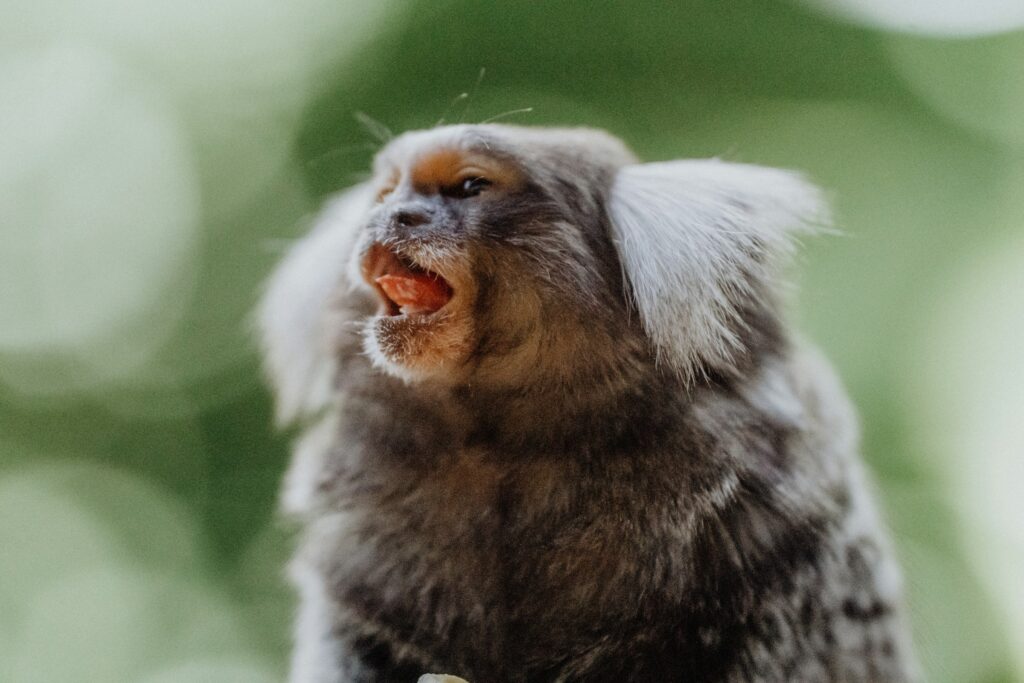
If you think communication is mostly about words, animals will prove you wrong in a heartbeat. All around you, creatures are chatting, negotiating, flirting, warning, and coordinating with a level of subtlety that would put a group text to shame. The twist is that you usually never notice it, because their “voices” live in frequencies you cannot hear, colors you cannot see, and chemicals you cannot smell.
As scientists build better tools and you learn more about how other species live, a whole hidden world of messages is starting to come into focus. Some of these signals are so complex they make you rethink what intelligence and language even mean. Others are surprisingly simple, yet incredibly effective. By the time you reach the end, you may never look at a whale, an ant, or even your own dog the same way again.
1. Whale Songs That Travel Across Oceans
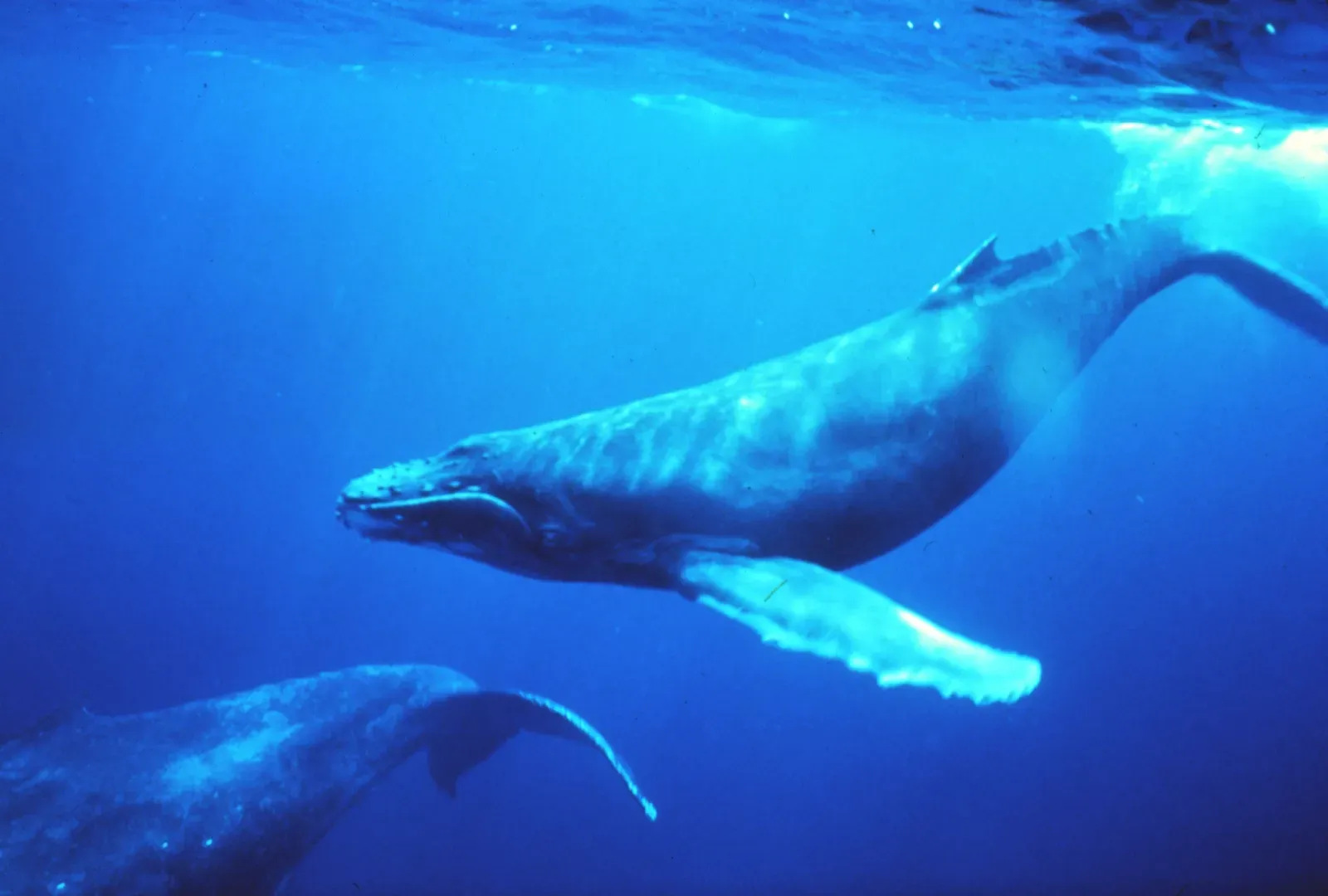
You have probably heard that whales sing, but the scale of what they do is still easy to underestimate. Some large whales, like blue and fin whales, produce sounds so low you cannot hear them at all, yet those sounds can travel hundreds of miles through the water. Imagine being able to whisper in New York and have someone in London pick it up clearly enough to respond. For you, a city feels big; for whales, an entire ocean can feel like a shared room.
What makes this even more mind‑bending is how structured some of these songs are. Humpback whales, for example, repeat patterns and “phrases” that change gradually over seasons, almost like regional musical styles evolving across a population. You are only beginning to understand what all those patterns mean: mating displays, navigation cues, social bonding, maybe even individual identity. It is as if you are slowly tuning in to a radio station that has been broadcasting long before your species even learned to stand upright.
2. Bees Dancing Detailed Directions
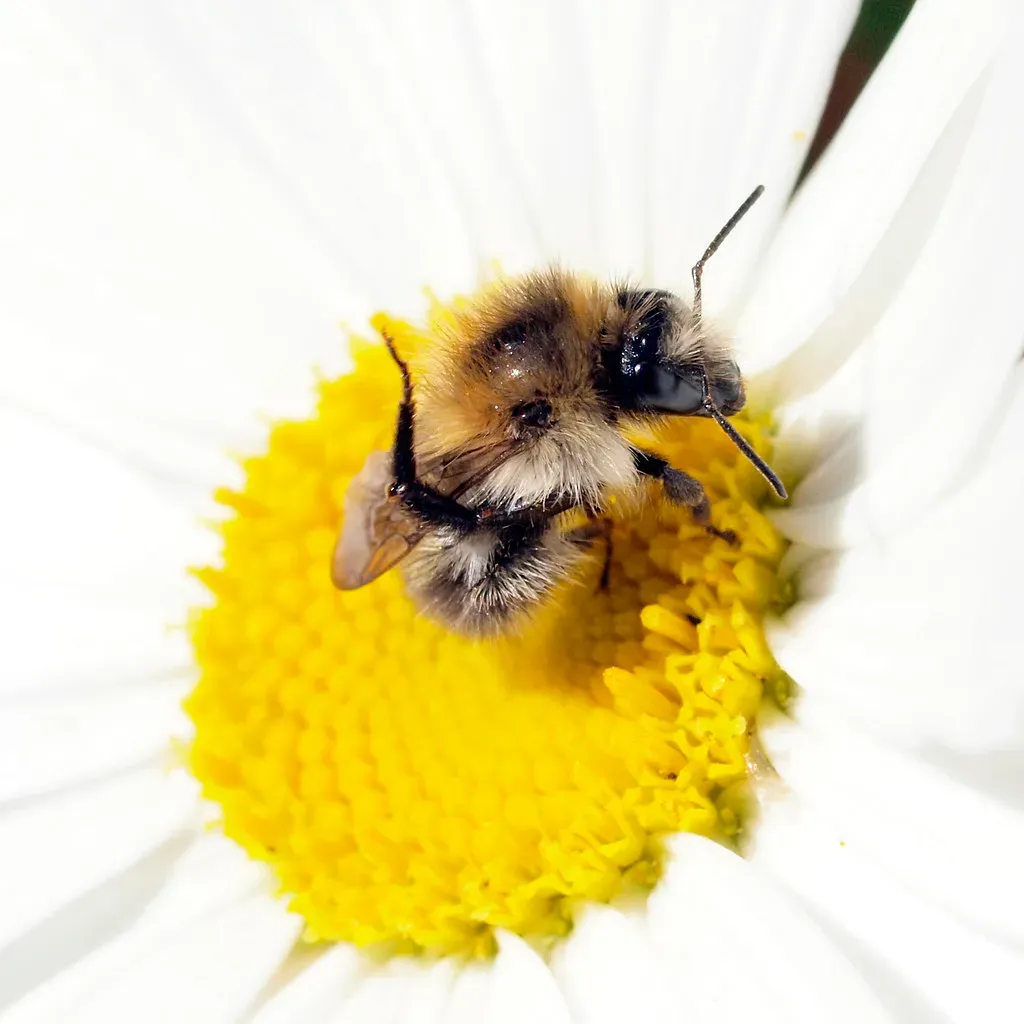
Next time you see a bee hovering near a flower, you are watching a worker in the middle of a highly coordinated information network. Inside the hive, bees perform what is called a waggle dance, using specific angles and movements to encode where food can be found. The direction of the “waggle” relative to gravity tells other bees which way to fly relative to the sun, and the duration gives a sense of distance. You might use GPS and maps; bees get the job done on a patch of comb with a few seconds of rhythmic shuffling.
What makes this even more impressive is that the dance has to adapt constantly to a moving sun and shifting conditions. When you watch a video of it, it looks a bit like chaos, but to the bees it is a precise set of instructions, almost like a living QR code. You are only recently uncovering how much nuance is packed into that movement: quality of the food, urgency, and maybe even levels of excitement. If you had to explain directions to a new café by dancing for fifteen seconds in a dark room, you would suddenly appreciate how skilled these insects really are.
3. Elephants Using Infrasound You Cannot Hear
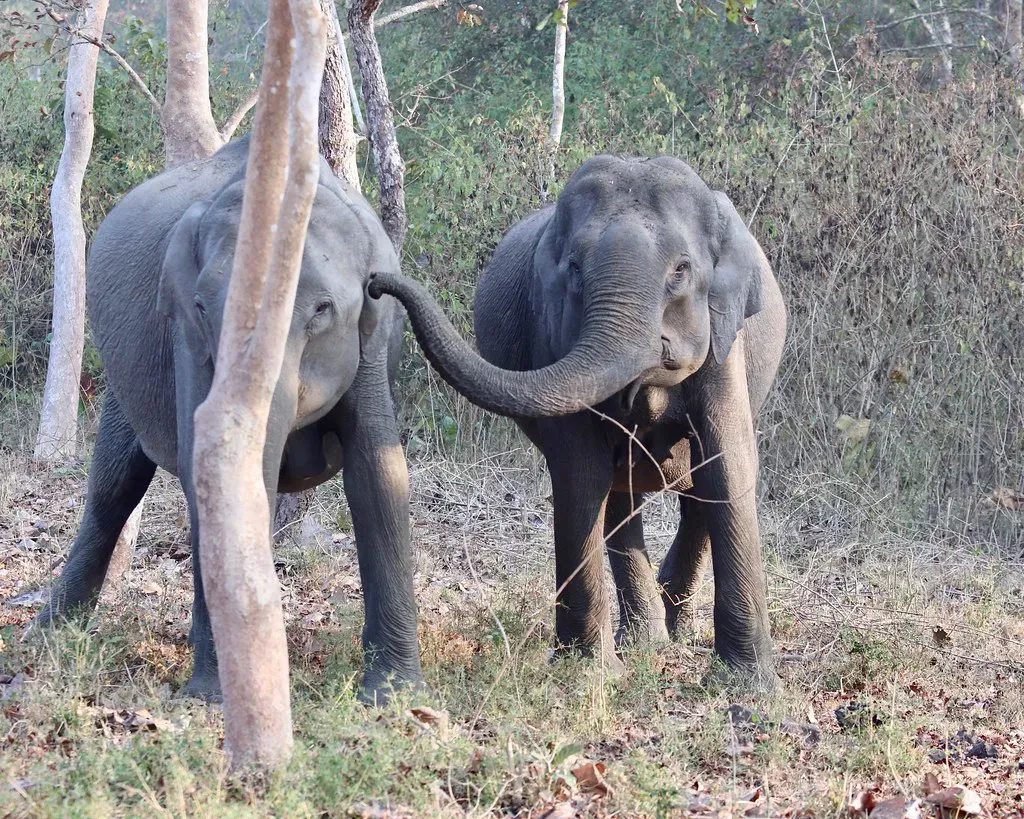
Elephants may look slow and heavy, but their communication system is surprisingly delicate and far‑reaching. They produce low‑frequency rumbles that roll through the ground and air, often at pitches beneath what your ears can detect. These infrasound calls can travel for miles, allowing elephants to stay in touch with distant family members, coordinate movements across a landscape, and even signal danger before it arrives. While you rely on phones and satellites, elephants use the Earth itself as a carrier for their messages.
What is fascinating is how much is tied to emotion and social life in those low notes. Mothers and calves seem to maintain contact through soft rumbles, while groups may send signals about when to move toward water or when a rival herd is nearby. If you could suddenly hear their full acoustic world, a quiet savanna might sound like a busy group chat constantly buzzing with updates and mood shifts. You are just beginning to decode these patterns, and every new insight suggests their emotional and social intelligence runs deeper than you once assumed.
4. Ant Scent Trails That Function Like Invisible Maps
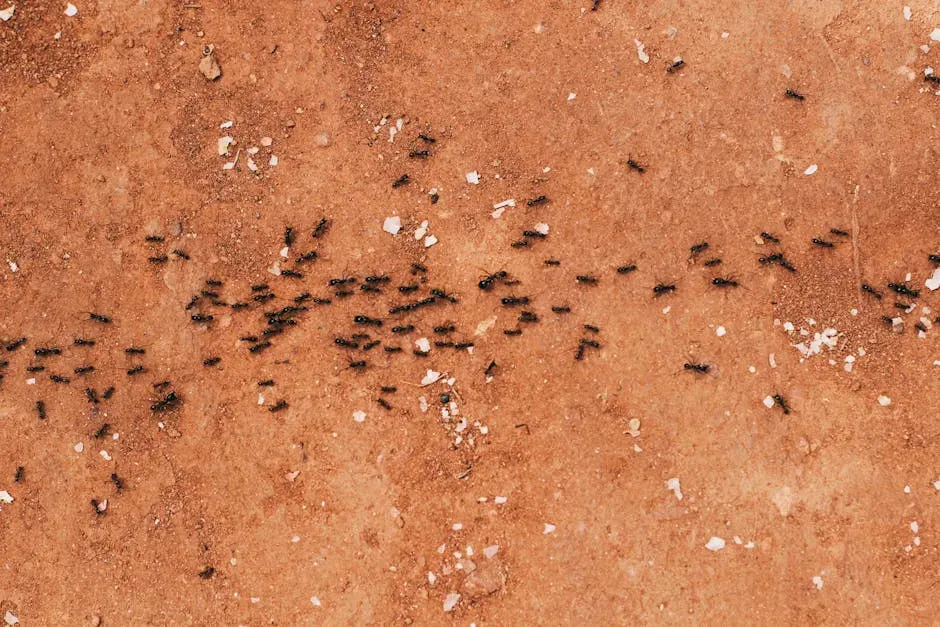
To you, an ant trail is a little moving line on a sidewalk; to the ants, it is a chemical highway complete with signs, detours, and status updates. Ants lay down pheromones – special chemical signals – that tell other ants where to walk, where food is, how good that food is, and whether there is danger ahead. You cannot see or smell these messages, but to an ant, a surface can be full of overlapping “sentences” written in scent instead of ink. It is as if they are carrying tiny invisible markers everywhere they go.
What is especially clever is how this system self‑corrects and improves over time. A well‑used trail gets reinforced as more ants pass and add their own chemicals, while unused paths fade away like forgotten notes. If a new, shorter route appears, ants that accidentally stumble on it begin marking it, and soon the whole colony shifts to the better path. You might call that crowd‑sourced optimization; ants just call it Tuesday. You are only beginning to appreciate how such simple rules, multiplied across thousands of tiny bodies, create what looks like a collective mind.
5. Birds Hiding Layers of Meaning in Their Songs
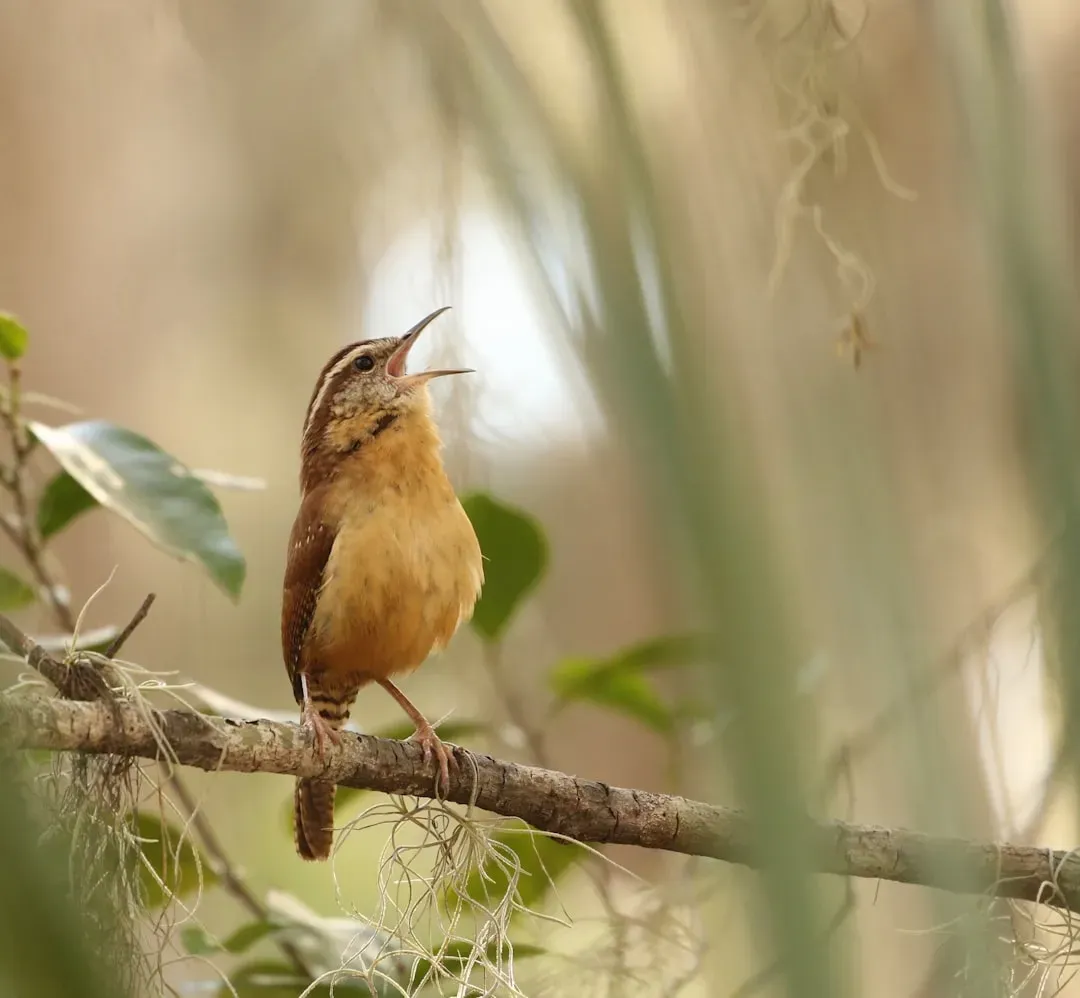
When you listen to birdsong, it may sound like a pretty background soundtrack to your morning, but birds are often holding full‑blown conversations right over your head. Many species use different notes, rhythms, and repetitions to signal things like territory boundaries, mate attraction, alarm, or the presence of specific predators. To another bird, a short trill might say something like: “This is my spot, I am strong, and also by the way, there is a hawk circling to the north.” You hear melody; they hear detailed status reports.
Researchers are discovering that some birds can even adjust their songs in real time depending on who is listening. A bird might simplify its call in a noisy city, or change certain elements if a rival shows up. There is also evidence that some species pick up on the warning calls of completely different birds and react appropriately, as if following a multilingual neighborhood watch. When you realize how much information can be tucked into just a few seconds of sound, suddenly that morning chorus starts to feel less like random noise and more like an ongoing meeting you were never invited to attend.
6. Cephalopods Writing With Color and Skin
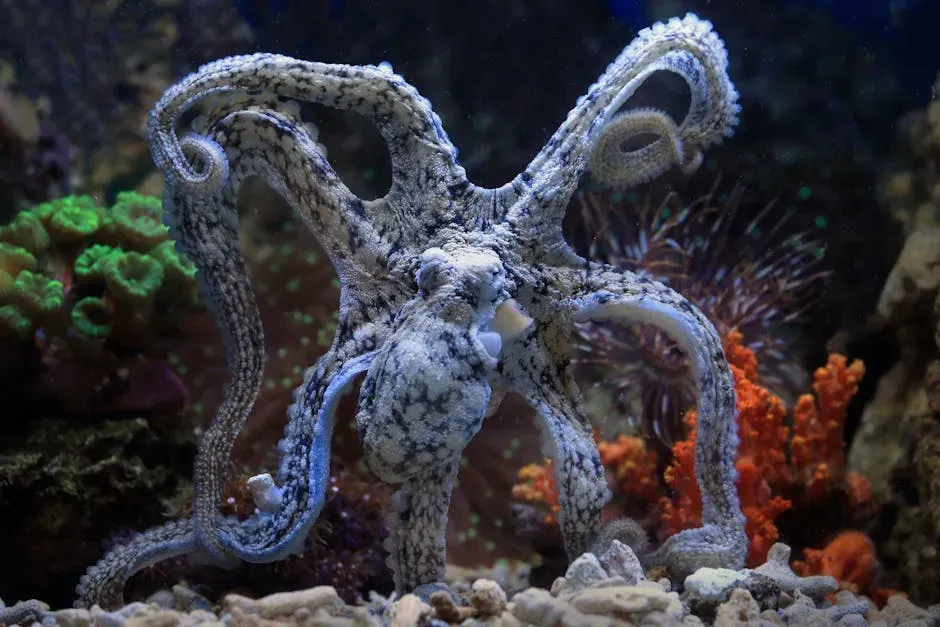
If you want to see communication that feels like science fiction, you should look at octopuses, squids, and cuttlefish. These animals can rapidly change the color, pattern, and even texture of their skin, creating shifting displays that are useful for camouflage – but also for signaling each other. A cuttlefish can flash bold stripes while keeping another part of its body muted, sending different messages in different directions at the same time. It is like watching someone speak two conversations at once, using one side of their face for each.
You can think of their skin as a kind of living screen with millions of tiny cells acting like pixels. Some patterns seem to say “back off,” others suggest courtship or cooperation, and there are still patterns you have not fully decoded yet. What makes this so wild is how fast it happens: they can switch from one display to another in fractions of a second. If your emotions instantly broadcasted themselves in bright patterns on your skin every time you felt them, you would probably think much more carefully about every social interaction you had.
7. Dogs Reading and Sending Human‑Tuned Signals

You already know that dogs bark, whine, and growl, but that is only one layer of how they communicate – with each other and with you. They use body posture, tail movement, ear position, eye contact, and even subtle shifts in breathing to get their point across. You might not realize it, but you have been trained by dogs as much as they have been trained by you. Over thousands of years living alongside humans, dogs have become specialists at reading your gestures and facial expressions and using their own in ways you are more likely to understand.
Even simple behaviors like a “puppy‑eyes” look carry a surprising amount of nuance. The angle of a dog’s head tilt, or the way they lean into your leg, can be a careful mix of seeking reassurance, expressing trust, or lobbying for that last bit of food in your hand. You, in turn, talk back without words, adjusting your tone and posture in response, often without realizing it. The result is a shared cross‑species language built on eye contact, touch, and routine. You are only beginning to study how deep this mutual understanding goes, but any dog owner would tell you they have felt “heard” by their animal in ways that are hard to put into human terms.
8. Corvids Using Calls and Gestures to Share Knowledge
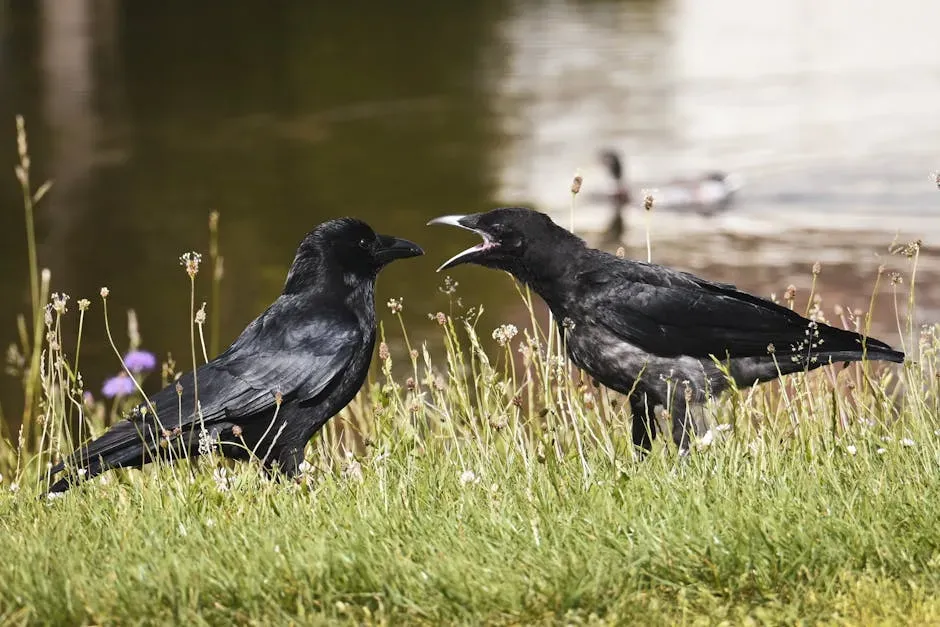
Crows, ravens, and other members of the corvid family have long had a reputation for being clever, but their communication skills are only now being taken seriously. They use a variety of calls that can shift depending on context – what kind of threat is nearby, how urgent the situation is, or whether there is an opportunity worth sharing. Some populations seem to pass along information about dangerous humans or places, almost like a spoken “do not trust this face” list that spreads through the group. You might think you are just walking down the street; the birds may be actively updating each other about you from the rooftops.
What is even more intriguing is that corvids also use body language and object displays to send messages. They may point with their beaks, show off shiny objects, or position themselves in certain ways when interacting with partners or rivals. You are still piecing together what each behavior means, but it is clear these birds do more than just squawk randomly into the air. When you watch a crow puzzle out a problem, call to a companion, then both adjust their actions, you are witnessing a kind of group reasoning that blurs the line between simple signaling and something closer to shared thought.
In the end, when you look closely, you discover that the world is not quiet at all – it is overflowing with conversations you were never taught to hear. From songs that cross oceans to scents that map invisible roads, every species is broadcasting in a code that fits its own needs and senses. As you build better tools and pay more attention, you start to realize that communication is not something that makes humans unique; it is a shared foundation that connects you to almost every living thing around you. The real question is not whether animals are talking, but how willing you are to learn their languages – what do you think you would hear if you finally tuned in?