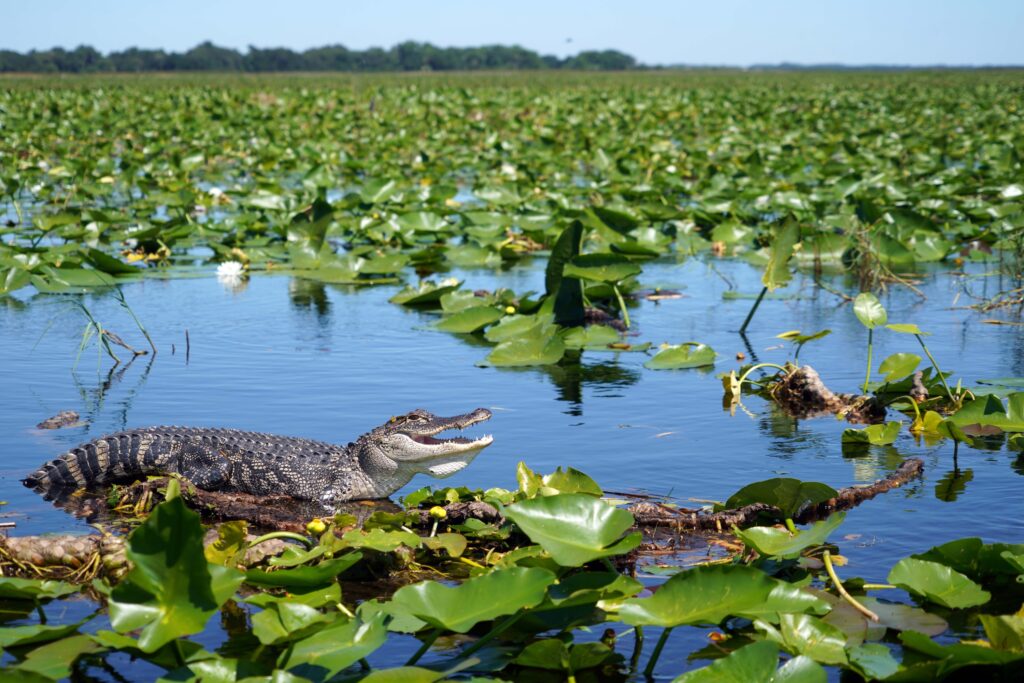

Stand on a boardwalk in at sunrise and it feels almost unreal: mist clinging to sawgrass, a heron frozen mid-step, an alligator drifting by like a living log. Not long ago, many experts believed this entire ecosystem was on an unstoppable slide toward collapse. Yet, against the odds, a lot has quietly gone right here.
is still in trouble, and no serious scientist would call the job done. But there are real, measurable wins that prove large-scale conservation can work when people get stubborn enough. Let’s dig into eight success stories that show how policy, science, tribal leadership, and sheer persistence have kept this “river of grass” from becoming just another cautionary tale.
1. Alligators Bounced Back From the Brink
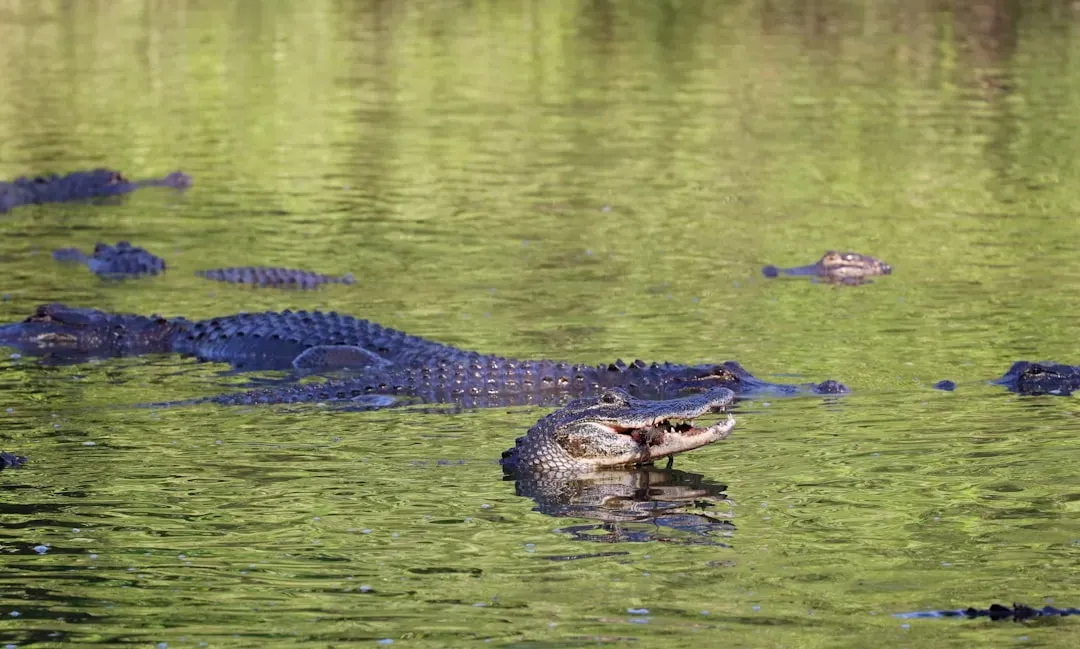
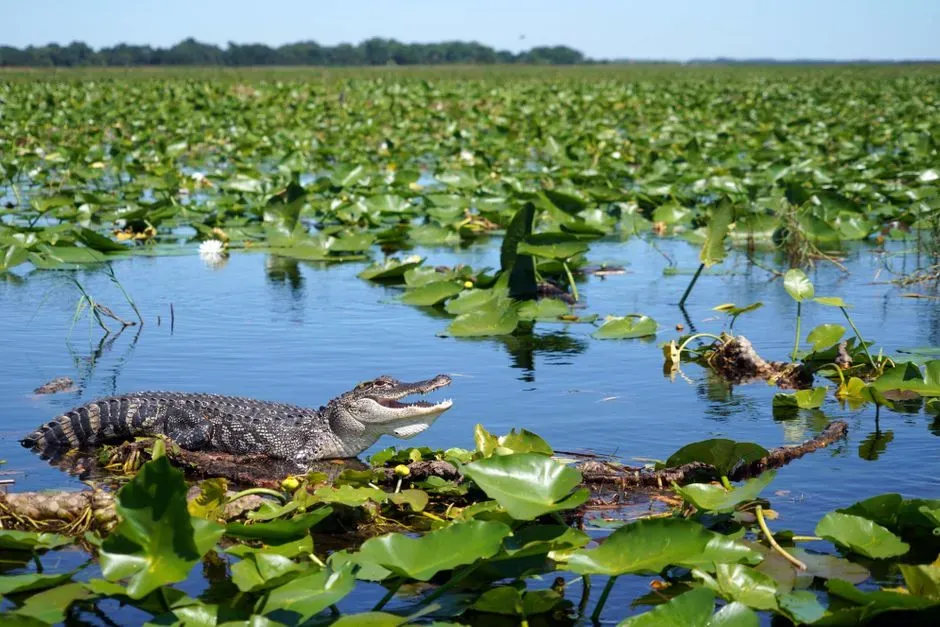
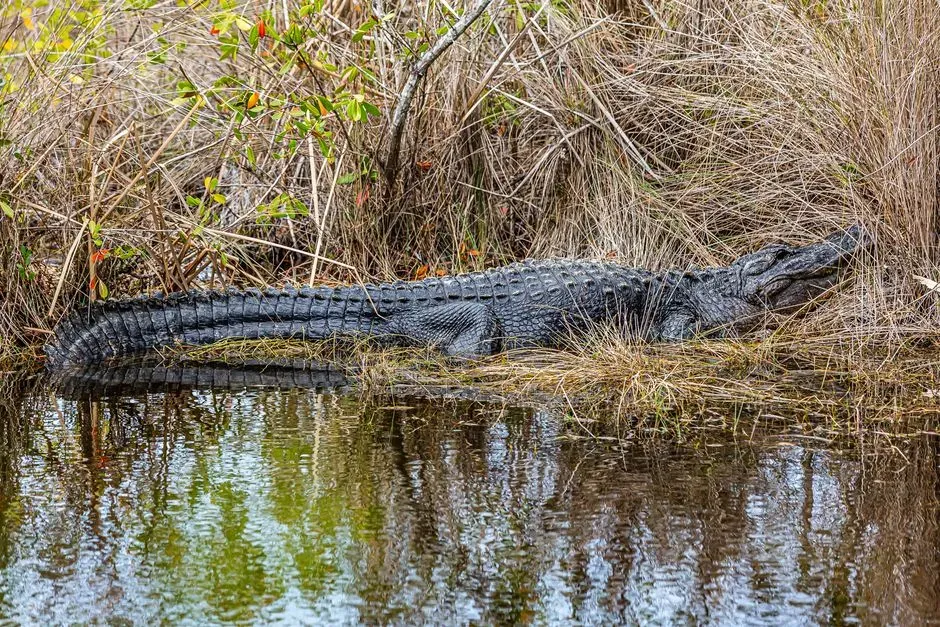
It is almost hard to believe that the American alligator, now practically a symbol of Florida, was once on the edge of disappearing . Heavy hunting and egg collection in the mid twentieth century, plus pollution and habitat loss, crashed their numbers so badly they were listed as endangered. Today, if you take an airboat ride or even just drive along some canals, you are almost guaranteed to see multiple gators lounging like grumpy lifeguards along the banks.
The turnaround came from strict legal protection, better enforcement against poaching, and broad wetland protections that stopped the endless bleeding of habitat. Scientists also used alligators as a “sentinel species,” tracking their health to understand the wider ecosystem, which helped drive smarter management decisions. The fact that they were delisted from endangered status and are now considered a conservation success does not mean they are invincible, but it does prove that coordinated policy and science can pull a charismatic top predator back from the edge.
2. The Bald Eagle Quietly Reclaimed Its Skies
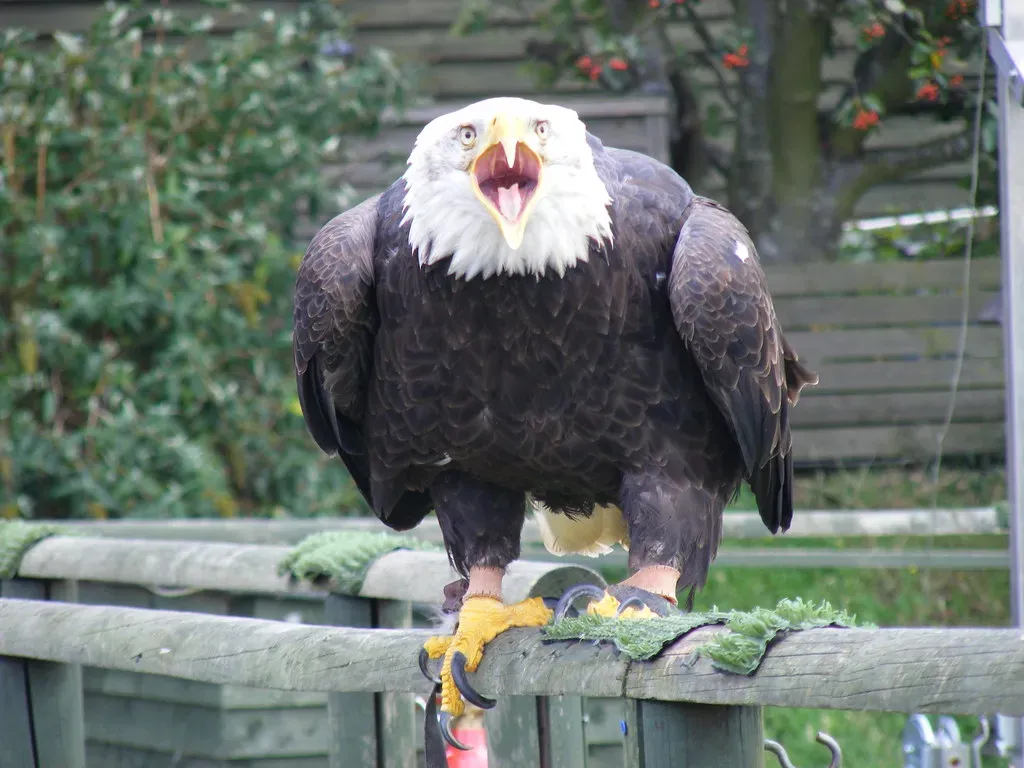
If you see a bald eagle circling over a mangrove island in Everglades National Park today, it feels timeless, like it must have always been that way. But in the mid to late twentieth century, bald eagles across the United States, including in South Florida, were decimated by pesticide contamination, particularly DDT, along with shooting and habitat destruction. Nesting pairs became rare, and many people assumed they would remain a shadow of their former presence.
The decision to restrict and then phase out DDT, combined with federal protections and the creation and expansion of protected areas like Everglades National Park, gave bald eagles the breathing room they needed. Cleaner water, fewer contaminants in fish, and less disturbance around nesting sites allowed their numbers to climb. Their recovery in the Everglades is a powerful reminder that pollutants we cannot see can be just as deadly as bulldozers, and that removing those silent threats can lead to dramatic, visible comebacks.
3. Wading Birds Are Slowly Returning After a Historic Collapse
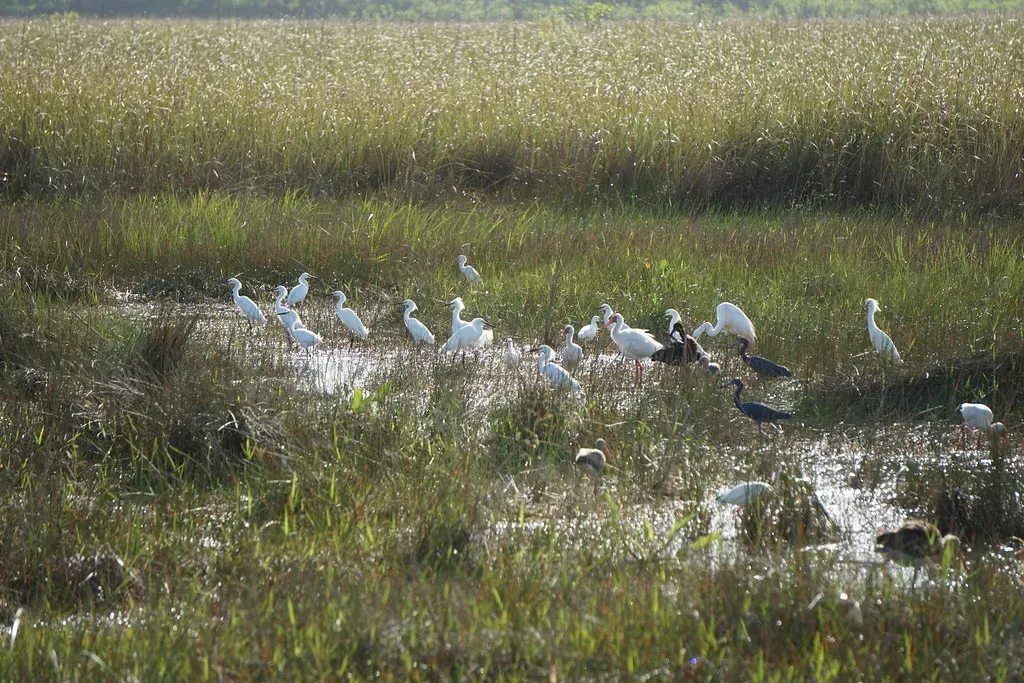
Roseate spoonbills, wood storks, great egrets – these birds once nested in the Everglades in almost shocking numbers, so dense that early naturalists wrote about clouds of white lifting off the trees. Then water diversions, drainage canals, and rapid development blew apart the timing and depth of historical flooding. The fish nurseries that these birds relied on became unreliable, and their nesting collapsed to a fraction of old levels, a brutal indicator that the “river of grass” was broken.
Over the last few decades, restoration projects that focus on restoring more natural water flows and seasonal patterns have started to pay off in certain areas. Some colonies have expanded, wood storks have seen improved nesting success in better years, and spoonbills have shown encouraging signs in restored wetlands. No one serious would claim wading birds are fully “recovered” – they are still well below historic abundance – but the slow, data-backed uptick demonstrates that when you fix water, life responds. It is a fragile success, but a real one.
4. The Creation and Expansion of Everglades National Park
One of the most underrated conservation wins is simply that the park exists at all. In the 1940s, setting aside a massive subtropical wetland – one that did not fit the usual “mountains and waterfalls” vision of parks – was a radical move. People drained wetlands in those days; they did not protect them. Yet Everglades National Park was created, and later expanded, putting a legal shield around hundreds of thousands of acres of marshes, mangroves, and coastal estuaries.
That protective status did not lock the park in a glass box, but it gave conservation advocates leverage whenever damaging projects were proposed. It also created a living laboratory where scientists could study how wetlands respond when you mostly stop bulldozing and draining them. Without the park boundary and the legal tools that came with it, it is very likely that even more of South Florida’s wetlands would now be suburbs, sugarcane fields, or roads. In a way, the park is the original success that made all the later wins even possible.
5. The Everglades Restoration Effort Is Actually Moving Dirt
Big environmental plans often sound inspiring on paper and then fade into committees and reports. The Comprehensive Everglades Restoration Plan, authorized in the early two thousands, threatened to become one of those giant but toothless efforts. Yet, despite delays, lawsuits, and political fights, a growing number of projects under that umbrella have actually been built: canals backfilled, levees modified, reservoirs and treatment areas constructed, and water flows redirected toward more natural patterns.
The impact is not abstract. In certain regions, restored flows are reducing periods of extreme drought or damaging floods, helping estuaries by sending them cleaner, better-timed freshwater, and reconnecting wetlands that had been sliced apart. Is it perfect? Not even close. Is it fast enough? Many would say no. But the fact that this multi-decade, multibillion-dollar restoration is measurably changing water patterns and improving some habitats is a rare example of large-scale ecosystem engineering that is beginning to deliver on its promise.
6. Water Quality Improvements Are Slowly Reducing Nutrient Pollution
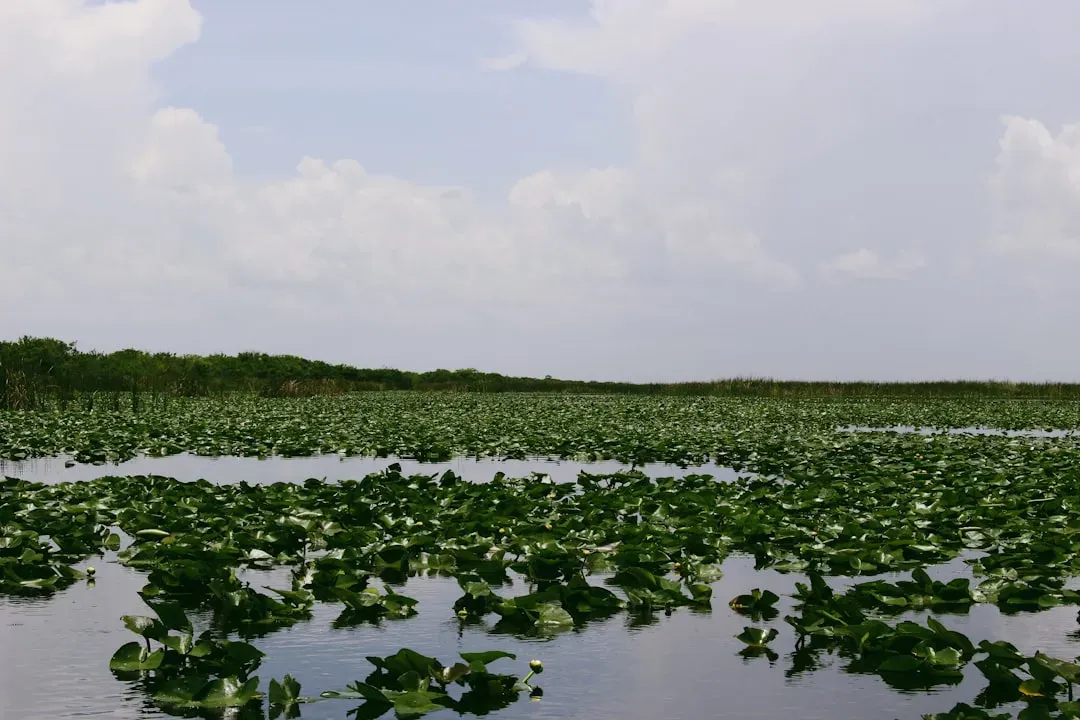
For years, the Everglades was essentially treated like a convenient drainage basin for heavily fertilized farms and expanding cities. Runoff loaded with phosphorus and nitrogen poured into a system that had evolved under ultra-low nutrient conditions. The result was explosive growth of cattails where there used to be open sawgrass, shifts in algae and periphyton communities, and cascading changes to fish and wildlife habitat. Many scientists saw this as one of the hardest problems to fix.
In response, a combination of legal pressure, water quality standards, and actual infrastructure has started to bend the curve. Stormwater treatment areas – large constructed wetlands designed to strip nutrients from water – have been built and expanded. Agricultural best management practices have reduced the flow of fertilizers into canals. While the system is still far from pristine and nutrient hot spots remain, some monitoring sites show downward trends in phosphorus levels. It is a gritty, technical kind of success, not as photogenic as a nesting roseate spoonbill, but it is fundamental to everything else.
7. The Return and Protection of the Florida Panther in South Florida
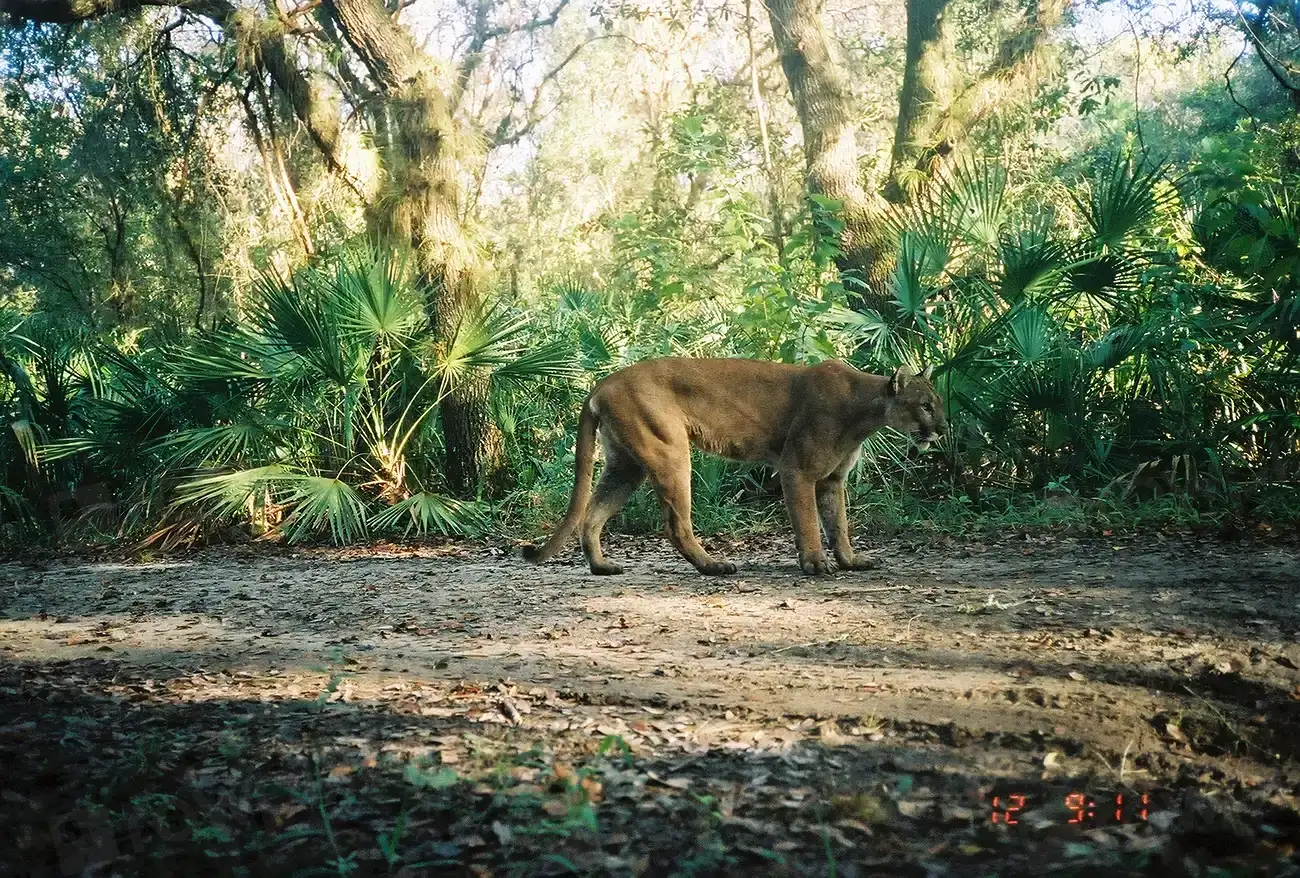
Technically, the Florida panther roams mostly in areas north and west of the core Everglades marsh, but its fate is deeply tied to the broader South Florida landscape. By the late twentieth century, panthers were down to a tiny, inbred population, hammered by habitat loss, road deaths, and persecution. The idea that they would stabilize, let alone expand their range, sounded optimistic at best. Yet through habitat protections, wildlife crossings under roads, and careful genetic management using closely related cougars from the West, the population has increased.
This success is imperfect and fragile – panthers still die on highways, and development pressure never really stops – but their survival sends a powerful message. Protecting large predators in a sprawling, rapidly growing region shows that conservation is not only about remote wilderness. It is about how we design roads, where we allow new suburbs, and whether we are willing to give wide-ranging animals actual room to move. The panther’s story is a reminder that the Everglades is part of a much larger ecological network, and wins outside the park boundaries can be just as important.
8. Tribal Leadership and Co-Management Are Shaping a Fairer Future
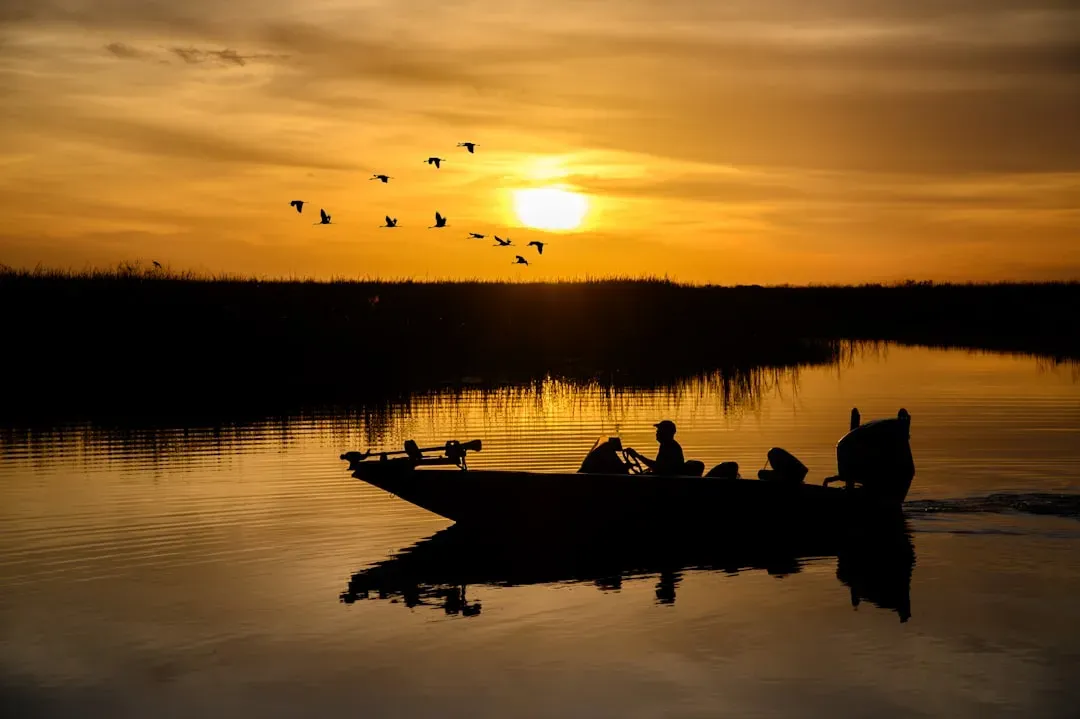
For a long time, conservation in the Everglades was something done to Indigenous communities, not with them. The Miccosukee and Seminole peoples, who have lived with and within these wetlands for generations, were largely sidelined as dams, levees, and water control structures reshaped their homelands. In recent decades, that has begun to change in meaningful ways, and it is one of the most important, if less flashy, conservation successes.
Tribal governments have pushed hard on water quality standards, participated directly in planning, and insisted that restoration account for traditional practices and cultural survival, not only tourist views and species counts. I find this shift especially hopeful, because it reframes the Everglades not as an empty “resource” but as a living place with deep human roots. When tribes hold seats at the table and real power over decisions, the odds go up that restoration will be more just, more sustainable, and more grounded in long-term stewardship rather than short-term fixes.
Conclusion: A Messy, Imperfect, But Real Success Story
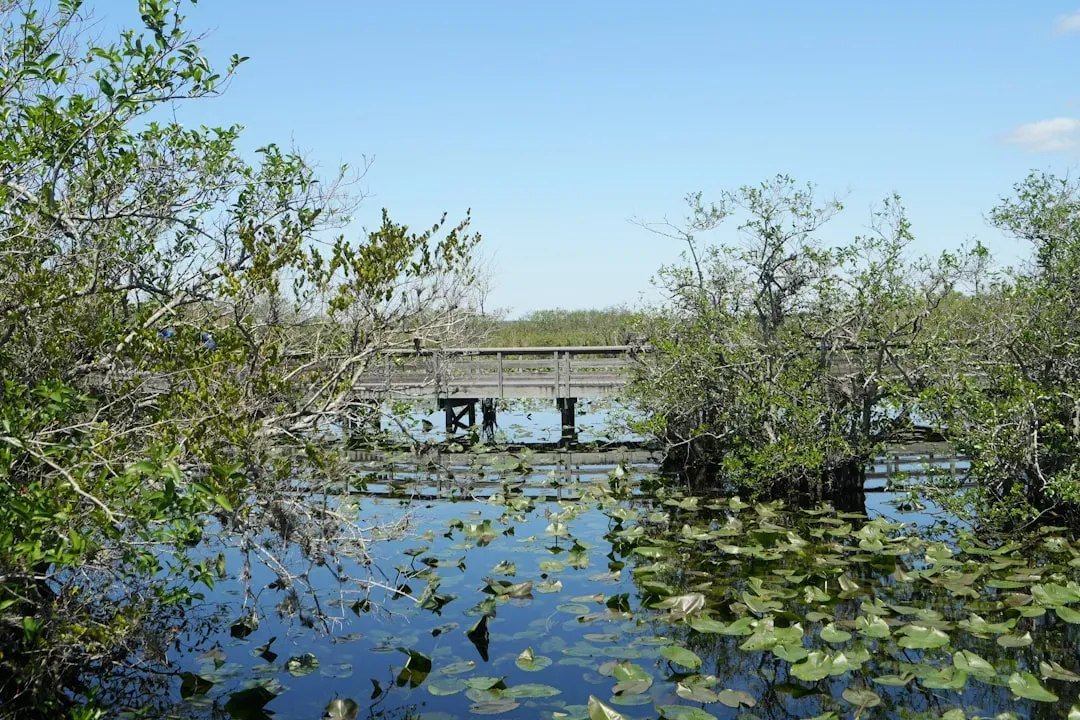
It is tempting to want a neat ending here: the Everglades saved, the birds back, the water clean, the panthers thriving. Reality is messier. Climate change, sea level rise, invasive species, and continued development mean the Everglades will never return to some frozen snapshot of the past. In my view, though, calling the Everglades a lost cause is not realism – it is laziness. The successes we have already seen, from alligators and eagles to nutrient reductions and tribal leadership, prove that big, complicated ecosystems can respond when we get serious.
The uncomfortable truth is that every win here was expensive, politically painful, and slower than anyone wanted. Yet they still happened, and they are still happening. To me, that makes the Everglades one of the most important test cases on the planet for whether modern societies can repair the damage they have done. The question now is not whether change is possible – we have eight very real examples that it is – but whether we will choose to keep pushing, or quietly decide that “good enough” is enough. If you had to bet on it today, which way would you lean?