
You live in a world that runs on code, concrete, and constant notifications, but so much of what you take for granted was born thousands of years ago in dusty river valleys and stone-built cities. Long before smartphones and satellites, people with no electricity, no engines, and no metal skyscrapers engineered solutions so clever that you still use their ideas every single day. When you trace those everyday habits back to their origins, the past suddenly feels a lot closer.
In this article, you’ll walk through eight ancient civilizations whose innovations still quietly shape your life. You’ll see how they solved problems like how to track time, move water, manage crowds, record information, and navigate huge distances, all with tools that seem painfully simple by modern standards. As you read, try imagining yourself in their place: no modern tech, just raw curiosity, hard-earned experience, and the courage to experiment until something worked.
The Sumerians: Turning Clay Marks into Written Thought
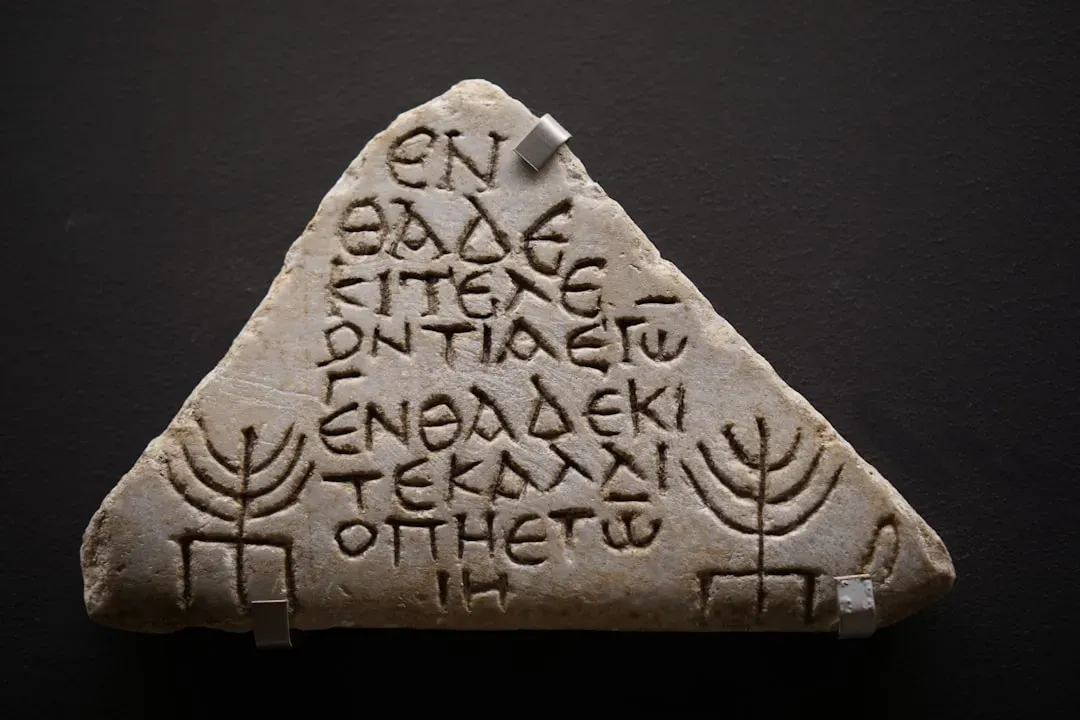
If you could time-travel to ancient Sumer, you’d see one of the most radical mental upgrades in human history: people learning to trap spoken words in clay. Sumerian scribes began by pressing simple marks into wet tablets to track grain, livestock, and trade deals; over time, those marks evolved into cuneiform, one of the earliest writing systems. With a reed stylus and a lump of clay, you suddenly had a way to store memories outside your brain, turning fragile conversations into durable records that could outlive you by millennia. That shift – from relying on memory to relying on written symbols – is the same leap you now make when you open a notes app or send an email.
Writing did more than preserve shopping lists; it let you build complex organizations, laws, and long-distance trade networks. Imagine trying to run a tax system or coordinate cargo across cities using only word-of-mouth – it would collapse under its own confusion. By standardizing signs, numbers, and record-keeping, Sumerians gave you the blueprint for bureaucracy, contracts, receipts, and archives. You still echo this innovation whenever you sign a document, check a bank statement, or scroll through an old text thread that remembers what you’ve already forgotten.
Ancient Egypt: Engineering Stone, Time, and the Afterlife

When you picture ancient Egypt, you probably see pyramids rising out of the desert, but what you’re really looking at is extreme project management. To stack millions of stone blocks with such precision, Egypt’s builders had to master surveying, geometry, and logistics on a staggering scale. They planned quarries and ramps, coordinated huge labor forces, and aligned monuments with incredible accuracy to the cardinal directions and the stars. In a world without steel cranes or CAD software, they still managed something that has survived sand, storms, and human history for thousands of years.
Egyptians also re-engineered something even more slippery than stone: time. By closely watching the Nile’s flooding and the movement of stars, they developed a solar-based calendar with 12 months and a year length that comes surprisingly close to what you use today. That mattered because it turned chaotic seasons into predictable cycles – you could plan harvests, festivals, and tax collection with far more confidence. Every time you glance at a calendar or schedule an event months ahead, you’re following the same mental habit: using measured time as a tool to organize your life instead of just reacting to whatever nature throws at you.
The Indus Valley: City Planning and Sanitation Way Ahead of Their Time

If you’ve ever enjoyed a hot shower, a flush toilet, or a city that mostly keeps waste out of your way, you’re living in the shadow of the Indus Valley planners. Cities like Mohenjo-daro and Harappa were laid out on careful grids, with standardized bricks, well-defined streets, and separate zones for different kinds of activity. But the real marvel hides underground: covered drains, soak-pits, and household bathing areas linked into a wider sanitation network. People in this civilization were piping and managing wastewater in ways that some modern towns still struggle to match.
What’s striking is the mindset behind these choices. Instead of building around palaces and temples, they invested heavily in everyday infrastructure – public wells, drainage, and consistent housing standards. That tells you they cared about order, health, and shared convenience, not just royal glory. When you walk down a city block with water lines under the pavement and sewers you never see, you’re stepping through a living echo of their thinking: organize space, prioritize public hygiene, and design for ordinary people as much as elites.
Ancient China: Paper, Printing, Compass, and Gunpowder Transform Your World

Ancient China is where a cluster of inventions quietly rewired the way you communicate, travel, and wage war. Papermaking turned fragile, expensive writing materials into something cheap and widely usable, which meant more people could learn, share, and preserve ideas. Printing – first with carved blocks and later with movable type – pushed that even further, making it possible to reproduce texts at a pace human scribes could never match. You can see the same logic today when one click sends your message to thousands; the core goal is identical: copy knowledge quickly and accurately so it can spread.
Then you have the magnetic compass and gunpowder, two inventions that reshaped power and possibility across continents. The compass let sailors navigate even when the sun and stars were hidden, unlocking more reliable long-distance sea routes and supporting trade on a whole new scale. Gunpowder, first used for signals and weapons, slowly replaced muscle power and simple metal in warfare, changing how states fought and defended themselves. Whether you’re following digital navigation in your car or hearing fireworks crack in the sky, you’re using descendants of tools first refined in Chinese workshops centuries before the modern era.
Classical Greece: Democracy, Logic, and the Habit of Questioning
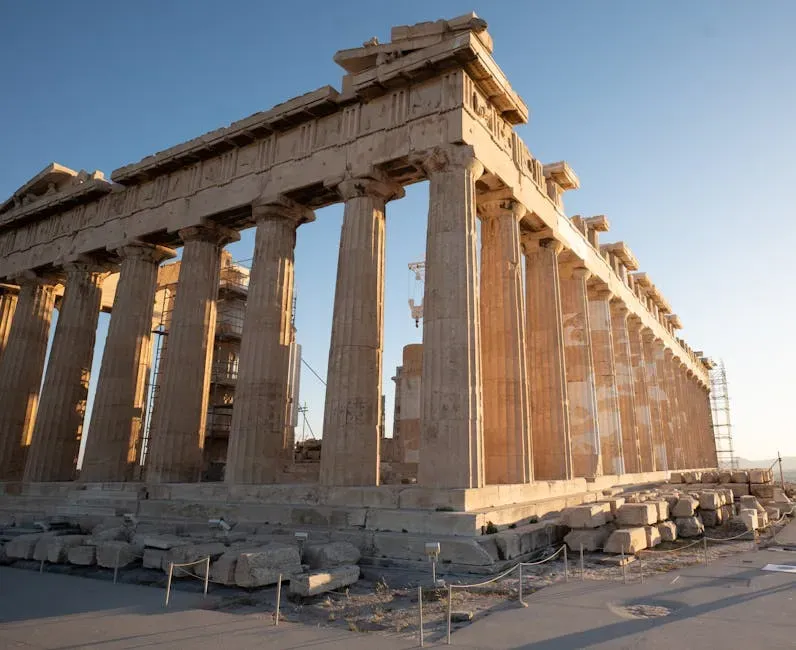
Walk into a modern courtroom, university, or parliament, and you’ll feel the ghost of classical Greece everywhere. Greek city-states, especially Athens, experimented with the risky idea that ordinary citizens could directly debate and decide public policy. The details of who counted as a citizen were deeply flawed and exclusionary, but the core innovation – governance through public discussion, voting, and shared rules – still shapes how you think about political legitimacy today. When you expect leaders to justify decisions instead of just issuing decrees, you’re standing on Greek intellectual ground.
Greek thinkers also pushed you toward systematic reasoning. Philosophers and mathematicians developed methods of argument, proof, and inquiry that trained you to ask not just what happens, but why and how you can know it. Geometry, logical syllogisms, and early scientific thinking grew out of the habit of challenging assumptions instead of simply honoring tradition. Any time you weigh evidence, demand a good argument, or change your mind because the facts are stronger than your bias, you’re continuing a mental tradition they helped launch.
The Roman Empire: Roads, Law, and the Art of Keeping Things Running
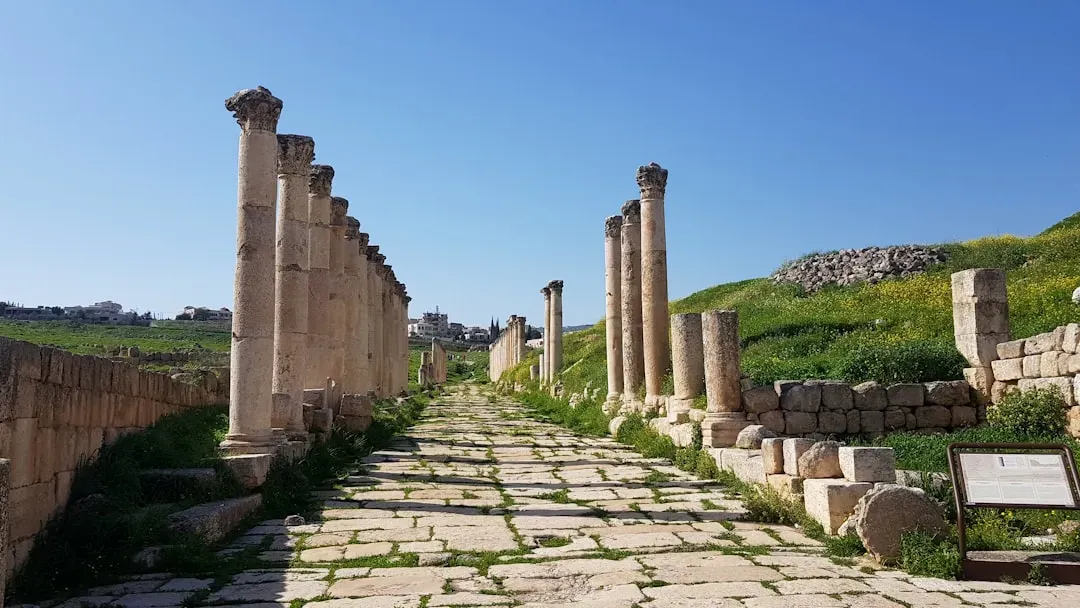
Imagine trying to govern a territory stretching across continents with only horses, foot messengers, and human memory. The Romans tackled that challenge with relentless pragmatism, building vast road networks, bridges, and standardized infrastructure so that armies, goods, and information could move quickly. Their roads were so well engineered that many routes are still traced by modern highways, because once someone finds a smart way through hard terrain, you tend to stick with it. You feel this inheritance every time you travel along a straight, well-drained road that seems to slice effortlessly across the landscape.
Roman law is another quiet backbone of your daily life. They codified rules about property, contracts, citizenship, and legal procedure, building a system that could, at least in theory, apply consistently across different regions and cultures. Concepts like legal precedent, written statutes, and formal rights took shape in that environment and filtered into later European and global legal traditions. Whenever you sign a lease, rely on consumer protections, or appeal to your rights in court, you’re relying on habits of legal thinking the Romans helped crystallize: write the rules down, apply them generally, and let people plan their lives around them.
The Maya: Zero, Calendars, and Modeling Time with Precision

In the rainforests of Mesoamerica, the ancient Maya developed a relationship with time that rivals modern obsession with data. They tracked planetary motions, eclipses, and seasonal cycles with astonishing accuracy, building layered calendar systems that could count both short ritual periods and vast cycles spanning thousands of years. To do that elegantly, they embraced a place-value number system that included a real zero, something not every ancient culture figured out. You use zero so casually now that it’s hard to imagine how revolutionary it was to treat “nothing” as a number you can calculate with.
This mathematical and calendrical sophistication let the Maya model the future in ways that feel very familiar to you. They could anticipate celestial events, plan ceremonies, and structure political life around symbolic time cycles, turning abstract numbers into social anchors. When you forecast weather, set deadlines, or schedule events years ahead, you’re exercising the same instinct: use patterns in time to bring a little order to uncertainty. Their work reminds you that math is not just about counting things – it’s about taming the flow of time so you can live inside it more intentionally.
Ancient Persia: Royal Roads, Couriers, and Scalable Governance
If you’ve ever tracked a package across several time zones, you already appreciate a problem the ancient Persian Empire had to solve: how do you keep far-flung regions connected and informed? Persian rulers answered with an impressive network of royal roads and relay stations that let messengers travel at remarkable speed for the era. Fresh horses, dedicated waypoints, and well-maintained routes meant that information could cross vast distances in days instead of weeks. You can think of it as an early analog version of a high-speed data line, with human riders serving as moving packets.
This infrastructure made a new kind of large-scale administration possible. By combining roads with standardized weights, measures, and a degree of local autonomy, Persian leaders stitched together diverse cultures into a mostly coherent political system. Today, when you rely on national logistics networks, regional branches of government, and standardized systems that still leave room for local variation, you’re unconsciously echoing that same balancing act. Their lesson for you is simple but powerful: if you want a large, complex system to work, you have to invest heavily in the quiet plumbing of communication and coordination.
Conclusion: You’re Living in a World They Started Building

When you step back from these eight civilizations, a pattern jumps out at you: the most powerful innovations are not always flashy gadgets but better ways to handle information, space, time, and human coordination. Writing, sanitation, calendars, roads, law, navigation, and number systems all began as solutions to very practical headaches – how to remember debts, avoid disease, predict floods, move safely, and agree on rules. Over centuries, those solutions stacked on top of each other, until they created the world you now call “modern.” You’re not standing outside their history; you’re standing at the far end of their long experiment.
The next time you send a message, follow a map, argue a point, or simply turn on a tap, try tracing that everyday act back to its ancient roots. You might find that what feels ordinary is actually the latest chapter in a story of stubborn creativity that stretches thousands of years behind you. The real question is: when people look back from the future, which of your own everyday innovations will seem just as quietly astounding?