
If you grew up thinking life was neatly defined by cells, DNA, and a simple tree of evolution, you’re in for a shock. In the past few years, a wave of discoveries has quietly ripped up the old rulebook and replaced it with something far stranger, more dynamic, and far more humbling. You’re no longer just a human with a body and a brain; you’re a walking ecosystem, a modifiable genetic project, and a tiny branch of a history that may have begun in places you’d never imagined.
What’s wild is that these breakthroughs don’t just change what you know; they change how you see yourself. They blur the line between natural and artificial, between individual and collective, between mind and matter. As you read through these seven discoveries, you might notice a subtle unease mixing with excitement: the sense that life isn’t what you were told it was – and that your place in it is both smaller and more astonishing than you ever guessed.
1. CRISPR And The New Power To Rewrite Living Beings
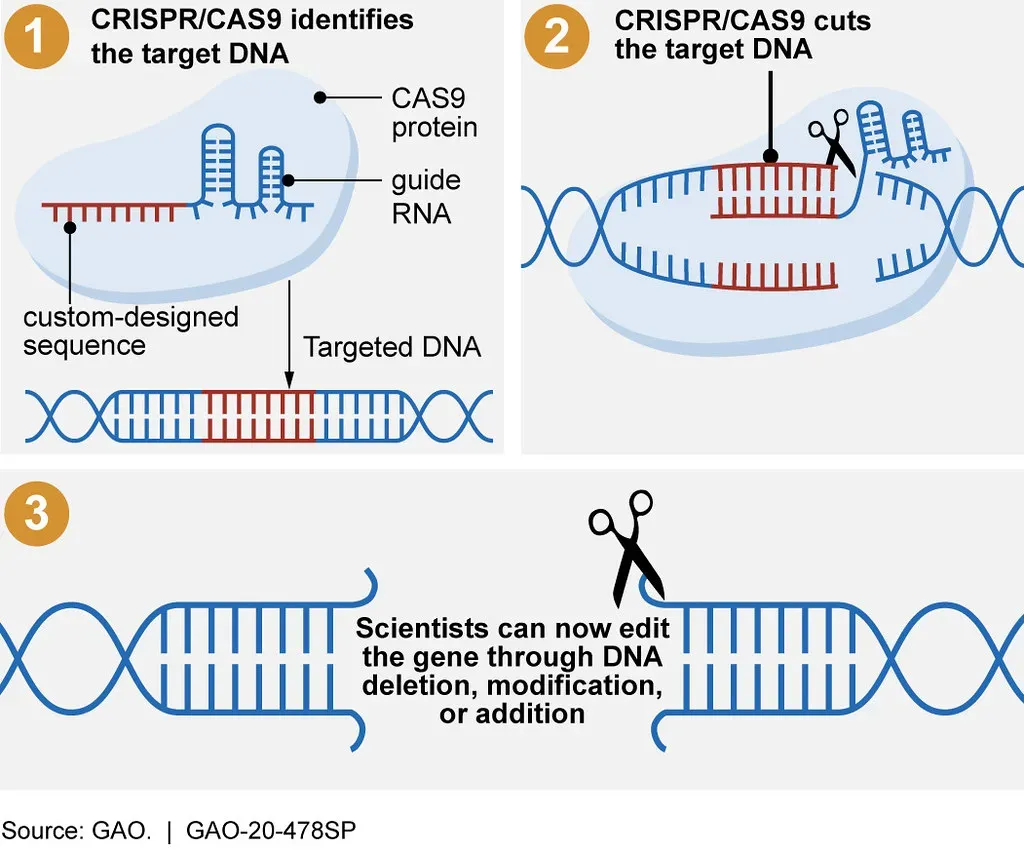
You’ve probably heard of CRISPR, but it’s easy to underestimate how radically it’s changing what “life” even means. At its core, CRISPR gives you a way to edit DNA almost like text in a document, turning genetic diseases from lifelong sentences into technical problems that might be fixable. In late 2023 and early 2024, the first CRISPR-based therapies were approved to treat conditions like sickle cell disease and beta thalassemia by editing a patient’s own stem cells so their blood starts working the way it should. Instead of just managing symptoms, doctors are now directly rewriting the faulty instructions that caused the disease in the first place.
More recent developments push this even further. Researchers have created “base editors” and “prime editors,” tools that change individual letters in DNA with extreme precision, and in 2025 a newborn with a rare, lethal genetic condition received a personalized CRISPR-based therapy designed for that single child in a matter of months. You’re moving from a world where you inherit your genome and live with it, to a world where your genome is editable infrastructure. That shift forces you to ask unsettling questions: if DNA is modifiable, what counts as a “natural” human, and where do you personally draw the line between healing, enhancement, and redesign?
2. Synthetic Cells And Minimal Life: Building Life From The Bottom Up
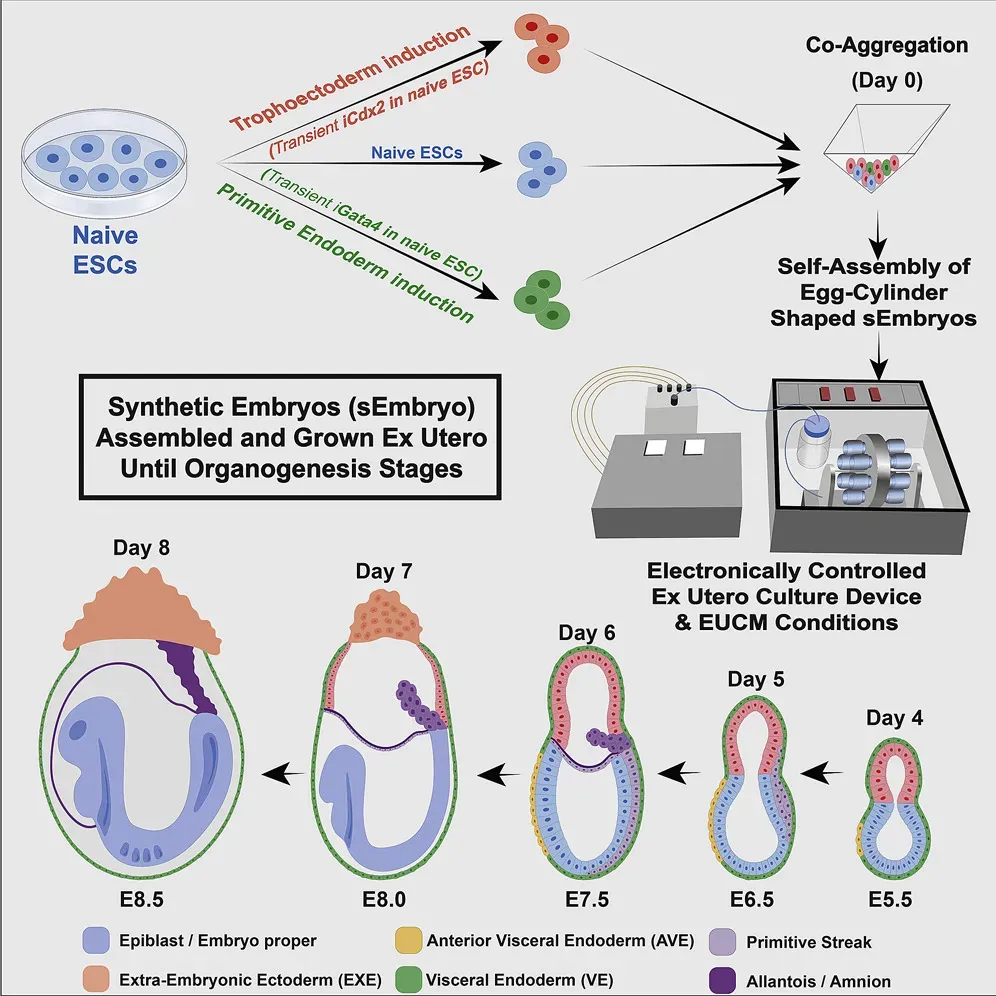
For most of your life, “life” probably felt like something you either had or you didn’t – a kind of magic switch that flips on in real organisms and stays firmly off in anything built in the lab. Synthetic biology is ripping that illusion apart by showing you that you can assemble life, step by step, from nonliving parts. Researchers have built so-called minimal cells whose genomes contain only the bare minimum of genes needed for the cell to grow and divide, essentially creating stripped-down life forms that act like a test bed for understanding what life absolutely must have. When you can rebuild a cell from defined components, “alive” stops being a mysterious status and starts looking like a highly advanced chemical state.
Scientists are also constructing synthetic cells that mix biological and artificial components, such as membranes, enzymes, and even artificial genetic systems, and getting them to cooperate like tiny chemical factories. These systems may not meet every textbook definition of life yet, but they can process energy, respond to their environment, and self-organize in ways that feel uncomfortably close. When you see a lab-created vesicle produce useful molecules or communicate with real cells, you’re forced to rethink whether life is a special category at all, or just a spectrum of complexity that humans are learning to navigate from the ground up.
3. The Microbiome: Discovering You Are A Superorganism
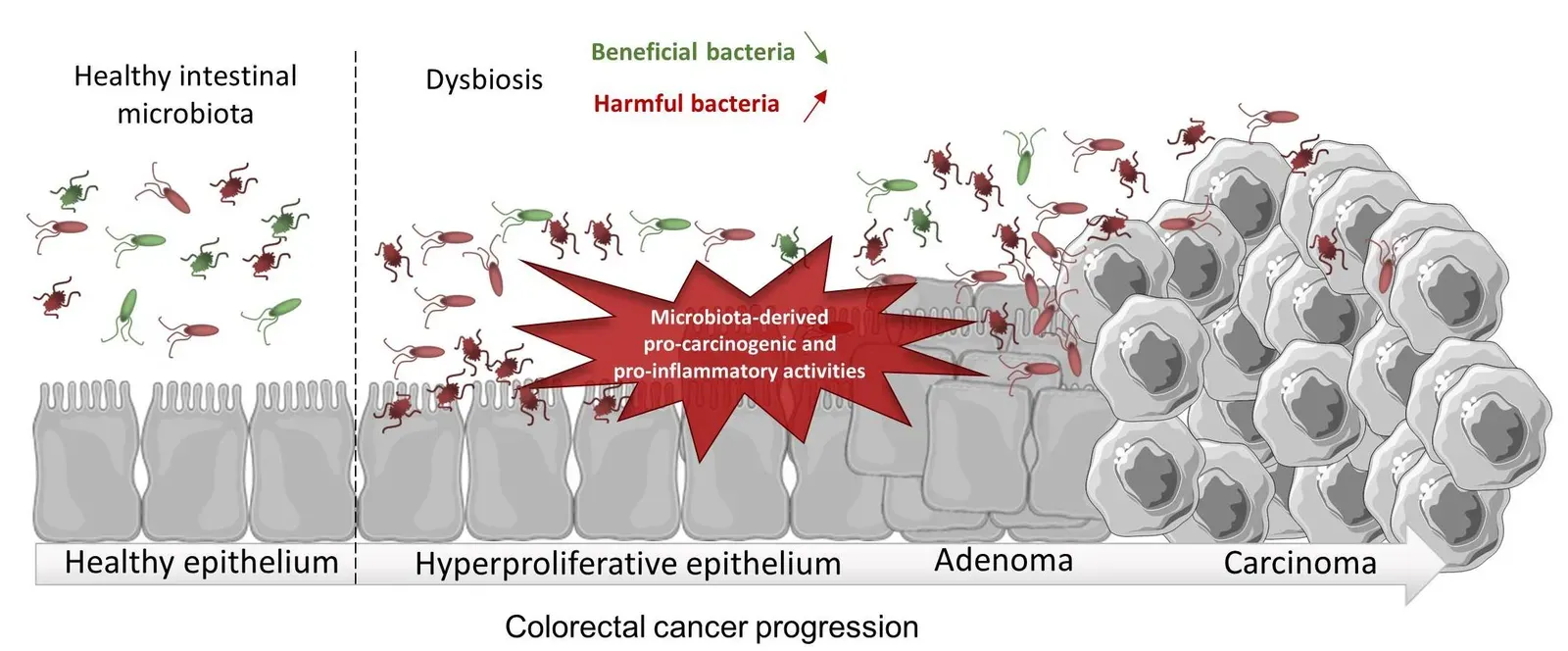
If you think you’re a single organism, your microbiome would like to have a word with you. From birth onward, you’re colonized by trillions of microbes – bacteria, fungi, viruses, and other microscopic hitchhikers – that together weigh as much as a vital organ and shape your health in ways you likely don’t feel day to day. Over the past decade, and especially in the early 2020s, researchers have shown that these microbes help train your immune system, influence how you digest food, and even play a role in your mood and brain development. In infants, genes jump between microbes in the gut through horizontal gene transfer, helping build a microbiome that will keep adapting across a lifetime.
As scientists learn to read these microbial communities like an ecosystem report, they’re also starting to edit them. Instead of only targeting your genome, new tools allow you to tweak the genes and species that live on and inside you, changing how your body responds to allergens, infections, or even pollutants. When you realize you’re more like a rainforest than a single tree – a living mosaic of species, genes, and chemical conversations – individuality begins to look different. You’re not just “you”; you’re an ongoing negotiation between human cells and microbial partners, and that negotiation may be as central to your health and identity as the DNA you were born with.
4. Origins Of Life: Reconstructing Your Most Ancient Ancestor
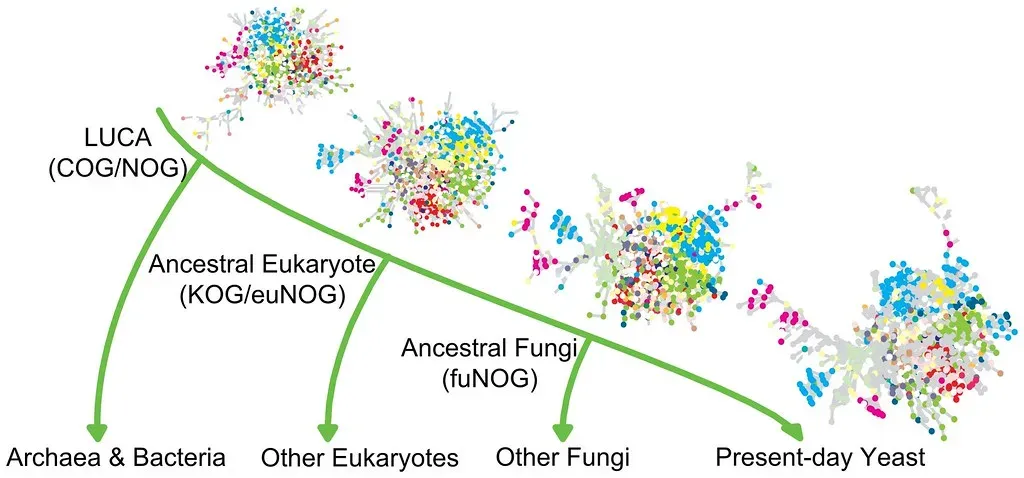
The story you were taught about life’s beginning probably started with a vague “primordial soup,” but recent research has given that story sharper edges and a more personal feel. By comparing the genomes and molecular machinery of modern organisms, scientists have worked backward to reconstruct features of LUCA, the “last universal common ancestor” from which all life on Earth – including you – ultimately descends. You can think of LUCA as the great-grandparent of every cell that has ever existed, and in the last few years, researchers have begun to describe what it was like, from its metabolism to the kinds of environments it probably lived in.
Parallel work in origin-of-life chemistry has shown that key building blocks of RNA, proteins, and cell membranes can form under surprisingly realistic early Earth conditions, including at hydrothermal vents deep beneath the ocean. Extremophiles – microbes thriving in boiling hot springs, salty brines, or acidic pools – give you living examples of how robust early life could have been and how it might survive in alien environments. These findings suggest that life is not a freak accident but a natural outcome when certain chemistries and environments line up. That, in turn, reshapes how you think about your own existence: rather than a miraculous exception, you may be part of a universe where life is something that happens whenever it gets the slightest chance.
5. Quantum Biology And The Strange Physics Inside Your Cells
You’re used to hearing that quantum mechanics belongs to the world of atoms, particles, and weird physics experiments – not to your everyday life. But in the last decade, especially through work on photosynthesis and sensory biology, scientists have found that living cells may use quantum effects in a surprisingly practical way. For example, the pigment-protein complexes in plants and algae appear to exploit quantum coherence to move energy with astonishing efficiency, and some organisms seem to rely on quantum-sensitive reactions for navigation or sensing magnetic fields. In other words, your basic biology may already be running on subtle quantum tricks.
This emerging field, often called quantum biology, doesn’t claim that your whole body is a quantum computer, but it does challenge the old assumption that quantum effects always vanish in warm, messy environments like cells. Instead, it hints that evolution may have learned how to stabilize and harness these effects over billions of years. For you, the philosophical turn is startling: the line between physics and life blurs, and “living systems” stop looking like exceptions to the rules of nature. Instead, they become places where those rules are pushed to their limits, suggesting that understanding life fully might require you to think like a physicist and a biologist at the same time.
6. Consciousness, Brains, And The Biology Of Subjective Experience
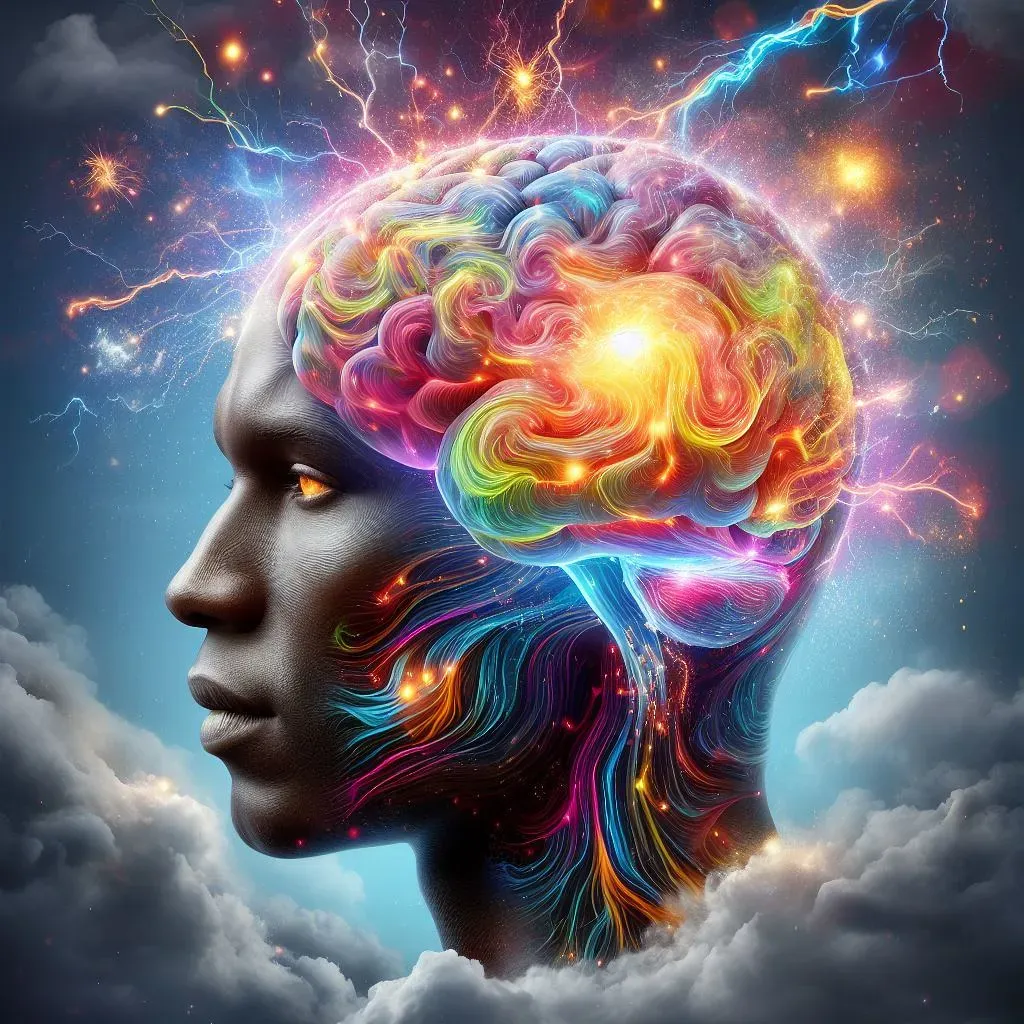
Nothing feels more intimate than your own experience of being you, yet breakthroughs in brain science are steadily pulling that mystery into the realm of testable biology. In the early 2020s, neuroscientists started teasing apart specific neural circuits that regulate not only classic functions like movement and vision, but also immune responses, sleep timing, and emotional states. Advanced brain imaging, large-scale recordings from neurons, and computational models are letting researchers map patterns of electrical activity to particular perceptions, decisions, and even illusions you might experience. The more you see those patterns, the harder it is to insist that consciousness floats above biology untouched.
At the same time, new theories and experiments are probing what kinds of physical systems can support something like awareness, from simple networks to organoid “mini-brains” grown in the lab. While these organoids are nowhere near having human-like minds, they can show activity patterns reminiscent of early developmental stages, raising deep ethical and philosophical questions. For you, this forces a reframe: consciousness starts to look less like a magical property humans uniquely possess and more like a biological process that emerges from certain kinds of complex, self-organizing networks. That realization unsettles old boundaries about which beings deserve moral consideration and what it really means to say “you” are in there, having an experience.
7. Mirror-Image And Alternative Biochemistries: Probing The Limits Of What Counts As Life
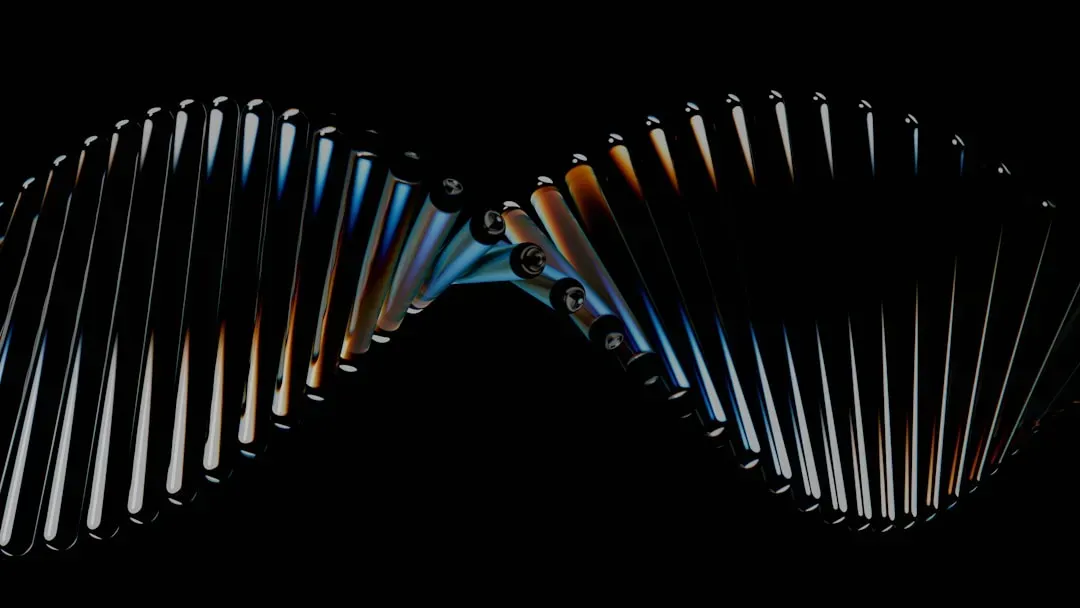
You live in a biochemical world where certain features seem so universal you hardly notice them: DNA spirals one way, amino acids come in one specific “handedness,” and enzymes recognize only the molecules that fit that pattern. In recent years, synthetic biologists have begun to ask a scary but fascinating question: what if you flipped that? Researchers have built pieces of “mirror-image” biology – DNA, RNA, and even enzymes constructed with the opposite chirality – that do not interact normally with the life you know. In theory, you could have mirror-life that is invisible to our current immune systems and resistant to most natural enzymes, like a parallel biochemistry running alongside ours.
Because of this, leading scientists have publicly warned that creating fully self-sustaining mirror-life could pose serious risks to ecosystems and health, and many argue it shouldn’t be done outside extremely controlled settings. Yet, even partial successes in building alternative genetic systems and nonstandard amino acid codes show you something profound: the biochemistry you’re made of is not the only way to build a living system. Life, it seems, might be a broad design space, not a single template. When you take that in, your definition of “life itself” stretches far beyond what evolved on Earth, and you have to confront the possibility that if you met alien life, you might not even recognize it on the first try.
Conclusion: Living In A Time When Life Is No Longer Simple
When you step back from these seven discoveries, a pattern jumps out at you: life is no longer a neat category, but a sprawling continuum of systems that can be analyzed, engineered, reconstructed, and possibly reinvented. CRISPR lets you revise the code of existing organisms, synthetic biology lets you build new ones, microbiome science turns your body into an ecosystem, and origin-of-life research ties you to a single ancient lineage that may be just one of many possible. Quantum biology, consciousness research, and alternative biochemistries then push you to admit that even your mind and your molecules are part of a much stranger universe than you grew up imagining.
Whether this feels thrilling or unsettling, you’re alive at the exact moment when humanity is gaining the tools to tinker with the very foundations of life while still struggling to understand what life truly is. That tension carries enormous responsibility, but it also offers a rare kind of perspective: you can choose to see yourself not as a finished product, but as a participant in an ongoing experiment that began billions of years ago and is now, for the first time, partly in your hands. So as these discoveries keep unfolding, you might quietly ask yourself: if life is this flexible, this creative, and this open-ended – what do you actually want to do with the tiny slice of it that you’ve been given?