If you think communication is all about words, phones, and emojis, you’re only seeing a tiny slice of what’s really possible. Animals are talking around you all the time, in frequencies you can’t hear, colors you can’t see, and signals you’d never recognize unless someone pointed them out. Once you start paying attention, it feels a bit like putting on special glasses and realizing the world has been buzzing with secret messages all along.
What might surprise you most is that these signals are not random or “primitive.” Many animals pass on detailed warnings, describe predators, negotiate alliances, choose mates, and even “name” specific individuals. As you walk through a park, swim in the ocean, or just sit in your backyard, you’re actually surrounded by rich, layered conversations happening in parallel. Let’s dive into seven incredible ways animals communicate – and you’ll never look at a bird song or a flick of a tail the same way again.
1. Dolphins: Naming Each Other With Signature Whistles
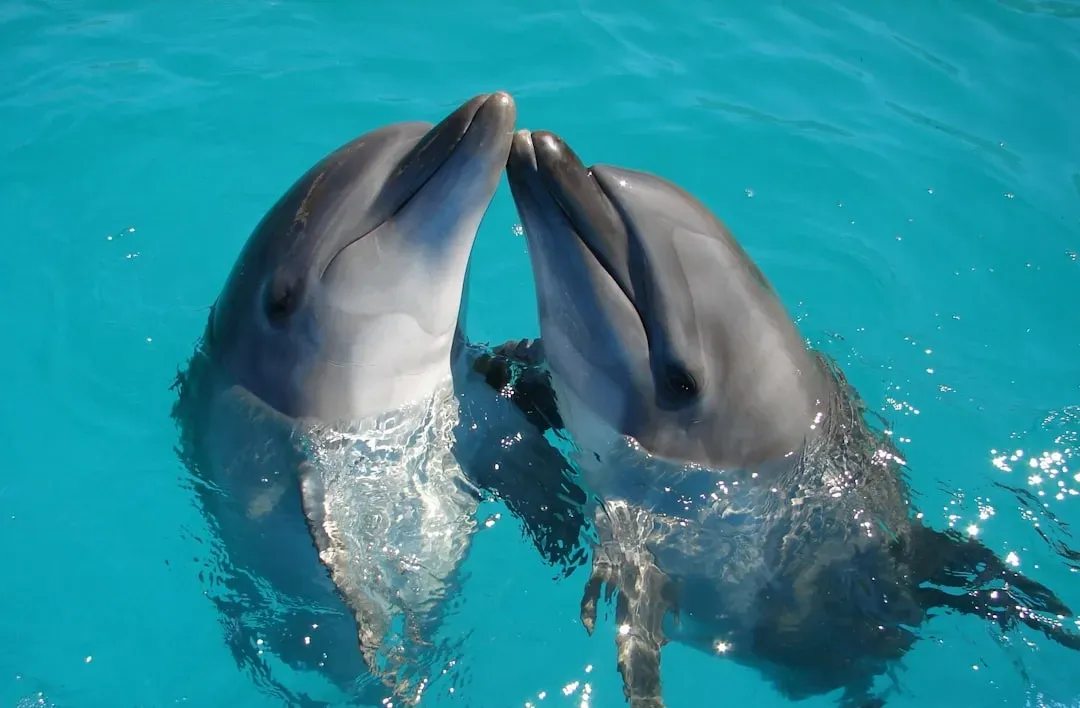
Imagine if you developed your own unique whistle as a baby and everyone in your social circle used that sound as your name. That’s essentially what bottlenose dolphins do. Each dolphin creates a special whistle pattern early in life, and other dolphins use that exact whistle to get its attention, much like calling out a friend’s name across a crowded room.
You can think of these whistles as an acoustic name-tag system that works perfectly underwater, even when visibility is terrible. Dolphins have been observed copying another dolphin’s “name whistle” to call to them, and in controlled settings, they still respond to their own signature whistle even if it is played through a speaker. When you picture a pod of dolphins, you can imagine a constant flow of individual call-outs, check-ins, and social coordination carried on these personalized sounds.
2. Honeybees: Dancing Detailed Directions to Food
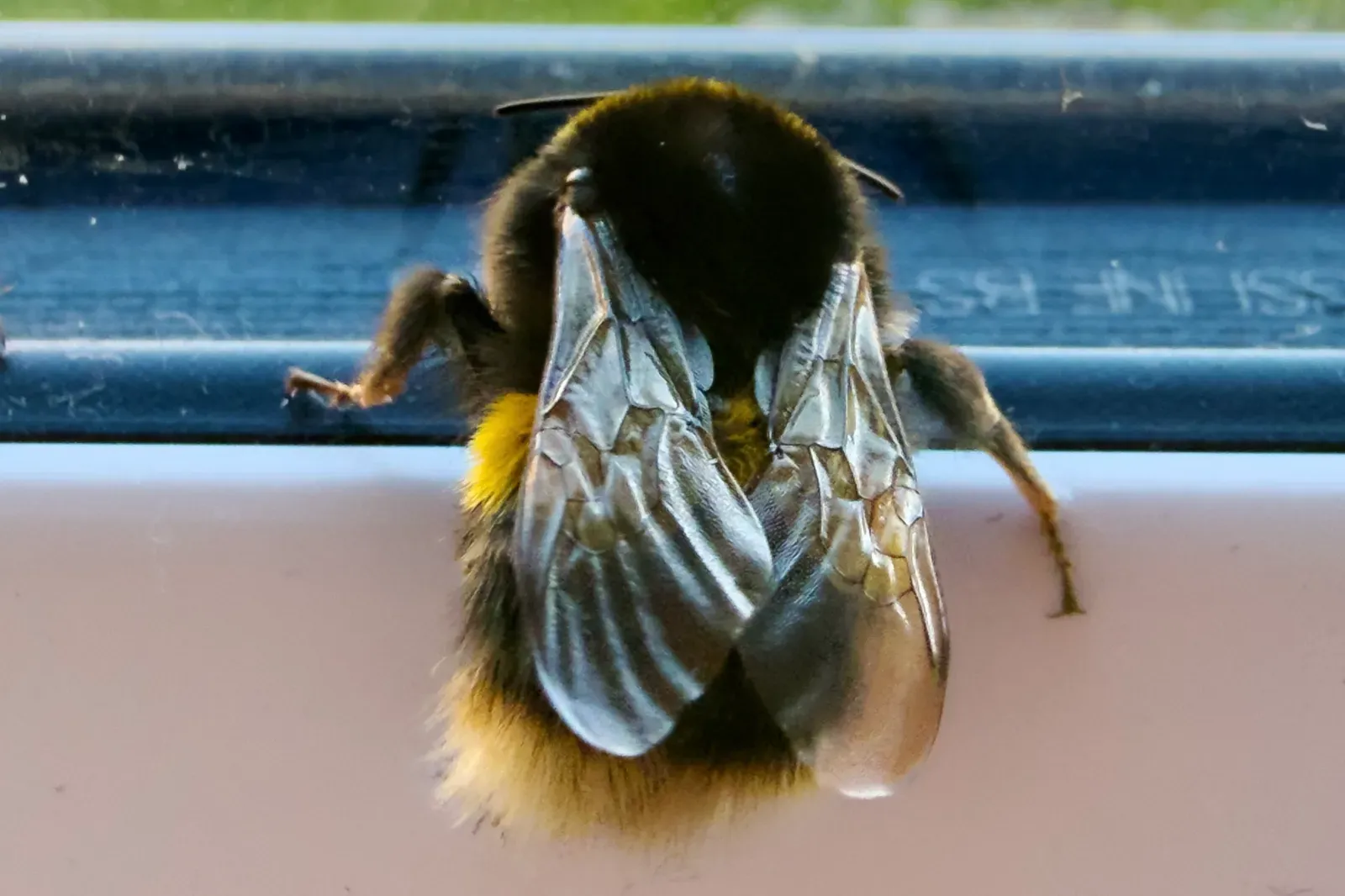
Next time you see a bee zipping past you, remember that it might be on its way to perform one of the strangest and most impressive communication tricks in nature. Honeybees use what’s called a waggle dance to tell their hive-mates exactly where to find food. On the dark vertical surface of the honeycomb, a returning forager runs in a figure-eight pattern, waggling its body in the middle section.
The angle and length of that waggle run actually encode information. The orientation relative to gravity signals the direction of the food source compared to the sun, and the duration of the waggle can indicate distance. You, as a human, might need a GPS app to find a new café, but a bee can decode this moving “map” and fly straight to a flower patch it has never seen before, guided entirely by another bee’s dance in the dark.
3. Elephants: Low-Frequency Rumbles You Can’t Hear
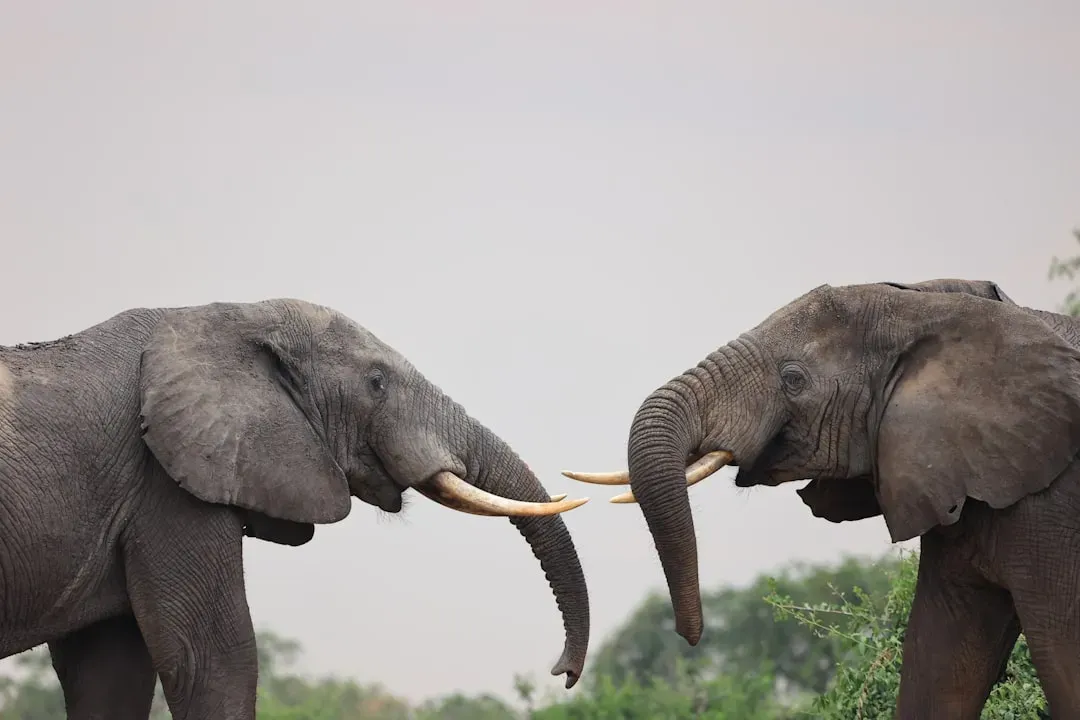
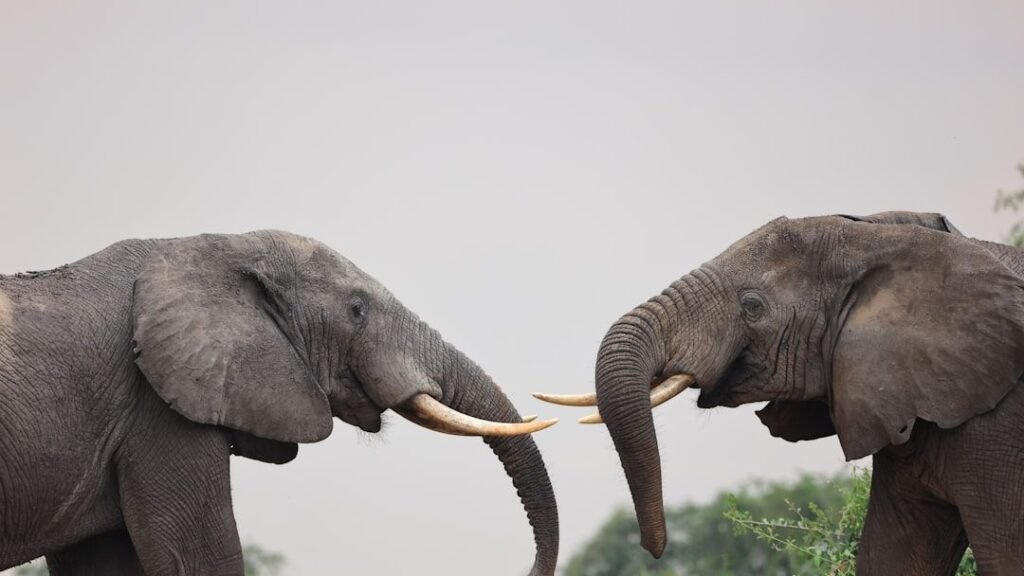
When you watch elephants from a distance, you mostly notice trumpets, ear flaps, and trunk gestures. But much of what elephants “say” to each other never reaches your ears. Elephants produce very low-frequency rumbles, some of which are infrasound – too low-pitched for you to hear – but these sounds travel over long distances through the air and even through the ground.
If you could sense vibration through your feet the way elephants do, you’d detect complex signals carrying messages about mating, danger, or movement decisions across several miles. Elephants have been observed responding to calls from unseen family members far away, changing direction or speeding up to reunite. In a way, they are walking around with a built-in long-distance messaging system that hums beneath the edge of your hearing, like a hidden layer beneath the soundtrack of the savanna.
4. Cuttlefish: Instant Color-Changing Body Language
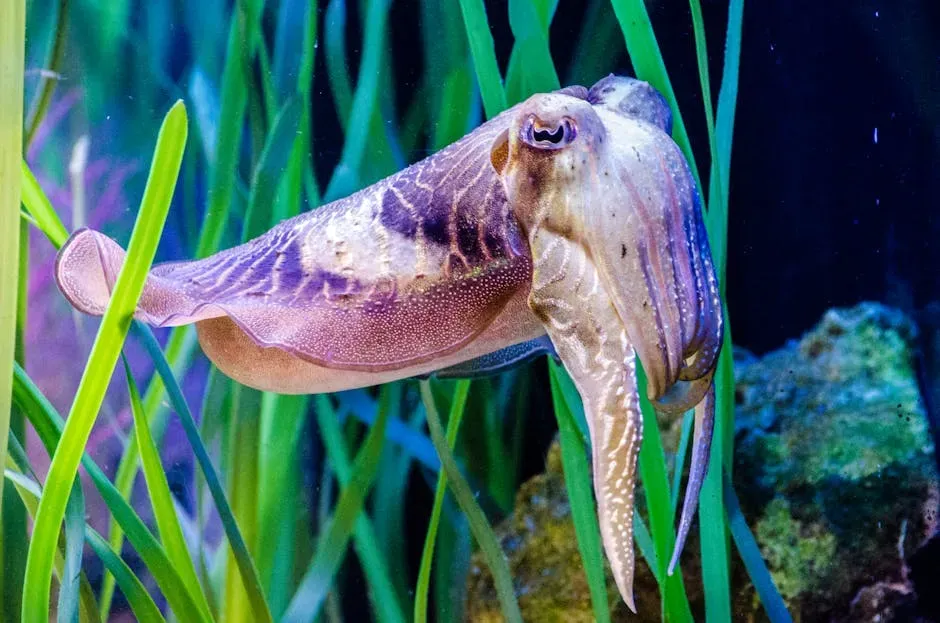
Think about how powerful it would be if you could change the color and pattern of your skin in less than a second to show your mood, intentions, or even to confuse someone. That’s exactly what cuttlefish, along with their relatives squid and octopus, do all the time. Their skin is packed with special pigment cells and reflectors that they can control with incredible precision, flashing stripes, spots, or waves of color across their bodies.
When you watch a cuttlefish in action, you’re seeing communication happening on its skin: bold patterns can challenge rivals or attract mates, while subtle shifts might calm an interaction or signal submission. They can send different messages on different sides of their body at once, essentially “talking” separately to two neighbors simultaneously. To you, it might look like a living lava lamp, but to other cuttlefish, it is a fast-moving visual language with real social meaning.
5. Prairie Dogs: Alarm Calls With Remarkable Detail
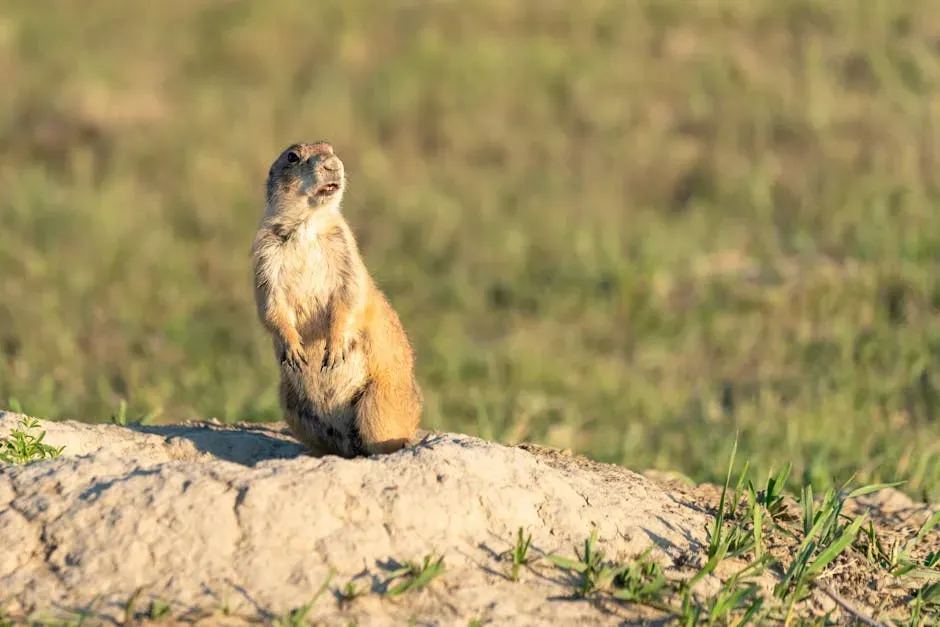
If you’ve ever brushed off animal calls as simple noises, prairie dogs will make you rethink that. These small rodents have complex alarm calls that can change depending on what kind of predator is approaching, and in some cases, even include details like size, shape, and speed. When you walk near a prairie dog colony, they are very likely “describing” you to each other in their own acoustic code.
Instead of just screaming “danger,” these calls can function more like short messages packed with descriptive information, allowing nearby prairie dogs to adjust their response. For example, a soaring hawk requires a very different reaction than a grounded coyote or a slow-moving human. When you imagine a prairie dog town, picture it as a tightly knit neighborhood where residents are constantly broadcasting breaking news updates with surprising sophistication.
6. Fireflies: Flashing Light Codes for Love and Deception
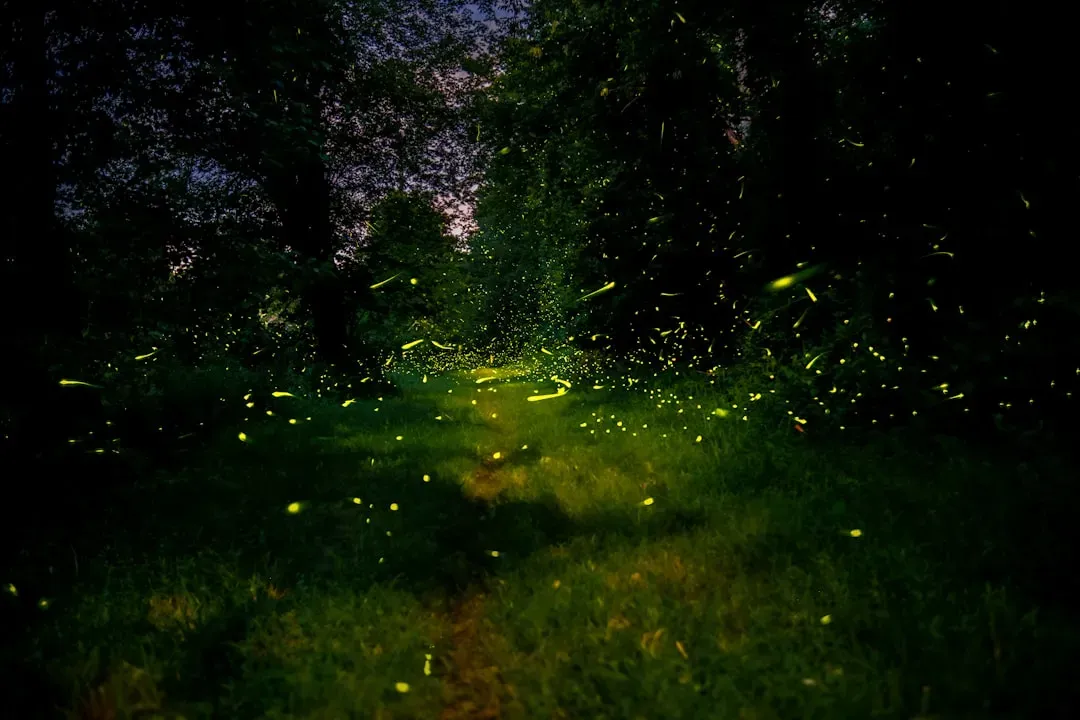
On a warm summer night, when you see blinking fireflies over a field or backyard, you’re actually watching a glowing dating app in real time. Each firefly species has its own specific flash pattern and rhythm, and males and females respond to the “right” kind of flash for their species. You could think of each pattern as a visual pick-up line sent into the air, hoping for the right reply.
It gets even more dramatic when you learn that some fireflies mimic the flashes of other species to lure unsuspecting males closer, only to prey on them. So within those peaceful, twinkling lights you love to watch, there’s an intense mix of romance, competition, and cunning. If you pay close attention to the timing of the flashes, you are essentially eavesdropping on a complex web of invitations, rejections, and traps written in Morse code made of light.
7. Ants: Chemical Trails That Organize Entire Cities
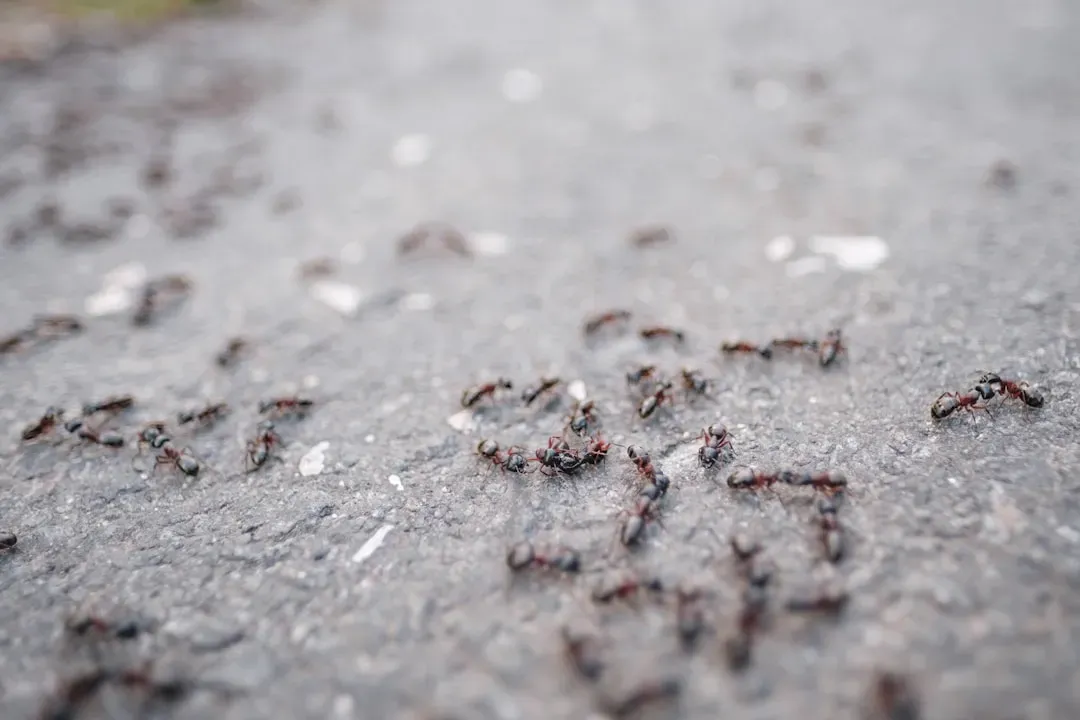
When you see a line of ants marching back and forth, what you’re really watching is the traffic of a well-organized city following invisible road signs. Ants lay down chemical signals called pheromones as they move, and other ants follow these trails to food, new nesting sites, or even to battle. You might see only tiny bodies, but beneath that, there is an entire network of scent-based messages directing their every move.
You can picture pheromone trails as constantly updating routes on a navigation app: if an ant finds a rich food source, it reinforces a path that others then strengthen even more. If a route stops paying off, the scent fades and the “road” effectively closes. Without a spoken word or visual symbol, ants coordinate division of labor, defense, and expansion using what amounts to a changing map you could never sense with your own nose.
When you pull back and look at all these systems side by side – dolphin names, bee dances, elephant rumbles, cuttlefish colors, prairie dog alarms, firefly flashes, and ant chemical trails – you start to see communication as something far bigger than language alone. You realize you are sharing the planet with creatures that solve the same problems you face – finding food, avoiding danger, choosing partners, staying connected – just with completely different tools. The next time you step outside, will you listen and look a little more closely for the conversations happening all around you?