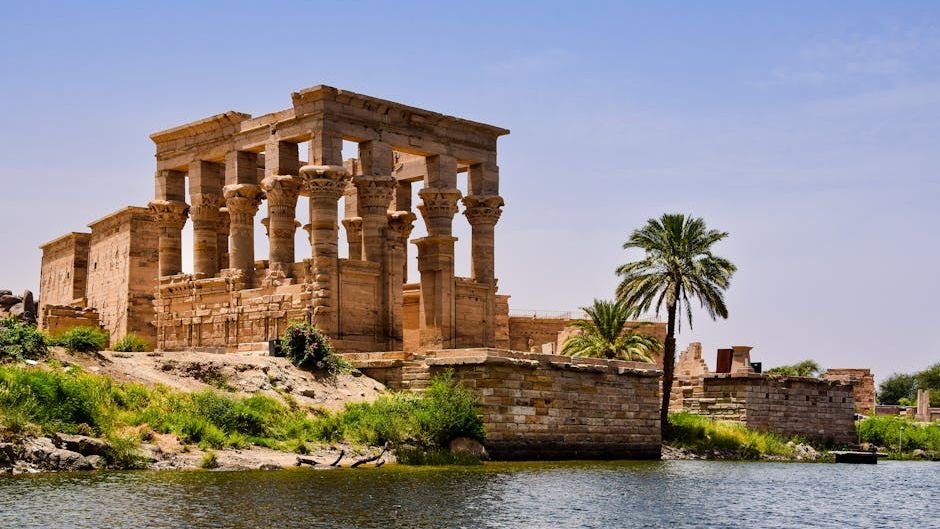

If you think ancient civilizations were slow, simple, and stuck in the past, you’re in for a shock. When you look a bit closer, you find lost cities under the ocean, brain surgery done with stone tools, and people tracking the stars with an accuracy that still impresses modern scientists. The more you learn, the more it feels like you’re looking at an earlier version of us rather than some distant, primitive “them.”
As you move through these ten facts, try imagining what it would feel like to live in those worlds: walking down the streets of a city bigger than many modern capitals, or standing in a temple lined up perfectly with the rising sun. You’ll probably notice something surprising: you start to feel a weird mix of admiration and humility, because a lot of what you consider modern genius is actually thousands of years old.
1. You Could Walk Ancient Streets in Cities Bigger Than Many Modern Ones
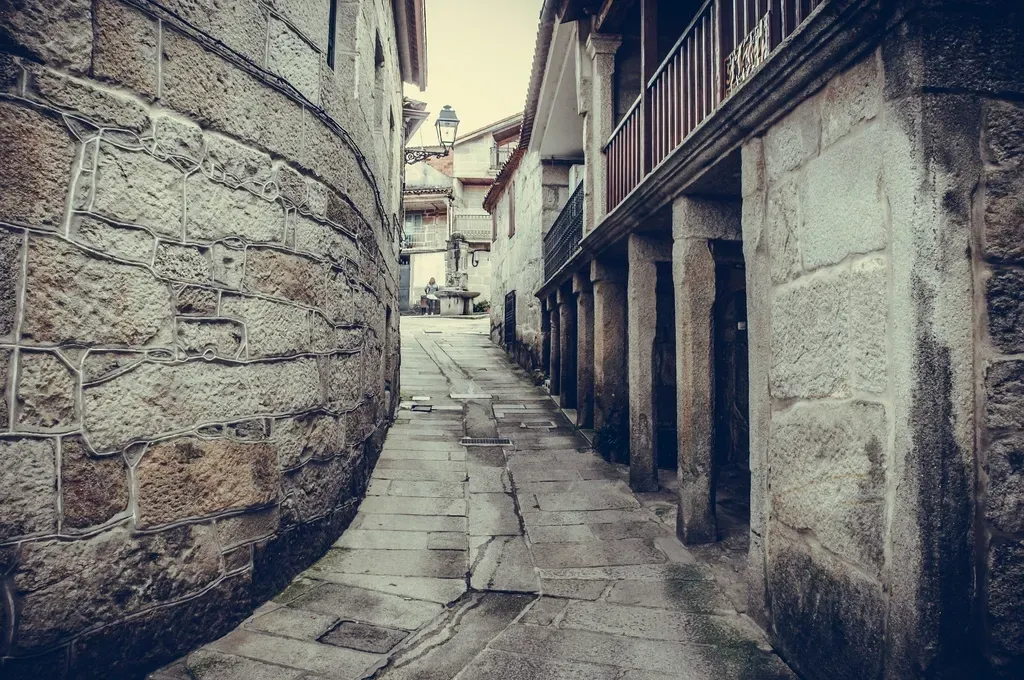
When you picture the ancient world, you might think of a few dusty villages and small walled towns, but some ancient cities were absolutely massive. Places like Babylon, Thebes, and later Rome and Chang’an had populations reaching into the hundreds of thousands, with dense neighborhoods, busy markets, and specialized districts. You would have walked crowded streets, bumped shoulders with strangers, and heard a constant buzz of negotiation, gossip, and street vendors calling out.
In some cases, these cities were carefully planned instead of just growing randomly. Wide avenues, drainage channels, and designated areas for trades or social classes made city life surprisingly organized. If you’ve ever felt overwhelmed by a modern megacity, imagine trying to navigate an ancient one without maps, GPS, or street signs, relying only on local landmarks and your memory to get home.
2. You’d See Brain Surgery Done With Stone Tools
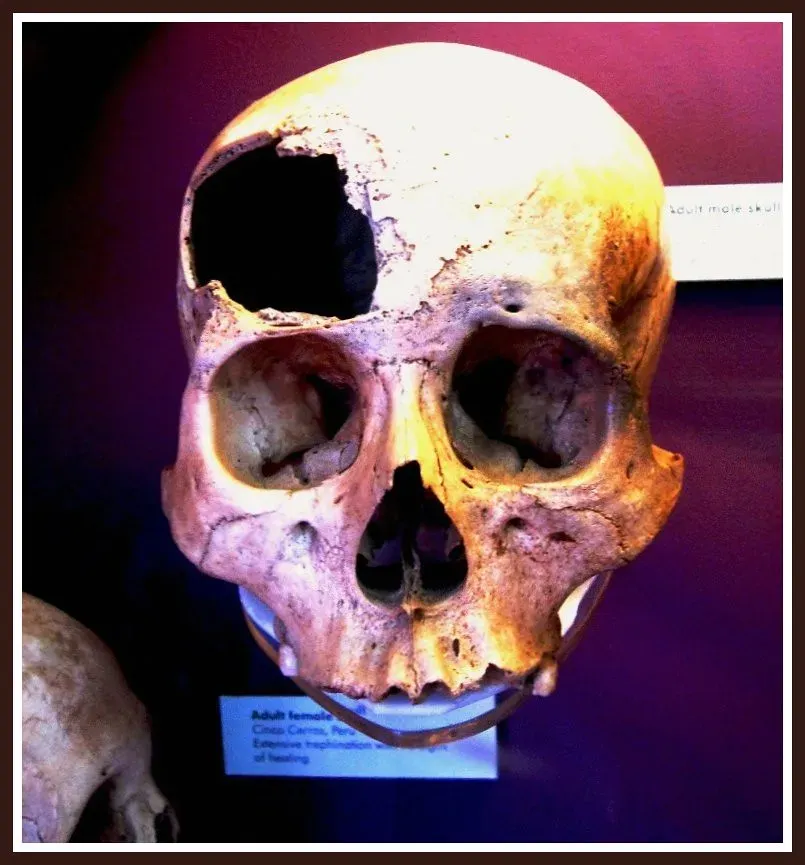
If you had a severe head injury in some ancient cultures, you might actually be operated on instead of left to die. Archaeologists have found skulls from places like ancient Peru and parts of Europe showing clear evidence of trepanation, where surgeons carefully cut or scraped a hole into the skull. This wasn’t random brutality; you can see signs of healing on many skulls, meaning the person survived the procedure and lived for months or even years afterward.
Think about how wild that is: you’re lying down, someone approaches with a sharpened stone tool, and they start working on your skull, all without modern anesthesia or antibiotics. Yet despite the tools and conditions, survival rates in some regions were surprisingly high, especially in Andean cultures. When you compare that to medieval European surgery outcomes, you start to realize that “ancient” does not always mean “less advanced.”
3. You’d Use Calendar Systems More Precise Than You Expect
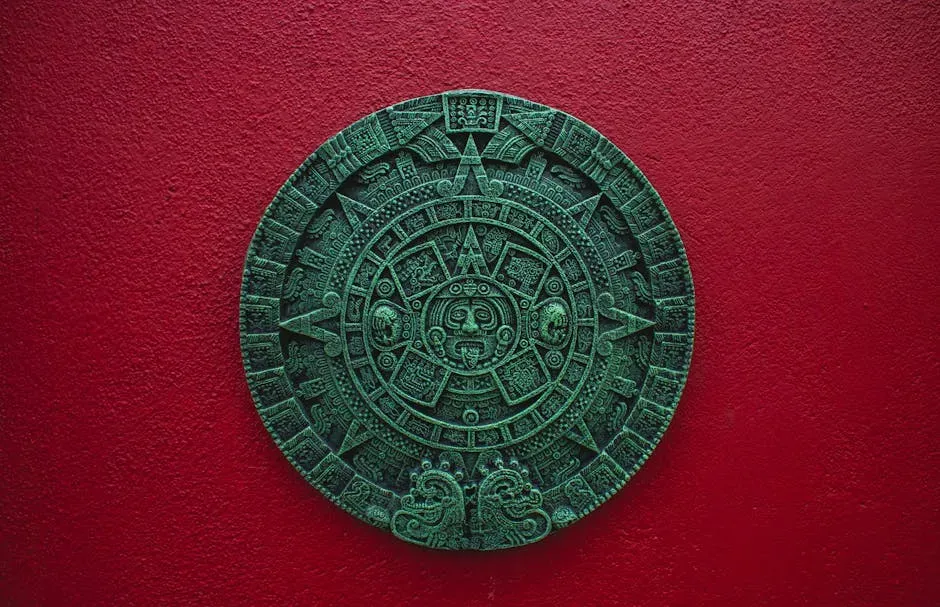
If you lived in a civilization like the Maya or the ancient Egyptians, your life would be tightly linked to calendars that tracked the sky far more accurately than you might assume. The Maya, for instance, developed interlocking calendar systems that tracked solar years, ritual cycles, and long spans of time. You’d know not only when to plant crops and hold ceremonies, but also how current events fit into a much longer cosmic timeline.
Even without telescopes, you would watch priests and astronomer-priests track the movements of the sun, moon, and planets across the sky with astonishing precision. Structures and temples were aligned with solstices and equinoxes, so certain days the sun would rise exactly through a doorway or illuminate a specific carving. Instead of seeing time as just dates on your phone, you’d experience it as a living pattern woven into architecture, farming, and religion.
4. You’d Live in Societies With Sophisticated Legal Codes
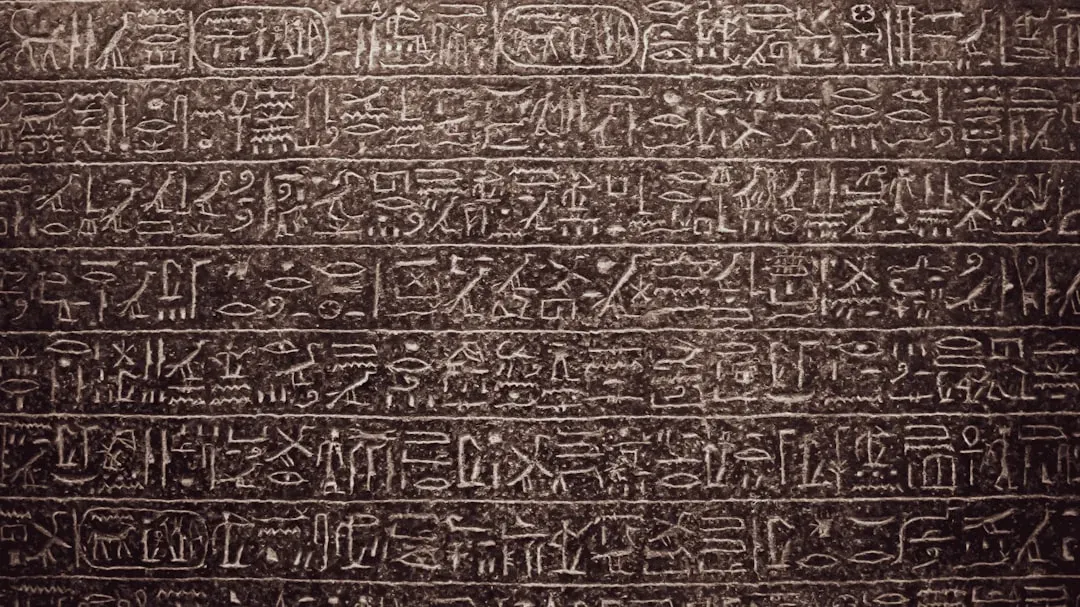
If you think law is a modern invention, imagine yourself standing in front of a carved stone column in ancient Mesopotamia, reading one of the earliest known law codes. These codes laid out rules for everything from property and trade to marriage, injury, and theft. You would know that if you damaged someone’s property, cheated in business, or broke a contract, there were specific, written consequences waiting for you.
In many ancient cultures, law was not just about punishment but also about keeping social balance. You’d see laws that standardized weights and measures to keep trade fair, and rules that tried – imperfectly – to separate accidental harm from deliberate crime. While the penalties were often harsh by today’s standards, the basic idea that society needed clear rules, applied consistently, is something you would instantly recognize from modern life.
5. You’d Travel on Trade Networks Stretching Across Continents
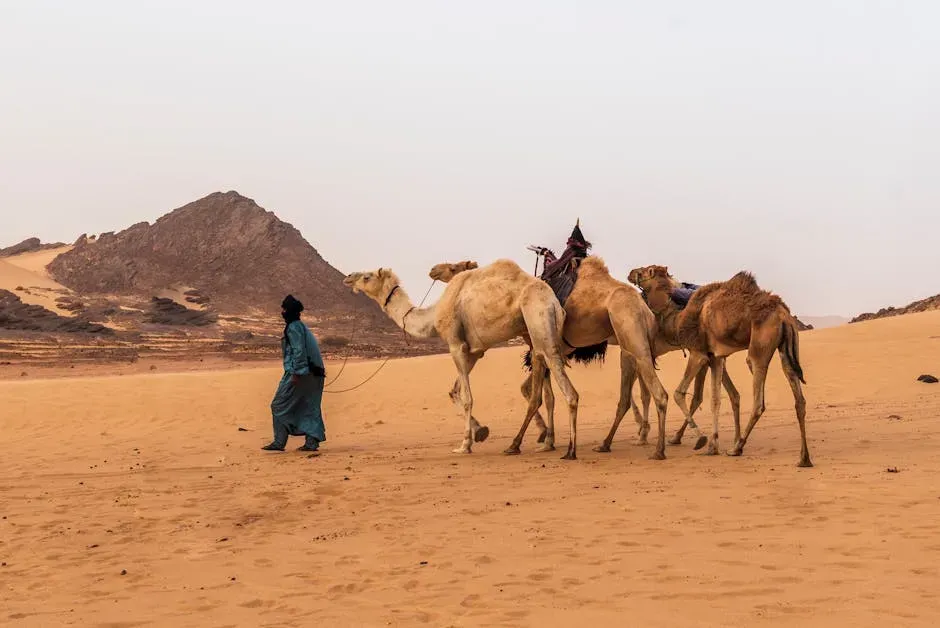
As these goods moved, so did stories, technologies, and even diseases. If you were a trader, you might travel along routes like the early Silk Road, encountering different languages and customs at every stop. The world of ancient civilizations was far more connected than the simple maps in school textbooks suggest, and if you lived back then, you’d feel that global web of exchange in very direct, everyday ways.
6. You’d Watch Engineers Move Stones So Massive It Seems Impossible
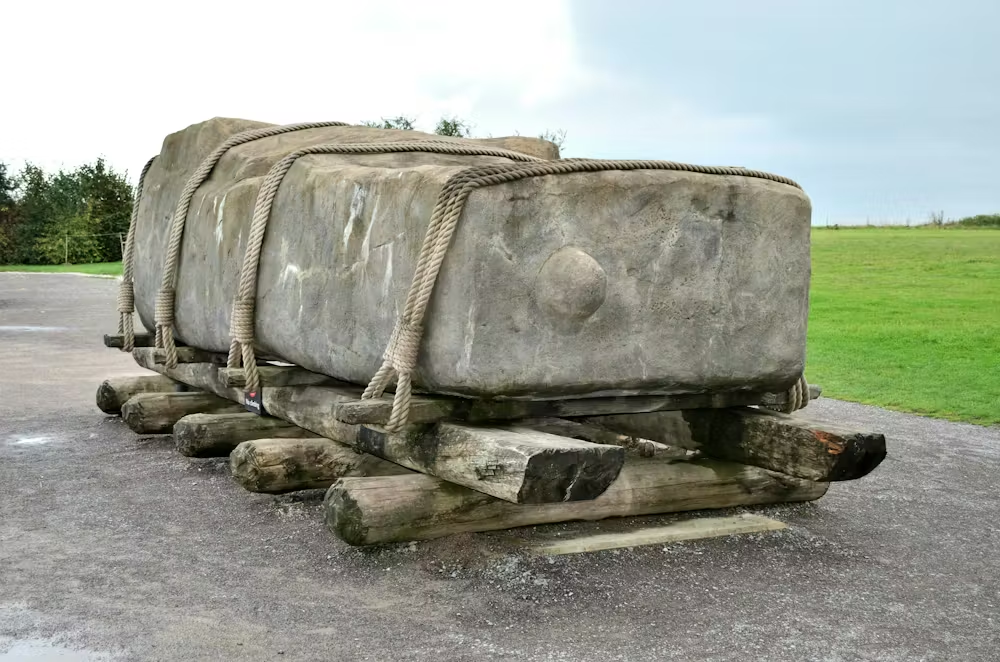
Standing in front of a pyramid, temple, or massive stone platform, you’d probably ask the same question people ask today: how on earth did they build this? Many ancient civilizations managed to transport and lift stone blocks weighing as much as several dozen modern cars put together. Without cranes, trucks, or steel, they relied on ramps, rollers, sleds, levers, and huge, coordinated workforces to pull off these engineering feats.
If you were part of one of those projects, you’d spend long days hauling, positioning, and shaping stone, guided by overseers and master builders. From your point of view, the techniques would seem normal, part of the way things are done. Only later, when the tools are gone and the knowledge scattered, would people start whispering about aliens, forgetting that human cooperation, trial and error, and clever physics can achieve almost absurd results.
7. You’d See Writing Systems Used for Far More Than Just Records
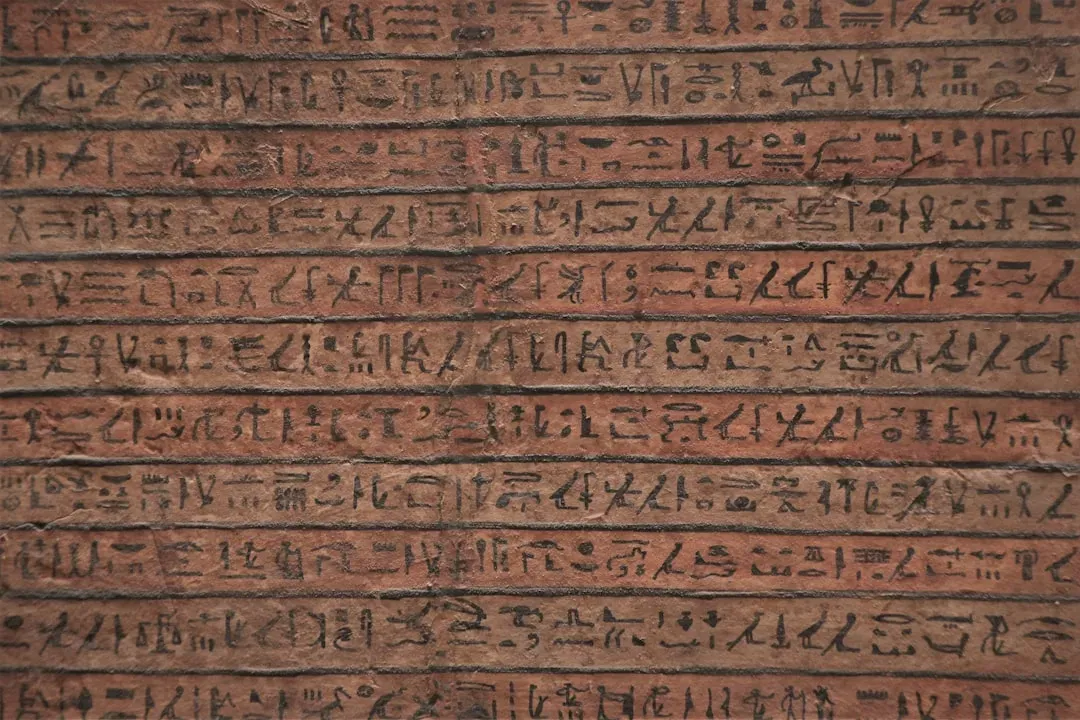
When writing first appears in many ancient cultures, it often starts as a tool for accounting: tracking grain, taxes, livestock, or labor. If you worked in administration, you’d use early symbols or pictographs to make sure everyone paid what they owed. But fairly quickly, writing in places like Mesopotamia, Egypt, China, and Mesoamerica expanded into myths, hymns, political propaganda, and personal letters.
If you were literate – and that was a big social advantage – you would suddenly have access to stories, teachings, and memories that outlived any single person. Writing let rulers project their power, priests formalize rituals, and ordinary people petition authorities. You’d witness the birth of what you now take for granted: the idea that thoughts can be captured, preserved, and carried to someone far away in both time and space.
8. You’d Rely on Medical Knowledge That Mixed Insight With Ritual
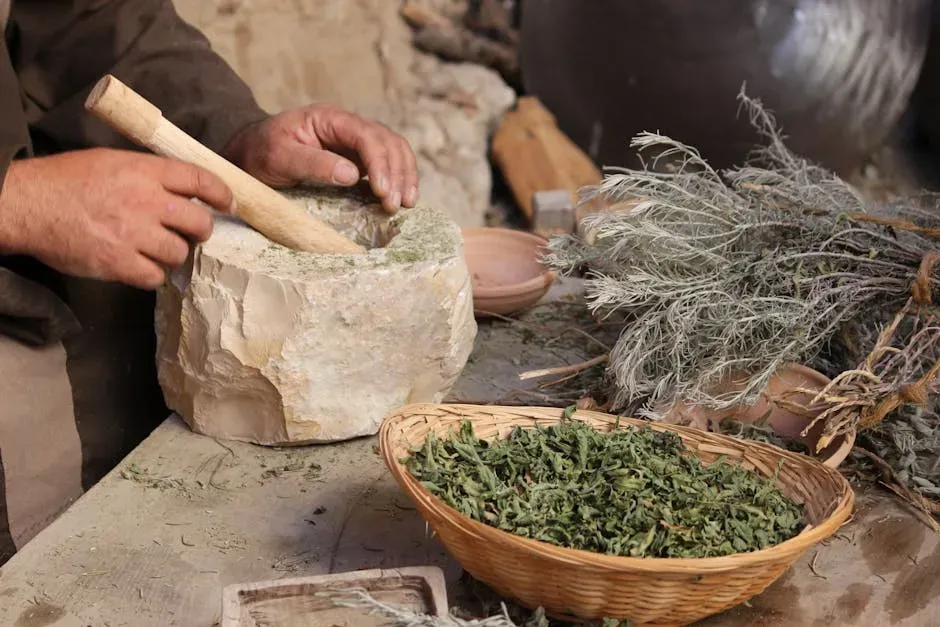
If you got sick in an ancient city, your healer might offer surprisingly practical treatments alongside prayer or ritual. Many ancient medical texts show a careful observation of symptoms, herbal remedies, and even basic surgical techniques. You would see remedies for fevers, wounds, digestive issues, and childbirth problems that were tested and passed down over generations through apprenticeship and tradition.
At the same time, you’d live in a world where illness was often seen as both physical and spiritual. A treatment might involve a poultice made from plants with real medicinal properties and a ritual to appease a deity or ward off a curse. From your perspective, there would be no sharp line between science and spirituality, just a single, blended approach to staying alive and keeping the people you love healthy.
9. You’d Navigate Complex Gender Roles and Social Hierarchies
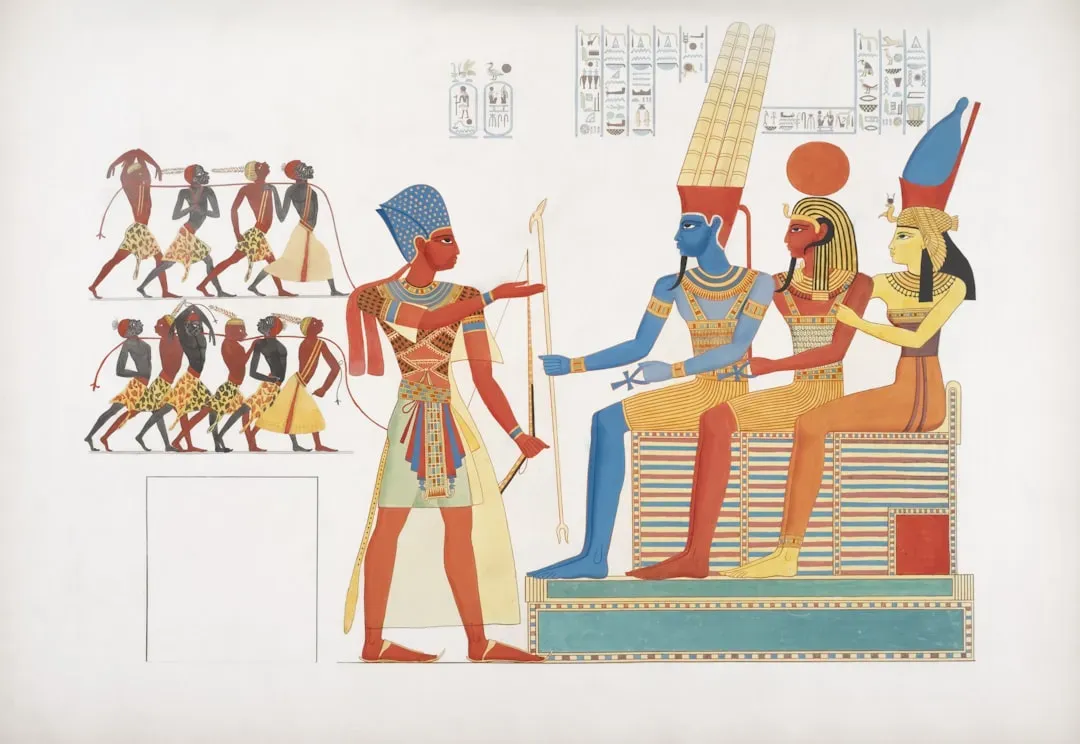
If you dropped into almost any ancient civilization, you’d land inside a web of social ranks, roles, and expectations that shaped everything about your daily life. Your gender, family background, and status would strongly affect what work you could do, who you could marry, and how much power your voice carried. In many places, elite families enjoyed rights and comforts that farmers, laborers, and enslaved people could barely imagine.
Yet the story is more complicated than a simple, flat stereotype. In some cultures, women could own property, run businesses, or even rule, while in others they were heavily restricted. You would find professions reserved for certain groups, guild-like organizations, and social customs that might feel unfair, familiar, or surprisingly flexible. Looking at this from today, you start to see both how far you’ve come and how many old patterns still echo in modern society.
10. You’d Watch Entire Civilizations Rise and Fall, Then Vanish From Memory
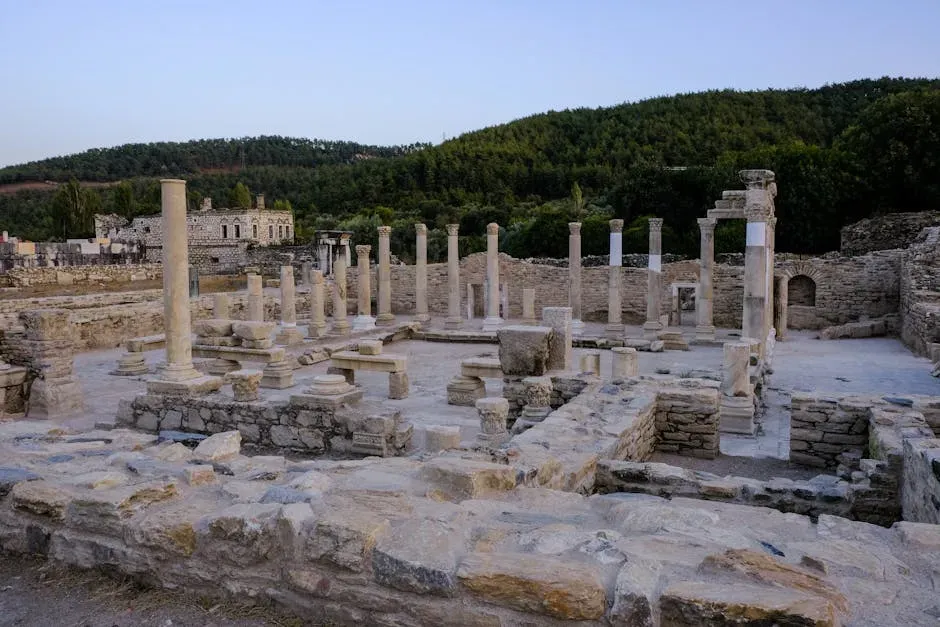
One of the strangest truths about ancient civilizations is how many of them rose to impressive heights, then faded so completely that later people forgot their names. If you lived through one of those collapses, you’d feel it not as a dramatic movie scene but as a slow unraveling: failed harvests, disrupted trade, more conflict, and institutions that stopped working. Over time, grand buildings would crumble, writing would be lost, and your descendants might not even remember how advanced things once were.
From where you stand today, you only see these worlds when archaeologists uncover a buried city, a lost script, or an old canal system hidden under a forest or desert. You realize that the past is not a straight staircase of progress but more like a series of waves, rising and crashing over and over. It forces you to ask a slightly uncomfortable question: if such powerful civilizations could disappear so thoroughly, what might people thousands of years from now forget about yours?
Conclusion: Seeing Yourself in the Ancient World
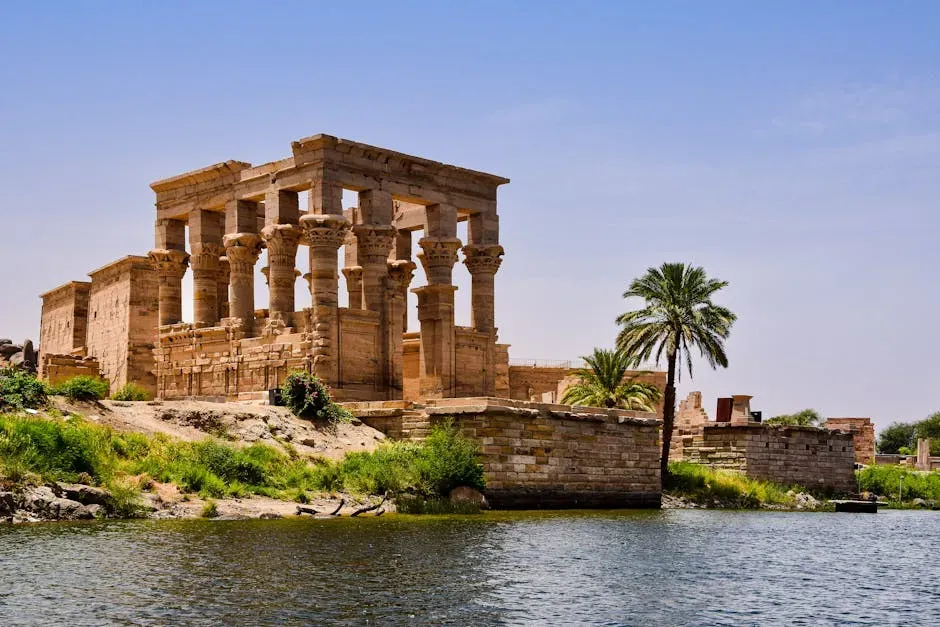
When you pull all these facts together, you stop seeing ancient civilizations as simple backdrops for myths and start seeing them as complex, creative societies that faced many of the same problems you do now. They built huge cities, managed global trade, pushed engineering to its limits, experimented with laws and medicine, and struggled with inequality and collapse. In a strange way, learning about them is a bit like looking into an old mirror and catching a glimpse of your own reflection.
If you let that sink in, the ruins and artifacts feel a lot less distant and a lot more like unfinished conversations you’ve inherited. You’re not just peeking into a dead past; you’re seeing earlier drafts of ideas your world is still rewriting today. So the next time you hear the word “ancient,” maybe you’ll think less of dust and dinosaurs, and more of people who were, in many ways, shockingly like you. Which of these civilizations would you most want to walk through for a day if you could?