A Legacy of Disaster Transformed (Image Credits: Pexels)
Four decades after one of history’s worst nuclear disasters, the Chernobyl Exclusion Zone stands as a surprising testament to nature’s resilience. Wildlife populations have surged in this vast, human-free expanse, turning contaminated land into one of Europe’s premier natural havens. Yet, as the war in Ukraine drags on, military actions now imperil this fragile recovery, raising urgent questions about the zone’s future.[1][2]
A Legacy of Disaster Transformed
The explosion at Reactor 4 of the Chernobyl Nuclear Power Plant on April 26, 1986, released massive amounts of radioactive material across Ukraine and beyond. Authorities established the exclusion zone, spanning more than 4,500 square kilometers – larger than many European national parks – to protect people from immediate dangers. Over time, the forced evacuation of around 300,000 residents created an unintended experiment in rewilding.
Forests expanded dramatically as abandoned farmlands reverted to woodland, doubling the area’s tree cover. This shift reshaped habitats, favoring species adapted to dense vegetation. Researchers have documented how the absence of human activity allowed ecosystems to rebound faster than anticipated, positioning the zone as a unique study site for ecological restoration.[1]
Wildlife Populations Reach New Heights
Surveys reveal extraordinary biodiversity within the zone. Wolves roam at Europe’s highest densities, with populations estimated at seven times pre-accident levels due to reduced hunting and habitat pressures. Brown bears, once nearly extinct locally, have re-established themselves alongside Eurasian lynx, beavers, and otters.
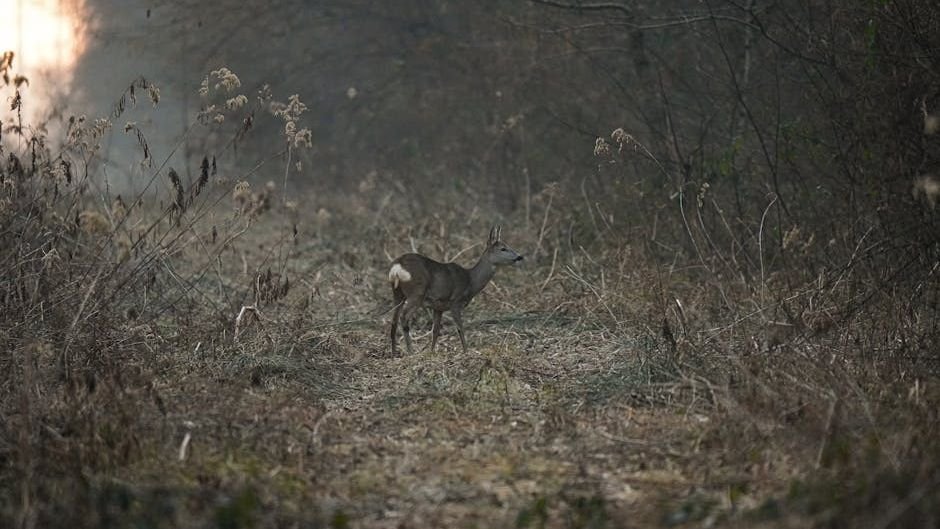
Birds thrive in record numbers, with over 200 species recorded, including many threatened at the continental scale such as black storks, white-tailed eagles, and capercaillies. Przewalski’s horses, reintroduced in 1998 from just 12 individuals, have multiplied sevenfold and even occupy the highly radioactive Red Forest. Other mammals like elk, roe deer, moose, red deer, and free-roaming dog packs contribute to a vibrant food web.
- Wolves: Seven times higher than pre-1986 levels.
- Przewalski’s horses: Thriving in contaminated areas.
- Birds: Over 200 species, shifts toward forest dwellers.
- Large mammals: Lynx, bears, moose populations rebounding.
Environmental scientist Jim Smith, who has studied the region for over 30 years, noted that “the ecosystem in the exclusion zone is much better than it was before the accident.”[2]
Radiation’s Effects: More Nuance Than Harm
Early fears painted the zone as a barren wasteland, but current radiation levels appear insufficient to hinder most wildlife health. Studies on eastern tree frogs showed no differences in lifespan or physiological markers compared to populations from uncontaminated sites. These amphibians even exhibited evolutionary adaptations, developing darker skin with higher melanin content in high-radiation zones, potentially aiding DNA protection.
Przewalski’s horses display no detectable health impairments despite inhabiting contaminated forests. Bird communities have shifted toward forest species, a change linked to habitat succession rather than radiation. While some research points to subtle genetic stresses in species like barn swallows and great tits, overall populations remain robust. Uncertainties persist regarding long-term genetic impacts, particularly in hotspots like the Red Forest.[1][2]
What matters now: The zone’s value as a living laboratory underscores the outsized role human presence plays in ecosystem degradation, even amid nuclear fallout.
The Shadow of Conflict Looms Large
Russia’s full-scale invasion in February 2022 routed troops through the exclusion zone en route to Kyiv, marking a sharp turn for the area. Russian forces occupied the site briefly before withdrawing in April 2022, but the incursion inflicted lasting damage. Bridges over key rivers like the Uzh were destroyed, fragmenting habitats and blocking animal migrations.
Fires ravaged an estimated 22,000 hectares of forest, many sparked by downed drones or military operations. Fencing along the Belarus border restricted wildlife corridors, while trenches dug into contaminated soil risked resuspending radioactive particles. Landmines claimed several Przewalski’s horses, and research facilities suffered looting or destruction, stalling international studies. Today, the zone doubles as a militarized frontier, laced with barriers, barbed wire, and unexploded ordnance.[1]
Charting a Path Forward
Staff at the Chernobyl Nature Reserve continue limited monitoring amid these challenges, but comprehensive data remains scarce. Post-conflict efforts will likely prioritize demining, habitat reconnection, and renewed scientific partnerships. The zone’s transformation from disaster site to biodiversity beacon offers measured hope: nature can recover from profound shocks when given space.
Still, the interplay of radiation, war, and climate pressures demands vigilant stewardship. As global attention turns to nuclear energy debates ahead of the 40th anniversary, Chernobyl reminds observers that human conflicts pose the most immediate threats to even the hardiest ecosystems.