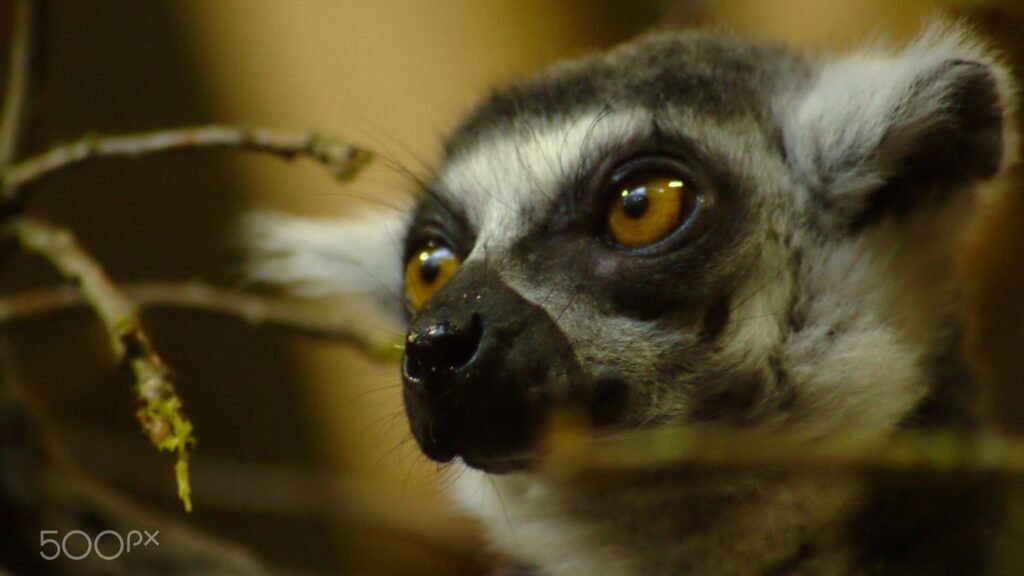

You probably trust your eyes more than almost any other sense, but your vision is surprisingly limited. You only see a narrow slice of the light around you, you blur motion that happens too fast, and you completely miss patterns that other animals take for granted. Once you start comparing your eyesight to what some animals can do, it feels a bit like discovering you have been watching the world through a keyhole.
The wild twist is this: plenty of animals are not just seeing better than you; they are literally seeing different worlds. Some detect ultraviolet patterns that look like secret ink, some read polarized light like a built‑in compass, and others track the faintest glimmer of movement in almost total darkness. As you walk through your normal day, these creatures are quietly navigating a reality your eyes will never fully know.
Mantis shrimp: the color vision monster you can’t compete with
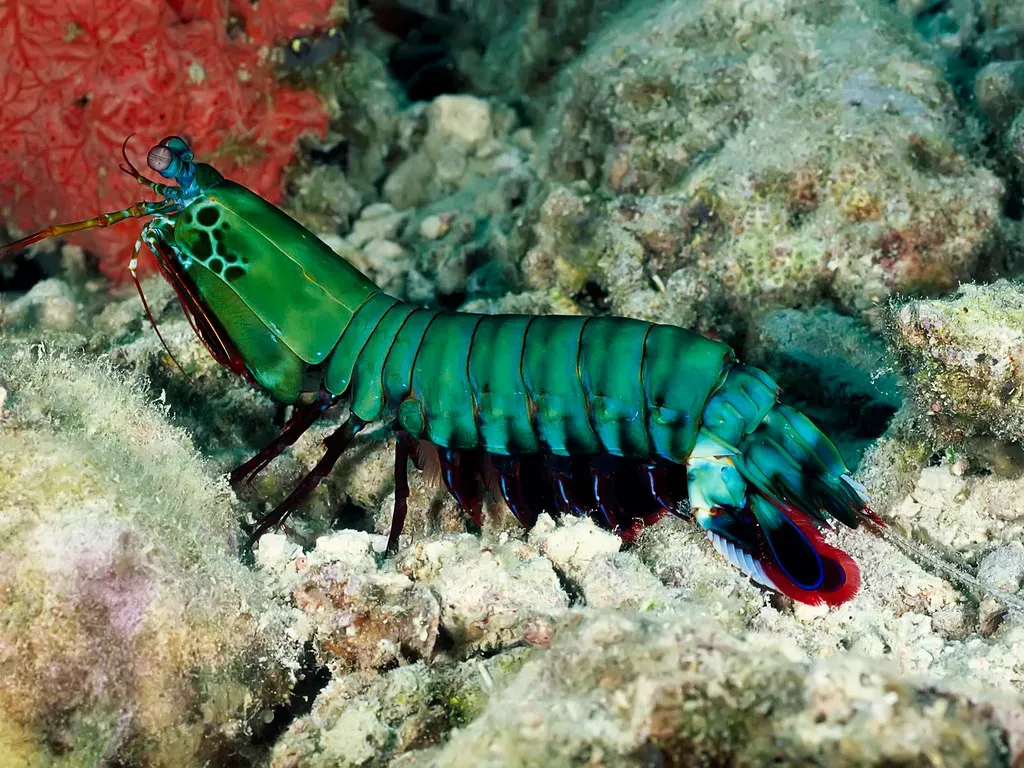
If you have ever been proud of seeing a “subtle” color difference on a high-end screen, a mantis shrimp would be unimpressed. You see color with three types of cones in your eyes, tuned roughly to red, green, and blue. A mantis shrimp can have a dozen or more kinds of visual receptors, giving it access to a far richer palette of hues than your brain can even imagine. To you, two objects might both look “blue,” but to a mantis shrimp, they could be as different as red and green.
On top of that, mantis shrimp can detect ultraviolet light and polarized light, including circular polarization, which you cannot see at all. Polarized light is light waves vibrating more in one direction, and the shrimp can use that as a hidden channel of information for hunting and possibly for communication. You might use special polarized sunglasses to cut glare on the water, but the mantis shrimp has that filter wired into its biology. In the bright, cluttered chaos of a coral reef, this kind of hyper-vision can mean the difference between snatching a meal and becoming one.
Bees: reading ultraviolet road signs on flowers
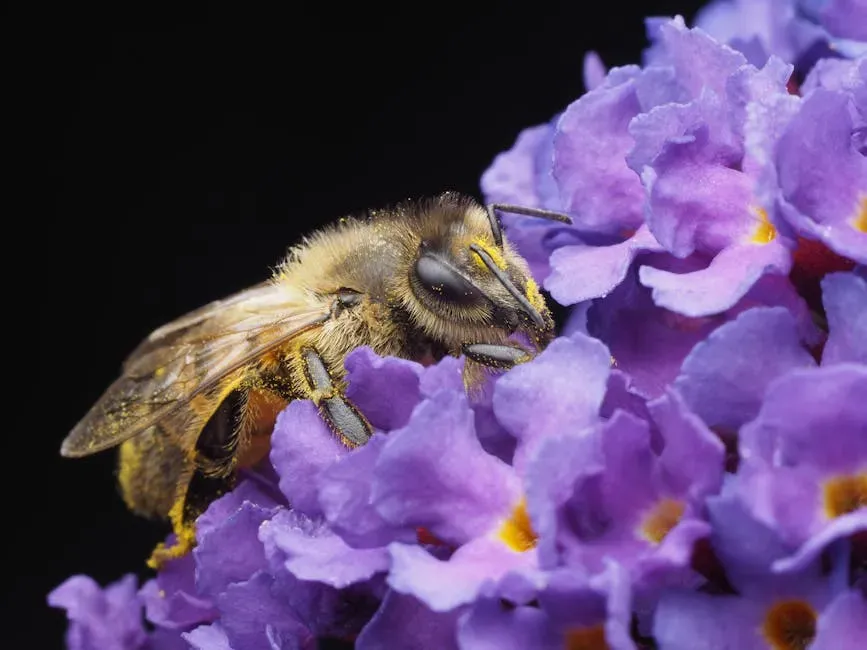
When you look at a flower, you probably think you see everything there is to see: colorful petals, maybe a bright center, a nice gradient of shades. To a bee, the same flower can light up with ultraviolet patterns that your eyes completely miss. Many blossoms have what are called nectar guides, markings that strongly reflect ultraviolet light, forming rings, lines, or bullseyes that point directly toward the nectar and pollen.
You can think of it like walking into a store where the doors are outlined in glowing paint that only you can see. For bees, this ultraviolet information turns foraging into a much more efficient job. They are not guessing where to land or where to dig; the flower is practically shouting directions at them in a language of light you are blind to. This ability also helps bees distinguish between plant species and pick up on subtle differences that would look identical to you in normal daylight.
Butterflies: ultraviolet fashion and secret signaling
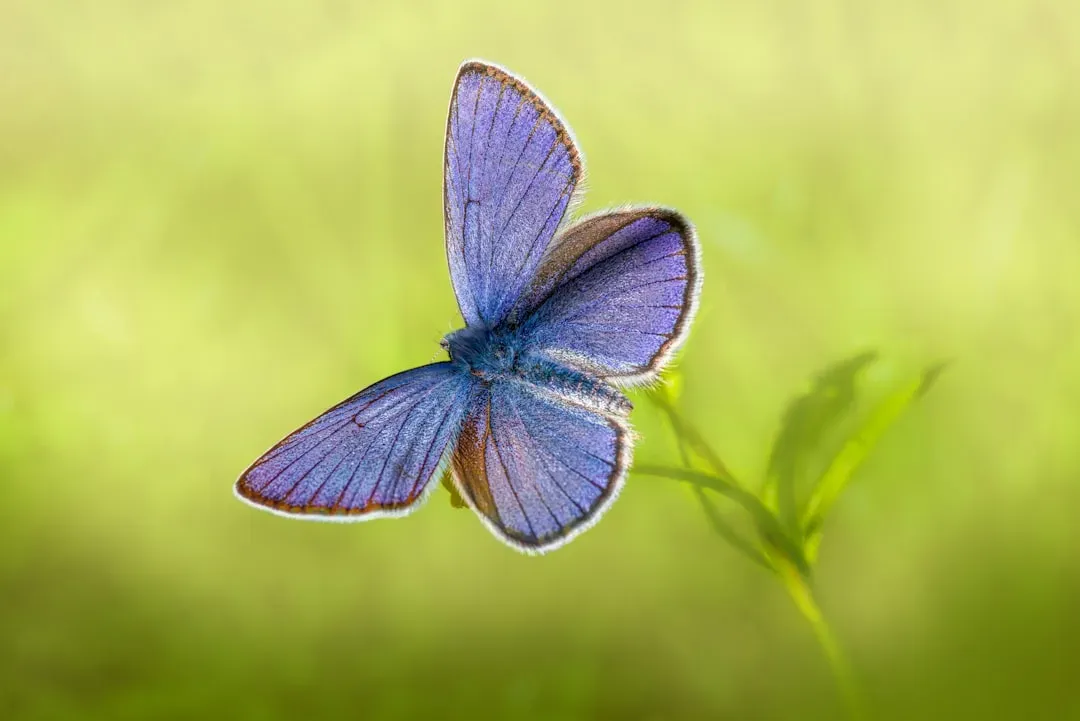
If you have ever watched a butterfly and thought it looked colorful, you are only getting the basic version of the show. Many butterflies have wing patterns that reflect ultraviolet light, transforming what you see as simple patches of color into intricate designs in their spectrum. Some species have extra types of color receptors compared to you, letting them separate colors that would otherwise blur into one shade in your vision.
This ultraviolet sensitivity matters for more than just aesthetics. It can help butterflies recognize potential mates, tell similar species apart, and even pick out healthy plants from unhealthy ones when they lay their eggs. Where you might see a generic “orange and black” butterfly, another butterfly may see rich ultraviolet accents and contrasts that carry important social signals. It is as if they are wearing clothes that look one way to you and another way entirely to each other.
Reindeer: seeing ultraviolet in the Arctic twilight
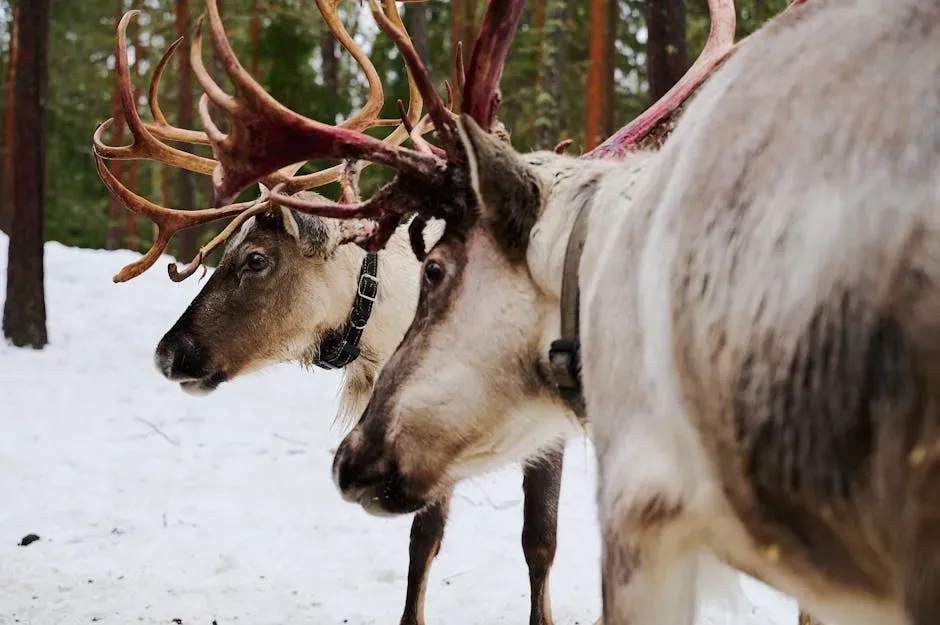
If you lived in the far north, dealing with months of dim winter light and blinding snow, your eyes would struggle. Reindeer have adapted by extending their vision into the ultraviolet part of the spectrum, allowing them to pick up contrast that would otherwise vanish. In snow-covered landscapes, materials like lichen, fur, and urine markings reflect ultraviolet light differently from the surrounding snow.
That means a reindeer can see trails, predators, and food sources that might appear almost invisible to you in that environment. For example, a white-coated predator that blends into the snow for your eyes may show up more clearly to a reindeer because of how its fur reflects ultraviolet. You are used to thinking of winter as a mostly white and gray season, but for reindeer, there is a hidden texture and pattern to that same frozen world, revealed by light your eyes ignore.
Snakes with pit organs: detecting heat like an extra sense
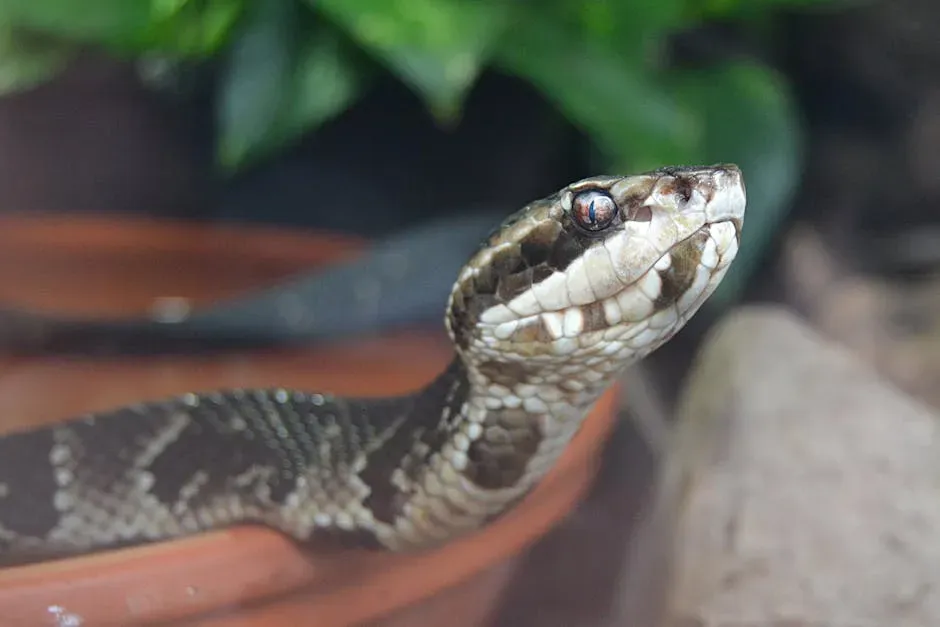
Some snakes, such as pit vipers, pythons, and boas, have specialized organs on their faces that let them detect infrared radiation from warm objects. Infrared light is just beyond the red end of your visible spectrum, but to these snakes, it is like having a second, heat-based picture of the world layered over their normal vision. They can pick up the warmth of a mouse in darkness, even if the animal is hiding behind leaves or debris.
This sense is so sensitive that a snake can form a rough thermal image of its surroundings, allowing it to strike prey with impressive accuracy, even at night. While you might rely on a flashlight or night-vision camera to see in the dark, the snake carries its own built-in detector. You see shapes and colors; the snake sees warmth and cold as part of its everyday experience. In a way, it is like walking around with a thermal imaging device permanently switched on inside your head.
Mantis and dragonflies: tracking motion in high-speed worlds
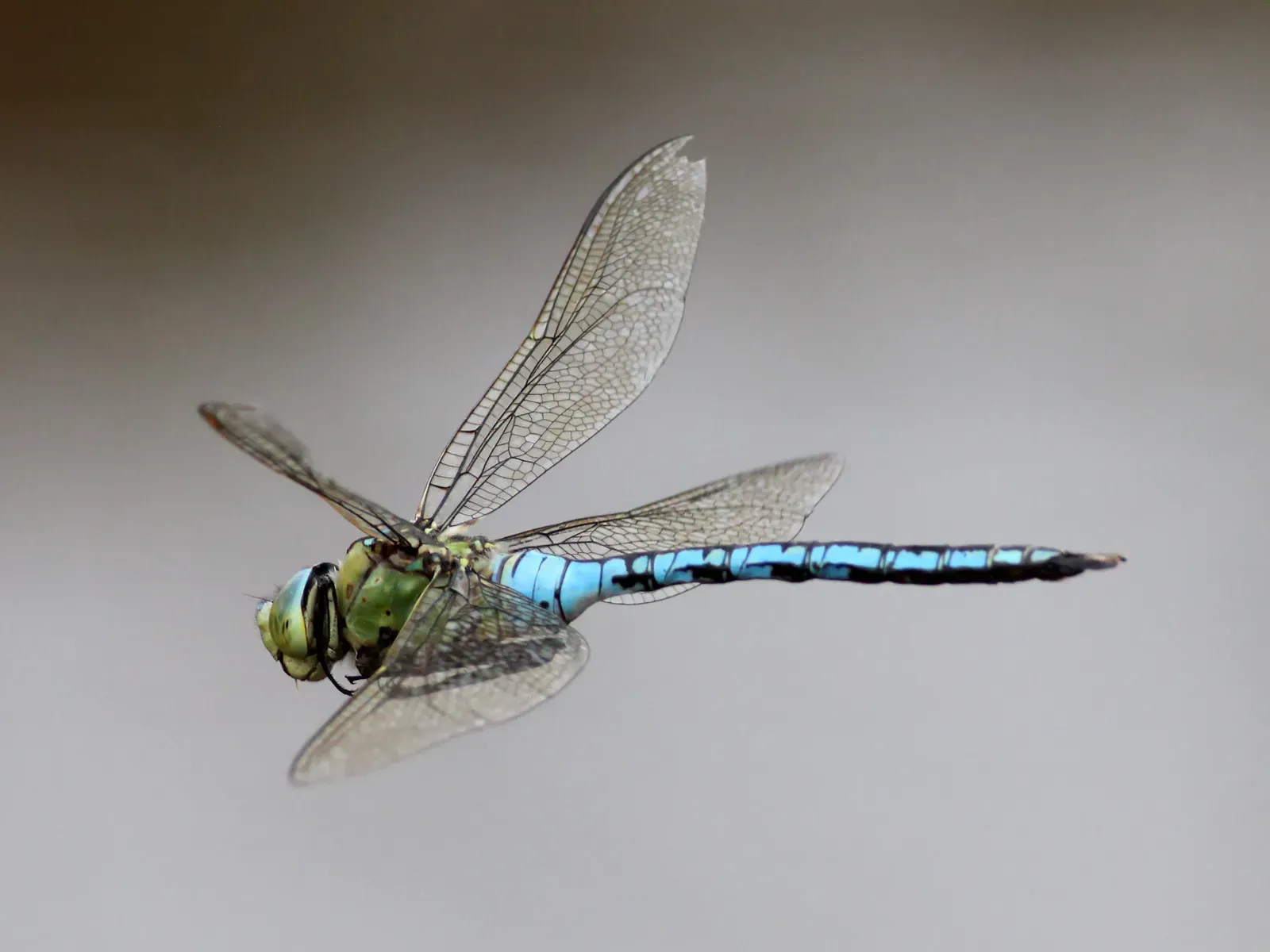
Your eyes are decent at following motion, but there is a limit to how quickly you can process changes before everything turns into a blur. Insects like dragonflies operate at a much faster visual pace. They can detect flicker and motion at rates that would just look like continuous light to you, which lets them track and intercept tiny, agile prey in midair with remarkable precision. Where you might see a messy swarm of little dots, a dragonfly sees individual targets moving along clear paths.
Praying mantises add another twist with a rare form of three-dimensional vision among insects. They use depth perception to judge distance and strike at the perfect moment, even when their target is very small and moving quickly. You rely on both eyes to estimate depth, but mantises can combine that with extreme sensitivity to motion, creating a sort of hybrid system tuned for ambush. Their world is made of sharp, high-speed snapshots, where the tiniest twitch from a potential meal stands out.
Cephalopods: masters of polarization without color vision
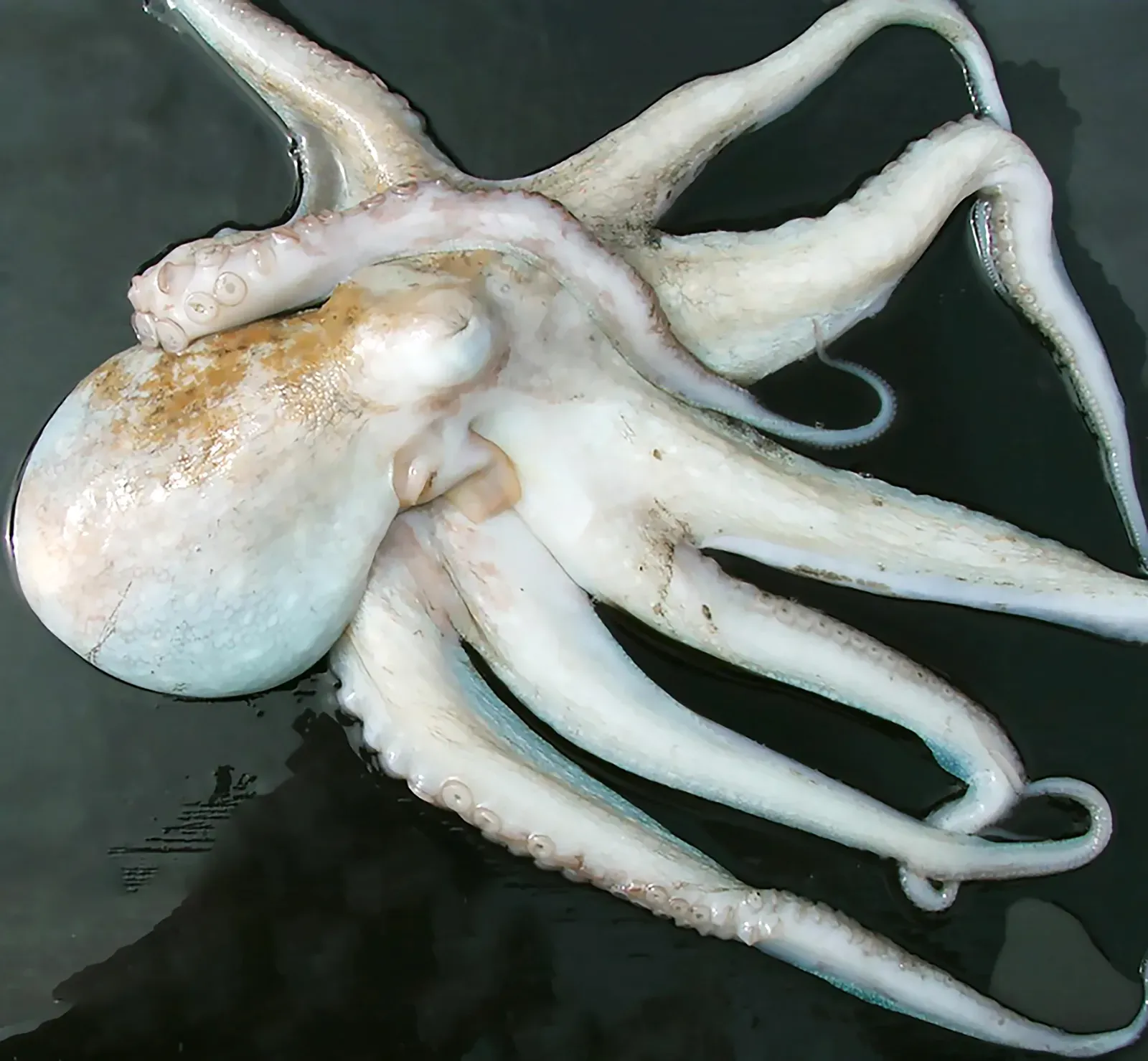
Octopuses, cuttlefish, and some squids are famous for their shape-shifting displays, but their vision is just as intriguing. Ironically, current evidence suggests many cephalopods are essentially color-blind in the way you understand color. Yet they can detect polarized light extremely well, which gives them access to patterns and contrasts that your eyes cannot pick up. In underwater environments, polarized light carries information about reflections, surfaces, and even the orientation of objects.
For cephalopods, this ability may help with spotting prey, avoiding predators, and communicating with each other using markings that change how they reflect light. Imagine seeing hidden stripes or patches appear on another animal only when the light hits at a specific angle. You would have to use special technology to see polarization, but for these animals, it is simply another layer of reality. They navigate a world full of subtle optical cues that look completely flat and plain to you.
Conclusion: your vision is powerful, but not the full story
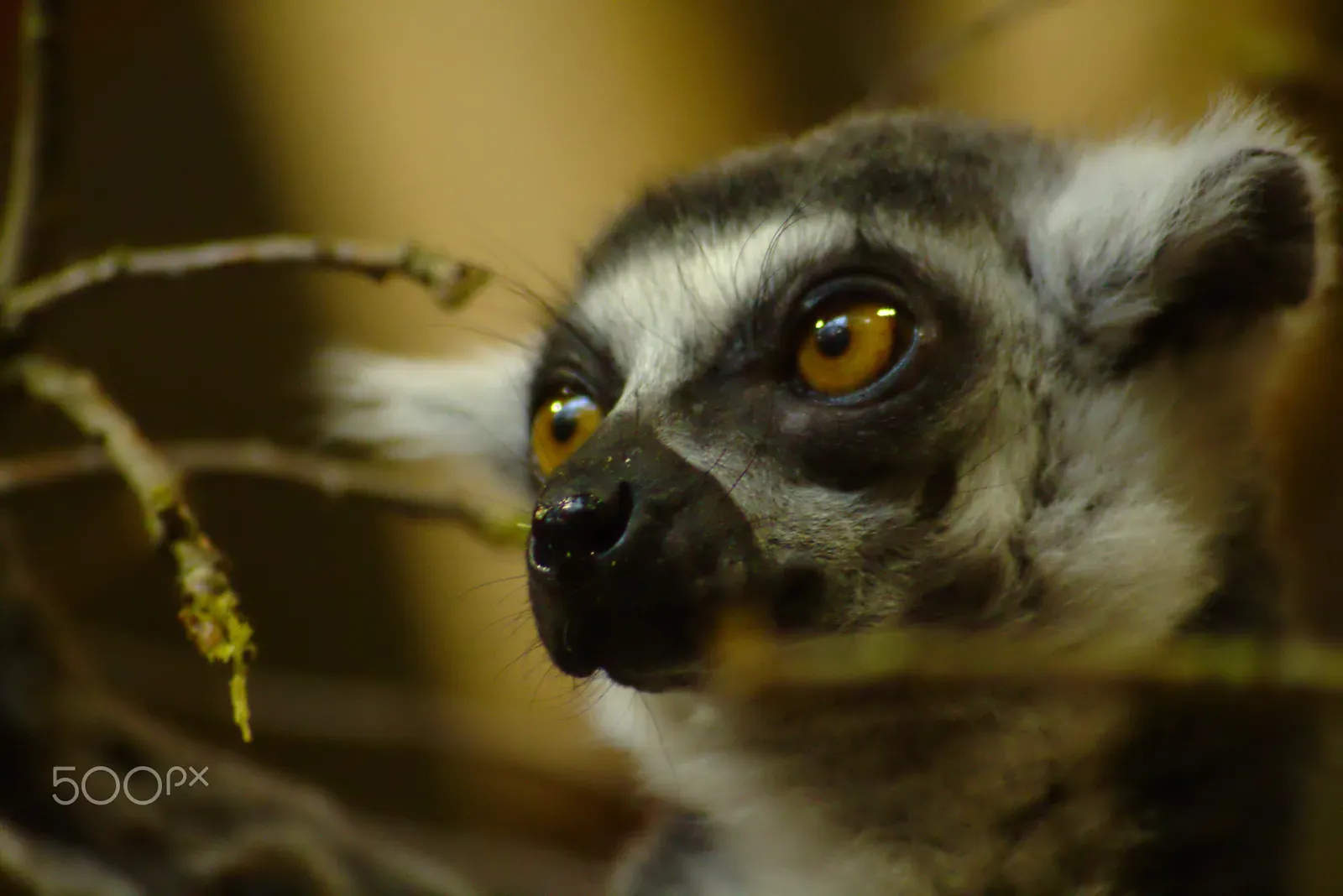
When you put all of this together, your own eyesight starts to feel less like the gold standard and more like one version among many. You are missing ultraviolet road signs that guide bees, thermal silhouettes that guide snakes, and polarization patterns that cephalopods treat as normal. It is not that your vision is bad; it is just specialized for the particular world your species grew up in, with its own trade-offs between detail, color, depth, and speed.
The next time you step outside, you can remind yourself that the air around you is filled with information you will never see, but countless other eyes are quietly decoding it. You share sidewalks, forests, and oceans with creatures who live in parallel visual realities, each one tuned to their survival. That thought can make your everyday surroundings feel slightly magical, like there is a hidden layer of the world just beyond your reach. Knowing that, how differently do you look at your own senses now?