When you picture endangered animals, you might think of pandas in China or tigers in India. But some of the most threatened species on Earth are actually living in your own backyard, quietly hanging on as their habitats shrink and their food sources disappear. The surprising truth is this: you do not have to be a scientist, a billionaire philanthropist, or a full‑time activist to make a real difference for them.
In fact, you can start helping these animals today, from your kitchen table, your local park, or with one simple email to an elected official. You are about to meet five endangered animals found in the United States whose futures are still undecided, and whose stories are not finished yet. As you read, think of this not just as information, but as an invitation to step into the story yourself.
1. Florida Panther – A Ghost of the Swamps
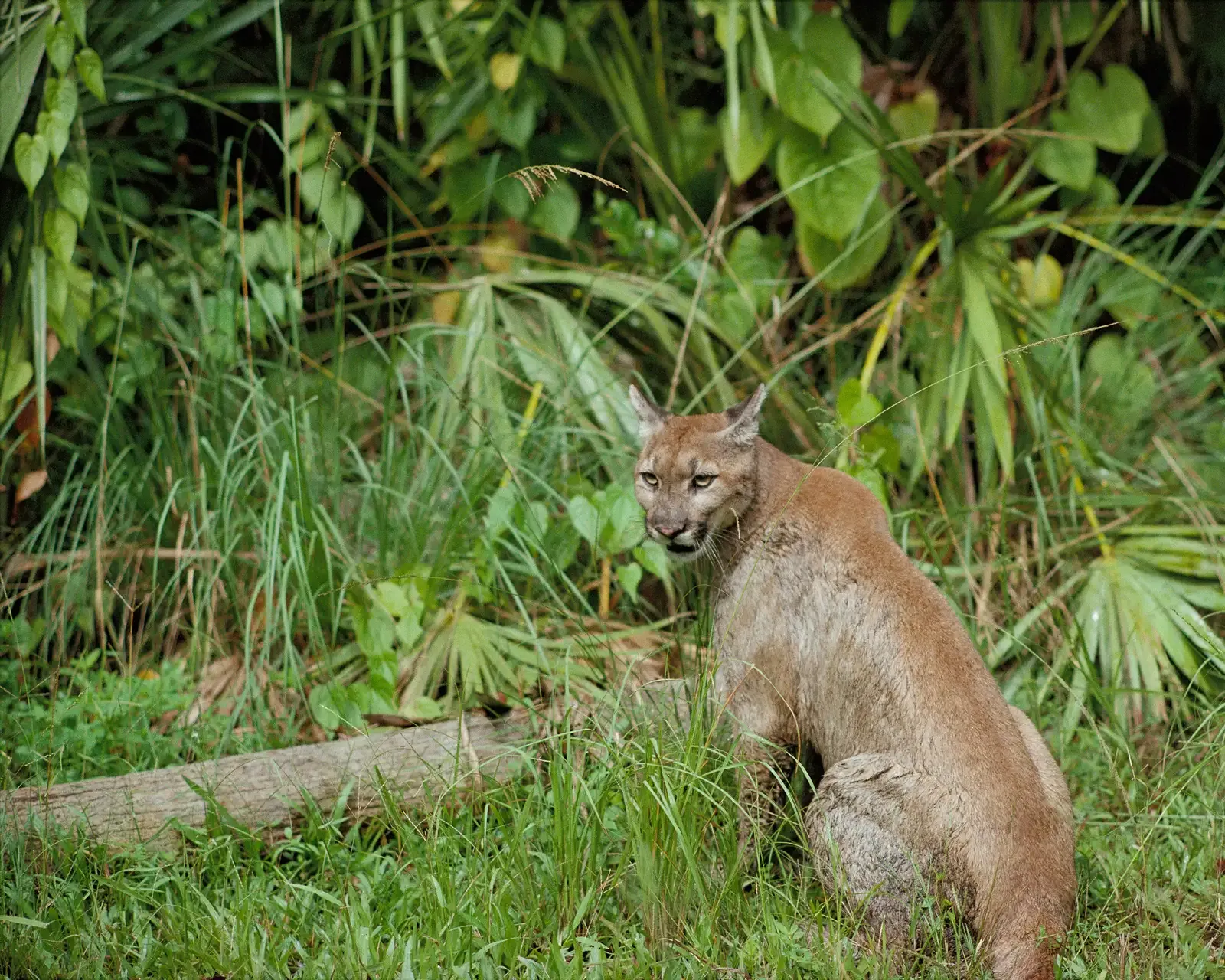
You might never see a Florida panther in the wild, and that is exactly the problem. This big cat, once roaming across the entire southeastern United States, is now confined mostly to southern Florida, with only a small number of individuals left in the wild. Road collisions, habitat loss from development, and inbreeding have pushed this animal to the edge, turning it into a kind of ghost that slips through the remaining swamps and pine flatwoods.
Yet you still have tools to help this elusive predator. If you live in or visit Florida, you can support wildlife crossings and slower speed zones in panther territory by backing local initiatives and speaking up at public meetings. You can also support land conservation groups that buy and protect panther habitat, or push for smart growth policies that prevent endless sprawl. Even from another state, you can donate to reputable conservation organizations focused on panther recovery and share their work so more people understand that every protected acre and every safe road crossing literally gives these animals another chance to breathe.
2. Red Wolf – America’s Most Endangered Wolf
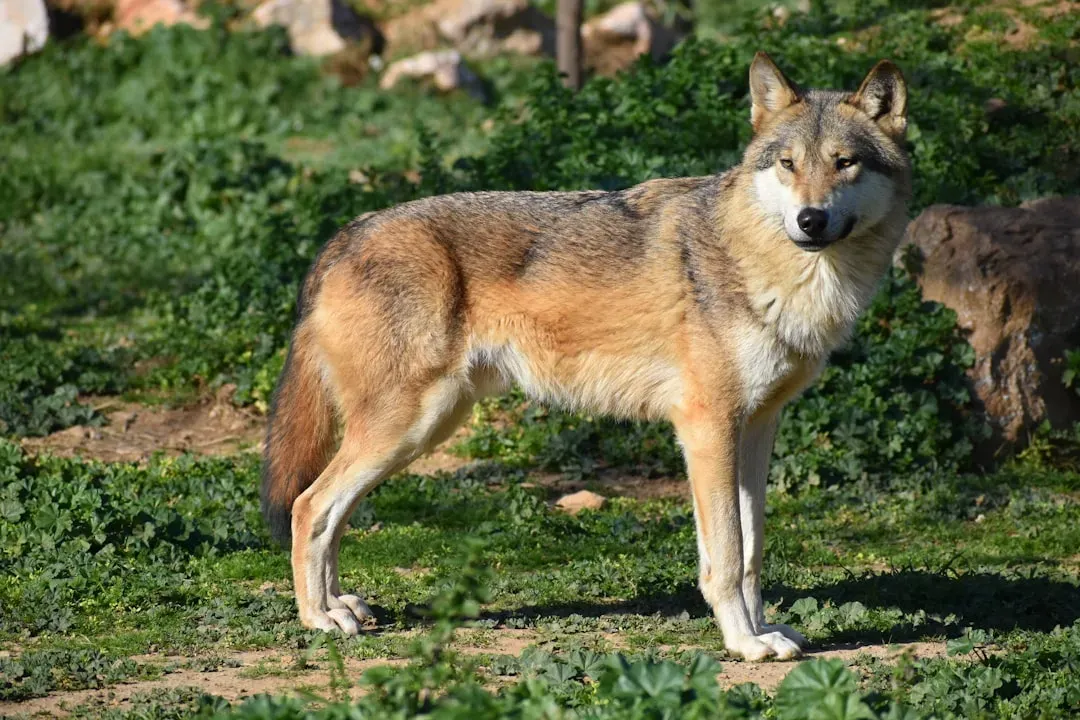
If you have ever felt like an underdog, the red wolf is your wild counterpart. Once roaming across much of the eastern and southeastern United States, this wolf was wiped out in the wild by the middle of the twentieth century through hunting, trapping, and habitat loss. A small experimental population was later reintroduced in North Carolina, but conflicts with humans, vehicle strikes, and hybridization with coyotes have kept numbers painfully low.
You can step into this story by supporting red‑wolf‑friendly policies and the organizations that manage captive breeding and reintroduction. If you live near red wolf country, you can help by keeping pets contained, reporting suspected wolf sightings to state or federal wildlife agencies, and learning how to tell the difference between a coyote and a wolf so you do not spread confusion or fear. From anywhere in the country, you can write to decision‑makers asking them to maintain and strengthen protections for red wolves on public and private lands. By choosing to value a living, howling predator on the landscape instead of a silence created by fear, you help tip the scales toward recovery.
3. Hawaiian Monk Seal – The Island Neighbor You Rarely Meet
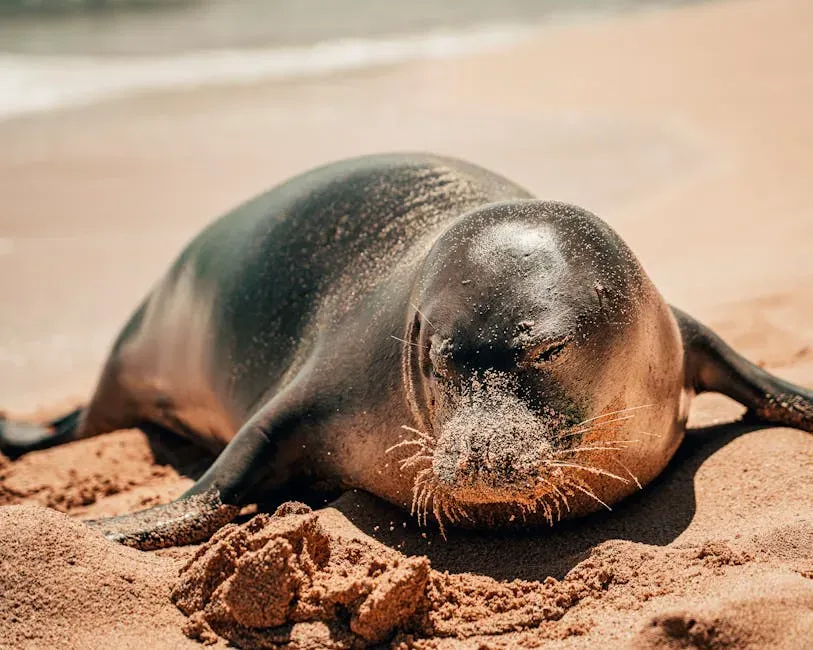
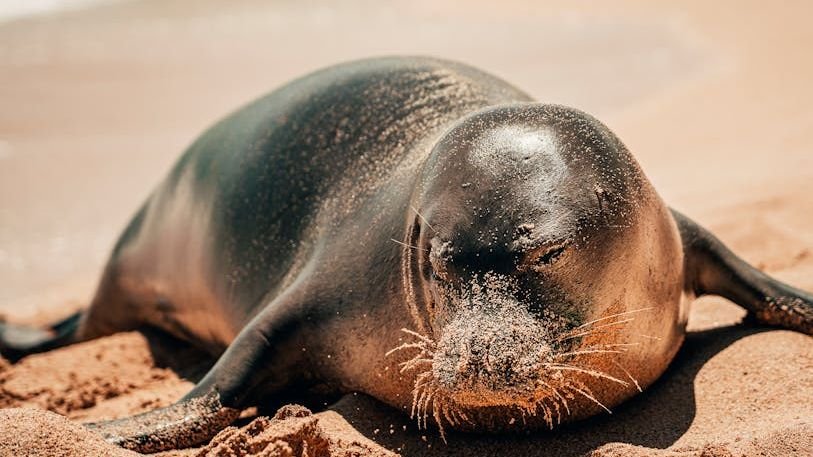
If you have ever walked along a beach and felt that pause of quiet amazement, imagine rounding a corner and seeing a rare Hawaiian monk seal resting in the sand. This seal is found only in the Hawaiian Islands, making it one of the most uniquely local marine mammals in the United States. Its population has struggled with entanglement in discarded fishing gear, loss of prey, human disturbance on beaches, and pup mortality, especially in the remote northwestern islands.
Even if you never visit Hawaii, you can help these seals by reducing your own plastic use, supporting ocean‑friendly companies, and backing efforts that clean up marine debris. If you do go to the islands, you can follow guidelines to stay well back from seals on beaches, keep your dogs leashed, and immediately report sightings of injured or entangled animals to local hotlines. You can also support groups and community networks that monitor beaches, assist with pup protection, and run outreach programs so residents and visitors understand that giving these seals space is not just polite, it is a lifeline.
4. California Condor – Giant of the Western Skies
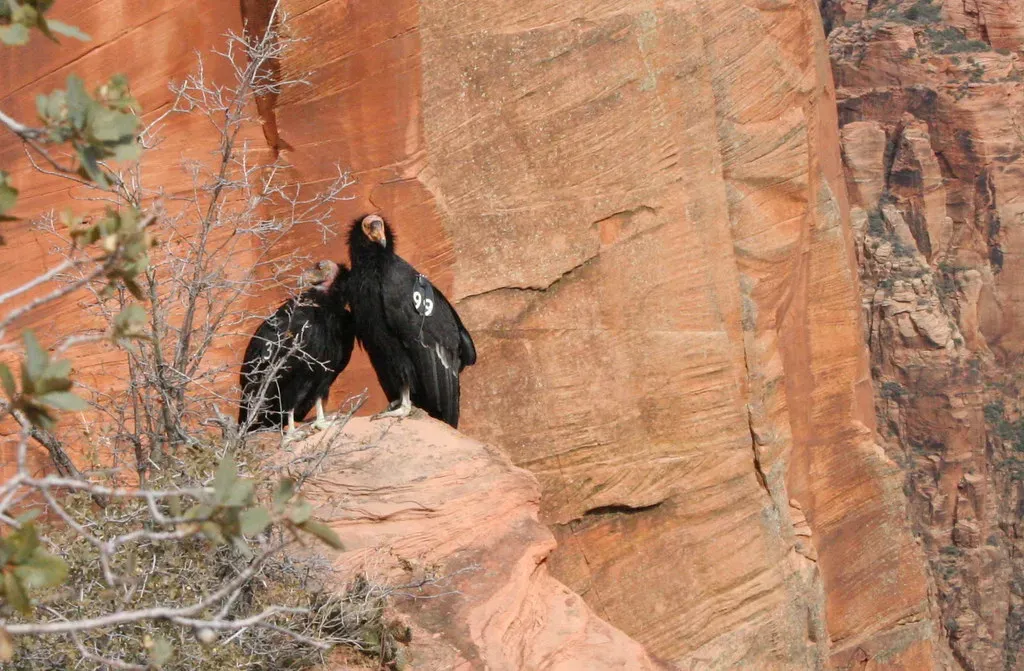
If you ever see a California condor soar overhead, with its enormous wings spread wide against a canyon sky, it feels a little like time travel. This bird once neared complete extinction, with every remaining individual brought into captivity in the late nineteen eighties so a breeding program could try to save the species. Thanks to decades of work, condors have been reintroduced in parts of California, Arizona, Utah, and the Pacific Northwest, but they still face serious threats, especially from lead poisoning when they feed on carcasses containing lead bullet fragments.
You can help keep condors in the air by supporting the transition to non‑lead ammunition in condor range, whether you are a hunter yourself or you talk with hunters in your community. Choosing and promoting non‑lead alternatives protects scavenging birds without asking people to give up traditional activities, which can make change more acceptable. You can also visit condor viewing sites responsibly, follow local guidance to avoid disturbing nesting birds, and support organizations that monitor and treat sick condors. By championing a simple shift in materials, you help protect a bird that has already shown how much effort it takes to pull a species back from the brink.
5. Loggerhead Sea Turtle – Ocean Traveler, Backyard Influencer
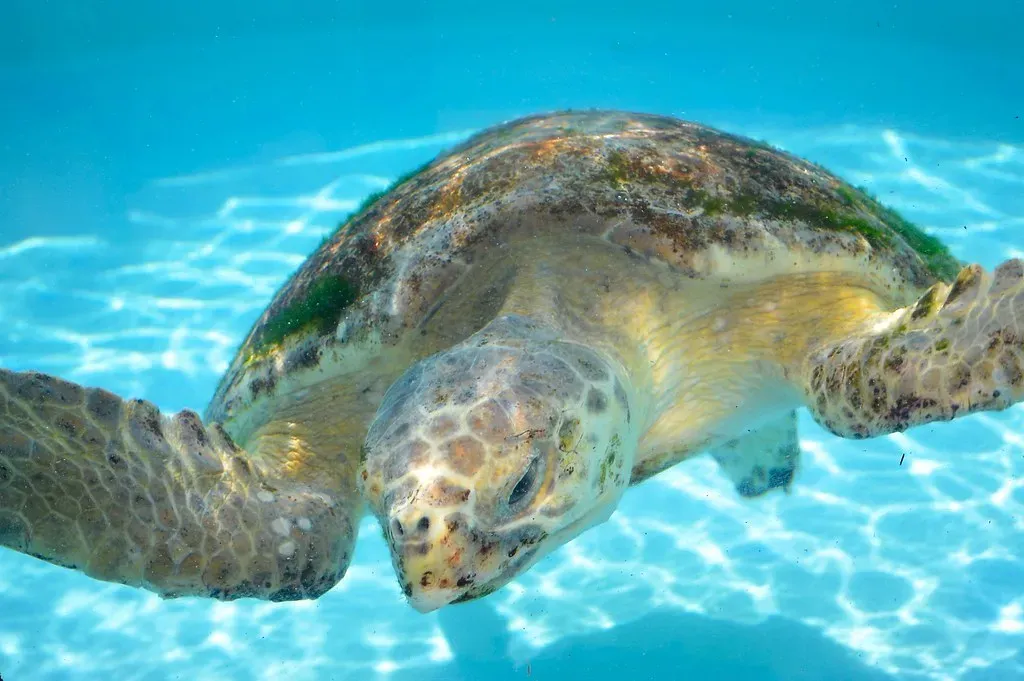
Loggerhead sea turtles feel almost mythical when you picture them: hatchlings scrambling toward the surf at night, or adults navigating entire oceans using cues you can barely understand. These turtles nest on beaches along the southeastern United States and the Gulf Coast, where they confront threats from beachfront lighting, coastal development, fishing gear, and marine pollution. For an animal that depends on dark, quiet beaches and clean water, noisy, bright, crowded shorelines can be devastating.
You can help loggerheads in very down‑to‑earth ways. If you live near or visit nesting beaches, you can turn off unnecessary lights at night, close curtains, and use turtle‑friendly lighting so hatchlings do not get disoriented and wander inland. You can join or support beach patrols that monitor nests, pick up trash, and educate visitors about keeping sand clear of furniture and holes. Even far from the coast, you can cut down on single‑use plastics, properly dispose of fishing line, and support sustainable seafood choices that reduce bycatch. Every small action that makes beaches darker, quieter, and cleaner helps more hatchlings reach the water and keeps more adults alive to return.
How You Turn Concern into Real Action
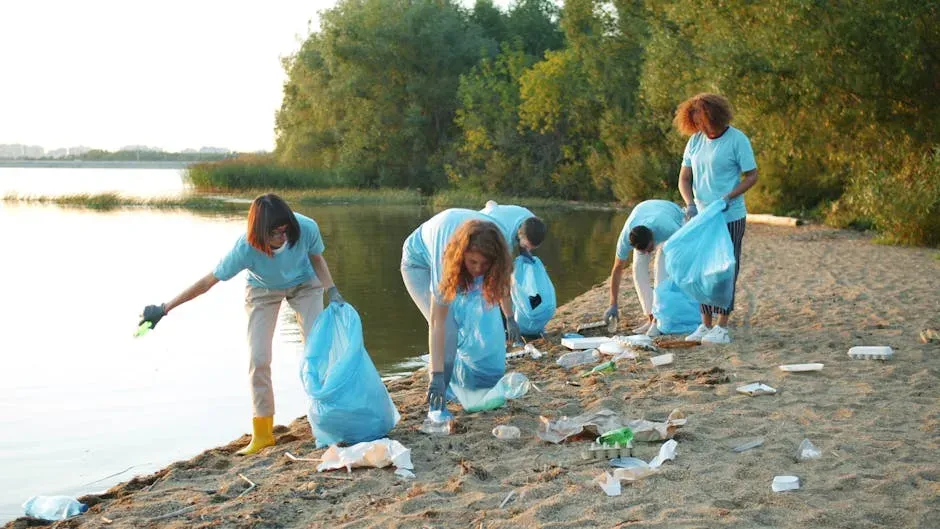
At this point, you might be wondering how your individual effort can possibly matter when the problems feel so big. The key is to think of your actions like drops filling a bucket: one letter to a representative, one donation, one behavior change on its own feels tiny, but thousands of people making similar choices can reshape policy, funding, and culture. When you choose to support habitat protection, vote for conservation‑minded leaders, or spend your travel money with businesses that respect wildlife, you are quietly shifting the incentives that surround these species.
You can also plug into local or online communities so you do not feel like you are acting alone. That might mean volunteering with a wildlife rescue group, attending a public meeting about land use, or even just sharing accurate information on social media instead of fear‑based myths about predators or “nuisance” animals. Over time, your knowledge, your voice, and your daily habits become part of a larger current pushing in the same direction. The endangered animals you have just met are not just symbols of loss; they are test cases for what happens when ordinary people decide that extinction is not an acceptable default.
In the end, the story of these five endangered US animals is also a story about you and the kind of world you want to leave behind. You do not have to move to the wilderness or dedicate your life to biology to matter; you just have to care enough to take the next concrete step, however small it seems. Maybe that step is signing up for a beach cleanup, reading more about a species near you, or finally writing that email you have been putting off. The future is still being written in swamps, deserts, forests, and shorelines across the country. Which part of it will you choose to help shape today?