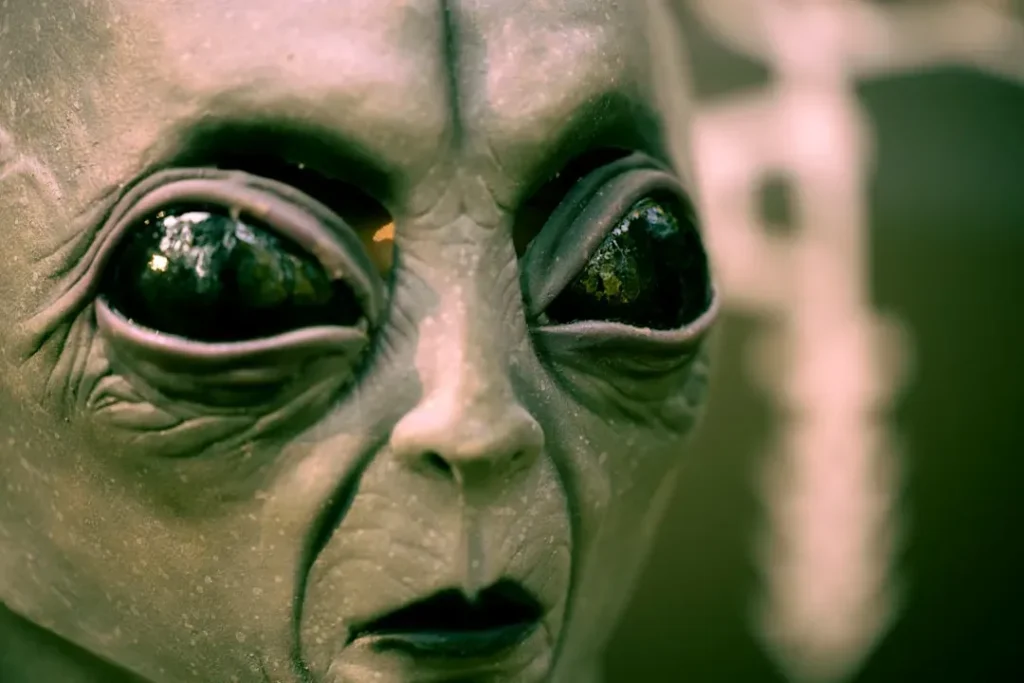

You are living at a moment in history when the idea of alien life has quietly shifted from wild speculation to serious, methodical science. A few decades ago, the notion that you might detect life on a distant world felt like pure science fiction; now, researchers write careful proposals, build precise instruments, and design missions with exactly that goal in mind. The question is no longer whether the universe could support life, but where you should look first and what, exactly, you should be looking for.
What makes this moment so electrifying is how quickly the evidence is stacking up around you. Every year brings new planets, new chemical clues, and new tools that can sniff out the faintest signs of biology across unbelievable distances. You are not staring into the dark anymore; you are slowly turning on the lights. And as those lights come up, the odds that you are truly alone start to feel smaller and smaller.
The Universe Is Teeming With Worlds Like Yours
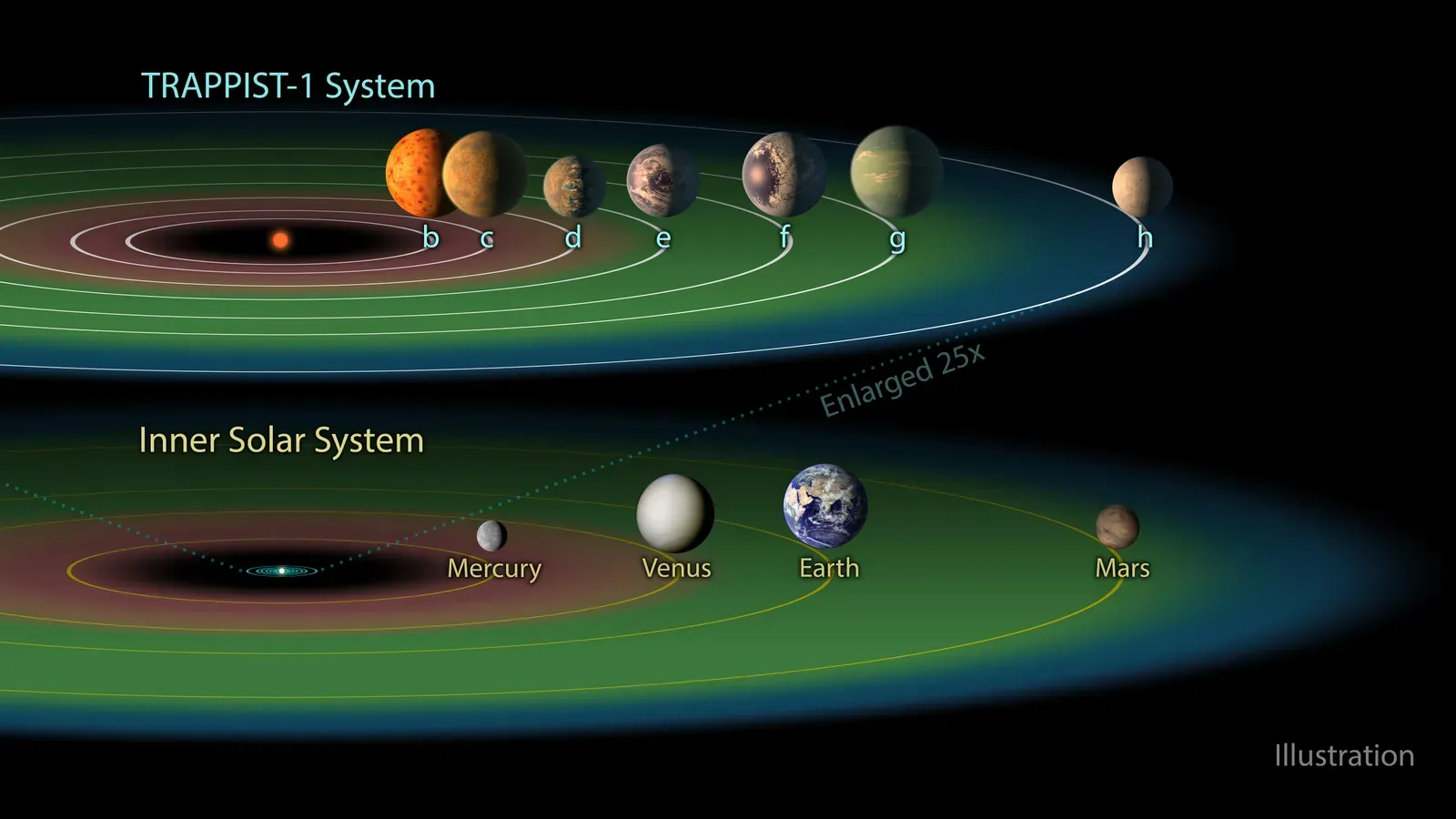
If you want to understand why scientists are so confident about alien life today, you need to start with exoplanets: worlds orbiting other stars. When the first exoplanet around a sunlike star was confirmed in the 1990s, it was a shock; now, thousands of them have been cataloged, and you can safely assume that most stars in the sky host planets. Instead of wondering whether other worlds exist, you are now sorting through a cosmic crowd, trying to pick out the truly promising ones.
From your point of view, the most thrilling part is how many of these planets sit in the so‑called habitable zone, where temperatures could allow liquid water to exist on the surface. You can picture it like a cosmic Goldilocks band around each star: not so hot that oceans boil away, not so cold that they freeze solid. Several nearby systems already host Earth‑sized worlds in that sweet spot, giving you real, specific places to imagine oceans, clouds, and maybe even shorelines under alien skies.
New Telescopes Let You Read Alien Atmospheres
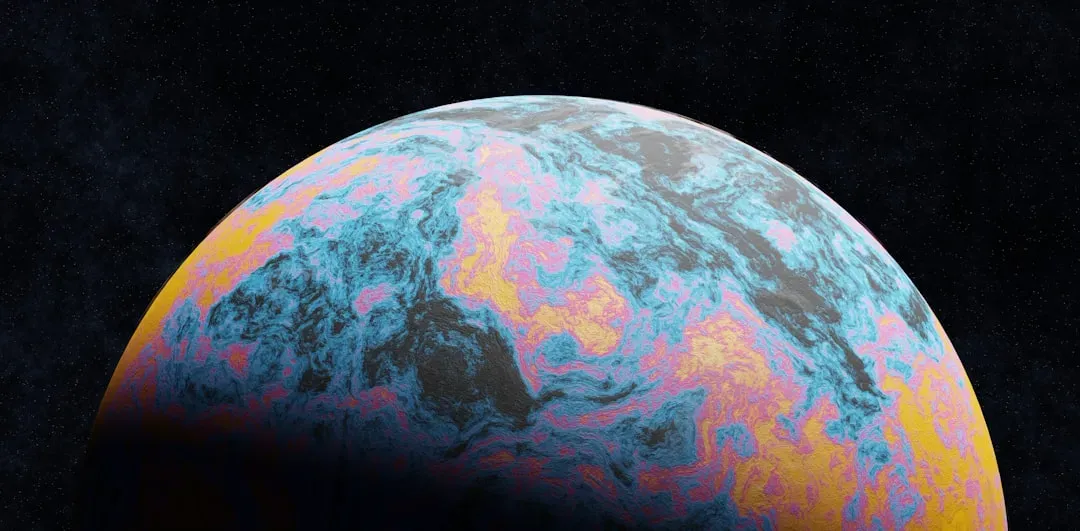
Finding planets is only the start; what really matters to you is what those worlds are made of and whether they can actually host life. This is where modern telescopes become almost unsettlingly powerful. By watching how starlight filters through an exoplanet’s atmosphere as it passes in front of its star, scientists can tease out which gases are present, turning faint flickers of light into a kind of chemical fingerprint. Suddenly, a distant point of light becomes a place with clouds, hazes, and possibly even weather.
For you, the real game‑changer is that some of these instruments are already sensitive enough to pick up key molecules you associate with habitability, such as water vapor, methane, carbon dioxide, and even complex combinations that may hint at active chemistry. You are essentially learning to “smell” the air of a world that you will never physically visit. The more you refine these techniques, the more likely it becomes that you will eventually spot a pattern of gases that is very hard to explain without life.
Biosignatures: What Alien Life Might Actually Look Like
When you think of alien life, you might jump straight to little green people, but scientists are hunting for something both more modest and more profound: biosignatures. These are the subtle fingerprints that life leaves behind, like specific combinations of gases in an atmosphere, unusual patterns in surface minerals, or even characteristic colors when a planet reflects starlight. You are not expecting to see cities from light‑years away; you are trying to catch the whisper of biology in the chemistry of a whole world.
To do that well, you need to be careful and humble. A gas like oxygen, for example, is exciting to you because, on Earth, it is largely produced by life. But you also know that certain geological or photochemical processes can make it without any biology at all. So instead of pinning your hopes on a single molecule, you look for combinations and contexts: oxygen with methane that should destroy each other quickly, or strange fluctuations that hint at something replenishing them. You are effectively learning to separate the signatures of life from the tricks of lifeless but active planets.
Our Own Backyard Is More Alive Than You Thought
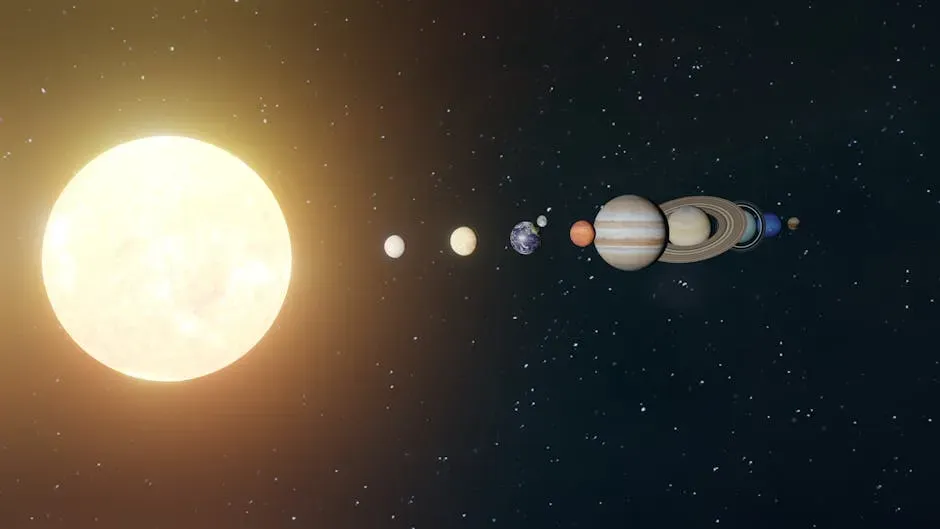
You do not have to look far from home to see why scientists are so optimistic. In your own solar system, several moons and planets seem oddly friendly to life, at least in microbial form. Mars still shows traces of ancient rivers and lakes, and it may harbor subsurface ice and brines today. Some of Jupiter’s and Saturn’s moons hide deep oceans beneath their icy shells, where chemical reactions at the seafloor could provide energy, a bit like deep‑sea vents do on Earth.
For you, the most remarkable part is that you already have missions flying, driving, and orbiting in these places, sniffing the air, drilling into rock, and sampling plumes from hidden oceans. Every grain of ice, every whiff of gas, is another chance to catch signs of metabolism, organic molecules, or patterns that are easier to explain if something is alive. Even if you never find more than microbes in your neighborhood, that discovery alone would prove that life is not a one‑off miracle but a process that nature repeats.
Listening to the Stars: The Search for Technological Civilizations
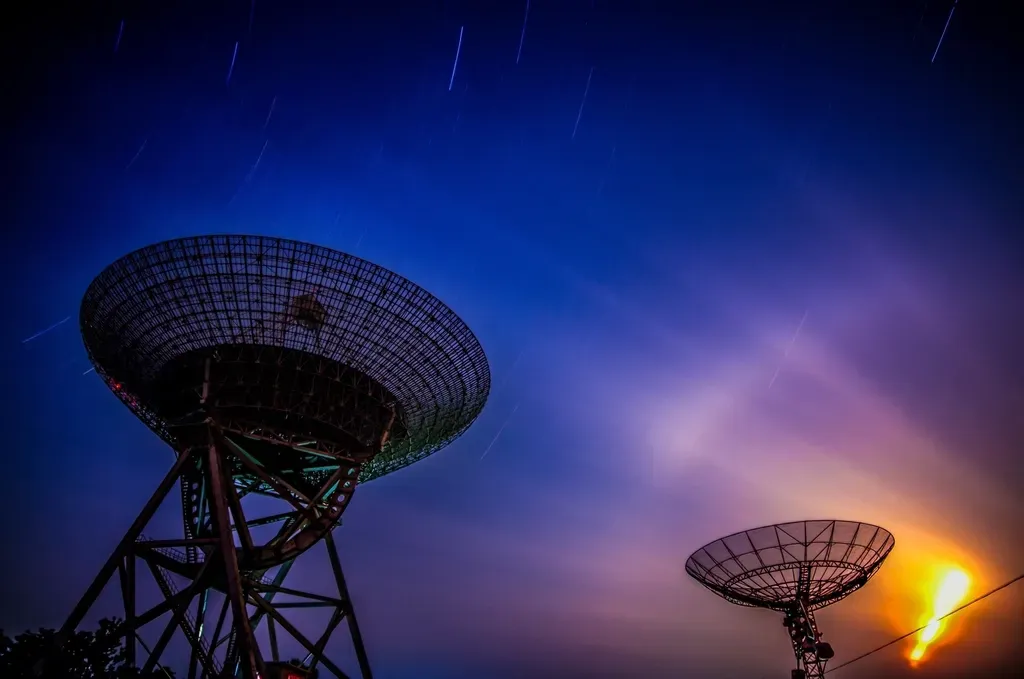
While the hunt for microbes is steadily becoming routine science, you are also involved in a quieter, more romantic effort: listening for technological civilizations. Radio telescopes scan the sky for narrow, unnatural signals that nature rarely produces by itself. You can think of it as eavesdropping on the universe, hoping to catch the equivalent of a stray broadcast from a distant world whose inhabitants are also beaming information into space.
You might be tempted to dismiss this as wishful thinking, but the approach is more systematic than you would expect. Surveys now cover large swaths of sky, multiple frequencies, and ever more targets, thanks to modern computing and instrumentation. From your perspective, each quiet scan is still meaningful. With every patch of sky you rule out, you learn where advanced civilizations are not, and you refine where you should listen next. Even a lack of signals tells you something about how rare – or how quiet – technological life might be.
Why Finding Microbes Would Still Change Everything

It is easy for you to feel underwhelmed by the idea of alien microbes after a lifetime of movies about grand galactic empires. Yet, if you discovered even a single cell of life that did not share a common origin with Earth, it would be one of the biggest scientific shocks in history. That tiny organism would prove that life can arise more than once in the universe, turning your lonely origin story into just one of many possibilities.
For you personally, that shift would be enormous. Religions, philosophies, and worldviews have long grappled with the question of whether humans are central or accidental. A second genesis somewhere else would nudge you firmly toward the idea that life is a natural outcome of the universe’s laws, not a rare fluke. The next time you look up at the night sky, you would not just see distant suns; you would see a vast biological landscape, dotted with worlds where chemistry has learned to copy itself.
Why You Still Need Patience – and Skepticism
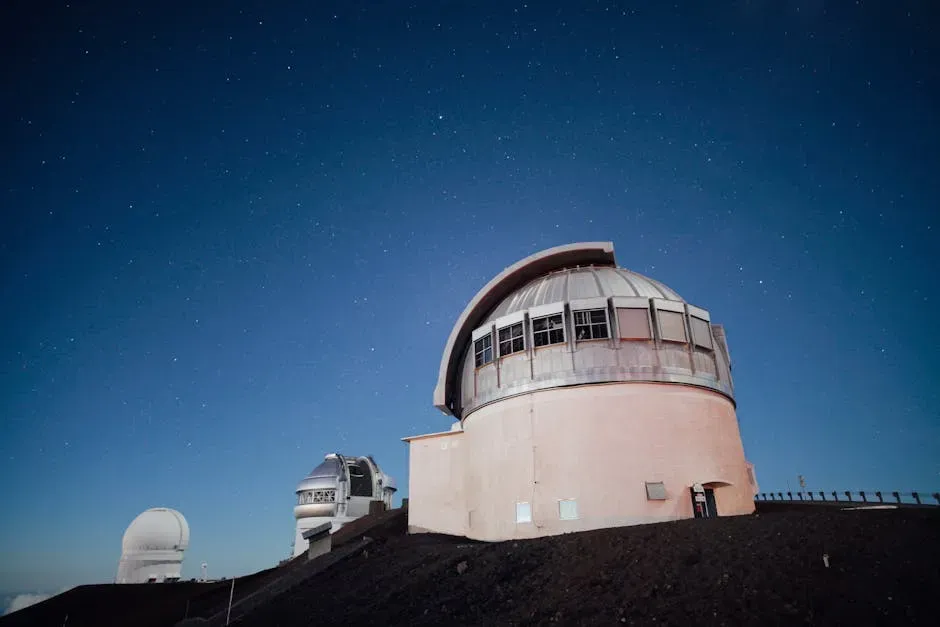
As close as the search feels, you need to remind yourself that science moves carefully for a reason. The history of the hunt for alien life is full of exciting claims that later faded under closer scrutiny, from mysterious canals on Mars to signals that turned out to be interference or natural phenomena. If you want the next big announcement to be trustworthy, you have to accept that every new hint will be poked, prodded, and challenged from all sides before anyone calls it real.
For you, that means learning to live in the tension between hope and caution. When you hear about a strange chemical in an exoplanet’s atmosphere or an odd pattern in radio data, you can allow yourself to be intrigued without jumping straight to conclusions. You also play a role in insisting that scientists rule out every mundane explanation first: faulty instruments, noisy data, exotic but lifeless chemistry. Only by keeping your standards high now will you be able to truly celebrate when the evidence finally holds up.
What It Would Mean If We Are Not Alone
If you follow the trail of all this research to its logical endpoint, you eventually arrive at a simple but staggering idea: you may soon learn that life exists beyond Earth. You might not get a greeting message or a face‑to‑face meeting, but even a confirmed biosignature on a distant world would rearrange how you place yourself in the cosmos. The question you have quietly carried for generations would finally have an answer, and your sense of isolation in the universe would crack just a little.
On a more everyday level, this discovery would prompt you to rethink how you treat life on your own planet. If you realize that the universe can generate living worlds, but that they may still be rare and fragile, Earth stops feeling like a disposable rock and starts looking like one of the most precious things you will ever encounter. In that light, the biggest effect of finding alien life might not be about them at all – it might be about how you choose to live, care, and cooperate here at home.
In the end, you occupy a strange and lucky moment: early enough that the universe still feels mysterious, but late enough that your tools can finally start to answer its oldest questions. As you add up the thousands of planets, the sophisticated telescopes, the careful biosignature frameworks, and the quiet listening across the stars, it becomes harder to believe you are a solitary accident in an empty cosmos. The universe is starting to look less like a dark, silent stage and more like a crowded theater before the lights go up. When the curtain finally rises, what kind of neighbors do you think you will find?