

Take a quick look around you right now: the room you’re in, the clothes you’re wearing, even the phone or laptop in your hand. It probably feels like a world built entirely by human minds and machines. But if you zoom out a bit, you’ll realize something surprising: a lot of the “modern” things you rely on every day started as borrowed ideas from plants, animals, and natural systems that have been evolving for millions of years.
Once you start to see it, you can’t unsee it. The hook on your jacket, the designs on high-speed trains, the way buildings are cooled, even how your phone takes better photos in low light – so much of it is nature’s homework that humans quietly copied. You’re not just living in a tech-driven world; you’re living in a borrowed-from-nature world. And in the seven inventions below, you’ll start to recognize just how often you’ve been using nature’s ideas without even realizing it.
1. Velcro: Tiny Plant Hooks Hiding in Your Closet
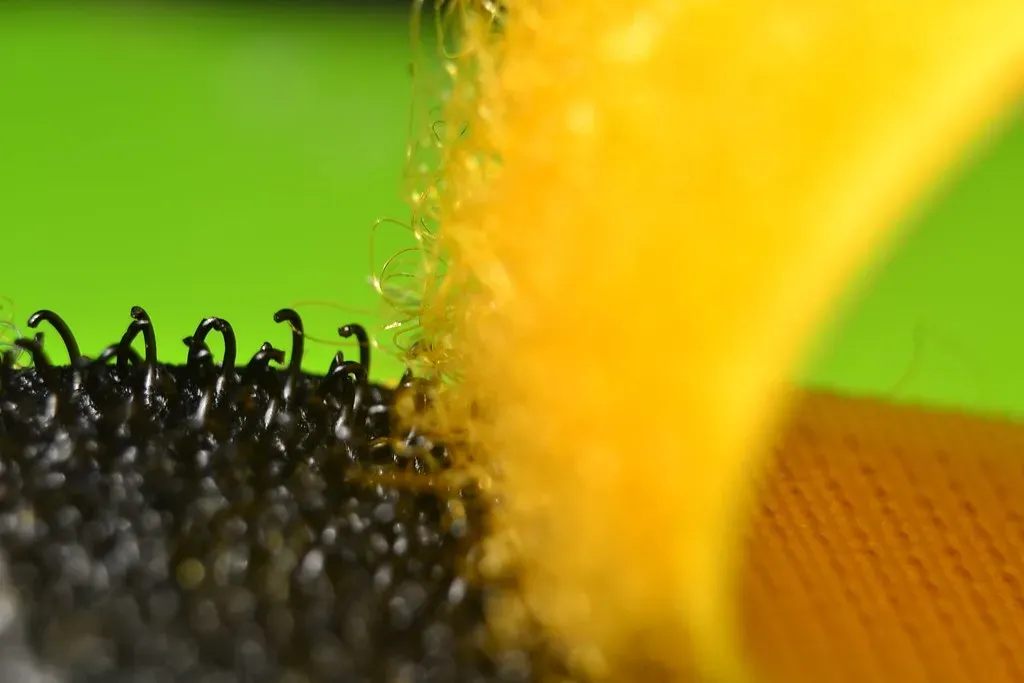
You’ve probably yanked apart Velcro so many times that the sound is burned into your brain, but you might not know that you’re reenacting a walk through the woods every time you do it. The idea for Velcro came from burrs, those annoying little seed pods that cling to your clothes and your dog’s fur when you hike. Under a microscope, the inventor noticed that burrs are covered in countless tiny hooks that catch onto loops and fibers in fabric and fur – basically a natural version of the hook-and-loop system you now find on shoes, jackets, bags, and cable organizers.
When you press two Velcro strips together, one side is covered in stiff hooks and the other in soft loops, just like burrs in your socks. You get a fast, adjustable, and reusable fastening system that’s so simple you can use it with one hand, which is why you see it in kids’ shoes, sports gear, and even in medical devices and space suits. The next time you rip Velcro apart, you’re experiencing an echo of a forest plant’s survival strategy: hitchhiking on animals and humans to spread its seeds as far as possible.
2. Bullet Trains and the Kingfisher’s Beak

If you’ve ever watched a high-speed train glide into a station and thought it looked oddly sleek and bird-like, you’re not imagining it. Engineers in Japan once had a huge problem with early bullet trains: every time the train exited a tunnel at high speed, it created a loud sonic boom that annoyed people living nearby. To fix it, one engineer looked to a bird called the kingfisher, which dives from air into water with almost no splash thanks to its long, narrow, perfectly shaped beak. That shape slices through two different mediums – air and water – with minimal resistance.
By reshaping the front of the train to mimic the kingfisher’s beak, engineers drastically reduced the pressure waves that caused the sonic boom, cut down noise pollution, and even improved energy efficiency and speed. Today, when you see the iconic pointed nose of a modern bullet train, you’re actually looking at a bird’s beak in metal form. You benefit from quieter, smoother, and more efficient high-speed travel because someone paid attention to how a small bird dives into a river.
3. Airplane Wings and the Secrets of Bird Flight

Every time you board a plane, you’re stepping onto one of the most famous examples of humans copying nature. Birds mastered powered flight long before humans even figured out the wheel, and you’re still relying on those same aerodynamic principles whenever you fly. Early aviation pioneers studied how birds angle their wings, how they curve them, and how they adjust feathers to control lift and drag. The concept of a curved wing cross-section, known as an airfoil, came straight from studying how bird wings generate lift as air flows faster over the top surface and slower underneath.
Modern aircraft wings go even further in mimicking birds. Features like winglets at the tips reduce air vortices and energy loss, similar to how some birds angle or twist their wingtips during flight for better efficiency. Flaps and slats on plane wings act a bit like adjustable feathers, changing shape during takeoff and landing to give you more lift at lower speeds. You might think of flying as a purely human conquest, but the physics that keep you in the sky were tested and refined by birds for ages before we ever left the ground.
4. Self-Cleaning Surfaces and the Lotus Leaf Effect
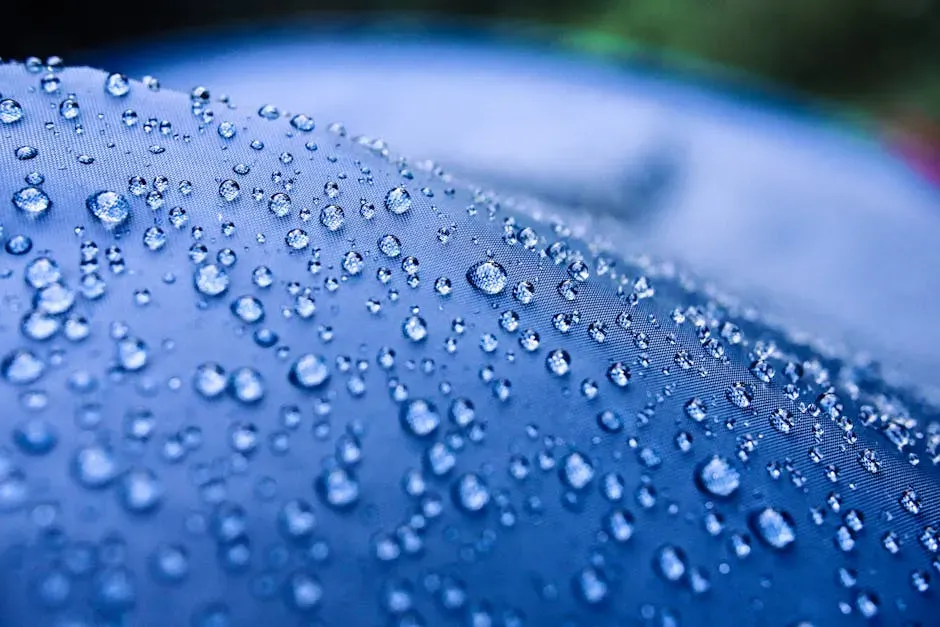
You may have seen “self-cleaning” windows, stain-resistant paints, or water-repelling jackets and wondered how they actually manage to stay clean. A big part of the answer comes from the lotus plant. Lotus leaves grow in muddy, dirty water, yet they stay incredibly clean, with water droplets rolling right off and taking dust and dirt with them. Under a microscope, those leaves are covered with tiny bumps that stop water from spreading out; instead, water beads up and rolls away, picking up particles like a miniature vacuum cleaner.
When you see products advertised as having a special hydrophobic (water-repelling) or “lotus effect” coating, you’re looking at technology that copies this micro-structured surface. The coating creates tiny roughness so water forms almost perfect beads that roll off instead of soaking in. That means your windows need less scrubbing, your outdoor gear resists rain better, and solar panels can shed dirt on their own. You get cleaner surfaces with less effort, all because engineers asked a simple question: how does a plant stay spotless in a swamp?
5. Stronger, Safer Buildings Inspired by Termite Mounds

When you think about architectural inspiration, you probably picture sketches of cathedrals or shiny skyscrapers, not piles of dirt built by insects. But termites are surprisingly sophisticated builders, especially when it comes to controlling temperature and airflow. In some hot regions, termite mounds stay relatively cool and stable inside even when the outside temperature swings wildly. They do this using a clever internal network of tunnels and vents that constantly circulate air, almost like a living, breathing ventilation system.
Architects and engineers have studied these mounds to design buildings that stay comfortable without relying heavily on air conditioning. Some modern structures use natural ventilation channels, carefully placed openings, and heat-absorbing materials to mimic the way a termite mound exchanges hot and cool air. As a result, you get office buildings and homes that use significantly less energy while keeping people inside more comfortable. Nature’s tiny “engineers” are quietly guiding how your cities can become more sustainable and livable.
6. Better Adhesives Inspired by Gecko Feet

If you’ve ever seen a gecko scamper upside down across a ceiling or cling sideways to a smooth wall, it feels like it’s breaking the rules of physics. But what’s happening on its toes is actually a masterclass in subtle forces. Gecko feet are covered with millions of microscopic hairs that split into even smaller structures at the tips. These tiny contact points increase the surface area so much that weak molecular attractions between the gecko’s foot and the surface become strong enough to hold its whole body, yet they can be released almost instantly when the gecko moves.
Researchers have used this idea to create advanced adhesives and tapes that stick firmly without glue and peel off without leaving residue. Some experimental climbing pads even let a human scale a glass wall using gecko-inspired technology. In your everyday life, you might use reusable wall hooks, phone mounts, or non-slip pads that owe a quiet debt to these lizards. Instead of relying on sticky, messy chemicals, more and more products are trying to copy the gecko’s approach: pure contact, smart structure, and easy release.
7. Energy-Efficient Lighting and the Firefly’s Glow

When you flip on an energy-efficient LED lamp or use the flashlight on your phone, you might not think about fireflies dancing over a summer field. But those little insects are experts at converting energy into light with minimal waste. Fireflies have special structures on their lanterns that help their bioluminescent light escape more efficiently, reducing the amount trapped or reflected back inside. Under magnification, the outer surface is not smooth; it has tiny patterns that act like a natural light diffuser and extractor.
Scientists have mimicked these surface patterns to improve LEDs, making them brighter without using more power. By etching or molding similar microstructures onto LED surfaces, more light escapes instead of being lost, which gives you better illumination for the same energy cost. So when you enjoy bright screens, efficient bulbs, and longer battery life, you’re partly benefitting from insights gained by looking closely at a glow in the dark. Nature’s quiet night show has become a blueprint for how you light your home and your devices.
Conclusion: Seeing Your Daily Life as a Borrowed Blueprint
Once you start noticing how deeply nature is woven into your everyday tech, it changes the way you look at almost everything around you. Velcro is no longer just a strip of fabric; it’s a field of burrs. Bullet trains stop being just sleek machines and start to look like kingfishers in steel. Even the “magic” of self-cleaning coatings or gecko-like adhesives feels less like a human triumph and more like a respectful remix of ideas that evolved long before you were born.
This way of seeing the world does something powerful for you: it turns nature from a pretty backdrop into a massive, ongoing design school you can learn from every single day. Whether you work in tech, design, business, or you’re just curious, you can start asking a new kind of question: instead of “How do we invent this from scratch?” you can ask, “Where has nature already solved this problem?” The inventions in your life suddenly become less about domination and more about collaboration. Knowing that, what everyday object will you look at differently the next time you pick it up?