
You probably grew up hearing that history is all about records: clay tablets, carved stones, royal chronicles. Yet some of the most intriguing civilizations you’ll ever encounter simply vanish from the story they themselves were writing. They built cities, traded, farmed, carved symbols, maybe even told their own epic tales – and then their voices fall silent, with no clear explanation left behind.
When you look at these seven cases, you’re not just reading about ruins and broken pots. You’re stepping into mysteries where the people themselves left almost no direct answers, only questions carved into the landscape. As you move through each one, you’ll notice a pattern: the more archaeologists discover, the more you realize how much you still do not know. And that, in a strange way, is what makes these lost worlds feel so eerily alive.
The Indus Valley People: A Script You Still Can’t Read
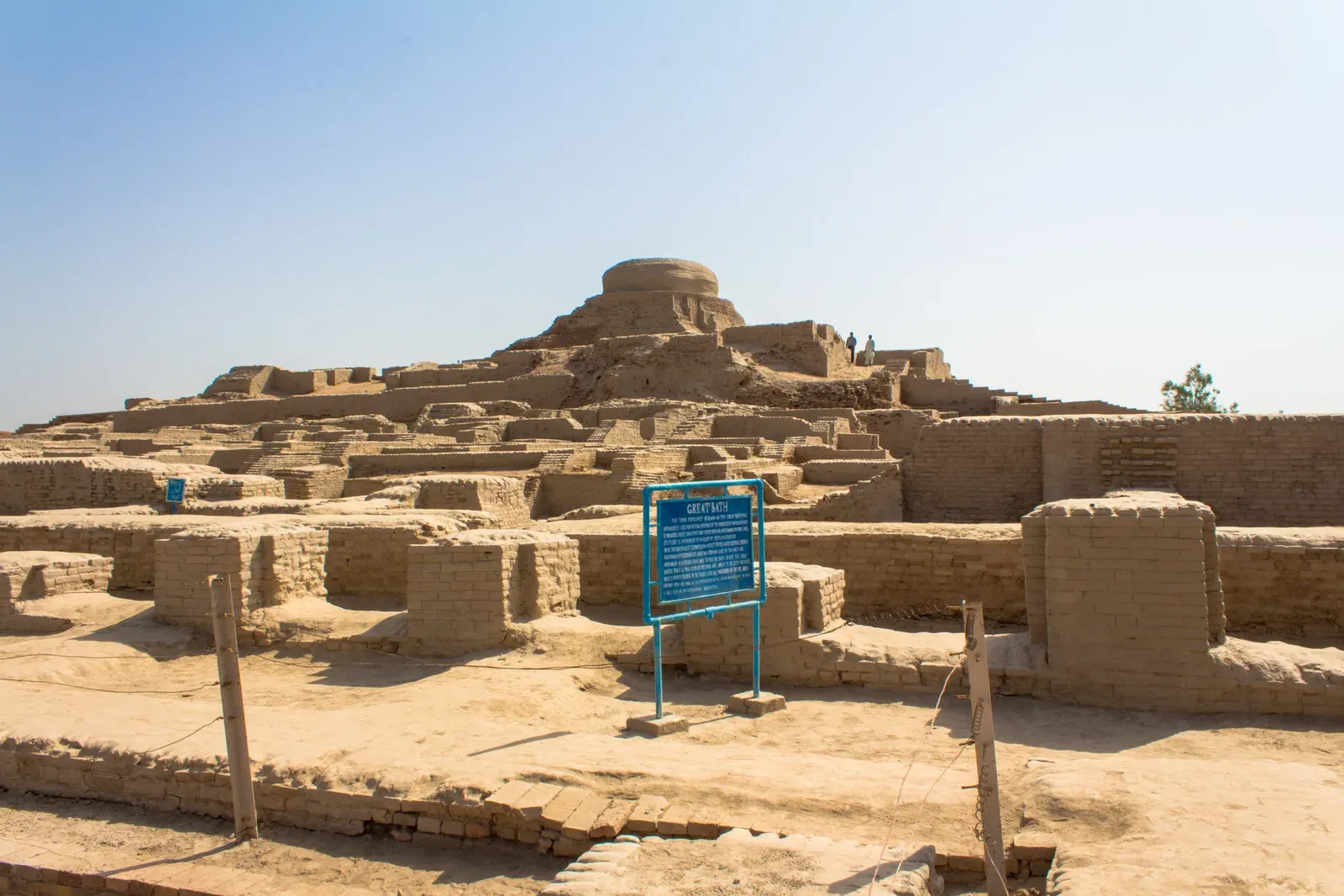
Imagine walking through a city that feels strangely modern: straight streets laid out in grids, brick houses with bathrooms, drains running under the roads, even what looks like early versions of apartment blocks. That is what you step into when you visit the ruins of Mohenjo-daro or Harappa, the great cities of the Indus Valley civilization in today’s Pakistan and northwest India. You see order, planning, and clear evidence that you’re dealing with people who took urban life seriously.
But when you look for their story in their own words, you hit a wall. They left small seals and inscriptions covered in a script that no one has been able to decipher with confidence. You do not have royal boasts, no long religious hymns, no clear explanation of why, after thriving for many centuries, these cities were abandoned around the second millennium BCE. Climate shifts, river changes, trade breakdowns, or social upheaval are all possibilities, but because you can’t read their writing, their true explanation remains locked away in symbols that still keep their secrets.
Catalhöyük: A Packed Prehistoric Town That Just Fades Out
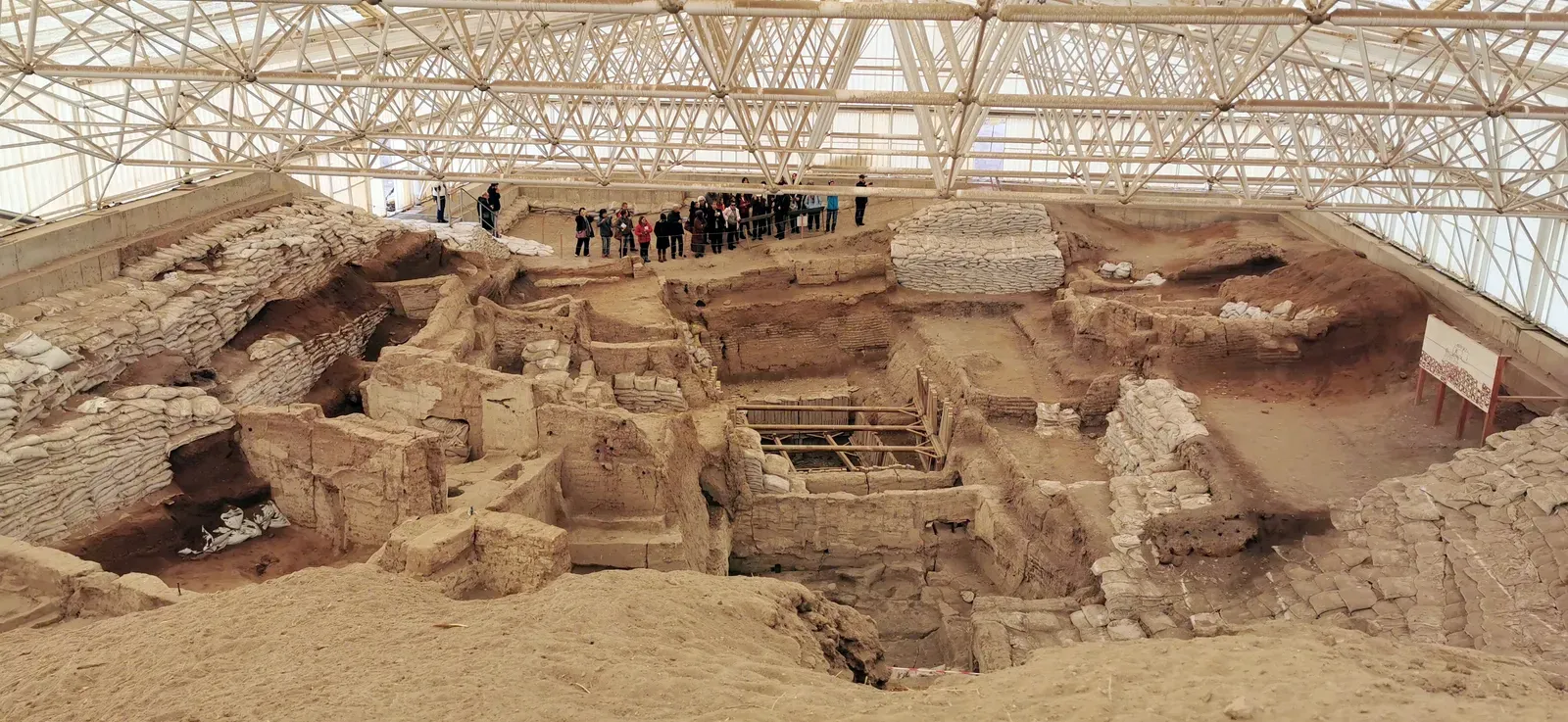
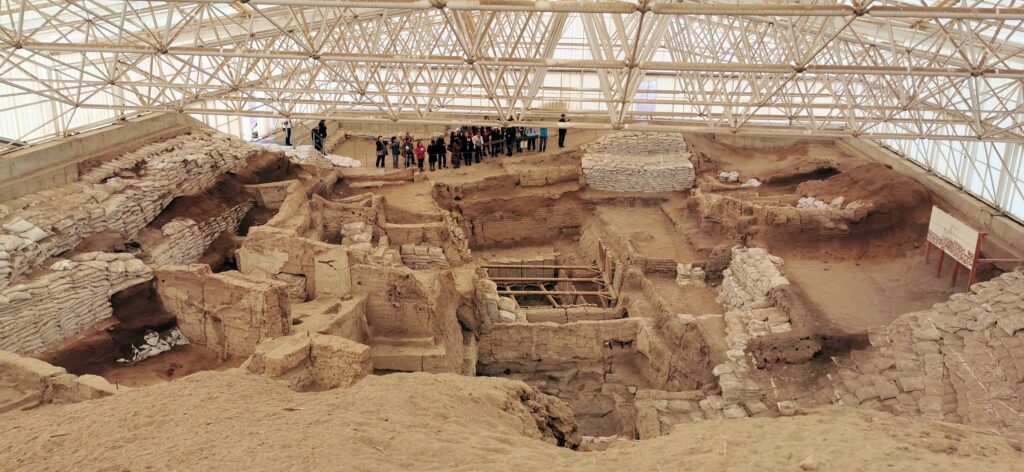
Now picture a town with no streets. At Çatalhöyük, in central Türkiye, you would have walked across flat rooftops and climbed down into houses by ladder, like living in a giant honeycomb turned sideways. This Neolithic settlement, lived in roughly nine thousand years ago, packs people into tightly clustered mudbrick homes, their walls painted with vivid scenes and their rooms filled with everyday objects that feel surprisingly familiar: tools, storage jars, hearths.
You see clear signs that this wasn’t just a temporary camp but a place people called home for many generations – and yet, there’s no written record to tell you how they understood their own lives. Over time, the site thins out and is gradually abandoned. You can guess at reasons: soil exhaustion, changing climate, disease, or shifting trade and social patterns as people experiment with new kinds of communities. But because they left no written explanation and no single dramatic destruction layer, you’re left staring at this dense, once-vibrant town that simply stops being used, like a story that cuts off mid-sentence.
The Minoans of Crete: Palaces Without a Clear Farewell
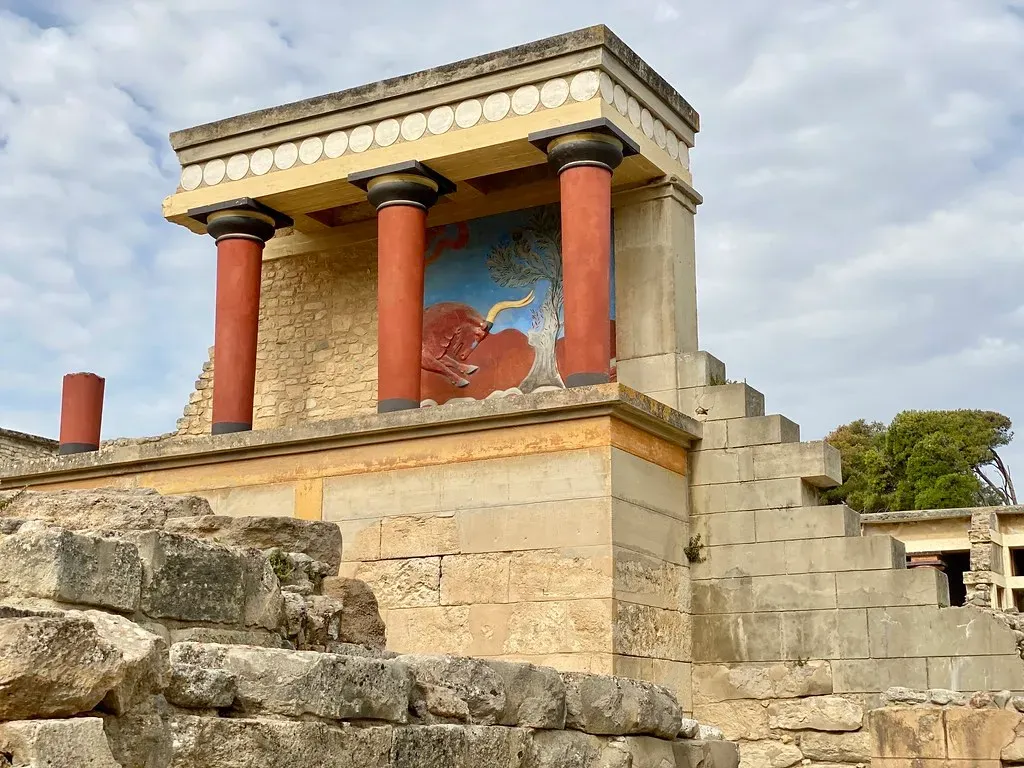
When you imagine an ancient palace, you might think of huge, cold stone halls, but the Minoan palaces on Crete – like Knossos, Phaistos, and Malia – feel almost playful. You see colorful frescoes of people leaping over bulls, vivid images of nature, and sprawling complexes with storage rooms, workshops, and what seem like administrative centers. You’re clearly looking at a sophisticated Bronze Age civilization that knew trade, craft, and ritual on a grand scale.
The Minoans did write, using scripts known as Cretan hieroglyphs and Linear A, but here’s the catch: Linear A still has not been fully deciphered, and the parts you do know are not enough to give you their version of events. You see evidence of earthquakes, fires, and at least one major volcanic eruption in the region that might have shaken their world. Later, the Mycenaeans from mainland Greece appear on the scene. Did nature break them? Did foreign powers take over? Did internal crises hollow them out? Their own palatial records never give you a clear farewell message, leaving you to piece together a collapse from ruins and half-understood signs.
The Olmec: Colossal Heads, Silent Voices
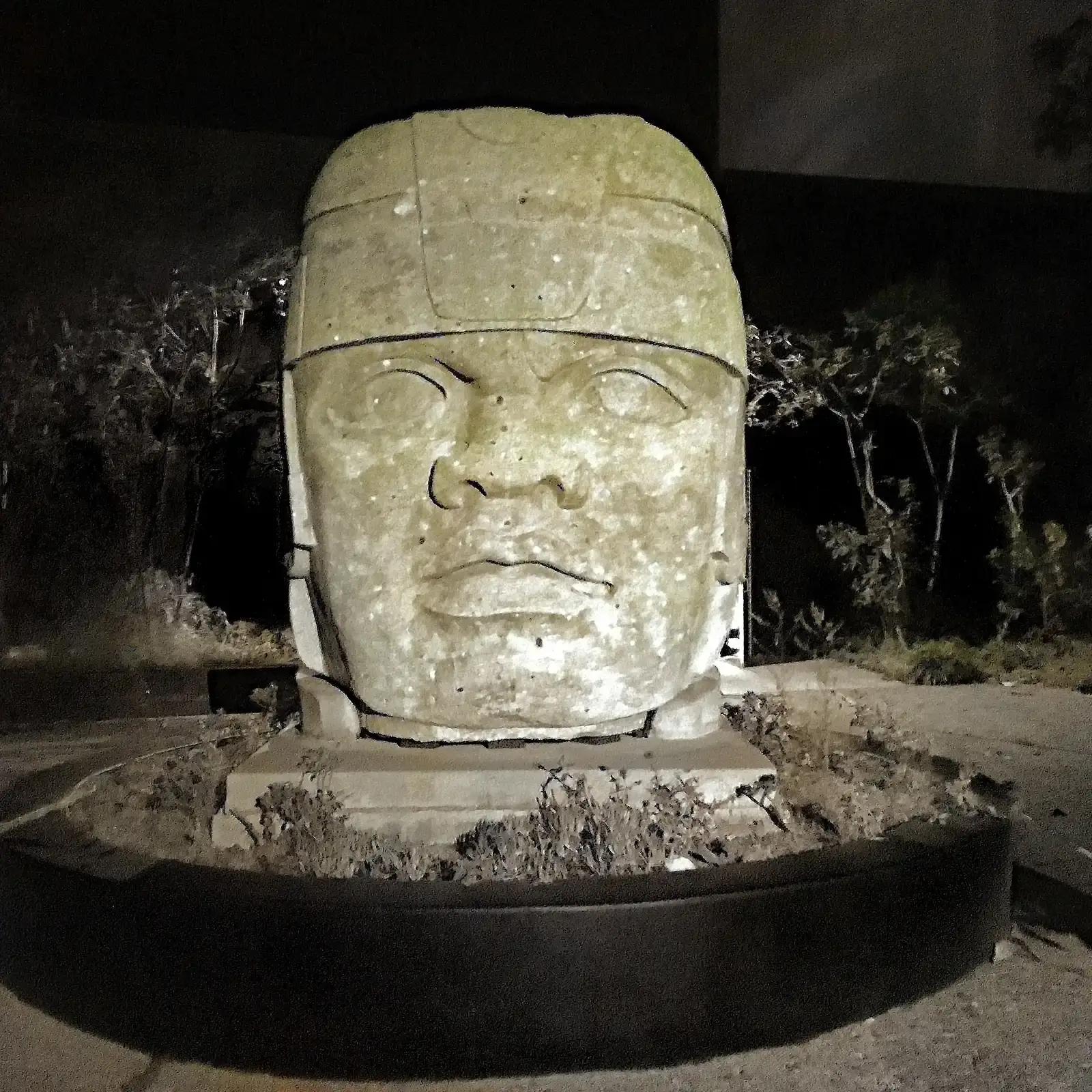
If you suddenly came face to face with an Olmec head, you might feel like you just walked into a stadium of stone giants. These colossal carved heads from the Gulf Coast of Mexico are each several tons of carefully shaped basalt, with distinctive facial features and helmets that make you wonder if you are looking at rulers, warriors, or something more sacred. You know right away this wasn’t a simple village culture; this was a society that could organize labor, move massive stones, and invest huge effort into monuments.
Yet when you look for a clear written record, you quickly realize how thin the trail is. There are potential early scripts and symbols linked to the Olmec, but you don’t have long texts explaining their beliefs, politics, or downfall. Their major centers, like San Lorenzo and La Venta, rise and fall over many centuries, but they do not leave behind detailed accounts of why populations shifted or why certain ceremonial sites were abandoned. Later Mesoamerican civilizations, like the Maya and Aztec, carry echoes of Olmec influence, but the Olmecs themselves never sit you down and tell you, in their own words, how or why their era faded.
Nabta Playa: Star Alignments in a Now-Empty Desert
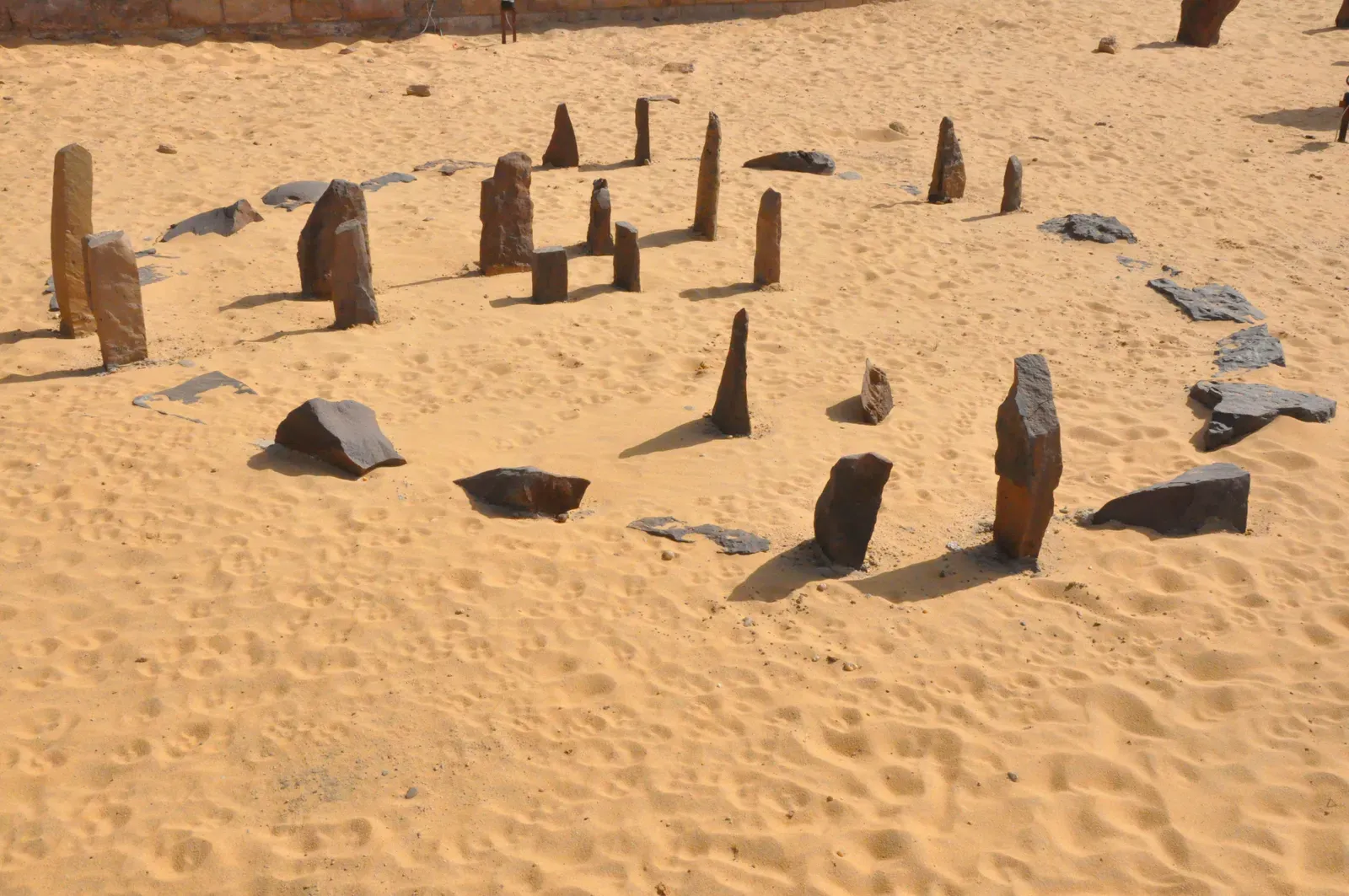
In southern Egypt, long before the pyramids, you find something that looks at first almost too simple to be important: stone circles and alignments scattered across what is now harsh desert. At Nabta Playa, these megalithic structures date back to a time when the region was greener and supported cattle herders and early settled communities. When you look closer, some of the stones seem to align with celestial events, suggesting that people here were paying attention to the sky in ways that go beyond mere curiosity.
Yet you have no carved hymns to the stars, no long myths written on walls, no later priests preserving a tradition that tells you what those people thought they were doing. Over time, the climate shifted, the area dried out, and the communities that thrived around seasonal lakes disappeared or moved on. You can trace the environmental story quite well, but you can’t hear the voices of the people who built these alignments. They left no readable explanation of what the sky meant to them, why they chose that place, or how they felt as their world slowly turned to desert.
The People of Poverty Point: Monument Builders Without a Chronicle
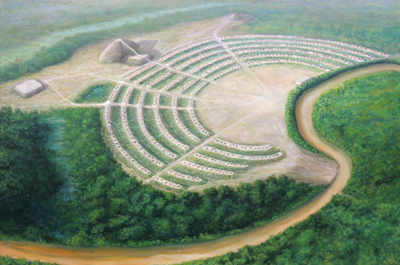
In what is now northeastern Louisiana, you find one of the most surprising ancient sites in North America: enormous earthworks forming concentric ridges and large mounds along the Mississippi River landscape. Known as Poverty Point, this complex was shaped by people who moved vast quantities of soil by hand, creating a kind of monumental geometry on the land that you can still see today from the air. They traded widely, bringing in stone from faraway regions, which tells you they were plugged into large networks.
But when you look for carved stone stelae, clay tablets, or any native written chronicles from those builders, you find nothing. The layout hints at gatherings, rituals, and maybe markets, yet you do not know how they described themselves, how they understood the purpose of their earthworks, or what they believed about the world. Over time, use of the site declines, and people stop building in the same way. Was it changing river patterns, social transitions, or shifting trade routes? The soil holds the shapes they left, but not the words, so you are left reading silent architecture instead of a written explanation.
The Early Jomon Settlements: Long Stability, Quiet Departure
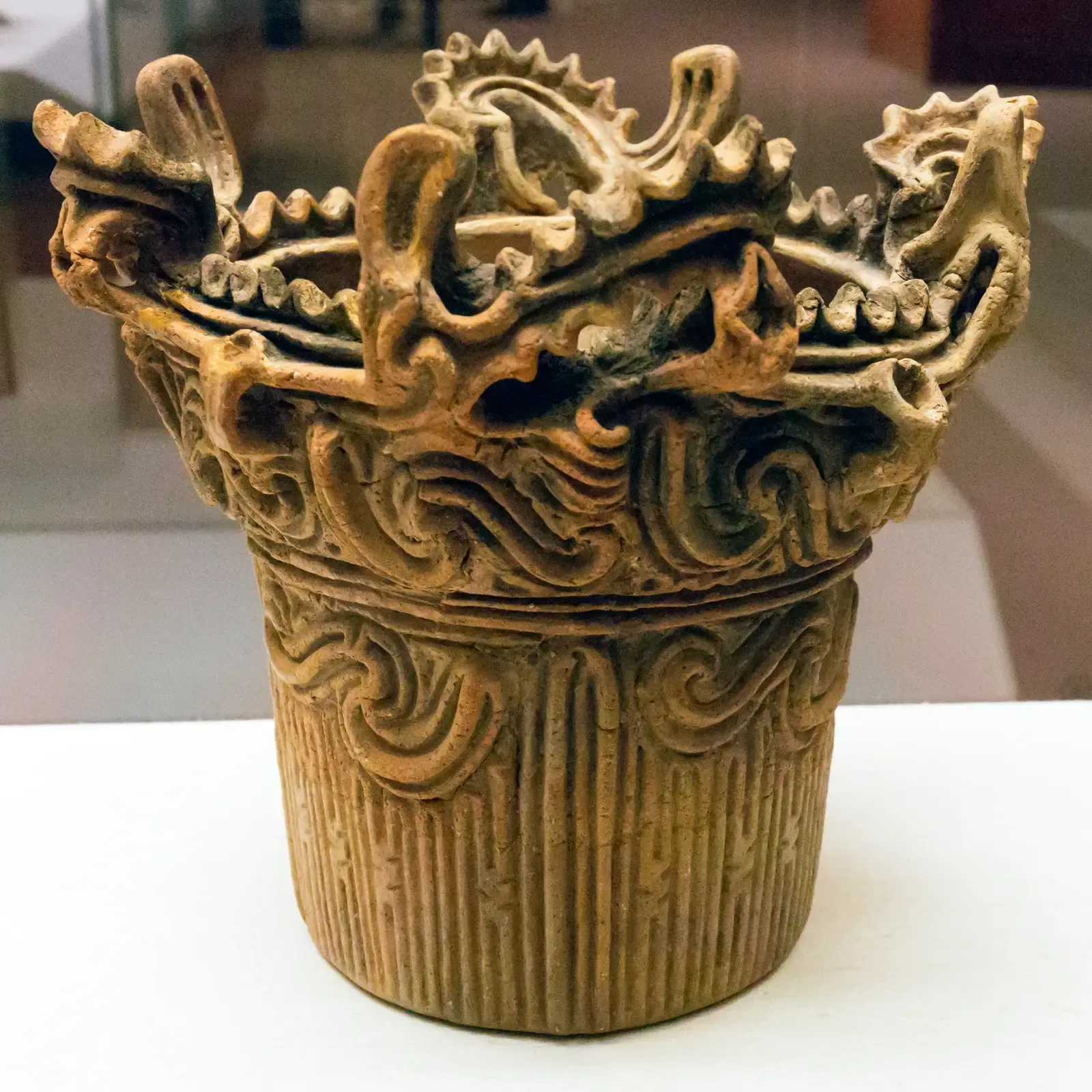
In prehistoric Japan, long before rice paddies and samurai castles, you meet the Jomon people, who left behind some of the most distinctive pottery you’ll ever see. Their early settlements, sometimes semi-permanent and sometimes shifting, were occupied over many centuries, with pit dwellings, shell middens, and carefully crafted tools that tell you they had a deep relationship with forests, coasts, and rivers. You’re looking at a culture that found a surprisingly stable way of life as hunter-gatherers and early horticulturalists.
Yet they did not leave written texts, and the transitions in their world remain partly in shadow. Climate fluctuations, the arrival and spread of agriculture, and new groups appearing in the archipelago all seem to play a role in shifting the balance over time. Some sites are abandoned, others change in character, and later cultures build new identities. You can reconstruct parts of their story from bones, seeds, and broken pots, but you never get a Jomon elder explaining what it felt like to watch familiar ways give way to something new, or why certain communities simply walked away from places they had used for generations.
Conclusion: When the Past Refuses to Explain Itself
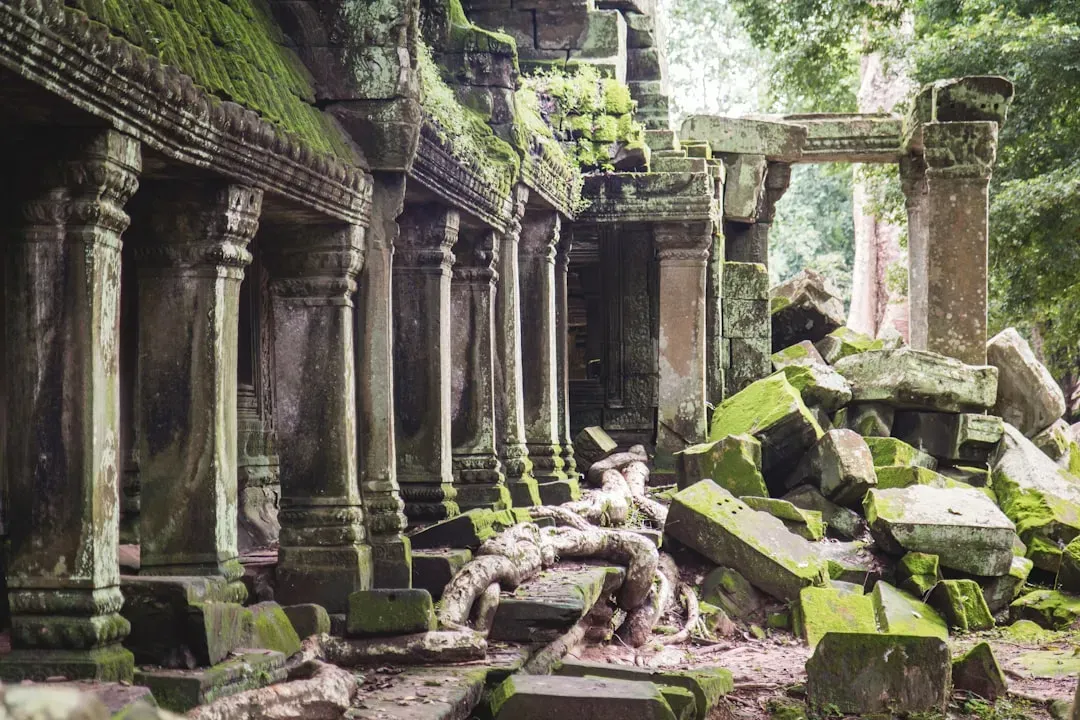
When you step back from these seven cases, you start to see how fragile your grip on the past really is. You rely on what people chose to leave behind and what the earth decided to preserve, and in many of these civilizations, the one thing you want most – their own explanation – is exactly what you do not get. You’re left reading city plans, pottery styles, burial patterns, and weather records locked in ice and mud, trying to reverse-engineer lives that once felt as normal and urgent to them as yours does to you.
Maybe the most unsettling realization is that from the inside, these worlds probably did not feel like doomed mysteries at all; they were just people, waking up, working, loving, arguing, building, adapting, and assuming that tomorrow would look enough like today. When you look at their unexplained disappearances, you’re not just staring backward – you’re getting a quiet reminder that your own civilization might one day be read the same way, with big questions and only partial answers. If someone thousands of years from now were to walk through the ruins of your world, what trace of you do you hope they would find, and what explanation would you wish you had left behind?