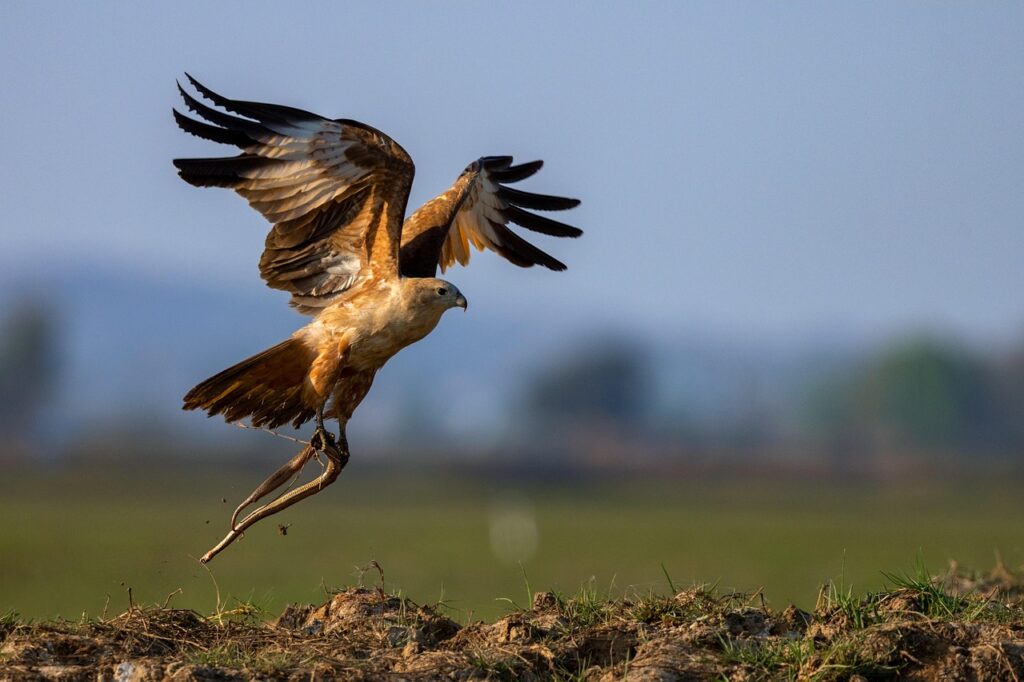
There’s something almost mythical about a bird diving out of the sky to snatch up a venomous snake. It feels like watching two ancient warriors test each other, one armed with fangs and venom, the other with talons and terrifying precision. Most people assume snakes rule the reptile world, but there’s a small, elite group of raptors that turn the tables and make snakes their specialty.
These birds don’t just eat snakes by accident; many of them are built for it. They have thick, scaled legs, unusual hunting techniques, and almost reckless confidence around animals most of us would not want within ten meters. Let’s walk through seven of the most fascinating snake-hunting birds of prey on the planet – and see how evolution has turned them into the snake world’s worst nightmare.
1. Secretarybird – The Snake-Stomping Specialist
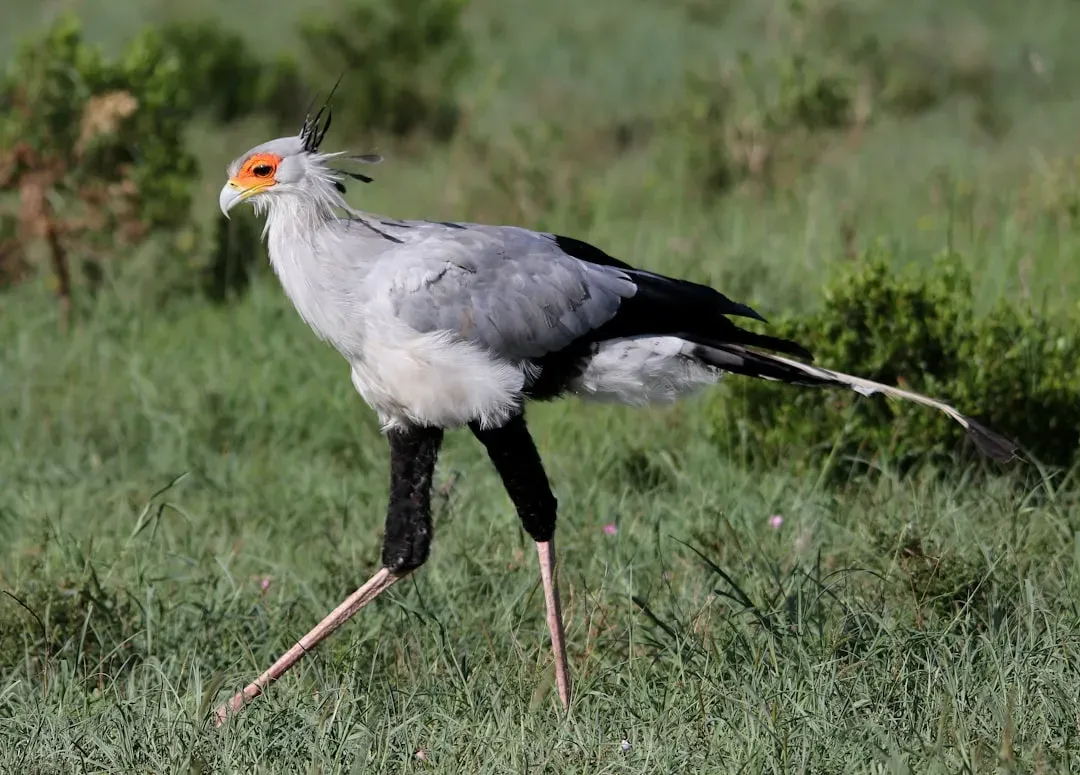
The secretarybird looks like someone crossed an eagle with a crane and then sent it down a catwalk in the African savanna. Long, stilt-like legs, a fierce hooked beak, and a face that always seems a bit annoyed: this is a bird built to walk, not to soar. But those long legs are not for looks; they are weapons designed to crush snakes with brutal efficiency.
Instead of grabbing prey from the air like many raptors, the secretarybird strides through grasslands, flushing out snakes and then stomping them with rapid, targeted kicks. Its legs are tough and partly protected by scales, which helps reduce the risk from strikes, and its accuracy is shocking – those kicks are like a boxer’s punches, delivered straight to the head or spine. Watching one hunt feels less like birdwatching and more like seeing a trained martial artist dismantle a cobra.
2. Snake Eagles – The True Snake Specialists
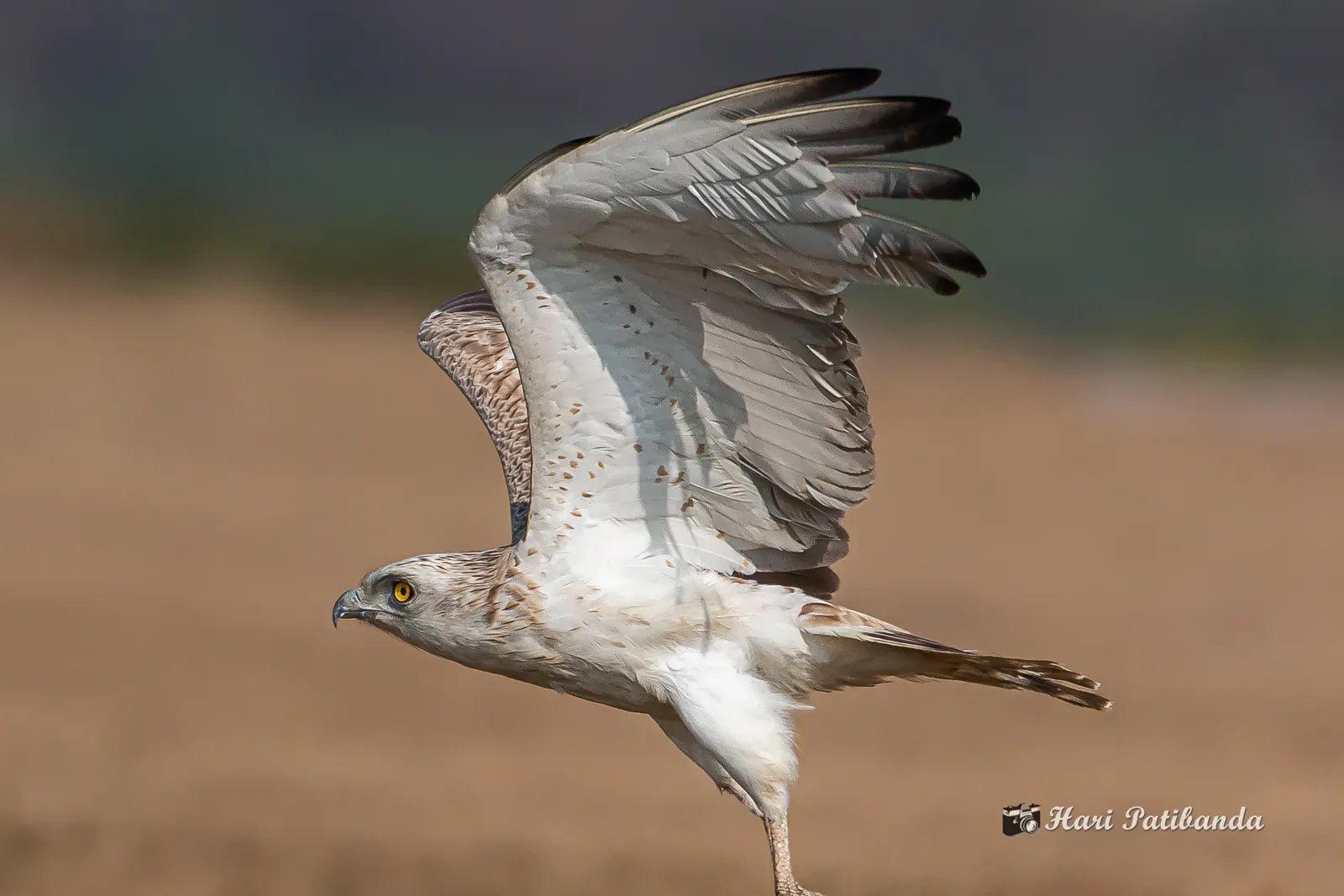
As their name gives away, snake eagles live and die by their ability to hunt serpents. Found across Africa, parts of Europe, and Asia, different species in this group share a similar theme: broad wings for soaring, strong legs, and an almost unnerving willingness to tackle venomous snakes. While many raptors take snakes occasionally, snake eagles lean into this niche so strongly that snakes can make up a big chunk of their diet.
These birds typically soar high, scanning grasslands, scrub, and open woodland for movement below. Once they spot a snake, they dive, pin it with their talons, and then use that powerful hooked beak to kill and dismember it. Many snake eagles have heavily scaled legs and sometimes feathers that help protect vital areas from bites. They are not immune to venom, but their strategy is about control and speed – pin, disable, and keep the dangerous end pointed away from anything important.
3. The Crested Serpent Eagle – The Forest Snake Hunter
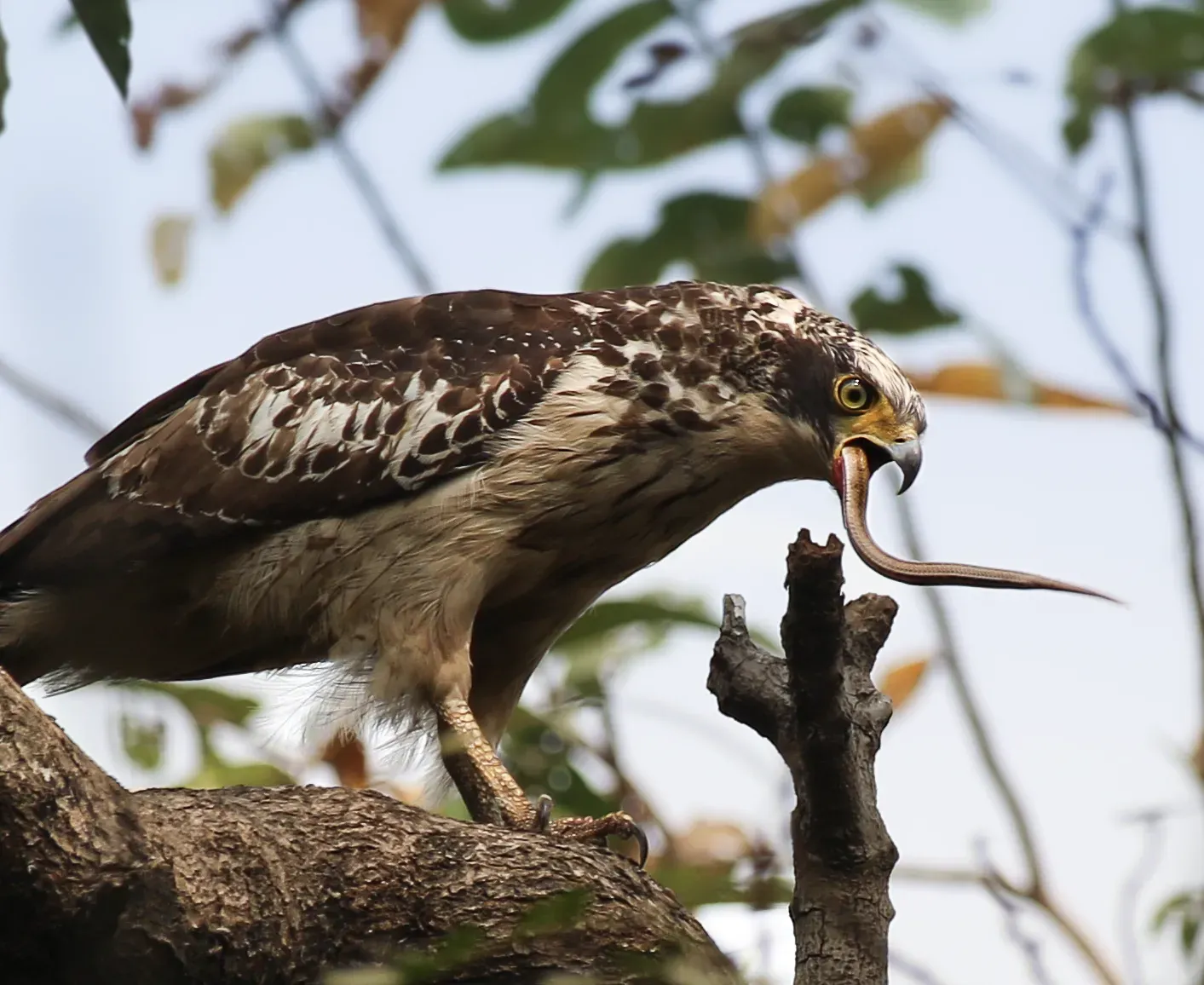
The crested serpent eagle is a stocky, broad-winged raptor common in parts of South and Southeast Asia, and its name is a dead giveaway about its favorite type of meal. Unlike some of its open-country cousins, this eagle is more of a forest-edge and woodland specialist, often perching quietly and watching the ground for signs of life. When people hike in parts of India or Sri Lanka and hear a piercing call from above, there’s a good chance it’s this bird announcing itself.
Snakes feature heavily in its diet, along with lizards and other small vertebrates. The crested serpent eagle tends to strike from a perch rather than long soaring flights, dropping onto a snake it has been tracking from above. Its feet and legs are built to grip and control writhing prey, and like other snake-focused raptors, it relies on timing and positioning over brute force. Think of it as a patient ambush predator, waiting for the perfect moment when the snake makes a mistake.
4. The Short-Toed Snake Eagle – Precision Hunter of Open Country
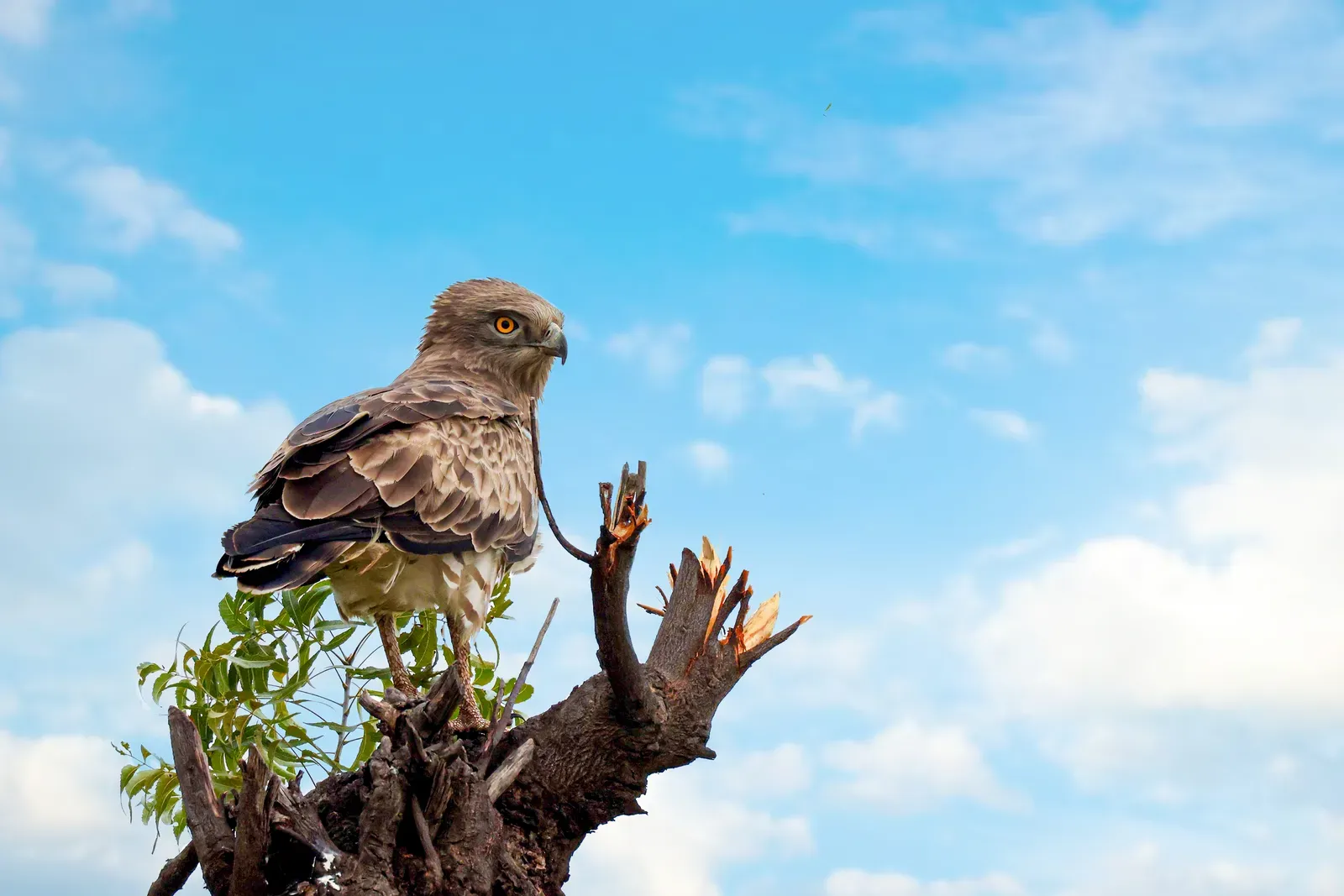
The short-toed snake eagle is one of the best-known snake hunters in Europe and parts of North Africa and Asia. Its name comes from its relatively short toes compared with some other eagles, but those toes are thick, powerful, and heavily scaled – exactly what you want when your job is to grab animals with built-in needles for teeth. Birdwatchers often see this eagle circling high over open fields, scanning for any sign of a snake basking in the sun.
Once it spots a target, the short-toed snake eagle dives down, often hovering briefly like a giant kestrel before committing to the strike. It usually grabs the snake behind the head to keep the business end under control, then kills it with bites and crushing pressure from its talons. These eagles will sometimes swallow smaller snakes whole, head first, in a way that looks almost unreal. It’s a reminder that, from the snake’s perspective, basking in the open on a warm day can be a very risky decision.
5. The Roadrunner – A Surprising Snake Killer
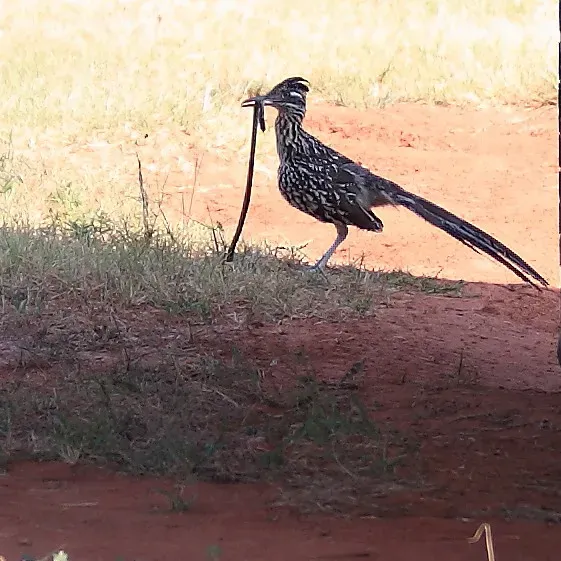
It might feel a bit unfair to the snakes that one of their enemies is not just deadly, but also oddly charismatic and made famous in cartoons. The greater roadrunner, found in the southwestern United States and Mexico, is technically not a bird of prey in the strict raptor sense, but it behaves like one when it comes to hunting. This long-legged, ground-dwelling bird will chase down lizards, insects, small mammals, and yes – snakes.
Roadrunners are fast, agile, and surprisingly bold around smaller rattlesnakes and other species. They use quick strikes of the beak to grab a snake, then slam it repeatedly against the ground or a rock to stun or kill it. In some cases, they may work in pairs to distract and control a more dangerous snake. Watching one in action, it feels like nature’s dark comedy: a quirky, almost comical bird turning into a ruthless, tactical predator the second a snake crosses its path.
6. Red-Tailed Hawks – Opportunistic Snake Predators
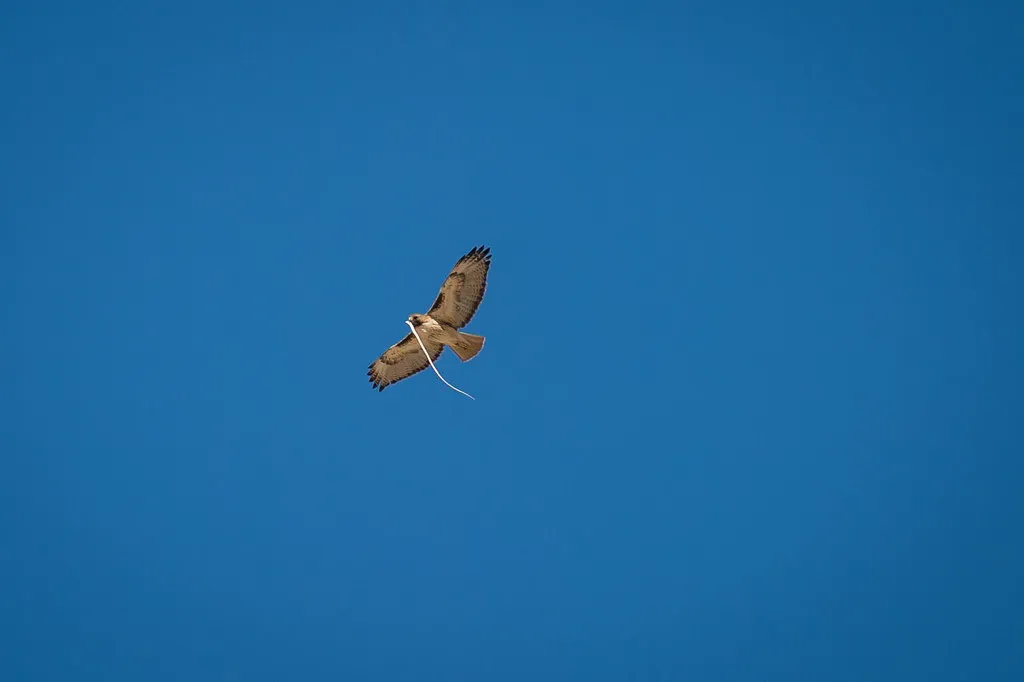
Red-tailed hawks are one of the most familiar raptors in North America, often seen perched on fence posts or circling over highways. They are classic generalists, happily feeding on rodents, rabbits, and other birds. But when the opportunity arises, they will absolutely take snakes, including species that can deliver venomous bites. They are not as hyper-specialized as snake eagles, yet they handle snakes with a confidence that shows this is not a rare event.
These hawks often grab snakes from above, using their strong talons to pin the body and keep the head away from their own legs. Smaller snakes may get carried off immediately, while larger ones might be subdued on the ground first. Because red-tails live so close to human environments, they quietly help reduce snake numbers around farms and suburbs, even when no one notices. It is one of those subtle, unsung partnerships between people and wildlife that happens far above our heads or just beyond the edge of the field.
7. Seriemas – The “Terror Birds” of the Grasslands
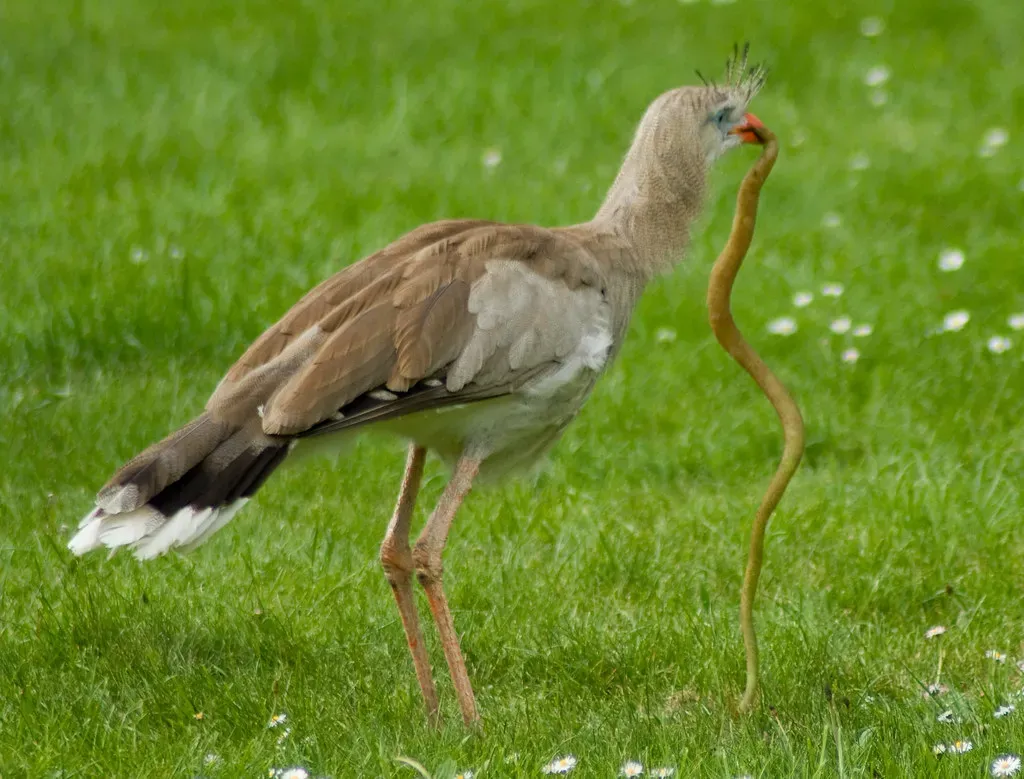
Seriemas, native to South American grasslands, are like the secretarybird’s smaller, scrappier cousins. Tall, long-legged, and more often walking than flying, they move through open country hunting insects, small mammals, and snakes. If you watch slow-motion footage of a seriema handling a snake, it is both fascinating and a little brutal: they grab the snake in their beak and whip it against the ground over and over.
This repeated smashing helps break bones, damage the spine, and reduce the risk that the snake can twist around and strike back. Once the snake is limp or dead, the seriema manipulates it and swallows it whole, working it down head first. It is a strategy that looks crude, but it is actually very effective, refined by countless generations of trial and error. In open grassland where escape options are limited, any snake that shows itself risks crossing paths with one of these relentless walkers.
Conclusion: The Quiet War Between Talons and Fangs
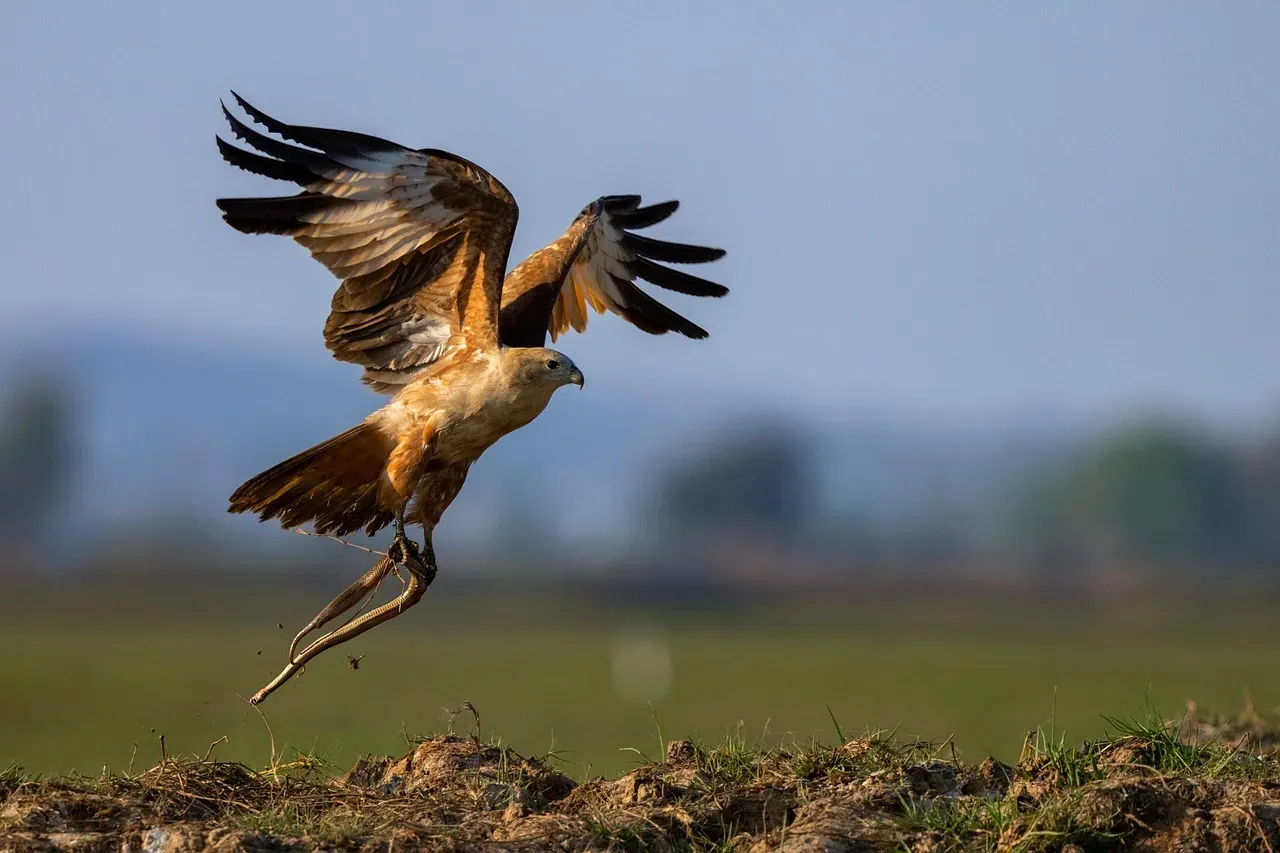
Watching how these birds handle snakes changes the way you think about who really runs things in the wild. Snakes might seem like the villains of every nature story, armed with venom and stealth, but to a secretarybird, a snake eagle, or even a roadrunner, they are just another risky but rewarding meal. Personally, I find it strangely comforting that there are animals out there that do what most of us would never dream of attempting: walking straight toward a snake and treating it like lunch.
These seven species, from towering secretarybirds to familiar red-tailed hawks, show how evolution keeps pushing life into extreme matchups: talons versus fangs, speed versus venom, strategy versus raw danger. They remind us that nature is not a simple food chain but an ongoing arms race where every move has a counter. Next time you see a hawk circling or a roadrunner sprinting across a desert road, it might be hunting one of the planet’s most feared animals. Between snake and sky, where would you place your bet now?