You probably like to think you’d spot a fake artifact from a mile away. But history keeps proving that even smart scientists, museum curators, and everyday visitors can get played. Some of the most famous “discoveries” you grew up hearing about were, at best, wishful thinking and, at worst, shameless scams that dragged on for decades. As you walk through this list, you’ll see a pattern that’s both embarrassing and oddly comforting: people tend to believe what they really want to be true. Missing links, ancient giants, lost explorers, holy relics – if a story is good enough, you’re wired to give it the benefit of the doubt. These seven hoaxes show you how far that can go, and what it takes to finally call nonsense by its name.
Piltdown Man: The Fake “Missing Link” That Misled Science for 40 Years
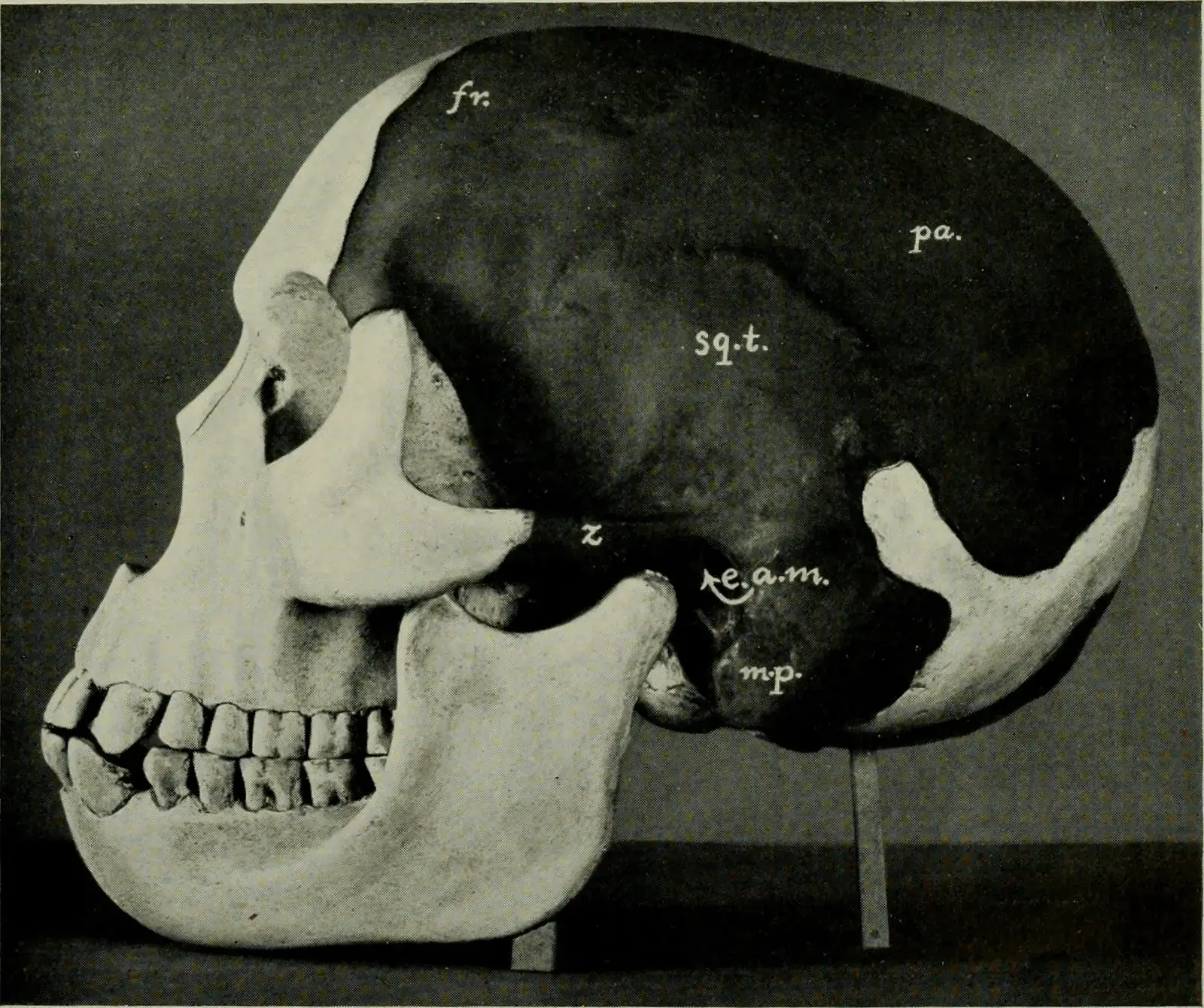
Imagine opening your newspaper in the early twentieth century and reading that the biggest puzzle in human evolution has just been solved in an English gravel pit. That was the excitement around Piltdown Man, a supposed fossil “missing link” that seemed to prove humans evolved big brains early, exactly what many British scientists expected and wanted to see. You had a humanlike skull, an ape‑like jaw, and a convenient story about ancient humanity emerging in England’s backyard, not Africa or Asia, where awkwardly competing fossils were turning up. If you’d visited a museum in the 1920s or 1930s, you might have stared at a reconstruction of Piltdown Man and been told you were looking at your deep ancestor. In reality, you would have been looking at a Frankenstein mash‑up: a relatively modern human cranium, an orangutan jaw, and teeth that had been filed down and chemically stained to look ancient. It took decades and new scientific tools like fluorine testing in the 1940s and 1950s to show that the bones were much younger and cobbled together. By then, generations of textbooks and theories had been bent around a skeleton that never actually existed.
The Cardiff Giant: America’s Stone “Giant” That Everyone Wanted to Believe
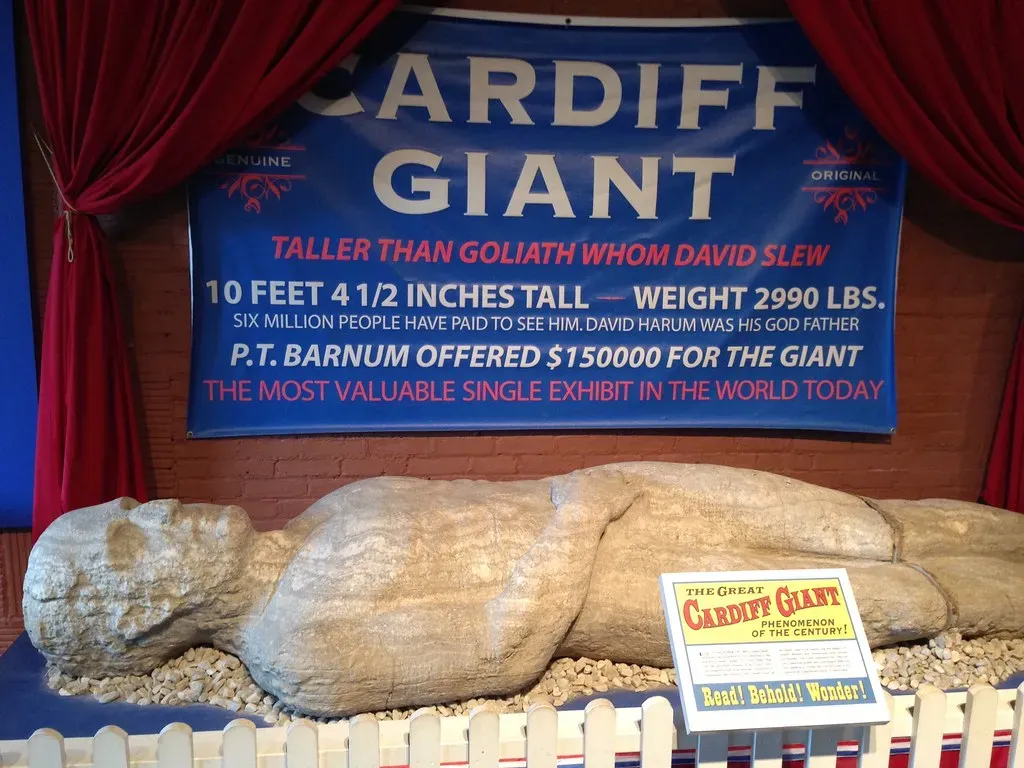
If you’d been walking through upstate New York in 1869 and heard that a ten‑foot “petrified man” had been dug up on a farm, would you have paid to see it? Thousands of people did. The Cardiff Giant looked like physical proof that those Old Testament tales about giants might have a literal, geological footprint. For a small entrance fee, you could stand in a tent and gawk at this muscular, stone figure, with some preachers and believers insisting you were witnessing confirmation of sacred history. Behind the scenes, the whole thing was a prank with a spiteful twist. A skeptical cigar maker named George Hull had commissioned the giant to mock religious literalists after an argument about biblical giants. Workers secretly buried the carved gypsum statue, and months later it was “discovered” during a well‑digging operation. Experts quickly pointed out chisel marks and other red flags, and within a relatively short time it was exposed as a fake. Still, the hoax lived on in touring copies, circus versions, and sensational stories. Even now, if you see a photo of the Cardiff Giant, your brain instinctively does a double take – proof that even a bad fake can have a very long afterlife.
The Kensington Runestone: A Viking Story Americans Refused to Let Go
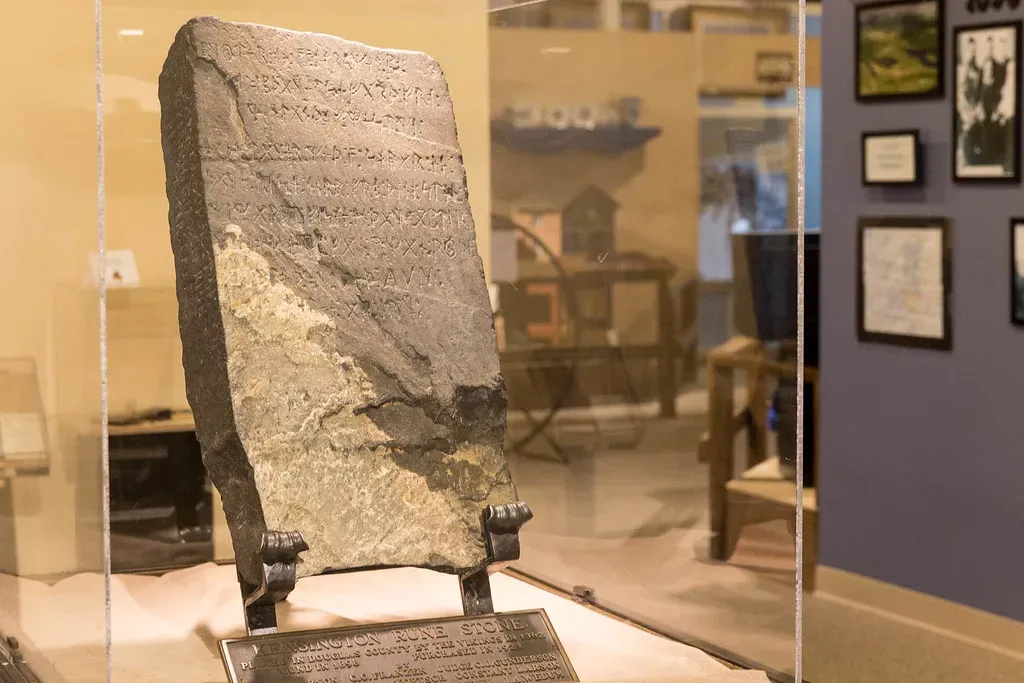
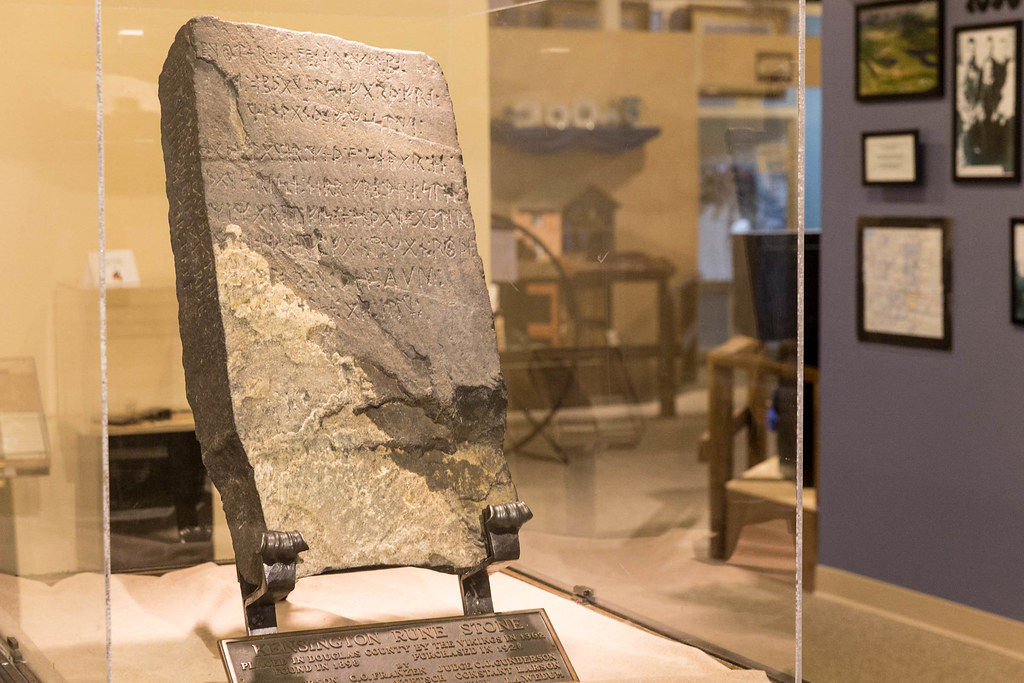
Picture yourself as a farmer in Minnesota in 1898, yanking a tangled tree root from the soil and finding a heavy stone carved with mysterious runes. That’s the origin story of the Kensington Runestone, which supposedly recorded a fourteenth‑century Scandinavian expedition deep into North America. If you grew up in the region, you might have been told this tablet proved Vikings were roaming the Midwest centuries before Columbus, giving local families a heroic, ancient backstory. For more than a century, the stone sat at the center of a tug‑of‑war between believers and skeptics. When you look at the inscription through the eyes of runologists and linguists, it reads like a mash‑up of modern Scandinavian grammar and expressions that simply do not match medieval usage. The weathering is off, the story feels a little too neat, and the farmer who “found” it had both the language skills and motives to carve it himself. Yet, if you visit Minnesota today, you still find the stone in a museum, souvenirs referencing it, and locals who will swear to you that the academics are wrong. It’s a great example of how identity and pride can hold a hoax up long after the evidence has kicked it down.
Crystal Skulls: “Ancient” Mesoamerican Relics That Were Actually Modern Carvings
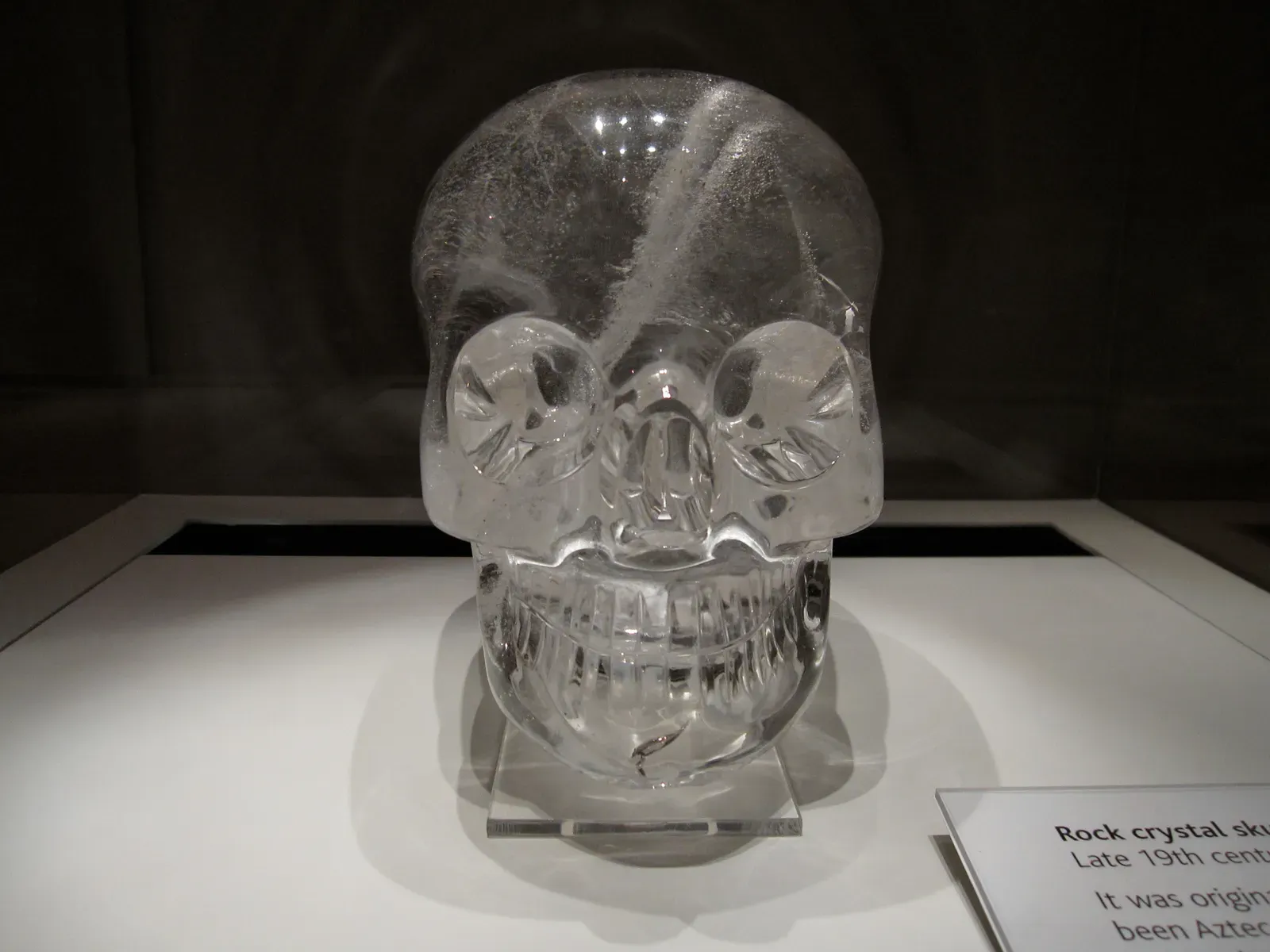
If you’ve ever seen one of those eerie crystal skulls in a documentary or a movie, you know how seductive they are. You’re told they come from ancient Maya or Aztec temples, carved with impossible precision, maybe even holding mystical powers. It feels like you’re supposed to stand in awe before some otherworldly technology or forgotten civilization, and for years museums happily displayed them as pre‑Columbian masterpieces. If you had visited certain collections in the twentieth century, you would have seen these skulls proudly labeled as authentic Indigenous artifacts. Modern analysis has been brutal to that fantasy. When researchers examined tool marks under microscopes and tested the quartz itself, you could see evidence of modern rotary wheels and techniques that only became common in Europe in the nineteenth century. Some skulls turned out to be carved from Brazilian or European quartz, not the kinds of stone ancient Mesoamerican artisans usually used. In other words, what you thought was a sacred relic was more likely a clever export made for the booming market in “exotic” antiquities. The uncomfortable twist is that the hoax worked partly because collectors and museums were hungry to own something spectacular, and you can easily imagine the same thing happening again with different objects today.
The Japanese Paleolithic Hoax: When One Archaeologist Rewrote a Whole Prehistory
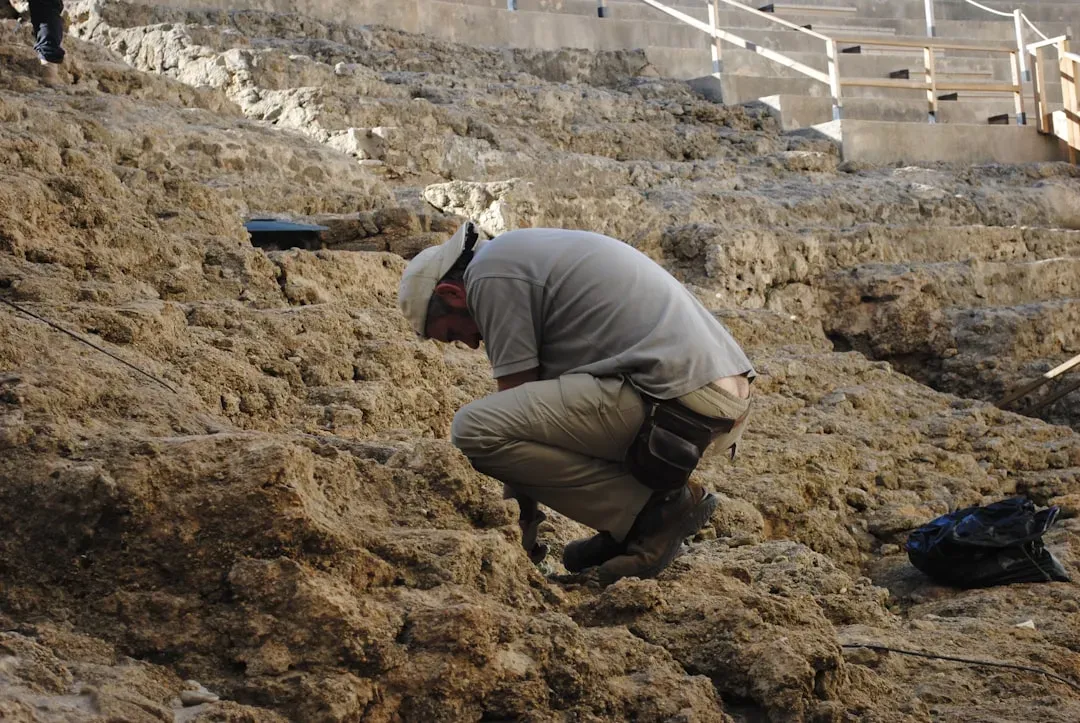
Think about how you would feel if you found out that almost everything you thought you knew about your country’s earliest history came from one man – and then discovered he’d been faking it. That is essentially what happened in Japan around the year 2000, when amateur archaeologist Shinichi Fujimura, nicknamed “God’s Hands” for his uncanny ability to find ancient artifacts, was caught on camera burying stone tools at a site. For years, you would have seen headlines celebrating his discoveries, which pushed human presence in Japan back hundreds of thousands of years and filled museum displays and school textbooks. Once the hoax unraveled, it was shocking just how deep it went. Investigations showed that many of the key Paleolithic sites he had “discovered” were tainted, and you had to throw out large chunks of the supposed early archaeological record. Entire timelines had to be redrawn, and researchers had to admit that they’d trusted a pattern that, in hindsight, should have looked suspicious: one man finding incredibly convenient evidence over and over again. If you work in or follow science, this scandal hits close to home because it reminds you how even peer‑reviewed work can be vulnerable when everyone is excited by the same narrative and not skeptical enough of the person delivering it.
The Michigan Relics: A Manufactured Past for the American Midwest
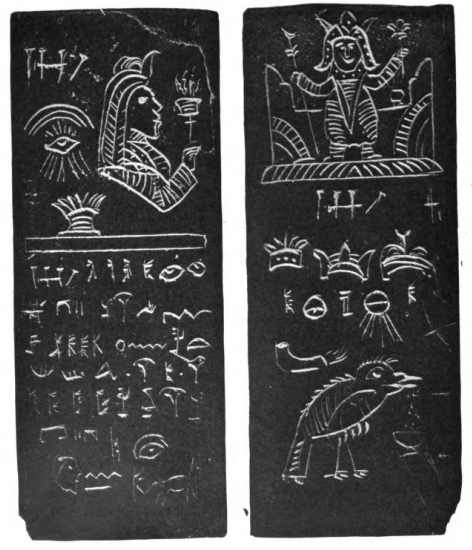
If you lived in Michigan around the turn of the twentieth century, you might have heard whispers that the ancient Near East had once reached your backyard. Thousands of strange clay, copper, and stone objects turned up – tablets with odd symbols, carved figures, and artifacts that seemed to mix Native American themes with biblical and Mesopotamian imagery. To a believer, these “Michigan Relics” looked like proof that an advanced, Old World‑style civilization had been in North America long before Europeans officially arrived. When you line these pieces up next to genuine artifacts, though, the problems jump out. The symbols do not match real ancient scripts, the mix of styles feels like someone flipping through illustrated Bibles and archaeology books, and the manufacturing methods scream modern handiwork. Investigations tied the hoax to local men who had financial and personal motives to keep the discoveries flowing. Yet if you’re the kind of person who really wants to see evidence of lost global civilizations, you can understand why these items were irresistible. They catered perfectly to a fantasy about rewriting history, which is exactly why they survived in some circles long after mainstream archaeology moved on.
The Shroud of Turin: A Powerful Relic, a Medieval Cloth, and a Never‑Ending Debate
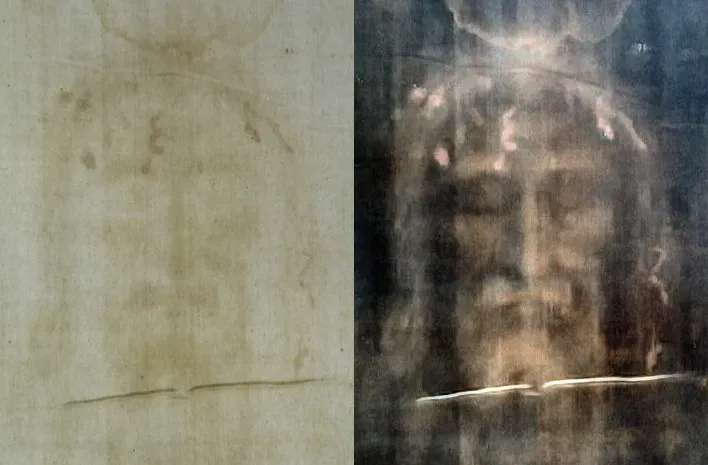
When you first see an image of the Shroud of Turin, you probably feel a jolt. A faint, full‑body imprint of a man who appears to have been crucified, complete with wounds and bloodstains – it is hard not to react, especially if you grew up with any familiarity with Christian stories. Many people have treated the shroud as the actual burial cloth of Jesus, and if you had visited certain churches or exhibitions in the twentieth century, you would have been encouraged to see it as physical proof of the Passion. The emotional pull is enormous, and for many believers it is still a deeply moving object, regardless of what any lab says. When you look at the evidence, though, you are pushed toward a very different conclusion. Radiocarbon dating in the late 1980s placed the fabric firmly in the late medieval period, somewhere between the thirteenth and fourteenth centuries, aligning neatly with the first documented appearance of the cloth in France. Textile experts have pointed out that the complex herringbone weave fits medieval European technology rather than first‑century Judea, and recent scientific work has shown the cloth carries DNA from a jumble of later plants and people, including species that arrived in the Old World long after Roman times. Even studies arguing over contamination and sampling tend to circle back to the same basic point: the balance of evidence suggests a medieval origin, possibly as a devotional artwork or relic created to draw pilgrims and donations. You can still find passionate defenders, but if you approach it like any other archaeological object, you’re almost forced to treat it as one of history’s most successful forgeries rather than a snapshot of a resurrection moment.
What These Hoaxes Really Tell You About Yourself
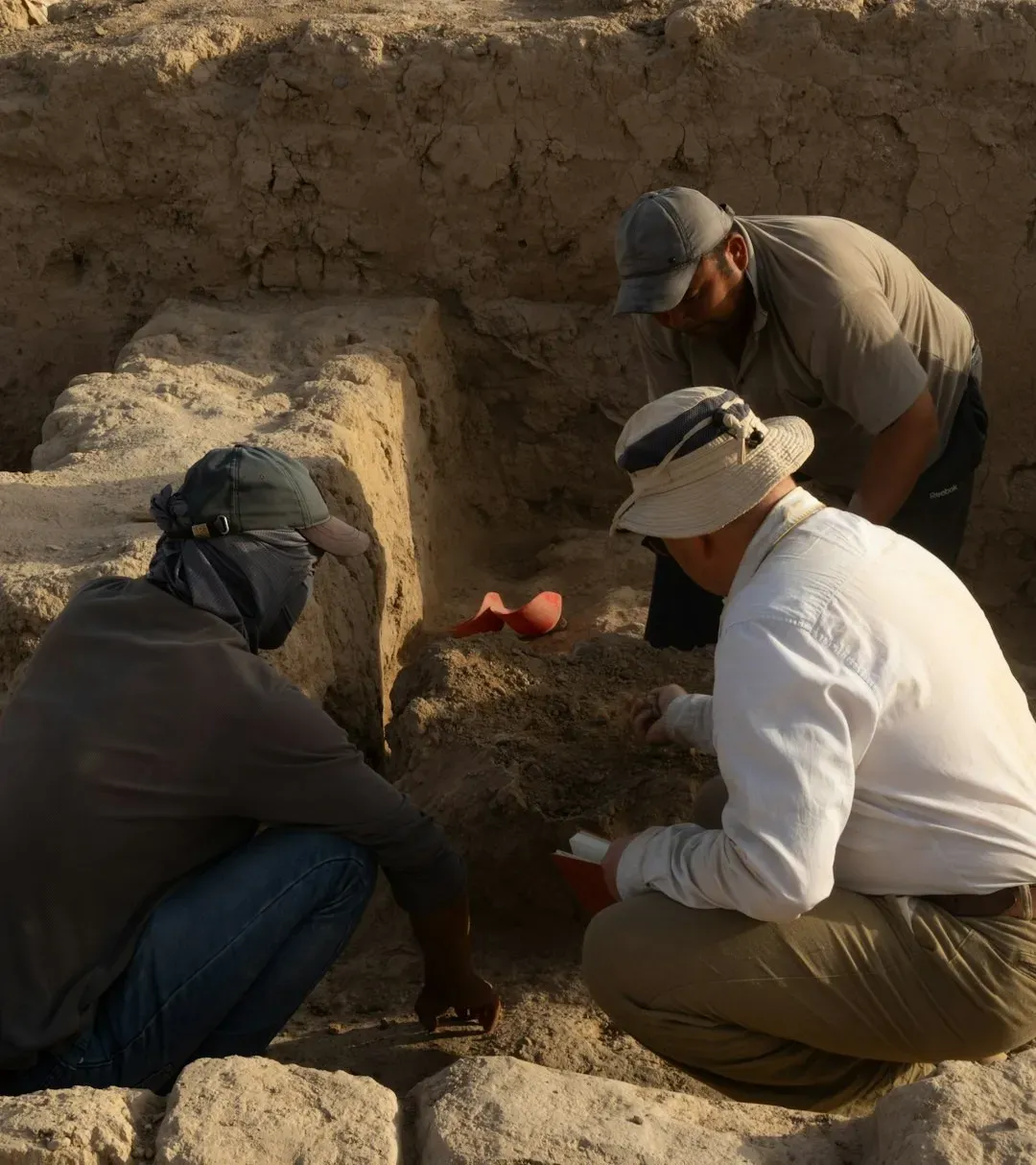
It’s tempting to laugh at people from the past for falling for these scams, but if you’re honest, you know you’re not immune. You live in a world where viral images, clickbait headlines, and breathless “discoveries” hit your feed constantly. The same forces that made Piltdown Man fit neatly into early twentieth‑century prejudices or turned the Kensington Runestone into a symbol of local pride are still shaping what you’re inclined to believe today. When a story lines up with what you hope is true – whether it is about ancient giants, lost explorers, or sacred relics – it takes real effort to step back and ask, “What would it take to prove this wrong?” If there’s a hopeful side, it’s that in every one of these cases, the hoax eventually cracked under the weight of better evidence and more critical thinking. New methods, fresh eyes, and sometimes sheer stubborn skepticism finally pulled the mask off. You can borrow that same attitude whenever the next flashy “archaeological breakthrough” starts making the rounds: look for who benefits, ask how the object was found, and check whether multiple independent experts agree. In the end, the past is already wild and fascinating enough on its own – do you really need fakes to make it exciting?