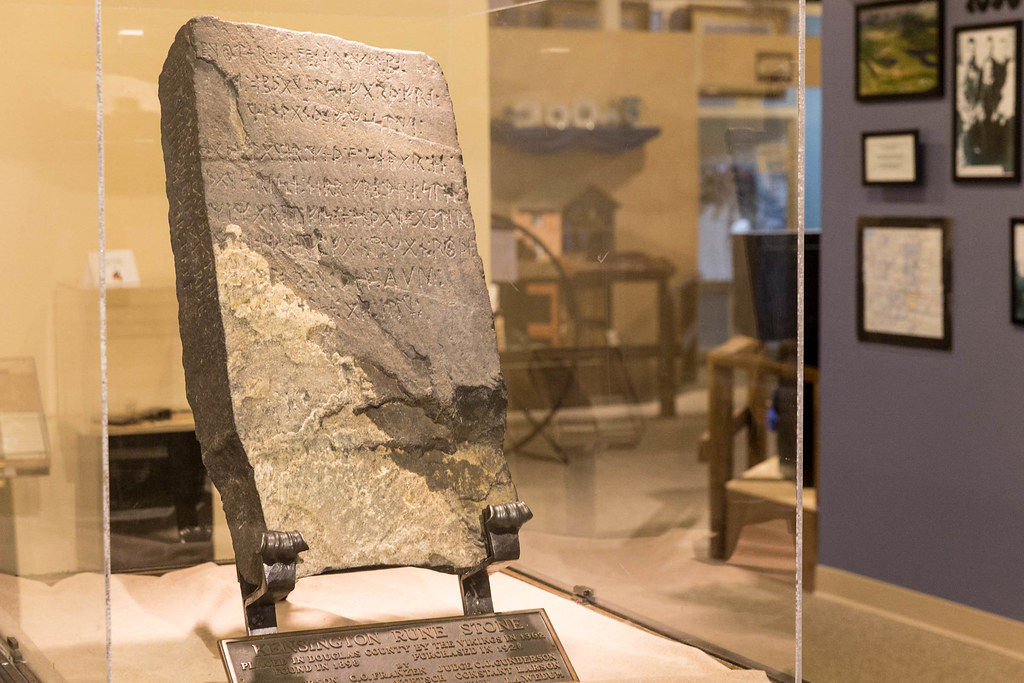
Walk into any major museum and you’ll feel it: the hush, the glass case, the little placard that whispers this is real history. But behind a shocking number of those cases, historians and forensic scientists have been quietly running a different kind of investigation – and the results are ugly. Radiocarbon dating, pigment analysis, and even basic handwriting comparison have exposed some of the most celebrated “ancient” objects on earth as something far less romantic: props built to drain rich buyers’ wallets.
The twist isn’t just that fakes exist – everyone expects a few con artists. The real gut-punch is how many of these forgeries fooled Ivy League scholars, national museums, and auction houses for decades before anyone blinked. Here are the 12 relics that historians have now quietly, sometimes reluctantly, admitted were manufactured for the collectors’ market – and the strange, specific clues that finally gave them away.
#12 – The “Gospel of Jesus’ Wife” Papyrus
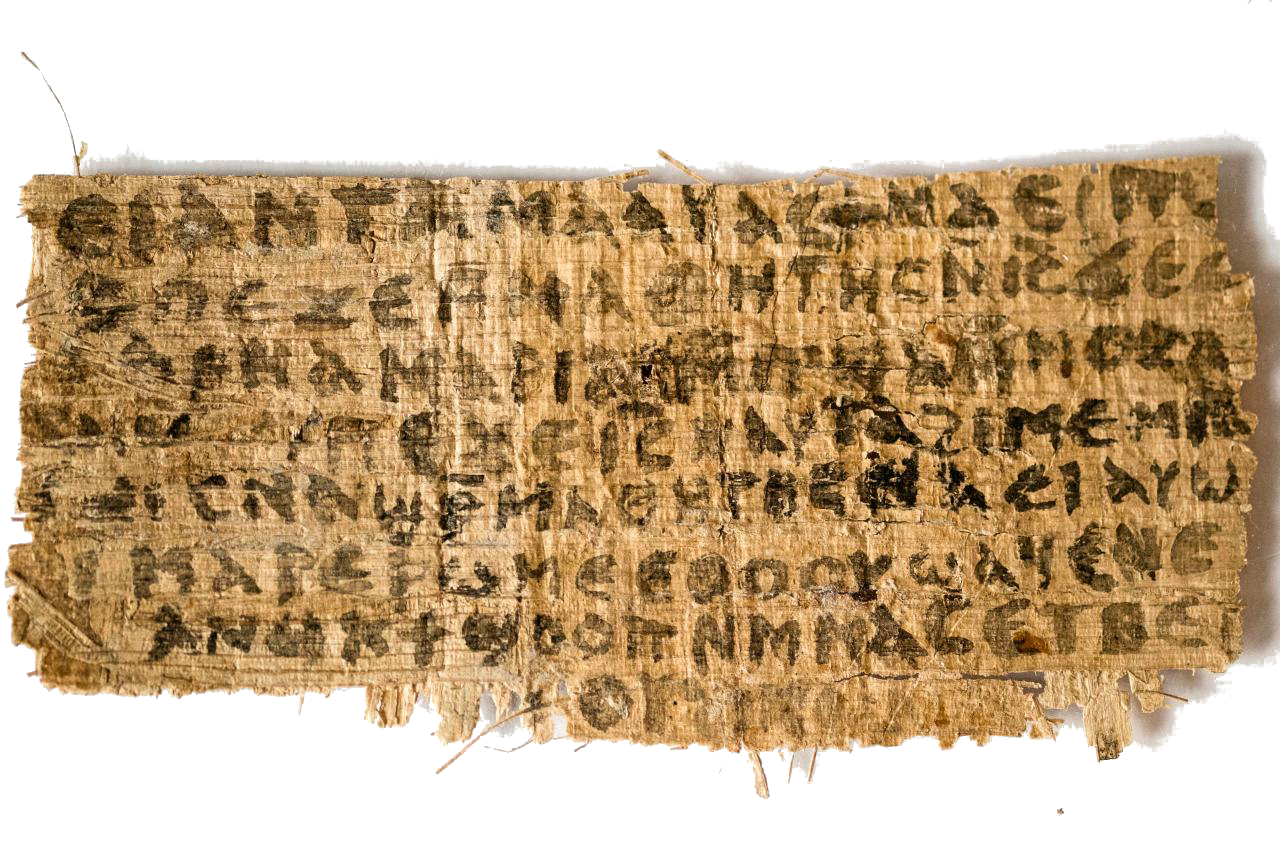
When a tiny scrap of papyrus surfaced in 2012 bearing the explosive line “Jesus said to them, ‘my wife…'”, it detonated like a bomb in both academic circles and the private manuscript market. Collectors started whispering about its value before anyone had even finished translating it. For a moment, it looked like the birth of an entirely new category of blue-chip relic.
Then the cracks showed. Papyrologists noticed the text read like a patchwork stitched together from the already-known Gospel of Thomas, and the ink chemistry, letterforms, and spelling slips matched modern forgery habits far too closely. It had no excavation record, no dig site, no chain of custody – just a sudden appearance from the shadows of the private market. Today it’s taught as a case study in how the promise of a paradigm-shifting relic can override even trained skepticism.
#11 – The James Ossuary and Its “Brother of Jesus” Inscription
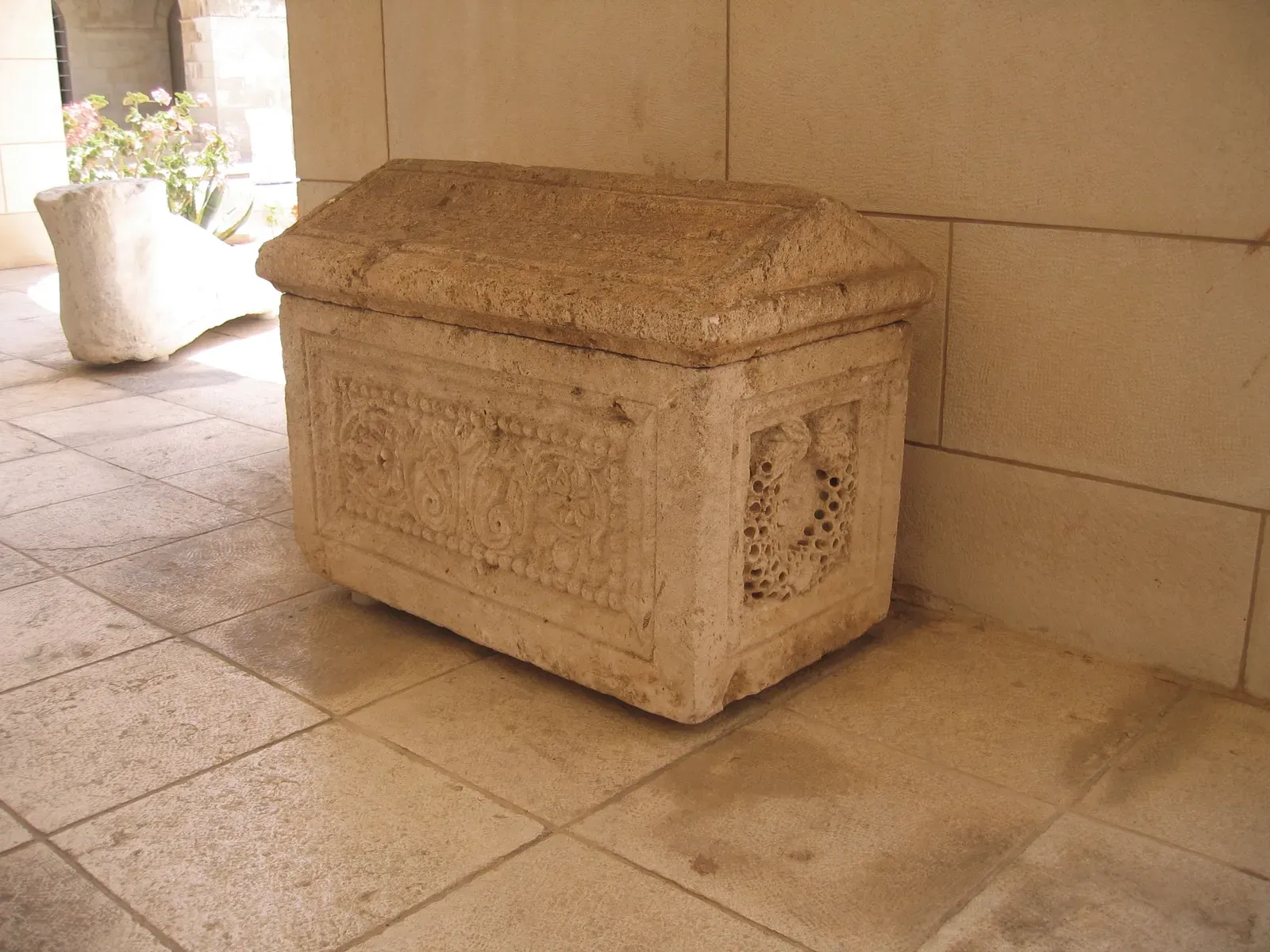
A 1st-century bone box inscribed “James, son of Joseph, brother of Jesus” sounds like the find of the millennium – the only archaeological object that might name Jesus directly. Private collectors and headline writers treated it as priceless the moment it surfaced, and for a while, it was.
Then epigraphers looked closer and noticed the inscription didn’t behave like one continuous piece of writing. The box itself is likely genuinely ancient, but the crucial “brother of Jesus” phrase showed different tool depth, different patina, different everything. In plain terms: someone took a real 2,000-year-old box and carved a modern jackpot line into it. Historians now call it a hybrid relic – authentic container, manufactured headline.
Fast Facts
- Oded Golan, chief defendant in the so-called “forgery case of the century,” was acquitted of all forgery charges after a grueling, years-long court battle.
- Oded Golan and Robert Deutsch were declared not guilty in the March 14, 2012, James Ossuary forgery trial verdict, closing a five-year legal saga.
- Even so, the presiding judge noted that forensic science alone was not sufficient to prove the alleged forgeries beyond a reasonable doubt, leaving the inscription’s true origin formally unresolved.
- The limestone box itself is widely accepted as genuinely 1st-century Jerusalem-era; the disputed part is only the carved “brother of Jesus” phrase.
#10 – The Hitler Diaries That Fooled Major Publishers
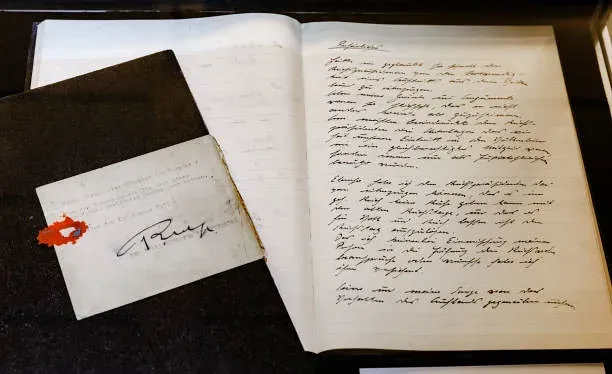
In 1983, German magazine Stern paid a staggering sum for what it believed were sixty-plus volumes of Adolf Hitler’s personal diaries, supposedly rescued from a plane crash. It was cinematic, almost too perfect – and that was exactly the point. Major outlets rushed to license excerpts before anyone ran real tests.
When forensic examiners finally got their hands on the pages, the fantasy dissolved fast. The paper and bindings were post-war, the ink was wrong, and the handwriting wasn’t Hitler’s. The forger, Konrad Kujau, had spent years mass-producing Nazi memorabilia tailored to exactly what wealthy collectors wanted to believe existed. The diaries weren’t history – they were content, engineered for a ready-made market.
Historian Hugh Trevor-Roper, who initially authenticated the diaries before publicly reversing himself, later admitted the episode was a humbling lesson in how desire can outrun due diligence.
Reflecting on the Hitler Diaries affair
#9 – The “Vinland Map” That Tried to Rewrite Columbus
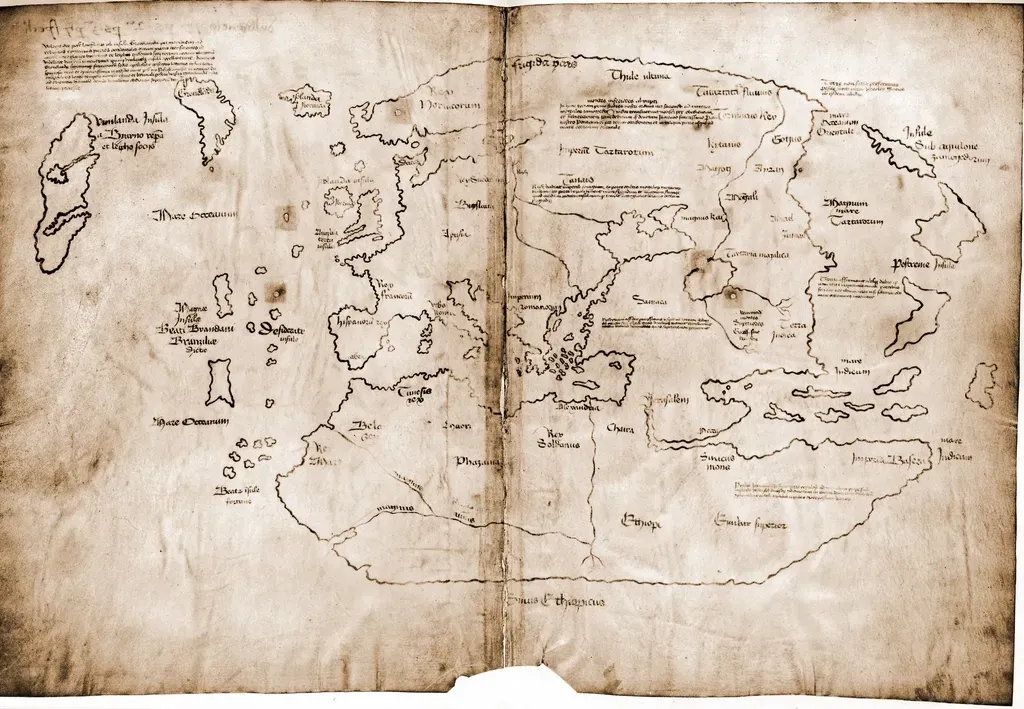
For decades, the Vinland Map was treated as proof that Norse explorers charted North America long before Columbus. It surfaced in the 1950s through a rare-book dealer, landed at Yale, and enjoyed genuine star status in a Cold War era hungry for “secret history” reveals.
Materials science ended the romance. The ink contained synthetic compounds that didn’t exist in the 15th century, the line quality was erratic, and the Latin phrasing echoed known 20th-century reference maps a little too closely. Most historians now believe someone assembled it mid-century specifically to seduce institutions and collectors craving something that upended the Columbus narrative. It’s now a classroom staple – a warning about how even elite buyers can be dazzled by a relic that’s simply too perfect.
#8 – The Medieval “True Cross” Relic Flood

Everyone knows about the Shroud of Turin debates, but far fewer people realize medieval Europe was flooded with an entire economy of Passion relics: nails from the crucifixion, thorns from the crown, splinters of the True Cross, sold and displayed across hundreds of churches. The math alone gives it away – if you added up every advertised fragment of the True Cross, you’d have enough timber for several full-sized ships.
Historians now view most of these as commodified devotional props, mass-produced by workshops responding to wealthy pilgrims who wanted physical trophies of their piety. Tool marks and wood dating point to later manufacture, not ancient origin. The uncomfortable truth is that some of Europe’s most venerated relics ran on the same logic as a modern limited-edition merch drop – scarcity, prestige, and a story worth paying for.
#7 – The “Ancient” Roman Glass That Was Blown Last Century
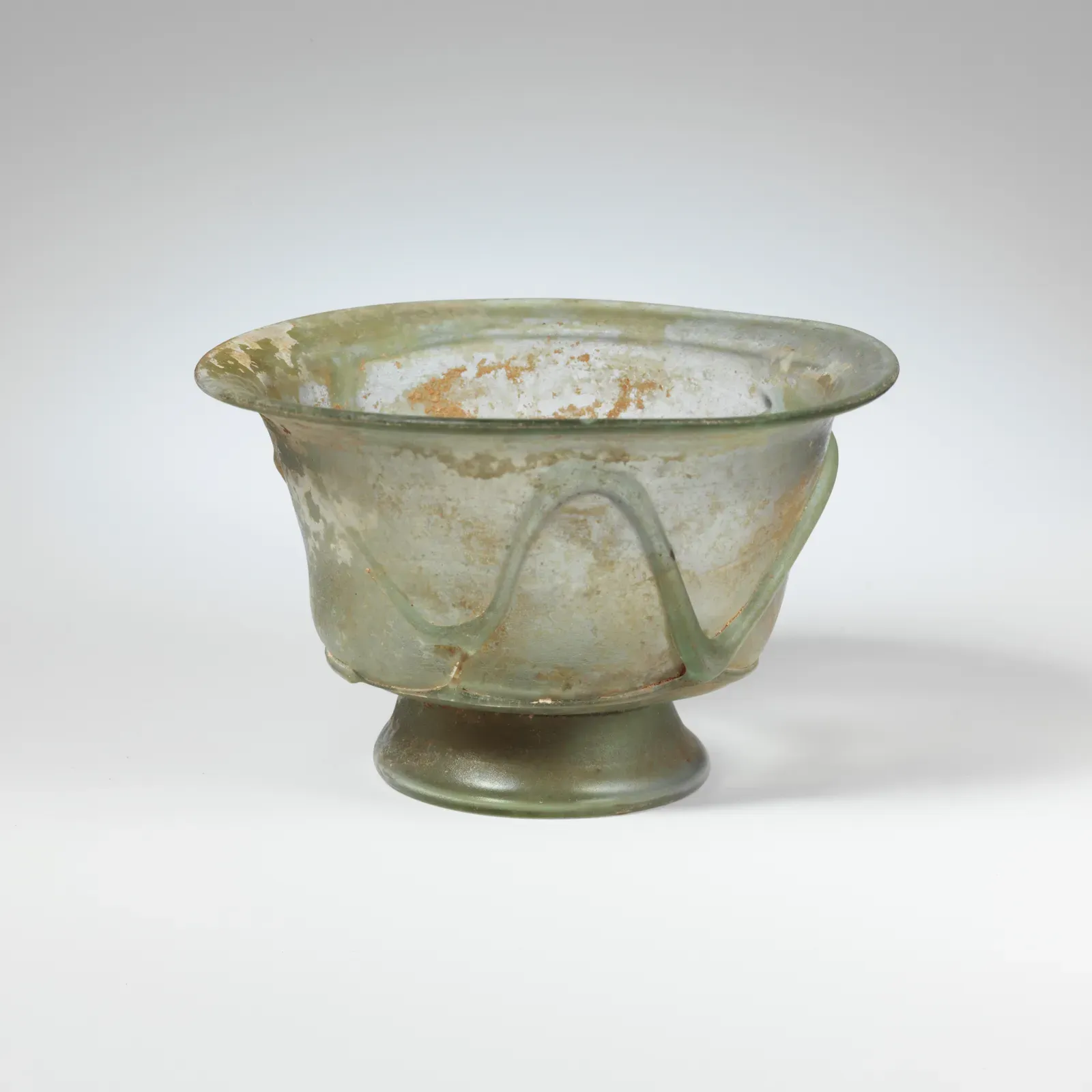
In the late 1800s and early 1900s, dealers began offering pristine “Roman glass” bowls and flasks in suspiciously large quantities, each one glowing with just enough iridescence to look ancient. Wealthy Europeans and Americans bought them convinced they were holding fragments of the classical world.
Modern analysis tells a different story. A huge share of these pieces were blown in modern workshops using gas-fired furnaces, then artificially aged – conservators have even replicated the fake iridescence themselves using chemical treatments and controlled burial. Uniform, factory-like dimensions were the tell nobody was looking for at the time. Genuine Roman glass does exist, but experts now treat any unprovenanced “hoard” as presumed modern until proven otherwise, a shift that has quietly wiped out the value of entire private collections.
Worth Knowing
- Genuine ancient glass gets its rainbow shimmer by accident – centuries buried underground slowly corrode the surface and split light into color.
- Forgers learned to fake that same effect fast, using chemical baths and re-firing to mimic decades of decay in a single afternoon.
- Uniform wall thickness and near-identical shapes across “matched sets” now worry appraisers more than any single crack or air bubble.
- Because so much authentic Roman glass genuinely survives in bulk, forgers often bank on buyers assuming a rarity that was never really there.
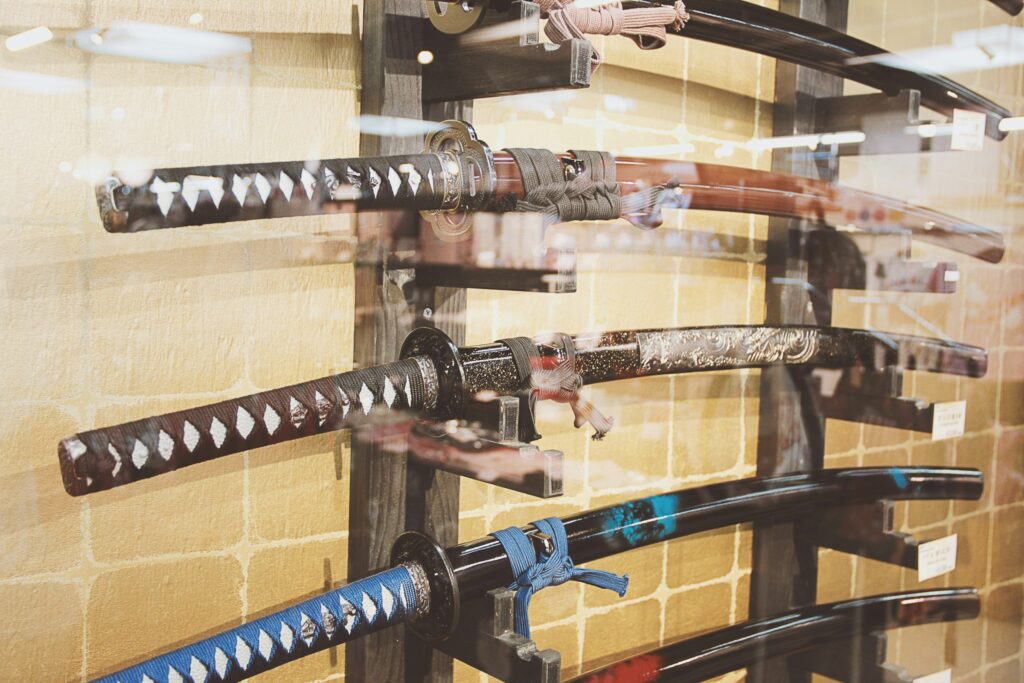
#6 – The “Samurai Swords” Forged for Foreign Buyers, Not Battle
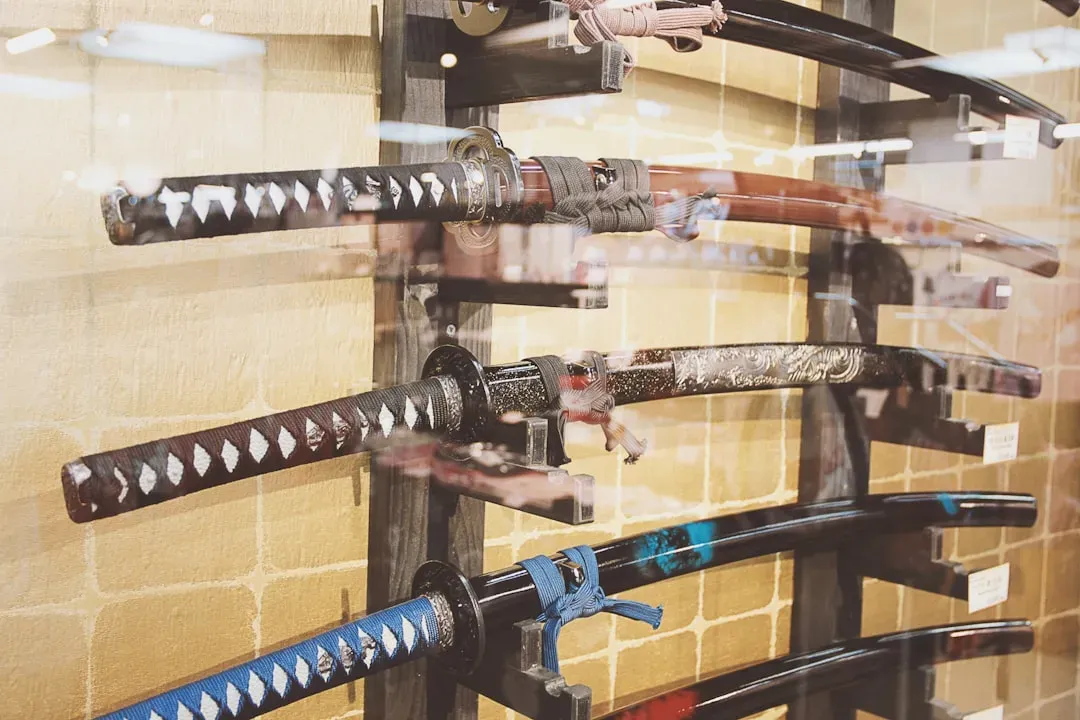
The global fascination with samurai culture created a massive secondary market for swords, especially after World War II, when soldiers and tourists in Japan started buying blades by the crate. What most of them didn’t realize is that thousands of “Edo-period” swords were actually late-Meiji or Showa-era products built specifically to match foreign taste.
Appraisers now rely on metallurgy, hamon patterns, and signature analysis to separate genuine koto and shinto blades from 20th-century imitations dressed up with artificial patina and fake maker’s marks. There’s a blunt saying in collector circles: if a sword has no clean chain of custody before 1945, treat it as a souvenir until proven otherwise. It’s not an insult to Japanese swordsmithing – it’s a recognition that an entire export market once rewarded creative aging over authenticity.
#5 – The Victorian “Mummy” Fragments Assembled to Order
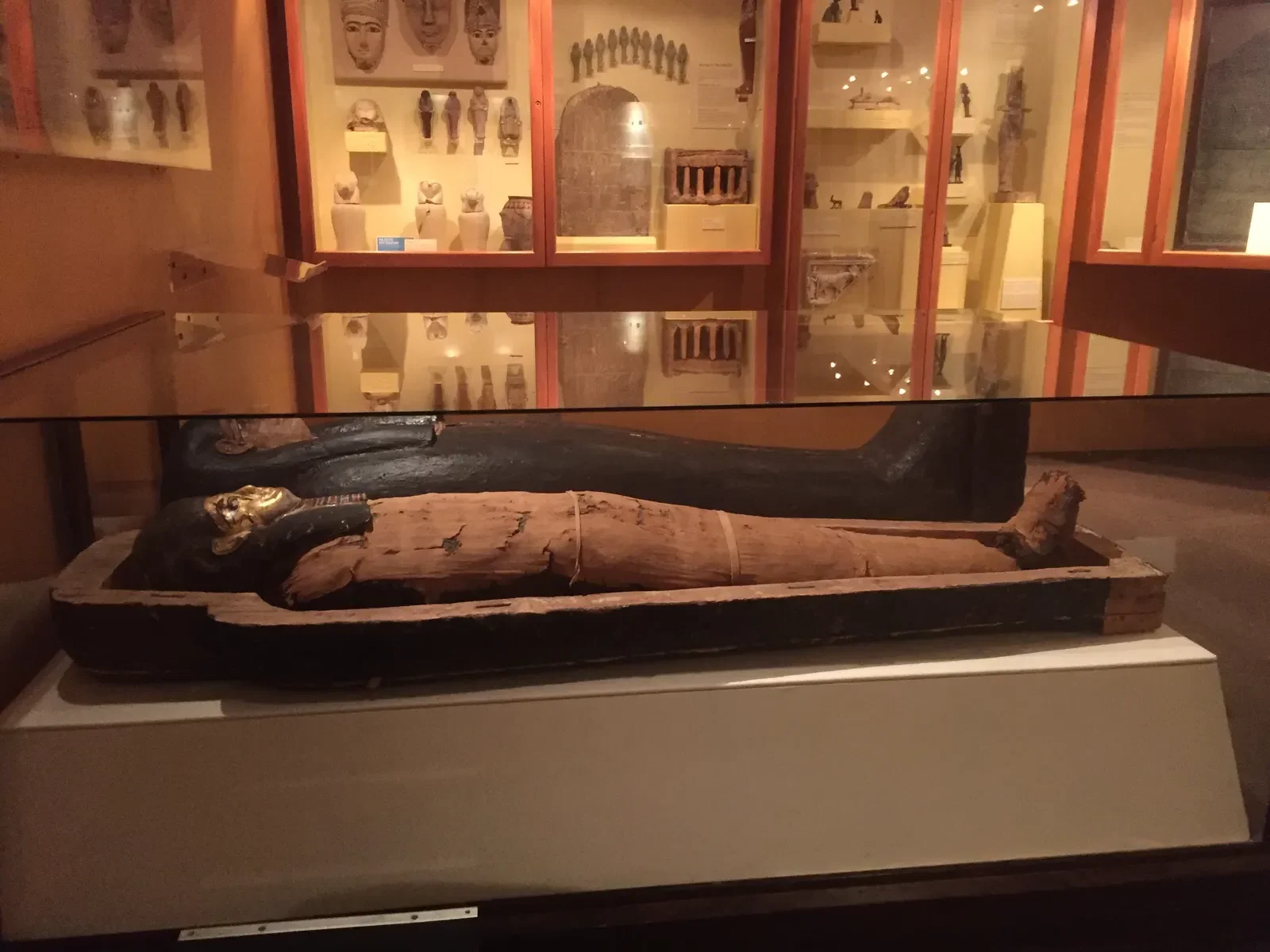
Owning a scrap of ancient Egypt became a status symbol in the 19th century, and wealthy Victorians paid handsomely for mummy wrappings, cartonnage, or even ground “mummy powder.” Suppliers in Cairo and Alexandria, naturally, obliged the demand.
Historians now accept that a significant share of these small relics were assembled from unrelated burials, animal mummies, or plain modern linen – cut, stained, and sold as human artifacts. Testing has exposed industrial-era weaving techniques and pigments that never existed in Pharaonic Egypt. Museums desperate to fill “Egypt rooms” often accepted these pieces with minimal scrutiny, and conservators today are quietly re-labeling or deaccessioning them as what they really were: a 19th-century prototype for modern collectibles hype.
#4 – The Knights Templar “Treasure” Charms Built for Mystery Hunters
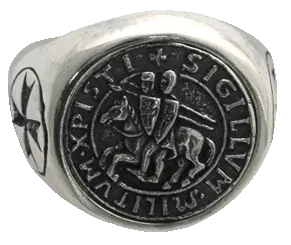
The Knights Templar have become a modern mythological brand, thanks to conspiracy theories and pop thrillers, and the late 19th and 20th centuries saw a genuine boom in “Templar” rings, seals, and metal charms supposedly recovered from secret hoards in France, Cyprus, or the Holy Land. Auction catalogs sold them as tangible links to a persecuted warrior-monk order.
Stylistic and metallurgical studies tell a different story: many of the most famous examples are fantasy pieces manufactured for Masonic and occult collectors, mixing Templar crosses with 18th-century esoteric motifs and casting alloys that never existed in medieval workshops. The Templars did leave real material culture behind – but the photogenic, icon-heavy trinkets flooding the market are mostly cosplay relics for people chasing a metal shortcut to mystery.
Quick Compare
- Genuine Templar material: plain seals, austere crosses, and administrative documents tied to real preceptories and church records.
- Market “Templar” charms: ornate rings and medallions blending crosses with skulls, occult symbols, and Masonic-style engravings.
- Genuine metalwork: alloys and casting methods consistent with 12th- to 14th-century European workshops.
- Market pieces: alloys and finishes that only became common centuries later, often traced to 18th- and 19th-century esoteric revival circles.
#3 – The “Dead Sea Scroll” Fragments Written on the Wrong Kind of Old
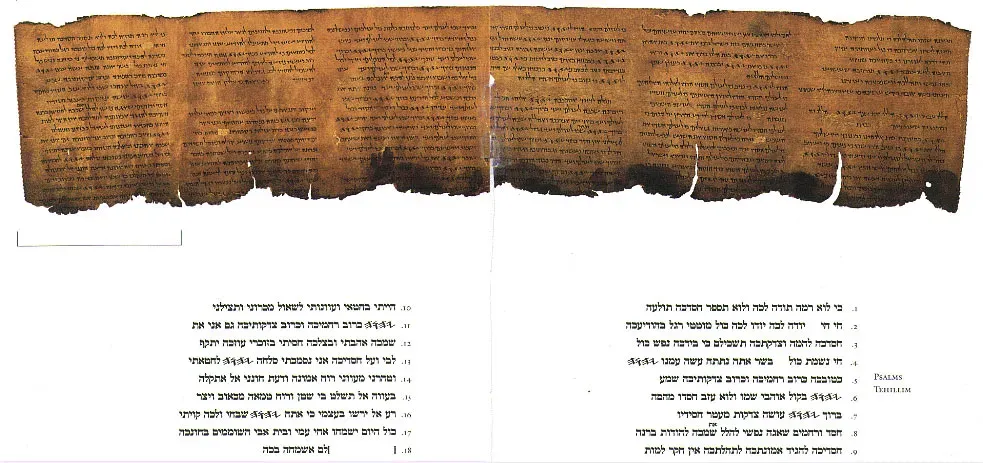
The original Dead Sea Scrolls, excavated in the mid-20th century, are unquestionably authentic and historically vital. Their fame, though, created an enormous incentive for spinoff fragments, and since the early 2000s, small scraps labeled as “newly discovered” scroll pieces began quietly landing in prominent private and even evangelical collections.
Forensic testing exposed a clever con: forgers used genuinely old material, often shoe leather or bookbinding scraps, then inscribed it with modern ink approximating ancient script. High-resolution imaging caught the ink sitting on top of mineral crust instead of embedded beneath it, alongside phrasing lifted from modern printed Bibles rather than ancient exemplars. Many historians now argue the entire post-1960s “scroll fragment” market is structurally built for forgery, because it exploits both religious enthusiasm and institutional prestige at once.
#2 – The “Mozart and Beethoven” Manuscript Pages Built for Wealthy Patrons
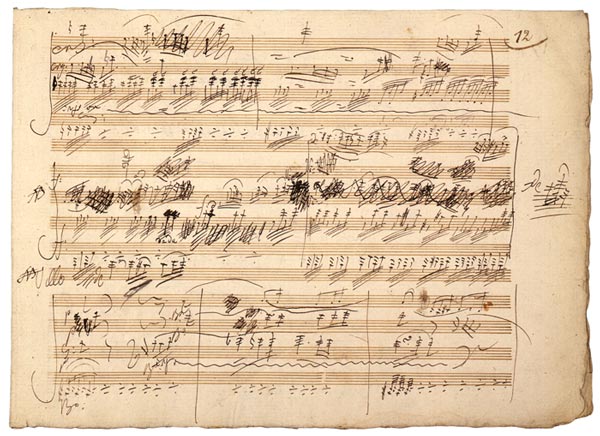
Few trophies are more coveted in classical music circles than a single page in the hand of Mozart, Beethoven, or Bach. Over the 19th and 20th centuries, a steady trickle of “newly discovered” manuscript leaves appeared on the market, often suspiciously isolated from any larger, traceable score.
Musicologists and forensic document examiners have since found that a notable subset of these lone sheets were constructed specifically to please wealthy patrons and institutions hungry for star-composer relics – complete with inconsistent ink flow, watermarks that don’t match the composer’s documented paper supply, and passages quietly lifted from already-published editions. A full symphony manuscript is rare and traceable; one “unknown” torn leaf is easy to pass off and easy to sentimentalize. The irony is thick: collectors chasing intimacy with genius ended up bankrolling a cottage industry of very skilled imitators.
#1 – The “Newly Discovered Gospels” That Keep Conveniently Appearing
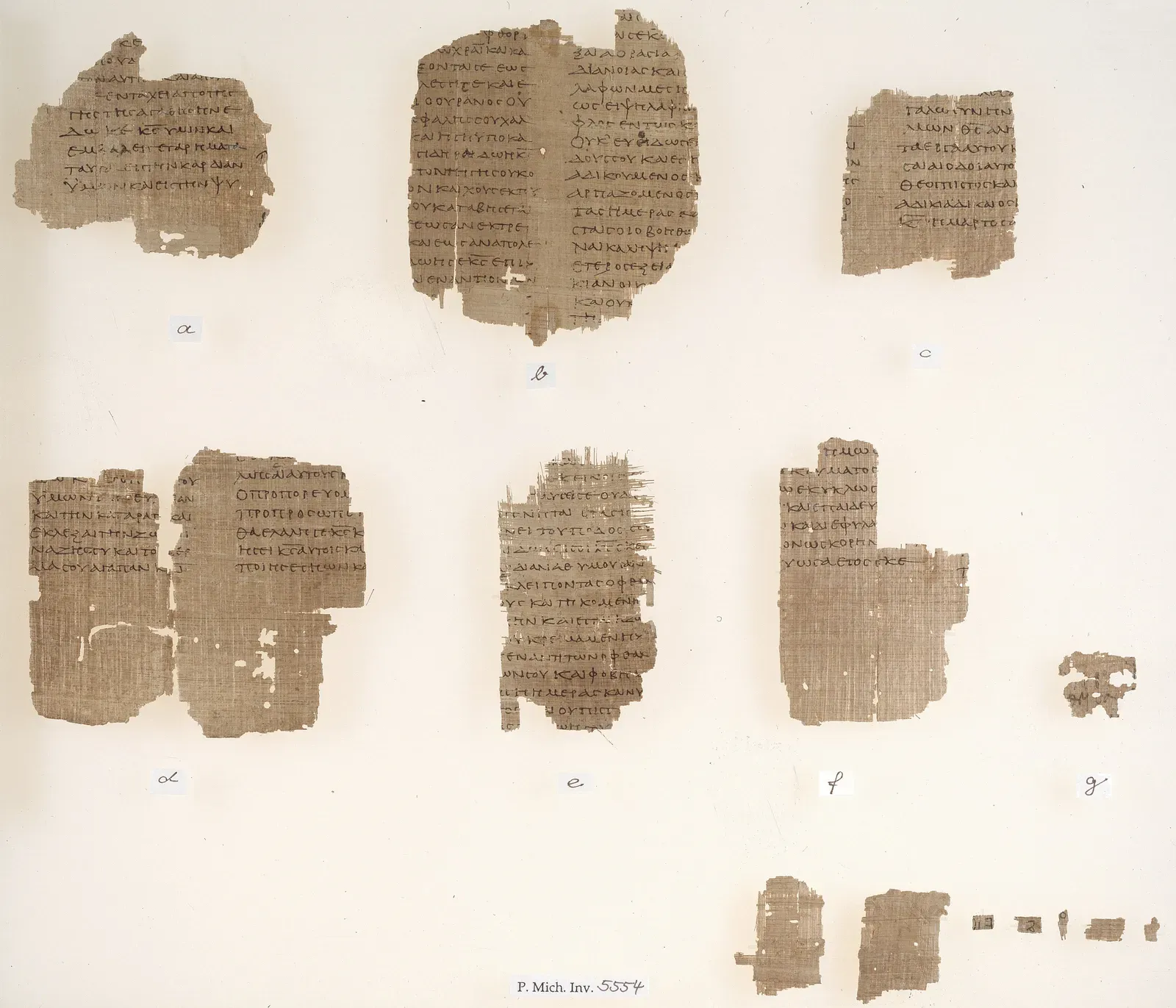
At the very top of the list sits an entire category: supposedly ancient “lost gospels” that surface on the private market right when public demand for them spikes. The pattern is almost boring in its repetition – a fragment or codex appears from murky origins, promising to upend everything we think we know about Jesus, Mary Magdalene, or early church politics, and collectors, publishers, and even some scholars circle in with chequebooks ready.
Over time, testing and textual criticism reveal a harsher pattern: many of these “new gospel” pieces are deliberately crafted to satisfy modern hot-button interests – marriage, sexuality, secret teachings – rather than ancient theological debates, with grammar and phrasing traceable to modern printed editions instead of ancient manuscripts. Radiocarbon dating might confirm old parchment, but ink analysis and suspicious literary parallels expose recent composition anyway. Among specialists, the rule of thumb has hardened: if a “lost gospel” surfaces through a dealer instead of an excavation report, skepticism isn’t cynicism – it’s basic due diligence.
At a Glance
- The pattern repeats: a fragment surfaces through a private dealer, never an excavation, with no dig site or export paperwork attached.
- The content almost always speaks directly to a modern controversy – marriage, gender, secrecy – rather than ancient doctrinal disputes.
- Radiocarbon dating can confirm genuinely old parchment or papyrus while ink analysis still exposes recent, modern handwriting sitting on top of it.
- Specialists now treat “provenance through a dealer, not a dig” as close to an automatic authenticity red flag.
The Bottom Line
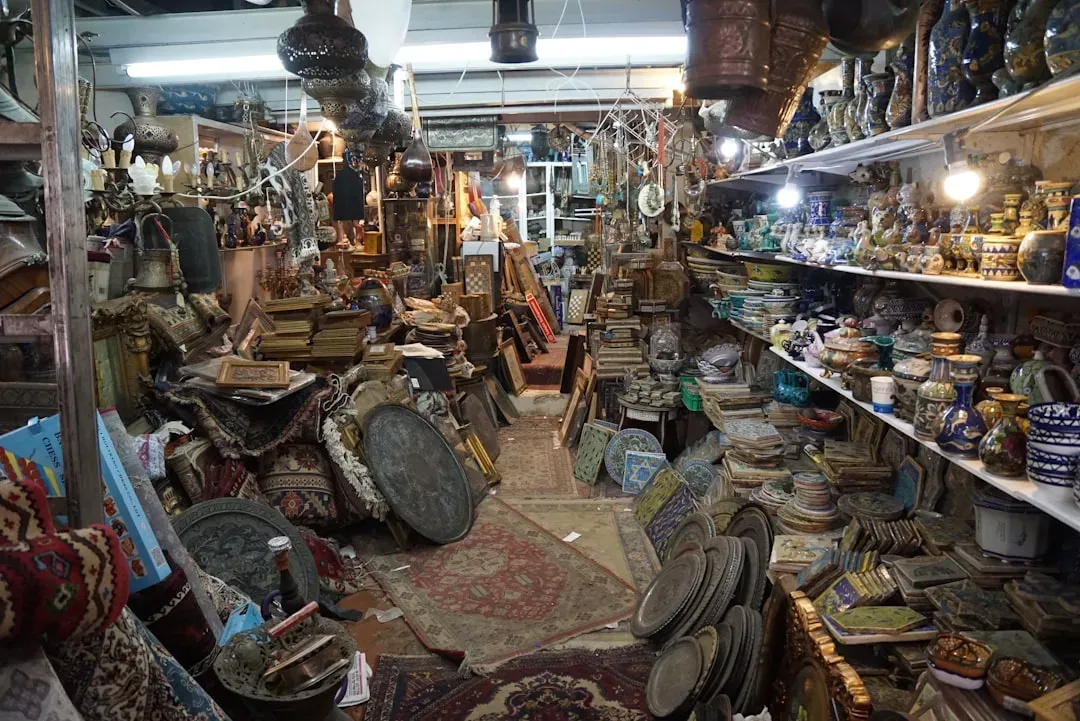
Taken together, these twelve cases point to one blunt conclusion: the collectors’ market doesn’t just discover relics – it manufactures the ones it wants. Wherever there’s strong demand for a particular story – holy warriors, lost gospels, Nazi secrets, samurai honor – someone, somewhere, will build an object designed to confirm it.
Historians haven’t turned “anti-relic.” They’ve simply stopped playing along with stories that collapse the moment they meet radiocarbon dating or a decent handwriting expert. My own take is unapologetically blunt: any unprovenanced “famous” relic deserves automatic suspicion, no matter how emotionally satisfying its backstory is. Too many museums and private buyers have already paid dearly for wishful thinking – and the next too-perfect discovery is probably already being aged in someone’s workshop right now.