You probably think you know the “big” stories of history: pyramids, world wars, plagues, revolutions. But tucked between those famous headlines are the really weird, oddly moving, and totally unforgettable details that almost never make it into school textbooks. Those are the ones that stick with you later, the little facts you end up telling friends at 1 a.m. because they’re too strange not to share. You’re about to walk through ten corners of the past that feel almost unreal at first glance. As you read, try to imagine yourself there: smelling the molasses in a Boston street, listening to a lawyer plead on behalf of a rat, or watching soldiers fire machine guns at giant birds. History gets a lot more vivid – and a lot more human – once you zoom in on stories like these.
1. You Live in a World Where Concrete Can Heal Itself
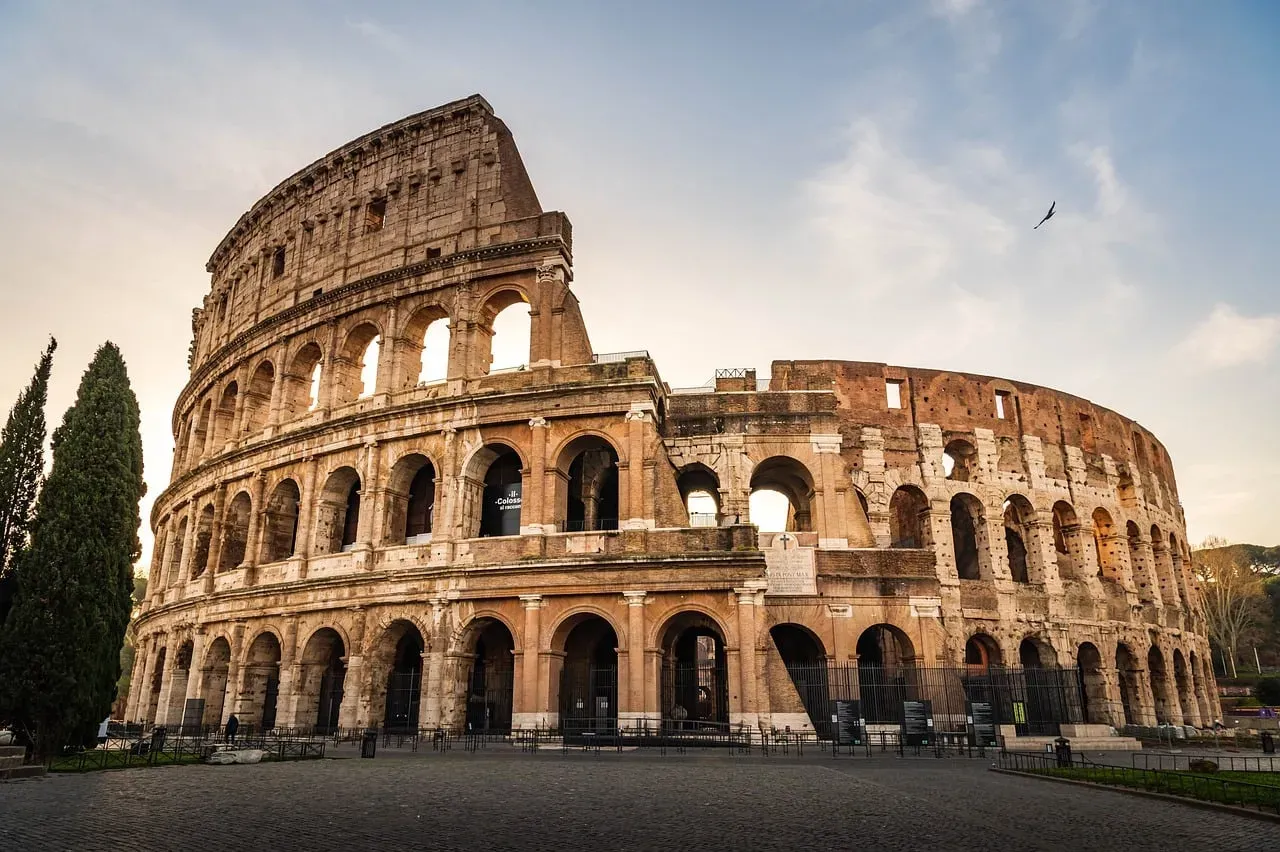
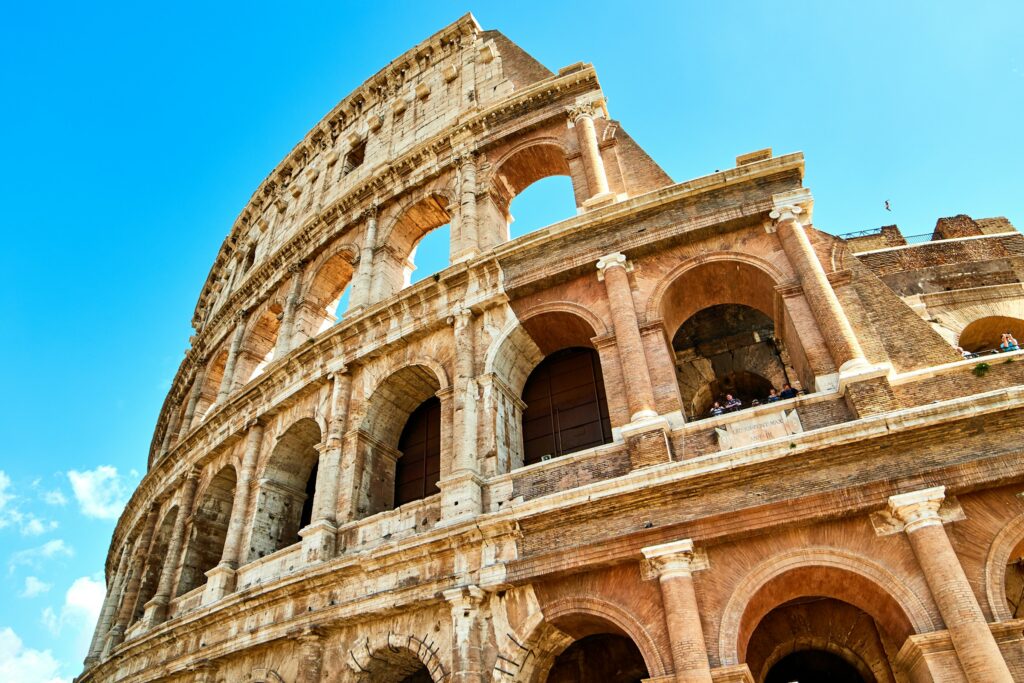
If you grew up around cracked sidewalks and crumbling bridges, you probably assume concrete is doomed to fail eventually. But if you could time-travel to ancient Rome, you’d discover they were quietly using a kind of concrete that can literally heal its own tiny cracks when water seeps in. That is one of the reasons Roman harbor structures and massive buildings have survived for nearly two thousand years while some modern constructions struggle after just a few decades. ([en.wikipedia.org](https://en.wikipedia.org/wiki/Roman_concrete?utm_source=openai)) When you look at Roman concrete under a microscope, you’d see small white chunks of lime scattered through the mix. Modern researchers have shown that when cracks form, water triggers chemical reactions in those lime clasts, slowly filling the fracture with new mineral growth and sealing it off again. In other words, Roman builders accidentally built a material that acts a bit like bone: it fractures, then repairs itself over time instead of just falling apart. ([sws.lbtu.lv](https://www.sws.lbtu.lv/sites/sws/files/pages/attachments/SWS_PROCEEDINGS_FINAL.pdf?utm_source=openai))
2. In Medieval Europe, Animals Could Be Put on Trial
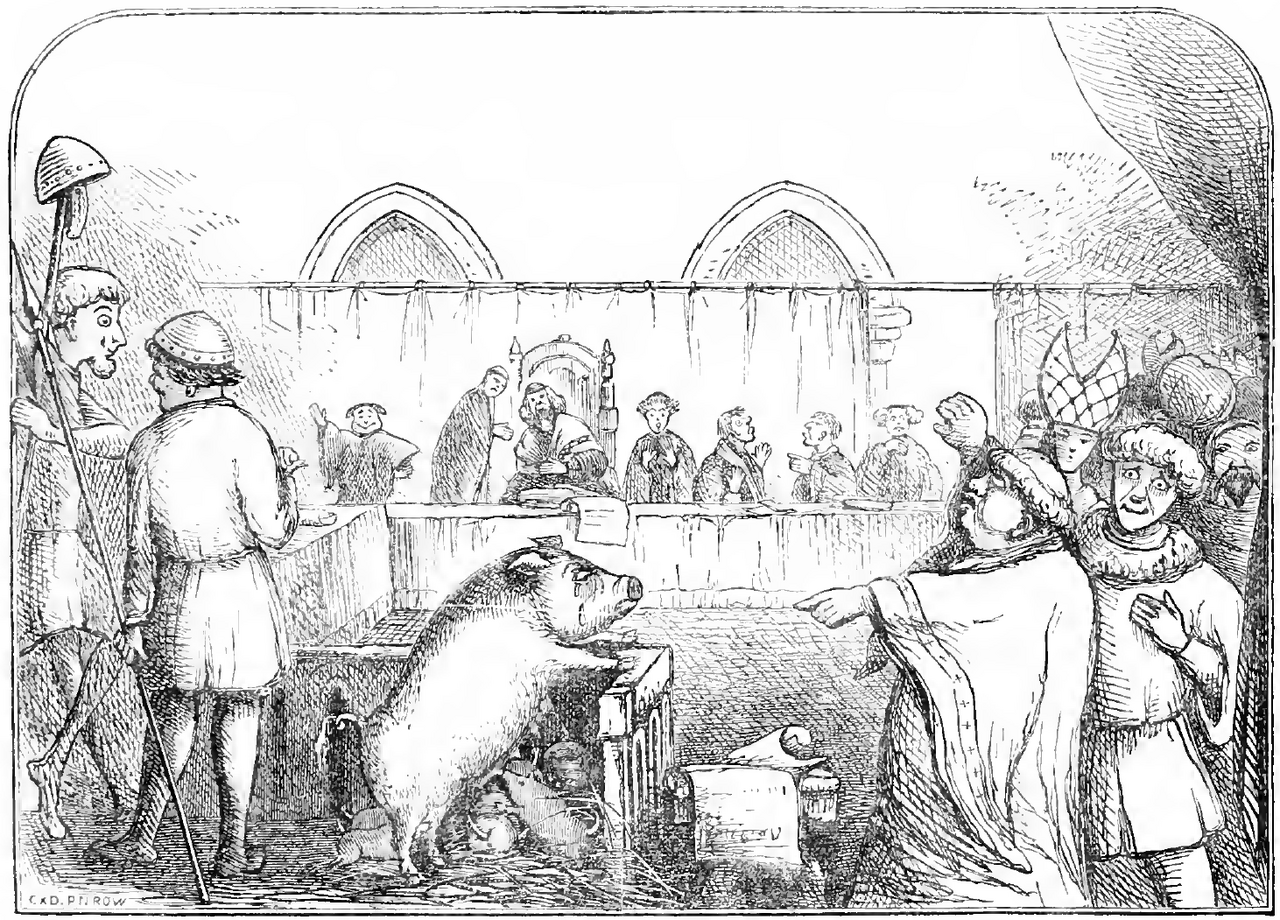
Imagine being summoned for jury duty and realizing the accused isn’t a person at all, but a pig or a swarm of insects. In parts of medieval and early modern Europe, courts sometimes prosecuted animals for what people saw as crimes – things like killing a child, damaging crops, or infesting a village. The animal might be formally charged, assigned a lawyer, and sentenced under human law, as if it could be morally responsible for its behavior. ([medievalists.net](https://www.medievalists.net/2013/02/animals-on-trial/?utm_source=openai)) You might think this was just a handful of bizarre one-off incidents, but historians have documented dozens of such trials over several centuries, especially in France and Switzerland. Sometimes a single pig was tried like a murderer; other times, whole groups of rats or locusts were summoned and symbolically excommunicated by church courts. If this sounds absurd to you, that’s part of the point: these proceedings reveal how strongly people wanted the world to feel morally ordered, even if that meant dragging a rooster or a rat into court. ([publicpast.org](https://publicpast.org/article/animals-on-trial-justice-belief-and-society-in-medieval-europe?utm_source=openai))
3. A River of Molasses Once Tore Through a City

If someone told you a wave of sticky syrup once killed people, you might assume they were joking. But on a cold day in January 1919, a massive storage tank of molasses burst in Boston, sending a dark, sugary wall several meters high crashing through streets at surprising speed. Wooden buildings snapped, horses were drowned, and people were knocked off their feet and trapped as the molasses cooled and thickened around them. ([en.wikipedia.org](https://en.wikipedia.org/wiki/Great_Molasses_Flood?utm_source=openai)) As you picture this, you can almost feel the horror of something so familiar turning deadly. Rescuers had to wade through heavy, clinging syrup, and cleanup crews scraped at hardened molasses for weeks. Even decades later, local residents told stories that on hot days you could still catch a faint smell of sugar in the air. The “Great Molasses Flood” sounds like dark comedy, but when you look closely, it becomes a story about industrial negligence, corporate blame-shifting, and how ordinary people pay the price when safety is treated as optional. ([history.com](https://www.history.com/articles/the-great-molasses-flood-of-1919?utm_source=openai))
4. An Army Once Went to War Against Emus – and Lost
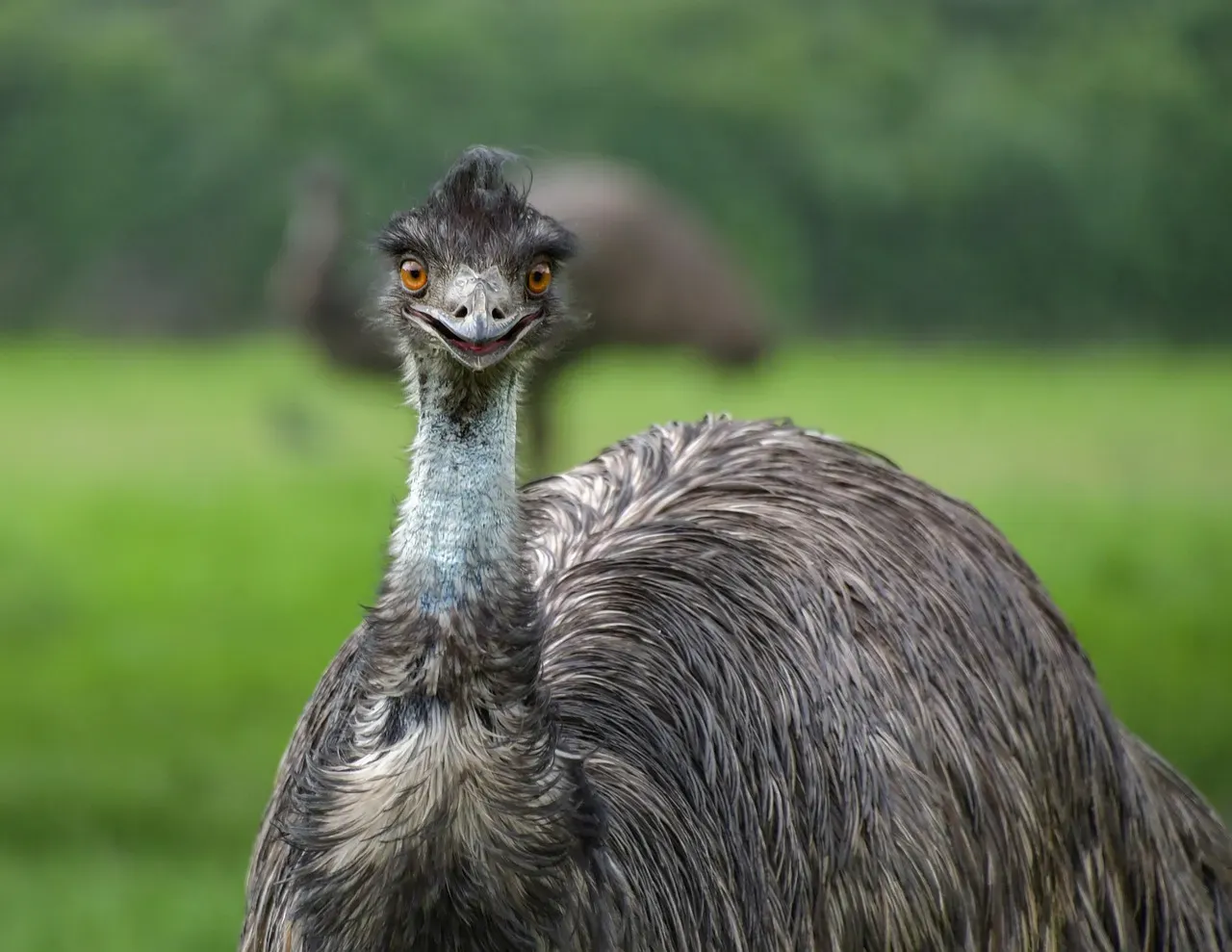
If you ever feel like your plans are going badly, remember that a modern government once sent soldiers with machine guns to fight large birds and still did not really win. In 1932, Australian authorities were desperate to protect wheat farms from huge flocks of emus – tall, fast-running, flightless birds that were trampling crops and chewing through profits. They asked the military to step in, and what followed has gone down in popular memory as the “Emu War.” ([en.wikipedia.org](https://en.wikipedia.org/wiki/Emu_War?utm_source=openai)) When you picture this, you see soldiers riding in trucks, trying to line up shots while the emus scattered and dashed away across open land. The birds turned out to be annoyingly good at surviving: they ran fast, changed direction unpredictably, and scattered into small groups that were hard to track. After several weeks, lots of ammunition, and embarrassing headlines, the military withdrew. You live in a world where the phrase “the emus won” is not just a meme, but an honest summary of a real policy fiasco. ([en.wikipedia.org](https://en.wikipedia.org/wiki/Emu_War?utm_source=openai))
5. People Once Paid Taxes with Salt, Not Just Money

You probably reach for salt without thinking, maybe to season fries or balance a soup. But if you lived in many ancient societies, salt would feel more like a precious commodity than a casual condiment. In the Roman world and elsewhere, salt was so essential for food preservation and health that it sometimes served as a form of payment or tax; its value was tied directly to your ability to store food safely and stay alive through seasons of scarcity. ([arxiv.org](https://arxiv.org/abs/1110.5230?utm_source=openai)) When you remember that meat, fish, and even some vegetables depended on salt for long-term storage, it starts to make sense. Without refrigerators, your survival in winter or on long journeys literally depended on those tiny, stinging crystals. The next time you see a cheap bag of salt at the grocery store, you’re looking at something your ancestors might have guarded like treasure or carefully measured out as part of their obligations to the state.
6. Medieval People Sometimes Sued Insects for Ruining Crops

If you’re a gardener, you know the sinking feeling of watching pests destroy your hard work. But you probably don’t respond by hiring a lawyer to sue them. In late medieval and early modern Europe, though, communities sometimes did exactly that when swarms of insects ravaged vineyards or fields. Legal records describe church-based proceedings in which pests like weevils or locusts were formally warned, symbolically summoned, and even threatened with excommunication if they did not leave. ([rrid.ro](https://www.rrid.ro/index.php/rrid/article/view/51?utm_source=openai)) To you, this might look like pure superstition. Yet if you step into their mindset, it feels more like a desperate attempt to control an unpredictable environment. When your entire livelihood hangs on a harvest and you have no pesticides, any ritual that creates a sense of agency can feel vital. These insect trials straddle a blurry line between law, religion, and theater – part legal drama, part public prayer, built around the hope that the universe can still be persuaded to treat you more gently. ([publicpast.org](https://publicpast.org/article/animals-on-trial-justice-belief-and-society-in-medieval-europe?utm_source=openai))
7. An Ancient Library Survived as a Giant Lump of Charcoal

You probably picture an ancient library as rows of scrolls lining stone shelves – until fire rips through and destroys everything. In the first century, when a volcanic eruption buried the Roman town of Herculaneum, the intense heat carbonized hundreds of papyrus scrolls in one villa, turning them into fragile black cylinders that looked like pieces of charcoal. For a long time, people did not even realize they were looking at a private library, because the scrolls were too delicate to unroll without crumbling. ([arxiv.org](https://arxiv.org/abs/1110.5230?utm_source=openai)) Fast forward to your lifetime, and you now live in a world where artificial intelligence and advanced imaging can help read some of those texts without physically opening them. Researchers use techniques like X-ray scanning and machine learning to tease out ink from inside the carbonized rolls, gradually recovering philosophical works that were thought to be lost forever. That means a family’s private book collection, burned nearly two thousand years ago, is slowly starting to speak again because of tools you might use at work or see mentioned in everyday tech news.
8. A Single Misunderstood Word Helped Create the Myth of Unicorns

When you see unicorns today, you probably think of sparkly notebooks or fantasy novels, not biblical translation issues. Yet one route by which the unicorn entered Western imagination runs straight through an ancient linguistic mix-up. An older Hebrew term for a powerful wild animal – likely a kind of wild bull – was rendered into Greek as a “one-horned” creature, then into Latin as something like “unicorn,” reshaping how people pictured it over time. ([lemonde.fr](https://www.lemonde.fr/en/culture/article/2026/03/13/exploring-unicorns-of-all-kinds-at-the-musee-de-cluny_6751399_30.html?utm_source=openai)) As medieval artists and writers picked up the idea, they wrapped layers of symbolism and storytelling around this misunderstood animal. You get tapestries showing gentle white unicorns laying their heads in the lap of maidens, sermons using the creature as a symbol of purity, and travelers’ tales that casually report seeing unicorns alongside other exotic beasts. All because, centuries earlier, someone made a translation choice that drifted just enough off-course to give you one of the most persistent fantasy animals in history. ([lemonde.fr](https://www.lemonde.fr/en/culture/article/2026/03/13/exploring-unicorns-of-all-kinds-at-the-musee-de-cluny_6751399_30.html?utm_source=openai))
9. Cities Still Honor Medieval Agreements with Sheep and Coins
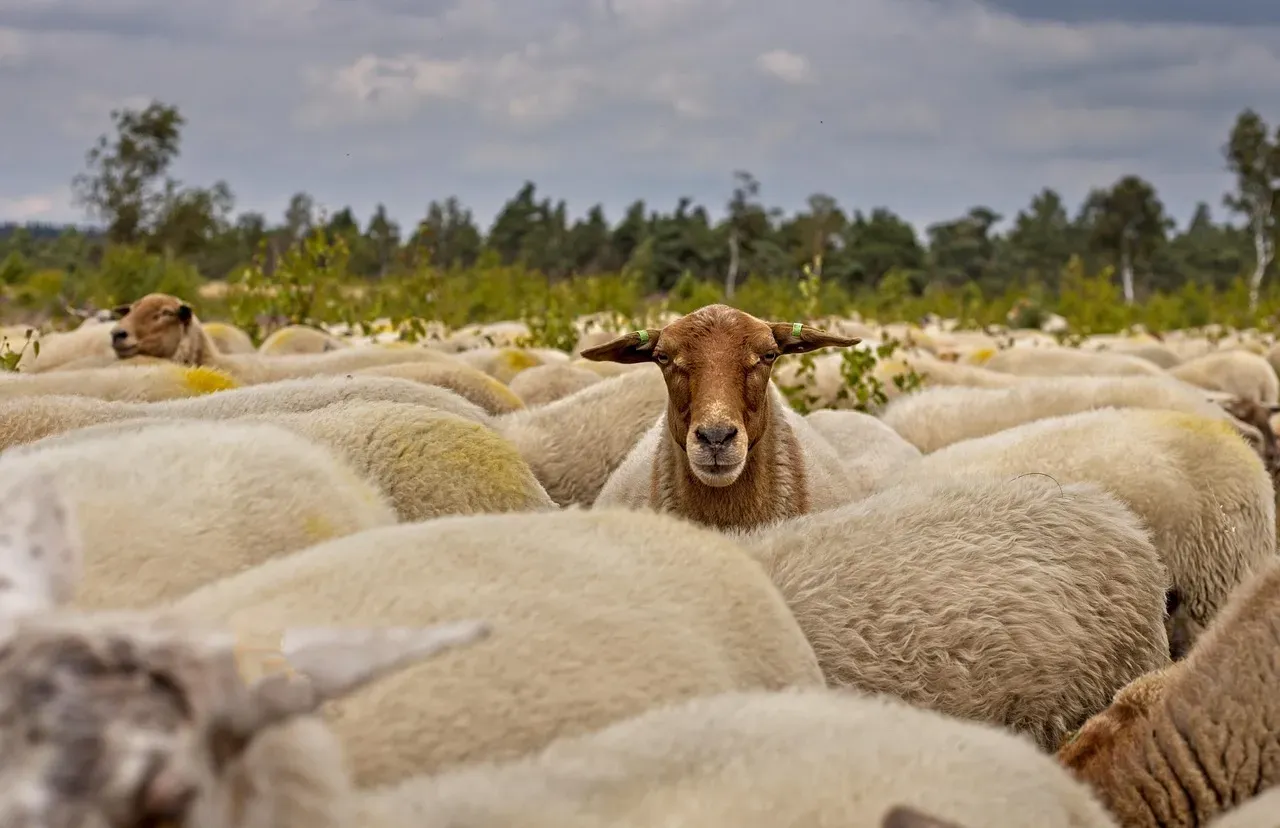
If you stood in central Madrid on a certain autumn day, you might see something that looks like pure spectacle: hundreds or even thousands of sheep being herded through the traffic-choked streets, bells clanging, tourists snapping photos like mad. But you’re actually watching a living echo of a medieval agreement that protected traditional migration routes for shepherds moving their flocks across Spain. As part of a modern festival, representatives still pay a symbolic fee in old-style coins to the city, honoring a deal that dates back centuries. ([apnews.com](https://apnews.com/article/09a45dcdacece508efec5f00f5eaadc2?utm_source=openai)) To you, this is a reminder that city streets were once animal paths long before they became lanes for cars and buses. Concrete, glass, and steel might give the impression that everything old has been erased, but customs like this drag the past into the present in the most literal way possible – by marching hooves right past office buildings. You end up seeing that “history” is not always locked in museums; sometimes it is bleating loudly outside your café window, demanding the right to pass. ([apnews.com](https://apnews.com/article/09a45dcdacece508efec5f00f5eaadc2?utm_source=openai))
10. Even Death in Ancient Rome Could Leave Fingerprints You Can Still See
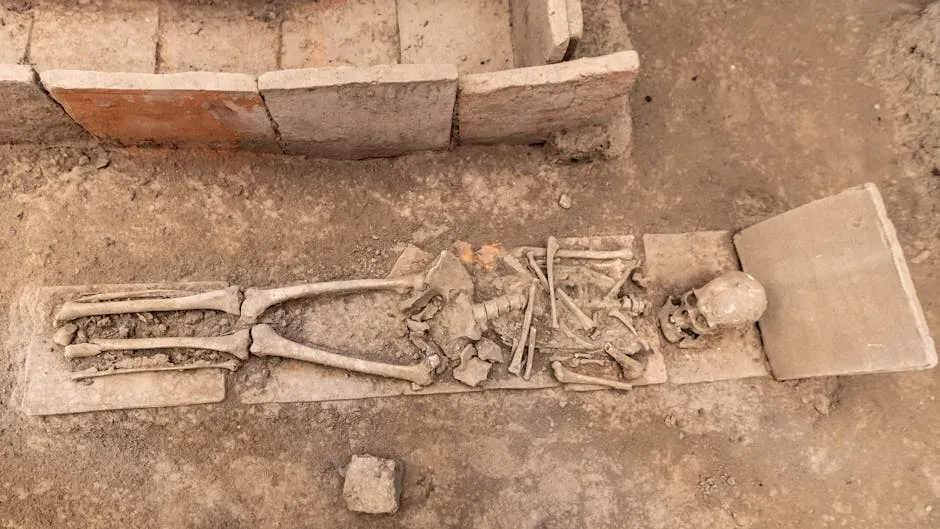
When you think about Roman burials, you might picture stone sarcophagi, carved epitaphs, or maybe scattered bones in a museum display. Recent research from Roman Britain, though, has shown that sometimes the burial process left traces so intimate you can almost feel the hands involved. In some graves, archaeologists have found bodies covered in a kind of gypsum-based plaster casing, and on a few of these, faint fingerprints and hand marks from the people who applied the paste are still visible nearly eighteen hundred years later. ([livescience.com](https://www.livescience.com/archaeology/romans/they-had-not-been-seen-ever-before-romans-made-liquid-gypsum-paste-and-smeared-it-over-the-dead-before-burial-leaving-fingerprints-behind-new-research-finds?utm_source=openai)) If you lean in mentally, you realize you’re not just looking at a generic “Roman funeral practice,” but at the literal touch of individuals who once lived, grieved, and worked. Someone mixed the paste, someone smoothed it over a loved one’s face, and their fingers pressed just hard enough to leave marks that survived volcanic activity, soil pressure, and time. It is strange to know that while your own fingerprints fade quickly from a window or a phone screen, theirs managed to travel across almost two millennia to meet you. ([livescience.com](https://www.livescience.com/archaeology/romans/they-had-not-been-seen-ever-before-romans-made-liquid-gypsum-paste-and-smeared-it-over-the-dead-before-burial-leaving-fingerprints-behind-new-research-finds?utm_source=openai))
Conclusion: The Past Is Far Stranger – and Closer – Than You Think
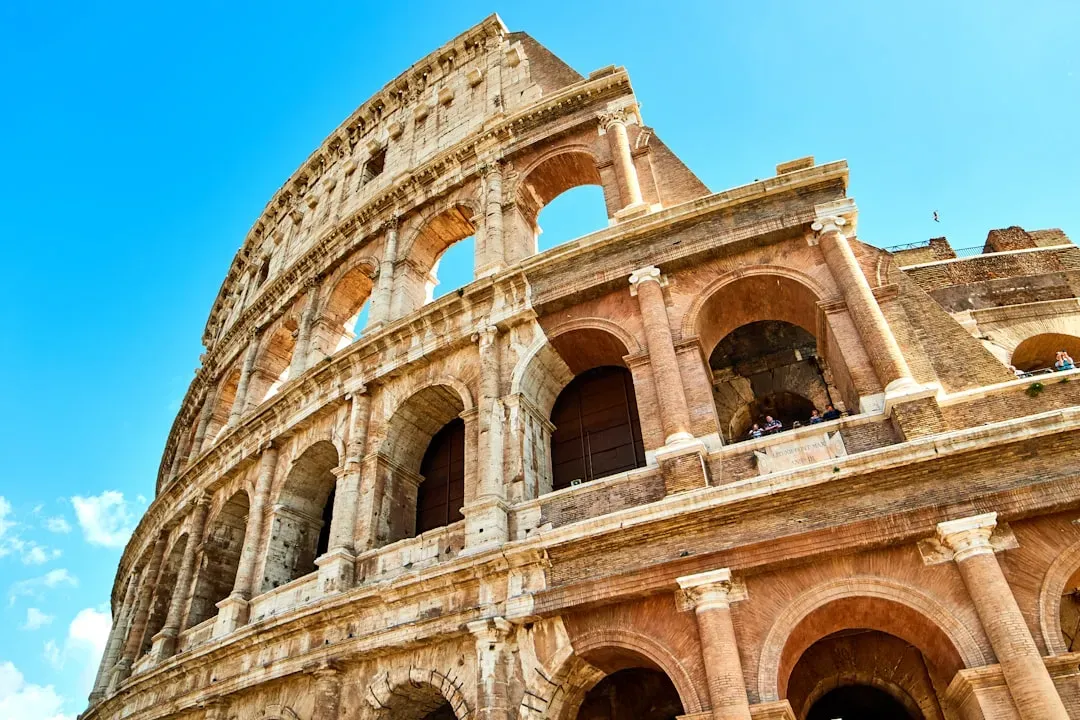
As you sit with these stories, you start to feel how misleading the neat timelines in textbooks can be. History is not just a list of kings and wars; it is animal defendants, self-healing buildings, syrup floods, mistranslated monsters, and fingerprints preserved in plaster. Once you let yourself notice details like these, the past stops being a distant, grey backdrop and starts to look more like a crowded, noisy room you’ve just walked into. You may never face an emu invasion or stand ankle-deep in runaway molasses, but you do live in the same long story that produced those moments. The same impulses – to seek justice, to preserve food, to make meaning from disaster, to believe in something slightly magical – run through your world too, just dressed in different clothes. The next time you pass a crumbling sidewalk, hear about a strange law, or see a unicorn on a notebook, will you wonder what secret history is hiding underneath it?