
You walk down a busy street, glance at the traffic lights, the coffee shops, the apartment blocks – and never guess that just a few meters below your feet, another city sleeps. Not a metaphorical one, but a literal ghost of stone streets, water channels, tombs, and temples that once held entire civilizations together. If you could peel back the asphalt like a carpet, you’d suddenly be face to face with people who lived, traded, worshipped, and worried in those same spots thousands of years before you. What makes these hidden worlds so gripping is how ordinary life keeps rolling along above them. You might be buying pizza in Naples with a Roman market under the floor, or catching a subway in Mexico City above an Aztec ceremonial center. As you explore these seven discoveries, imagine you are not just learning history, but visiting two cities at once every time you step outside: the one you see, and the one still buried underneath, quietly refusing to be forgotten.
1. The Greek and Roman Neapolis Beneath Modern Naples
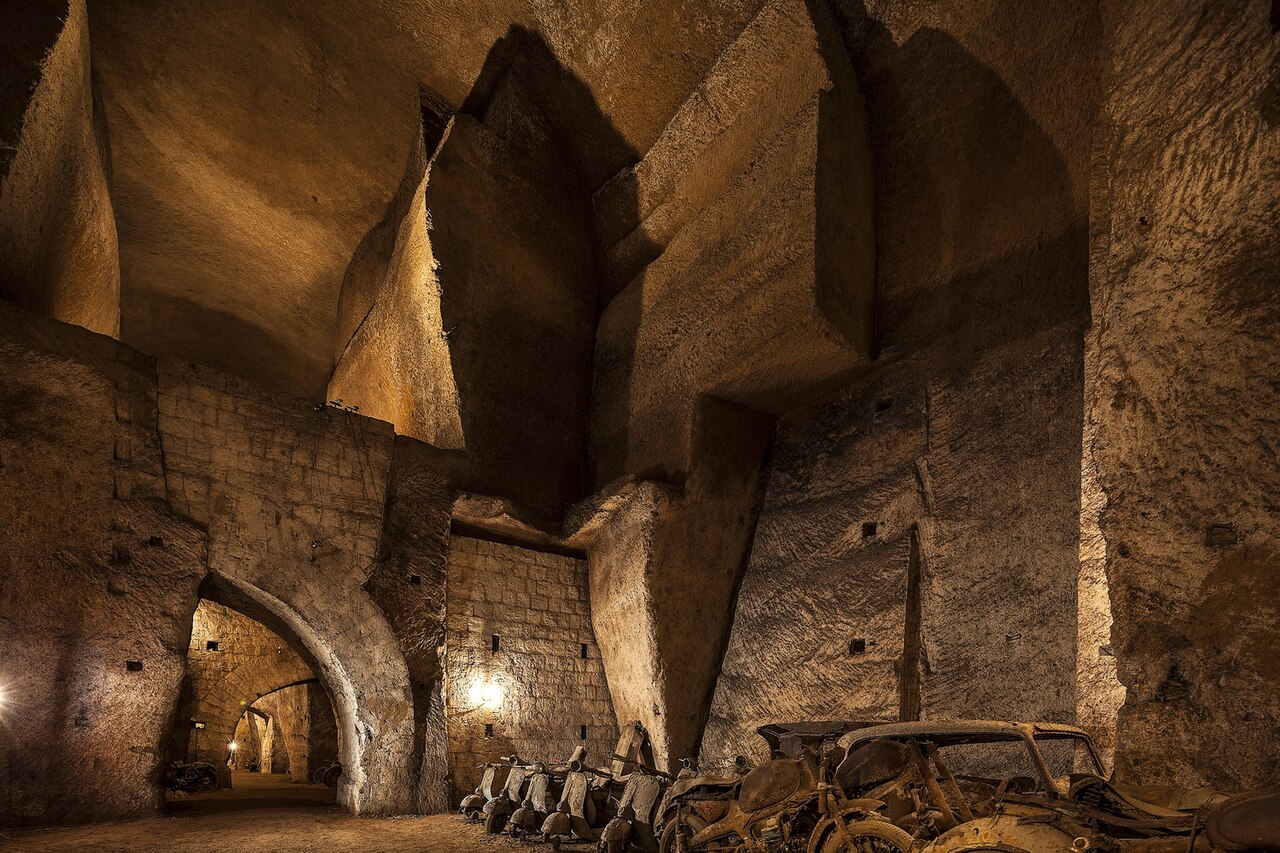
When you stroll through the chaotic, noisy streets of Naples, you’re actually walking over one of Europe’s deepest archaeological sandwiches. Beneath the scooters, shouting vendors, and hanging laundry lies a vast network of tunnels, cisterns, quarries, catacombs, and full-blown streets carved into soft volcanic tuff, stretching for hundreds of kilometers under the modern city. You can descend from a normal doorway and suddenly find yourself in an ancient Greek quarry, then a Roman aqueduct, then a World War II bomb shelter, all stacked on top of each other like layers of lasagna.
If you head to the area around the Basilica of San Lorenzo Maggiore in the historic center, you can actually walk through the preserved remains of the Roman market of Neapolis, with its stone shop fronts and streets still in place under the church. A few alleys away, you can duck into a typical ground-floor Neapolitan apartment, lift a trapdoor under a bed, and discover the remains of a Roman theater where emperors once attended performances. You are not just visiting ruins; you are stepping between two active neighborhoods – one of the living, one of the long-dead – separated by only a few meters of stone.
2. Tenochtitlan’s Sacred Heart Below Modern Mexico City
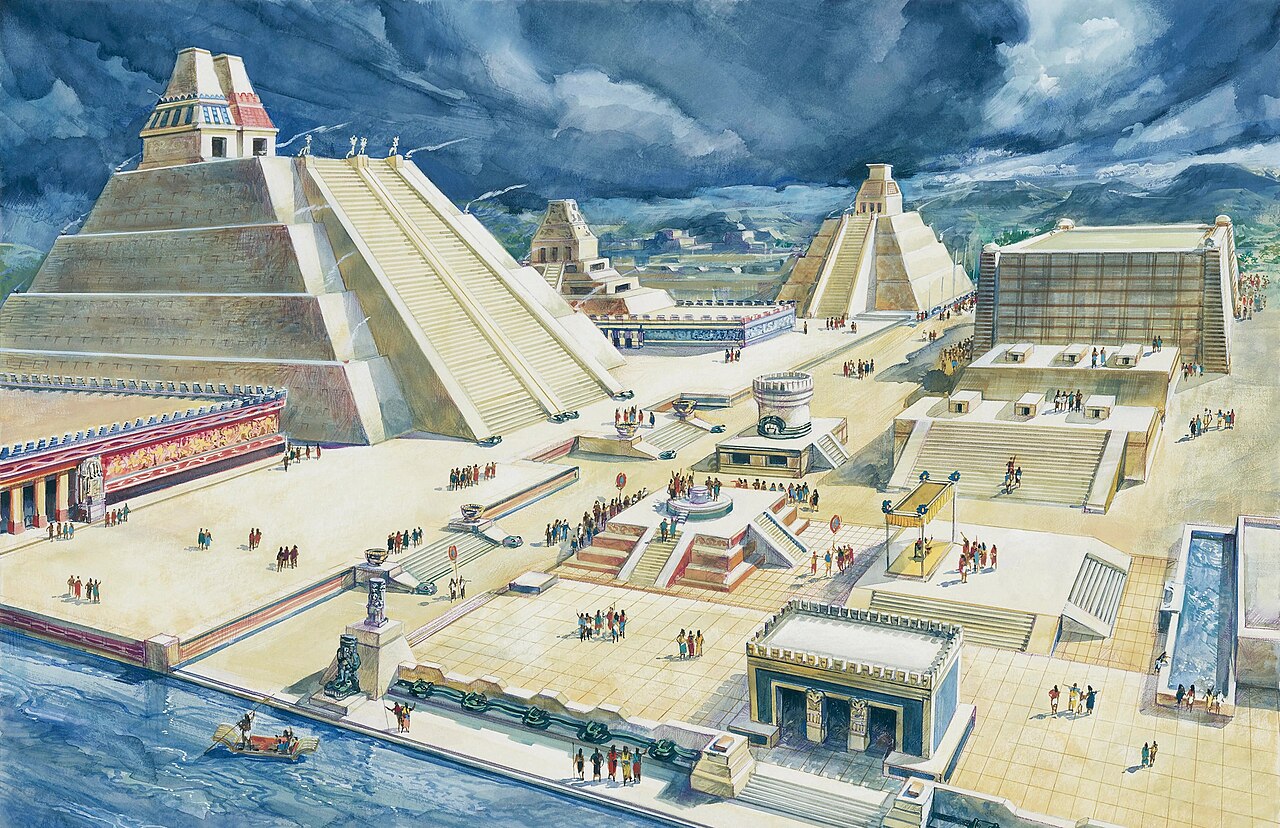
As you weave through the traffic and high-rises of Mexico City’s historic center, it can be hard to imagine that you are standing on what was once a shimmering island city of causeways and canals. Under the pavement near the main square, the Zócalo, lie the remains of Tenochtitlan, the Aztec capital that stunned Spanish newcomers with its scale and sophistication. Today, when you visit the Templo Mayor archaeological site, you are basically peering into the spiritual core of that lost city while the modern capital roars around it on all sides.
Archaeologists have uncovered temples, offerings, sculptures, and ritual deposits right beneath modern buildings, and work still continues as new construction exposes more of the old city. You can stand on a viewing platform, look down at stepped pyramids and ceremonial platforms, then turn and see colonial-era churches and glass façades towering behind you. In that moment, you realize you’re seeing three cities at once: the Aztec ceremonial precinct below, the Spanish colonial architecture in the middle, and twenty-first-century Mexico City framing it all around you.
3. A Hidden Tunnel Under Teotihuacan’s Pyramid of the Feathered Serpent
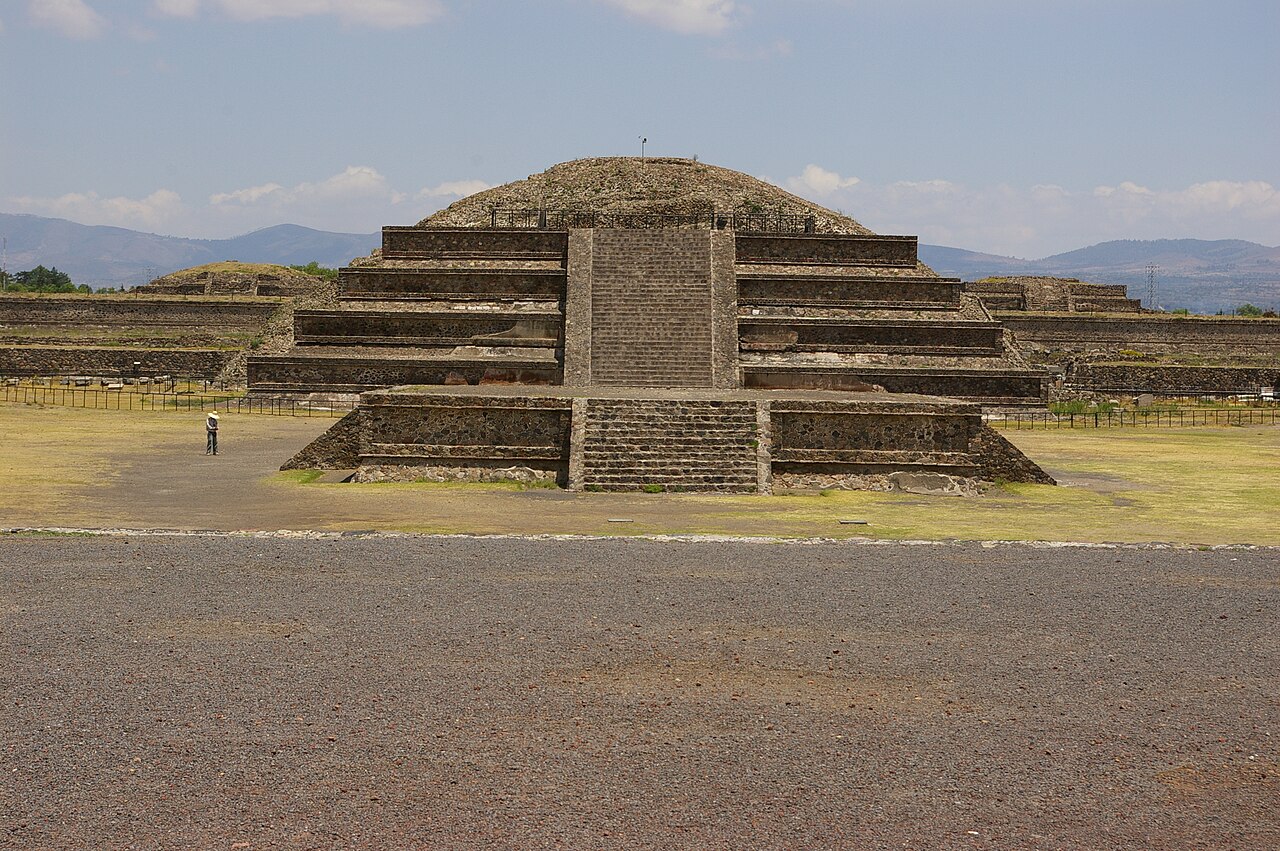
Even if you already know Teotihuacan as a monumental ruin outside modern Mexico City, you might not realize that one of its strangest secrets was only discovered in the twenty-first century deep below the surface. At the Temple of the Feathered Serpent, the third-largest pyramid at the site, heavy rains helped reveal a perfectly cylindrical shaft that led to a long, sealed tunnel running straight toward the heart of the pyramid. When researchers sent in robots and then descended themselves, they found a subterranean world filled with offerings, sculptures, and even traces of substances like liquid mercury that might have been used to create an underworld-like, shimmering landscape.
Today, when you climb the broad avenues or stand before the carved serpent heads on the façade, you’re looking at only half the story; the rest remains underground in carefully excavated galleries that once may have symbolized an entrance to the realm of gods and ancestors. You, as a visitor, see a ceremonial city in ruins, but the people who built it put just as much meaning into what lay beneath, shaping tunnels and chambers to mirror the heavens and the cosmos. It is a reminder that ancient engineers were not just building upward for spectacle; they were digging downward to map the invisible worlds they believed lay under your feet.
4. The Hellenistic and Roman Layers Beneath Modern Alexandria
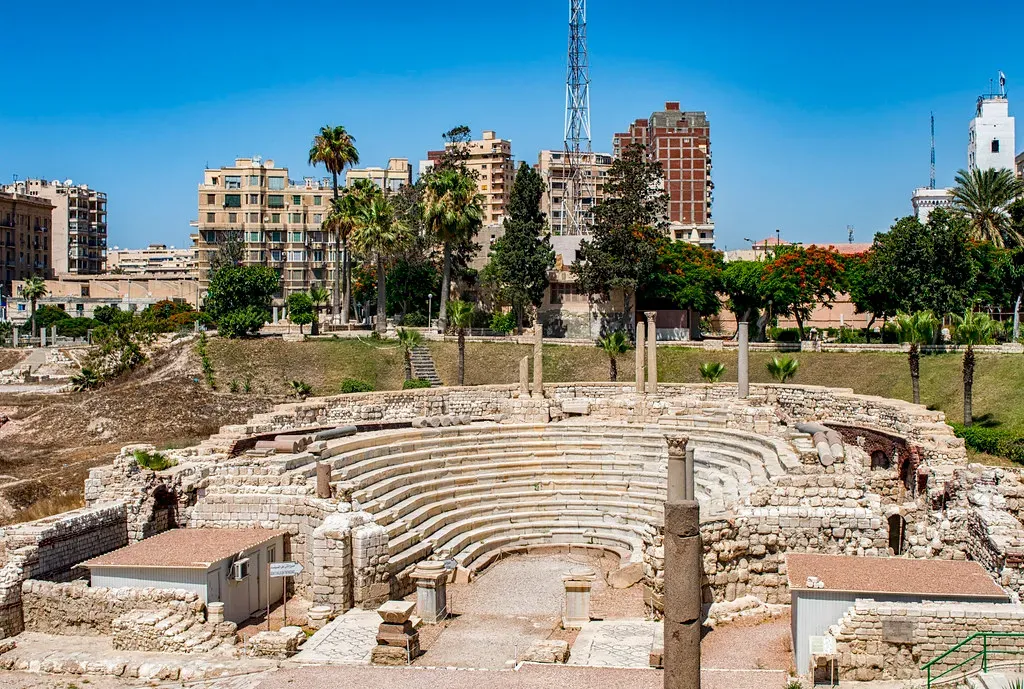
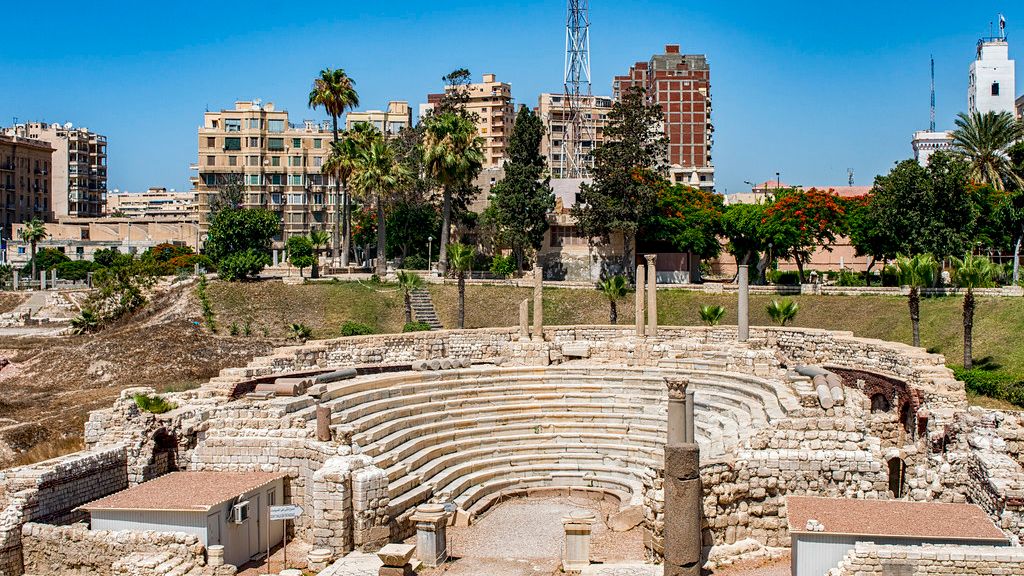
When you picture Alexandria in Egypt today, you might imagine crowded waterfronts, container ships on the horizon, and concrete apartment blocks stretching inland. Yet beneath this modern Mediterranean port, fragments of the fabled Hellenistic city founded by Alexander the Great still survive, quietly embedded in courtyards, basements, and offshore shallows. As you explore, you might not see a single intact classical boulevard, but you can descend into underground catacombs, stand in front of re-used columns, or even dive to see submerged statuary that once decorated palaces and temples along an ancient shoreline.
In some parts of the city, construction crews constantly bump into carved stones, foundations, or burial chambers dating back to when Alexandria was a global center of learning and trade. You experience this history in pieces rather than in one grand reveal: a Ptolemaic tomb here, a Roman theater there, a few blocks from a modern café or tram stop. Instead of a preserved “ancient city” under glass, you’re dealing with a living, shifting urban fabric where the past is literally built into the walls and sidewalks that guide your daily walk.
5. Roman Londinium Beneath the Financial Heart of London
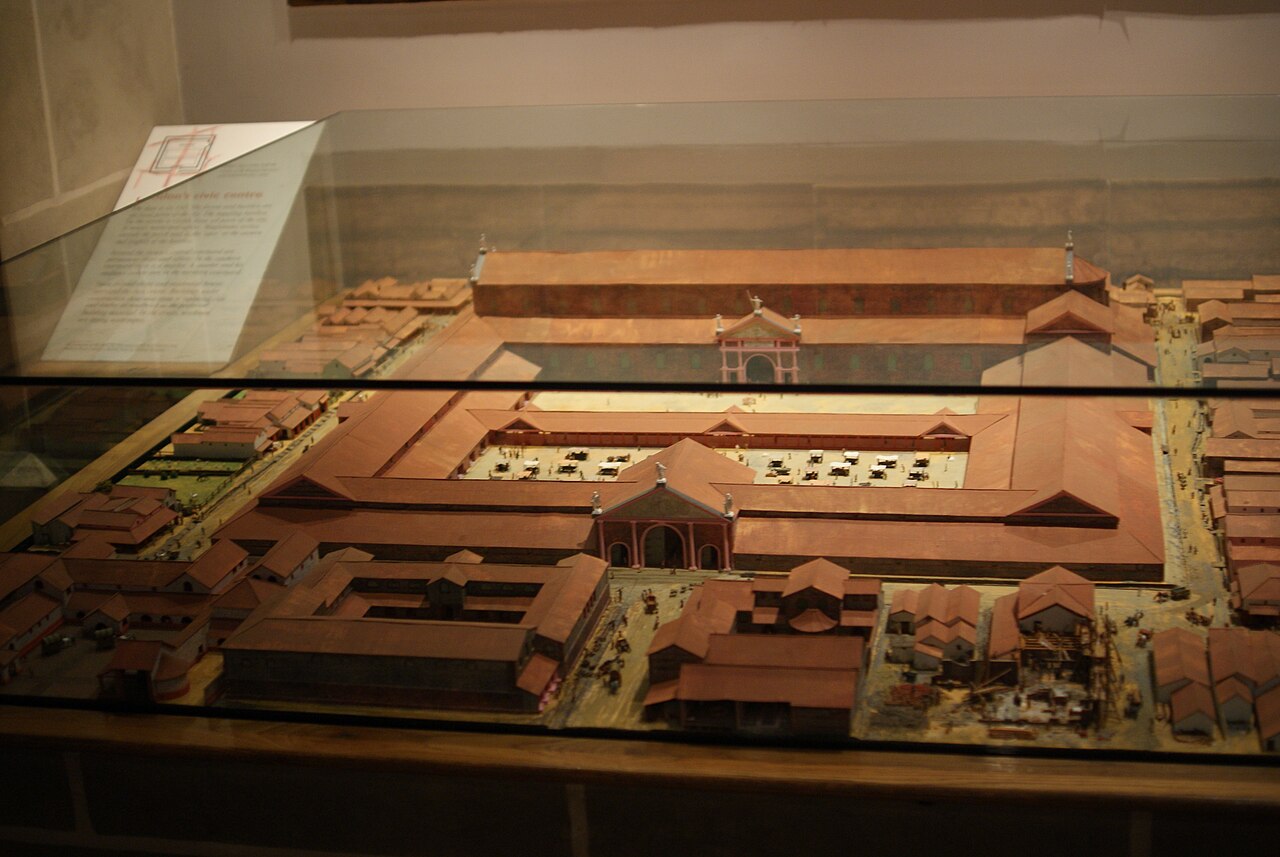
If you spend time in London’s financial district, the City, you might think of glass towers, trading floors, and polished lobbies first. But under those skyscrapers lies Londinium, the Roman settlement that anchored imperial power on the River Thames nearly two thousand years ago. As you walk between offices and Underground entrances, you are following streets that often echo the lines of Roman roads, and under some of those routes, archaeologists have found wooden structures, leather shoes, writing tablets, and even entire riverside warehouses preserved in the damp soil.
You can visit parts of the old Roman city wall, duck into an underground space to see the remains of a temple to the god Mithras, or explore museum displays filled with artifacts that were dug up during construction of basements and train lines. Each time a new building project goes ahead, teams are called in to record the older city beneath before the foundations lock everything in place again. You might not think about it when you rush for a meeting, but your footsteps are tracing a map that Romans, medieval merchants, and Victorian dockworkers all knew in their own way.
6. Roman Lutetia Beneath the Boulevards of Paris
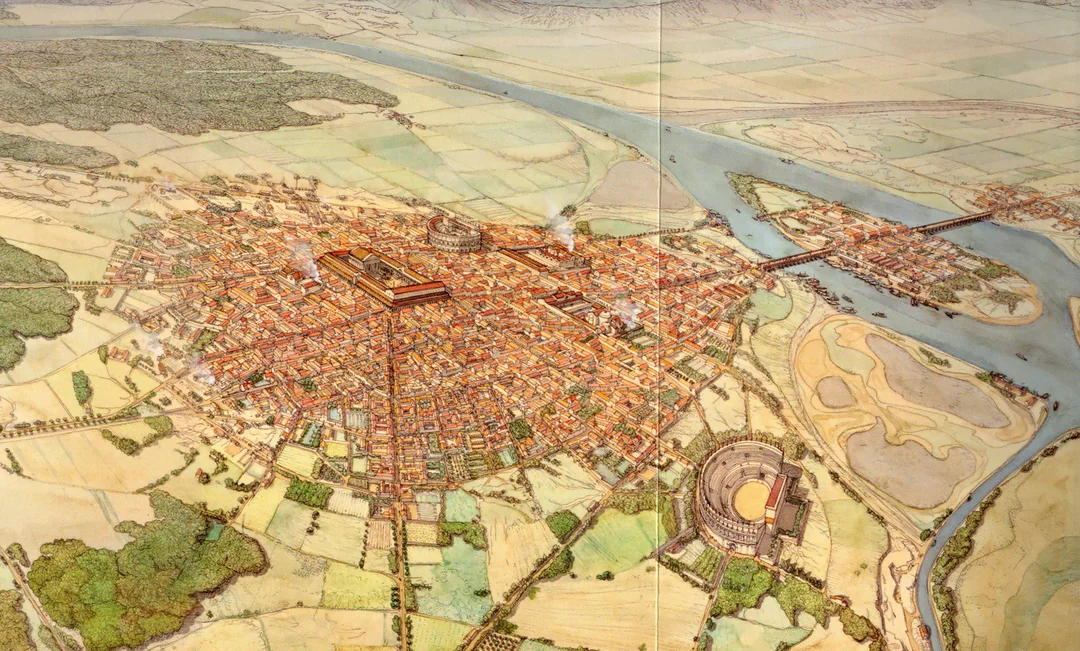
Paris feels endlessly modern with its cafés, fashion, and busy metro lines, yet the capital you know sits on top of a Roman town once called Lutetia. When you wander the Latin Quarter, you are actually crossing part of that ancient settlement, and if you duck into certain side streets, you can visit the remains of a Roman amphitheater tucked between apartment buildings. Down in the city’s famous catacombs and other underground spaces, you are moving through quarried stone that has been feeding Parisian construction since antiquity, a reminder that the city literally built itself out of the rock under its own foundations.
During big infrastructure works and metro expansions, archaeologists keep finding streets, houses, and cemeteries from the Roman and medieval eras, frozen in the layers beneath the boulevards laid out in the nineteenth century. When you sit at a terrace sipping coffee, you are probably within a short walk of some underground chamber or excavation trench where earlier Parisians once cooked, traded, or buried their dead. The romance of Paris may feel all about the present, but the ground beneath your chair is a palimpsest of lives stretching back nearly two thousand years.
7. Ancient Chang’an Under the Modern Sprawl of Xi’an
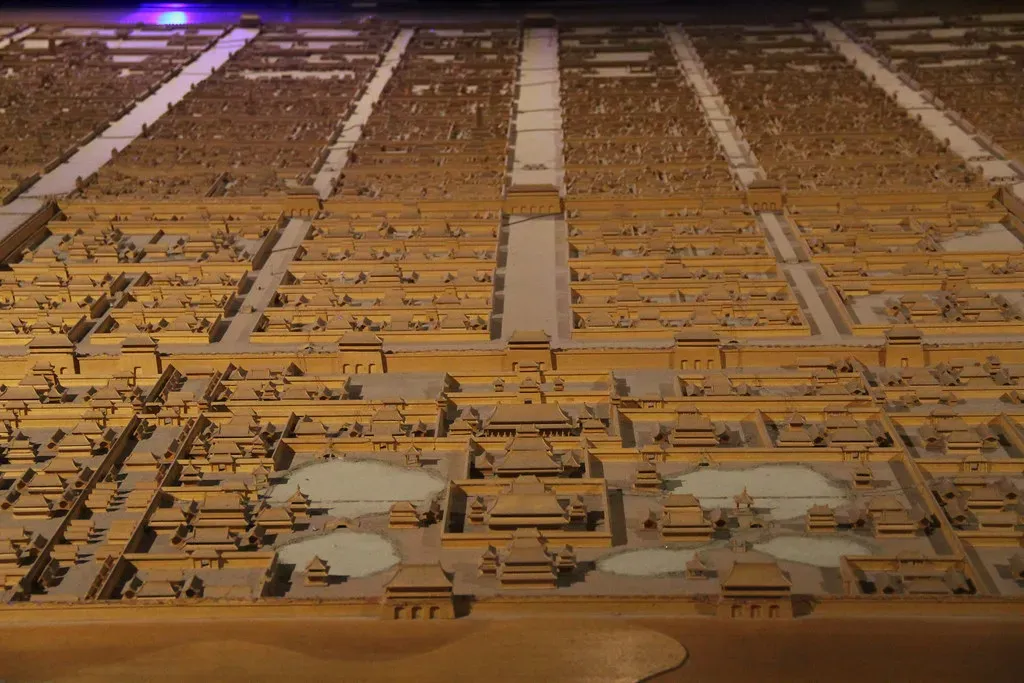
In Xi’an, China, neon-lit night markets, high-speed trains, and tech parks might grab your attention first, but they are layered over the footprints of one of the most important cities in ancient Eurasia: Chang’an. For centuries, this was the capital of Chinese dynasties and a key terminus of the Silk Road, a place where caravans, scholars, and envoys from as far away as Central Asia converged. Today, as you walk or bike along the massive Ming-era city walls and look down at the gridded streets, you are tracing lines that echo imperial avenues and palace districts buried within and beyond the modern urban core.
When metro digging or urban development projects cut into new ground around Xi’an, they regularly reveal tombs, foundations, and artifacts from earlier capitals that once sprawled even larger than the city center you see now. You might take a taxi past high-rises without realizing that just outside the built-up area, archaeologists are working in quiet fields that overlay imperial complexes, gardens, and residential neighborhoods from more than a thousand years ago. In Xi’an, the feeling that you are inhabiting the shadow of a former world capital is never far away, even if most of that world remains just out of sight beneath your feet.
Conclusion: Walking Two Cities at Once
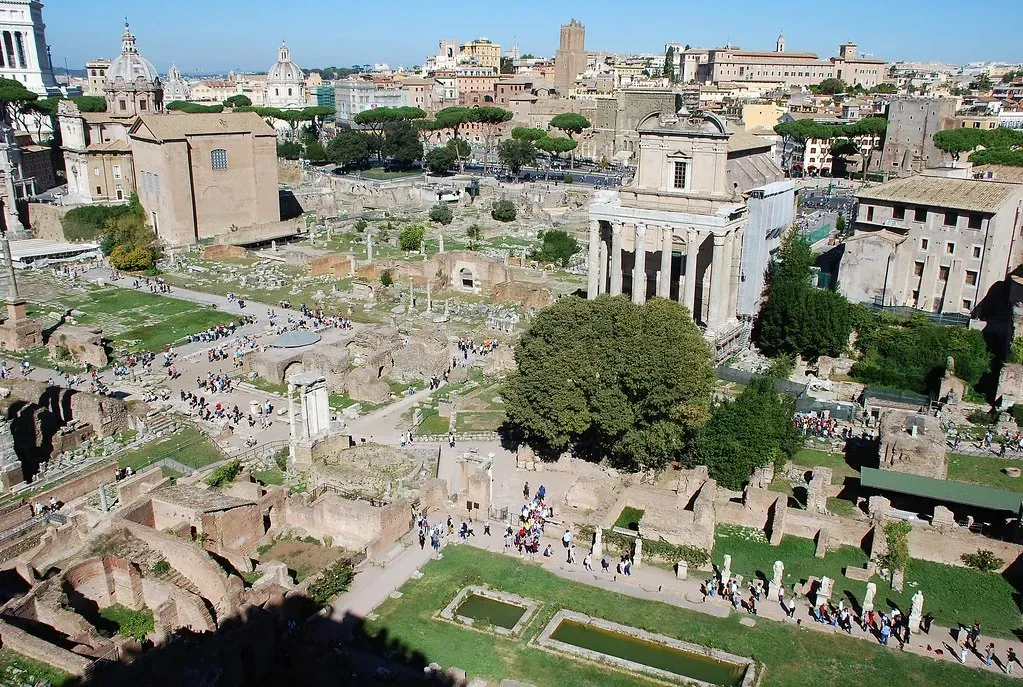
Once you realize how many balance on the shoulders of older ones, it changes how you move through them. A manhole cover stops being just part of the street and starts to look like a potential doorway; a routine construction site becomes a place where an amphitheater, market stall, or ritual tunnel might suddenly emerge. You begin to understand that the present is not cleanly separate from the past, but laid right on top of it like a fresh coat of paint on a very old wall.
As you travel, you can choose to keep that extra layer switched on in your mind, imagining where ancient streets ran, which walls stood higher than your apartment building, and where entire communities lived and vanished beneath your usual walking routes. Even if you never climb down into a tunnel or catacomb, just knowing those hidden cities exist changes your relationship with the ground you stand on. Next time you cross a busy square or wait at a traffic light, will you picture the buried footsteps that once crossed that same spot long before you ever arrived?