If you think modern medicine has all the best ideas, history will happily prove you wrong. Long before MRI scans, antibiotics, and robotic surgery, ancient healers were experimenting on battlefields, in temples, and in cramped homes lit by firelight – and some of what they discovered still shapes how we treat disease today.
Many of these practices sound almost unbelievable when you first hear about them: brain surgeries without anesthesia, antiseptic techniques thousands of years before bacteria were officially discovered, and medical textbooks that read like early versions of clinical guidelines. And yet, buried in papyrus scrolls, carved into stone, or preserved in clay tablets, the evidence is still there, quietly challenging our assumptions about what “primitive” medicine looked like.
Ancient Egypt: Surgical Manuals and Surprising Precision
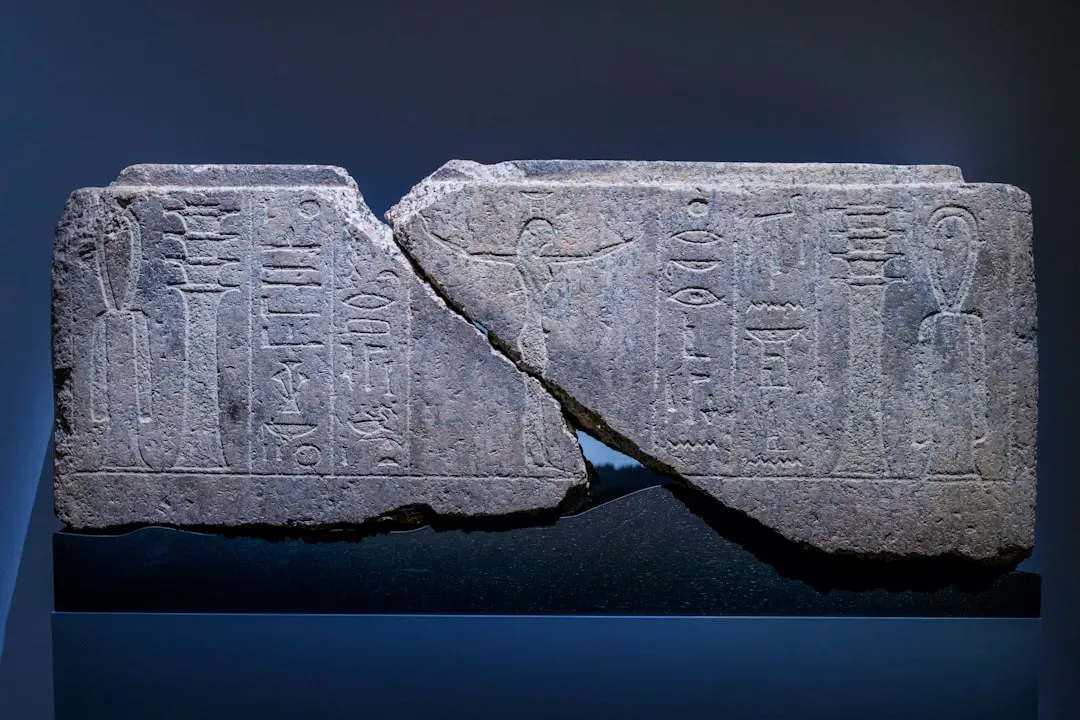
Imagine a physician in ancient Egypt carefully examining a head wound and writing down the symptoms, the likely outcome, and the recommended treatment – that’s not a fantasy; it is essentially what the Edwin Smith Papyrus describes. Dating back to around the second millennium BCE, this text lays out dozens of cases in a structure that feels startlingly modern: observation, diagnosis, prognosis, and management. Rather than relying only on magic, these Egyptian healers systematically recorded trauma cases, especially head and spinal injuries, and sometimes even decided when a case was hopeless and further intervention would do more harm than good.
They also practiced what we’d now call minor surgery, including suturing wounds, setting fractures with splints, and draining abscesses. Honey and resins were applied to wounds, which we now know have antibacterial properties that help prevent infection. Linen bandages, careful cleaning, and plant-based ointments created something surprisingly close to an early antiseptic dressing. While they absolutely intertwined medicine with religion and spells, the combination of observational rigor and practical technique makes their surgical approach feel much less like guesswork and a lot more like the early roots of evidence-based care.
Mesopotamia: The First Recorded Prescriptions and Diagnostics
In ancient Mesopotamia, long before the idea of a pharmacy ever existed, healers were already carving multi-step drug recipes into clay tablets. These texts list ingredients such as oils, resins, beer, and plant extracts, combined and prepared into ointments, suppositories, and washes. What stands out is how methodical some of these prescriptions are: they specify dose, route, and timing in a way that echoes the structure of modern prescriptions, even if they also included incantations and appeals to the gods alongside the medication.
Mesopotamian healers also showed a surprisingly analytical side in how they approached diagnosis. They paid careful attention to patterns of symptoms, observing things like changes in skin color, pulse quality, urine, and fever patterns to determine what was wrong. This observational style helped distinguish between different illnesses, such as respiratory conditions, gastrointestinal problems, and neurological disorders. While their explanations often invoked supernatural causes, the underlying habit of systematic observation and documentation planted the seeds for the diagnostic reasoning doctors now use every single day.
Ancient India: Ayurveda, Surgery, and Plastic Reconstruction
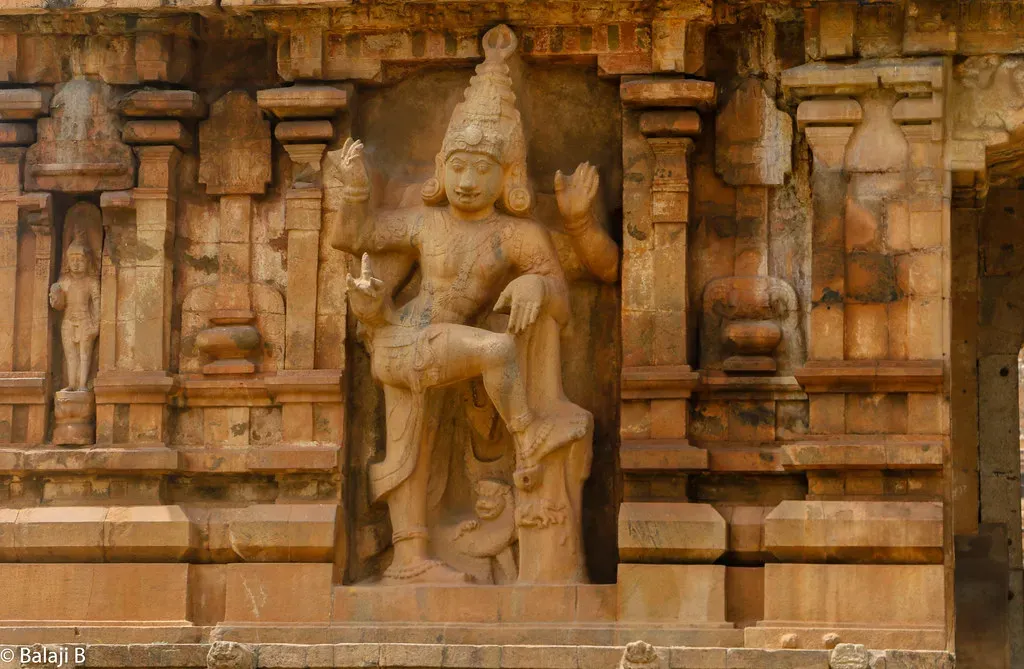
Ancient India’s Ayurvedic tradition did far more than recommend herbal teas and massages. Texts like the Sushruta Samhita, compiled many centuries BCE, describe detailed surgical techniques, including operations on the eyes, ears, and nose. One of the most astonishing achievements is early plastic surgery: physicians developed a forehead flap technique to reconstruct noses that had been cut off as punishment or in battle. This method, where a piece of skin from the forehead is rotated down to form a new nose, is conceptually similar to reconstructive procedures still used in modern plastic surgery.
Ayurveda also offered a holistic framework that feels surprisingly current: it emphasized diet, lifestyle, sleep, and emotional balance as key to preventing illness. Healers categorized personality types and body constitutions and tailored treatments to the individual, not just the disease. They used hundreds of plant-based formulations, many of which contained ingredients still studied today for anti-inflammatory, antimicrobial, or digestive effects. Even if not every theory maps perfectly onto modern physiology, the insistence on prevention, individualized care, and the integration of mental and physical health resonates strongly with what many people now seek in integrative and functional medicine.
Ancient China: Acupuncture, Pulse Diagnosis, and System Thinking

In ancient China, physicians were less interested in single organs and more focused on how the entire body’s systems interacted. This systems-based view crystallized in practices like acupuncture, where thin needles are inserted along pathways called meridians to influence the flow of qi, or vital energy. While the language of qi and meridians doesn’t align perfectly with current anatomy, research in recent decades has shown that acupuncture can influence pain pathways, release endorphins, and modulate the nervous system, making it a recognized option for certain pain and nausea conditions.
Chinese physicians also developed a refined art of pulse diagnosis, feeling different points along the wrist and noting qualities such as depth, speed, and strength. To them, each variation corresponded to a pattern of imbalance in organs or systems, and it guided the choice of herbs and acupuncture points. Herbal medicine in this tradition relied on complex formulas instead of single plants, blending ingredients for synergy and safety. Although modern medicine tests specific active compounds rather than entire formulas, the idea that health is about dynamic balance and that many chronic issues reflect system-wide disturbances remains a powerful, and surprisingly forward-looking, concept.
Ancient Greece: Rational Medicine and Clinical Observation
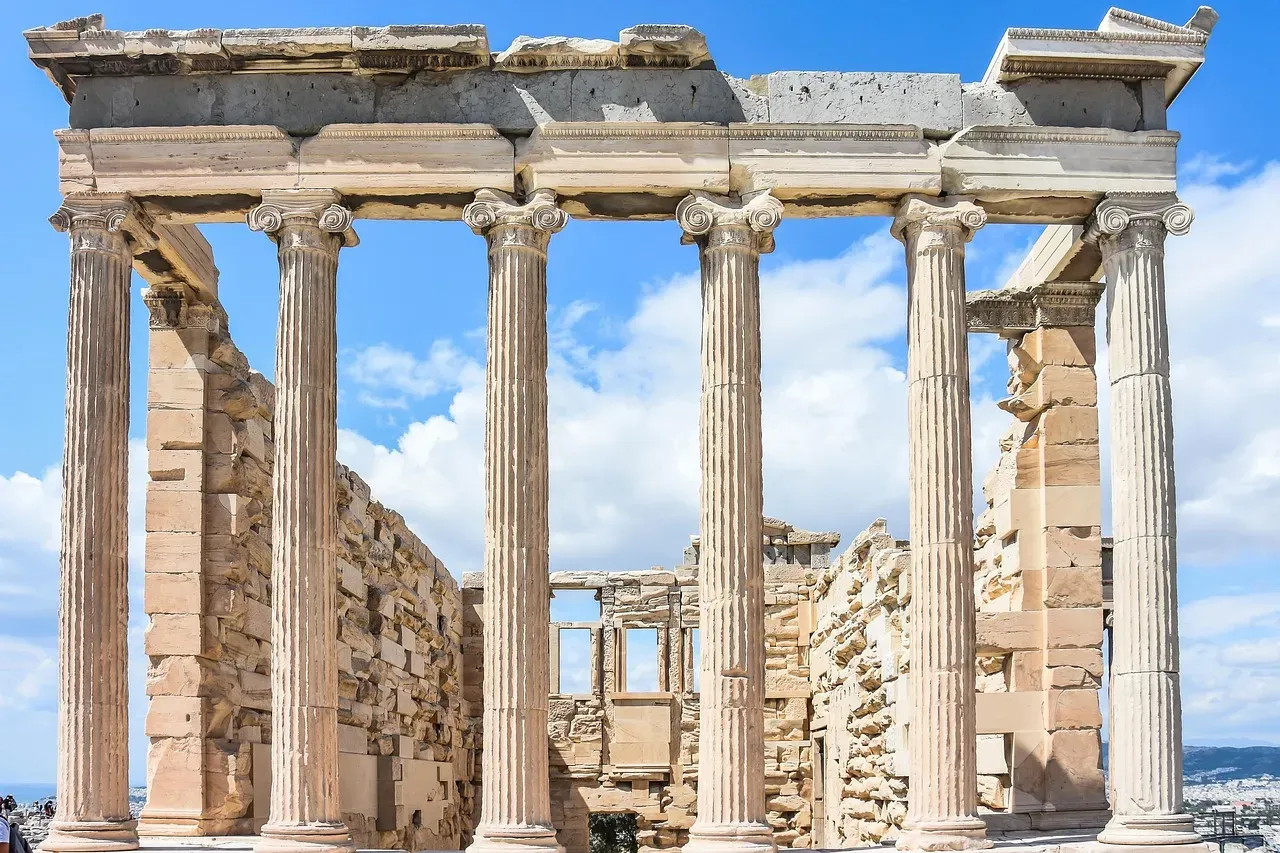
Ancient Greek medicine is often remembered for shifting explanations of disease away from pure divine punishment and toward natural causes. Greek physicians carefully documented symptoms and disease courses, paying attention to season, environment, diet, and lifestyle. The idea that a doctor should first observe, listen, and then reason their way toward a diagnosis became central, and you can still feel that legacy every time a physician takes a detailed history before ordering tests. Rather than relying solely on dramatic interventions, they emphasized rest, diet, and physical activity as core tools for restoring balance.
Greek medicine also introduced ethical and professional ideas that feel incredibly current, including expectations that physicians should avoid unnecessary harm and respect the vulnerability of the sick. Their theories of bodily humors are outdated, but the underlying method – watching how the body reacts over time, tracking patterns across many patients, and adjusting care based on experience – laid a foundation that modern clinical practice builds on. Even their focus on environmental factors, like air quality and water sources, foreshadowed the way public health now connects place, pollution, and disease.
Ancient Rome: Public Health, Hospitals, and Battlefield Medicine
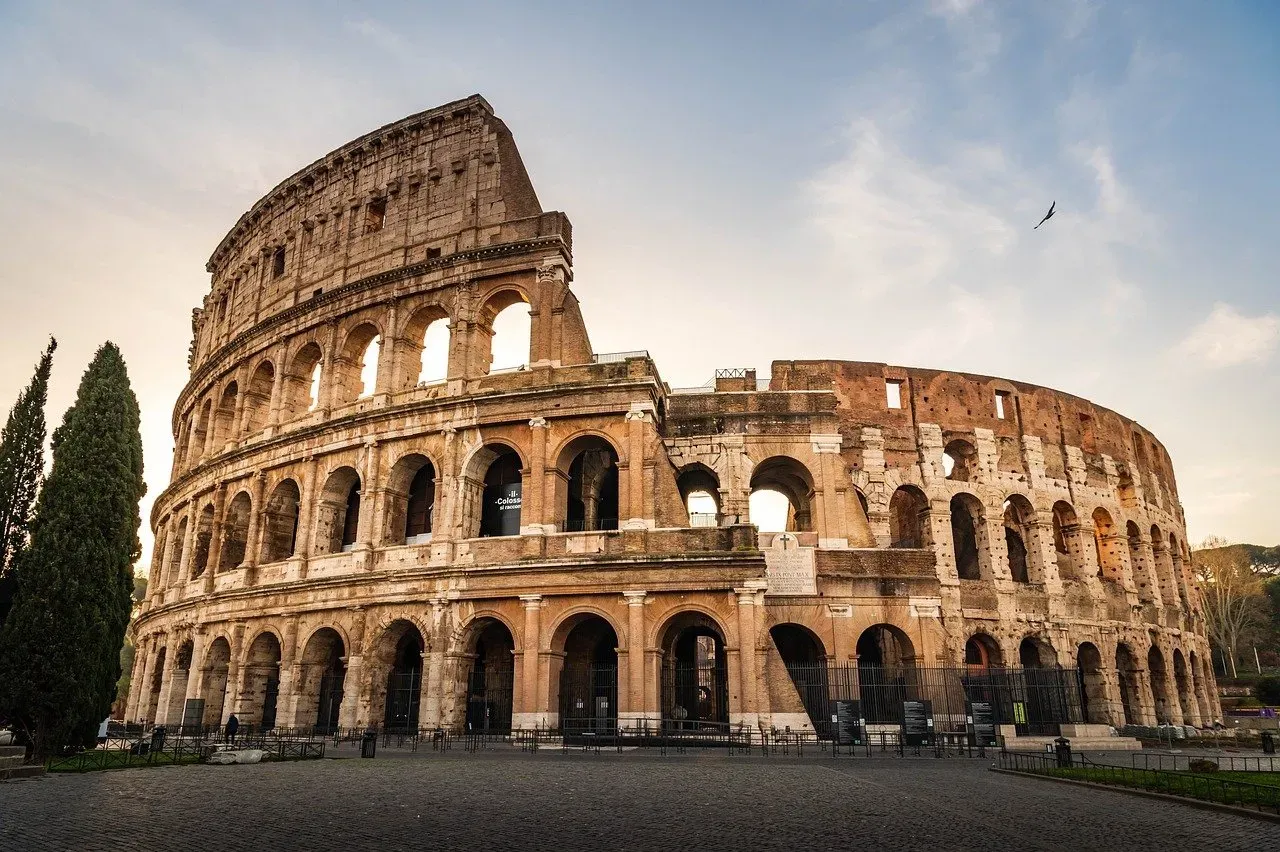
Ancient Rome’s most remarkable medical breakthroughs weren’t always in fancy treatments but in how they organized health on a massive scale. Roman engineers built aqueducts, sewer systems, and public baths that, despite their flaws, dramatically changed sanitation in many cities. Clean running water, managed waste, and bathing culture all helped reduce certain infections compared with places that lacked these systems. It was a kind of early public health infrastructure, proving that engineering decisions can be just as lifesaving as any drug or surgery.
Roman military medicine also pushed forward practical innovations that sound modern in spirit. Legions carried medical staff, surgical tools, and dressings, and they set up designated spaces to treat wounded soldiers near the front lines. Surgeons performed amputations, removed arrows, and cleaned wounds with wine or vinegar, which have mild antiseptic properties. They standardized some tools and procedures, creating a template for organized battlefield medicine and early hospital-like facilities. If you’ve ever walked through a modern emergency department, busy, structured, and triaging patients, you’ve seen the descendant of that Roman mindset.
Pre-Columbian Americas: Trepanation, Herbal Mastery, and Holistic Healing
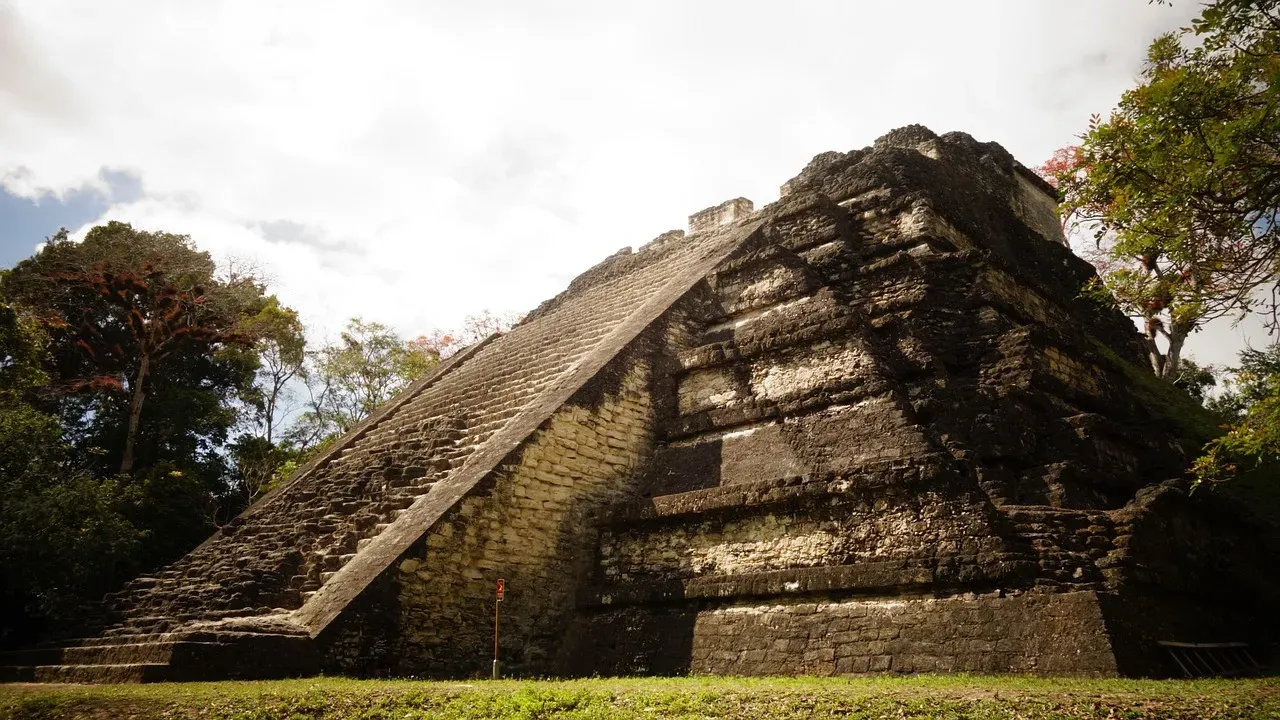
Across the ancient Americas, from the Andes to Mesoamerica, healers achieved medical feats that still puzzle and impress researchers. One of the most dramatic is trepanation: carefully drilling or scraping holes into the skull, likely to relieve pressure after head trauma, treat severe headaches, or for ritual reasons. Archaeologists have found skulls with smooth, healed bone edges, showing that many patients survived the procedure. Considering the lack of modern anesthesia and sterile operating rooms, the survival rates alone suggest a sophisticated, if harsh, understanding of wound care and surgical technique.
Indigenous healers also built deep, detailed knowledge of medicinal plants. They used bark, leaves, roots, and resins to treat pain, infections, digestive problems, and skin conditions, often matching specific remedies to particular symptoms with impressive precision. Some of these plants later inspired modern drugs or guided pharmacological research. Healing was rarely just physical; it involved rituals, community support, and spiritual care, treating illness as something that affected the person’s place in their social and natural world. That combination of practical pharmacology and a broad, interconnected view of health feels strikingly similar to current ideas about biopsychosocial medicine.
Old Wisdom, New Respect
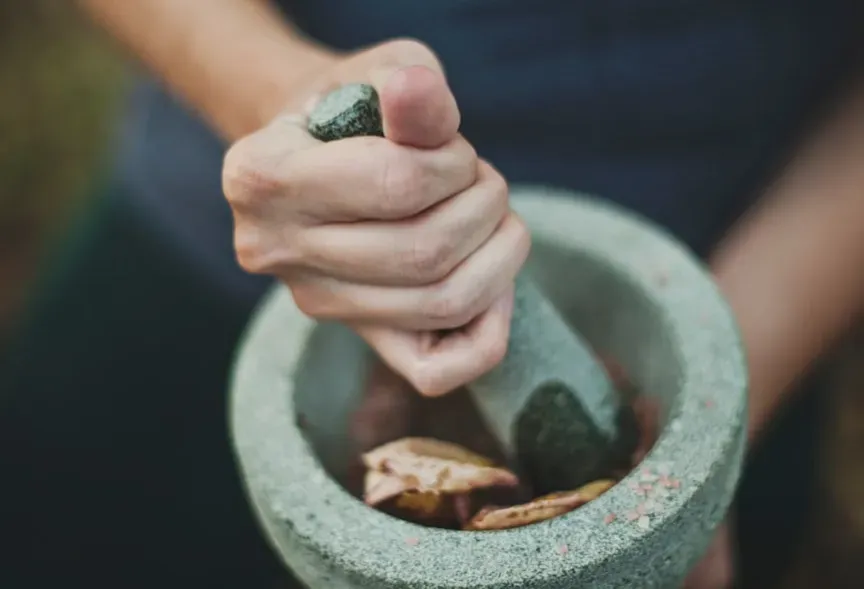
Looking back at these civilizations, it’s hard not to feel a mix of awe and humility. Without microscopes or lab tests, they still noticed patterns, experimented, and shared what worked, building systems of knowledge that carried across generations. Some of their theories have faded, but pieces of their practice – from antiseptic wound care and reconstructive surgery to acupuncture, public health engineering, and holistic prevention – remain woven into the fabric of modern medicine.
There’s a quiet lesson running through all of this: progress isn’t a straight line, and innovation doesn’t belong only to the present. The questions these ancient healers asked – How do we relieve pain? How do we prevent suffering? How do we care for the whole person? – are the same questions that still drive medicine today. Knowing that, it’s worth asking yourself: which of our current “modern” ideas will future generations look back on with the same blend of surprise and respect?