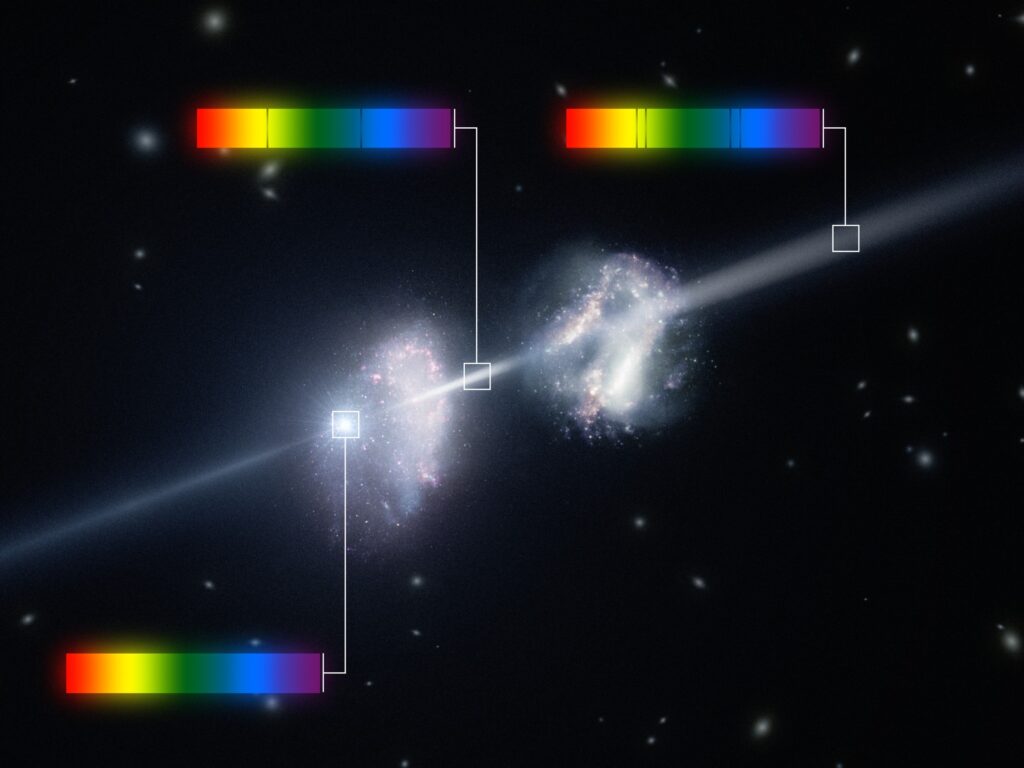

Every so often, a telescope somewhere picks up something it wasn’t quite expecting. A flicker of light, a burst of radio static, a stray particle from nowhere in particular. Most of these blips get filed away, explained by faulty equipment or a passing satellite, and forgotten within a week.
But a surprising number don’t get explained at all. They sit in archives, get revisited every few years by fresh eyes and better instruments, and still refuse to resolve into anything tidy. Some are decades old, others were recorded within the past year, and together they form a strange, ongoing catalog of things the universe has said that nobody has fully translated yet.
The Wow! Signal
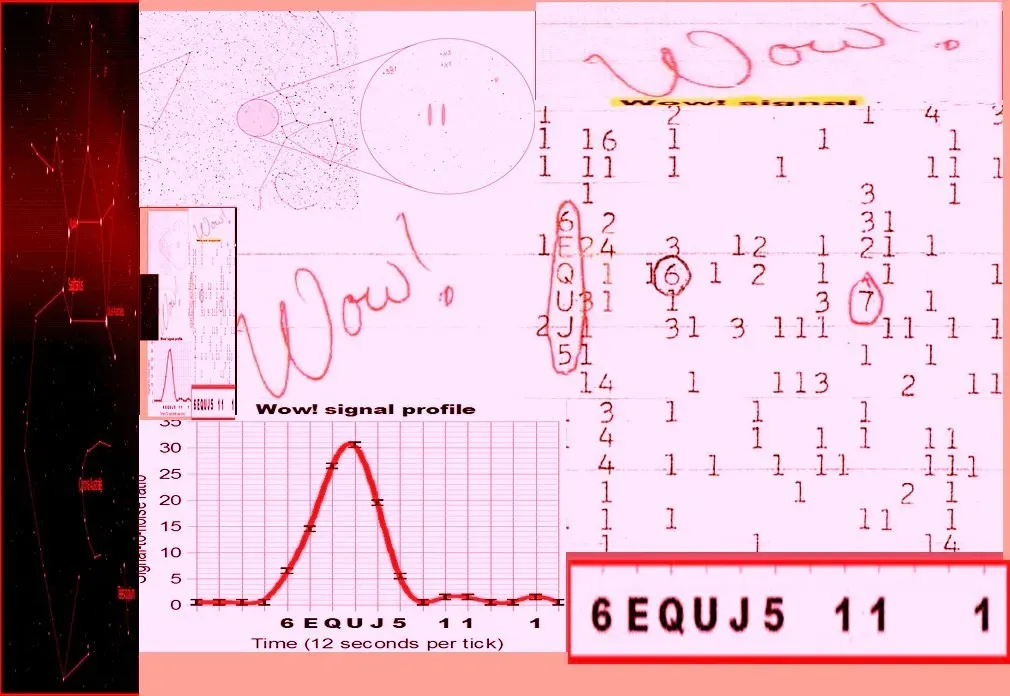
On the evening of August 15, 1977, Ohio State University’s Big Ear radio telescope picked up something unusual. A narrowband radio signal was detected by the Big Ear Radio Telescope at Ohio State, and the signal was powerful, lasted for 72 seconds, and was picked up on only 1 of 50 possible channels. When astronomer Jerry Ehman reviewed the printout days later, he spotted it in a computer print-out of data and jotted “Wow!” in red ink next to it.
Nearly fifty years on, the signal has never repeated, despite repeated attempts to catch it again. Recent work from the Arecibo Wow! project has proposed a natural explanation involving hydrogen clouds and a rare stimulated emission event, caused by “sudden brightening from stimulated emission of the hydrogen line due to a strong transient radiation source, such as a magnetar flare or a soft gamma repeater.” Even the researchers behind that theory admit it’s not a closed case. As they put it, “our results don’t solve the mystery of the Wow! Signal, but they give us the clearest picture yet of what it was and where it came from.”
The Lorimer Burst
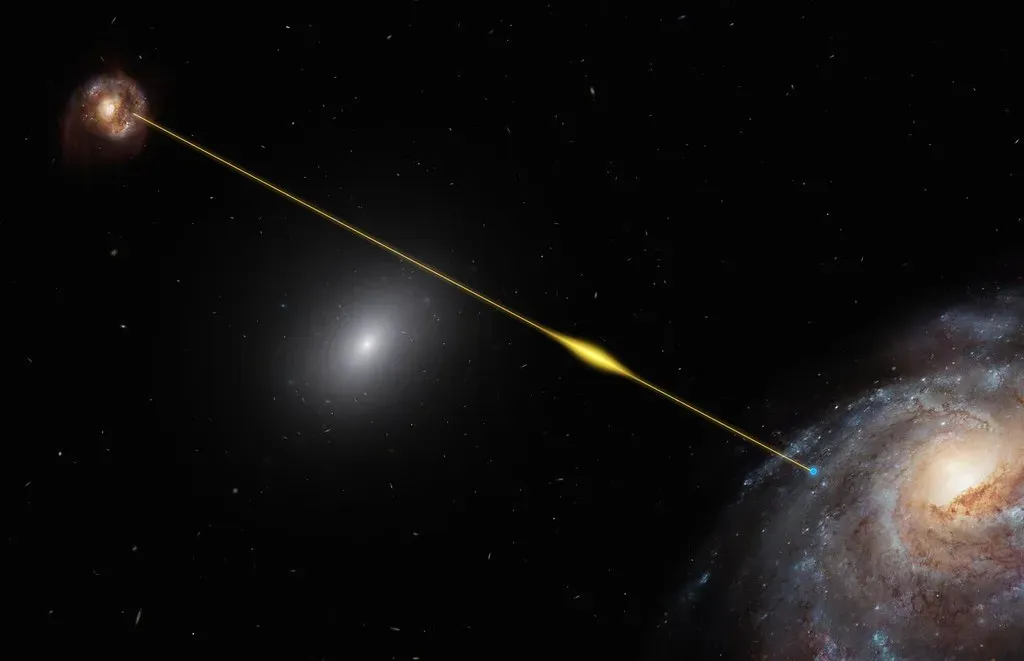
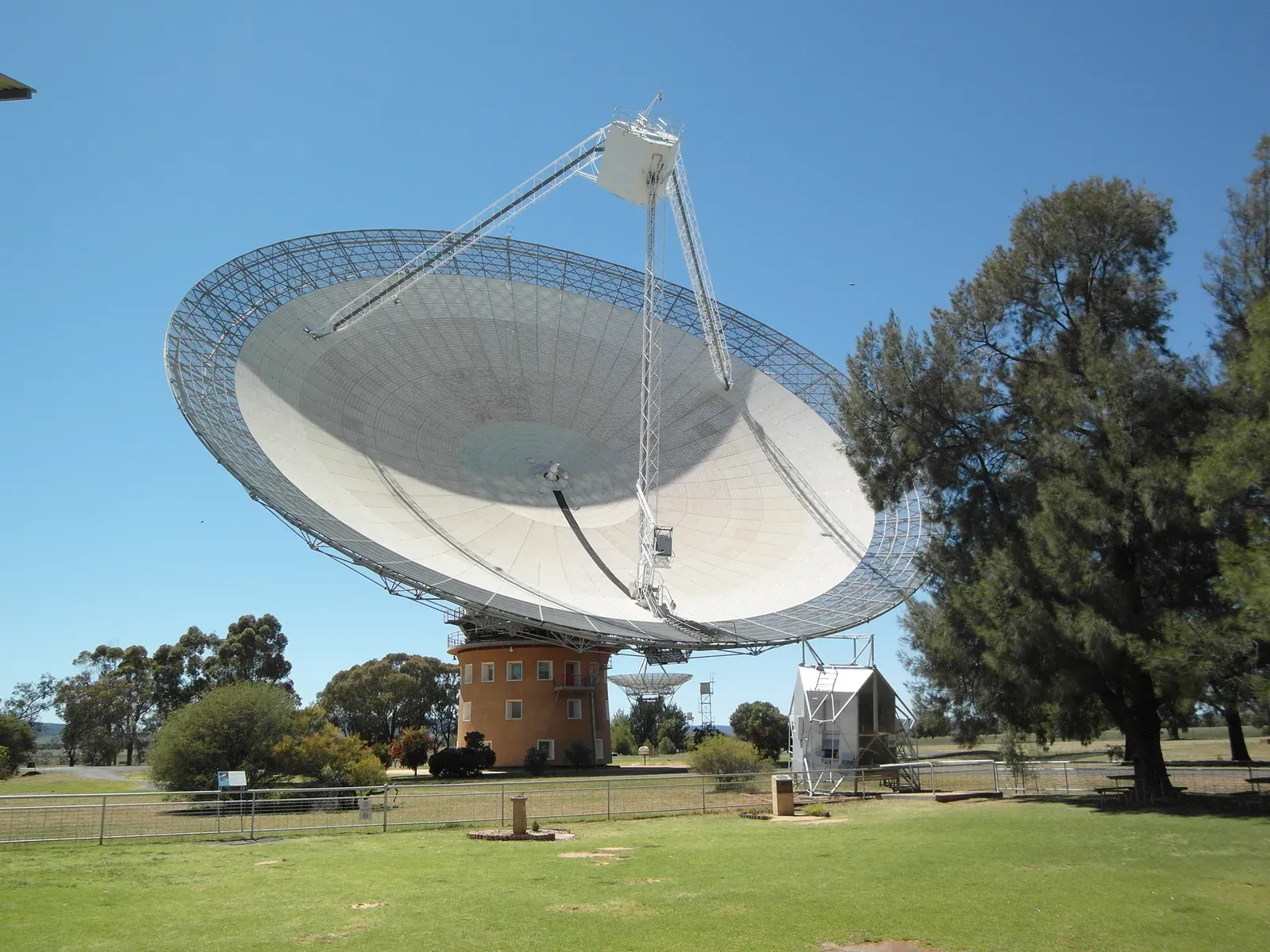
Long before “fast radio burst” became a household phrase among astronomy enthusiasts, there was a single strange blip buried in archival data from the Parkes radio telescope in Australia. The first reported FRB was detected on July 24th, 2001, by the Parkes 64-m telescope in Australia, though it was not discovered until later by Duncan Lorimer and collaborators during an archival search for burst-like events. It lasted only a few milliseconds but carried an energy signature that suggested it came from far outside our galaxy.
That single burst opened an entirely new field of astrophysics almost by accident. Two decades later, thousands of similar bursts have been catalogued, yet the exact mechanism behind that very first detection is still debated among specialists. It remains a kind of founding mystery, the burst that started a hunt nobody has finished.
FRB 121102, the First Known Repeater
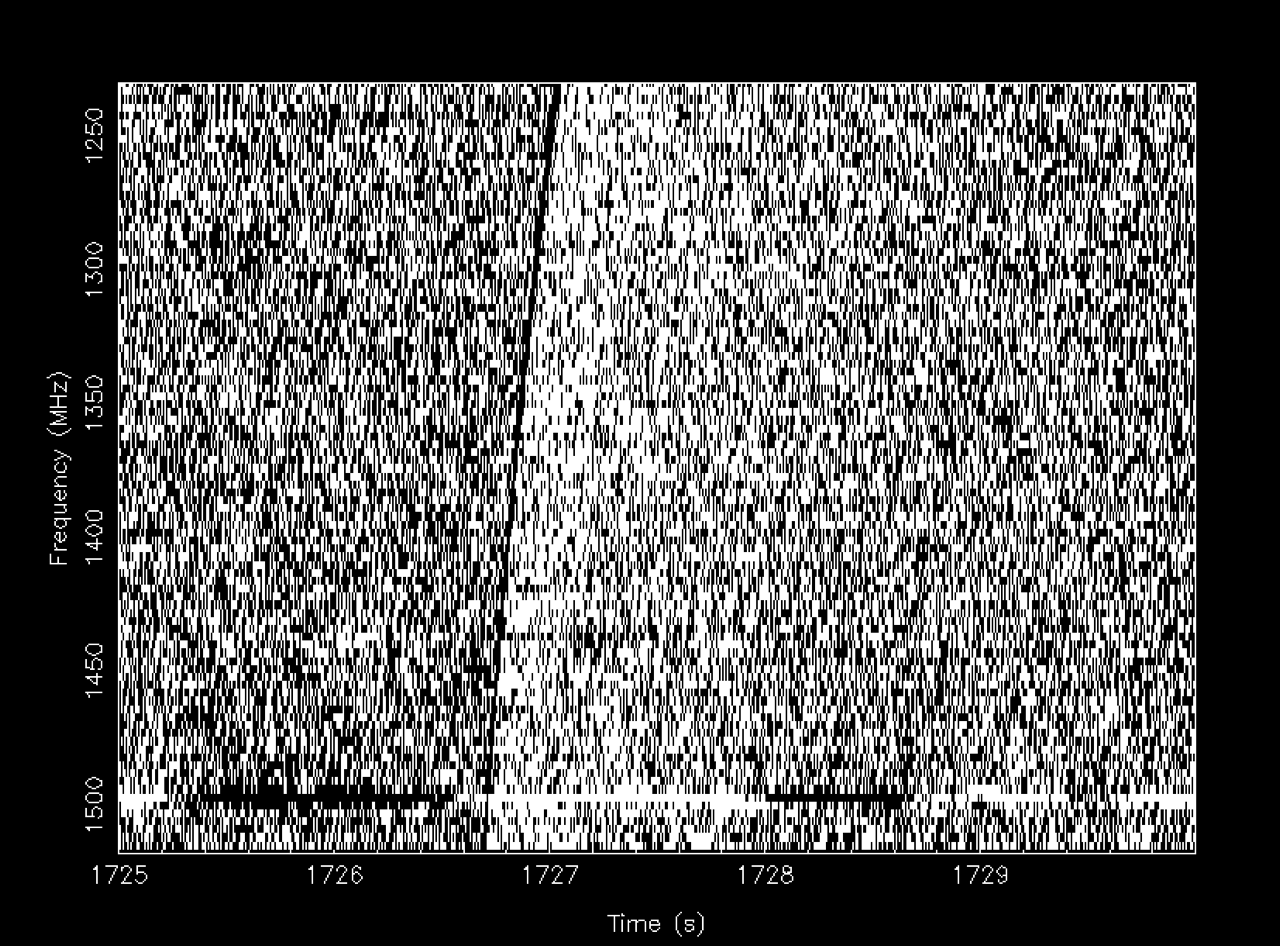
Most fast radio bursts flash once and vanish, but FRB 121102 broke that pattern by firing off multiple bursts from the same patch of sky. This repeating behavior ruled out theories requiring a single cataclysmic, one-time event, like a star’s final collapse, and pointed instead toward something that survives its own outbursts. Fast radio bursts remain one of the few remaining unsolved puzzles in contemporary astrophysics, and repeaters like this one only deepen the puzzle.
Follow-up observations traced the source to a dwarf galaxy billions of light-years away, sitting near an unusually dense, magnetized region. That environment hints at a young magnetar, an extraordinarily magnetic neutron star, but the exact trigger for each individual burst is still not pinned down. Scientists have models, not answers, and the source keeps firing on a schedule nobody can fully predict.
FRB 180916 and Its 16 Day Rhythm
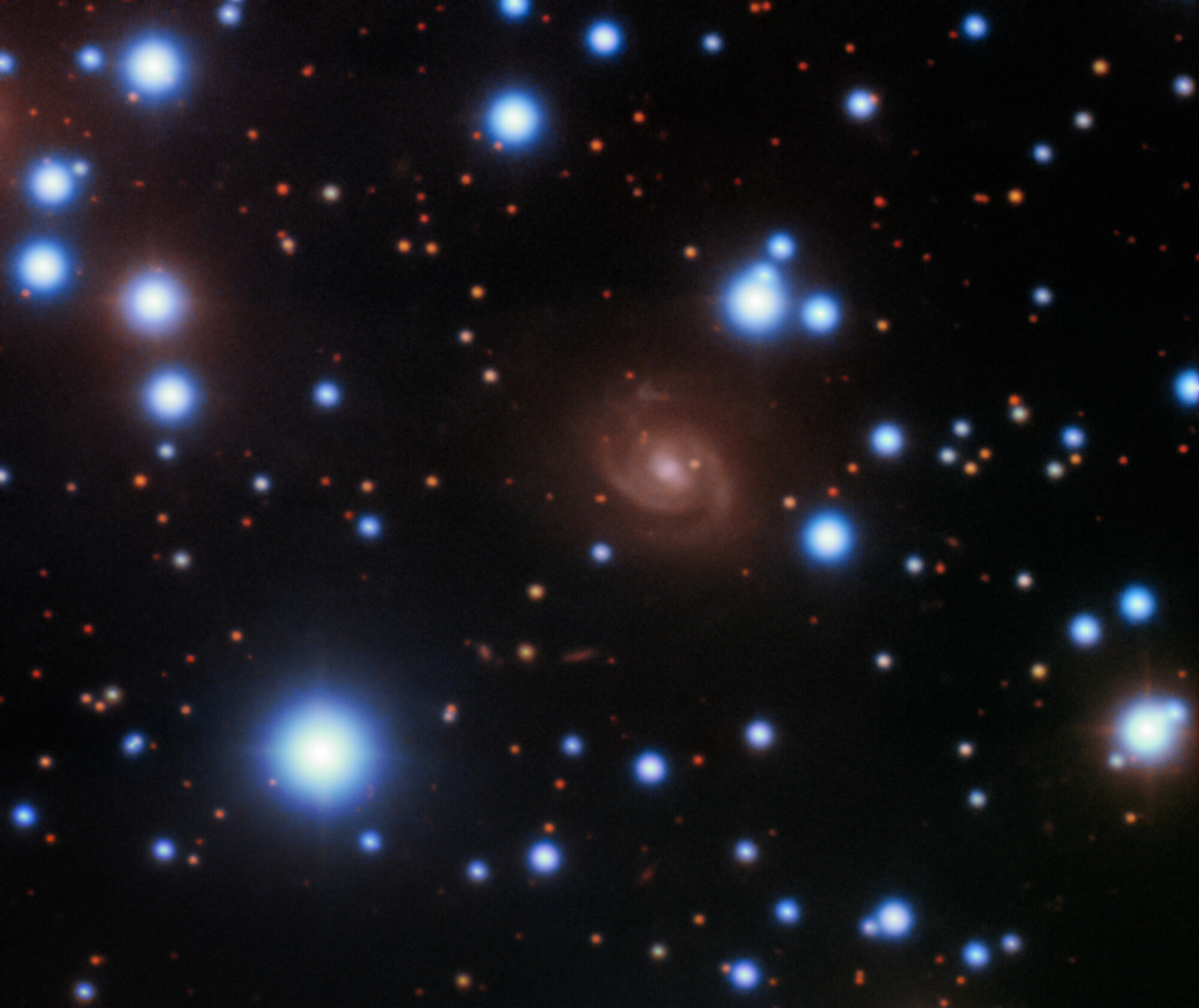
Some repeating bursts are erratic, but FRB 180916 does something stranger. It cycles through active and quiet phases roughly every sixteen days, bursting frequently for several days before falling silent for over a week, then starting again like clockwork.
That kind of periodicity suggests an orbital relationship, perhaps a neutron star circling a companion object whose gravity or radiation periodically switches the bursts on and off. It’s one of the more compelling clues astronomers have found, yet nobody has identified the companion or confirmed the geometry involved. The rhythm is real and repeatable, which somehow makes the mystery feel even more frustrating.
FRB 20191221A, the Metronome Burst
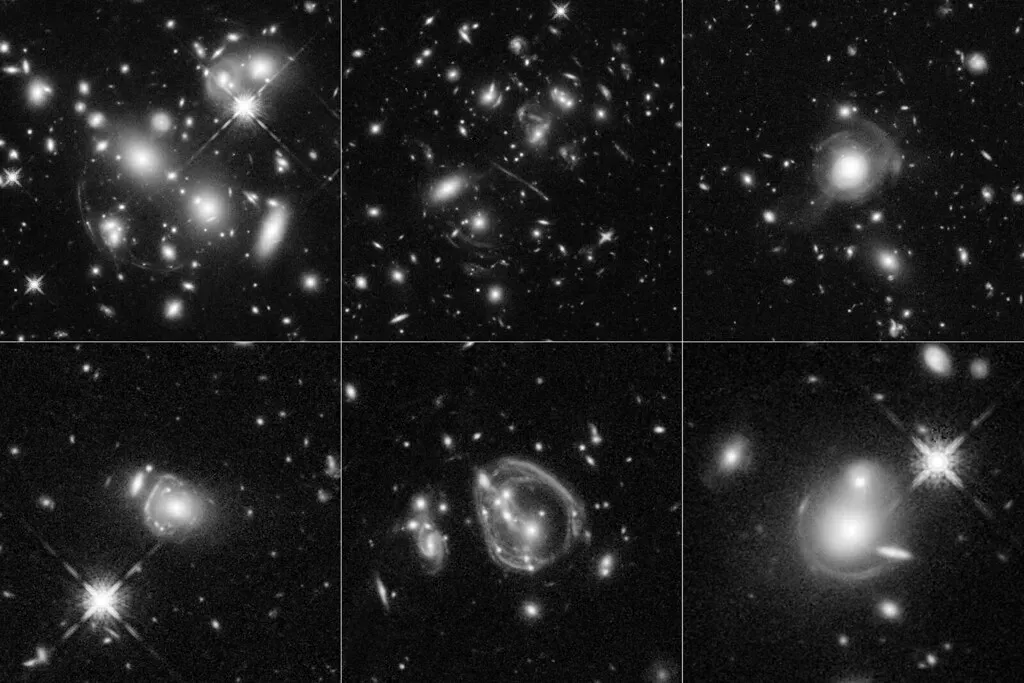
In late 2021, the CHIME telescope in Canada picked up a fast radio burst unlike almost anything seen before. Instead of a single millisecond flash, it consisted of a series of regularly spaced pulses lasting several seconds, ticking along with an almost mechanical regularity.
The pulse spacing resembled the rotation period of a pulsar or magnetar, but scaled up to an extreme, energetic degree that doesn’t fit comfortably with known neutron star behavior. Researchers have floated the idea of an unusually young, highly magnetized neutron star, but nothing has been confirmed. For now, it stands as one of the strangest rhythmic signals ever caught from deep space.
The Milky Way’s Own Fast Radio Burst
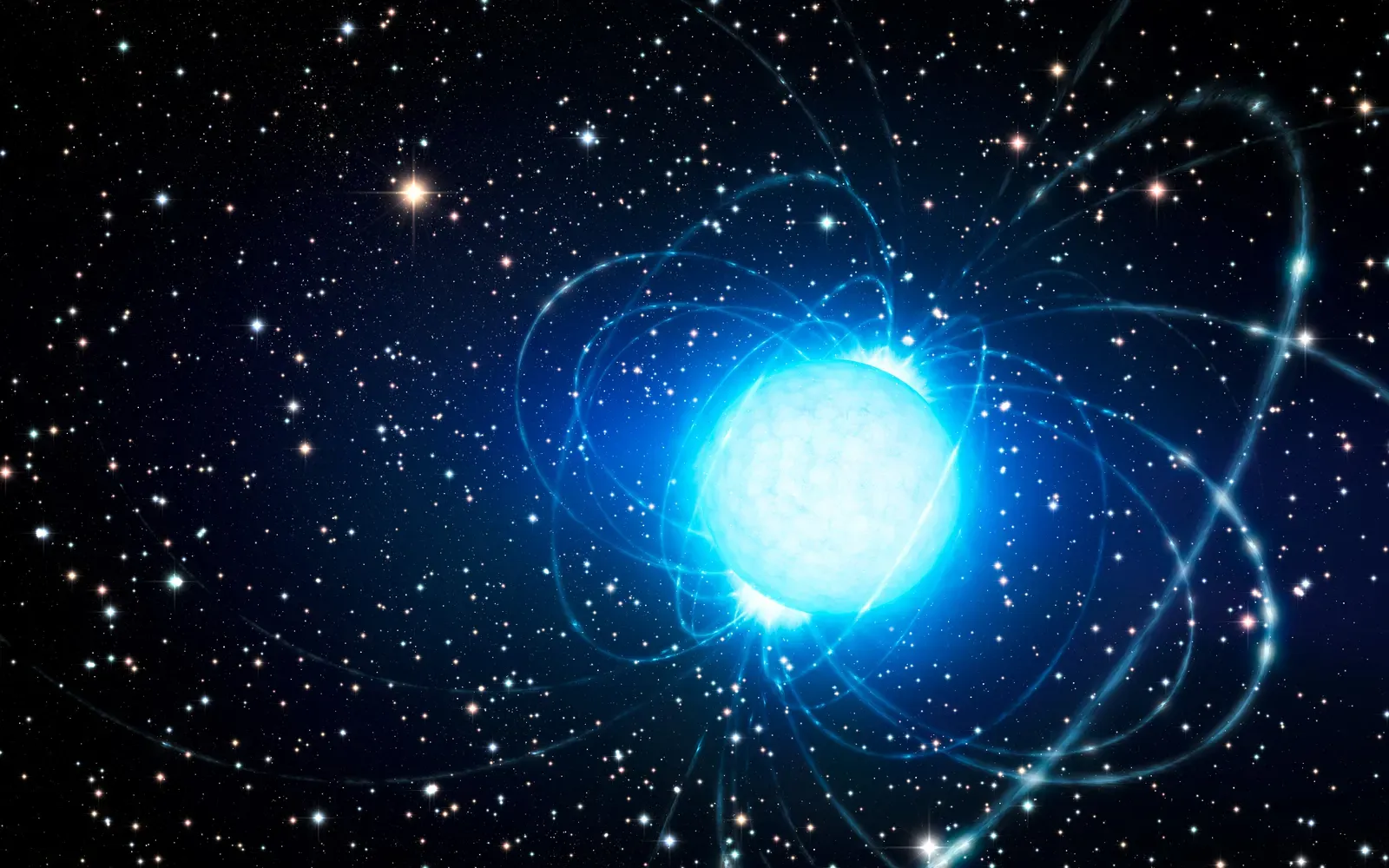
Fast radio bursts were long assumed to come from other galaxies, until one showed up practically in our cosmic backyard. In 2020, a burst traced back to the magnetar SGR 1935+2154, located within the Milky Way, gave astronomers their first close-up look at an FRB source, further supported by the recent detection of Galactic magnetar SGR 1935+2154, this luminous Galactic FRB-like magnetar was only detected as single pulses.
This was a breakthrough, confirming that at least some magnetars can produce FRB-like emission. Yet it also raised new questions, since the burst was far weaker than typical extragalactic FRBs, and it’s still unclear whether this local magnetar behaves the same way as the distant, more powerful repeaters. One confirmed source doesn’t explain the diversity seen across the rest of the population.
SHGb02+14a, the SETI@home Signal
Back in 2003, volunteers running the SETI@home distributed computing project flagged an odd narrowband signal that appeared to come from a patch of sky between the constellations Pisces and Aries. It had some characteristics that fit criteria for a potential technosignature, which is exactly why it caught researchers’ attention.
The trouble is that no star with known planets sits in that exact direction, and the signal has never reappeared during subsequent observations. Most astronomers now treat it as likely noise or instrumental artifact, but it was never formally traced to a definitive terrestrial or astrophysical source. It remains a footnote in SETI history, unresolved rather than debunked.
Odd Radio Circles
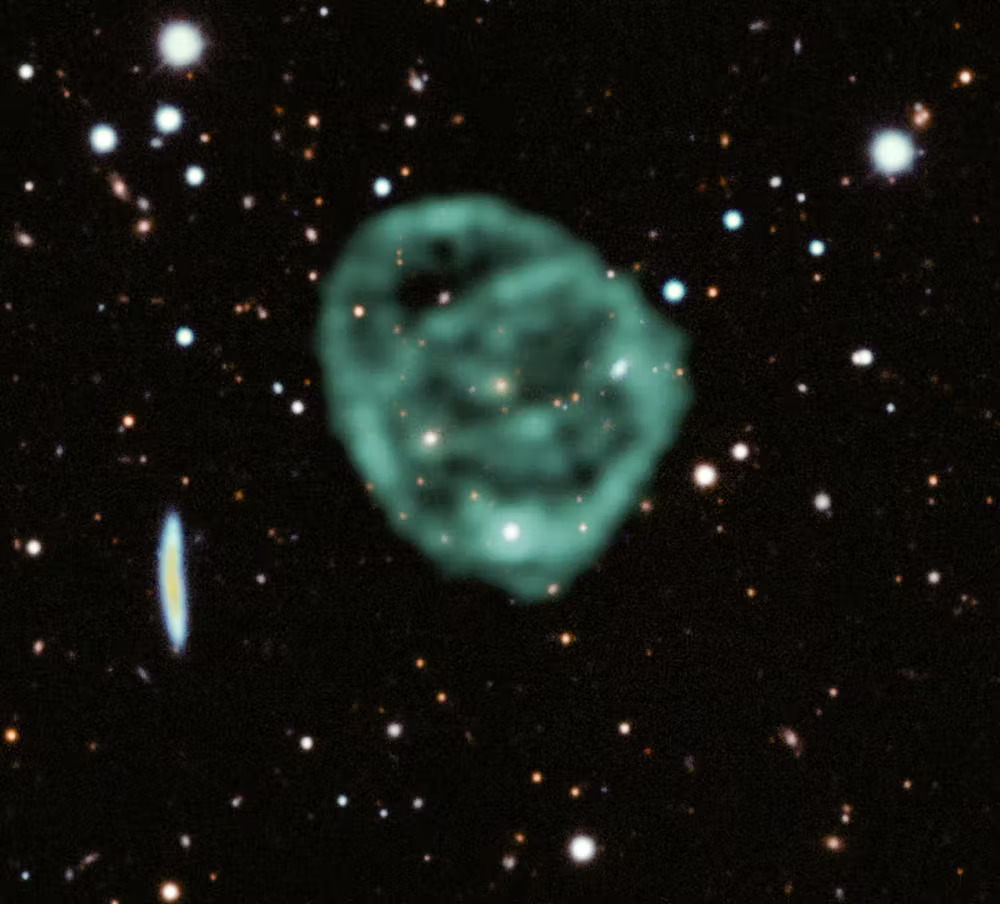
In 2019 and 2020, astronomers using Australia’s ASKAP radio telescope began noticing faint, perfectly circular rings of radio emission scattered across the sky, unconnected to any obvious galaxy or star cluster at their center. They were dubbed Odd Radio Circles, or ORCs, simply because nobody had a better name for them.
Some appear to surround distant galaxies, suggesting a link to galactic winds or old supernova remnants expanding on a massive scale. Others don’t line up with anything visible at all. The rings are real, cataloged, and repeatedly confirmed, but a single agreed-upon explanation for how they form has not emerged.
Rotating Radio Transients
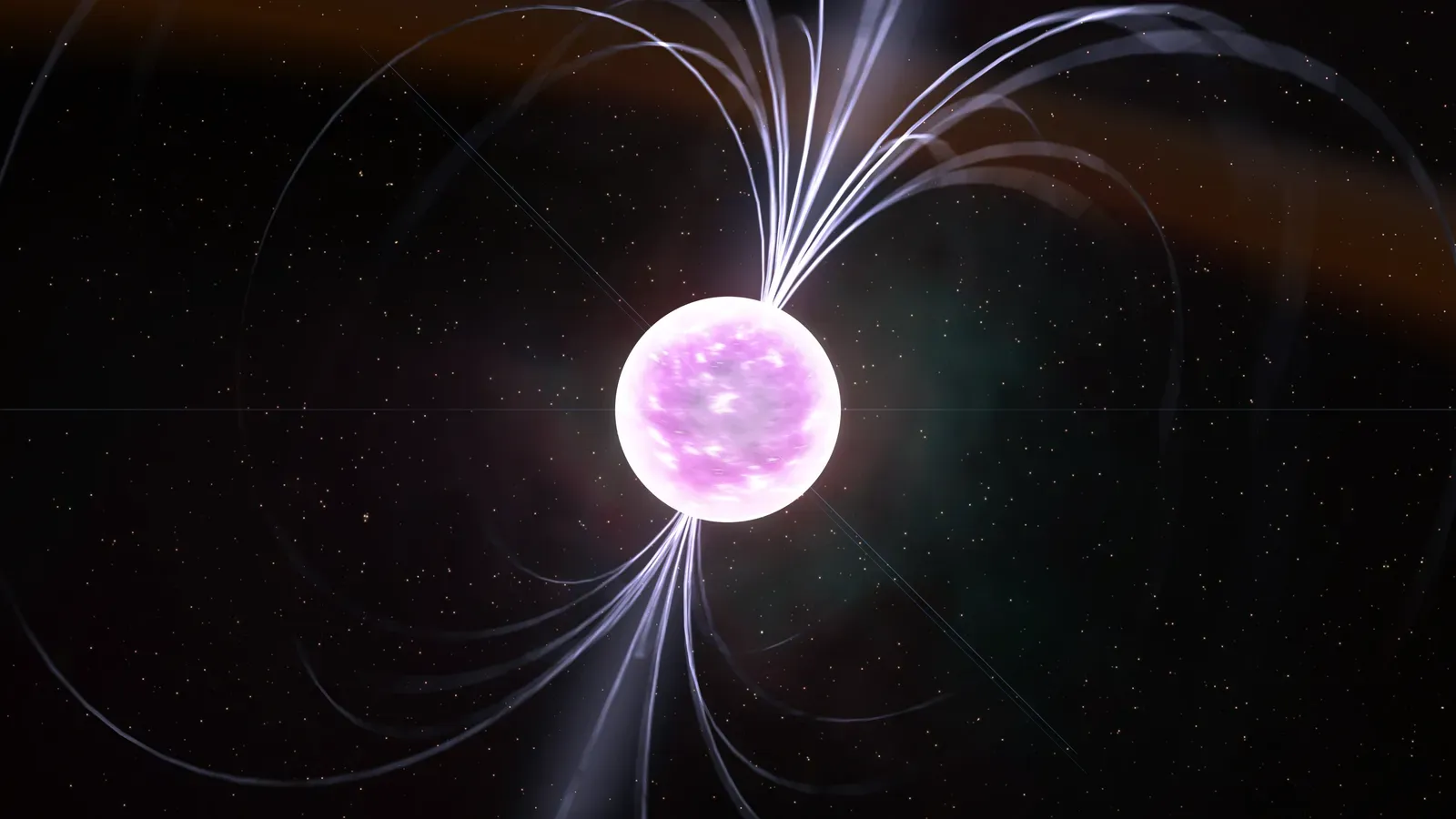
Rotating Radio Transients, or RRATs, are a category of neutron stars that emit radio pulses so sporadically that they can go silent for hours or even days between detectable bursts. Regular pulsars tick along with clockwork regularity, but RRATs behave more like a lighthouse with a broken bulb, flashing unpredictably.
Astronomers generally believe they’re related to pulsars, just with an emission mechanism that switches on and off in ways not yet modeled. Since they’re so hard to catch, only a fraction of the expected population has even been found. Why their radio beams behave so erratically compared to their steadier cousins remains an open question in pulsar physics.
Voyager 1’s Interstellar Hum
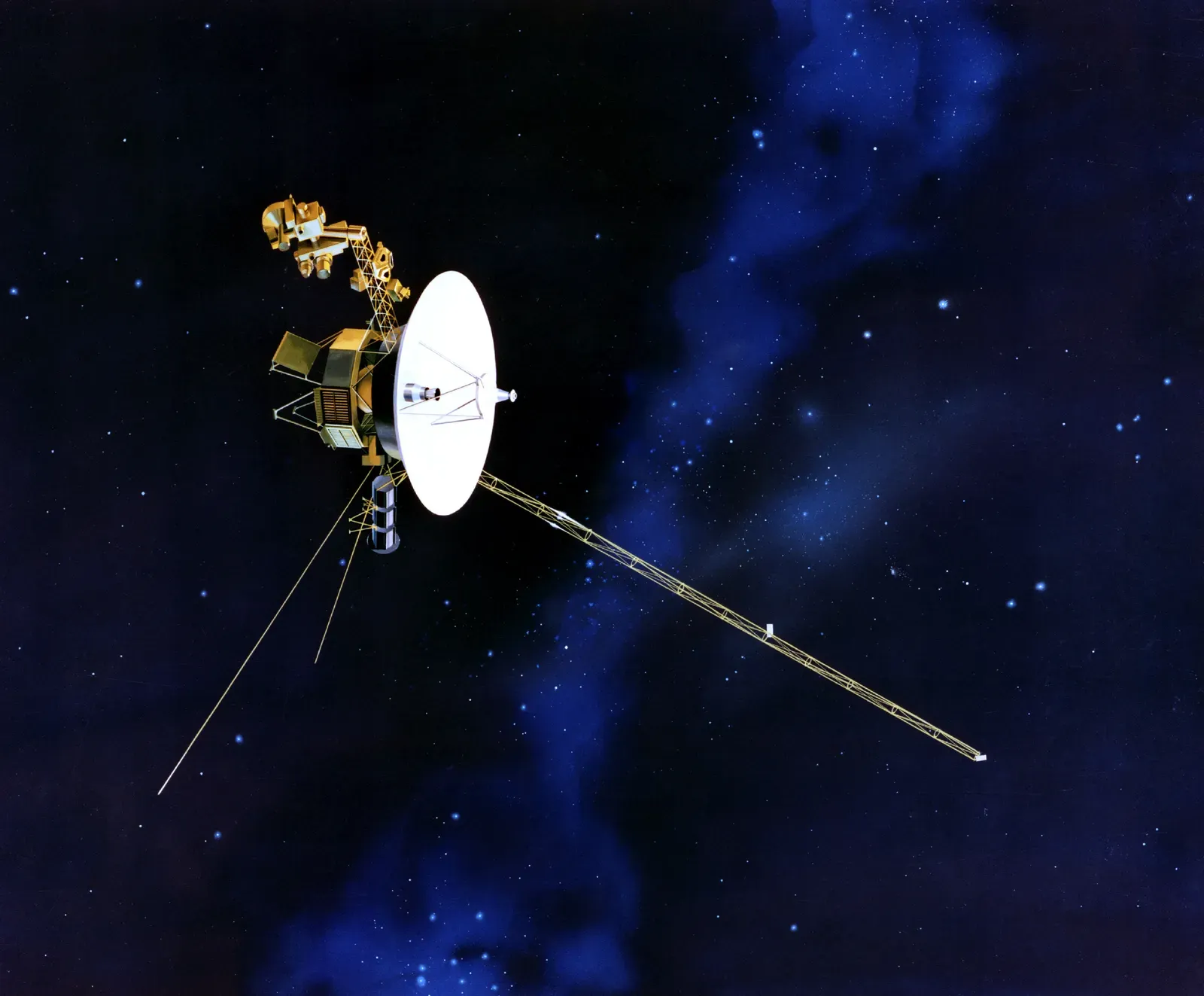
After crossing into interstellar space in 2012, NASA’s Voyager 1 probe kept transmitting data long after most people assumed its instruments would go quiet. In 2021, scientists analyzing its plasma wave data noticed a persistent, faint hum, a steady signal from the thin plasma between stars that didn’t match the sharper bursts expected from solar events.
This background hum suggests the interstellar medium is more active and turbulent than earlier models predicted, even far from any obvious disturbance. Researchers have tied it to low-level oscillations in the local plasma, but the exact source of the persistent activity is still being worked out. Voyager 1 is billions of miles away, and it’s still sending back puzzles.
The ARCADE 2 Space Roar
In 2006, a balloon-borne experiment called ARCADE 2 was launched to measure the faint glow of the cosmic microwave background with extreme precision. Instead of confirming expectations, it detected a radio background far brighter than known galaxies and stars could account for, an excess nicknamed the “space roar.”
Attempts to attribute this excess to known populations of radio sources have consistently come up short, leaving a gap between predicted and observed brightness. Some researchers have floated exotic explanations involving early, undetected populations of radio galaxies, while others suspect calibration issues that have never been fully resolved. Either way, the roar has never been satisfactorily quieted.
The 3.5 keV X-ray Line
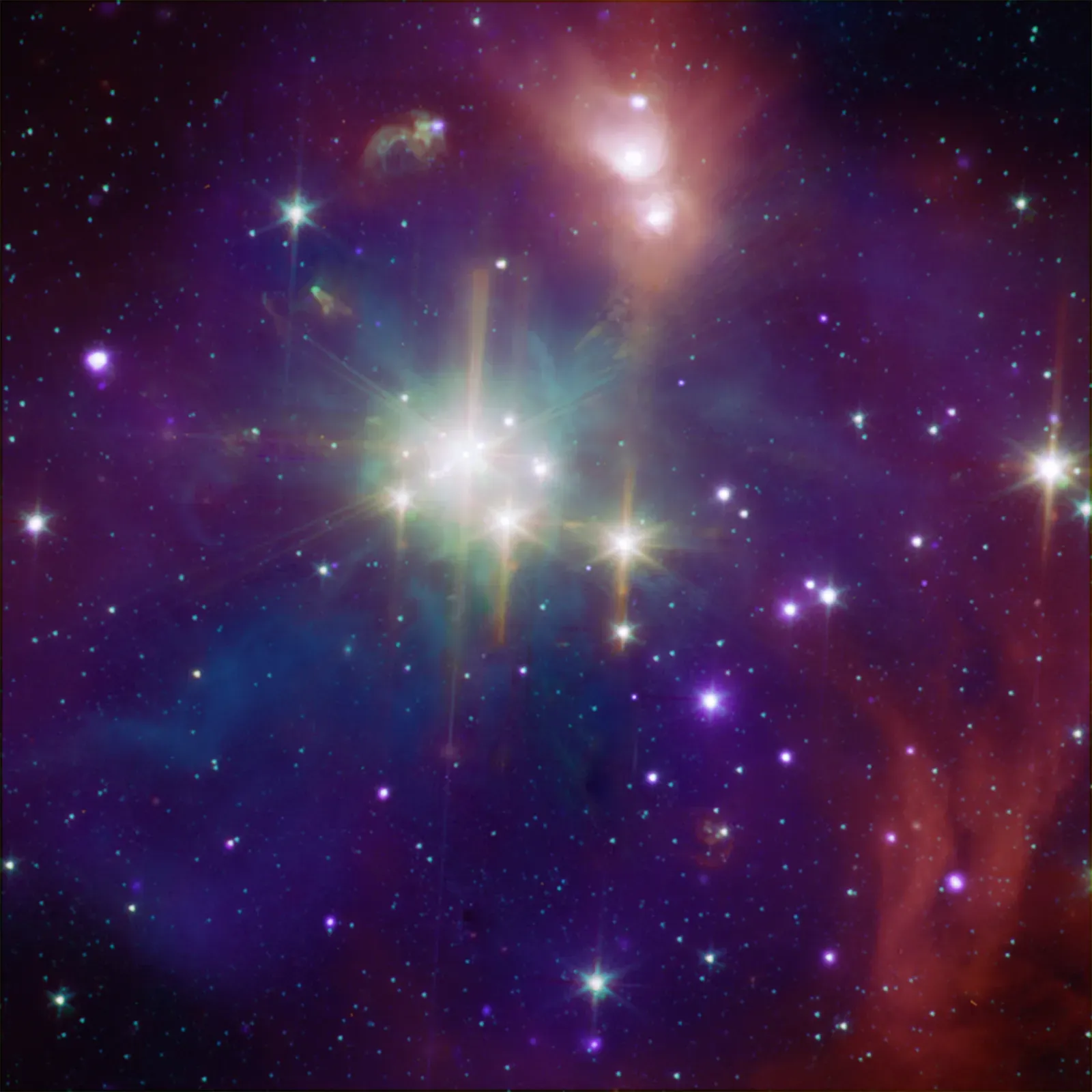
In 2014, astronomers combing through X-ray data from galaxy clusters spotted a faint emission line at an energy of about 3.5 kiloelectronvolts that didn’t match any known atomic transition. Because it showed up consistently across multiple clusters and didn’t correspond to ordinary astrophysical processes, some physicists speculated it might be a signature of decaying dark matter particles.
Other teams have since failed to reproduce the signal with the same strength, and alternative explanations involving unusual atomic physics or instrumental quirks have been proposed. The debate has gone back and forth for over a decade without landing on a consensus. It’s a rare case where a single spectral line has kept both particle physicists and astronomers arguing.
The Galactic Center GeV Excess
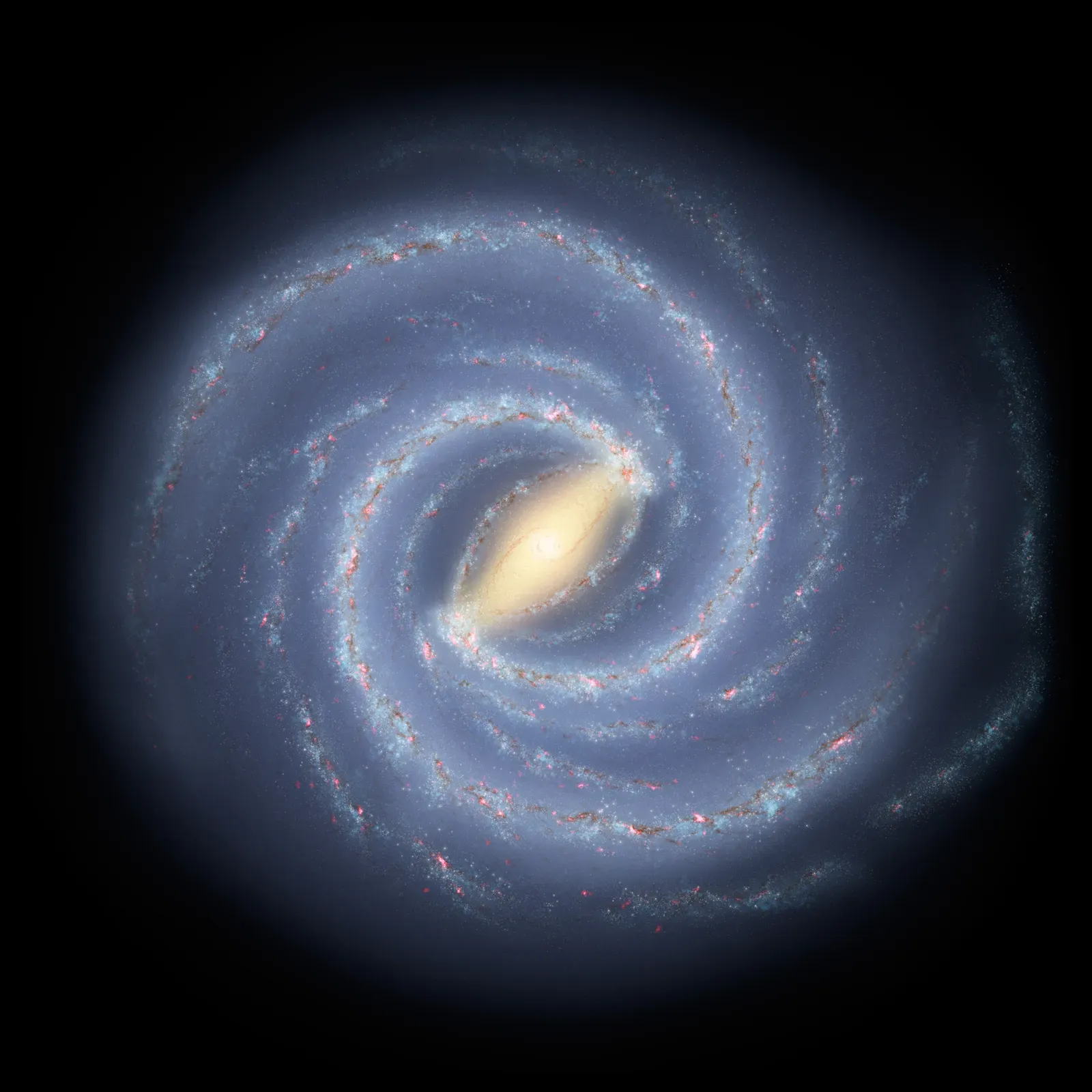
Data from the Fermi Gamma-ray Space Telescope has repeatedly shown an excess of gamma rays emanating from the center of the Milky Way, beyond what known sources like pulsars should produce. This Galactic Center GeV excess has been a topic of intense study since it was first flagged in the early 2010s.
Two competing explanations dominate the conversation: a population of faint, unresolved millisecond pulsars, or annihilating dark matter particles clustered densely near the galactic core. Neither hypothesis has been ruled in or out definitively, and the debate has become one of the most closely watched unresolved questions in high-energy astrophysics. The excess is measured and repeatable, but its source is still anyone’s guess.
The Fermi Bubbles
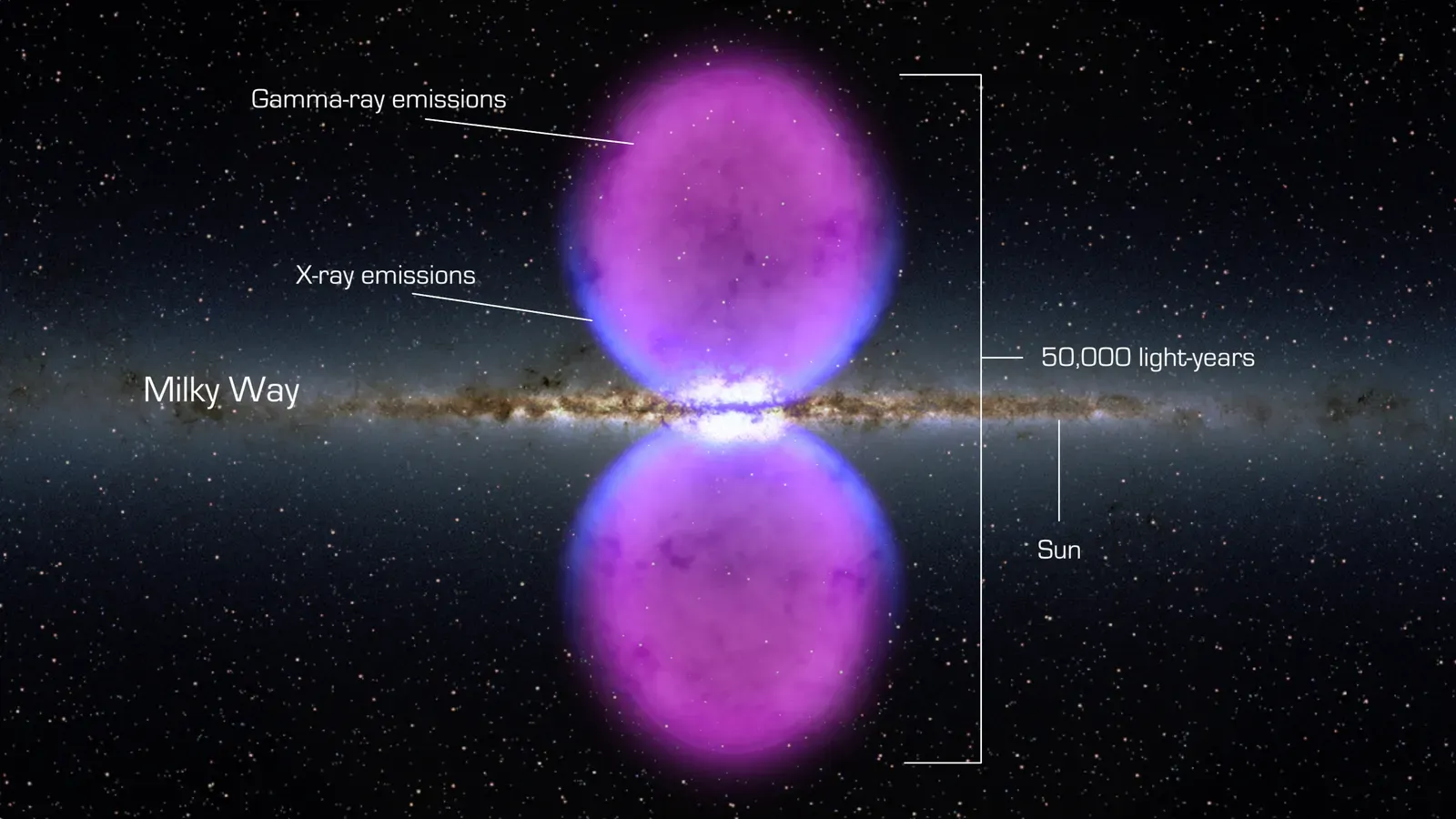
Also discovered using Fermi telescope data, in 2010, two enormous gamma-ray emitting structures were found extending tens of thousands of light-years above and below the plane of the Milky Way. These so-called Fermi Bubbles are symmetrical, sharply edged, and clearly connected to some past energetic event at the galactic center.
Leading theories point to either a burst of star formation or an outburst from the supermassive black hole at the Milky Way’s core, possibly a few million years ago. Yet the exact timing, duration, and mechanism behind the eruption that created them remains unconfirmed. The bubbles are a visible scar from something big, but nobody has fully reconstructed what happened.
LHAASO’s Ultra High Energy Photons
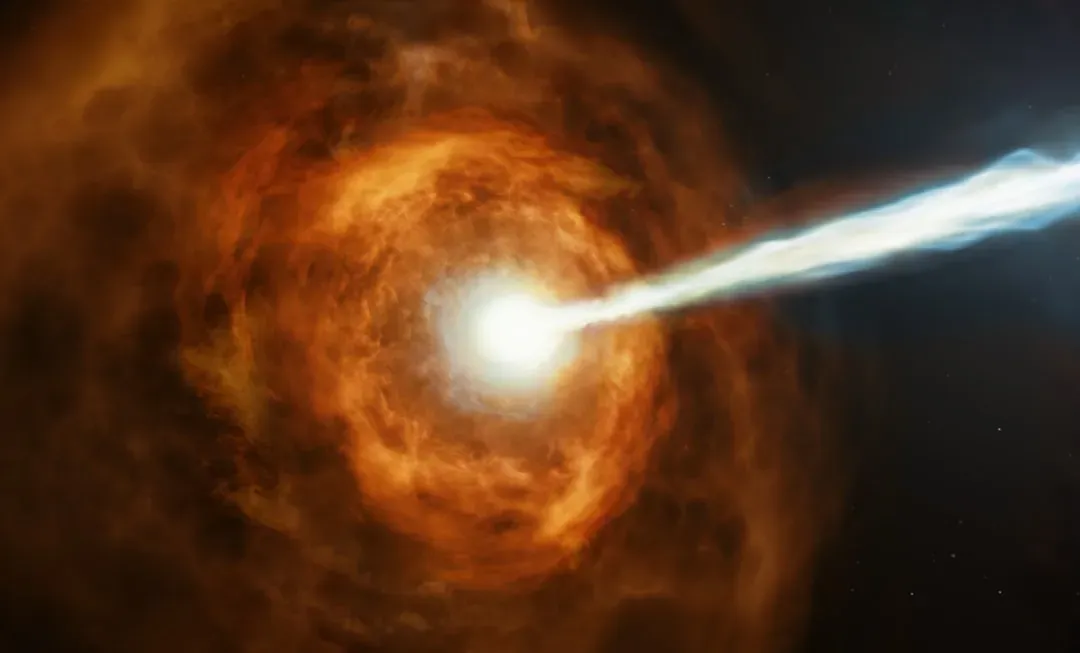
In October 2022, a gamma-ray burst so bright it earned the nickname “BOAT,” for brightest of all time, lit up detectors across the planet. China’s LHAASO observatory recorded photons from the event at energies so extreme they pushed against the limits of what current physics models predict should be possible to produce and transmit across cosmic distances.
Some of these ultra-high-energy photons appear to challenge assumptions about how gamma rays interact with background light while traveling through space. Physicists are still working through whether this points to new physics or simply an unusually well-aligned, powerful jet. Either way, the burst delivered more than most models were prepared to explain.
IceCube’s Bert and Big Bird
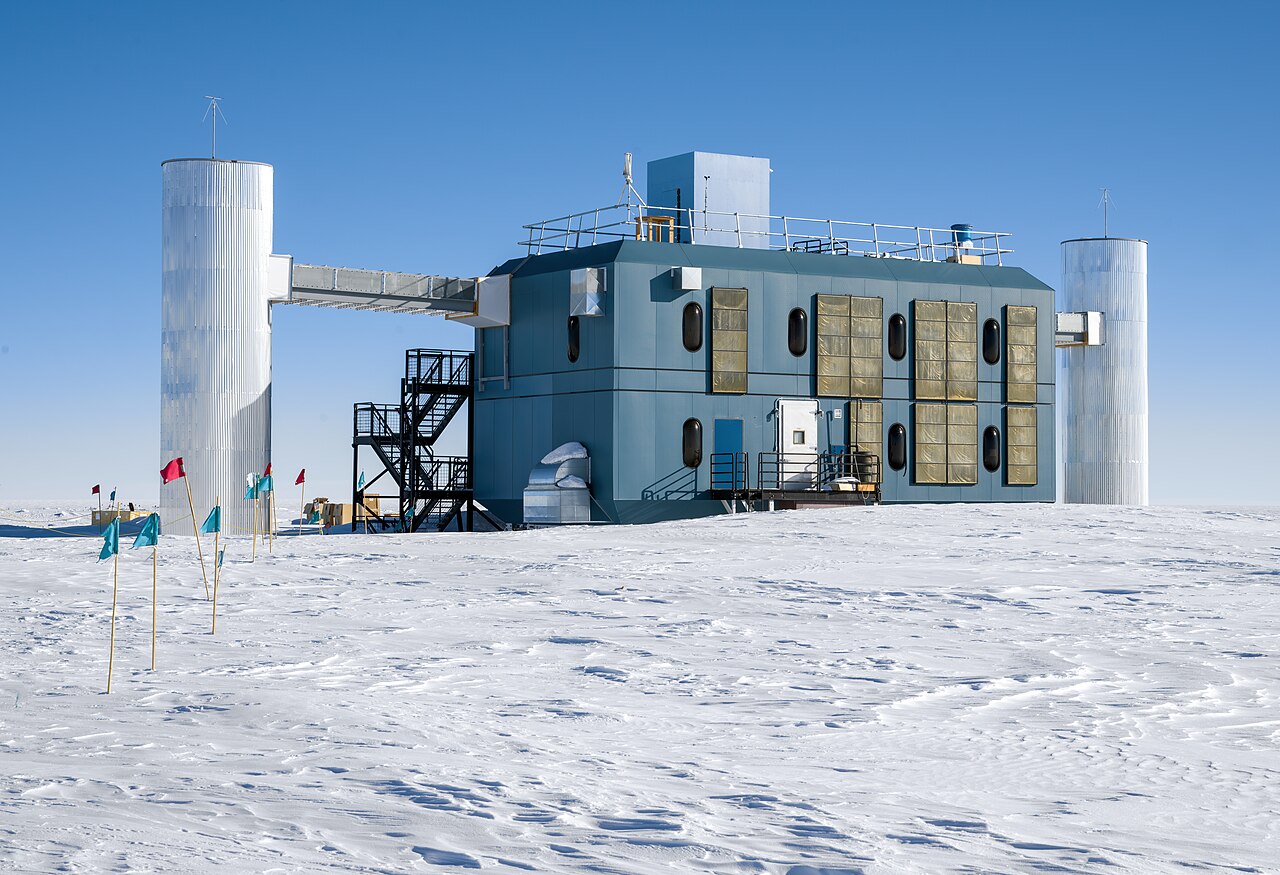
Buried under the Antarctic ice, the IceCube Neutrino Observatory watches for the faint flashes produced when high-energy neutrinos interact with ice molecules. In its early years of operation, it detected a handful of exceptionally energetic events, informally nicknamed “Bert” and “Big Bird,” with energies in the petaelectronvolt range, far beyond typical cosmic ray interactions.
Despite years of follow-up, no clear astrophysical source, whether a blazar, supernova remnant, or something else, has been conclusively linked to either event. They remain isolated data points in an ever-growing catalog of high-energy neutrinos whose origins are still being sorted, one by one, source by source.
The ANITA Anomalous Events

The Antarctic Impulsive Transient Antenna, a balloon-borne detector designed to catch radio signals from cosmic ray interactions, picked up a couple of highly unusual events where the signal appeared to travel upward through the Earth, rather than down from the sky as expected. This geometry doesn’t fit standard particle physics, since it would require particles to pass through thousands of kilometers of solid rock without being absorbed.
Proposed explanations range from exotic tau neutrino interactions to speculative physics beyond the Standard Model. Follow-up searches with other detectors haven’t found matching events, which leaves the original anomalies statistically isolated and stubbornly unresolved. It’s a small number of events causing an outsized amount of head-scratching.
The Oh My God Particle
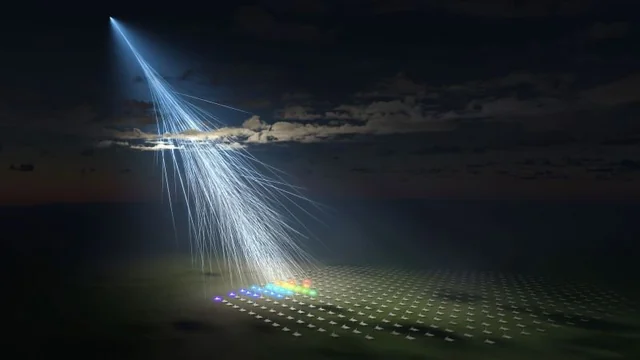
In 1991, a cosmic ray detector in Utah registered a single subatomic particle moving with an energy so extreme that scientists nicknamed it the “Oh My God” particle. Its energy roughly matched that of a fast-pitched baseball, remarkable for something no larger than a proton.
Particles at that energy should lose momentum interacting with the cosmic microwave background over long distances, which means whatever produced it had to be relatively close, cosmically speaking. No compelling source has ever been identified nearby, and similar ultra-high-energy cosmic rays detected since have only added to the puzzle rather than resolving it. The universe apparently has accelerators more powerful than anything humans have identified.
The CMB Cold Spot
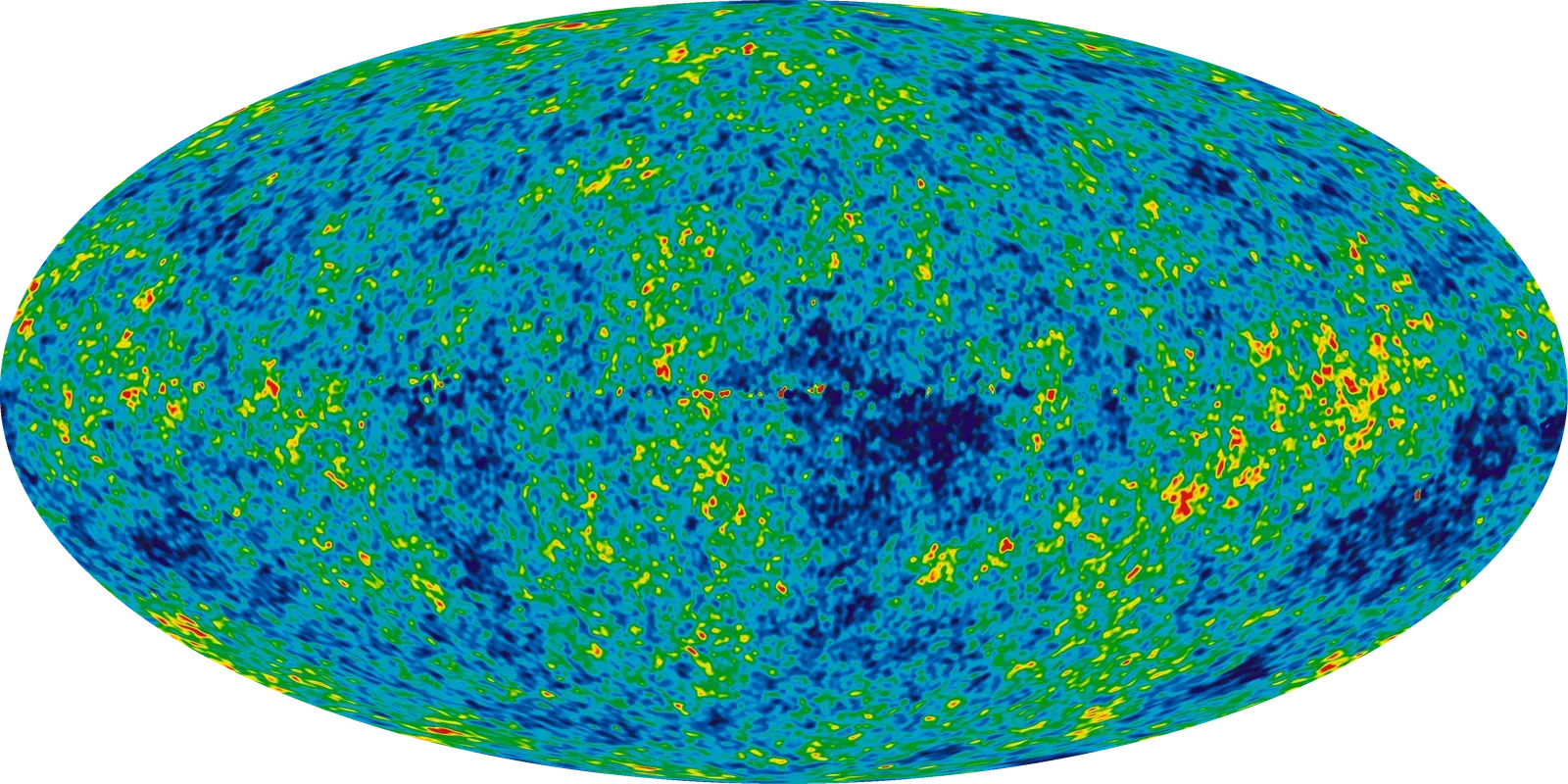
When astronomers mapped the cosmic microwave background, the faint afterglow of the Big Bang, they found it remarkably uniform except for a handful of odd features. One of the strangest is a large, unusually cold patch of sky, colder than statistical models predict it should be, first identified in data from the WMAP satellite and later confirmed by Planck.
Explanations have ranged from a giant cosmic void to more exotic ideas involving collisions with other universes in some multiverse models. None have been proven, and the anomaly persists across multiple independent datasets. It’s a cold, quiet mystery sitting in the oldest light we can observe.
The CMB Axis of Evil
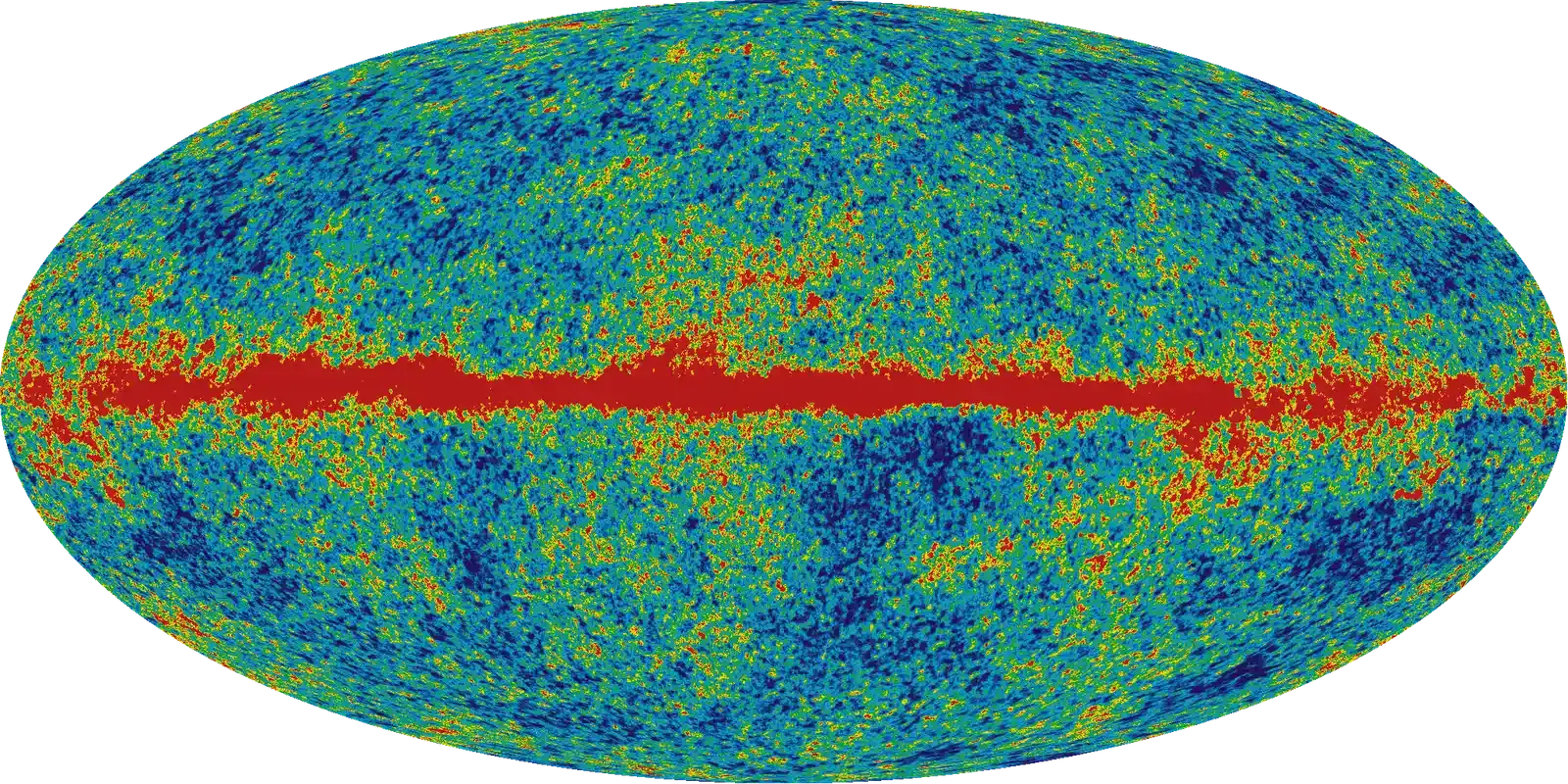
Alongside the Cold Spot, cosmologists noticed something else strange while studying the cosmic microwave background: certain large-scale patterns in the sky’s temperature fluctuations appeared to align along a specific axis, nicknamed only half-jokingly the “Axis of Evil.” Standard cosmological models predict the universe should look the same in every direction, without any preferred axis.
This unexpected alignment has survived multiple rounds of scrutiny and recalibration, ruling out at least some instrumental explanations. Whether it points to new physics, an unusual local structure, or a statistical fluke that simply hasn’t gone away yet is still being debated among cosmologists. It’s a subtle wrinkle in an otherwise remarkably smooth picture of the early universe.
The EDGES 21 Centimeter Signal
In 2018, the EDGES radio experiment reported detecting a signal from the early universe’s neutral hydrogen, dating to roughly 180 million years after the Big Bang. The signal showed hydrogen absorbing background radiation far more strongly than standard cosmological models predicted, suggesting the gas was colder than expected at that early stage.
If confirmed, this could point to unusual interactions between ordinary matter and dark matter in the early universe. However, other experiments attempting to replicate the finding haven’t yet confirmed the same signal strength, leaving its status genuinely unresolved rather than settled science. It’s a result that could be profound, if it holds up.
Tabby’s Star and Its Erratic Dimming
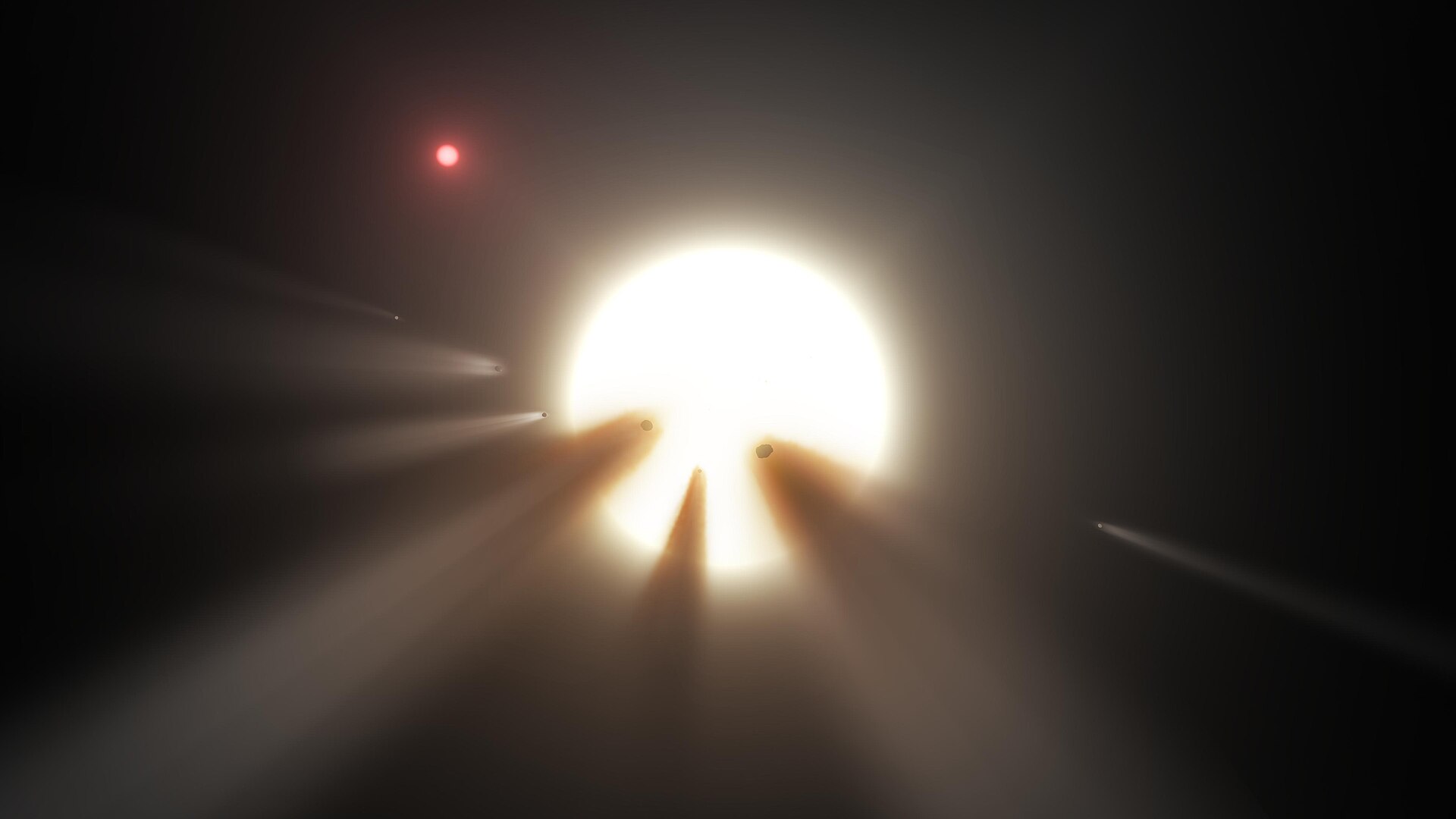
KIC 8462852, better known as Tabby’s Star, made headlines after Kepler Space Telescope data showed it dimming in irregular, sometimes dramatic dips, unlike the clean, periodic dips caused by an orbiting planet. At its most extreme, the star’s brightness dropped by amounts far larger than a planet could plausibly explain.
Explanations have included swarms of comets, disintegrating dust clouds, and even speculative alien megastructures, though the latter is considered a long shot by most astronomers. Later research pointed toward circumstellar dust as the most likely culprit, but the precise cause of the irregular dimming pattern has never been fully nailed down. It remains one of the more famous “what was that” stars in modern astronomy.
AT2018cow, the Cow
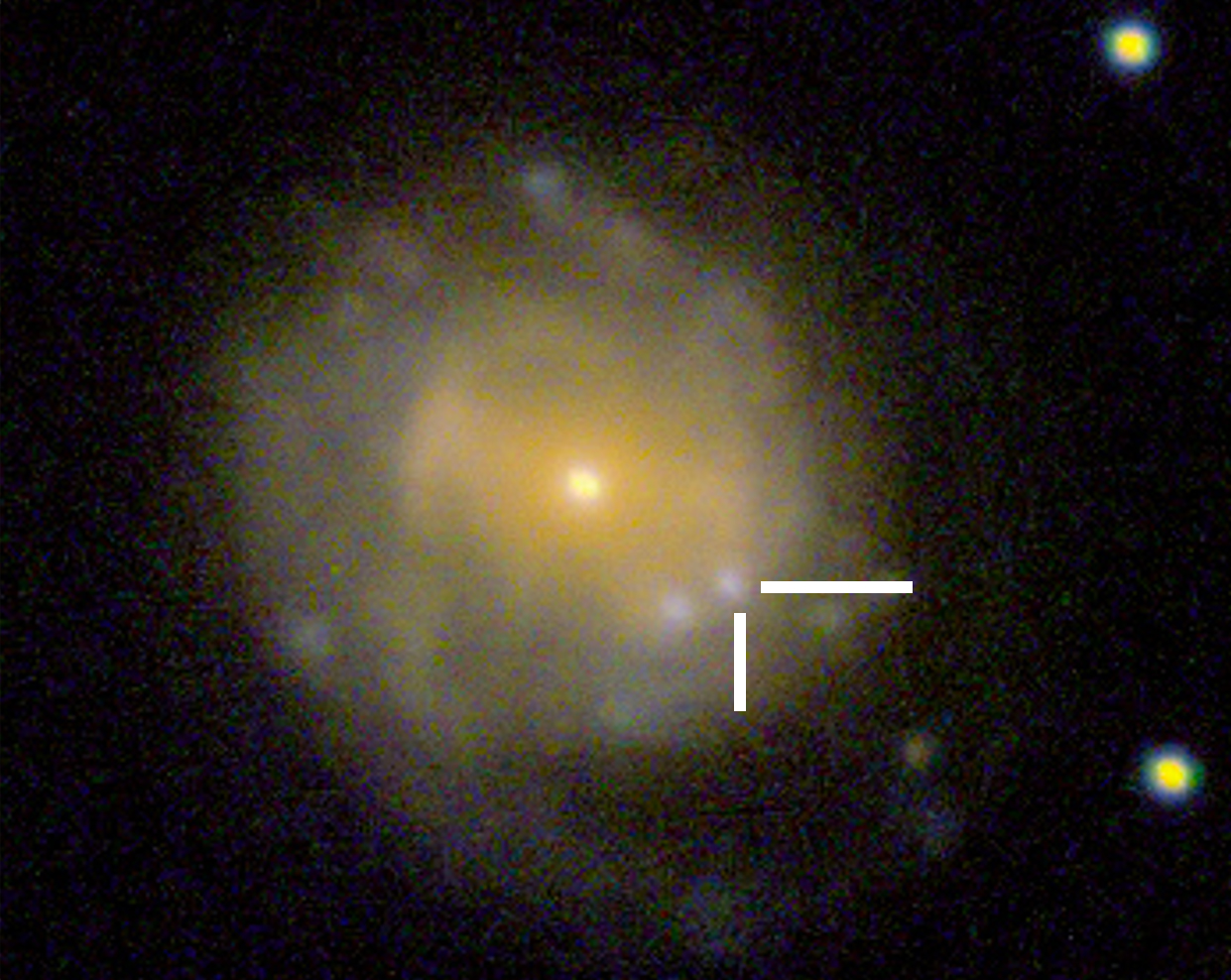
In June 2018, an automated sky survey caught a burst of light so fast and so bright that it earned the affectionate nickname “the Cow,” simply from the last three letters of its catalog designation. It brightened and faded far more quickly than a typical supernova, and shone unusually bright in X-rays for an event of its kind.
Astronomers have proposed it could be a black hole or neutron star tearing apart a nearby star, or an unusual failed supernova collapsing directly into a compact object. Multiple similar fast blue optical transients have been found since, forming a new class of events, but no single explanation has been confirmed for what exactly triggers this rare, rapid flash.
Vela Pulsar Glitches
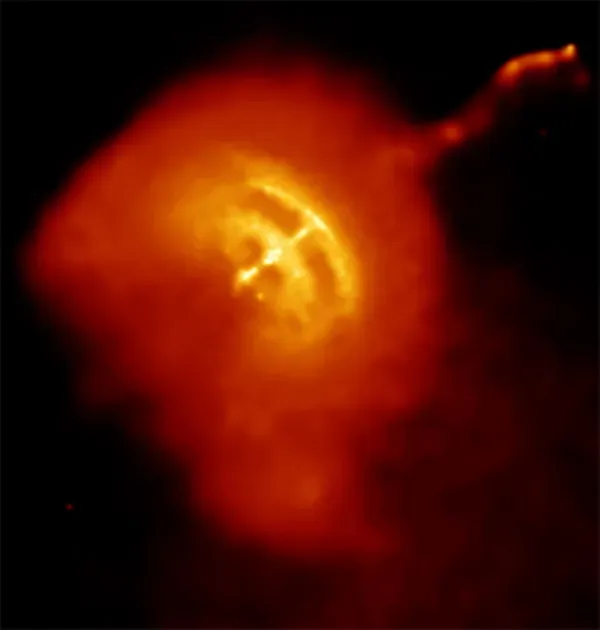
The Vela pulsar, one of the most closely watched neutron stars in the sky, occasionally does something odd: it suddenly speeds up its rotation for a brief moment before settling back into its usual, gradually slowing spin. These sudden speed-ups, called glitches, have been recorded dozens of times since the pulsar’s discovery.
The leading idea involves superfluid material inside the neutron star suddenly transferring momentum to its solid outer crust. Yet the precise trigger for any individual glitch, and why they happen when they do rather than at some other point in the star’s rotation, still isn’t predictable. Astronomers can describe the pattern, but not yet forecast the next event.
Cygnus X-3’s Anomalous Radio Flares
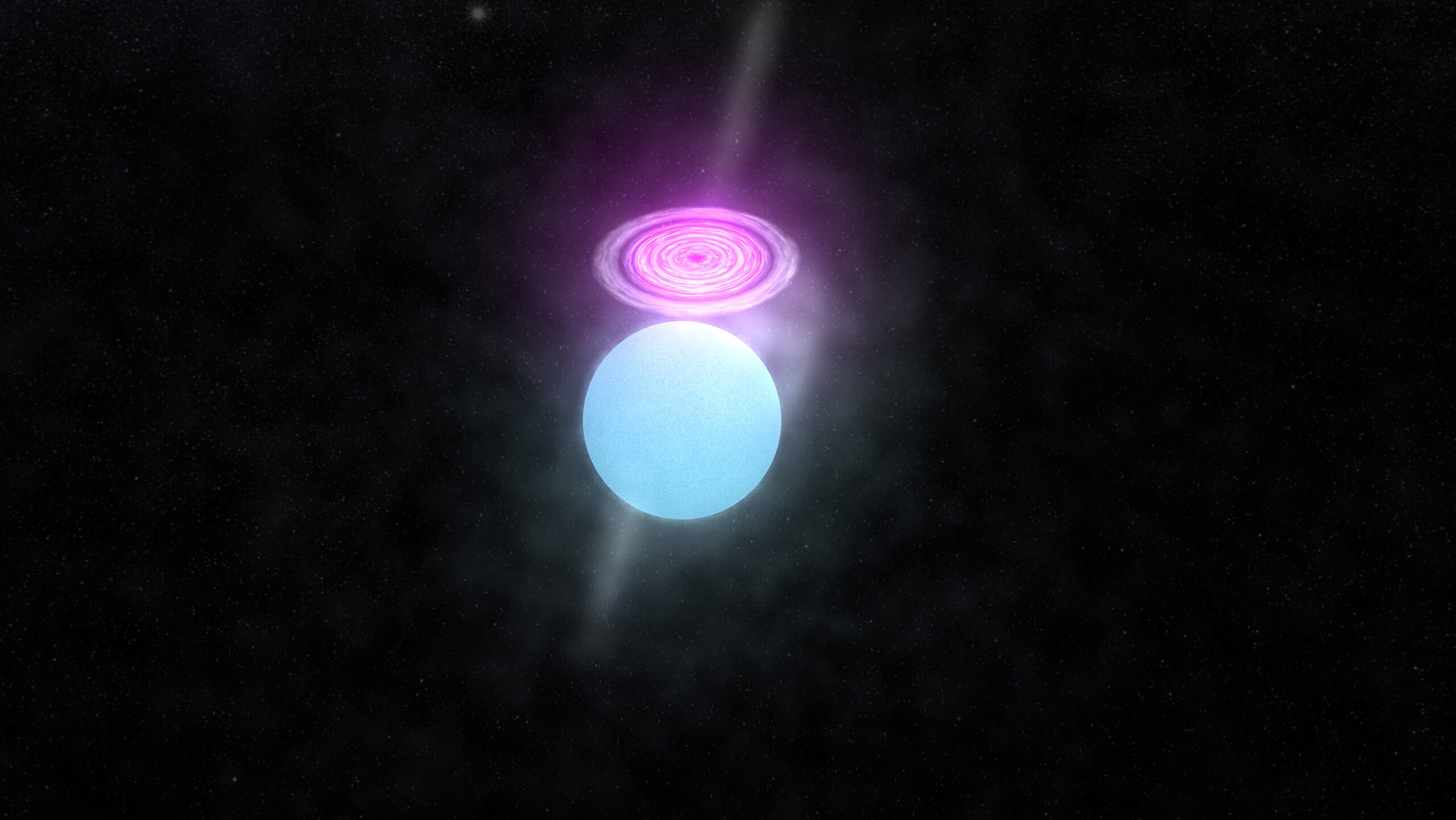
Cygnus X-3 is a binary system containing a compact object, likely a black hole or neutron star, pulling material from a companion star. Every so often, it erupts in radio flares thousands of times brighter than its normal emission, flares that have been recorded and studied for decades without a fully agreed-upon trigger.
Researchers link the outbursts to sudden changes in the accretion disk feeding the compact object, but predicting exactly when a flare will occur, or why some are far more intense than others, remains elusive. It’s a well-observed system that still manages to surprise the astronomers who watch it most closely.
Unidentified Infrared Emission Bands
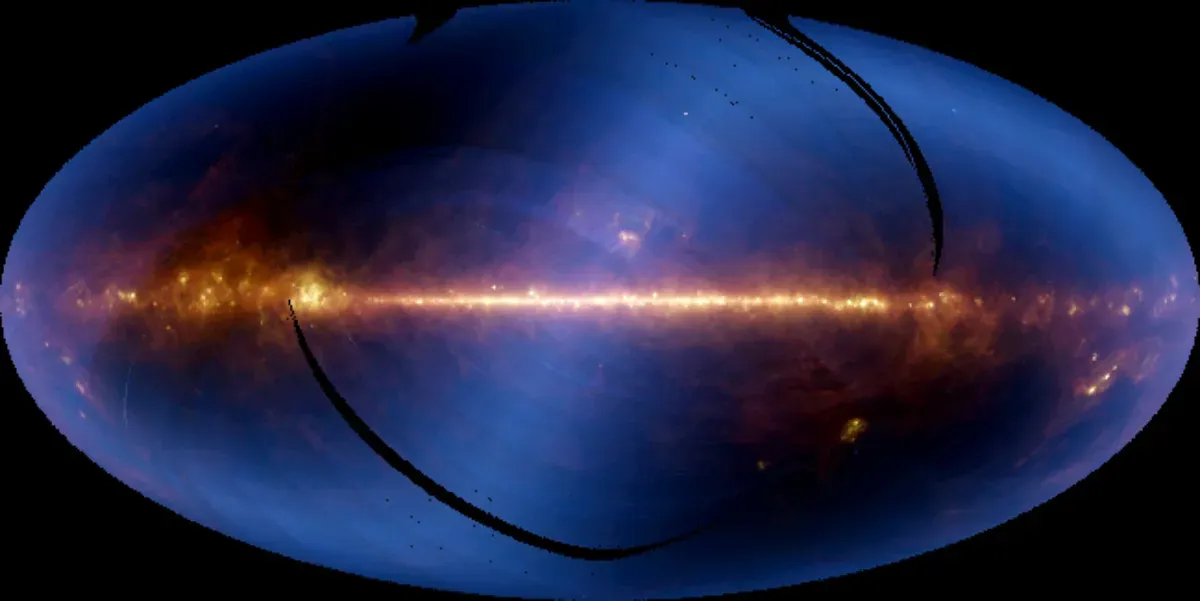
Scattered across interstellar space, certain infrared emission bands show up again and again in observations of star-forming regions and galaxies, at wavelengths that don’t match any single, confirmed molecule. These are generally attributed to complex carbon-based molecules, but the exact chemical culprits have never been definitively isolated in a lab setting matching space conditions.
Decades of spectroscopy have narrowed down the likely candidates without closing the case entirely. It’s a quiet, persistent puzzle in astrochemistry, less dramatic than a burst or a flash, but no less unresolved for its subtlety.
OJ 287’s Periodic Outbursts
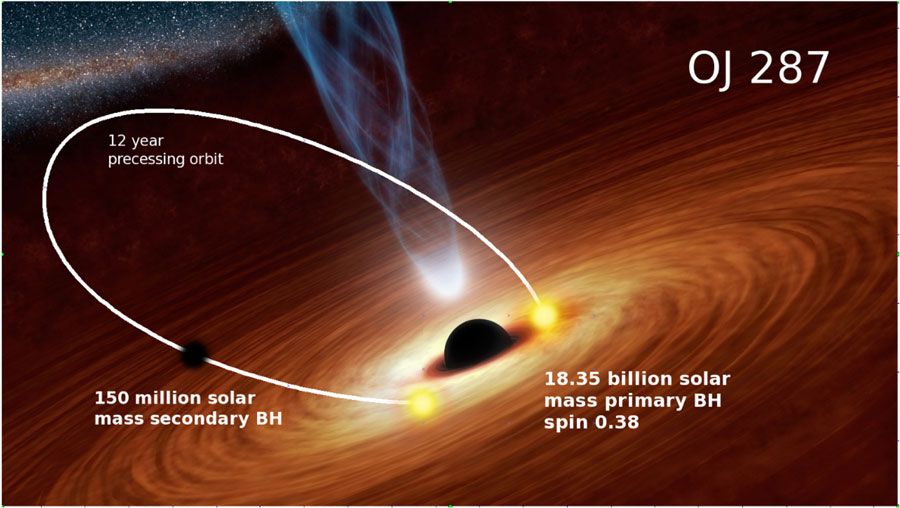
The distant blazar OJ 287 has been flaring in a roughly repeating pattern for over a century, based on records stretching back through old photographic plates. Astronomers believe it hosts a supermassive black hole binary, one punching through the accretion disk of the other roughly every twelve years, triggering a bright flare.
The general model has predicted several outbursts successfully, which is genuinely impressive. Still, some of the finer details, including the exact timing and brightness of individual flares, don’t line up perfectly with predictions, leaving researchers refining their models rather than closing the book on this ancient, cyclical light show.
Gravitational Wave Echoes
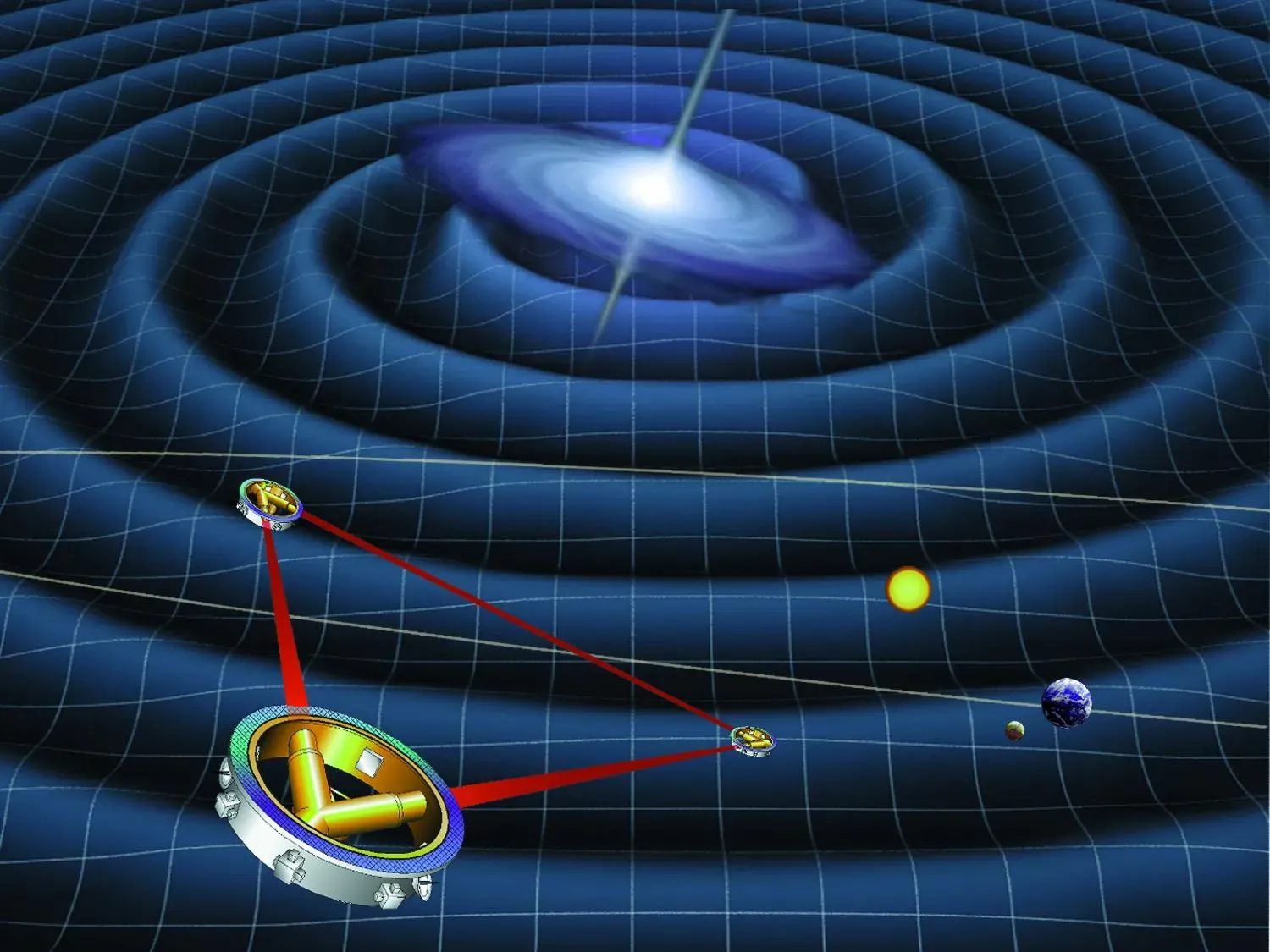
Since LIGO’s first detection of gravitational waves from merging black holes in 2015, some physicists have combed through the data looking for faint “echoes,” repeating ripples that might follow the main signal if black holes have some exotic quantum structure at their boundary rather than a smooth event horizon. A handful of papers have claimed tentative statistical hints of these echoes in the data.
Other independent analyses of the same datasets haven’t found the same signal, and the broader physics community remains split on whether the hints are real or simply noise dressed up by statistical fluctuation. It’s a genuinely open argument, playing out in real time across competing research groups, about whether black holes hide something stranger than general relativity predicts.
Gamma Ray Burst Afterglow Plateaus
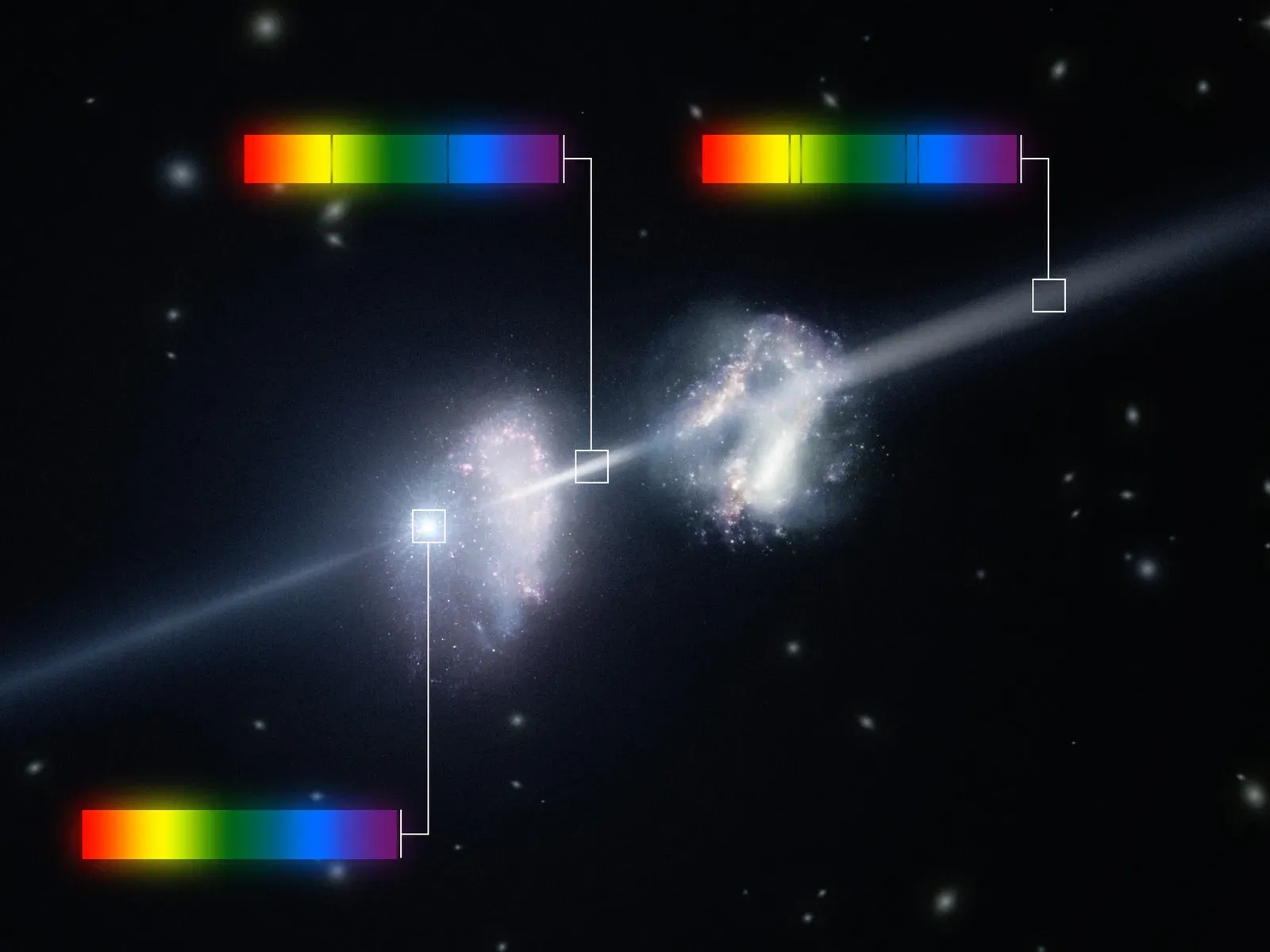
When a gamma-ray burst fades, its afterglow typically declines in a predictable way, except when it doesn’t. Many bursts observed by the Swift satellite show a strange plateau phase, where the afterglow’s decline flattens out for a period before resuming its expected fade, a pattern that doesn’t fit simply into the standard fireball model of GRB physics.
The leading explanation involves a newly formed, rapidly spinning magnetar continuing to inject energy into the afterglow for a while after the initial burst. That idea fits some bursts well and others poorly, and no single mechanism has satisfactorily explained every plateau observed across the growing catalog of gamma-ray bursts. It’s a detail in the tail end of an explosion that keeps refusing to behave.
Final Thoughts
Looking at this list end to end, what strikes me most isn’t the alien speculation that inevitably follows a few of these entries. It’s how much of modern astrophysics runs on educated guesses dressed up as consensus. Every signal here has a leading theory, sometimes several competing ones, but “leading theory” is not the same thing as an answer.
I’d argue that’s actually the healthier position for science to be in. A field with no open questions has stopped asking anything interesting, and right now, from Antarctic ice to Australian radio arrays to a probe drifting past the edge of the solar system, the universe keeps handing us data that doesn’t fit the models cleanly. Some of these thirty signals will probably get resolved within the next decade, quietly, in a journal paper nobody outside the field notices. Others might still be sitting unexplained fifty years from now, waiting for whoever picks up where Jerry Ehman’s red pen left off in 1977.