
Most people picture ancient civilizations as primitive tribes fumbling with stone tools and mud huts. But archaeologists keep digging up cities with flush toilets, seismic-resistant architecture, and hydraulic engineering that modern city planners still study today. Some of these places had running water before the Egyptians finished their pyramids.
Others built stone megaliths so precise that modern laser-cutting tools still can’t replicate the joints. The uncomfortable truth is that “primitive” is often just a word we use for civilizations we haven’t bothered to study closely enough. Here’s what archaeologists and engineers actually say about the 26 cities that shouldn’t have existed yet – starting with the ones that quietly broke every rule.
#26 – Skara Brae: The Stone Village That Predates the Pyramids
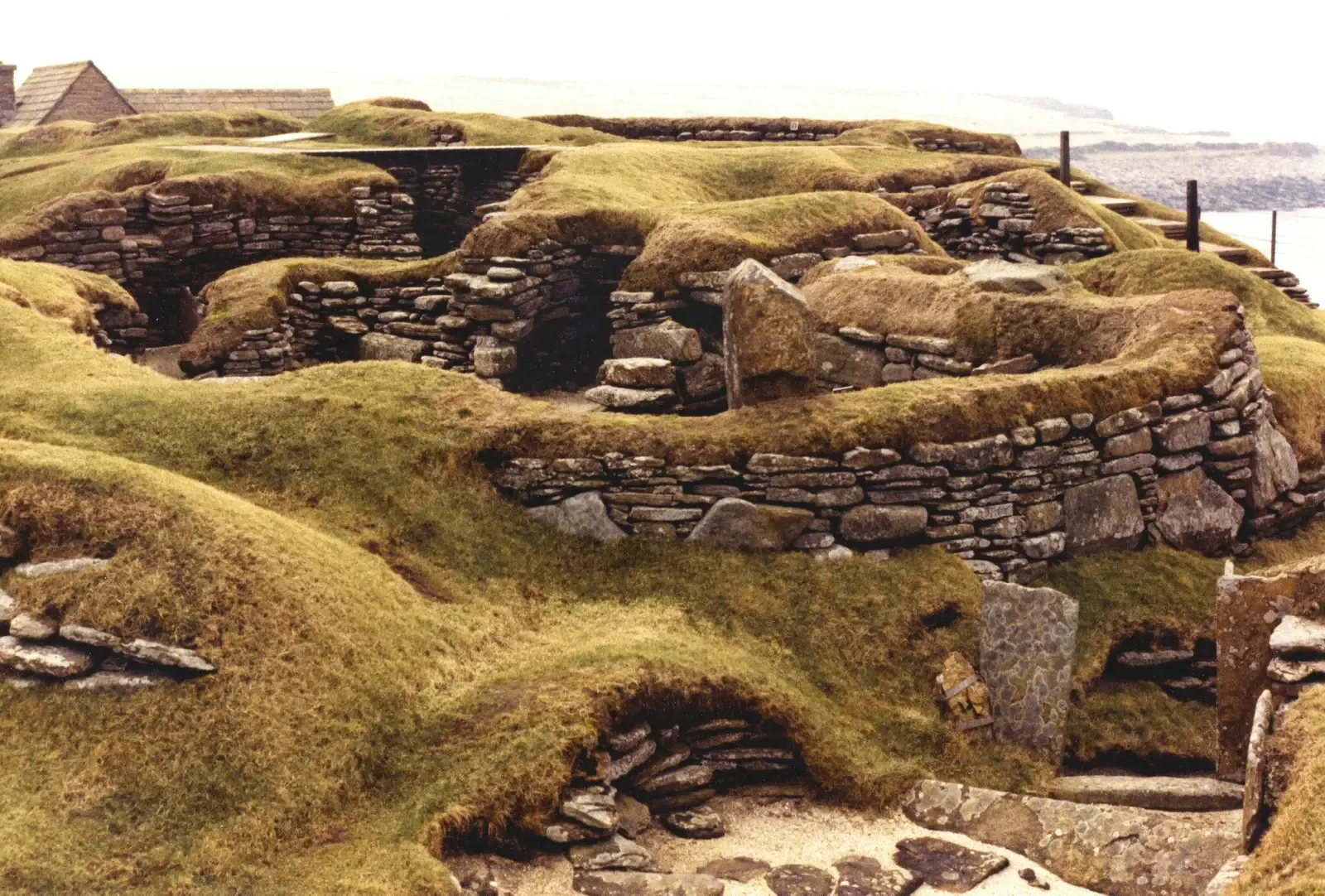
On a treeless, wind-battered island off the coast of Scotland, a cluster of Neolithic houses had built-in stone furniture, working drains, and possibly the earliest plumbing concept on Earth – thousands of years before Rome existed.
Skara Brae’s stone dressers, box beds, and hearths were carved directly into the walls, which is exactly why they’ve survived roughly 5,000 years while wooden furniture elsewhere rotted into dust. This tiny village on Orkney is older than Stonehenge and the Great Pyramid of Giza, yet its residents were already routing waste away from where they slept and ate. It quietly rewrites what “early” humans were supposedly capable of building.
#25 – Çatalhöyük: The City With No Streets, Doors, or Front Yards
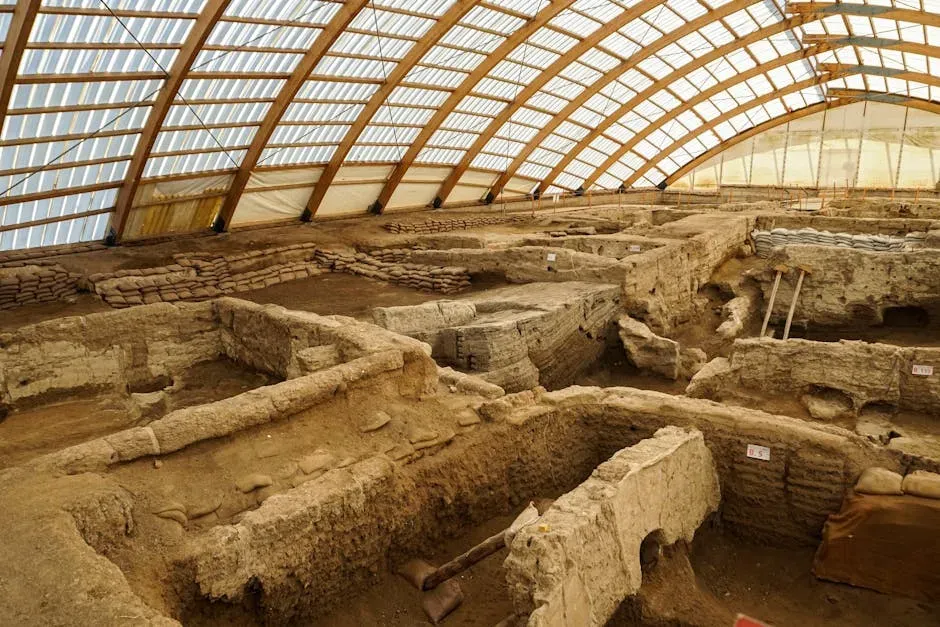
Nine thousand years ago, thousands of people packed into a settlement in modern-day Turkey where the only way into your house was through a hole in the roof.
Çatalhöyük had no streets at all. Homes were built wall-to-wall, and residents crossed rooftops to reach ladder-access doorways cut straight into the ceiling – a deliberate defensive strategy that held the settlement together for over a thousand years. Excavators found elaborate wall paintings, plastered bull skulls, and burials tucked beneath the floors of ordinary homes, a level of symbolic depth rarely credited to Neolithic farmers. Many now call it one of the first true proto-cities on Earth, centuries before writing existed anywhere.
#24 – Mesa Verde: Cliffside Engineering With No Modern Equivalent
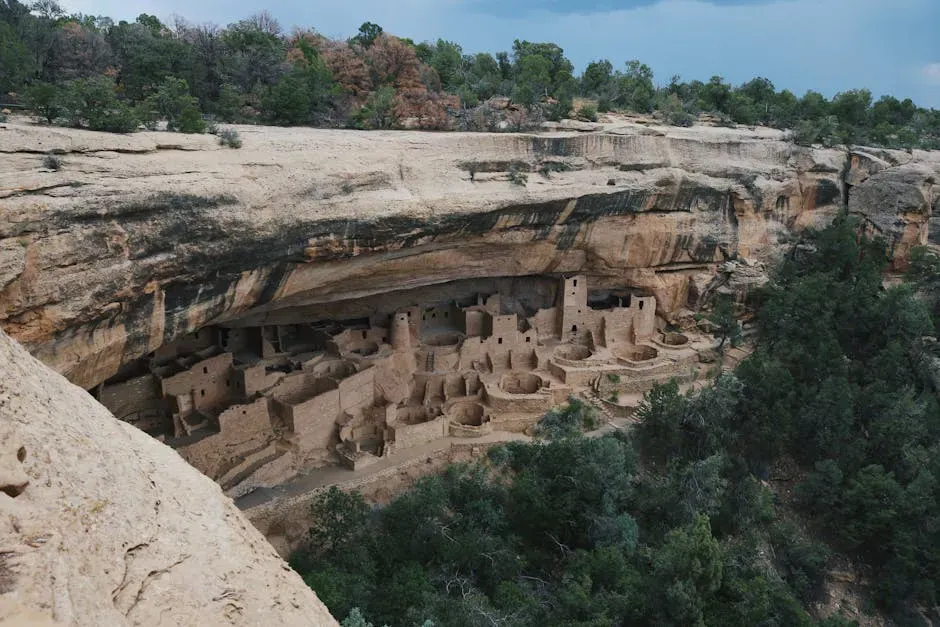
Ancestral Puebloans built entire multi-story stone communities directly into vertical cliff faces in the American Southwest, and the structural logic still impresses engineers today.
Builders hauled stone, mortar, and timber up steep rock faces and constructed rooms designed to withstand centuries of freeze-thaw cycles, wind, and seismic activity in a canyon environment. Some structures reach several stories high, with rooms tucked so far back into alcoves that sunlight barely touches them, yet they remain remarkably stable centuries later. The precision required to fit these buildings into irregular cliff overhangs, without modern surveying tools, still puzzles structural historians. The site is chronically underrated simply because it doesn’t fit the “grand empire” image most people expect from ancient sophistication.
#23 – Cahokia: North America’s Forgotten Metropolis
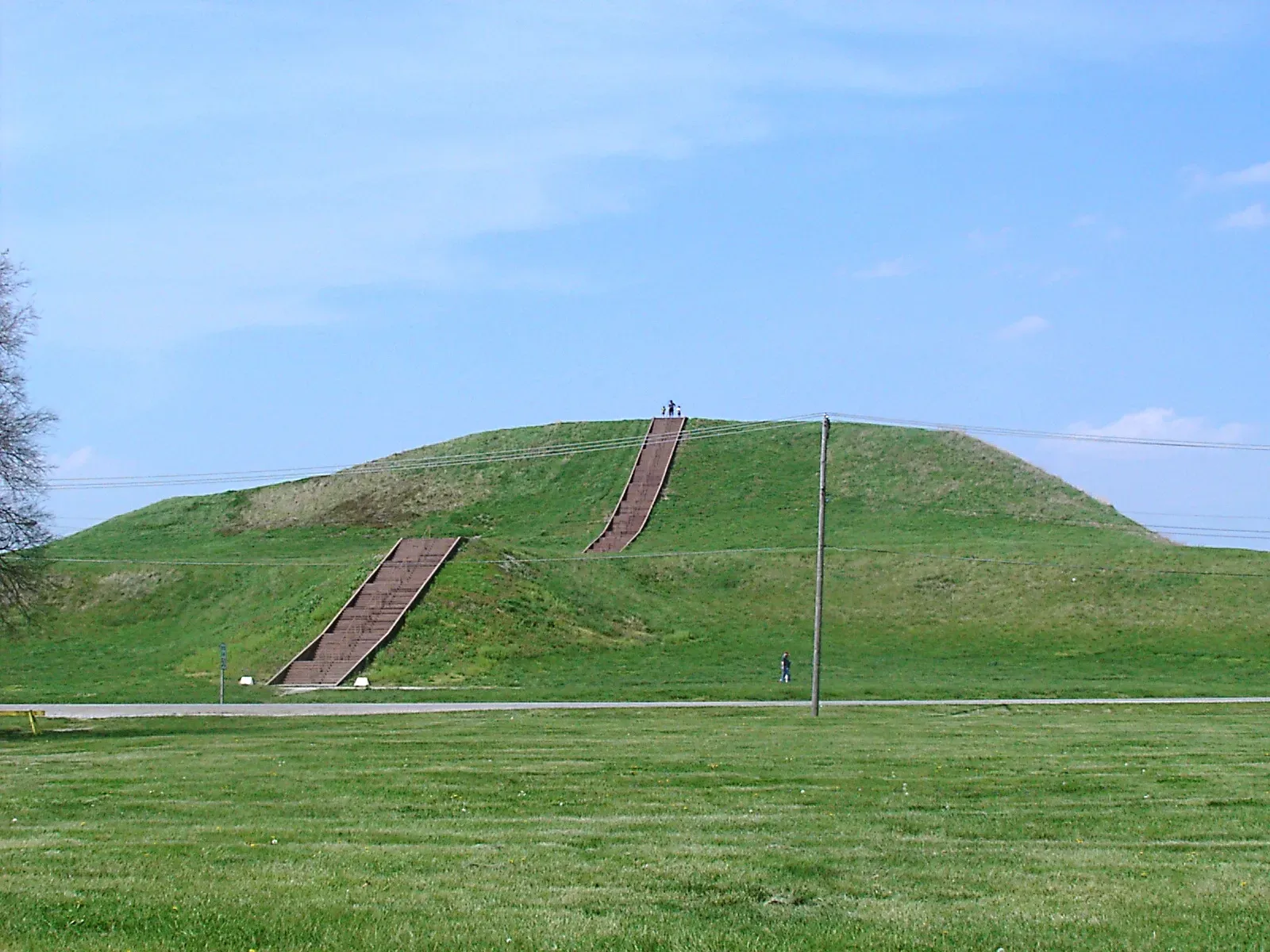
Near modern St. Louis, a Native American city once rivaled the size of London, complete with massive earthen pyramids, a solar calendar, and a planned urban layout.
Cahokia’s builders moved millions of cubic feet of earth by hand to construct Monks Mound, one of the largest pre-Columbian structures in North America, without wheels, draft animals, or metal tools. The city also featured a wooden monument nicknamed “Woodhenge,” a ring of posts aligned with solstice sunrises that functioned as a working solar calendar. At its peak, Cahokia may have housed more people than any European city of the same era – a fact most American history textbooks barely mention.
Fast Facts
- Peak population estimates range from 10,000 to over 20,000 residents around 1050-1200 CE
- Monks Mound covers a larger footprint than Egypt’s Great Pyramid of Giza
- Woodhenge functioned as a solar calendar, tracking solstice and equinox sunrises
- Built entirely without wheels, metal tools, or draft animals
#22 – Ur: The Birthplace of Written Law
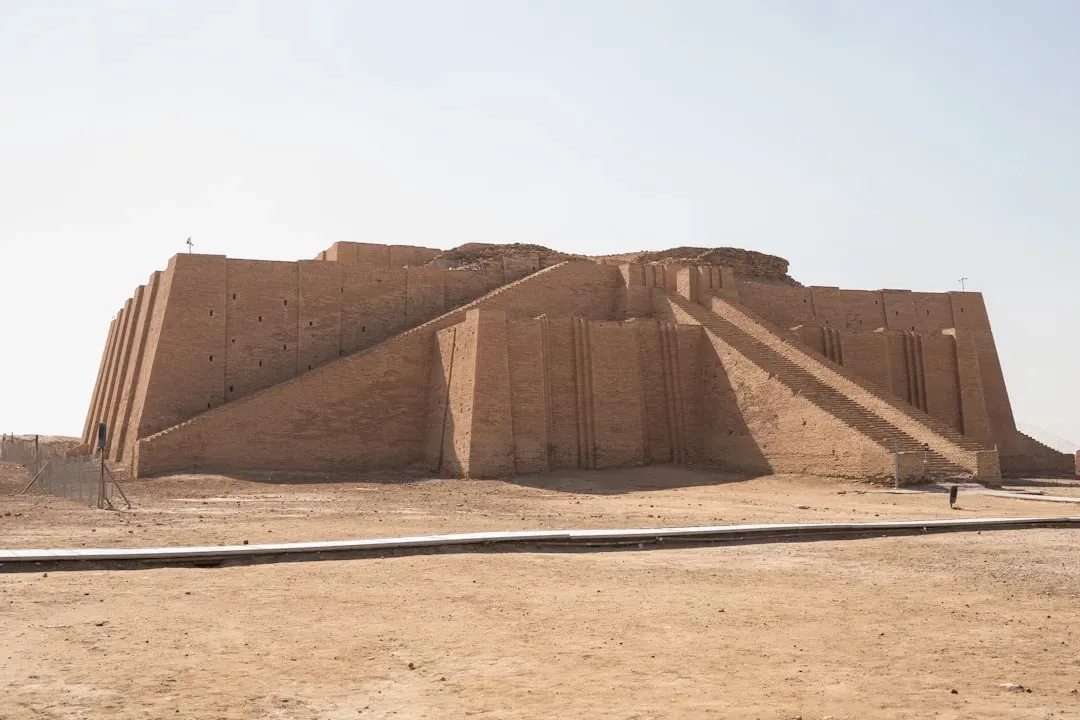
Long before Rome ever drafted a legal code, the Mesopotamian city of Ur was already governing its citizens with formalized written law and a towering stepped temple.
Ur’s massive ziggurat, dedicated to the moon god Nanna, needed careful engineering to keep its mudbrick core from collapsing under rain, relying on a sloped design and drainage weep-holes. The city is also tied to some of the earliest known law codes in human history, predating Hammurabi’s more famous version by centuries. Royal tombs excavated at Ur revealed gold headdresses, lyres, and jewelry crafted with a metalworking precision that shocked early 20th-century archaeologists. Bureaucracy and law, not just brute force, appear to have built the earliest empires.
#21 – Uruk: The City That Invented the City
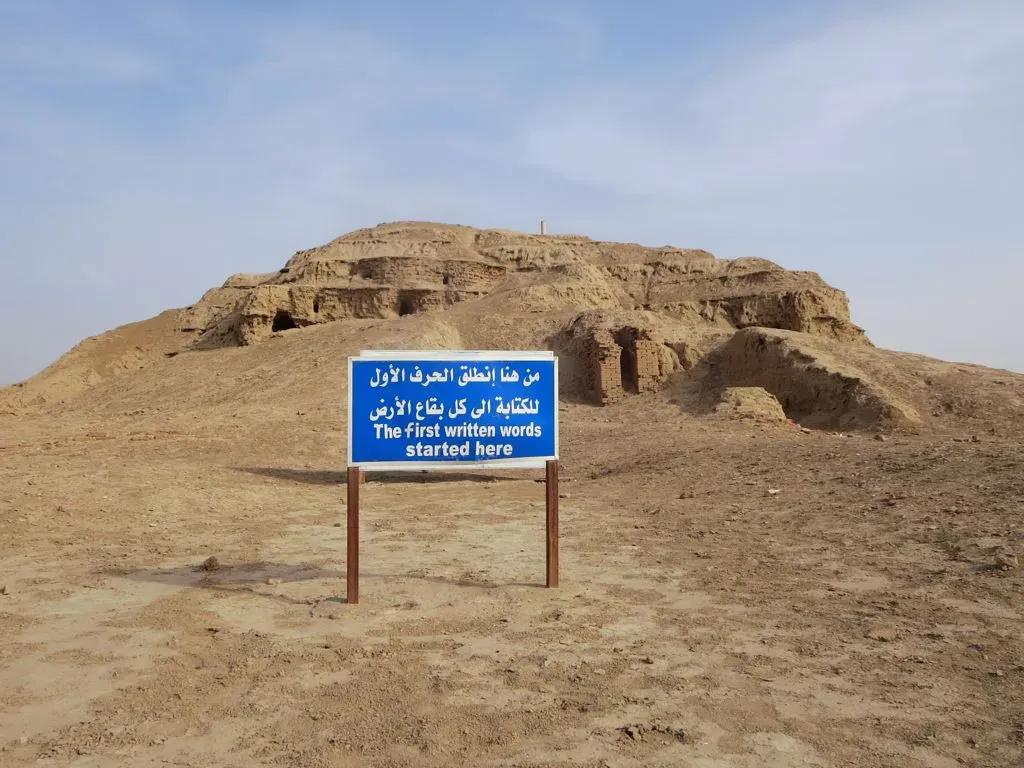
Uruk is where many historians place the actual birth of urban civilization, complete with the world’s earliest known writing system and monumental architecture built at a scale nobody had attempted before.
At its peak, Uruk may have housed tens of thousands of residents behind massive walls, with specialized labor, religious bureaucracy, and long-distance trade networks. The cuneiform tablets found here weren’t philosophy – they were administrative records tracking grain, labor, and taxes, revealing a surprisingly modern obsession with paperwork. The idea of “the city” as an organized, walled, administratively complex entity essentially starts here, thousands of years before Athens or Rome existed.
#20 – Babylon: Engineering Myths That Might Be Real History
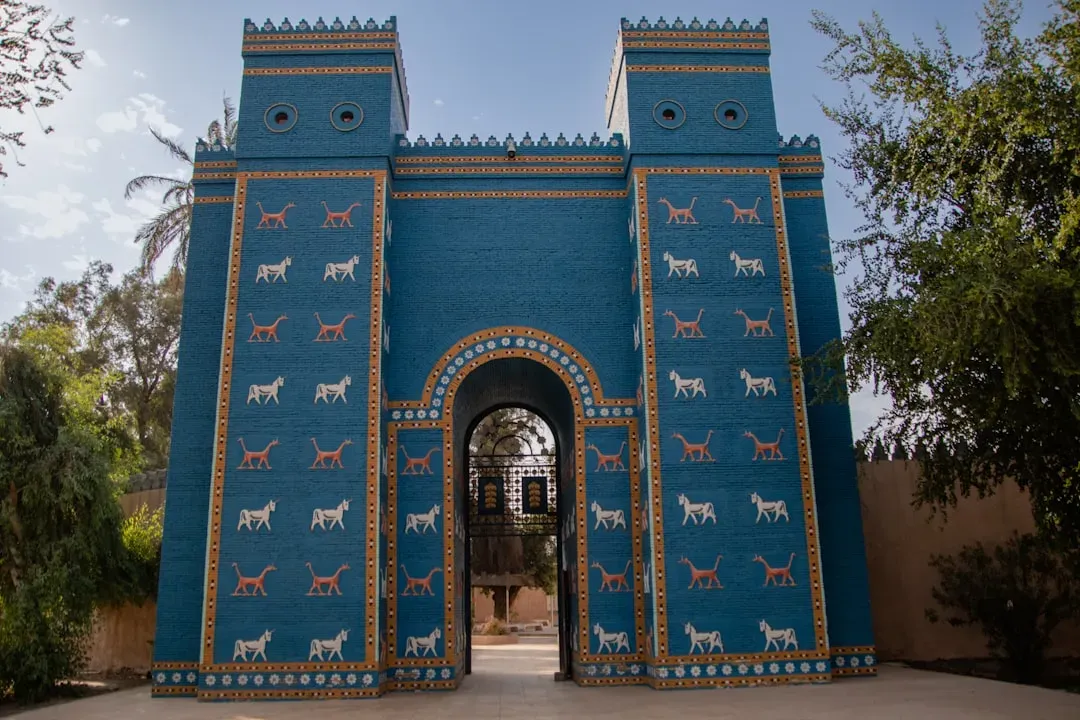
Babylon’s reputation as a city of legendary engineering, from towering ziggurats to reportedly terraced gardens, has made it one of the most debated ancient capitals in history.
The Ishtar Gate, reconstructed from excavated glazed bricks, showcased vivid blue tilework and animal reliefs that required advanced kiln technology rarely matched elsewhere in the ancient Near East. Babylon was also a center of early astronomy, with scribes tracking planetary movements and developing base-60 numerical systems still echoed in how we measure time today. Some historians argue the famous Hanging Gardens may have actually existed in nearby Nineveh rather than Babylon itself, a theory that still divides archaeologists. Either way, Babylon’s scientific output alone earns its sophisticated reputation.
#19 – Persepolis: A Palace Built for Empire-Scale Logistics
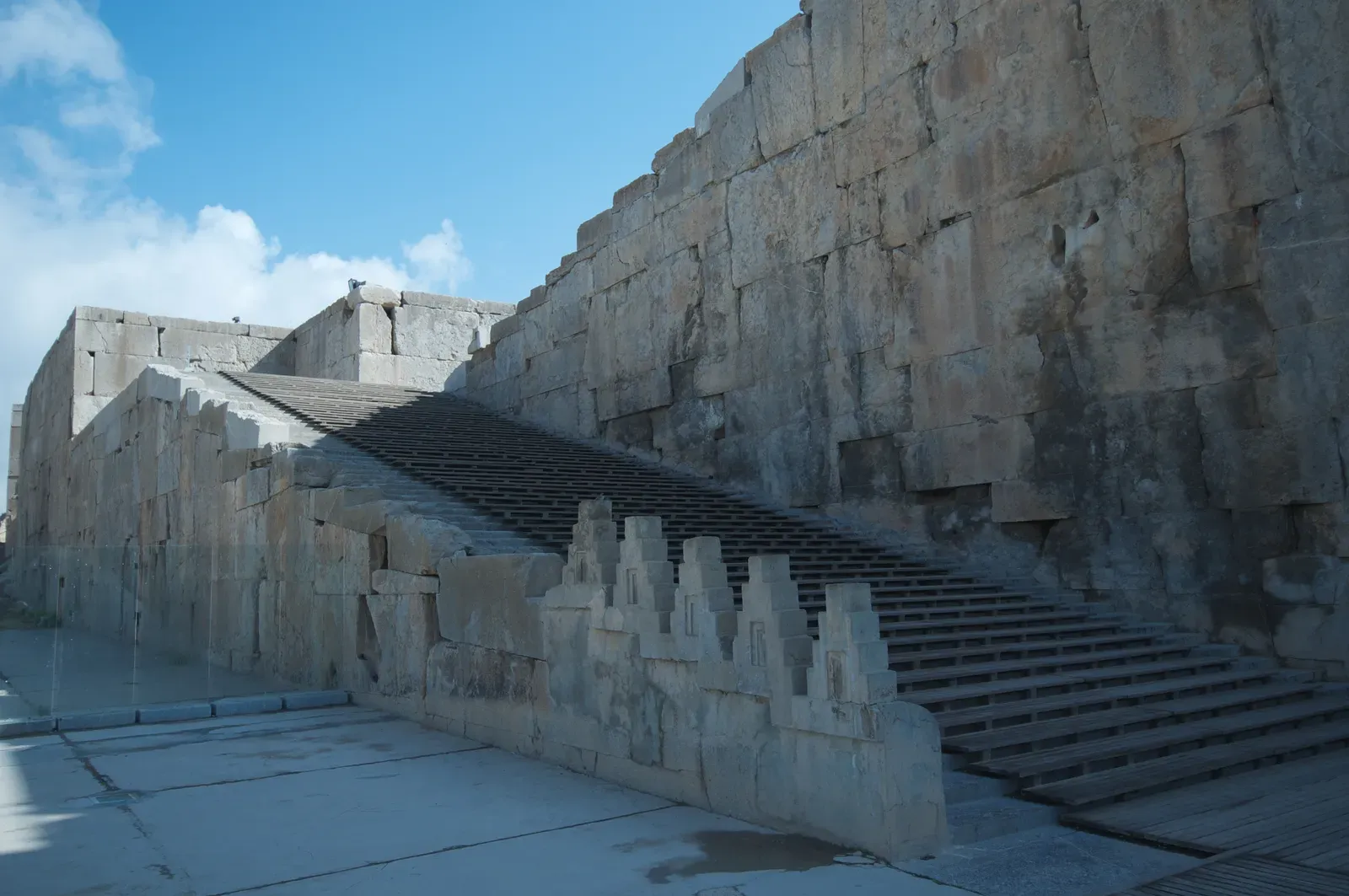
The Achaemenid Persian capital of Persepolis wasn’t just a palace – it was engineered as a functioning logistical hub capable of hosting representatives from an empire spanning three continents.
Massive stone staircases, wide enough for horses and dignitaries to climb side by side, led to audience halls carved with reliefs of dozens of subject nations bringing tribute. Quarrying, transporting, and fitting enormous stone columns at that elevation demanded serious coordination across the entire empire. Persepolis functioned less like a single palace and more like a diplomatic convention center, built to visually remind every visitor exactly who was in charge.
#18 – Knossos: The Palace With Ancient Flushing Toilets
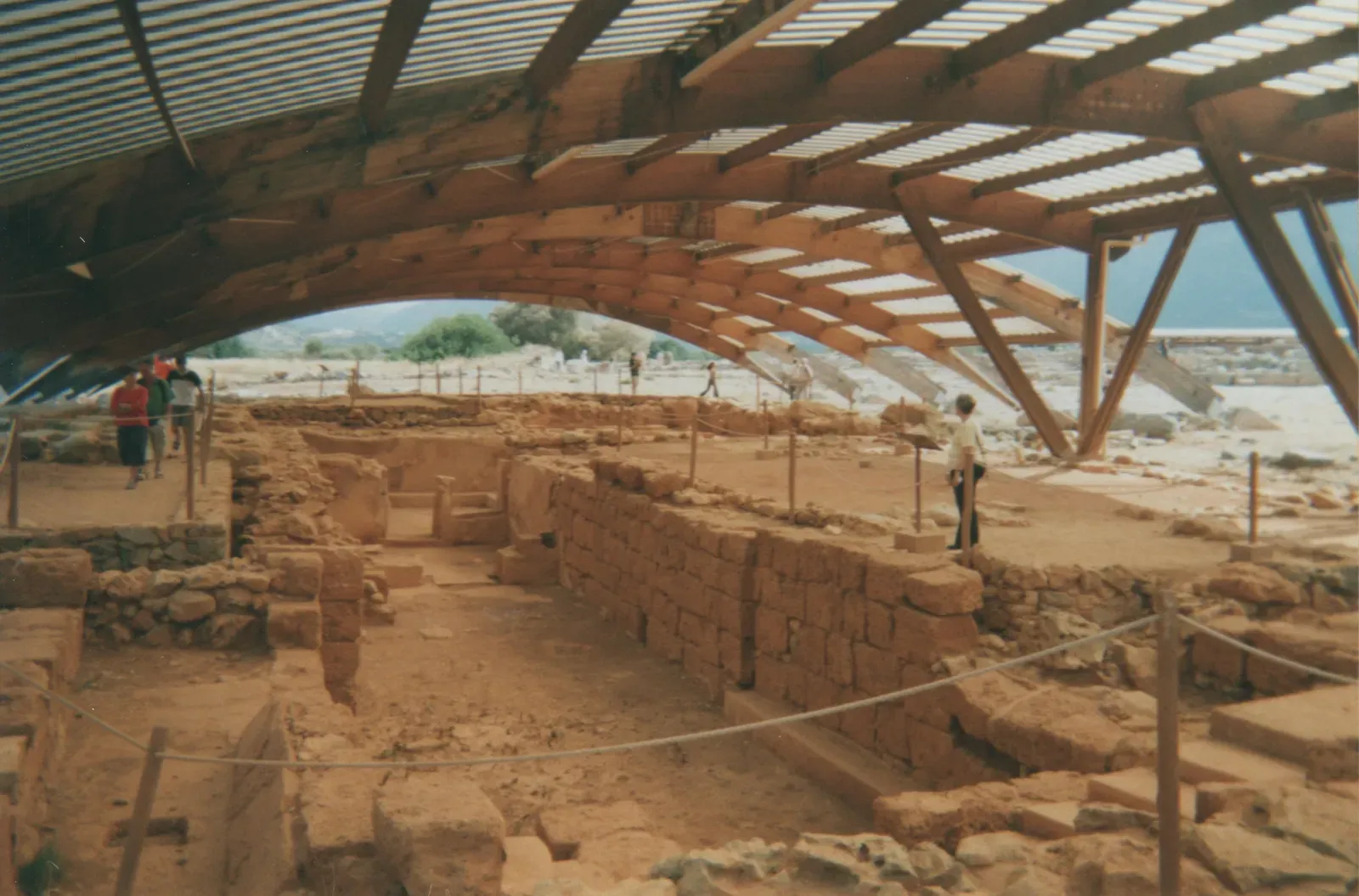
On the island of Crete, the Minoan palace of Knossos featured multi-story construction, light wells, and plumbing that wouldn’t feel out of place in a modern rural home.
Archaeologists found terracotta pipes designed to bring fresh water in and carry wastewater out, alongside what many researchers describe as one of the earliest flushing toilet systems in human history. Light wells and strategically placed windows brought natural illumination and airflow into interior rooms – a passive design trick modern green architects still study. The palace’s sprawling, multi-level layout confused later Greek visitors so badly it may have inspired the myth of the labyrinth. Minoan domestic technology was, by most measures, centuries ahead of mainland Greece.
#17 – Petra: A Desert City That Mastered Water Scarcity
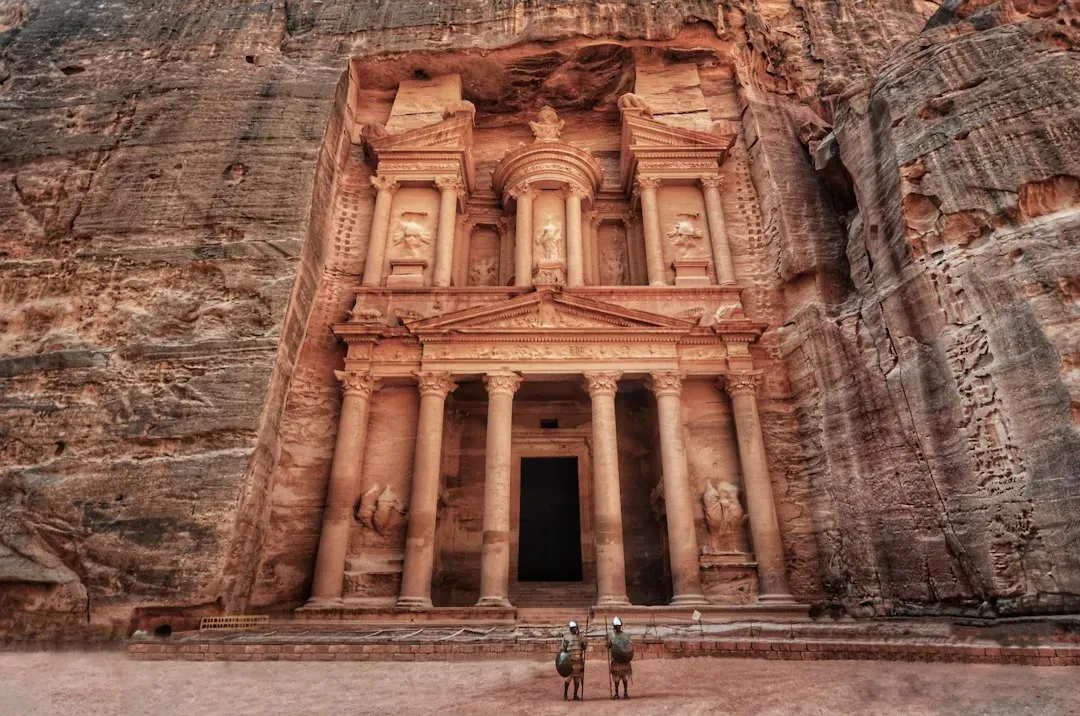
Carved into rose-colored sandstone cliffs, the Nabataean city of Petra thrived in one of the driest regions on Earth by mastering water collection with an engineering system modern desert cities still reference.
The Nabataeans built an extensive network of channels, cisterns, and dams to capture seasonal flash floods and store the water through the dry months, turning a desert canyon into a livable, thriving trade capital. This hydraulic system supported a population far larger than the landscape should have allowed, fueling Petra’s rise as a wealthy caravan hub linking Arabia, Egypt, and the Mediterranean. The precision of Petra’s water channels suggests its engineers understood gradient, pressure, and flow control with startling accuracy, despite having no modern surveying instruments at all.
#16 – Great Zimbabwe: Stone Walls Without a Single Drop of Mortar
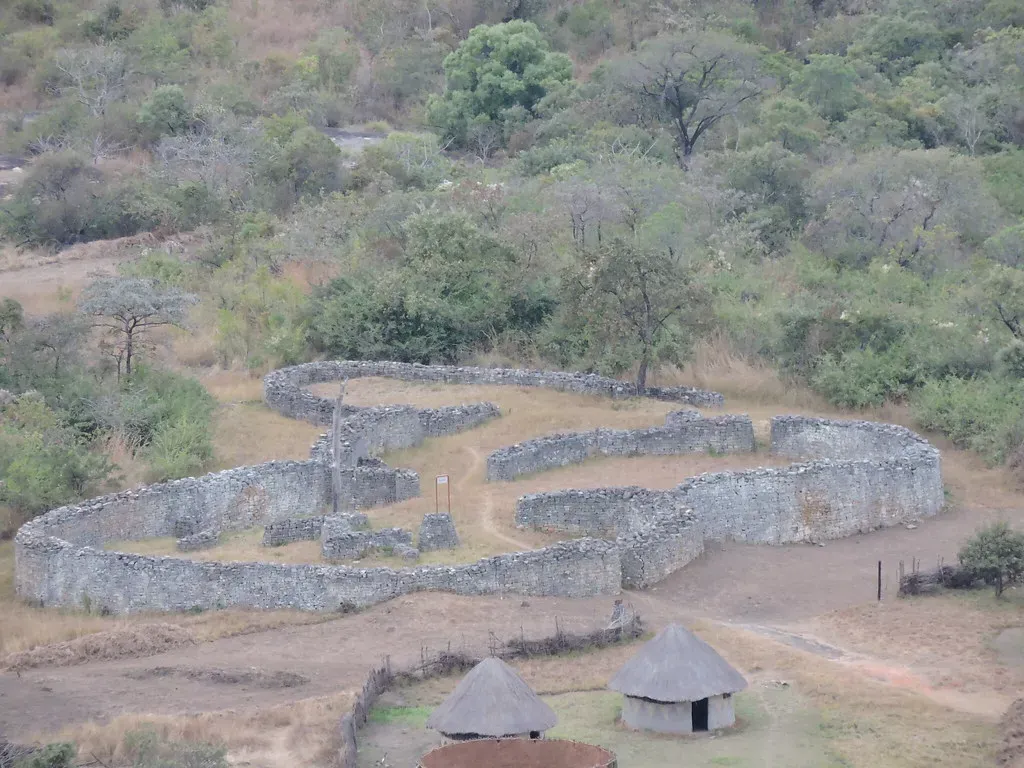
In southern Africa, the builders of Great Zimbabwe stacked granite blocks into towering curved walls without using any mortar, and those walls have survived for centuries.
The dry-stone construction demanded an intimate understanding of stone shaping and weight distribution, since one miscalculation could send an entire wall collapsing with nothing to hold the mistake together. At its height, the city served as the political and economic hub of a trading empire that dealt in gold, ivory, and goods imported from as far away as China and Persia. European colonizers initially refused to believe Africans built the site, falsely crediting it to Phoenicians instead – a claim modern archaeology has thoroughly debunked. It remains one of the most deliberately erased achievements in African history.
Worth Knowing
- Some walls reach roughly 36 feet (11 meters) high, built entirely without mortar
- The site sprawls across hundreds of acres of granite hilltops and enclosures
- Trade goods recovered here have been linked to sources as far as China and Persia
- Colonial-era historians spent decades wrongly denying African authorship of the site
#15 – Chan Chan: The Largest Adobe City Ever Built
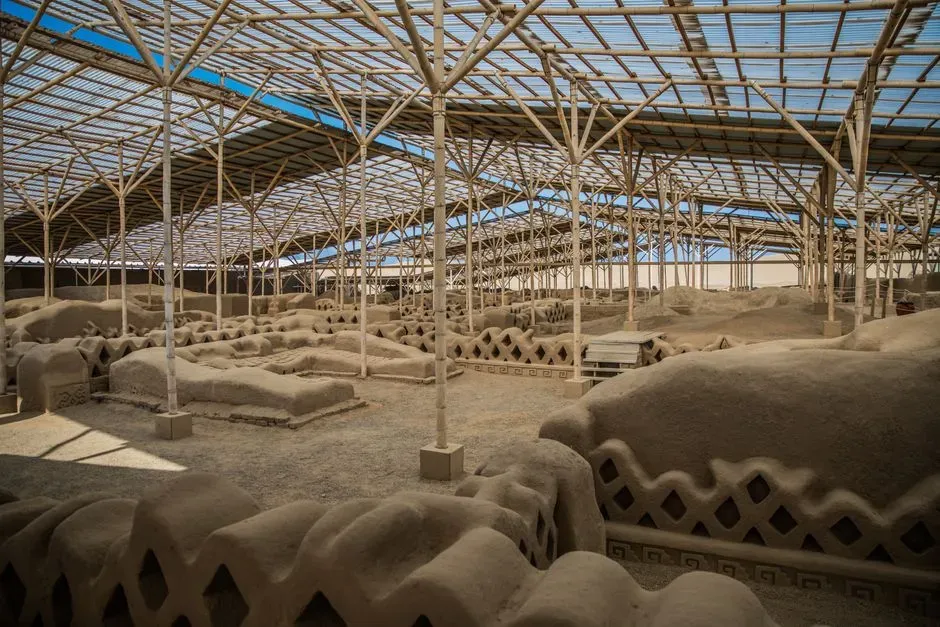
On Peru’s arid northern coast, the Chimú civilization built Chan Chan, the largest city ever constructed almost entirely out of adobe mudbrick, sprawling across the desert with striking geometric precision.
The city was organized into walled royal compounds called ciudadelas, each holding plazas, storerooms, and burial platforms – clear evidence of dedicated urban planners overseeing construction. Chan Chan’s builders also engineered walk-in wells and canals to manage water in a region with almost no rainfall, redirecting river water across the entire urban grid. The intricate friezes carved into the adobe walls depict waves, fish, and birds with a consistency rarely seen in earthen architecture. Mudbrick, so often dismissed as “primitive,” clearly supported a genuinely sophisticated city.
#14 – Tiwanaku: Andean Stonework That Still Confuses Engineers
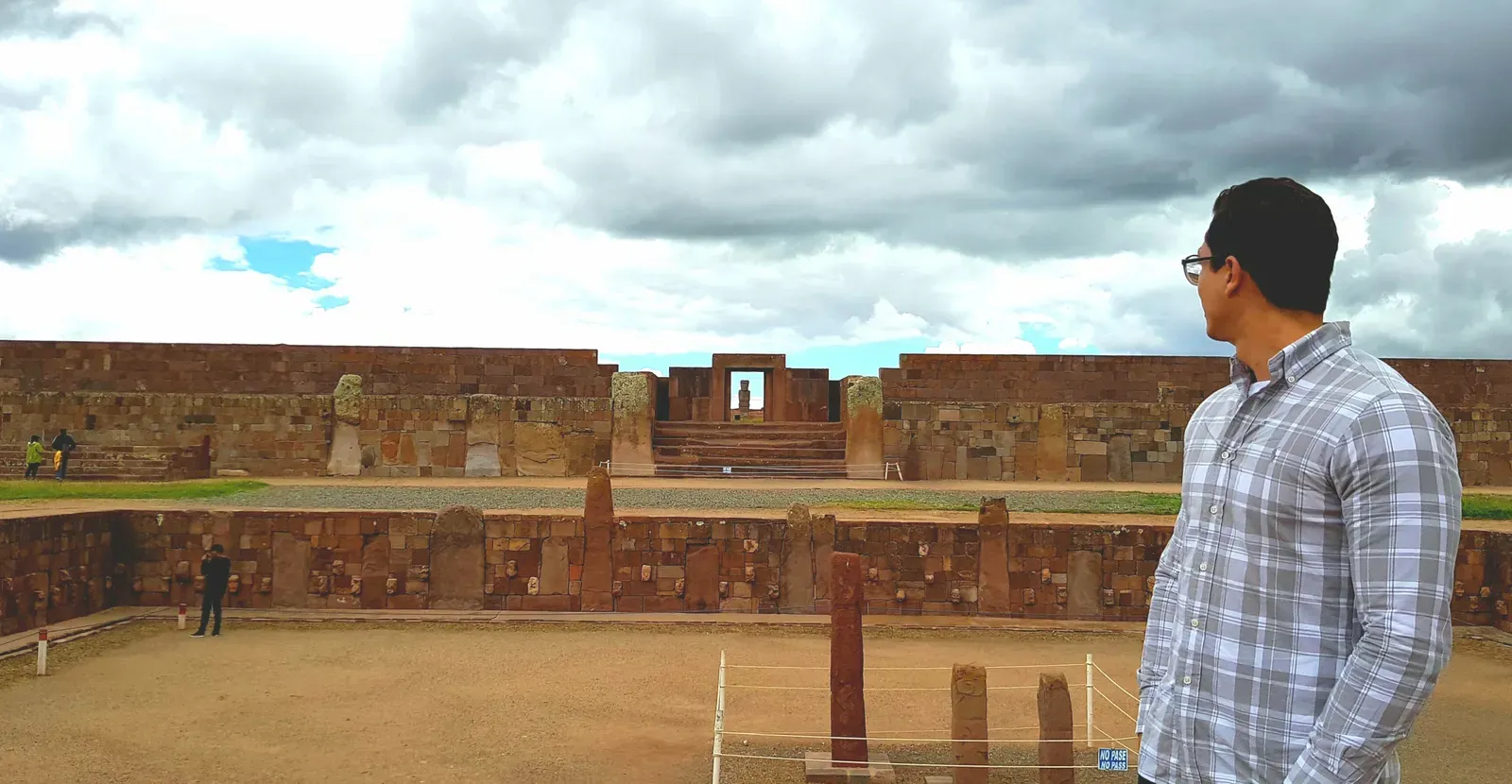
High in the Bolivian altiplano, the city of Tiwanaku produced stonework so precisely cut that some blocks fit together with barely a hairline gap, despite the extreme elevation and total absence of modern tools.
Builders used interlocking metal clamps poured directly into carved stone grooves to bind blocks together, a technique that required both advanced metallurgy and architectural foresight. The city also functioned as a major ceremonial and administrative center, with monumental gateways and courtyards aligned to solar events. Researchers have found evidence that some stones were transported from quarries dozens of miles away, across some of the most punishing terrain in South America – and engineers still can’t fully explain how.
#13 – Sacsayhuamán: Stones So Precise You Can’t Slide a Blade Between Them
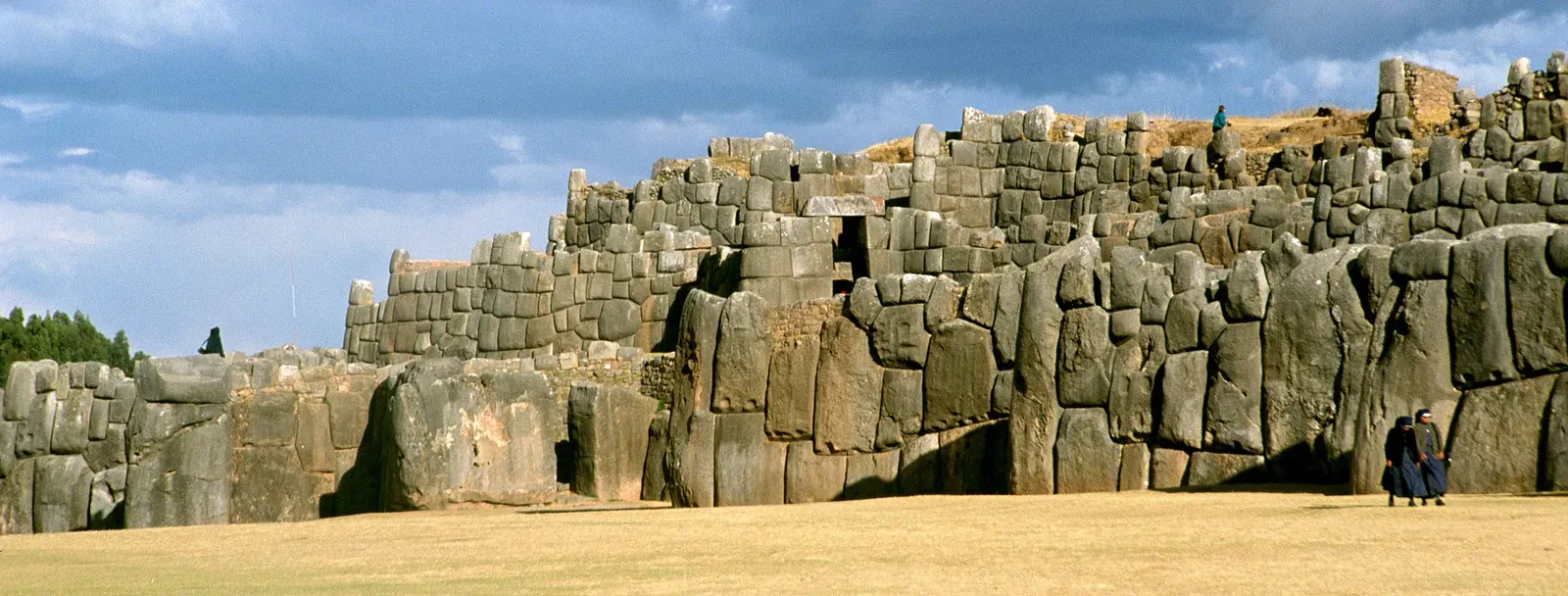
Above the Inca capital of Cusco, the fortress of Sacsayhuamán features megalithic walls made of stones weighing many tons each, fitted together without mortar and with joints so tight they’ve survived multiple major earthquakes.
Inca builders shaped each irregular, multi-sided stone individually to interlock with its neighbors, distributing seismic energy across the whole structure instead of concentrating it at rigid corners. That’s likely why these walls have outlasted colonial Spanish buildings nearby built with traditional European mortar, many of which have since crumbled. Some of the largest stones are estimated to weigh well over 100 tons, and nobody has fully explained how they were lifted into place without pulleys or wheels.
#12 – Machu Picchu: A Mountain City Engineered to Survive Earthquakes
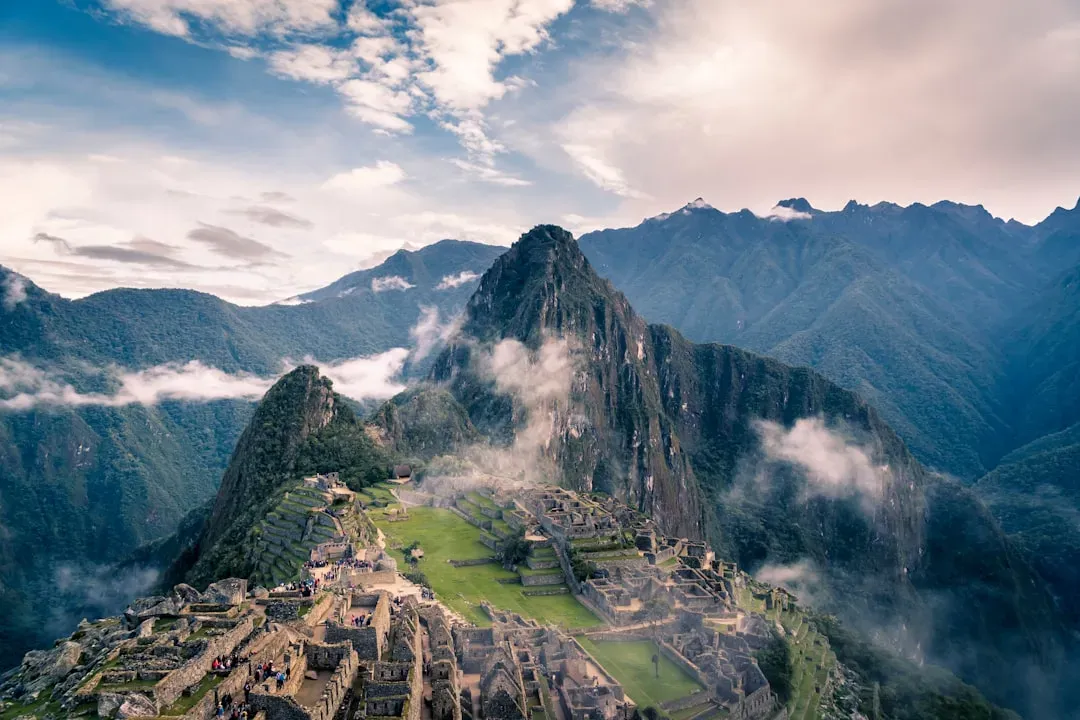
Perched on a Peruvian ridge between two peaks, Machu Picchu was built with a drainage and foundation system so effective that the site has survived centuries of heavy rainfall and seismic activity with minimal damage.
Beneath the visible terraces lies a hidden layer of crushed stone and gravel that channels rainwater away from structures, preventing the erosion that has destroyed countless other ancient sites. The Inca also used the same seismic-resistant interlocking stone technique seen at Sacsayhuamán, letting walls shift slightly during earthquakes and settle back into place. Machu Picchu’s agricultural terraces even created their own microclimates, letting crops grow at elevations where they normally couldn’t survive.
#11 – Angkor: The Largest Pre-Industrial City on Earth
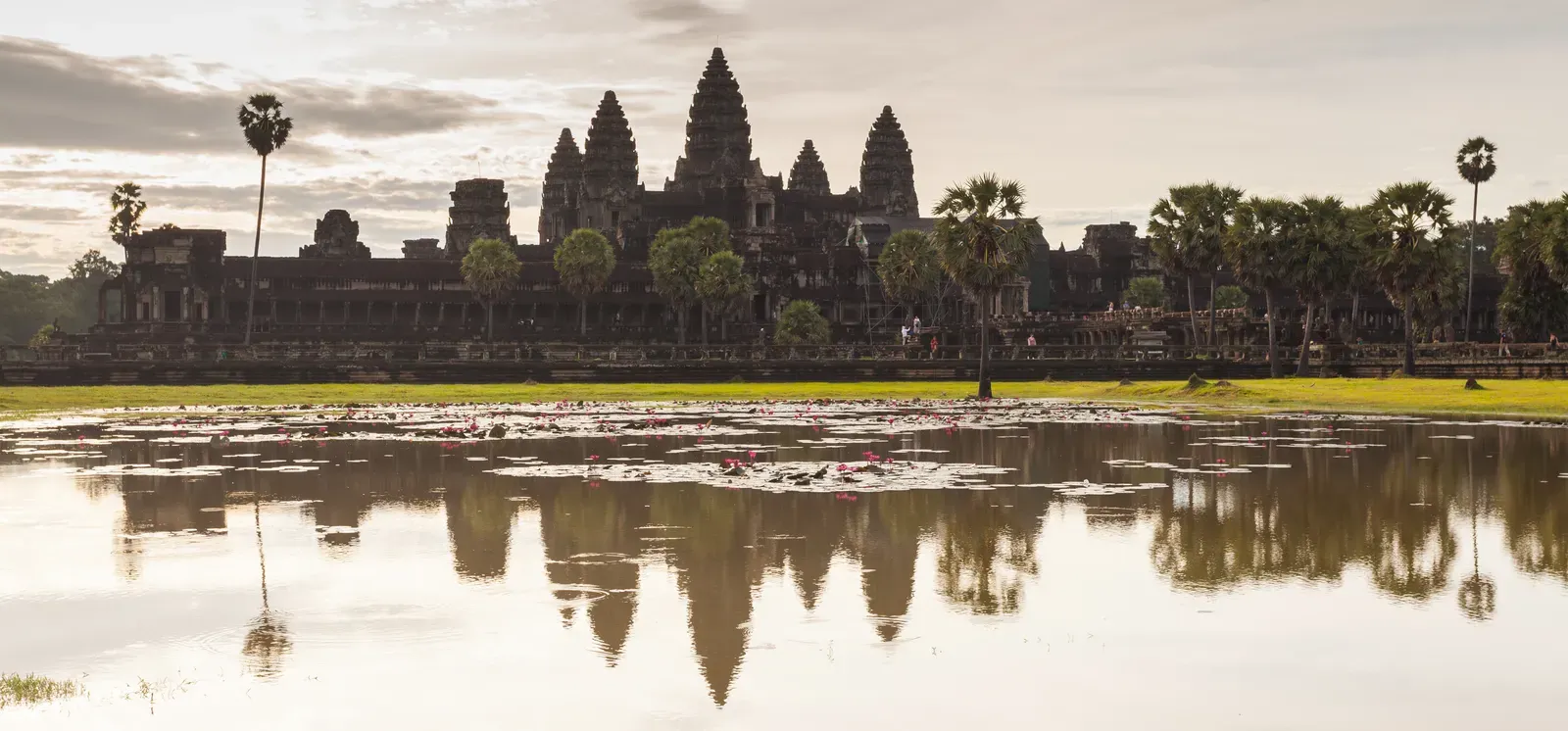
The Khmer capital of Angkor in Cambodia sprawled across an area larger than most modern cities, kept alive by a hydraulic network of reservoirs, canals, and moats built to survive a brutal tropical monsoon cycle.
Engineers built massive barays, or reservoirs, capable of storing water through the dry season while managing flooding during monsoon rains – controlling one of the most unpredictable water cycles in Southeast Asia. This system supported intensive rice farming that fed a population some researchers believe rivaled or exceeded the largest cities in medieval Europe. Many archaeologists now argue Angkor may have been the largest urban settlement on the planet before the industrial era, based on satellite and lidar mapping of its full extent. Its eventual decline is now widely linked to catastrophic failures in that same water infrastructure.
At a Glance
- Lidar surveys show Angkor’s urban sprawl covering roughly 1,000 square kilometers or more
- The West Baray reservoir alone stretches several kilometers long
- Population estimates for greater Angkor run into the hundreds of thousands at its peak
- Historians increasingly link the city’s collapse to monsoon-driven infrastructure failure
#10 – Tikal: A Maya City Built for Water Survival
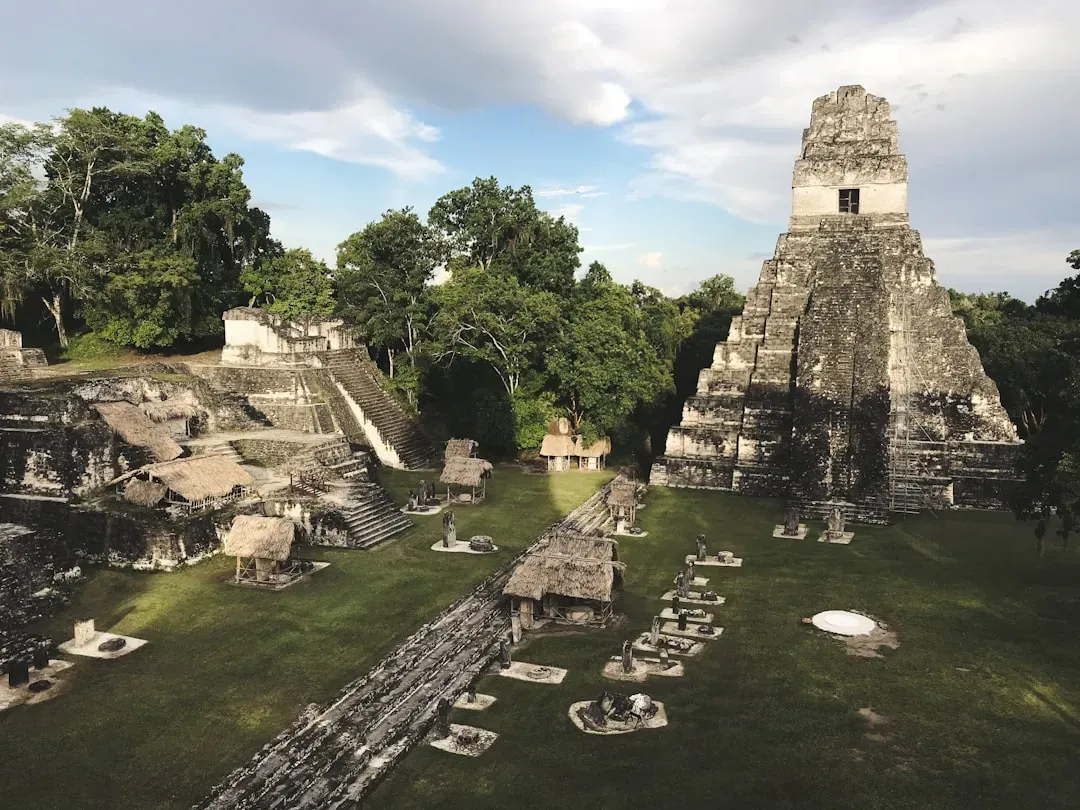
Deep in the Guatemalan rainforest, the Maya city of Tikal solved a problem most tropical civilizations struggled with: how to store enough clean water for a dense population without a nearby river.
Builders constructed paved plazas and channels specifically designed to funnel rainwater into massive reservoirs, some holding millions of gallons, letting the city survive extended dry seasons in the jungle. Sediment analysis has since revealed that some reservoirs were treated with mineral filtration methods to keep the water clean – an understanding of water quality that predates modern filtration science by well over a thousand years. The city’s towering pyramid-temples were also aligned with astronomical events, blending engineering, religion, and science into one system.
#9 – Teotihuacan: The Grid City That Predates Its Own Legend
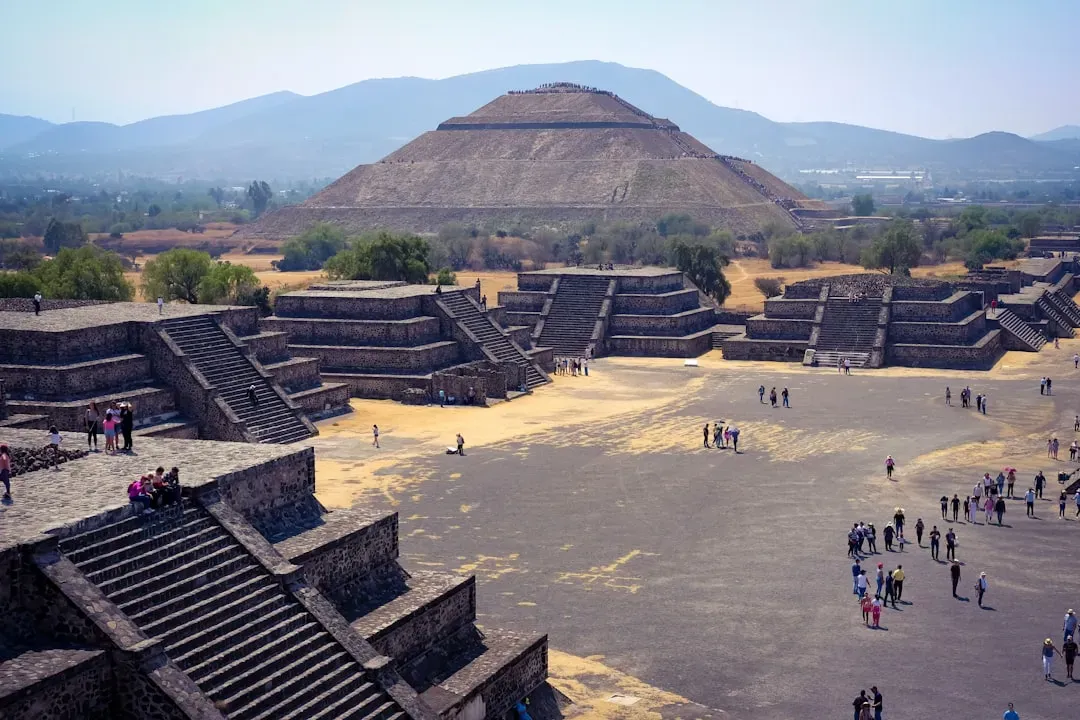
Long before the Aztecs arrived and named it, Teotihuacan was already one of the largest cities in the ancient world, built on a strict grid layout with standardized apartment compounds housing much of its population.
The Avenue of the Dead runs as a central axis connecting massive pyramids, and much of the city’s residential architecture followed repeatable, almost standardized floor plans, suggesting centralized planning rather than organic growth. Tunnels beneath the Pyramid of the Feathered Serpent revealed mercury, pyrite mirrors, and carefully arranged offerings that still aren’t fully understood. At its peak, Teotihuacan may have housed well over 100,000 residents, and archaeologists still don’t know what language its builders spoke or what they called themselves.
#8 – Pompeii: Ancient Roman Infrastructure Frozen in Time
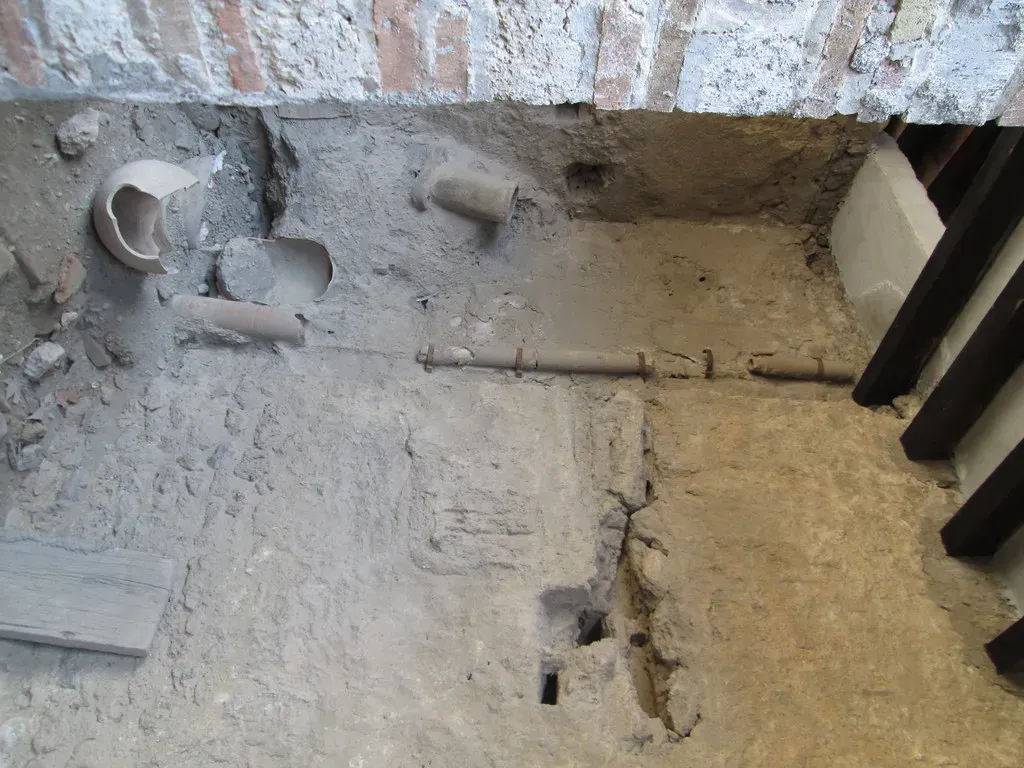
When Mount Vesuvius buried Pompeii in volcanic ash, it accidentally preserved a startlingly modern-feeling Roman city, complete with paved roads, raised crosswalks, and plumbing servicing homes and businesses.
Streets featured stepping stones raised above road level so pedestrians could cross without stepping into water or waste, while gaps engineered into the stone spacing still let cart wheels pass through. The city also had public bathhouses fed by an aqueduct system, plus fast-food counters called thermopolia where residents grabbed hot meals – hardly the picture of a purely agrarian society. Lead pipes distributed water throughout parts of the city with a level of plumbing sophistication historians once assumed didn’t exist until centuries later. Roman urban life was closer to modern convenience than most people assume.
#7 – Rome: The Empire That Engineered Its Own Survival

Rome’s aqueducts, sewers, and concrete construction let the city sustain a population of over a million people, a scale that wouldn’t be matched again in Europe for well over a thousand years.
Engineers built aqueducts using precise gradient calculations to move water across dozens of miles using gravity alone, feeding fountains, bathhouses, and private homes without a single pump. Roman concrete, made with volcanic ash, proved so durable that the Pantheon’s dome still stands today, and some Roman harbor structures have survived two thousand years underwater. Modern researchers studying Roman concrete found that seawater interaction actually strengthened it over time, a self-healing property engineers are now trying to replicate.
Ancient world’s best plumbing.
National Geographic, on the Indus Valley civilization
#6 – Harappa: The City That Standardized Everything
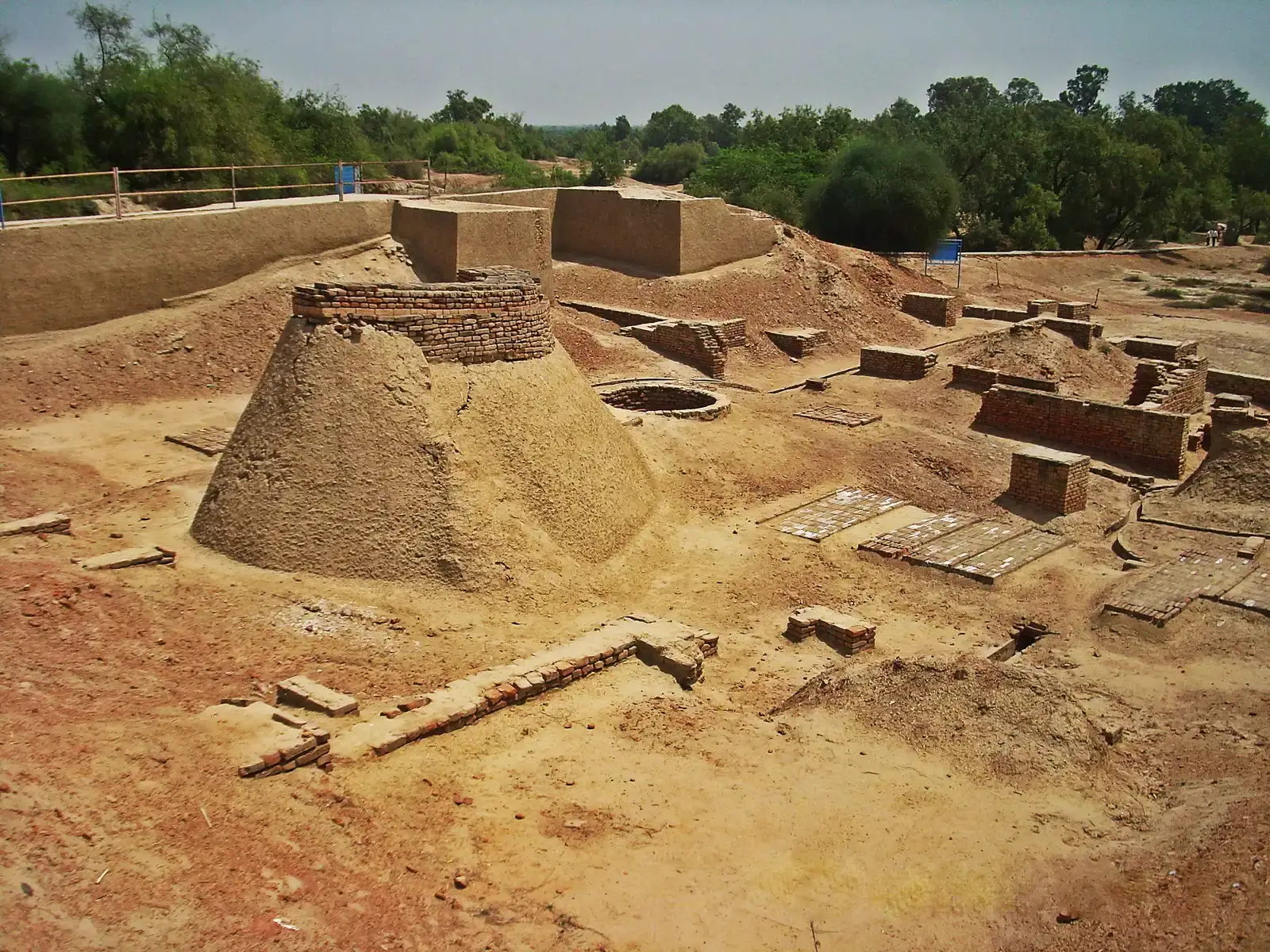
Harappa, one of the twin capitals of the Indus Valley Civilization alongside Mohenjo-daro, developed a level of urban standardization that feels closer to modern industrial planning than to a Bronze Age settlement.
Its builders were pioneers in city planning, developing some of the world’s first urban sanitation systems, with evidence visible in Harappa, Mohenjo-daro, and Rakhigarhi alike. Bricks were manufactured to consistent standardized ratios across the entire civilization – a brick made in one city matched the dimensions of a brick made hundreds of miles away. This standardization extended to weights and measures, suggesting a regulated trade system spanning an enormous geographic area. No royal palaces or monuments to individual rulers have ever been found, which only deepens the mystery of who was actually in charge.
#5 – Nan Madol: The Megalithic City Built on a Coral Reef
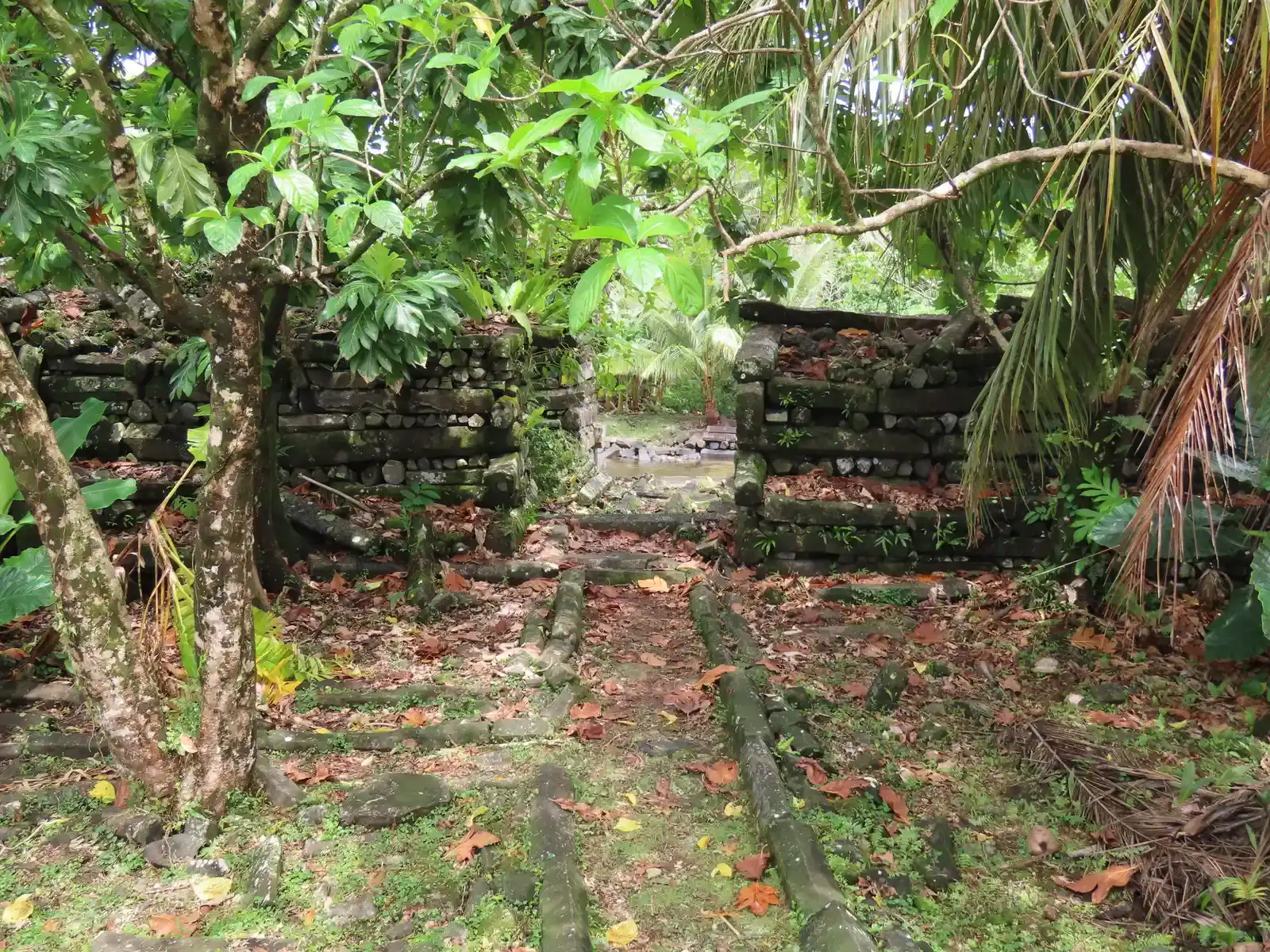
Off the coast of a remote Pacific island, the ruins of Nan Madol sit atop nearly 100 artificial islets, built from massive basalt columns stacked directly onto a living coral reef.
The lagoon city includes a sea wall, 92 islets, canals, an irrigation system, ceremonial and residential districts, tombs, and even a prison, all connected by waterways. The boulders and logs are naturally hexagonal volcanic basalt, and the entire complex weighs over 750,000 tons. According to UNESCO, constructing the site required mining, moving, and maneuvering an estimated 2,000 tons of volcanic rock every year for at least three to four centuries, without pulleys, levers, metal tools, or wheels. Even archaeologists openly admit this one still doesn’t fully add up.
#4 – Caral: The City That Predates the Pyramids in the Americas
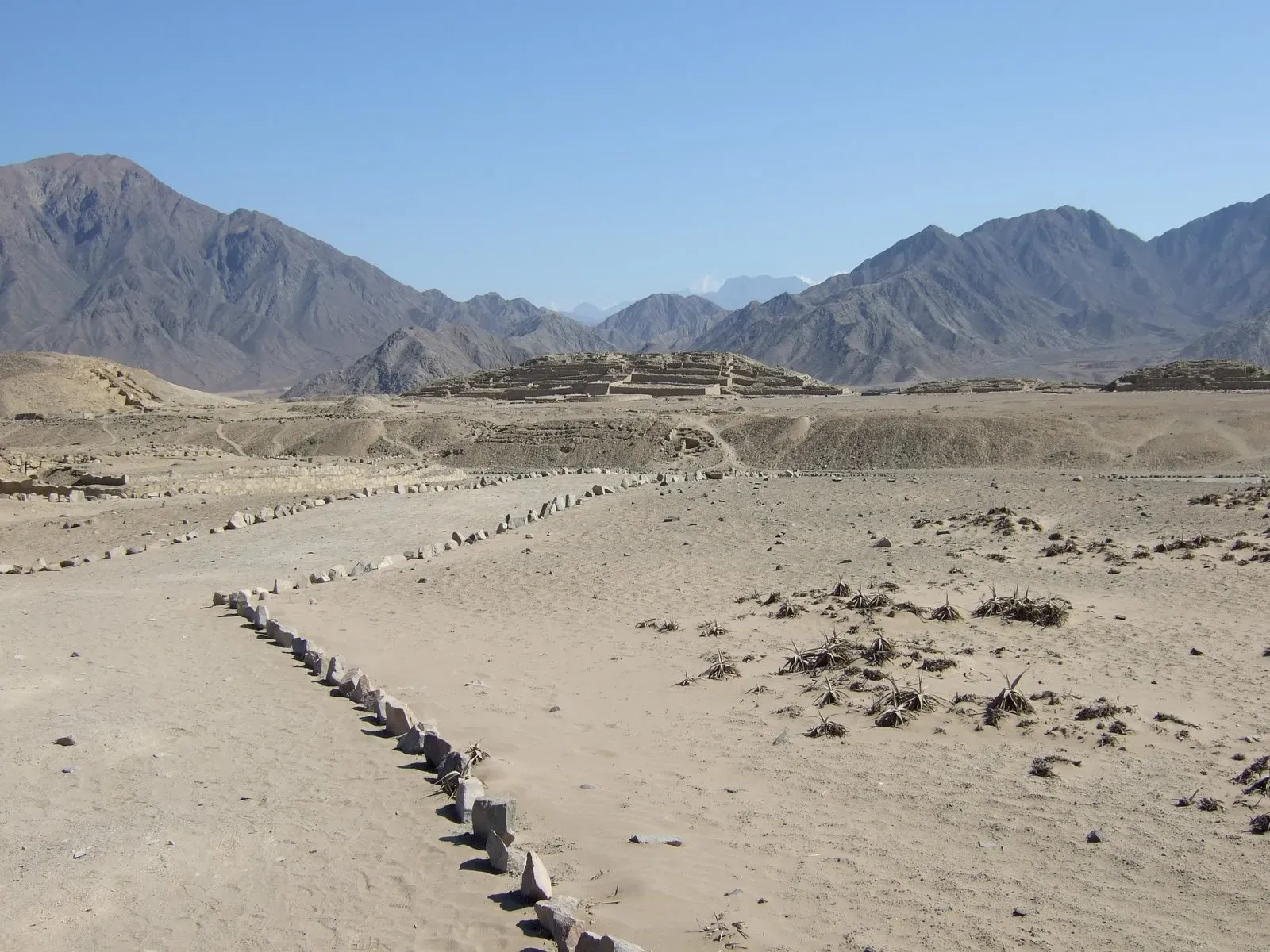
While ancient Egypt was still constructing its earliest pyramids, a sprawling urban center was already thriving on the coast of Peru, complete with pyramids, plazas, and organized residential zones.
The discovery of Caral-Supe fundamentally altered our understanding of when complex societies developed in the New World. The city shows signs of sophisticated governance, religion, and social structure thousands of years before any comparable urban center existed in the Americas. Remarkably, excavations at Caral have found no signs of warfare or violence at all – a peaceful society, sharply at odds with the militaristic empires most people associate with early civilization. Many researchers now argue Caral proves that complex urban society doesn’t require conquest or warfare to emerge, upending a long-held assumption about how civilizations form.
#3 – Baalbek: Roman Stones Too Massive to Explain
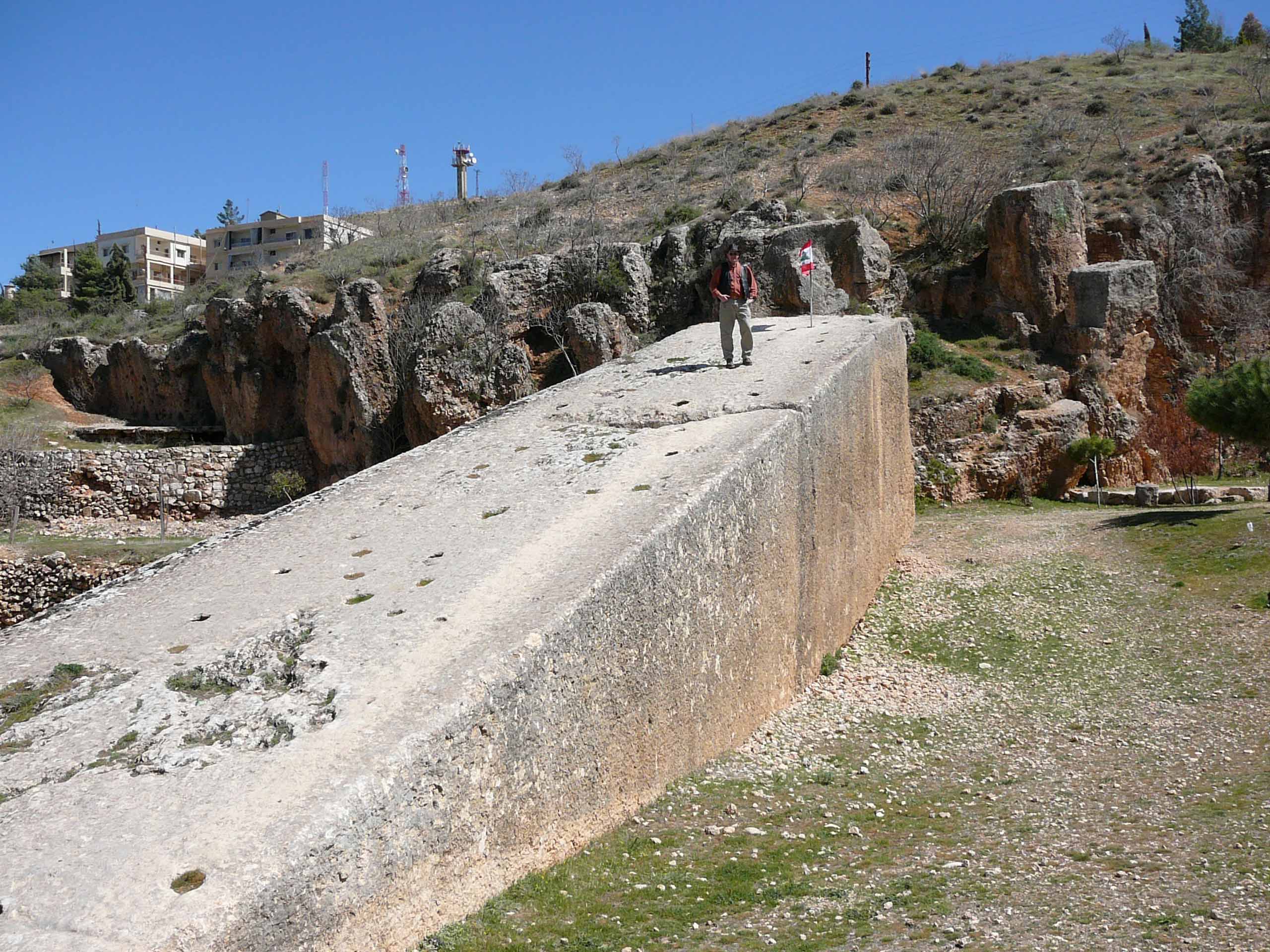
In Lebanon, the Roman temple complex of Baalbek contains some of the largest worked stone blocks ever created by human hands, and modern engineers still struggle to explain how they were moved into place.
The Baalbek Stones are six massive Roman-worked blocks marked by megalithic gigantism unmatched anywhere in antiquity, with the three largest each estimated at 750 to 800 tonnes. Nearby, in the original quarry, one megalith believed to be the largest stone ever quarried in human history weighs 1,650 tons – over 3 million pounds. Some estimates suggest the complex may have employed as many as 100,000 workers, moving stones as heavy as 275 African elephants. Nobody has produced a fully satisfying answer for how it was done without cranes or hydraulics.
Why It Stands Out
- The Trilithon: three stones weighing 750 to 800 tons each, set high in the temple wall
- The quarry’s largest megalith weighs 1,650 tons – roughly 3 million pounds
- No cranes, pulleys, or wheeled transport existed at the scale this project required
- Some estimates put the total workforce at up to 100,000 laborers
#2 – Dholavira: The Desert City That Solved Water Scarcity 4,500 Years Ago
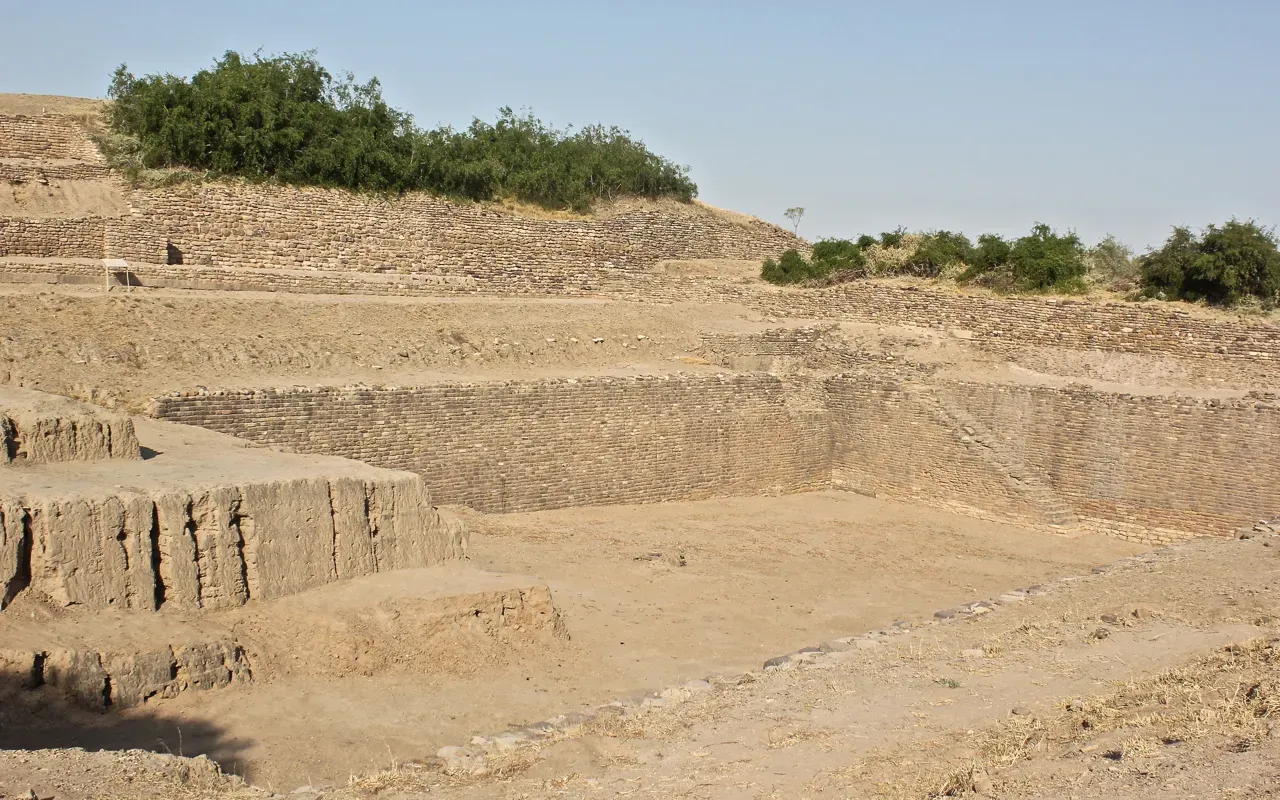
In one of the harshest, driest regions of India, the Indus Valley city of Dholavira built one of the most sophisticated water conservation systems in the ancient world, entirely out of stone.
Unlike the riverine Harappan cities of Mohenjo-daro and Harappa, Dholavira survived in an ecologically fragile region of erratic rainfall and recurring drought, which meant its survival depended on an extraordinary grasp of hydrology and catchment management. Positioned between two seasonal rivers, archaeologists uncovered check dams that channeled water to large reservoirs via stone-carved waterways. Dholavira boasts a pioneering stone-built water conservation system unparalleled anywhere in the world at that time, some 4,500 years ago. Modern engineers studying the site have raised uncomfortable questions about why some contemporary desert cities still struggle with problems Dholavira solved millennia ago.
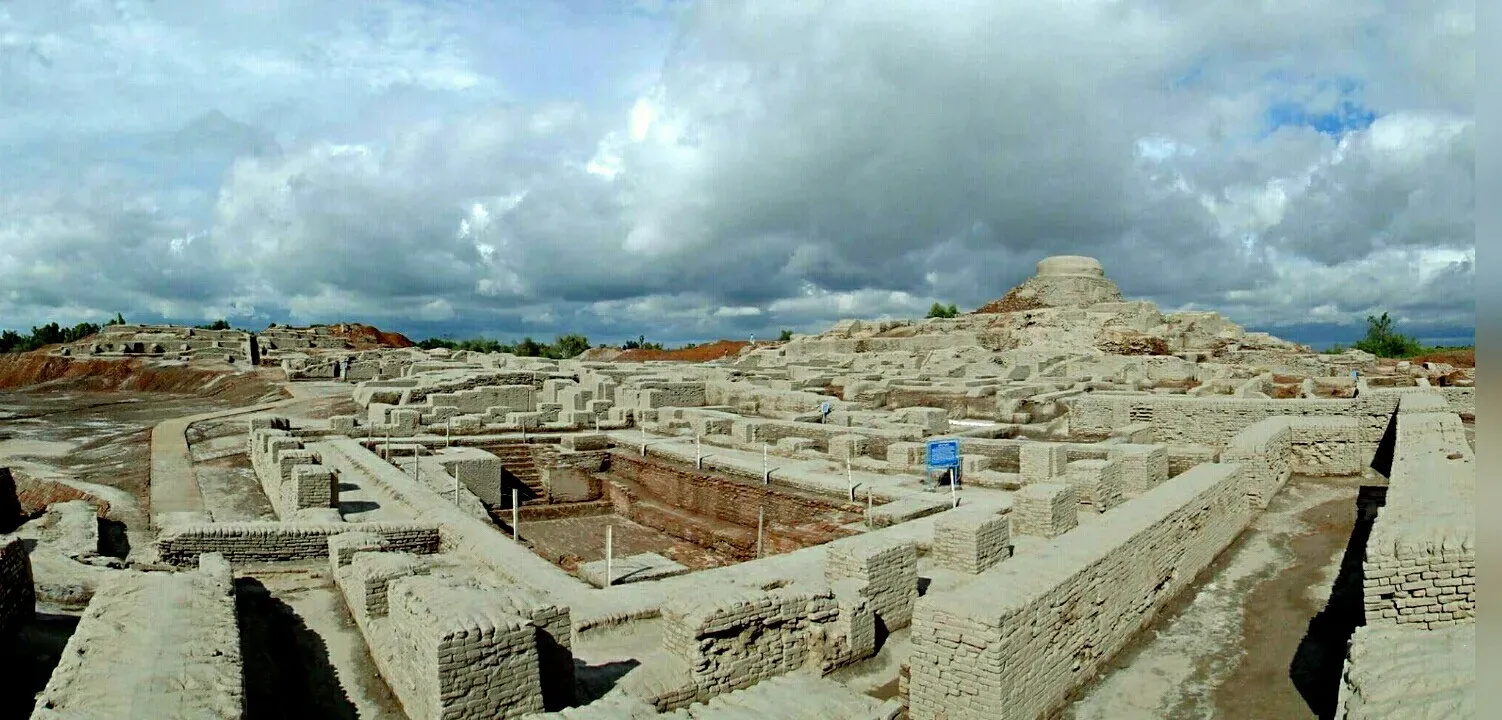
#1 – Mohenjo-daro: The Ancient City With Better Plumbing Than Rome
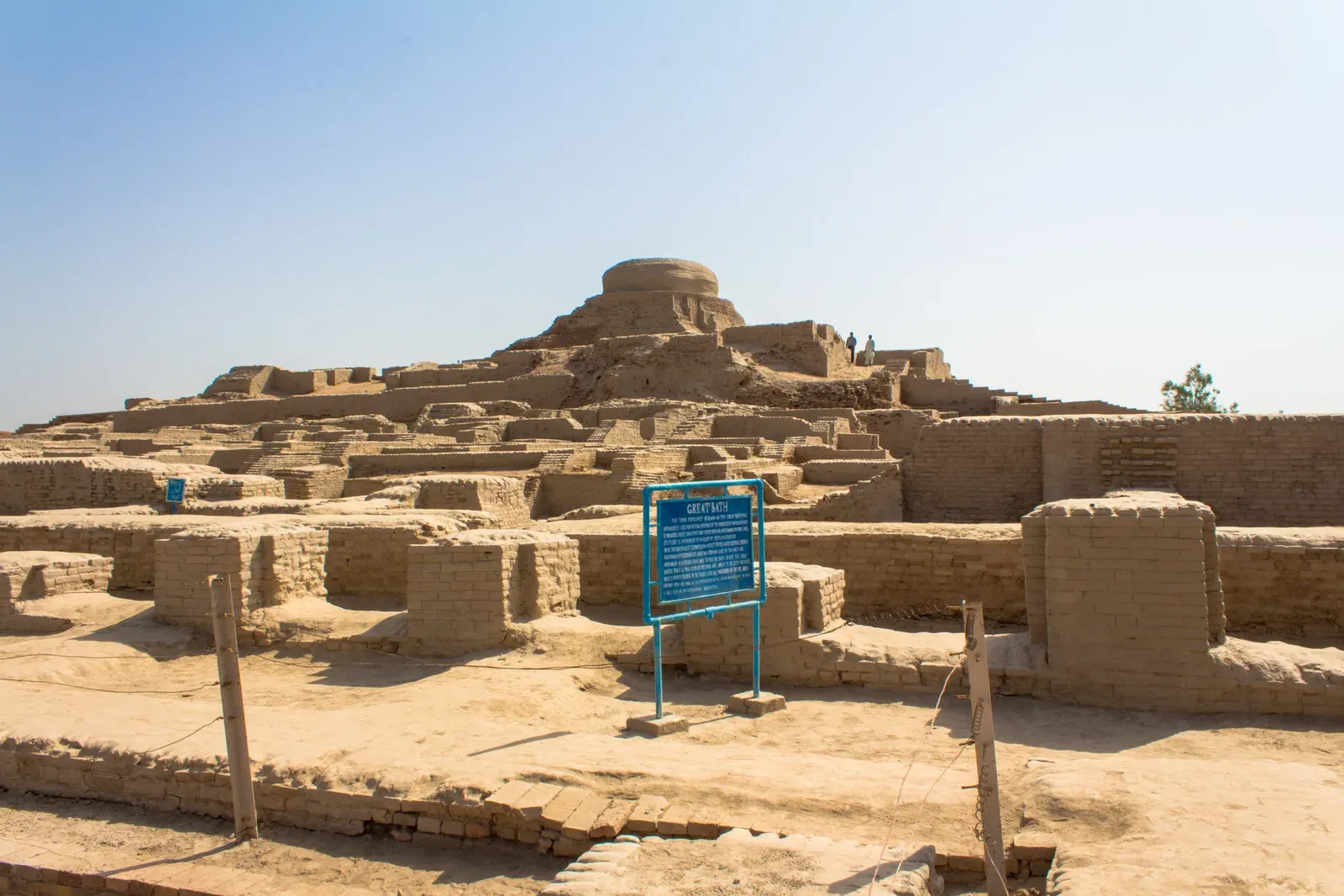
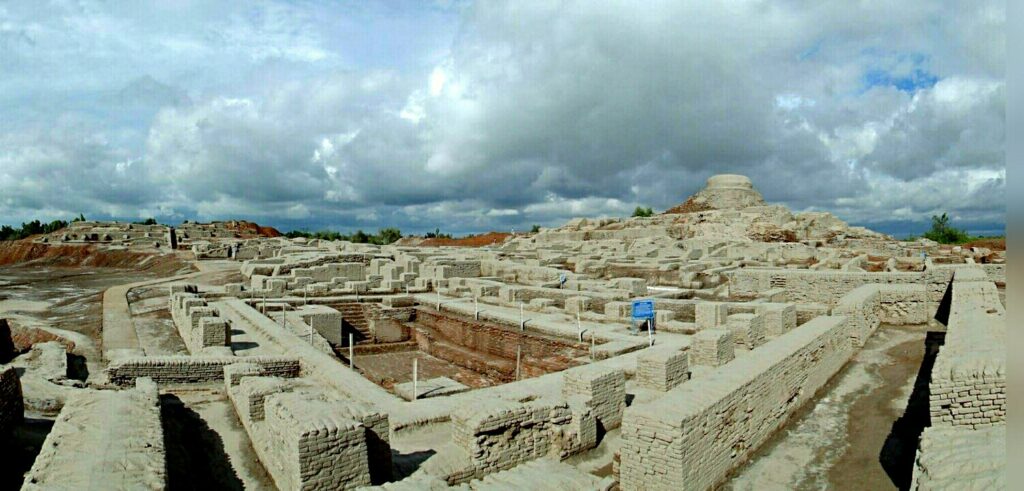
Nearly 4,500 years ago, while most of the ancient world was still relieving itself in open fields, the residents of Mohenjo-daro had access to indoor bathrooms connected to a citywide sewage network.
The Indus Valley civilization invented water supply and sanitation devices that were the first of their kind, including piping and a complex sewage system, with tunnels carrying waste out to a nearby estuary. Almost every house had indoor baths and latrines with drains, and the city featured a large public bathhouse used for ritual bathing. Water came from more than 700 wells, supplying domestic demand, private baths, and a Great Bath used for public ceremony. Historians now consider Mohenjo-daro definitive proof that “ancient” and “primitive” were never the same thing.
The Bottom Line
The evidence is hard to ignore: from flush toilets in Bronze Age Crete to earthquake-proof stonework in the Andes, ancient builders were solving engineering problems we still struggle with today. Cities like Mohenjo-daro and Dholavira had cleaner water systems than many modern towns, while places like Nan Madol and Baalbek still leave engineers guessing at their true construction methods.
The pattern is clear – sophistication wasn’t rare in the ancient world, it was simply underestimated by historians who assumed progress only moves in one direction. If anything, this list should embarrass modern city planning more than it flatters it. Which of these cities genuinely shocked you the most? Drop your pick in the comments.