Most people picture ancient ruins the way postcards do: lonely stone columns in a desert, a jungle swallowing a temple, a mountaintop fortress nobody visits anymore. That picture is mostly wrong. In the last few decades, archaeologists have quietly admitted something far less romantic and far more unsettling: a startling number of “modern” cities are built directly on top of older, buried civilizations they’ve never fully excavated.
We’re not talking about a stray coin under a parking lot. We’re talking about entire temple complexes sealed beneath apartment blocks, Roman streets running under stock exchanges, and shipwrecks resting under subway platforms. As ground-penetrating radar and rescue digs get sharper, the list of cities quietly sitting on their own buried history keeps growing – and a few names on it will genuinely surprise you.
#23 – Mexico City’s Templo Mayor, Buried Beneath the Zócalo
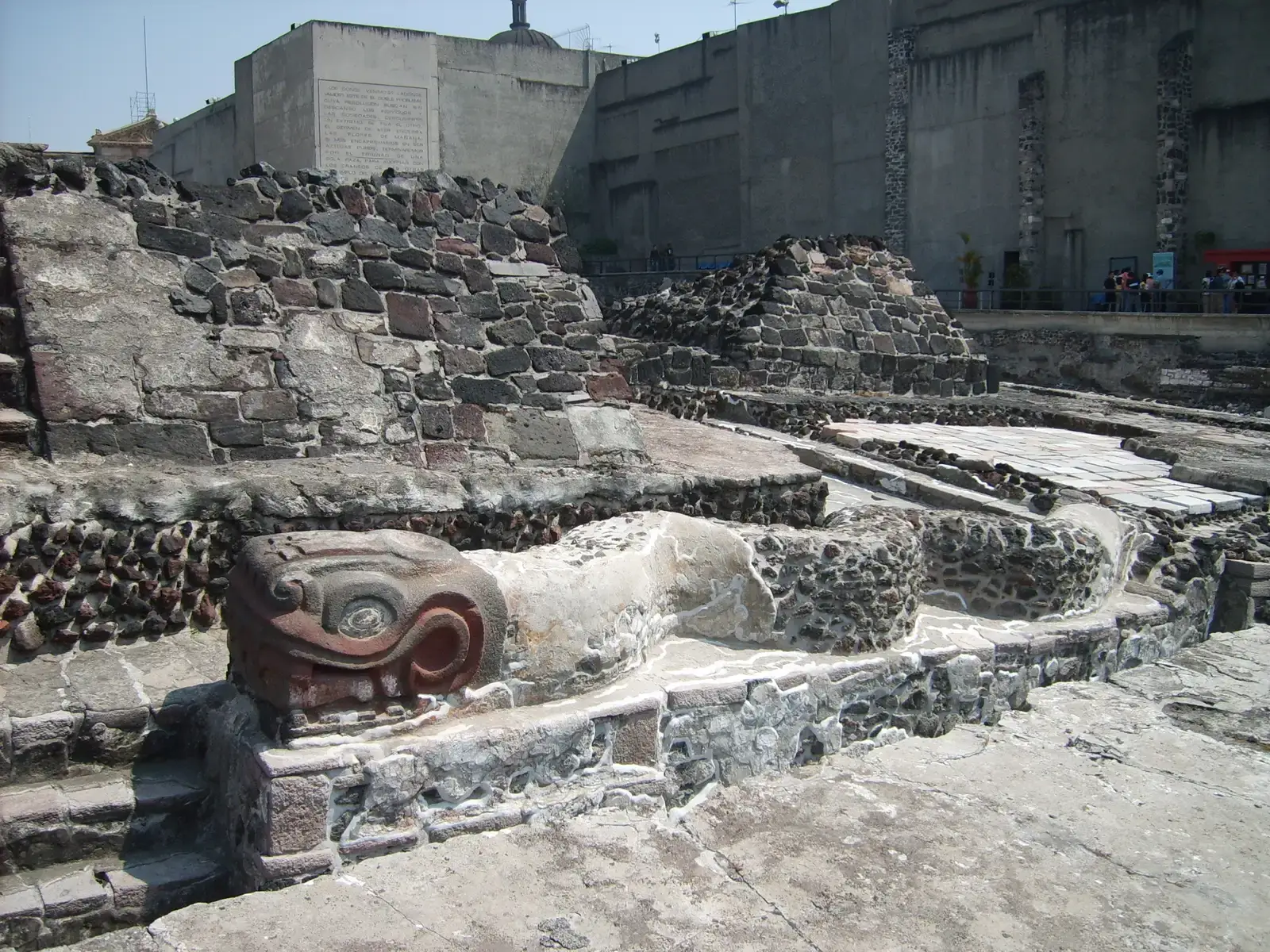
One of the largest cities in the Americas is literally built on top of its own murdered sacred heart. Modern Mexico City’s historic center sits on the ruins of Tenochtitlan, the Aztec capital the Spanish tore down in the early 1500s. For centuries, people walked the Zócalo assuming the old city was simply gone.
Then in 1978, electrical workers hit a massive stone disk. Excavations revealed the Templo Mayor, the Aztecs’ main pyramid, buried under colonial streets and churches. The Spanish hadn’t just looted the old city – they’d used its own stones to build their replacement directly on top of it. Today, glass floors and protected pits let visitors peer down through layers of temples, offerings, and altars wedged between office buildings and cathedrals. Archaeologists concede only a fraction has ever been exposed; most of Tenochtitlan’s sacred precinct still lies sealed beneath the living city that replaced it.
#22 – London’s Roman Londinium, Stacked Under the Financial District
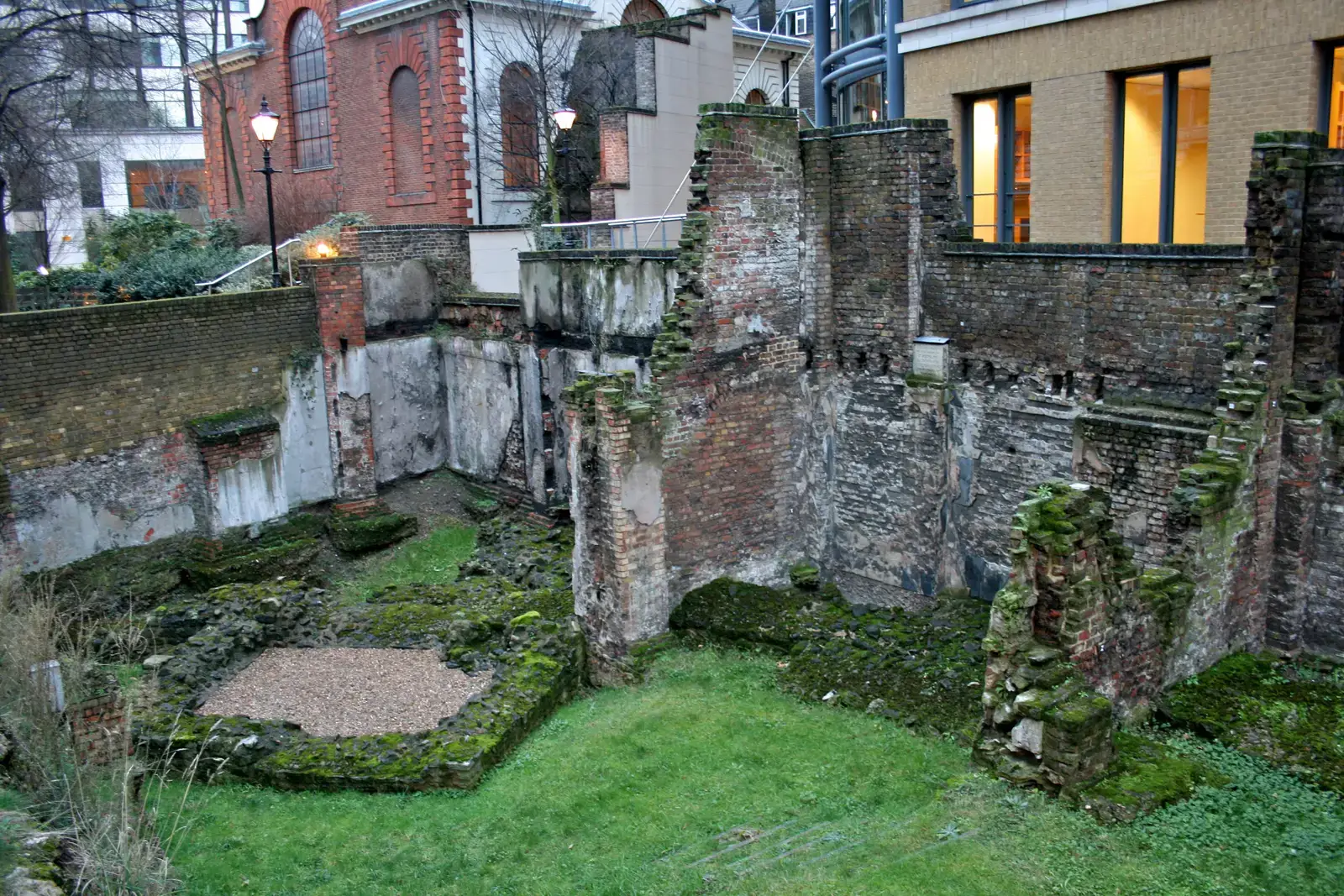
One of the world’s top finance hubs is quite literally stacked on a Roman city grid. Beneath London’s glass towers and Underground lines lies Londinium, founded by the Romans nearly 2,000 years ago. Rescue excavations for new office towers keep uncovering stone walls, timber wharves, and entire streets just a few meters below today’s sidewalks.
The Bloomberg building even had to redesign around a Roman temple to Mithras after construction exposed it mid-build. City planners now routinely expect Roman layers whenever a foundation is dug, and waterlogged mud has preserved leather shoes, wooden writing tablets, and even curse inscriptions under Bank and Mansion House stations. Developers and archaeologists work around a quiet truth: central London is effectively a two-story city, with an older, Roman version entombed underneath.
Fast Facts
- Londinium was founded by the Romans in the first century AD and grew into a major provincial port city.
- The Temple of Mithras was first uncovered in the 1950s and later reconstructed on the Bloomberg site.
- Roman remains in the City of London are routinely found several meters below current street level.
- Waterlogged soil conditions have preserved organic Roman artifacts like leather and wood that rarely survive elsewhere.
#21 – Istanbul’s Constantinople, Suffocating Beneath the Megacity
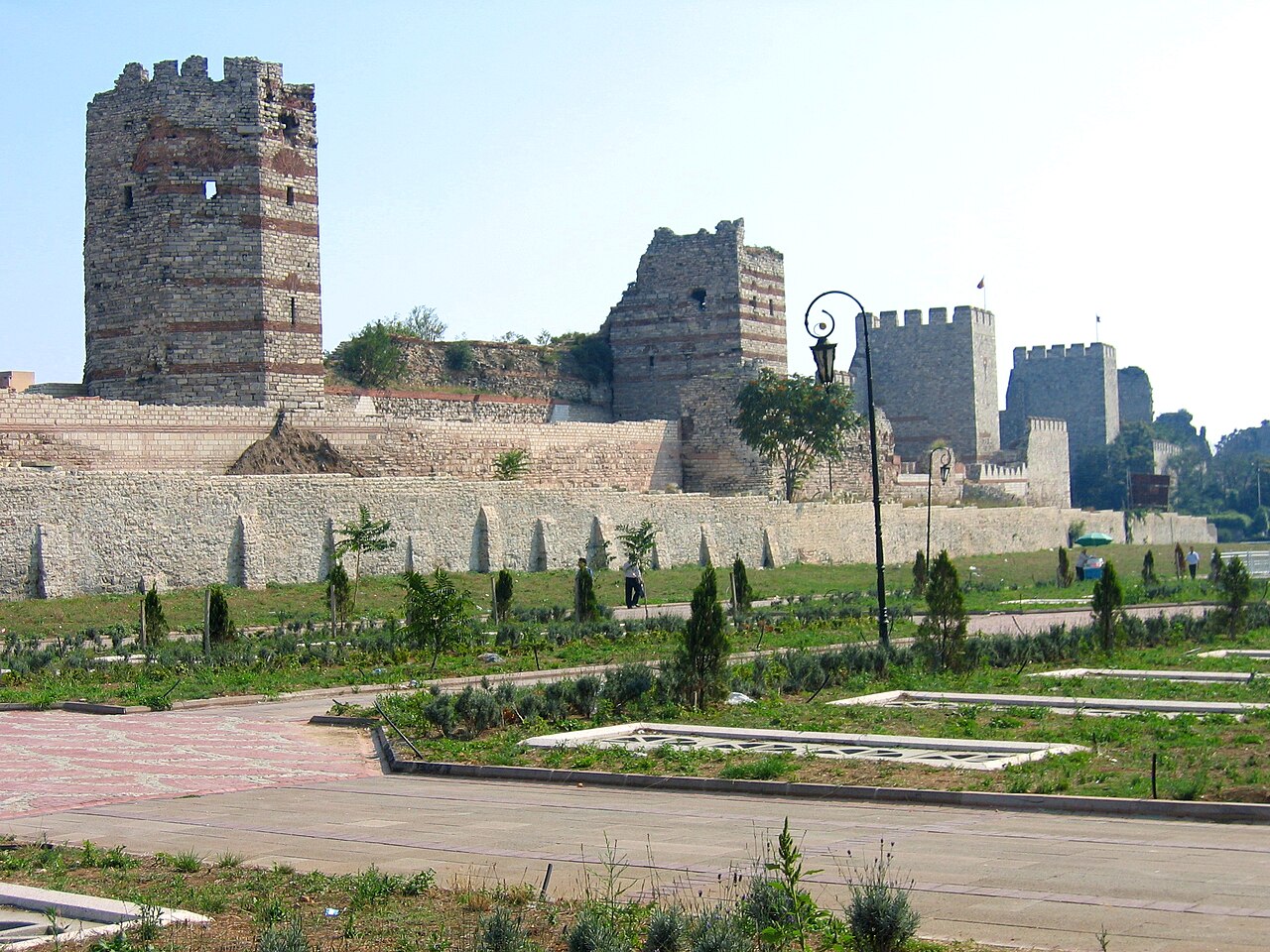
Istanbul’s skyline hides not one lost city, but stacked layers of imperial capitals. Most tourists see the Hagia Sophia and assume they’re looking at “old Constantinople.” Archaeologists know that’s only the visible tip – beneath streets, houses, and tramlines lie submerged harbors, warehouses, churches, and even entire neighborhoods from the Byzantine and earlier Roman eras.
The clearest proof came at Yenikapı, where construction of a new metro line hit one of Constantinople’s ancient ports and revealed dozens of shipwrecks under a busy district. Several lines of city walls exist in layers, and cisterns, tunnels, and foundations crisscross below apartments. Experts quietly admit huge stretches of the ancient capital remain unexcavated, simply because Istanbul can’t stop functioning long enough to dig. Constantinople isn’t gone; it’s suffocating under asphalt.
#20 – Paris and the Ghost of Roman Lutetia
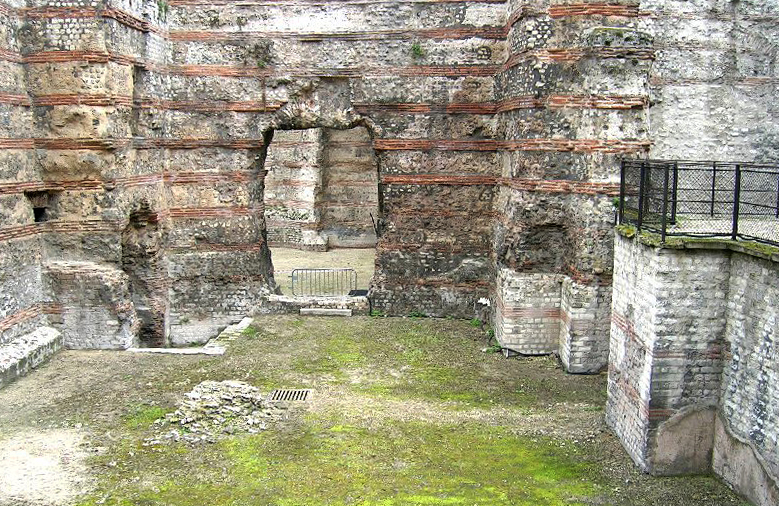
Central Paris isn’t just medieval romance – there’s a Roman city ghosting its street plan. Most people associate Paris with the Middle Ages and Haussmann boulevards, not Rome. But under the Latin Quarter and the Île de la Cité lie the bones of Lutetia, the Roman town that predated the French capital entirely.
Subway work, building basements, and sewer projects have exposed Roman baths, arenas, and a street grid that still shapes some modern routes. The baths at Cluny and the arena at Arènes de Lutèce are just the visible scraps; archaeologists freely admit far more lies underneath. Today, strict rules mean any deep construction in the old core triggers a salvage dig, because chances are high you’re standing above Roman foundations or burial grounds. Modern Parisians sip coffee above a half-hidden Roman town.
#19 – Naples on Top of the Greek and Roman Neapolis
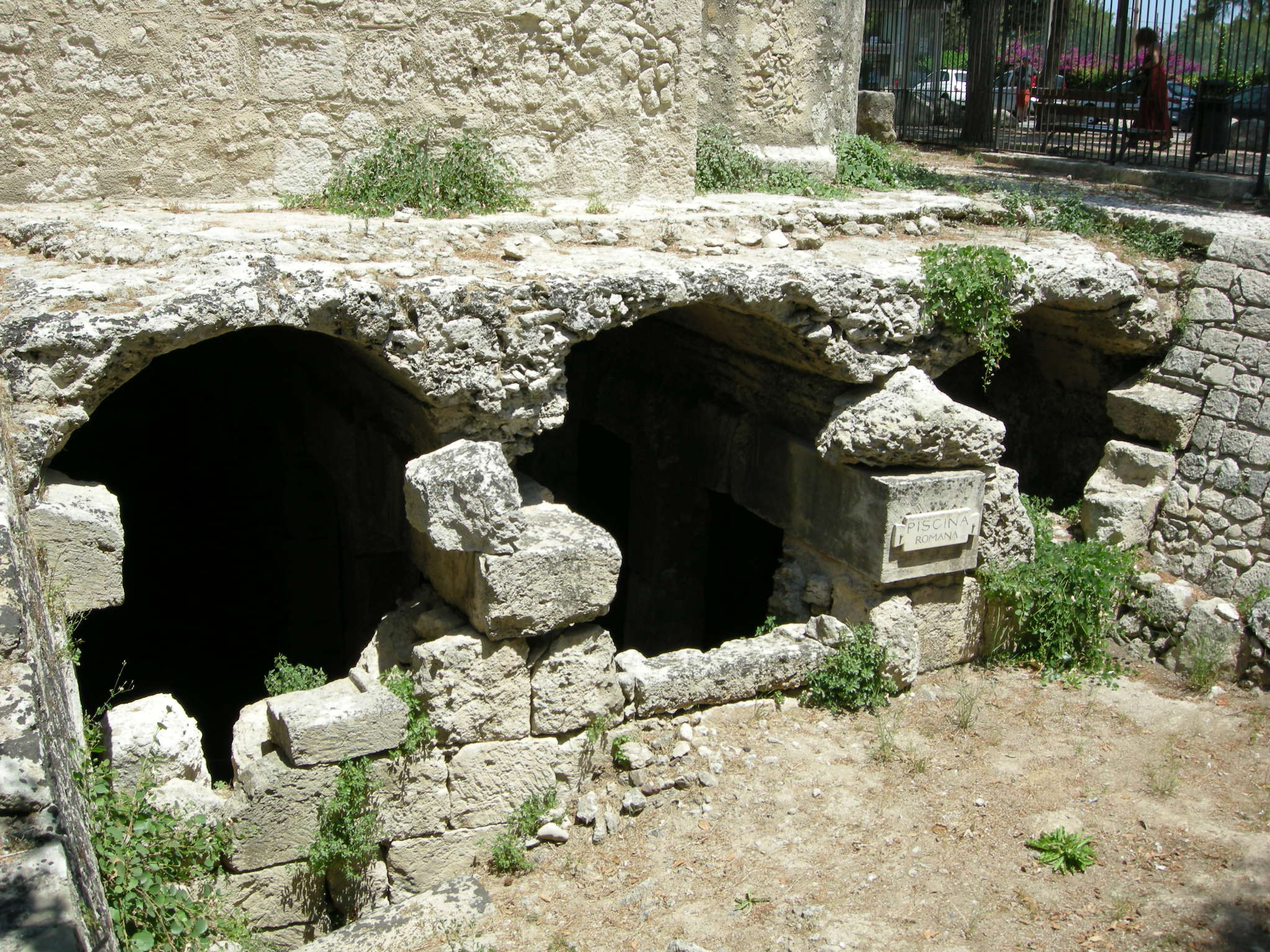
In Naples, “underground tours” aren’t a gimmick – they’re literally older cities under your feet. Naples markets itself as chaotic and hyper-modern, but its real problem is ultra-old real estate. Below pizza shops and alleyways lies a honeycomb of Greek quarries, Roman streets, cisterns, and early Christian catacombs.
The city’s name comes from Neapolis, a Greek colony whose remains survive as masonry, inscriptions, and road surfaces beneath today’s Via dei Tribunali. You can descend from a modern staircase into vaults lined with Roman brick, then climb back up into a functioning apartment block. Archaeologists admit that centuries of building up instead of out created a vertical city: medieval over Roman over Greek over prehistoric, mapped only in fragments under a maze of modern fabric.
#18 – Xi’an: Tang-Era Chang’an Sealed Beneath Modern China
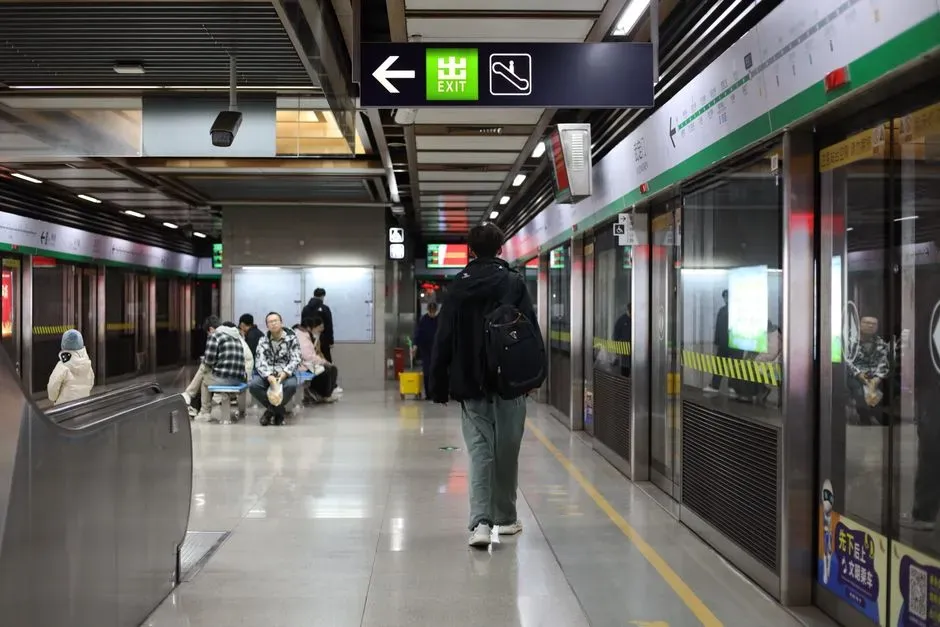
One of China’s busiest inland cities quietly sits over the capital of a global superpower from 1,300 years ago. Xi’an is famous for the Terracotta Army outside town, but inside the ring roads, archaeologists grapple with Chang’an, the Tang dynasty capital. Modern boulevards roughly echo the old grid, yet palace complexes, government ministries, and residential wards from Tang times lie directly beneath neighborhoods and factories.
In some places, only a thin layer of later soil separates metro lines from imperial foundations. Rescue digs for subway stations have uncovered ceremonial avenues, gatehouses, and drainage systems – then reburied them to keep the city moving. Chinese archaeologists openly acknowledge that Chang’an’s core, an urban giant in its era, is mostly inaccessible because Xi’an sprawls directly on top of it.
#17 – Jerusalem’s Old City, Stacked in Vertical Time
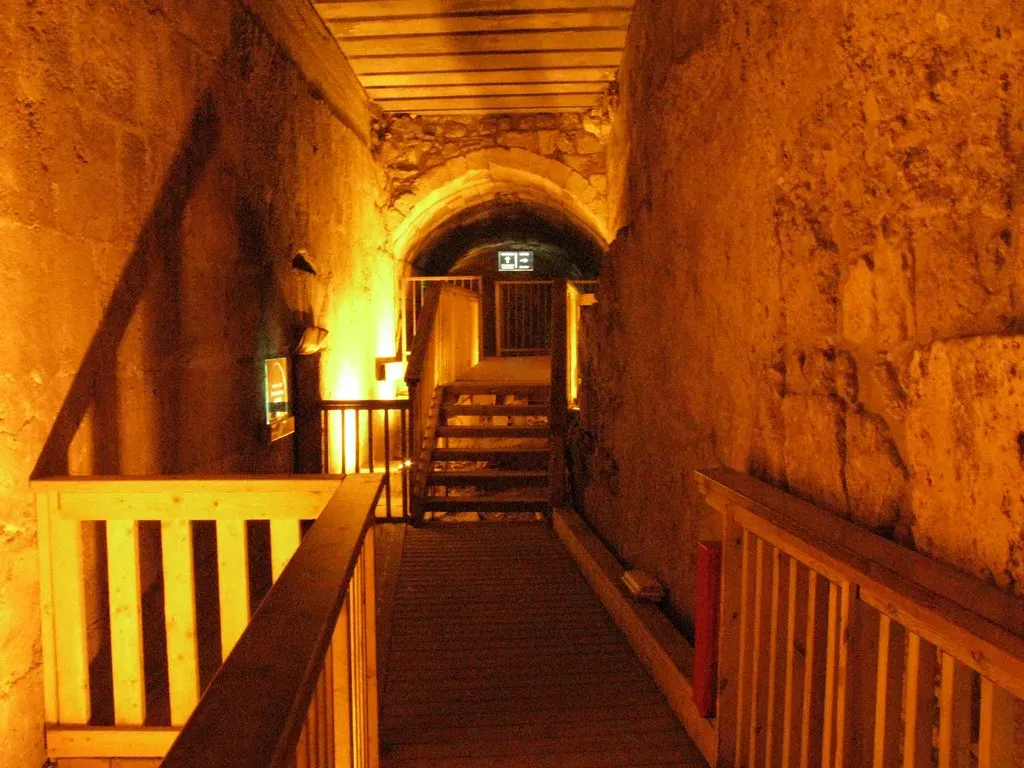
In Jerusalem, “underground” isn’t a metaphor. The Old City feels ancient, but archaeologists point out that much of what you walk on is relatively recent by local standards – Ottoman and later. Beneath homes, religious sites, and narrow alleys lie Iron Age tunnels, Herodian streets, Roman pavements, and Byzantine structures.
Some are visible in the Western Wall tunnels and the City of David excavations, but countless segments remain sealed under present-day houses and sacred sites. Digging under a living, contested city raises diplomatic and ethical issues most other places never face, so many ruins are traced with narrow trenches and instruments, then simply left in place. For Jerusalem, “built on history” is literally true – and controversially so.
#16 – Athens’ Classical City, Buried Beneath the Traffic
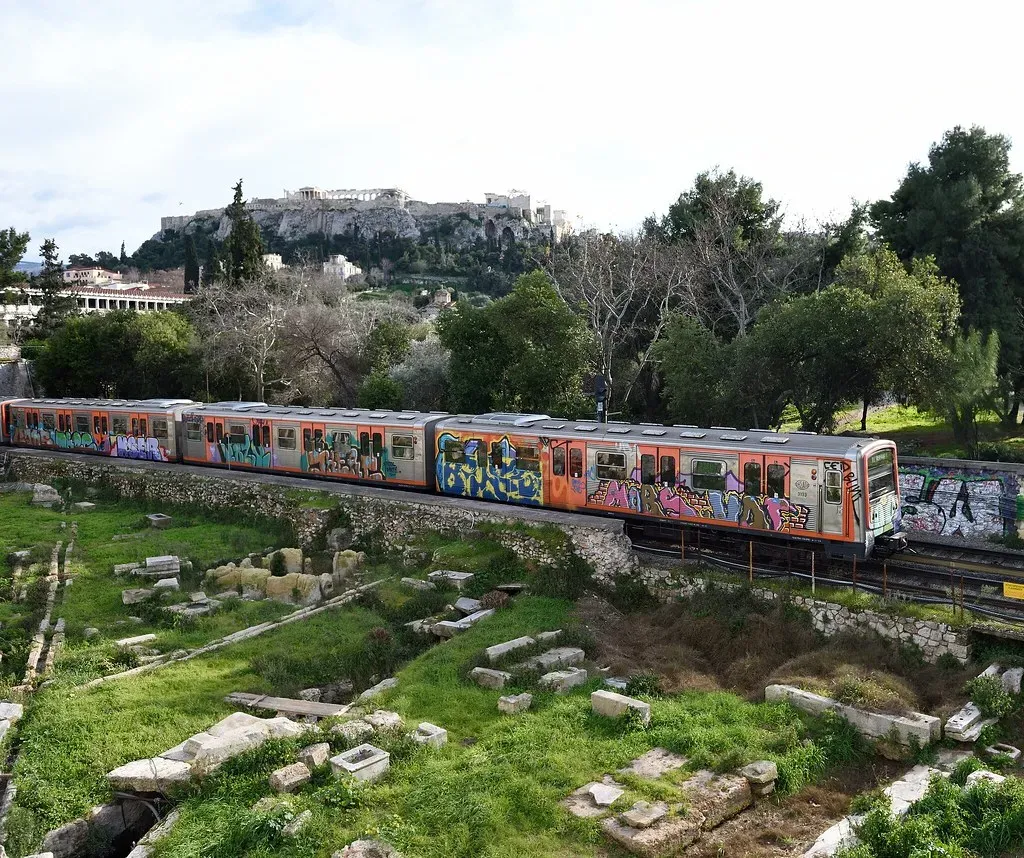
Tourists stare at the Acropolis and completely miss the buried city under the metro. The uncomfortable truth is that classical and Hellenistic Athens lies scattered beneath roads, tramlines, and apartment blocks. When the modern metro system expanded, stations like Syntagma and Monastiraki sliced through burial grounds, workshops, and ancient roads – many artifacts now sit in glass cases right on the platforms.
Archaeologists readily admit the ancient residential districts are especially underexplored, simply because they sit under densely built neighborhoods where demolition isn’t an option. Maps show known wells, foundations, and drainage channels crossing beneath entire city blocks. While Greeks celebrate the visible monuments, most of everyday ancient Athens stays frozen under concrete, reachable only through surgical rescue digs.
#15 – Barcelona’s Roman Barcino Under the Gothic Quarter
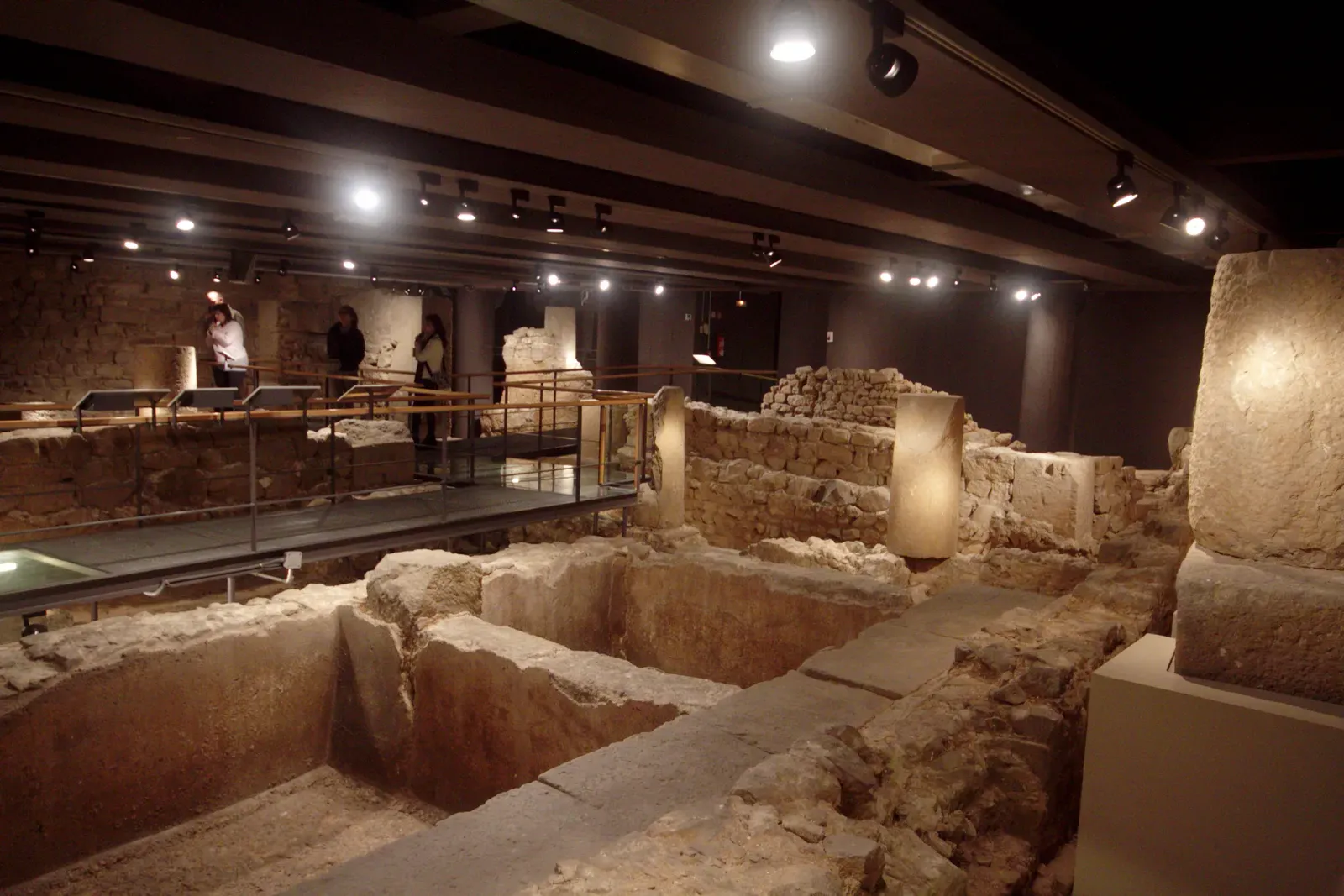
One of Europe’s trendiest “medieval” quarters actually floats over a Roman town. Barcelona’s Barri Gòtic sells itself as medieval, but historically minded archaeologists roll their eyes at that branding. Beneath and behind the Gothic facades lies Barcino, the original Roman settlement.
Twentieth-century works and later metro projects uncovered Roman streets, wine-making facilities, laundries, and stretches of the old city wall, all hidden under later construction. The city museum now guides visitors along raised walkways looking straight down onto Roman ruins in situ. Any deep renovation in the old core risks hitting Roman levels, and finds are routine rather than rare – much of “medieval Barcelona” is really medieval stonework nailed onto a Roman footprint still buried below.
#14 – Damascus and the Buried Streets Beneath One of the Oldest Cities
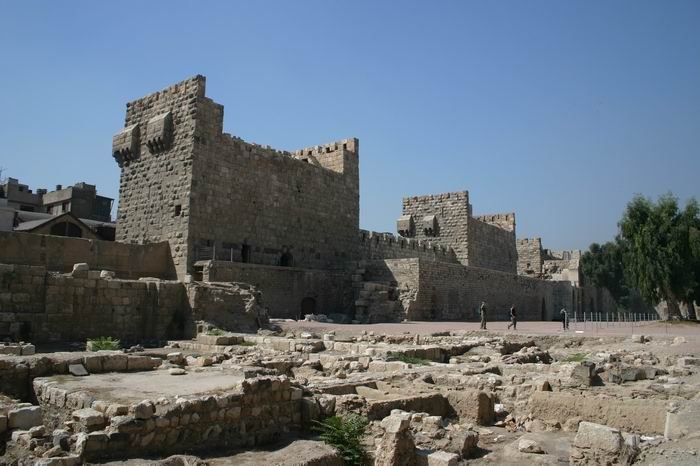
Damascus doesn’t just claim to be ancient – its older selves are literally trapped under its modern chaos. Archaeologists, working where they can, confirm that Hellenistic, Roman, and earlier layers lie directly under markets, houses, and mosques. The famed Straight Street in the Old City roughly follows a Roman colonnaded avenue, but the original paving and drainage lie deeper, beneath centuries of rebuilds.
Conflict and political constraints have limited full-scale excavation, so much of what’s known comes from tiny trenches and construction accidents. Foundations for new buildings sometimes expose masonry and pottery far older than the visible structures above them. Scholars widely agree that entire ancient cityscapes – courtyards, temples, workshops – remain effectively sealed beneath the modern fabric, mapped only in rough sketches and field notes.
#13 – Cairo’s Fustat and the Islamic City That Barely Sees Daylight
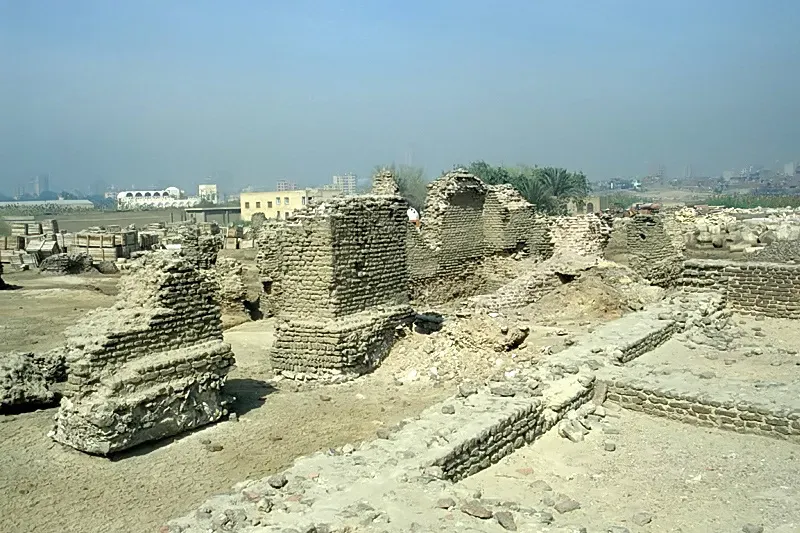
Greater Cairo sprawls over earlier Islamic and even pre-Islamic towns that rarely see the sun. Egypt’s capital grew by swallowing Fustat, the first Islamic capital of Egypt, along with older Nile settlements. Today, much of Fustat’s street network, houses, and industrial areas lie under crowded neighborhoods and rubbish mounds.
Excavations have revealed kilns, glass workshops, and domestic courtyards just beneath modern structures, but urban pressure makes systematic digging brutally difficult. Some zones were disturbed by informal housing before they could be protected. Experts describe stratigraphy under parts of Old Cairo running from modern concrete through Ottoman, Abbasid, Umayyad, and sometimes late antique remains – all within a handful of meters, a capital literally sitting on top of its own origin story.
#12 – Cholula’s Hidden Pyramid Under a Colonial Town Near Puebla
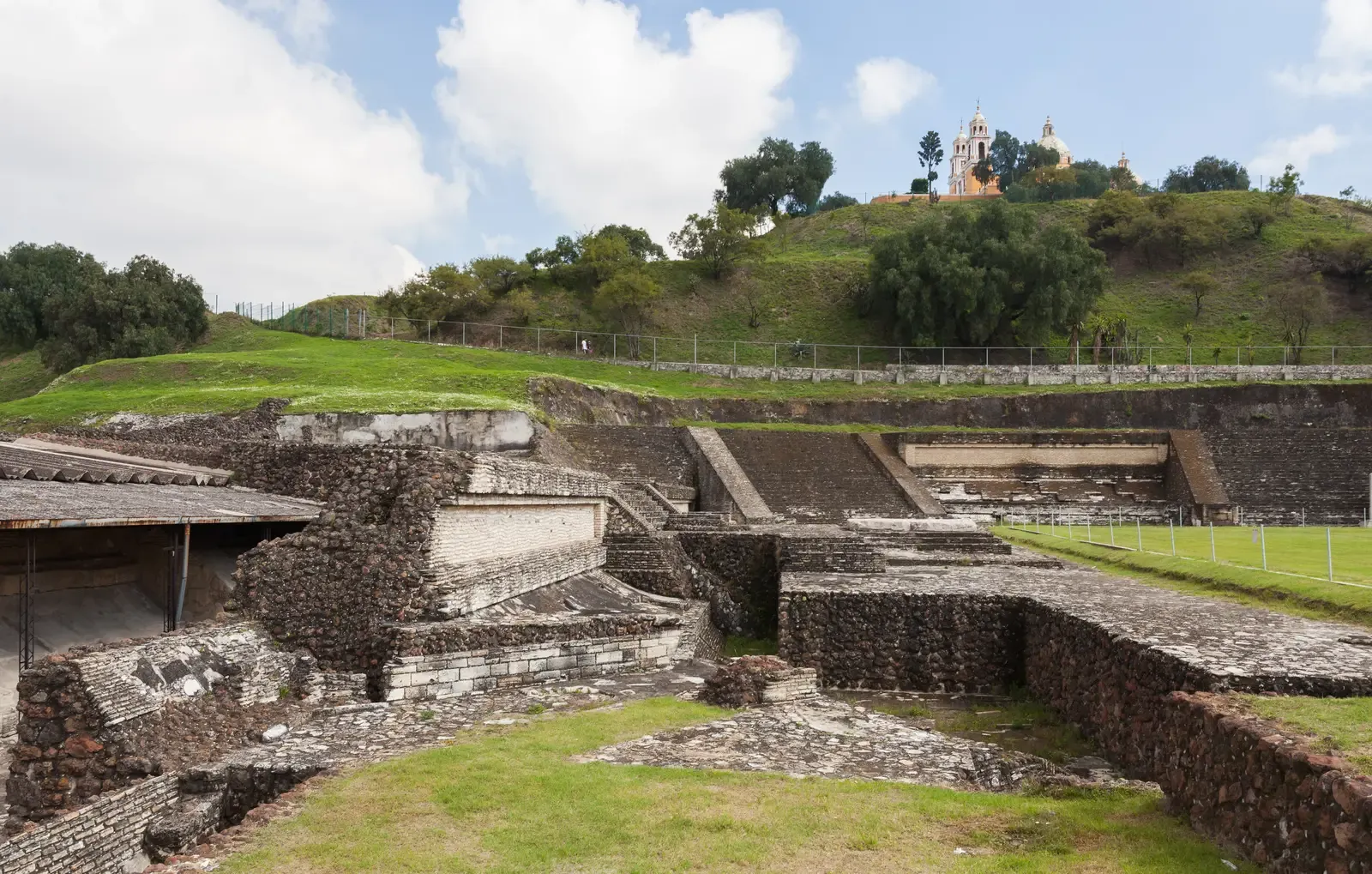
Near Puebla, the “hill” with a church on top isn’t a hill at all – it’s a buried pyramid wearing a colonial disguise. The Great Pyramid of Cholula is widely cited as one of the largest pyramids by volume in the world. Most of it is invisible because later inhabitants built over and around it, culminating in a Spanish church planted right on its summit.
Much of the pre-Hispanic complex extends beneath modern streets, houses, and fields that blend almost seamlessly into the landscape. Excavators tunneled into the pyramid rather than stripping the surface, both to preserve it and because people live directly above parts of the site. Scholars openly concede that the reconstructed staircases and exposed walls tourists see are only a sliver of what still lies below – Cholula is a city perched on a multi-layered sacred complex.
At a Glance
- The Great Pyramid of Cholula (Tlachihualtepetl) has a base far larger in footprint than Egypt’s Great Pyramid of Giza.
- Construction happened in multiple phases over several centuries, long before Spanish contact.
- The Church of Nuestra Señora de los Remedios sits directly on the pyramid’s summit.
- Miles of exploratory tunnels, rather than open excavation, have been used to study the interior.
#11 – Lisbon’s Phoenician, Roman, and Moorish Layers Under Alfama
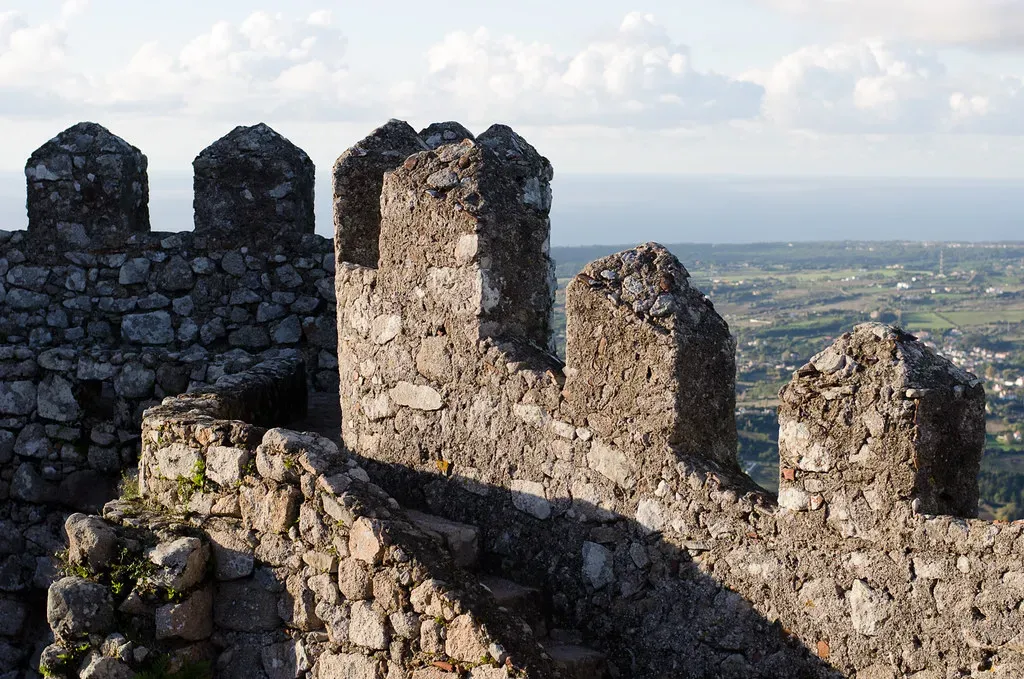
Lisbon’s picturesque hills hide more than tiled facades – they mask older ports and fortifications entirely. The historic quarters, especially Alfama and Baixa, sit over a palimpsest that predates the 1755 earthquake by many centuries. Salvage digs routinely reveal Roman warehouses, Moorish walls, and possible Phoenician trading posts beneath tram tracks and residential streets.
After the earthquake, the city was rebuilt quickly, often straight over earlier ruins, sealing them in place for good. The downtown grid follows an 18th-century plan, not the ancient layout, and deep foundations still frequently cut into earlier occupation levels. Underwater and underground surveys suggest extensive ancient harbor structures beneath both modern quays and fill – the old city wasn’t rebuilt so much as stacked.
#10 – Budapest’s Aquincum, Sprawled Beneath the Suburbs
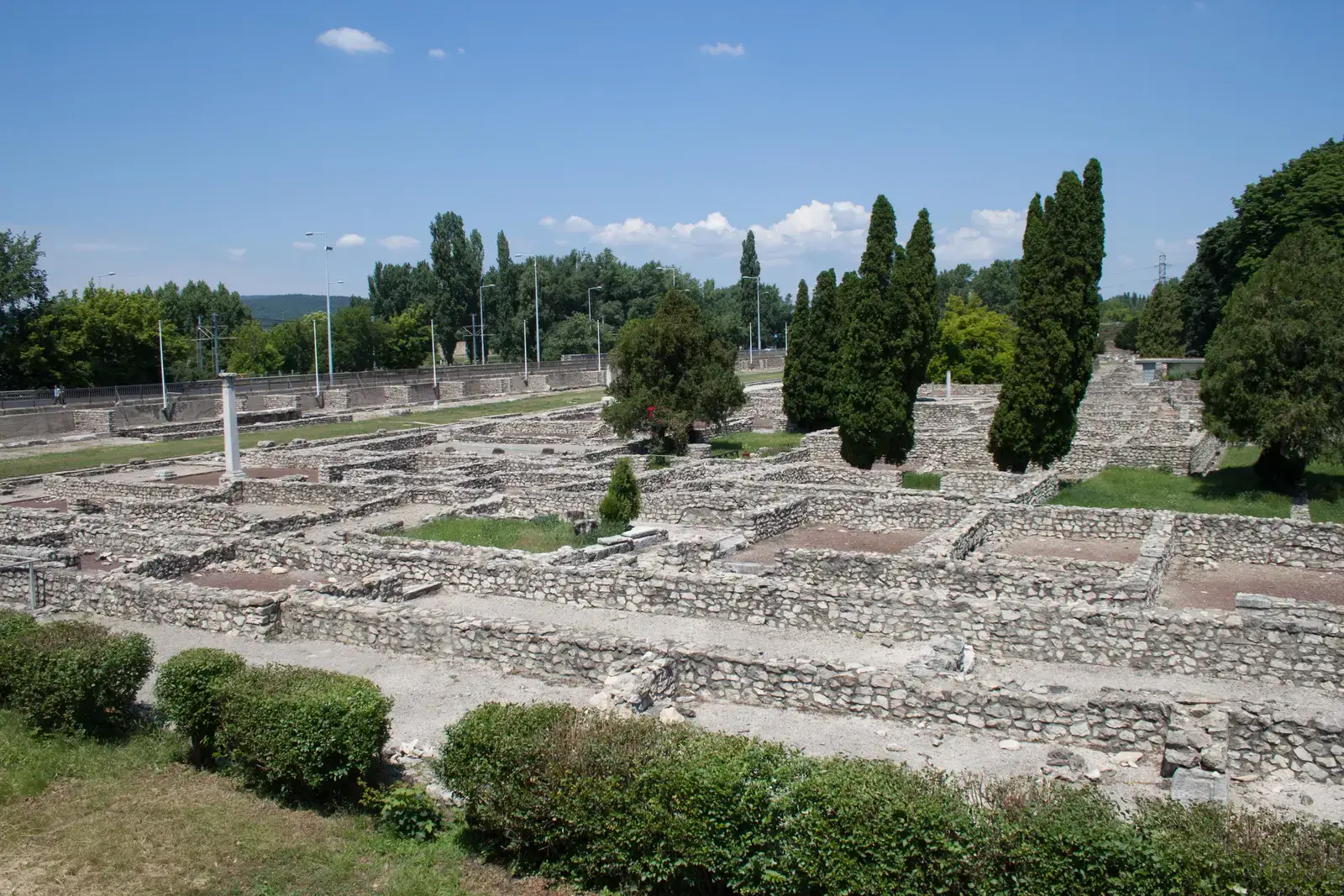
Hungary’s capital sprawls over a Roman frontier town its own citizens barely notice. Aquincum, a Roman city and military base, originally sat north of what is now central Budapest. While an archaeological park preserves part of it, housing estates, industrial sites, and modern roads occupy large areas where Roman buildings once stood.
Ground surveys and occasional excavations have identified baths, villas, and streets extending beneath current neighborhoods. Nineteenth- and twentieth-century expansion often plowed straight through ruins with little documentation. Today, stricter laws mean developers cooperate with archaeologists who fully expect to hit Roman levels in certain districts – to most locals, Aquincum is a museum; to specialists, it’s an unfinished map under everyday life.
#9 – Vienna’s Vindobona, Buried Under Chic Cafés
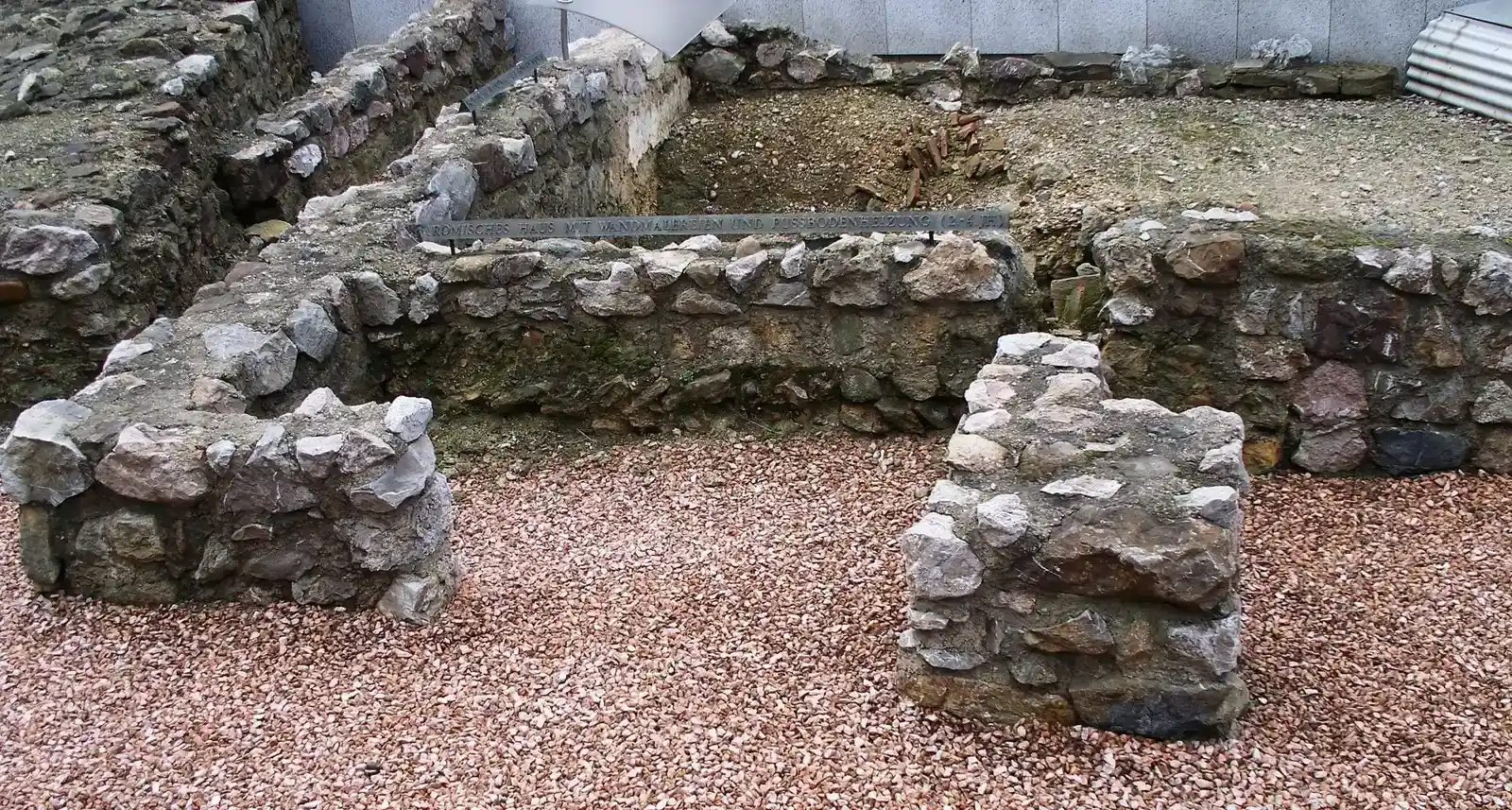
The polished capital of Austria is balanced on the skeleton of a Roman military camp. Vienna’s center, especially around Stephansplatz and the Hoher Markt, overlies Vindobona, a legionary fort and settlement on the Danube frontier. Subway expansions and basement renovations have exposed sections of fort walls, headquarters buildings, and civilian houses beneath the shops and cafés overhead.
What’s striking is how the Roman layout still quietly shapes street lines and property boundaries today. A full plan is elusive, though, because key segments sit beneath monumental buildings from the imperial and modern eras. Vienna markets itself on music and empire; its Roman military roots, still in the ground, stay largely out of sight.
#8 – Trier’s Deeper Roman City Beneath Germany’s “Oldest Town”
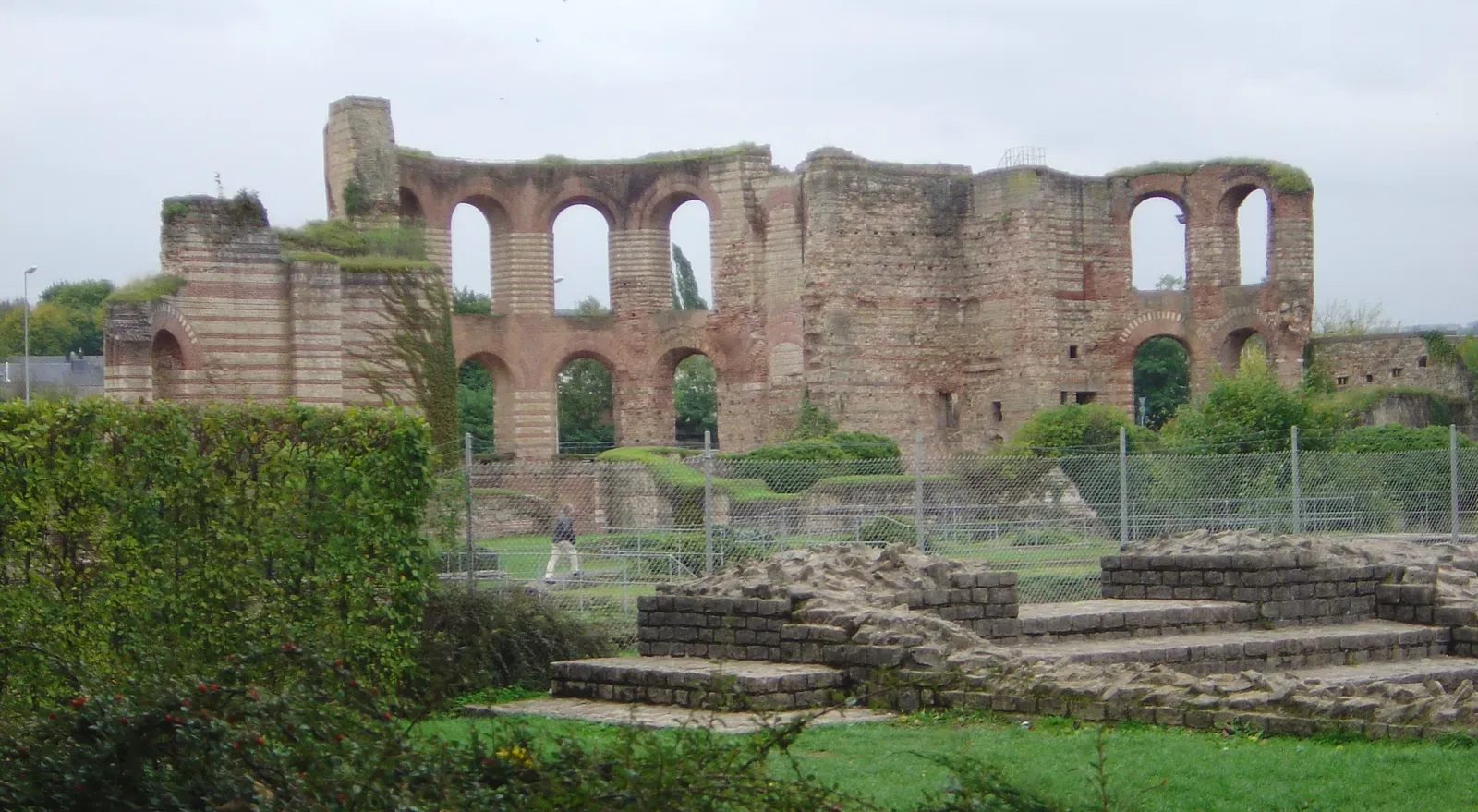
Germany markets Trier as ancient, but even here, parts of Rome stay buried under later success. The Porta Nigra, baths, and basilica are all proudly on display. Yet significant stretches of the Roman city remain under medieval and modern layers, especially through the commercial core.
When streets are refurbished or utilities upgraded, crews sometimes cut straight through Roman road surfaces, foundations, and drains that never make it into a tourist brochure. Later building phases often reused or leveled Roman structures, and some modern blocks now rest on thick rubble from earlier buildings – a kind of artificially raised ground. Even a city proud of its past still has unresolved ruins sitting quietly beneath its shops.
#7 – Buenos Aires and Its Own Buried Colonial City
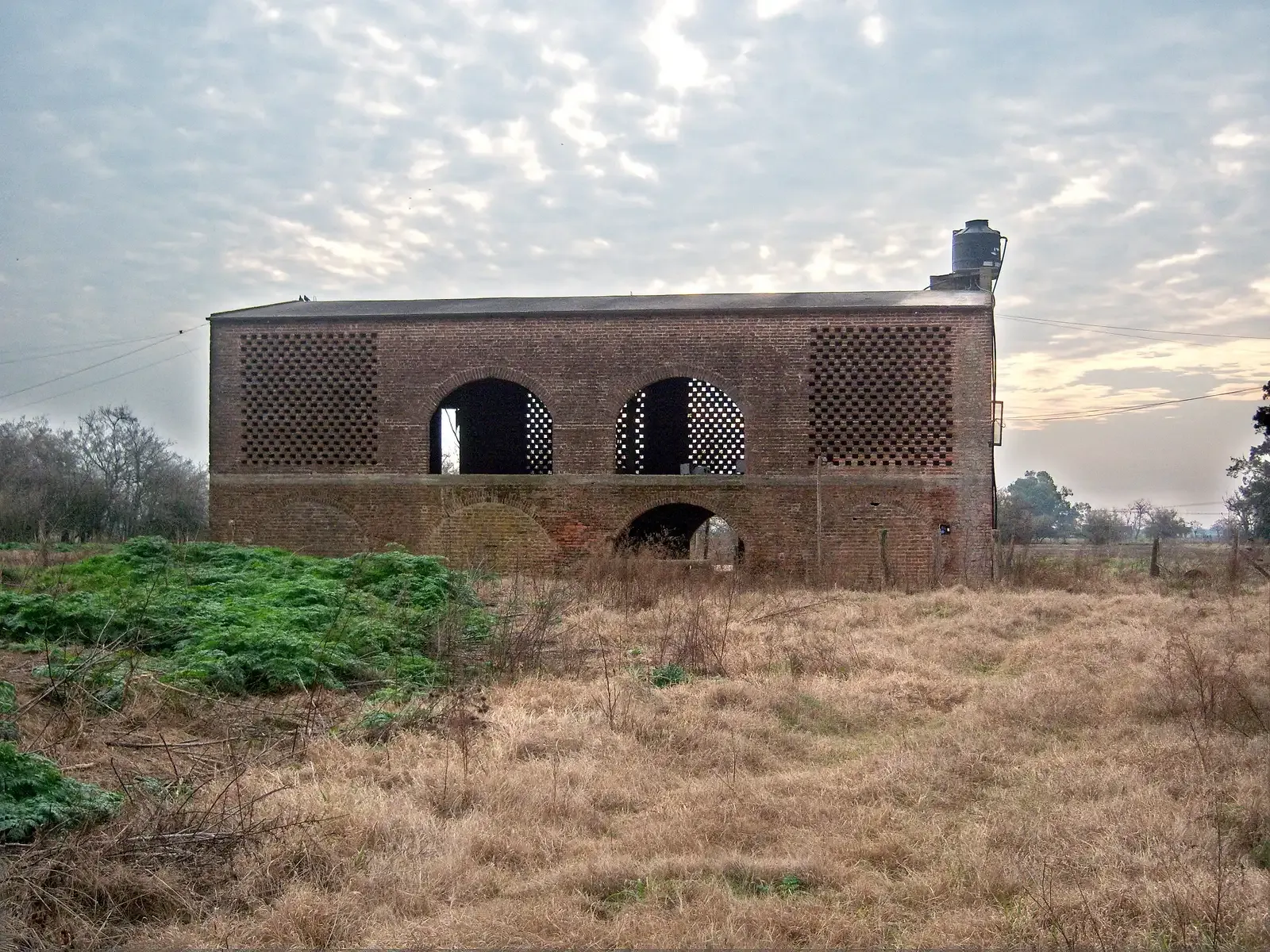
South America’s “European” capital hides earlier versions of itself below the grid. Buenos Aires feels young next to Near Eastern or European sites, but its colonial past has its own buried layers. Under parts of San Telmo and Monserrat, archaeologists have documented old wells, rubbish pits, house foundations, and sections of the original riverbank and defenses beneath current buildings.
One famous case: the Pasaje de la Defensa, where excavations revealed rooms and courtyards buried by later street raising. Nineteenth-century sanitation projects filled low-lying areas and rerouted streams, effectively entombing earlier structures and landscapes. Heritage projects now open small “archaeological basements” as tiny windows into a much bigger, still-buried story.
Worth Knowing
- San Telmo and Monserrat sit on some of the oldest colonial-era ground in the city.
- The Pasaje de la Defensa excavation uncovered buried courtyards beneath a later street level.
- Nineteenth-century sanitation works filled in low areas and rerouted waterways, sealing older layers below.
- Small “archaeological basements” now let visitors view preserved fragments without disrupting daily city life above.
#6 – Manila’s Intramuros Built Over Older Settlements
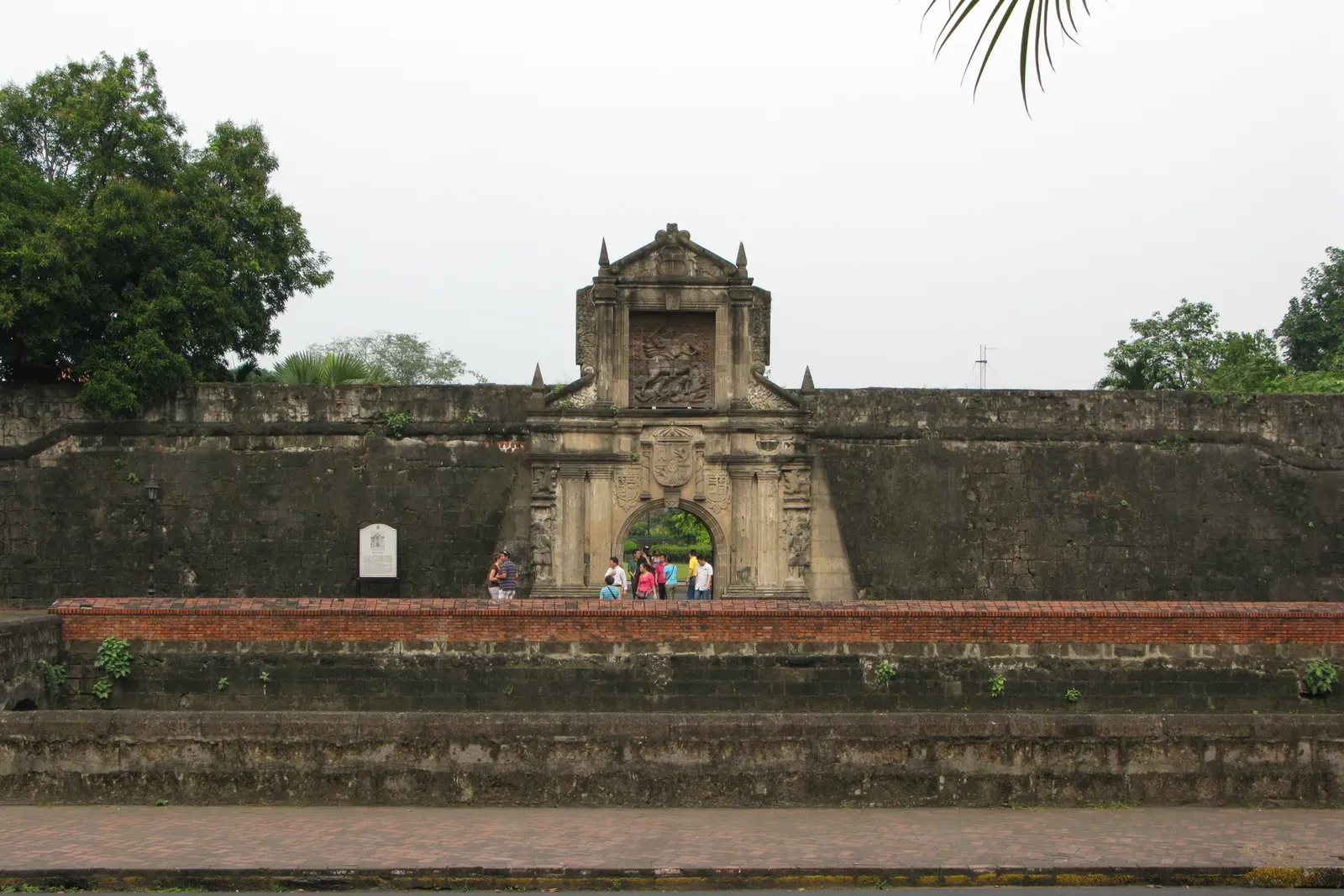
Manila’s walled city doesn’t sit on empty ground – it sits where older communities once thrived. Spanish colonizers chose a strategic site for Intramuros, but they didn’t pick a blank slate. Records and digs point to earlier indigenous settlements, trade sites, and burial grounds around the Pasig River delta before the stone walls ever went up.
Later wars, especially World War II, devastated the district, and postwar rebuilding layered yet another phase over what remained. Intramuros is often marketed as “the oldest” Manila, but specialists are clear: it’s just the most visible old one. Limited digs have uncovered ceramics and foundations predating the Spanish period, overlain by colonial masonry and then modern fill – leaving big questions about pre-Hispanic Manila buried under a reconstructed heritage quarter.
#5 – Tokyo’s Edo and the Villages Sleeping Beneath the Metropolis
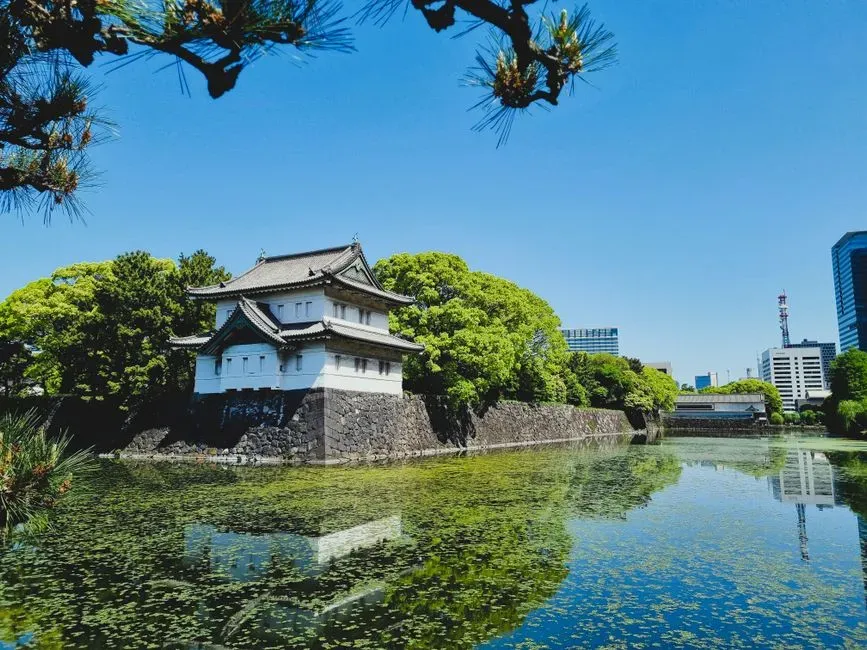
Beneath one of the world’s most high-tech cities lies a drowned memory of samurai-era Edo and rural hamlets. Tokyo constantly rebuilds itself, but it didn’t spring from nowhere. Construction for skyscrapers, subways, and flood infrastructure frequently uncovers moats, house remains, and everyday artifacts from Edo-period neighborhoods that no longer exist above ground.
In some corridors, nineteenth-century street alignments survive only as underground anomalies. Japanese archaeology is meticulous but space-constrained, so many finds are documented quickly and reburied to let projects proceed. Experts also track Jomon and Yayoi period sites under suburban developments at the city’s edge, where early settlements once sat on what are now commuter belts. Calling Tokyo “new” ignores how much older human life is packed beneath it.
#4 – Moscow’s Medieval City Hidden Below the Ring Roads
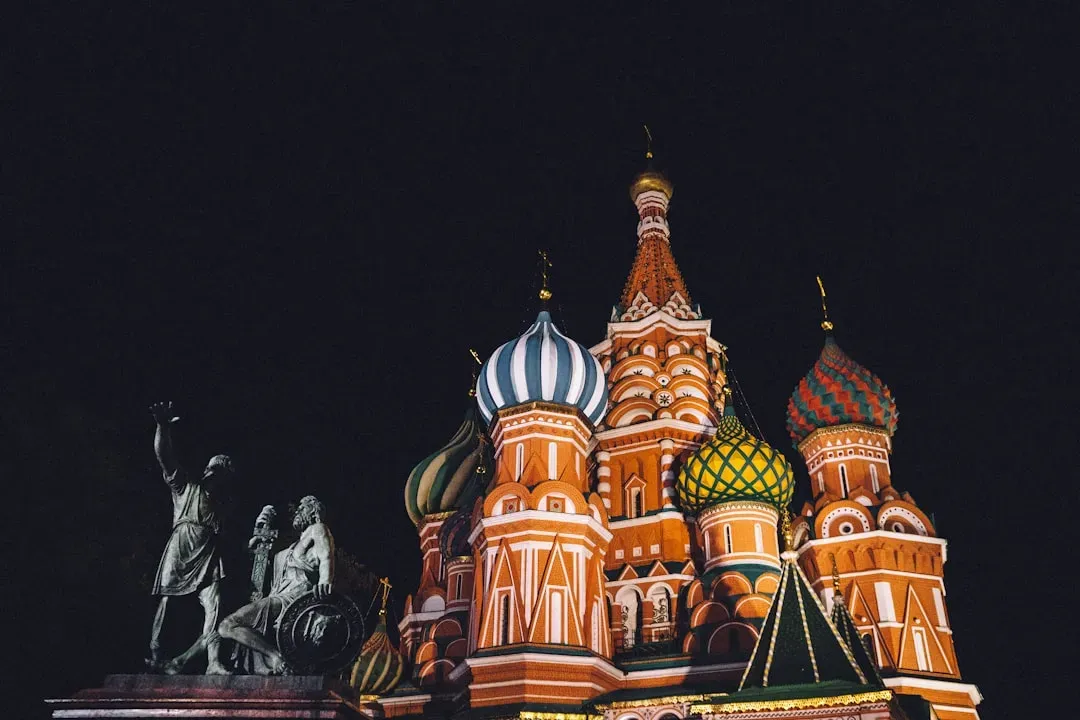
Moscow’s reputation as a planned, monumental capital hides deeper, messier layers under its boulevards. Kremlin walls and Stalinist avenues dominate the image, yet below them archaeologists piece together earlier wooden towns and fortified sites. Salvage digs for parking garages and utility tunnels have yielded log house foundations, streets, and craft areas from medieval Moscow, plus evidence of older occupation along the Moskva River.
Many of these remains sit directly under present-day administrative and commercial zones. Soviet and post-Soviet building booms often prioritized speed over preservation, though regulations have since tightened. Specialists admit large pockets of early Moscow, especially outside the Kremlin’s original footprint, remain largely unexplored simply because they’re buried beneath dense, high-value real estate.
#3 – Greater Mexico City and the Shadow of Teotihuacan
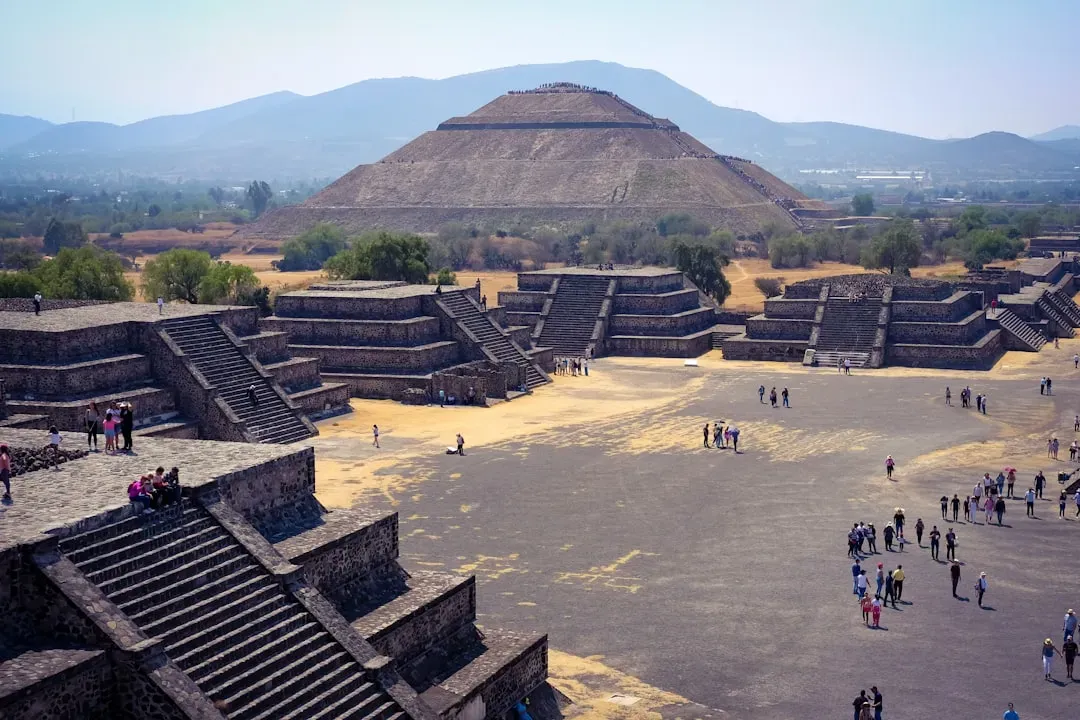
Mexico City’s basin doesn’t just sit on Tenochtitlan – it’s riddled with buried urban experiments far beyond the historic center. The main pyramids of Teotihuacan are preserved, but surveys show residential compounds, workshops, and outlying neighborhoods stretching under modern villages and fields at the urban fringe.
Urbanization has steadily crept toward these zones, and in places, construction has already built directly over ancient structures. Archaeologists use aerial and satellite data to map anomalies that likely represent platforms and compounds, and they openly worry that unexcavated parts of this once-massive city are quietly being entombed beneath cinderblock houses and roads without ever being properly studied.
#2 – Beirut: Phoenician, Roman, Ottoman, and Modern, All Stacked and Scarred
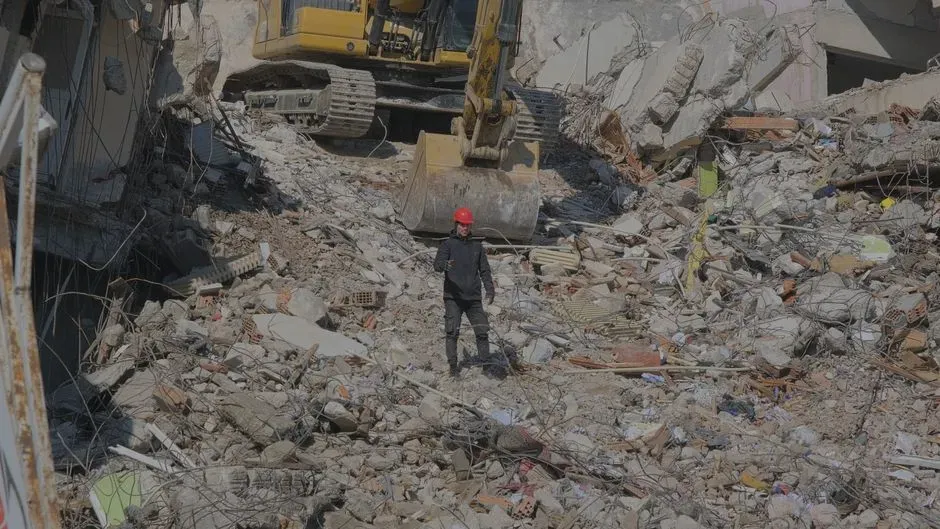
Few places show the violence of urban layering as brutally as post-war Beirut. During reconstruction after Lebanon’s civil war, downtown Beirut became a real-time case study in what happens when you peel back a city. Bulldozers and archaeologists worked side by side, exposing Phoenician harbor installations, Roman streets, Byzantine churches, and Ottoman quarters, all stacked beneath modern ruins.
Some elements were preserved or integrated into new buildings; others were recorded and demolished, sparking fierce public debate. War damage ironically offered rare access to deep layers, but it also destroyed context in the process. Beirut now lives with a strange truth: it’s one of the best-documented layered cities in the region, and yet whole sections of ancient urban fabric are known only from hurried field notes, now reburied under luxury towers.
Why It Stands Out
- Post-civil-war reconstruction in the 1990s exposed multiple ancient eras in a single downtown footprint.
- Phoenician-era harbor structures were among the deepest and rarest finds uncovered.
- Rapid rebuilding meant many discoveries were documented quickly, then covered again by new construction.
- Beirut’s layering is unusually well recorded compared with many other stacked cities on this list.
#1 – Rome: The Eternal City Riding Directly on Top of Its Own Empire
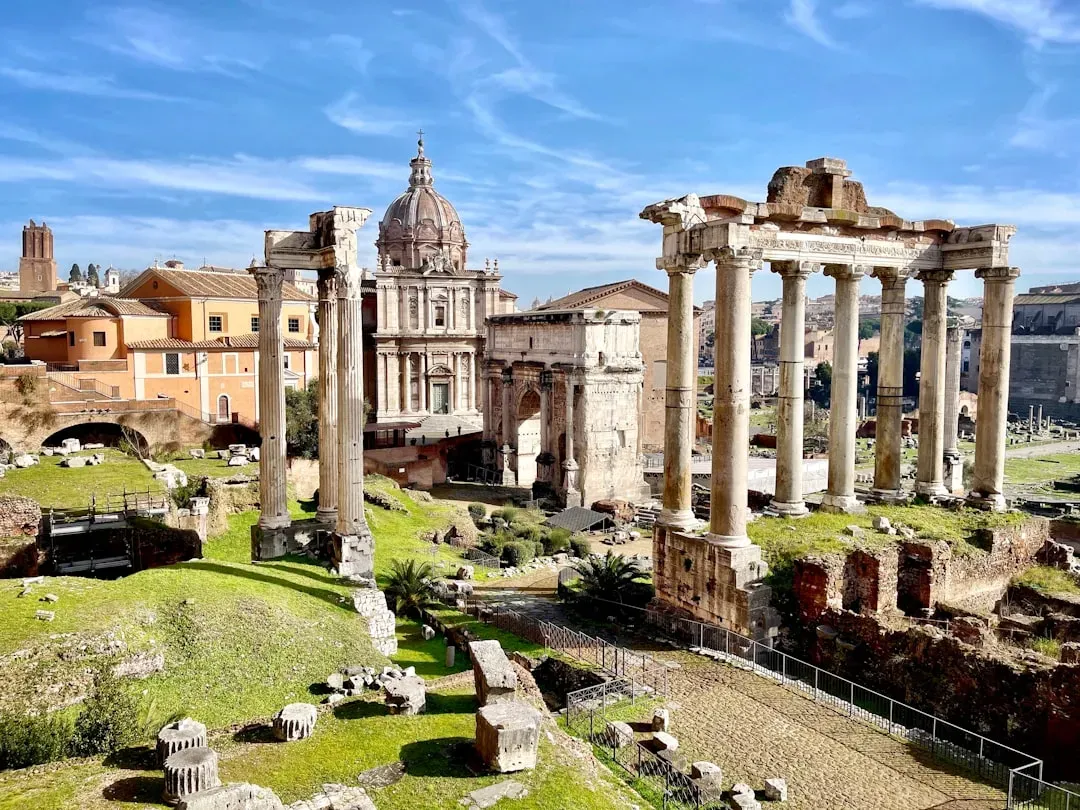
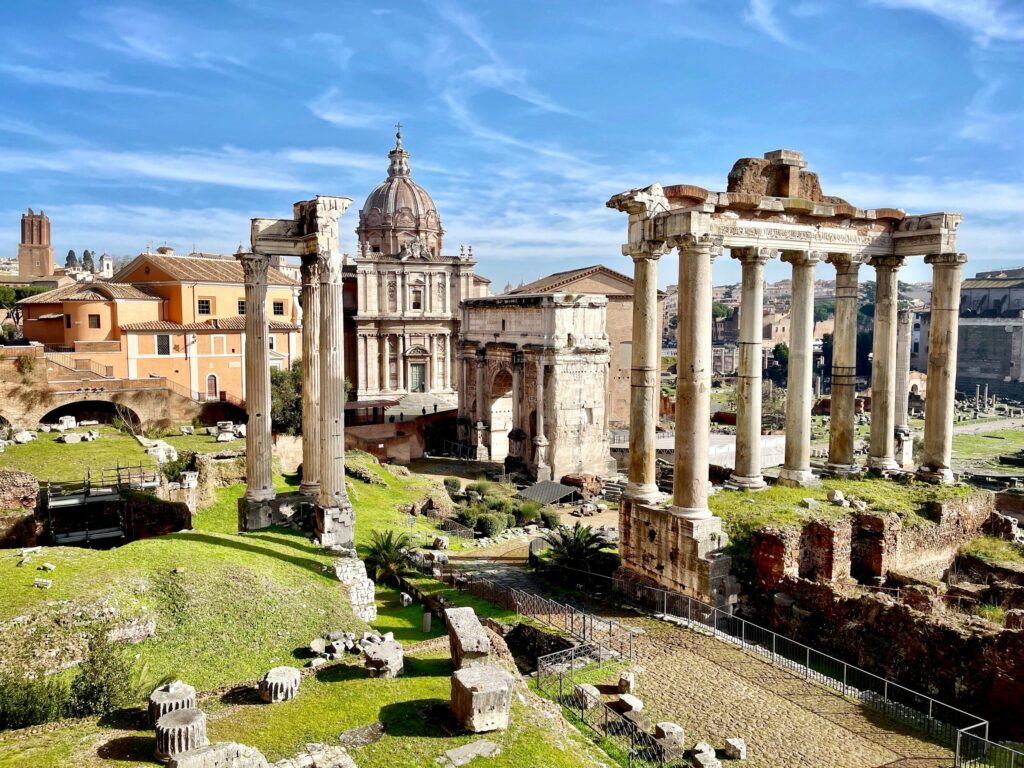
No city embodies “built over itself too soon” like Rome, where modern life literally rides on top of empire. Everyone knows Rome is ancient. Fewer realize just how vertically stacked it is – street level today sits several meters above many imperial-era surfaces. Under traffic circles and apartment blocks, archaeologists know of entire insulae, baths, warehouses, and even small temples left in place simply because the city cannot pause long enough to expose them all.
The Metro C line became infamous for delays as it kept hitting wall after wall, mosaic after mosaic. Some churches are literally built into repurposed Roman structures, and modern sewers share routes with ancient drains. Scholars openly admit Rome is only partially excavated – what’s visible, the Forum, the Colosseum, a few houses, is just a sampler. Residents in certain neighborhoods live directly above still-standing Roman rooms they will never see.
The Bottom Line
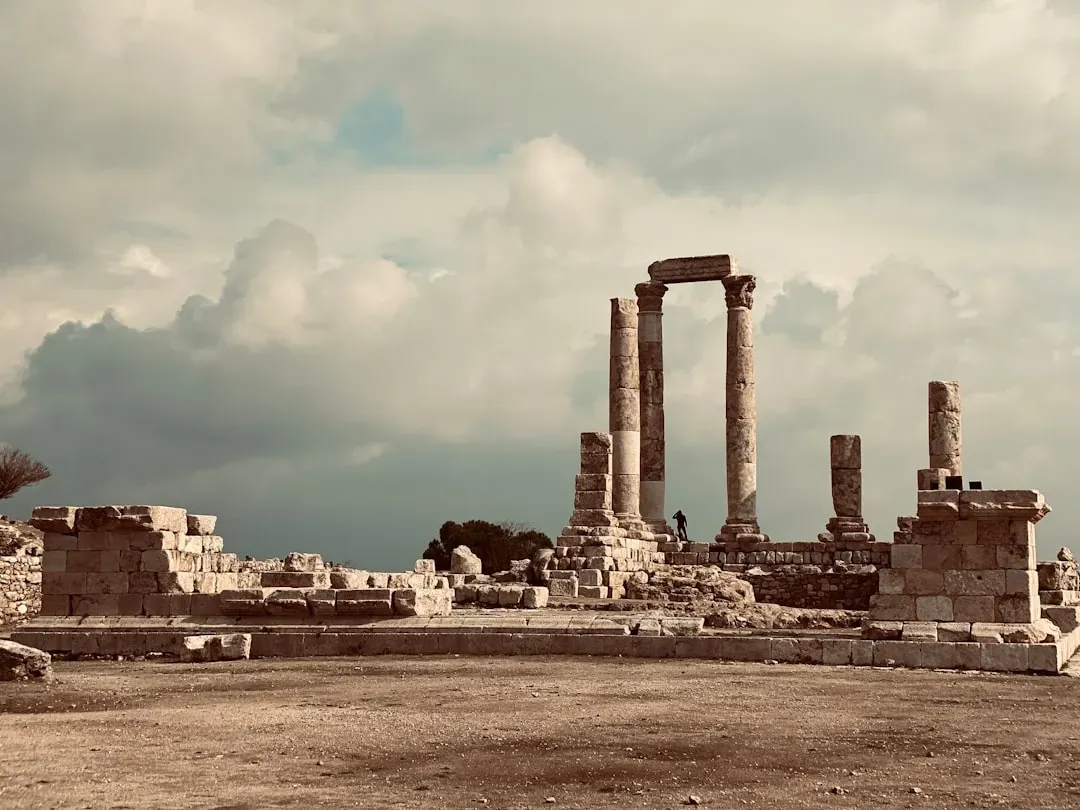
Archaeologists used to talk about “lost cities” as if they belonged to far-off jungles and deserts. The uncomfortable truth is that many of the most important ruins now accepted by experts are sealed under cities we still actively live, work, and commute in. From Mexico City and Rome to Istanbul and Beirut, urban life has repeatedly paved over its own foundations long before anyone thought to protect them.
The past is never dead. It’s not even past.
William Faulkner
That line was written about memory, not archaeology, but it fits this list uncomfortably well. In places like Beirut or Mexico City’s center, development exposed just enough to show how much more has already been buried for good, with no one asking permission. My honest take: we treat “progress” as automatically more valuable than the ground it’s poured on, and that math rarely gets questioned until a construction crew hits a wall no one expected. Every skyline in this list is a bet that what’s underneath doesn’t matter as much as what’s built on top – and history keeps proving that bet wrong.