Most people assume this puzzle got solved decades ago. Quarries mapped, timelines agreed on, tool marks logged in careful university papers – case closed, right?
Not even close. Run the actual numbers on weight, terrain, and Bronze Age or Neolithic technology, and a startling number of the world’s most famous stone moves simply refuse to add up. Geologists and engineers can sketch “plausible” methods on a whiteboard, but for over a dozen legendary monuments, nobody has ever demonstrated a full, testable, start-to-finish solution. Here’s what the people who study rock fractures and gravity for a living actually admit when the cameras aren’t rolling.
#13 – Baalbek’s “Stone of the Pregnant Woman”: Lebanon’s 1,200-Ton Block That Never Left the Quarry
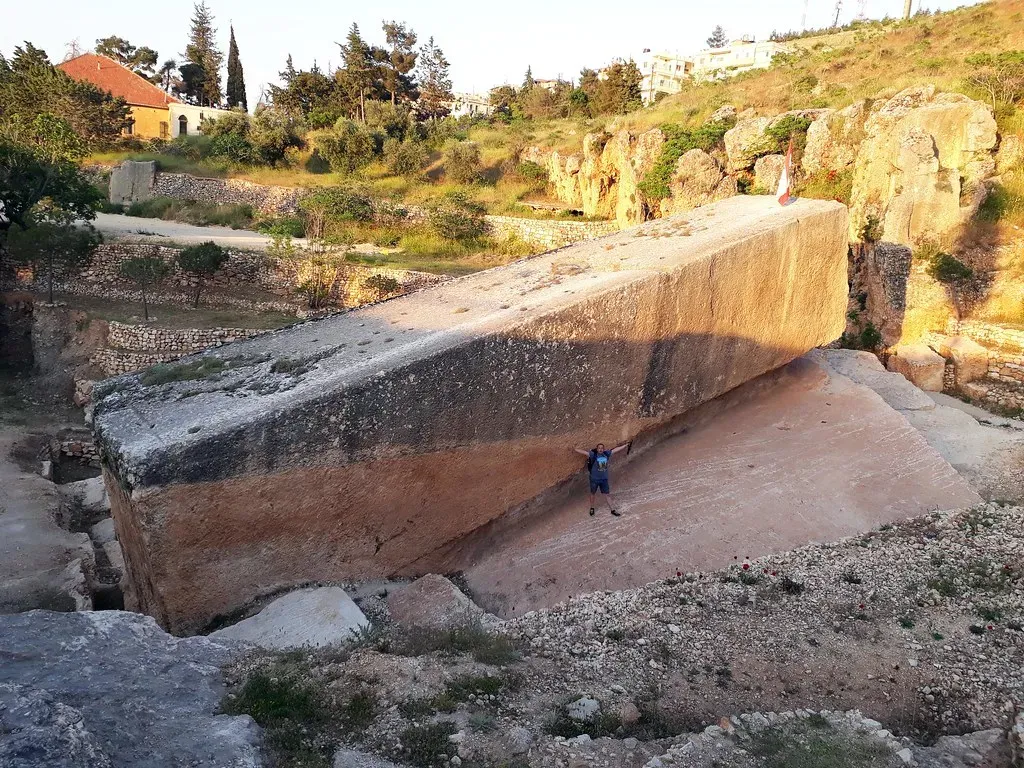
Baalbek’s quarry block is almost too big to photograph, sitting above the Roman temple complex in Lebanon. This single limestone block weighs an estimated 1,000–1,200 tons, carved but never moved, with two more nearby – one likely even heavier. The geology itself is straightforward: local limestone cut cleanly along its natural bedding planes.
The nightmare starts the moment you ask how anyone planned to move it downhill without shattering it. Engineers can sketch wooden rollers, earthen ramps, and lubricated sledges, but once you plug in real friction coefficients and the crushing strength of limestone, the math turns ugly fast. You’d need thousands of coordinated workers or mechanical systems we’ve never found a trace of – and no team has ever replicated the move at full scale with period-accurate tools. For now, Baalbek’s biggest blocks sit in an uncomfortable category: theoretically possible, practically unproven.
#12 – The Trilithon Blocks at Baalbek: Three 800-Ton Giants Wedged in a Wall With No Blueprint
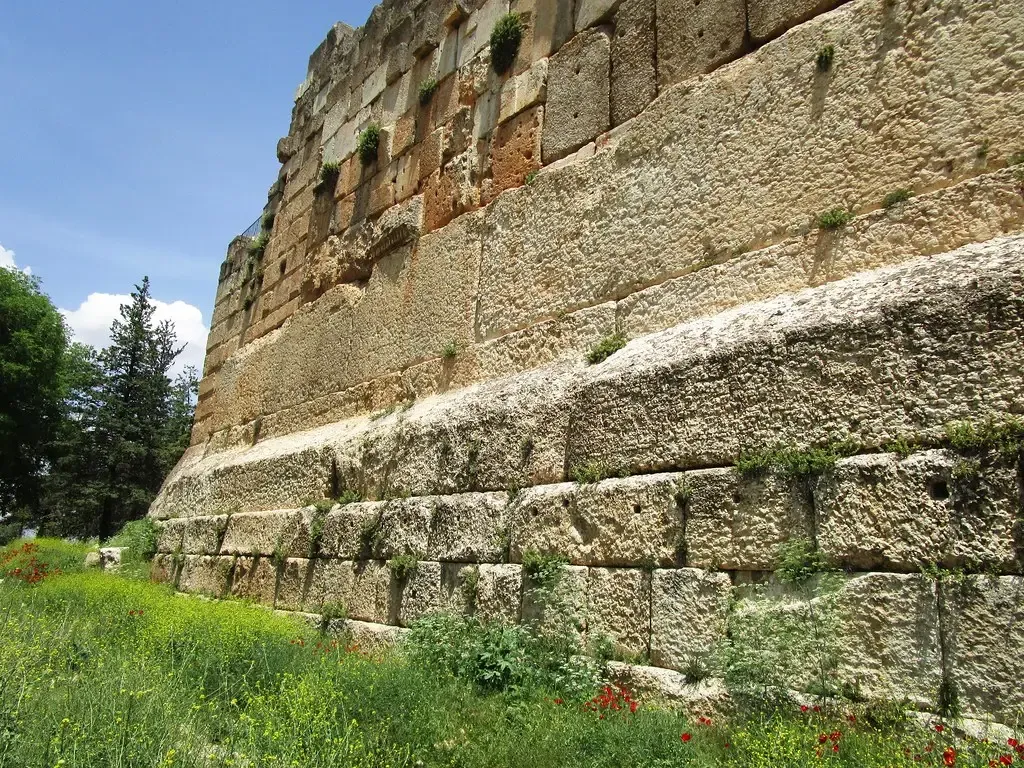
If the quarry stones raise eyebrows, the Trilithon blocks inside Baalbek’s actual temple platform are the real jaw-dropper. Three limestone giants, each around 800 tons, are fitted high into a retaining wall with almost arrogant precision. Geologists can trace them straight back to the nearby quarry and see exactly how natural jointing planes were exploited to split them free.
What isn’t normal is hauling, raising, and locking those blocks into place without a catastrophic crack. The platform sits on a slope, which complicates the load path even further – any twist or uneven settling could shear off a corner instantly. Some researchers argue the blocks were inched along packed earthen ramps; others think they were pre-positioned before the surrounding masonry went up. Either way, there’s no single tested sequence that covers extraction, transport, lifting, and placement together – and even the experts quietly admit they don’t have the full playbook.
Fast Facts
- Each Trilithon block measures roughly 19 meters (62 feet) long, 4.2 to 4.3 meters high, and 3.6 meters thick, weighing 750 to 800 tonnes apiece.
- The blocks sit about 6 to 7 meters – roughly 20 to 23 feet – above the base course of the western retaining wall.
- The source quarry lies close to the temple platform, meaning distance wasn’t the problem – elevation and precision were.
- The joints are fitted so tightly that a knife blade cannot slip between adjoining stones.
#11 – Easter Island’s Moai “Roads”: The Statues That Allegedly Walked and Never Fully Explained How
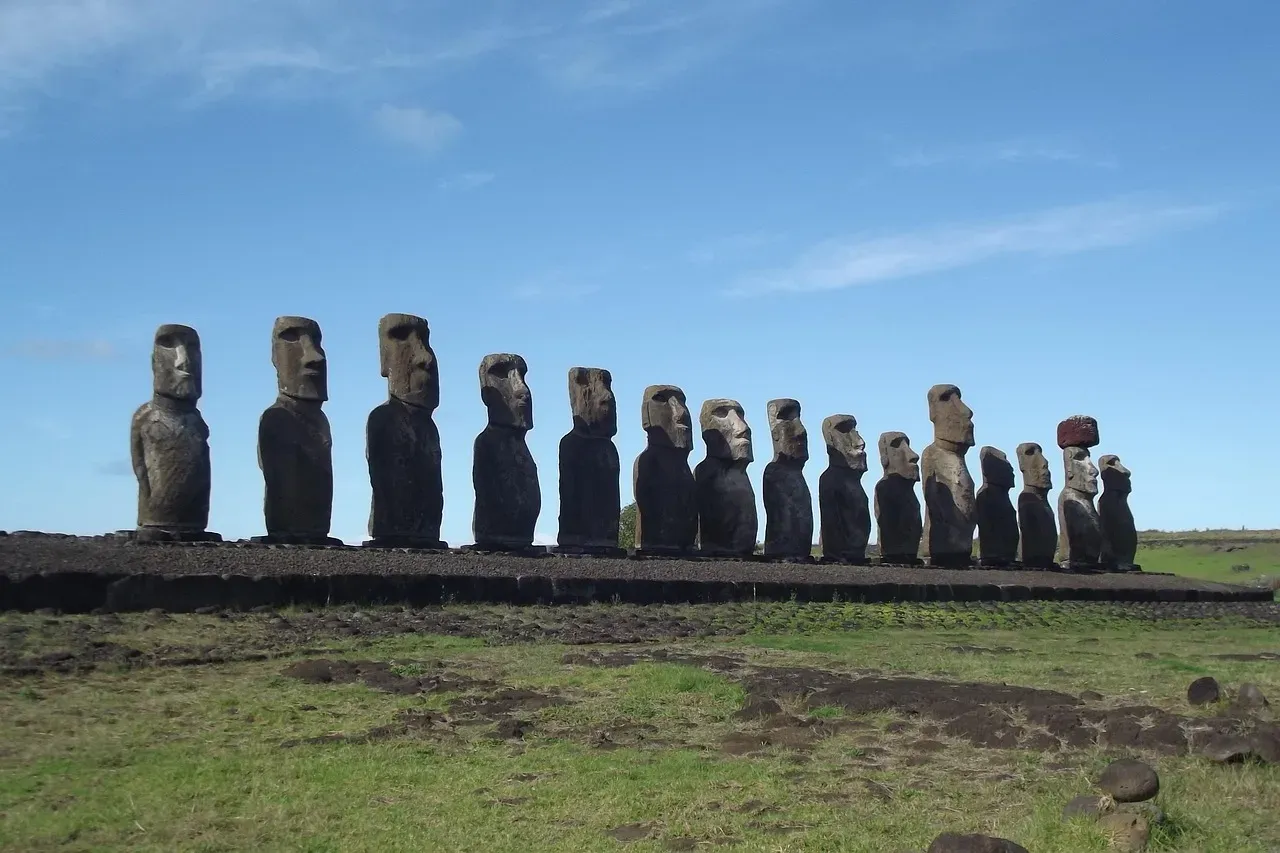
Everyone’s seen photos of Easter Island’s Moai, but fewer people know that dozens of unfinished statues still lie scattered along ancient “roads,” some weighing over 80–90 tons, apparently abandoned mid-journey from quarry to coast. They’re carved from relatively soft volcanic tuff, which makes shaping easy but transport brutal – drag one wrong and it snaps, tip it too far and the face shears clean off.
Islanders have always insisted the statues simply “walked,” and modern experiments back that up – teams really can rock a replica Moai forward using ropes in a walking motion. That’s genuinely exciting, but those tests use engineered replicas, not original tuff weathered for centuries in a tropical, salt-heavy climate. Nobody has reproduced a full-size, authentic-material journey along the real terrain from quarry to platform, which means the “walking” theory is promising, not proven.
#10 – The Western Stone of Jerusalem’s Temple Mount: A 600-Ton Slab Nobody Can Explain Sliding Into Place
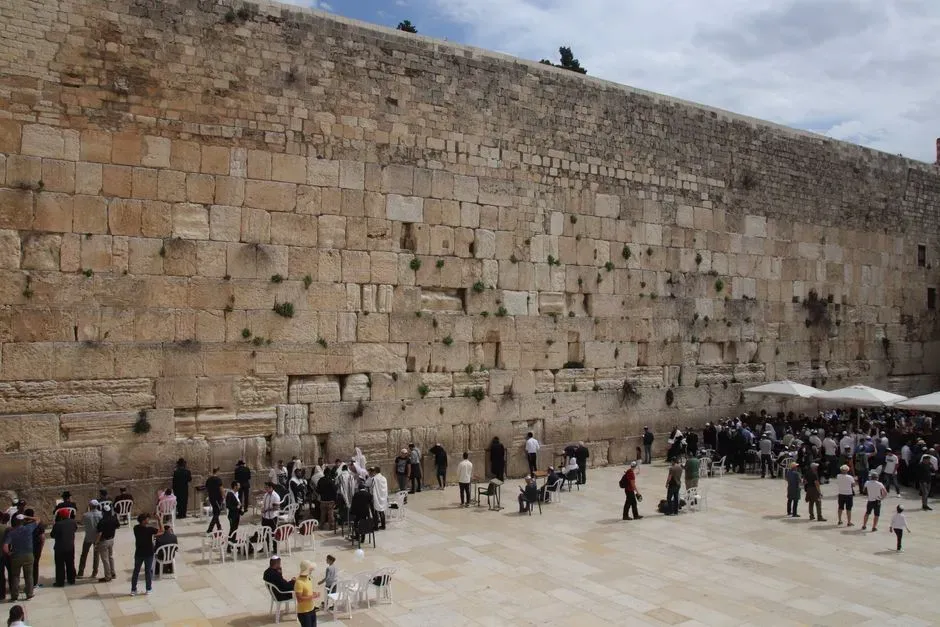
Hidden from most tourists, the Western Stone inside Jerusalem’s Western Wall tunnel is one of the largest building stones ever identified in a standing structure – roughly 13.6 meters long, 3 meters high, 4.5 meters deep, and somewhere between 500 and 600 tons. Geologists recognize standard quarrying techniques here: cuts along bedding planes, chiseled channels, wedges driven in at just the right spots. None of that part is mysterious.
What nobody has nailed down is how this single block slid into a tight wall course without disaster. Some researchers think it was dragged horizontally along a leveled shelf rather than lifted, but that raises new questions – what supported it mid-journey, and what kept it from crushing the softer limestone underneath? The best studies stitch together “likely” steps borrowed from later medieval building practices and scattered textual hints. A fully modeled, historically grounded engineering solution still doesn’t exist.
#9 – The Unfinished Obelisk of Aswan: Egypt’s Cracked 1,200-Ton Warning Sign
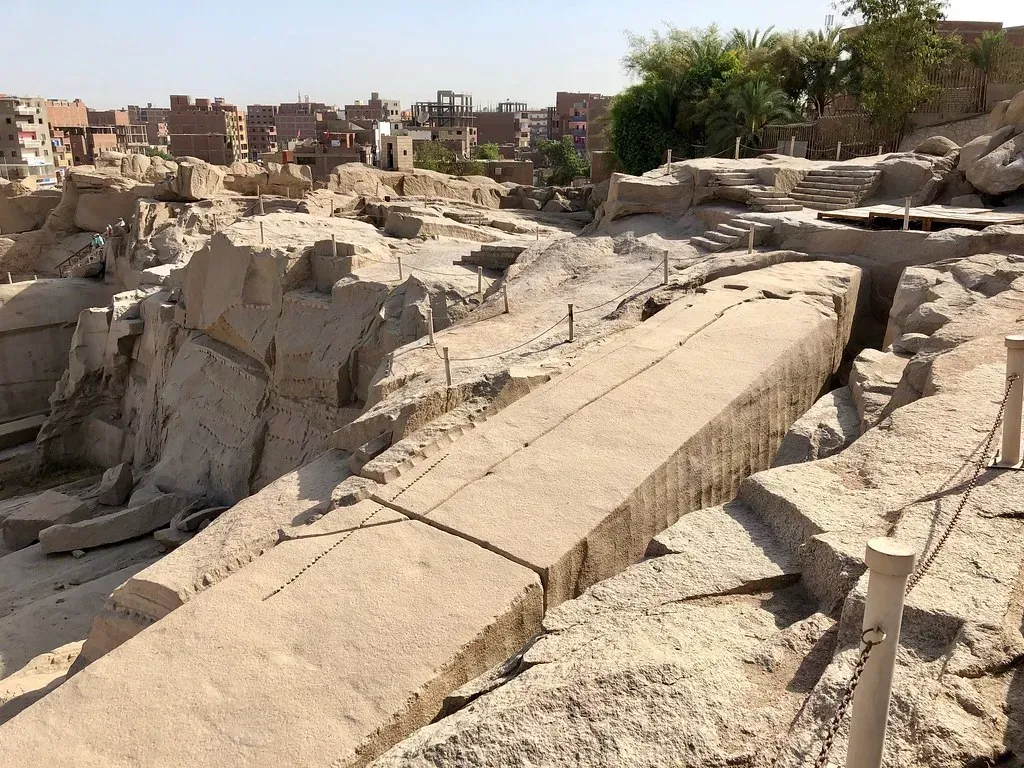
In Aswan’s granite quarries sits an obelisk still fused to the bedrock, cracked and abandoned mid-carving. Finished, it would have weighed roughly 1,100–1,200 tons – the largest single stone the Egyptians ever attempted. The quarrying method is well understood, with dolerite pounding stones leaving clear bowl-shaped scars around its base.
The planned extraction is another story entirely. We know how smaller obelisks moved – sledges, water-lubricated tracks, barges on the Nile – but scaling that up to over a thousand tons pushes every method toward its breaking point. Even skilled experimental archaeologists struggle moving 40–60 tons under controlled, modern conditions; scale that twenty-fold and friction, rope strength, and barge stability stop behaving predictably. No engineer today has produced a mechanically sound, period-accurate plan that survives real scrutiny – and the cracked stone almost reads like the rock itself calling it quits.
#8 – Stonehenge’s Trilithons: England’s Lintels That Shouldn’t Have Stayed Up This Long
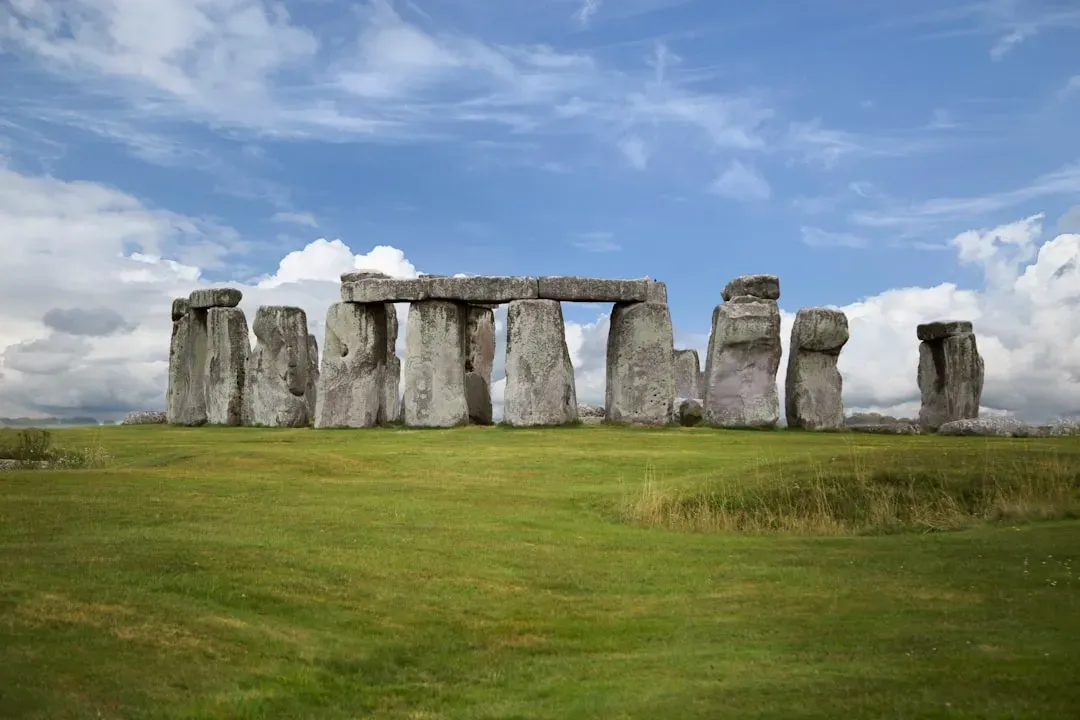
Stonehenge gets over-explained on television and under-explained in the details that actually matter. Its upright sarsens and lintels form trilithons weighing 25–50 tons each – modest next to Baalbek, but the real challenge is the combination of distance, precision, and repetition across a windy, exposed plain.
We have working models – earthen ramps, A-frames, ropes, plenty of manpower – and small-scale experiments show the basic ideas are plausible. But those tests are short, controlled demonstrations, not multi-decade construction projects under real prehistoric weather and soil conditions. They rarely explain how builders stabilized stones mid-lift, prevented sinking in soggy ground, or fine-tuned mortise-and-tenon joints dozens of feet in the air. There’s still no single, experimentally validated sequence that matches the archaeological evidence step by step.
#7 – Sacsayhuamán’s Megaliths: Peru’s Earthquake-Proof Puzzle Nobody Can Rebuild
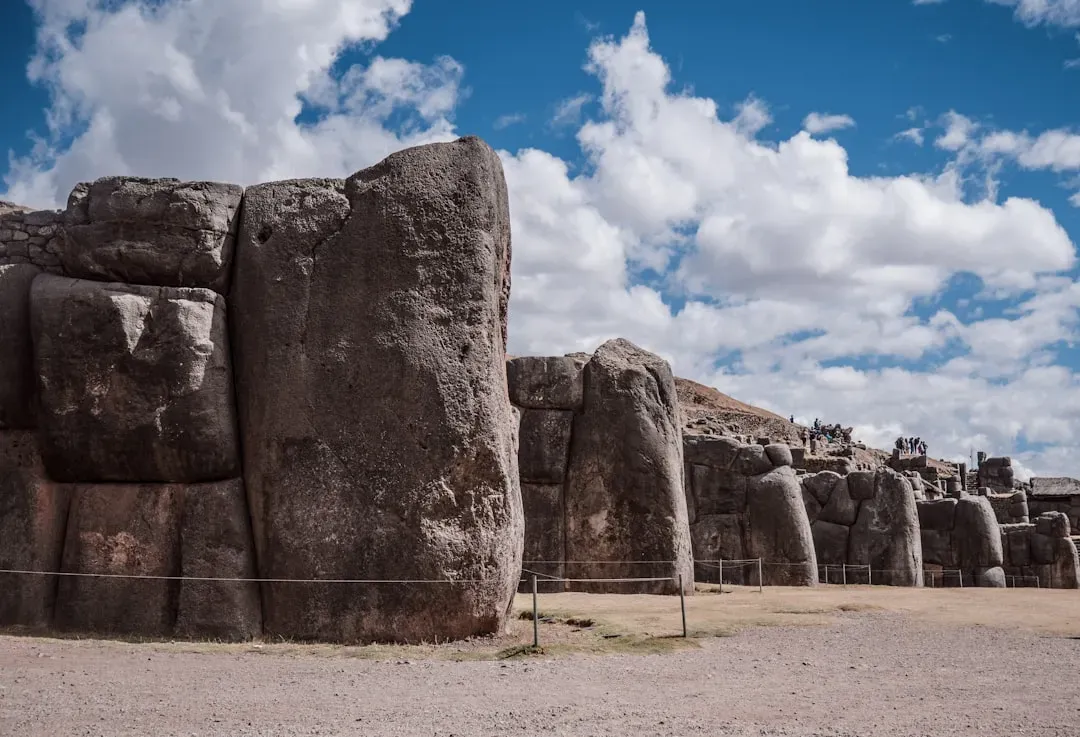
Above Cusco, the zigzag walls of Sacsayhuamán fit together like a 3D jigsaw puzzle carved from stone. Some individual andesite blocks weigh 100–200 tons, shaped with oddly angled faces that interlock so tightly you genuinely can’t slide a blade between them.
The real mystery isn’t just moving these blocks – it’s shaping and seating them so the entire wall distributes seismic stress evenly, in one of the most earthquake-prone regions on Earth. There are almost no written records of how it was done, and no full-scale experimental wall has ever been built using only confirmed Inca-era tools and then tested against a real earthquake. Until that experiment happens, claiming we “know” how they pulled this off is more confidence than proof.
Worth Knowing
- The blocks interlock without any mortar at all – a signature of Inca stonework seen across the Cusco region.
- Some individual stones have a dozen or more angled faces, each one hand-fitted to its neighbors on every side.
- The site sits at roughly 3,700 meters elevation, deep inside one of the most seismically active mountain belts on Earth.
- Original Inca sections have outlasted repeated earthquakes that have cracked or toppled newer construction built right beside them.
#6 – The Giza Pyramid Core Blocks: Egypt’s Millions-of-Stones Problem Hiding Behind the Casing
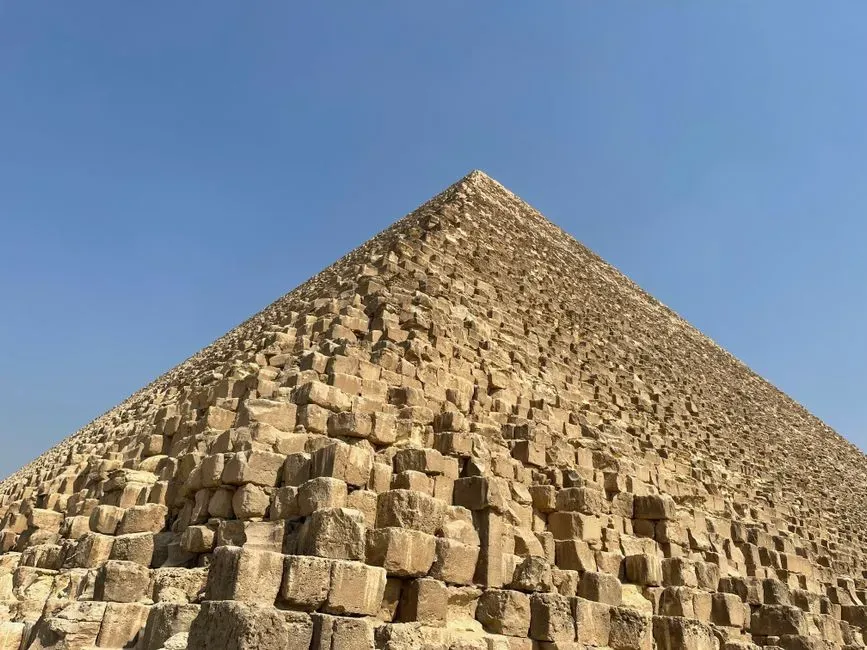
Everyone fixates on Giza’s polished casing stones, but the real logistics nightmare hides in the core: millions of limestone blocks, many in the 2–15 ton range, stacked with unsettling regularity for decades on end. Geologists have studied this limestone extensively – fossils, bedding planes, even signs that some cores may reuse partially quarried bedrock.
The hard part isn’t quarrying a few impressive stones; it’s sustaining a high-throughput, heavy-load supply chain using Bronze Age tools for years without interruption. Models exist – lubricated ramps, lever systems, maybe internal ramps – but they’re pieced together from art, scattered tool finds, and a lot of inference, never validated in one continuous full-scale test. Tiny inefficiencies in friction, worker fatigue, and material failure compound massively at this scale, and no current model fully closes that gap.
#5 – The Olmec Colossal Heads: Mexico’s Basalt Giants That Crossed a Swamp Nobody Can Map
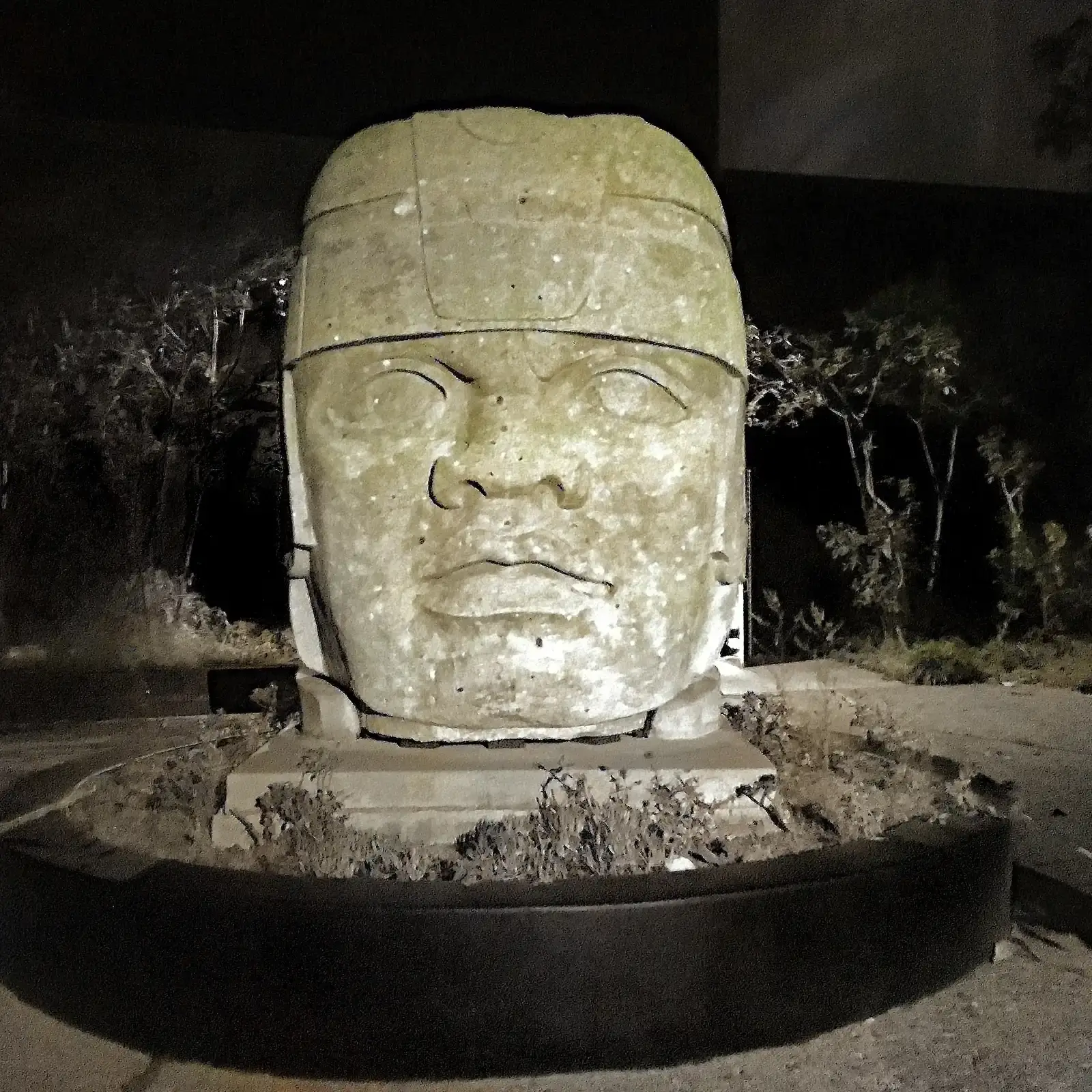
The Olmec heads look almost friendly, which makes it easy to underestimate the effort behind them. Carved from basalt boulders weighing 20–40 tons, they traveled tens of kilometers from known quarries across swampy, river-cut lowlands – a journey geologists can trace through petrographic and geochemical signatures.
On paper, raft transport and log rollers sound reasonable. On the ground, in that terrain, it’s a different story – basalt can hide fractures from ancient cooling, and one bad jolt could shear off a nose or jaw. We can guess at possible routes, but we don’t see clear remains of the massive causeways or dock systems repeated heavy hauls would have required. Until someone actually drags a 30-ton basalt replica the full distance using verified Olmec-era tools, this transport story stays a hypothesis dressed up as history.
#4 – Malta’s Hypogeum-Age Temple Blocks: Older Than Stonehenge, and Nobody Knows How They Turned the Corner
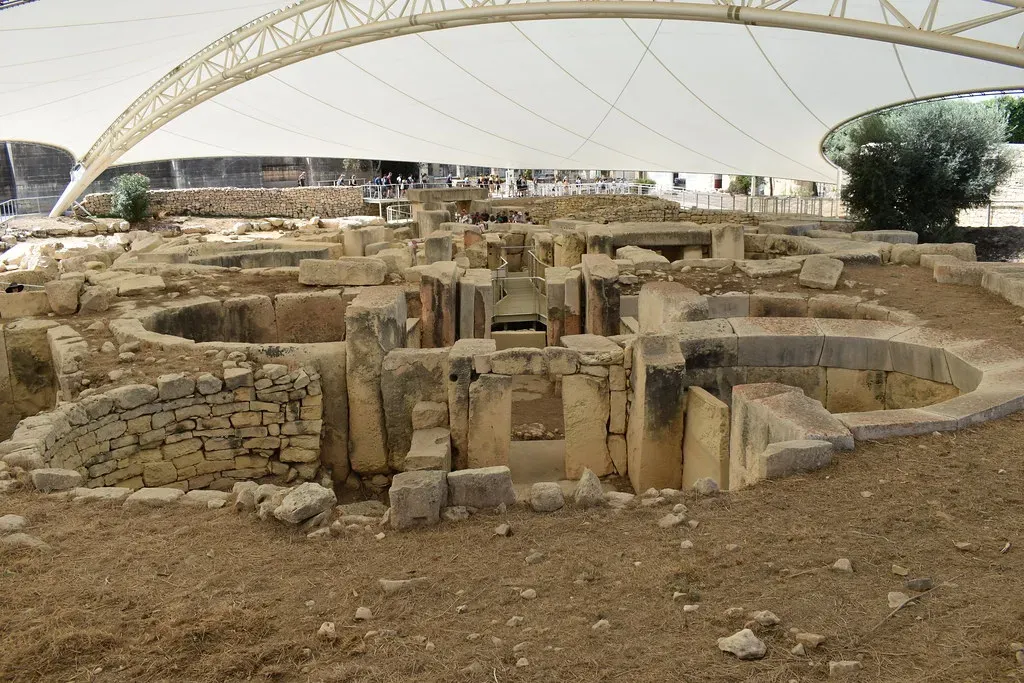
Malta’s megalithic temples rarely make “mystery” lists, but they probably should. Sites like Ħaġar Qim and Mnajdra use limestone blocks up to 20–50 tons, arranged in curving structures older than both Stonehenge and the Pyramids.
These limestones weather unpredictably and can spall under stress, yet builders somehow shifted them across uneven karst terrain with thin soil and limited timber. Small experimental teams have tugged modest replicas short distances, but nobody has solved the harder problem – turning and rotating irregular multi-ton blocks into a final, exact orientation without modern lifting gear. Archaeologists themselves admit that beyond the broad strokes, the fine-grained sequence from quarry to final fit is still speculative.
#3 – Stonehenge’s Bluestones: The 200-Kilometer Mystery Hiding Inside a “Solved” Monument
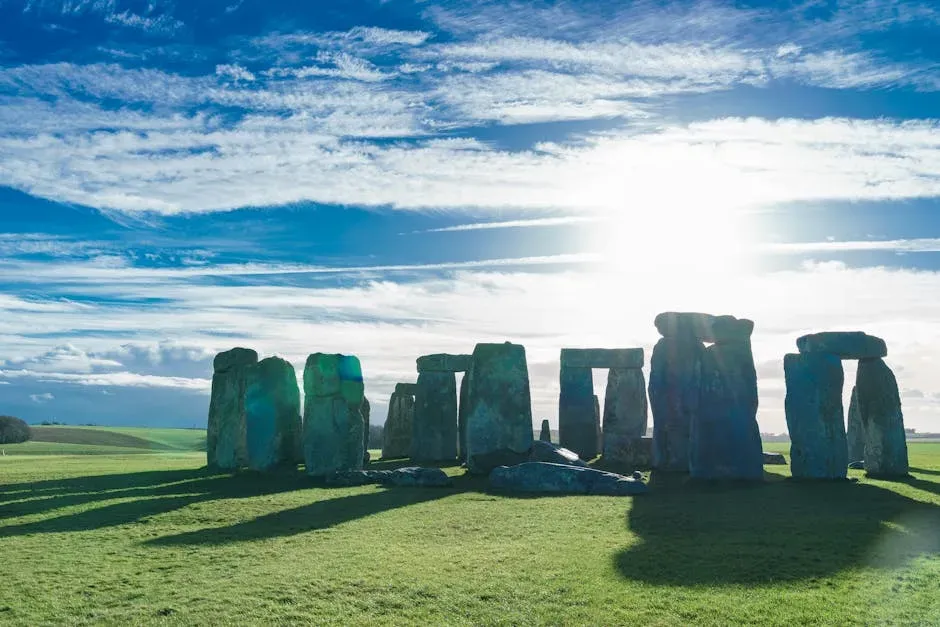
If the sarsens are heavy, the real head-scratcher at Stonehenge is the bluestones – some hauled roughly 200–250 kilometers from the Preseli Hills in Wales. Their distinctive geochemical signatures confirm the origin beyond doubt; that part is solid science.
What happens after quarrying is where the theories fall apart. Did people drag them overland, float them along the coast on rafts, or use some messy combination of both? These rocks aren’t uniform, and internal flaws can make them suddenly brittle under shock, which makes repeated hauls over bogs and rivers a serious gamble without wheel-and-axle technology. Nobody has run a tested, full-route experiment proving end-to-end feasibility under real Neolithic constraints, which makes this one of Europe’s most underrated unsolved transport puzzles.
Quick Compare
- Sarsens: sourced from Marlborough Downs, about 25–30 km from Stonehenge, weighing 25–50 tons each.
- Bluestones: sourced from the Preseli Hills in Wales, roughly 200–250 km away, typically far lighter per stone.
- Distance traveled: the bluestones covered nearly ten times the ground the sarsens did, despite being individually smaller.
- Route debate: leading theories split between an overland drag and a partly coastal, raft-assisted journey – neither has ever been tested end to end at full scale.
#2 – The Yangshan Megaliths of China: The 16,000-Ton Stone Even Its Own Builders Gave Up On
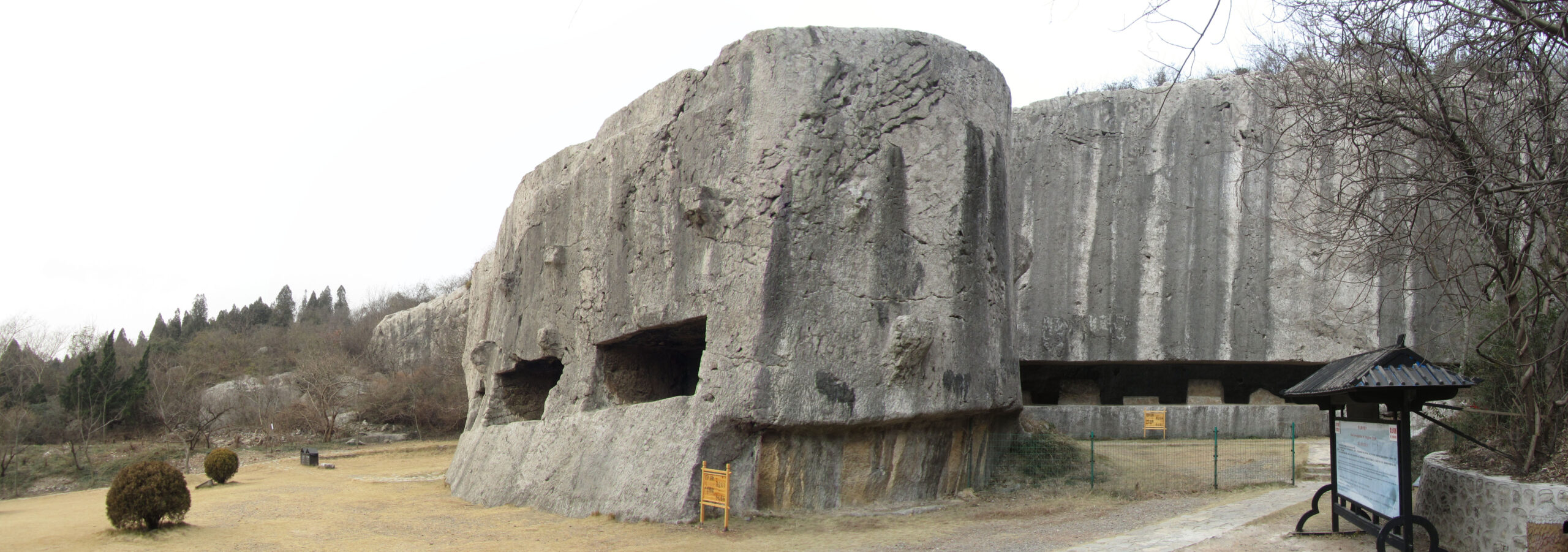
At Yangshan Quarry near Nanjing, three enormous stone components for a planned Ming dynasty stele were partially carved, then simply abandoned. The largest would have weighed around 16,000 tons if fully detached – yes, sixteen thousand.
This isn’t really a story about weight; it’s engineering reality colliding head-on with imperial ambition. The blocks were outlined, channels were cut, and then the project just stopped, because ground bearing capacity, friction, and the sheer human or animal power required made movement functionally impossible with period technology. No serious engineer today believes a 16,000-ton monolith could have been transported intact using known Ming-era methods, and the quarry now stands as physical proof that even its own creators eventually walked away from the math.
At a Glance
- Stele base: roughly 16,000+ tons – likely the single heaviest quarried stone block ever attempted anywhere on Earth.
- Stele body and head: thousands of additional tons apiece, carved separately from the same mountain.
- If ever assembled, the finished monument would have stood around 73 meters tall – taller than most cathedrals.
- Commissioned in the early 1400s under the Yongle Emperor, then abandoned once the transport problem became undeniable.
#1 – Puma Punku’s Precision-Cut Blocks: Bolivia’s Industrial-Looking Puzzle That Still Humbles Engineers
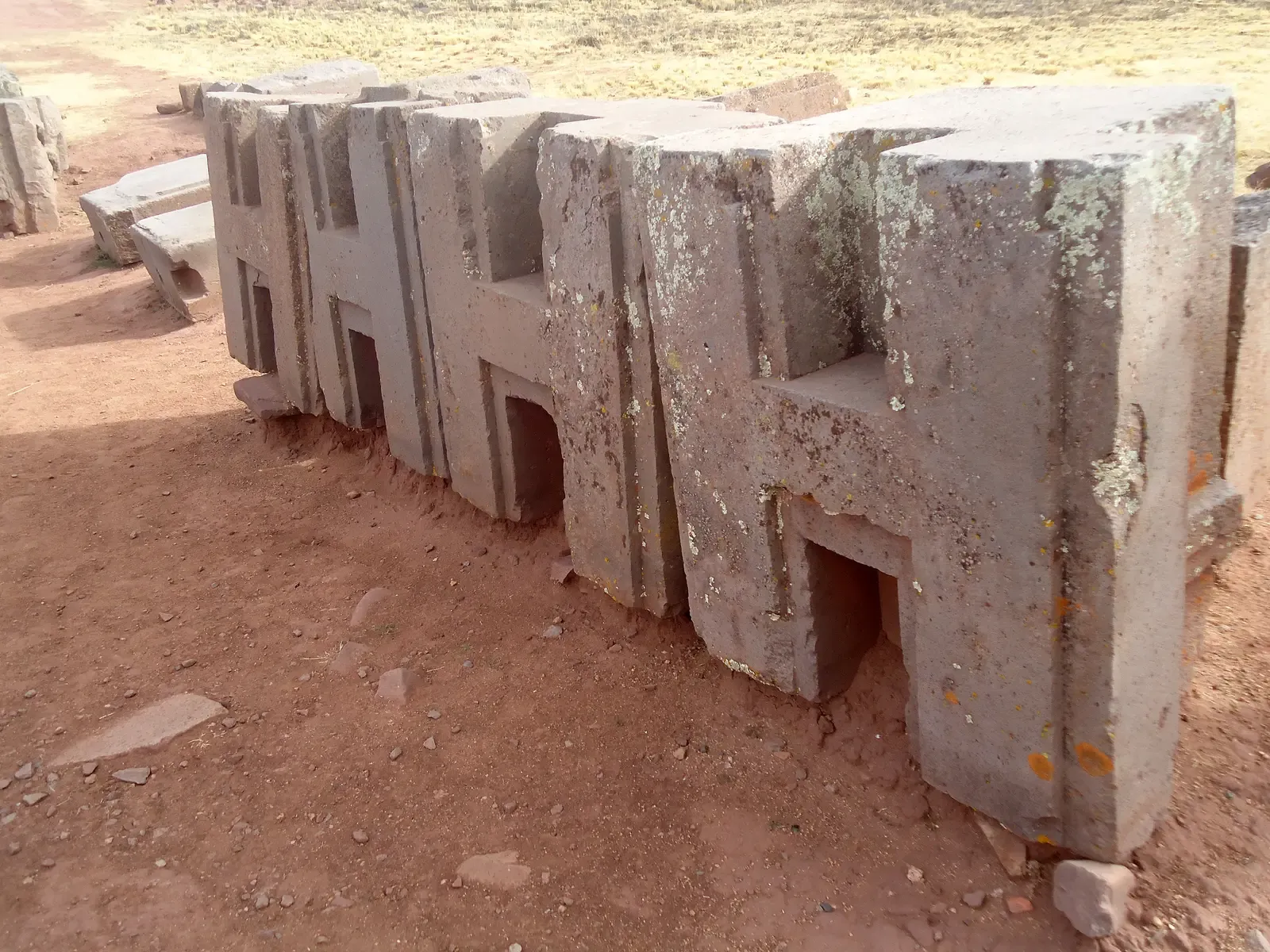
Puma Punku, part of the Tiwanaku complex in Bolivia, is where even cautious geologists start choosing their words carefully. Its andesite and red sandstone blocks – some tens of tons – form what looks like a collapsed, highly engineered platform full of H-blocks, sharp right-angle cuts, and repeating groove systems.
The raw materials are perfectly ordinary; what isn’t ordinary is the precision of the shaping combined with the need to move and seat these blocks without chipping a single sharp edge. Factor in tool wear, thermal swings at 3,800 meters of altitude, and regular seismic activity, and the old “they just hammered away with stone tools” explanation starts to feel thin. Nobody has reproduced the full suite of Puma Punku’s cuts and placements at true size, with proven Tiwanaku-era tools, under real-world conditions – which is exactly why this site sits at the top of the list.
The Bottom Line
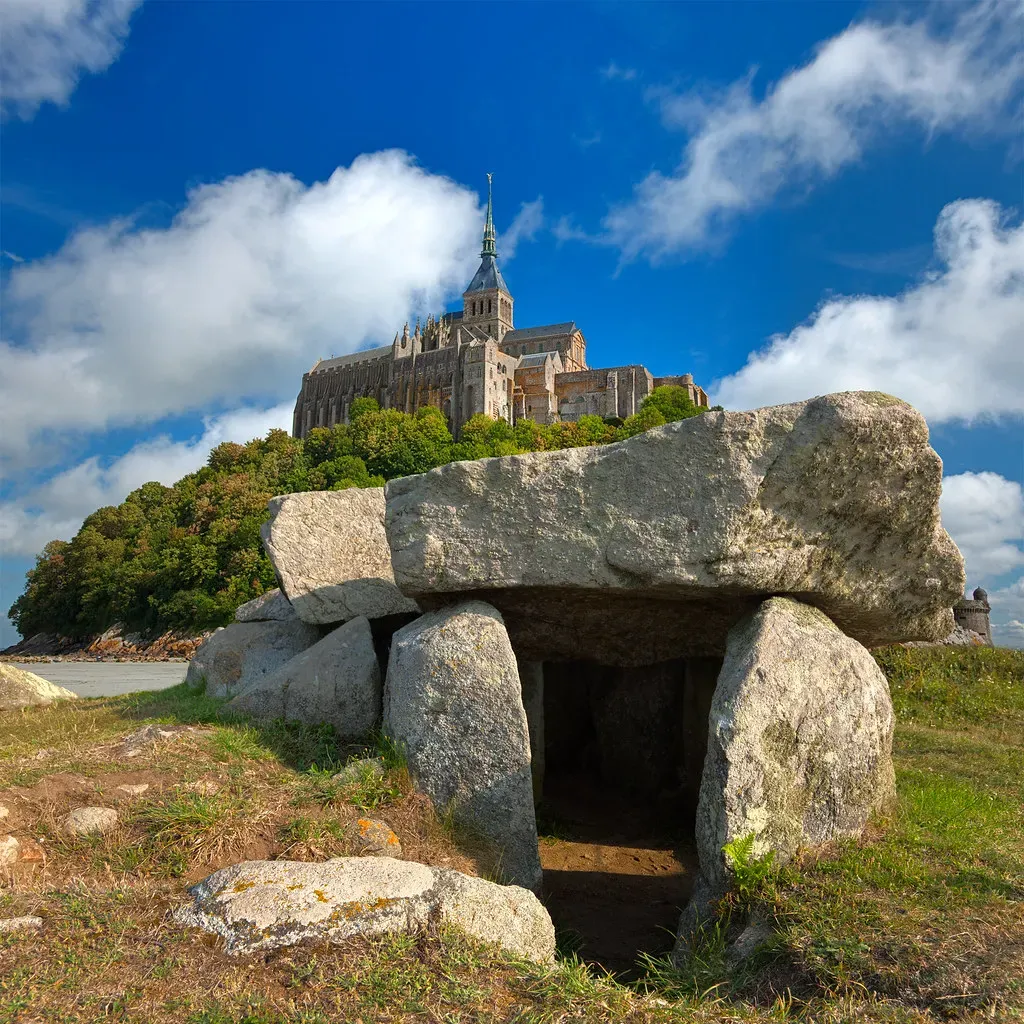
Strip away the documentary narration and the internet conspiracy noise, and the honest picture is more unsettling than either extreme. For several of the biggest stone moves in human history, our best explanations are still educated guesswork with real, unresolved gaps.
Geologists can tell you exactly where a rock came from and how close it sits to structural failure. Engineers can sketch models that look convincing on paper. But from Baalbek to Puma Punku to the silent quarry at Yangshan, nobody has ever walked a full-scale, period-accurate reproduction from quarry to final placement.
My honest read is that the loudest mistake people make is picking a side – insisting these mysteries are either fully solved or completely unexplainable. They’re neither. Human ingenuity is obvious in every one of these sites; the exact methods behind it simply aren’t proven yet, and pretending otherwise does a disservice to both the builders and the scientists still working the problem.
Which one of these do you think will finally get solved first – and which one do you suspect never will?