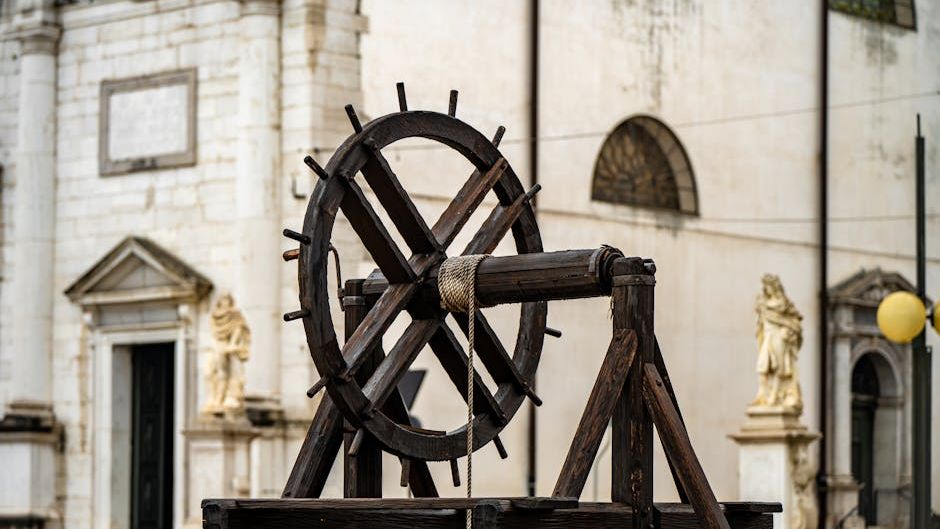
If you think advanced technology started with smartphones and space rockets, you’re in for a shock. Again and again, archaeologists and engineers test ancient devices, only to discover that people thousands of years ago solved problems with a level of precision that still feels uncomfortably close to our own. It is not that they secretly had microchips, but that they squeezed every drop of performance out of wood, stone, bronze and human brainpower.
When replicas of these old inventions are built and pushed to their limits, they often perform far better than experts predicted. Concrete that refuses to crumble, navigation tricks that can steer ships across oceans, even medical tools that look eerily like modern versions – it all forces a humbling question: how much have we really “invented,” and how much have we simply reinvented with flashier materials? As someone who once dismissed the ancient world as mostly guesswork and superstition, I’ve had to eat my words more than once reading test results and seeing these devices in action.
#1 Roman Concrete That Refuses To Die

Walk through any modern city and you can quietly watch concrete failing: cracks, spalling, crumbling bridges. Then you look at a Roman harbor wall that has been battered by waves for nearly two thousand years and is still standing strong, and suddenly the story gets awkward. When scientists analyzed Roman marine concrete and tried to reproduce it, they found a recipe using volcanic ash, lime and seawater that actually gets stronger over time as minerals slowly crystallize within the mix.
Engineers expected primitive cement, but what they found behaves more like a smart material tuned to its environment. Those whitish “clasts” and lime chunks that once looked like sloppy mixing turn out to act as self-healing zones: cracks channel water into them and new minerals grow, locking the fracture shut. For modern builders wrestling with aging infrastructure, that is both inspiring and slightly embarrassing – the idea that an empire with no steel rebar managed to design concretes that outperform many of ours over the long haul.
#2 Greek Antikythera Mechanism: The Bronze “Computer”
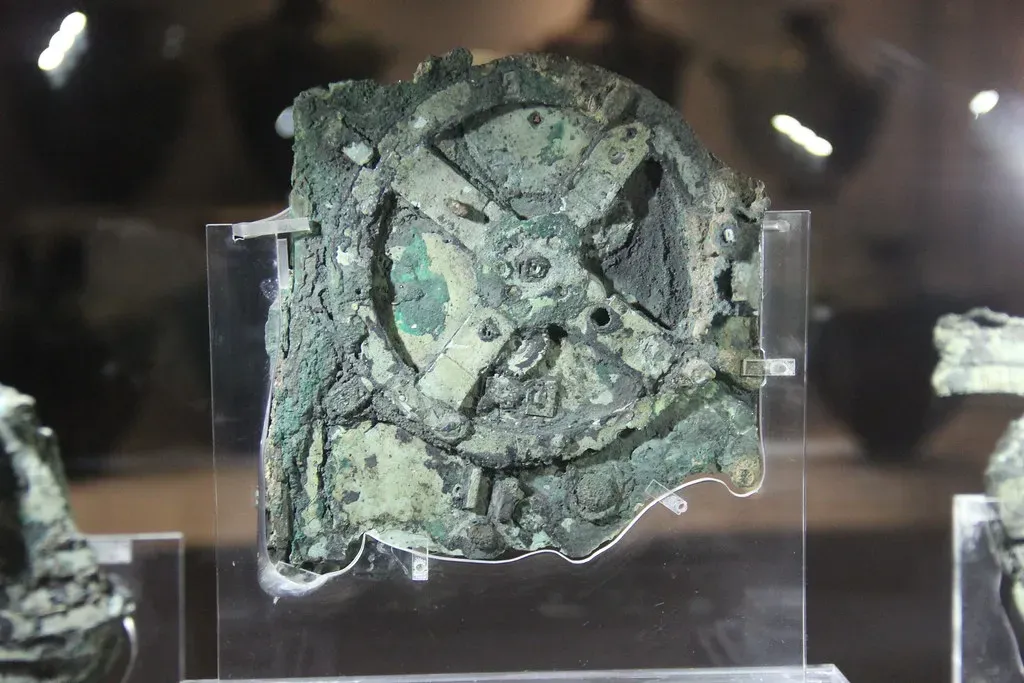
When divers pulled up a corroded lump of bronze from a shipwreck off the Greek island of Antikythera, nobody imagined it would rewrite our sense of ancient engineering. X‑ray imaging later revealed dozens of precision‑cut gears inside, arranged to predict the positions of the sun, moon, eclipses and likely the motions of planets using elaborate gear trains. Experimental reconstructions have shown it can track celestial cycles with impressive accuracy for a hand‑cranked device made more than two thousand years ago.
Experts once thought ancient astronomy was mainly numerical tables and naked‑eye observations, not complex mechanical calculators. Yet the Antikythera mechanism packs multiple overlapping cycles into a single box by using gear ratios and even a pin‑and‑slot mechanism that mimics non‑circular motion. The more engineers build working replicas, the more they admit it behaves less like a curiosity and more like the brain of a sophisticated scientific instrument, the sort of thing you would expect to see on the desk of a nineteenth‑century clockmaker, not in the wreckage of a Hellenistic cargo ship.
#3 Egyptian Stone Cutting And Monument Alignment

The Great Pyramid and its siblings have always attracted wild theories, but even without resorting to fantasy, the sober facts are staggering. Massive limestone and granite blocks were shaped with copper tools and stone pounders, then fitted so closely that modern feeler gauges struggle to slide between them. When researchers test traditional techniques – rubbing stone with abrasive sand, using wooden levers, water and sledges – they discover that, while brutally hard work, these methods can indeed achieve the smooth faces and tight joints we see.
Even more surprising is the astronomical and cardinal alignment. The sides of the Great Pyramid are oriented to the cardinal directions with an accuracy that outperforms many more recent large structures. Experiments with simple tools like sighting rods, plumb bobs, water levels and star observations suggest that patient surveying over multiple nights let them average out errors. It is not mystical laser tech; it is relentless refinement – and it works far better than early skeptics were willing to believe.
#4 Incan Masonry That Laughs At Earthquakes
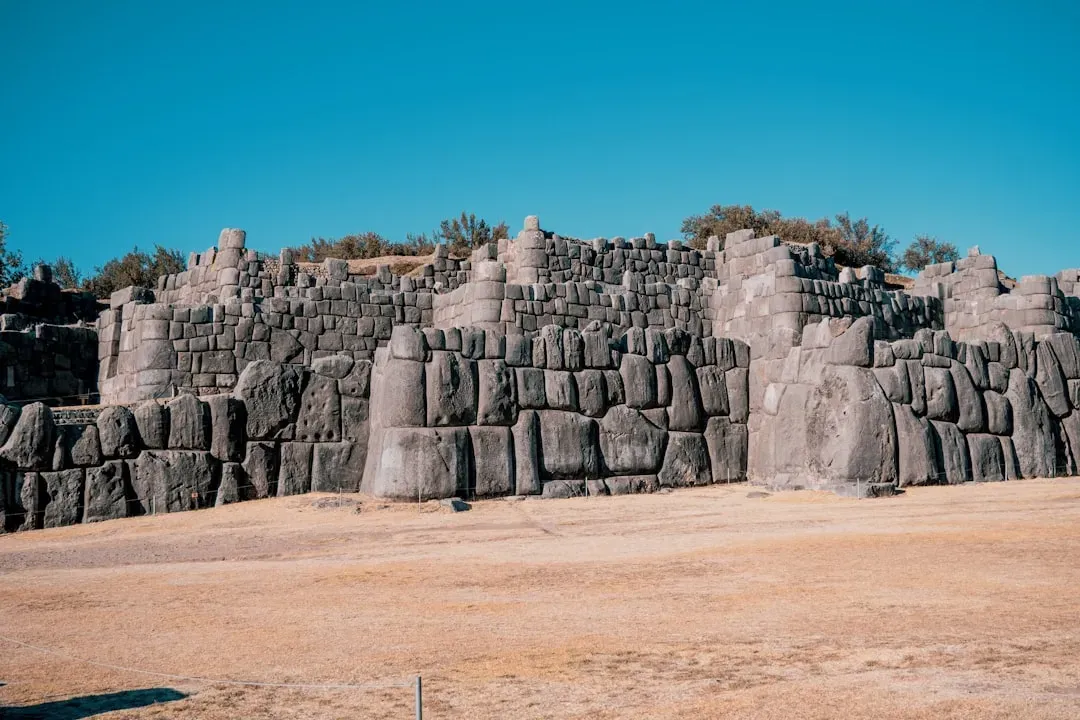
In the earthquake‑prone Andes, the Inca built walls that behave like stone shock absorbers. Their famous polygonal masonry uses irregularly shaped blocks, painstakingly shaped to interlock without mortar. When seismologists and engineers study these walls or run physical and computer models, they find that the blocks can wiggle and dissipate energy instead of cracking rigidly, so the wall flexes and then “settles” back into place.
European colonial buildings nearby, made with straight regular blocks and mortar, often collapsed in big earthquakes where Incan walls held firm. What looked like decorative craftsmanship turns out to be structural resilience built into the very geometry of the stones. There is a slowly growing respect in engineering circles that this kind of “loose yet locked” masonry offers a clever, low‑tech strategy for building in seismic zones, and it did its job centuries before anyone could calculate a seismic load.
#5 Roman Roads And Drainage Networks
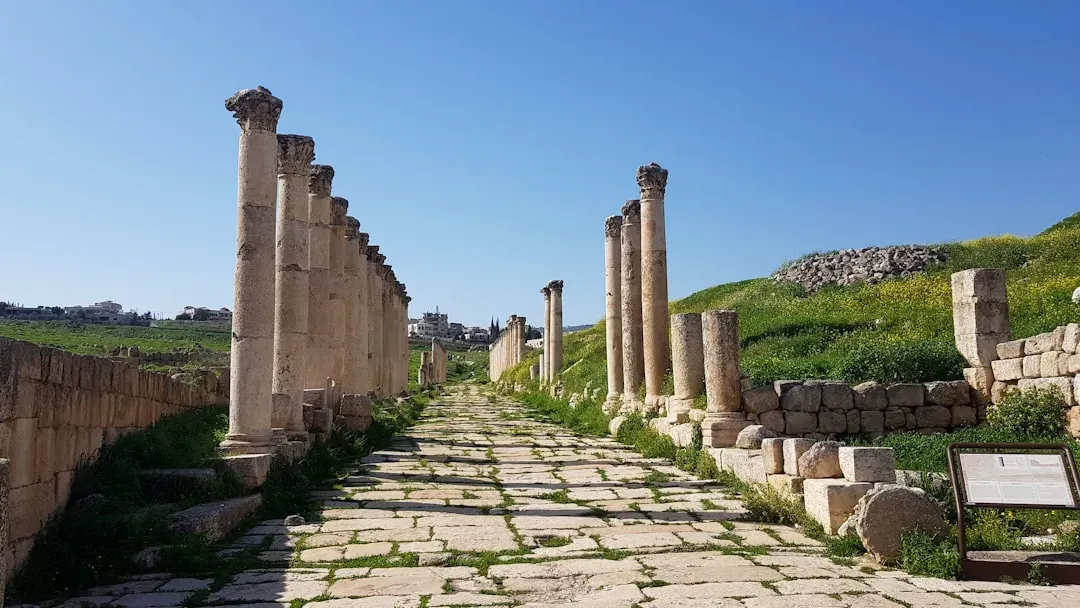
People like to joke that “all roads lead to Rome,” but what really stings engineers is how long some of those roads have lasted. Roman road builders stacked layers of carefully graded materials – large stones at the bottom, smaller gravel above, then a tight paving surface – crowned for runoff and supported by ditches. Where modern roads often deform or develop potholes within a couple of decades, some Roman routes still carry traffic after more than a millennium of use and neglect.
When civil engineers and historians recreate sections of Roman road using period techniques and materials, they tend to find not just durability but smarter water management than expected. The Romans respected drainage, using camber, culverts and side ditches to keep water away from the structural layers. That basic principle is still hammered into engineering students today. The surprise is not that they understood it, but that they executed it at scale so consistently, across such a huge empire, with tools no more advanced than wooden stakes and measuring cords.
#6 Persian Windcatchers And Passive Cooling
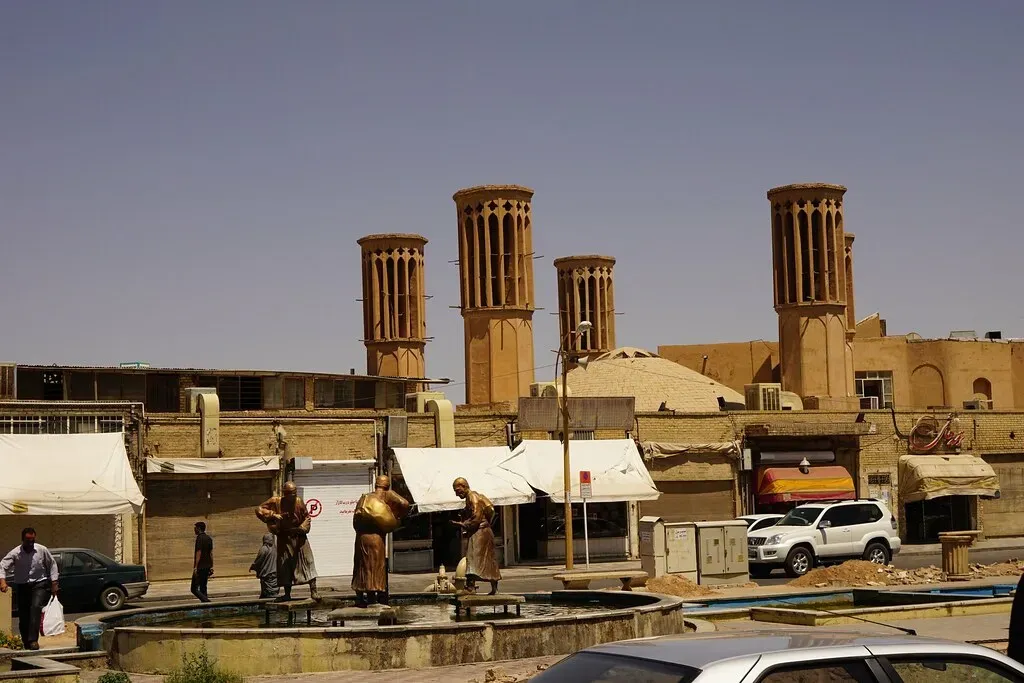
In the hot, dry cities of ancient Persia, builders developed tall towers called windcatchers that scoop breezes and funnel them down into homes and underground water channels. Modern airflow experiments and computational models have shown that these structures can lower indoor temperatures significantly without a single watt of electrical power. In some setups, air cooled by contact with water in subterranean channels is drawn up and circulated, working almost like a natural air conditioner.
Architects exploring sustainable design have studied these towers and been surprised by how tunable they are. By changing the orientation, number of openings, and connections to courtyards or basements, ancient builders could adapt the system to different climates and seasons. For all our love of thermostats and compressors, there is something quietly revolutionary about walking into a building cooled mainly by geometry, wind and evaporation – and realizing people nailed this trick centuries before modern HVAC textbooks.
#7 Greek And Roman Water Mills
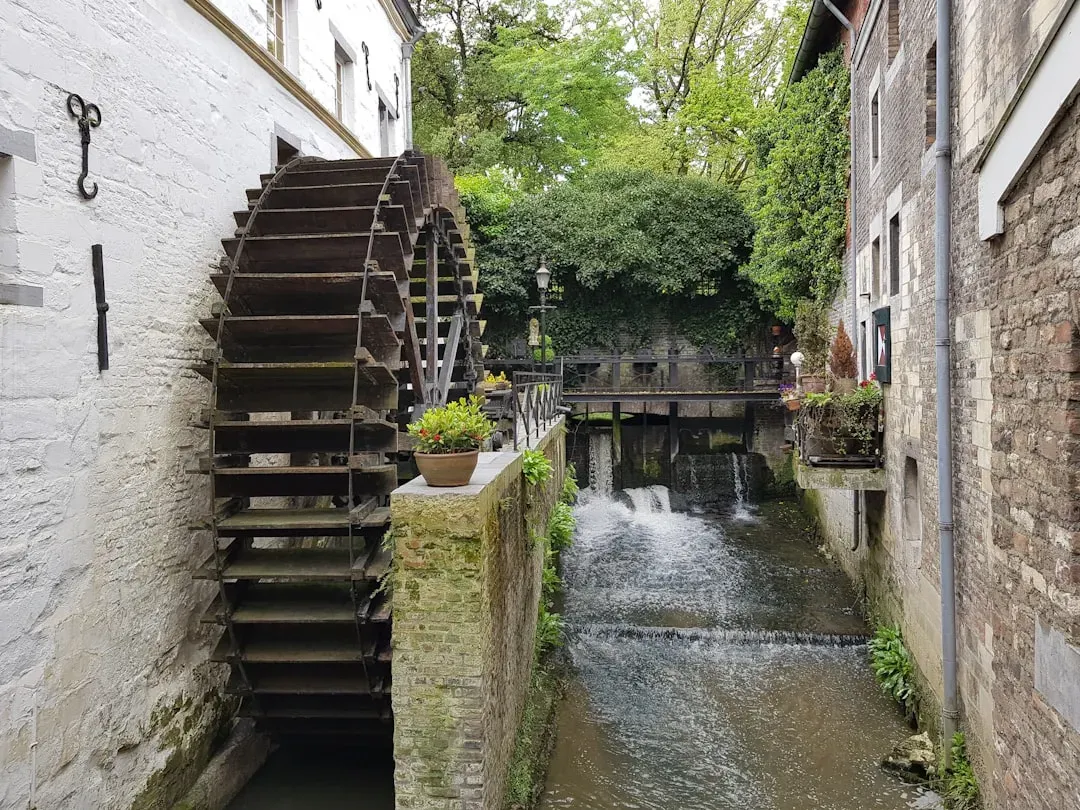
Before the Industrial Revolution, it is easy to picture ancient economies as almost entirely powered by muscle – human, oxen, maybe the occasional horse. But archaeological finds and reconstructions of ancient water mills paint a much more mechanized picture. Vertical and horizontal waterwheels drove millstones, saws and pumps, harnessing river flow to replace large amounts of manual grinding and cutting work.
When historians and experimental archaeologists rebuild these mills, they are struck by just how efficient and reliable they can be using only wood, stone and iron fittings. Clusters of mills, such as the complex at Barbegal in Roman Gaul, show that people were already thinking in terms of industrial‑scale throughput, stacking waterwheels down a hillside to extract energy step by step. It challenges the comforting story that serious mechanization only began in early modern Europe and forces us to admit that many of the ingredients for an earlier industrial take‑off were quietly in place.
#8 Chinese Seismograph Of The Han Dynasty
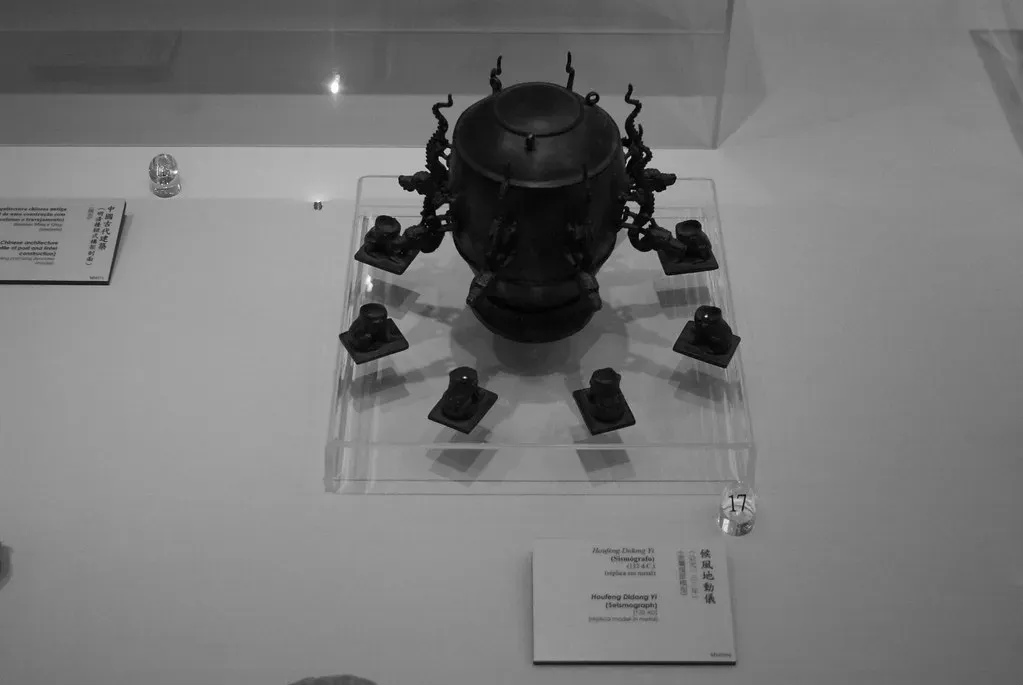
In the second century, the Chinese polymath Zhang Heng reportedly built a device that could detect distant earthquakes and indicate the direction they came from. For a long time, scholars debated whether this was more legend than functioning instrument. Modern reconstructions, however, have shown that a properly weighted and suspended internal mechanism can indeed trip a directional trigger when seismic waves arrive, causing a ball to drop from one of several dragon heads into a corresponding toad‑shaped cup.
What shocks modern observers is that the device seems to have been sensitive enough to register quakes hundreds of kilometers away, acting as an early warning for regions not yet shaken. While we now use electronic sensors and dense monitoring networks, the underlying principle of amplifying faint motions into a visible signal is the same. Seeing that kind of conceptual leap in a bronze vessel from the Han dynasty forces even skeptical geophysicists to nod in reluctant admiration.
#9 Greek Fire: The Mysterious Naval Weapon

Byzantine Greek fire occupies a strange space between history and legend, but its battlefield record is hard to ignore. It was a liquid incendiary reportedly projected from siphons on ships, clinging to surfaces and burning fiercely, even on water. Modern chemists and military historians have tried out plausible mixtures based on petroleum, resin and other additives, and several reconstructions have produced sticky, terrifying flames that behave very much like an early form of napalm.
Experts once suspected exaggeration, but controlled tests suggest that a pressure‑fed nozzle, combined with a dense, oil‑rich fuel, can indeed throw a burning stream that is extremely difficult to extinguish with water alone. While the exact original formula remains debated, the operational concept of a ship‑mounted flamethrower using a pressurized tank was far more advanced than many expected for its time. It is one of those unsettling cases where ancient ingenuity aligns uncomfortably closely with modern weapons thinking.
#10 Egyptian Medical Tools And Surgical Techniques
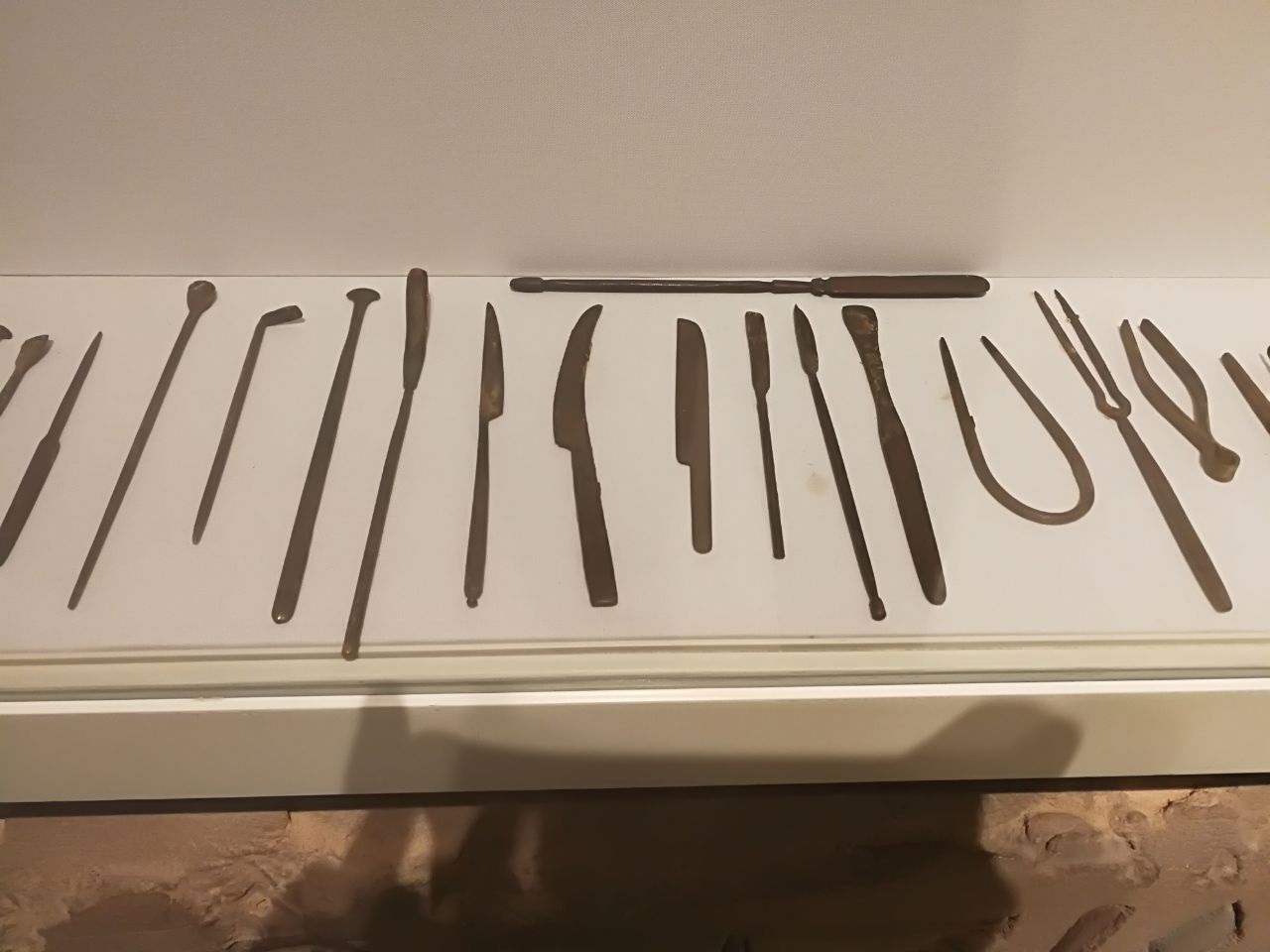
From a distance, ancient medicine looks hopelessly crude, and in many respects it was. Yet when researchers examine surviving Egyptian surgical instruments and medical papyri, they find surprising pockets of effective practice. Replicas of bronze scalpels, forceps and probes behave a lot like their modern stainless‑steel cousins, and descriptions of setting fractures, stitching wounds and managing dislocations are uncomfortably familiar to orthopedic surgeons.
Experimental and clinical comparisons suggest that, within the limits of their materials and understanding of infection, some of these procedures were genuinely competent. They lacked anesthesia beyond alcohol and herbal sedatives, and they did not know about microbes, but they did know which injuries could be treated and which were likely fatal. For experts expecting wall‑to‑wall superstition, discovering practical triage guidelines and effective immobilization techniques is a pointed reminder that hands‑on experience can take people surprisingly far, even without microscopes.
#11 Babylonian And Greek Astronomy And Math

Clay tablets covered in tiny wedge marks do not scream high technology, but several Babylonian astronomical texts contain numerical schemes that astonished historians of science. Certain tablets describe methods that effectively calculate the area under velocity‑time curves to track planetary motion, a strategy that echoes integral calculus developed formally much later. These were not casual stargazers; they were running serious long‑term observing programs and distilling patterns into predictive rules.
Similarly, Greek mathematicians developed geometric tools, from the method of exhaustion to clever constructions, that are effectively early forms of advanced math we dress up with symbols today. When scholars map these old procedures into modern notation, the continuity is striking. What once looked like isolated clever tricks now reads like a structured toolkit capable of tackling surprisingly sophisticated problems in astronomy, engineering and navigation. The “technology” here is mental, but it performed better than many experts once gave it credit for.
#12 Polynesian Wayfinding And Open‑Ocean Navigation

For a long time, some Western scholars doubted that Polynesian sailors intentionally navigated thousands of miles across the Pacific without compasses or charts, imagining instead accidental drift. That view has not aged well. When traditional navigators were given the chance to sail replica canoes using ancestral techniques – reading stars, swells, bird behavior and cloud patterns – they successfully completed long voyages between islands, hitting small landfalls across empty ocean.
Oceanographic and ethnographic studies back up how robust this knowledge system can be when mastered. Navigators encode star paths in memory, track swells reflected off island chains and maintain a mental map of where land lies relative to wind and wave patterns. As someone who has trouble backing a car into a tight parking spot, I find the cognitive demands of this genuinely humbling. The “tool” is not just the canoe; it is a living, systematic technology of observation and memory that proved far more capable than early skeptics allowed.
#13 Archimedes’ Screw And Ancient Pumps
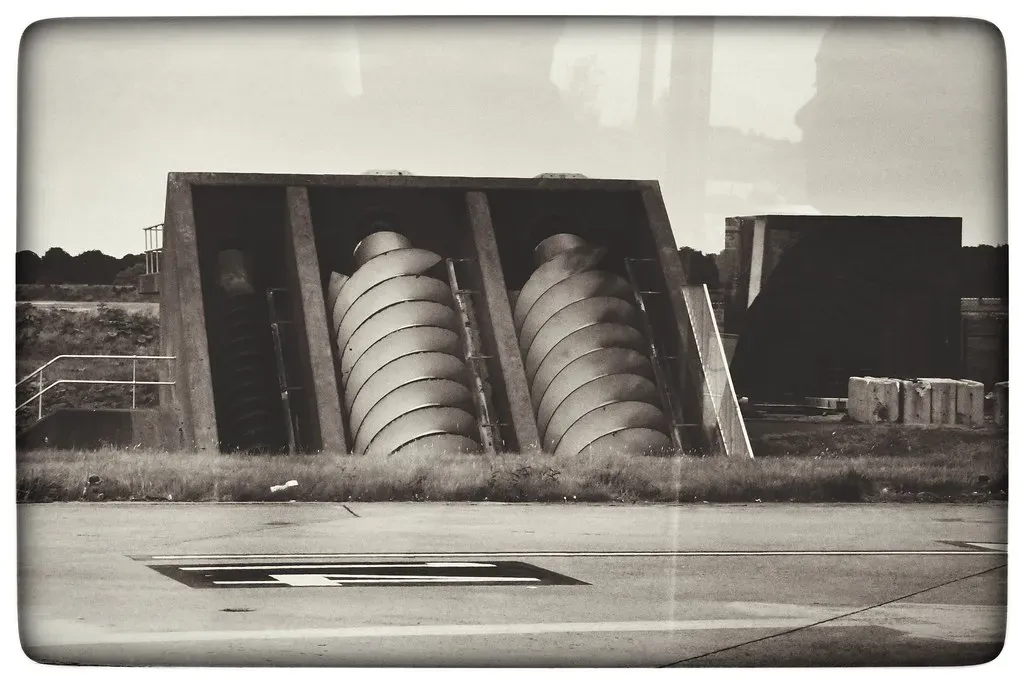
The Archimedean screw looks so simple that it is easy to underestimate. A helical surface inside a cylinder, turned by hand, lifts water from a lower level to a higher one. Yet when engineers build and test these devices at scale, they find that efficiency can be surprisingly high for such a low‑tech pump, especially when tailored to gentle lifts. Variants were used not just in the Greek world but in Egypt, Mesopotamia and beyond for irrigation and drainage.
Modern low‑head hydro installations and wastewater systems sometimes still use screw pumps based on the same principle, precisely because they handle debris and variable flow gracefully. That continuity says a lot. Many ancient technologies fade away entirely; this one keeps turning, literally. The surprise for many experts is not that it works, but that, for certain tasks, it still competes effectively with far more complicated machinery.
#14 Greek And Roman Hydraulic Engineering (Aqueducts)
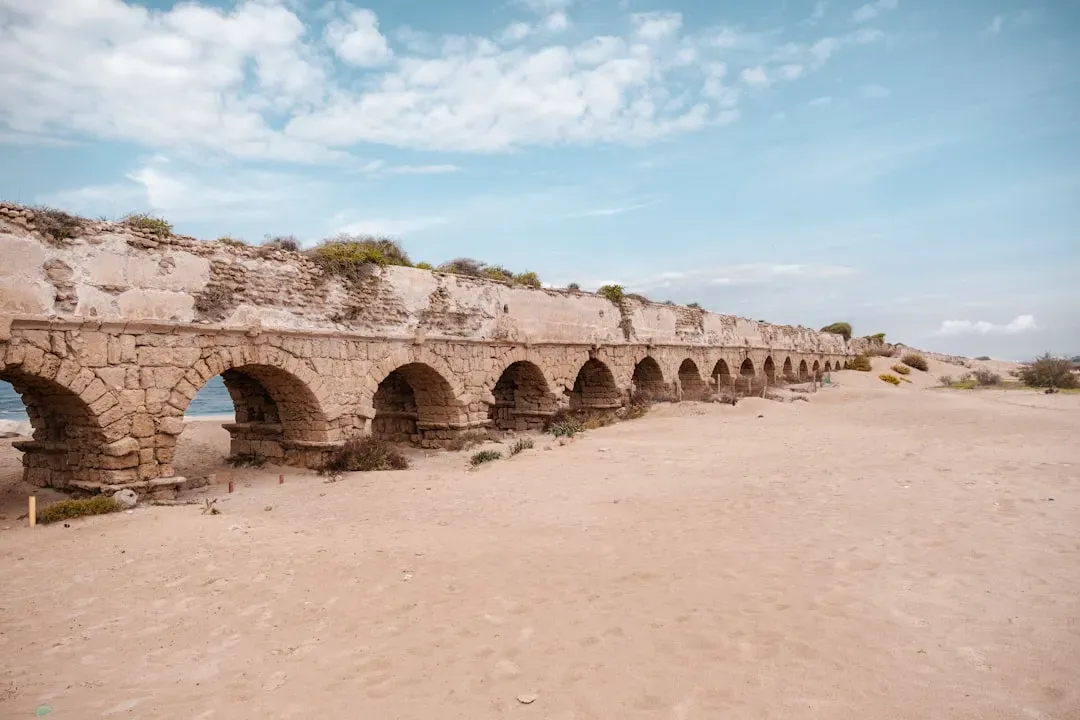
Roman aqueducts are famous postcard images – arches marching across valleys – but their technical performance only really hits home when you look at the numbers. Over long distances, they maintained gentle, consistent gradients that kept water flowing by gravity alone, often delivering large volumes with minimal drop in elevation. Surveyors did this with water levels, chorobates (special leveling instruments) and careful incremental measurements, correcting along the way.
Hydraulic engineers who model these systems often admit grudging respect for how little energy was wasted and how effectively sediments were managed through settling tanks and access points. Maintenance crews could periodically clear out deposits, keeping the system running for centuries. This is infrastructure that, when properly cared for, outlived the governments that built it by a very long stretch, and that kind of long‑term performance is something many modern utilities would love to match.
#15 Mayan Calendars And Astronomical Cycles

The Maya earned a reputation for eerie precision in timekeeping, and modern studies have borne that out more often than not. Their calendars combined several interlocking cycles, tracking solar years, ritual periods and longer counts stretching over thousands of years. When epigraphers and astronomers reconstruct these systems and align them with observed events, they often find eclipse predictions and planetary cycles recorded with impressive accuracy given the tools available.
Early popular writing veered into sensationalism, especially around apocalyptic interpretations, but the sober technical achievement is plenty dramatic on its own. With careful naked‑eye observations, horizon markers and relentless record‑keeping, Mayan astronomer‑priests built a framework that let them tie agricultural, ritual and political life to reliably recurring cosmic events. It is another case where a society’s “intangible technology” – here, of time and sky – functioned with competence that rivaled or surpassed what many experts first assumed.
#16 Indian Iron Pillar And Ancient Metallurgy

Outside Delhi stands an iron pillar dating from ancient India that has famously resisted corrosion far better than most modern unprotected iron. Metallurgical analyses have revealed a high phosphorus content and a microstructure that promotes the formation of a thin, protective oxide layer. Over centuries, this layer has slowed further rusting dramatically, acting almost like a natural version of modern protective coatings.
When materials scientists recreate similar alloys and expose them to outdoor conditions, they see comparable behavior, confirming that this is not just a fluke of climate. That does not mean ancient smiths understood corrosion chemistry in the way a modern lab does, but it does suggest an empirical mastery of ore selection and smelting conditions that led to extraordinarily durable results. For a simple upright column meant to carry an inscription, it has turned into a quiet case study in how far traditional metalworking could push performance.
#17 Viking Sunstones And Low‑Tech Navigation Aids

Medieval texts mention “sunstones” used by Norse sailors to locate the sun in overcast conditions, long dismissed as poetic flourishes. Modern experiments with certain crystals, like Iceland spar, have shown that they can indeed reveal the sun’s position by exploiting polarization patterns in the sky, even when the sun itself is behind clouds or just below the horizon. Navigators can rotate the crystal until certain visual cues align, pointing toward the hidden sun.
While the exact historical usage remains debated, these tests show that a simple handheld crystal could materially improve navigation in the North Atlantic’s moody weather. That is not quite a GPS receiver, but it is more than blind dead reckoning. The idea that Viking crews might have blended this optical trick with knowledge of stars, swell and coastline feels entirely plausible, and it underscores a recurring theme: subtle, well‑understood natural phenomena turned into rugged, reliable tools.
#18 Ancient Dams And Water Management Systems
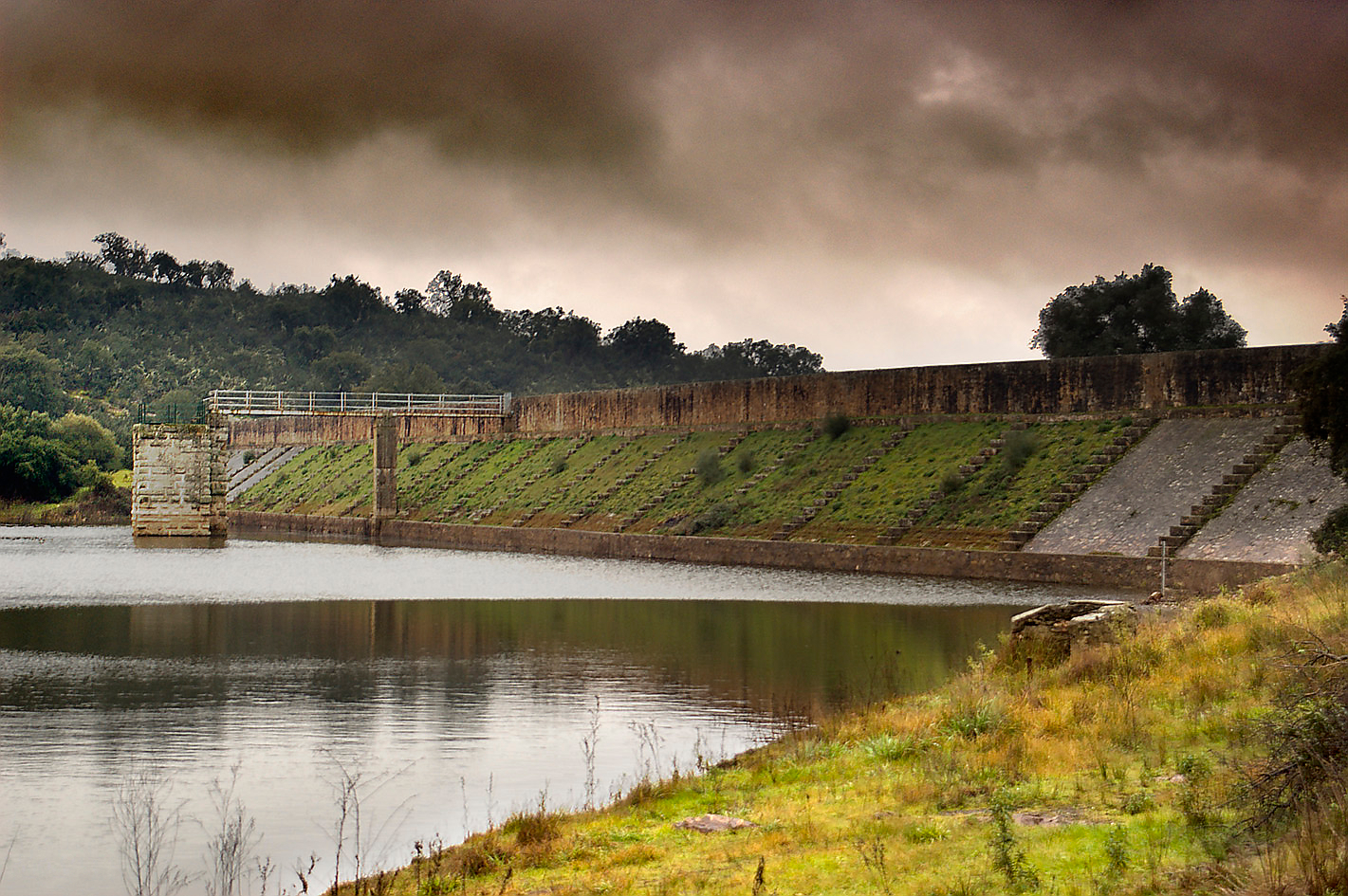
From Mesopotamia to South Asia, early civilizations invested heavily in dams, canals and reservoirs to capture seasonal flows and survive dry periods. Some of these structures, like certain stone and earthen dams, have persisted in some form for centuries, guiding water with a mix of gravity, contouring and gates. Hydraulic modeling of reconstructed layouts often shows that they distributed water to fields with a level of control that would not look out of place in a twentieth‑century irrigation manual.
What surprises many experts is how effectively these systems balanced storage, flood control and soil health without modern sensors or concrete. Farmers and engineers learned, sometimes the hard way, about salinization, seepage and silt buildup, then built solutions such as lined canals, spillways and desilting basins. To modern eyes used to pumping stations and digital meters, it can be unsettling to realize that mud, stone and human attention, arranged cleverly, carried entire regional economies through variable climates for generations.
#19 Greek And Roman Optics: Lenses And Mirrors
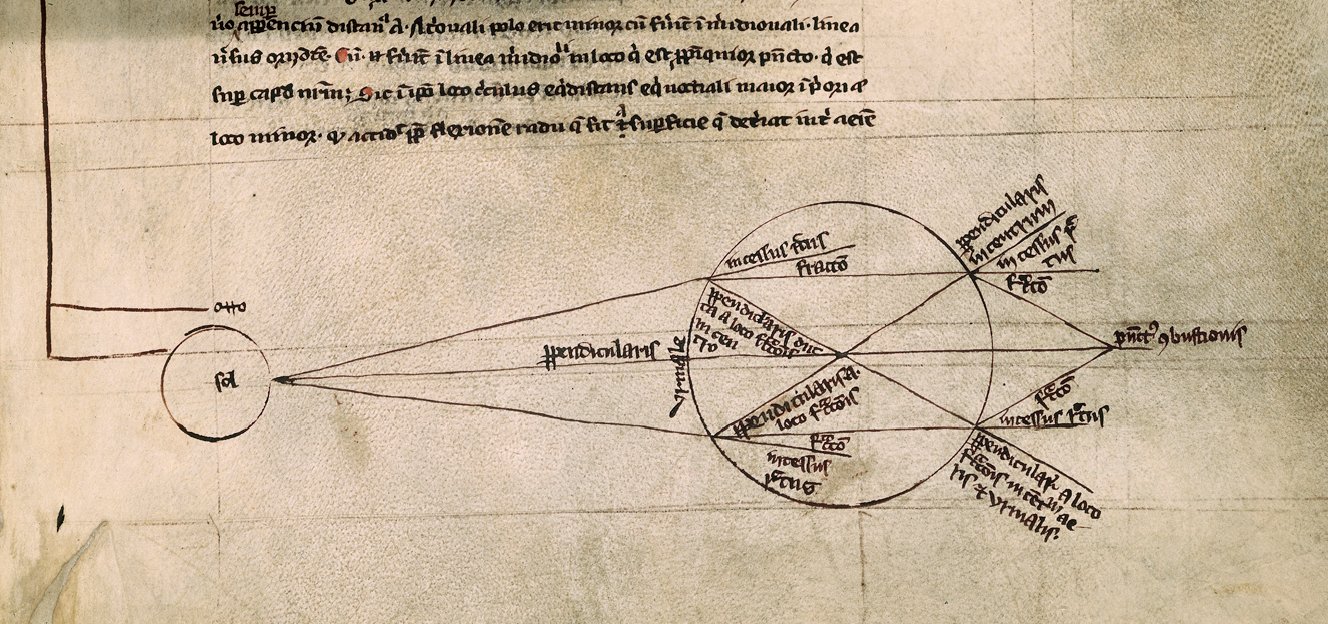
Small lenses and carefully made mirrors show up in archaeological contexts from the Mediterranean and Near East more often than many people realize. Crafted from rock crystal or glass, they were used for magnification, fire‑starting and perhaps even simple vision correction. Optical tests on reproductions demonstrate that, while not up to the standards of modern eyeglasses or telescopes, these lenses can provide meaningful magnification and focus sunlight to impressive temperatures.
Experts once treated them as little more than curiosities or luxury toys. Yet the physics does not care about our prejudice: a decent polished lens can enlarge fine work, aid craftsmen with aging eyes, or start fires in survival situations even if its maker never wrote a treatise on focal lengths. It is a small but telling example of how a seemingly minor craft skill can deliver practical benefits that quietly outstrip the expectations of later historians.
#20 Chinese Crossbows And Mechanical Triggers
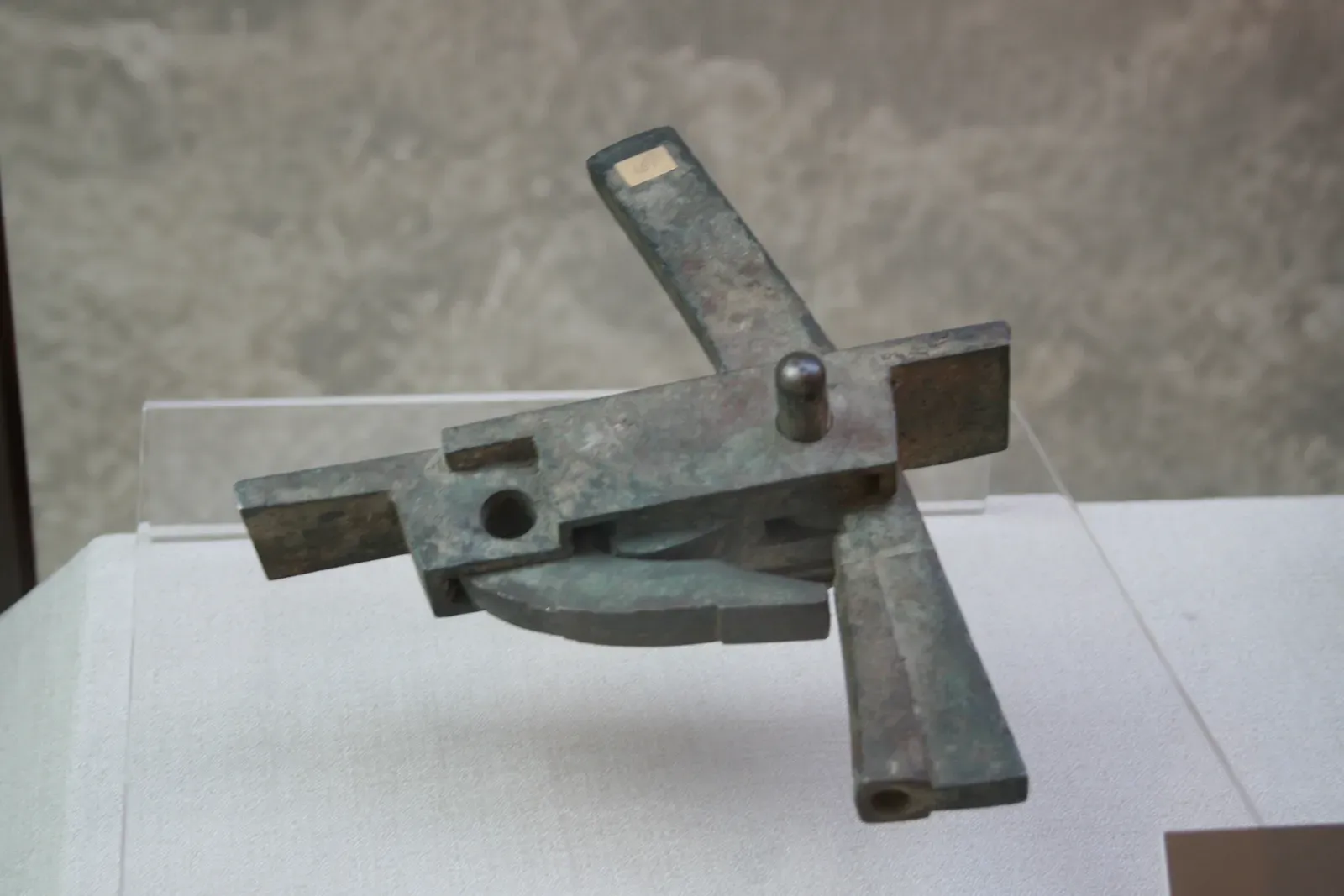
Ancient Chinese crossbows were not just bows turned sideways; they incorporated sophisticated bronze trigger mechanisms that locked and released stored energy consistently. Surviving examples and modern reconstructions show that these triggers, assembled from interlocking parts, offered reliable performance, enabling troops with relatively little training to deliver powerful, repeatable shots at distance. In battlefield terms, that is a huge force multiplier.
Tests of replica crossbows suggest that they could penetrate armor and shields effectively within their operational range, putting them in the same broad performance category as much later European counterparts. The standardized, almost modular nature of some components reflects a manufacturing mindset leaning toward interchangeability and mass deployment. For weapons historians who once downplayed non‑European innovations, these mechanical achievements have become hard to ignore.
#21 Aboriginal Australian Fire‑Stick Farming And Land Management

Not all effective technologies are metal and gears. Indigenous fire‑stick farming in Australia used carefully timed, small‑scale burns to manage vegetation, encourage certain food species and reduce catastrophic wildfire risk. Ecologists studying fire scars, vegetation patterns and oral histories increasingly recognize this as a deliberate, landscape‑level technology that shaped ecosystems in sustainable ways over very long timescales.
Computer models and field studies suggest that these practices created mosaics of differently aged vegetation, which in turn supported diverse animal communities and lessened the fuel available for massive, uncontrolled fires. For modern societies wrestling with wildfire disasters, it is hard not to see this as a quietly brilliant system of environmental engineering carried in memory and practice rather than in blueprints. Once again, early expert skepticism has been steadily replaced by respect for how well it actually worked.
#22 The Wheel And Axle As Precision Machinery, Not Just Transport

The wheel is such an obvious symbol of technology that it risks becoming invisible. Yet in ancient contexts, wheel‑and‑axle systems were not just slapped on carts; they were fine‑tuned components in mills, potter’s wheels, pulleys and capstans. When you examine well‑preserved wooden wheels and hubs, you often find careful balancing, lubrication grooves and joinery designed to minimize friction and wear. Simple materials, arranged smartly, let people move loads and convert human or animal effort into rotational work efficiently.
Experimental archaeology has shown that even modest improvements in axle fitting and bearing surfaces can drastically cut the force required to move a cart or lift a weight. This matters because it turns the wheel from a mere symbol into a family of practical machines woven deeply into every aspect of ancient economies. Experts expecting rough, clunky performance often discover, to their surprise, that with a bit of tar, bronze sheathing or hardwood inserts, these assemblies roll and spin with a smoothness you can feel in your hands.
Conclusion: Ancient Ingenuity Deserves More Than Nostalgia
Looking across these examples, a pattern emerges that is hard to ignore. When modern experts actually rebuild and rigorously test ancient technologies, they repeatedly find systems that are not only functional, but often optimized within their constraints. Stone and bronze become precise tools, wind and water become controllable power sources, and even oral traditions double as robust data stores about weather, land and sky. As someone who grew up imagining history as a long, flat road of ignorance leading up a steep hill to modern science, I now see something more like a series of peaks and plateaus, with insights won, forgotten and rediscovered.
It would be foolish to romanticize the past; ancient societies could be brutal, unequal and wrong about plenty. Yet it is equally foolish to assume that intelligence and ingenuity are modern inventions. The evidence suggests that when human beings anywhere face hard constraints and high stakes, they tend to get very clever, very fast, whether they are casting self‑healing concrete or reading the ocean by starlight. Maybe the real lesson is not that the ancients were secretly “advanced,” but that we consistently underestimate what careful observation, iterative tinkering and stubborn curiosity can achieve with simple tools. Which of these old ideas do you think we are still underestimating today?