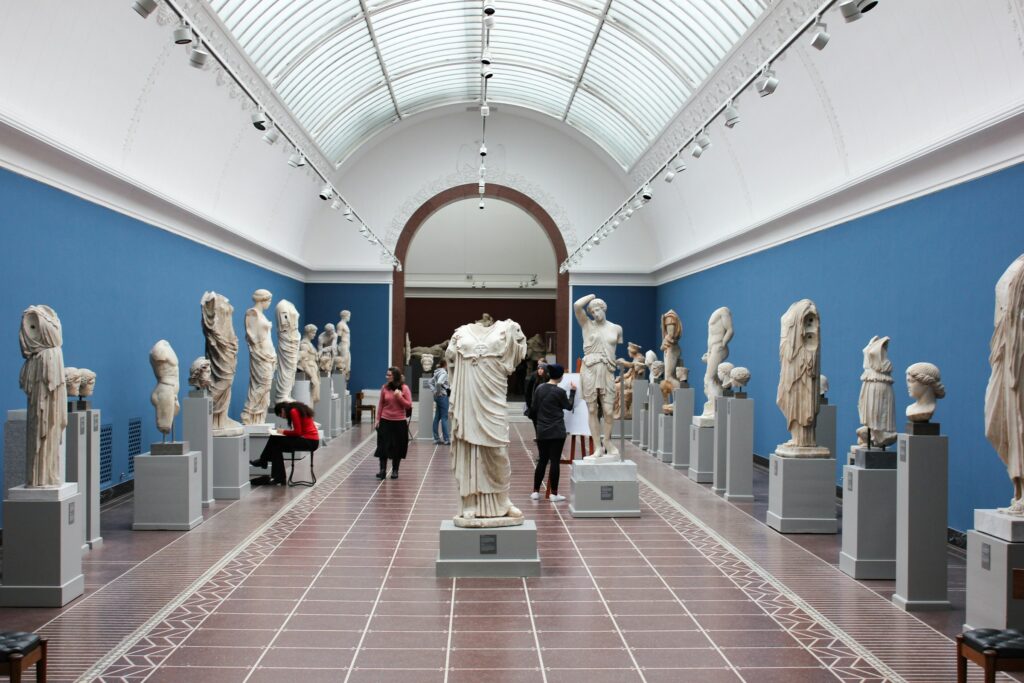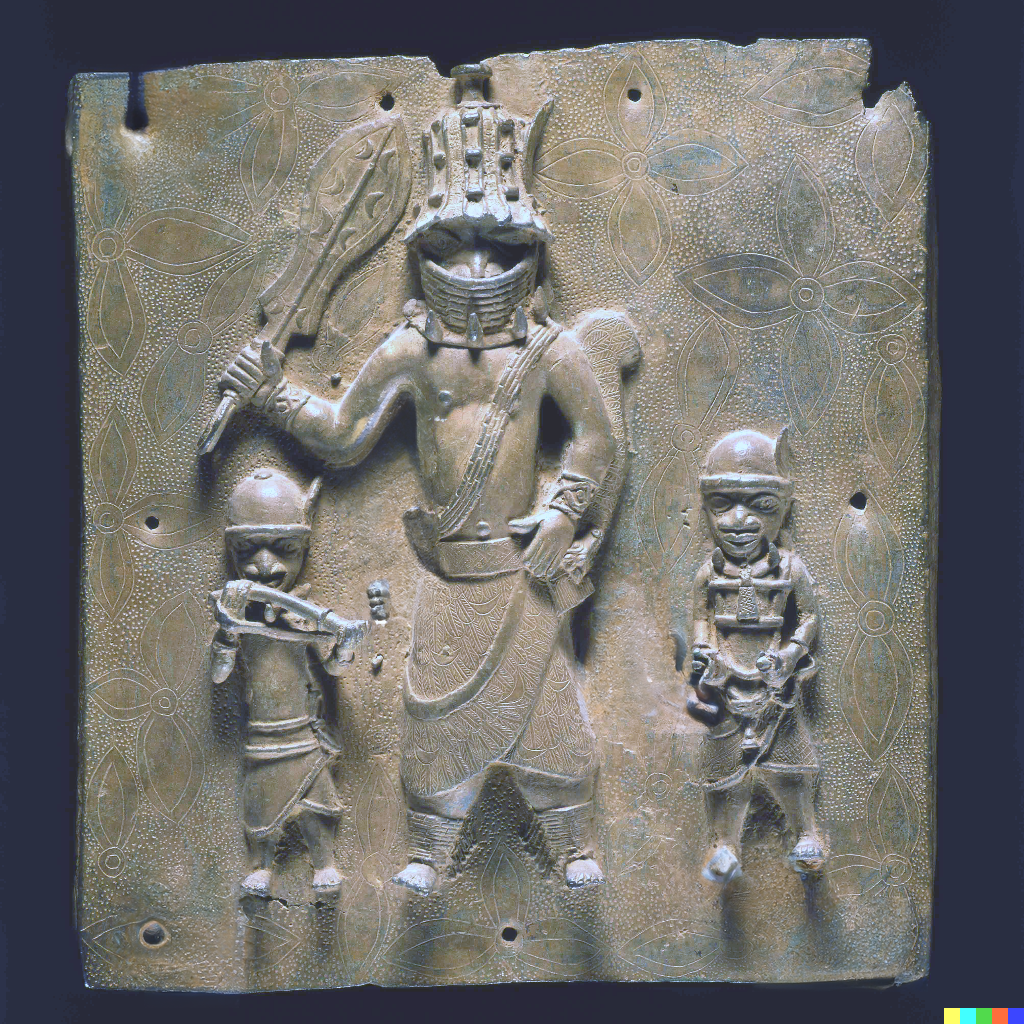
You were probably taught that Rome, Cahokia, and Tenochtitlan were teeming with people on a scale that rivaled modern cities. Documentaries loved to say it. Textbooks repeated it. Museum placards still whisper it. The problem is that a shocking number of these “mega-civilization” numbers were never actually counted – they were guessed, romanticized, and then copy-pasted until they hardened into fact.
Over the last few decades, archaeologists armed with LiDAR, radiocarbon dating, and unglamorous household-by-household counts have gone back and checked the math. What they found is a slow-motion demolition of some of history’s most beloved population myths, and once you see how far some of these numbers fell, you’ll never trust a ruin’s “estimated population” plaque again.
#22 – The Indus Valley’s “Million-Strong” Cities That Weren’t
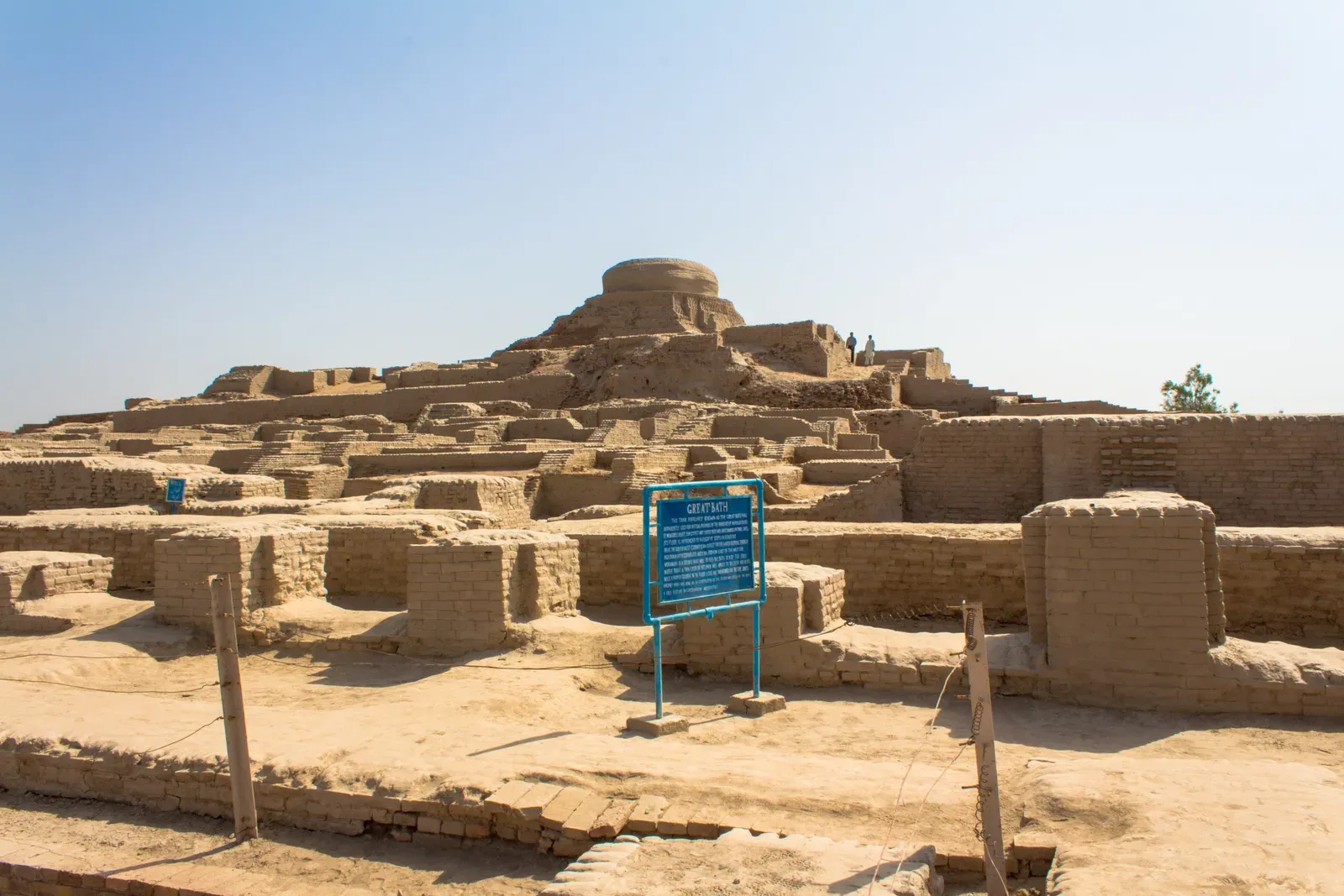
For decades, textbooks insisted the Indus Valley Civilization packed nearly a million people into a dense urban sprawl running from Mohenjo-daro to Harappa. That number came from a shortcut: archaeologists studied a few excavated blocks, assumed the same crowding everywhere else, and multiplied hard. It made for a cinematic proto-megacity – except much of that “unexcavated city” turned out to be workshops, water features, or empty ground.
Fresh work on house sizes and seasonal occupancy showed many buildings simply weren’t lived in year-round. Once researchers redid the math with realistic crowding, plausible estimates for major Indus cities dropped from the hundreds of thousands into the low tens of thousands. The civilization is still remarkable – it just was never the proto-Mumbai of ancient history books.
#21 – Angkor: From Mega-Metropolis To Sprawling Rice Farm

Angkor was once sold as the largest pre-industrial city on Earth, with breathless claims of a million-plus residents. Those numbers stitched together every temple, reservoir, and rice paddy into one giant “city” and then applied modern-style urban density to the whole thing. It made great television, but treating every mapped feature as densely inhabited turned out to be a serious overreach.
Then LiDAR scans revealed the truth hiding under the jungle canopy: vast engineered farmland and scattered structures, not endless packed housing. When demographers matched population to what a wet-rice landscape can actually support, the most extreme claims shrank by well over an order of magnitude. Angkor is still enormous and ingenious – just built more like a hybrid farm-city than a stone Manhattan.
#20 – Classic Maya Cities Weren’t Jungle New Yorks
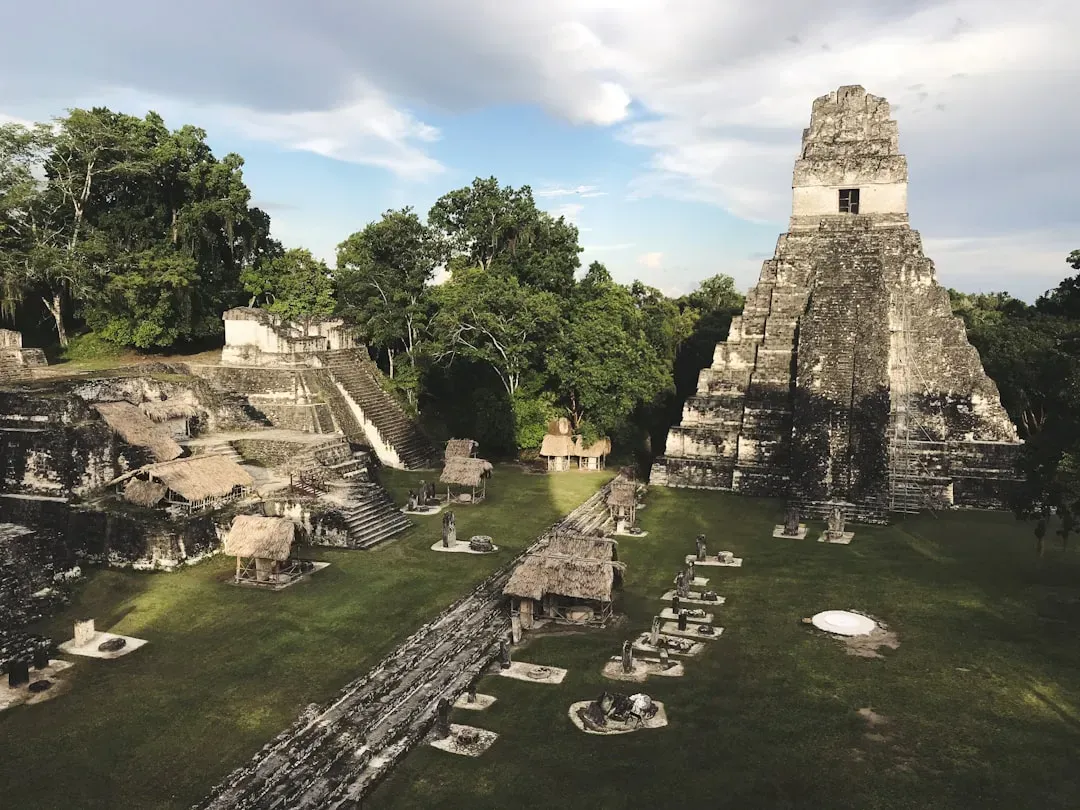
Older popular books loved pitching Tikal and Calakmul as jungle metropolises with populations rivaling modern capitals, sometimes claiming numbers in the high hundreds of thousands per city. Those figures came from early survey maps that treated ruined ceremonial cores like downtown blocks of a sprawling, continuous suburb stretching for miles.
More systematic mapping told a different story: Maya “cities” were highly dispersed, cut through with orchards, gaps, and low-density zones between monumental clusters. Once archaeologists counted actual households instead of guessing from city “extents,” plausible totals for iconic sites landed in the tens of thousands – not the six-figure fantasies once printed in coffee-table books.
#19 – Cahokia’s “Manhattan of the Mississippi” Myth

Cahokia, near modern St. Louis, earned the nickname “Manhattan of the Mississippi,” with some early writers hinting at 200,000 residents or more. Those inflated numbers usually stitched together multiple separate mound groups and ignored the fact that occupation was seasonal, not constant.
Careful work combining palisade phases, midden volume, and realistic house spacing has produced a far cooler number: at its peak, Cahokia proper likely held 10,000 to 20,000 people, with a few tens of thousands more scattered across the floodplain. That’s still staggering for pre-Columbian North America – but some specialists suspect the mega-numbers stuck around simply because North America “needed” a city to compete with Rome and Tenochtitlan on the world stage.
Fast Facts
- Cahokia sits near modern St. Louis and is recognized today as a UNESCO World Heritage Site.
- Monks Mound, its centerpiece earthwork, is still the largest prehistoric earthen structure in the Americas.
- The site was occupied roughly from 600 CE to 1400 CE, with its peak generally placed around 1050 to 1200 CE.
- Its central plaza is thought to have hosted large gatherings, trade, and ceremonial games rather than dense year-round housing.
#18 – Great Zimbabwe’s Stone Walls Never Hid A Mega-City
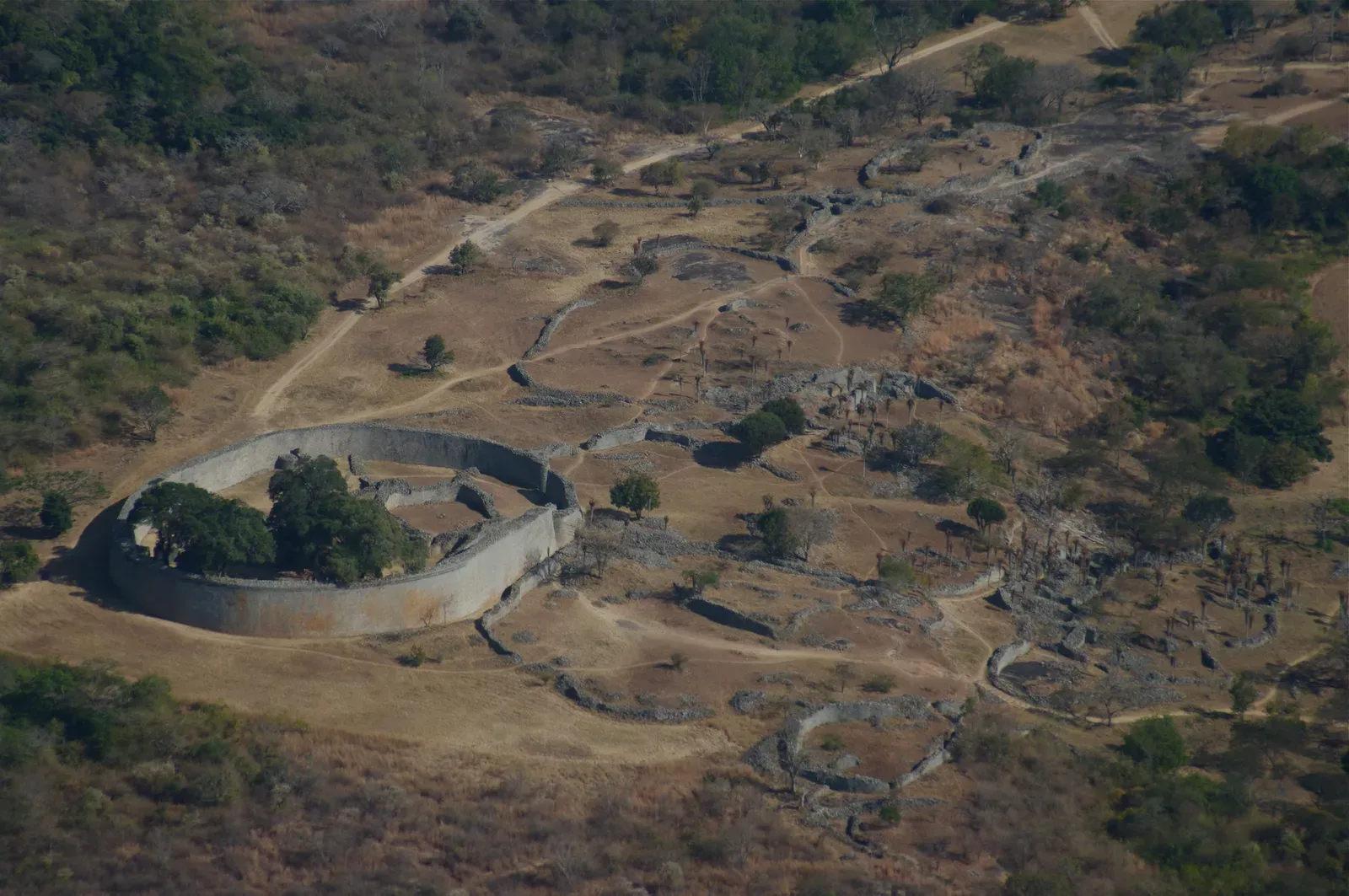
Great Zimbabwe’s population has been abused in both directions. Colonial writers downplayed its size to deny African statecraft entirely; later, some counter-narratives swung hard the other way, proposing hundreds of thousands of residents crammed behind its stone enclosures.
Closer analysis of cattle capacity, farmland, and trash deposits shows those densities simply don’t fit the region’s ecology. Most archaeologists now place peak population in the low tens of thousands – a haircut of 80 to 90 percent from the maximalist claims. Ironically, the smaller number makes the achievement more impressive: it took real planning, not just crowding, to run an elite core, satellite communities, and managed herds at that scale.
#17 – Peru’s Moche Valleys Were Patchwork, Not One Giant City
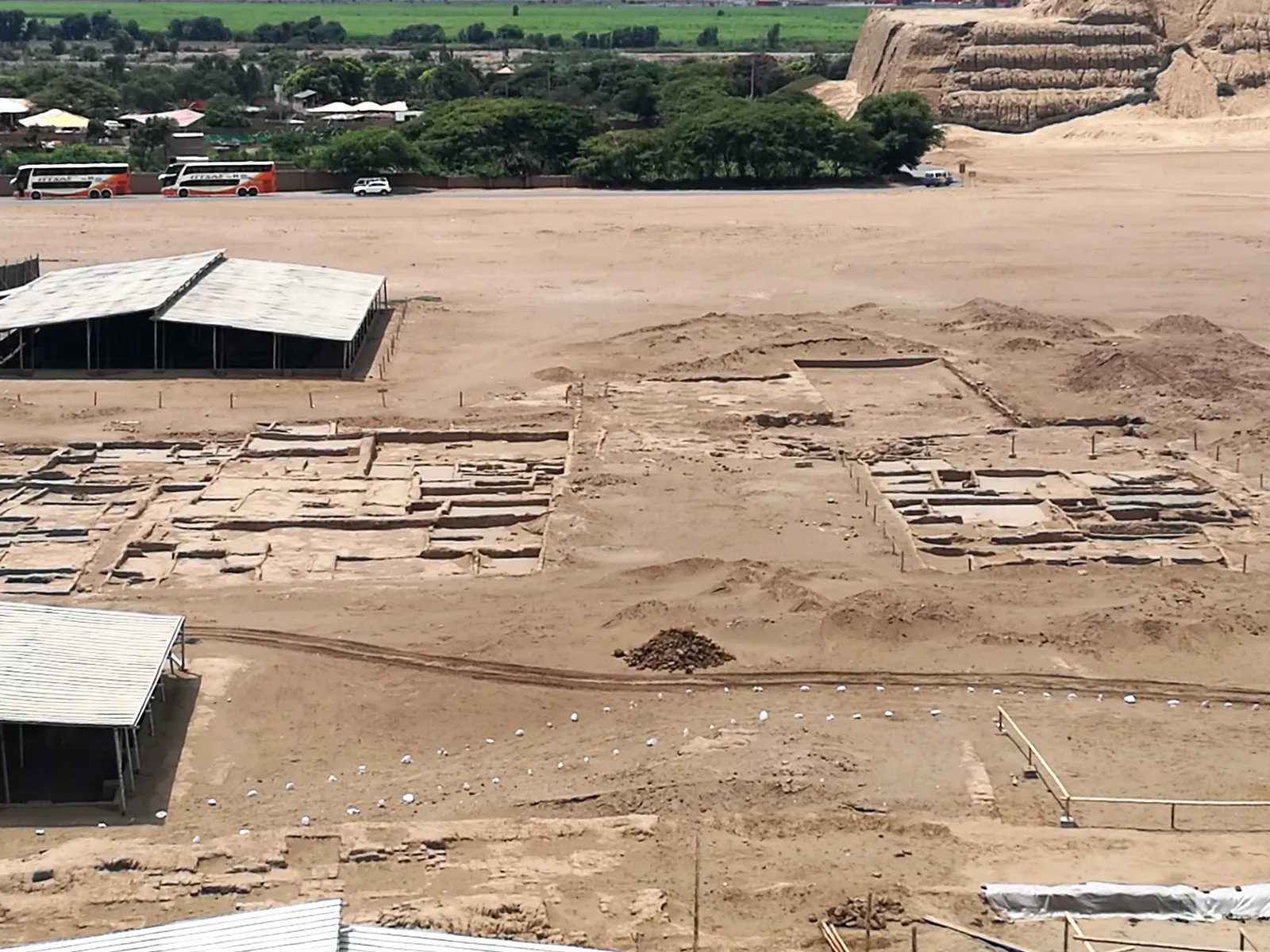
Older syntheses of Peru’s north coast treated the Moche heartland as an almost continuous urban corridor, implying hundreds of thousands of people packed along irrigated valleys. That impression mostly came from flying over pyramid complexes and assuming every surrounding field was residential.
Rigorous settlement surveys reveal a patchier reality: ceremonial centers, elite compounds, farmsteads, and empty field systems sitting side by side. Once scholars counted actual residential compounds and respected local irrigation limits, the unified mega-city fantasy evaporated, leaving regional totals in the tens of thousands rather than the half-million once claimed.
#16 – Teotihuacan’s Invisible Suburbs That Never Existed
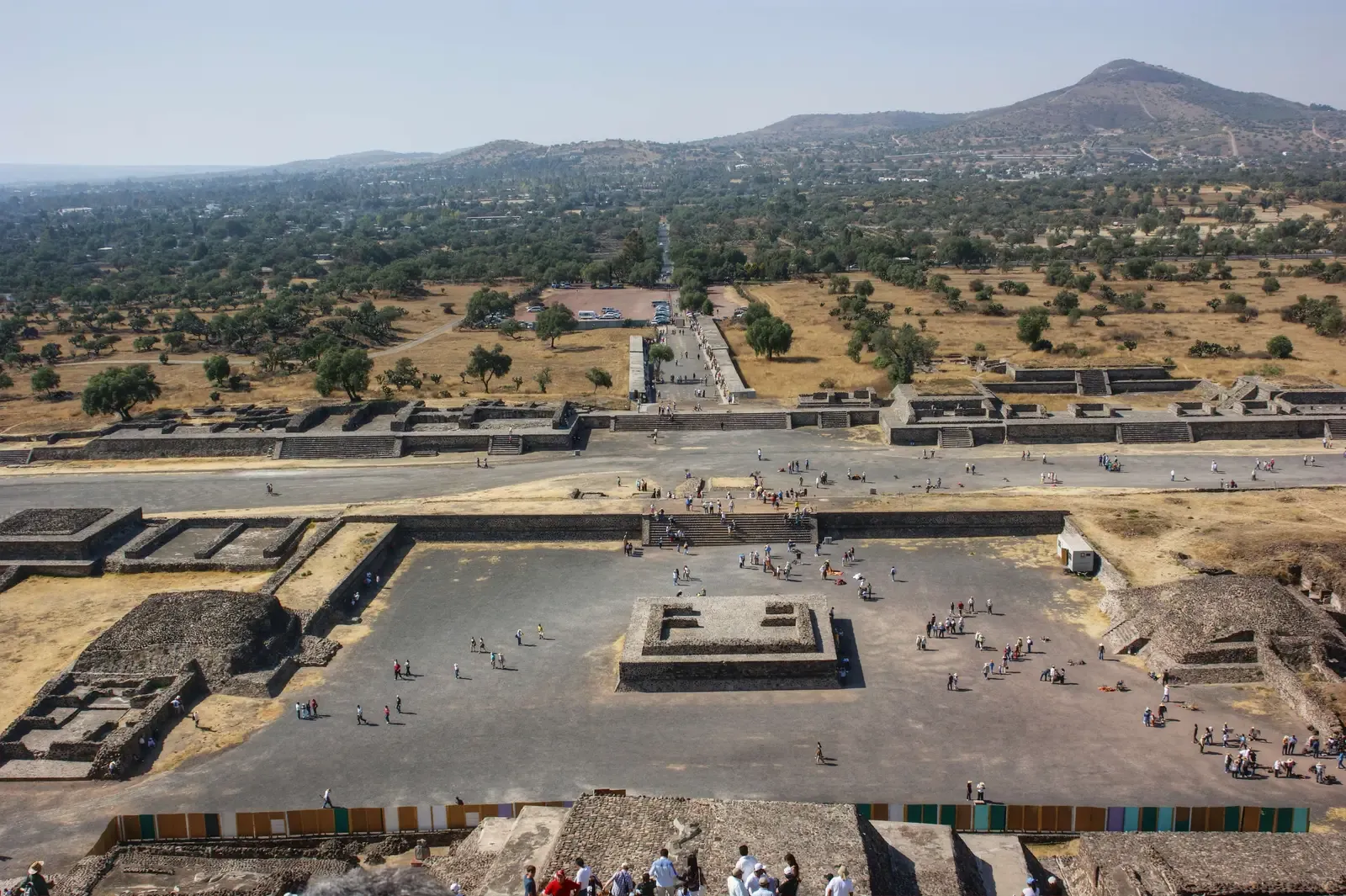
Teotihuacan itself still ranks among the largest cities of the ancient world, with solid estimates of 80,000 to 125,000 people inside its mapped urban grid. The real downward revision hit the imagined blanket of dense suburbs stretching across the entire surrounding basin, which early surveys inflated into the many hundreds of thousands.
Better chronological control changed everything. Many of those “suburbs” turned out to be small rural hamlets that weren’t even occupied at the same time as the city’s peak. Untangling the overlapping phases quietly deflated the half-million-strong “Teotihuacan mega-basin” into a powerful city surrounded by modest rural farms.
#15 – The Neo-Assyrian Empire Ruled Through Fear, Not Sheer Numbers
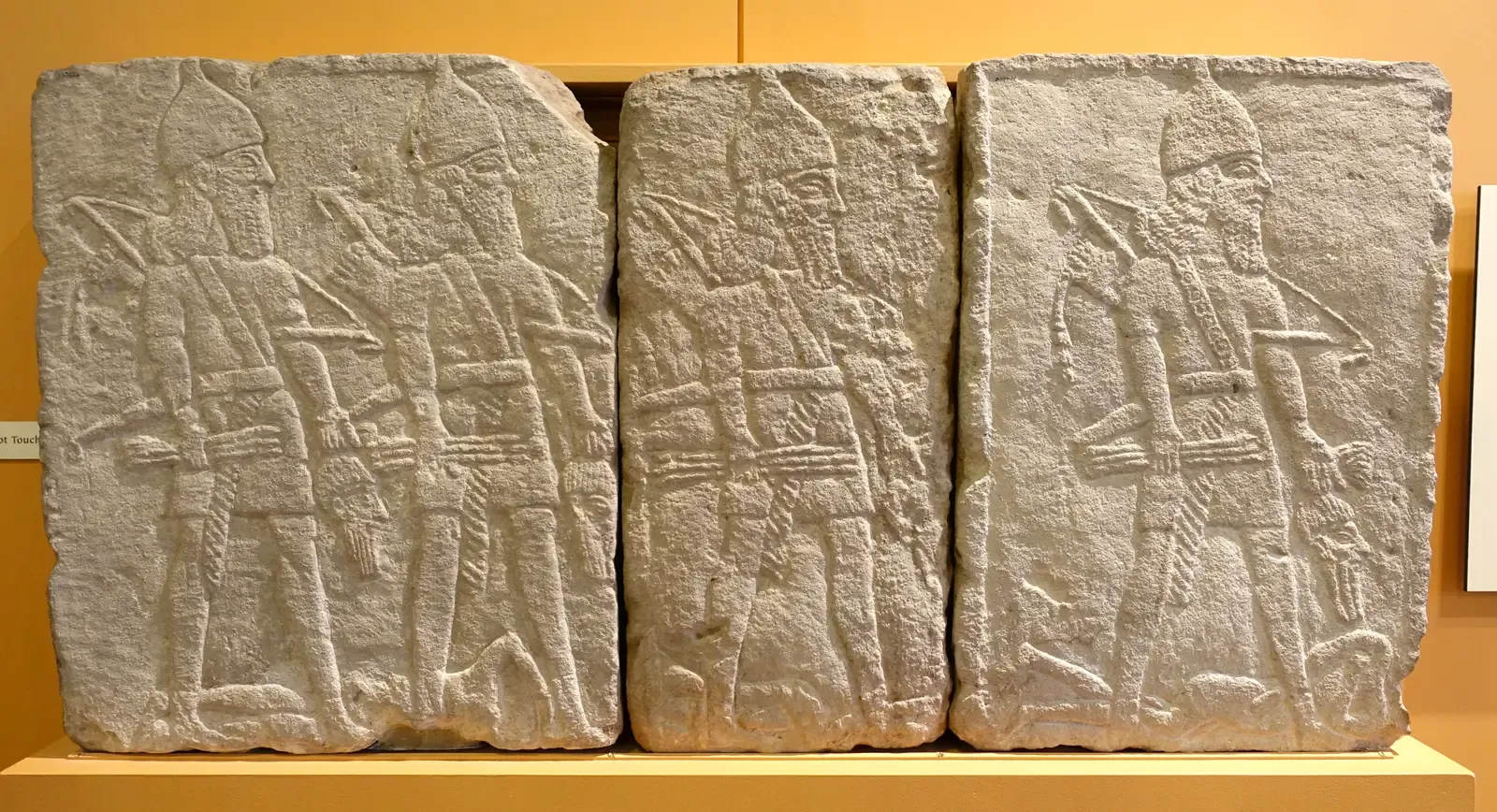
Ancient Assyrian sources brag about deporting entire nations and conquering countless cities from Egypt to Iran. Older demographic reconstructions took the propaganda at face value, sometimes proposing total imperial populations of 20 to 30 million people – rivaling early modern European states.
More cautious work ties population to known irrigated acreage and grain yields instead of imperial bragging rights, and the numbers collapse hard – in some reconstructions down to just 10 to 20 percent of the old maximalist guesses. The empire’s real power came from chokepoints, logistics, and terror spread thin across a lightly populated frontier, not dense uniform crowds.
#14 – Egypt Was Never Really A “Land Of Millions”

Pharaonic inscriptions loved calling Egypt the “land of millions,” and early scholars took the flattery half-seriously, producing reconstructions with over 10 million people crowding the Nile Valley in certain dynasties. That ignored the brutal math of flood-dependent farming and a painfully narrow cultivable strip.
Once demographers grounded their models in actual floodplain width and realistic storage losses, the numbers sagged to a one- to two-million range for New Kingdom Egypt – an 80 to 90 percent cut from the old fantasy figures. It reframes the pyramids entirely: monumental achievement built on a far smaller tax base than the romantic histories once implied.
Worth Knowing
- Egypt’s habitable farmland was squeezed into a narrow ribbon along the Nile, rarely more than a few miles wide at any point.
- Old estimates of over 10 million people assumed crowding closer to modern industrial-era Egypt than the ancient floodplain.
- Revised totals of one to two million line up far better with what the Nile’s annual flood could realistically feed.
- Even at that smaller scale, Egypt still ran a centralized bureaucracy and monumental building program that outlasted most other ancient states.
#13 – Sumer’s “Cradle Of Civilization” Had A Much Smaller Crowd
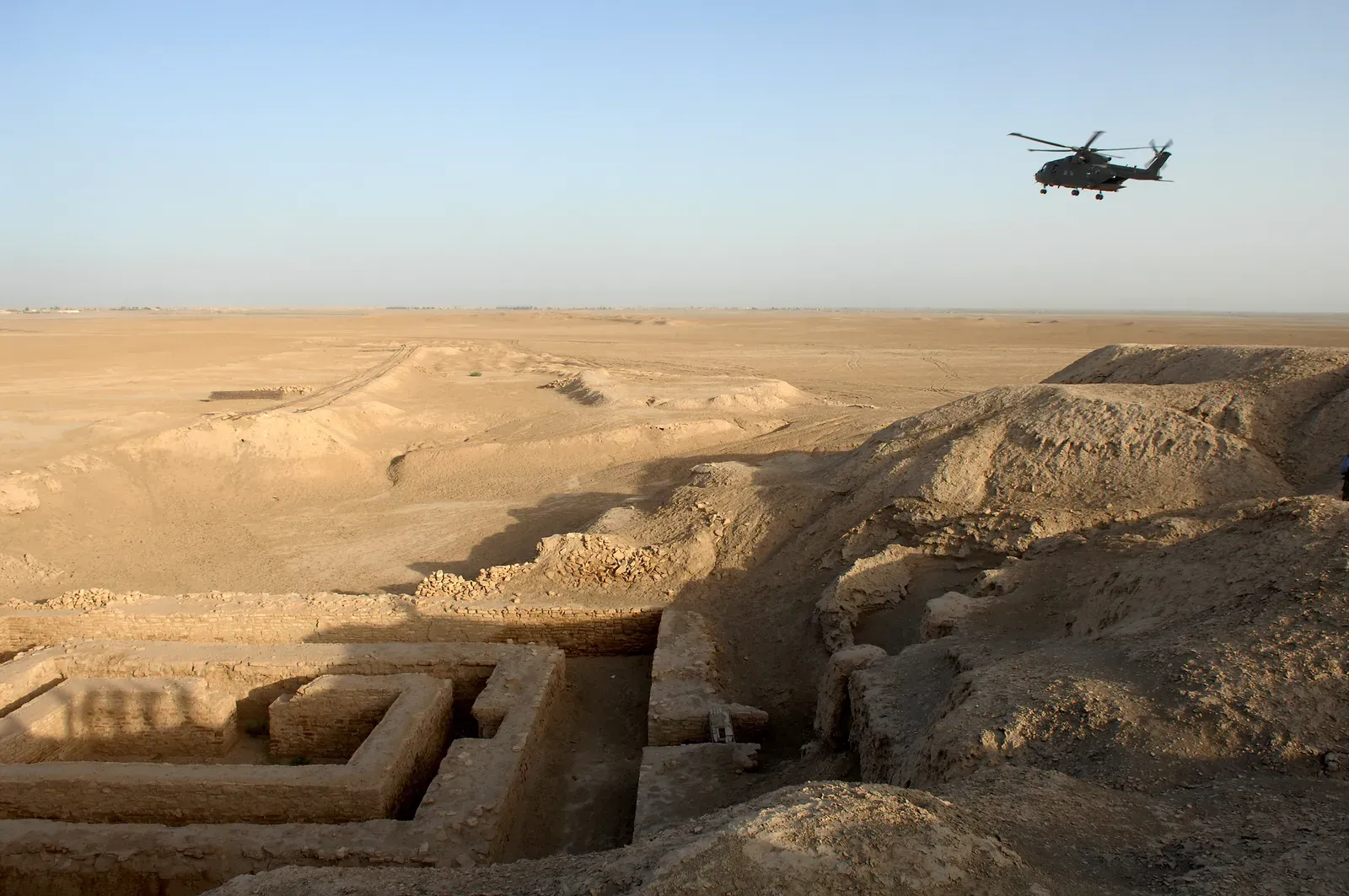
Sumer’s fame encouraged oversized numbers. Classic handbooks assigned 100,000 to 200,000 residents to Uruk or Ur based on little more than city wall circuits and aggressive density guesses, as if every square foot inside the walls housed a family.
Excavation showed large tracts inside those walls were temples, canals, and gardens – not packed housing – and mudbrick simply can’t support the multi-story fantasies some scholars imagined. Modern re-estimates land in the tens of thousands at peak. It’s a humbling reminder that you can’t run a finger around a city wall on a map and multiply your way to a demographic fact.
#12 – Aksum’s Trade Empire Ran On Far Fewer Subjects Than Believed
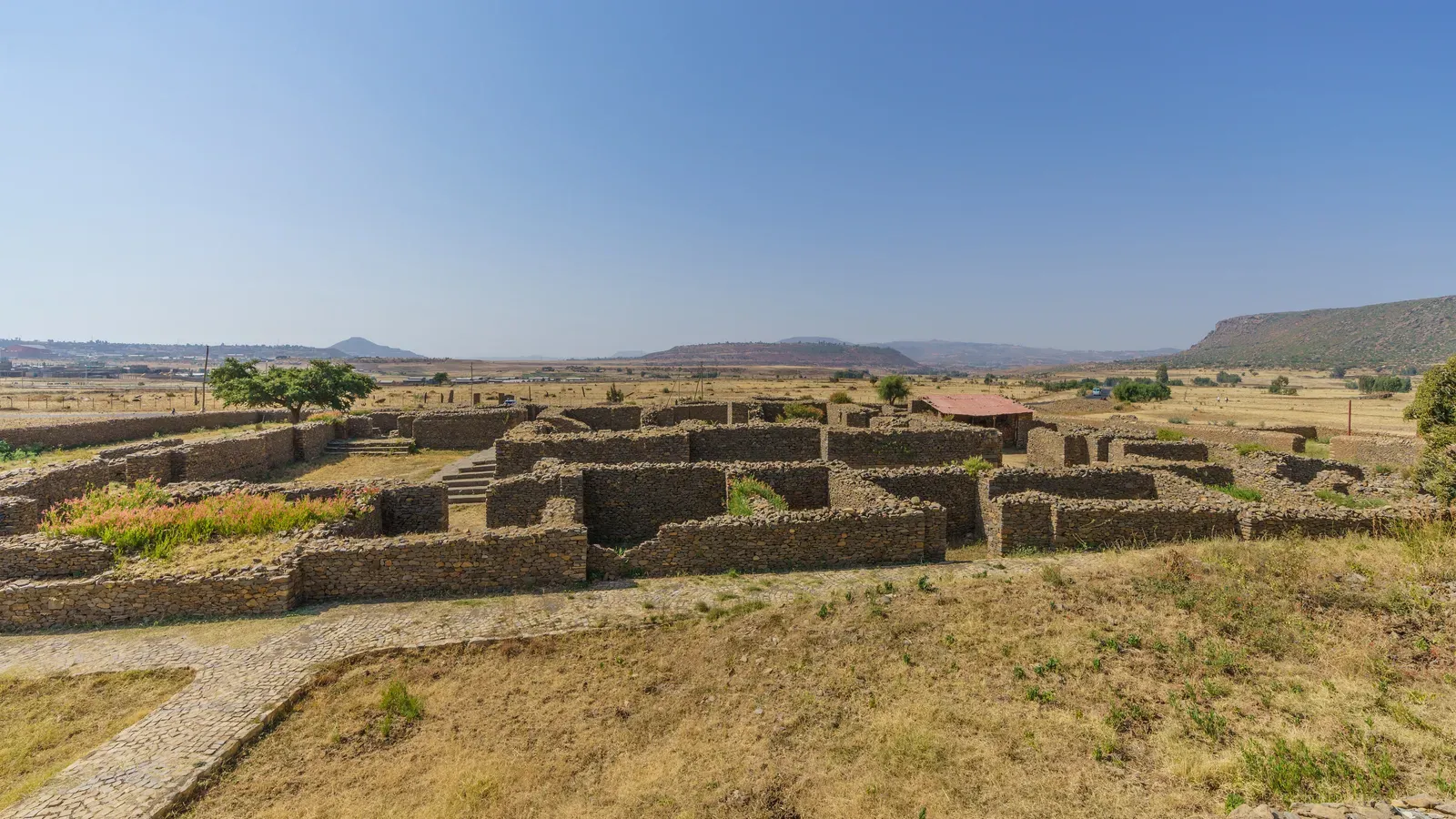
The Kingdom of Aksum, in what is now Ethiopia and Eritrea, traded with Rome, Arabia, and India, and its inscriptions read like a major power’s résumé. Some earlier writers extrapolated population sizes rivaling major Roman provinces, sometimes implying millions of subjects.
Systematic surveys revealed a far more fragmented reality of scattered towns, villages, and rural estates limited by patchy rainfall and limited arable land. Revised estimates suggest hundreds of thousands, not millions – and that gap actually highlights how efficiently Aksum turned a modest population into outsized trade influence and prestige.
#11 – Minoan Crete Was A Maritime Patchwork, Not An Island-Wide Megacity
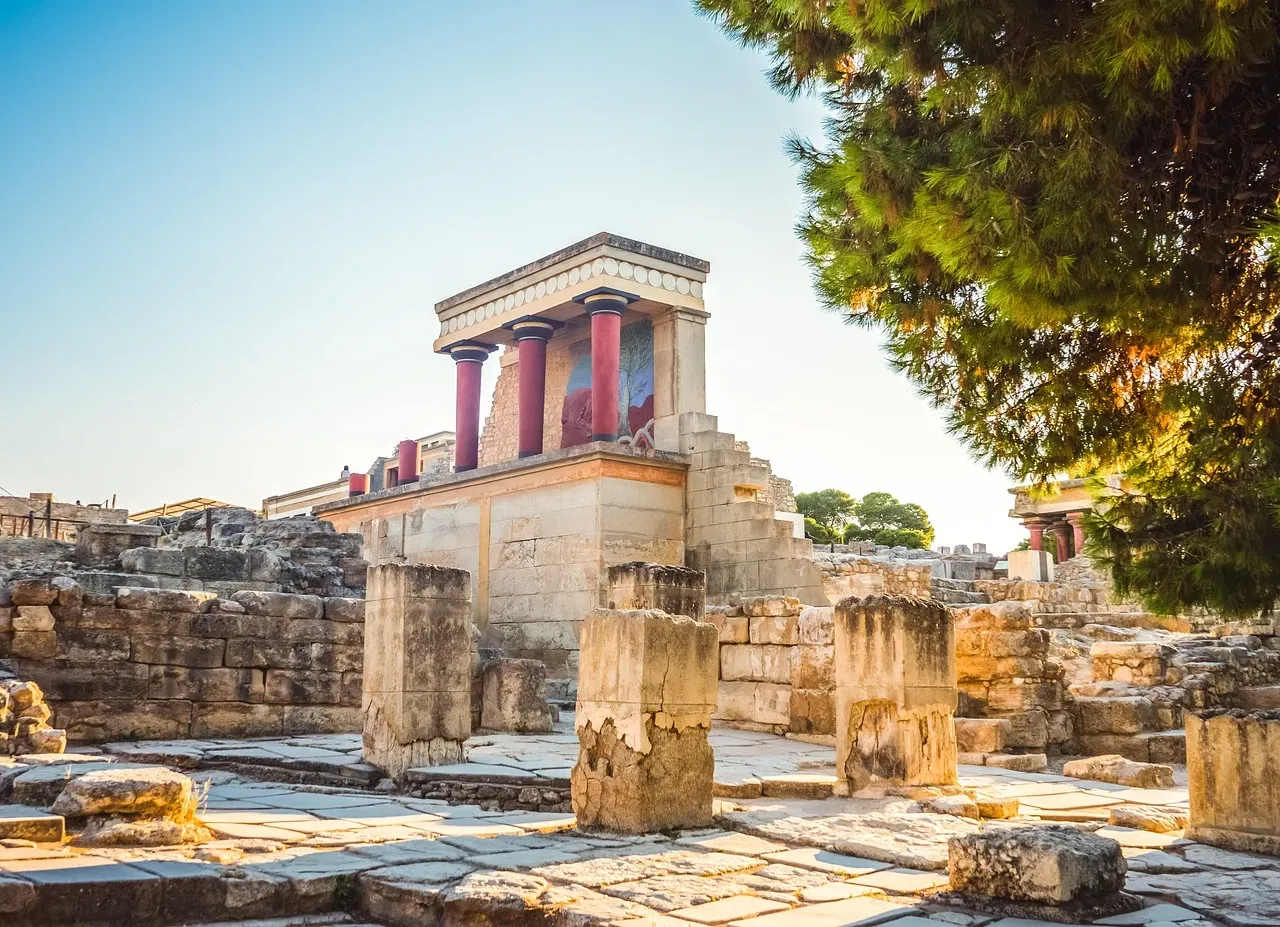
Mid-20th-century reconstructions painted Bronze Age Crete almost as a single integrated urban complex centered on Knossos, with population totals nudging toward a million. That figure stitched together every farmstead, villa, and palace into one continuous settlement at unrealistically high rural densities.
Environmental studies of Crete reveal a fragile island landscape shaped by erosion and limited arable pockets, heavily dependent on maritime trade to survive. Newer models tied to actual carrying capacity put Minoan Crete at a few tens of thousands to low hundreds of thousands – sophisticated and outward-looking, but nowhere near the overpopulated Atlantis some writers once imagined.
#10 – The Hittites Were A “Great Power” With A Surprisingly Small Population
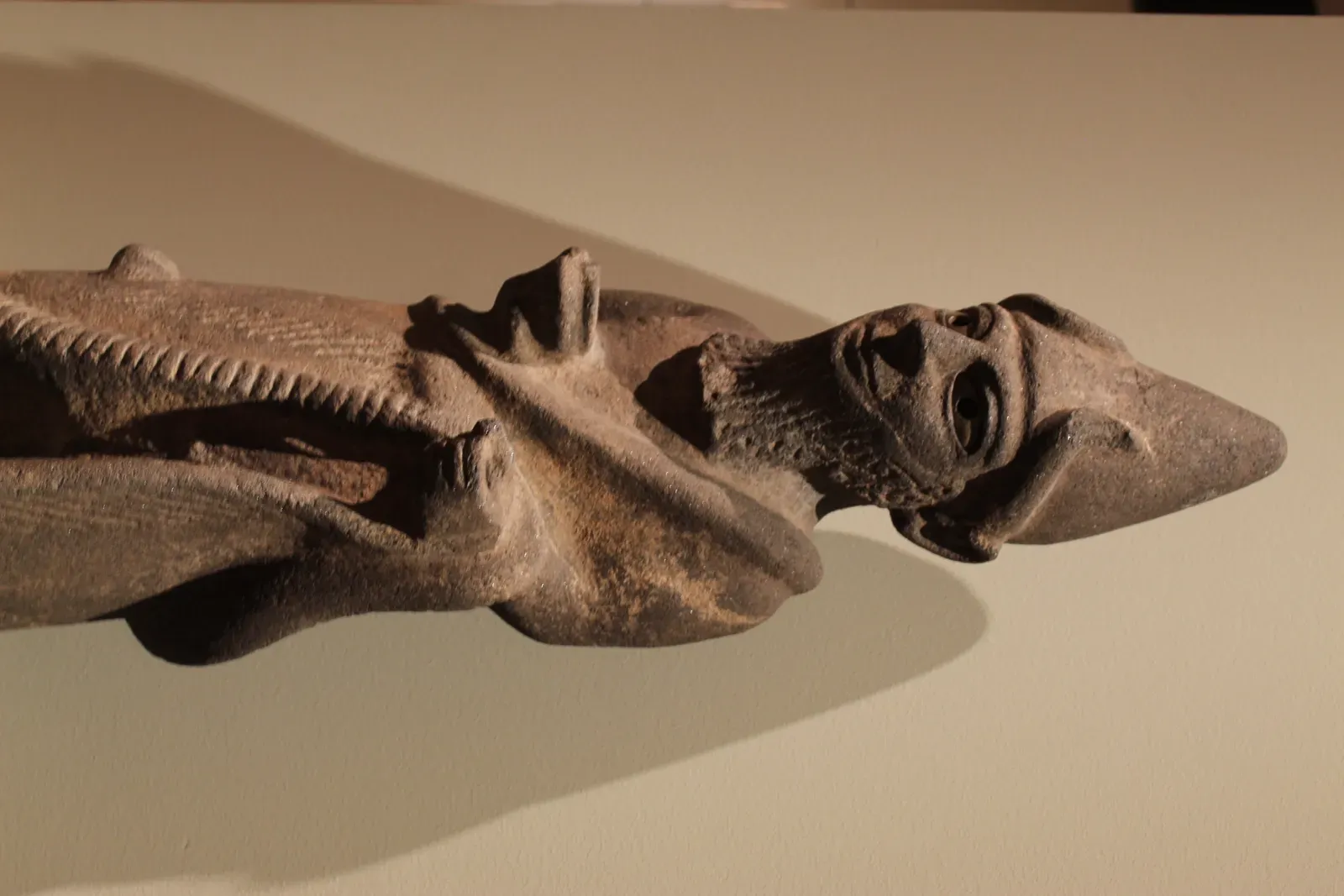
On the Late Bronze Age diplomatic stage, the Hittites sat alongside Egypt, Babylon, and Assyria as recognized “Great Kings.” Early historians assumed that status meant comparable population scale and floated multi-million figures for the Hittite realm – forgetting that the Anatolian highlands are nothing like the fertile Nile Valley.
Once archaeologists mapped Hittite settlements and calculated real agricultural potential using storage pits and grain silos, the massive numbers looked impossible. The scaled-back realm sat well below earlier claims, meaning Hittite diplomatic parity rested on strategic geography and chariot forces, not overwhelming headcounts.
#9 – Han China’s Census Numbers Were Bigger On Paper Than In Reality

Ancient China is one of the rare places where we actually have population figures baked into the historical record – and they’re huge. Han-era censuses list tens of millions of people. But historians have long suspected those numbers are messy, sometimes mixing taxable adult males with entire households, or padding success stories for political reasons.
Modern scholars checking household sizes and undercounted marginalized groups often argue for substantially lower effective populations than the old maximalist readings, especially in frontier regions where “paper populations” may have overshot real headcounts by a factor close to ten. China was still massively populated by ancient standards – just not as uniformly as the dynastic histories claimed.
Quick Compare
- Official 2 CE census: roughly 57.67 million people recorded across about 12.36 million households.
- Old maximalist reading: treated every registered household as a clean, independent count spread evenly across the empire.
- Modern historians’ concern: the same records may blend extended families, taxable adults, and politically padded frontier totals.
- Revised effective view: real day-to-day populations, especially on the frontier, were likely well below the paper totals.
#8 – The Amazon Went From “Empty” To Overhyped And Back To Reality
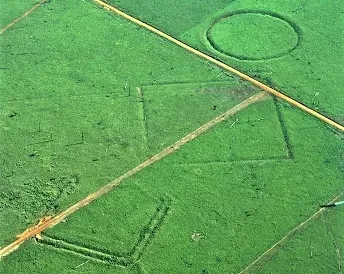
For decades, archaeologists treated the pre-Columbian Amazon as nearly empty, with tiny bands scattered through a hostile forest. Then discoveries of geoglyphs, engineered soils, and complex earthworks triggered a backlash – some popular writers flipped the story entirely, suggesting the basin held tens of millions of people, on par with a modern nation.
As more surveys filled in the map, a more mature picture emerged: neither empty nor hyper-urban, but a mosaic of dense river-corridor pockets surrounded by sparse forest. Some of the highest popular claims have been trimmed by an order of magnitude – a second downward revision after an earlier one had underestimated the Amazon entirely.
#7 – Rapa Nui’s Population Collapse Was Smaller Than The Legend
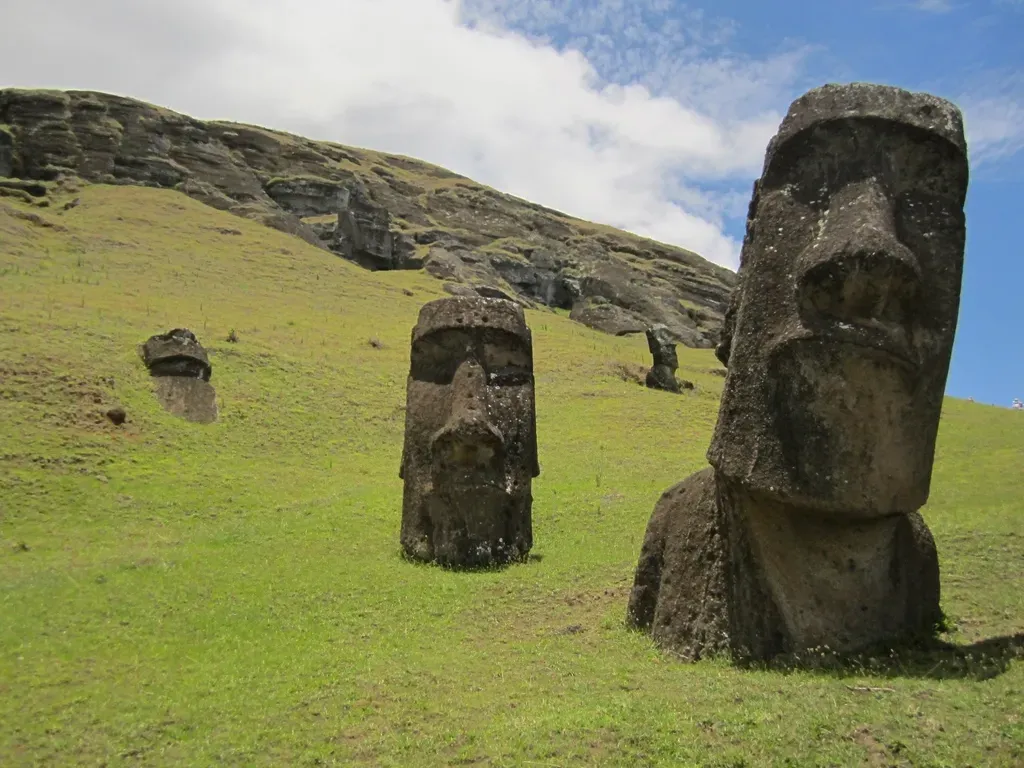
Easter Island became a famous morality tale: a once-lush island supporting 15,000 to 20,000 people that supposedly crashed into ecological and demographic collapse. Those headline numbers were largely inference, built from statue counts and assumed catastrophic drops recorded at European contact.
Newer work on pollen, rat ecology, and actual house sites tells a quieter story – peak populations were likely much lower, perhaps only a few thousand, with European disease and slaving raids doing far more damage than any self-inflicted collapse. The engineering and navigation skill is still real; it was simply carried out by a smaller, more fragile community than the cautionary tale suggested.
#6 – Tenochtitlan Was Massive, Just Not Millions-Massive
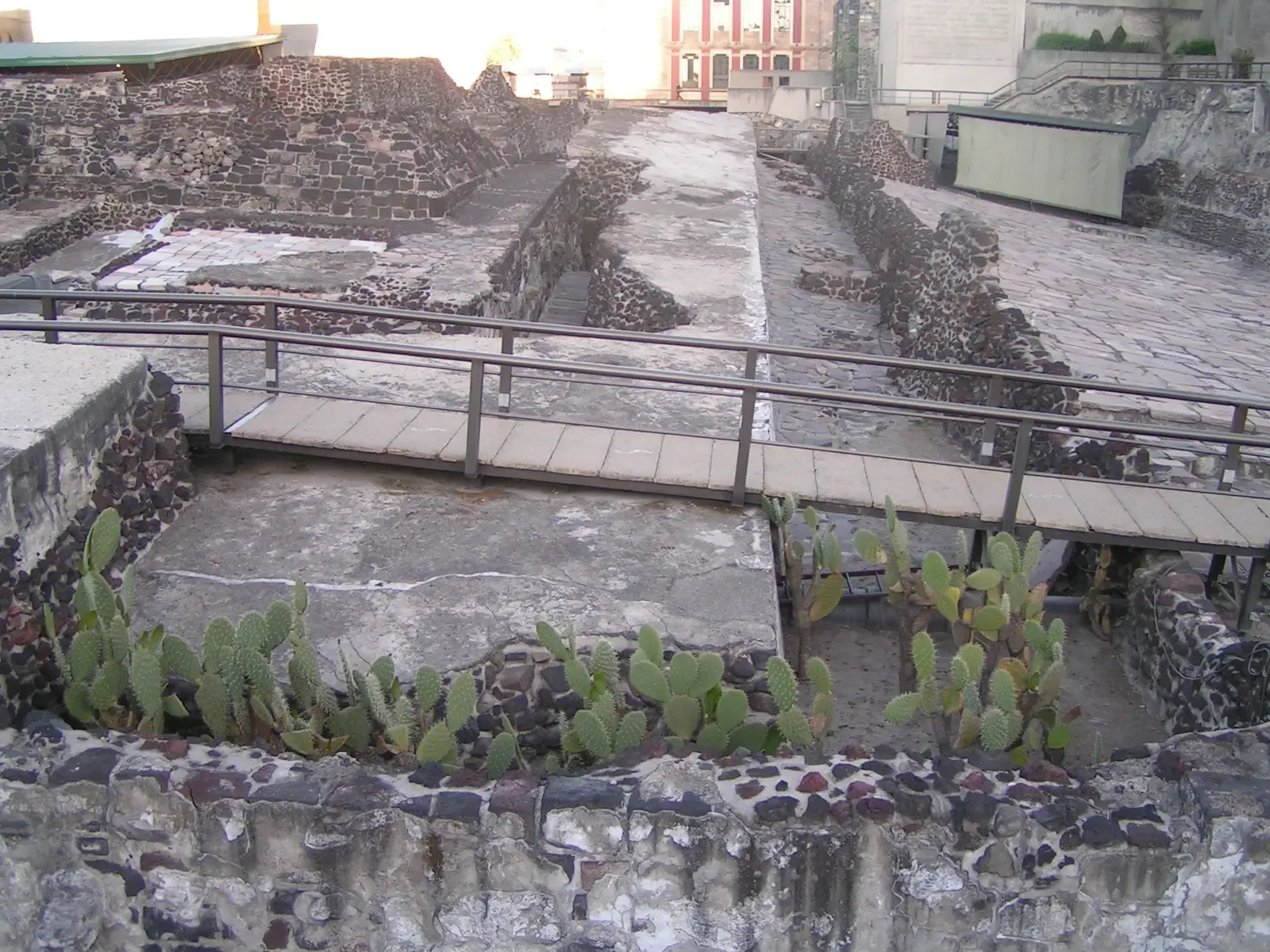
A favorite claim in popular history says the Aztec capital held 200,000 to as many as 400,000 people, making it one of the largest cities on Earth. Some of that came from stretching thin Spanish accounts across the entire lake basin and calling all of it “the city.”
Household archaeology and canal mapping now point scholars toward low- to mid-six-figure totals for the whole lake system, with the core island itself likely at the lower end of earlier claims. The million-plus Valley of Mexico figure sometimes repeated in 20th-century books has been scaled back to a few hundred thousand spread across multiple centers – still remarkable, without needing an invented extra 90 percent.
#5 – The Indus Civilization’s Total Headcount Got Cut Twice
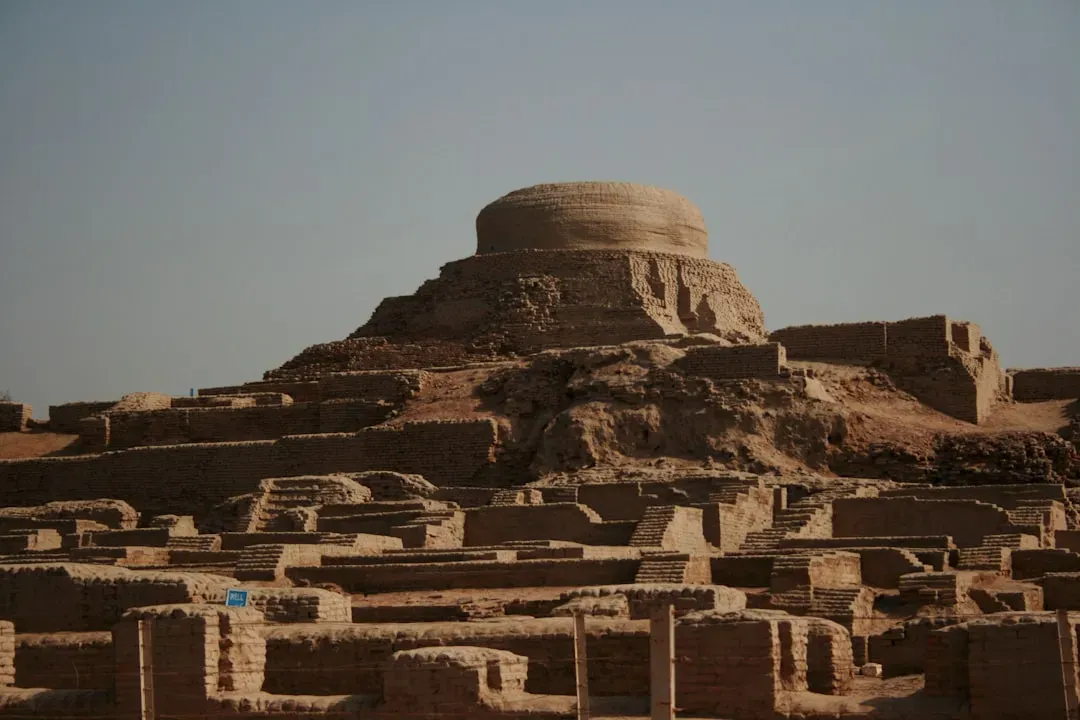
The Indus cities weren’t the only numbers to fall – the whole civilization got hit again at the regional level. Some earlier syntheses imagined a civilization-wide population in the tens of millions, treating every known site as large, dense, and occupied at the same time.
More precise dating revealed that many settlements were sequential, not simultaneous, and plenty were quite small. Re-aggregating the data with realistic, phase-by-phase occupation dropped plausible headcounts by an order of magnitude in some models – trading a fantasy of a packed Bronze Age subcontinent for river corridors dotted with medium towns and shifting camps.
#4 – Neolithic Europe Was Villages, Not A Wall-To-Wall Megalopolis

Post-war archaeology fell in love with the idea of early farmers exploding across Europe almost instantly, treating pottery-rich regions as nearly wall-to-wall villages and back-calculating millions of people into the fifth and fourth millennia BCE.
High-resolution dating shattered that picture: many famous longhouses and enclosure complexes weren’t occupied at the same time, and entire regions cycled through boom-and-bust emptying. Once demographers factored in fallow land and soil exhaustion, some regional population estimates were effectively deflated by a factor approaching ten.
#3 – Central Asia’s Desert “Metropolises” Were Smaller Than The Postcards
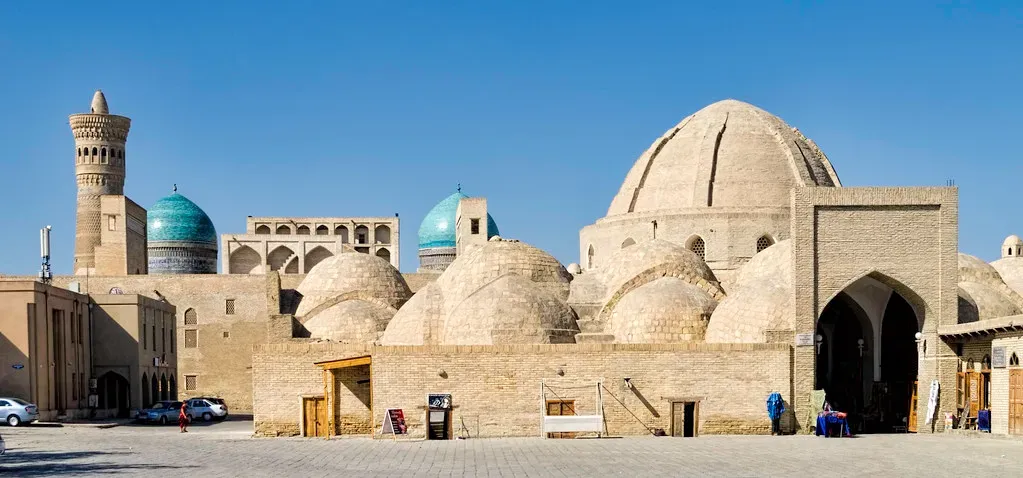
Desert travelogues and coffee-table books loved painting Central Asia’s oasis cities – Merv, Khwarezm, and their Bronze Age forerunners – as bustling metropolises with hundreds of thousands of residents each. That impression came from impressive walls and the romantic assumption that any irrigated patch in a desert must be packed with people.
Irrigation reconstructions show hard limits on how many mouths a single oasis could feed under a variable climate with limited storage. Once those constraints were respected, plausible maximum populations for individual centers dropped into the tens of thousands instead of the imagined hundreds of thousands – proof that these crossroads mattered without needing fantasy crowds.
#2 – Nineveh Was Never As Big As The Legend Demanded
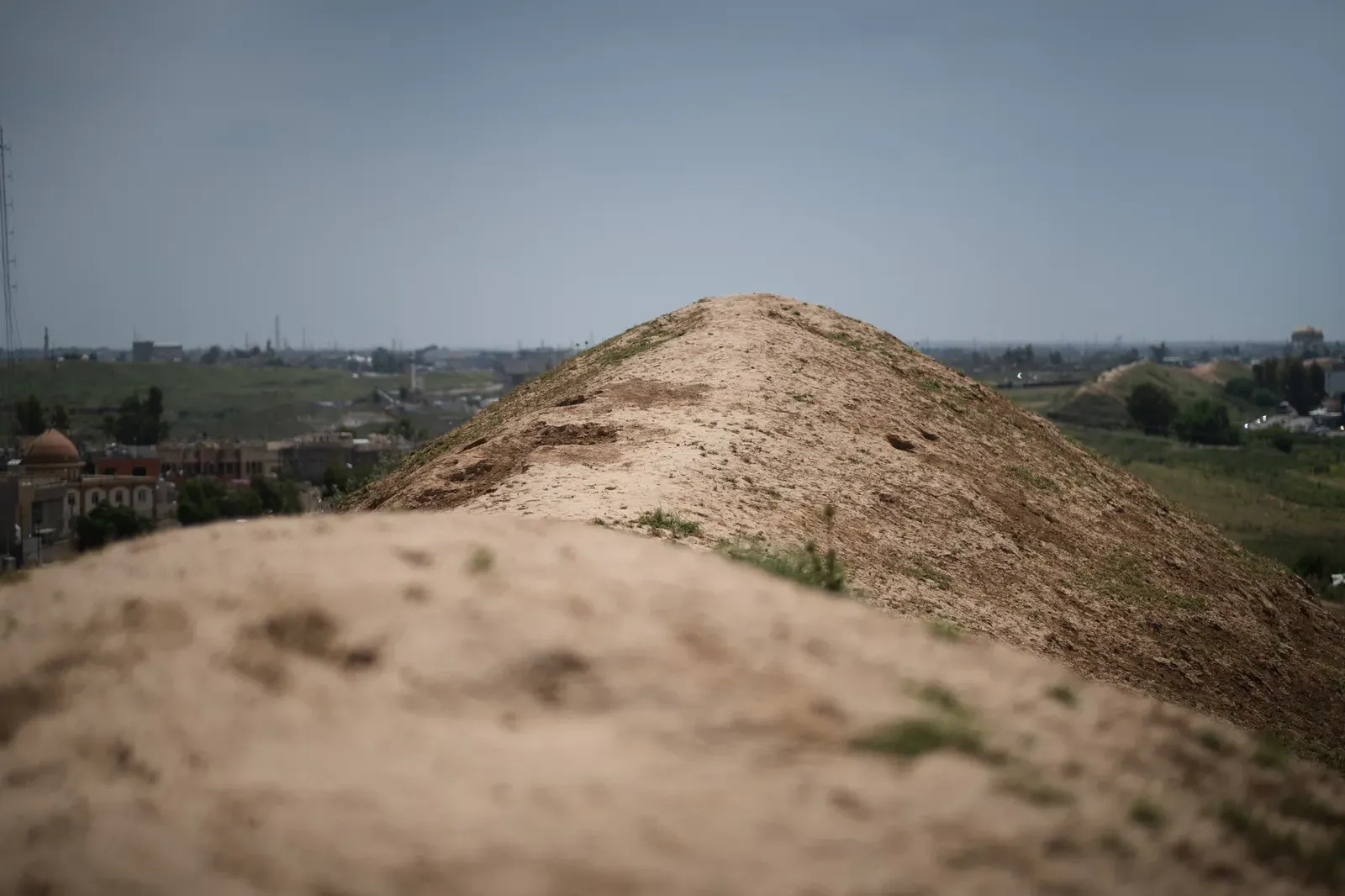
Nineveh, the last capital of the Neo-Assyrian Empire, lives on in memory as a symbol of overwhelming size and arrogance, thanks largely to biblical language and later traditions. Nineteenth-century estimates, built from mapping big walls and applying modern urban density, sometimes invoked hundreds of thousands of residents within the city limits.
More rigorous spatial analysis found large tracts of that walled area were gardens and official enclosures, not housing, and mudbrick construction couldn’t support ultra-high densities anyway. Revised models give headcounts comfortably below the old exuberant estimates – a reminder that Nineveh’s symbolic weight in ancient texts was never meant to be read as a literal census.
#1 – The Pre-Columbian Americas Lost 90 Percent Of Their “People” On Paper
The most dramatic comedown of all belongs to the entire pre-Columbian Americas. In reaction to colonial propaganda that painted the New World as nearly empty, some 20th-century scholars swung hard the other way, proposing 100 to 200 million people living in the Americas before 1492 – numbers built from generous carrying-capacity assumptions and retrospective disease mortality guesses.
The motive was understandable: countering the myth of empty lands. But region-by-region archaeological and ethnohistoric work has drifted toward far more moderate, evidence-anchored totals, with some of the highest continental estimates now looking inflated by a factor close to ten. That correction doesn’t make the story less tragic – it means the real scale of loss and resilience doesn’t need invented millions to matter.
At A Glance
- 1939, Alfred Kroeber: proposed a strikingly low hemispheric total of about 8.4 million people.
- 1966, Henry Dobyns: swung the opposite direction, arguing for figures as high as 90 to 112 million.
- 1992, William Denevan: synthesized decades of regional research into a widely cited consensus estimate of roughly 54 million.
- The huge spread between these numbers shows how much a single set of assumptions about disease, farming, and settlement density can swing a final headcount.
The Bottom Line

Zoom out across all 22 of these societies and one pattern jumps off the page: the biggest, sexiest ancient population claims are almost always the ones that collapse hardest under real scrutiny. From Indus cities and Maya capitals to Nineveh and the entire Western Hemisphere, maximalist headcounts have repeatedly been cut by something close to 90 percent once archaeologists matched the stories to soil, trash, and crop yields.
That doesn’t make these civilizations smaller in importance – if anything, it makes them more impressive, because they built empires, temples, and trade networks with far fewer hands than we assumed. We let propaganda, tourism boards, and modern mega-city bias write our mental map of the ancient world for far too long. The real question now is whether we’re ready to trade the fantasy millions for the smaller, stranger, more human civilizations the evidence actually supports – or whether the inflated numbers will just keep resurfacing in your newsfeed next year.