Most people assume that once an artefact earns a spot in a museum gallery, it stays there – unless there’s water damage, a loan request, or a scandal loud enough to make headlines. That assumption is wrong more often than you’d think.
Curators and provenance researchers have quietly pulled dozens of significant objects from public view in recent years, often replacing them with nothing more than a vague label about “ethical review” or “cultural sensitivities.” No press release. No full inventory. No real explanation. Here are twelve cases where the silence itself became the story.
#1 – The Wooden Figures Only Women Were Ever Meant to See
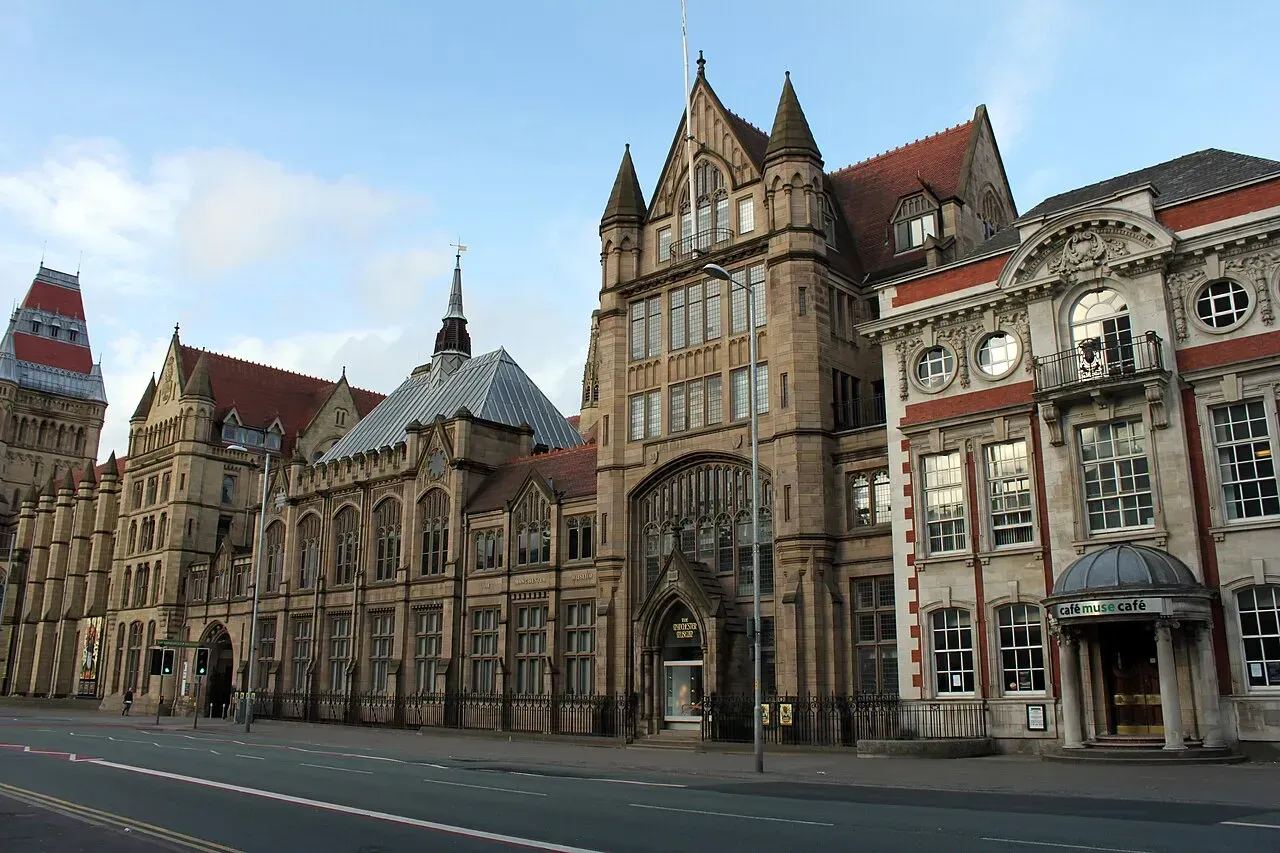
For generations, visitors to Manchester Museum’s African galleries walked right past a set of carved Vai figures without knowing anything was wrong. Then, without fanfare, several male-figure carvings from Liberia and Sierra Leone disappeared from the cases. Curators later confirmed the reason: original cultural protocol restricted these specific pieces to women’s viewing only, a rule the museum had apparently overlooked for decades.
What makes this one sting is the timing. Some of these carvings had been on public display for generations before anyone flagged the taboo. The museum has never released a complete list of exactly which pieces were pulled during that same internal audit, so nobody outside the building knows how deep the reshuffle actually went.
#2 – The Ceremonial Rattle Nobody Will Name
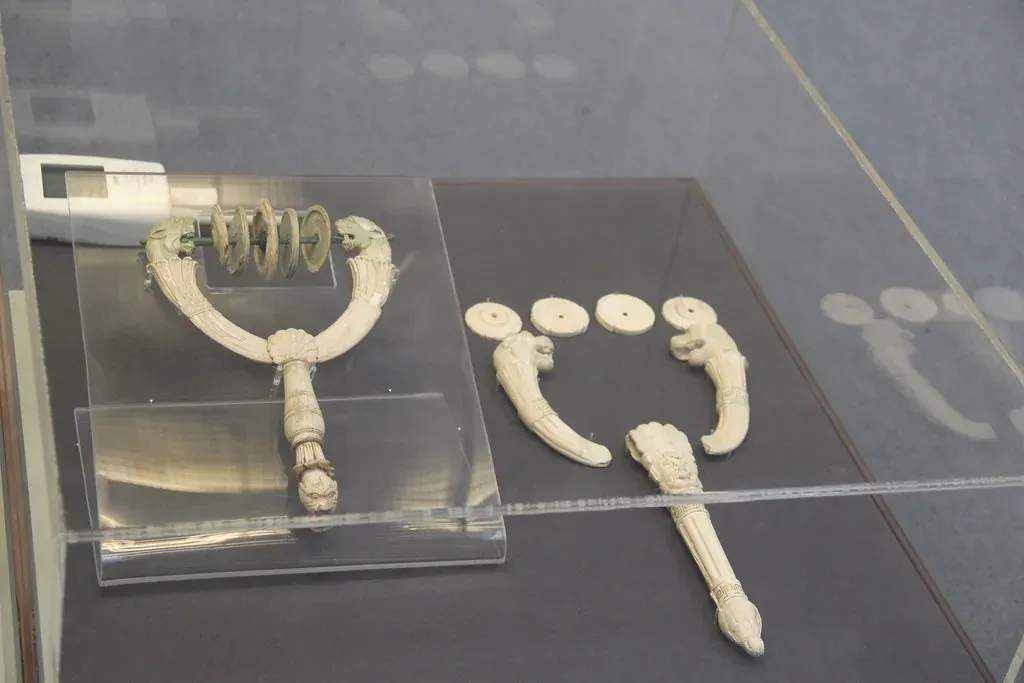
A single Native American ceremonial rattle vanished from a National Museums Liverpool gallery after staff determined it carried ongoing sacred restrictions tied to its original use. The museum’s public statement stopped short of naming the tribe involved or describing exactly what the prohibition entailed. It simply said the object required continued spiritual protection.
Around the same time, similar male-only Aboriginal pouches quietly came off view too. The institution frames these moves as respect for source communities, which is hard to argue with. But the lack of detail leaves researchers with a genuinely uncomfortable question: how many more ritual items are sitting in storage right now, unlisted and unexplained?
Worth Knowing
- The rattle’s specific tribal origin has never been made public by the museum
- Similar male-only Aboriginal medicine pouches were pulled in the same window of time
- Official language leans on “spiritual protection” rather than naming exact protocols
- No public inventory exists of how many restricted items remain in storage
#3 – The Mask Museums Wouldn’t Even Let You See in a Photo
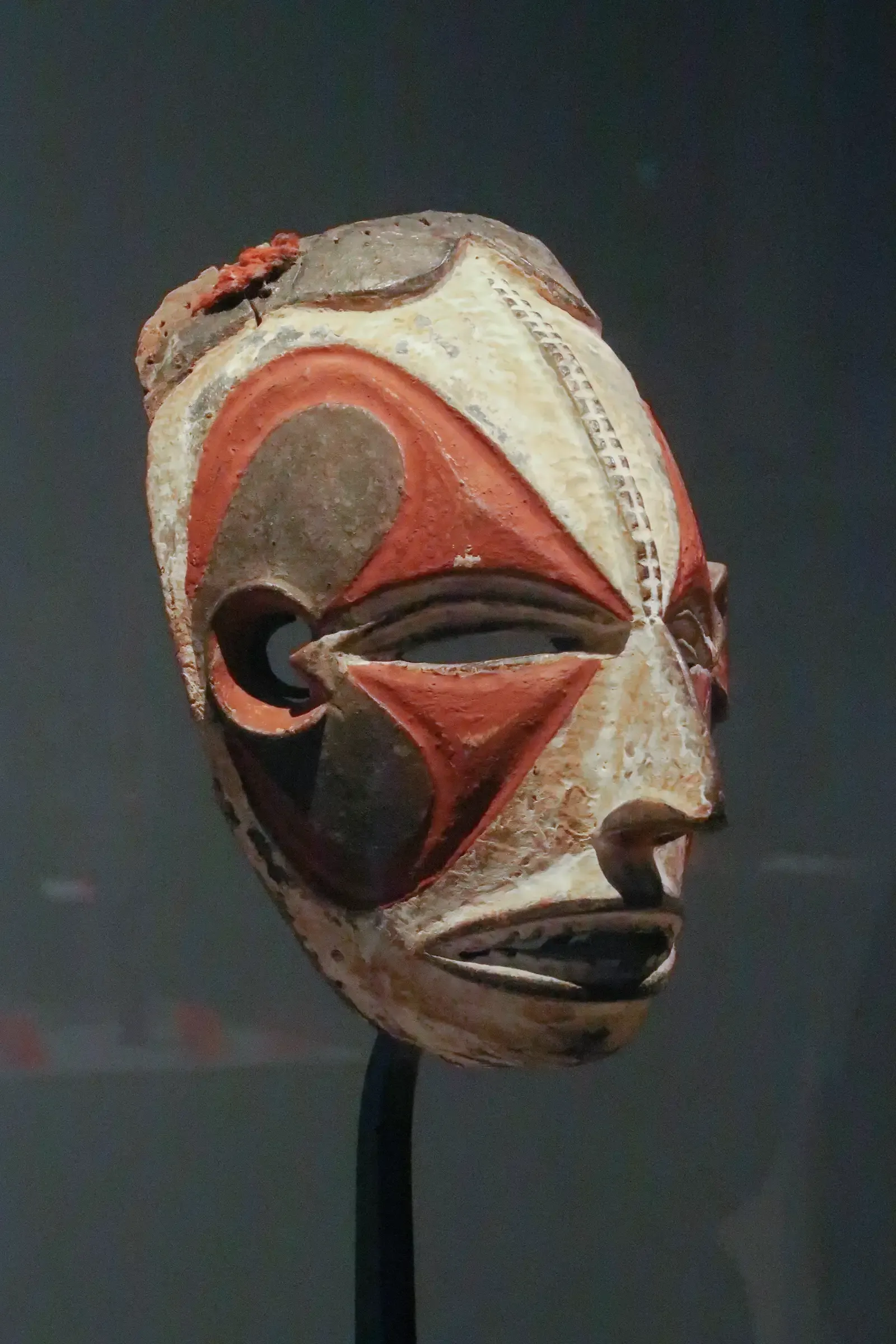
Sometimes the removal isn’t physical at all. At Pitt Rivers Museum, an Igbo mask stayed exactly where it was – but its digital image got pulled from the online database entirely. Early collector notes on the object stated it “must not be seen by women,” and staff decided that restriction should apply to photographs too, not just the physical mask.
It’s a strange kind of censorship: an object you technically can’t see even if you’re standing in the archive. Staff have since expanded their consultation process with descendant communities, but nobody has published a full list of how many other items in the collection carry similar unpublished cultural flags. The catalogue you’re browsing may already be quietly incomplete.
#4 – The Burial Objects Emptied From the Cases Overnight
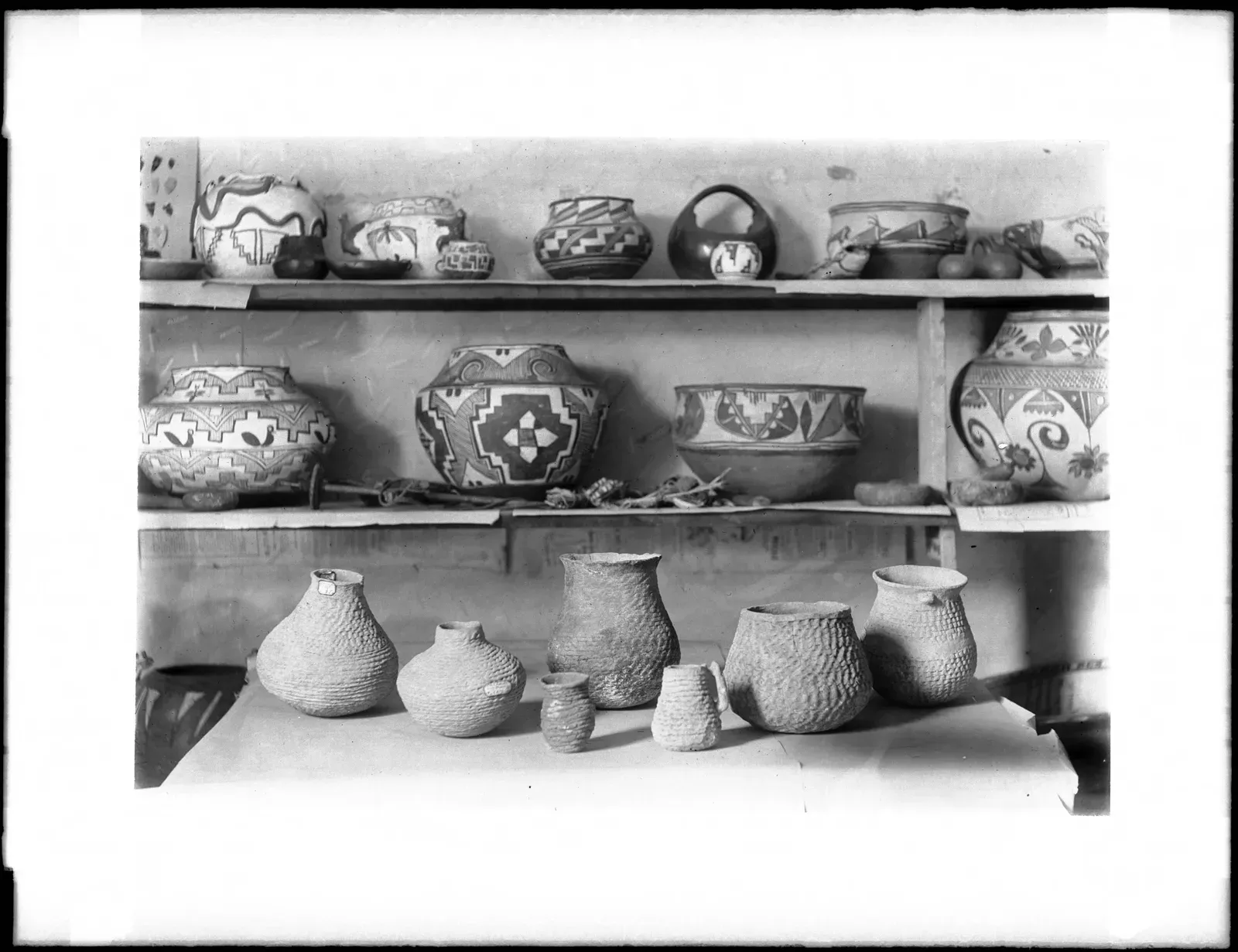
When updated federal regulations tightened the rules on Native American funerary items, the Field Museum didn’t wait around. Multiple cases holding ancient Pueblo and Hopewell objects were covered or emptied outright, even when the provenance on file was thin at best. One bowl, labeled on an old collections card simply as “ancient Pueblo,” got treated as funerary material despite almost no supporting documentation.
That’s the uncomfortable truth buried in this story: decisions this consequential are sometimes made on scraps of paper written decades ago by people who are long gone. The museum has been transparent about its process and its consultations with tribal nations, but it still hasn’t confirmed publicly which objects are permanently gone from view and which might eventually return.
#5 – Nearly Forty Sacred Figures Pulled Without a Full Explanation
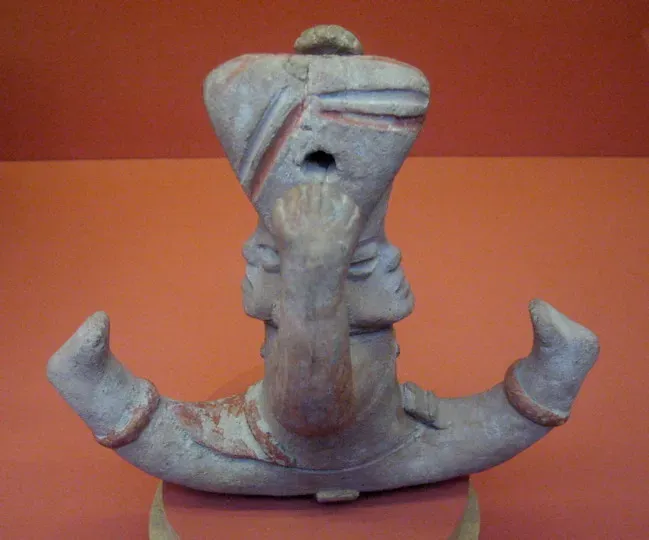
Harvard’s Peabody Museum removed close to forty Native American objects once new NAGPRA regulations took effect, including Zuni representations of spiritual deities that had sat in cases since the early 1900s. Some of the pieces were acquired as far back as 1905 and were rarely shown in their original cultural context to begin with.
The Peabody swapped several of these display spots for small signs referencing “cultural sensitivities,” but it hasn’t issued an item-by-item rationale explaining exactly why each specific piece triggered removal. Consultations with tribal representatives are reportedly ongoing. For now, though, outsiders are left with broad statements and a lot of empty pedestals.
#6 – The Six Galleries That Lost Every Human Skeleton Overnight
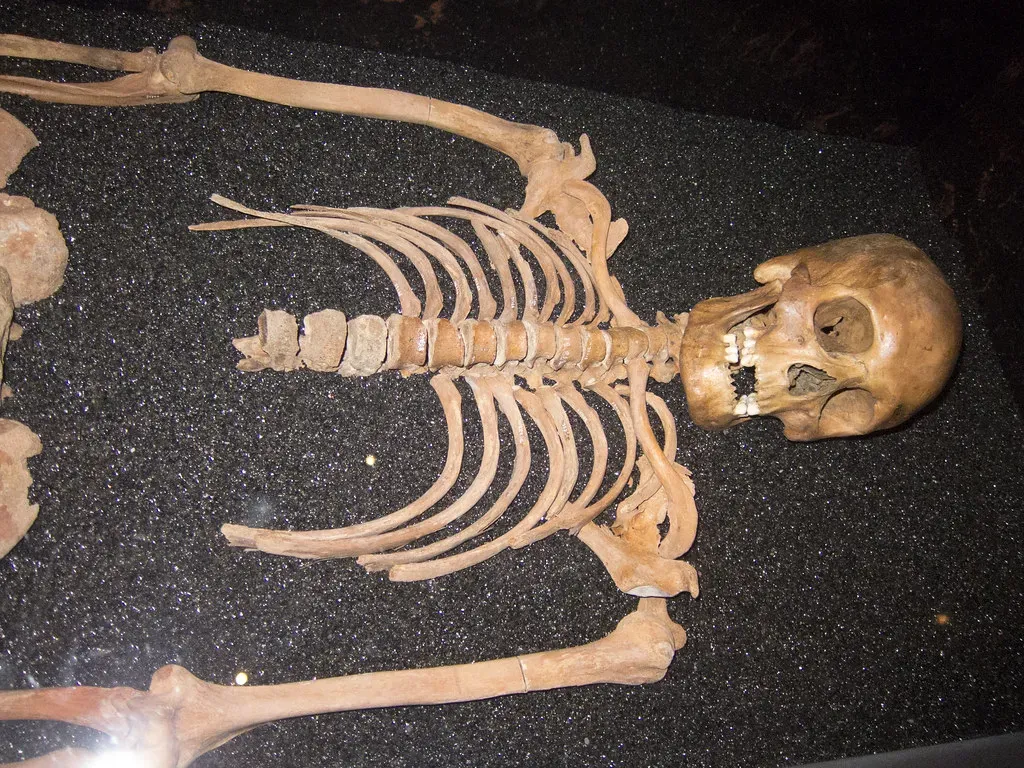
In 2023, the American Museum of Natural History made one of the most sweeping removals on this list: every human remain across six galleries came down at once. That included a Mongolian skeleton over a thousand years old and a set of bone-based ceremonial instruments. President Sean Decatur cited the simple, uncomfortable fact that most of these remains were acquired without anyone’s consent.
Roughly 2,200 sets fall under formal NAGPRA categories and are headed toward repatriation where possible. But the museum has never detailed, piece by piece, what happened to the non-NAGPRA remains that also disappeared that week. The public got a policy statement. What they didn’t get was a full accounting of every individual object affected.
Fast Facts
- Year of removal: 2023
- Galleries emptied at once: 6
- Remains under formal NAGPRA categories: roughly 2,200 sets
- Oldest remain pulled: a Mongolian skeleton over 1,000 years old
#7 – 120 Remains Removed After Visitors Called Them “Primitive”
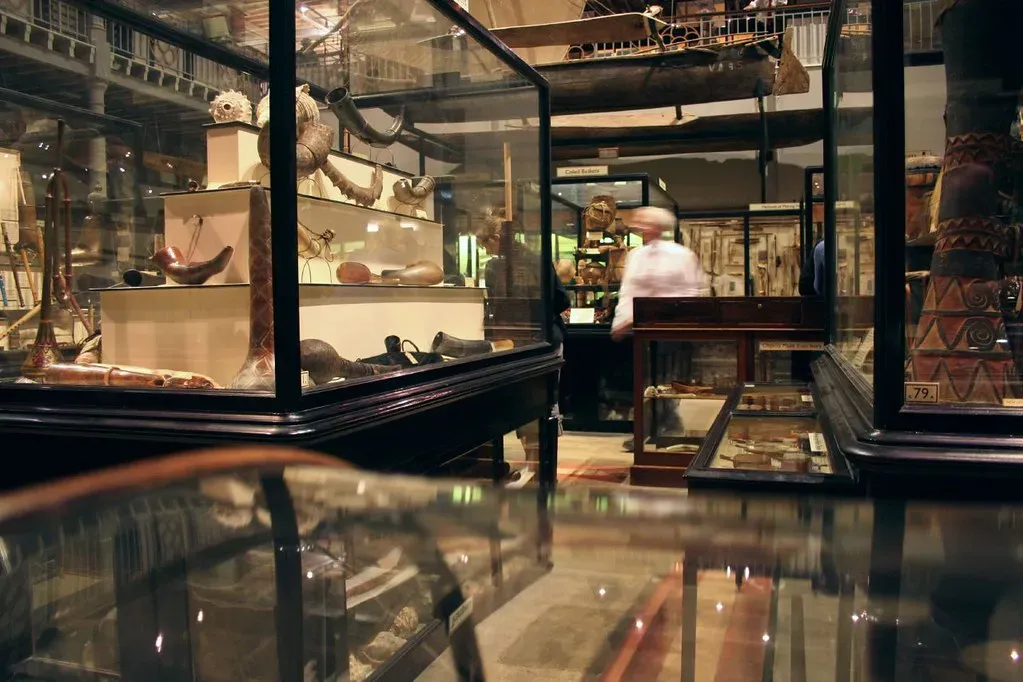
Oxford’s Pitt Rivers Museum pulled 120 human remains items from display, including shrunken heads – tsantsa – created by the Shuar people of Ecuador and Peru. The trigger wasn’t a legal mandate. It was audience research showing that visitors overwhelmingly interpreted these displays as “evidence” that certain cultures were primitive, rather than as the complex spiritual objects they actually are.
The museum consulted directly with source communities before reopening the galleries with new context-driven labels. What never got released, though, was a complete public list naming every single Naga trophy head and Egyptian child mummy swept up in the same decision. The new displays talk about the process. They don’t name the objects that vanished to make room for it.
#8 – Ten Bronzes Pulled Because Displaying Them “Caused Harm”
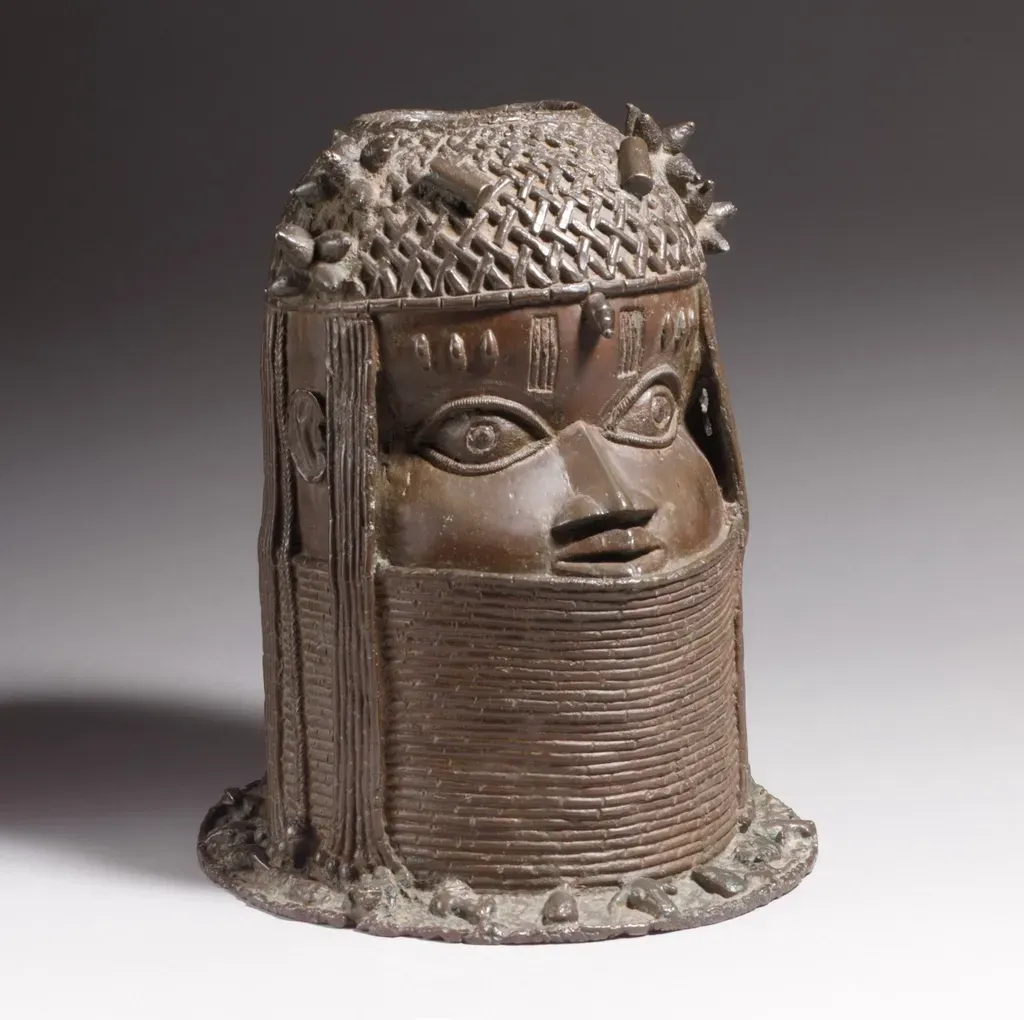
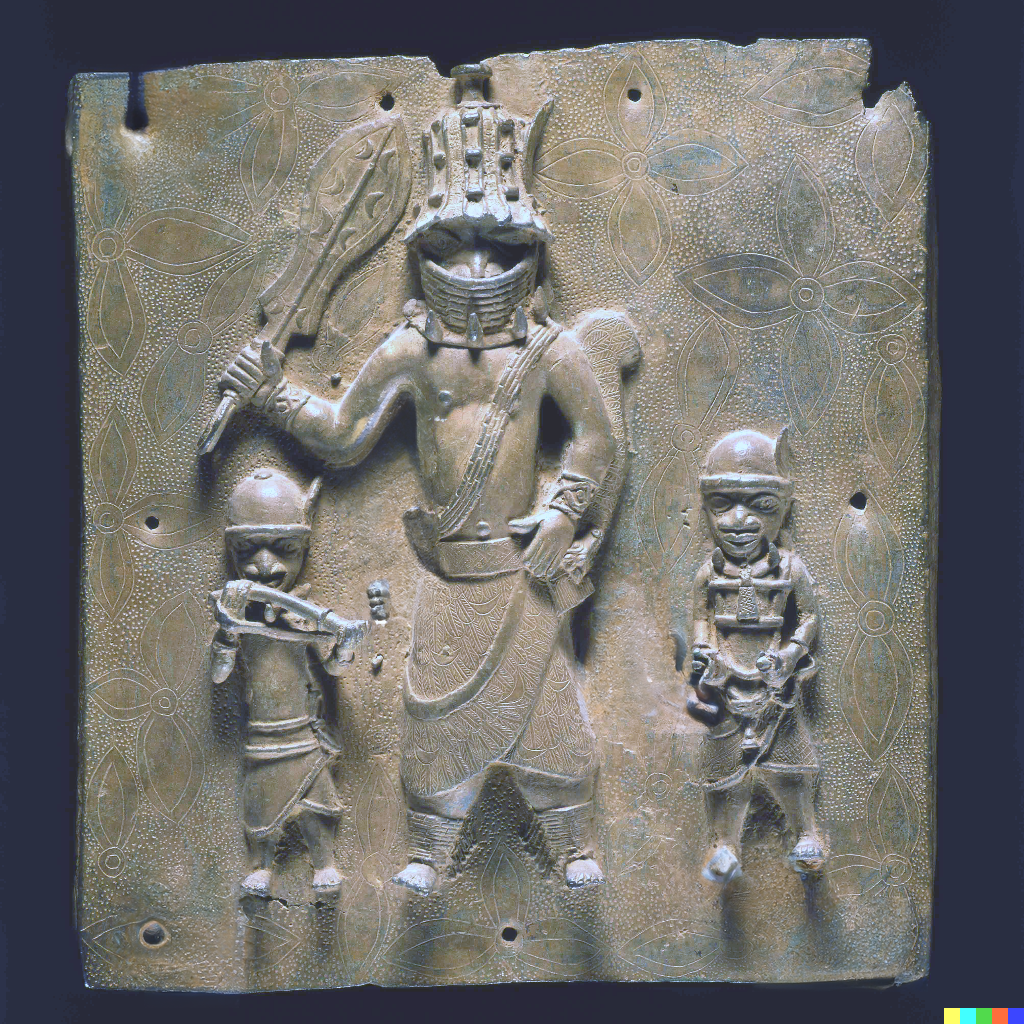
Ten Benin Bronzes tied to the notorious 1897 British raid on the Kingdom of Benin came off view at the Smithsonian’s National Museum of African Art in 2021. Director Ngaire Blankenberg was blunt about the reasoning: continuing to display looted objects was actively causing harm, and the museum needed to affirm its repatriation commitments instead of quietly keeping them on the wall.
The Smithsonian holds at least sixteen works with documented or suspected ties to that same raid, yet not every piece received an individual public update on its future status. Germany and several other nations have already returned their Benin holdings outright. The Smithsonian’s remaining decisions, by contrast, are still playing out mostly behind closed doors.
Quick Compare
- Smithsonian: 10 Bronzes pulled in 2021, full return timeline still undisclosed
- Smithsonian’s total Benin-linked holdings: at least 16 works
- Germany: returned its entire Benin Bronze holdings outright
- Public updates: issued as broad statements, not object-by-object
#9 – The Gems That Vanished for Years Before Anyone Noticed
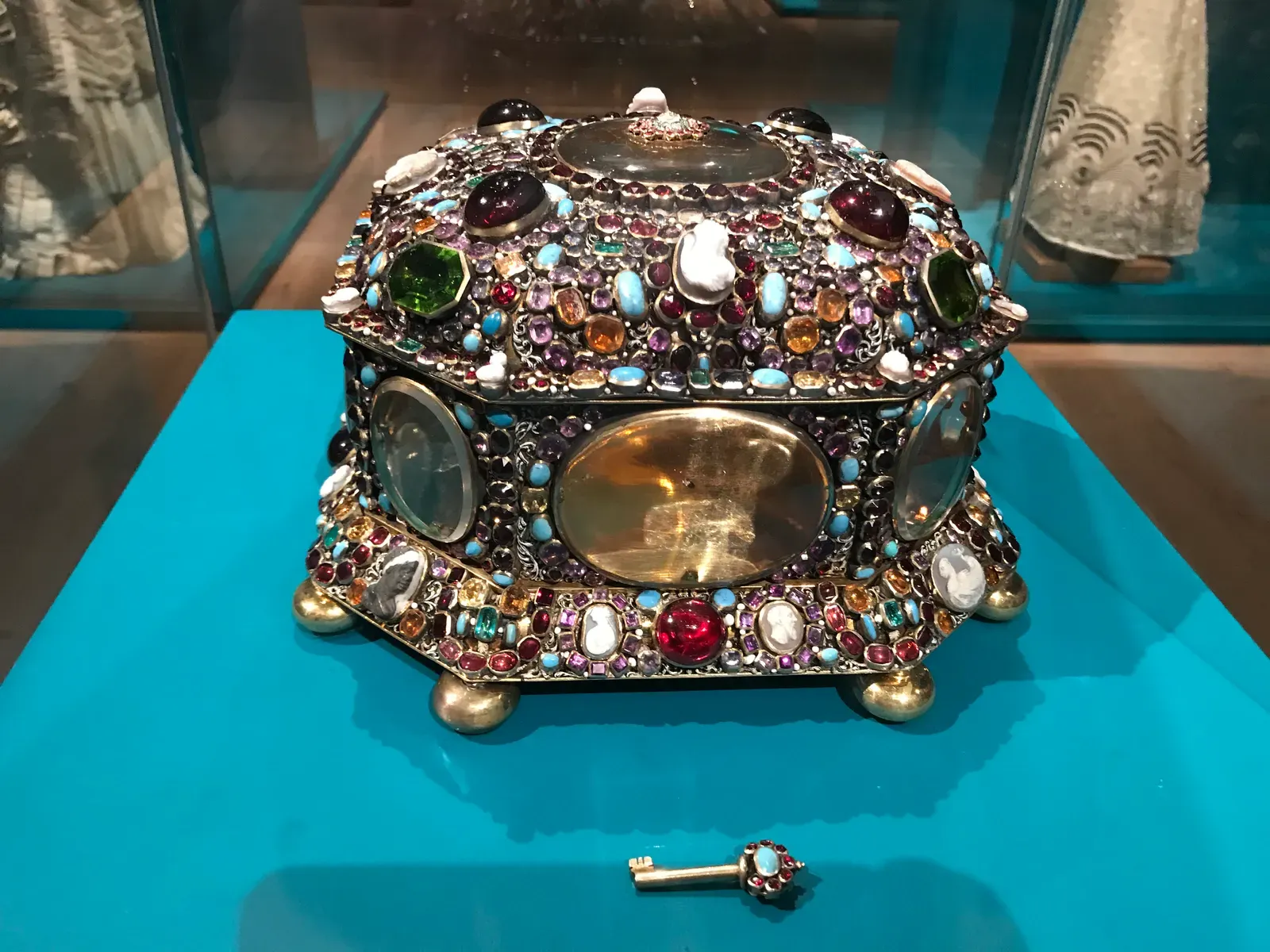
Hundreds of small cameos and intaglios from the British Museum’s Townley collection disappeared gradually, over years, hidden by registration records so incomplete they spanned centuries of gaps. A staff member was eventually dismissed after some of the missing pieces surfaced for sale on the open market – proof that the losses weren’t accidental.
The scale of the problem is almost hard to grasp: the museum has admitted that documentation gaps affect up to 2.4 million objects in its total holdings, making some thefts nearly undetectable in real time. Public statements have focused almost entirely on the criminal investigation. A full recovered-versus-still-missing ledger has never been published for outsiders to see.
#10 – 113 Bronzes Removed in the Largest Single Return
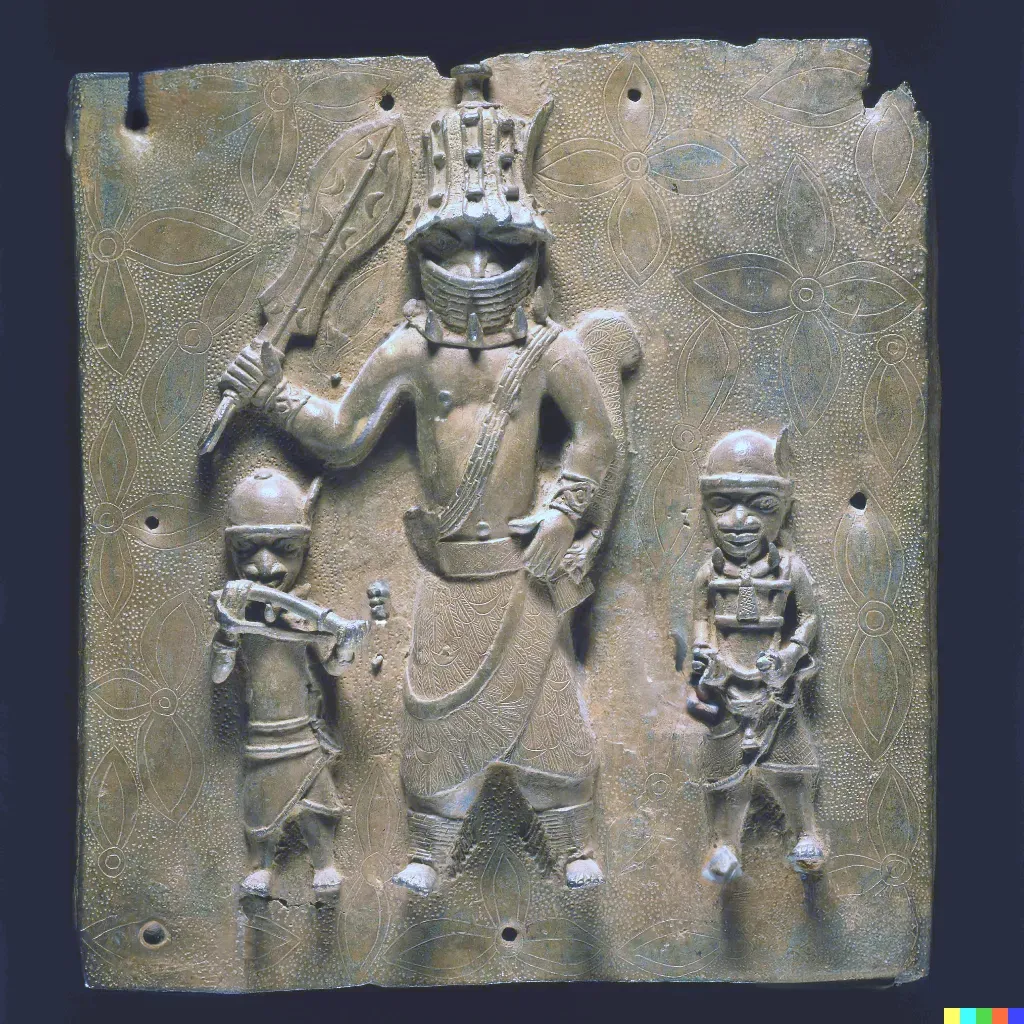
Wereldmuseum Leiden in the Netherlands pulled 113 Benin Bronzes from display in one of the largest single restitution moves in recent memory, sending them back to Nigeria. Director Marieke van Bommel didn’t hedge her language – she called the pieces looted, plainly, and said they never belonged in the Netherlands to begin with.
The return itself made headlines and is well documented publicly. What hasn’t been itemized in detail, though, are the precise condition reports for each piece or whether any objects were quietly held back for further study before shipment. It’s part of a wider wave of returns sweeping European museums right now, but the granular, object-by-object tracking still isn’t available to the public.
At a Glance
- Bronzes returned: 113
- Destination: Nigeria
- Scale: one of the largest single restitution moves on record
- Still unpublished: individual condition reports and any pieces held back for study
#11 – The Sacred Pipe and Stone Phallus Locked Away for Gender Rules

Manchester Museum’s restricted-access decisions didn’t stop with the Vai carvings. Sioux sacred pipes and an Australian stone phallus also went into storage, pulled under the same umbrella of gender-specific and ritual restrictions that source communities had asked the museum to honor.
The museum manages roughly 40,000 African objects and says it applies these cultural rules on a case-by-case basis, guided by ongoing dialogue with descendant communities. That sounds reasonable in principle. In practice, though, there’s still no comprehensive public list anyone can check to see exactly which objects fall under these restrictions and why.
#12 – The Thousands of Objects With No Paper Trail at All
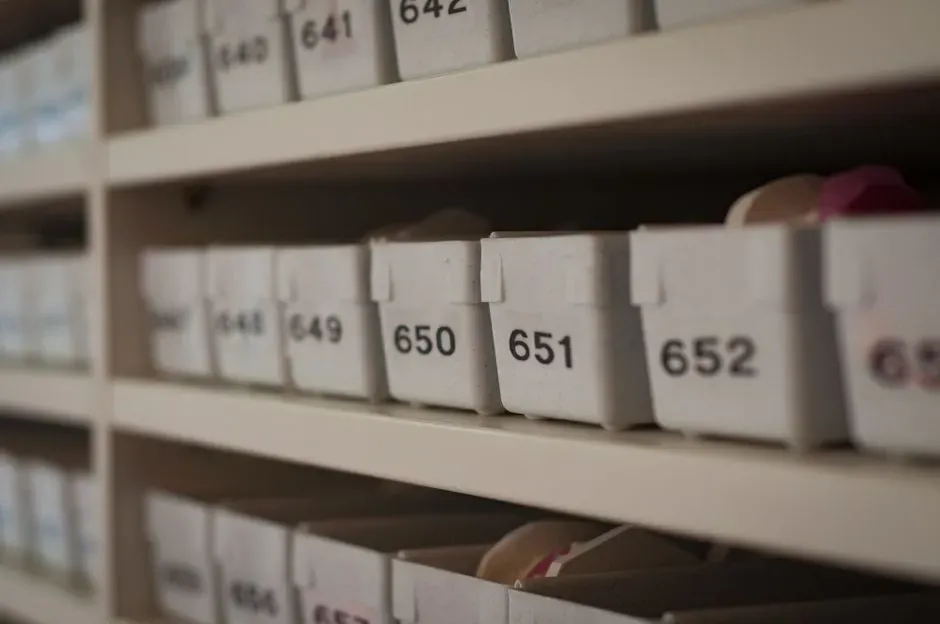
Across museums in both the UK and US, there’s an entire quiet category of artefacts labeled “found in collections” – objects that surface during inventory checks with no clear acquisition record at all. Nobody knows exactly how they arrived, who donated them, or under what terms. Curators are left to make accession or deaccession decisions essentially blind.
Many of these pieces move straight to storage or off-site facilities without ever returning to a public gallery. Because there’s no documentation trail to begin with, some of these removals happen with almost zero external trace – no headline, no label change anyone notices, nothing. Experts say this category keeps growing every time an old storeroom gets re-examined, and museums still don’t publish exhaustive lists of what turns up.
Taken together, these twelve cases point to something bigger than any single missing object. Museums have pulled thousands of artefacts in recent years under repatriation law, cultural sensitivity policy, and long-overdue ethical audits – and in most cases, that’s the right call. But “the right call” and “full transparency” aren’t the same thing, and right now the gap between them is doing a lot of quiet work.
My honest take: institutions that spent centuries meticulously cataloguing what they took shouldn’t get to be vague about what they’re now hiding. If the ethics are sound enough to justify pulling an object from public view, they’re sound enough to explain in plain language. Anything less just replaces one kind of silence with another.