If you think you know how the ocean works, the reality lurking beneath the waves will happily prove you wrong. For more than a century, scientists have mapped, sampled, and modeled the seas, only to keep stumbling on things that seem to break the rules: bizarre animals that should not survive under crushing pressure, mysterious sounds with no clear source, and man‑made junk resting where no human has ever set foot. Each one of these discoveries forces you to ask an unsettling question: how much of the planet you live on do you actually understand?
As you go through these 21 ocean oddities, you’ll notice a pattern: every time experts think they’ve reached the limits of what’s possible, the ocean calmly presents something stranger. Some of these finds are deeply beautiful, some are deeply worrying, and some are just flat-out weird. But together, they show you that the line between “impossible” and “we just hadn’t seen it yet” is thinner underwater than almost anywhere else on Earth.
1. Life Thriving at Boiling Hydrothermal Vents
Imagine diving to a place so deep the sunlight never arrives, where seawater is heated to temperatures that could melt lead pipes, and yet you find dense communities of living creatures. At hydrothermal vents, you see tube worms taller than you, white crabs, strange fish, and mats of bacteria flourishing around water that can reach well over the boiling point at the surface, under immense pressure. For decades, biology textbooks told you life ultimately depended on sunlight; then vent ecosystems were discovered, using chemical energy instead of light as their fuel.
What makes these vents feel almost illegal to science is that they rewrite the rules for what “habitable” means. Instead of plants using sunlight, you have microbes using hydrogen sulfide, methane, and other chemicals spewing from the seafloor to build entire food webs. If life can thrive in water that would scald you in a heartbeat, in total darkness, with toxic chemicals pouring out like smoke, it forces you to reconsider what could exist on icy moons, alien oceans, or even deep within Earth’s crust. The ocean is quietly telling you that your imagination has been too small.
2. Brine Pools: Underwater Lakes at the Bottom of the Sea
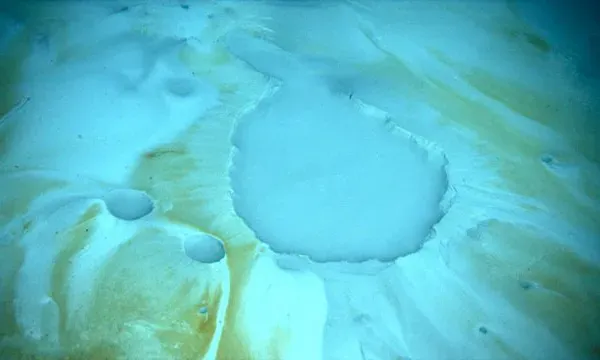
You expect water to mix with water, but at the seafloor you can actually see what looks like a shoreline, waves, and even “waterfalls” inside the ocean itself. These are brine pools: pockets of ultra-salty water so dense they sit like a separate liquid, forming distinct lakes and rivers on the seabed. When a submersible approaches one, its cameras show you an eerie, shimmering surface, and if it sinks in too far, the dense brine can mess with buoyancy and sensors.
For marine life, these pools can be both toxic and irresistible. Many animals die instantly if they stray into the brine, yet the edges of these lakes often host unique communities of microbes, mussels, and worms that take advantage of the unusual chemistry. It feels like you’re looking at a glitch in reality: a body of water with its own shoreline and ecology, completely encased inside another body of water. It is exactly the kind of thing you’re told cannot exist, until you see the footage yourself.
3. Gigantic Squid Living in the Dark Abyss
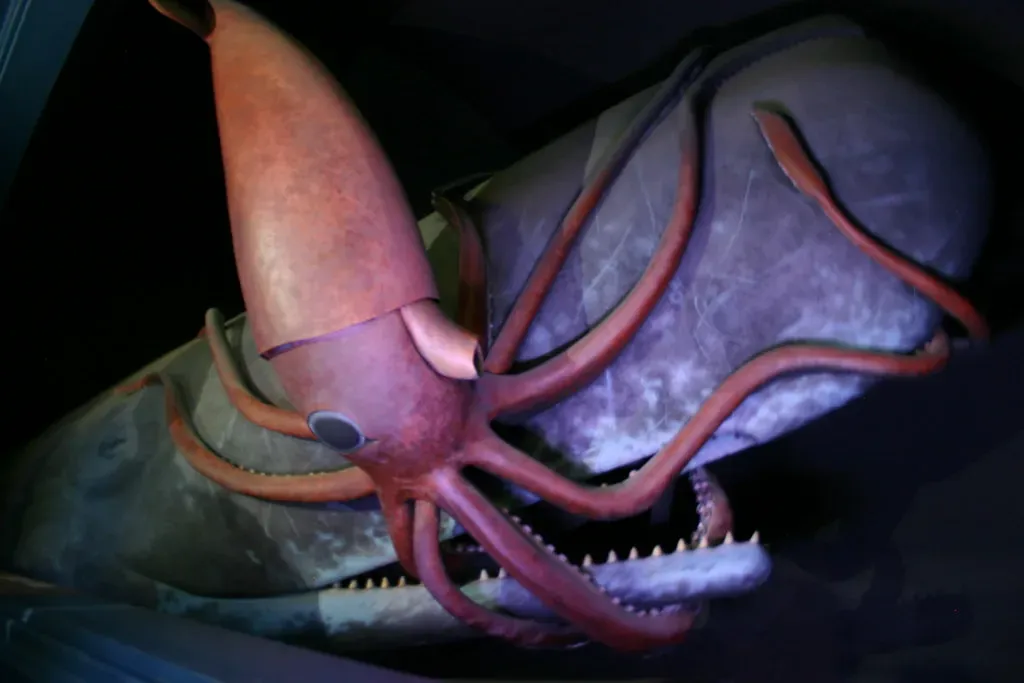
You’ve probably heard legends about krakens, and for a long time, giant and colossal squids might as well have been mythical. Scientists believed they existed based on washed-up carcasses and scars on sperm whales, but nobody had seen a healthy adult in its own environment. Then, in the twenty-first century, cameras finally caught them alive in the deep: eyes the size of dinner plates, arms stretching longer than a car, gliding through black water thousands of feet down.
What breaks your sense of normal here is how such a large, complex predator survives where food is supposedly scarce and light is nonexistent. These squids have evolved enormous, light-sensitive eyes tuned for the faintest glimmers, like silhouettes of prey or distant bioluminescent flashes. Their sheer size in such an energy-poor region of the ocean raises tough questions about deep-sea food webs and how much biomass you’ve actually accounted for. It is like suddenly discovering a herd of elephants living invisibly in a neighborhood you thought you knew.
4. Immortal-Like Jellyfish That Can Rewind Their Age
If you were told there is an animal in the ocean that can revert from adulthood back into its juvenile form, effectively resetting its life cycle, it would sound like a science fiction pitch. Yet small jellyfish of the genus Turritopsis can do exactly that under the right conditions. When stressed, injured, or starved, they transform their mature bodies back into a polyp stage, like hitting a biological reset button instead of dying.
This ability scrambles your assumptions about aging being a one-way street. The jellyfish still die if eaten or destroyed, but on a cellular level, they have a built-in escape hatch from old age that you simply do not see in larger animals. You are suddenly forced to think of aging not as an inevitable decline, but as a program that can sometimes be rewritten. It is unsettling to realize that the ocean quietly harbors creatures that sidestep one of the most deeply rooted rules of life you thought you understood.
5. Deep-Sea “Zombies”: Creatures Living on Bones
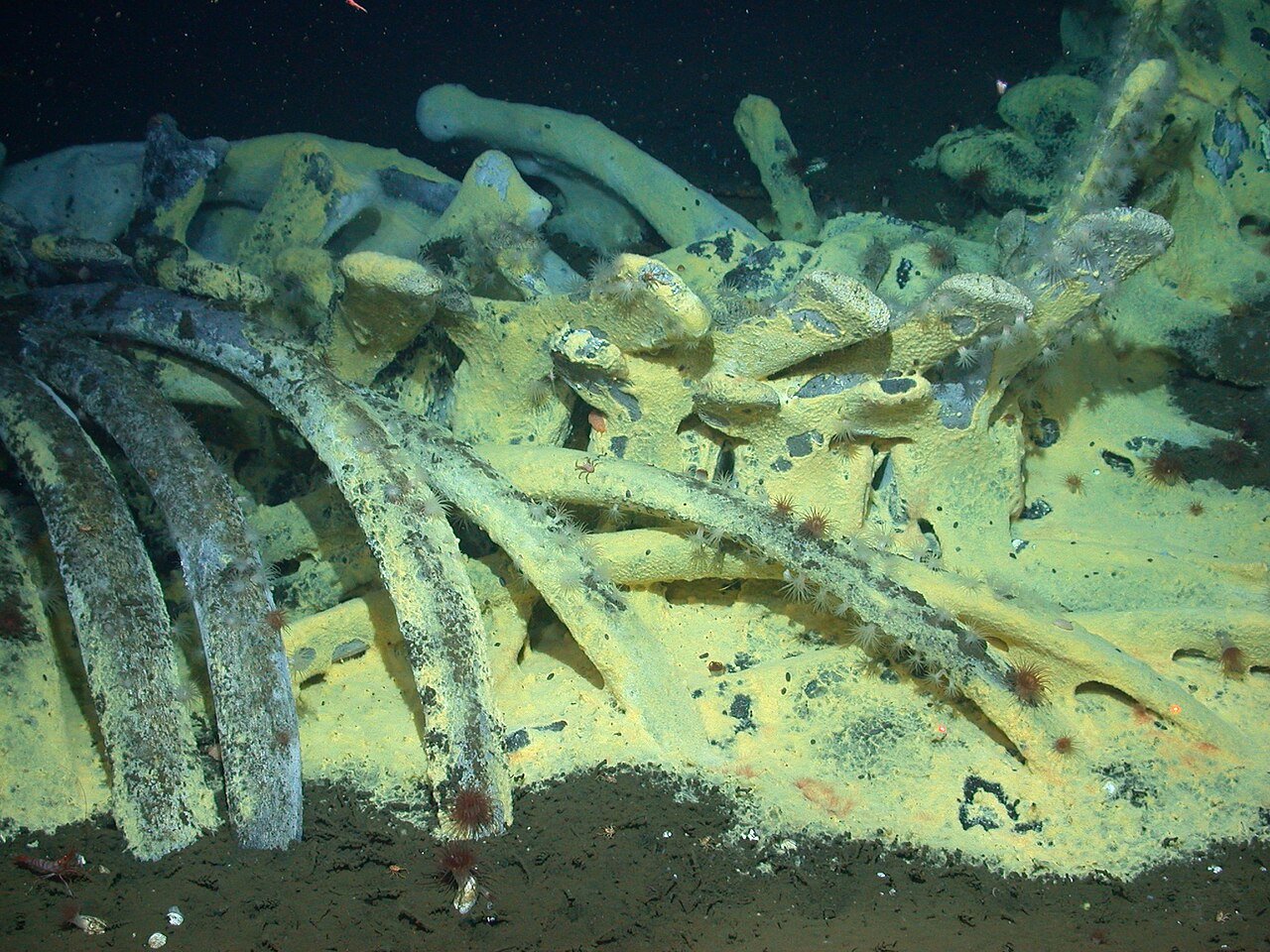
On the deep seafloor, where food rarely arrives, a single whale carcass becomes an entire city. When a dead whale sinks, you might expect scavengers and then nothing, but instead you find specialized worms, clams, bacteria, and crustaceans that can live on those bones for decades. Some, like the so-called bone-eating worms, have no mouth or gut; they grow root-like structures that dissolve bone and rely on internal bacteria for nutrition.
This “whale fall” community feels like a loophole in marine ecology, a slow-motion buffet in a place that should be nearly empty. You would assume that once the flesh is gone, the story ends, but here, bones become a long-term energy source that shapes deep-sea biodiversity. It is as if the ocean turned a single animal’s death into a trust fund, paying out resources to an entire hidden ecosystem over years and years. You start to see the deep sea not as dead, but as patient.
6. Black Smokers Made of Metal-Rich Chimneys
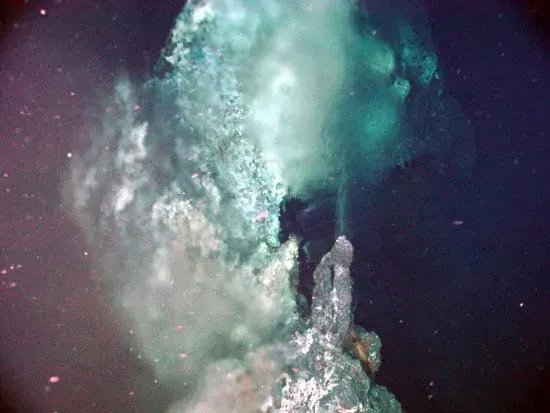
At mid-ocean ridges, you can find towering structures belching black “smoke” into the water, looking more like something from a factory than a natural environment. These black smokers are hydrothermal chimneys built from metals like iron, copper, and zinc that precipitate out when superheated vent fluids meet cold seawater. In some fields, these chimneys rise taller than houses, growing over time as minerals stack into intricate, fragile towers.
What feels impossible is the speed and nature of this construction. Instead of rocks forming slowly over geological eras, you are looking at metallic pillars assembling in real time, driven by seafloor chemistry you normally only see inside industrial reactors. Some companies eye these sites as future mining targets, which adds another twist: you are suddenly debating whether to dig into the very system that exposed these strange structures in the first place. You realize that the ocean floor is part volcanic forge, part chemistry lab – and very much unfinished.
7. The Great Pacific Garbage Patch: A Human-Made “Island”
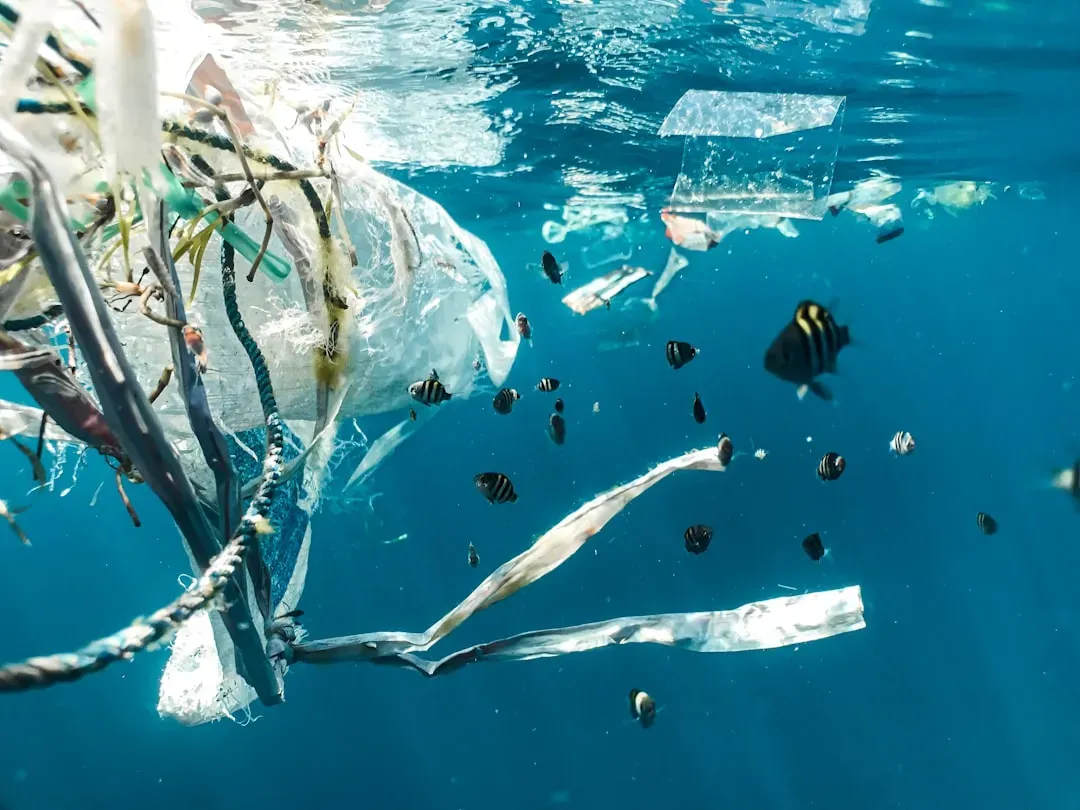
If you were told an “island” made mostly of floating trash stretches across a region of the Pacific, it would sound like an exaggeration. Yet in subtropical gyres, currents gather countless bits of plastic into enormous, diffuse patches. From a satellite, you do not see a solid mat, but when you sail through, you find yourself surrounded by fragments, bottles, nets, and microplastics drifting in water that should be pristine blue.
This mess breaks the unwritten rule that the deep ocean is too remote for your daily habits to deface it. You might toss a piece of plastic away on land and think it disappears; instead, it can end up circulating for decades, slowly breaking into smaller pieces but never truly going away. Fish, birds, and turtles encounter these fragments constantly, mistaking them for food or getting tangled in them. You are forced to admit that humans have created a weird new “ecosystem,” one built not on rock or coral, but on your own waste.
8. Plastic Snow Falling on the Deep Seafloor
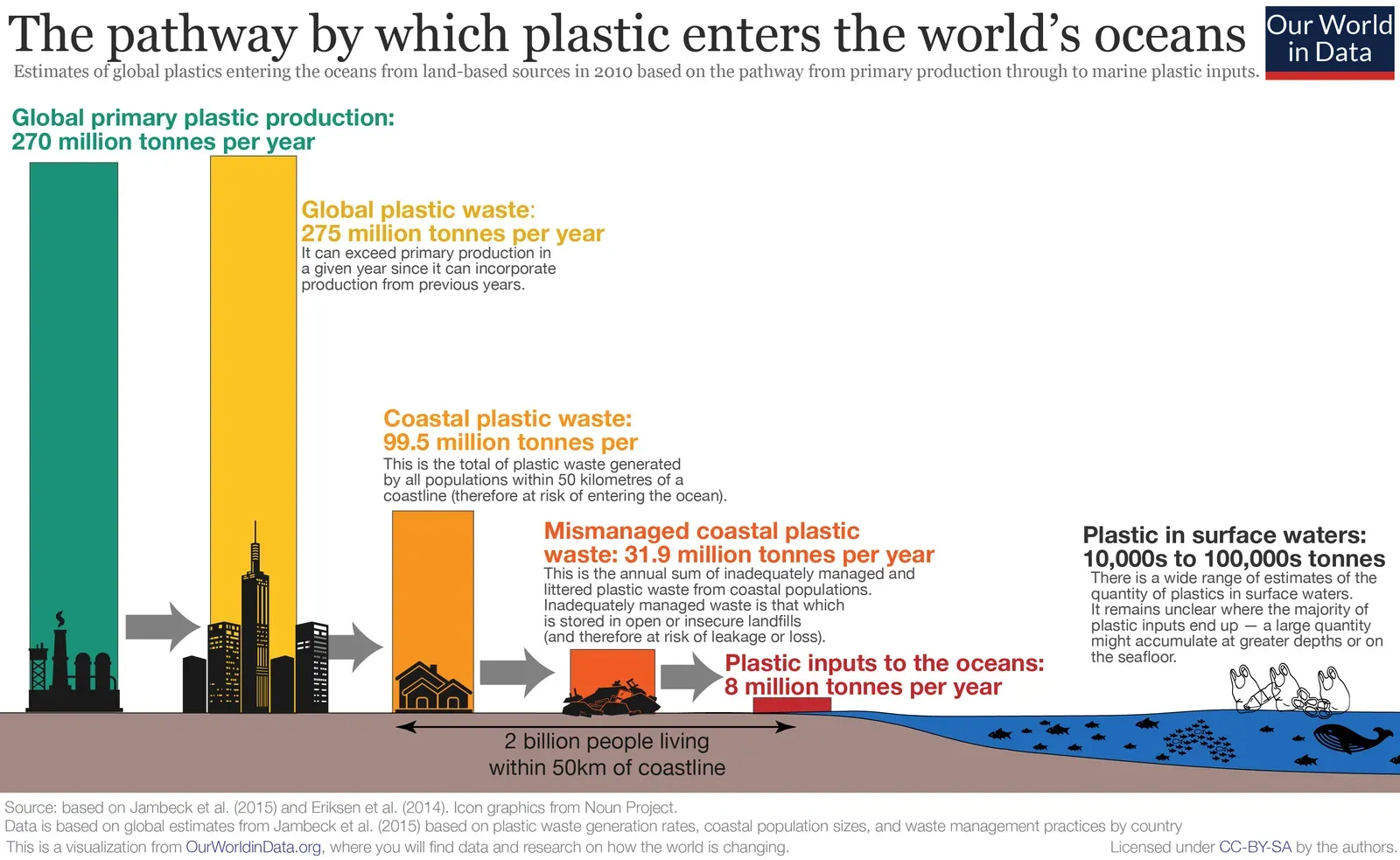
You expect most plastic pollution to float or stay near coasts, but researchers have found microplastics almost everywhere they look, including in sediments at the deepest trenches. Tiny fibers and fragments sink down like artificial marine snow, mixing with organic particles that naturally drift from surface waters. When someone dredges or cores deep mud, they now routinely find traces of synthetic materials that were never meant to be there.
This is one of those discoveries that feels wrong on a gut level because it dissolves the comforting idea of “away.” There is no “away” if microscopic bits of your clothes, packaging, and car tires snow down onto creatures that have never seen sunlight. You start to realize that the ocean is less a separate world and more an enormous, patient archive of your behavior. Each grain of plastic buried in the mud is like a timestamp saying, very clearly, that you were here.
9. Fish Surviving in Subzero, Super-Salty Antarctic Waters
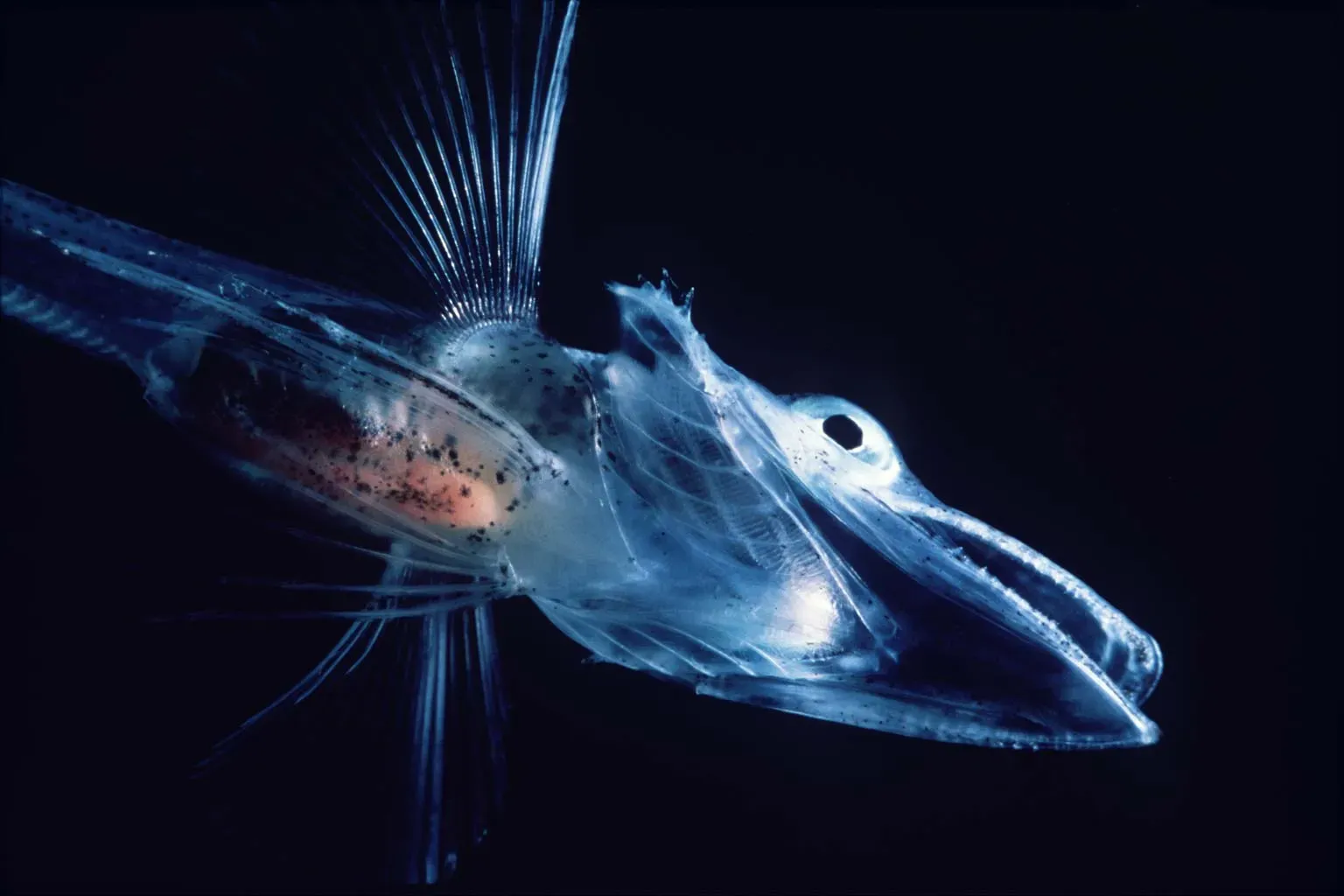
You know water freezes at a certain point, so fish should, too – except some Antarctic species never got that memo. These notothenioid fish live in water that can dip below the normal freezing point because of its salt content, and they avoid turning into ice blocks by producing special antifreeze proteins in their blood. Under a microscope, these molecules latch onto forming ice crystals, preventing them from growing and wreaking havoc inside cells.
From a physics and biology standpoint, this trick feels like a cheat code. Instead of adapting by escaping the cold, these fish re-engineered their internal chemistry so they can stay exactly where they are. When you look at them, you are watching a living argument that evolution can take the most counterintuitive paths to solve a problem. It also makes you wonder how many other creatures are quietly hacking the fundamental rules you were taught in school.
10. The Bloop and Other Mysterious Ocean Sounds
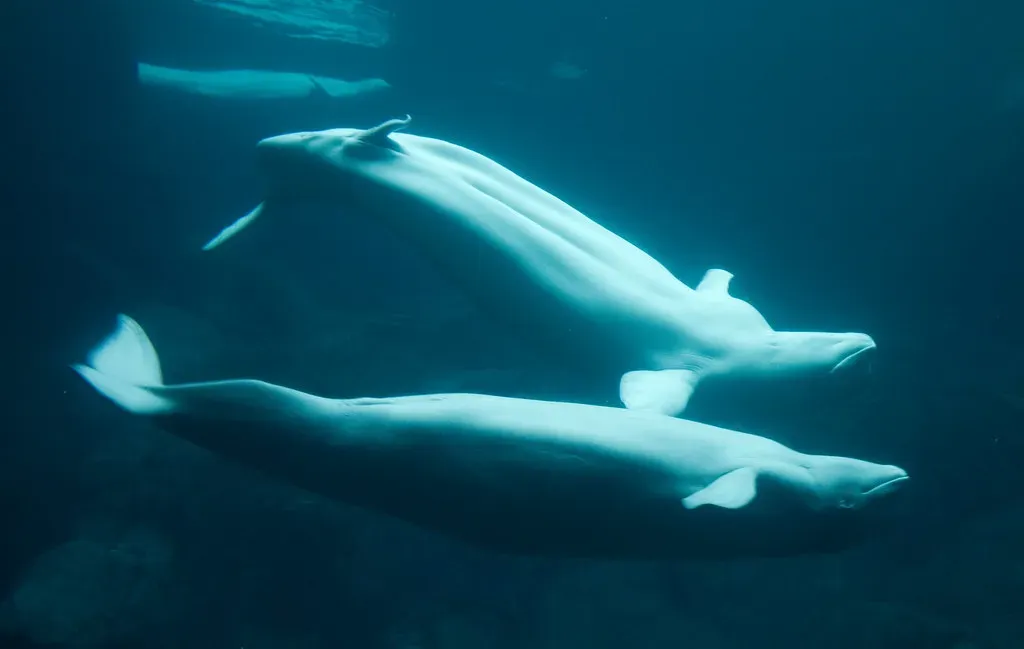
In the late twentieth century, underwater microphones picked up a powerful, low-frequency sound in the southern ocean that came to be nicknamed the “Bloop.” It was so loud it was recorded thousands of kilometers apart, and early speculation ran wild: giant animals, hidden machinery, unknown geologic events. Eventually, experts leaned toward the sound being related to ice fracturing rather than some monster, but the moment you learn about it, you feel that spark of unease – what else is still out there, sounding off in the dark?
The Bloop is not alone; the ocean’s soundscape is full of signals you can detect but cannot immediately explain. Some turn out to be earthquakes, volcanic activity, or ice movements, while others take years to match with a source. You are reminded that, acoustically, the ocean is still a massive blind spot, despite all the equipment you have dropped into it. If your microphones can be surprised that easily, you have to assume your eyes and nets are missing even more.
11. Deep-Sea Anglerfish and Their Built-In Lures
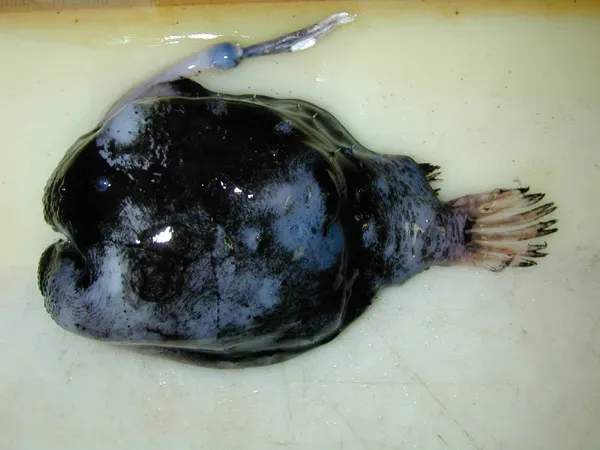
Picture a fish so distorted by evolution that it looks like a prop from a horror film: oversized head, needle teeth, and a fleshy rod dangling from its forehead that glows in the dark. That is an anglerfish, and it lives thousands of feet down, in near-total blackness. The glow at the tip of its lure comes from bioluminescent bacteria that the fish hosts, which shine just enough to attract curious prey into striking range.
As if that were not strange enough, some species also practice an extreme version of mating, where tiny males permanently fuse with the much larger female’s body, sharing blood and becoming little more than a sperm-delivery organ. This arrangement feels like an evolutionary prank, something so bizarre that you almost suspect a mistake in your biology notes the first time you read about it. But it is real, and it shows you how far life can bend when the environment is harsh, dark, and unforgiving. The deep sea keeps proving that “normal” is just what you are used to seeing near the surface.
12. Supergiant Amphipods the Size of Your Hand
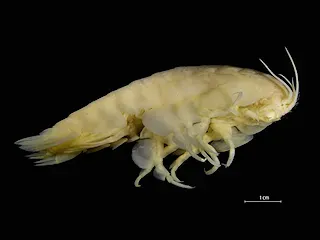
Most of the time, when you think of small crustaceans like amphipods, you imagine tiny shrimp-like creatures a few millimeters long. Then deep-ocean expeditions started hauling up “supergiant” amphipods from trenches and abyssal plains, some longer than your hand. Seeing a familiar body plan suddenly scaled up like that is almost comical, like someone zoomed in the wrong way on nature’s design file.
These size jumps, called deep-sea gigantism, still are not fully understood, and that uncertainty is part of what makes them feel like they should not exist. You have hypotheses about pressure, temperature, metabolism, and low predation pressure, but no single clean explanation. It is a reminder that even simple-sounding questions like “Why is this thing so big?” can stump you when the habitat lies miles below the waves. The ocean, in this case, acts like a funhouse mirror for evolution.
13. The Baltic Sea “Anomaly” on the Seafloor
These size jumps, called deep-sea gigantism, still are not fully understood, and that uncertainty is part of what makes them feel like they should not exist. You have hypotheses about pressure, temperature, metabolism, and low predation pressure, but no single clean explanation. It is a reminder that even simple-sounding questions like “Why is this thing so big?” can stump you when the habitat lies miles below the waves. The ocean, in this case, acts like a funhouse mirror for evolution.
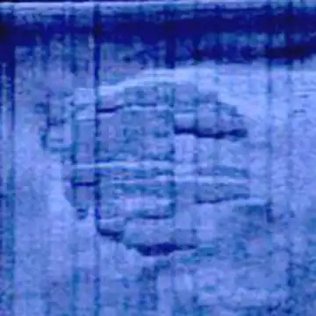
13. The Baltic Sea “Anomaly” on the Seafloor (Image Credits: Wikimedia)
In the Baltic Sea, a sonar survey once revealed a strangely shaped formation on the seafloor that set off a wave of speculation. The feature looked oddly circular and raised, with lines and patterns that some people compared to artificial structures, feeding wild theories. More careful follow-up work has leaned heavily toward a natural geological explanation, likely shaped by glaciers and sediment processes, but the episode exposed how easily your mind jumps to the extraordinary when staring at grainy images from the depths.
What sticks with you here is not so much the object itself but the way deep water hides and distorts everything. Sonar pulses and low-resolution scans turn rock into mystery and sediment into a potential artifact. Until you physically sample, image, and analyze features like this, you are basically interpreting blurry shadows. The Baltic anomaly is a case study in how the ocean can make perfectly normal geology look like a violation of everything you expect.
14. Ancient Shipwrecks Preserved Like Time Capsules
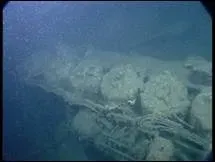
When you think of wooden ships, you probably picture them rotting away over a few decades, yet archaeologists have found vessels centuries old resting on seabeds in astonishing condition. In cold, dark, low-oxygen waters, wood-boring organisms are scarce, so hulls, masts, and even cargo can remain almost intact. Some deep Black Sea wrecks, for example, sit upright with their structures still recognizable, as if they sank last year instead of centuries ago.
This level of preservation feels like history refusing to obey the rule of decay. You are used to artifacts on land being weathered, looted, and disturbed; on the seafloor, they can stay untouched for lifetimes. It creates a strange overlap where the past and present coexist in a place you rarely visit. These wrecks are not supposed to be this pristine in your mental model, yet there they are, quietly waiting in the dark.
15. Methane Hydrate “Ice” That Burns
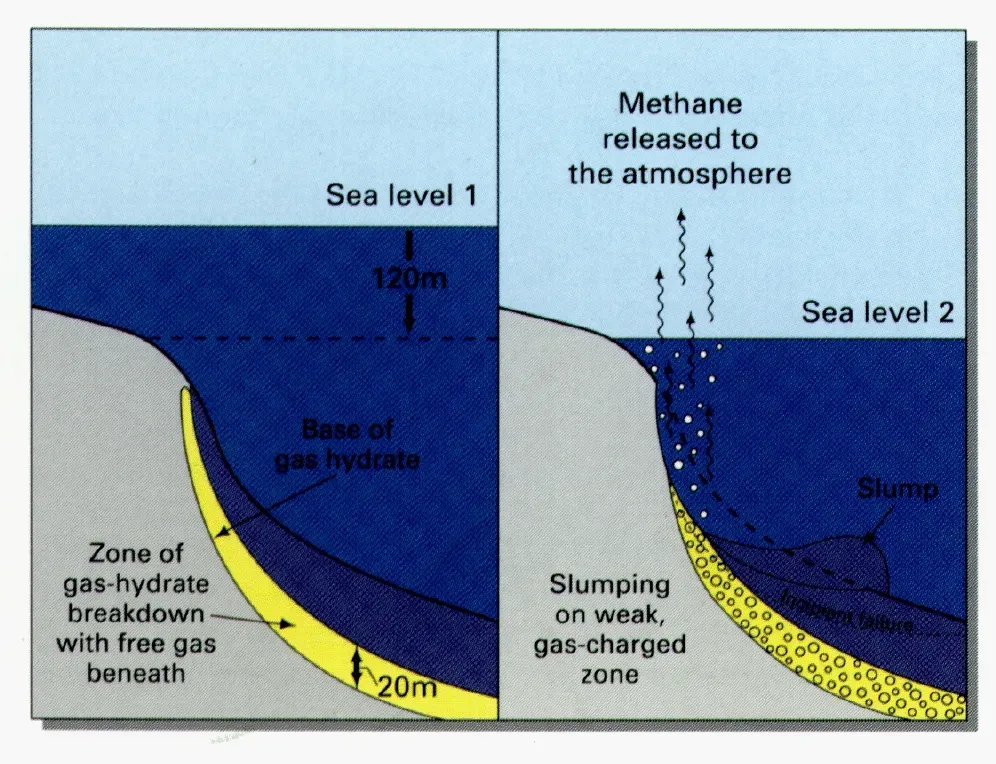
On some continental slopes, you can find deposits of methane hydrate – crystalline structures where gas is trapped inside cages of water molecules, forming something that looks like ice but behaves very differently. When brought to the surface and lit, this hydrate can literally burn while still dripping water. It seems to contradict every instinct you have about what ice should do, turning a familiar material into something weirdly hybrid.
These deposits lock away enormous amounts of methane, a potent greenhouse gas, in sediments that may destabilize as temperatures and pressures change. You suddenly have a frozen fuel buried in the ocean, one that you did not know existed in such huge quantities until relatively recently. The idea that solid-looking “ice” on the seabed can flip into gas and water with a change in conditions adds an unsettling layer to how fragile your climate system might be. The ocean floor becomes not just a landscape, but a loaded vault.
16. Blue Holes and Underwater Cave Labyrinths
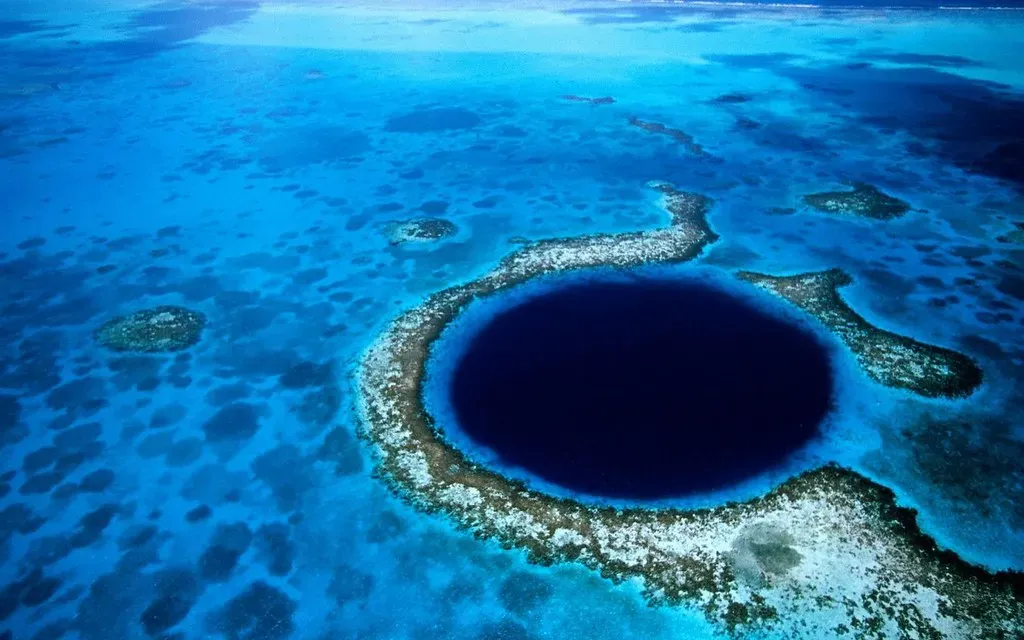
In some coastal regions and shallow seas, you can swim over bright turquoise water and then suddenly find a vertical shaft plunging into darkness: a blue hole. These sinkholes and underwater caves often connect to sprawling passages and chambers filled with peculiar chemistry, ancient sediments, and sometimes layers of different water types stacked like invisible pancakes. Once you drop into one, you are entering a world where depth and distance stop making sense in the normal way.
What makes blue holes feel almost unfair to science is how tricky they are to fully map and sample. Their narrow entrances, complex currents, and occasional hydrogen sulfide layers make exploration hazardous even for skilled divers and remote vehicles. Yet inside, you can find remains of extinct animals, unusual microbial mats, and climate records locked in stalactites and sediments. They are like trapdoors in the ocean floor, opening into archives and ecosystems that you were never supposed to stumble upon casually.
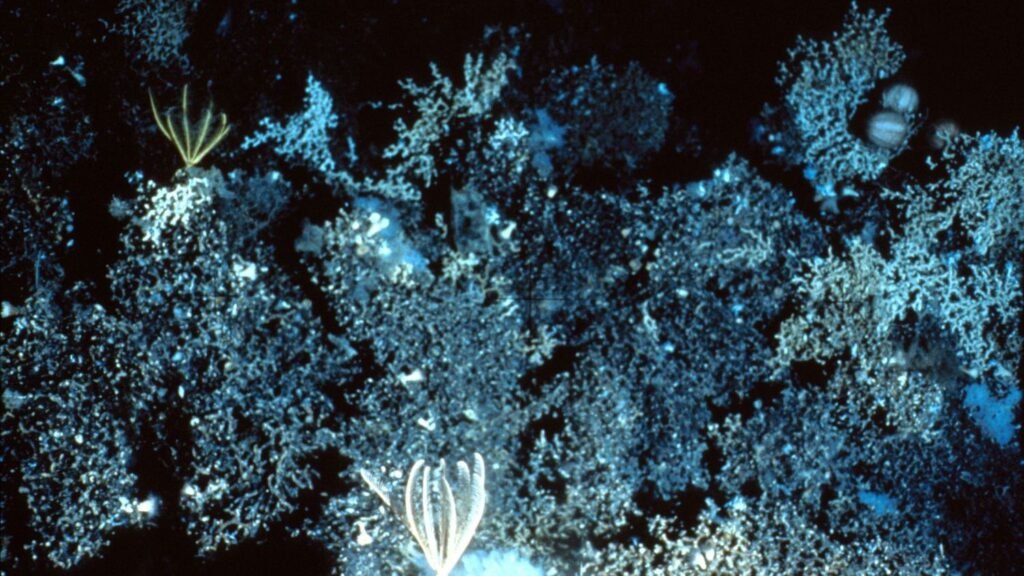
17. Deep Coral Reefs Existing Without Sunlight
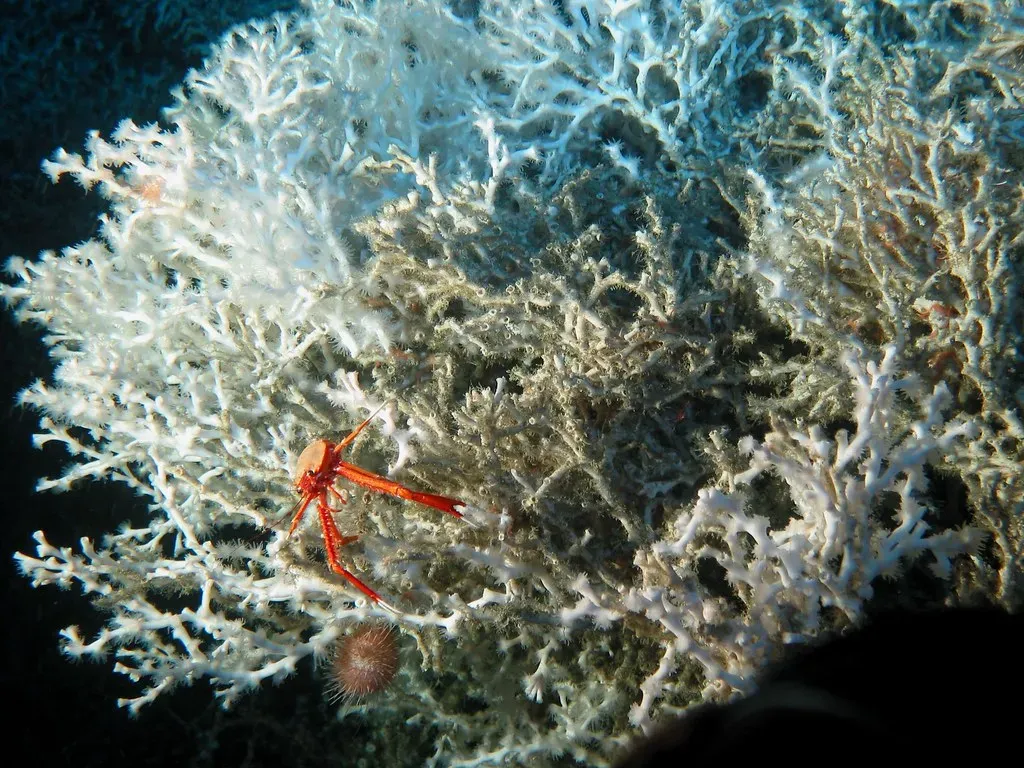
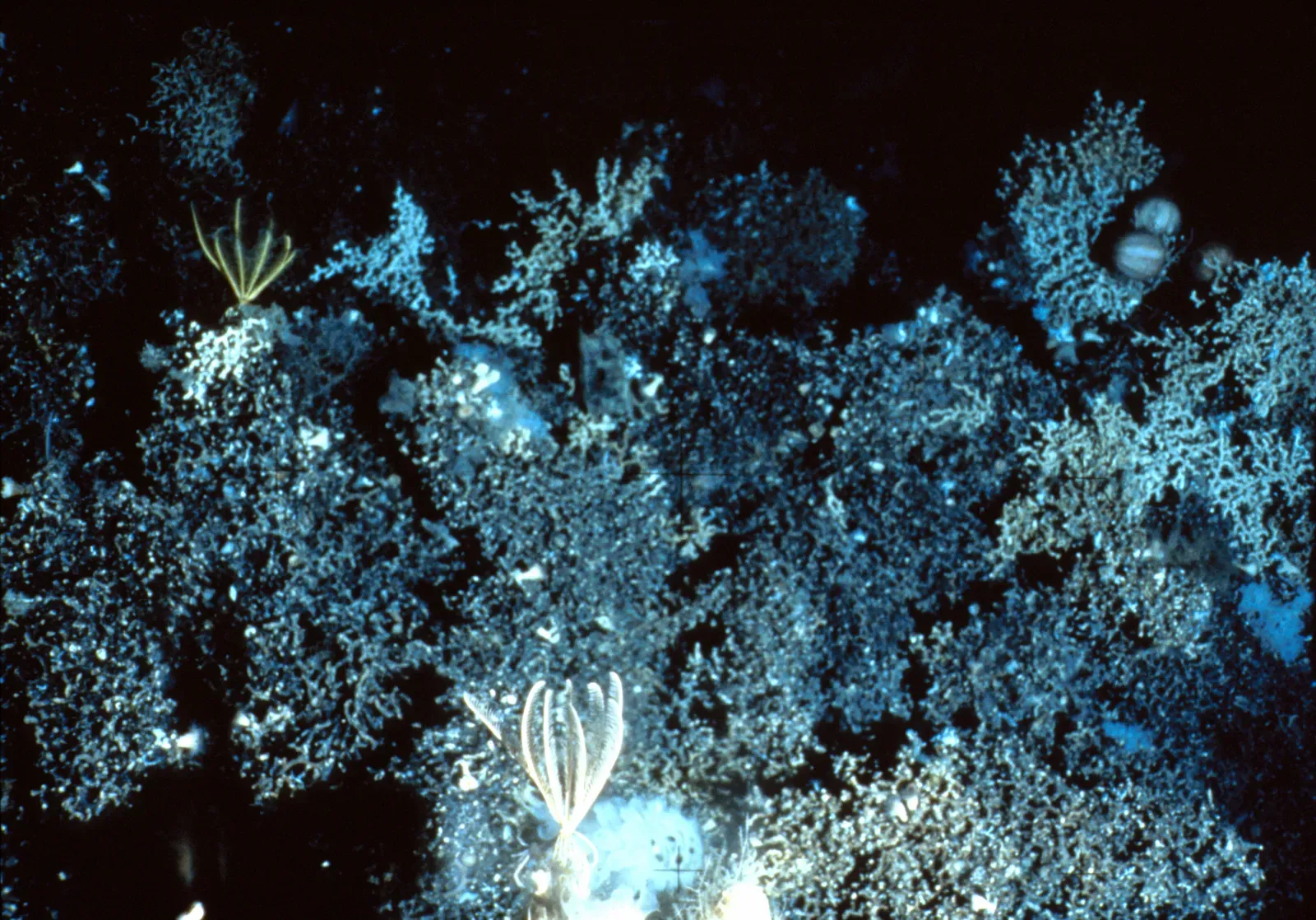
When someone says “coral reef,” you probably picture sunlit, shallow, tropical waters full of bright colors and darting fish. So it comes as a shock to learn that vast coral communities also grow hundreds, even thousands, of feet down in cold, dim conditions. These cold-water and deep reefs use food drifting from above rather than photosynthetic algae, building complex, branching structures over incredibly long timescales.
Their existence undermines the idea that reefs are only fragile tropical jewels. Here, in chilly darkness, corals quietly assemble three-dimensional habitats for invertebrates and fish, shaping local ecosystems you almost never see. They are hard to photograph, even harder to protect, and they do not fit the tourist-brochure image you carry in your head. Once you know they exist, you realize your mental map of ocean habitats has been missing entire neighborhoods.
18. Creatures Living in Pitch-Black Hadal Trenches
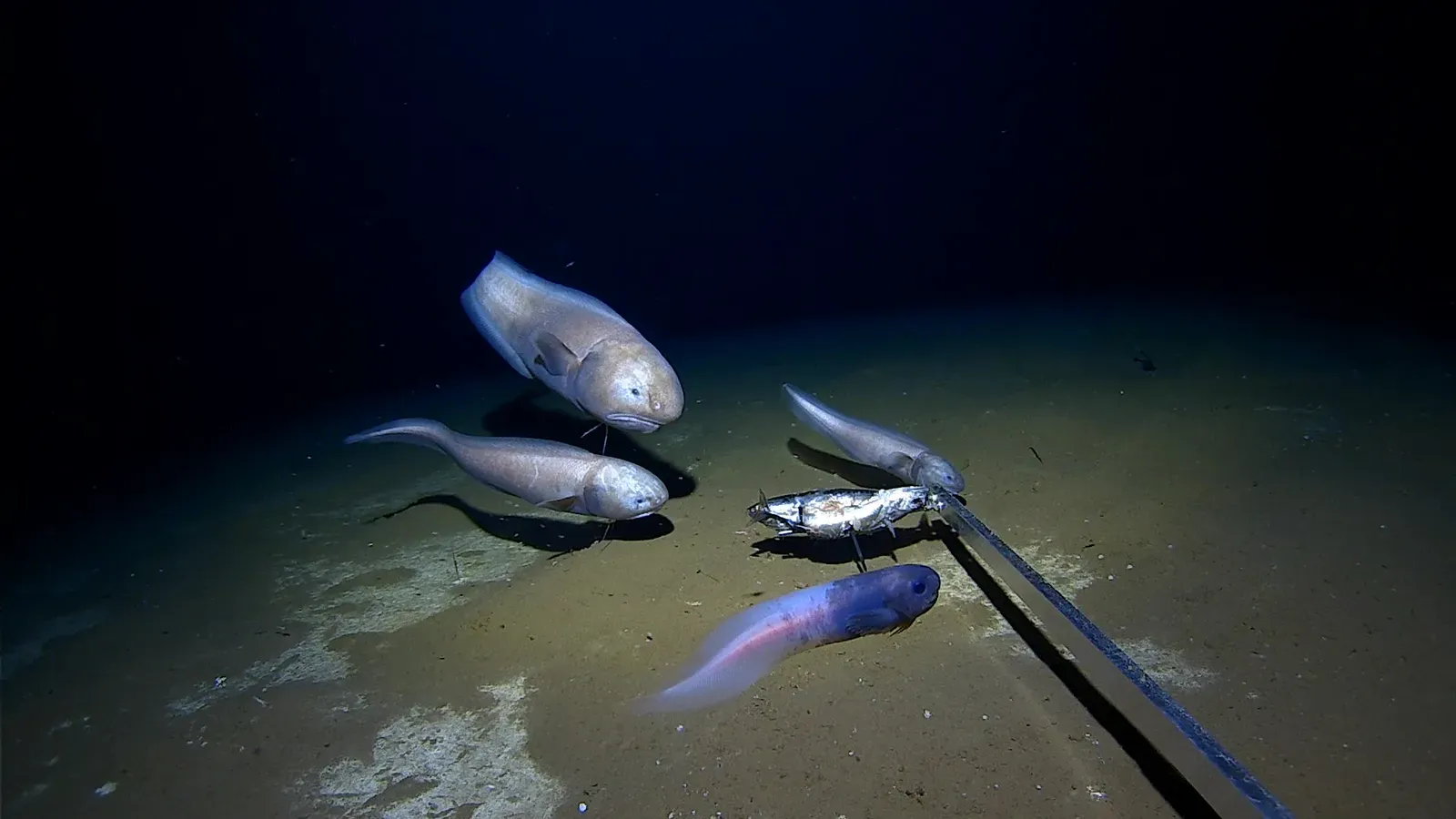
The deepest trenches on Earth, like the Mariana, reach depths where the pressure is more than a thousand times what you feel at the surface. For a long time, those zones were assumed to be nearly lifeless, too extreme for most animals to cope. Then cameras and landers started sending back footage of snailfish, amphipods, and other organisms going about their business on the trench floor as if nothing were out of the ordinary.
These hadal creatures carry biochemistry tuned for ridiculous pressure, with flexible membranes and proteins that do not collapse under the weight. You, on the other hand, would be crushed long before getting close. The fact that vertebrates and invertebrates have both colonized this realm means evolution has solved problems you barely know how to describe. It feels like finding a thriving town at the bottom of the deepest mine you ever dug, where you expected absolute silence.
19. Marine Viruses Outnumbering Everything Else
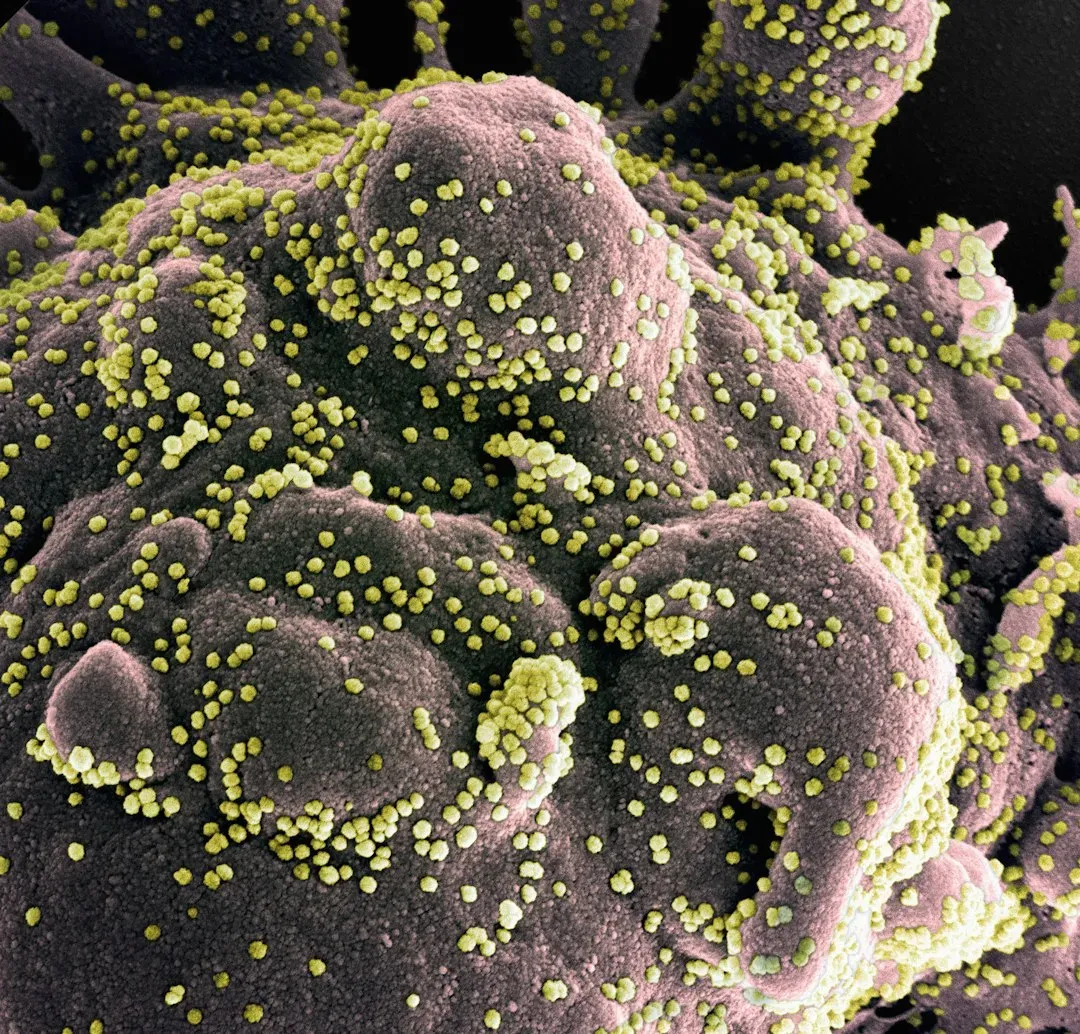
When you think of life in the ocean, you might picture whales, fish, and corals, but the most abundant biological entities there are actually viruses. In a single liter of seawater, you can find millions of them, infecting bacteria, plankton, and sometimes larger organisms. You cannot see them with the naked eye, yet they constantly shape who lives, who dies, and how nutrients and carbon move through marine food webs.
The scale of this viral world is so extreme it feels like it should not be real: countless tiny packets of genetic material silently rewriting the rules for entire ecosystems. Without them, some microbial populations would explode, and others would disappear, changing the balance of oxygen production and carbon storage in the sea. You are forced to accept that most of the action in the ocean happens at a scale you never directly perceive. It is like discovering that an invisible stock market controls your entire neighborhood’s economy.
20. Bioluminescent Light Shows in the Open Ocean
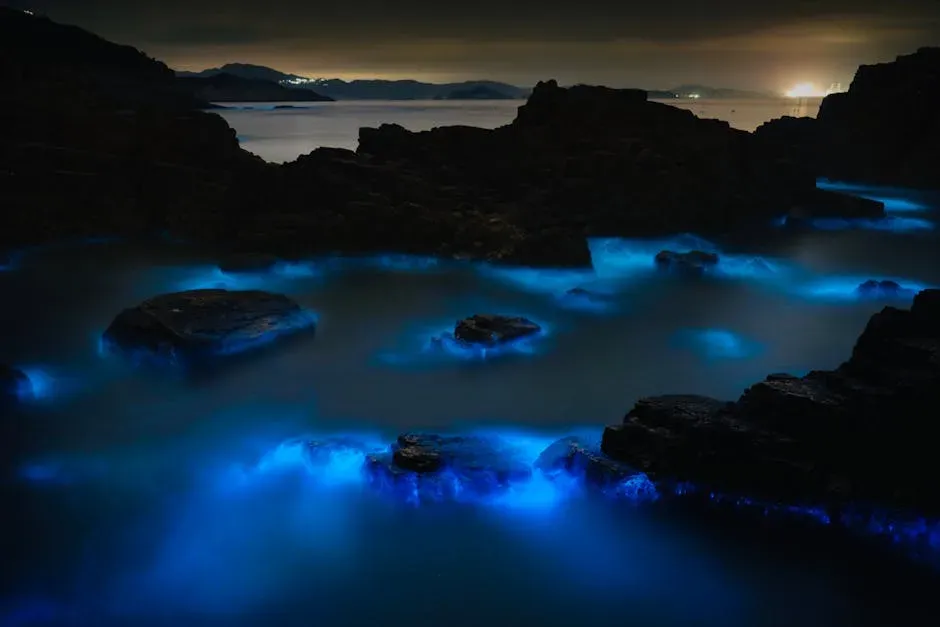
If you have ever seen waves glowing at night, you have only glimpsed a fraction of what bioluminescence does under the surface. In the midwater and deep sea, many animals – from tiny plankton to large squid and fish – produce their own light. They use it to attract mates, lure prey, confuse predators, or camouflage themselves by matching the weak glow from above, turning their bodies into living lanterns and decoys.
From a physics standpoint, you know light needs energy, and you do not expect such elaborate displays in places with so little food. Yet bioluminescence is so common that if you could suddenly see it all at once, large swaths of the open ocean would look like a city at night, with blinking signals and slowly drifting glows. The idea that the planet’s largest habitat is also home to the largest, constant light show – almost entirely hidden from human eyes – feels like a quiet violation of your sense of scale. You live on a glowing world and barely see it.
21. Human Artifacts in the Deepest, Supposedly Untouched Places
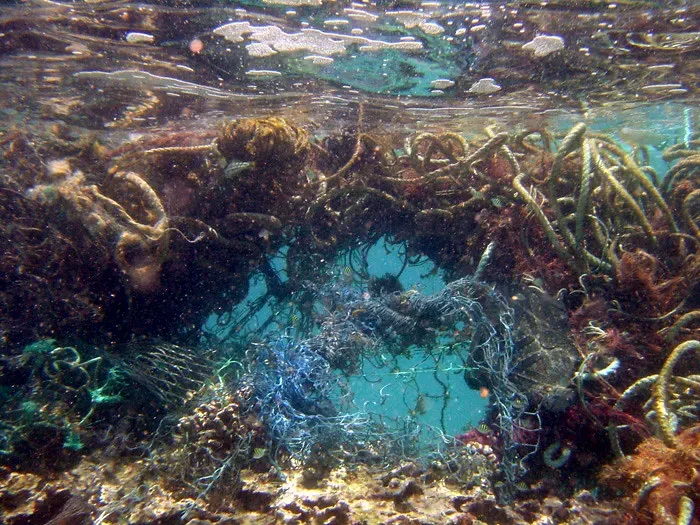
Perhaps the most depressing “impossible” find in the ocean is how far down you can go and still spot evidence of yourself. Explorers in some of the deepest trenches have reported plastic bags, candy wrappers, and other debris lying on the sediment, in places where no diver has ever physically been. Even in remote, cold, high-latitude waters, instruments and cameras often capture fishing gear, bottles, or fragments of synthetic materials tangled around rocks and animals.
You might have imagined that the very deepest spots on Earth were beyond your reach in any practical sense, but your waste got there anyway, carried by currents and gravity. This flips the usual narrative: instead of strange natural phenomena breaking your rules, it is your own behavior breaking the unwritten rule that wild places should remain wild. The ocean has become a mirror that reflects not just your curiosity and ingenuity, but also your carelessness. Once you see that, it becomes much harder to pretend the problem is somewhere else.
Conclusion: The Ocean Is Stranger – and More Honest – Than You Think
When you pull all of these discoveries together, a pattern becomes impossible to ignore: the ocean keeps revealing things that do not fit the neat diagrams you saw in school. Creatures shrugging off pressure and cold, chemistry that makes ice burn and lakes form under water, sounds you cannot explain, and trash showing up where you swore humans had no business leaving a mark. Every one of these finds is a quiet correction to your confidence about how the world is supposed to work.
If there is a lesson for you here, it is that humility is not optional around the sea. The more you look, the more you realize that “shouldn’t exist according to science” usually just means “science had not caught up yet” – or, in the case of your pollution, “science had not fully counted the cost.” The ocean is not just a backdrop; it is an active, surprising character in the story of your planet. Knowing that, what do you think you are most likely still missing beneath the waves right now?