Every now and then, history pulls a vanishing act. An ancient object is found, scholars crowd around it, tests are done, papers are written… and then, somehow, the very thing that caused all the excitement slips out of sight. Sometimes it is locked away in private hands, sometimes war or disaster intervenes, and sometimes the trail just goes cold with a frustrating whisper instead of a bang.
What makes these disappearances so unsettling is that they rarely feel dramatic in the moment. Often, there is no grand heist, no cinematic chase, just a quiet transfer, a dusty storeroom, or a political upheaval that nobody realized would matter so much. You can almost feel the weight of all the questions that will now never be answered. As someone who has spent far too many late nights falling down rabbit holes of missing manuscripts, lost relics, and untraceable “one last mentions” in old catalogues, I can tell you: once you start looking at these cases, it is very hard to stop. Let’s walk through some of the most haunting examples.
#1 The Ark of the Covenant
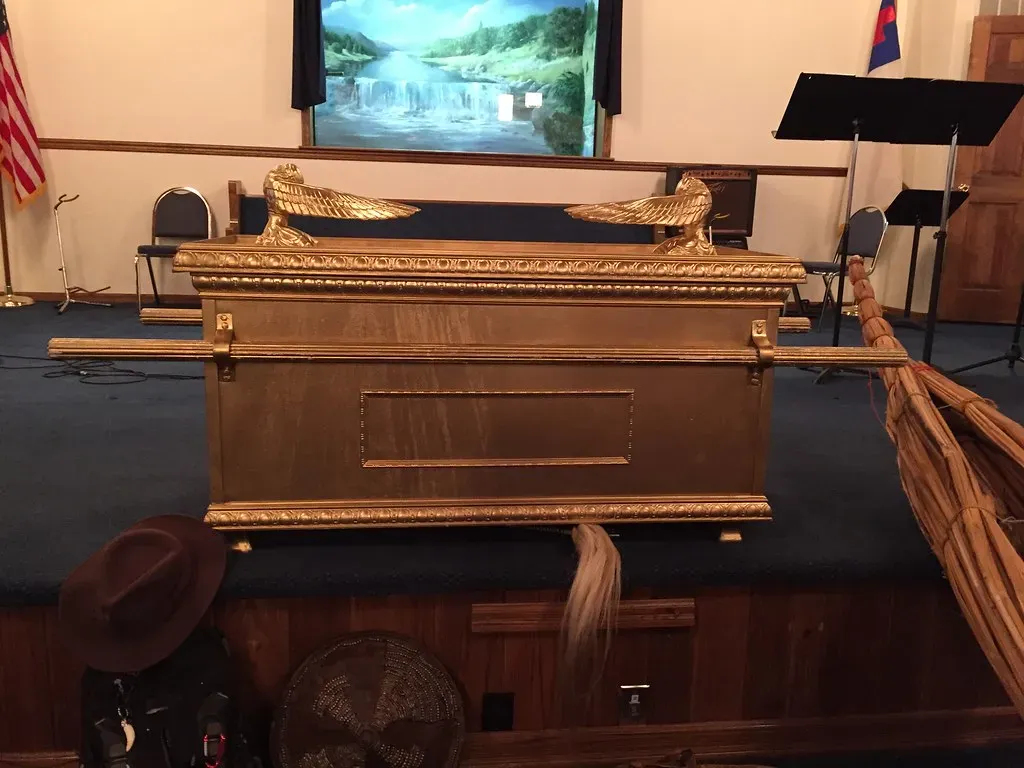
Few missing artifacts have captured more imagination than the Ark of the Covenant, the sacred chest described in biblical texts as holding the tablets of the law. Historically, it likely stood at the heart of the First Temple in Jerusalem and was central to ancient Israelite religion. Then, after a certain point in the biblical narrative, it simply stops being mentioned, even as the stories go on in detail about other temple objects and rituals.
Modern scholars have studied every line of surviving texts, combed through later traditions, and even looked to Ethiopian and other claims that a physical ark still exists somewhere today. Yet there is no agreed archaeological trace of the original chest, no fragment that can confidently be tied to it. After centuries of intense religious and historical scrutiny, the Ark has effectively become an absence – a once-central object that is now defined more by speculation than by physical reality.
#2 The Amber Room of Tsarskoe Selo

The Amber Room was an entire chamber decorated with carved amber panels, gold leaf, and mirrors in the Russian imperial palace at Tsarskoe Selo, near Saint Petersburg. Eighteenth- and nineteenth‑century observers described it in almost breathless terms, and early twentieth‑century conservators began carefully documenting and restoring parts of it. That attention turned out to be both a blessing and a curse.
During the Second World War, German forces dismantled the room and installed it in Königsberg. Researchers knew where it had gone, and wartime photographs and reports exist. But as the war closed in, the Amber Room was crated up again – and then just disappeared amid bombing, fires, and chaotic evacuations. Decades of postwar investigations have uncovered hints, rumors, and possibly faked leads, but no widely accepted recovery of the original panels. What survives on display in Russia today is a painstaking modern reconstruction, not the artifact that vanished after having been so intensively documented.
#3 The Library of Ivan the Terrible (The Lost “Liberea”)
For centuries, Russian chronicles and later scholars have talked about a legendary library assembled by Ivan IV, better known as Ivan the Terrible. The story holds that he inherited or acquired rare Greek and Latin manuscripts, along with older Slavic works, and that these volumes were at least partially examined by court scholars. The idea that such a collection once sat under the Kremlin has been irresistible to historians because it would radically deepen our knowledge of the medieval intellectual world.
Yet after Ivan’s death in the sixteenth century, the trail goes cold. Later rulers ordered searches based on old notes and hints, and modern archaeologists have tried to trace mentions in archival documents. No one has produced a set of books that can be definitively tied to the fabled library. It is entirely possible that the manuscripts were quietly dispersed, destroyed, or simply rotted away in damp basements while people argued about whether the library was even real. The result is a strange half‑existence: a “studied” collection without surviving, identified objects.
#4 The Florentine Diamond’s Vanishing Companion Gems

The Florentine Diamond, a large yellow gemstone once part of the Habsburg imperial collection, vanished after the First World War, probably slipping into private hands. Less talked about are several companion gems and jeweled settings that were studied in court inventories and by early gemologists, then later separated and lost track of. These objects were measured, described, and sometimes sketched, yet their physical fate remains uncertain.
When you read old descriptions, you can see how carefully early experts tried to capture every facet, literally and metaphorically. They noted color, cut, inscriptions, even small flaws. But diamonds and settings are portable, valuable, and easy to recut or remount. In unstable political times, that made them extremely vulnerable. Somewhere out there, pieces that once sat beside the famous stone may still exist, transformed beyond recognition, while the archival records have become ghosts pointing to jewels that no museum can now match to an actual object.
#5 The London Hammer (An “Out‑of‑Place” Curiosity)
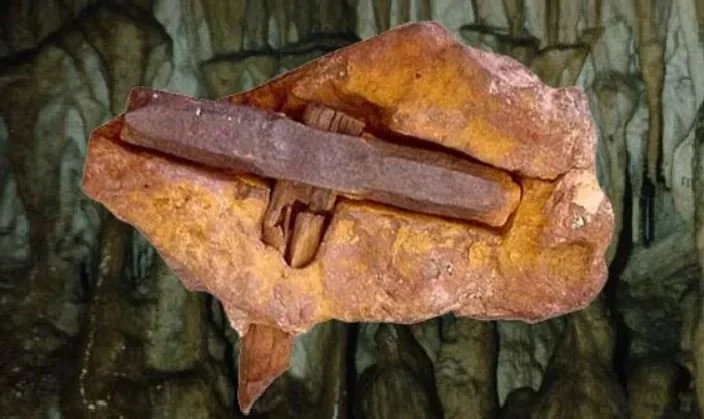
The so‑called London Hammer, found near London, Texas in the twentieth century, became famous in fringe circles as an alleged “out‑of‑place artifact.” It is an iron hammer encased in a concretion of ancient rock, and for a time it drew intense curiosity. Creationist writers eagerly discussed it, skeptics responded, and various researchers examined the object and its context to understand what it really was.
More conventional geological explanations – such as a modern tool becoming embedded in a relatively recent concretion of minerals – gradually undercut the more sensational claims. At the same time, the hammer’s accessibility declined. It ended up in private hands tied to a small creationist museum and has not been widely available for independent testing. The result is ironic: the more attention the object attracted, the less open it became to standard scientific scrutiny, effectively “disappearing” from mainstream research even while it still physically exists.
#6 The Missing Panels of the Ghent Altarpiece
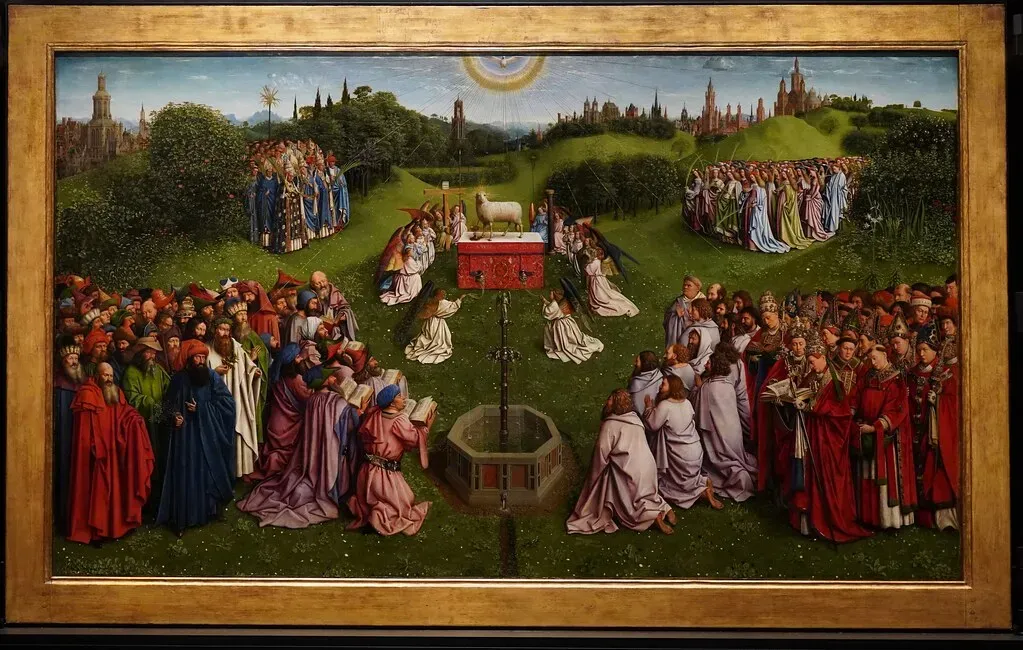
The Ghent Altarpiece, painted by the Van Eyck brothers, is one of the most studied artworks on the planet. Art historians, conservators, and even crime investigators have poured over it for more than a century. Yet one panel, often referred to as “The Just Judges,” was stolen in the 1930s and has not been recovered, despite confession letters, clues, and a full century of chasing leads.
In a strange twist, scholars continue to study the missing panel through black‑and‑white photos, copies, and stylistic analysis. A modern replica now fills the gap in the altarpiece, so casual visitors see a complete work. But the original panel – the paint, the wood, the microscopic traces that could have revealed more about the working methods of the Van Eyck workshop – is gone. An object that was extraordinarily well documented simply moved from being central in scholarship to becoming a permanent question mark.
#7 The Original Dead Sea Scrolls in Fragmented Limbo
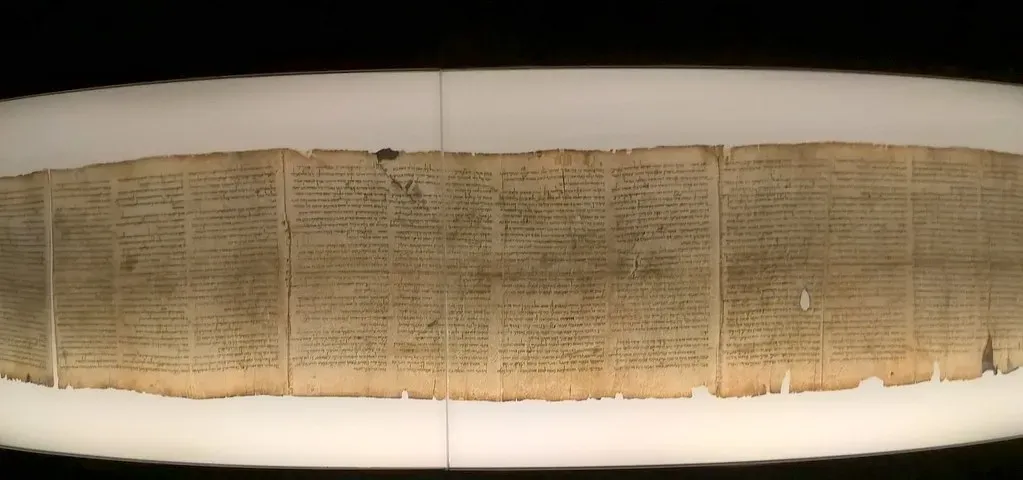
When the Dead Sea Scrolls were first brought to scholarly attention in the mid‑twentieth century, researchers rushed to acquire, photograph, and study the fragile parchments and papyri. Many of the major scrolls ended up in institutional collections and are secure today, but a long tail of tiny fragments, especially those traded on the antiquities market more recently, has a murkier story. Some were briefly examined and even published, only to be reclassified as forgeries; others simply vanished back into private collections or disappeared from view.
This creates an odd landscape where the “corpus” of scrolls is at once well known and strangely porous. Scholars work with what they can access, but they are painfully aware that early descriptions, photographs, and notes may represent pieces that no longer have a traceable physical counterpart. In some cases, the only evidence that a particular fragment existed at all is a publication based on a short‑lived access to the object before it slipped back behind the curtain of the market.
#8 The Mahogany Ship of Australia’s Coast
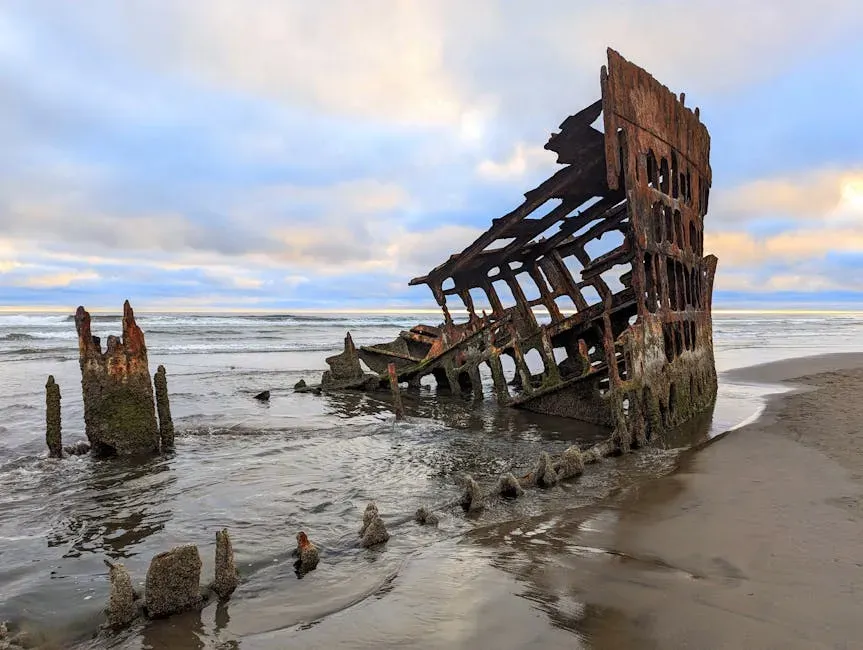
Along the coast of Victoria, Australia, reports going back to the nineteenth century describe an old wreck made of dark hardwood – nicknamed the Mahogany Ship – partially buried in the dunes. Local settlers, surveyors, and a few curious researchers supposedly examined parts of its structure and took note of its unusual timbers, which looked unlike the materials used in British or local shipbuilding. Some even speculated about a much earlier European or Asian voyage.
Despite those early descriptions and scattered recollections, the wreck itself has not been reliably relocated in modern times. Shifting sand dunes, coastal erosion, and urban development have changed the landscape dramatically. Archaeologists have conducted surveys and proposed various sites, but nothing conclusive has emerged. So we are left with a paradoxical artifact: studied just enough to spark one of Australia’s longest‑running historical debates, and then quietly swallowed by the environment before thorough scientific study could take place.
#9 The Baghdad “Battery” Jars
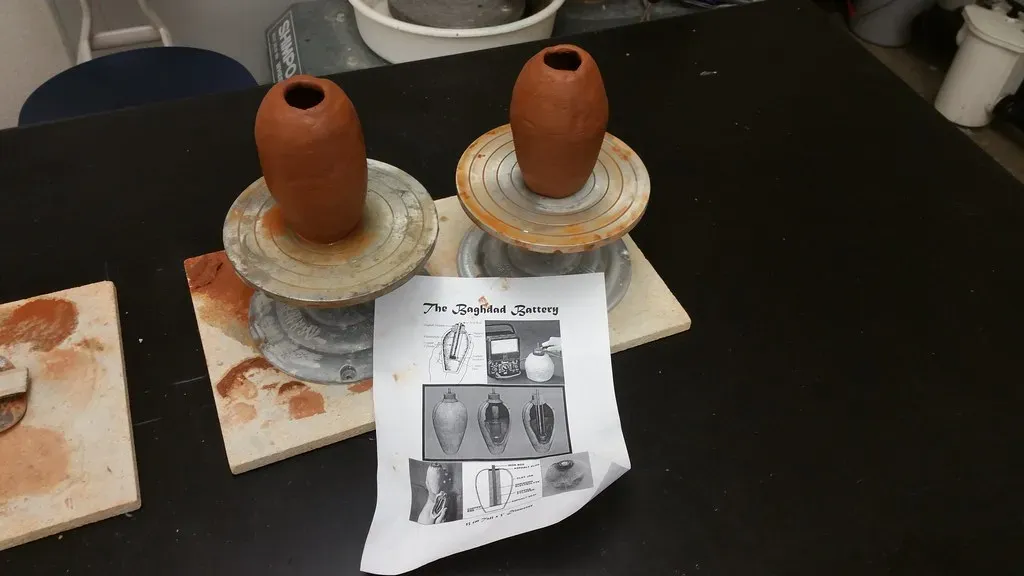
The so‑called Baghdad batteries – small ceramic jars with metal components found near Baghdad – have long fascinated people because some researchers once suggested they might have been used for early electrochemical experiments. Others have countered that they were more likely simple containers or ritual objects. For a time, the artifacts were physically available in Iraqi museum collections, where scholars examined and debated them.
Decades of political turmoil, looting, and damage to cultural institutions in Iraq have complicated the trail of these and many other artifacts. Some reported examples of the jars are now difficult to trace with certainty. Catalogues, old photographs, and earlier studies are still available, but the ability to re‑examine every referenced piece under controlled conditions is often gone. As with many objects in conflict zones, the Baghdad jars illustrate how an artifact can move from a research puzzle to an archival ghost because the institutions around it collapse.
#10 The Missing Pieces of the Antikythera Shipwreck
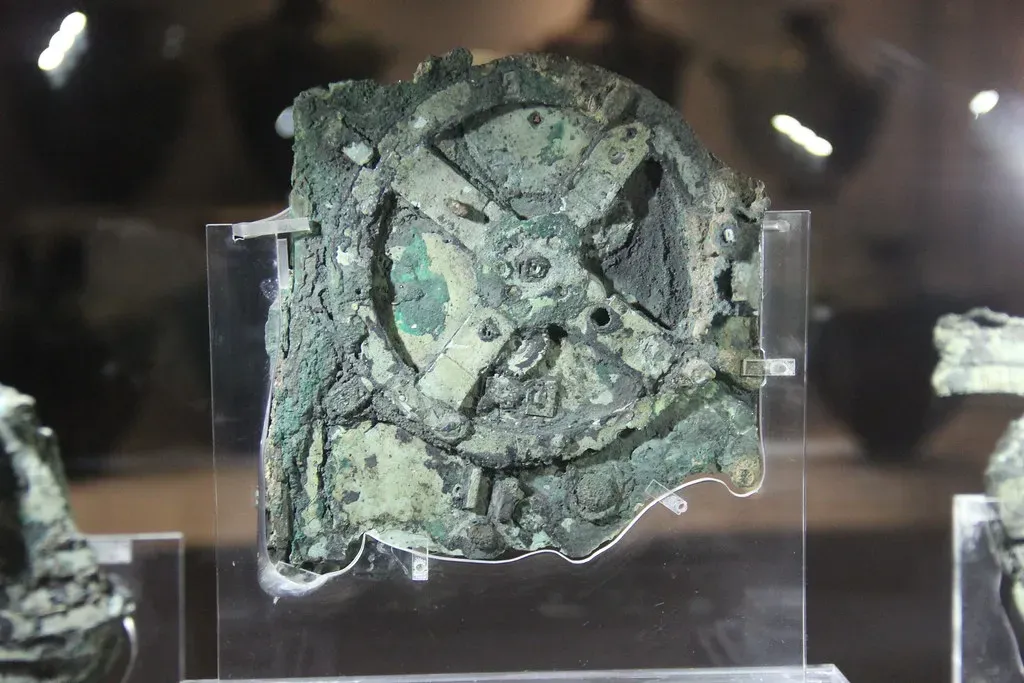
The Antikythera mechanism, pulled from a Roman‑era shipwreck off the Greek island of Antikythera, has rightly become world‑famous as a complex ancient geared device. But the original salvage work in the early twentieth century also brought up numerous other objects – statues, fragments of wood, lumps of corroded metal – that were briefly examined, roughly described, and sometimes set aside as less interesting. Over time, some smaller, less glamorous fragments have been misplaced, discarded, or remain unlocated in storerooms.
Modern underwater archaeology and advanced imaging techniques have led researchers back to the site, where they have found additional pieces and recontextualized earlier finds. Yet there is a lingering sense that parts of the original haul, recorded in early reports, no longer match up neatly to physical items we can point to today. Those missing odds and ends could easily have held clues to the full cargo, the crew, or even additional components of the mechanism. In that way, they have “disappeared” at exactly the moment when our tools for understanding them are finally catching up.
#11 The “Priam’s Treasure” Hoard in Transit
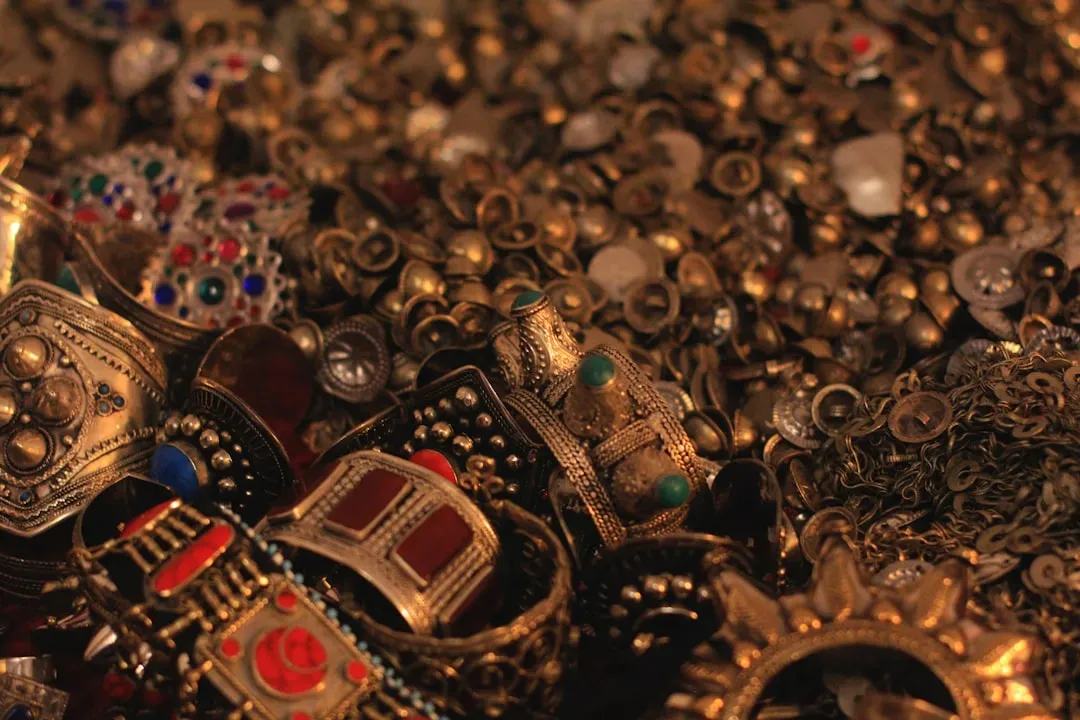
In the nineteenth century, Heinrich Schliemann announced the discovery of a spectacular gold hoard at what he believed was ancient Troy and dubbed it “Priam’s Treasure.” He photographed, catalogued, and selectively shared the pieces with museums and scholars. The hoard quickly became both a scientific and political object, caught up in debates over ownership, authenticity, and the very identification of Troy.
In the twentieth century, parts of the collection moved repeatedly through wars and diplomatic shifts. Some elements disappeared after being taken to Germany and then again after the Second World War, later resurfacing in other countries, while others remain unaccounted for. Researchers today rely heavily on Schliemann’s records, old displays, and early descriptions to reconstruct a set that no longer fully exists in one place, and may never again be studyable as a coherent find. The hoard has effectively fragmented into stories about itself.
#12 The Lost Etruscan Gold Tablets of Pyrgi’s Peers
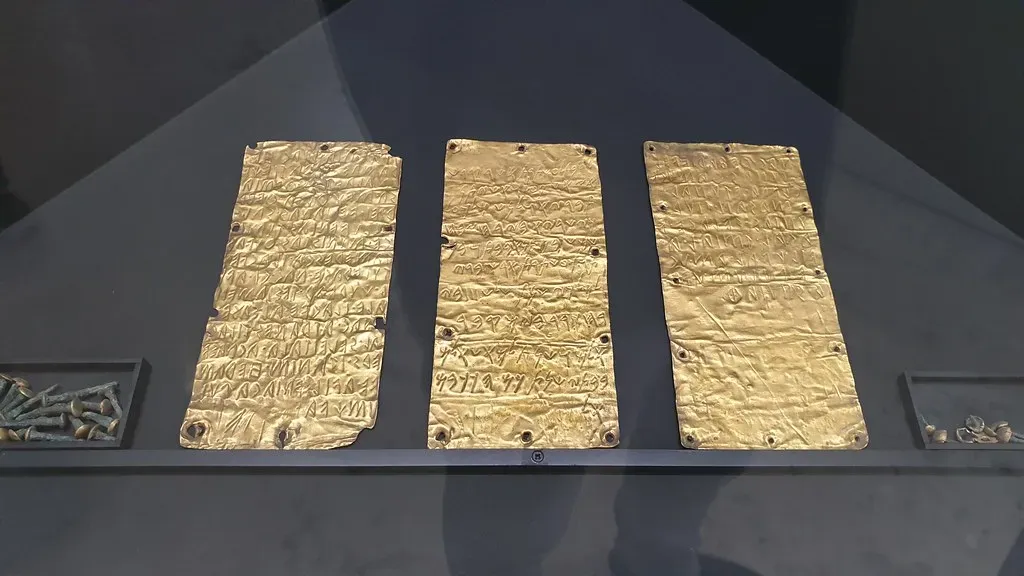
In Italy, the discovery of inscribed gold tablets at Pyrgi in the 1960s was a landmark moment for understanding the Etruscan language and its interaction with neighboring cultures. These particular tablets are secure in a museum today. But their fame has cast a shadow over other, less well‑documented Etruscan inscribed gold pieces that surfaced in earlier eras and were briefly studied before being lost, melted down, or absorbed into private collections.
Early epigraphers sometimes had only short‑term access to these items, making rubbings, sketches, or transcriptions before the objects moved on. The result is a small group of inscriptions that exist today mostly on paper, without surviving metal to test or re‑evaluate. Language scholars now have far more sophisticated methods for analyzing scripts and alloys, but those vanished tablets remain stuck in the scholarly record as tantalizing, yet unverifiable, waypoints in the study of Etruscan writing.
#13 The Shroud‑Like Relics That Never Reappeared
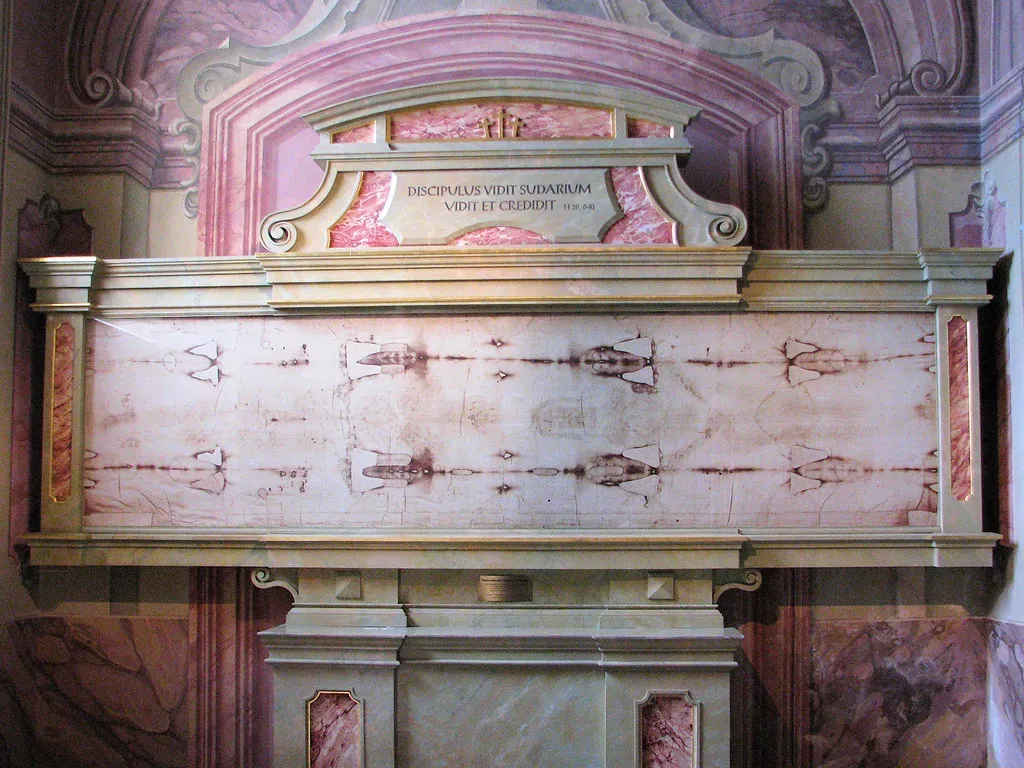
The Shroud of Turin is only the most famous of several medieval cloth relics linked to the image of Christ. In earlier centuries, there were reports and even brief studies of other shroud‑like linens, some claimed to bear faint images or bloodstains. A few were examined by church officials and early historians, catalogued among relic collections, and then lost in fires, wars, or reorganizations of religious houses.
Modern science has focused intense scrutiny on the surviving Shroud, but the disappeared pieces are often only names in old inventories or paragraphs in obscure devotional works. Because the physical cloth no longer exists, it is impossible to know whether they were simple devotional textiles, deliberate copies, or independent objects with their own complex histories. They are a quiet reminder that what looks, today, like a uniquely controversial object may once have been part of a broader and now largely vanished category.
#14 The “Mahdist” Manuscripts Removed from Sudan
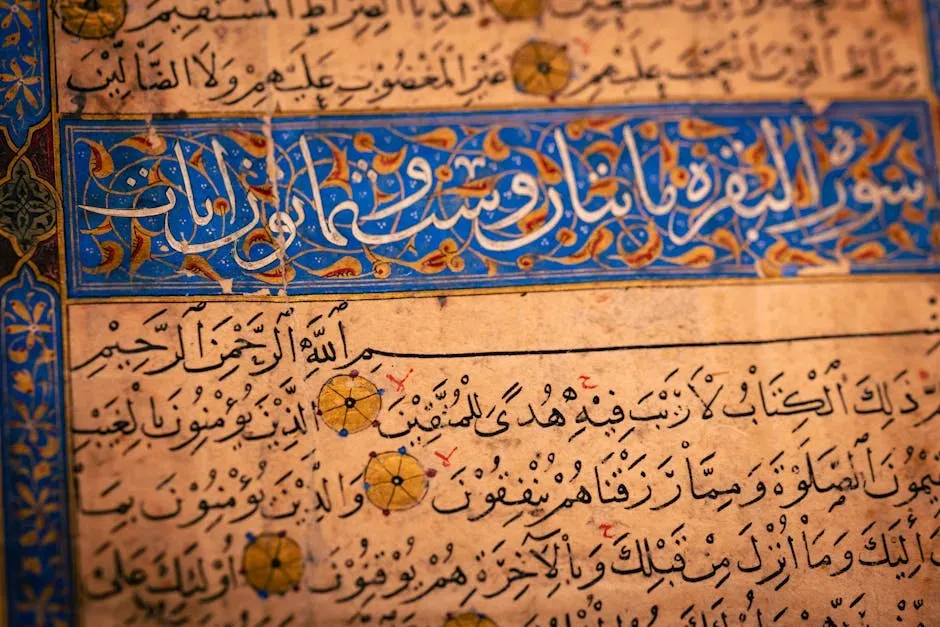
During the late nineteenth‑century conflicts in Sudan, European forces captured religious and political manuscripts associated with the Mahdist state. Some of these documents were studied by colonial officials, Orientalist scholars, and military intelligence analysts who were eager to understand the movement’s ideology. Reports mention specific volumes, letters, and compilations that passed through their hands.
Over time, though, the paper trail becomes confusing. Some manuscripts entered European libraries and can still be traced, but others seem to have been quietly dispersed, damaged, or left in poorly documented private collections. For historians of Sudanese and Islamic intellectual history, this is a significant loss. An entire slice of written tradition was temporarily “visible” through the notes of outside observers, only to retreat again into a fog of uncertain location and incomplete cataloguing.
#15 The Vanished Relics of the Temple of Artemis at Ephesus
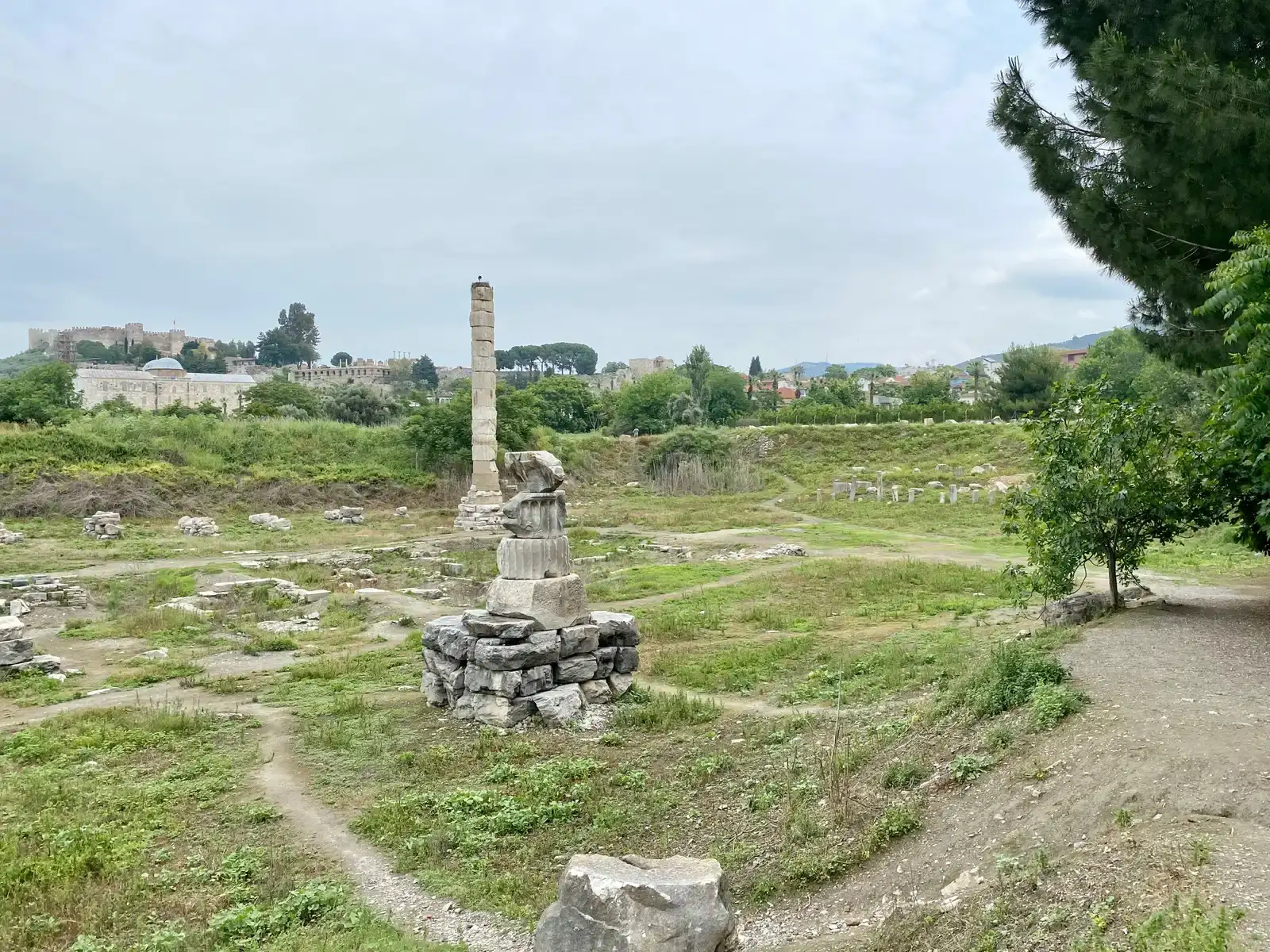
The Temple of Artemis at Ephesus, one of the ancient world’s great monuments, was looted and destroyed multiple times over the centuries. Early modern travelers, antiquarians, and archaeologists reported seeing carved fragments, column drums, and sculptural pieces reused in local buildings or lying in fields. Some of these were sketched and compared, and a few made their way to major museums, where they could be studied more systematically.
Yet many of the fragments noted in nineteenth‑century reports cannot be confidently identified today. They may have been ground down for lime, reused again in later construction, or lost during urban expansion. In a sense, the temple has been repeatedly “rediscovered” through excavation and scholarship, while individual stones quietly drop out of the record. It is a piecemeal disappearance, visible only when you compare old drawings with what is physically left to examine now.
#16 The Missing Oracular Bones Beyond the Main Oracle Bone Corpus
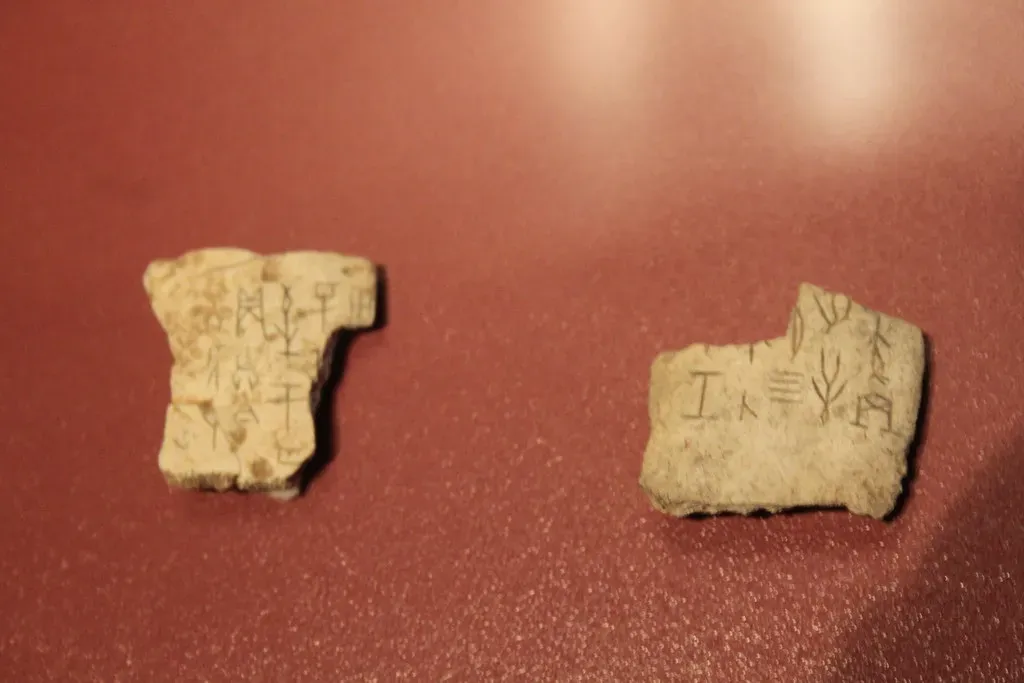
China’s oracle bones – inscribed animal bones and turtle shells from the late Shang dynasty – revolutionized our understanding of early Chinese writing. Once scholars recognized their significance in the early twentieth century, they were collected, studied, and published, building up a core corpus that is now the foundation of a whole field. But some of the earliest finds passed through antiquities dealers and private collectors before institutions fully grasped their importance.
Those early pieces were at least partially studied: characters copied down, cracks annotated, interpretations attempted. In the process, some bones were sold abroad, lost in private estates, or simply never properly registered. Today, specialists know from older publications that certain inscriptions once existed on particular bones, but the underlying artifacts are no longer accessible. As methods such as high‑resolution imaging or residue analysis become more powerful, the absence of those early, half‑documented pieces is felt more acutely.
#17 The Disappearing Stone Discs and Figurines of Central America
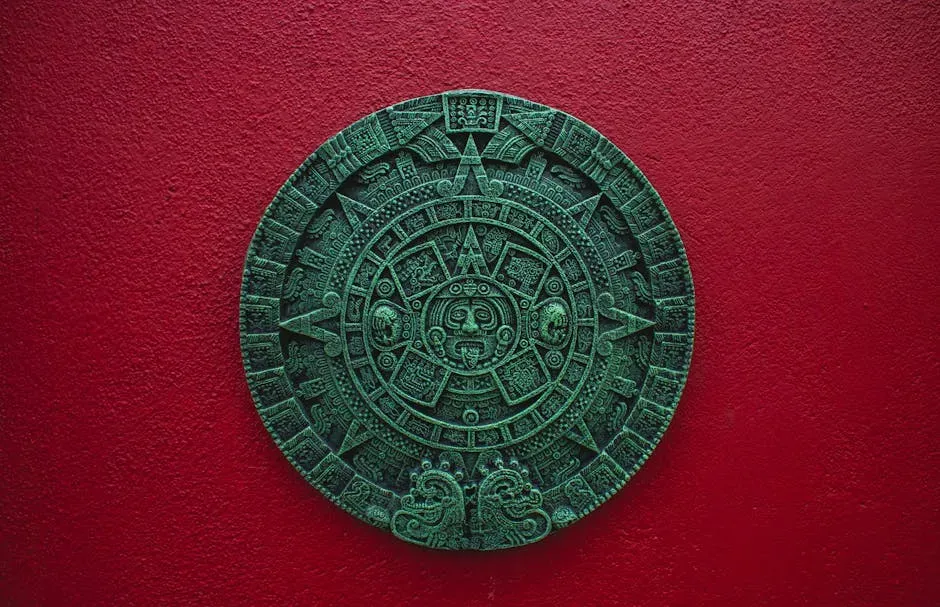
Throughout Central America, the late nineteenth and early twentieth centuries saw a wave of collecting by foreign expeditions and local elites. Stone discs, carved figurines, and ritual objects were dug up, briefly examined by visiting archaeologists, and then scattered into private homes or small regional collections. Some were written up in early survey reports with crude drawings and minimal description, serving as stepping stones in the development of Mesoamerican archaeology.
As the discipline professionalized, researchers tried to relocate these “type” objects to confirm dates, iconography, and cultural context. Many simply could not be found. They had been gifted away, sold, or lost in poorly maintained storerooms. Today, we reconstruct them through old black‑and‑white photographs and line drawings, knowing full well that modern analytical techniques would extract a wealth of information from the original stone. Instead, those artifacts now live as shadows in the literature.
#18 The Vanished Fossil Hominin Fragments from Early Digs
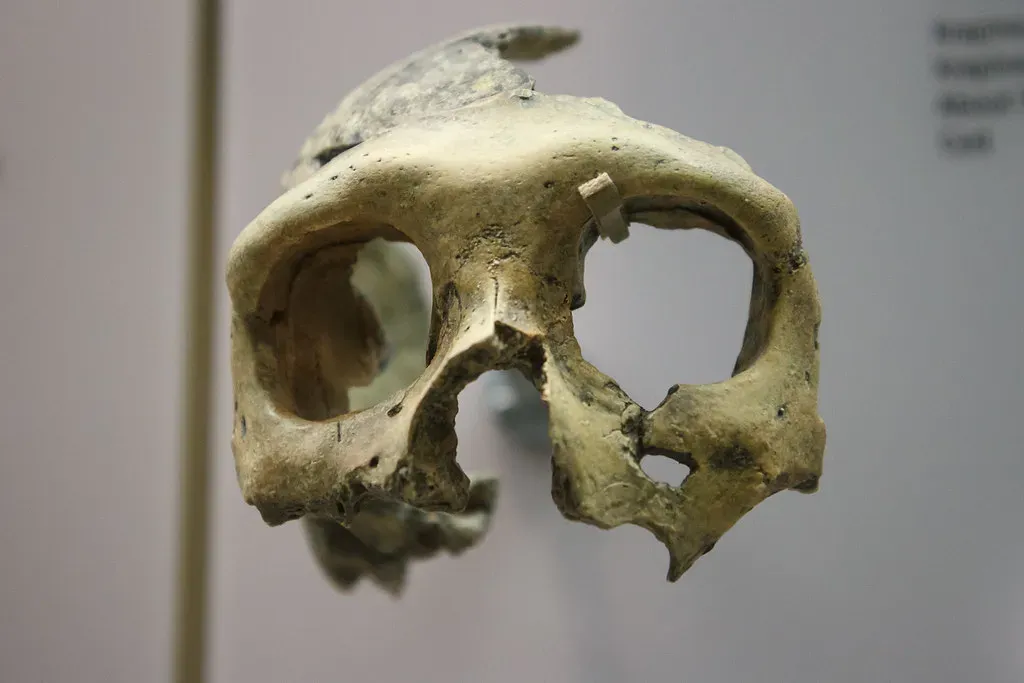
In human evolution research, some of the most contentious debates revolve around early discoveries made before careful field methods were standard. Digs at places like Java, Zhoukoudian, and parts of Africa produced fossil hominin remains that were described, measured, and sometimes illustrated, then packed into crates and sent to institutions that later experienced war, fire, or administrative upheaval. In several cases, key bones and skull fragments later went missing.
Researchers today often rely on casts, photographs, and original measurement notes. These records are better than nothing, but they limit what can be tested. We cannot run new isotopic studies on a cast, nor examine micro‑wear under modern microscopes. The bones were “known” to science just long enough to shape crucial theories about human origins, then disappeared from circulation at the very moment when our tools for testing those theories improved.
#19 The Disappeared Relics of Early Polar Expeditions

Polar exploration in the nineteenth and early twentieth centuries left behind camps, cairns, personal objects, and improvised markers. As rescue missions and later expeditions retraced these routes, they found and studied many of these items: journals, bits of clothing, cooking gear, even makeshift scientific instruments. Some artifacts were carefully collected, but others were briefly examined, noted in reports, and then left in place or stored in ad hoc ways.
Over time, ice movement, thawing permafrost, and environmental change have altered these landscapes. Artifacts that were once seen by early search parties or visiting scientists are no longer where they were recorded, and in some cases may have broken down entirely. The combination of harsh conditions and limited early conservation means that what was once a usable archaeological record has partly slipped away, despite early documentation efforts.
#20 The Vanishing Ritual Bundles of the Andes

In the Andean regions of South America, colonial officials and later anthropologists encountered indigenous ritual bundles – carefully wrapped collections of sacred objects, feathers, stones, and textiles. A few were opened and described in detail, sometimes with an almost clinical curiosity. Researchers noted the layering of objects, the use of particular dyes, and the inclusion of pre‑Hispanic items in post‑conquest ritual contexts.
Many of these bundles, however, were then confiscated, burned, or locked away in church or military archives that were poorly inventoried. Others may have been rewrapped and reburied. Today, we know from those early accounts that unique combinations of objects once existed, blending eras and belief systems in ways that would fascinate modern scholars of religion and material culture. Instead, we are left piecing together their significance from secondhand descriptions written by observers who rarely understood the system they were dismantling.
#21 The Quietly Lost Pieces from Early Radiocarbon Collections

When radiocarbon dating was developed in the mid‑twentieth century, it revolutionized archaeology and history. Researchers sent wood, charcoal, bone, and textile samples from all over the world to a few pioneering laboratories. Those labs documented, processed, and sometimes kept small reference portions of material. Over the decades, as methods were refined and institutions reorganized, some of those original physical reference pieces were discarded or misplaced, even as their dates continued to be cited.
For most purposes, the published radiocarbon results are enough. But occasionally, scientists would love to go back to a specific sample, remeasure it with improved techniques, or run additional tests for contaminants. In those moments, the quiet disappearance of the underlying material becomes a real obstacle. An object that once sat, weighed and labelled in a lab drawer – having already transformed a site’s chronology – has simply slipped through the cracks of everyday institutional housekeeping.
Conclusion: What These Disappearances Really Tell Us
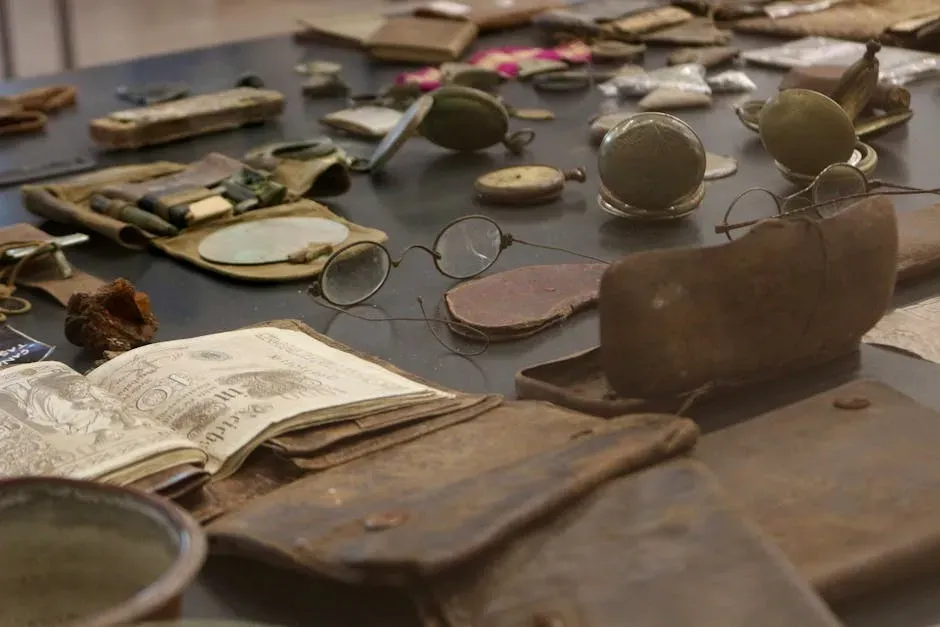
Looking across these stories, a pattern emerges that is more sobering than sensational. Most of these artifacts did not vanish in daring thefts or under cover of elaborate conspiracies. They disappeared in ways that feel painfully ordinary: poor cataloguing, political chaos, fragile materials, private hoarding, and the simple human tendency to underestimate what will matter to future generations. As someone who loves the feeling of seeing a real, tangible piece of the past, I find that more troubling than any movie‑style heist.
It is tempting to fill the gaps with dramatic theories, but the more responsible – and, in a way, more haunting – response is to admit how easily knowledge can evaporate even in the age of “scientific” study. Every time a crate is misplaced, a small museum is underfunded, or a private collector refuses access, history quietly narrows. The real mystery is not whether someone is hiding ultimate secrets from us, but whether we are willing to invest in the unglamorous work of preserving what we already have. When you think about it that way, which loss on this list surprised you the most?