
You were taught that 1492 is fixed, that the pyramids are 2600 BC, that Vikings showed up “around the year 1000.” Somewhere in a lab, though, a scientist quietly changed one of those numbers years ago – and nobody sent you a memo.
Archaeology doesn’t work like a history textbook. It works like a spreadsheet that gets edited in the background while the printed version stays on the shelf. Below are 21 dates that shifted – sometimes by decades, sometimes by tens of thousands of years – with almost no public announcement at all.
#21 – When Humans Really Reached the Americas
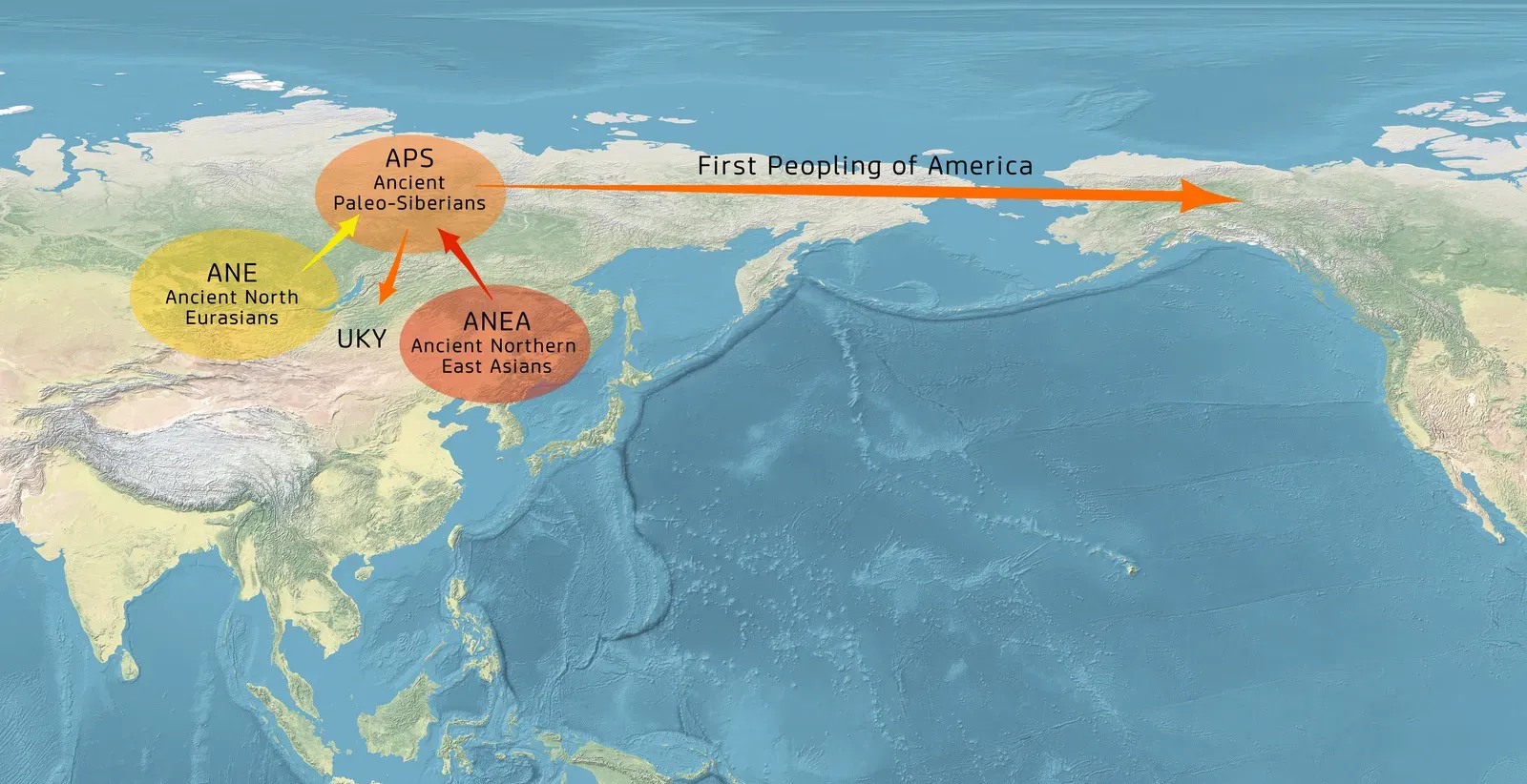
For most of the 20th century, “Clovis-first” was gospel: humans supposedly reached the Americas around 13,000 years ago, full stop. Textbooks printed it as fact for generations.
Then came Monte Verde in Chile and Page-Ladson in Florida. Radiocarbon dating and DNA work now put humans in the Americas at least 14,000 to 16,000 years ago, with contested evidence hinting at 20,000-plus. Nobody held a press conference to say “we were wrong” – the old date just quietly stopped being cited by anyone who reads the current literature.
#20 – Europe’s Cave Art Just Got Terrifyingly Old
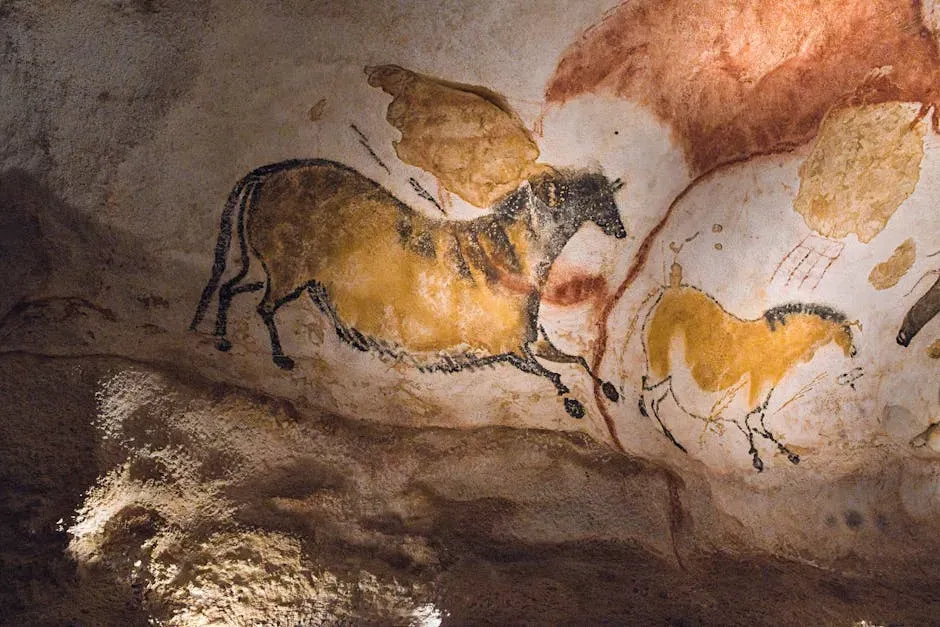
Ask anyone to name the world’s oldest cave art and they’ll say Lascaux or Chauvet. That answer is already out of date.
Improved uranium-thorium dating on the calcite crust over paintings in Spain suggests some hand stencils and red dots are over 64,000 years old – old enough that modern humans may not have made them at all. Museum placards have crept from “around 30,000 years old” to vague hedges like “possibly much older,” while most guidebooks and documentaries never got the update at all.
#19 – Göbekli Tepe Broke the Civilization Timeline
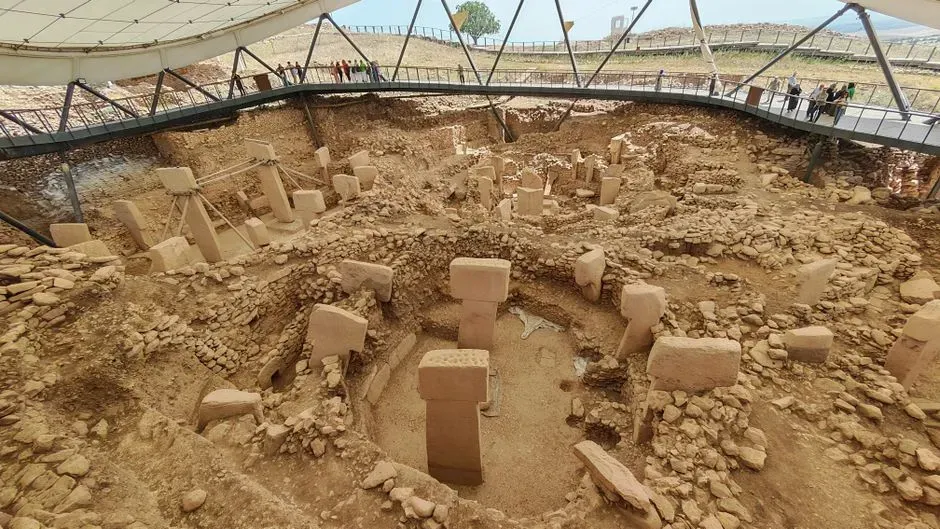
The old script was simple: farming came first, then surplus food, then temples. Göbekli Tepe in Turkey blew that sequence apart the moment refined radiocarbon dating placed its massive stone circles around 9600 to 8200 BC – right at the dawn of agriculture, not thousands of years after it.
That means large ritual gatherings may have organized people into settled life before farming took hold, not the other way around. Academic papers moved the date a full millennium earlier, but plenty of popular histories still credit later Mesopotamian cities with the “first temples” title.
Fast Facts
- Location: southeastern Turkey, near the city of Şanlıurfa
- Discovery: first noted in 1963, but not recognized as a major site until 1994, when archaeologist Klaus Schmidt began excavating
- Scale: at least 20 circular enclosures uncovered so far, with pillars standing over 5 meters tall and weighing up to 10 tons
- Legacy: predates Stonehenge by roughly 6,000 years and was named a UNESCO World Heritage Site in 2018
#18 – The Volcano That Rewrote the Bronze Age Clock

The eruption of Thera, near modern Santorini, was long pinned to 1500 BC – a date that fit neatly with Egyptian dynasty records and made everyone’s timeline feel tidy. Refined radiocarbon work on tree rings and short-lived plants has since clustered the real eruption date closer to 1620-1600 BC, a full century earlier.
That century isn’t a rounding error. It scrambles how Aegean pottery, Egyptian records, and Near Eastern chronologies line up with each other. Some labels and site reports were quietly updated; plenty of popular books still confidently print the old 1500 BC figure, treated by specialists as obsolete.
#17 – The Sphinx’s Age Isn’t What Guides Tell You
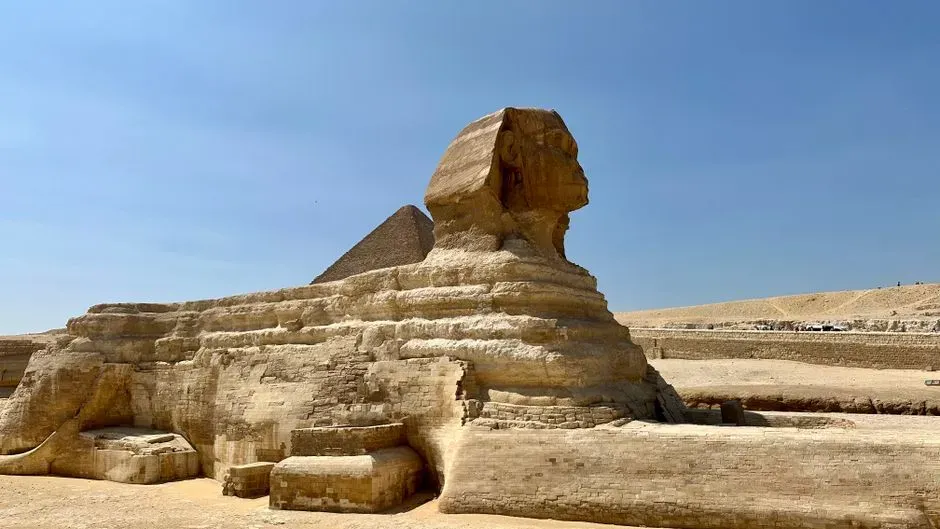
Pseudo-archaeology loves to claim the Great Sphinx is 10,000-plus years old. Mainstream Egyptology keeps it in the Old Kingdom, around 2500 BC, alongside Khafre’s pyramid – but the quiet correction here isn’t about wild age claims at all.
Weathering studies, tool marks, and quarry analysis increasingly suggest a longer, phased construction and recarving history stretching over centuries, not a single building event. Tour scripts still say “built by Khafre, circa 2500 BC,” while technical reports hedge with broader, messier ranges.
#16 – Jericho Loses Its “Oldest City” Crown
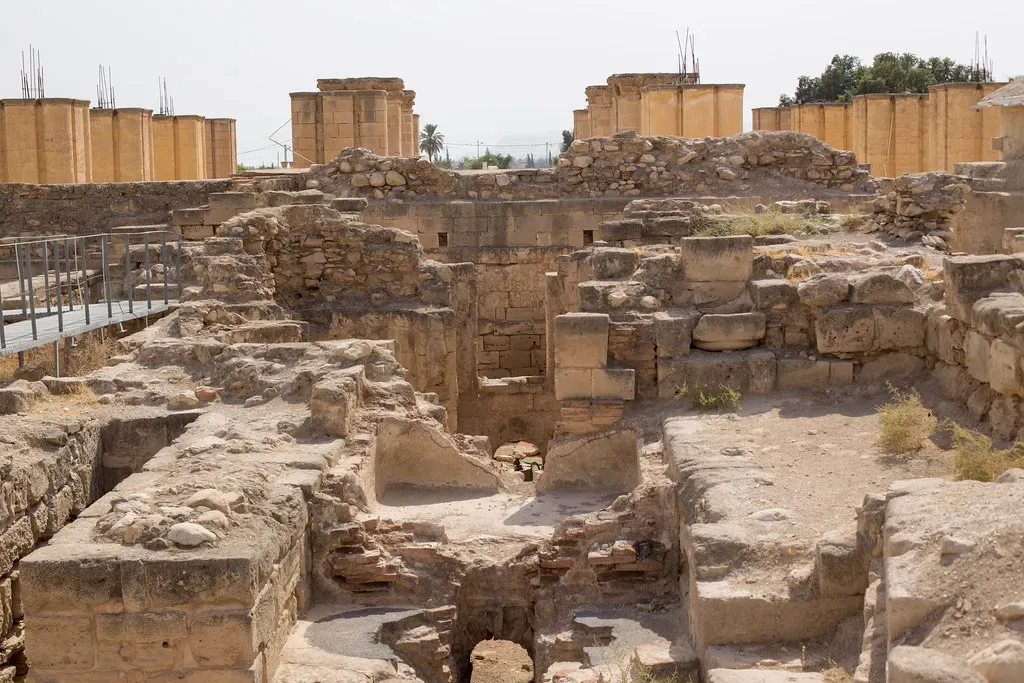
For decades, Jericho was the textbook answer to “what’s the world’s oldest city,” often tied to dramatic early radiocarbon dates near 9,000 BC. As dating methods improved, some of those ultra-early layers were reinterpreted and pushed into later centuries.
Jericho is still remarkably old, but the idea of unbroken, continuous city life has been quietly trimmed back. Some of those early phases now look more like fortified villages than a full-blown city – a downgrade you won’t find printed at the visitor center.
#15 – Stonehenge Was Never Built in a Single Day
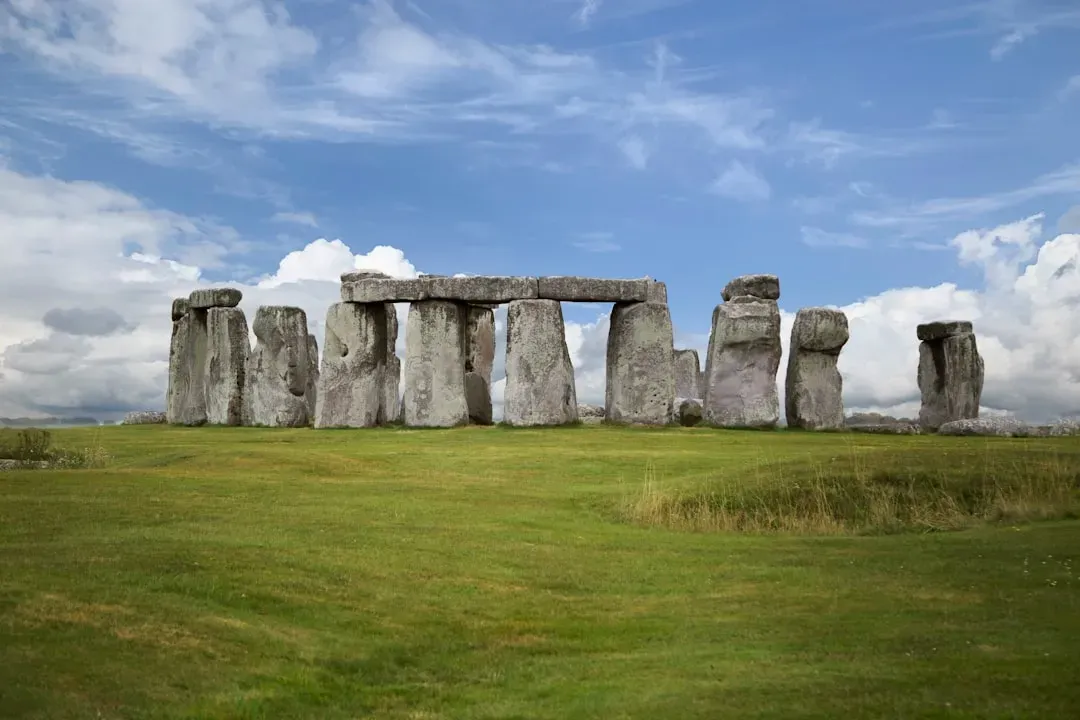
Most people carry one date for Stonehenge – something like 2500 BC, as if it rose in a single dramatic summer. In reality, radiocarbon recalibration of antler picks, cremation burials, and construction debris has revealed a patchwork of phases spanning centuries.
The earliest circular earthwork now clusters near 3000 BC, the iconic sarsen stones around 2500 BC, and later tweaks run well into the Bronze Age. Guide panels quietly updated to multi-phase diagrams, but pop culture still talks about Stonehenge as if it has one fixed birthday.
#14 – Australia’s Human History Just Doubled Back
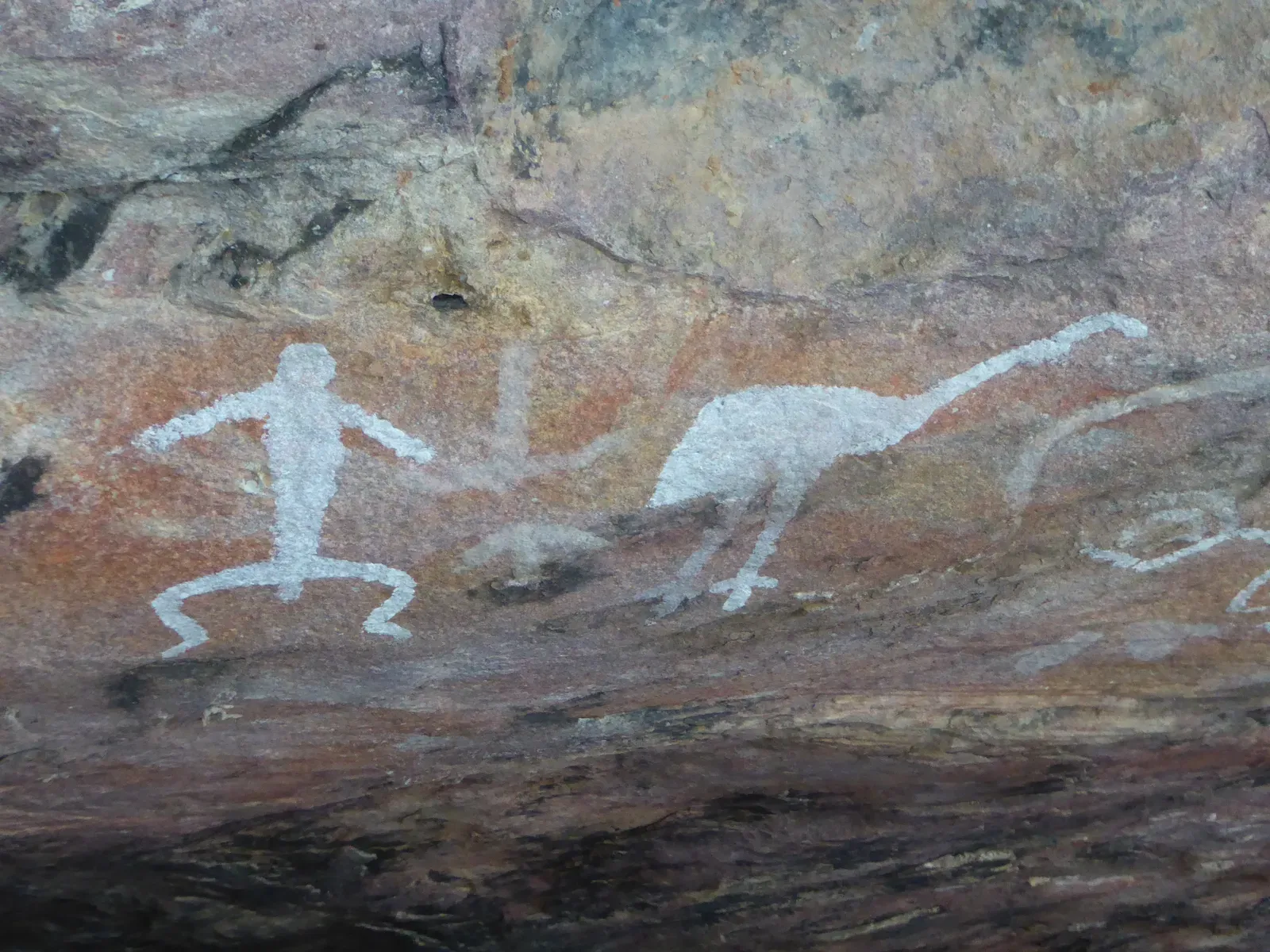
School curricula long framed human arrival in Australia around 40,000 to 45,000 years ago, based on early radiocarbon dating. That number made it into travel documentaries and even policy discussions.
Then sites like Madjedbebe in northern Australia produced dates suggesting human presence at least 60,000 to 65,000 years ago. Archaeologists didn’t announce it loudly – they published careful, technical revisions – but in specialist circles, 60,000-plus years is now the working baseline, with huge implications for how fast humans spread out of Africa.
Quick Compare
- Americas: old estimate ~13,000 years ago → revised estimate 14,000-16,000+ years ago
- Australia: old estimate ~40,000-45,000 years ago → revised estimate 60,000-65,000 years ago
- European cave art: old estimate ~30,000-40,000 years ago → revised estimate 64,000+ years ago
#13 – Neanderthals Didn’t Vanish on Schedule

You were probably told Neanderthals disappeared abruptly around 30,000 years ago, cleanly replaced by modern humans. That tidy cutoff has been eroding for years.
As contaminated samples were re-examined, many late Neanderthal sites got redated – some older than claimed, others showing longer overlap with modern humans in places like Iberia and the Caucasus. The real story is a patchy, regionally staggered fade, not a single extinction moment, even though the old “30,000 years” figure still lives comfortably in popular writing.
#12 – Vikings in America: An Exact Year Emerges
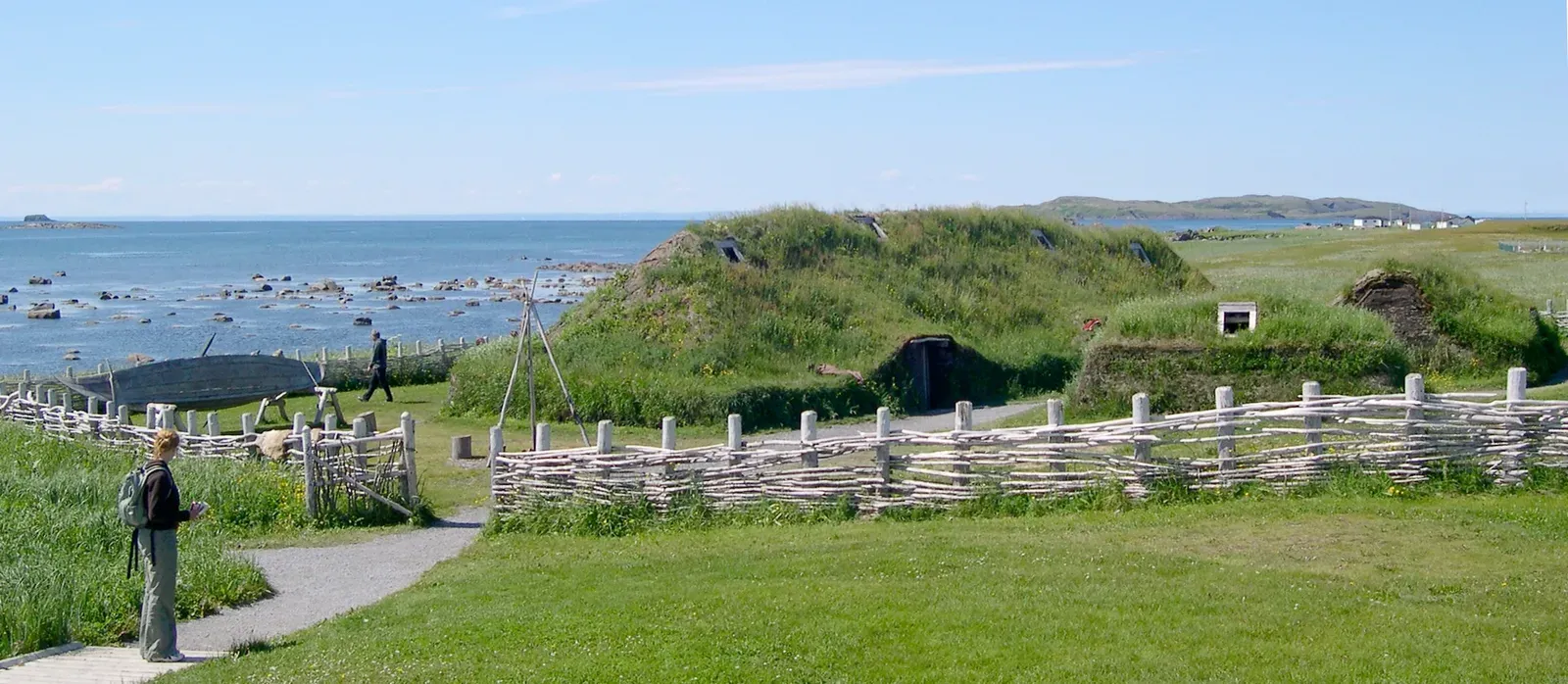
For decades, the Norse structures at L’Anse aux Meadows in Newfoundland were loosely dated to “around AD 1000,” based on style comparisons and fuzzy radiocarbon windows. That vagueness quietly disappeared.
Tree-ring dating pinned a felling date of exactly AD 1021 for wood cut with metal tools at the site – a rare case where a correction made history sharper instead of blurrier. Tourism boards still say “around the year 1000,” while specialists now treat 1021 as a firm anchor point in transatlantic contact.
The past is never dead. It’s not even past.
William Faulkner
#11 – Dogs and Farms Lost Their “First” Dates

People love a clean origin story: dogs domesticated 10,000 years ago, farming begun 12,000 years ago, end of discussion. Ancient DNA and zooarchaeology have quietly shredded those numbers.
Dog domestication now floats somewhere in a messy 20,000 to 40,000-year window depending on region and criteria, and plant domestication shows up in staggered regional pulses rather than one dramatic moment. The specialist tables were rewritten; the museum signs, mostly, were not.
#10 – Easter Island’s Timeline Got Cut in Half
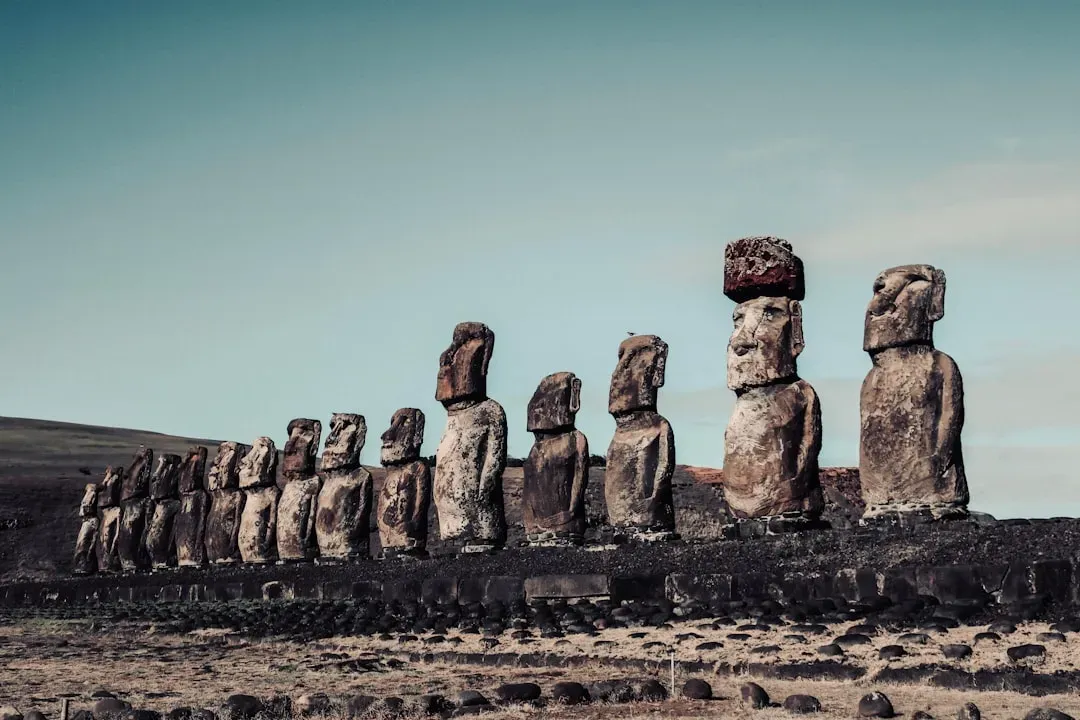
For years, the story went that Polynesians settled Rapa Nui around AD 400-800, deforested it rapidly, and collapsed into chaos long before Europeans arrived. It made a great morality tale.
Radiocarbon re-dating of charcoal and bone has since pushed initial settlement closer to AD 1100-1200, dramatically compressing the timeline. That means deforestation, statue carving, and European contact were far more tightly packed together than the old “self-inflicted collapse centuries before contact” narrative implied – a correction most documentaries still ignore.
#9 – The Indus Valley’s Collapse Wasn’t a Collapse
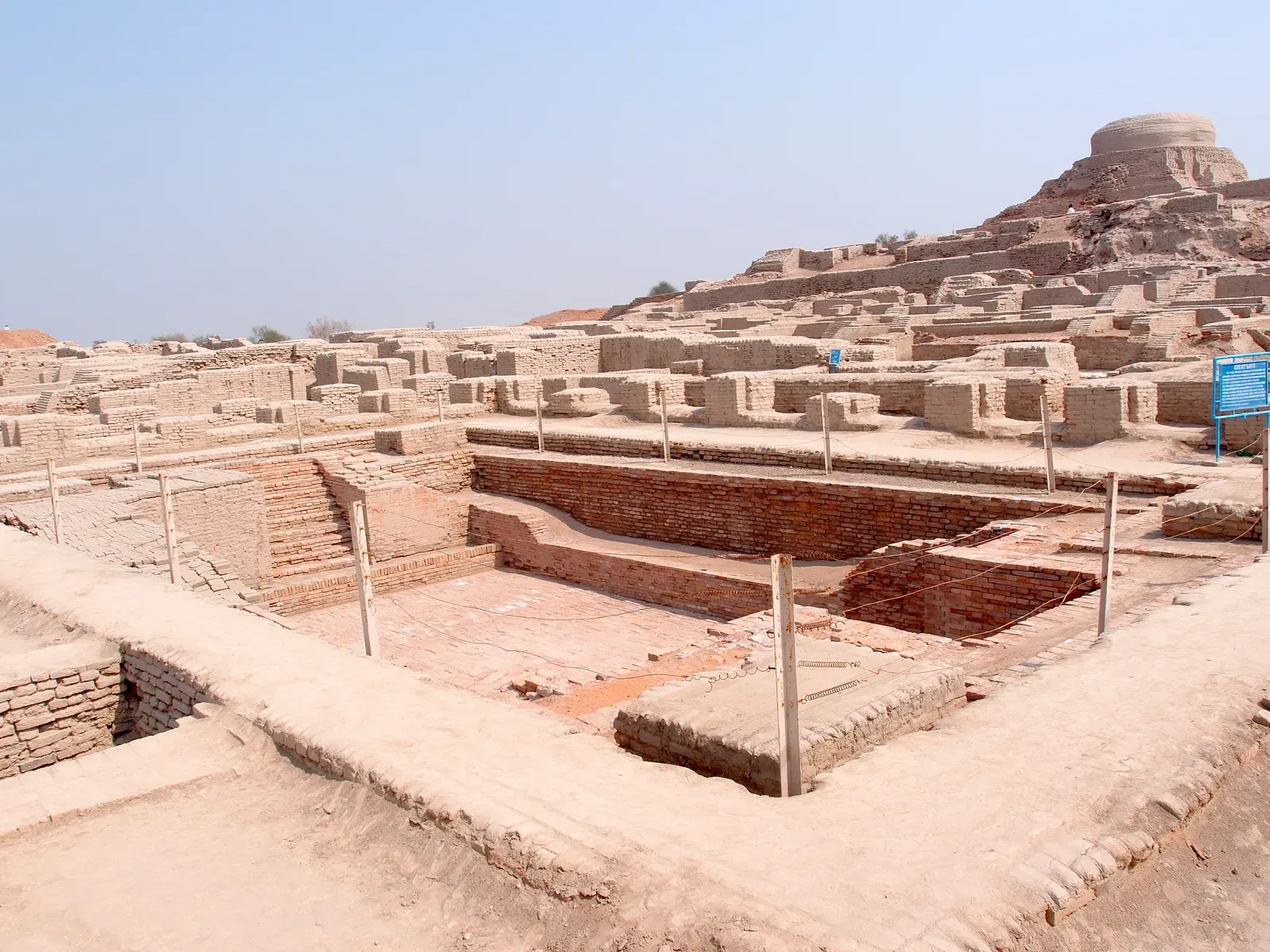
The Indus, or Harappan, civilization used to be boxed neatly into 2600-1900 BC for its “mature” phase, with hard boundaries printed on museum timelines. Recalibrated radiocarbon results have since shown both its rise and fall were far more gradual.
Some early Harappan traits now reach back before 3000 BC, and regional urban life lingers well after 1900 BC in ways once underplayed. The story quietly changed from a sharp catastrophic collapse to a long, uneven transformation – even as textbooks keep the clean 2600-1900 BC box because it fits on a page.
Worth Knowing
- Radiocarbon dating measures carbon-14 decay and works reliably on organic material up to about 50,000 years old
- Dendrochronology cross-checks radiocarbon results with tree-ring patterns, sometimes pinpointing an exact calendar year
- Thermoluminescence dating measures trapped energy in minerals, useful for pottery and heat-treated stone tools
- Uranium-series dating works on cave formations like stalactites, extending reliable timelines well beyond radiocarbon’s limits
#8 – Egypt’s “Minor” Pyramids Got Older Overnight
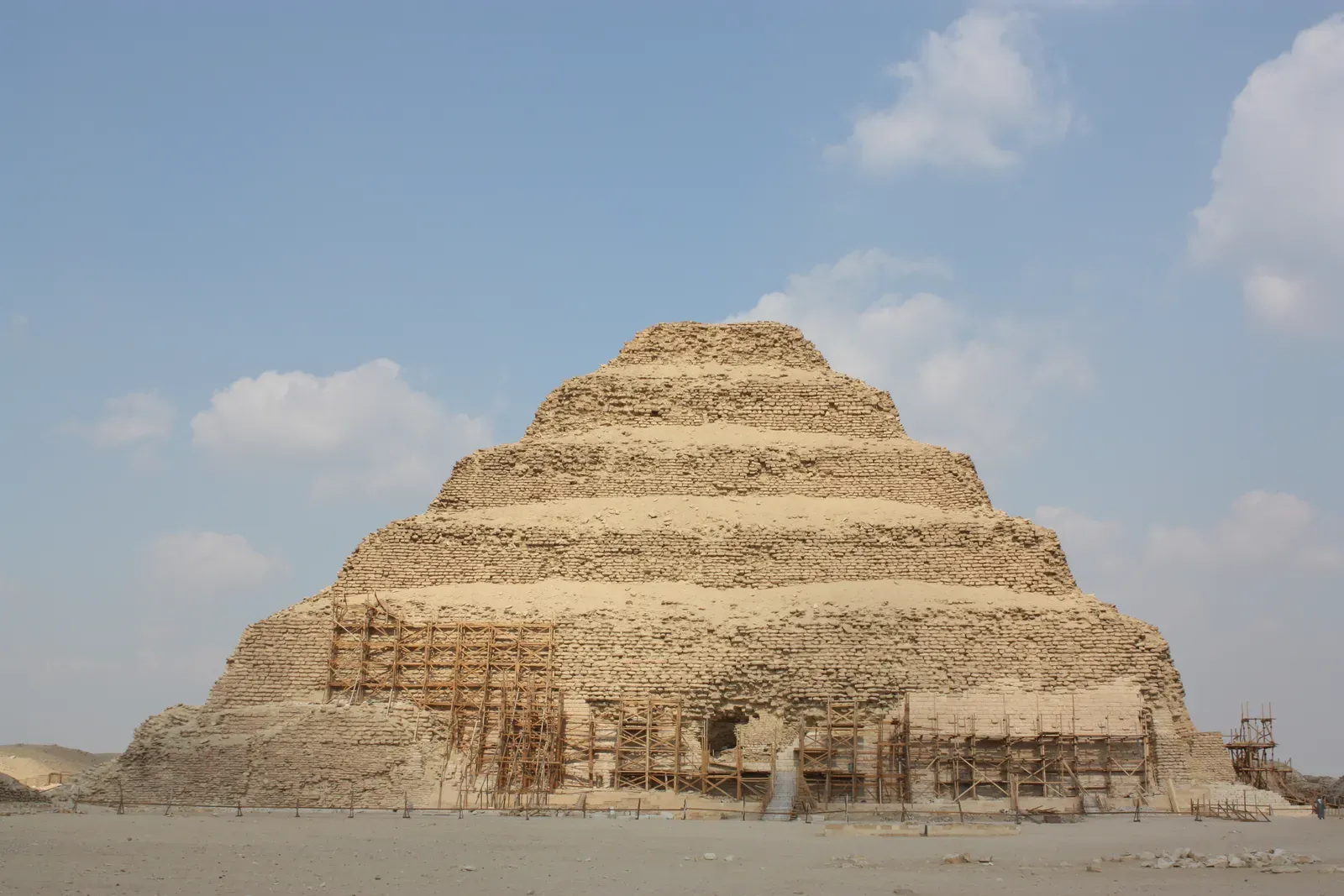
Everyone knows the great pyramids of Giza, but smaller step pyramids across Egypt were long dated by guesswork and art style alone. As radiocarbon testing on mortar and internal timbers improved, several of these modest structures turned out older, or far more complexly rebuilt, than expected.
These corrections rarely make headlines – they show up as footnotes like “Phase A now dated to circa 2700 BC, revising earlier estimate of 2600 BC.” Cumulatively, though, they’ve pushed pyramid-building further back in time and undermined the idea of a sudden leap to Giza-scale engineering.
#7 – That “Medieval” Castle Might Be Centuries Younger

Tourists love photographing castles labeled solidly 12th or 13th century, sometimes with romantic claims of even earlier origins. Dendrochronology and stratigraphic re-analysis have shown that a surprising number of these “ancient” fortresses were substantially rebuilt or first fortified much later than their legends suggest.
In some cases, walls celebrated as Norman turn out to be 14th-century work, or vice versa. Guidebooks rarely announce this – the date ranges just quietly widen into vague phrases like “originally founded in the 11th century, with major later rebuilding.”
#6 – The Stone-Bronze-Iron Ages Blur Together
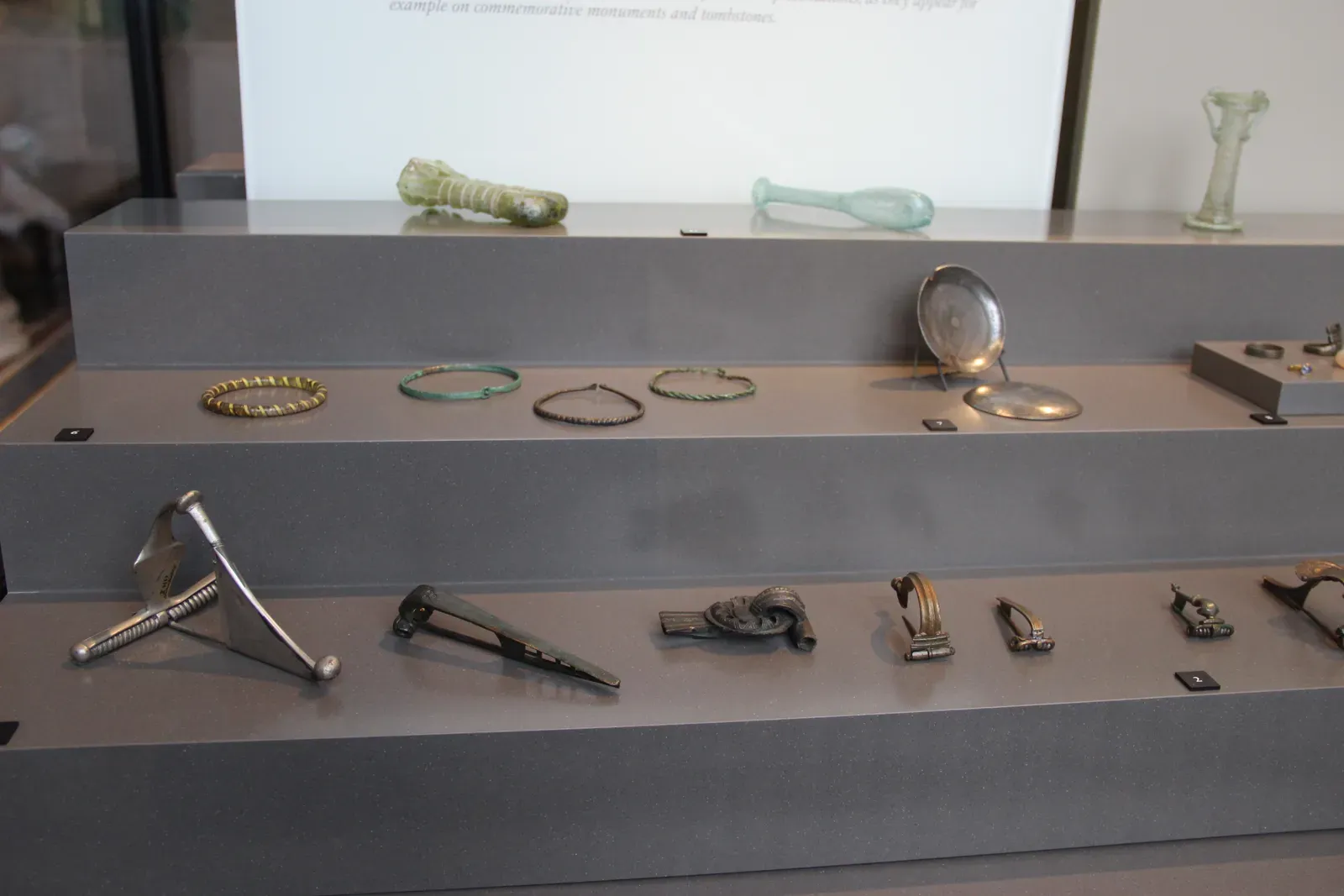
We’re taught a clean march from Stone Age to Bronze Age to Iron Age, each with tidy start dates. Reality is messier: isolated early copper and iron artifacts keep turning up earlier than the official “start dates” of their ages, while recalibration has pushed some supposedly early metal use later once contamination is removed.
Archaeologists now carefully separate experimental or prestige metal use – a single copper bead doesn’t mean a Copper Age culture – from fully developed metallurgical economies. Popular timelines still draw crisp century boundaries that specialists no longer fully endorse.
#5 – The Dead Sea Scrolls’ Neighborhood Got More Complicated

The Dead Sea Scrolls are iconic, but for years their caves and the nearby Qumran settlement were locked into a tight second-to-first century BC window, as if everything stopped with the Roman destruction around AD 68. Renewed excavation of textiles, leather, and construction phases has quietly broadened that window in both directions.
Some occupation features now appear earlier than previously presented, hinting at pre-sectarian use of the site, while other modifications may postdate the famous destruction horizon. The scrolls themselves still cluster in the familiar period, but the lived landscape around them is far messier than the “one community, one moment” story most visitors hear.
#4 – Ancient Churches Aren’t as Ancient as Advertised
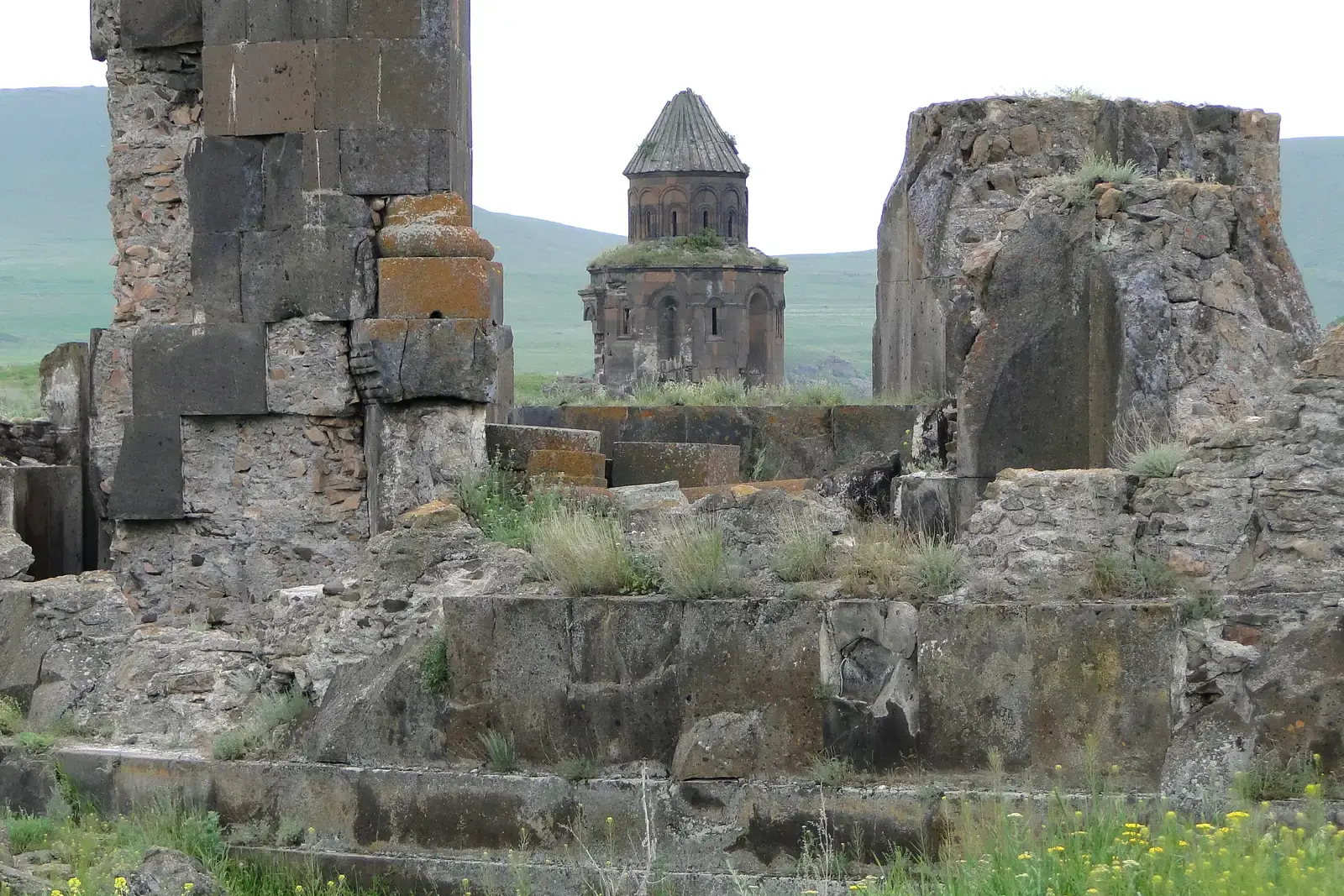
Many beloved churches and temples across Europe and the Near East proudly claim 4th or 5th-century origins, often “built on a Roman temple” with implied unbroken continuity. Rigorous archaeological dating has shown that in plenty of cases, the surviving fabric is substantially later, with only fragmentary traces of the claimed early structure, if any.
Inscriptions and chronicles were sometimes over-trusted; the layers beneath the floor tell a different story. A plaque reading “Founded in AD 400” might really mean the present building is 11th-century, sitting over sporadic late Roman use – a gap between emotional age and material age that only the small print ever notices.
At a Glance
- Stratigraphy: layers of soil and debris beneath a floor reveal the true building sequence
- Timber analysis: roof beams and doorframes often betray a structure’s real age, even when the walls look ancient
- Direct mortar dating: newer techniques can date the lime plaster itself, not just nearby artifacts
- Written records: inscriptions and chronicles often preserve founding legends rather than construction facts
#3 – Our Species Keeps Getting Older Fossil by Fossil
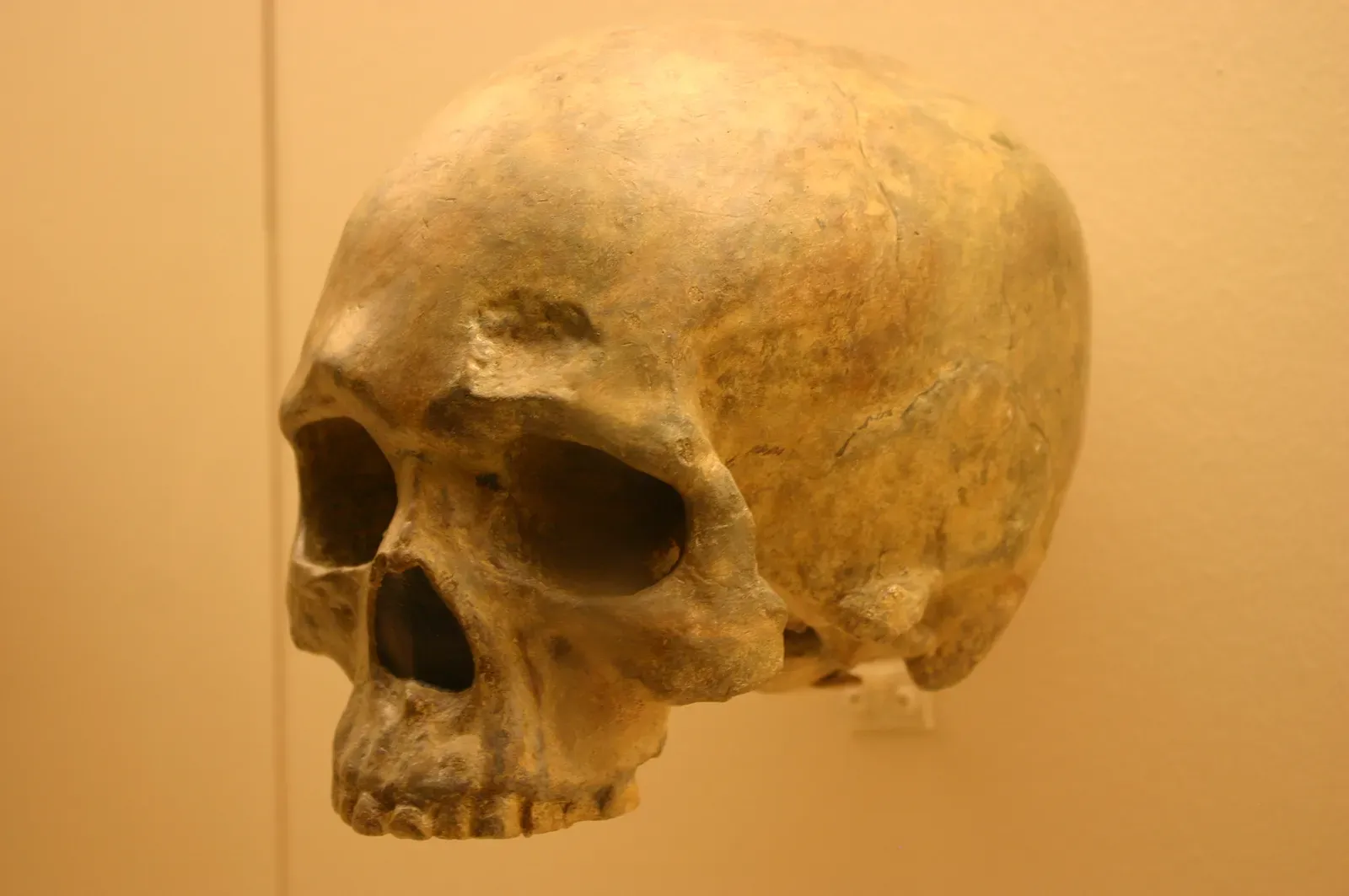
Every few years a headline announces “the oldest Homo sapiens yet.” Decades ago, East African sites held that crown at roughly 200,000 years. Then new dating at Jebel Irhoud in Morocco pushed the figure to around 300,000 years, with other fossils and tools stretching the picture even earlier.
Behind each splashy headline is a constant churn of quiet revisions, as thermoluminescence and uranium-series dating repeatedly shift key fossils tens of thousands of years in either direction. The public hears the big new number; they rarely hear about the ongoing debate over which fossils even count as fully “modern.”
#2 – The Great Pyramid’s Birthday Is a Range, Not a Date

The Great Pyramid of Giza is typically dated to 2580-2560 BC in popular sources, as if it rose in a precise 20-year window. That figure comes largely from historical reconstruction, not a stamped calendar.
Radiocarbon dating of wood, charcoal, and mortar from the pyramid complex has produced a wider – and sometimes slightly earlier – range, complicated further by the “old wood effect,” where timber used on site predates the building itself. Inside labs, the pyramid’s age is a distribution curve; outside, “built circa 2600 BC” is simply too catchy to complicate.
#1 – Radiocarbon Itself Got a Silent Global Correction

This last one isn’t a single site – it’s the backbone underneath nearly every date on this list. For decades, radiocarbon results were taken more or less at face value, until tree-ring sequences and ice cores revealed that atmospheric carbon-14 has fluctuated significantly over time.
As new calibration datasets rolled out – labeled IntCal in the literature – thousands of previously published dates had to shift, sometimes by centuries. A layer once confidently dated to 800 BC might now calibrate closer to 950-900 BC or 650-600 BC depending on the curve, and almost none of those corrections ever reached the public.
The Bottom Line
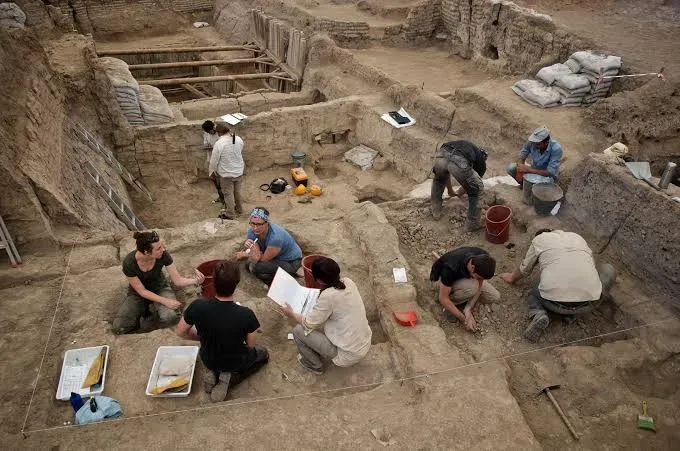
Zoom out and a pattern appears: archaeology doesn’t just dig up the past, it constantly rewrites the clock on what we thought we knew. Eruptions slide a century earlier, “first cities” lose their crowns, a Viking voyage gets pinned to an exact year while whole civilizations quietly gain or lose centuries in the footnotes.
I don’t think this is a scandal – I think it’s what honest science looks like when nobody’s watching. The real problem isn’t that archaeologists keep changing their minds; it’s that they almost never bother telling the rest of us when they do, so the outdated version just keeps getting reprinted. If a date you learned in school felt suspiciously round and tidy, there’s a decent chance a lab somewhere already quietly moved it.