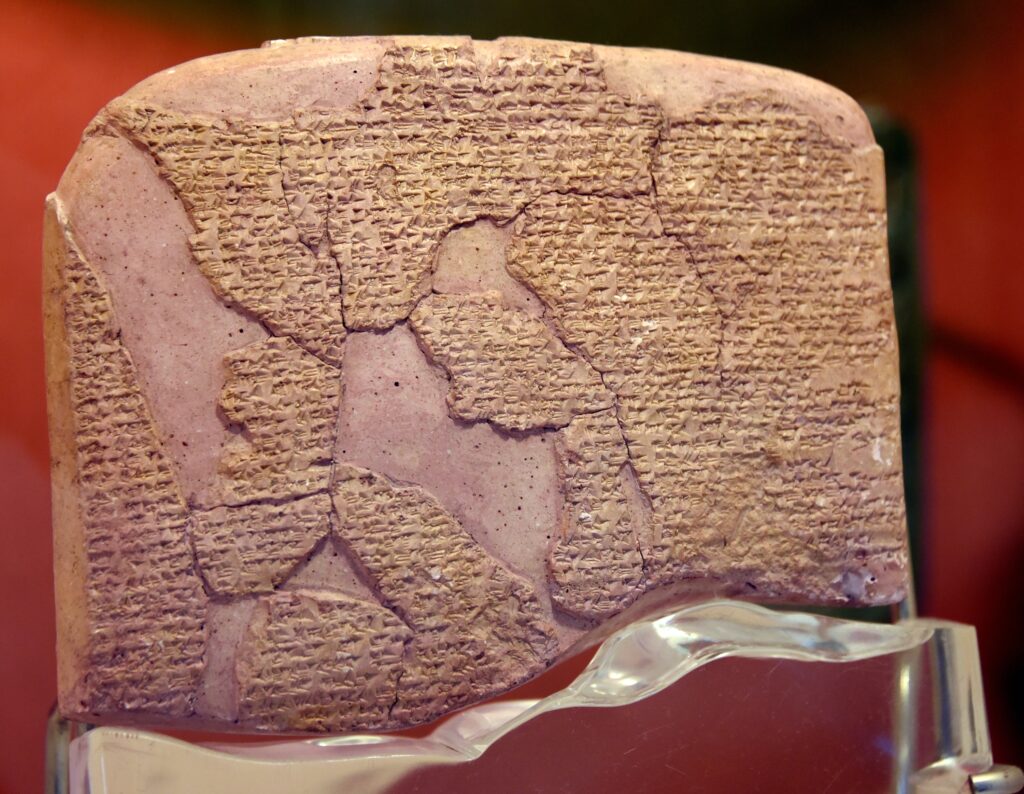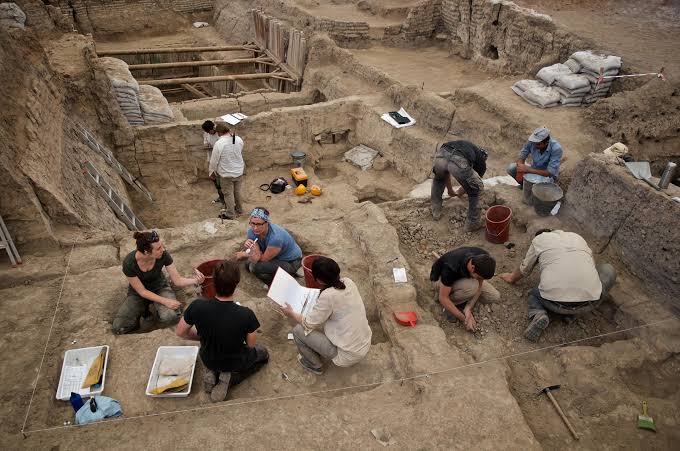

Walk through any museum and you’ll see it again and again: a small placard reading “ceremonial object,” sitting next to some odd artifact like it settled the matter forever. Most visitors nod and move on, assuming the experts cracked the case. What they don’t realize is that word is sometimes archaeology’s polite way of admitting defeat.
Behind the glass, “ceremonial” often means something closer to “we dug it up, we can’t explain it, and this sounds better than a shrug.” Some of these objects really were sacred. But others look suspiciously like everyday tools, toys, or gadgets that just got mistaken for magic. Here are 14 of the strangest cases where that label might be hiding more than it reveals.
#14 – The Giant Stone Spheres Nobody Can Agree On
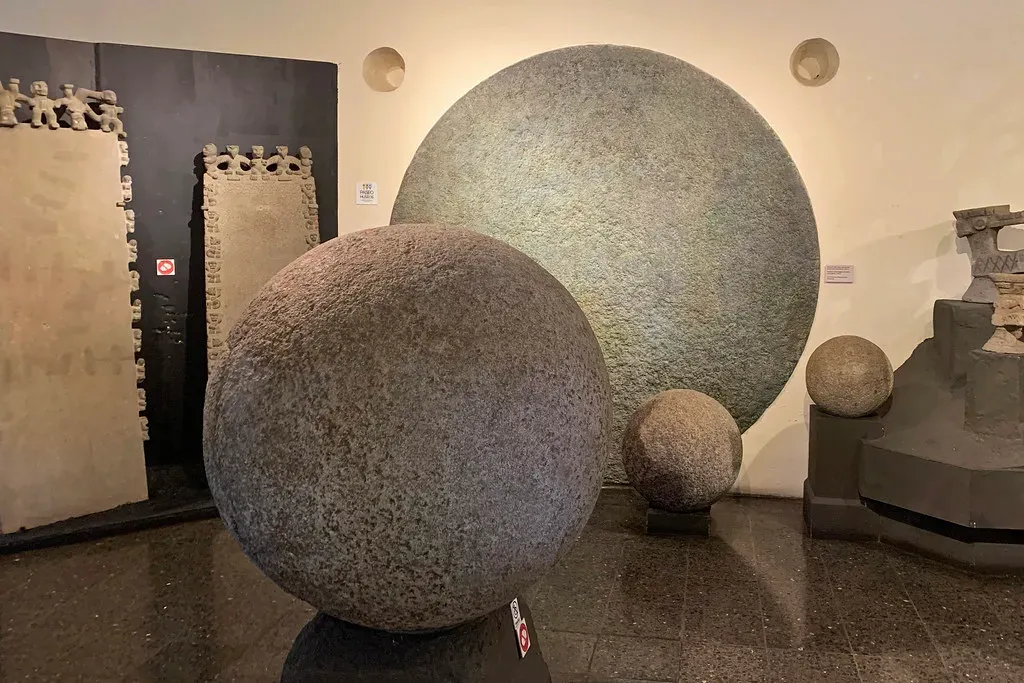
These massive, nearly perfect stone balls show up in ancient sites worldwide, and almost every time, the label “ceremonial” gets slapped on. In Costa Rica, hundreds of granite spheres were buried in groups, some aligned with buildings or pathways, others apparently just stuck in random spots. Because no one has found an obvious day-to-day use, the default explanation becomes “ritual objects,” as if that closes the case instead of dodging it.
Look closer and the story gets messier. Some spheres were moved or reused in later construction, hinting at a practical prestige function closer to status symbols or boundary markers than vague spiritual props. They could have signaled power, territory, or clan identity – anything but generic ritual. The honest answer is we still don’t know if they were calendars, political trophies, or pieces of some long-lost game.
Fast Facts
- The stone spheres of Costa Rica, also known as the Diquís Spheres, are an assortment of over 300 petrospheres found in Costa Rica.
- The spheres range in size from a few centimetres to over 2 metres (6.6 ft) in diameter, and weigh up to 15 tons.
- Most are sculpted from gabbro, the coarse-grained equivalent of basalt.
- Crafted by the now-extinct Diquís culture between 500 and 1500 CE, they still puzzle researchers today.
- The stone spheres and the surrounding archaeological sites were designated as a UNESCO World Heritage Site in 2014.
#13 – Mysterious “Wands” That Might Be Measuring Tools
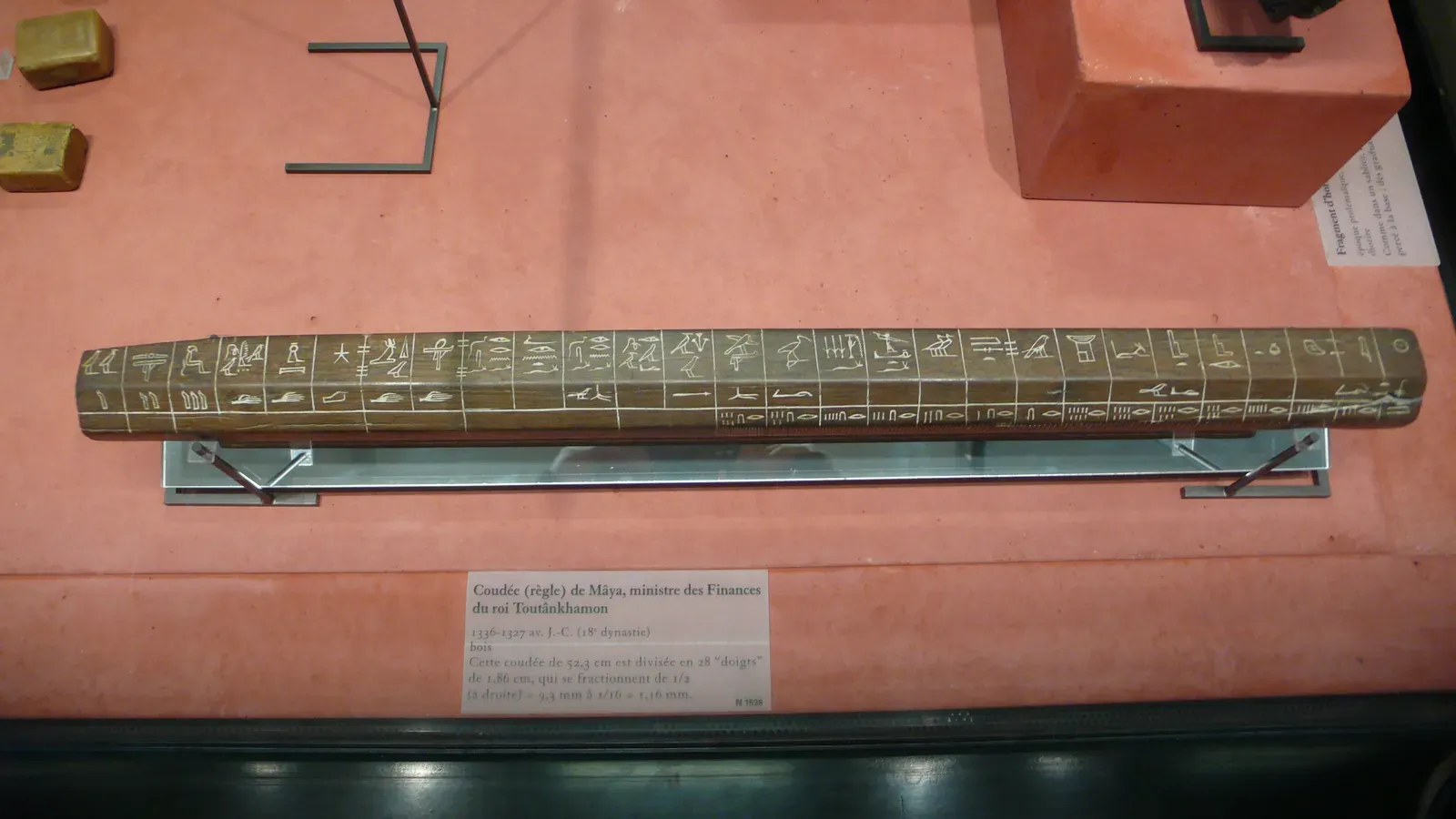
Whenever archaeologists find a long, carved rod made of bone, antler, or ivory, museum labels almost default to “ceremonial wand.” It sounds mystical and tidy. But some of these supposed wands have incised markings at regular intervals, suspiciously like units on a ruler or tally stick. In a few cases the spacing is so consistent that “ritual object” feels like the least interesting explanation available.
There’s a real chance at least some of these tools were used for:
- Tracking lunar cycles or seasons
- Measuring cloth, rope, or building dimensions
Calling them ceremonial conveniently sidesteps how technically sharp early societies really were. It’s easier to picture people chanting over a wand than doing proto-geometry with it. As more high-resolution scans and wear-pattern studies get done, we may discover our “mystical rods” were actually humanity’s earliest pocket calculators.
#12 – Oversized Stone “Maces” That No One Could Actually Fight With
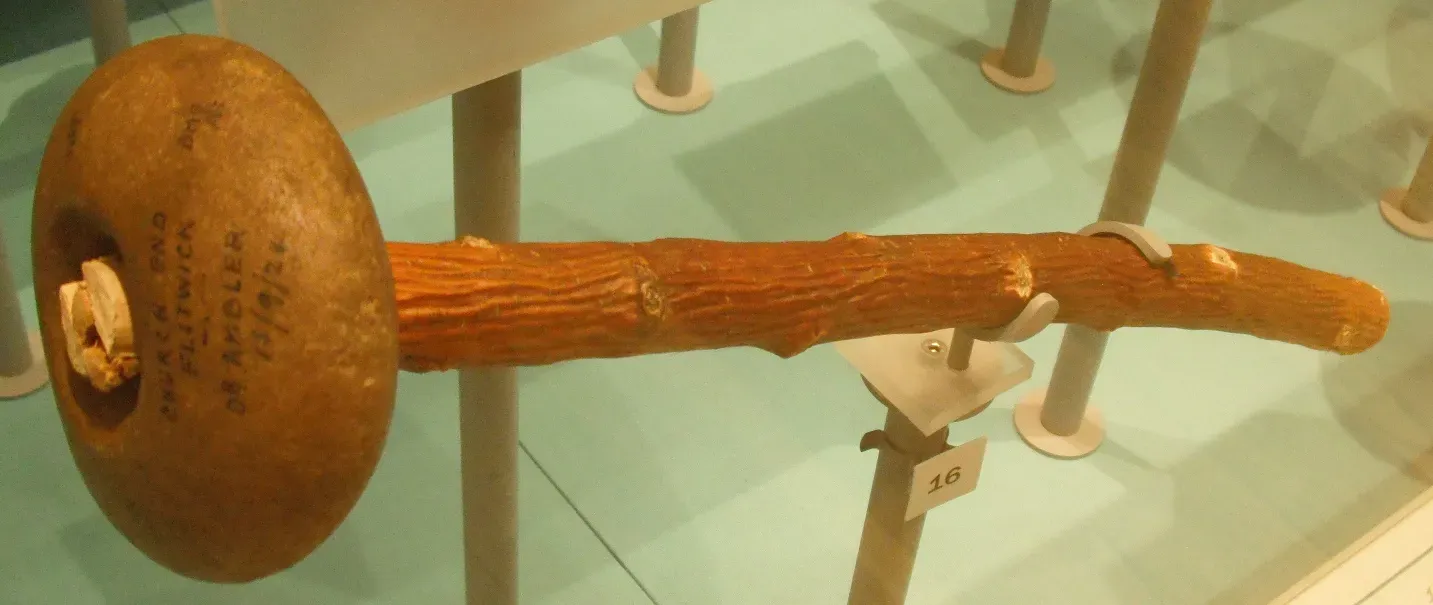
In museums, you’ll often see massive, ornate stone mace heads labeled “ceremonial weapons.” It’s the go-to explanation the second something looks like a weapon but would be useless in a real fight. Some are too heavy, others too fragile or polished, functionally ridiculous for combat, so the compromise becomes “they were probably used in rituals.”
There’s a more grounded alternative. These exaggerated weapons may have been status symbols for leaders who didn’t personally fight, diplomatic gifts or treaty items, or execution devices used rarely but symbolically. Wear analysis sometimes shows limited impact damage, not the repeated blows you’d expect from battlefield use, which pushes them closer to props of power than tools of ceremony.
#11 – The “Ritual Batons” That Fit Perfectly in a Weaver’s Hands
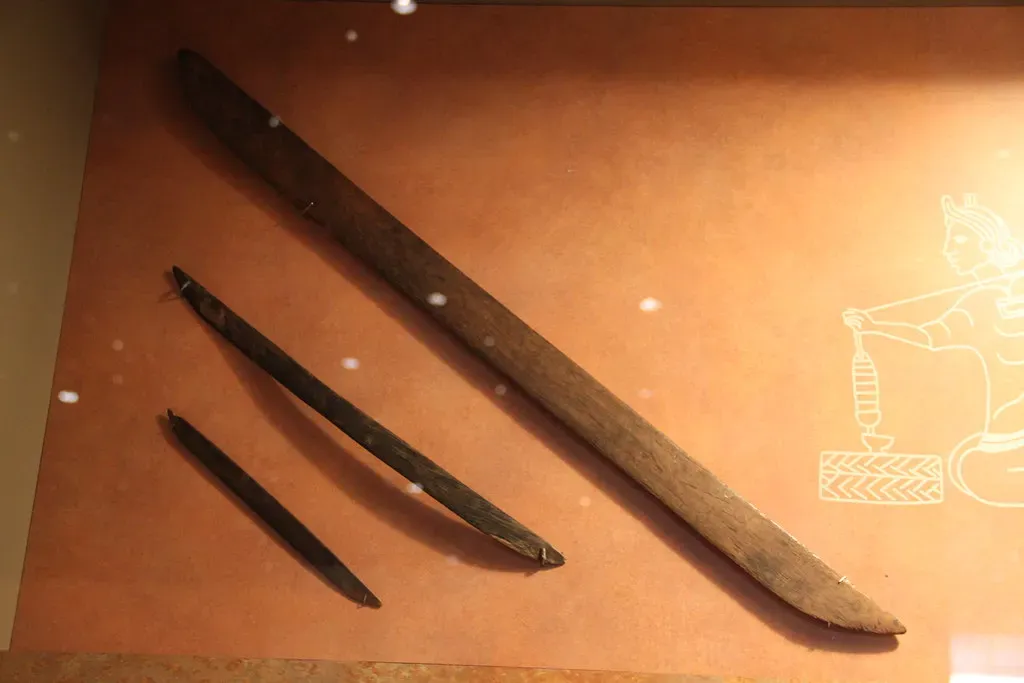
Slim, carved sticks found in burials, especially women’s burials, have been routinely labeled “ceremonial batons.” The logic: they’re decorated, placed carefully, and no obvious function jumps out. But ethnographic comparison with traditional weaving cultures suggests something less mystical: some of these batons are almost identical in size and shape to weaving beaters or heddle rods.
Archaeologists have a long history of underestimating textiles because cloth rarely survives, so tools connected to weaving often get spiritualized instead of recognized for what they are. In some graves, the so-called batons sit alongside spindle whorls and loom weights, basically a full kit belonging to a craftsperson. It’s wildly plausible we’re staring at professional tool sets, not priestly props, and the “ceremonial” tag may be quietly erasing the labor and skill of ancient women.
#10 – “Ritual” Masks That Might Have Been Pure Theater
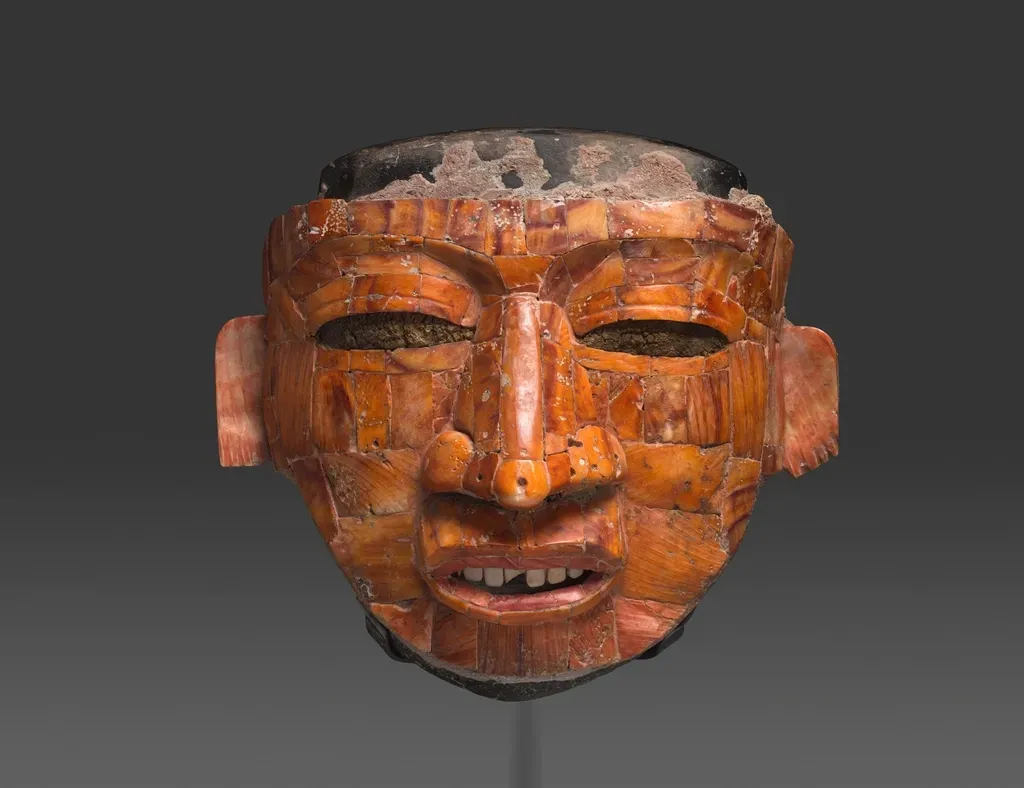
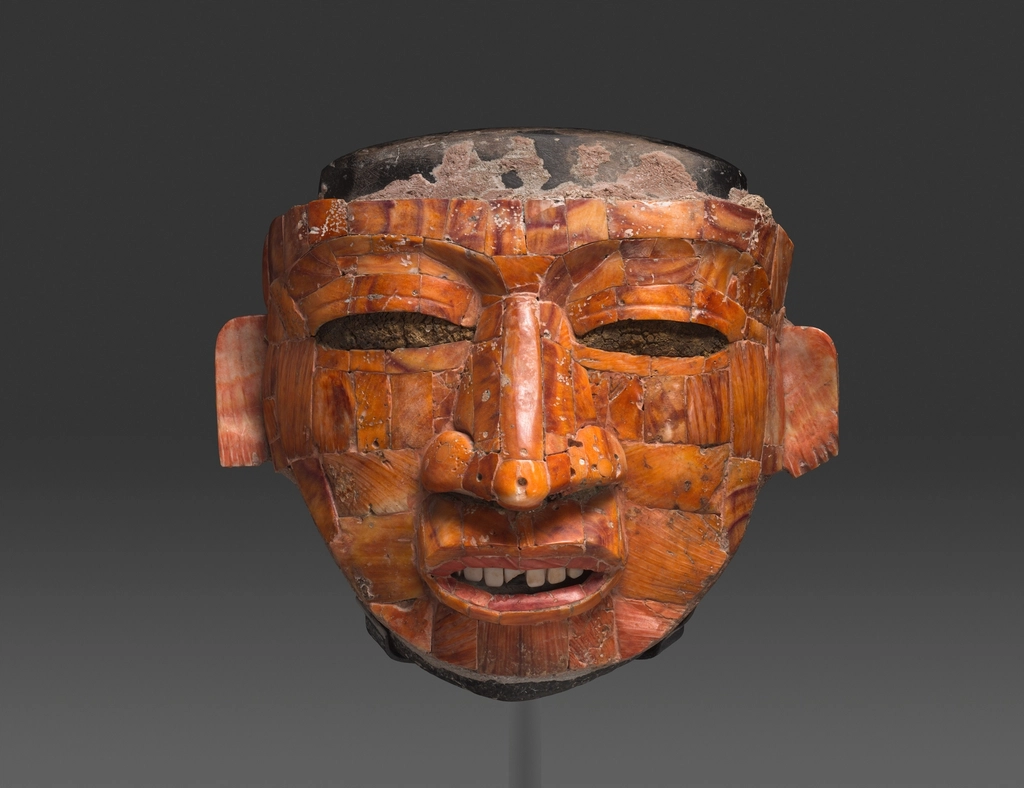
Every time a striking mask appears in an excavation, the label “ritual mask” follows like a reflex. Yes, some masks clearly tie into religion or ancestor cults. But the assumption that every mask equals sacred ceremony is more about modern bias than hard data. A few masks show exaggerated features, comic expressions, or articulated parts, suggesting performance, storytelling, or even early satire.
Societies with rich mythologies almost always develop theater, public storytelling, and festivals with role-playing built in. Treating every mask as religious flattens entire entertainment cultures into one vague spiritual category. Some masks found near marketplace areas or public plazas might belong more to street performers than priests – but because “ceremonial” sounds more respectable than “stage prop,” that’s the label that sticks.
#9 – The “Ceremonial” Pipes That Were Clearly Smoked Hard

Tobacco pipes from ancient contexts are almost automatically tagged “ceremonial,” especially when they’re ornate, implying people only smoked on special, solemn occasions. Yet residue and wear studies show that some of these pipes are heavily used, repaired, and coated with carbon buildup – more like someone’s favorite everyday lighter than a once-a-year sacred object.
Some pipes really were reserved for chiefs, shamans, or treaties, and there’s solid ethnographic backing for that. But the blanket “ceremonial” tag hides a more human reality: people probably also smoked socially, recreationally, and habitually. It’s uncomfortable for some researchers to admit that past societies had casual vices and everyday stress relief, not just formal rites, so “ceremonial” becomes the polite euphemism instead.
#8 – Strange Stone Discs That Might Be Weights, Not Altars
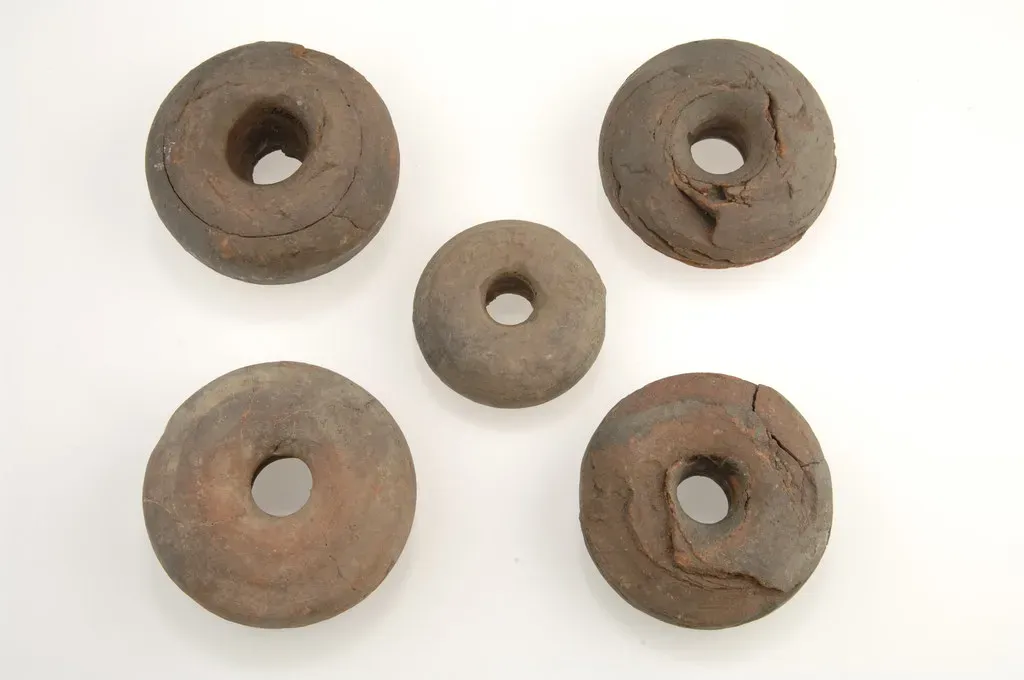
Flat, circular stones with a central hole appear across multiple ancient cultures. When archaeologists can’t link them to architecture, they often default to “ceremonial disc,” sometimes even calling them mini-altars. Yet a few of these objects show edge wear and polishing that look a lot like ropes passing repeatedly through the central hole – exactly what you’d expect from weights or pulleys.
Possible real-world uses include loom weights or tension stones, net or line weights for fishing, and counterweights for lifting systems. Admitting someone had a clever hoisting system forces us to rewrite how technologically advanced their engineering really was. So instead of reworking the old story, some reports quietly label them ritual and move on – “ceremonial” here might just mean “we don’t want to propose a complex mechanical explanation yet.”
#7 – Bronze “Mirrors” That May Have Been Data Screens
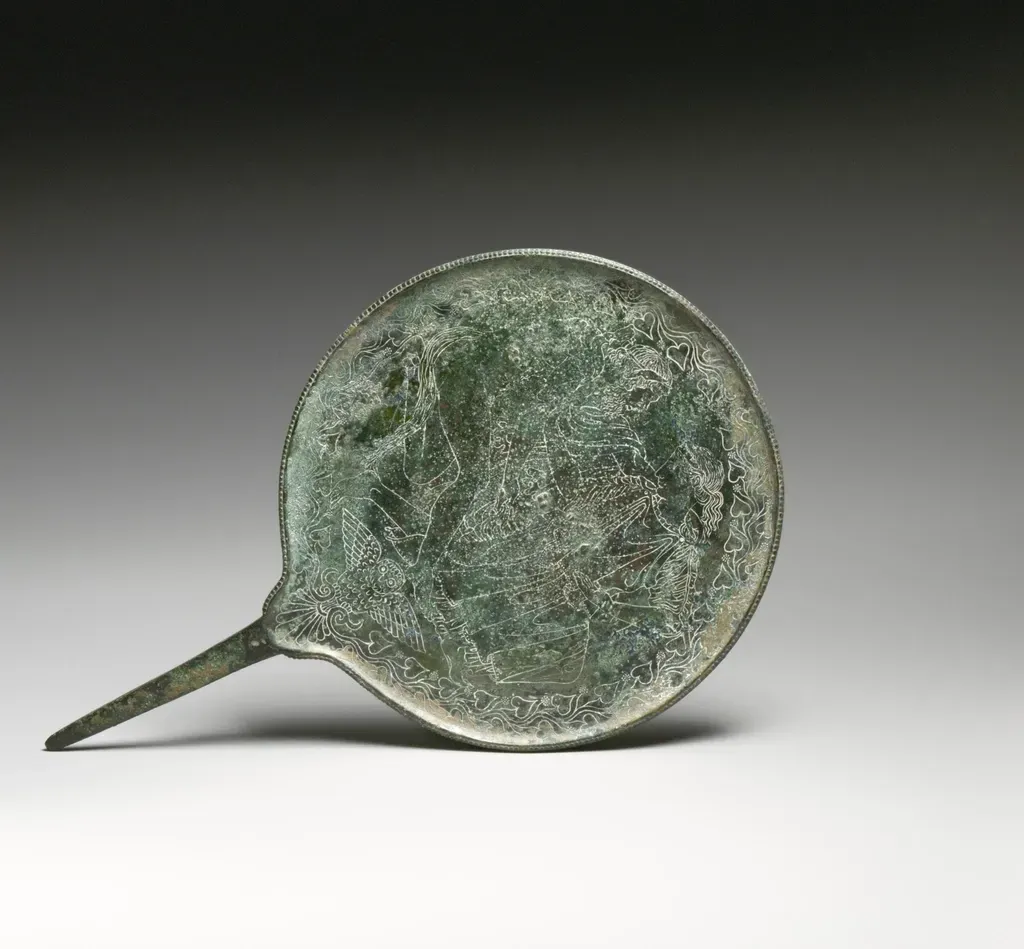
Highly polished bronze discs are usually called mirrors, and when they’re fancy, “ceremonial mirrors.” But a few of these objects are inscribed with astronomical patterns, star diagrams, or calendrical markings that make the mirror explanation feel incomplete. Were they used to check one’s face, or to track the sky, reflect sunlight during observations, or signal between distant points?
Some researchers have suggested using reflective surfaces to observe solar eclipses indirectly, or aligning mirror edges with horizon markers for solstice tracking. If true, these weren’t just vanity objects; they were scientific instruments disguised as prestige gear. We like the idea of mystical stargazers, but we’re less comfortable with the idea of hard-nosed empirical observers thousands of years before modern science.
Quick Compare
- Mirror theory: polished for personal vanity, treated as ceremonial mainly because of rarity and cost.
- Instrument theory: engraved with star charts, possibly used to track eclipses, solstices, or signals.
- What tips the scale: astronomical markings that serve no cosmetic purpose whatsoever.
#6 – The Baffling Wooden “Idols” That Look Like Toys
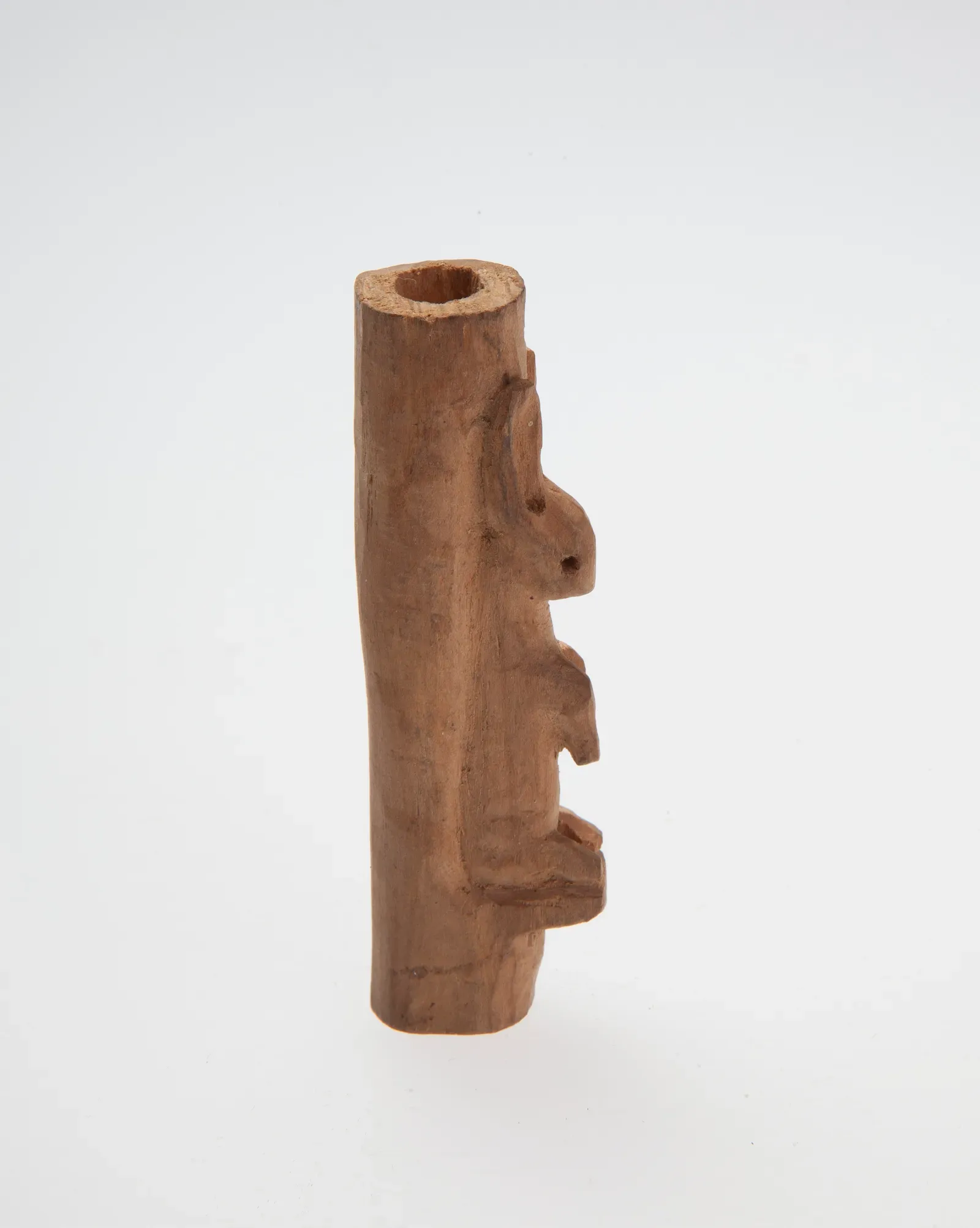
In waterlogged sites, archaeologists occasionally pull out carved wooden figurines, humanoid or animal, that automatically get labeled “idols” or “ceremonial figures.” That sounds satisfying until you realize many are small, roughly carved, and clearly handled frequently, not stored reverently. Some even show tooth marks or repairs, exactly the kind of wear you see on well-loved children’s objects.
Let’s be blunt: some of these idols are probably just toys. Countless cultures have carved dolls, small animals, and miniature versions of adult tools for children to play with. By calling every figurine sacred, we erase childhood from the archaeological record – the scuffs, chips, and casual placement tell a far more ordinary story than “mysterious cult statue.” The label “ceremonial” covers our discomfort with the idea that ancient people also had clutter, playthings, and sentimental junk.
#5 – The “Ritual” Cups Sitting Right Next to Kitchens
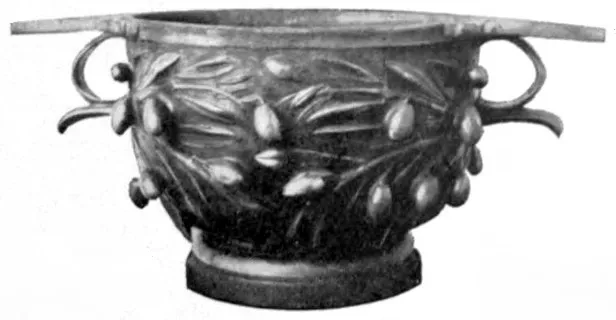
There’s an odd pattern: finely made, decorated cups and bowls found in domestic areas often still get described as “ceremonial vessels,” even when they’re literally discovered in what amounts to an ancient kitchen. Yes, they’re special. But they also show heat damage, residue from everyday foods, and repairs with resin or metal staples – signs of repeated, mundane use.
Think about your own home: you probably have a couple of “nice” mugs or glasses you break out for guests or certain occasions. They’re not sacred, they’re socially important. These ancient cups may have functioned the same way, reserved for honored guests or big feasts but still part of normal life. We’re probably looking at ancient versions of “the good china,” not altar-only gear.
#4 – Puzzling Stone “Idols” That Fit Perfectly in the Hand
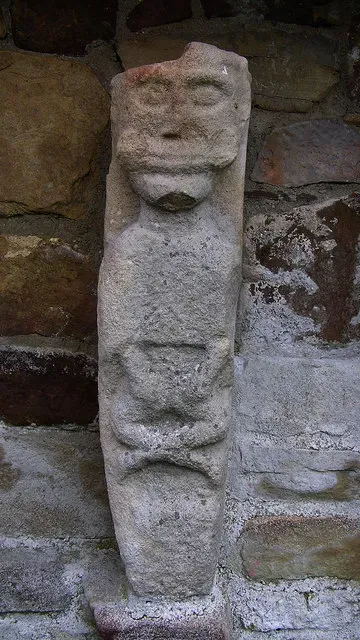
Small, abstract stone figures, sometimes called idols and sometimes “ceremonial talismans,” are often found in burials or near doorways. They rarely stand well on their own, but they fit incredibly well in the palm, with smoothed edges exactly where fingers would wrap around them. The official story: amulets, spiritual guardians, ritual items.
The unofficial possibility is far more relatable: they were pocket objects people fidgeted with, carried for comfort, or used as personal seals or identity markers. It’s not crazy to think of them as prehistoric worry stones, lucky charms, or personal signature items. Some even show micro-scratches consistent with rubbing or repetitive handling, not formal worship – they might have felt more like a favorite coin or keychain than a temple idol, but “ceremonial” sounds more respectable than “ancient stress toy.”
Worth Knowing
- Smoothed edges on many of these figures line up exactly where fingers and thumbs naturally rest.
- Micro-scratch patterns often point to repetitive rubbing rather than formal display.
- Similar hand-sized objects across cultures double as identity seals or personal markers.
- A worn amulet and a beloved worry stone can leave nearly identical wear signatures.
#3 – The Enigmatic “Ritual” Holes in the Ground

This one’s subtle. Archaeologists often find carefully dug pits with unusual contents – animal bones, broken pottery, odd stones – and call them “ritual pits.” Sometimes that’s fair. But in other cases these could easily be waste pits, insurance offerings, repair caches, or even early construction testing holes that got repurposed. Strange doesn’t automatically mean sacred.
In modern life, you could stand over a trash heap and find “weird” combinations of objects that look symbolic but aren’t. Without written records, it’s dangerously easy to project meaning where there may be none. Some so-called ritual pits show layered refilling and reuse, like a spot repeatedly dug up for practical reasons – the “ceremonial” label might simply be covering our lack of a more grounded explanation.
#2 – The “Ceremonial” Daggers Too Sharp to Ignore

Certain exquisitely crafted daggers made of obsidian, bronze, or gold get tagged “ceremonial” mainly because they’re too pretty, too fancy, or too rare to be “just weapons.” Yet microscopic use-wear studies sometimes show clear evidence of cutting flesh, slicing fibers, or even butchering, not just being waved in the air on special occasions. In other words, they were used.
These blades may have pulled double duty as status symbols worn by elites every day and as tools used in both ritual sacrifice and high-stakes practical tasks. We like neat categories – sacred versus profane, ceremonial versus functional – but the past didn’t care. A beautifully inlaid dagger could have been the ancient equivalent of a CEO’s expensive briefcase knife: absolutely functional, but also broadcasting power. Calling it purely ceremonial lets us avoid the uncomfortable truth that violence and politics were sometimes performed in style, not just in secret rooms.
#1 – The “Ritual” Alignments That Might Just Be Science

When archaeologists find stone circles, rows of pillars, or building alignments that match solstices or star risings, they almost automatically say “ceremonial complex” or “ritual landscape.” Sure, ceremonies likely happened there. But careful measurements show some of these sites are astonishingly precise, tracking solar and lunar cycles with an accuracy that screams “observatory” as much as “temple.”
The line between religion and science didn’t exist back then the way it does now. A single site could simultaneously be a calendar for farmers, a teaching tool for apprentices, and a public gathering spot for seasonal rites. Calling the whole thing “ceremonial” turns a multi-purpose, information-rich installation into a one-note shrine, and quietly erases the possibility that ancient societies were rigorously quantifying their environment. If we labeled some of these places “research centers” instead of just sacred sites, we’d be telling a very different story about human intelligence.
At a Glance
- Some stone alignments track solstices and lunar cycles with remarkable precision.
- A single site could double as a farmer’s calendar, a teaching tool, and a gathering place.
- Ancient observers likely blended religious duty and scientific measurement seamlessly.
- Labeling a site purely “ceremonial” can obscure evidence of careful, repeated observation.
The Bottom Line
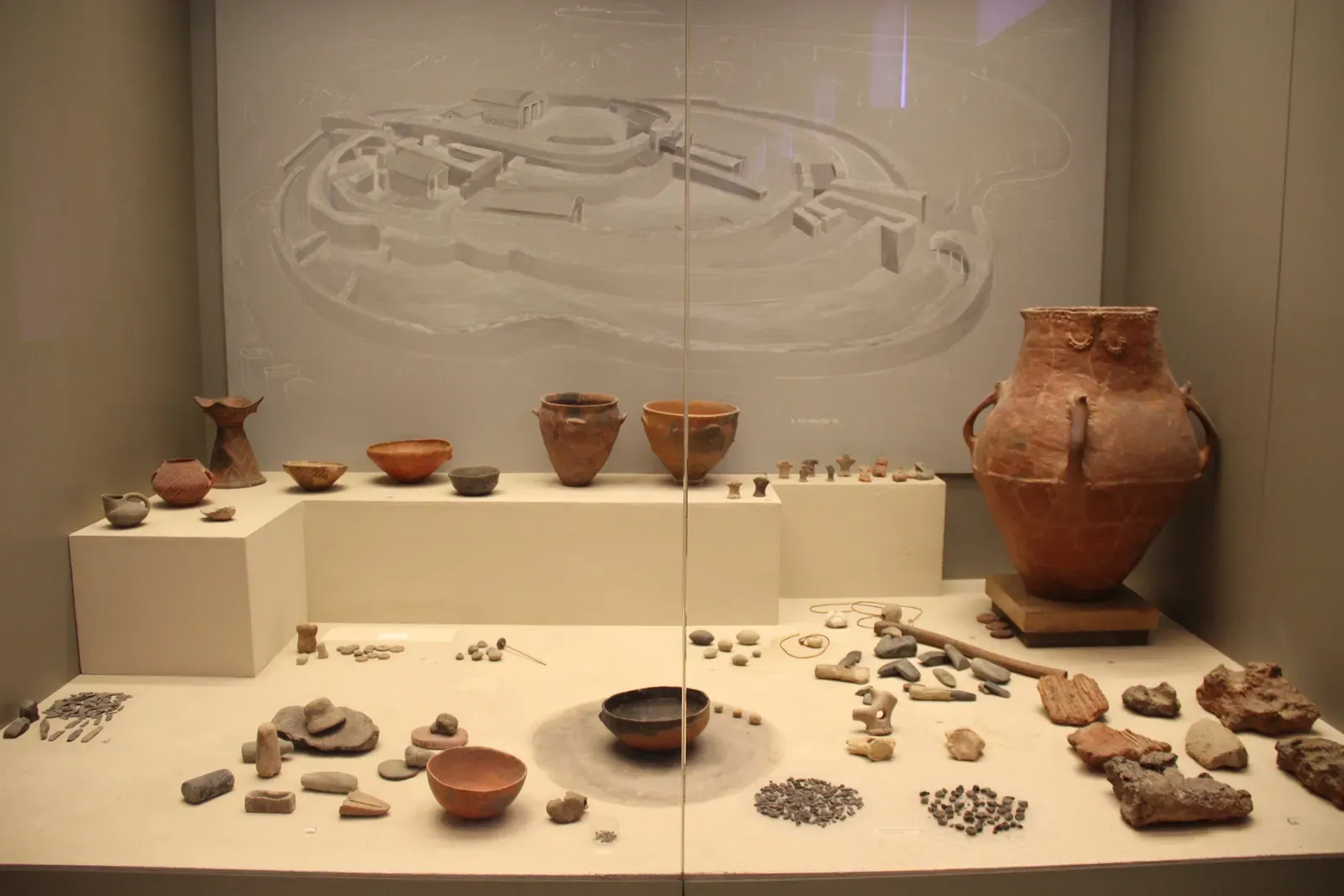
Once you start noticing it, “ceremonial” looks less like an explanation and more like a placeholder – sometimes even a polite way of saying “we don’t really know.” From giant stone spheres to hand-sized “idols,” the evidence often hints at messy, overlapping roles: tools that were symbolic, toys that carried meaning, observatories that were also temples.
Real human lives don’t divide neatly into sacred versus practical, and the archaeological record reflects that blur. The uncomfortable truth is that our own biases toward religion, prestige, and tidy labels shape how we read the past. Some “ritual” objects almost certainly were ceremonial. Others were probably just favorite tools, toys, or gadgets with a bit of extra meaning attached – and honestly, that’s a far more interesting story than the label ever gave them credit for. Did we overcorrect on any of these, or is there a famous “ceremonial” artifact you think has a much simpler explanation? Drop your take in the comments.