
Most people picture undeciphered writing as some spooky curiosity – a handful of weird scratches nobody has gotten around to cracking yet. The real story is a lot more unsettling than that. Some of the sharpest linguists, codebreakers, and AI systems on the planet have thrown everything they have at these documents, and walked away with nothing.
These aren’t obscure scraps rotting in a basement somewhere. They’re photographed obsessively, scanned, statistically modeled, and studied by scholars who’ve built entire careers trying to make them talk. And they still won’t. Stick with this list, because by the time you reach number one, you’ll understand why the scariest “manuscript” of all might be one we haven’t even recognized as writing yet.
#12 – The Phaistos Disc: A Bronze Age Puzzle That Shouldn’t Exist
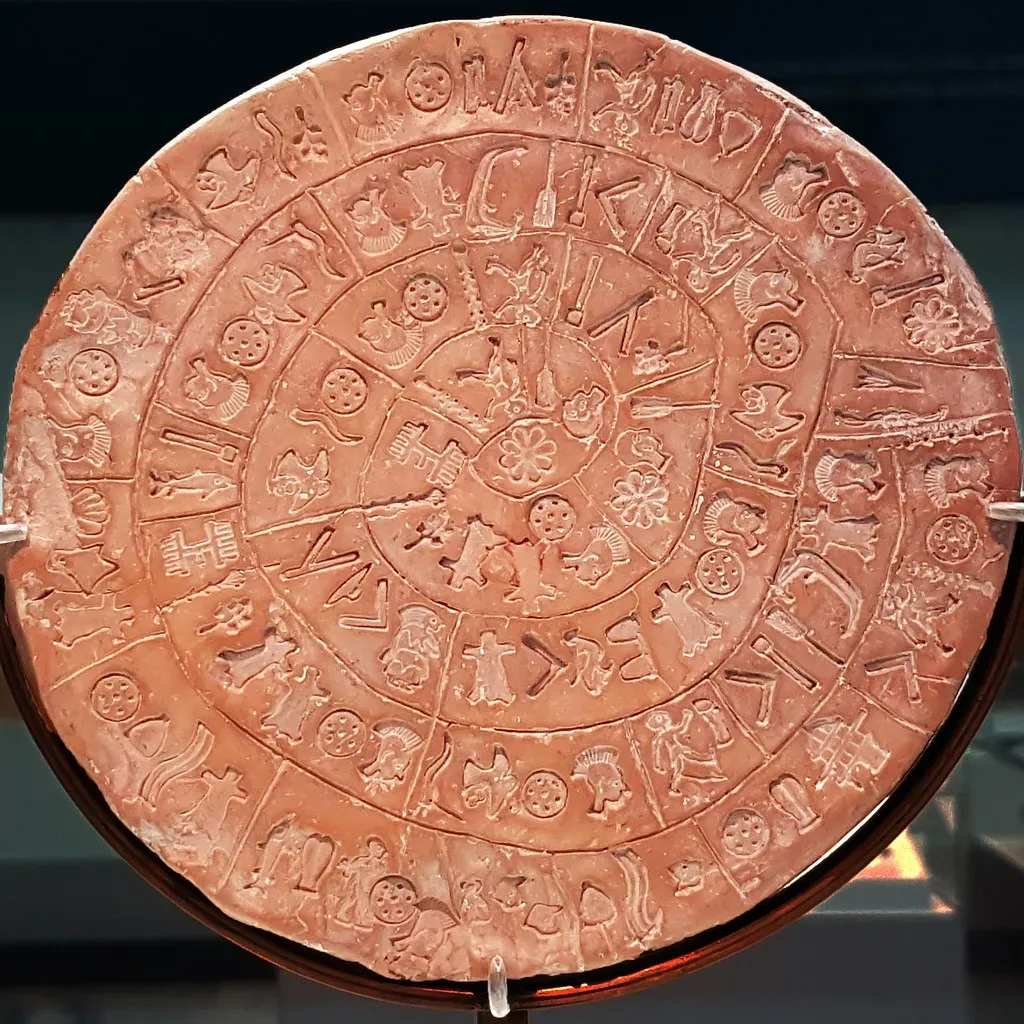
Archaeologists usually get excited by a one-of-a-kind find, then deflated when there’s nothing else like it to compare it against. The Phaistos Disc is the poster child for that exact problem. Discovered on Crete in 1908, this palm-sized clay disc is stamped on both sides with 241 tiny pictograms arranged in a tight spiral.
It’s the only known example of its writing system on Earth, and that isolation is precisely what makes it almost impossible to crack. The symbols look “kind of” like Minoan script, Anatolian glyphs, even Egyptian hieroglyphs, but every proposed reading collapses under scrutiny. Some researchers swear it’s a hymn, others say a board game, and a few still whisper “forgery.” With only one short text and no bilingual Rosetta Stone to lean on, there simply isn’t enough data for pattern-matching to work.
Fast Facts
- Unearthed in 1908 at the Minoan palace site of Phaistos, Crete
- Roughly 16 cm (about 6 inches) across and made of fired clay
- Contains 45 distinct symbol types across 241 total stamped impressions
- No matching second artifact has ever been found anywhere in the world
#11 – Rongorongo of Easter Island: Carvings Nobody Alive Remembered
![#11 - Rongorongo of Easter Island: Carvings Nobody Alive Remembered (Chauvet, Stéphen-Charles; on-line translation by Ann Altman (2004) [1935] L'île de Pâques et ses mystères (Easter Island and its Mysteries), Paris: Éditions Tel, CC BY-SA 3.0)](https://nvmwebsites-budwg5g9avh3epea.z03.azurefd.net/dws/374496d9f9079ab520ebb8a72f422308.webp)
If you assume “lost languages” only belong to prehistory, Rongorongo will bother you. These wooden tablets from Rapa Nui were likely carved in the 18th or early 19th century – practically yesterday by archaeological standards. By the time outsiders paid real attention, every local who might have read them was already dead or dispossessed.
Colonization, disease, and slavery wiped out the reading tradition before a single person wrote down what the signs meant. The script even runs in “reverse boustrophedon”: you read one line, flip the tablet 180 degrees, and read the next. Linguists have spotted repeated sequences that might be genealogies or ritual chants, but there’s still no agreed sound value for a single glyph – and unless a lost 19th-century notebook surfaces, there may never be.
#10 – The Indus Script: A Civilization’s Voice, Silenced
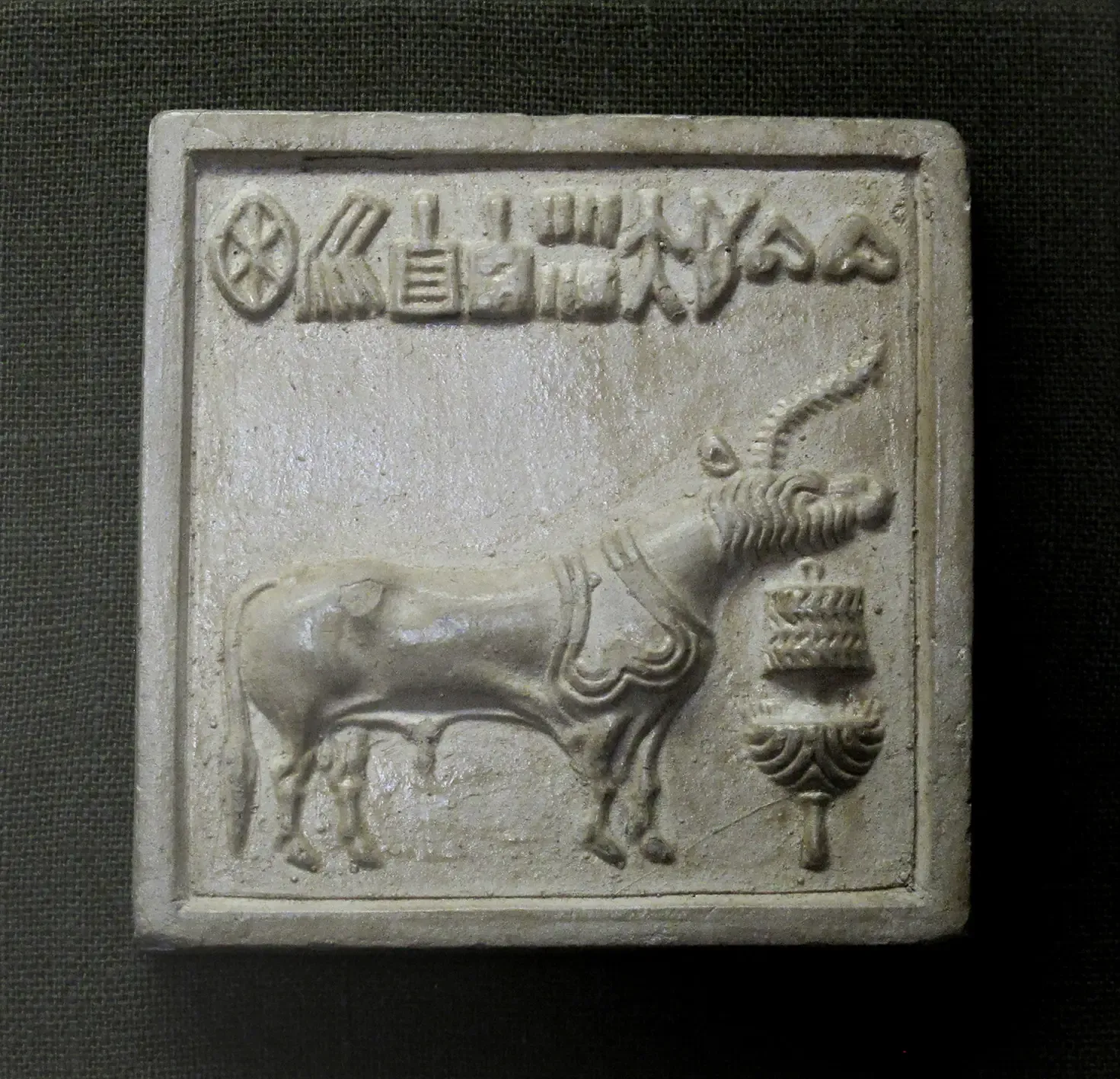
Everyone talks about Egypt and Mesopotamia, but the Indus Valley civilization was running planned cities, working sewage systems, and long-distance trade networks 4,000 years ago. We still don’t know what they called themselves or which gods they prayed to, because every attempt to read their script remains unproven and fiercely disputed.
Hundreds of short inscriptions survive on seals and pottery, but most are only 4 to 10 characters long – barely enough to establish grammar, let alone vocabulary. Some scholars argue this isn’t even full writing, just trader’s marks or heraldic symbols. Others point to statistical patterns that look strikingly language-like. The debate has gotten so heated that many “decipherments” now get treated as political statements rather than scientific claims.
#9 – The Cascajal Block: A Lone Voice of the Olmecs

The Olmecs are often called the “mother culture” of Mesoamerica, yet they left behind almost no readable words. Then a carved stone slab turned up in Veracruz, Mexico – the Cascajal Block – covered in 62 symbols arranged in irregular rows. Many archaeologists cautiously accept it as the oldest known writing in the Americas.
The catch: no other artifact anywhere uses the same symbols in a clear text. It’s another maddening one-off script. Some glyphs resemble plants, insects, or tools, hinting at real vocabulary behind the pictures, and statistical analysis suggests an ordered sequence rather than random doodling. But critics question everything from its murky dig context to its authenticity, and there’s zero bilingual help from any neighboring culture to lean on.
#8 – The Byblos Pseudo-Hieroglyphic Inscriptions: Too Close for Comfort
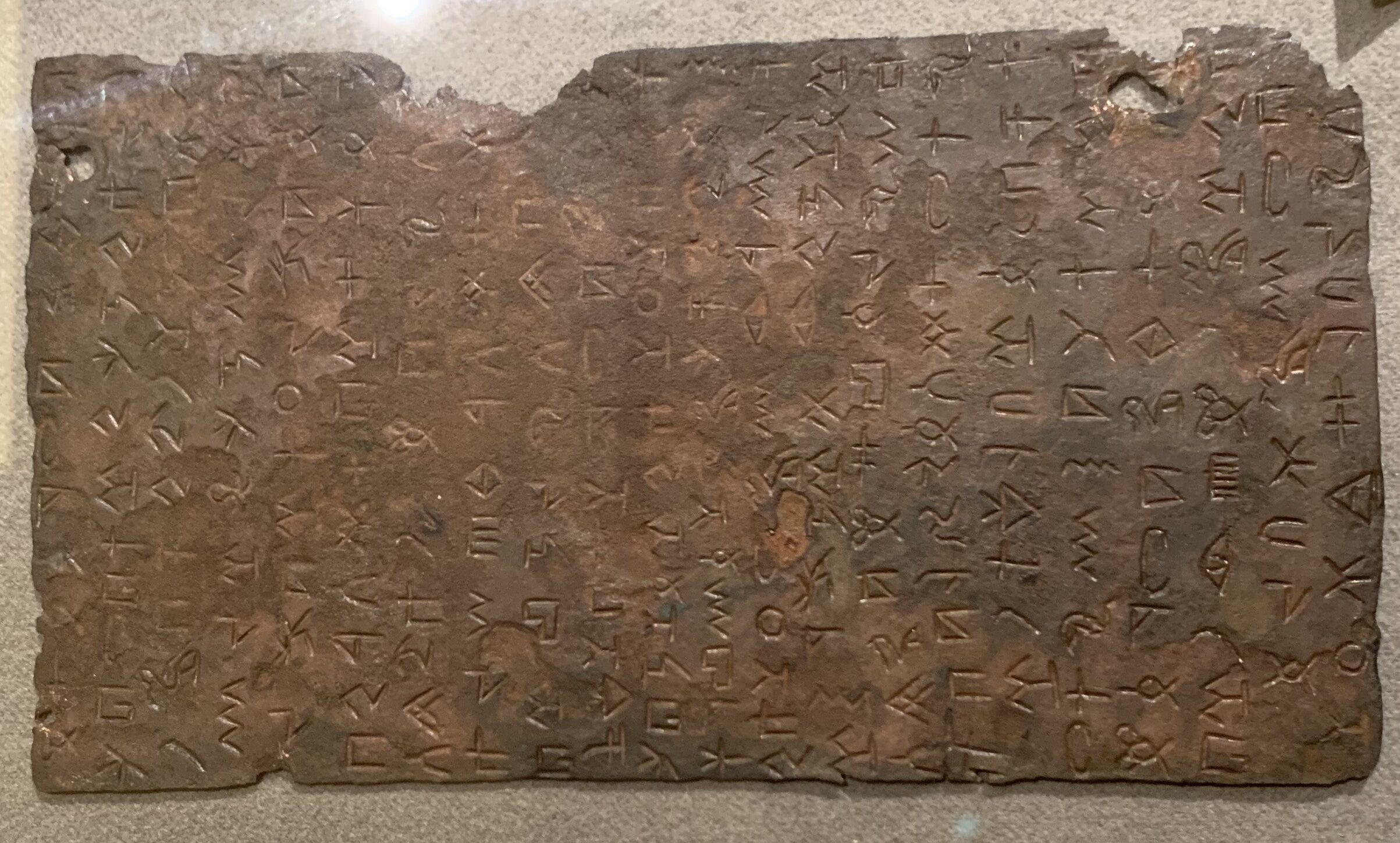
In the Lebanese port city of Byblos, archaeologists uncovered bronze tablets and stone inscriptions written in a script that looks vaguely like Egyptian hieroglyphs – yet clearly isn’t Egyptian at all. Scholars can’t even agree whether the underlying language is early Phoenician, Amorite, or something entirely unknown.
That surface-level familiarity is a trap. Several proposed decipherments claim to spot Semitic grammar or royal boasts, but change a handful of sign values and you can “read” the exact same text as something completely different. That lack of reproducibility is a massive red flag in this field. With fewer than a dozen short inscriptions total, the Byblos texts sit in scholarly limbo – too likely to be real writing to ignore, too ambiguous to ever decode cleanly.
#7 – Linear A: The Script That Died Without a Translation
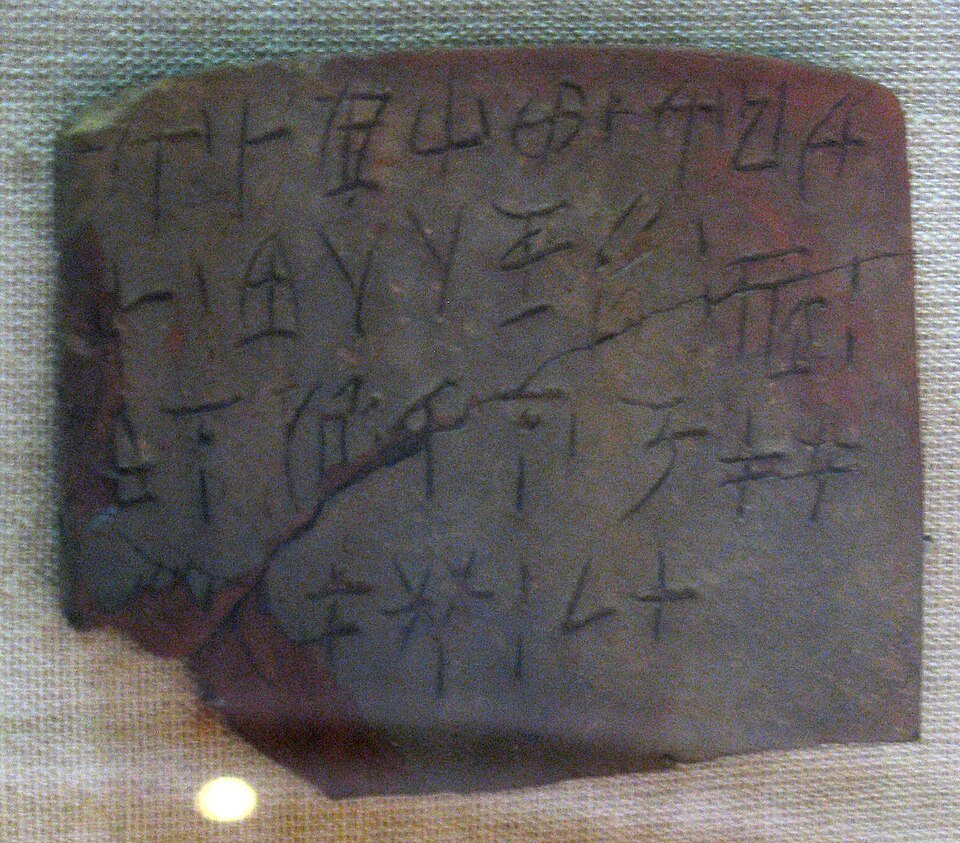
Everyone celebrates Linear B, the Mycenaean script famously cracked in the 1950s. Its older cousin, Linear A, is a different story entirely. It looks like Linear B’s sibling and even shares some signs – but when you plug those known sound values into Linear A, almost nothing sensible comes out. It’s like trying to read Hungarian using Spanish phonetics and wondering why it sounds like gibberish.
Most experts believe Linear A records a completely different, non-Greek language with no known relatives anywhere. That means no shortcuts, no cousin languages to borrow clues from. We have hundreds of inscriptions, mostly rations and offerings, but they’re so repetitive that the vocabulary sample stays frustratingly thin. Even AI-based pattern analysis hits the same wall: without a related language to anchor the patterns, there’s nothing to translate them into.
Quick Compare
- Status: Linear B was deciphered in 1952 by Michael Ventris; Linear A remains unread
- Underlying language: Linear B encodes Mycenaean Greek; Linear A’s language is still unknown
- Timeframe: Linear A dates roughly 1800-1450 BCE, predating Linear B’s 1450-1200 BCE range
- Range: Linear A stayed largely confined to Crete, while Linear B spread to the Greek mainland
#6 – The Tartaria Tablets: Europe’s Most Controversial Scratches
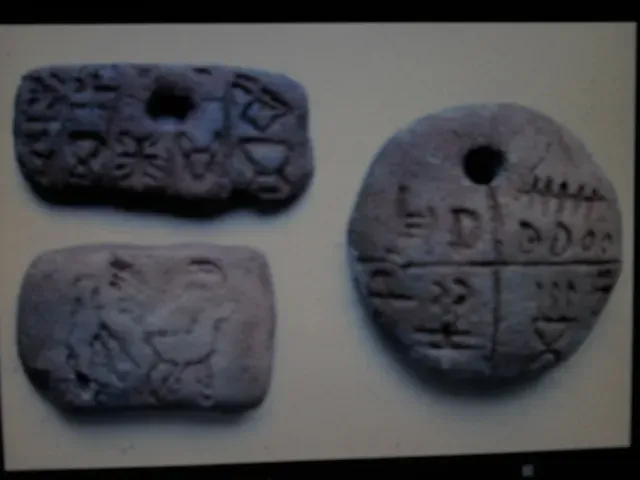
The Tartaria Tablets from Romania are tiny clay pieces marked with crosses, chevrons, and abstract figures. Alone, they’d be minor curiosities. But some researchers argue they might represent the earliest writing in Europe, predating Mesopotamian cuneiform – a claim that throws gasoline on the entire debate over where writing actually began.
Mainstream archaeologists counter that the symbol set is tiny, the dig context is murky, and similar motifs show up in non-linguistic Neolithic art all over the region. Others insist the repetition and ordering hint at genuine proto-writing. The uncomfortable truth is nobody knows if we’re looking at language, ritual markings, or ownership tags, and cracking that mystery would take dozens more finds from secure excavations that simply haven’t happened yet.
#5 – The Liber Linteus Zagrabiensis: A Full Book Nobody Can Really Read
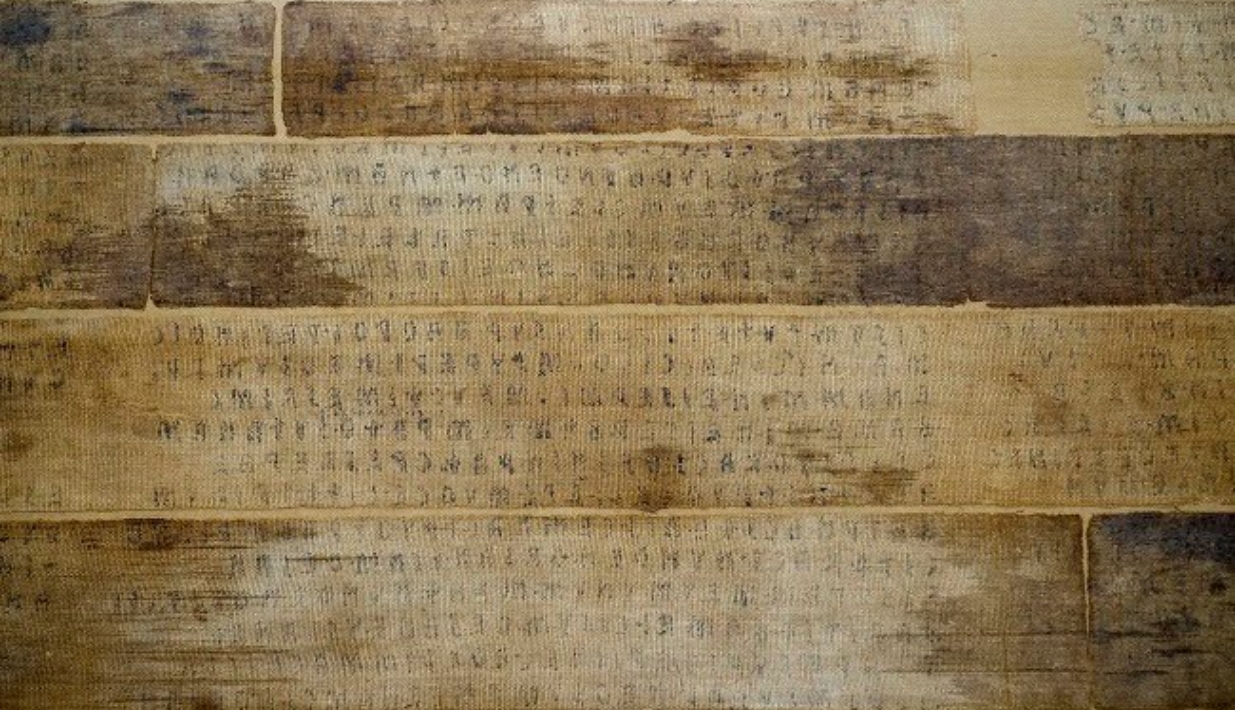
Unlike most entries here, the Liber Linteus isn’t a fragment or a lone tablet. It’s a full-length ritual text – the longest surviving Etruscan manuscript in the world – written on linen and, bizarrely, later recycled as wrapping for an Egyptian mummy. We can pronounce much of it. We recognize dates, deities, some familiar Etruscan words. And yet the line-by-line meaning is still largely a black box.
Etruscan sits in a strange corner of linguistics: it isn’t Indo-European, and its closest relatives, if it has any, are barely documented themselves. So this isn’t “unsolved symbols” in the usual sense – it’s a readable alphabet wrapped around an almost unreadable language, likely some kind of calendar or liturgical schedule. Every confident translation someone publishes tends to get dismantled by another specialist as cherry-picked guesswork within a year or two.
At a Glance
- Longest known Etruscan text, running to roughly 1,200 words
- Written on linen, then centuries later cut into strips to wrap a mummy in Egypt
- Now preserved at the Archaeological Museum in Zagreb, Croatia
- Widely believed to be a religious or ritual calendar rather than a narrative
#4 – The Rohonc Codex: Elaborate Hoax or Lost Tradition?
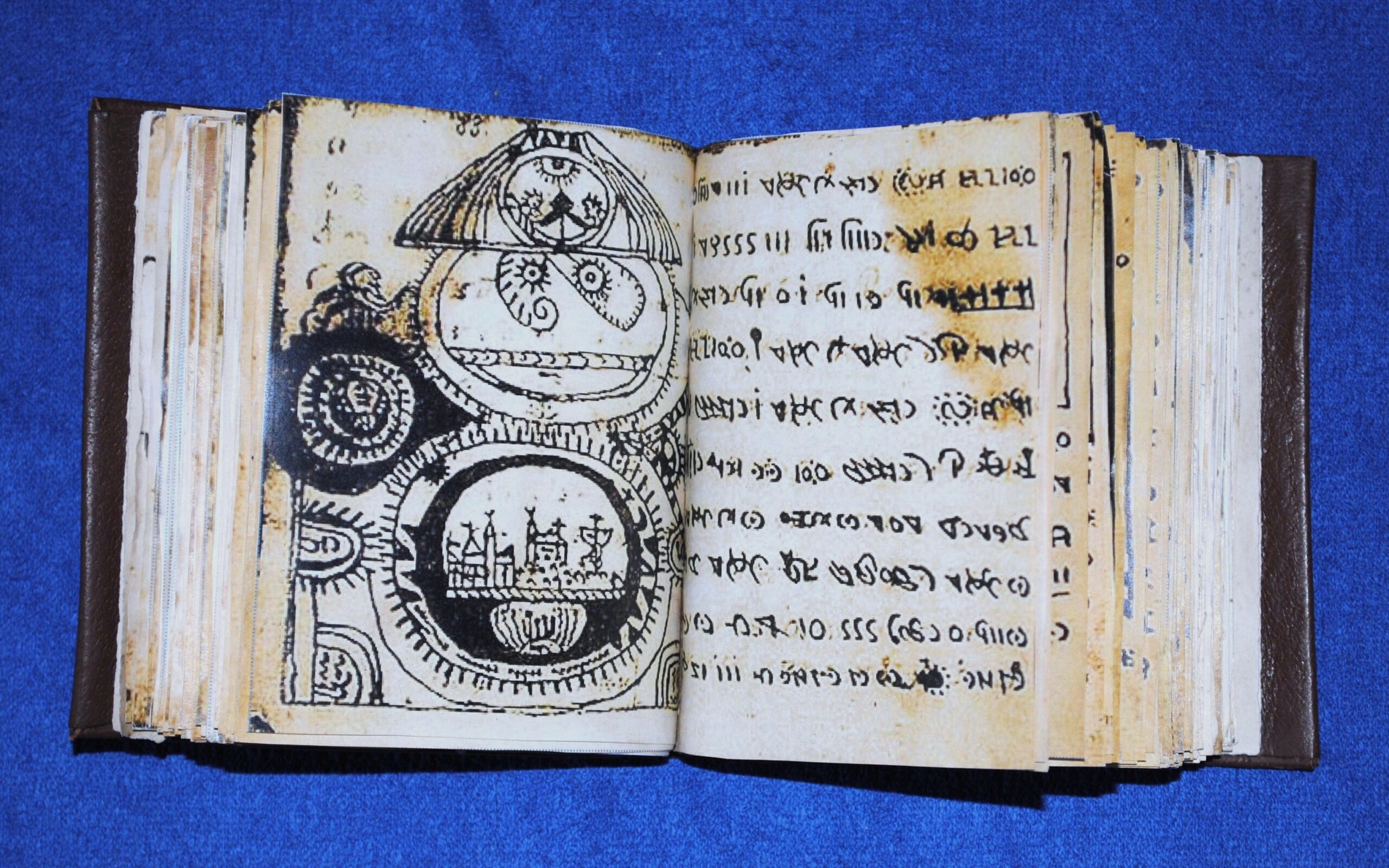
The Rohonc Codex surfaced in Hungary in the 19th century and looks like a script-lover’s dream: hundreds of neatly written right-to-left pages, crude but detailed illustrations of battles and religious processions, even page numbers. Every serious attempt to decipher it has failed, and many experts now suspect it’s an extraordinarily elaborate 18th- or 19th-century forgery.
The alphabet has far too many distinct signs for a normal script of its era, and symbol-frequency analysis doesn’t line up cleanly with any known language. Believers have claimed to spot hidden Hungarian, Latin, even a blend of Christian and Hindu symbolism – which tells you more about the people decoding it than about the book itself. Here’s the unsettling part: if it’s fake, it’s one of the most obsessively consistent hoaxes ever produced. If it’s real, an entire written tradition vanished without leaving a single other trace.
#3 – The Voynich Manuscript: The Internet’s Favorite Dead End
![#3 - The Voynich Manuscript: The Internet's Favorite Dead End (Beinecke Rare Book & Manuscript Library, Yale University ([1])., Public domain)](https://nvmwebsites-budwg5g9avh3epea.z03.azurefd.net/dws/ce90ff544c81b02d4f3ba7a88e571e56.webp)
No list like this skips the Voynich Manuscript. Bought by book dealer Wilfrid Voynich in 1912, this 15th-century codex is packed with looping unfamiliar letters, bizarre invented plants, astrological charts, and naked women bathing in green fluid. Decades of cryptographers, linguists, and internet obsessives have taken their shot at it.
The writing passes nearly every test for being a real language – consistent patterns, word-like structures – yet no one has ever matched it to a known tongue. Modern statistical and AI analysis actually makes Voynichese look more like natural language, not less. But every proposed “solution,” from a medieval constructed language to encoded Italian, collapses the moment someone else tries to reproduce it. Ironically, the more computing power we throw at it, the more solidly “unsolved” it becomes.
Worth Knowing
- Radiocarbon dating places the vellum to the early 1400s
- Runs to around 240 surviving pages, including several fold-out illustrations
- Sections appear to cover botany, astronomy, the human body, and recipes
- Now held at Yale University’s Beinecke Rare Book Library
#2 – Proto-Elamite Tablets: When Even Computers Shrug
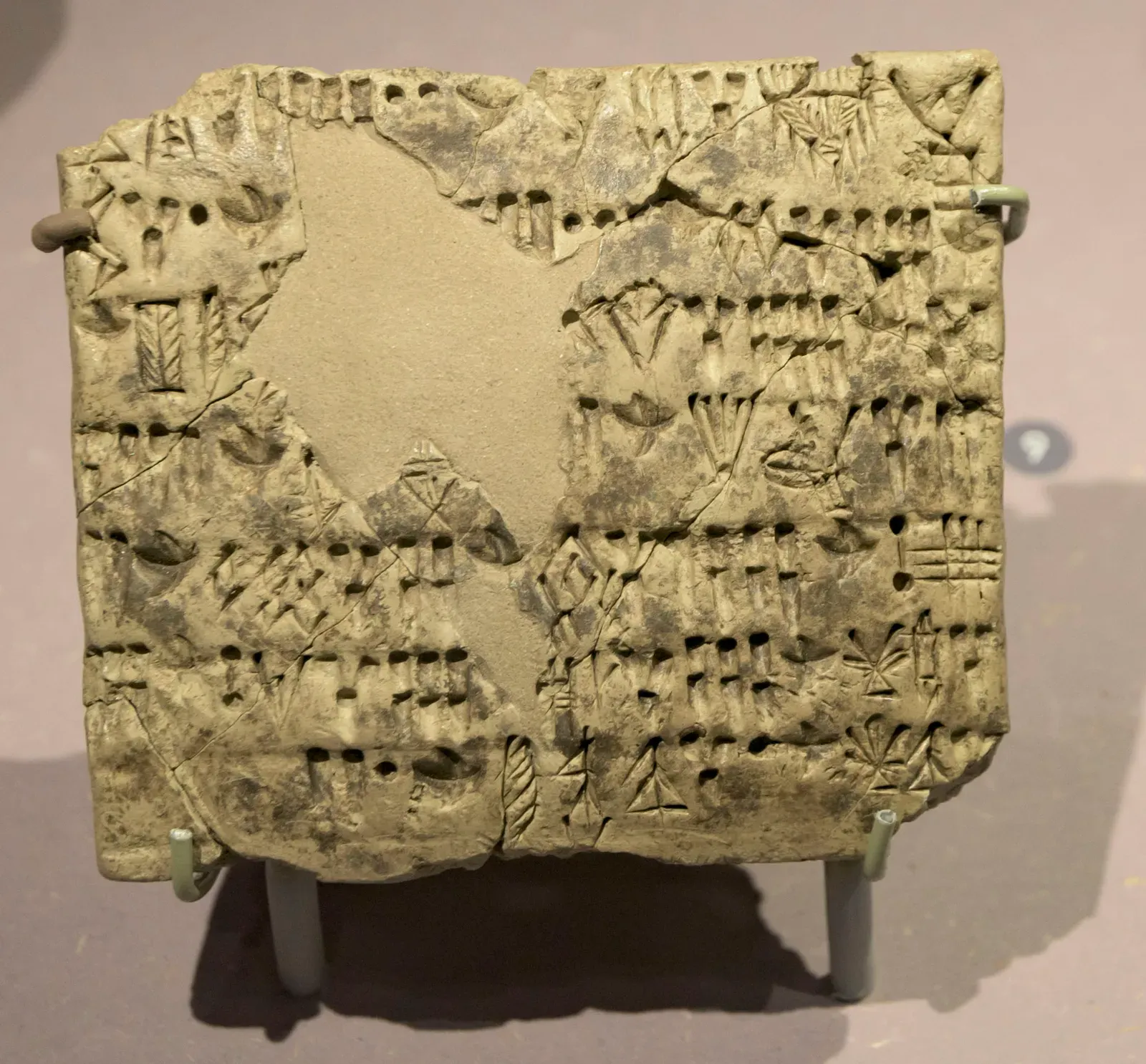
In southwestern Iran, archaeologists found thousands of clay tablets written in what’s now called Proto-Elamite, dated to roughly 3100–2900 BCE – possibly the oldest undeciphered script on Earth. The signs combine in ways that defy neat cataloging, and even large-scale digital projects that scanned and standardized hundreds of tablets have failed to produce a convincing reading.
We can tell some tablets deal with grain, livestock, and labor, thanks to numerical signs and layouts borrowed from better-understood systems nearby. But the big questions remain wide open: is the underlying language related to later Elamite, or something else entirely? Machine-learning tools have helped tidy up the sign lists, but without a bilingual inscription to anchor them to meaning, Proto-Elamite stays a wall even supercomputers can’t climb.
#1 – The Indecipherable Dead: Scripts We Don’t Even Know We’ve Lost
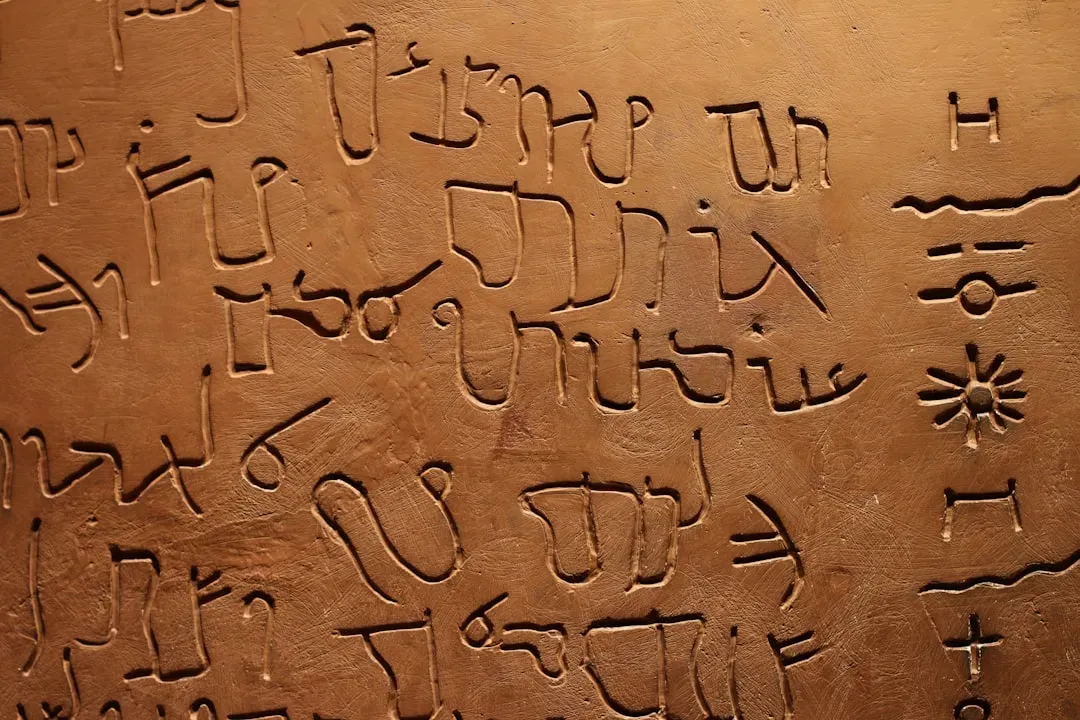
Here’s the twist that makes this whole list feel bigger than it looks: the most unreadable manuscripts aren’t the famous ones. They’re the ones we don’t even recognize as writing yet. Archaeology is full of scratched bones, decorated pots, and patterned objects filed away under “art” or “ornament” simply because we lack the context to see them as possible text at all.
Drop a USB drive into a Neolithic dig site and a future archaeologist might catalog it as a bead. Some researchers argue that entire symbol systems on megaliths, textiles, or perishable materials that no longer exist could represent complete writing traditions we’ll never even know we lost. Others push back hard, warning against turning every pattern into a secret code. That tension is healthy – but it also means our list of undeciphered scripts is almost certainly incomplete, and some ancient voices may already be gone for good, indistinguishable now from random scratches on stone.
The Bottom Line
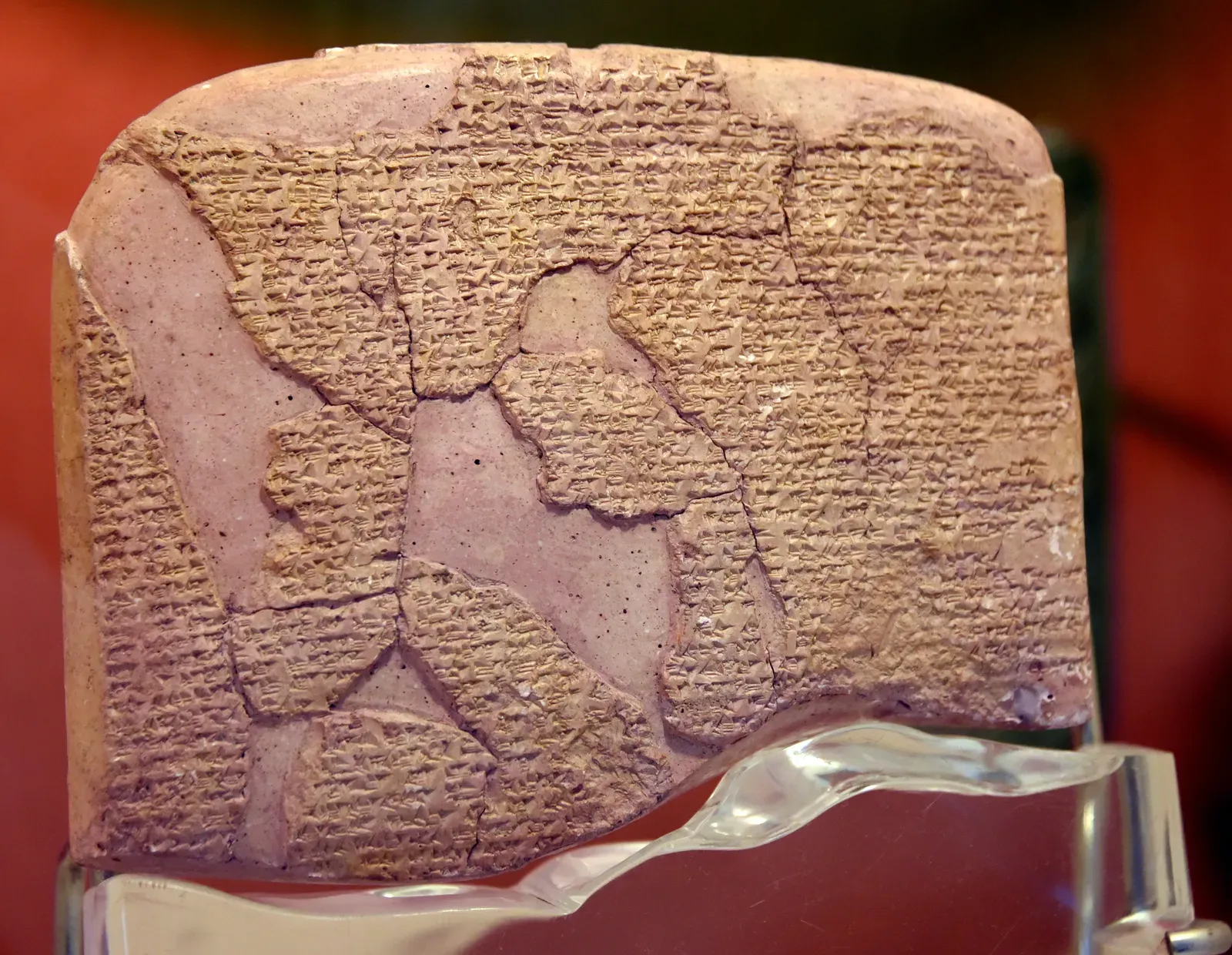
Strip away the hype and a pattern emerges fast: the biggest obstacle to reading these manuscripts was never intelligence or technology. It’s context. One-off artifacts, tiny corpora, languages with no living relatives, and possible forgeries all conspire to keep even brilliant decoders in the dark.
Popular culture loves headlines claiming “the Voynich was finally solved” or “AI just cracked the Indus script.” Inside the field, those announcements almost always fall apart within months. The more honest, and honestly more interesting, conclusion is that we’re bumping up against the real limits of what the archaeological record can give back. Some of these texts will probably stay silent forever – not because they’re mystical, but because the math of the evidence simply isn’t on our side.
Still, it only takes one lucky find – a bilingual inscription, a longer corpus, a re-excavated site – to flip the entire table overnight. My money’s on Proto-Elamite or the Indus script breaking first, purely because there’s more raw material to work with. Rongorongo, on the other hand, might be the one we quietly have to let go of. Which one do you think talks first?