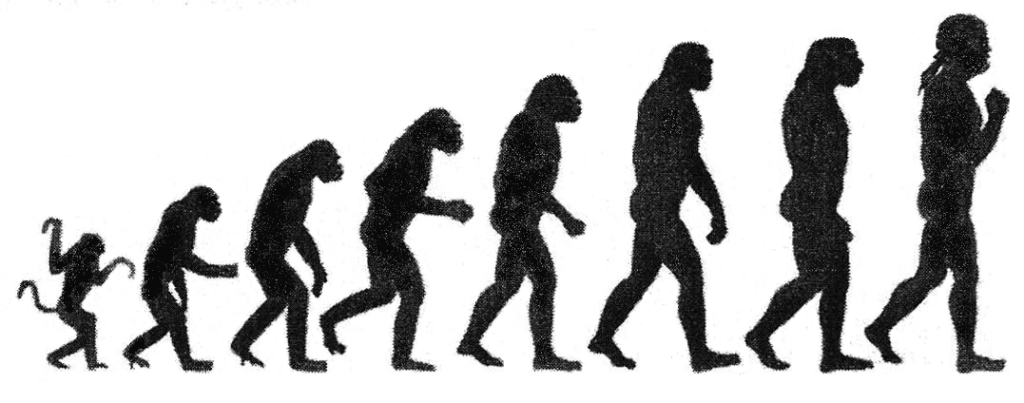

Most people assume neuroscientists have dreaming figured out by now. We’ve mapped the human genome, built AI that mimics human thought, and flown a probe past Pluto. Surely someone, somewhere, knows why your brain runs a full theatrical production every single night, complete with strangers, plot twists, and physics that make zero sense.
Here’s the uncomfortable truth: they don’t. Brain scanners can tell you exactly which neurons fire during REM sleep, but they still can’t tell you why dreaming happens, what most of it means, or why some of the field’s strangest findings refuse to fit any tidy theory. Twenty of the biggest gaps are below, and a few of them will make you question things you assumed were settled science a long time ago.
#20 – Nobody Can Agree On Why We Dream At All

This is the single biggest embarrassment in sleep science, and researchers openly admit it. Some think dreaming is a byproduct of memory consolidation. Others think it’s an evolutionary leftover with zero function, and neither camp has enough evidence to shut the other down.
Understanding how dreams are generated and what their function might be – if any – is one of science’s biggest open questions right now.
Remington Mallett, University of Montréal
That’s not a fringe opinion. It’s coming from someone chairing sessions at one of the biggest cognitive neuroscience conferences in the world. These competing theories aren’t mutually exclusive, but dreaming still sits at the messy intersection of biology, cognition, and raw experience, part function, part mystery, with no textbook answer buried anywhere underneath.
#19 – Why Your Brain Deletes 95% Of Your Dreams By Breakfast

You dream every single night, multiple times, whether you remember it or not. Neuroscientists still can’t fully explain why most of it vanishes almost instantly.
Researchers have identified four separate steps behind successful dream recall: generation, storage, retrieval, and reporting. Each stage is its own black box, and dream reports are only as accurate as the weakest link allows.
Fast Facts
- Generation happens deep in sleep, long before you’re consciously aware anything occurred.
- Storage decides whether the dream even gets encoded into short-term memory in the first place.
- Retrieval is the fragile moment you try to pull the dream back after waking up.
- Reporting translates memory into language, and detail often gets lost in that final step alone.
Here’s the part that trips people up: forgetting a dream doesn’t necessarily mean nothing happened. Your brain may be actively suppressing dream content rather than simply failing to store it, a process nobody has fully mapped. Some nights you wake mid-dream and remember everything; other nights, the same brain, the same person, remembers nothing at all.
#18 – Nightmares Might Be Protecting You, Not Torturing You
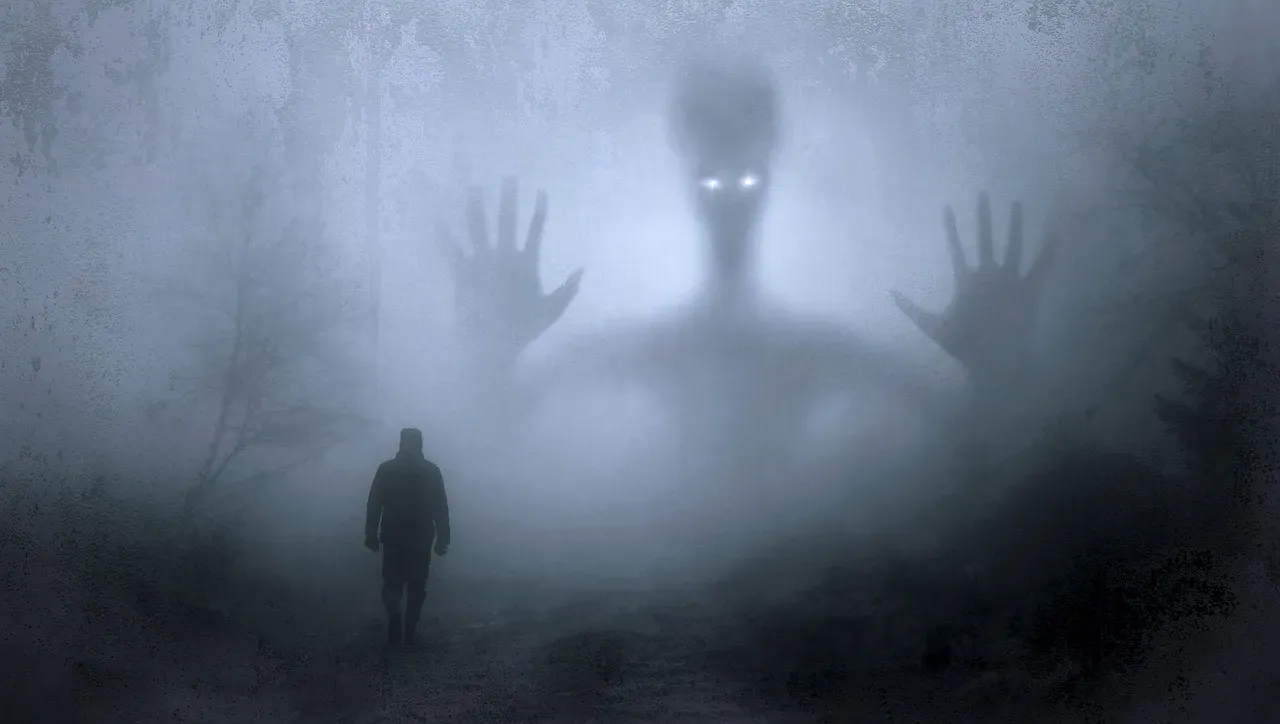
Here’s a genuinely controversial idea gaining traction: your worst nightmares might actually be doing you a favor. The “threat simulation theory” frames dreaming as an ancient defense mechanism, one that repeatedly rehearses threatening scenarios so your brain gets better at spotting and avoiding real danger while you’re awake.
It’s a compelling theory, but far from proven. Meanwhile, clinicians are racing in the opposite direction, trying to shut nightmares down rather than embrace them, because nightmares are brutal for clinical populations and understanding how they form is already laying groundwork for reduction protocols. So one camp calls nightmares evolutionary armor, another wants them gone entirely, and nobody has reconciled the two positions.
#17 – Blind People Still “See” In Their Dreams, And Nobody Knows How
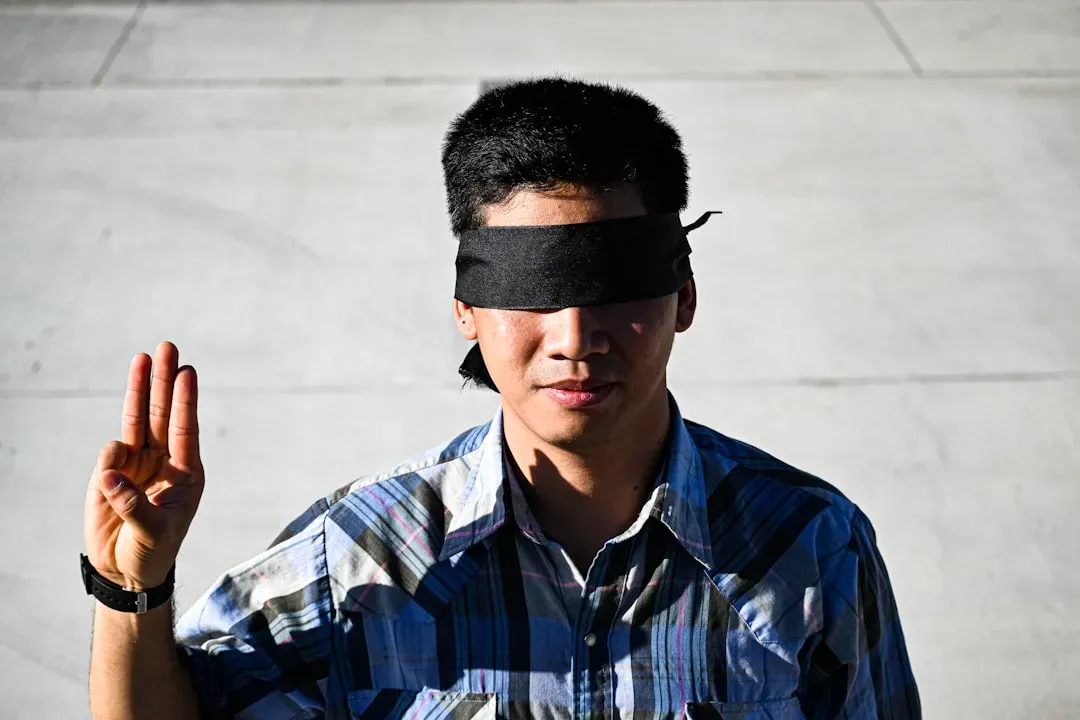
This one breaks basic assumptions about how dreaming works. People who have been blind since birth, who have never processed a single visual image while awake, still report dream sensations that mimic complex spatial and sensory experiences.
Neuroscientists studying dream architecture have found the brain doesn’t need functioning eyes to build a rich internal world, which raises an uncomfortable question: is dream imagery generated by memory, or by something deeper and more universal in brain wiring that doesn’t require sight at all?
Here’s the detail most people don’t expect: congenitally blind dreamers report more nightmares built from touch, smell, and sound-based threats than sighted people do, as if the brain reroutes fear simulation through whatever senses are actually available. It’s forced researchers to rethink dreaming less as a movie playing behind closed eyes, and more as a full-body simulation system.
#16 – Animals Almost Certainly Dream, But We Can’t Ask Them What About

Watch a sleeping dog twitch its paws and whimper, and you’re witnessing something neuroscientists still can’t fully interpret. Brain wave patterns recorded in rats during sleep closely mirror the exact patterns recorded while those same rats navigated mazes while awake, suggesting the animals were essentially replaying the maze in their sleep.
Worth Knowing
- Rats replaying maze routes during sleep show brain-wave patterns nearly identical to the ones recorded while running the maze awake.
- Cats, dogs, and most other mammals cycle through REM sleep, complete with twitching muscles and rapid eye movement.
- There’s currently no reliable way to confirm subjective dream experience in any non-human animal, only strong behavioral hints.
It’s one of the strongest pieces of indirect evidence that non-human animals dream. But the catch is real: there’s no way to confirm subjective experience in an animal brain, so “dreaming” in rodents stays an inference, not a proven fact. Without language, animals can never confirm or deny what they experienced, leaving comparative neuroscience stuck extrapolating from behavior and brain waves alone.
#15 – Almost Nobody Can Control Their Dreams, And Science Doesn’t Know Why Some People Can

Lucid dreaming, the ability to know you’re dreaming and consciously steer the plot, happens to a small minority of people regularly, while most humans never experience it at all. Labs are now trying to manufacture the ability artificially rather than wait for it to occur naturally, including recent experiments testing whether VR exposure beforehand can trigger lucidity during sleep.
It’s a strange, almost sci-fi approach, and it underscores how little control conventional methods actually offer. Here’s the opinion neuroscientists rarely say out loud in public: most commercial lucid dreaming apps and supplements sold online have shaky evidence behind them at best. The real research is still confined to labs using specialized cues, VR pre-exposure, and electrical stimulation, nothing you can buy off a shelf, and why some brains slip into lucidity easily while others never do remains genuinely unsolved.
#14 – Dream Logic Breaks Every Rule Of Reality, And Your Brain Never Objects

In dreams, rooms shift shape, dead relatives show up as if nothing’s wrong, and you might be simultaneously 25 and 8 years old, yet you rarely question any of it in the moment. That bizarre acceptance of impossible logic points to something happening in the prefrontal cortex, the brain’s center for critical reasoning and reality-checking, which goes comparatively quiet during REM sleep.
That quieting may explain why your dreaming brain doesn’t flag obvious contradictions. But the suppression isn’t complete or consistent: some dreamers do notice the inconsistencies and use them as lucidity triggers, while most sail right past them. Neuroscientists have never fully mapped why that threshold for “noticing something’s wrong” varies so wildly from person to person, or even night to night in the same person.
#13 – Déjà Vu Might Be A Leaked Dream Memory, But Nobody Can Prove It

One theory circulating in sleep labs is that déjà vu, that eerie feeling you’ve lived a moment before, might actually be a fragment of a forgotten dream resurfacing in waking life. It isn’t official doctrine, but it’s taken seriously because dream storage and retrieval share overlapping neural pathways with everyday memory formation.
If a dream fragment gets stored improperly, it could theoretically resurface later disguised as déjà vu instead of a remembered dream. The problem is proving it: dream content is notoriously hard to verify against real-world déjà vu triggers after the fact, since by definition you can’t remember the original dream you’re supposedly recalling. Until brain imaging gets precise enough to trace a specific dream fragment into a waking déjà vu moment, this stays a hypothesis, not a finding.
#12 – “Precognitive” Dreams Have Never Been Debunked Or Confirmed
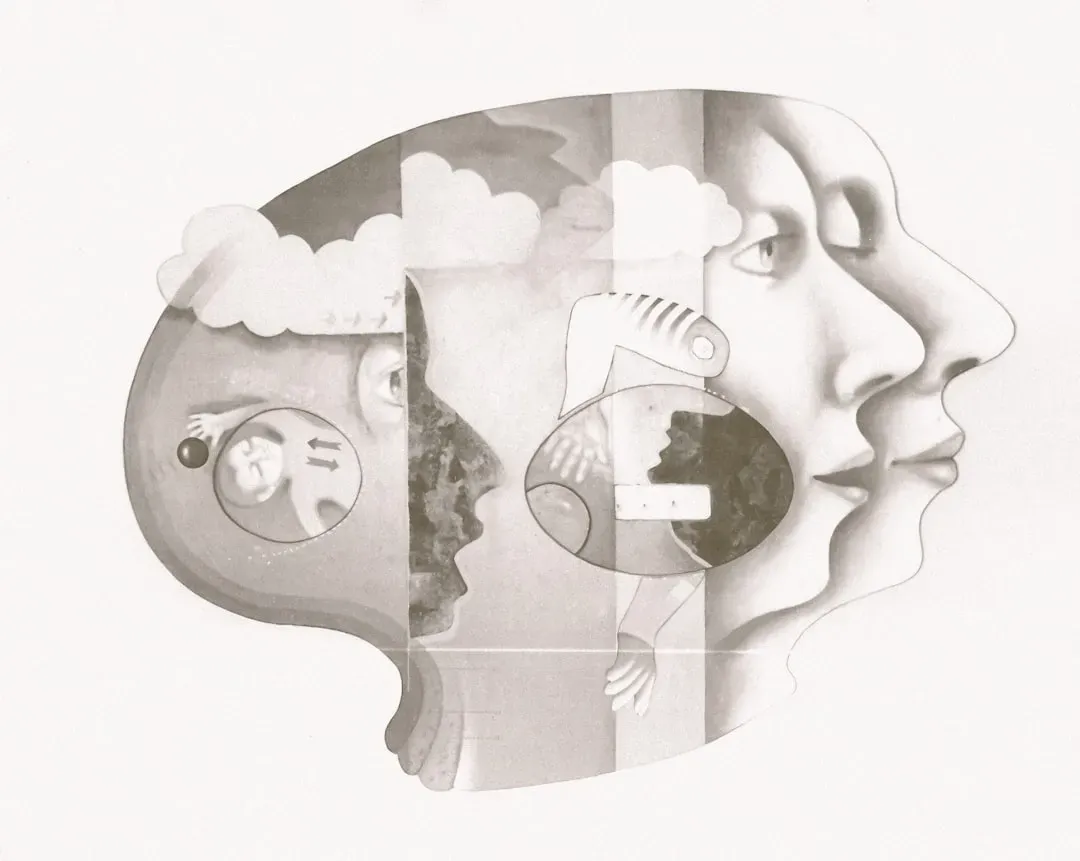
People have claimed to dream about future events for centuries, and despite decades of skepticism, neuroscience has never definitively closed the book on this one. The mainstream explanation is coincidence plus confirmation bias: humans have thousands of dreams a year, and a few will inevitably resemble later real-world events purely by chance.
That’s the scientifically responsible answer, but here’s the friction point: no controlled study has ever produced a dataset large enough to statistically rule out anything beyond coincidence, because dream content is so vast and subjective that comparing it rigorously to future events is a methodological nightmare in itself. Some researchers argue that makes the whole question scientifically uninteresting; others argue that’s exactly why it deserves more rigorous study, not less. That disagreement alone tells you how unsettled this corner of dream science really is.
#11 – Why Some Dreams Are In Color And Others Aren’t

Ask around and you’ll find people who swear their dreams are always vivid and full color, and others who insist theirs are washed-out or black and white. Neuroscience still doesn’t have a clean explanation for the split.
One theory ties this to generational television exposure: people who grew up watching black-and-white TV reported more monochrome dreams than those raised on color broadcasts, as if dream imagery gets shaped by dominant visual media rather than following a fixed biological default. It’s a strange, almost sociological explanation for something assumed to be purely neurological, and it still doesn’t explain younger generations who never watched black-and-white television yet occasionally report dull or colorless dreams anyway. Individual differences in visual cortex activity during REM sleep may play a role, but no study has isolated a definitive cause.
#10 – Strangers In Your Dreams Aren’t Actually Strangers
Nearly everyone has dreamed about a character who felt completely unfamiliar, a face you’re certain you’ve never seen in real life. Neuroscientists studying facial recognition and memory storage argue that’s close to impossible.
The brain doesn’t generate faces from nothing. It recombines and distorts fragments of faces you’ve already encountered, sometimes blended so subtly that conscious memory can’t trace the source. The unsettling implication is that your brain holds a facial database far larger and more detailed than your conscious mind has access to, which raises bigger questions about how much of your daily sensory experience gets quietly archived without your knowledge at all.
#9 – Recurring Dreams Refuse To Fit Any Single Theory

Millions of people report the exact same dream scenario returning again and again, sometimes for years or decades, and dream researchers still can’t agree on a unifying explanation. Memory-processing theories suggest recurring dreams reflect unresolved emotional material the brain keeps trying, and failing, to fully process. Threat-simulation theories suggest they’re rehearsal loops for anxieties that never got resolved in waking life.
Neither theory explains why the recurring dream itself rarely changes even slightly over years, despite the dreamer’s circumstances changing dramatically. If dreams were purely adaptive memory processing, you’d expect them to evolve as new information gets incorporated. Instead, many people report the identical scenario, same setting, same panic, decade after decade, and that rigidity just doesn’t fit neatly into any current model.
#8 – Sleep Paralysis Hallucinations Are Eerily Similar Worldwide, And Nobody Knows Why

Sleep paralysis, where you wake up mentally but stay physically frozen, is often paired with some of the most horrifying dream-like hallucinations reported anywhere in sleep science. During REM sleep, your body is naturally paralyzed to stop you from acting out dreams, and sleep paralysis happens when consciousness returns before that paralysis switches off.
At A Glance
- Newfoundland folklore describes the experience as being visited by the “Old Hag.”
- Japan calls it kanashibari, meaning “bound in metal.”
- Brazilian folklore blames the Pisadeira, a chest-pressing figure from local legend.
- Chinese tradition describes it as a “ghost pressing on the body,” while Egyptian folklore points to the kabus.
That creates a terrifying overlap between waking awareness and dream-state hallucination. What nobody has fully explained is why this specific overlap so often produces the same eerie themes across unrelated cultures with zero historical contact: a shadowy figure, a crushing weight on the chest, a sense of malevolent presence nearby. Some researchers suspect the amygdala’s fear circuitry is going into overdrive during a state the brain isn’t built to handle safely, but why the hallucinated content stays so consistent across totally different individuals, cultures, and eras remains genuinely mysterious.
#7 – Antidepressants Rewire Your Dreams, And Doctors Still Can’t Predict How

Millions of people on SSRIs and other psychiatric medications report dramatically different dream content after starting treatment, and this remains an underexplored corner of neuroscience. Some patients get vivid, unusually intense dreams shortly after starting antidepressants; others get the near-total suppression of dream recall altogether.
Here’s the opinion many prescribers won’t say out loud: patients are rarely warned about this in detail, despite how disruptive vivid or disturbing dreams can be to daily functioning. The mechanism likely involves how these medications alter REM sleep architecture and serotonin levels, which shapes emotional processing during dreams, but predicting which patients get intensified nightmares versus dream suppression on the exact same medication is still guesswork. Two people on an identical dosage can have completely opposite dream experiences, and nobody can currently explain why.
#6 – Your Brain Weaves Real Sounds Into Dreams In Real Time
If an alarm clock, a barking dog, or rain hitting your window happens while you’re dreaming, your brain often weaves that exact sound into the dream’s storyline almost instantly. This phenomenon, called dream incorporation, proves the sleeping brain is still processing external sensory input even during deep dream states.
The surprising part is how creatively and quickly the brain reframes a mundane external noise into a coherent narrative element, sometimes within seconds of the sound occurring. What remains unclear is how much external information gets filtered into dreams without you ever noticing, versus how much simply gets blocked out entirely. Some researchers think this hints that the sleeping brain keeps a low-level environmental monitoring system running all night, essentially standing guard even while you’re deep inside an unrelated dream.
#5 – Dreaming Happens Outside REM Sleep Too, Which Broke An Entire Theory

For decades, textbooks taught that dreaming was essentially synonymous with REM sleep. That assumption has since collapsed. Researchers now regularly wake people from non-REM sleep stages and get detailed dream reports, sometimes just as vivid as anything from REM.
The uncomfortable truth is that an entire generation of sleep research built its conclusions on an incomplete map of when dreaming actually happens. Studies that only sampled REM sleep may have missed a substantial chunk of dream content entirely, skewing decades of conclusions about dream themes, emotional tone, and frequency. Researchers are now going back through old assumptions and re-testing them against non-REM dream reports, and some earlier “settled” findings are quietly falling apart.
#4 – The Prefrontal Cortex Goes Quiet, Yet You Still Experience A Story
![#4 – The Prefrontal Cortex Goes Quiet, Yet You Still Experience A Story ("Post Traumatic Stress Disorder Research Fact Sheet". A fact sheet with a brief description of post-traumatic stress disorder (PTSD) and its treatment. Date: 2007[1], Public domain)](https://nvmwebsites-budwg5g9avh3epea.z03.azurefd.net/dws/e7056c41b20259f3009d1353d55f2b36.webp)
During dreaming, activity in the prefrontal cortex, the region responsible for logic, planning, and self-awareness, drops significantly. Yet you still experience a coherent, if bizarre, narrative, which raises a genuinely strange question neuroscientists haven’t resolved: how does a brain with reduced executive function still construct plots, dialogue, and continuity?
Some researchers point to the default mode network, the same system active during daydreaming, as a likely narrative engine that runs somewhat independently of prefrontal oversight. Here’s the fact most people never learn: the part of your brain responsible for rational thought is partially offline during the exact moment you’re having the most surreal, narratively complex experience of your day. Storytelling, it turns out, doesn’t need the “adult in the room” nearly as much as anyone assumed.
#3 – Scientists Claim Two People Communicated Through Dreams, And Nobody’s Verified It

In late 2024, a neurotechnology startup made a claim that sounds like science fiction: two sleeping people supposedly communicated with each other through their dreams. California-based startup REMSpace reportedly achieved two-way communication between two sleeping individuals, with participants messaging from separate homes while hooked up to computer servers, wi-fi, and unspecified sensing equipment.
Fast Facts
- The experiment reportedly took place on September 24, with participants asleep in separate homes.
- Brain activity was tracked remotely through a specially built apparatus connected via Wi-Fi.
- The message was delivered using a custom-built “dream language” the company calls Remmyo.
- The claim has not yet been peer-reviewed or independently replicated by outside researchers.
Here’s the catch nobody’s addressed: the results have yet to be independently verified. Extraordinary claims in dream science tend to generate headlines long before peer review catches up, and this is a textbook example. Until independent labs replicate it under controlled conditions, it remains an unverified claim rather than an established scientific finding, no matter how viral the story went.
#2 – Nobody Can Agree If Dreaming Serves Any Evolutionary Purpose Whatsoever
This is the deepest, most unresolved fracture in the entire field, and it cuts straight through decades of competing theories. Evolutionary biologists still debate whether dreaming is adaptive, improving survival or reproduction, or whether it’s simply a byproduct of other processes the sleeping brain happens to run. A handful of compelling theories have emerged over the past two decades, but none fully solves the puzzle, which is a remarkable admission from a field that has produced thousands of published papers on the subject.
Here’s the take many scientists avoid stating plainly: dreaming might genuinely serve no adaptive function at all, existing purely as a side effect of a sleeping brain that has to do something with leftover neural activity. It’s human nature to assume that something as universal as dreaming must have a purpose. But science, at its best, stays comfortable with uncertainty, and that single sentence might be the most honest thing anyone in this field has said in years.
#1 – Nobody Can Explain What Dreaming Actually Feels Like From The Inside

Here’s the mystery that swallows every other item on this list: neuroscience can map brain activity during dreams in extraordinary detail, but it cannot capture, measure, or explain the raw subjective experience of being inside one. This is the classic “hard problem” of consciousness, applied directly to sleep.
Scanners show which neurons fire, which regions activate, which chemicals surge. None of that data tells you what it actually feels like to sense yourself falling, or to genuinely believe you’re mid-conversation with someone who died years ago. Every theory on this list, memory consolidation, threat simulation, emotional regulation, is ultimately trying to explain function without ever touching the experience itself, and until neuroscience cracks the hard problem of consciousness in general, dreaming will stay the nightly reminder that we understand the mechanics of the brain far better than we understand the mind living inside it.
The Bottom Line
After two decades of brain scans, sleep labs, and dream databases, neuroscience still can’t answer the most basic question on the list: why do we dream at all? Dream research remains one of the most unsettled corners of modern science, full of theories that contradict each other and claims that outrun the evidence, from viral “dream communication” experiments to decades-old assumptions about REM sleep that quietly collapsed the moment someone actually tested them.
My honest opinion? Anyone who tells you they’ve “figured out” dreams is selling you a certainty the actual researchers refuse to claim. The real scientists are the ones comfortable saying “we don’t know yet,” and that admission is worth more than a hundred confident explanations you’ll find online. Which one of these twenty surprised you the most? Drop it in the comments.