
For decades, oceanographers have quietly sat on discoveries that never made the evening news. Some got buried under national security classifications. Others got lost in filing cabinets, research vessel archives, or peer-review backlogs stretching over a decade.
The truth is stranger than any of that sounds. Entire ecosystems, shipwrecks, and even a whale’s voice recorded in 1949 have been sitting in plain sight while the public had no idea any of it existed. Most people assume ocean science moves fast and shares everything it finds. Here’s what marine researchers, naval officers, and deep-sea biologists actually admit happened behind the scenes.
A Whale Sound That Took 44 Years to Decode
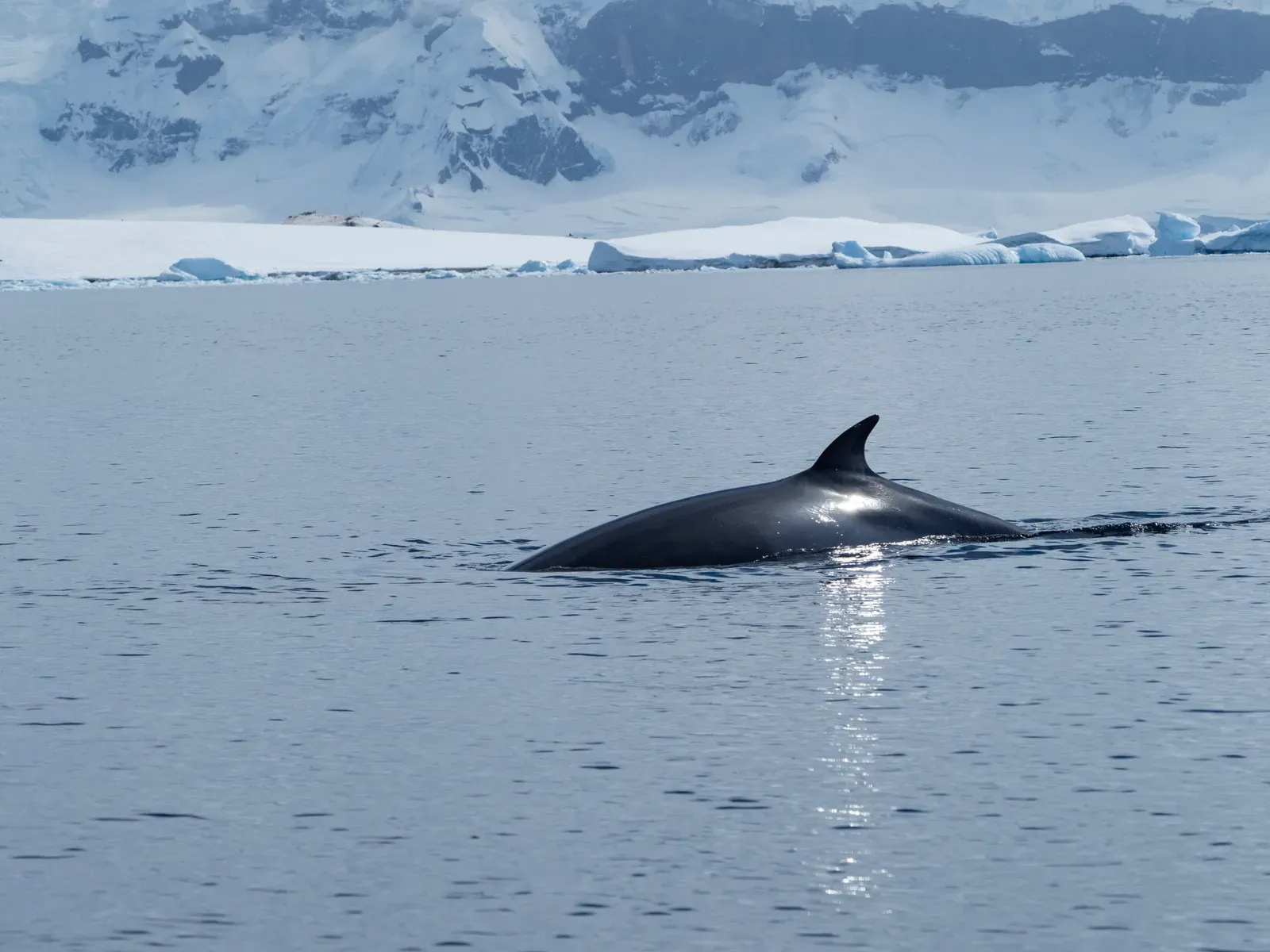
Starting in the 1960s, hydrophones anchored beneath the Southern Ocean picked up an eerie, repetitive quacking sound nobody could explain. Scientists nicknamed it the “bio-duck,” and for years they genuinely debated whether it was mechanical, geological, or alive.
The sound was so precise and repeatable that researchers initially refused to believe an animal was making it. Ross Chapman from the University of Victoria joined the project and later described the data as “a gold mine of new information about many kinds of sound in the ocean, including sounds from marine mammals.” He admitted the noise was so consistent, the team couldn’t believe at first that it was biological.
It took until a 2014 study to finally confirm the sound came from Antarctic minke whales, with researchers matching the frequency and pulse patterns to the whales’ calls. A conversation researchers assumed was mechanical turned out to be minke whales talking to each other, one animal falling silent while another “spoke.” That’s nothing compared to what turned up next: a mining operation that left sonic fingerprints on the seafloor for almost half a century.
The Mining Scars That Kept Singing for 44 Years
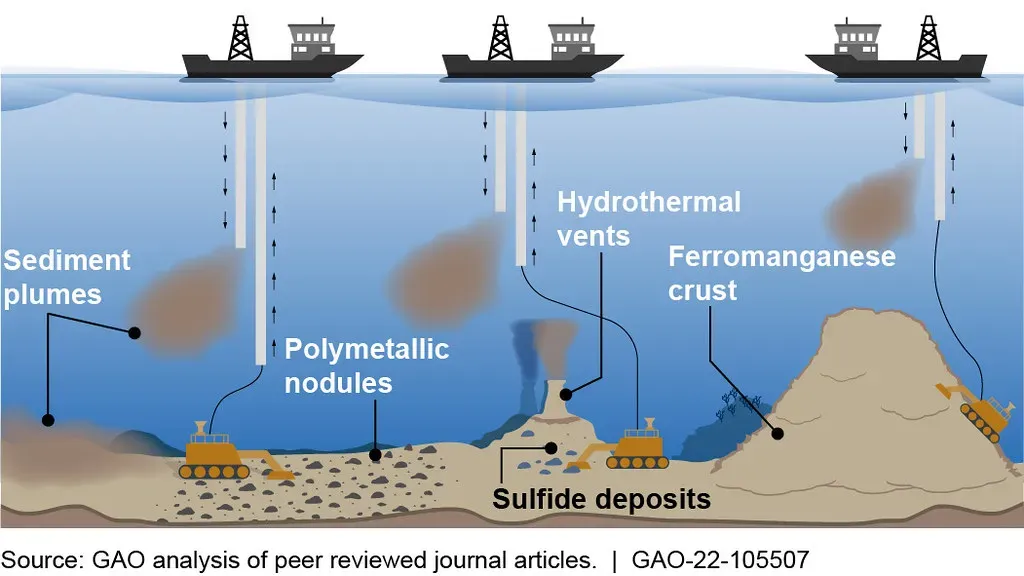
In 1979, a deep-sea mining experiment in the Pacific’s Clarion-Clipperton Zone tore tracks into the ocean floor, then seemed to vanish from scientific memory entirely. Nobody connected what happened next to that old test until a British research team went looking, decades later.
Scientists had detected strange pings coming from that same patch of seafloor back in 1979, but nobody could explain where they came from. A recent study led by the National Oceanography Centre and the Natural History Museum in London, published in Nature, finally traced the signals to scars left by the mining machinery itself, scars still visible on the seabed today, 44 years later.
Worth Knowing
- 1979: A mining test tore tracks into the Clarion-Clipperton Zone seafloor.
- Unexplained pings from that same site went undecoded for over four decades.
- The scars stayed physically visible on the seabed the entire time.
- Researchers only made the connection after deliberately revisiting the old test site.
Researchers went back specifically to see what a multi-decade break would reveal, something, as one scientist put it, “had never been done before.” The seafloor had been quietly recording evidence of human activity for four decades before anyone thought to check. That discovery pales next to what turned up 80 miles from that very same test site.
A Reef the Size of Vermont, Hidden in Plain Sight
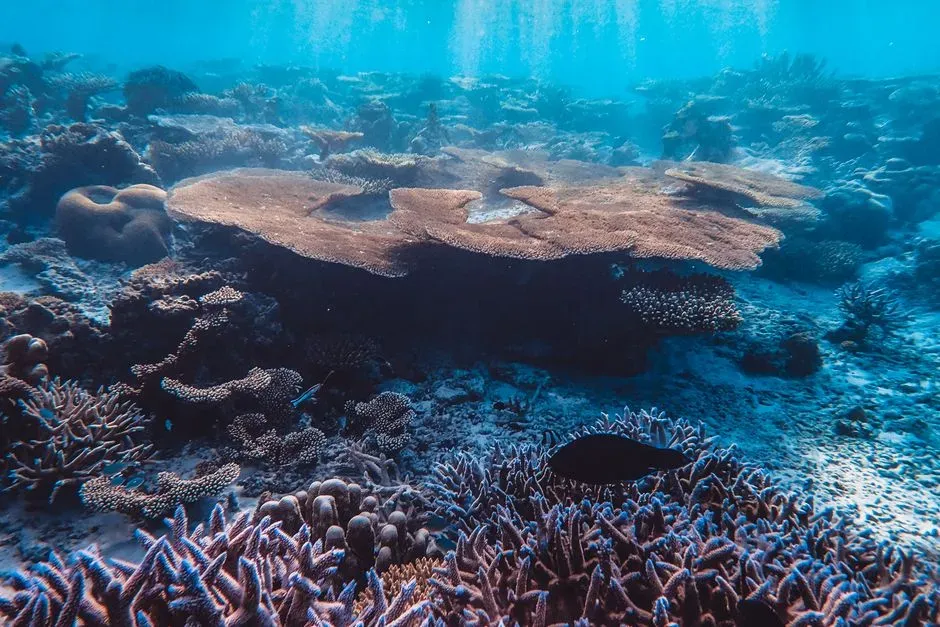
Eighty miles from one of the earliest deep-sea mining tests ever conducted, researchers stumbled onto something nobody expected: the largest cold-water coral reef province ever mapped in U.S. waters. It had been growing there the entire time, completely undetected.
A five-year Blake Plateau project uncovered dozens of new species along the way, but the reef itself was the real shock. One researcher initially predicted cataloguing the site would take “a decade or more.” It took five.
The coral formations themselves are staggering, ranging from 10 to 80 meters tall, and some mounds have been growing for thousands, possibly millions, of years. At 28,047 square kilometers, this is now considered the largest known deep-sea coral province in U.S. waters. A reef roughly the size of Vermont sat unmapped for decades, right next to a site scientists had already been studying. Next, an entirely new zone of life turned out to exist where textbooks said nothing could survive.
Life Where Scientists Swore Nothing Could Survive
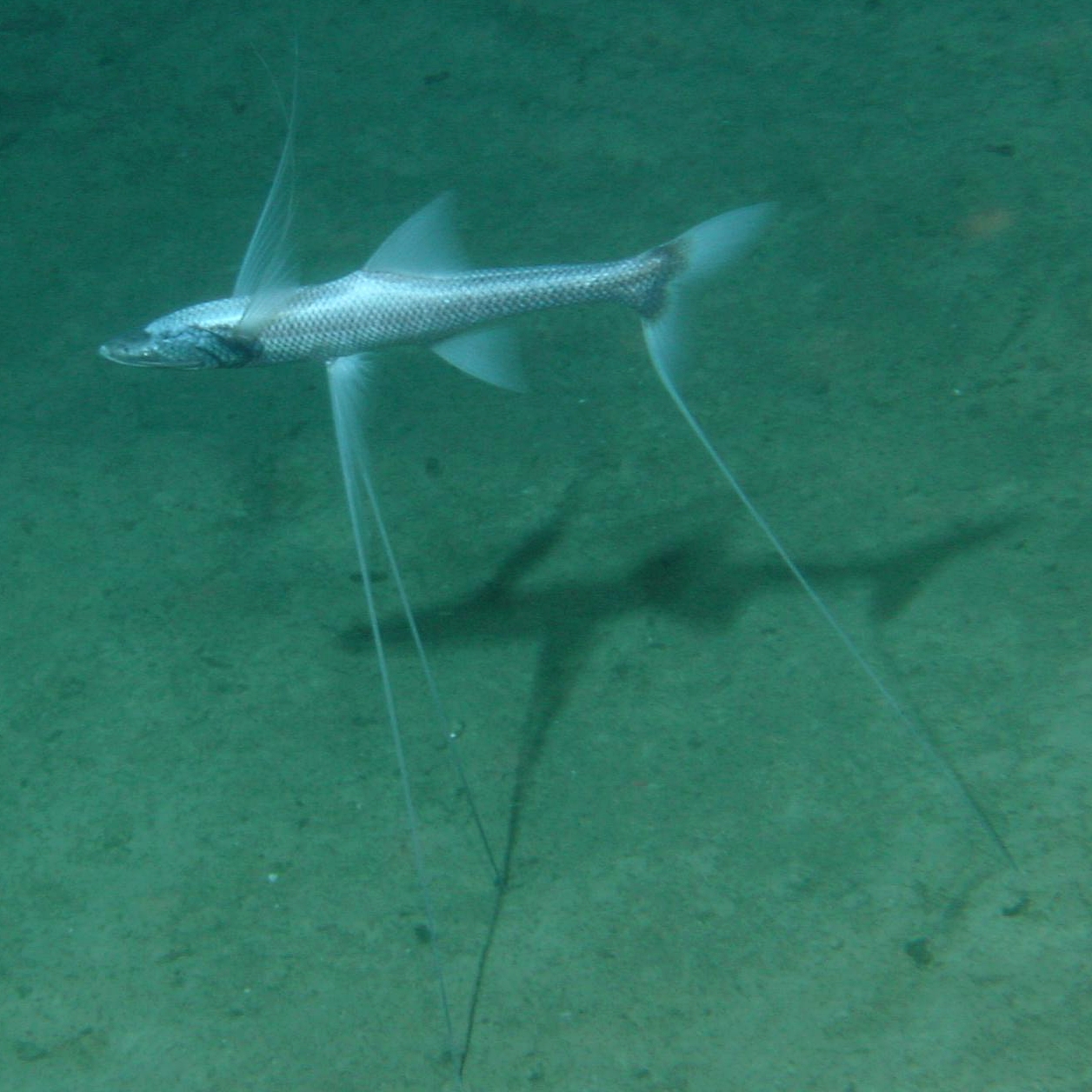
Deep-sea biology textbooks used to draw a hard line at a certain depth. Below it, the assumption was simple: only microbes could handle the crushing pressure and total darkness. That assumption just collapsed.
The hadal zone, found more than 6,000 meters below the surface, remains one of Earth’s most remote and mysterious frontiers. Until recently, scientists believed life down there was limited to microbes and other microscopic organisms.
At a Glance
- Hadal zone: begins around 6,000 meters down, in near-total darkness.
- Kuril-Kamchatka Trench: reaches 10,542 meters, among the deepest points on Earth.
- Old assumption: only microbes could survive that pressure and depth.
- 2024 dive: a manned submersible finally tested that assumption directly.
In 2024, a team of Chinese researchers descended into the Kuril-Kamchatka Trench, one of the deepest places on the planet at 10,542 meters, in a manned submersible, and found the assumption was wrong. A separate international team found something just as strange between Russia and Alaska: the deepest known ecosystem capable of sustaining life without sunlight, fueled entirely by gases escaping from fractures in the ocean bed. Entire colonies of animals are living off chemistry instead of sunlight, in a zone we assumed was basically empty. But even the ocean’s most famous mythical monster stayed hidden from cameras far longer than it stayed hidden from fishermen.
The Sea Monster Science Couldn’t Prove Existed
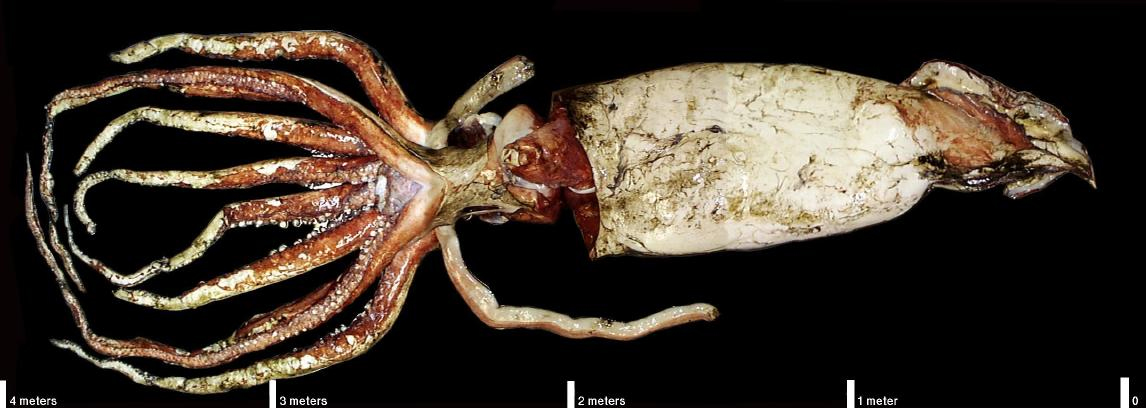
Sailors described giant squid for centuries, but scientists spent generations treating those stories as exaggeration, or outright myth. The gap between “everyone believes it exists” and “someone actually filmed it alive” turned out to be enormous.
Humans have known about giant squid since carcasses started washing ashore in the 14th century, and legends of the Kraken suggest sightings go back even further. Yet for hundreds of years, almost everything scientists knew about the animal came from dead specimens, not living ones.
It wasn’t until 2004 that Japanese scientists finally photographed a giant squid and collected a tentacle from a live animal. Actual video took even longer; nobody filmed one in its natural deep-sea habitat until 2012, when a research team used a specialized rig called the Medusa to capture the first footage ever recorded. A creature humans have feared and fantasized about for over 600 years wasn’t confirmed on camera, alive, until this century. That same pattern of decades-long silence shows up again in a recording that sat forgotten in an archive.
A Whale’s Voice Silenced in an Archive for 75 Years
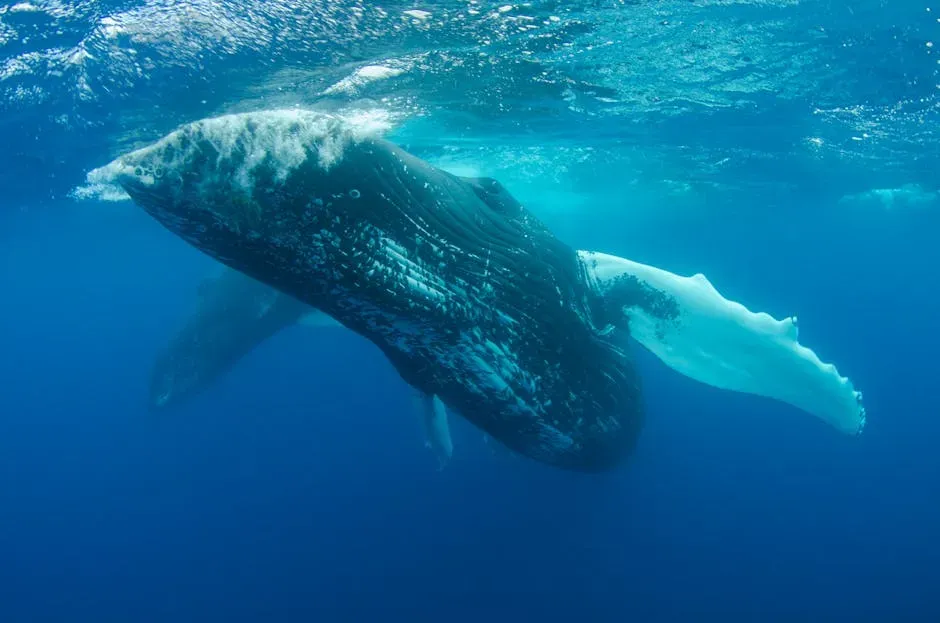
Somewhere in a climate-controlled storage room, a fragile disc sat untouched for most of a century, holding sound nobody had listened to in decades. When researchers finally cued it up, they realized exactly what they had.
Woods Hole Oceanographic Institution discovered the oldest known whale recordings on file, dating back to 1949, preserved on a fragile but remarkably intact audograph disc buried in its own archival collections. That means a scientific institution had physical proof of whale sound documentation sitting inside its own building for roughly 75 years before anyone realized what it was and pulled it back into circulation.
A recording older than most living oceanographers was quietly gathering dust in a research institute’s own basement archive. As strange as that sounds, it’s nothing compared to how long new ocean species sit “discovered” but officially unannounced.
Thousands of New Species, Discovered But Never Announced
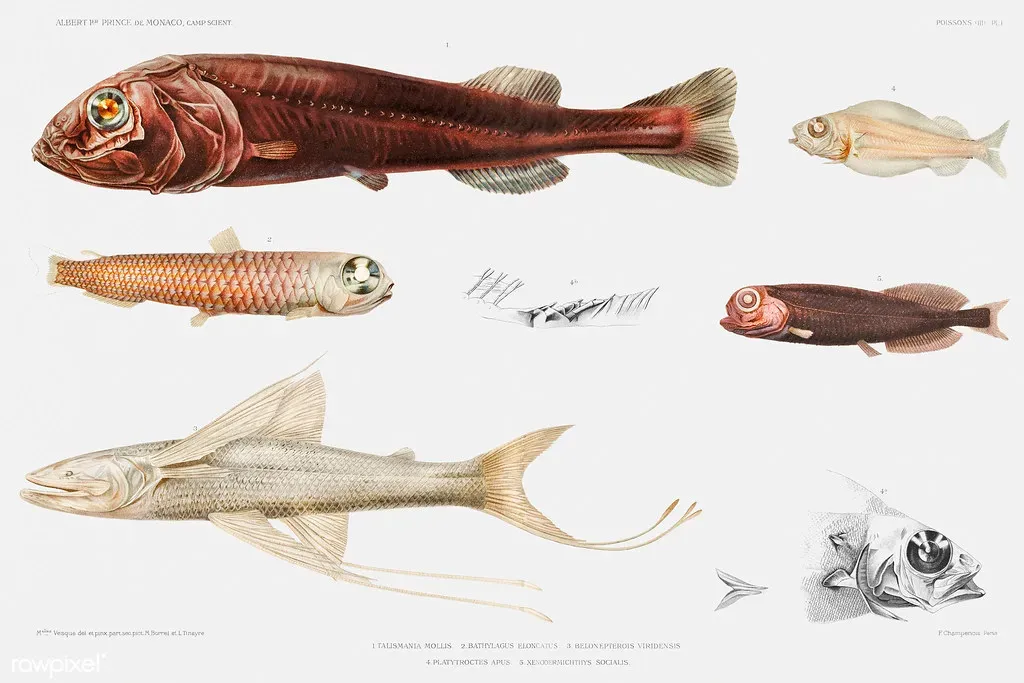
Here’s a detail that surprises almost everyone outside marine biology: finding a new species and telling the world about it are two completely different timelines, and the gap between them is brutal.
On average, around 13.5 years pass between discovery and formal publication, leaving newly found organisms in a strange scientific limbo.
Fast Facts
- Average delay between discovery and official naming: about 13.5 years.
- Unnamed species typically fall outside conservation and policy protections.
- A species found today might not be formally recognized until the 2040s.
That means an animal pulled from the seafloor today might not be formally named, protected, or even acknowledged in scientific literature until the 2040s. Thousands of ocean species are sitting in a kind of bureaucratic limbo right now, known to exist but invisible to the very laws meant to protect them. Meanwhile, an entire hidden ocean was sitting under our feet the whole time, and almost nobody outside geochemistry circles knew about it.
A Hidden Ocean 700 Kilometers Beneath Your Feet
While everyone was looking at the surface for explanations of where Earth’s water came from, one team of researchers pointed straight down into the mantle instead, and found something startling.
For years, many scientists favored icy comets and water-rich asteroids as the main source of Earth’s water. Steven Jacobsen of Northwestern University, a lead researcher on the newer work, calls the deep reservoir “tangible evidence that water on Earth came from within.”
The scale of it isn’t small, either. Jacobsen has warned that without a reservoir acting as a buffer, so much water could reach the surface that “the water would be on the Earth’s surface, and mountaintops might be the only land visible.” There’s a reservoir of water locked in rock hundreds of kilometers down that may be larger than every ocean on the surface combined. Compared to what happened in 1977, though, even that discovery feels almost quiet.
The 1977 Discovery That Broke Biology Textbooks Overnight
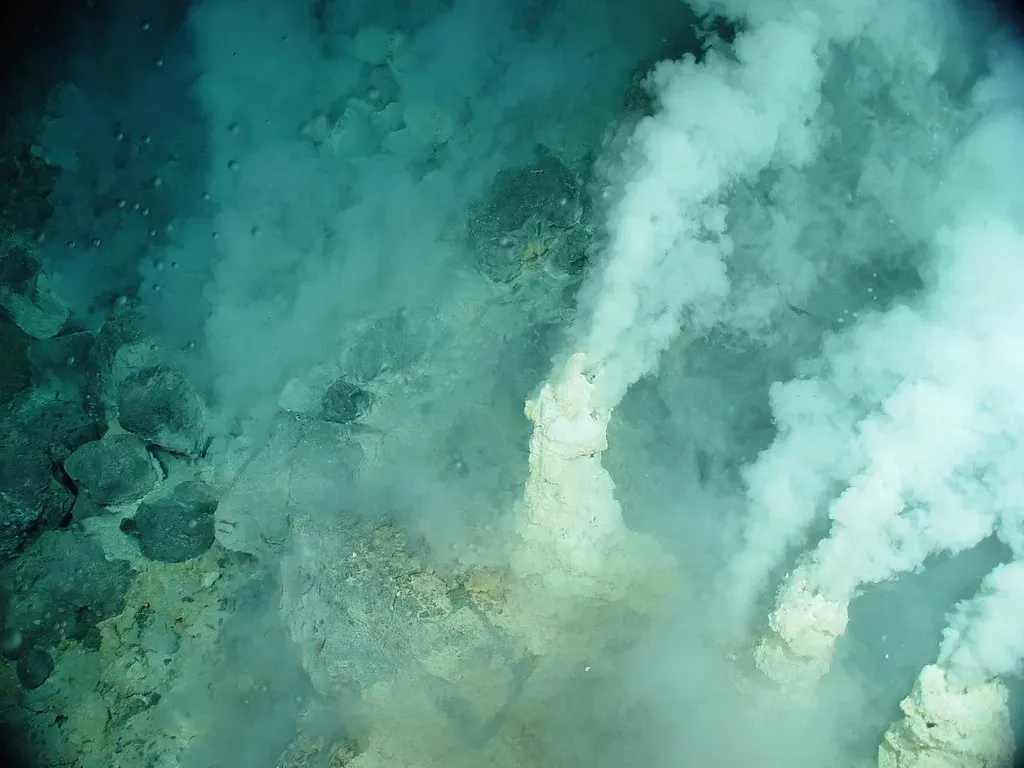
Before 1977, biology had a rule that felt unbreakable: life needs sunlight, full stop. Then a research team dropped instruments into the Pacific and found an entire ecosystem that broke every assumption science had ever made about how living things get energy.
Scientists discovered hydrothermal vents on the Pacific seafloor that year, and nothing about biology looked the same afterward.
Why It Stands Out
- Tube worms, crabs, and bacteria thrived around superheated, mineral-rich vent water.
- The entire community ran on chemosynthesis, not photosynthesis.
- It overturned a rule biologists had treated as absolute for over a century.
- It reshaped how scientists think about where life could exist elsewhere in the solar system.
An entire food web running on chemistry instead of sunlight upended a rule biologists had treated as absolute for over a century. It took years for the scientific mainstream to fully absorb what this meant, not just for Earth, but for the search for life elsewhere in the solar system. But nothing on this list compares to the ocean discovery that was deliberately hidden from the public for over two decades on government orders.
The Discovery That Was Actually a Cold War Cover Story
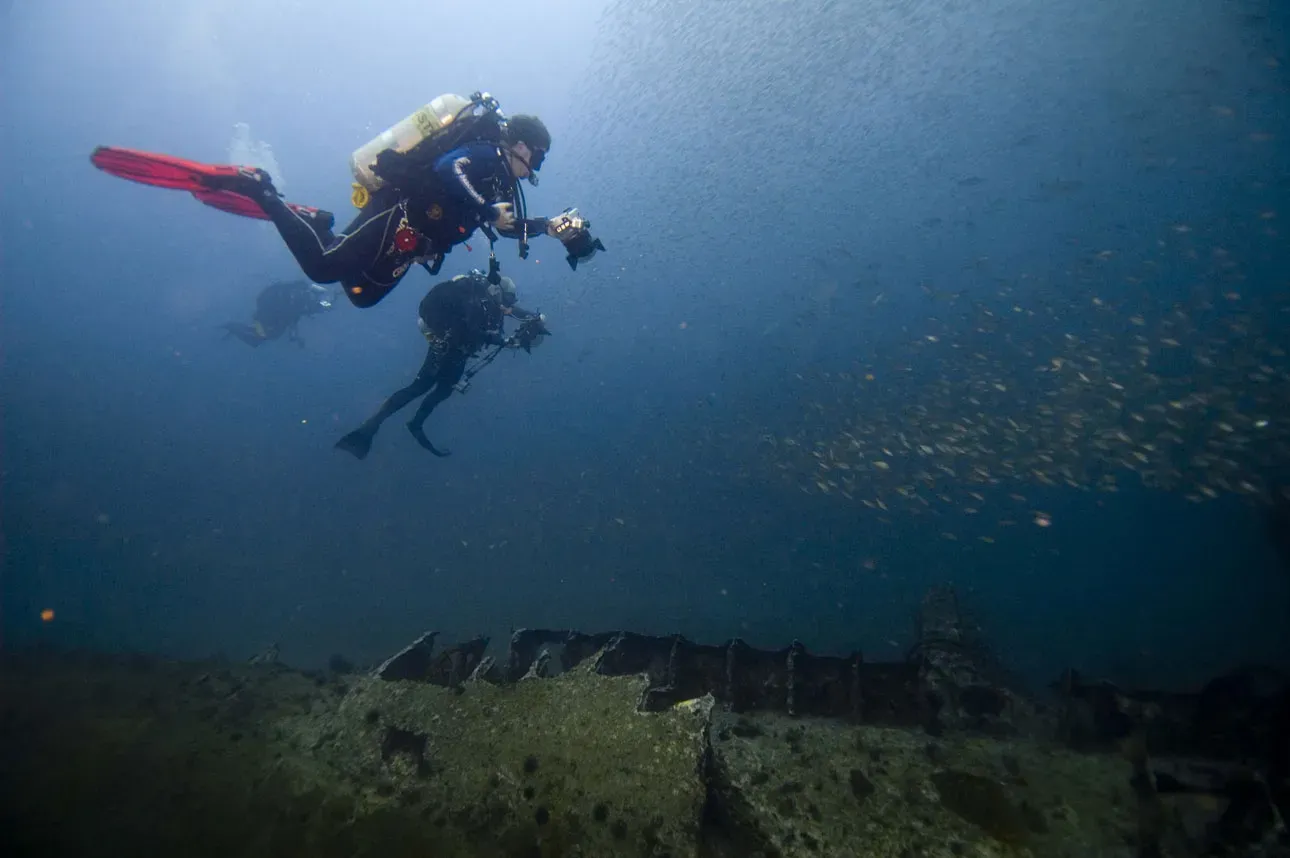
This is the one that sounds like fiction. In 1985, the world celebrated Robert Ballard for finding the RMS Titanic. What almost nobody knew, including some of the crew on his own ship, was that the Titanic search was never really the mission.
On paper, the mission was straightforward: scour the depths of the Atlantic to locate the Titanic’s resting place. In reality, even some of the crew had no idea their search carried a top-secret classification, because the true objective was to locate and inspect the only two U.S. nuclear submarines ever lost during the Cold War.
Ballard later admitted, “We had people aboard who were not cleared, and they literally were sitting above the Scorpion not knowing it for over a week while we were working in a room that was sealed off.” The Navy had only agreed to fund his underwater robot technology on one condition: survey the wrecks of the USS Scorpion and USS Thresher first, to check whether their reactors were leaking radiation into the sea. Only after that primary mission was complete would Ballard be allowed to go looking for the Titanic, and the Navy wanted it done quietly, before the Russians could find the submarines first.
When Ballard actually found the Titanic with time to spare, it created an unexpected problem.
The Navy never expected me to find the Titanic, and so when that happened, they got really nervous because of the publicity.
Robert Ballard
The true nature of the expedition stayed classified for more than two decades afterward. One of the most famous discoveries in ocean history was a deliberate distraction from a classified submarine investigation, and it worked for over 20 years.
The Bottom Line
Ocean science doesn’t run on the timeline most people assume. Species sit unnamed for an average of 13.5 years, a recording gathered dust in an institute’s own archive for 75 years, and one of the most celebrated discoveries in history was actually cover for a classified Cold War submarine hunt.
Reefs the size of entire U.S. states go unmapped for decades. Biology’s most basic rules got rewritten by a single expedition in 1977. And an entire ocean’s worth of water might be locked in rock we’ll never touch.
If there’s a lesson here, it’s not that scientists are hiding things out of malice. It’s that discovery and disclosure have never moved at the same speed, and the ocean is patient enough to wait us out. What other ocean discoveries do you think are still sitting quietly in a file somewhere, waiting to be declassified or finally published? Drop your theory in the comments.