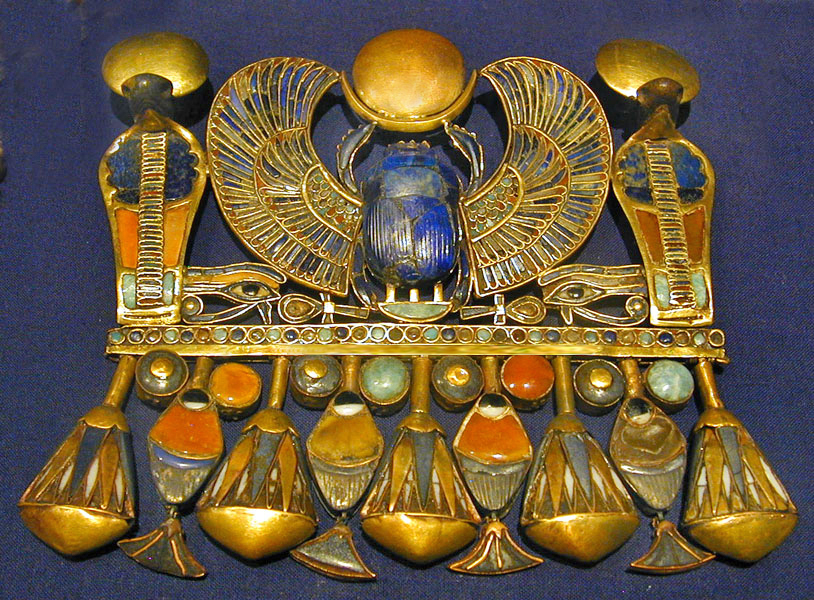

Museums feel like temples of truth. Glass cases, hushed voices, little brass plaques promising you’re standing three feet from actual history. That trust is exactly why the fakes worked for so long.
Over the last few decades, carbon dating, pigment analysis, and even basic paperwork audits have quietly torn through some of the most famous “sacred” and “historic” objects on Earth. Skulls, swords, cloth, wood, bone – the list goes from mildly embarrassing to almost comedic. Some of these relics are still on display right now, still drawing reverent crowds, even though the people running the collections privately know better. Here are the 20 relics that historians have finally stopped defending, counted down from surprising to downright outrageous.
#20 – The “Skull of Pliny the Elder”

For years, a cracked Roman skull in an Italian collection was marketed as the actual head of Pliny the Elder, the famous Roman author who died during Vesuvius’ eruption. Tour guides repeated the story like scripture, and visitors snapped reverent photos even though the evidence behind it was always paper-thin.
Modern historians finally said the quiet part out loud: there’s zero hard proof. The skull has no inscription, its provenance is vague, and later analysis suggests it’s likely just one of thousands of anonymous Roman remains pulled from mass burials. It’s still an old Roman skull – just not a famous one.
#19 – Shakespeare’s “Stratford Relic Chalice”
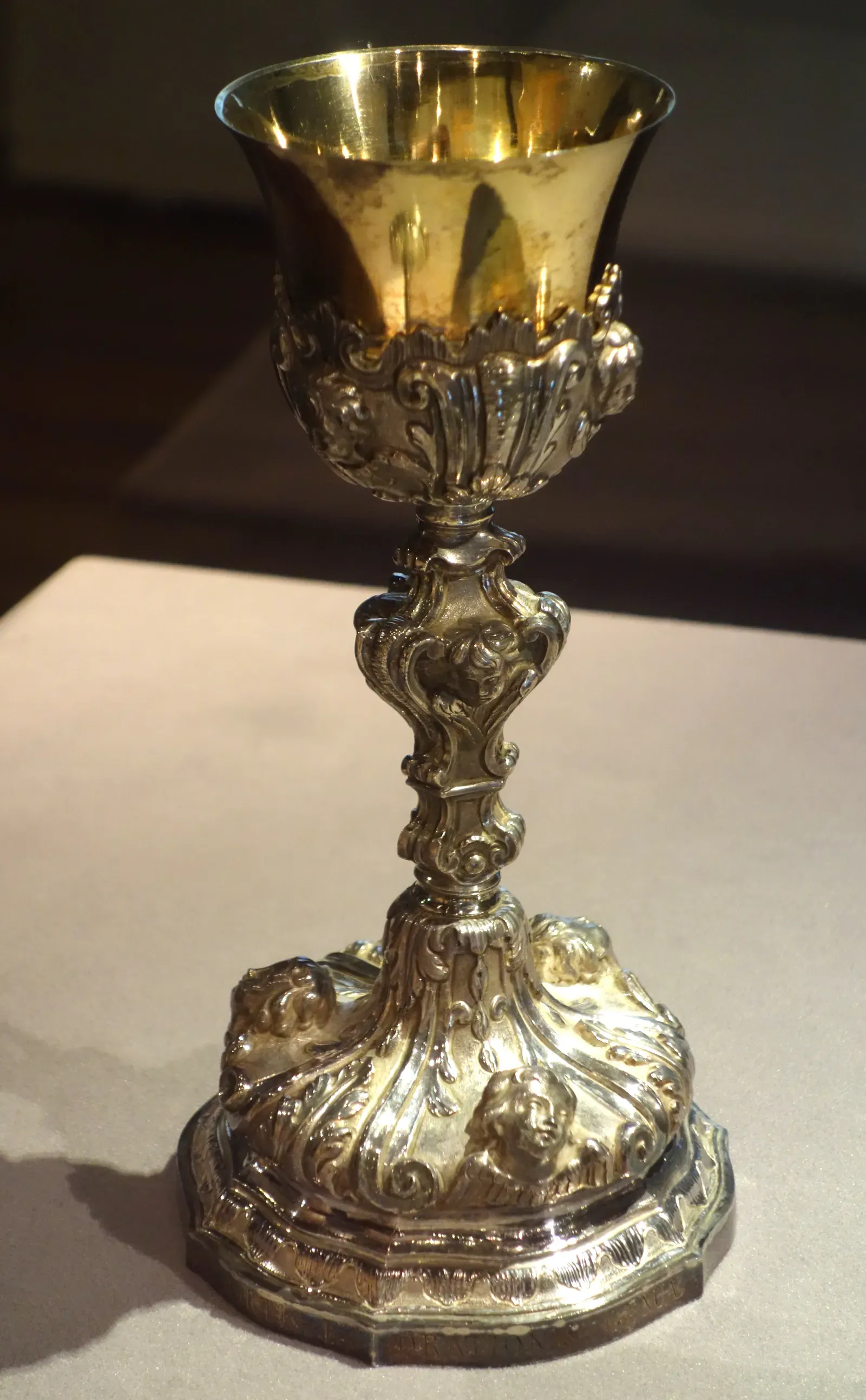
For decades, a tarnished silver cup displayed near Shakespeare’s hometown was touted as the Bard’s personal communion chalice. The story sounded perfect: Elizabethan, local, tied to the church he allegedly attended. Tourists happily accepted it, because it just felt right.
Then conservation work ruined the vibe. Experts pointed out that key decorative elements match later 17th–18th century silverwork, not Shakespeare’s lifetime, and the ownership records only appear centuries after his death. It survives mostly because people are desperate for anything physically linked to a man whose actual belongings are almost nonexistent.
#18 – The “Armor of Joan of Arc”
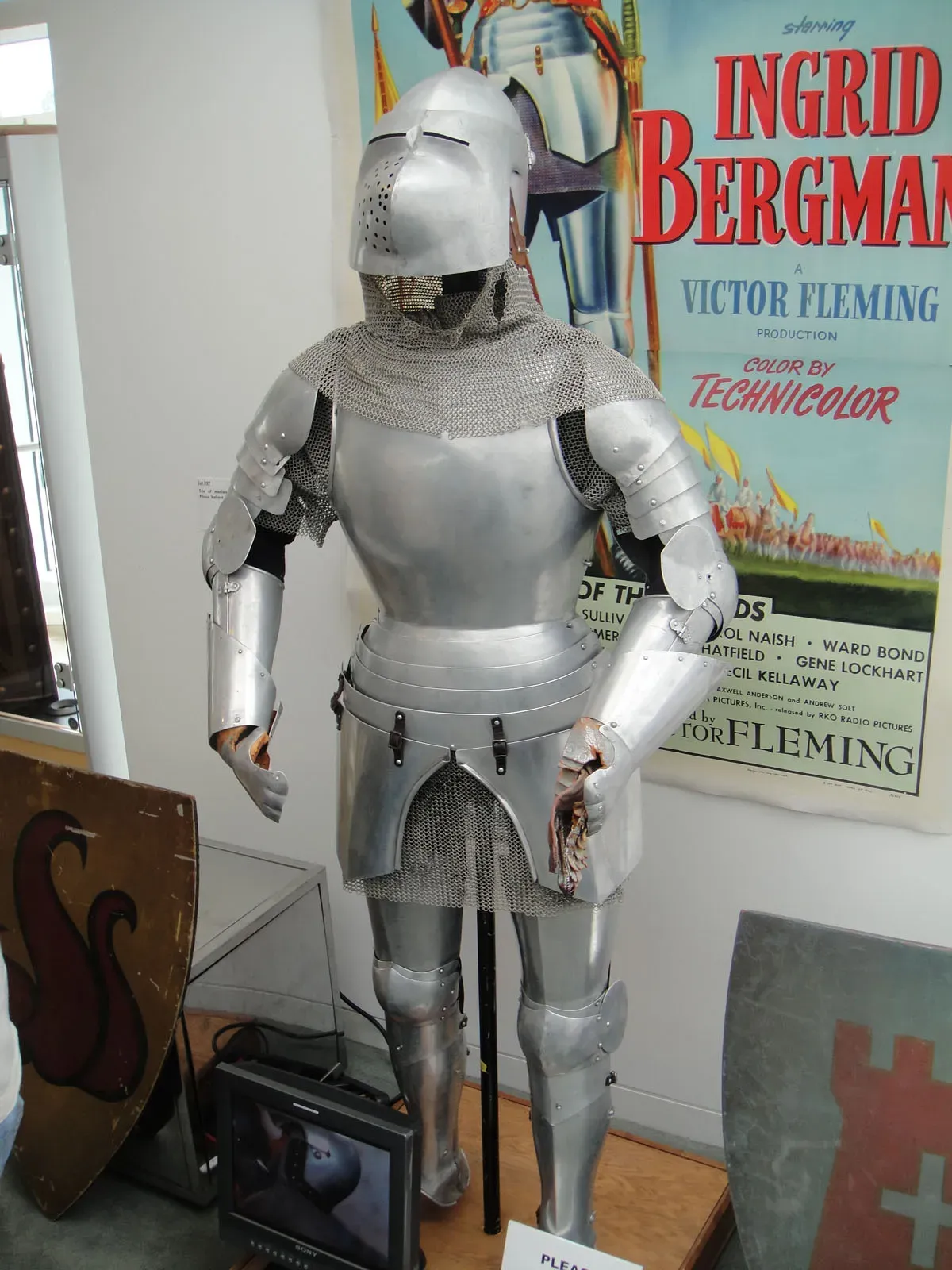
If you’ve ever seen gleaming medieval armor labeled as “worn by Joan of Arc,” you’ve almost certainly been looking at a fantasy. Historians quietly acknowledge that no armor can be securely proven to have belonged to her at all. Most of the famous “Joan” suits in Europe are later composites, theatrical pieces, or outright inventions.
Serious scholarship notes a few basic problems with the whole idea:
- Joan was a lower-born military figure, so her real gear would have been practical, not ornate.
- She was captured and executed, meaning her valuable armor would have been reused or melted down, not lovingly preserved.
Metallurgical testing backs this up – several “Joan” armors date from decades after her death, sometimes even the 16th century. Curators know this, but the romantic labels stay put because the myth sells tickets. We know what Joan did. We just don’t know what she actually wore.
#17 – Viking “Runestones” in America
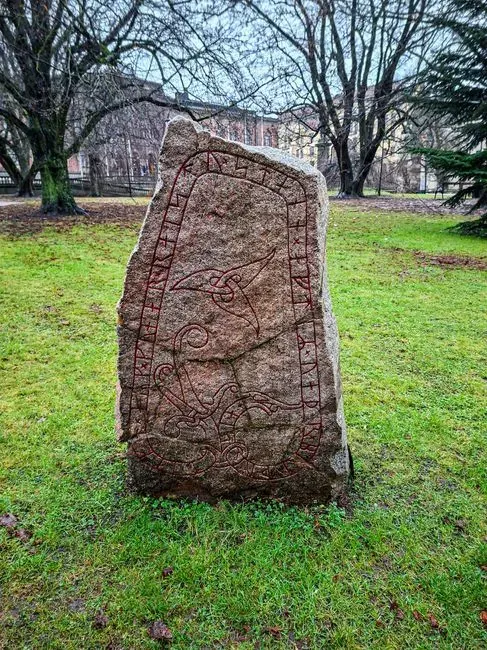
Most people have heard rumors that Vikings secretly colonized the American interior, backed up by dramatic runestones “found” in fields and creeks. The reality is far less thrilling – almost every famous American Viking stone has been slammed as a probable modern forgery or misinterpretation.
The Kensington Runestone in Minnesota is the poster child. Linguists point out that its mix of runic forms and language doesn’t match genuine medieval Scandinavian inscriptions, and the weathering looks suspiciously fresh. Similar problems plague other alleged Viking stones:
- Inconsistent rune styles that no real medieval carver would mix.
- Grammar that looks modernized rather than archaic.
- Conveniently timed “discovery” stories by locals with something to gain.
Archaeologists admit Norse explorers did reach parts of North America. These inland stones, though, are less history and more nationalist pride wearing a costume.
#16 – The “Crown of Thorns” Fragments Everywhere
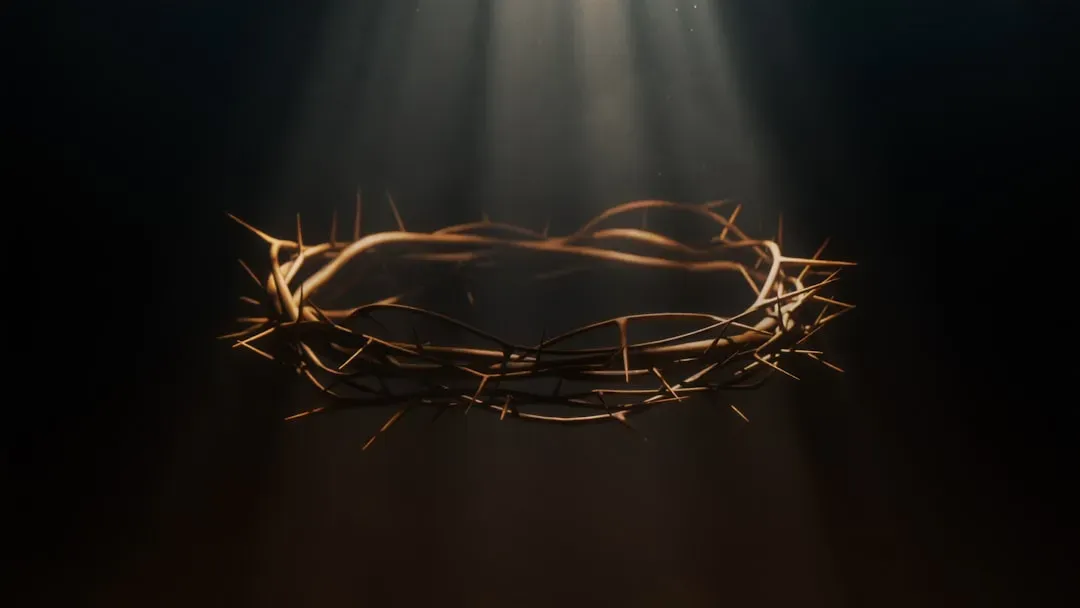
Around the Christian world, churches proudly display small thorns or tiny fragments claiming to be part of the Crown of Thorns worn by Jesus. The math alone should make you suspicious – if every surviving thorn were real, the crown would have been the size of a small tree.
Modern church historians quietly acknowledge that the vast majority of these pieces are later devotional objects, not traceable to the 1st century. Documentation only shows up clearly starting in the medieval period, exactly when relic collecting exploded and demand massively outstripped supply. Even the “main” relic in Paris, with a comparatively better paper trail, has never been scientifically dated to Christ’s time. For believers it’s symbolic. For historians, it’s a chain of custody that starts centuries too late.
#15 – Columbus’s “Actual” Bones
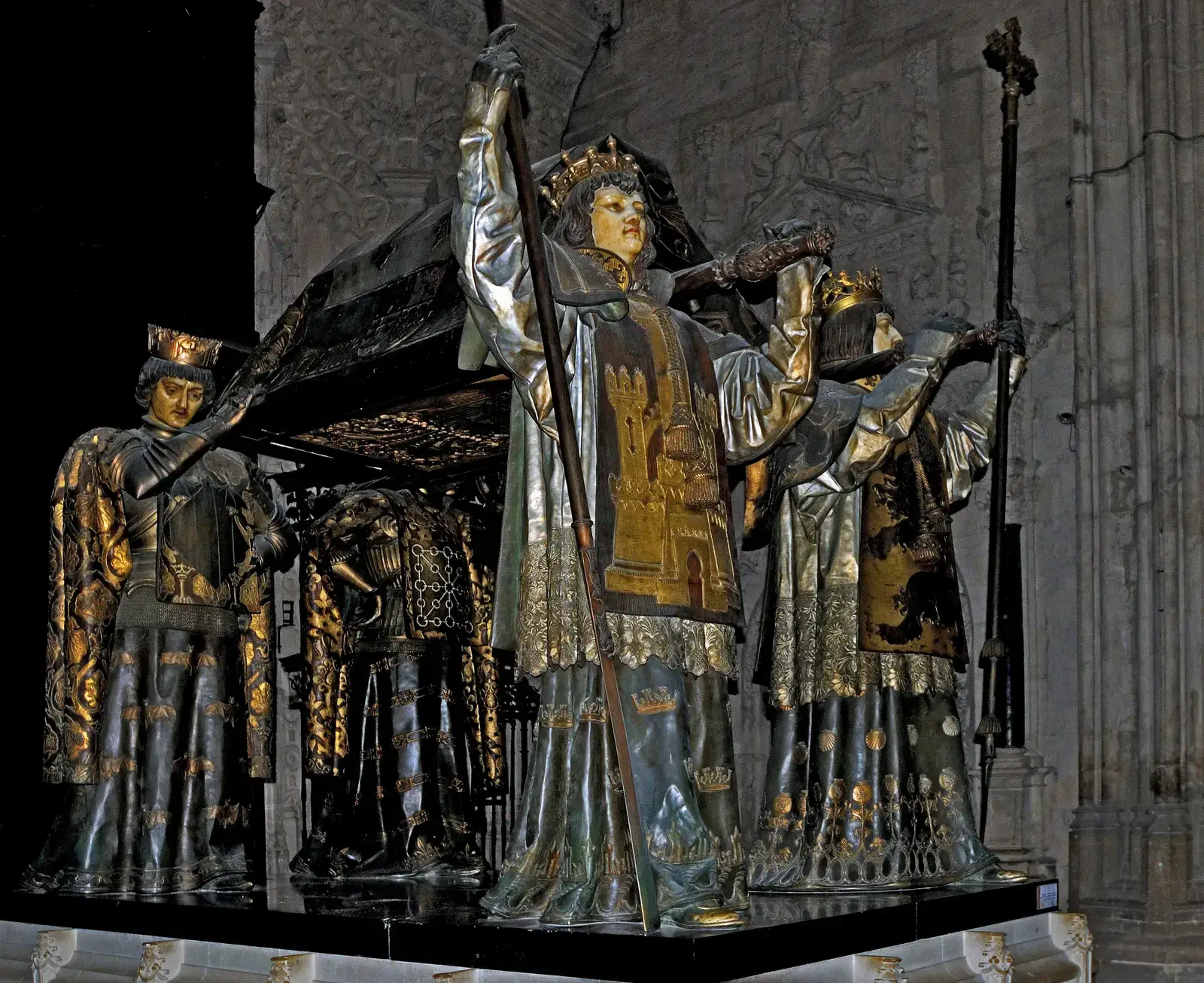
Several cities claim to house the true remains of Christopher Columbus – most famously Seville, Spain, and Santo Domingo, Dominican Republic. For centuries, each side promoted its shrine as the real deal, building entire tourist economies on contested bones.
In recent decades, limited DNA testing leaned toward supporting the Spanish claim, but even that isn’t airtight. Documentation is contradictory, with multiple exhumations, reburials, and political transfers muddying the record beyond repair. Many historians now argue we’ll never confidently say which bones, if any, actually belong to Columbus – the “relic” status is more cultural than scientific at this point.
Quick Compare
- Seville, Spain: A tomb inside the cathedral, backed by limited DNA testing that leans supportive.
- Santo Domingo, Dominican Republic: A monumental lighthouse tomb, backed by centuries of documented custody claims.
- Neither city’s claim is definitively proven, and repeated exhumations have muddied both stories further.
#14 – The “True” Hand of St. John the Baptist (All 12 of Them)
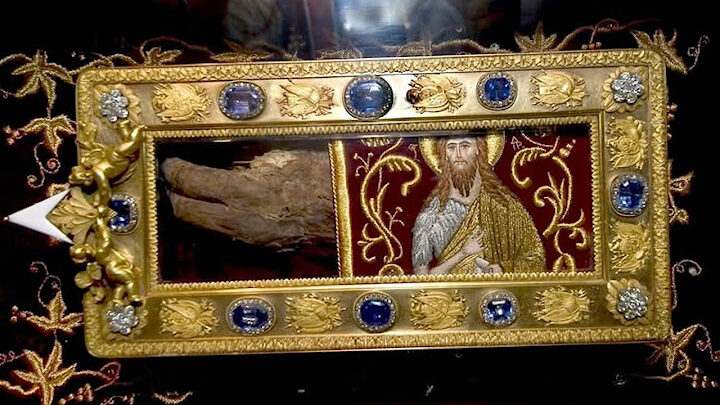
If every church claiming to possess the hand of John the Baptist were correct, the poor man would have had a dozen right arms. Medieval Europe went wild for his body parts – hands, fingers, even skulls – because his biblical fame guaranteed donations and prestige.
Modern scholars have done the math, and multiple “right hands” exist with real problems:
- No verifiable documentation before the high Middle Ages.
- Bone types and sizes that don’t match each other.
- Mounting styles that reflect local artistic taste, not ancient burial practice.
Where radiocarbon dating has been allowed, some alleged relics turned out to be centuries younger than John could possibly be. Church language is often careful, calling them “venerated as” rather than definitively real – but that nuance rarely survives the museum display case.
#13 – The Spear That “Pierced Christ’s Side”
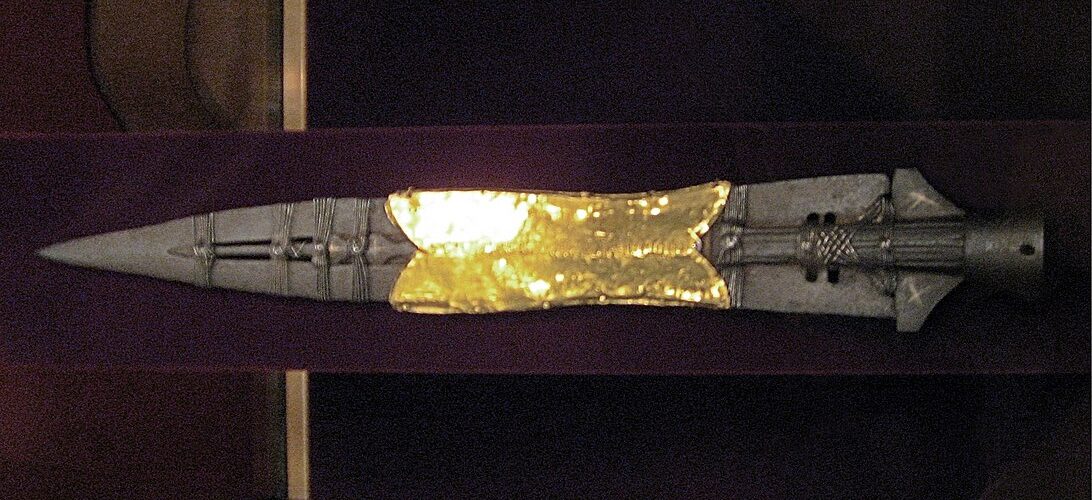
Several European relics have been billed as the Holy Lance that pierced Jesus’ side, most famously the one long kept in Vienna. Emperors swore oaths on it, Nazis fetishized it, and conspiracy theorists still obsess over it today.
The evidence, though, is a train wreck. Written references to a specific sacred lance only appear centuries after the crucifixion, and stylistic analysis suggests the famous Vienna lancehead is a medieval weapon, not a 1st-century Roman spear. Metallurgy backs up the later date, and the piece has clearly been modified and “improved” over time to match evolving legend. It’s a medieval power symbol, not a forensic clue from Golgotha.
#12 – The “Bones of the Buddha”
![#12 – The "Bones of the Buddha" (Shrine - The Temple of the Sacred Tooth Relic [Kandy], CC BY 2.0)](https://nvmwebsites-budwg5g9avh3epea.z03.azurefd.net/dws/2a718f3252fcca943f4af42ce59b9005.webp)
Across Asia, multiple shrines claim to preserve physical relics of Siddhartha Gautama – teeth, bones, even ashes – treated with immense reverence by devotees. Historians and archaeologists are unusually blunt about this one: almost none can be securely tied to the historical Buddha.
Here’s why experts remain skeptical:
- The Buddha lived around the 5th–4th century BCE, but many relics only appear clearly in inscriptions a thousand years later.
- Political leaders repeatedly “rediscovered” and redistributed relics to legitimize their own rule.
- When tested, some alleged Buddha bones turned out to be from animals or from far more recent humans.
Scholars increasingly argue these relics reflect the spread of Buddhist devotion, not literal remains. They’re powerful symbols – just not provable artifacts.
#11 – King Tut’s “Cursed” Artifacts With Fake Provenance
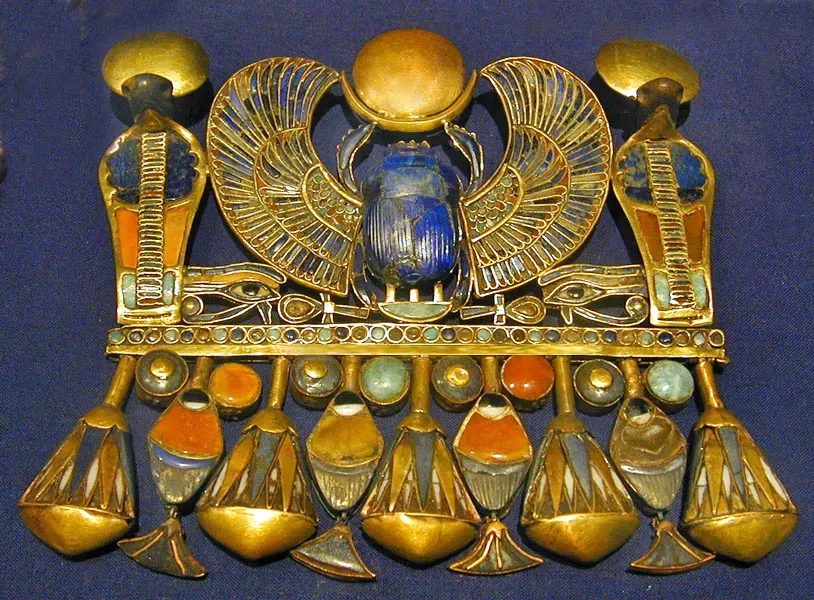
The Tutankhamun craze spawned an entire black market of “Tut relics,” many of which wormed their way into smaller museums and private collections. Some were marketed as items smuggled from the original 1920s excavations, allegedly carrying the same famous curse.
Modern Egyptologists have demolished most of these claims. Genuine Tut objects have well-documented excavation records tied to Howard Carter’s team, while the random “Tut” scarabs and statues that surfaced later show clear red flags:
- 19th–20th century tourist-piece styling.
- Hybrid designs mixing periods that never overlapped.
- Modern tools and pigments hiding under an “ancient” finish.
The curse narrative actually made forgery easier, since buyers wanted spooky stories more than paperwork. Auction houses are far more cautious now, and many previously hyped Tut “relics” have been quietly downgraded to decorative fakes.
#10 – The “Petrified” Noah’s Ark Timber

For over a century, explorers have announced discoveries of ancient wood on Mount Ararat or nearby peaks, claiming it as the remains of Noah’s Ark. Photos of “petrified beams” and squared timbers circulate endlessly in religious media and fringe documentaries.
Geologists are consistently unimpressed. When samples have actually been examined, the wood often dates to relatively recent centuries, and many “beams” turn out to be natural rock formations with straight fracture lines that fool the eye in low light or snow. If a massive wooden structure ever sat on a high mountain, it simply wouldn’t survive millennia of weathering intact – yet the same recycled photos keep making headlines.
Fast Facts
- Claimed “ark timber” sightings on and around Mount Ararat have been reported for more than a century.
- Lab testing has repeatedly dated samples to recent centuries, not the ancient era the story implies.
- Many photographed “beams” are actually natural rock formations with deceptively straight fracture lines.
#9 – The Shroud-Like “Burial Cloths” That Multiply
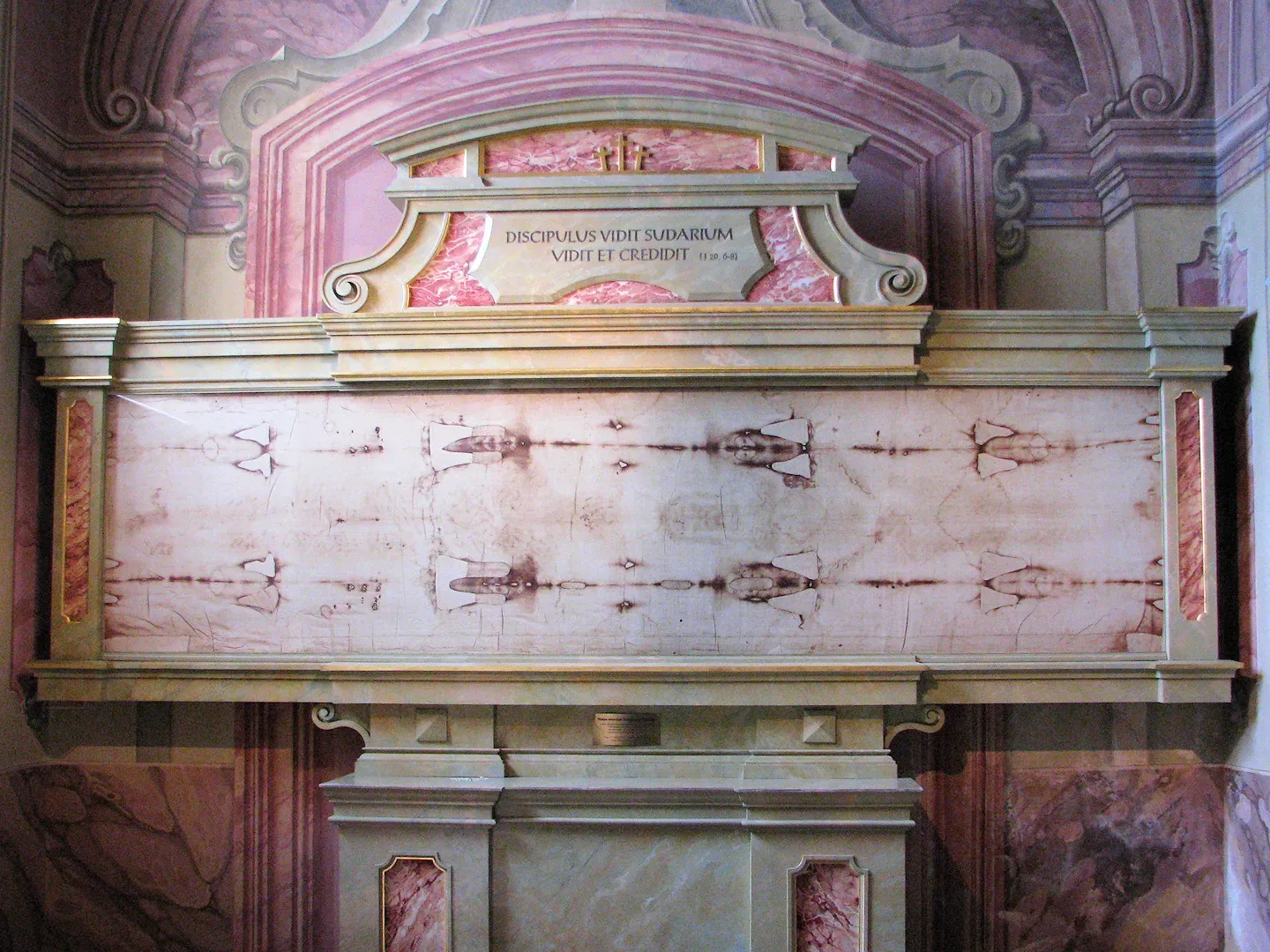
The Turin Shroud gets most of the attention, but lesser-known churches display their own “authentic burial cloths” of Jesus – face veils, full-body linens, even bloody towels. The sheer number alone undermines the claims before science even gets involved.
Scientific scrutiny of several such cloths has found real problems:
- Weaves and fabrics typical of medieval Europe, not 1st-century Judea.
- Pigments and techniques consistent with icon painting, not natural blood and body contact.
- Murky records that suddenly elevate an obscure textile to relic status right after a local miracle story.
Even religious scholars are increasingly open about the likelihood that many of these cloths are devotional art rather than physical evidence. They’re real historical objects – just not from the person advertised on the label.
#8 – Helen of Troy’s “Jewelry” in 19th-Century Collections
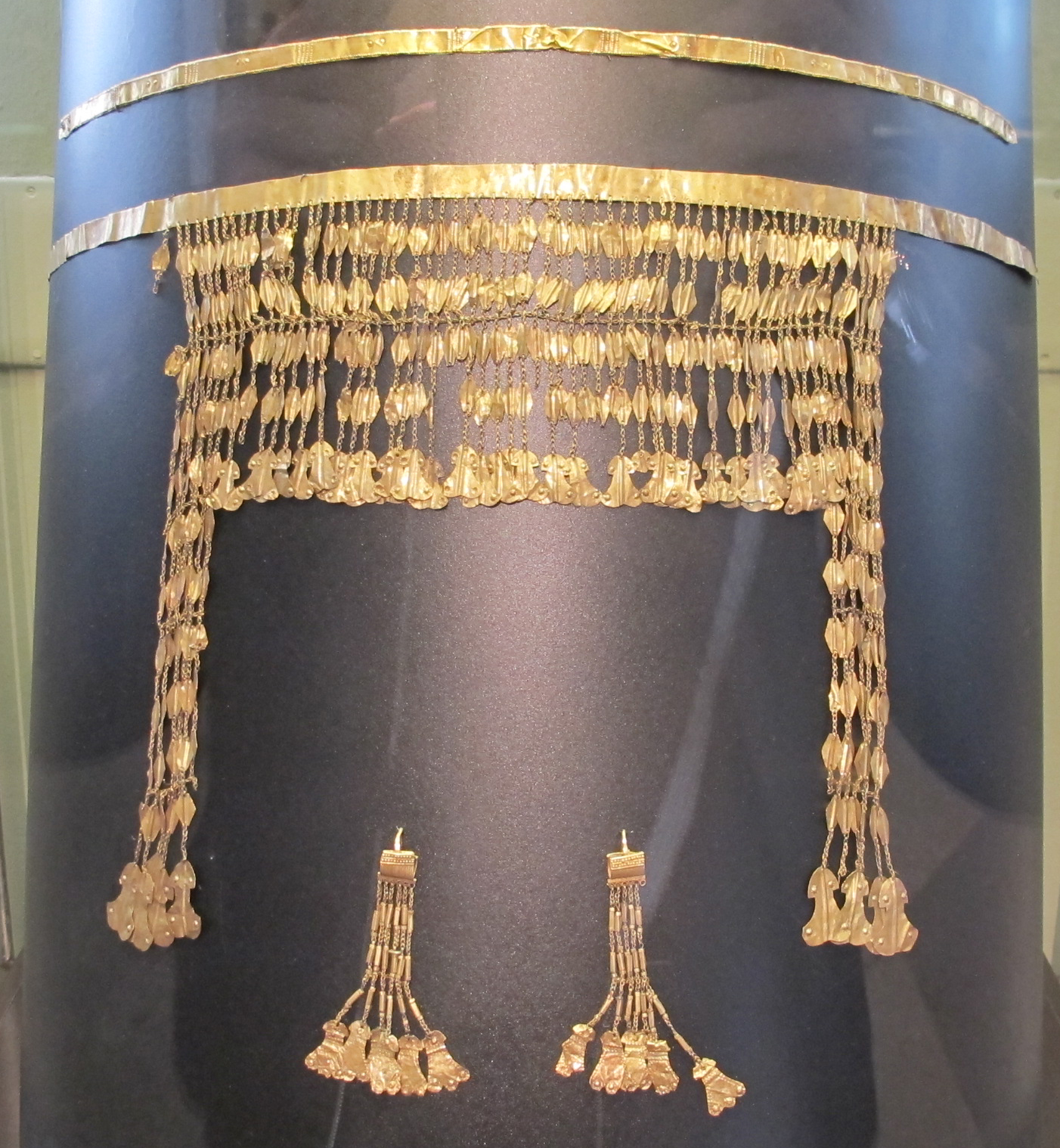
When self-taught archaeologist Heinrich Schliemann claimed to have discovered “Priam’s Treasure” and jewelry belonging to Helen of Troy, the world swooned. Photos of his wife wearing golden diadems looked like a myth come to life.
The story fell apart under scrutiny. The treasure’s style and date don’t match Homer’s Trojan War period, and Schliemann had a documented habit of manipulating finds and “salting” his excavations to fit his own theories. At best, the jewelry belongs to an earlier Bronze Age elite. At worst, parts were assembled or misrepresented for maximum drama.
#7 – The Many “Cradles of Jesus”
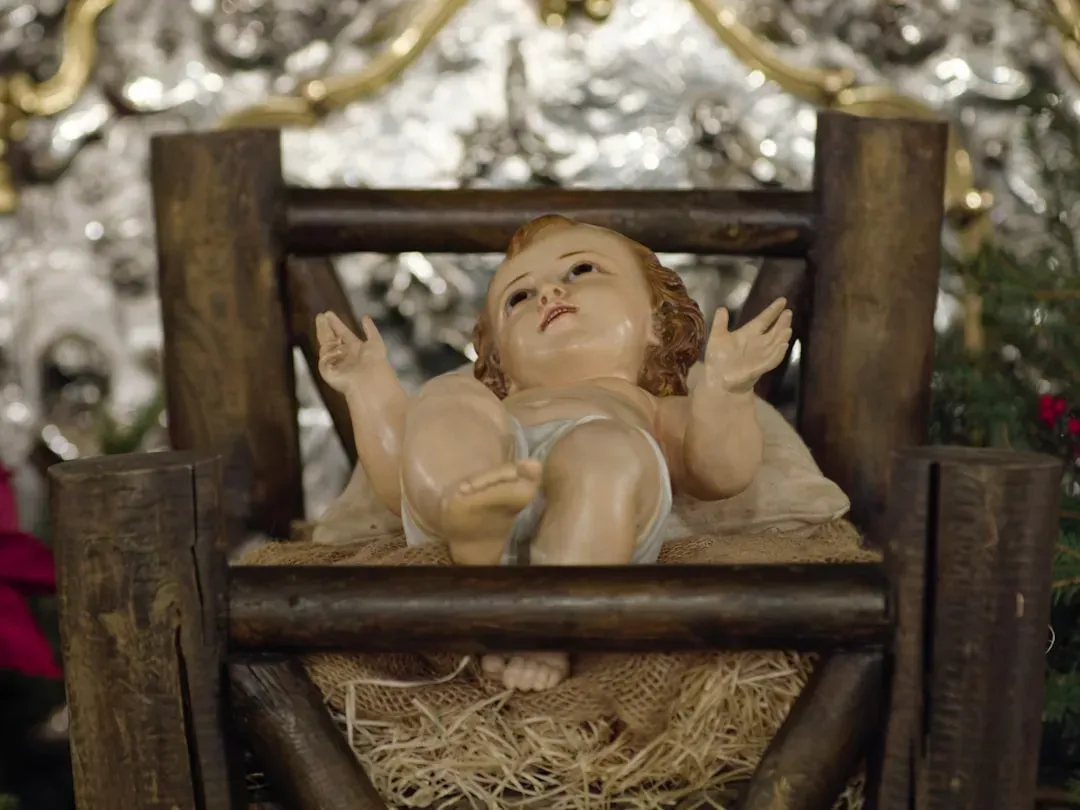
Across Europe and the Middle East, you’ll find elaborately carved wooden cradles, mangers, and crib fragments advertised as the actual bed where Jesus lay as an infant. The problem is obvious: wood decays fast, and 1st-century Bethlehem wasn’t exactly running climate-controlled storage.
Serious historians point out a familiar pattern:
- Most of these relics appear in records from the Middle Ages, when relic hunting became a competitive sport.
- Wood types sometimes don’t match what would have been typical or available in ancient Judea.
- Multiple shrines each claim to hold “the” manger or a significant chunk of it.
In some cases, radiocarbon dating has shown alleged manger wood to be centuries or even a millennium too young. Churches now tend to lean on symbolic meaning over literal authenticity, though the old miracle-laden labels never seem to come down.
#6 – The “Sword of El Cid”
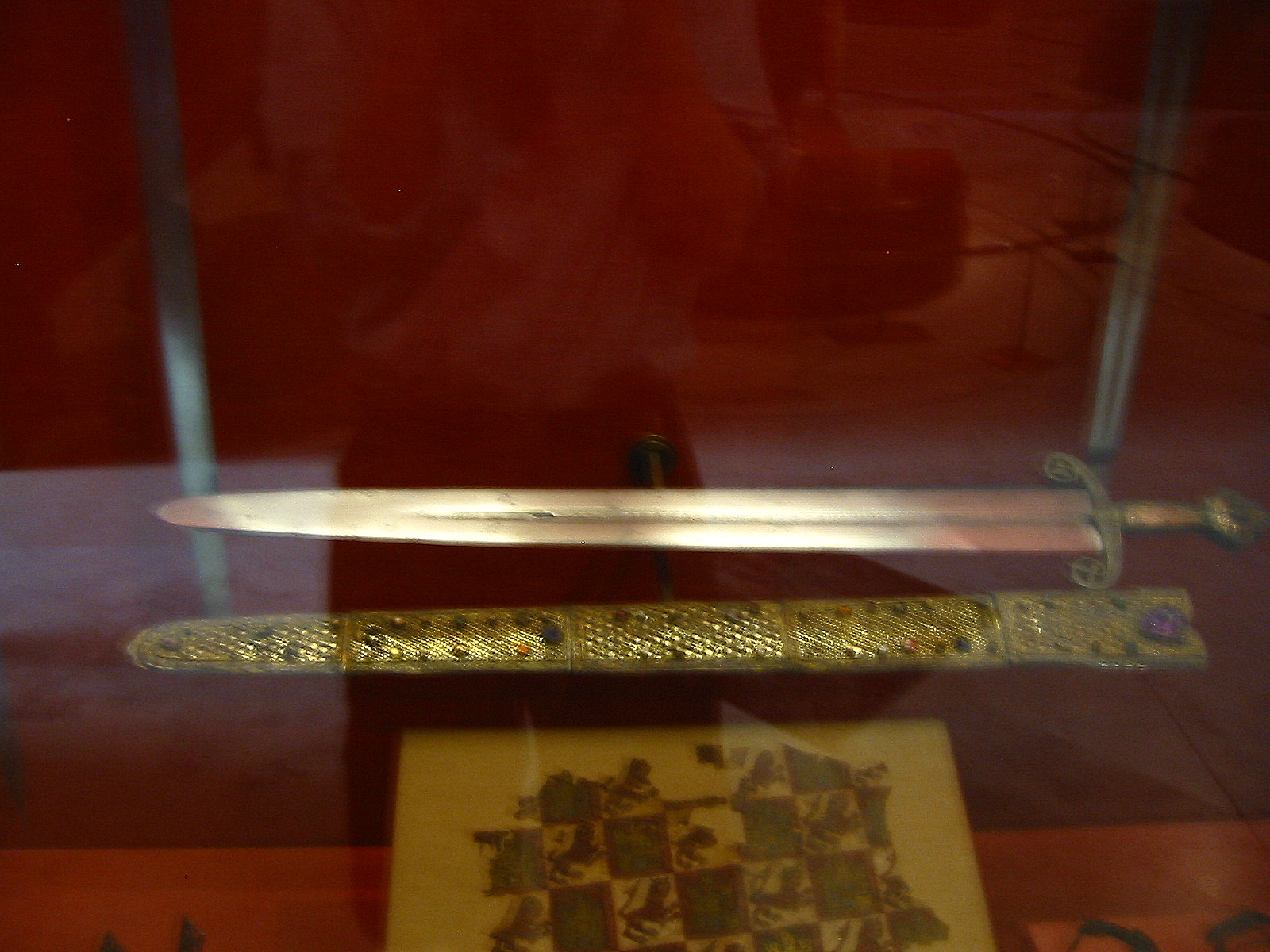
Spain loves its national hero El Cid, and several swords have been paraded as his personal weapon – most famously one called “Tizona.” For centuries, kings, museums, and politicians used these blades as physical proof of a heroic legend.
Metallurgical tests spoiled the patriotic narrative. Studies found that a celebrated “Cid sword” includes components from later centuries, with blade and hilt elements mismatched in period and technique, some showing 16th-century reworking long after El Cid’s 11th-century life. That points to either:
- A later sword retrofitted to look ancient, or
- A composite piece assembled to satisfy public demand for a national relic.
Spanish historians increasingly describe it as “associated with” the Cid legend rather than his verified property. Powerful symbol, weak evidence.
#5 – The “Skull of Homer”

Nineteenth-century collectors were obsessed with tying random ancient skulls to famous names. One of the most audacious claims was a “Skull of Homer,” allegedly found in Greece and displayed as the actual head of the epic poet. The evidence behind it was mostly wishful thinking and poetic flair.
Anthropologists quickly pointed out the absurdity: Homer’s very existence as a single historical person is still debated, and there’s no burial site or continuous record of anyone’s remains to trace. The skull showed no unique markers, and its dating was vague – simply “ancient Greek.” Classicists now use it as a cautionary tale about how badly the 1800s mixed science with storytelling.
Worth Knowing
- Homer’s existence as a single historical author is still debated by classicists today.
- No confirmed burial site or continuous record exists for tracing anyone’s remains to him.
- The skull’s dating was left frustratingly vague, described only as “ancient Greek.”
#4 – Napoleon’s “Heart” in Multiple Places

Napoleon’s death spawned a full-blown cult of relics: hair, uniforms, even internal organs. Over time, various institutions and private collections claimed to have Napoleon’s heart, or pieces of it, preserved in alcohol or embedded in reliquaries. If they were all genuine, the emperor apparently kept spares.
Postmortem records do describe an autopsy and organ removal, but the trail gets messy fast:
- The documented disposition of each part is inconsistent across sources.
- Later “discoveries” of organs often lack any direct link to that original autopsy.
- Some tested containers turned out to hold ordinary tissue, or even animal material.
Napoleonic historians are blunt about it: beyond a tightly documented core set of artifacts, most “Napoleon relics” are fantasies born from 19th-century relic mania.
#3 – The “Finger of Galileo”
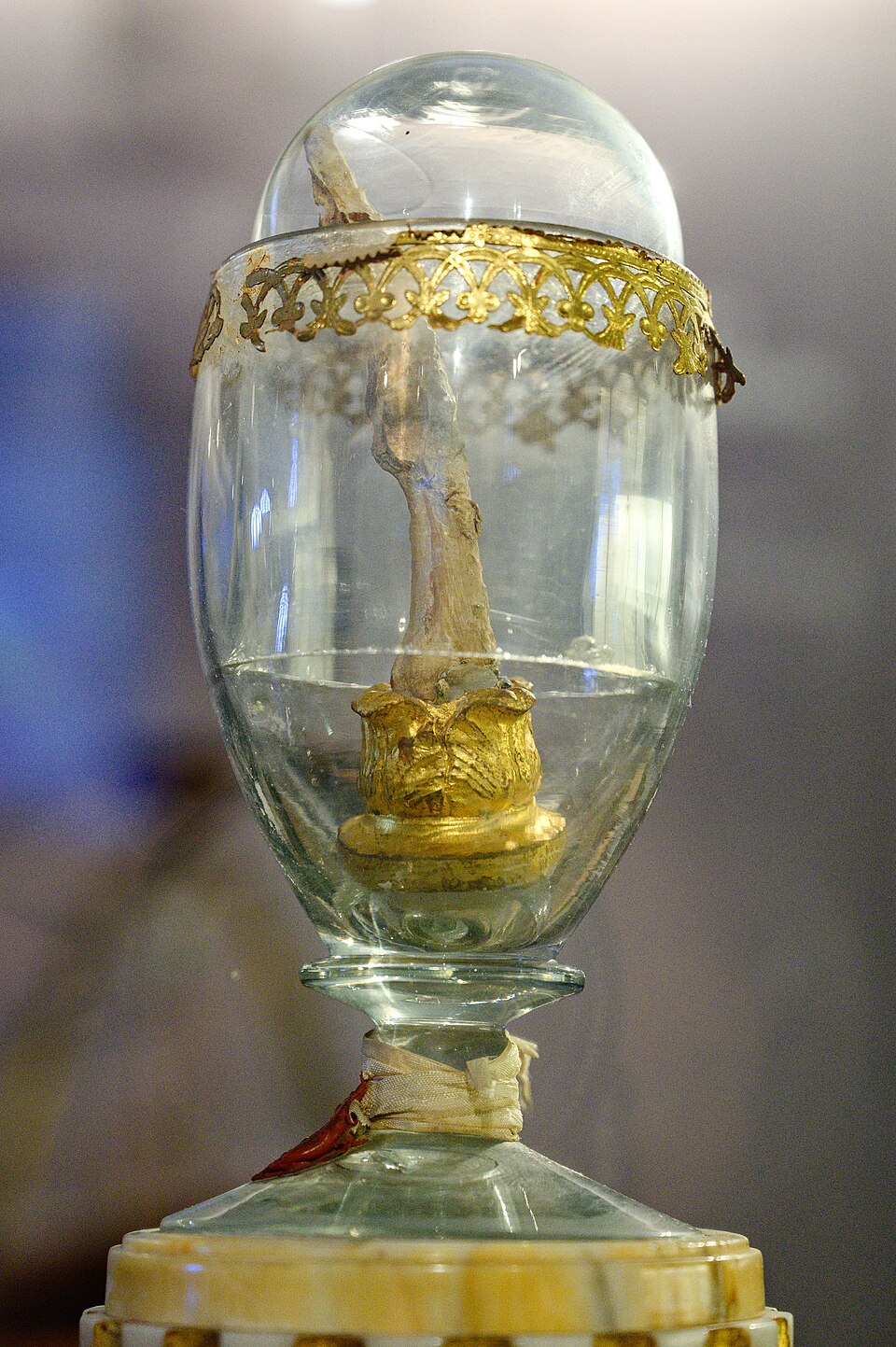
Several Italian collections have long claimed to possess fingers or small bones of Galileo Galilei, preserved as secular-scientific relics after his death. The most famous is a mummified finger displayed in Florence, sometimes photographed like a rock star’s pickled autograph.
The bone itself is likely genuinely 17th century – the problem is that its identification as Galileo’s specific finger rests on sketchy posthumous stories and much later stylized reliquaries. No robust forensic work actually ties it to his documented remains, and additional “Galileo” bones have surfaced on the market over the years, stretching credibility further. Historians now call these relics of Galileo’s cult, not evidence of Galileo himself.
#2 – Relics of the “True Cross”
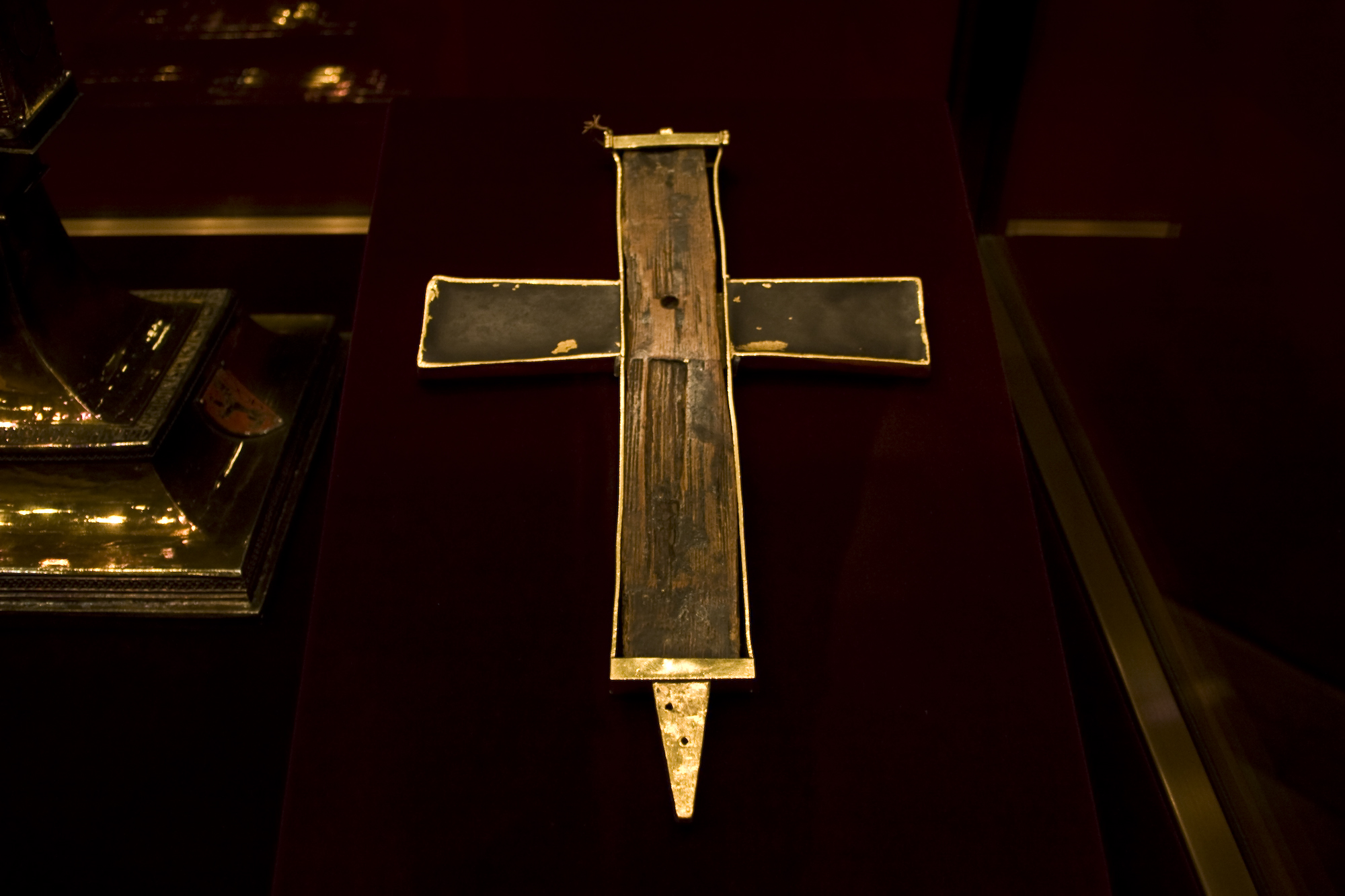
If there’s one category where historians openly use the word “impossible,” it’s the countless fragments of the True Cross – the wood on which Jesus was crucified. Medieval Europe alone contained enough “cross wood” to build a small fleet of ships, never mind what’s scattered globally today.
Modern scholars, and even some clergy, admit the obvious problems:
- The earliest documented “discovery” of the cross happens centuries after the crucifixion, right when Christian emperors needed physical symbols of legitimacy.
- Many pieces are stylistically processed, carved, or mounted in ways no real execution device would ever be.
- Radiocarbon tests, where allowed, have often produced dates incompatible with 1st-century Roman Palestine.
The current consensus in critical scholarship is harsh but clear: at best, a tiny minority might come from ancient Near Eastern wood, but no specific fragment can be proven to be the cross. Shrines keep the label anyway, because faith and tourism are powerful forces.
#1 – The “Holy Foreskin” Relics
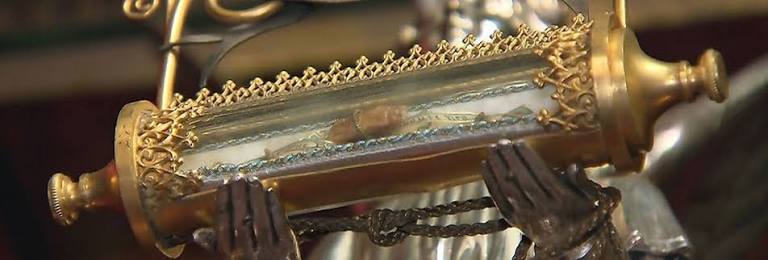
Yes, it’s exactly what it sounds like. For centuries, multiple churches across Europe claimed to possess the Holy Foreskin – the remnant from Jesus’ circumcision. The relics were paraded in processions, used in fertility rituals, and even credited with miracles. At one point, over a dozen towns each claimed to own the only genuine one.
Historically, this might be the clearest example of how absurd relic culture became. Documentation is wildly inconsistent, with foreskins “discovered” in visions, found in mysterious chests, or supposedly gifted by angels – and competing towns sometimes excommunicated each other over whose relic was real. When modern science and modern embarrassment finally caught up, the Church quietly stopped promoting them, and several relics simply vanished from record.
At a Glance
- More than a dozen European towns once claimed to hold the one true relic.
- Some relics were said to be “discovered” through visions or gifted by angels.
- Rival towns reportedly excommunicated each other over competing claims.
- The Church eventually stopped promoting the relics, and several quietly vanished from record.
The Bottom Line
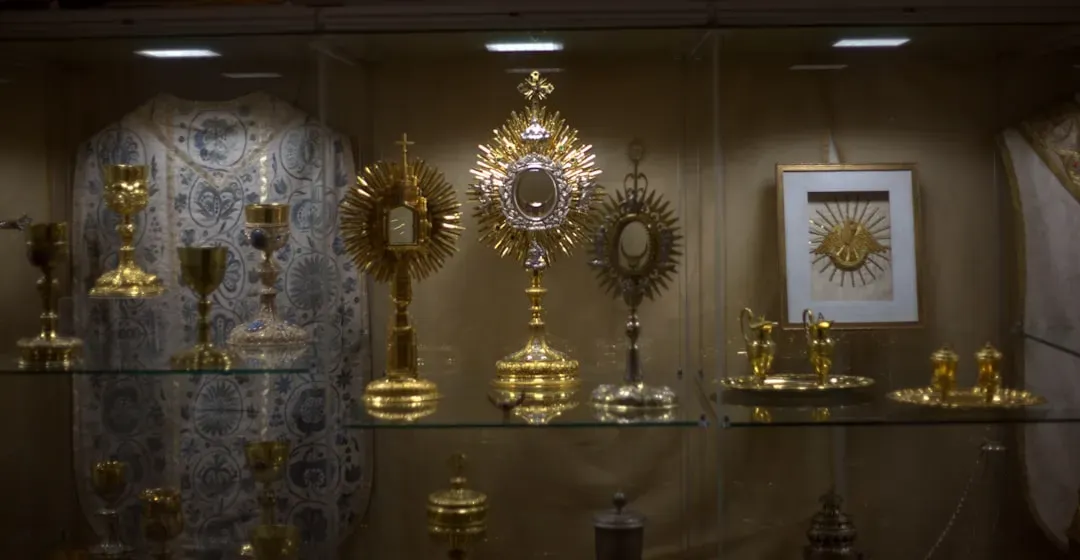
Taken together, these “relics” tell a brutal truth: humans are astonishingly good at believing the objects we want to believe, even when the paperwork is sloppy and the science screams otherwise. From Viking runestones in American cornfields to multiple hands, hearts, skulls, and foreskins of the same person, the pattern never changes – a shortage of real evidence gets papered over with emotional certainty and clever marketing.
I don’t think historians are being cynical here. I think they’re finally saying in public what the lab results and timelines have quietly proven for years, and frankly, it’s about time someone did. The stories are genuinely powerful. The artifacts, almost across the board, aren’t what the plaque says they are – and museums that keep the romantic labels up purely because they sell tickets are choosing spectacle over honesty.
Which of these do you still defend as “real,” and which ones do you think deserve an honest relabel? Did we miss a notorious fake relic you’ve seen with your own eyes? Drop it in the comments.