
You already know the tidy version of history: Stone Age, Bronze Age, pyramids, Rome, and a straight climb toward us. It reads clean on a museum wall. It is also, in a lot of important ways, wrong.
Every so often the ground hands archaeologists something that refuses to behave – an object too precise, too early, or too strange for the box we built for it. Not proof of aliens. Something better: proof that our story has holes we haven’t even mapped yet. Nineteen of those holes are below, and a few of them genuinely won’t leave you alone.
#19 – The Baghdad “Battery”: Ancient Power Or Misunderstood Pot?
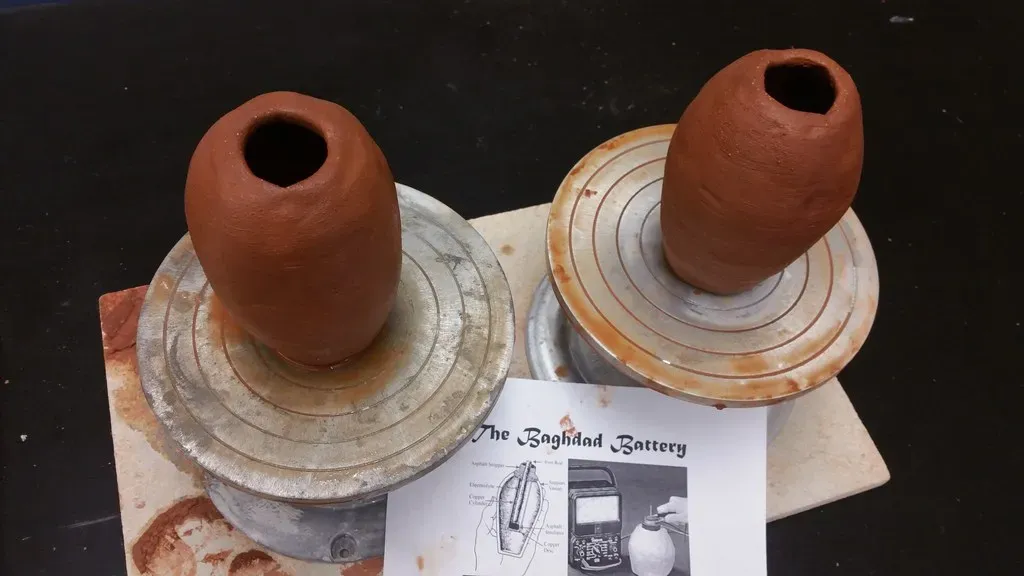
People love to say the Baghdad Battery proves ancient civilizations had electricity. The real story is stranger and a lot messier than that.
Discovered near modern-day Baghdad, these small clay jars hold an iron rod inside a copper cylinder. Fill one with an acidic liquid today, in a modern lab, and it generates a tiny electric current. That part is real, repeatable data.
But there’s no wiring, no lamps, no inscription anywhere reading “for power.” Most archaeologists think these were ordinary storage vessels, maybe for scrolls or sacred oils, with metal parts added or misread later.
Here’s the part that keeps the mystery alive: even the skeptics admit ancient people could have stumbled into electrochemistry by accident, whether for electroplating, ritual, or something nobody’s guessed yet.
#18 – The Antikythera Mechanism: A Bronze Computer Out Of Its Century
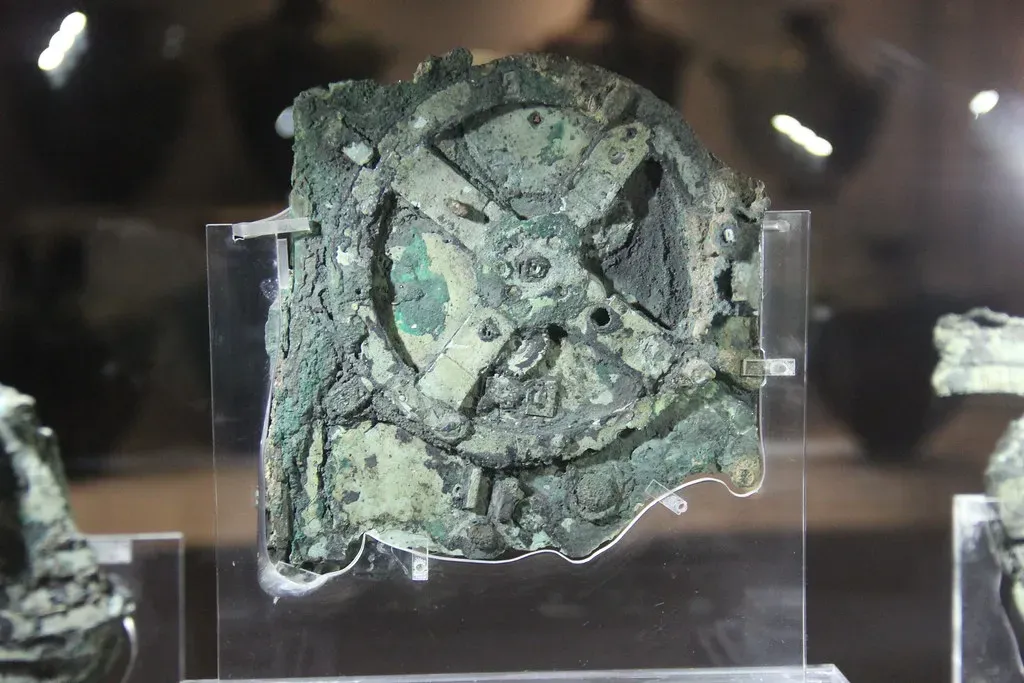
Most people assume mechanical computers started with clockmakers in the Middle Ages. The Antikythera Mechanism destroys that assumption on contact.
Pulled from a shipwreck off a Greek island, this corroded lump of bronze turned out – after X-rays and CT scans – to be a gear system that models the motions of the Sun, Moon, and possibly the planets. More than 30 precision-cut bronze gears, teeth fine enough to belong to an 18th-century clockmaker, built somewhere around 100-50 BCE.
It could reportedly predict eclipses and track the four-year cycle of the Olympic Games. Nothing else this advanced survives from the period, which means either an entire lost tradition of Hellenistic engineering existed, or we’ve badly underestimated how far ancient workshops had already gone.
Any sufficiently advanced technology is indistinguishable from magic.
Arthur C. Clarke
That line was written about the future. The Antikythera Mechanism proves it works just as well pointed backward.
#17 – Roman Dodecahedra: Precision Tools Nobody Can Explain
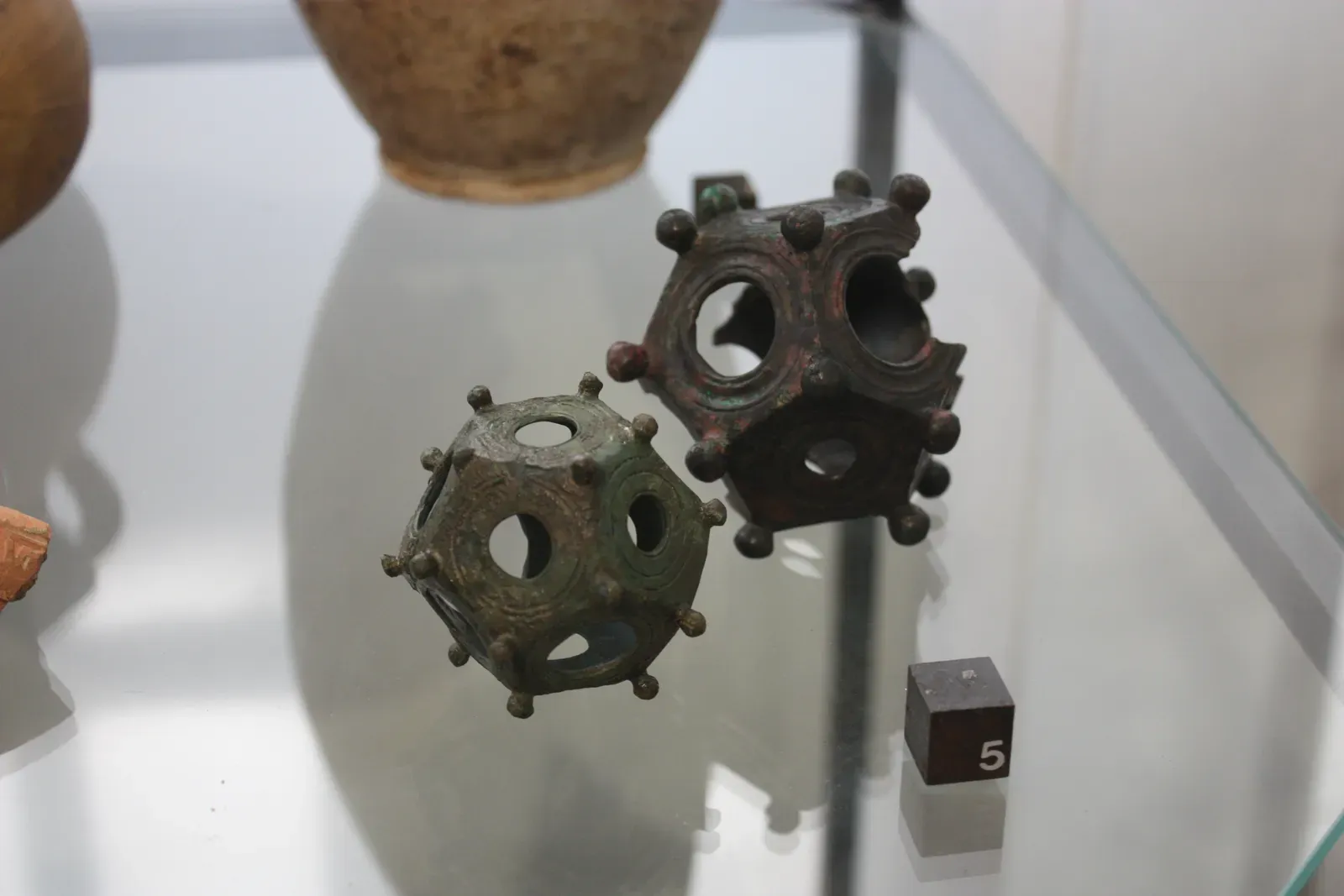
If you want an artifact that quietly wrecks the “we understand Rome” illusion, this is it. Bronze objects about the size of a fist, twelve flat faces, each with a different-sized hole, small knobs on every corner.
Over a hundred have turned up across Europe, all in Roman contexts. Everyone agrees they’re Roman. Nobody agrees on what they were for.
Candle holders, surveying tools, children’s toys, knitting aids, military rangefinders – every theory has defenders and every theory has holes. They required skilled casting and careful drilling, yet there’s no ancient text explaining them, no carved scene showing one in use, no inscription anywhere.
It’s the equivalent of finding a box of specialized modern tools with the instruction manual missing forever. Whole categories of “everyday tech” really can vanish from the record without a trace.
Fast Facts
- Only 120 have been found across what was the Roman Empire, and none have turned up in Italy, Spain, or Africa
- The dodecahedrons range from 1.6 to 3.9 inches (4 to 10 centimeters) tall and weigh 1 to 20 ounces (30 to 580 grams)
- All date to the late second to late fourth centuries CE
- No writing has been found on any dodecahedron
- Archaeologists have recovered dodecahedrons from the graves of men and women, in coin hoards and even in refuse heaps
#16 – The Piri Reis Map: Old World Chart, New World Coastline
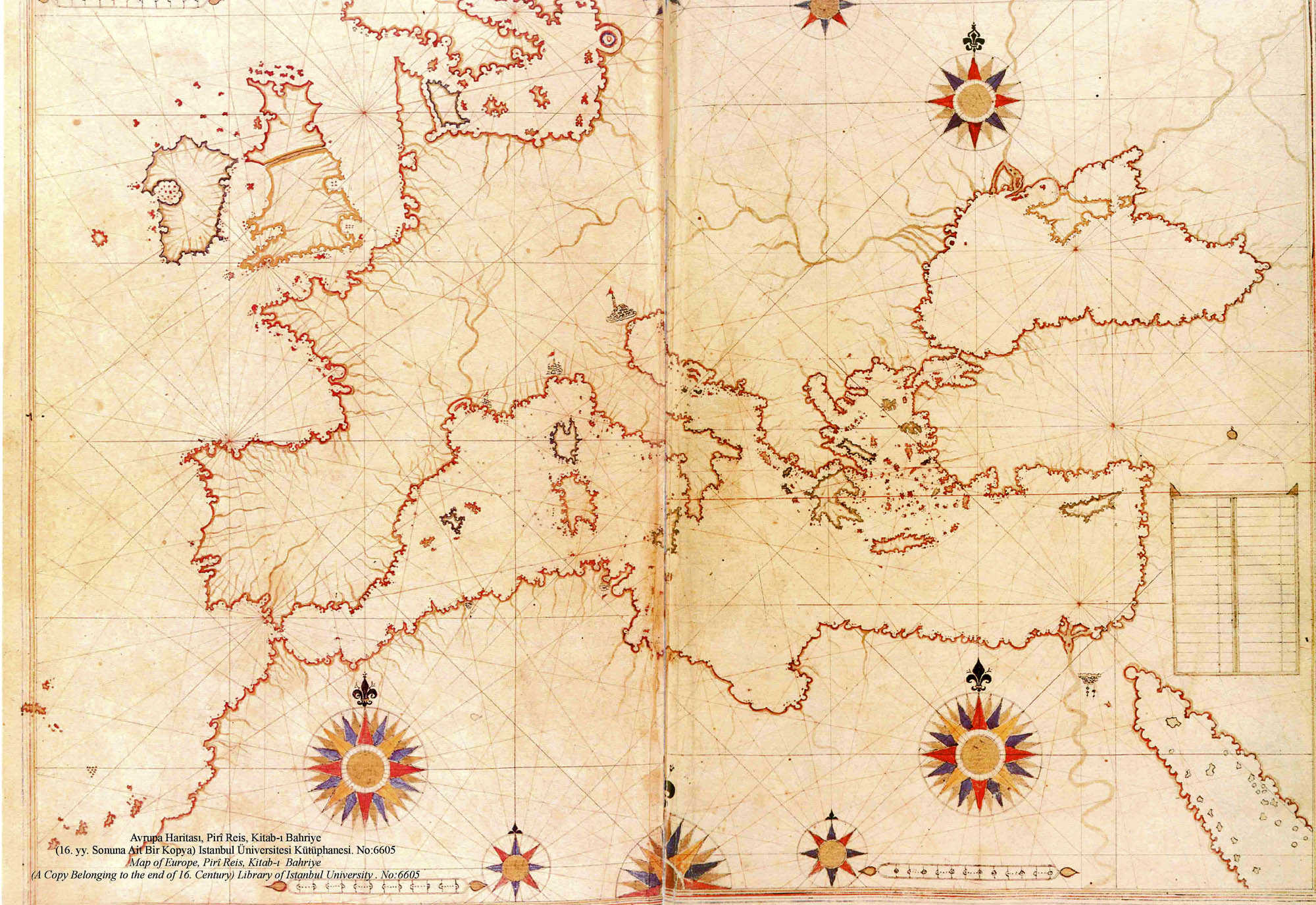
Most people picture 15th-century sailors fumbling blindly across blank oceans. The Piri Reis Map says reality was a lot less blind than that.
Drawn in 1513 by Ottoman admiral Piri Reis, the surviving fragment shows Europe, North Africa, and the Americas. What unsettles researchers isn’t that it shows the New World – that part was already known – it’s that some South American coastline segments look more accurate than maps drawn generations later.
Piri claimed he worked from older source charts, some captured from Europeans, who may have copied even earlier maps that no longer exist. Fringe claims about an ice-free Antarctica don’t hold up under careful cartographic analysis; the distortions are explainable copying and projection errors.
The real takeaway is quieter and stranger: detailed geographic knowledge can surge, spread, and disappear long before printing locks anything in place. We’re probably missing entire lost “drafts” of how the world got mapped.
#15 – The Nazca Lines: Giant Ground Drawings For Invisible Eyes
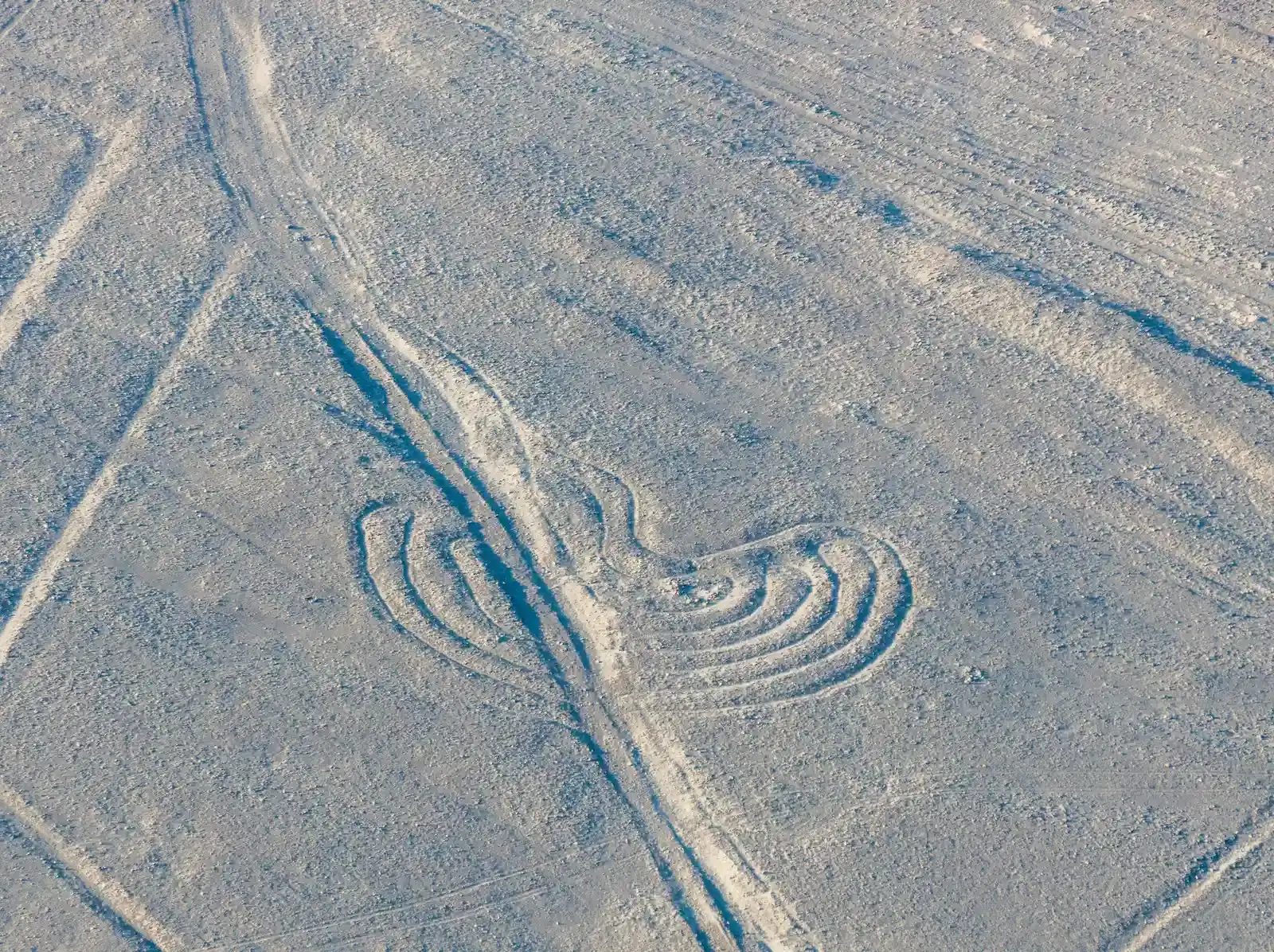
Most people write the Nazca Lines off as “weird desert art.” Their scale and precision argue otherwise.
Spread across nearly 200 square miles of Peru, these are massive geoglyphs – straight lines, trapezoids, spirals, and animal figures like monkeys, hummingbirds, and spiders, cut by scraping away dark stones to expose lighter soil. Some lines run arrow-straight for kilometers. Others only resolve into recognizable shapes from the air or a distant hillside.
They date roughly between 500 BCE and 500 CE, made by people with no planes, no drones, no satellites to check their work from above. Calendar, ritual pathway, water marker – probably some mix of all three.
The real shock is methodological. We assumed landscape-wide planning on this scale required advanced surveying states. Nazca proves organized societies can pull off massive coordinated projects and leave behind zero written explanation at all.
#14 – The London Hammer: “Ancient Tool” In Supposedly Ancient Rock
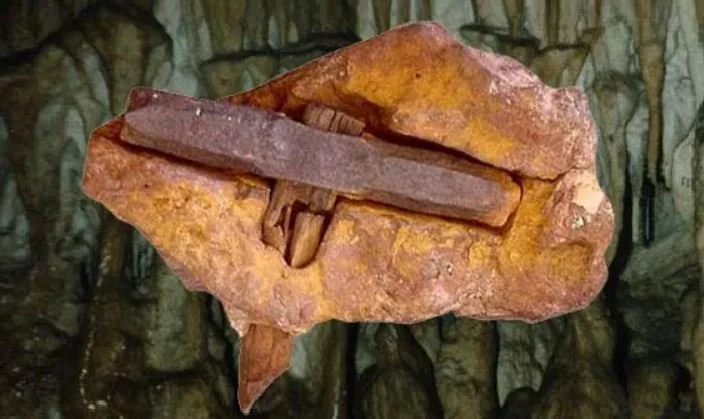
If you’ve seen viral posts claiming a hammer “100 million years old,” this is the one. It’s also a near-perfect case study in how out-of-place artifacts get manufactured by misunderstanding.
Found in Texas in the 1930s, the so-called London Hammer is a simple iron-and-wood tool partly encased in a rock-like concretion. Creationist sources insist the surrounding stone dates to the Cretaceous. Geologists who’ve actually examined it argue the “rock” is a much younger concretion that formed quickly around a 19th-century-style miner’s hammer.
The wood handle is partly coalified, which sounds dramatic until you learn organic material can mineralize surprisingly fast under the right chemistry. Not every oddity is a time traveler; sometimes it’s modern junk wrapped in fast-forming rock.
The fact this story refuses to die tells you something else, though: people badly want timeline-breaking evidence to be real.
#13 – The Coso Artifact: Spark Plug Turned “Ancient Machine”
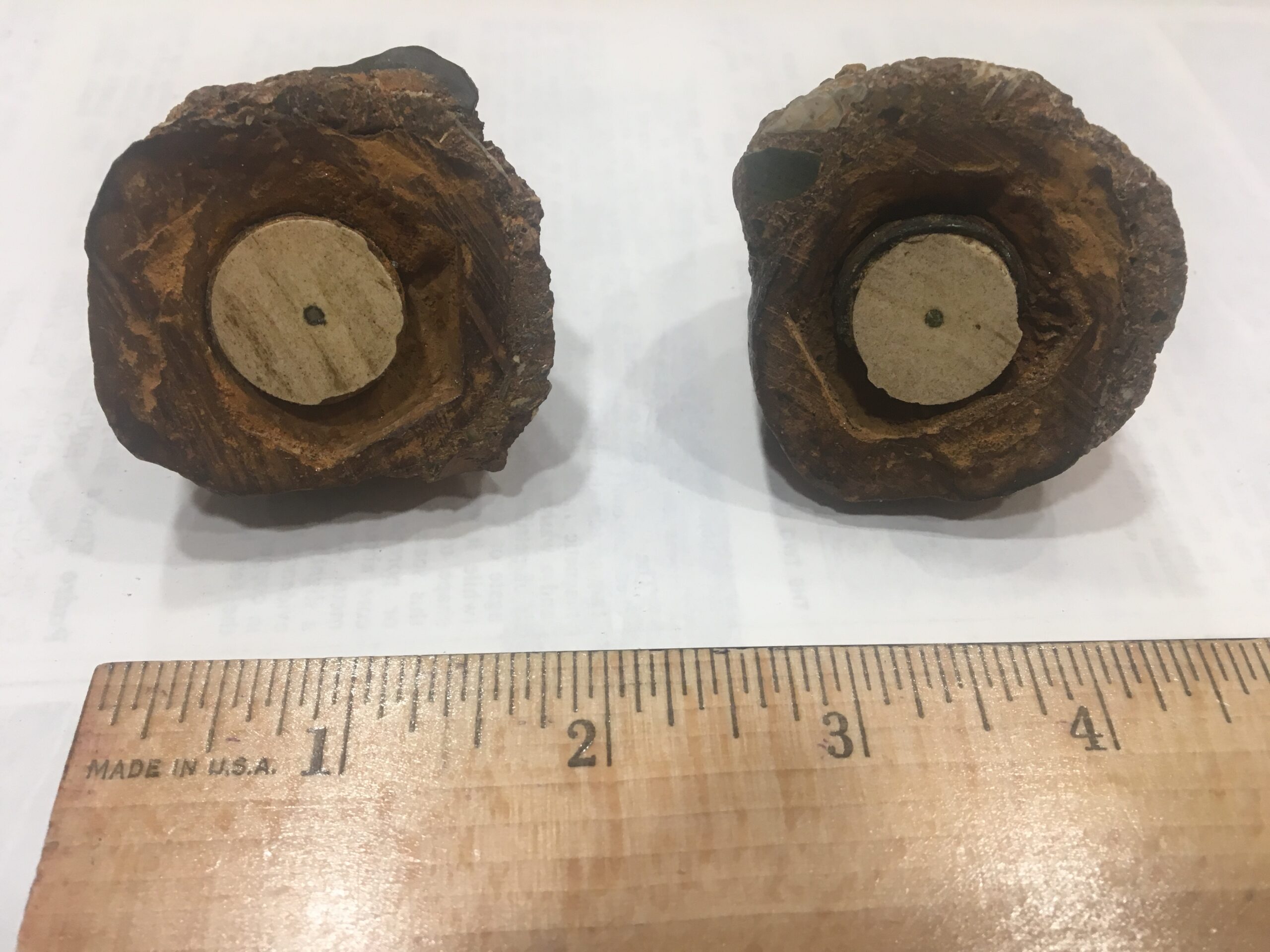
In 1961, rock collectors near Olancha, California, cracked open what looked like a geode and found a metal core sitting inside a ceramic insulator. Cue decades of claims about lost civilizations and alien engineering.
Then someone compared the photos to actual hardware catalogs. It matched a 1920s-30s Champion spark plug design almost exactly, down to the shape of the insulator and casing. The “rock” was a mineral concretion that had hardened around the plug, not some ancient time capsule.
The real lesson isn’t that people got fooled once. It’s that out-of-place finds usually collapse the moment someone applies basic materials science. Alloys, thread patterns, and manufacturing marks can pin an object to a shockingly narrow window – if anyone bothers to check.
#12 – The Voynich Manuscript: A Book That Refuses To Be Dated Culturally
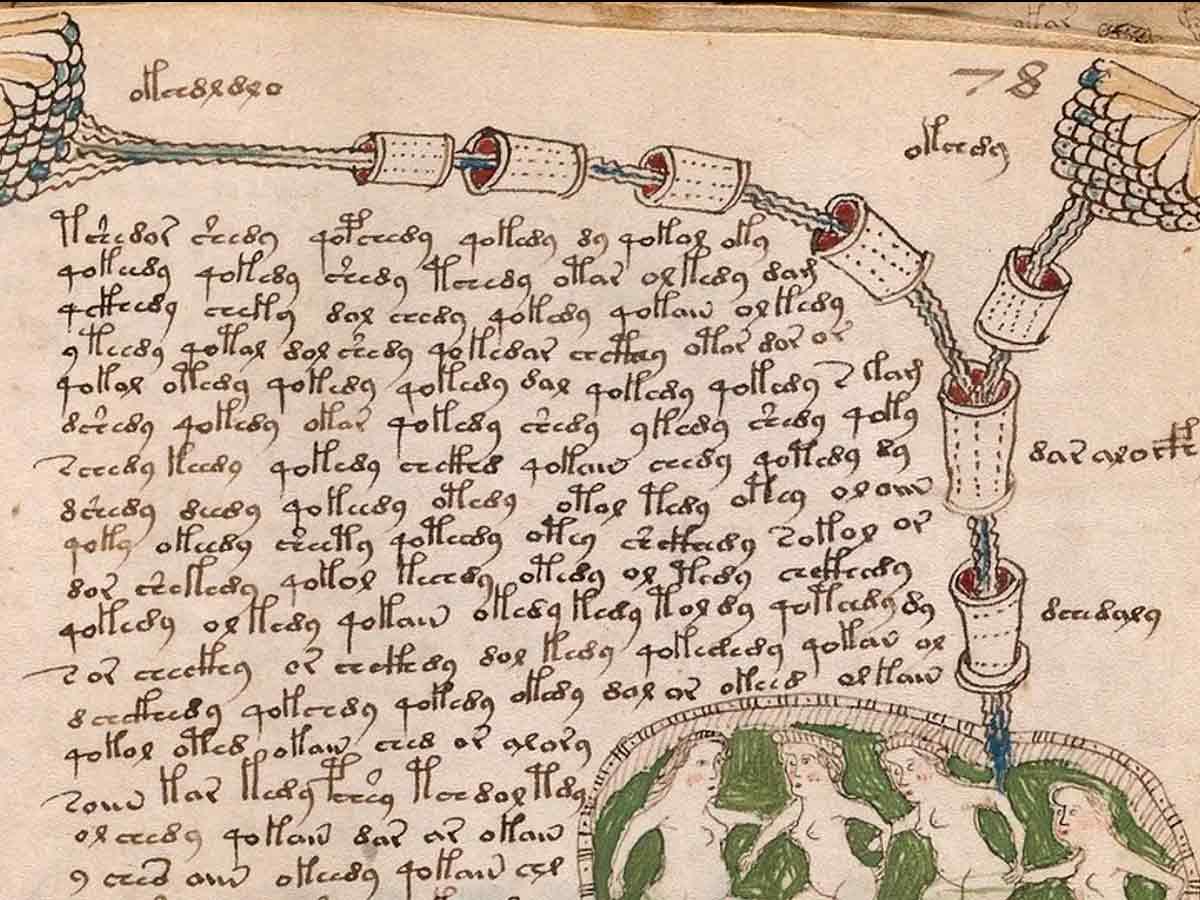
Everyone wants the Voynich Manuscript to be an alien herbarium or a lost alchemical bible. The truth is quieter, but no less bizarre.
Radiocarbon dating puts the parchment squarely in the early 1400s. So we know exactly when it was made. What we still can’t crack is the script itself – unique, unmatched to any known language or cipher, despite frequency analysis, cryptanalysis, and machine learning throwing everything they’ve got at it.
The illustrations mix plausible medieval plants with impossible hybrids and strange astronomical scenes. Most researchers now lean toward one of two options:
- An elaborate constructed language or ciphered text
- A remarkably sophisticated 15th-16th century hoax
Either way, someone built a high-effort, deliberately opaque text six hundred years ago that modern computing still can’t fully open. That’s its own kind of timeline problem.
#11 – The Shroud Of Turin: Medieval Relic Or Something Older?
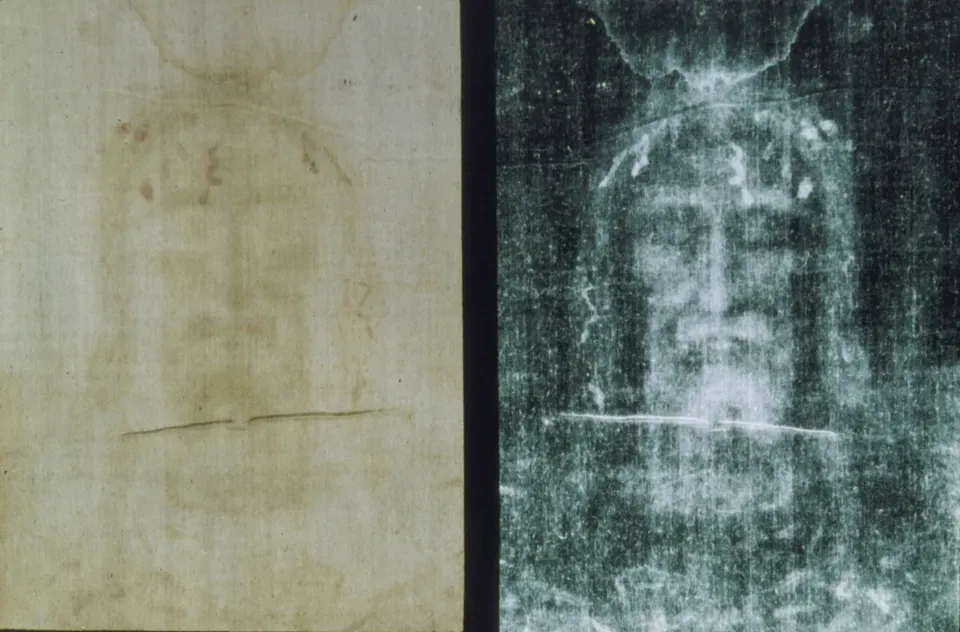
Few artifacts have triggered more heated lab arguments than the Shroud of Turin – a linen cloth bearing the faint image of a man with crucifixion-consistent wounds.
Radiocarbon dating in the late 1980s pointed to a medieval origin, roughly the 13th-14th century, which should have closed the case. Then image-formation studies reopened it. The image sits only on the topmost fibers, shows no clear brush strokes, and carries strange 3D-encoding properties under analysis.
Some researchers argue contamination skewed the original samples; others say known medieval techniques, like bas-relief rubbings, could explain it. The honest verdict: probably medieval, but the exact process that created the image still hasn’t been fully replicated – which is exactly what keeps it filed under “anomaly” instead of “solved.”
#10 – The Out-Of-Place Roman Head In Mexico
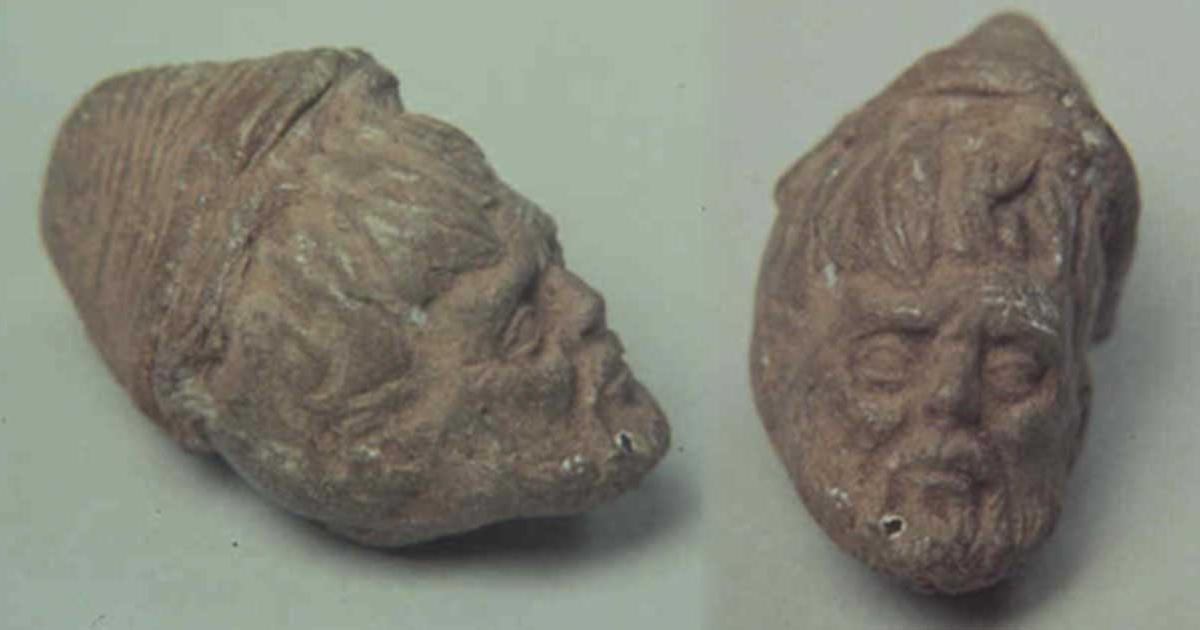
In 1933, archaeologist José García Payón excavated a burial at Calixtlahuaca in central Mexico and pulled out something that shouldn’t have been there: a small terracotta head with distinctly Roman or Mediterranean features, in a layer dated centuries before Columbus.
For diffusionists, it’s proof of transatlantic contact. For mainstream archaeologists, it’s a giant red flag for contamination. Stylistic analysis suggests the head itself may date to around the 2nd century CE – but that says nothing about when it actually entered Mexican soil.
Here’s the uncomfortable part: early 20th-century digs rarely have airtight records. A single object, without a chain of custody solid enough to survive real scrutiny, can’t rewrite global contact history on its own – no matter how strange it looks.
Worth Knowing
- Mexican archaeologist José García Payón led excavations at the ancient site of Tecaxic-Calixtlahuaca, located roughly 65 kilometers from modern-day Mexico City
- The artifact was found alongside ceramic fragments, gold objects, bone, and rock crystal, sealed beneath three intact layers within a pyramidal structure
- The burial itself was dated between 1476 and 1510 CE – just years before Hernán Cortés arrived in Mexico in 1519
- Later thermo-luminescence testing gave a production date between 184 BC and 616 AD, far older than the grave itself
- One controversial possibility is that the object was planted during excavation, with some suggesting a team member introduced it as a prank
#9 – The Kingoodie “Nail” In Sandstone
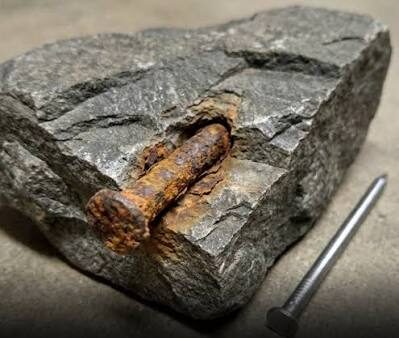
A 19th-century report from Kingoodie, Scotland described a metal nail apparently embedded in solid sandstone – implying human metalwork inside rock supposedly millions of years old.
Modern geologists are blunt about this one: it’s almost certainly poor documentation colliding with a basic misunderstanding of how rock fractures and fills. Old quarry notes describe a nail “lying in a cavity,” not necessarily sealed inside the stone as it formed. Sandstone cracks, weathers, and gets filled with later material – rust, soil, debris – that hardens over time.
No surviving sample. No metallurgical analysis. No precise documentation of the layer it came from. The Kingoodie nail isn’t a solid anomaly; it’s a cautionary tale about how Victorian retellings turn ordinary geology into “impossible artifacts.”
#8 – The Nampa Figurine: A Tiny Doll From Deep Below Idaho

In 1889, well-drillers near Nampa, Idaho, reportedly brought up a small clay figurine – a crude human “doll” – from more than 300 feet down. If the depth and context were accurate, that would put human-made artifacts in layers believed to predate humans in North America entirely.
Scientists were split from day one. Some suspected a hoax dropped into the borehole; others pointed to casing failures that could pull shallower material down through the shaft. Stylistically, the figurine resembles known Native American artifacts, which argues for a recent age, not a geological one.
The real issue is provenance. Without rigorous, modern-style documentation, one object from a messy 19th-century drilling operation can’t overturn timelines built on radiocarbon dating, stratigraphy, and genetics. Still, it’s a textbook talking point in early-American-habitation debates for a reason.
#7 – The Wolfsegg Iron: A Cube That Shouldn’t Be In Coal
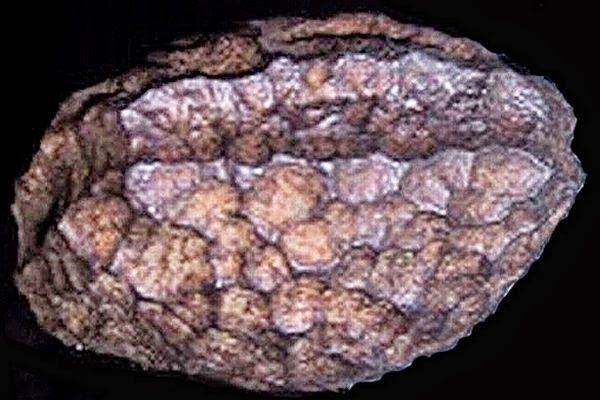
Before conspiracy forums existed, there was the Wolfsegg Iron – a strange, nearly cubic piece of metal reportedly pulled from a 19th-century Austrian coal seam. Early write-ups called it an “iron cube” with smooth surfaces and sharp edges, and the headlines wrote themselves: manmade metal locked inside million-year-old coal.
Later analysis pointed somewhere far less exotic – cast iron or industrial slag, likely mining or smelting waste that ended up mixed with the coal during transport or storage. Its shape is unusual but not impossible for a fractured industrial byproduct.
The object has since gone missing from easy public study, which only feeds the legend. But when it was actually examined, nothing about its composition screamed “impossibly old.” Coal seams aren’t sealed time capsules; mining and handling disturb them constantly.
#6 – The Nebra Sky Disk: Bronze Age Astronomy On A Metal Canvas
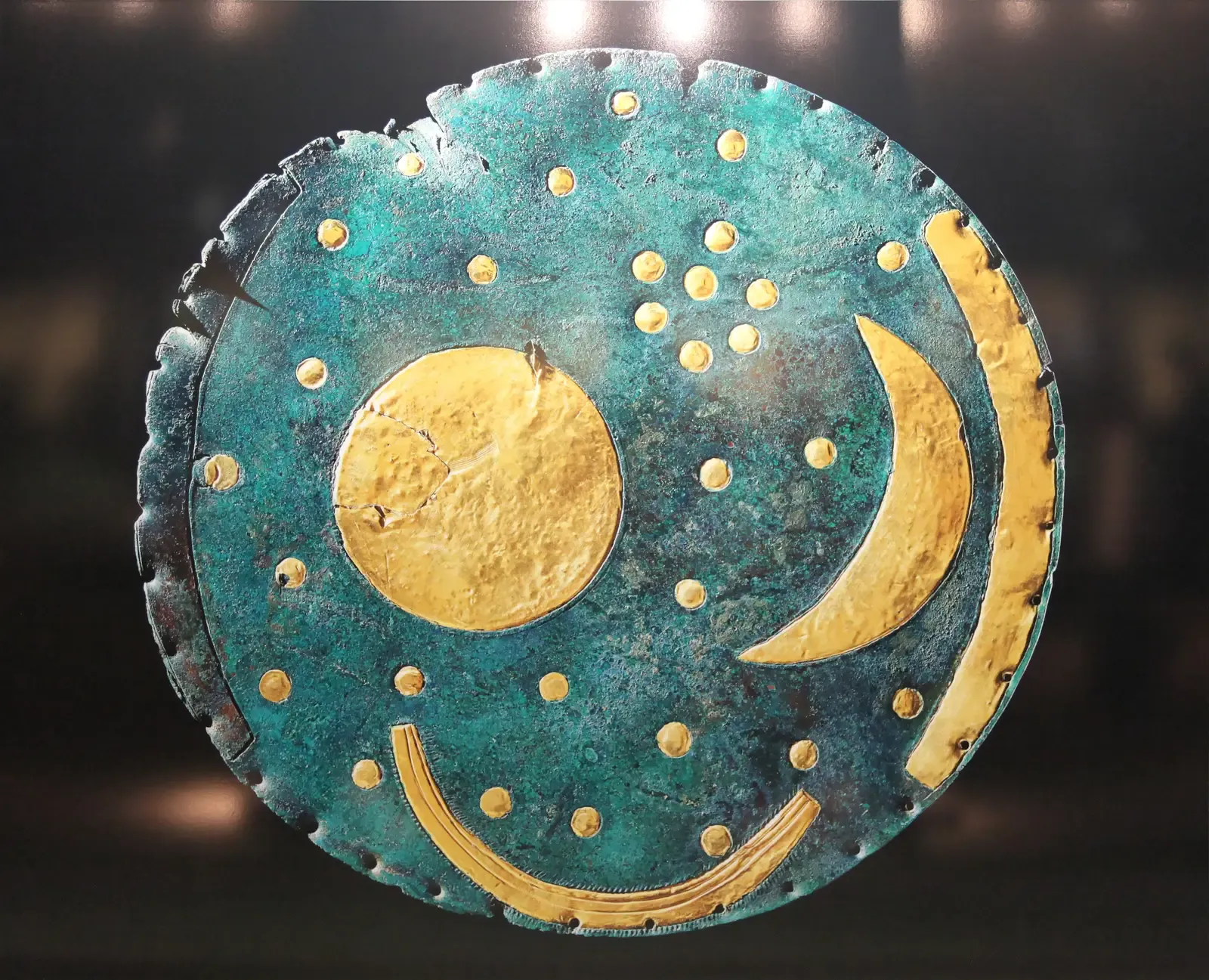
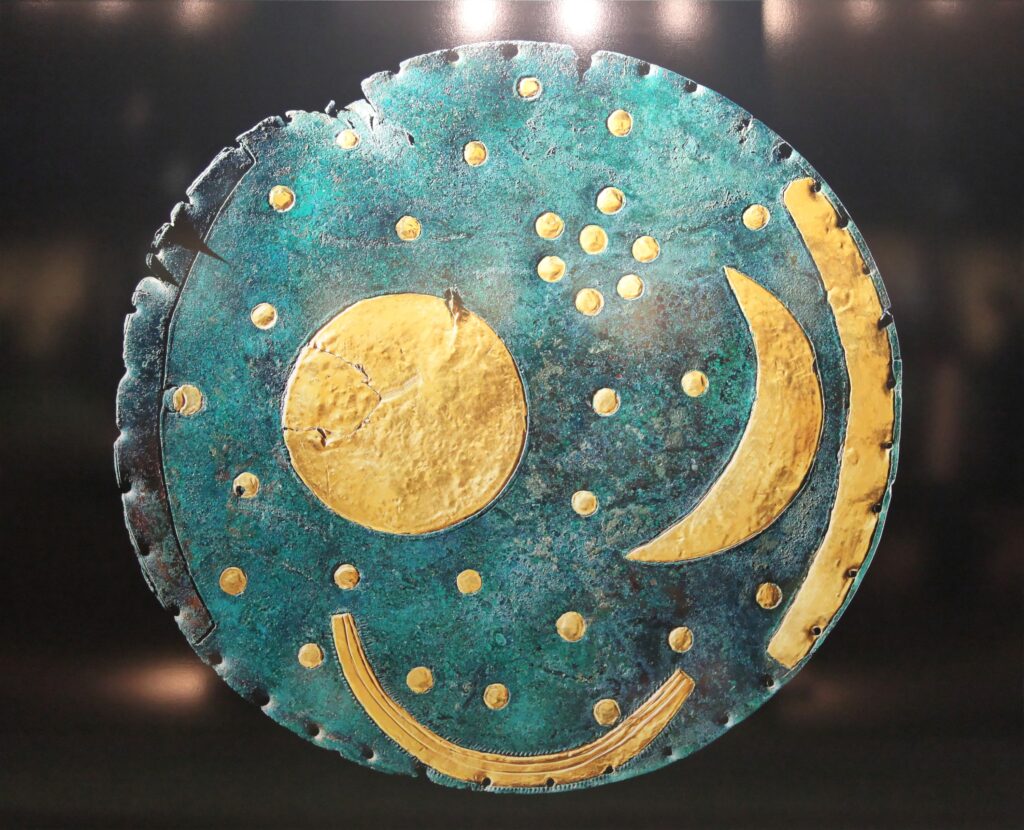
Some artifacts don’t break the timeline – they force us to upgrade it. Discovered in Germany and dated to around 1600 BCE, the Nebra Sky Disk is a bronze plate inlaid with gold: a crescent, a full circle, dots read as stars, and later-added arcs.
Researchers believe it represents the night sky, possibly including the Pleiades star cluster. The side arcs appear to align with sunrise and sunset at the solstices for the disk’s latitude – a deliberate astronomical instrument, not decoration.
Skeptics worried for years it might be a modern forgery. Metallurgical testing, corrosion patterns, and context from nearby Bronze Age swords and axes settled that question in the disk’s favor. The real shock isn’t that Bronze Age Europeans watched the sky – it’s that they encoded it into a portable, abstract metal map far more sophisticated than anyone expected from that era.
At a Glance
- Discovered by illegal treasure hunters using metal detectors in July 1999 near Nebra, Germany
- This bronze disk has a diameter of 32cm (about the size of a vinyl LP) and weighs around 2 kg
- Attributed to the Únětice culture, which thrived during the Central European Bronze Age (2300-1600 BCE)
- Widely considered to be the oldest known depiction of the cosmos
- Now housed at the State Museum of Prehistory in Halle, and part of UNESCO’s “Memory of the World” register since 2013
#5 – The Saqqara “Bird”: Toy, Symbol, Or Early Glider Concept?
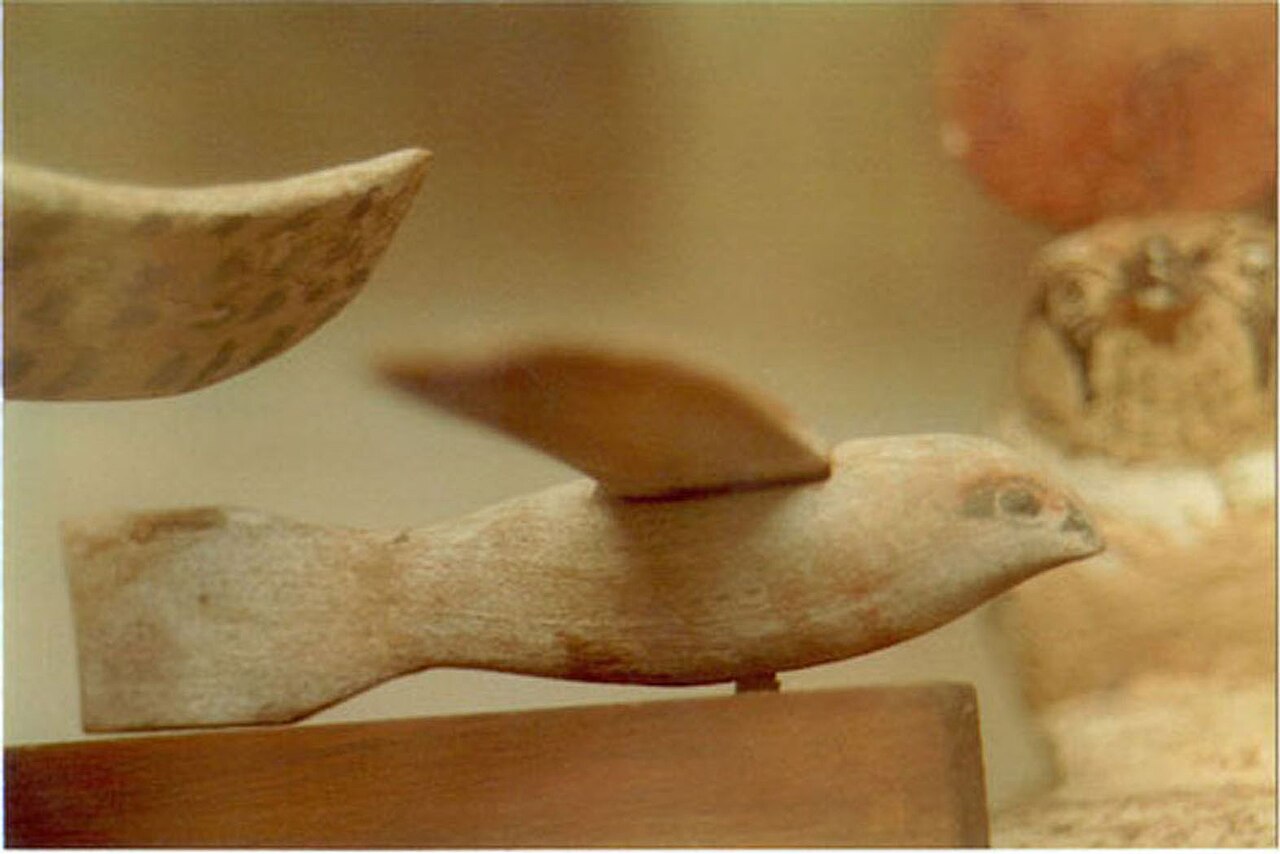
In a tomb at Saqqara, Egypt, dating to around 200 BCE, excavators found a small wooden object shaped like a bird, with what look like fixed wings and a vertical tail fin. Popular books call it proof the Egyptians built airplanes. Reality is quieter, but still genuinely interesting.
The object weighs only a few dozen grams. When modern experimenters built replicas and tuned the center of gravity, some versions achieved brief, glider-like flight. Others just fluttered. There’s no landing gear, no propulsion, and no documented context saying “flight experiment.”
- A child’s toy or ritual offering
- A symbolic falcon or soul in flight
- An object whose aerodynamics are partly coincidental
What lingers is the gap it exposes: ancient artisans could stumble into near-optimal shapes just by watching birds and throwing things, long before anyone wrote down why it worked.
#4 – The Stone Spheres Of Costa Rica: Geometric Perfection Without Blueprints

Scattered across Costa Rica’s Diquís Delta are hundreds of carved stone spheres, some the size of a baseball, others weighing several tons. Many of them aren’t just round – they’re astonishingly close to perfect spheres, given the age and the tools available.
Most date between roughly 500 and 1500 CE and are linked to the Diquís culture. There’s no evidence of advanced machinery; they were likely shaped through painstaking pecking and grinding of granite by hand.
The precision implies a working grasp of symmetry and geometry that never shows up in any surviving text or drawing. Purpose is still murky – status markers, alignments, boundary stones – but the real point is bigger: high-skill, high-labor projects like this can appear in non-literate societies and then quietly vanish under colonization and time.
#3 – Göbekli Tepe: Monumental Architecture Before Farming
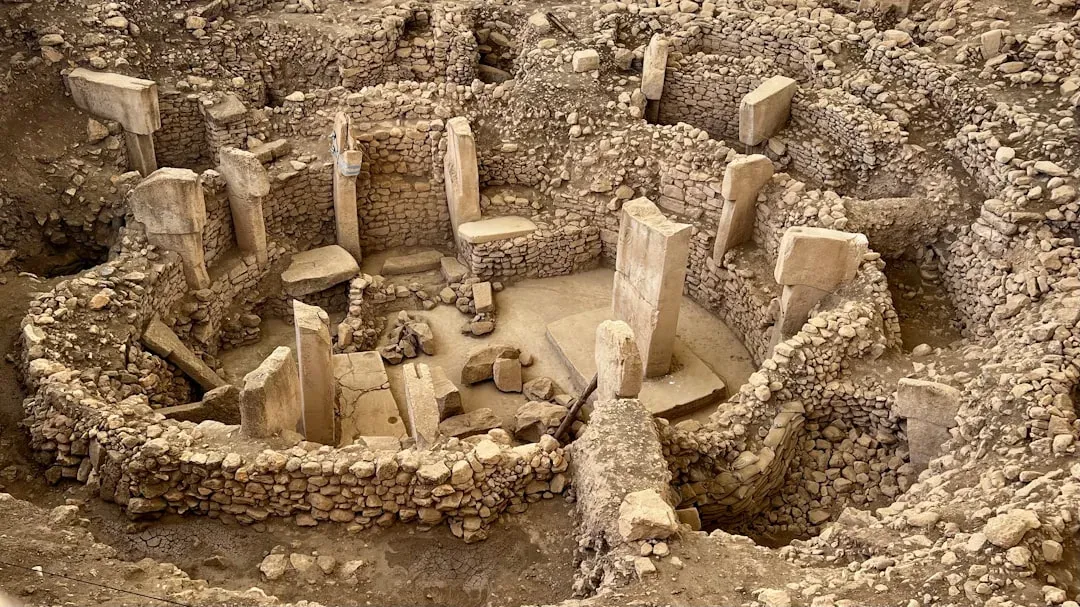
For decades the story went: first agriculture, then settlement, then temples. Göbekli Tepe, in southeastern Turkey, wrecked that tidy sequence completely.
The site’s massive T-shaped stone pillars, arranged in circular enclosures and carved with animals and abstract symbols, have been dated to roughly 9600-8000 BCE – thousands of years before Stonehenge or the pyramids existed. There’s no clear evidence of permanent homes nearby during its earliest phase, which points to mobile hunter-gatherers or early proto-farmers as the builders.
Not everyone agrees on exactly how “pre-agricultural” it really is; evidence of early plant cultivation nearby blurs the line. But the site proves large-scale stonework, symbolic art, and coordinated gatherings existed long before we thought “civilization” had the tools to organize them. Our timeline for when big ideas first appear is clearly too rigid.
#2 – The Great Pyramid’s Precision: Engineering A Millennium Ahead Of Its Reputation

You don’t need aliens to be stunned by the Great Pyramid of Giza. You just need a tape measure and a willingness to admit Old Kingdom Egyptians were genuinely brilliant engineers.
Completed around 2560 BCE, the pyramid’s base is nearly square to within a few centimeters over more than 230 meters. Its sides align with the cardinal directions to within a fraction of a degree. The original casing stones, mostly gone now, were reportedly fitted so tightly you couldn’t slide a razor blade between them – all without steel tools or modern surveying gear.
Most Egyptologists point to incremental progress: earlier pyramids show trial, error, and collapse before this one got it right. But too many popular retellings still treat the Great Pyramid as a mysterious one-off. It isn’t. It’s the peak of a long local engineering tradition we’re still only partially reconstructing, and it proves precision large-scale construction starts far earlier than most timelines admit.
Fast Facts
- Built as the tomb of King Khufu (c.2589-2566 BC), with its original height of 146.5 meters, it was the tallest structure in the world for 3,800 years
- About 2.3 million blocks of stone were used to build the pyramid with approximately 5.5 million tons of limestone and 8,000 tons of granite
- Each side of the base was measured to be about 230.3 metres (755.6 ft) in length
- The base was leveled and perfectly aligned to the cardinal points
#1 – The “Anomalous” Human Timeline Itself: Genetics Vs. Artifacts
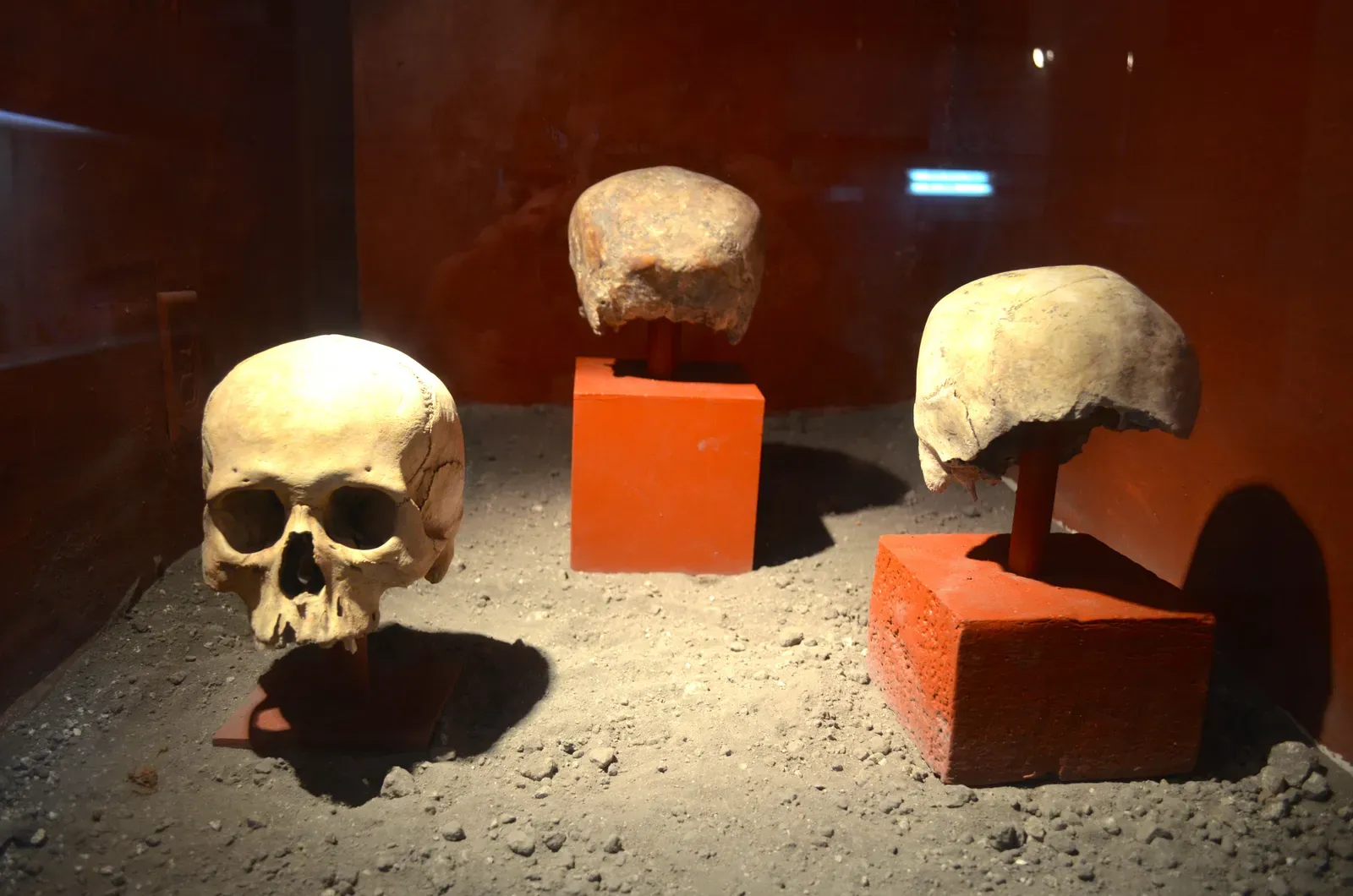
The most important artifact that defies the neat timeline isn’t a single object at all. It’s the growing pile of evidence that modern humans have been behaviorally complex far longer than the old textbooks ever admitted.
For years, symbolic thought and long-distance trade were pinned to roughly 40,000 years ago in Europe. Then African and Near Eastern sites pushed that back hard: beads, pigments, engraved ochre, and shell ornaments tens of thousands of years earlier than the old story allowed.
Add ancient DNA showing multiple migration waves, interbreeding with Neanderthals and Denisovans, and “ghost” populations we only know from genetic traces, and the clean picture explodes entirely. Instead of one line separating “before” and “after” civilization, we see pockets of innovation flaring up, fading out, and reappearing elsewhere.
High-level cognition doesn’t map neatly onto stone-tool “stages,” which means every single out-of-place artifact on this list has to be weighed against a human timeline that’s already elastic – and still moving.
The Bottom Line
Strip away the hype and none of these artifacts prove alien builders or ancient miners swinging iron hammers 300 million years ago. But they do expose something more uncomfortable: our official timelines are models, not sacred scripts, and even solid models have blind spots.
The Antikythera Mechanism, Göbekli Tepe, the Nebra Sky Disk – these aren’t errors in the record. They’re reminders that innovation is messy, local, and shockingly easy to lose. Meanwhile, the London Hammer and the Coso Artifact mostly collapse the second someone applies basic lab work, which is exactly how science is supposed to treat big claims.
My honest take: the real mistake isn’t skepticism. It’s the smug certainty that we’ve already mapped the edges of the human story. So – which one of these do you think historians are still getting wrong, and why?