
Most of us imagine ancient rituals as strange, superstitious sideshows – smoke, chanting, maybe a sacrifice or two, performed by people who simply didn’t know any better. That assumption is exactly why archaeologists armed with forensic tools, isotope analysis, and 3D imaging keep getting stunned by what they’re pulling out of the ground.
Turns out, the “primitive” label we slapped on these practices was mostly our own ignorance talking. Many of these rituals were sophisticated systems of medicine, diplomacy, and social engineering dressed up as religion – and the bones, the dirt, and the lab results are finally starting to tell the real story.
#1 – The Feasting Rituals That May Have Built Civilization
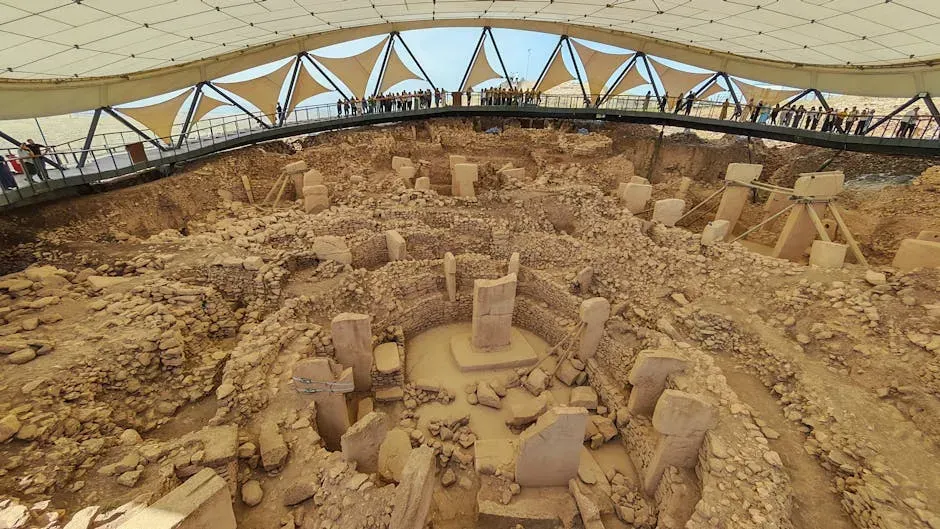
Most people believe farming came first and religion followed. Göbekli Tepe flipped that assumption on its head.
At the dawn of the Neolithic, hunter-gatherers gathering at the site built social and ideological cohesion through carved pillars, dancing, and feasting – almost certainly washed down with beer brewed from fermented wild grain. This wasn’t a village. There are no houses, no cooking hearths, no everyday tools, which is why most researchers now treat it as a purely ceremonial center.
The wild part? Archaeologist Klaus Schmidt argued ritual came before agriculture, not after. Complex social organization and ceremony may have predated permanent settlement entirely, with ritual gatherings driving the invention of farming rather than the other way around. Some researchers even connect the site’s carvings to comet imagery from the Younger Dryas period. But that’s nothing compared to what we found about #2…
#2 – The Neanderthal Funeral Nobody Believed Was Real
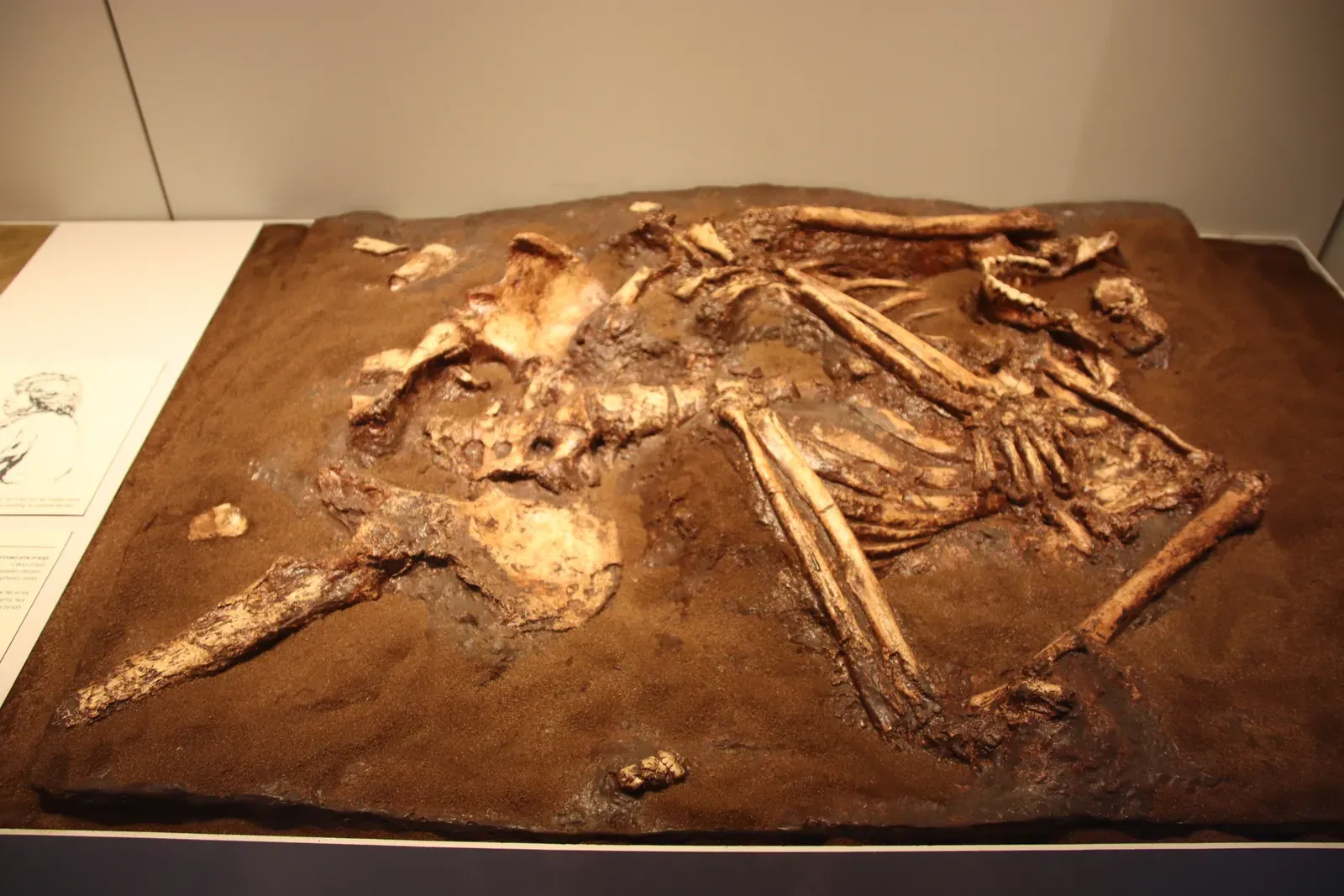
For decades, mainstream science insisted Neanderthals were incapable of symbolic thought. Then someone found flowers in their graves.
At Shanidar Cave in Iraq, archaeologists found pollen traces around Neanderthal skeletons, interpreted as evidence of ritual flower offerings. If accurate, it means our supposedly “brutish” cousins were deliberately decorating their dead with blooms – a gesture we associate almost exclusively with modern human grief.
Most people don’t realize how controversial this find still is. Some archaeologists argue burrowing rodents dragged the pollen in, not mourners. But the debate itself proves something important: we secretly assumed Neanderthals were incapable of ritual, and now we’re genuinely not sure. Cave paintings from Upper Paleolithic Europe may not have been art for art’s sake either, but ritual acts meant to guarantee successful hunts. Wait until you see what #3 uncovered…
#3 – The “Torture” That Was Actually Ancient Brain Surgery
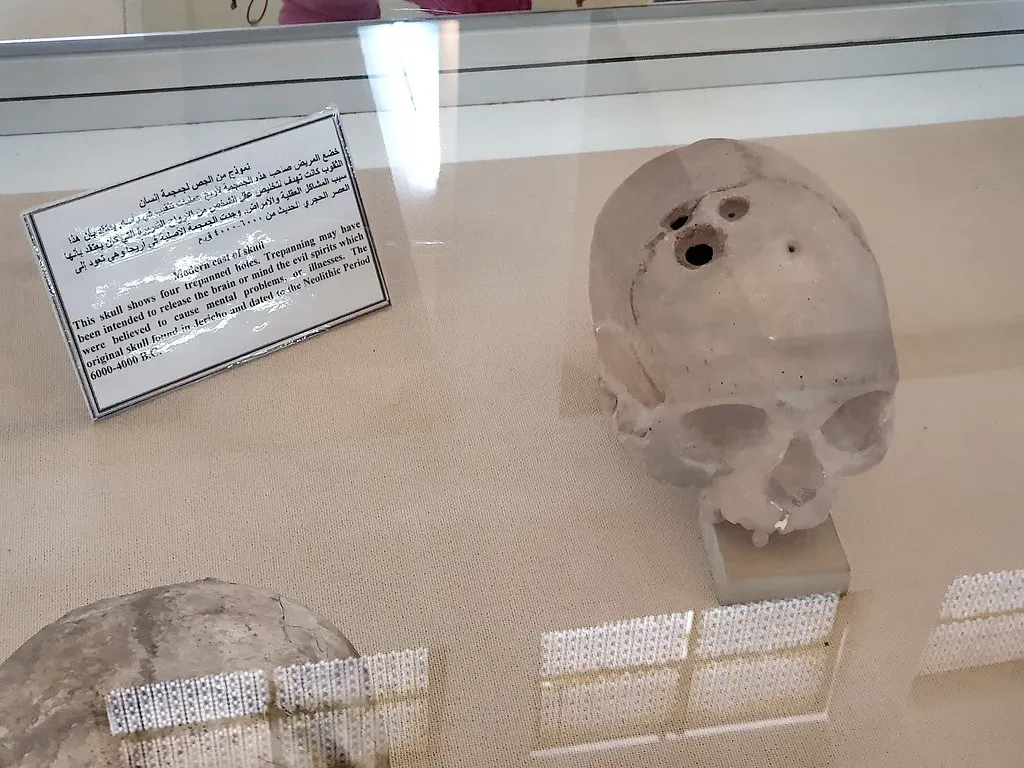
Skulls with neat, round holes drilled into them used to be filed under “ritual mutilation.” Turns out, many patients survived – repeatedly.
The edges of trepanation holes in excavated skulls show new bone tissue growth. When those edges are rounded and smoothed over, it proves the patient survived surgery and lived for months or even years afterward. Across Neolithic sites in Europe, the Czech Republic, and France, archaeologists estimate that five to ten percent of recovered skulls show evidence of the procedure.
The most surprising number? Some skulls show multiple successful surgeries on the same person. A handful display several trepanation sites, meaning certain individuals underwent the operation more than once and lived to tell about it. Peru alone has produced over 10,000 trepanned skulls, making it the richest site of this practice on Earth. That’s tame compared to what we found about #4…
Fast Facts
- Rounded, smoothed hole edges prove months or years of survival after surgery.
- 5-10% of recovered Neolithic skulls in parts of Europe show trepanation evidence.
- Peru alone has produced over 10,000 trepanned skulls.
- Some individuals survived more than one separate operation.
#4 – The Bog Sacrifices That Chose Their Victims Carefully
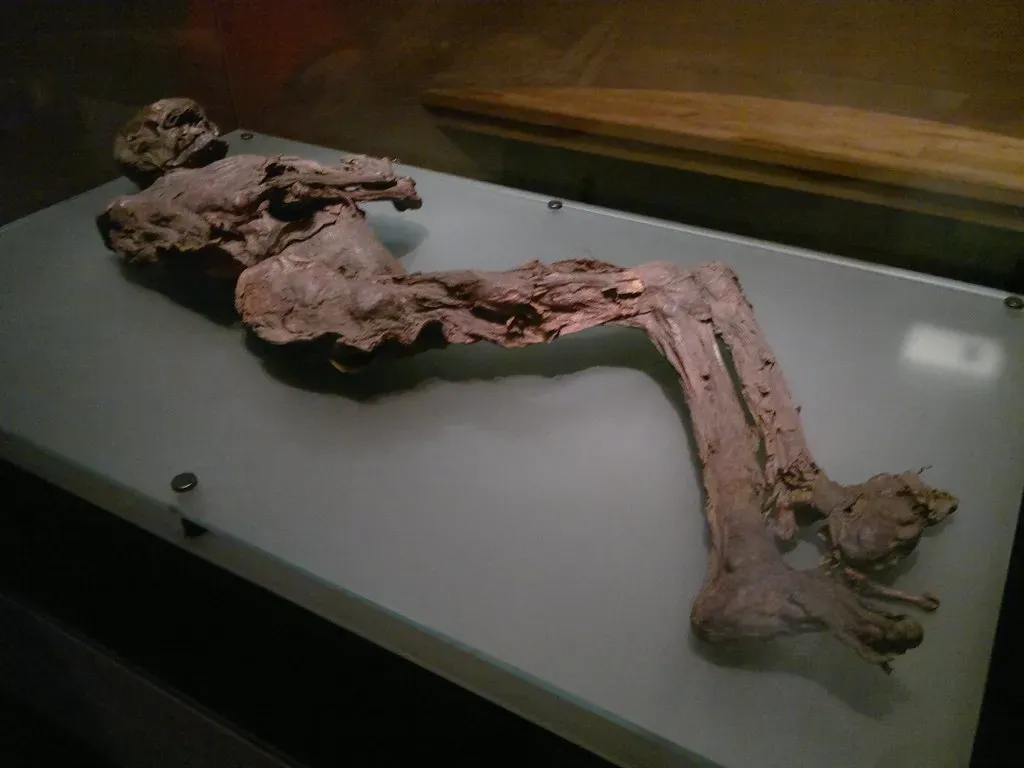
Everyone assumes bog bodies were random executions. New chemical analysis says otherwise – and it’s darker than we thought.
Vittrup Man was a male between 30 and 40 years old who died between 5,300 and 5,100 years ago, ritually killed and thrown into a peat bog. Forensic teams reconstructed his entire life history from his bones and teeth alone.
Here’s the disturbing twist: he wasn’t a local. New analysis suggests he may have been an itinerant flint trader, sacrificed by hostile locals, his skull crushed by at least eight heavy blows. Other bog victims, like Huldremose Woman, had traveled long distances before death, wearing clothing made in foreign lands and finer than expected – suggesting victims were chosen precisely because they were outsiders, not criminals. Still nothing compared to the discovery waiting at #5…
#5 – The Neolithic Pits That Preserved a Multi-Day Funeral
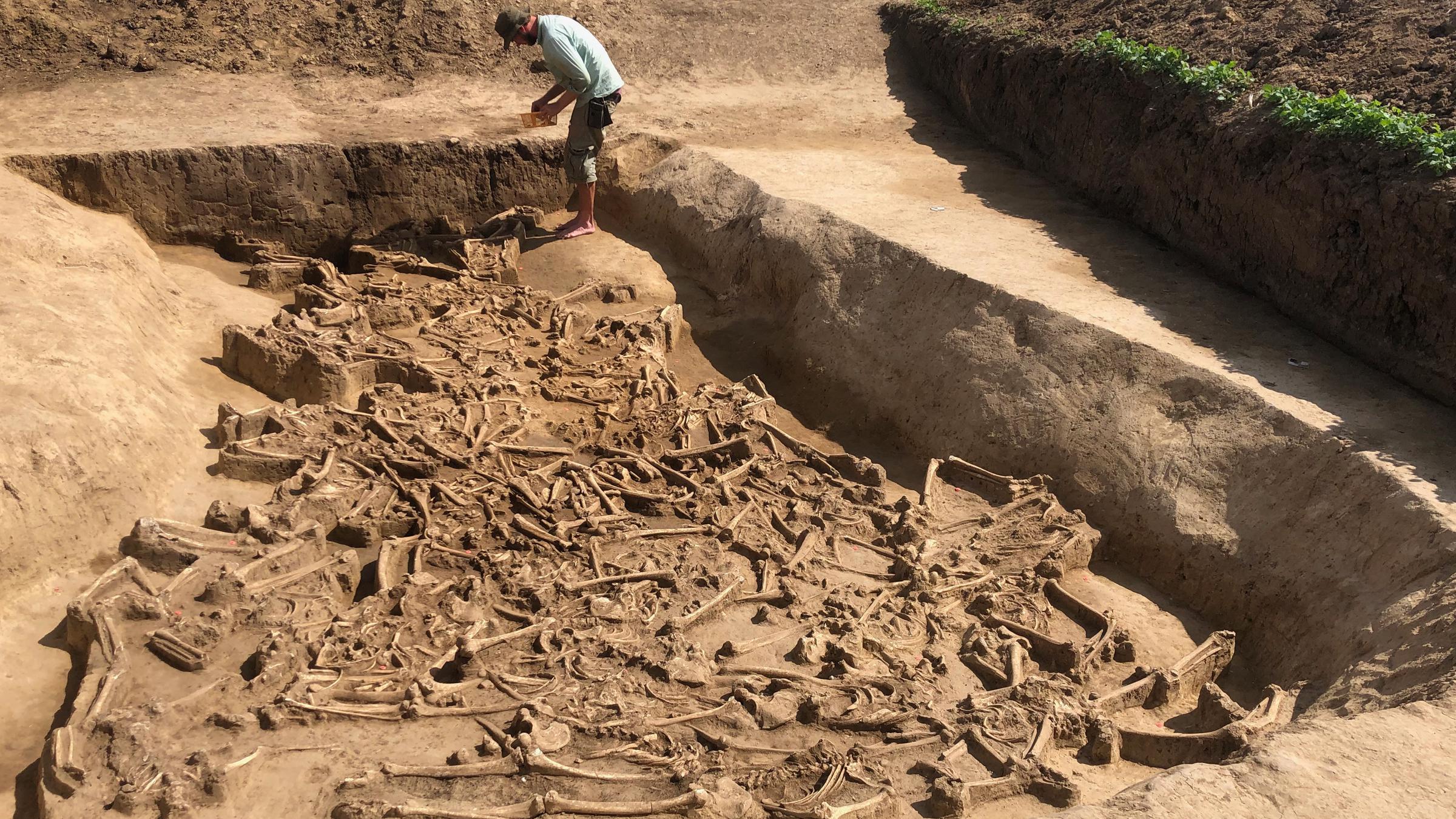
Germany’s Salzmünde culture left behind pits that look like garbage dumps at first glance. They’re actually crime scenes from a 5,000-year-old ceremony.
One pit contained two intact pottery vessels used in rituals. Another held the charred remains of a dog, still in anatomical position, discovered alongside a human skull that showed no weathering at all – a mismatch in preservation that baffled researchers at first.
The reveal: the funeral wasn’t a single event, it was staged over days or weeks. In one converted oven pit, archaeologists found two individuals who appeared to have decomposed elsewhere before final burial, pointing to an elaborately staged, multi-phase funeral rite. Researchers now suspect the pits stayed open during extended ceremonies. Compared to #6, this is only the beginning…
#6 – The Broken Stones That Rewrote the Sacrifice Timeline
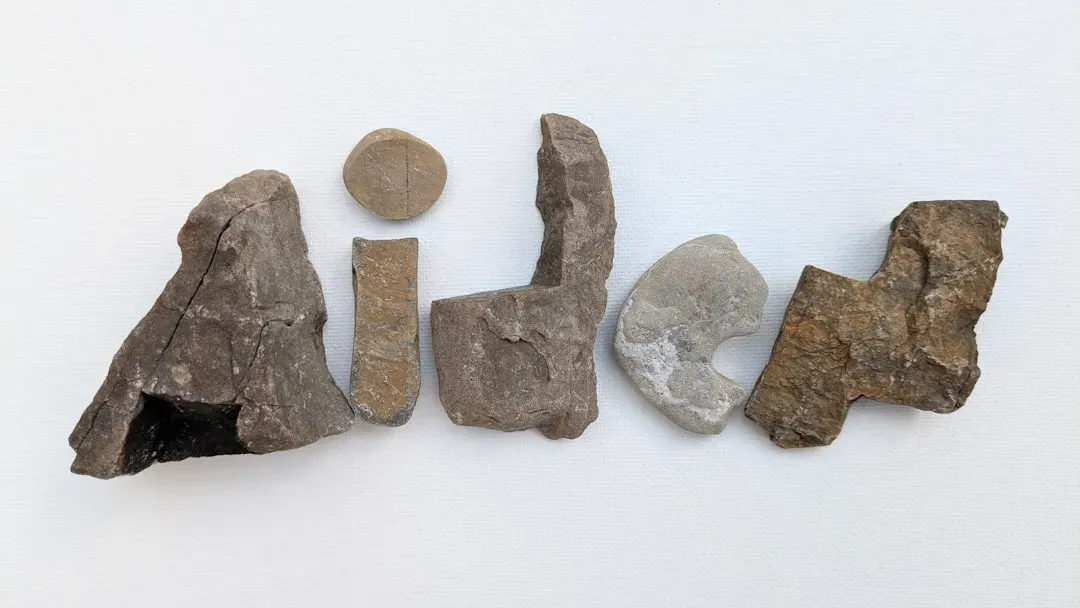
A cave in Italy held oblong pebbles that sat ignored for decades. Then someone noticed they didn’t belong there.
Around 12,000 years ago, an Upper Paleolithic community used the Caverna delle Arene Candide site to bury 20 individuals. Archaeologists eventually realized that 29 of the stones found there hadn’t come from the cave at all – they’d been carried in from the nearby beach, a deliberate act of ritual transport.
The shocking part: the stones had been intentionally smashed. Each one appeared purposefully broken, with missing pieces that were never found anywhere in the cavern. Researchers now believe this pushes the origin of “ritual object-breaking” – previously dated to roughly 8,000 years ago – back by thousands of years. That’s nothing next to what #7 revealed…
#7 – The Drought Ritual That Escalated Into Desperation
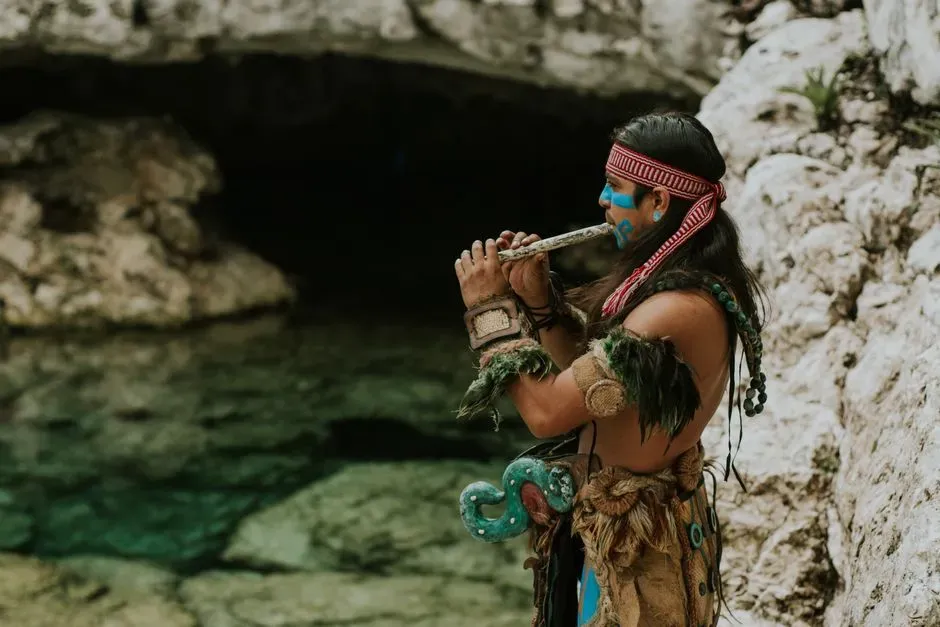
The Maya’s mysterious ninth-century collapse used to be an unsolved mystery. Then scientists cracked the drought data – and the rituals told the rest of the story.
A devastating drought decimated crops and populations, prompting archaeologists to look closer at Mayan legends and art. There they found the god Chac, believed to control the rain and to live in caves. As conditions worsened, offerings poured into sacred caves and cenotes.
The unsettling trend: offerings escalated as the crisis deepened. The growing volume of offerings reads as a testimony to people’s mounting desperation to please Chac. At Chichen Itza specifically, archaeologists studying cenotes have found the remains of young individuals, offered to the rain god to ensure rainfall and fertility. The rain never came in time. Even that pales next to #8…
#8 – The Screaming Mummy’s 2,500-Year-Old Secret
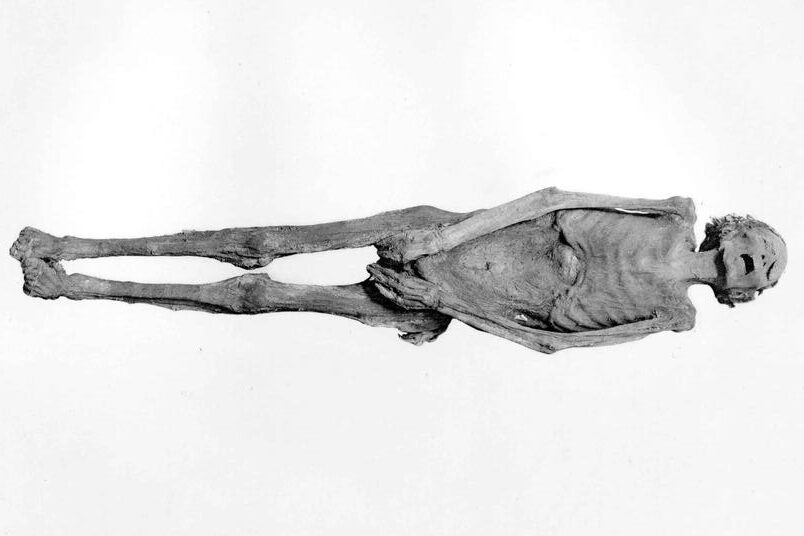
A mummy discovered in 1935 has been “screaming” in a museum for nearly a century. Only now do we know why.
Researchers found a mummified Egyptian woman whose mouth was frozen open in what looked like a scream, and for decades everyone assumed sloppy embalming caused the expression. Recent CT scans proved that assumption wrong.
The real explanation is far more haunting than bad mummification. Her agonized expression may have been caused by cadaveric spasm – a rare phenomenon linked to violent death or extreme emotional distress that freezes muscles at the moment of death, locking in the final expression. Even more surprising: despite being buried roughly 2,500 years ago, her brain, internal organs, and even her henna-treated hair remain remarkably intact. None of that prepares you for #9…
#9 – Pompeii’s Secret Initiation Room for a Wine Cult
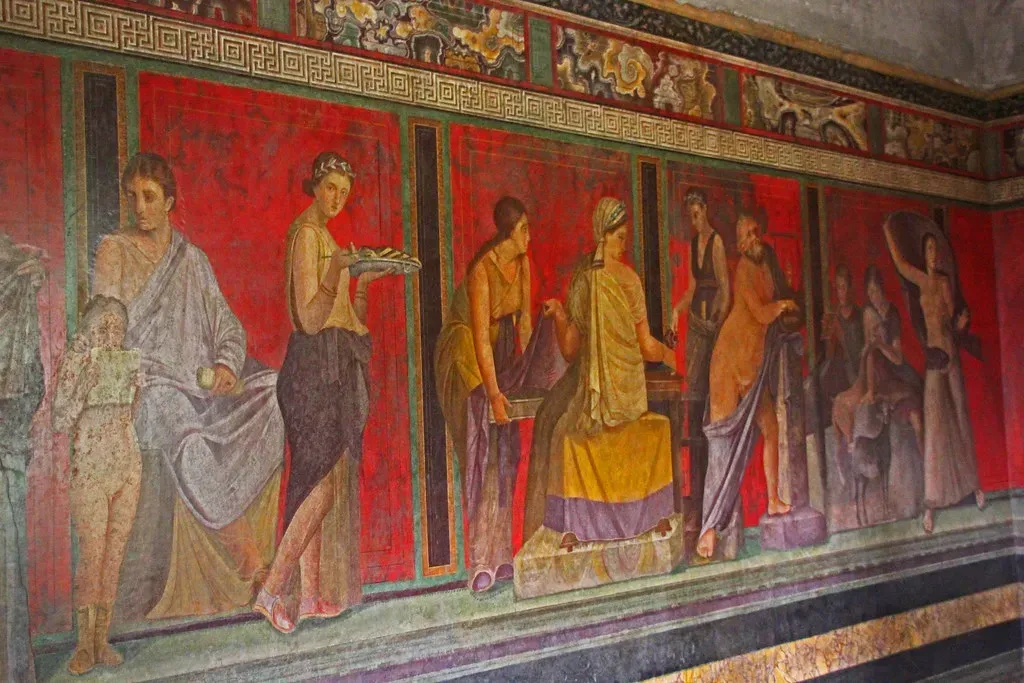
Everyone knows Pompeii for the volcano. Few know it hid a private initiation chamber for a forbidden god.
A “spacious banqueting room” decorated with almost life-sized paintings of sacred revelers was unearthed at the site, portraying a divine procession of dancers, hunters, and satyrs devoted to Dionysus. This wasn’t a room for public parties – it was reserved strictly for the initiated.
Here’s the twist most casual tourists miss: this wasn’t decoration, it was a ritual instruction manual. Archaeologists think the paintings encoded the secret steps of initiation into the god’s mystery cult. The images ran around three sides of the room while the fourth opened onto a garden – a layout built to control exactly who saw what, and when. That’s nothing compared to what we found about #10…
#10 – The Bronze Masks Buried to “Kill” Them
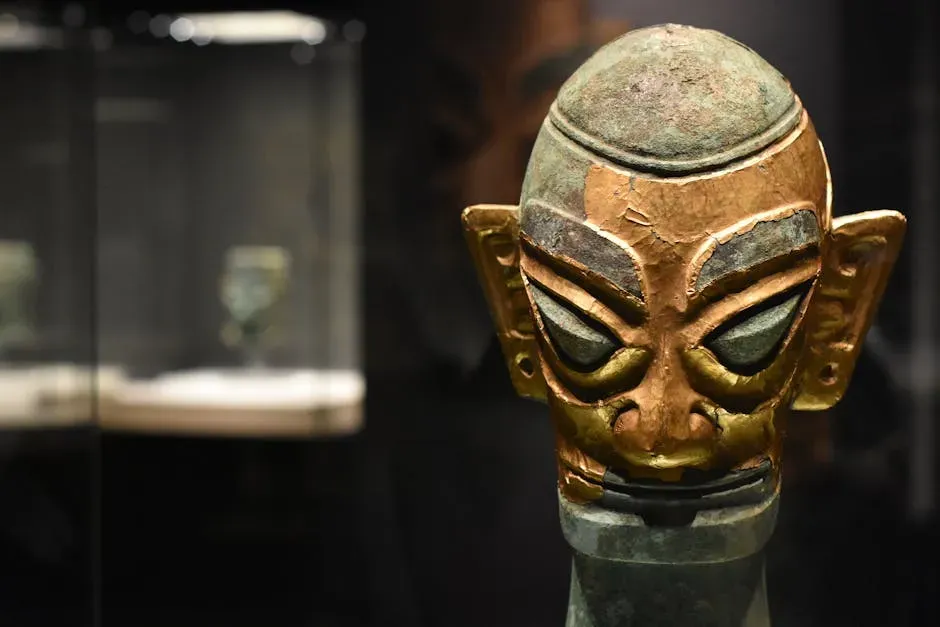
In Sichuan, China, archaeologists found gold and bronze masks that had been deliberately smashed and buried – not looted, not lost, buried on purpose.
Exquisite golden mask fragments, along with bronze, jade, pottery, and ivory artifacts, turned up in six newly discovered pits at the Sanxingdui site. The scale of the find turned the mysterious Shu culture into a national sensation almost overnight.
The most fascinating detail: these objects were made to represent belief, not royal wealth. The defining feature of the ancient Shu civilization is its belief system – the bronze trees, statues, and masks all flow from it. Many experts now argue the pits represent a ritual “decommissioning” of sacred objects, deliberately broken so their spiritual power could be released. Wait until you hear about #11…
At a Glance
- Six newly discovered pits uncovered at the Sanxingdui site.
- Finds include gold masks, bronze figures, jade, pottery, and ivory.
- Objects were deliberately smashed before being buried.
- Linked to the little-known Shu civilization, not a more familiar Bronze Age dynasty.
#11 – The Sword Buried to Seal a Political Oath
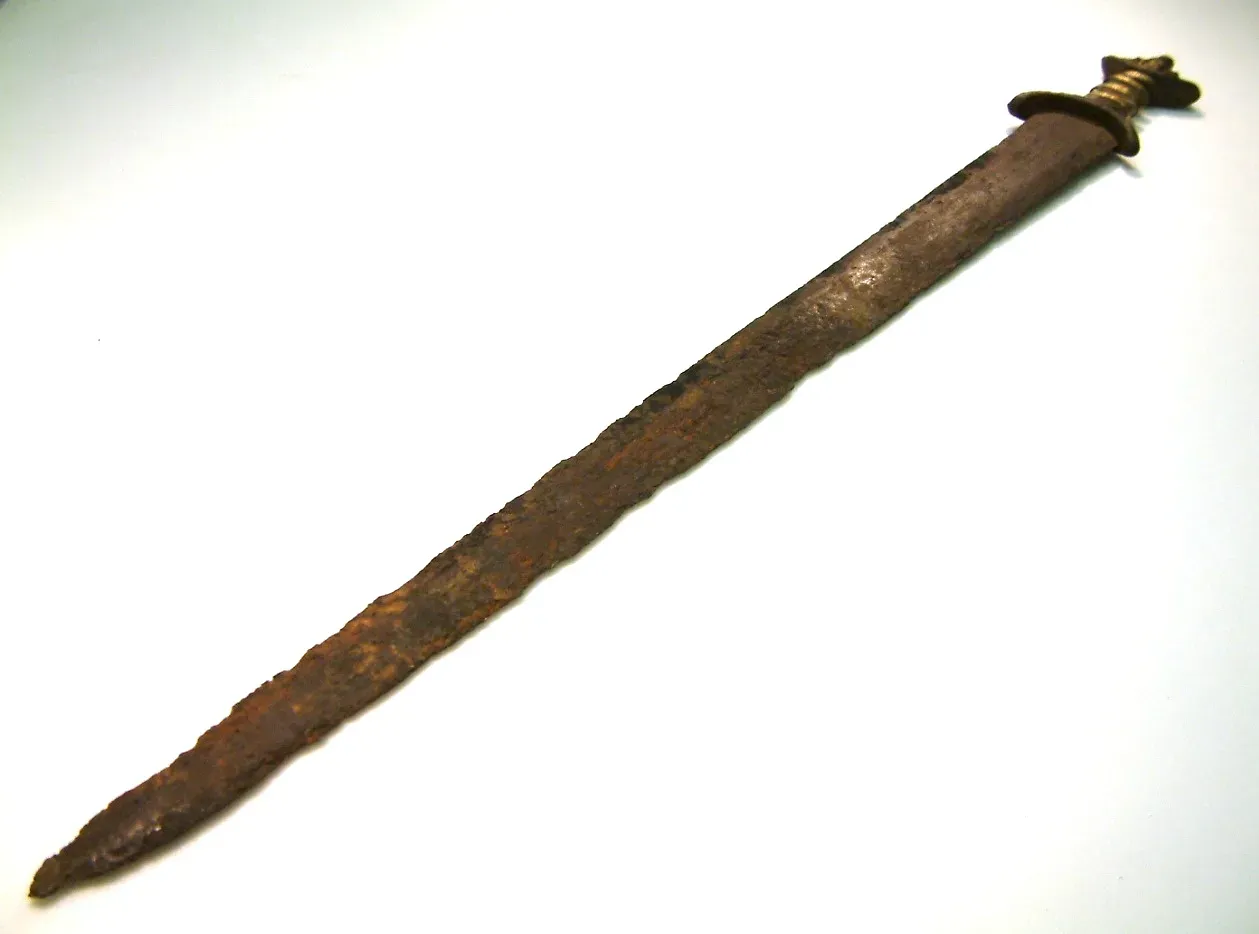
An Anglo-Saxon grave in Kent held a sword too beautiful to be a simple weapon. It was a contract.
A sixth-century sword discovered in a Kent cemetery features intricate silver-and-gilt designs and a ring-pommel symbolizing an oath to a king. That ring-pommel wasn’t decorative flourish – it was a symbolic handshake between a warrior and his ruler, buried with the body to seal the bond permanently.
Lead archaeologists were stunned by its quality. Burying an object this valuable wasn’t wasteful – it was the entire point of the ritual.
“In the top echelons of swords, an elite object in every way.”
Duncan Sayer, lead archaeologist
Removing genuine wealth from circulation to honor a bond was the ceremony itself. Still not as strange as #12…
#12 – The Sword That Fused Two Rival Religions
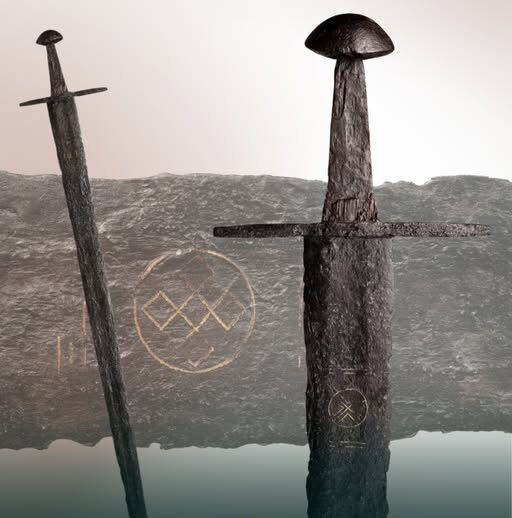
A river in the Netherlands hid a sword that shouldn’t exist – one side is Christian, the other pagan Viking.
A thousand-year-old ritual sword pulled from the Korte Linschoten River bears sacred Christian sun wheel symbols on one side and an ancient Viking endless knot on the other. This wasn’t confusion or indecision – it looks like strategy.
Most people assume medieval religious conversion was a clean, total switch. This sword argues the opposite. Communities living on cultural borders apparently ritualized both belief systems simultaneously, hedging their spiritual bets or easing a population through generational religious change. Rivers were considered sacred boundaries in both traditions, making this the perfect ceremonial deposit site. That’s nothing compared to what #13 hid in plain sight…
#13 – The Anti-Witchcraft Spells Baked Into Clay Tablets
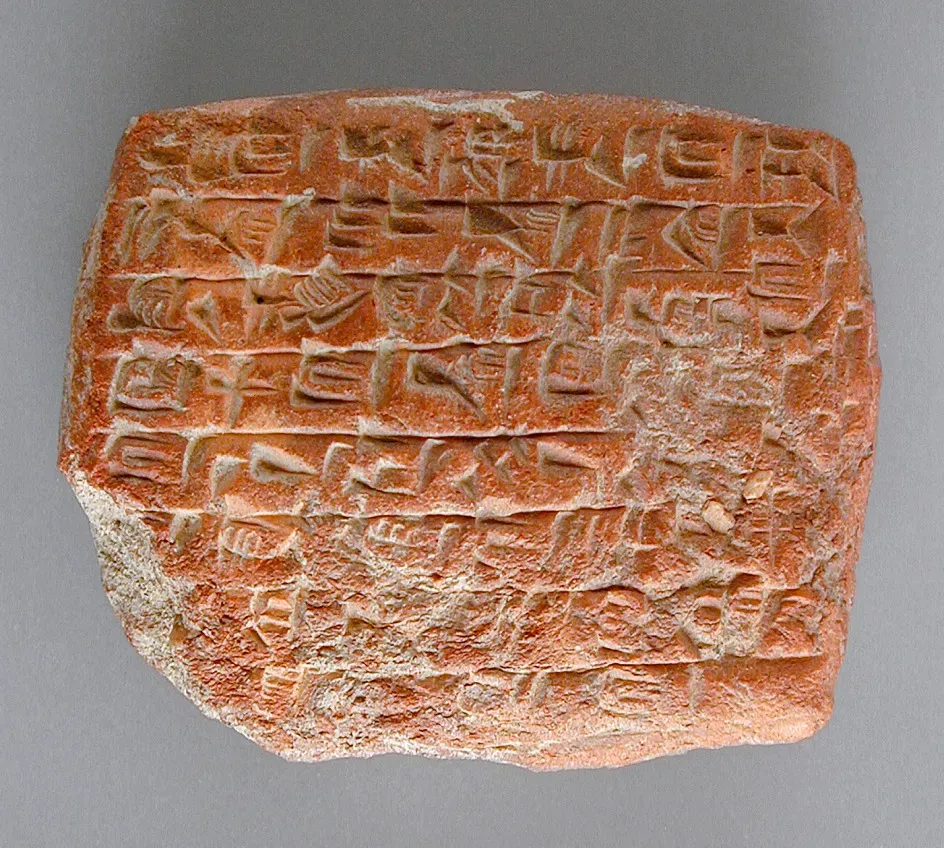
Long before horror movies, ancient societies were writing detailed instructions for fighting curses – and archaeologists just decoded a fresh batch.
Long-forgotten tablets have been decoded, uncovering a mix of magic, politics, and daily life from early civilizations. These weren’t fringe superstitions scribbled by outsiders. Among the finds are anti-witchcraft rituals meant to protect households from perceived curses.
The surprising part: these rituals were mainstream, state-sanctioned practice, not folk superstition. Scribes trained in official temple schools recorded protective rites alongside legal and administrative records, treating witchcraft the same bureaucratic way they treated tax collection. That blending of magic and governance shows ritual wasn’t separate from civic life – it was woven directly into it. Compared to #14, this is child’s play…
Worth Knowing
- Anti-witchcraft rites were recorded by scribes trained in official temple schools.
- Protective rituals sat on the same tablets as legal and administrative records.
- Magic and governance functioned as one bureaucratic system, not separate worlds.
#14 – The Bloodletting Rituals That Were Actually Political Theater
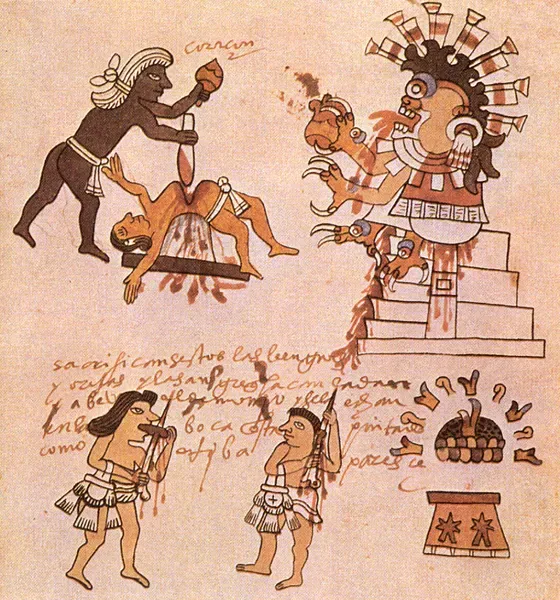
Maya and Aztec nobles piercing their own tongues and ears with stingray spines looks like pure fanaticism. Increasingly, archaeologists read it as calculated public performance.
Elite rulers conducted bloodletting ceremonies in full view of their subjects, offering their own blood to the gods in exchange for legitimacy and favor. The pain was real, but so was the political messaging: a ruler willing to suffer publicly reinforced his claim to sacred authority.
Many experts now argue this was less about faith and more about crowd control. By visibly enduring agony for the community’s benefit, rulers cemented loyalty that pure military force couldn’t buy. Temple murals show attendants collecting the blood on paper, later burned as an offering – turning a wound into smoke that carried a political message skyward. Nothing, though, compares to #15…
#15 – The Child Sacrifices Chosen for Their Perfection
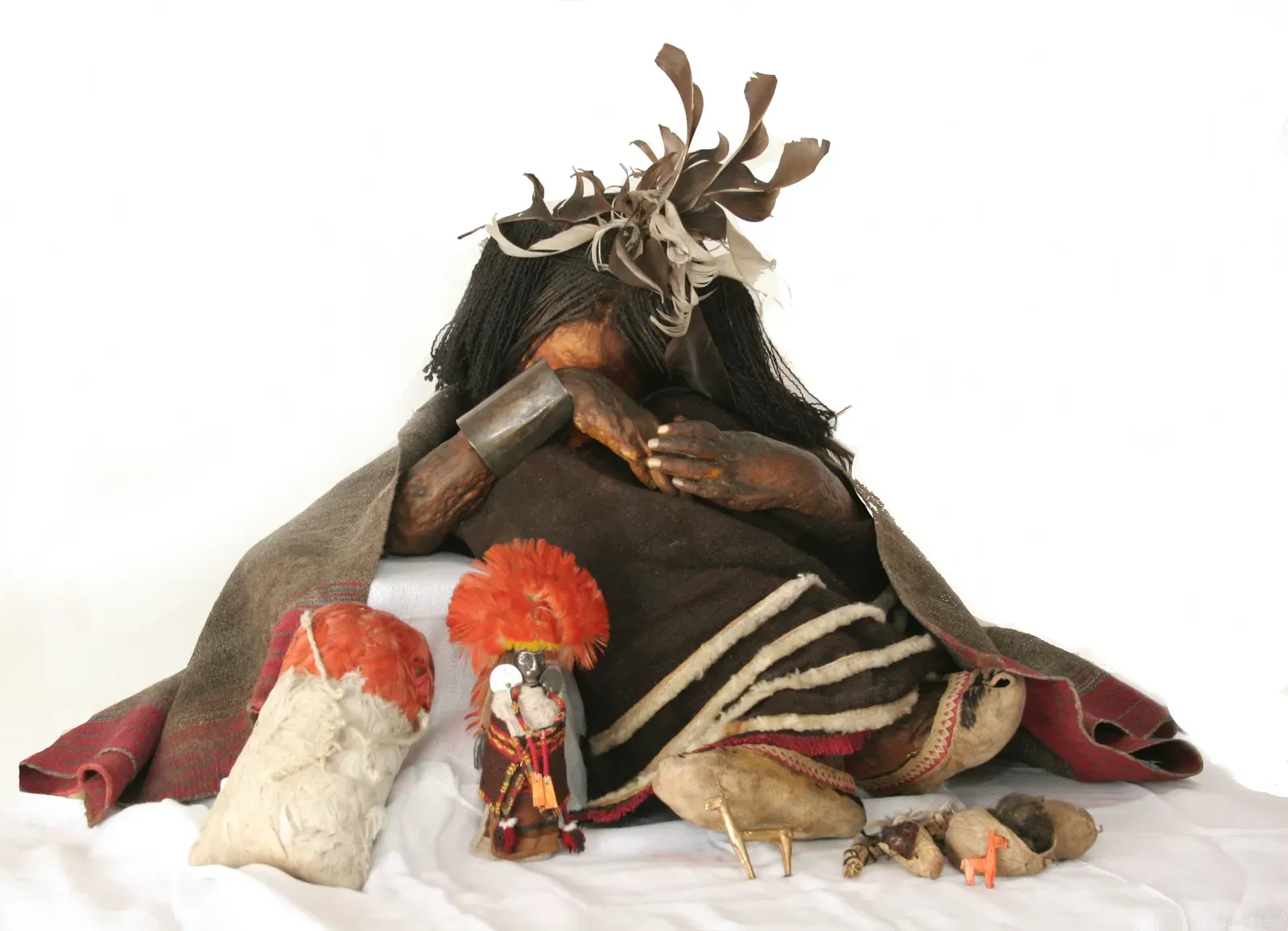
High in the Andes, Inca priests selected children for a ritual called capacocha – and the selection criteria were brutally specific.
Chosen children were reportedly the healthiest, most physically flawless in their communities, sometimes walked hundreds of miles to mountain summits before the ceremony’s conclusion. Isotope analysis of preserved remains found in high-altitude shrines shows shifts in diet in their final months, suggesting a period of ceremonial feeding beforehand.
The unsettling detail many overlook: this wasn’t punishment, it was considered the highest honor a family could receive. Selection into capacocha elevated a family’s status, and mummified remains found with fine textiles and small figurines suggest a ceremony designed for comfort rather than cruelty in the eyes of those who practiced it. It reveals a worldview where death and honor weren’t opposites – they were the same event. That’s nothing next to the ritual reboot in #16…
#16 – The Ceremony That “Reactivated” the Dead
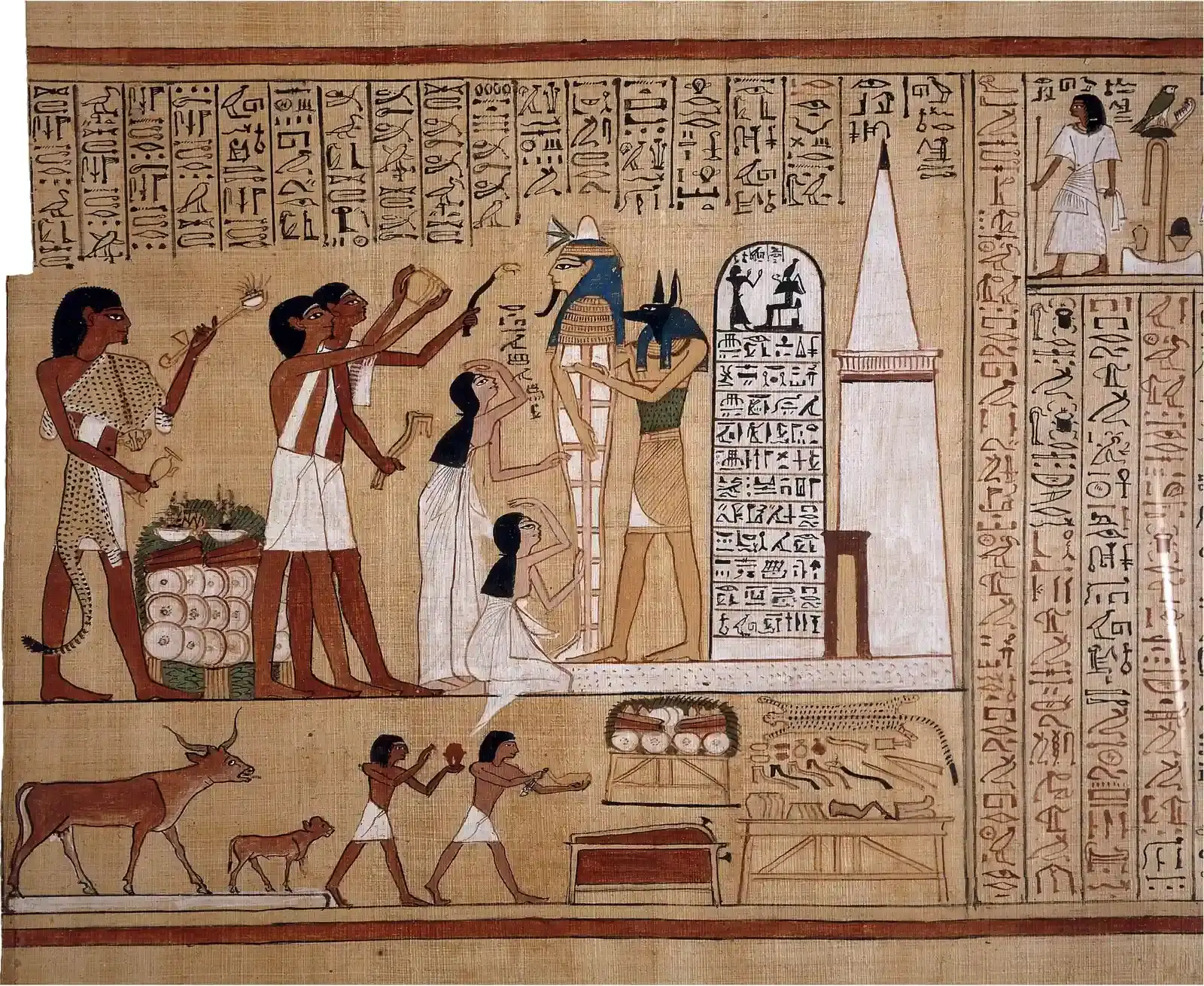
Ancient Egyptians didn’t think a body was ready for the afterlife just because it was mummified. It needed a ritual reboot first.
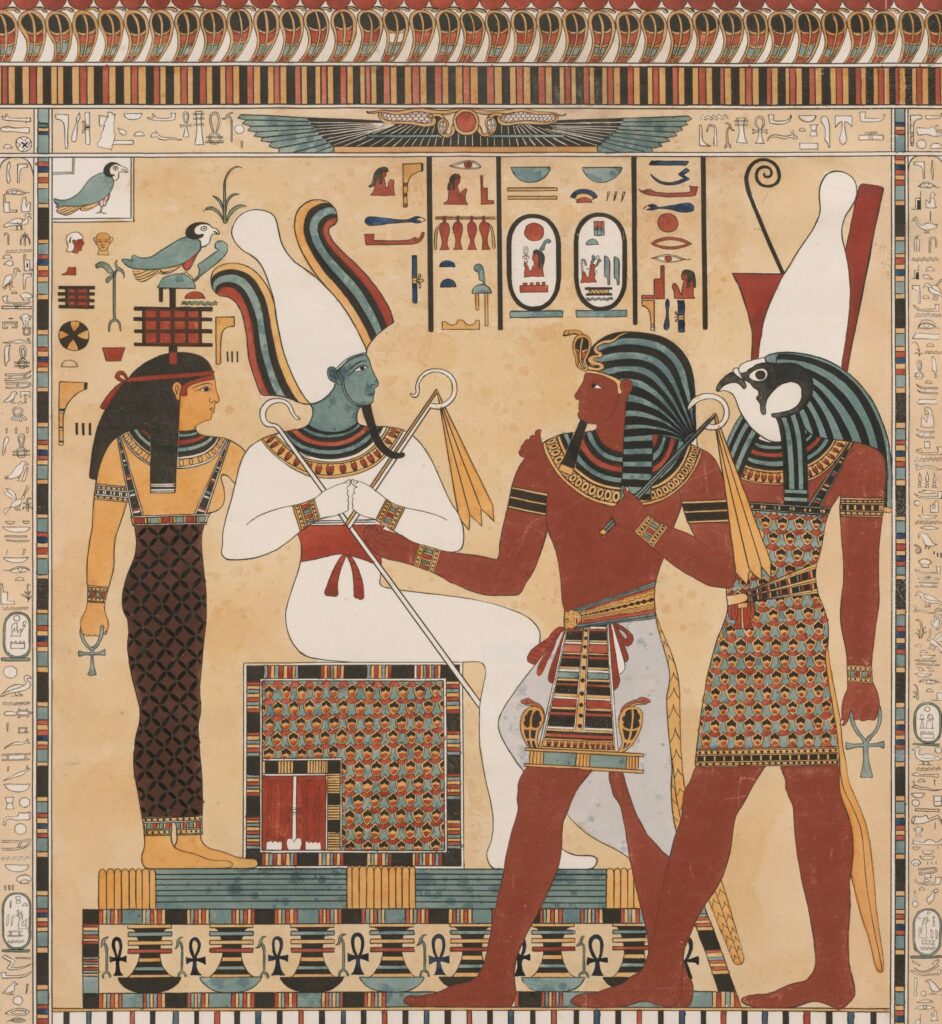
The Opening of the Mouth ceremony involved priests touching special tools to a mummy’s face, symbolically restoring the ability to breathe, eat, speak, and see in the next world. Without this specific rite, Egyptians believed the deceased would remain a passive, powerless shell for eternity, no matter how well embalmed.
Most people assume mummification alone preserved the soul. It didn’t – the ritual did the real work. The ceremony was considered so essential it was performed on statues and temple images too, not just human remains, extending the same “activation” logic to divine representations. This shows ritual, not preservation chemistry, was viewed as the actual mechanism of the afterlife. Wait until you see what #17 hides…
#17 – Stonehenge’s Ritual Purpose Nobody Fully Agrees On
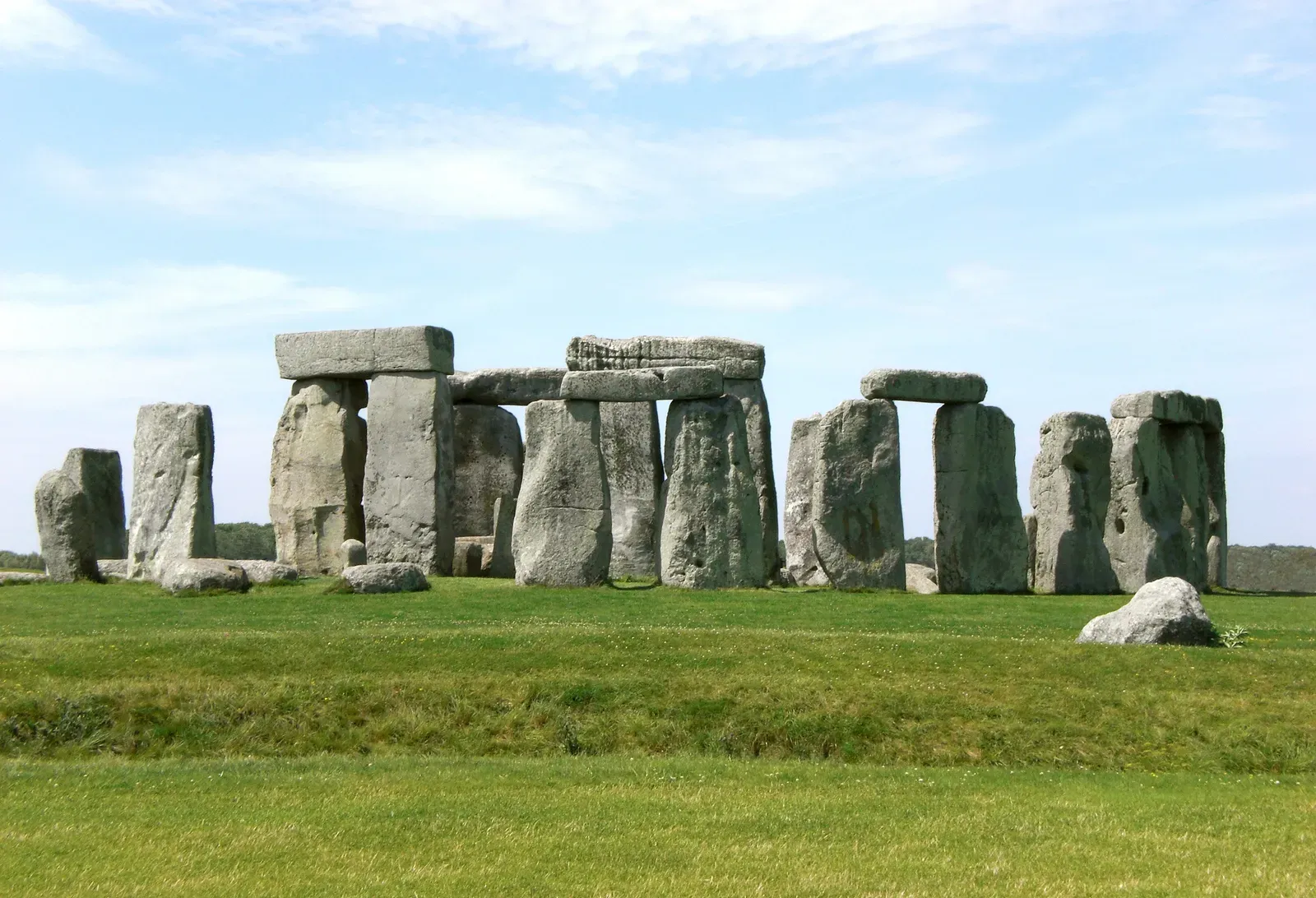
Stonehenge draws millions of tourists as a monument. Archaeologists increasingly treat it as evidence of a very specific kind of funeral ritual.
Excavations around the site have repeatedly uncovered cremated human remains dating back centuries, suggesting the monument functioned as a cemetery and ancestor-veneration site long before, or alongside, any solstice-related use. The stones’ alignment with the solstice sunrise and sunset appears deliberate, tying seasonal cycles directly to death rites.
While most travelers rank Stonehenge as a solstice party site, many archaeologists now argue that framing badly undersells its darker, funerary purpose. The monument may have functioned less like a festival ground and more like a sacred cemetery calendar, timing burial rites to the movement of the sun. That reframing changes the entire emotional tone of the site. That’s mild compared to what we found about #18…
Quick Compare
- Popular view: a solstice gathering site built for seasonal festivals.
- Emerging view: a cemetery and ancestor-veneration site aligned to the sun.
- Key evidence: repeated cremated remains uncovered across excavations at the site.
#18 – The Bull-Leaping Ritual That May Have Been Deadly
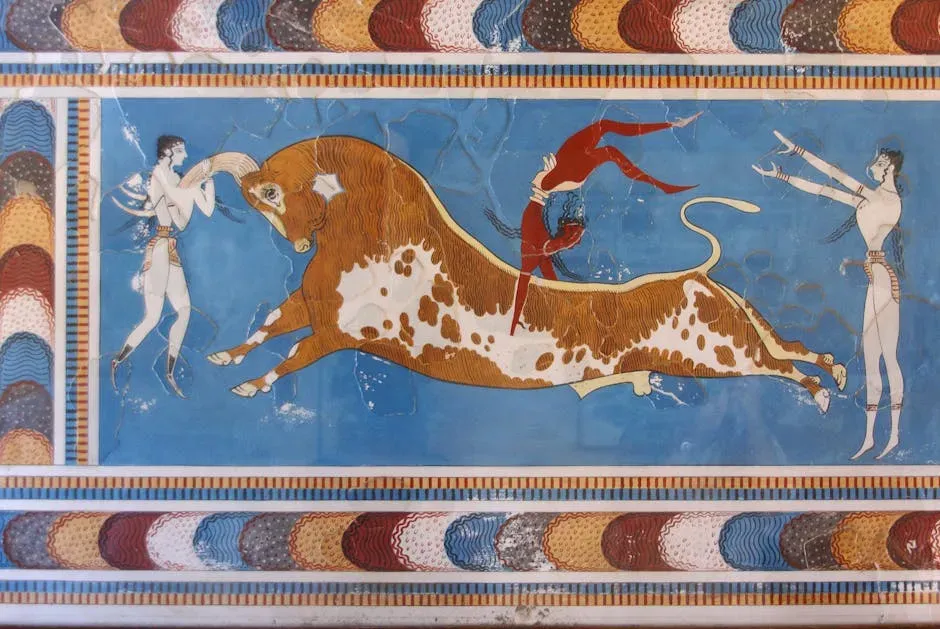
Minoan Crete’s frescoes show athletes vaulting over charging bulls in dramatic, acrobatic poses. For years, historians assumed this was pure sport.
Closer analysis of the imagery and palace layouts suggests bull-leaping carried heavy religious weight, likely tied to fertility rites or seasonal renewal ceremonies rather than simple entertainment. The bull itself held sacred status across Minoan religious iconography, appearing in shrines, seals, and ceremonial vessels far too consistently to be coincidental.
Here’s the controversial opinion gaining traction: this ritual likely killed participants regularly, and everyone watched anyway. Given the physics of vaulting over a charging animal without modern safety gear, injury or death was probably an accepted risk of the ceremony, not a tragic accident. If true, that reframes bull-leaping less as sport and more as ritualized, sanctioned danger performed for the gods. None of that compares to the final discovery at #19…
#19 – The Bones That Predicted the Future
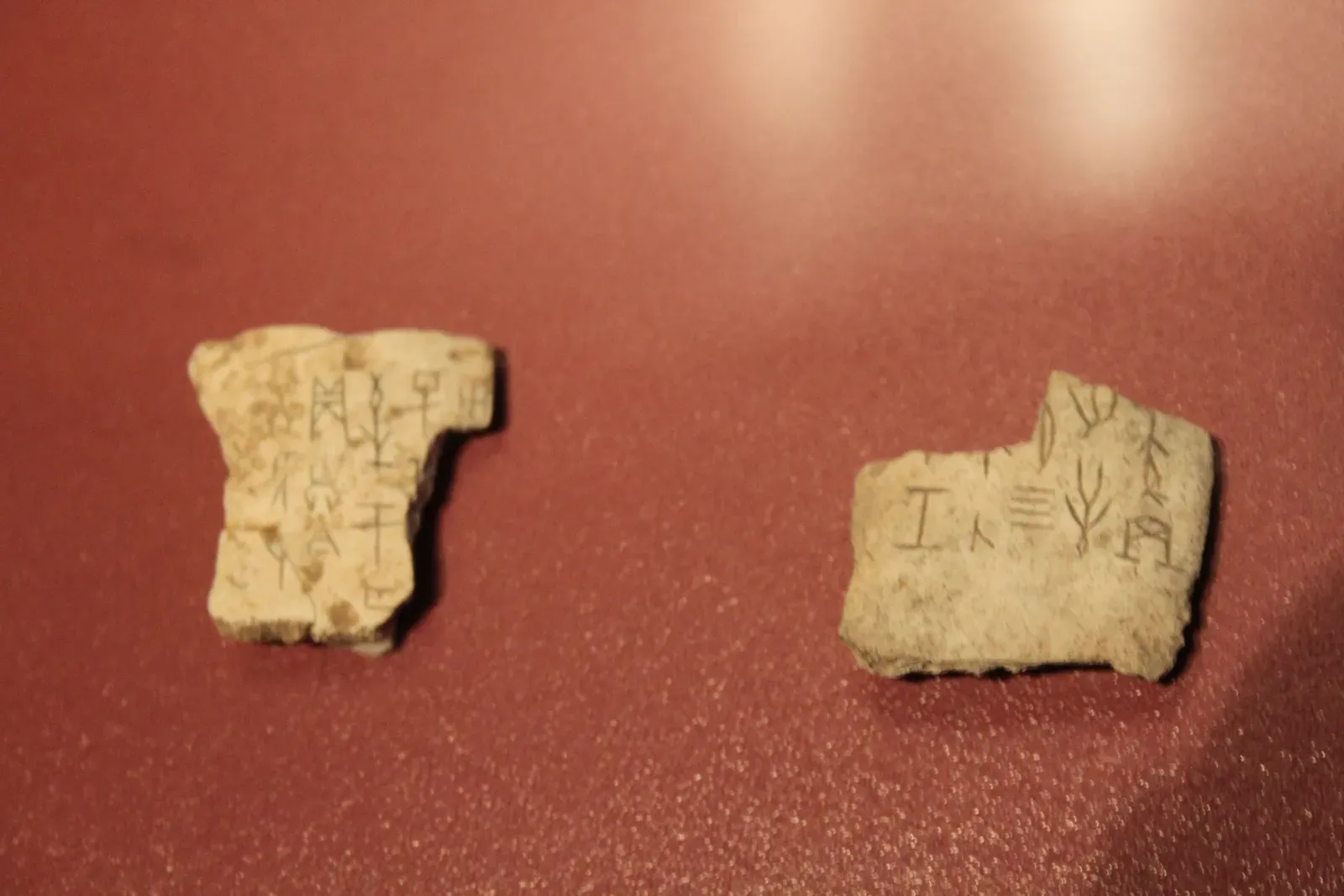
Shang Dynasty China ran an entire system of government-level fortune-telling using cracked animal bones – and it may have shaped the earliest Chinese writing system.
Diviners heated ox scapulae and turtle shells until they cracked, then interpreted the pattern as an answer from ancestral spirits to questions about war, harvests, and royal decisions. Scribes carved the questions and answers directly onto the bone, creating a permanent ritual record.
The detail that stuns modern linguists: these ritual questions may represent the earliest confirmed form of Chinese writing. That means one of the world’s oldest writing systems didn’t emerge from trade or record-keeping first – it emerged from the ritual of asking gods for guidance. Divination wasn’t a side effect of civilization; in this case, it may have been the reason writing itself was invented.
The Bottom Line
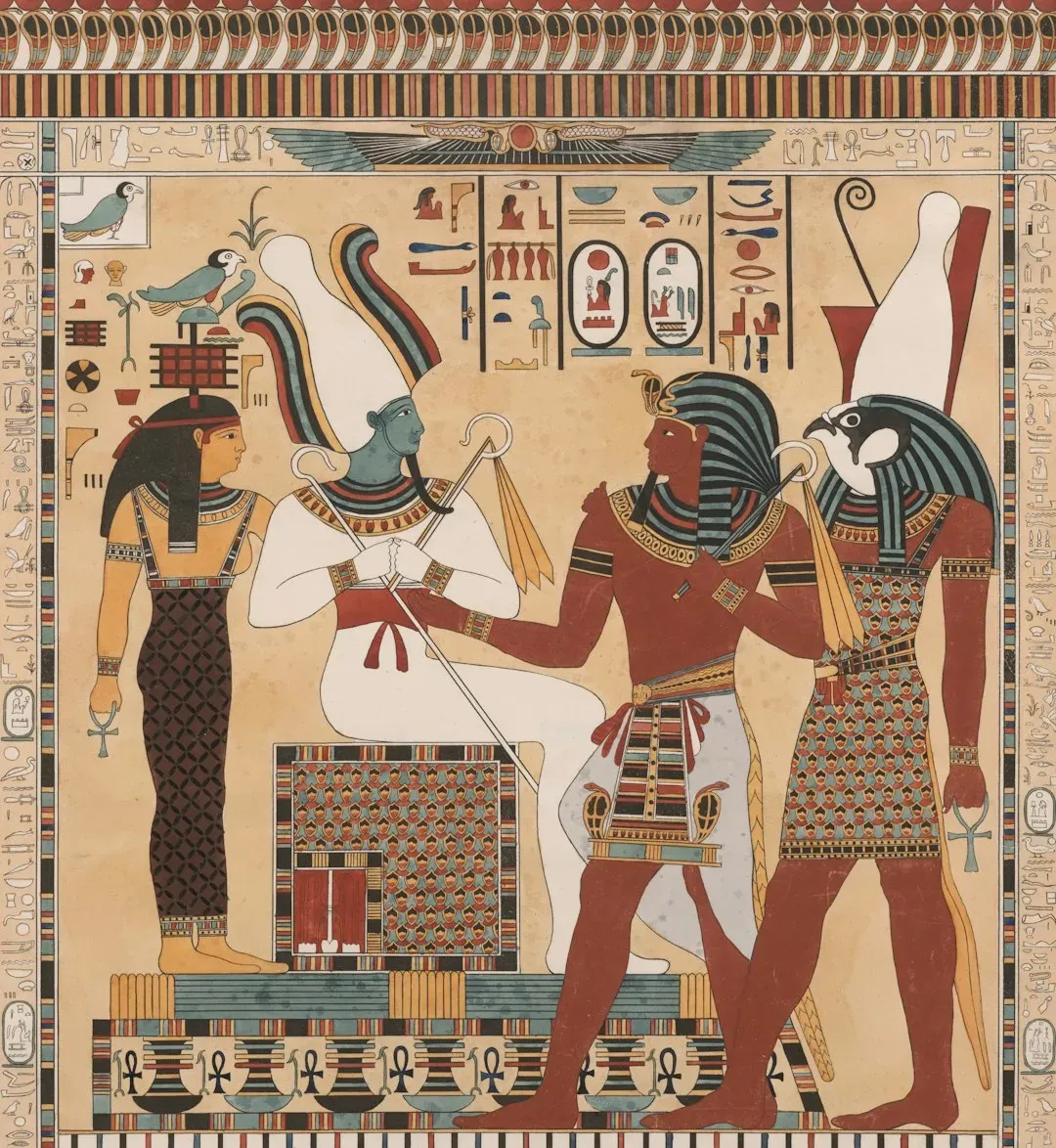
Strip away the torches and chanting, and ancient ritual starts looking like something else entirely: medicine, diplomacy, propaganda, and even the birth of writing itself.
Neanderthals may have mourned with flowers. Trepanation patients survived brain surgery without anesthesia. A sword fused two rival religions on purpose. None of this fits the “primitive superstition” stereotype most of us grew up with.
If anything, these societies used ritual the way we use institutions today – to hold communities together under pressure, to negotiate power, to process grief, and to make sense of chaos they couldn’t otherwise control. That’s not primitive. That’s just human. Which of these 19 surprised you the most? Drop it in the comments.