
Most people assume the history books are basically finished – that archaeologists are just filling in decorative details around a story we already know. They’re wrong. In the last few years alone, a mud sample in New Mexico, a chipped stone in Scotland, and a strand of DNA pulled from a 90,000-year-old bone fragment have each quietly demolished textbook timelines that stood for a century.
Migration maps have been redrawn. “Firsts” have been reassigned. Entire civilizations have stepped out of the shadows without warning. Here’s what the actual research says – and why historians are scrambling to rewrite the story before the next discovery beats them to it.
#1 – Humans Were in America 10,000 Years Earlier Than We Thought
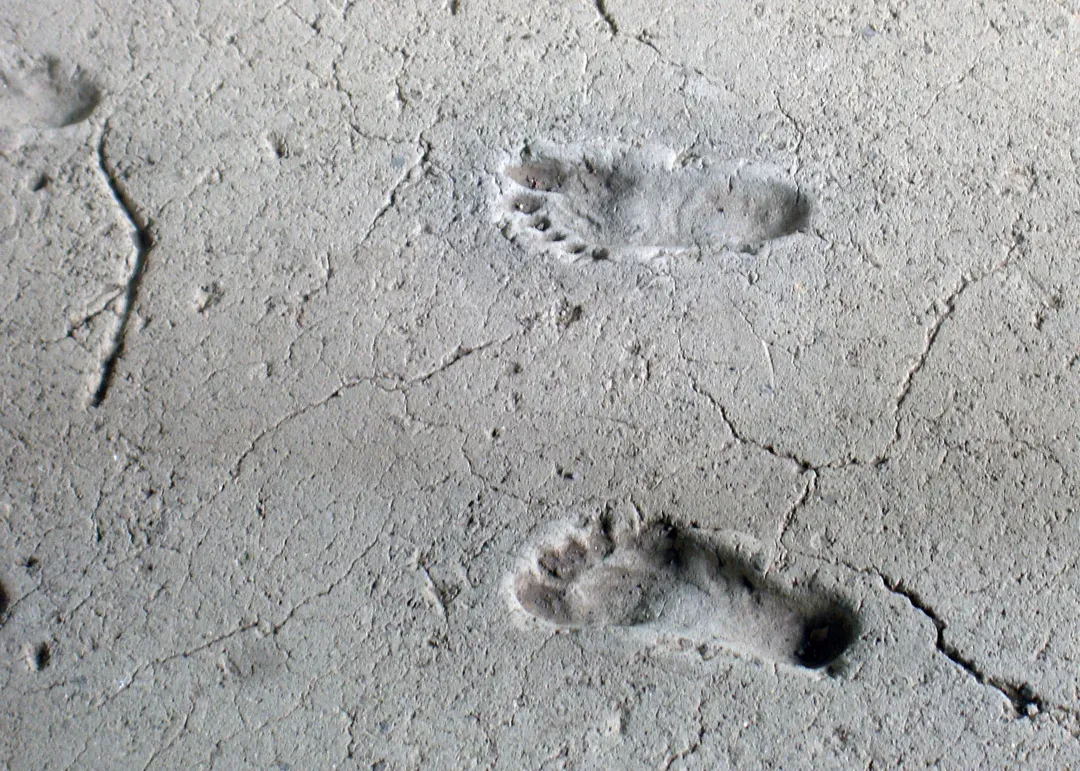
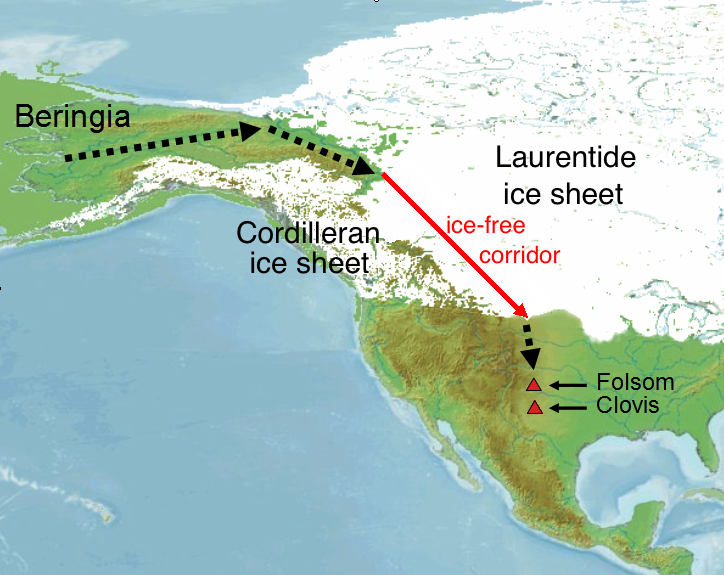
A set of fossilized footprints pressed into an ancient lakebed in New Mexico just blew a hole in one of archaeology’s oldest assumptions.
For nearly a century, the “Clovis First” theory held that humans didn’t reach the Americas until about 13,000 years ago. Then researchers dated footprints at White Sands National Park using seeds trapped in the same sediment layers. “Few archaeologists see reliable evidence for sites older than about 16,000 years,” with some believing arrival was no more than 13,000 years ago, but the White Sands tracks provide a much earlier date. A 2025 follow-up study using an entirely different dating method reached the same conclusion, silencing years of skeptics.
It’s a remarkably consistent record. You get to the point where it’s really hard to explain all this away.
Vance Holliday
The tracks show a woman carrying a tired toddler, walking that ancient lakeshore 23,000 years ago – thousands of years before anyone thought a single human had set foot on the continent. Turns out that’s not even the most jarring reversal on this list.
#2 – The Oldest Story Ever Painted Isn’t in Europe
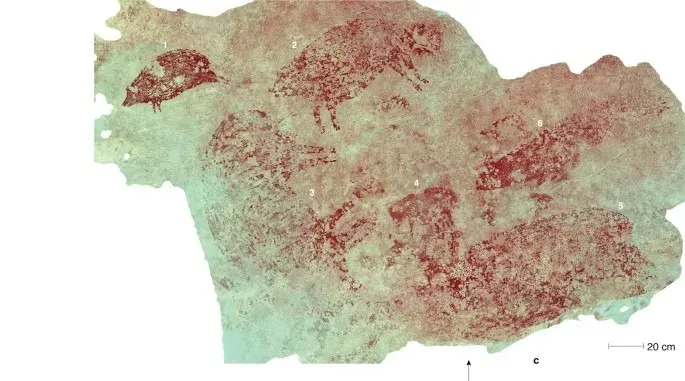
For decades, the birthplace of human storytelling was assumed to be the ice-age caves of France and Spain. That assumption just collapsed.
In an Indonesian cave called Leang Karampuang, researchers used a new laser-based dating technique on a faded scene of figures surrounding a wild pig. Painted at least 51,200 years ago, the Leang Karampuang painting, which depicts human-like figures interacting with a pig, is now the earliest known surviving example of representational art, and visual storytelling, in the world. That’s not just a record – it’s a complete reversal of the field’s core assumption.
The academic view of early figurative cave art had long been that it consisted of single-figure panels with no obvious scenes, and that storytelling in art only appeared much later in Europe. Southeast Asia, not Europe, may have been where humans first learned to tell stories with pictures. Researchers admit they’re likely not even at the true starting point yet – “it’s probably just a matter of time before we find samples that are older,” archaeologist Maxime Aubert added. And the plot twist gets stranger from there.
#3 – An Entire Human Species Was Discovered Through DNA Alone

Most “new” ancient humans are found the old-fashioned way: a skull, a jaw, a femur. The Denisovans broke that rule entirely.
This mysterious human relative was never identified from a complete skeleton. Instead, the most astonishing twist came in 2019 with the discovery of a 90,000-year-old Denisovan fossil in a Siberian cave – the first hominin species identified solely through DNA. No full skull. No jaw. Just genetic fragments powerful enough to prove an entire branch of humanity existed.
Fast Facts
- First identified in 2010 from a single finger bone fragment in Siberia’s Denisova Cave
- No complete Denisovan skeleton has ever been recovered
- Confirmed as a distinct human lineage through genetics, not anatomy
- Genetic traces are strongest today in Melanesian and Aboriginal Australian populations
- Evidence shows they interbred with both Neanderthals and modern humans
What makes this stranger is where their legacy actually lives now. Their genes persist in Melanesian, Aboriginal Australian, and some Southeast Asian populations today, indicating sustained contact across vast distances. A species science can’t even fully describe physically still shapes the DNA of millions of living people today. That single discovery forced historians to admit there are entire chapters of the human story we may never recover except through genetics. Which brings us to a discovery even harder to wrap your head around.
#4 – You’re Probably Part Neanderthal, and It’s Not Rare
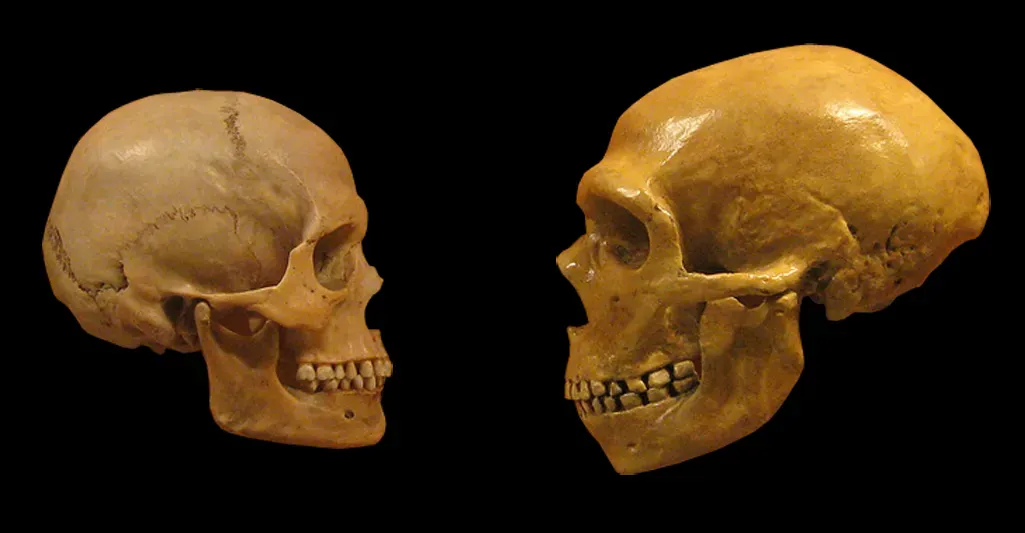
For most of the 20th century, Neanderthals were treated as an evolutionary dead end – a species that vanished without leaving a mark on us. That was never true.
Genetic testing has now confirmed the opposite: interbreeding between our species wasn’t a rare fluke, it was routine. Genetic studies now confirm that non-African populations carry 1-4% Neanderthal DNA, evidence of complex social interaction and gene flow. Harvard geneticist David Reich’s decade-plus of research has been central to proving this wasn’t a one-time event.
His research has contributed to the discovery that Neanderthals interbred with ancestors of both modern Europeans and Asians between 55,000 and 40,000 years ago, and that modern humans today carry genetic makeup from both Neanderthals and Denisovans. Nearly every non-African person alive today is walking around with an inherited piece of a species we used to call extinct in every sense. That’s not a footnote anymore – it’s a core chapter of human origins. And it only gets more intimate from here.
#5 – Your Language Might Have Come From Horseback Herders
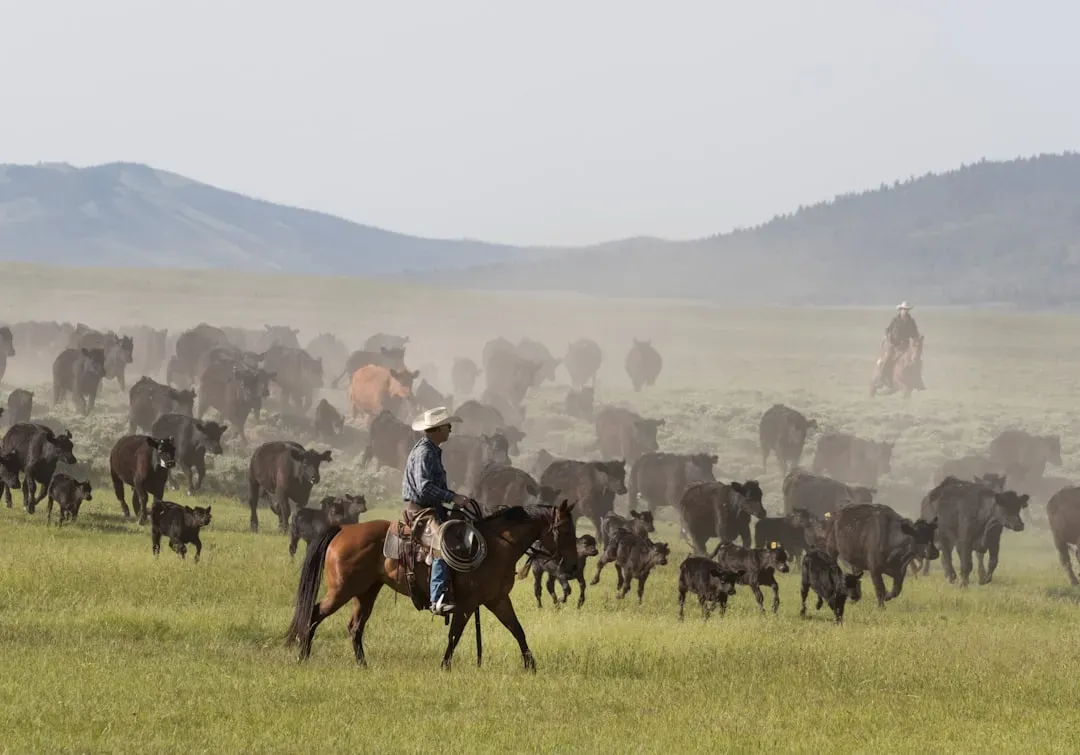
Linguists have argued for a century over where Indo-European languages – the ancestor of English, Hindi, Russian, and dozens more – actually came from. Ancient DNA just settled the argument.
Genetic tracing of steppe populations known as the Yamnaya shows their DNA didn’t just spread – it reshaped an entire linguistic map. Steppe pastoralist DNA linked to the Yamnaya culture has been traced to Iron Age populations, explaining linguistic and cultural shifts such as the spread of Indo-European languages.
The pattern shows up again in Anatolia, where the Hittites – speakers of the earliest recorded Indo-European language – turn out to be a genetic blend. Recent genetic research traces Hittite ancestry to populations mixing Anatolian farmers with steppe migrants between 5000 and 3000 BCE, entering central Anatolia and forging the foundation of the Hittite civilization. A handful of horseback herders from the steppe may be linguistic ancestors to nearly half the planet. Rome’s own story turns out to be just as unstable.
#6 – The “Barbarian Invasions” Were Way More Complicated Than the Textbooks Say
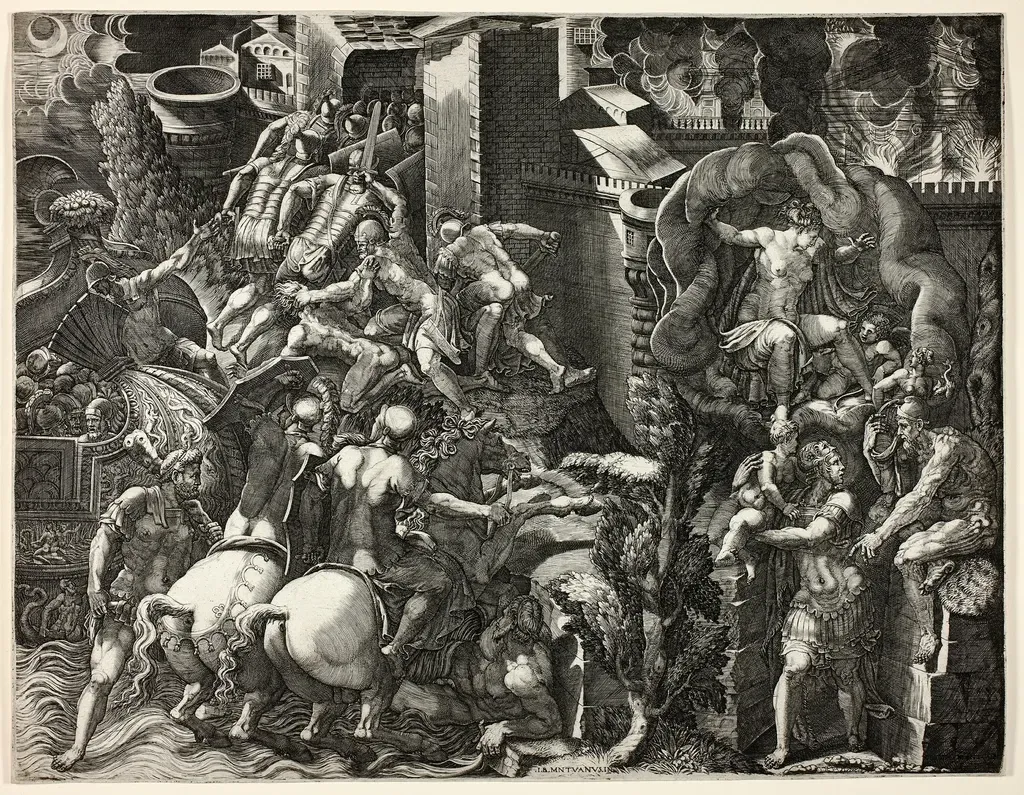
The fall of Rome and the so-called Migration Period have long been described with sweeping, vague language – “waves” of Goths, Huns, and Vandals sweeping across Europe. A new genetic technique just made that story embarrassingly specific.
Researchers built a method precise enough to track individual migration waves across an entire millennium. The team applied the new method to over 1,500 European genomes from people who lived primarily during the first millennium AD, encompassing the Iron Age, the fall of the Roman Empire, the early medieval Migration Period, and the Viking Age. Historians have admitted for years that this period was more guesswork than fact.
The nature, scale and even the trajectories of the movements have always been hotly disputed. This opens up the exciting possibility of finally resolving these crucial questions.
Peter Heather
A thousand years of “probably” is finally being replaced with actual genetic proof. Stonehenge just got hit with the same treatment.
#7 – Stonehenge’s Center Stone Traveled Farther Than Anyone Imagined
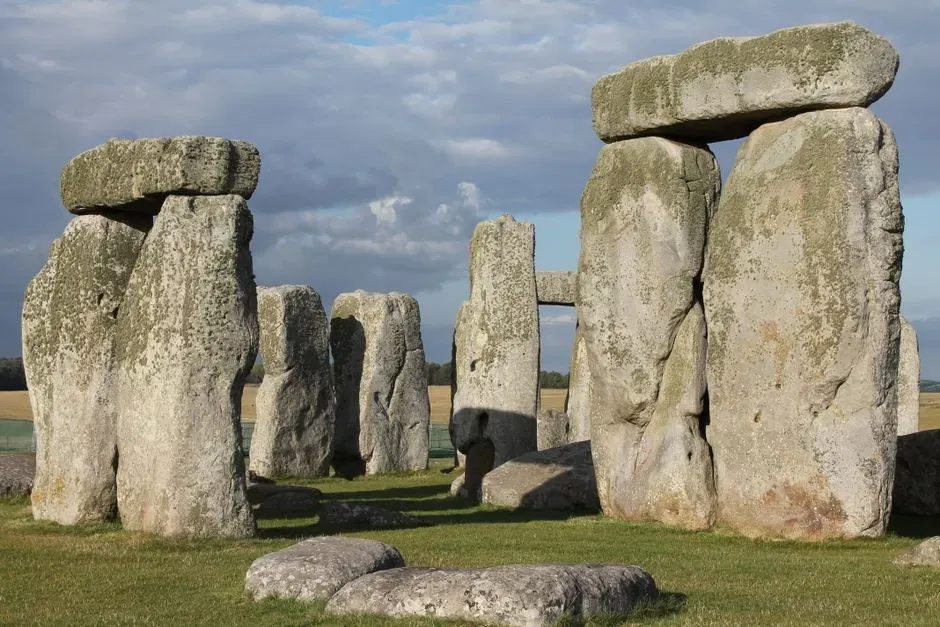
Everyone assumed Stonehenge’s massive central Altar Stone came from Wales, just like the smaller bluestones around it. New mineral analysis proved that assumption completely wrong.
Researchers examined the chemical fingerprint of zircon and apatite grains inside the stone and found no match to Wales whatsoever. New research led by Curtin University revealed Stonehenge’s monumental six-tonne Altar Stone, long believed to originate from Wales, actually hails from Scotland, pointing to unexpectedly advanced transport methods and societal organisation at the time of the stone’s arrival about 5,000 years ago.
Quick Compare: Stonehenge’s Two Long-Distance Stones
- Bluestones: hauled roughly 140-180 miles from Wales’s Preseli Hills, weighing 1-2 tons apiece
- Altar Stone: hauled some 465 miles (750 km) from Scotland, weighing about six tons
- Travel gap: the Altar Stone journeyed more than triple the bluestones’ distance
- Shared mystery: neither stone’s exact transport route – overland, by sea, or both – has ever been confirmed
That’s not a short detour – it’s a logistical nightmare for Neolithic builders. The rectangular colossus was transported from northeast Scotland to Salisbury Plain in southern England, some 750km away. A six-tonne slab of rock moved further than most Neolithic goods were ever assumed capable of traveling – by land, or possibly by sea. Some researchers now argue the monument was built specifically to symbolically unite scattered farming communities across Britain. Next, the map itself turns out to have been wrong all along.
#8 – There Were Migration Highways We Never Even Knew Existed
Every map of early human migration out of Africa is built on modern coastlines. There’s just one problem – those coastlines didn’t exist when humans were actually making the journey.
Sea levels during the Ice Age were dramatically lower, exposing land bridges and corridors that have been underwater for thousands of years. Once-submerged migration routes redraw the map of how humans settled beyond Africa, as an improved simulation of ancient sea levels reveals how melting glaciers may have transformed the pathways available to early travelers.
This means entire migration corridors that seemed impossible under modern maps were, in fact, dry land highways for early populations moving through Southeast Asia and beyond. Historians have been mapping human migration using coastlines that simply weren’t there when the migrations happened. It’s a reminder that the biggest gaps in the historical record may literally be sitting underwater right now. Southeast Asia had its own secret waiting too.
#9 – A “Lost” Human Population Was Hiding in Southeast Asia
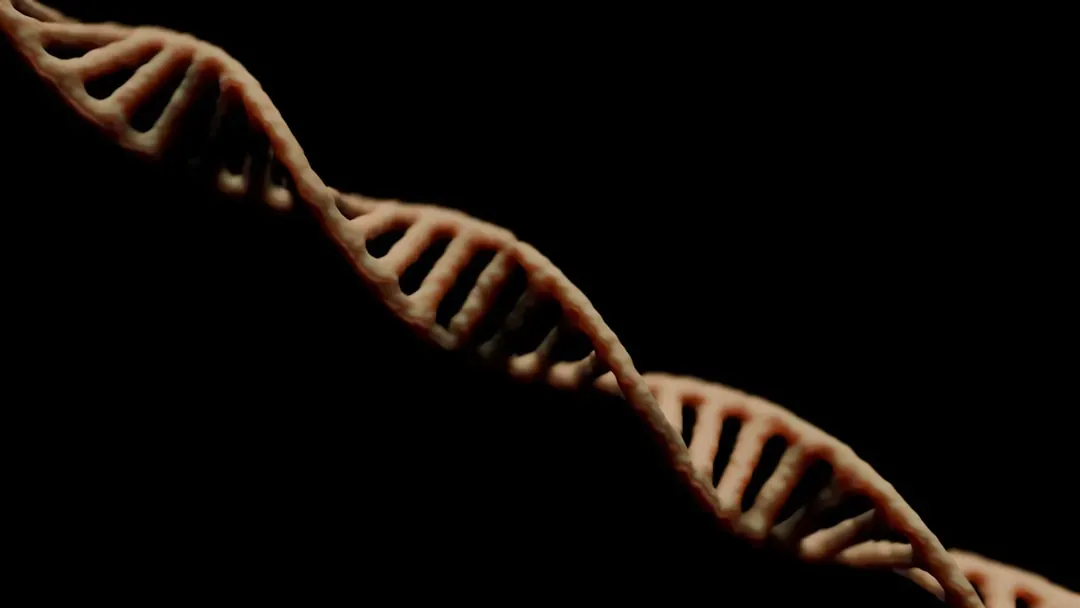
While most attention goes to Neanderthals and Denisovans, a lesser-known discovery in Southeast Asia quietly rewrote the region’s entire prehistoric population map.
Ancient DNA extracted from remains in Laos revealed something researchers weren’t expecting to find at all: a population that had been genetically cut off from everyone else. The 2021 identification of ~46,000-year-old DNA revealed a genetically isolated group predating modern Southeast Asian populations, filling gaps in the region’s prehistoric human map.
This isn’t a minor footnote – it means the region’s population history wasn’t one continuous line of descent, but a patchwork of isolated groups that lived, and vanished, largely unrecorded. An entire genetically distinct human population existed in Southeast Asia and left almost no other trace behind except DNA. It’s a sobering reminder that most of human history left no written record – only fragments buried in bone. Scotland, it turns out, had a secret of its own.
#10 – Ancient Stone Circles Push Human Settlement Further North Than Believed
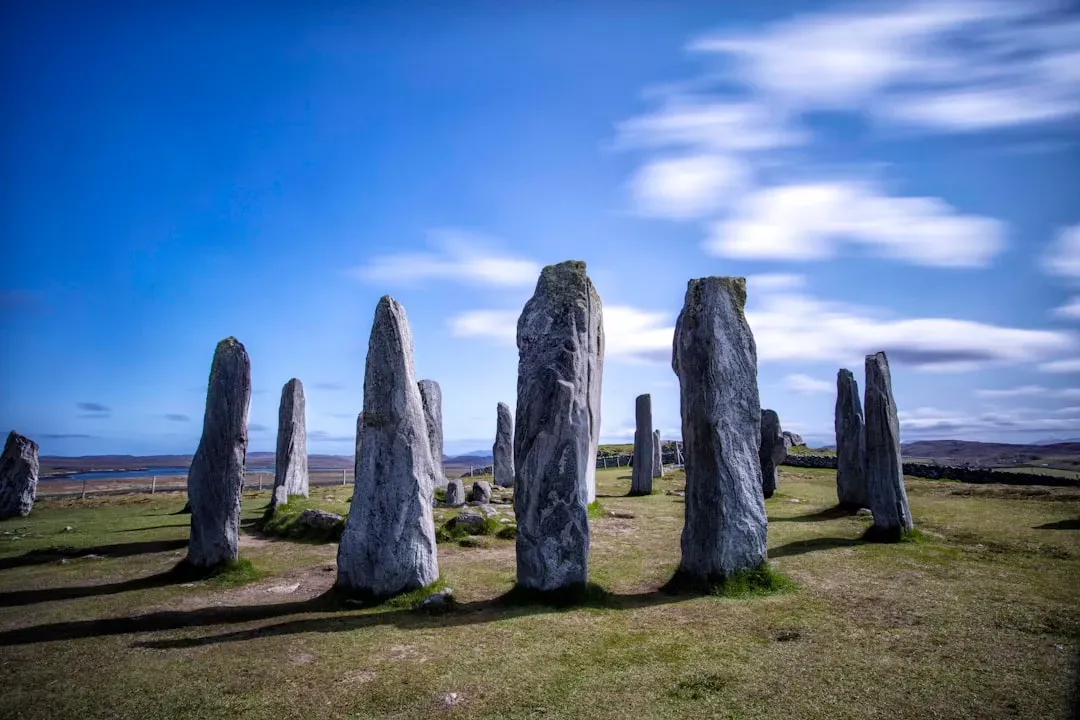
Scotland’s remote islands were long assumed to be a late addition to the human map – settled only after most of Europe had already been colonized. New stone circle discoveries are challenging that timeline.
Researchers examining monuments on a remote Scottish isle found evidence that early human settlers arrived far earlier than textbooks assumed. “Hugely Significant” stone circles in Scotland suggest early human arrival, with the discovery of ancient culture on a remote Scottish isle rewriting the range of early settlers.
This matters because it shifts the edge of the settled world further north and earlier in time than most migration maps currently show. Communities we assumed were latecomers to Europe’s fringes may have actually arrived among the earliest wave of settlers. It’s a small correction on a map, but it changes how researchers think about how fast humans spread once they left the continental interior. Cambodia’s jungle hid something even bigger, though.
#11 – A Lost City Was Hiding Under the Jungle This Whole Time
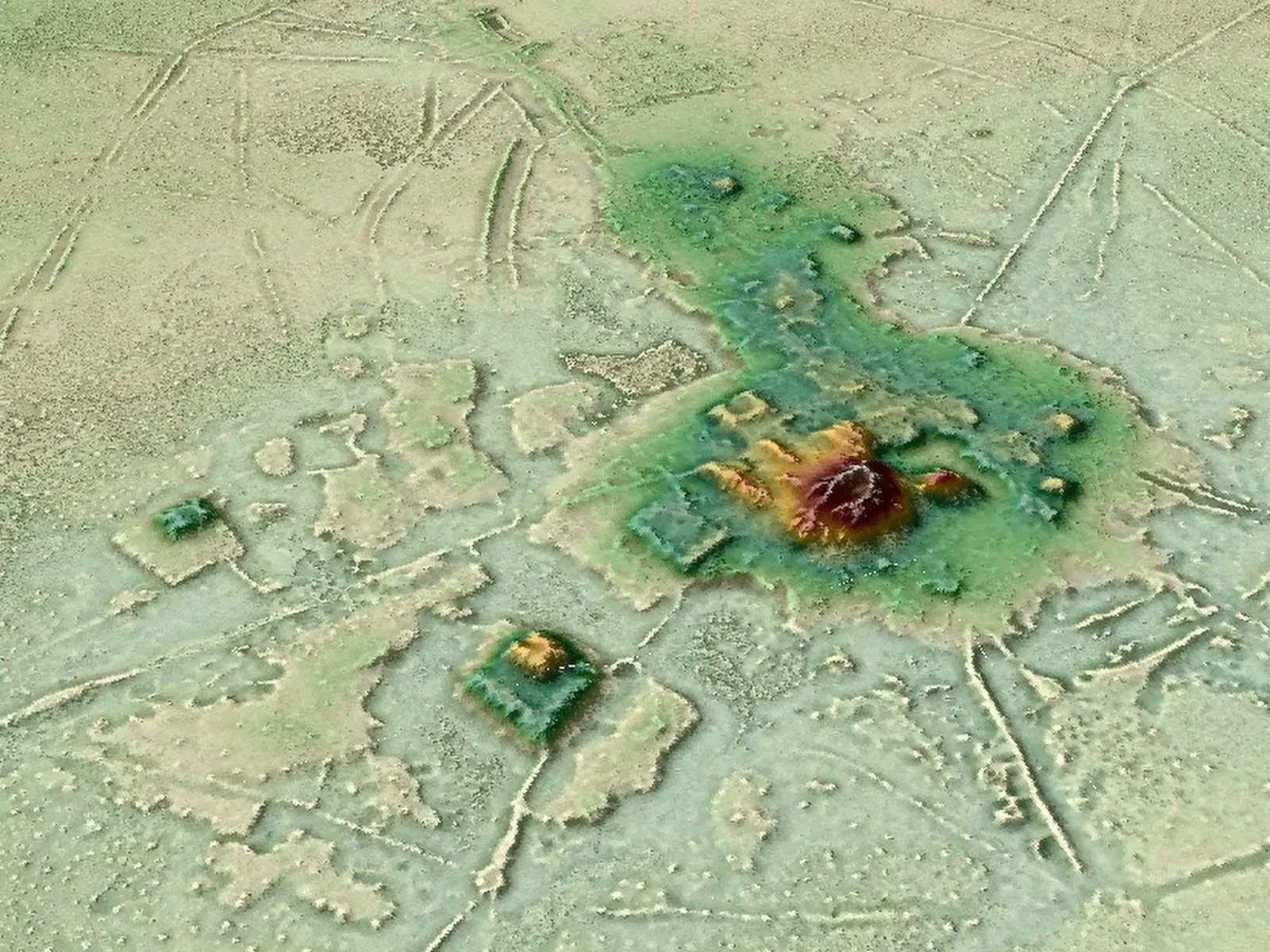
For centuries, the story of the Khmer Empire was told through a handful of famous temples like Angkor Wat. Nobody suspected an entire hidden city was sitting beneath the jungle canopy nearby, invisible to the naked eye.
Laser-based aerial mapping technology finally cut through the dense tree cover to reveal what was actually underneath. Archaeologists uncovered the remains of a vast city hidden beneath the dense jungles of Cambodia, believed to have been part of the Khmer Empire, revealed through advanced LiDAR technology.
Worth Knowing
- Researchers scanned more than 700 square miles of jungle terrain using helicopter-mounted laser equipment
- The hidden city, Mahendraparvata, sprawled across roughly 15 to 20 square miles beneath the tree cover
- Its true footprint turned out to rival Cambodia’s modern capital, Phnom Penh, in scale
- Wooden structures had long since decayed, leaving only earthworks and foundations for the lasers to detect
This is a pattern showing up across the tropics right now – dense urban centers hiding in plain sight under forest canopy for centuries. A city large enough to reshape our understanding of the Khmer Empire was sitting undetected under jungle for hundreds of years. No shovel could have found this – it took satellites and lasers to see what generations of archaeologists walked right past. Egypt had its own jaw-dropping ritual detail waiting underground.
#12 – Egypt’s Dead Were Buried With Golden Tongues to Speak to the Gods
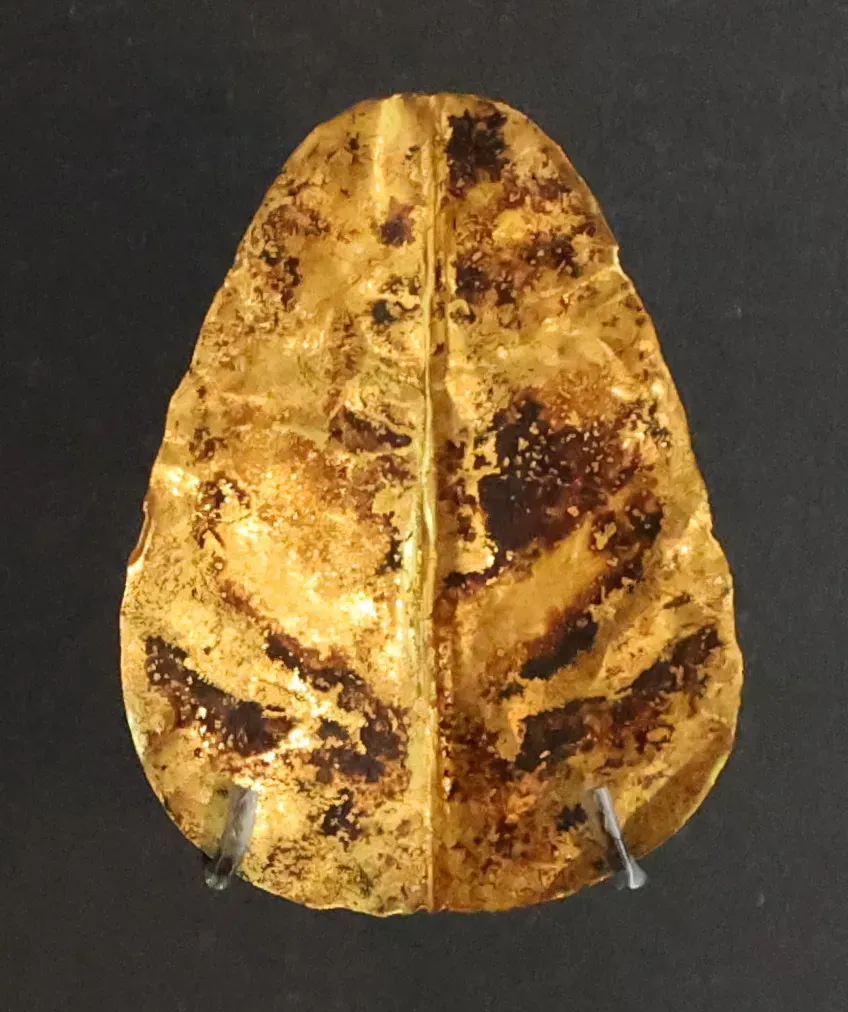
Saqqara has been excavated for over a century, and it’s still producing discoveries nobody saw coming – including a burial detail that sounds like it belongs in a horror film.
Deep shafts at the site have kept revealing untouched burials sealed for millennia. Saqqara is the gift that keeps on giving – in deep shafts, archaeologists found hundreds of untouched coffins, sealed for 2,500 years. Inside some of those coffins was a detail that stunned researchers: gold foil amulets shaped like tongues, placed in mummies’ mouths so the dead could speak to Osiris at the judgment.
Alongside these amulets, researchers also found a 4-meter papyrus with texts from Chapter 17 of the Book of the Dead – a “cheat sheet” for navigating the afterlife. Ancient Egyptians were literally burying their dead with a tongue made of gold so they could argue their case in the afterlife. It’s a level of ritual specificity historians hadn’t fully appreciated until these shafts were cracked open. Rome’s own legacy gets even weirder from here.
#13 – The Roman Empire May Have Slightly Lowered Everyone’s IQ

This one sounds like satire, but it’s backed by actual ice-core data – and it reveals a public health crisis nobody knew was happening 2,000 years ago.
Scientists studying ancient ice layers found a pollution spike that lines up perfectly with the Roman Empire’s peak mining output. Recent ice-core analysis shows that atmospheric lead pollution from Roman-era mining peaked during the Pax Romana, reducing average IQ by approximately 2 to 3 points across Europe, with children suffering high blood lead levels that impaired cognition across the empire.
This wasn’t a localized issue near a single mine – it was continent-wide industrial pollution centuries before anyone coined the term “industrial.” An entire generation of Roman children may have grown up with measurably lower cognitive function purely from the empire’s own metal industry. It’s a strange kind of irony: the empire’s economic engine may have quietly dulled the population powering it. Poland’s countryside had its own surprise buried in a field.
#14 – A Farmer’s Lucky Find Rewrote Northern Europe’s Prehistoric Timeline
Sometimes the most disruptive archaeological finds aren’t discovered by teams of scientists – they’re stumbled upon by regular people. That’s exactly what happened on Poland’s Baltic coast.
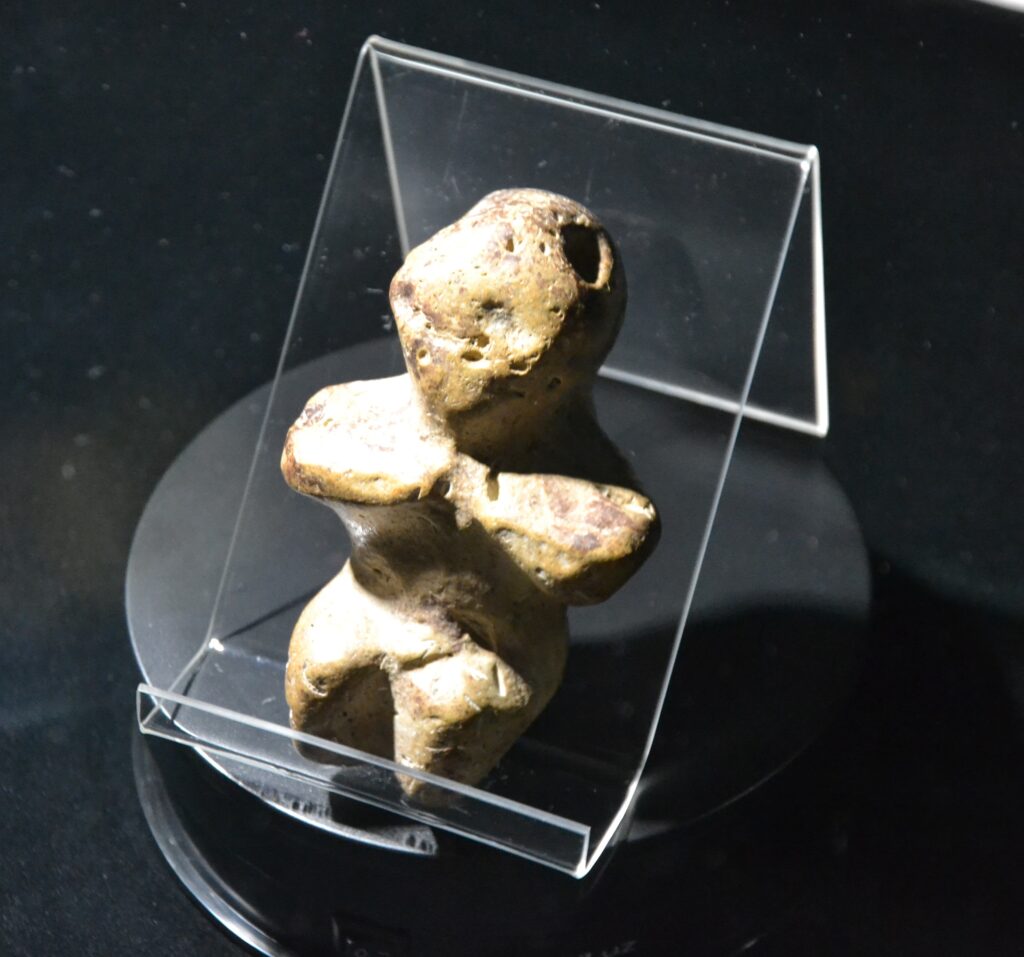
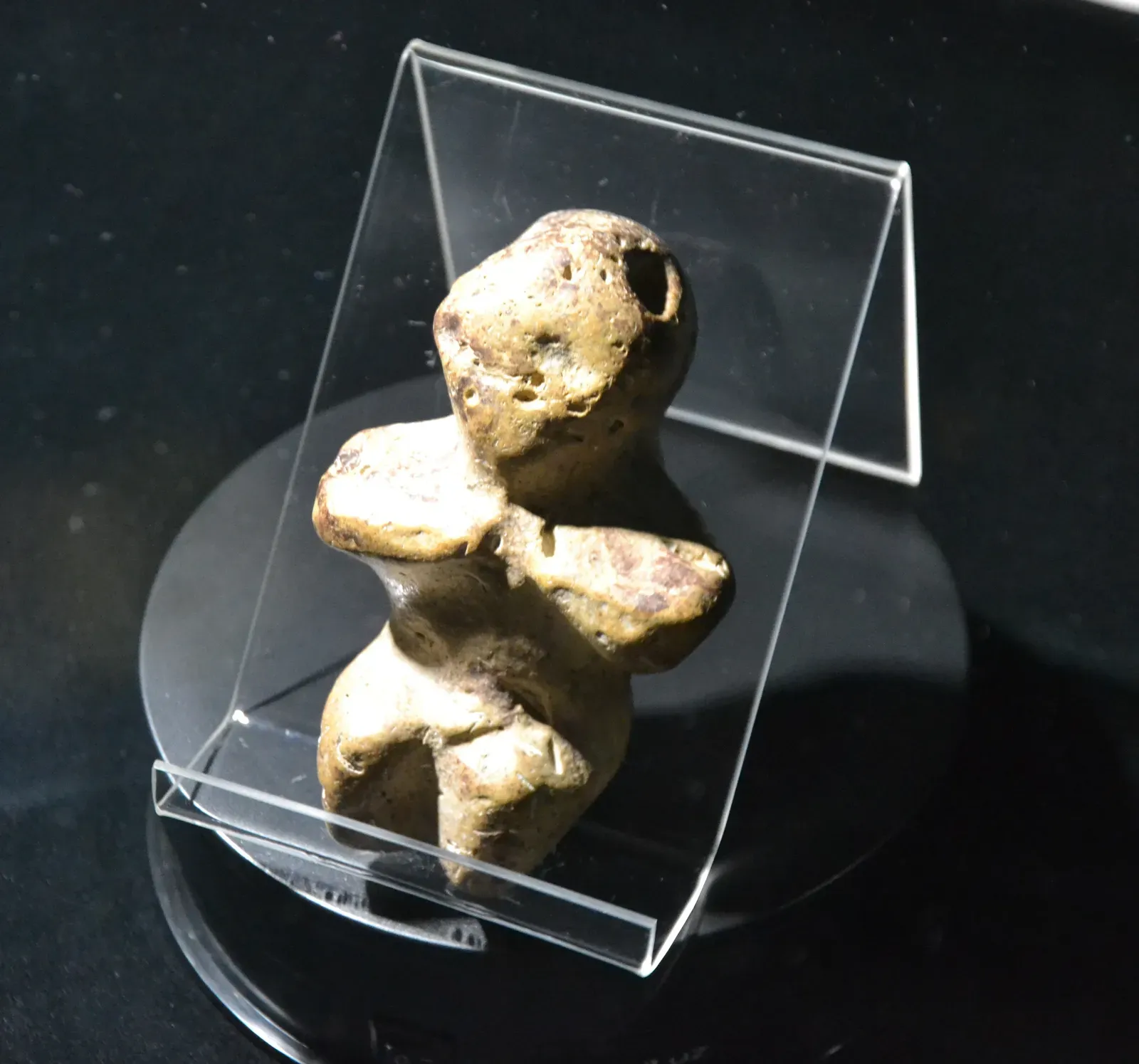
A farmer digging in a quiet countryside field unearthed a small limestone carving that experts immediately recognized as something extraordinary. A farmer unearthed a small beige sculpture that would rewrite northern Europe’s prehistory – the “Kołobrzeg Venus,” a 6,000-year-old limestone statuette measuring just 12 centimeters tall, featuring wide hips, prominent breasts, and no facial features, recalling the ancient Venus figurine convention.
The find was significant enough that experts didn’t hold back their reaction. “This is the find of the century,” said Aleksander Ostasz, director of the Polish Arms Museum. A farming region long assumed to be culturally quiet during this period actually had ritual art traditions connecting it to much older European traditions. One accidental find from a single field just extended a cultural tradition across a much wider map than historians expected. Georgia’s riverbed hid something nobody can explain, though.
#15 – Fishermen Found a Script No One Can Read
Every so often, archaeology produces a mystery instead of an answer – and this one is genuinely unsolved. It started with fishermen, not archaeologists, pulling a strange stone out of a riverbed.
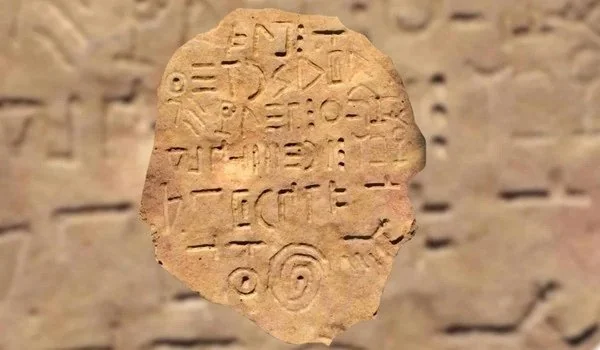
The carved tablet they found didn’t match any known ancient writing system. Fishermen discovered a basalt tablet bearing 60 symbols – 39 of them unique – arranged into seven columns in Georgia’s Dmanisi region, dated to the Late Bronze or Early Iron Age, with the inscription appearing in a previously unknown script whose purpose, whether ritual or record, is still undeciphered.
This is one of the rare modern finds that hasn’t been “solved” – it’s simply sitting there, daring linguists to crack it. A completely unknown writing system existed in the Caucasus, and right now, nobody on Earth can read a single word of it. That kind of open mystery almost never survives this long in an era of advanced translation tools – which makes this discovery even stranger. Japan’s origin story got a rewrite too.
#16 – “Who Are the Japanese?” Just Got a Much More Complicated Answer

For decades, Japan’s population history was taught as a simple two-part story: ancient Jomon hunter-gatherers, followed by rice-farming migrants from the Asian mainland. New DNA research says that’s an oversimplification.
Researchers analyzing large genomic datasets found evidence the real story involved far more movement than the two-group model allowed. For decades, scientists believed the Japanese population largely descended from two ancient groups: the Jomon hunter-gatherers who lived in the archipelago for thousands of years, and later migrants from East Asia who brought rice farming and new technologies to Japan.
The new data tells a messier, more accurate story. Researchers analyzing ancient genomes and skeletal remains have found increasing evidence that multiple migration waves entered Japan over centuries, creating a much more layered population history than previously believed. A textbook two-chapter national origin story turns out to have several missing chapters historians never accounted for. It’s a pattern repeating worldwide: the “simple two-population” origin story rarely survives contact with modern genomics. India’s story just got the same treatment.
#17 – India’s Ancestry Is a Three-Way Genetic Collision Nobody Fully Mapped Until Now

India’s population history has always been described in broad strokes – a mix of “indigenous” and “migrant” groups. A massive new genomic study just put actual numbers and clarity behind that vague description.
By sequencing thousands of genomes from across the country, researchers finally traced the specific ancestral threads that built the modern population. India’s complex ancestry – intertwined with Iranian farmers, Steppe herders, and local hunter-gatherers – has now been decoded through genomic data from 2,762 people.
At a Glance: India’s Three Ancestral Threads
- Iranian farmers: brought early agricultural roots into the subcontinent
- Steppe herders: linked to the same migrations tied to Indo-European language spread
- Local hunter-gatherers: descendants of South Asia’s earliest inhabitants
- Sample size: the ancestry map was built from genomic data spanning 2,762 people
This is one of the largest single-country ancient-ancestry studies ever conducted, and it finally replaces guesswork with hard genetic evidence. A subcontinent home to over a billion people just had its entire ancestral blueprint decoded from three specific ancient populations. It’s proof that even well-studied regions can still yield origin stories nobody had fully pieced together. And the last find on this list is the smallest object with the biggest implications.
#18 – A Tiny Bronze Warrior Just Rewrote Ancient Mercenary History
Sometimes the most disruptive discovery isn’t a lost city – it’s a single object barely bigger than a hand.
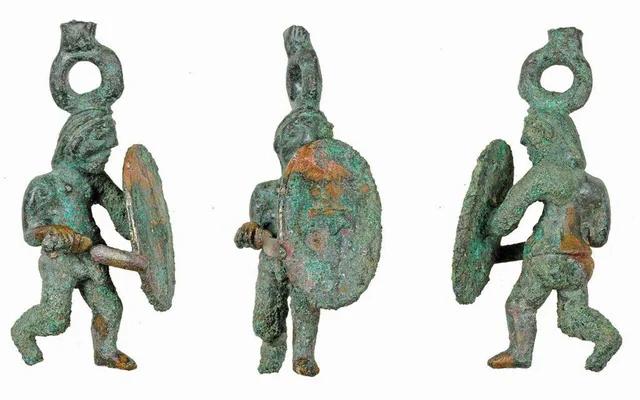
Among more than 40,000 artifacts pulled from one excavation, a small bronze statuette stood out immediately to researchers. The miniature masterpiece, standing just 7.5 centimeters tall, depicts a warrior in an unusual lunging pose with sword and shield, and was among more than 40,000 artifacts recovered during excavations between 2021 and 2024.
Its clothing told an even stranger story than its pose. Most intriguing is the figure’s distinctive attire: armored chest protection combined with complete nudity from the waist down, possibly reflecting Celtic warriors’ service as mercenaries in Greek armies. A single 7.5-centimeter bronze figure may be physical proof that Celtic fighters were serving as hired mercenaries deep inside Greek military structures – a cultural crossover historians hadn’t fully confirmed before. It’s a reminder that ancient militaries were far more multicultural and mercenary-driven than the “one empire, one army” version of history usually suggests.
The Bottom Line
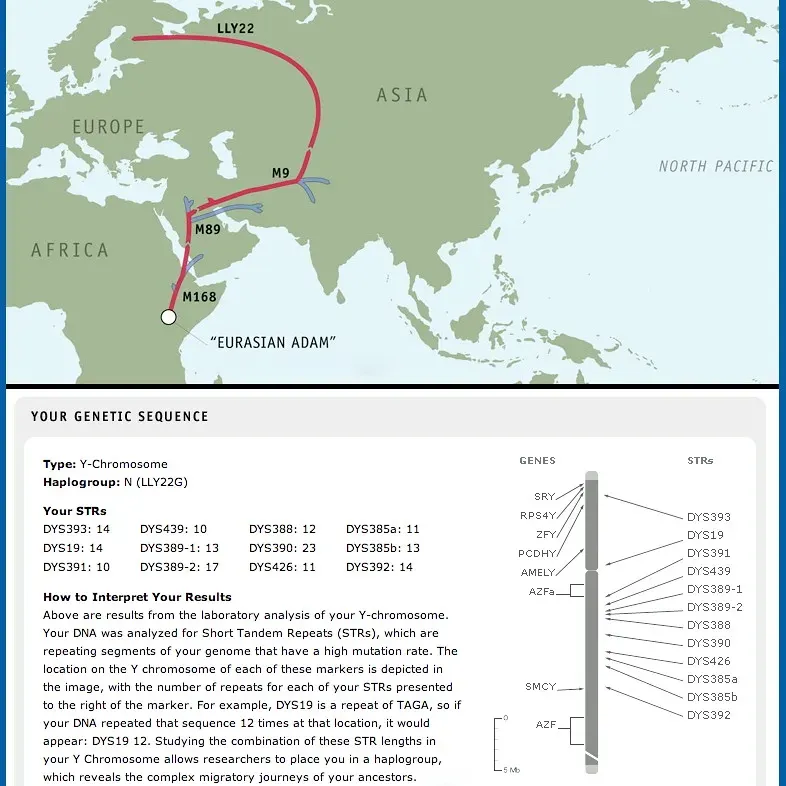
If there’s one thing these 18 finds prove, it’s that “settled history” is a myth historians tell themselves for convenience. A footprint in the mud, a stone from Scotland, a strand of DNA from a 90,000-year-old bone – each one has quietly forced experts to admit their old timelines were wrong, sometimes by tens of thousands of years.
The truth is, we’re not close to finished rewriting the past. Genetics alone is exposing more “hidden” human populations every year than a century of digging ever did. Honestly? The idea that we already know the “full story” of human history was always the least scientific claim in the room.
Which of these findings surprised you the most – and which old “fact” do you think gets debunked next? Drop it in the comments.