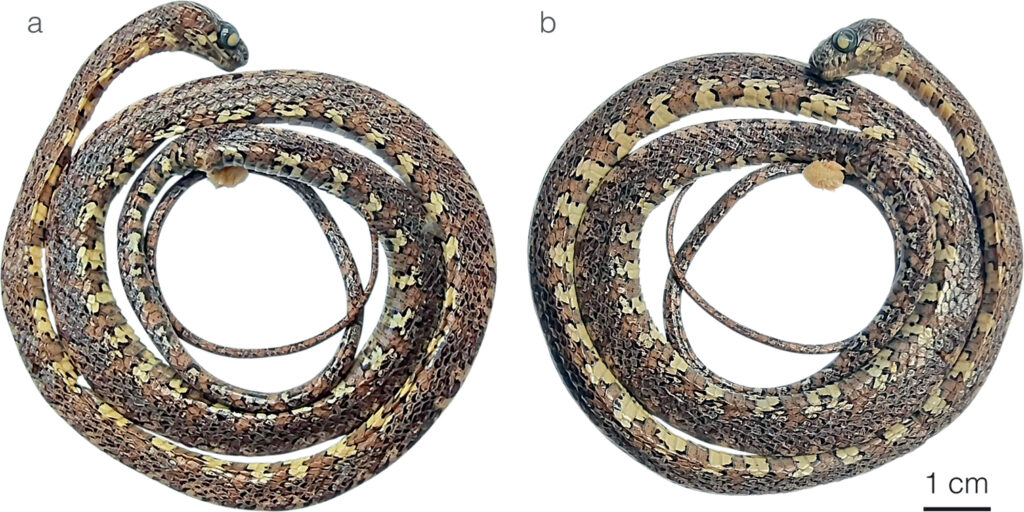

Most of us assume science already mapped every corner of the animal kingdom – that the age of jungle-trekking discovery ended somewhere around Darwin and his beetles. That assumption is dead wrong. Researchers estimate we’ve formally identified only about one-tenth of all species alive on Earth, and the last decade alone has quietly rewritten entire branches of the tree of life.
In just ten years, biologists have named a new great ape, split a legendary snake into two separate species, and pulled an entirely unknown squid family out of a whale’s stomach – one that had been sitting in a museum drawer since the 1950s. Some of these animals were hiding along ordinary coastlines the whole time. Others turned up literally underground. Here’s what seventeen of the strangest, newest members of the animal kingdom turned out to be, and why a few of them genuinely rattled the scientists who found them.
#17 – The Shark-Ray Hybrid Nobody Knew Existed
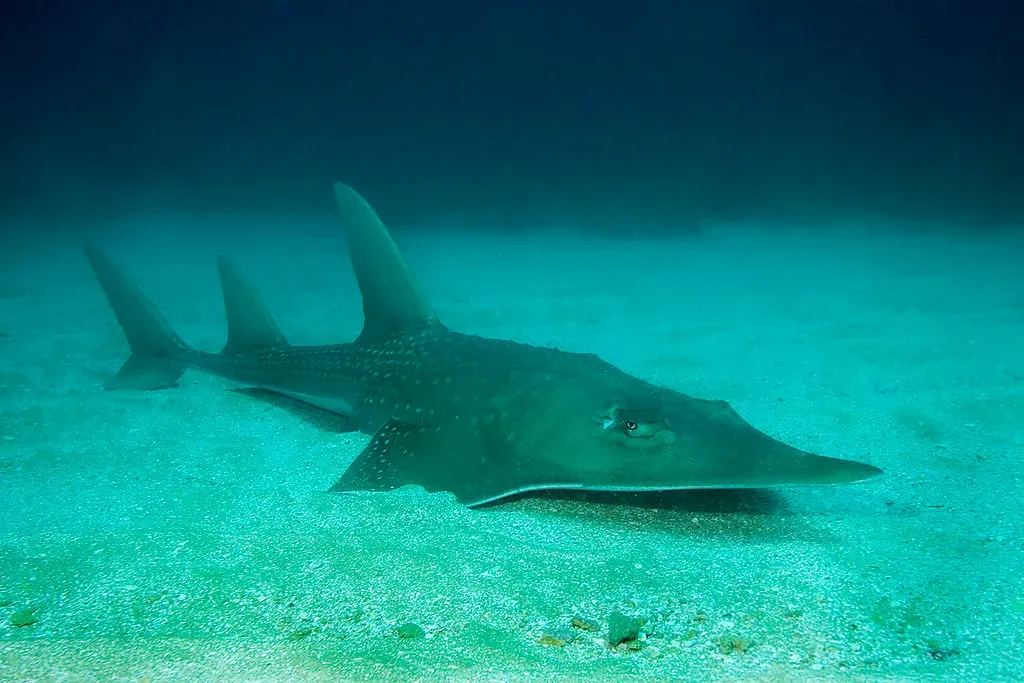
A creature that looks like a shark but behaves like a ray was hiding in plain sight in the ocean’s shallows the entire time.
A global effort to catalog ocean life uncovered more than 800 new marine species, including this guitarfish – technically a type of ray, but one that blends shark and ray features so seamlessly that field researchers kept mistaking it for a juvenile of a more common species. The guitarfish wasn’t hiding in some untouched trench; it was swimming near coastlines the entire time. As top predators, sharks and rays help keep entire ocean ecosystems in balance, and that’s the quiet stakes behind every find on this list – a species can vanish before anyone even gets around to naming it.
#16 – The Ghost Shark That Predates the Dinosaurs
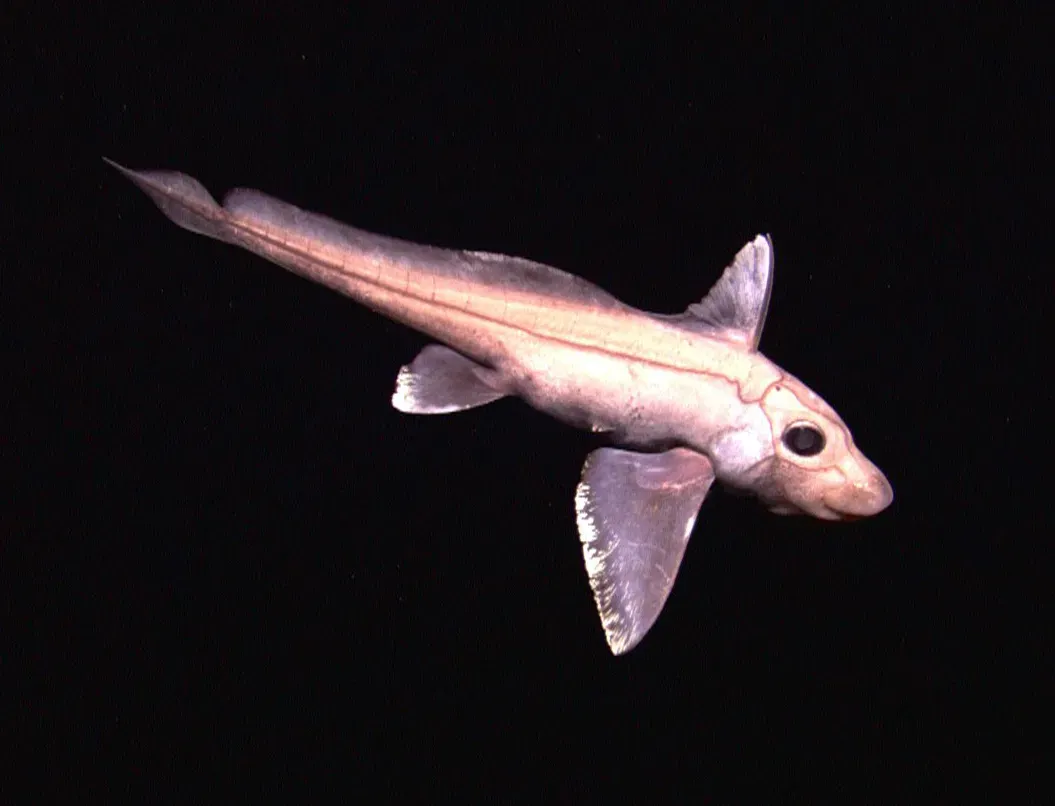
Scientists just met a lineage that’s been quietly swimming the ocean since before T. rex ever existed.
Often called “ghost sharks,” chimaeras are distant relatives of sharks and rays that split off into their own evolutionary branch nearly 400 million years ago. This particular ghost shark wasn’t found in some remote foreign sea – it turned up close to home, off Australia’s coast, discovered by taxonomist Dr. William White during a CSIRO expedition to the Coral Sea Marine Park. Its evolutionary branch is older than most of the fossils sitting in natural history museums. Experts argue chimaeras deserve far more conservation attention than they currently get, mostly because they’re painfully slow to reproduce.
#15 – The Supergiant Isopod Lurking Off Vietnam
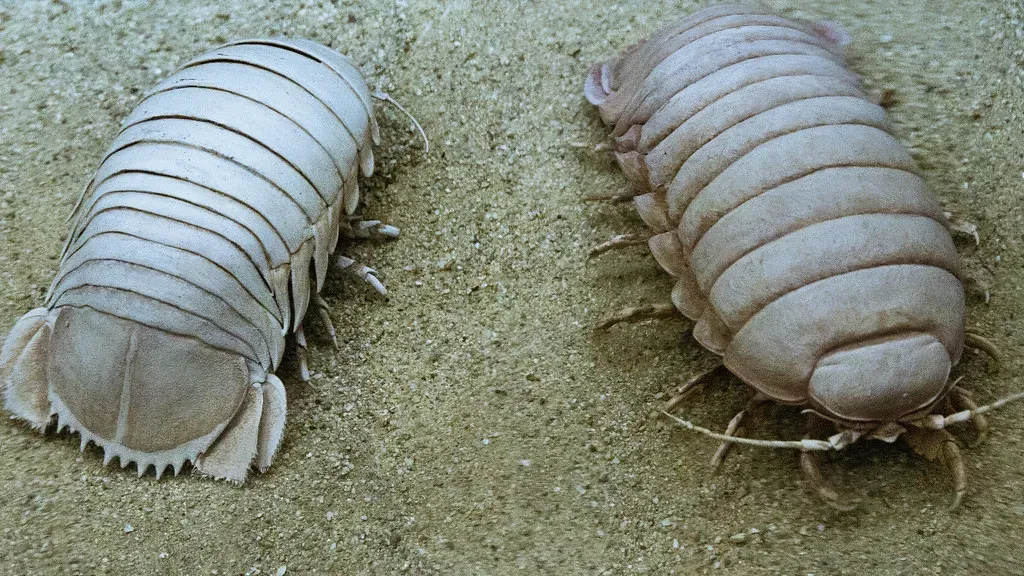
Somewhere in the deep waters off Vietnam, an isopod the size of a small lobster had been quietly evading science for decades.
Researchers described a new species of supergiant Bathynomus from Vietnam, comparing it directly against the previously known Bathynomus jamesi just to confirm it wasn’t the same animal. Supergiant isopods belong to the same family as the tiny pill bugs under your backyard rocks, except their deep-sea cousins can grow to dinner-plate size. Taxonomists had to run DNA comparisons against an already-known giant just to be sure they weren’t duplicating a name. That kind of confusion is routine in the deep sea, where closely related giants can look nearly identical until genetics steps in to settle the argument.
Fast Facts
- Supergiant isopods belong to the genus Bathynomus – deep-sea relatives of the pill bugs found under garden rocks.
- Most species live on or near the seafloor, well beyond the reach of sunlight.
- They’re scavengers, feeding on dead fish, whale falls, and other carcasses that sink to the bottom.
- Their armor-like segmented exoskeleton and oversized compound eyes help them survive crushing pressure and total darkness.
#14 – The Bivalve That Actually Hunts
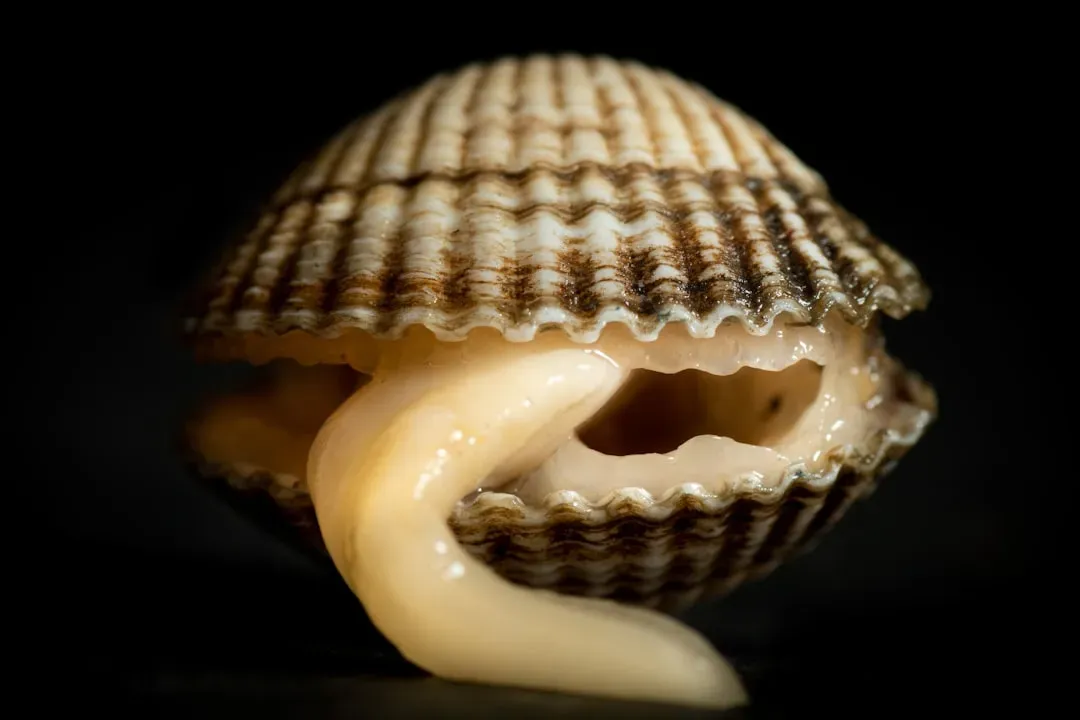
Clams are supposed to be passive filter feeders, quietly sifting plankton from the water. This one broke that rule entirely.
Among a haul of deep-sea discoveries pulled from depths exceeding 6,000 meters was Myonera aleutiana, a carnivorous bivalve studied in unusual anatomical detail. A clam that eats other animals sounds like science fiction, but it’s real biology from one of Earth’s deepest trenches. It’s only the second bivalve of its kind ever documented this closely, and it completely upends the mental image most of us carry of clams sitting motionless on the seafloor.
#13 – The Isopod That Grows Its Own Popcorn
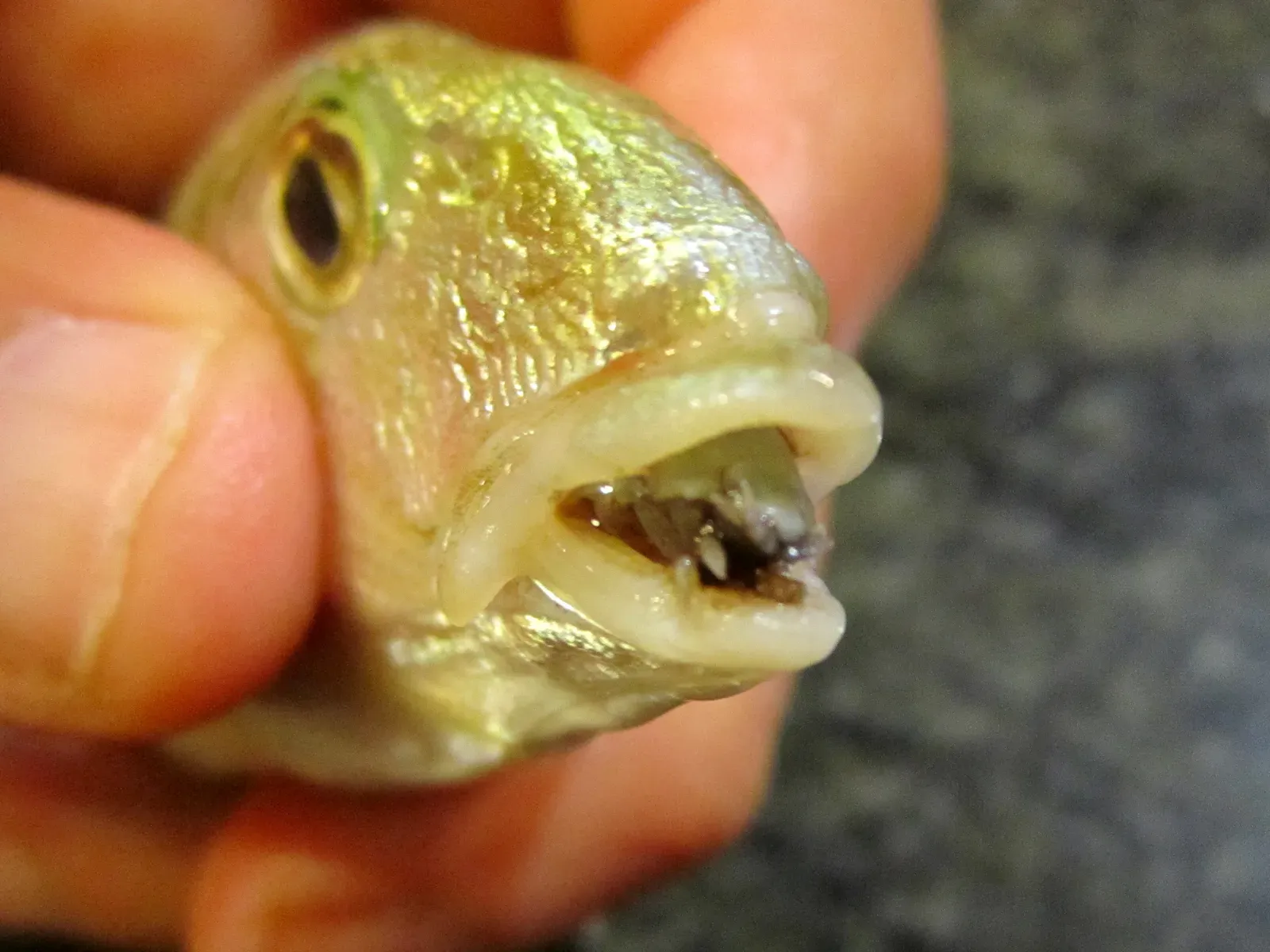
Somewhere in Australia’s tide pools, a parasite evolved a disguise straight out of a snack aisle.
The parasitic isopod Zeaione everta has raised structures on the female’s back that resemble popped corn kernels, and its genus name is even drawn from Zea, the corn genus. Found in the Australian intertidal zone, it also turned out to represent a completely new genus. A parasite that looks like snack food is the kind of detail no textbook illustration could have predicted. Discovering something this bizarre in a tide pool – a habitat humans wade through constantly – is a humbling reminder of how much still hides in plain sight.
#12 – The Deep-Sea Tunicate With a Venus Flytrap Mouth
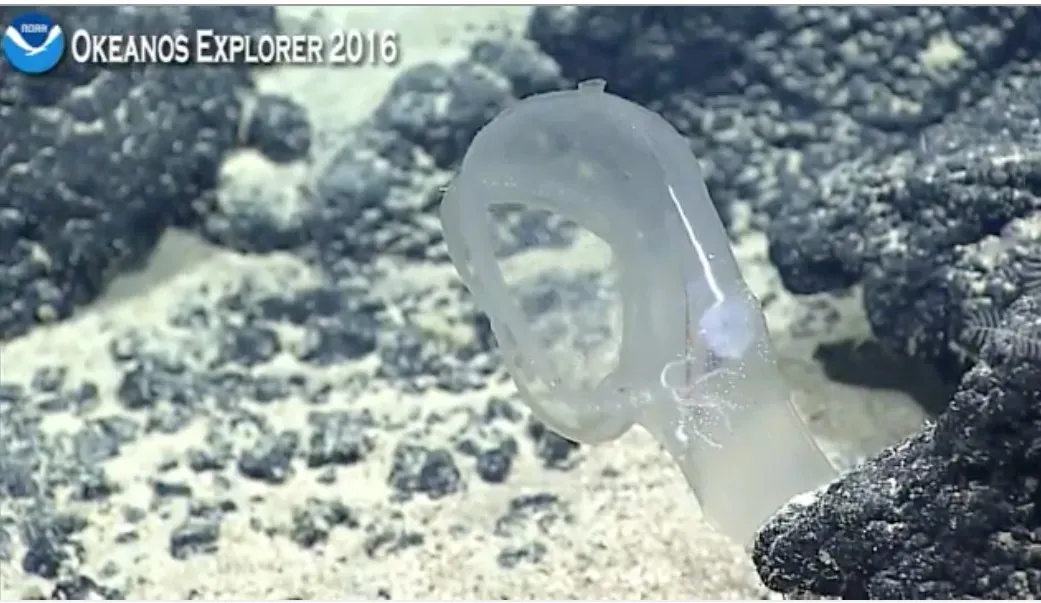
Filter feeders in the deep sea have a serious food problem: there’s barely any plankton down there to eat. One tunicate solved it in the most unsettling way possible.
Living 3,000 meters below the surface, the newly described Kaikoja undume abandoned filter feeding entirely, transforming its oral siphon into a Venus flytrap-like structure that snaps shut on copepods and other larger prey. A creature evolving an actual trap-door mouth just to survive scarcity is next-level adaptation. Its species name, undume, comes from the Elven language of Middle-earth – naming deep-sea animals after fantasy languages has become something of a running joke among marine taxonomists, even when the biology behind the name is dead serious.
#11 – The Squid Found Inside a Whale’s Stomach
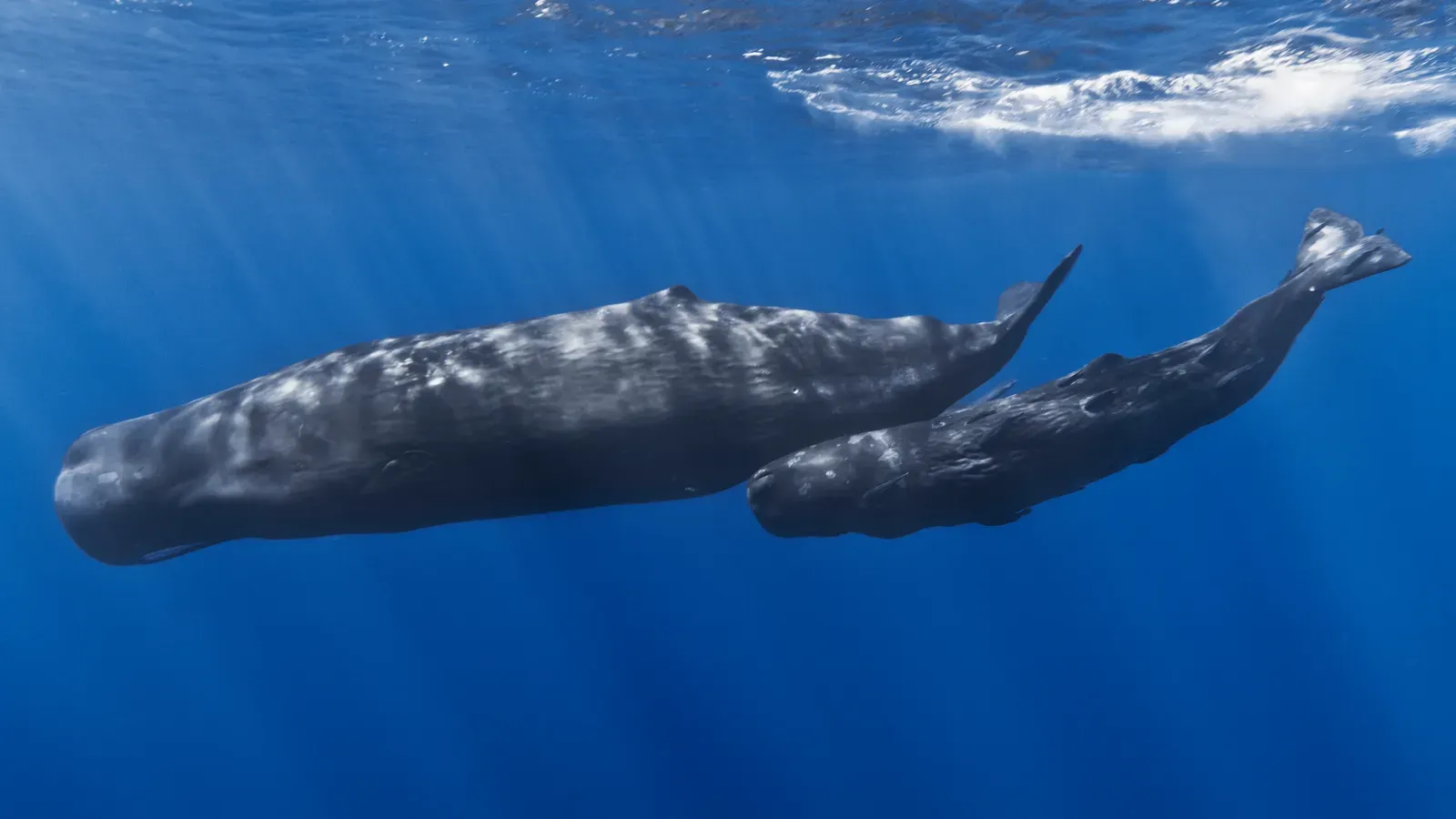
This next discovery didn’t come from a net or a submersible. It came out of a sperm whale’s digestive tract.
While revising a group of deep-sea squids, scientists realized a specimen collected in the 1950s didn’t belong to any known squid family at all. That single individual, pulled from a whale’s stomach in Antarctic waters, was so distinctive it earned its own new species, genus, and entirely new family – Mobydickidae, home to Poseidon’s Squid (Mobydickia poseidonii). A specimen sat in a museum drawer for over 70 years before anyone realized it belonged to no known family at all. That’s an entire branch of the squid family tree discovered by accident, quietly gathering dust in storage.
#10 – The Amphipod Haul That Created a Brand-New Branch on the Tree of Life
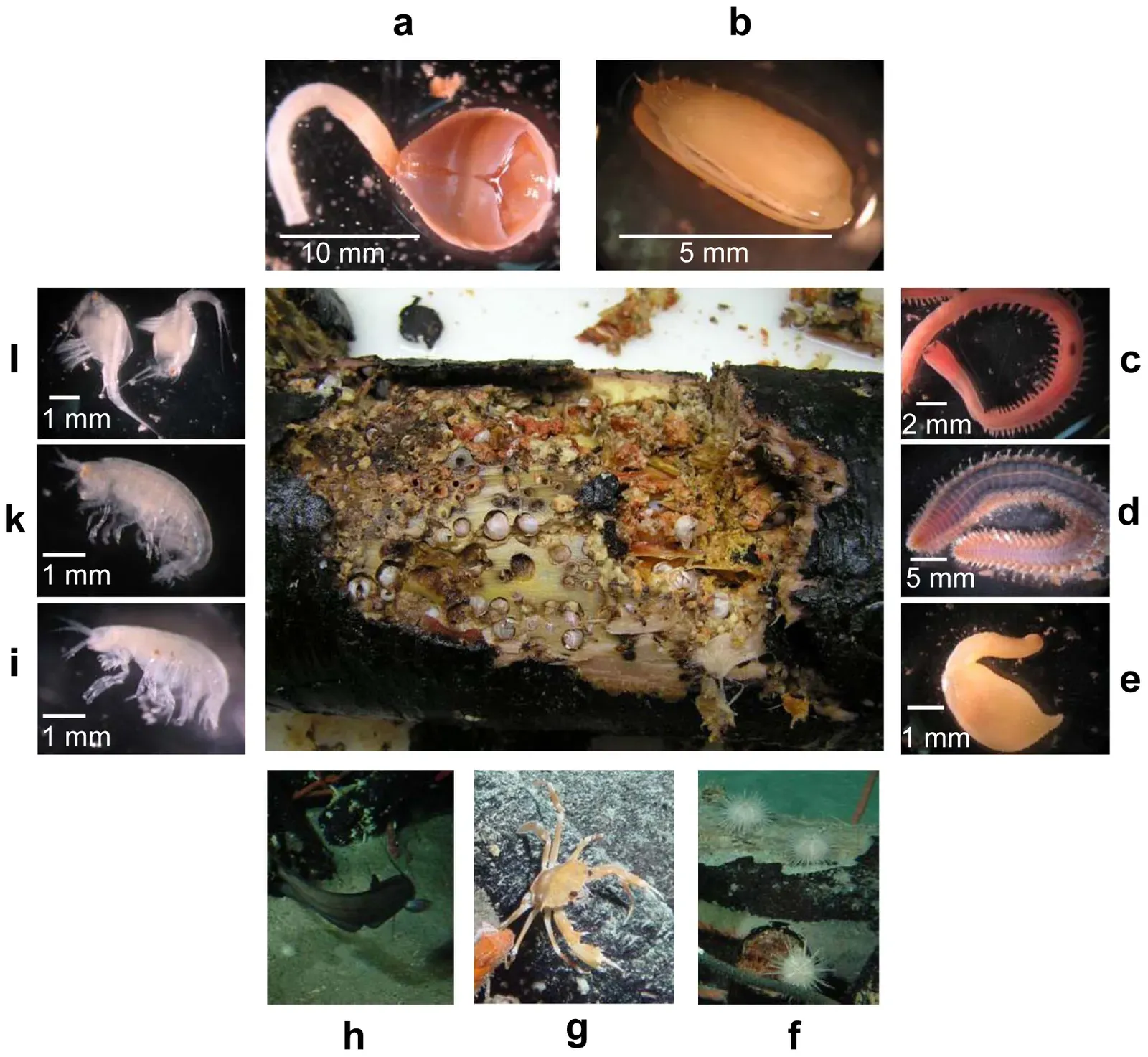
Most new species get slotted neatly into an existing family. This discovery forced scientists to invent entirely new ones.
In a remarkable deep-sea breakthrough, researchers identified 24 new amphipod species in the Pacific’s Clarion-Clipperton Zone, spread across 10 families – including a newly identified family and superfamily representing genuinely new branches on the evolutionary tree. Finding a brand-new superfamily is one of the rarest events in modern taxonomy. Scientists estimate around 5,600 species live in the CCZ, and roughly 90% remain undescribed – a race against time, since the same region is now being eyed for deep-sea mining.
At a Glance
- 24 new amphipod species turned up in a single survey, spanning 10 different families.
- One brand-new family and one brand-new superfamily emerged from the haul – both rare events in taxonomy.
- An estimated 5,600 species may live in the Clarion-Clipperton Zone, with roughly 90% still undescribed.
- The same seabed is already being scouted for future deep-sea mineral mining.
#9 – The Giant Anaconda Split in Two
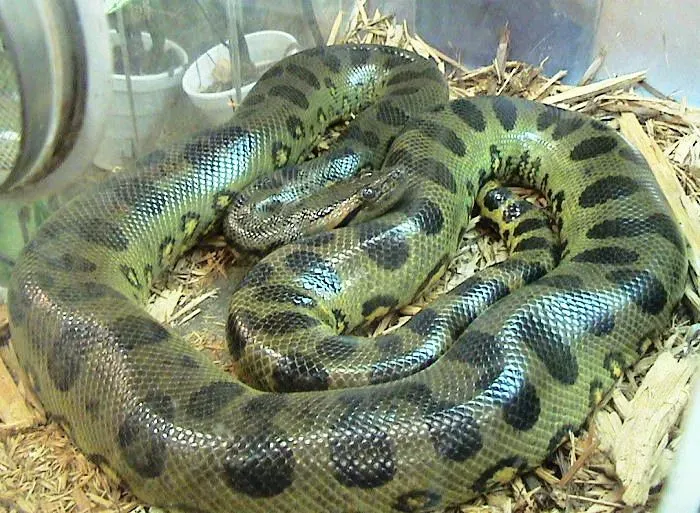
For centuries, everyone assumed there was really just one big green anaconda slithering through South America. Genetic testing proved that assumption wrong.
Researchers working in the Amazon confirmed that what biologists had long lumped together as a single green anaconda population is genetically distinct enough to count as its own species – one of the heaviest snakes alive today. A snake this famous had been misclassified for generations before genetics finally caught up. This kind of “hidden species” reveal is becoming more common as DNA sequencing gets cheaper, since animals that look nearly identical on the outside can turn out to be worlds apart genetically – something locals who live alongside these anacondas may have sensed long before science confirmed it.
Quick Compare
- Northern green anaconda (Eunectes akayima): Ranges across Ecuador, Venezuela, Suriname, Guyana, and Colombia; genetically about 5.5% different from its southern relative.
- Southern green anaconda (Eunectes murinus): Occupies Brazil, Peru, Bolivia, and Paraguay; long assumed to be the only green anaconda species.
- Shared traits: Both can top 20 feet and several hundred pounds, and both split from a common ancestor roughly 10 million years ago.
#8 – The “Vampire” Mammal of the Mekong
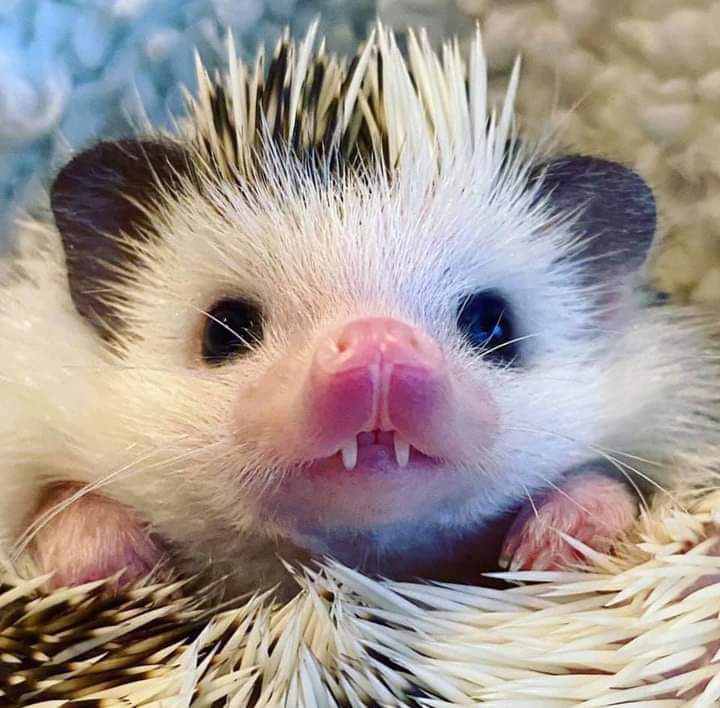
A small, spiny mammal with an unsettling nickname turned up in one of Southeast Asia’s last great wildlife strongholds.
A vampire hedgehog was among the new species named by science in 2024, part of a haul that saw the Greater Mekong region alone produce 234 new species in a single year. A region most people can’t even locate on a map produced hundreds of brand-new animals in twelve months. The nickname isn’t just for shock value, either – its unusual dental structure and nocturnal hunting habits genuinely set it apart from typical hedgehog relatives, and it favors forest so remote most travelers will never spot one.
#7 – The Tree-Dwelling Lizard Hiding in Plain Sight for a Decade
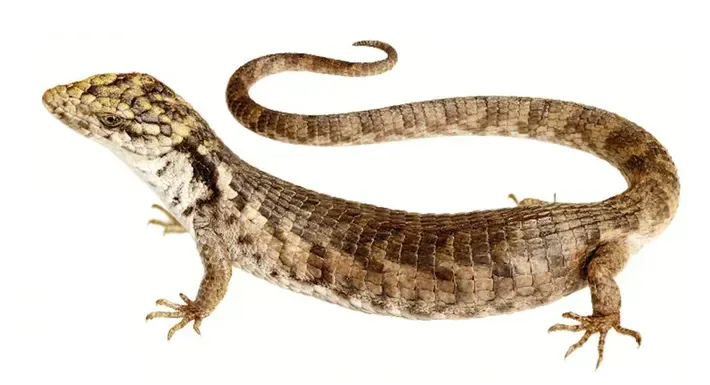
Sometimes a new species doesn’t announce itself immediately – it takes years of patient photography and fieldwork just to prove it’s real.
In January 2024, researchers published a study detailing a new lizard first spotted in photos taken in Chiapas, Mexico’s Northern Highlands back in 2014. Between 2015 and 2022, the team made five separate trips to the site before officially naming it Abronia cunemica, the Coapilla arboreal alligator lizard. A single blurry photo from 2014 kicked off an eight-year confirmation process. The species lives high in the trees, has brown-and-yellow scales, and can grow past 9 inches long – proof that in taxonomy, proof takes patience far more than it takes a good camera.
#6 – The Gecko Named After a Painter’s Sky
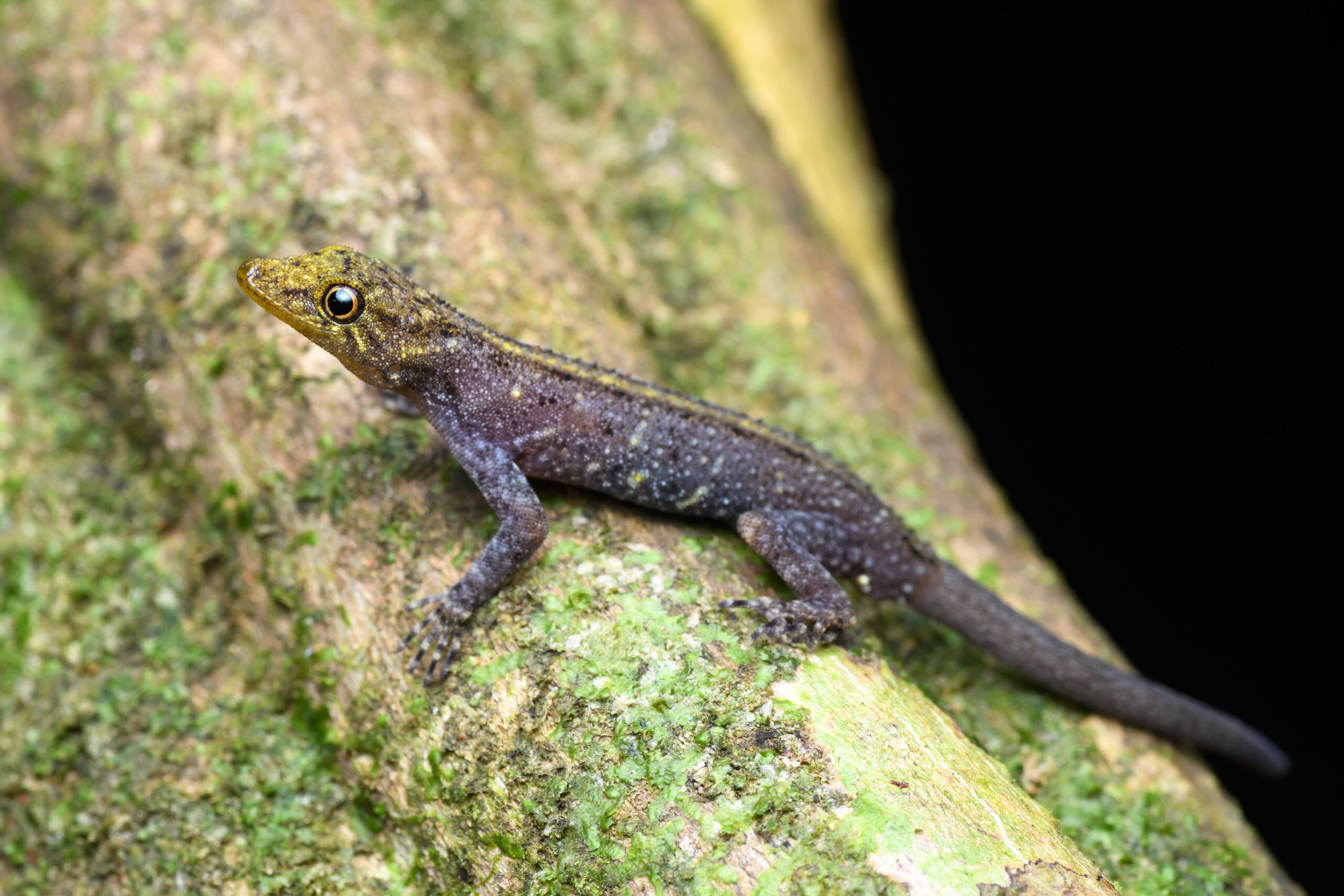
Sometimes a new species is so visually striking that scientists reach for art history instead of Latin biology terms to name it.
Cnemaspis vangoghi, nicknamed the “starry night” gecko for its swirling skin pattern, took the No. 1 spot on scientific publisher Pensoft’s list of top discoveries in 2024. A gecko’s skin pattern was striking enough to earn a direct comparison to one of the most famous paintings in the world. That kind of naming choice isn’t just whimsical – it makes a species memorable to the public in a way strings of Latin syllables never could, and memorable species tend to pull in more conservation funding, which raises a fair question about the thousands of equally endangered but less photogenic animals left behind.
#5 – The Snake Named After a Hollywood Star
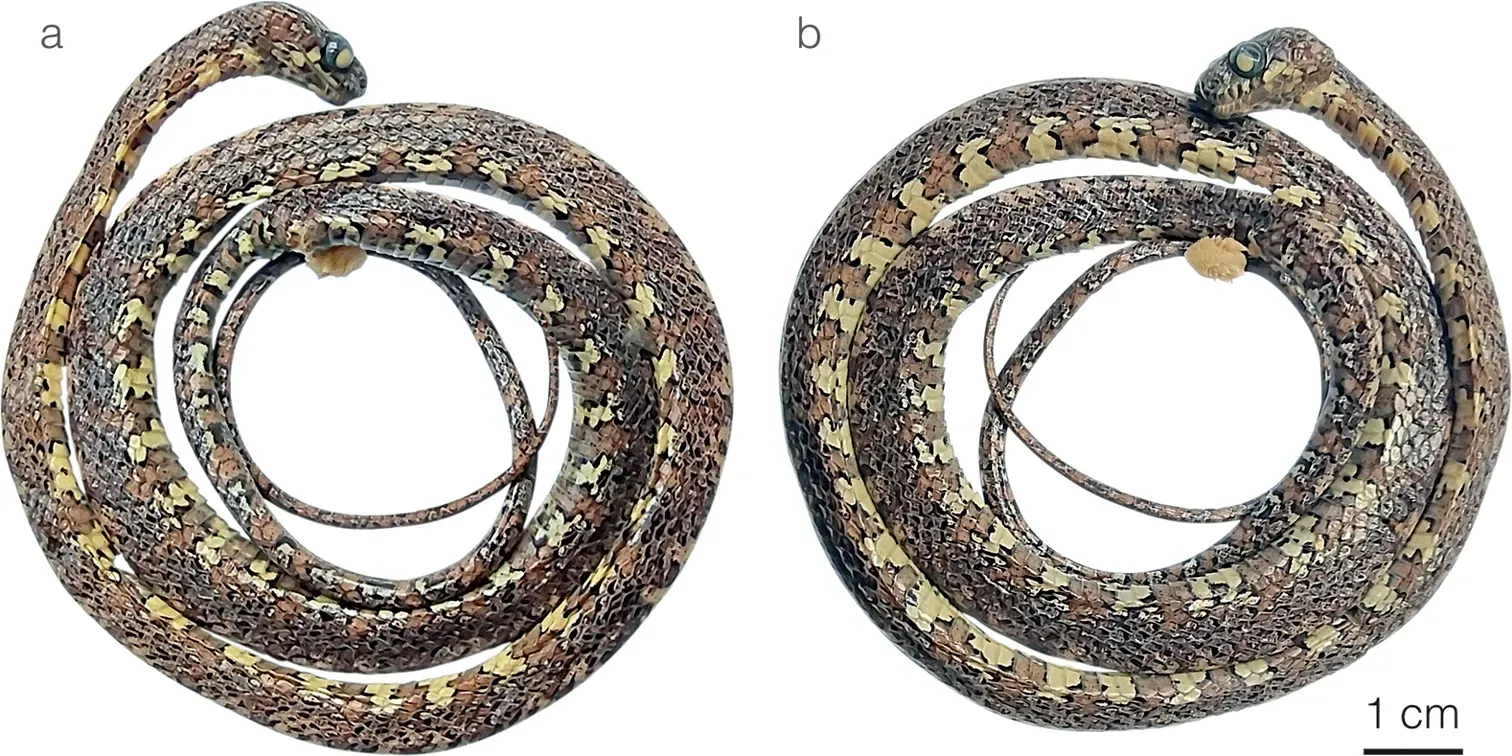
Conservation groups have learned that borrowing a celebrity’s name can do more for a species than any scientific paper ever could.
DiCaprio’s snail-eating snake (Sibon irmelindicaprioae) is one of five new snail-eating snakes described by scientists, and it’s already classified as Near Threatened. A snake named after a movie star’s family generated more headlines than most actual conservation reports ever manage. The tactic is controversial among some biologists, who argue it turns serious taxonomy into a publicity stunt – but others counter that if a celebrity name gets a threatened species onto the evening news, the eye-rolling is worth it.
#4 – The Shark That Doesn’t Swim, It Walks
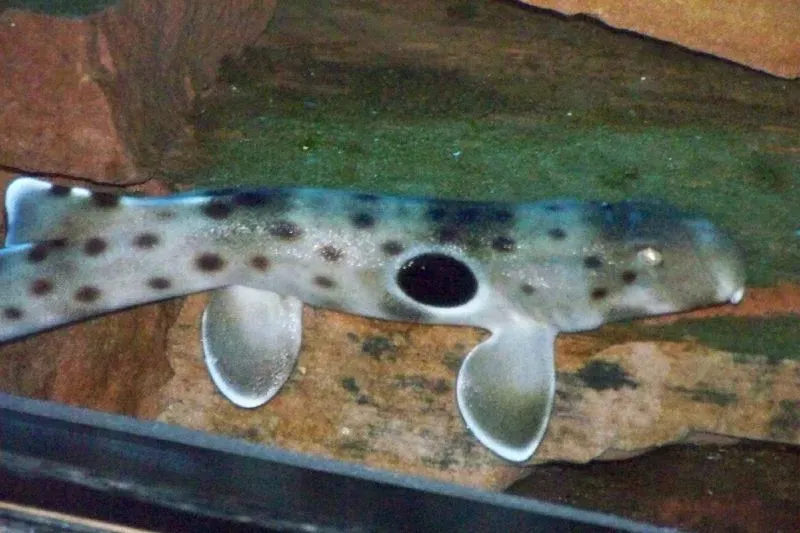
Four new species of the strangest shark on Earth turned up in a single research project, and every one of them moves like a lizard, not a fish.
Scientists had only known of one “walking” shark before a 12-year DNA study turned up four more, all using muscular pelvic fins to stroll along the ocean floor rather than swim. A shark that prefers wriggling along the seafloor to swimming is one of nature’s stranger evolutionary detours. These sharks have been walking around for at least nine million years, with the youngest species possibly evolving as recently as two million years ago – most of them clustered in the Coral Triangle, a stretch of ocean roughly half the size of the United States.
#3 – The Leggiest Animal on Earth, Finally Confirmed
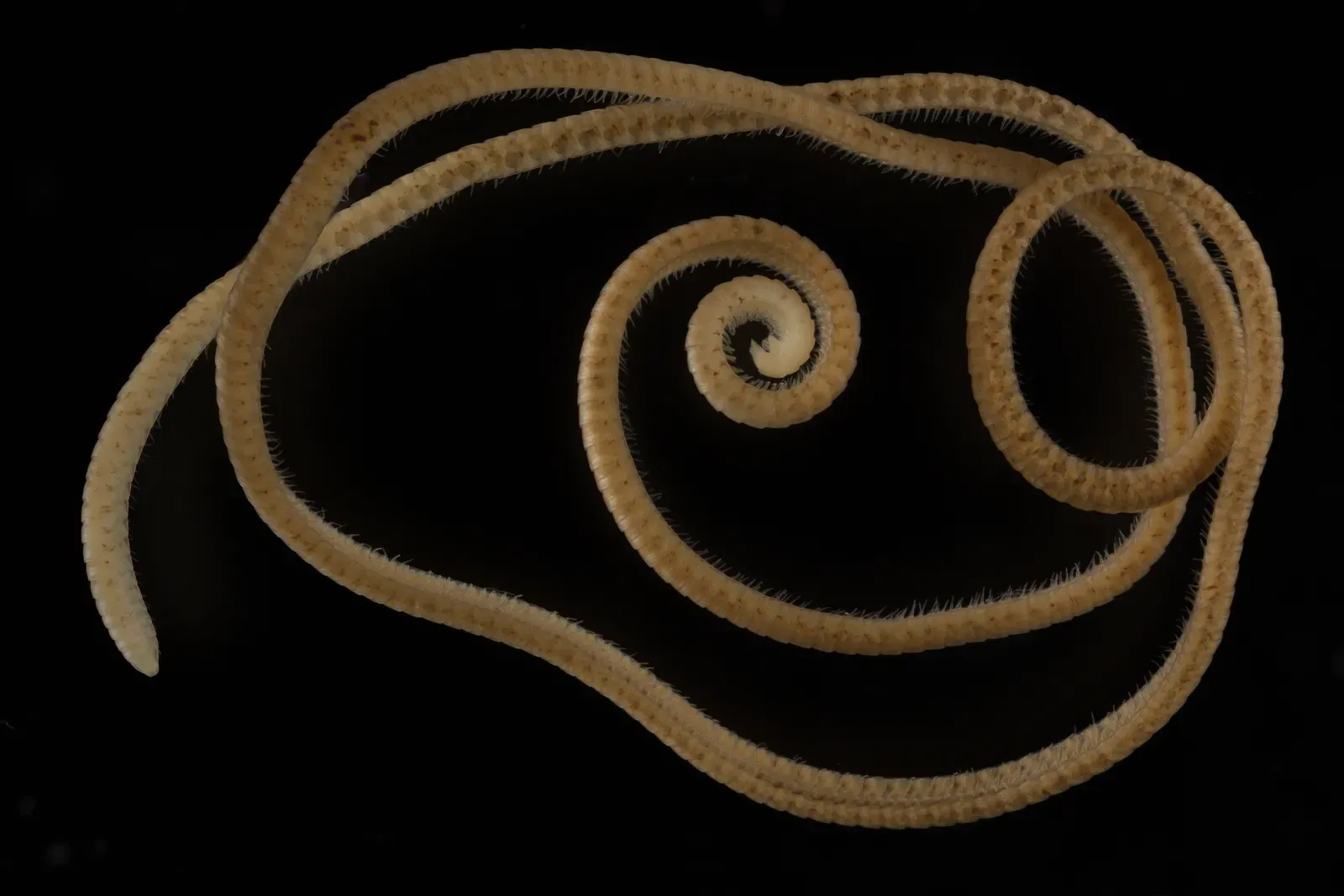
For centuries, “millipede” was technically a lie – no species had ever actually been found with anywhere close to a thousand legs. That changed with a single specimen pulled from 60 meters underground.
The new species, Eumillipes persephone, was discovered living beneath semi-arid scrubland in Western Australia, tunneling through drill holes originally bored for mineral prospecting. Male specimens carry 778 to 818 legs, but the females – 95 millimeters long, blind, and colorless – range from 998 to 1,306 legs, nearly doubling the previous world record. This one animal nearly doubled the previous world record for legs in a single discovery. It’s built entirely for a life it will never leave, proof that some of the most extreme animals on the planet aren’t hiding in the ocean at all, but directly beneath our feet.
#2 – The Whale Hiding Inside Another Whale’s Identity
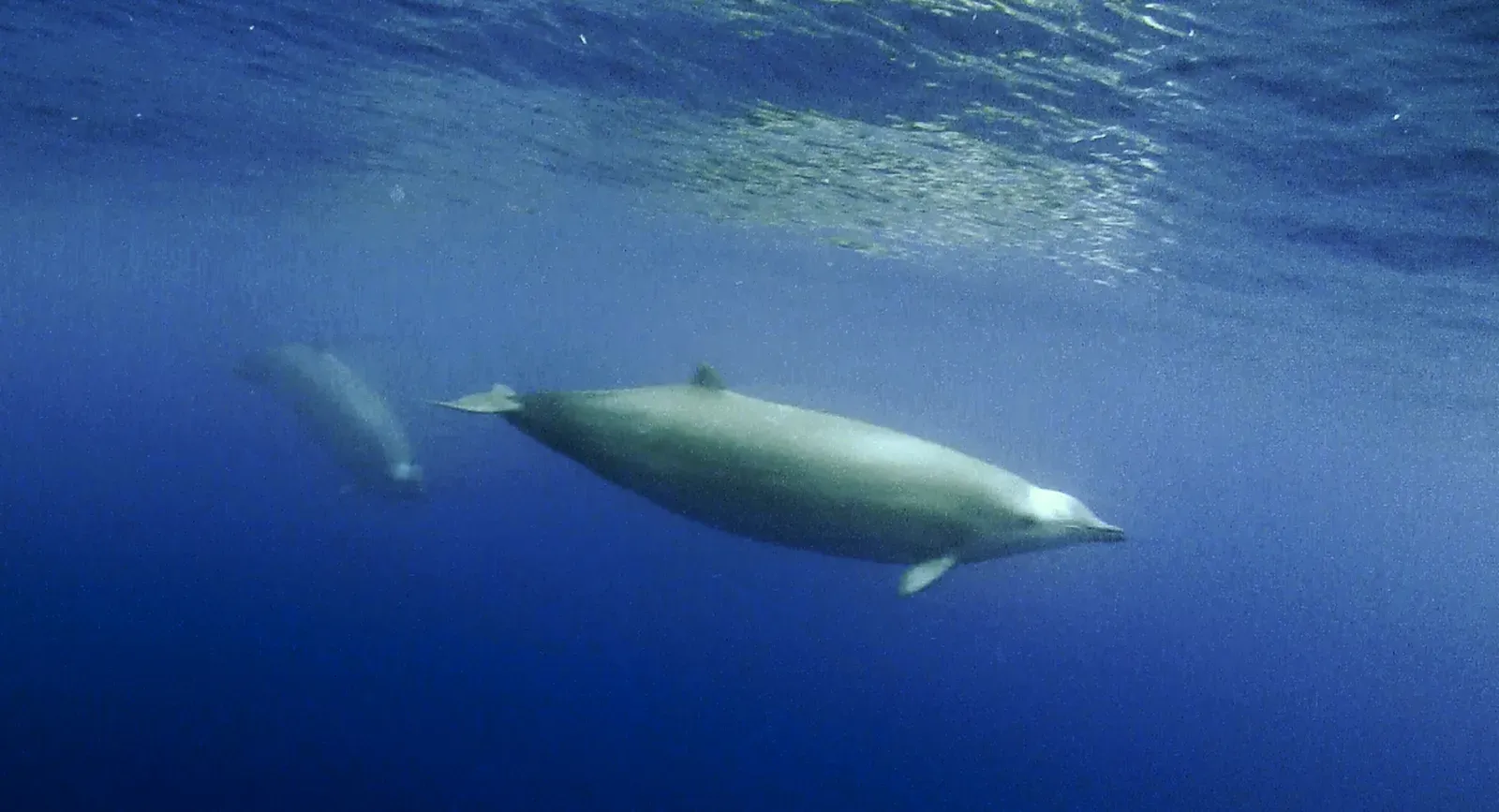
For years, one particular beaked whale in the Southern Hemisphere was mistaken for a species that actually lives half a world away.
Combining genomic and morphometric analyses, researchers confirmed a new Southern Hemisphere species, Ramari’s beaked whale (Mesoplodon eueu), genetically distinct from True’s beaked whale of the North Atlantic, with which it had long been lumped together. A whale had been swimming under the wrong species’ name for who knows how long before genetics finally sorted it out. Beaked whales remain some of the least understood large animals on the planet despite their size – and if a creature that big can go unrecognized this long, it raises an uncomfortable question about how many other “known” species are quietly hiding surprises.
#1 – The Great Ape Nobody Expected to Find
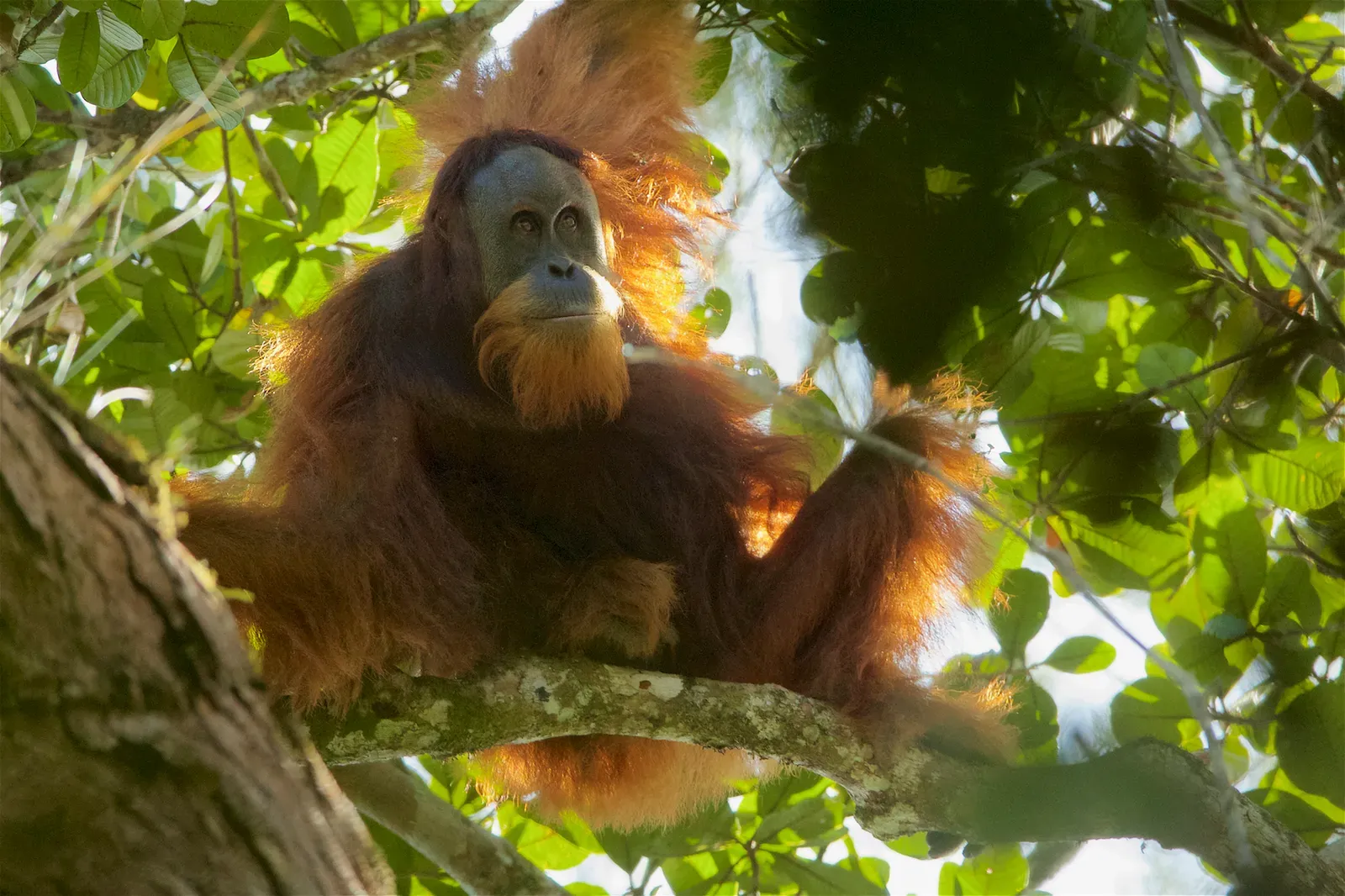
Discovering a new great ape species is supposed to be nearly impossible in the modern era. It happened anyway, and it reshaped what scientists thought they knew about our closest relatives.
When the Tapanuli orangutan (Pongo tapanuliensis) was named in 2017, it became both the newest and the most endangered great ape on Earth, distinguished from Sumatran and Bornean orangutans by clear genetic, physical, and behavioral differences. A population first spotted in 1997 sat unrecognized as its own species for two full decades. It carries the oldest evolutionary history of any orangutan, having split from its common ancestor roughly 3.4 million years ago – and with fewer than 800 individuals left, it was found not on some remote uncharted island, but in a forest already threatened by a planned hydropower dam. The biggest discoveries and the biggest threats, it turns out, often arrive at the exact same moment.
“It is rather amazing that this population of orangutans differs so much from the orangutans in the north”
Dr. Ian Singleton, Director, Sumatran Orangutan Conservation Programme
The Bottom Line
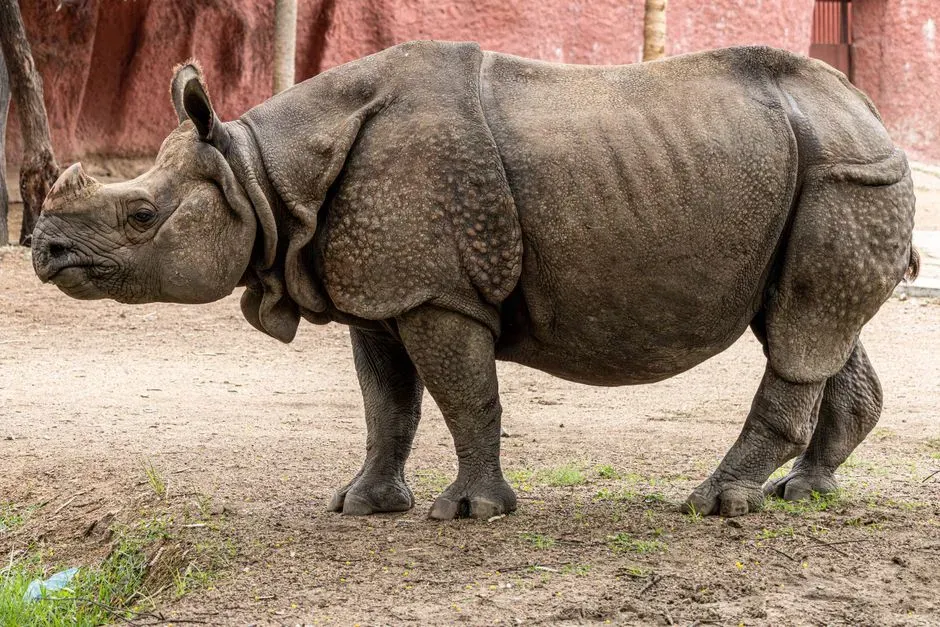
Ten years of discoveries prove one uncomfortable truth: science doesn’t know nearly as much about life on Earth as most people assume. A great ape, a whale, and a record-breaking millipede were all hiding in plain sight, some for decades, before DNA testing finally caught up.
What’s most frustrating is how many of these animals were classified as threatened or endangered the moment they were named. We’re discovering species and losing them almost simultaneously. That’s not a coincidence – it’s a pattern, and it should worry us more than it does.
Which of these 17 surprised you the most? Drop your pick in the comments.