
Most people assume archaeology is a slow, sleepy science – a discipline of dusty catalogs and settled facts. But 2024 and 2025 quietly became two of the most explosive years in the history of the field, with new DNA, AI, and radar technology cracking open mysteries that had sat untouched for millennia.
Royal tombs, hidden pyramid chambers, and 2,000-year-old scrolls once thought unreadable are suddenly talking again. Twenty of these secrets are about to change what you thought you knew about the ancient world – and a few of them are going to make actual historians uncomfortable.
#20 – A Forgotten Farming Village Just Rewrote North African History
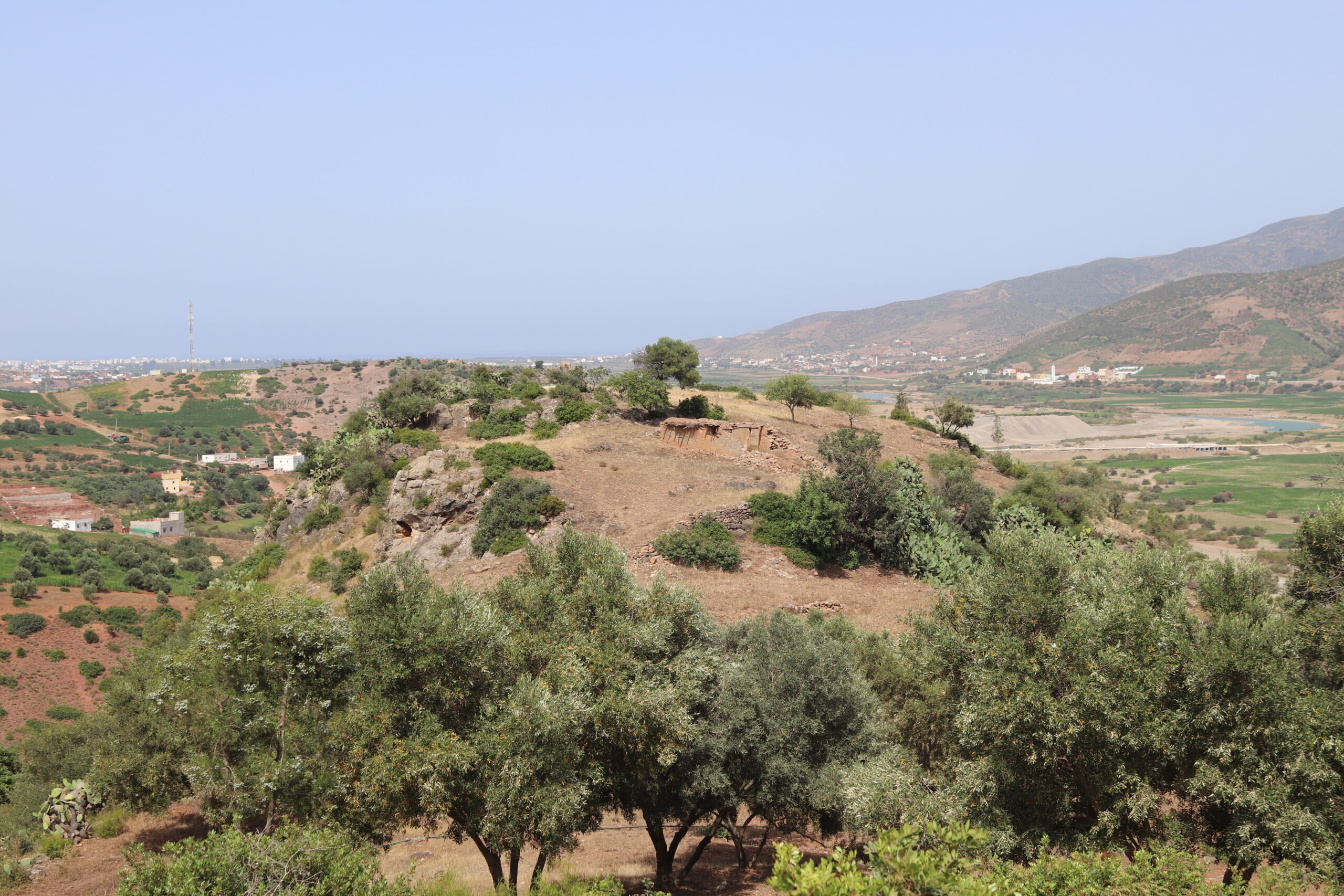
Everyone assumed the ancient Maghreb was a cultural backwater until the Phoenicians showed up. That assumption just collapsed.
Archaeologists from the University of Barcelona published the first full study of Kach Kouch, a Bronze Age settlement in northwest Morocco just east of the Strait of Gibraltar. The site proves organized farming communities were thriving there centuries before any classical writer ever bothered to mention North Africa.
The biggest surprise? This region wasn’t empty or “primitive” before outside contact – it had its own sophisticated agricultural society all along. That single detail forces textbooks to rethink the entire timeline of Mediterranean civilization.
#19 – A “Dead” Language Just Spoke for the First Time in Centuries
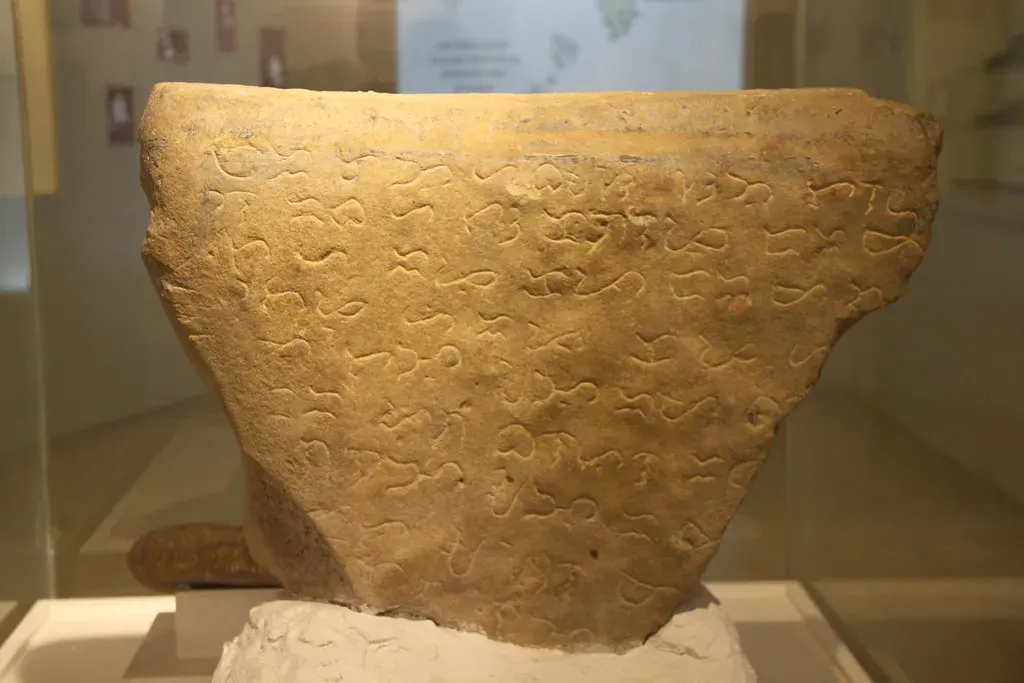
Buried inscriptions in southern Arabia just revealed a language nobody knew existed.
A researcher cracked a script from the ancient port city of Sumhuram by comparing its letter sequences to related scripts from Yemen and North Arabia that followed the same halḥam alphabetical order. That comparison let him assign real sounds to glyphs nobody could read. The decipherment showed the language wasn’t Arabic at all – it was an ancient relative of Oman’s pre-Islamic indigenous languages, some of which are still spoken today.
Even stranger, the translated texts exposed a deity nobody had ever heard of. The inscriptions reveal that Sumhuram itself was named after a previously unknown god called Sumhu – an entire belief system that sat hiding in plain sight on stone for two thousand years.
#18 – A Spanish Tomb Proves Ancient Trade Was Bigger Than We Thought
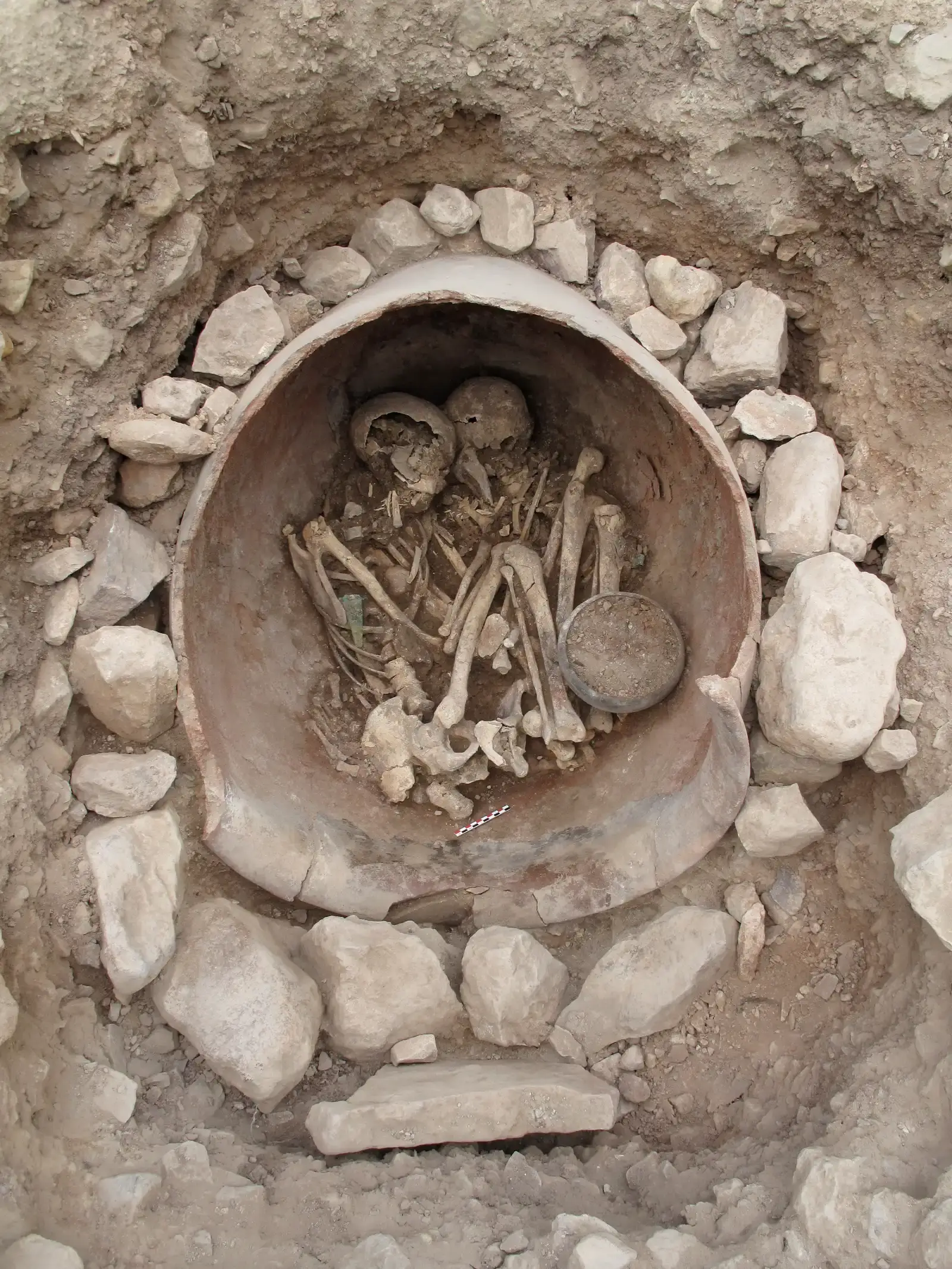
A 5,000-year-old burial in Spain just blew up assumptions about how isolated Bronze Age Europe really was.
Researchers digging into the tomb found materials and goods that couldn’t have originated locally – meaning someone was moving culture and cargo across vast distances long before anyone thought that was logistically possible.
Most people picture Stone Age Europeans as isolated tribes hunkered down in their own valleys, but this tomb suggests trade networks stretching across the continent thousands of years earlier than textbooks claim. That’s a controversial rewrite for a period historians thought was already settled science.
#17 – Pompeii’s Street Food Stalls Had Foreign Imports
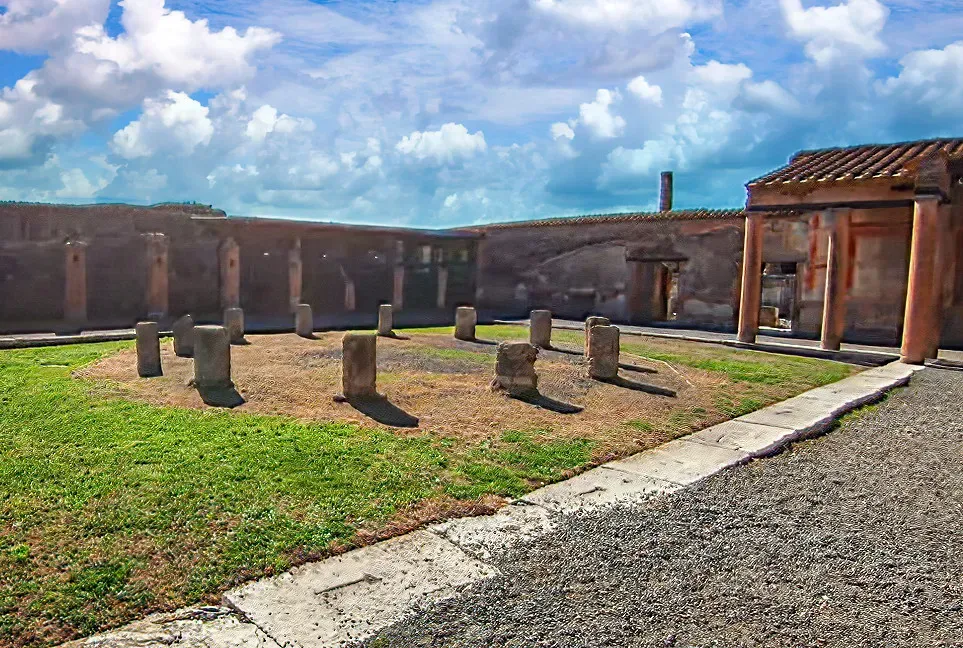
Pompeii wasn’t some isolated Roman bubble – it was quietly plugged into a global trade network, and a single vase proves it.
Archaeologists working in Pompeii’s famous “street food” district uncovered an ancient Egyptian vase, evidence that the city’s working-class food vendors had trading ties reaching far beyond Italy and into Eastern cultural and religious communities.
Here’s the twist: this wasn’t a luxury item reserved for the elite. It turned up among ordinary food stalls, meaning even lower- and middle-class Pompeiians had access to imported Egyptian goods. Turns out globalization isn’t new – Rome just called it something else.
#16 – A Stone Age “Amphitheater” Just Emerged Near Göbekli Tepe
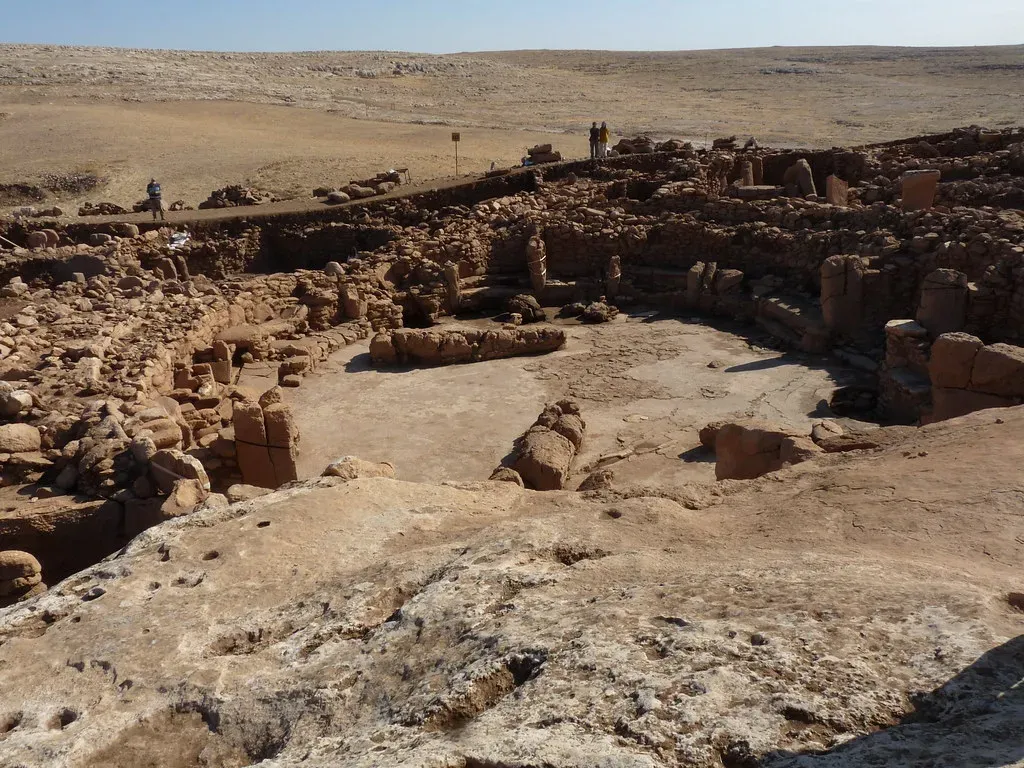
Everyone pictures Stone Age people as simple hunter-gatherers scattered in huts. This discovery says otherwise.
Excavations led by Istanbul University at Karahantepe, a Neolithic site near Şanlıurfa in southeastern Türkiye inhabited roughly 9,400 to 8,000 BCE, uncovered a massive circular structure resembling an amphitheater. The structure measures almost 17 meters across and features tiers of stone benches, human and animal sculptures, and carved heads embedded directly in the walls.
A 17-meter stone amphitheater with tiered seating, built thousands of years before Greek theater ever existed. This wasn’t a random gathering spot – it was engineered social architecture, and it challenges everything we assumed about when organized communal life actually began.
At a Glance
- Site: Karahantepe, near Şanlıurfa in southeastern Türkiye
- Age: roughly 9,400 to 8,000 BCE
- Structure: circular “amphitheater” nearly 17 meters across
- Features: tiered stone benches, carved heads, human and animal sculptures
#15 – Stonehenge Has a Secret Twin Structure Nobody Knew About
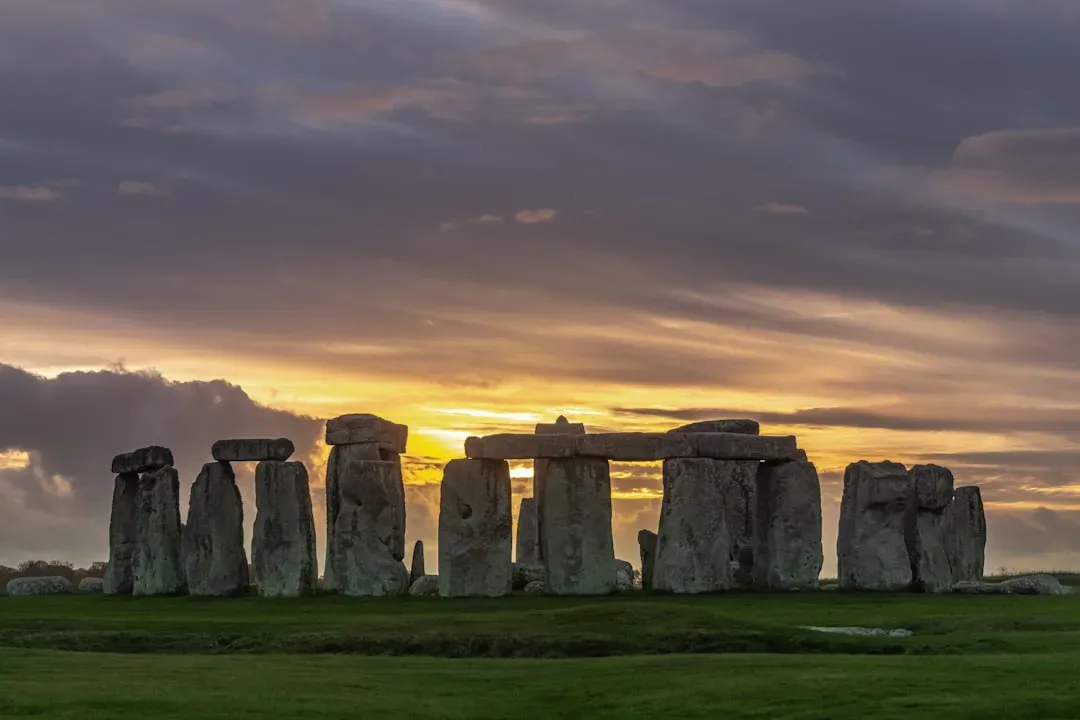
Stonehenge isn’t the whole story. There’s an entire hidden ring sitting nearby that experts only just confirmed.
New findings near the monument revealed a massive ring of ancient pits suggesting a previously unrecognized henge, alongside evidence of coordinated construction on a scale nobody had documented before.
This means Neolithic Britain wasn’t building one impressive monument – they were running a coordinated, large-scale construction program. That level of social organization is far beyond what most people credit prehistoric Britain with achieving.
#14 – Gold Armor Stolen in 1872 Just Resurfaced With a Metallurgical Shock
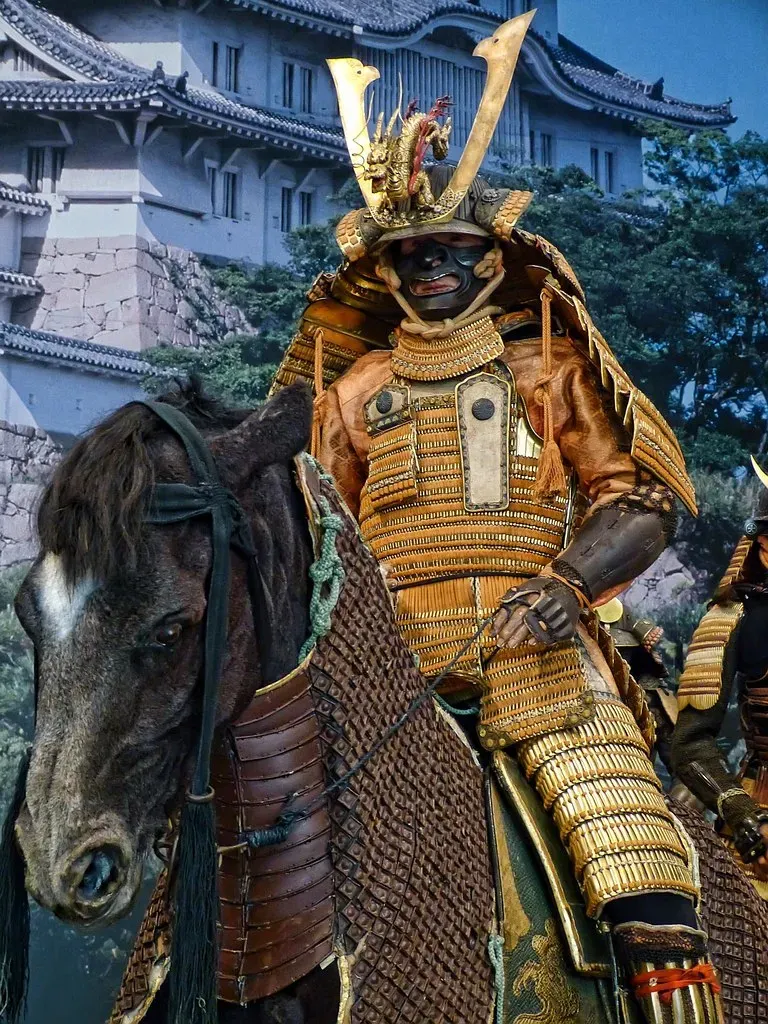
A royal burial mound in Japan lost priceless treasures to a theft over 150 years ago – and modern science just caught up with what was taken.
A gold-plated ceremonial knife and gilded armor fragments had been missing since 1872, when they were secretly removed from Japan’s largest burial mound.
When scientists finally got their hands on the recovered pieces, the metallurgy told a story nobody expected. Modern analysis revealed gold-working techniques far more advanced than historians previously credited ancient Japanese craftsmen with. A century-and-a-half-old theft accidentally preserved evidence that might otherwise have been lost to decay.
#13 – The World’s Oldest Mummies Weren’t Even in Egypt
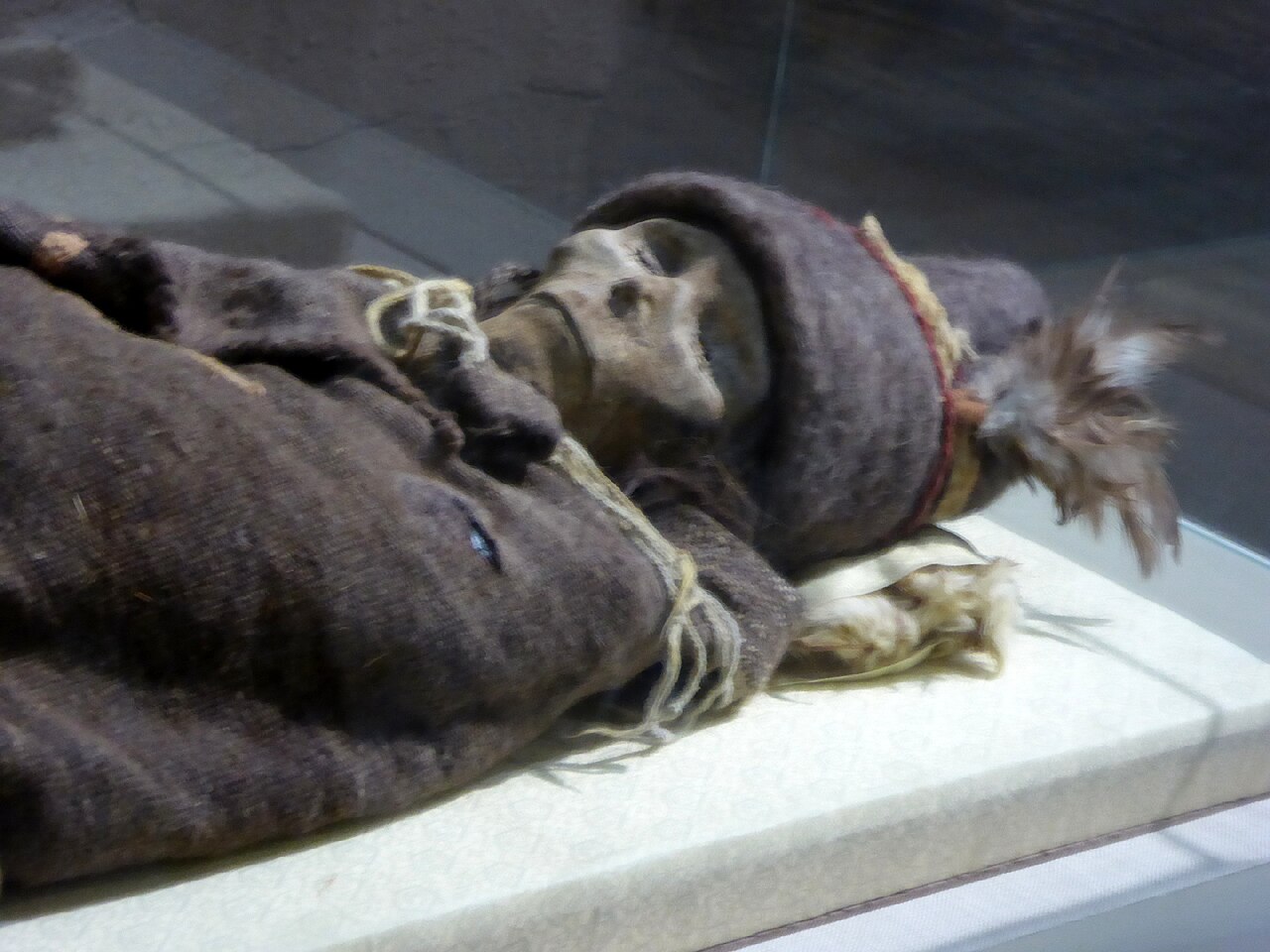
Most people would bet everything that Egypt invented mummification. They’d lose that bet badly.
New analysis of ancient remains across southern China, Vietnam, and Sumatra determined that the world’s oldest mummies were made by smoke-drying the dead roughly 14,000 years ago – thousands of years before Egyptian embalming ever existed. Researchers reached the conclusion after studying dozens of ancient “crouching” burials.
Smoke-curing bodies over slow fires in a crouched position, millennia before the pyramids existed – that’s a mummification tradition nobody was looking for. Researchers believe the practice reflects something deeply human: “We believe that the tradition reflects a timeless human impulse – the enduring hope, from ancient times to the present, that families and loved ones might remain ‘together’ forever, in whatever form that togetherness may take,” the team explained.
Quick Compare
- Asian smoke-mummification: roughly 14,000 years old, found across southern China, Vietnam, and Sumatra
- Egyptian embalming: developed thousands of years later, long assumed to be humanity’s first
- Method: slow smoke-curing over fire, with bodies preserved in a crouched position
- Motive: keeping loved ones “together” rather than formal religious embalming
#12 – A Labyrinth Just Proved the Minotaur Legend Might Be Real History
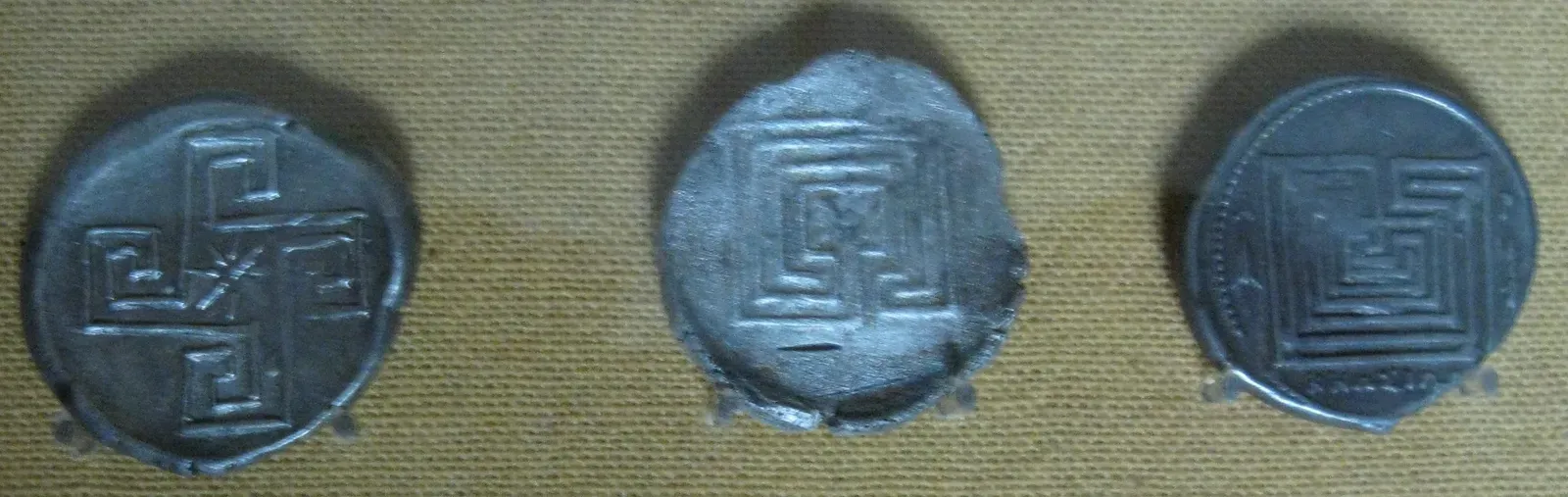
Greek myth said a monster lived inside a maze on Crete. Archaeologists just found a maze old enough to have inspired it.
A massive, 4,000-year-old labyrinthine structure was unearthed in Crete during airport construction, hailed by researchers as one of the most important finds of the century. New details about the site, first discovered in 2024, kept surfacing through 2025.
This predates the classical Greek Minotaur legend by centuries, meaning the myth may have grown out of a real, physical maze that people actually walked through. The accidental discovery suggests complex architectural designs existed in the ancient world long before classical Greek accounts popularized the legend – potentially giving the Minotaur story an actual factual root.
#11 – Giza’s “Smallest” Pyramid Just Revealed Hidden Rooms
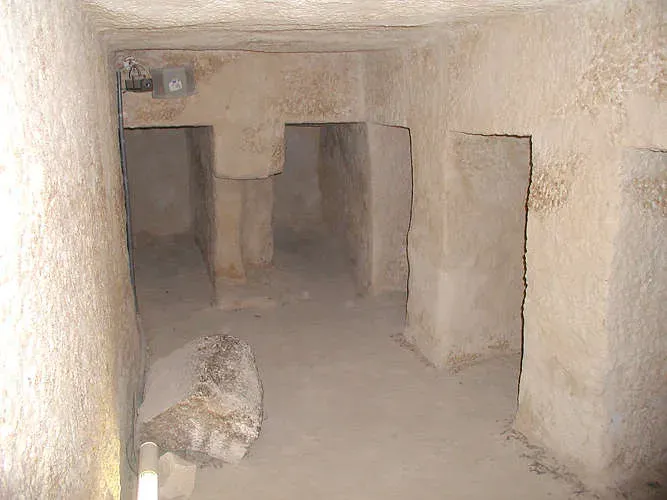
Everyone obsesses over the Great Pyramid, but its smaller neighbor – Menkaure’s Pyramid – just quietly exposed secrets of its own.
Researchers from Cairo University and the Technical University of Munich detected two air-filled cavities hidden behind the pyramid’s outer facade, sitting 4.6 and 3.7 feet deep. One measures about 3.2 feet high and 4.9 feet wide; the other is smaller, just under 3 feet tall and 2.3 feet across.
This isn’t the first surprise the ScanPyramids project has pulled from Giza’s stones, either. The team had already made headlines confirming a hidden corridor inside the Pyramid of Cheops back in 2023, and this new find proves Giza still has more to give up.
#10 – Radar Scans Claim a “Mega-City” Sits Beneath the Pyramids
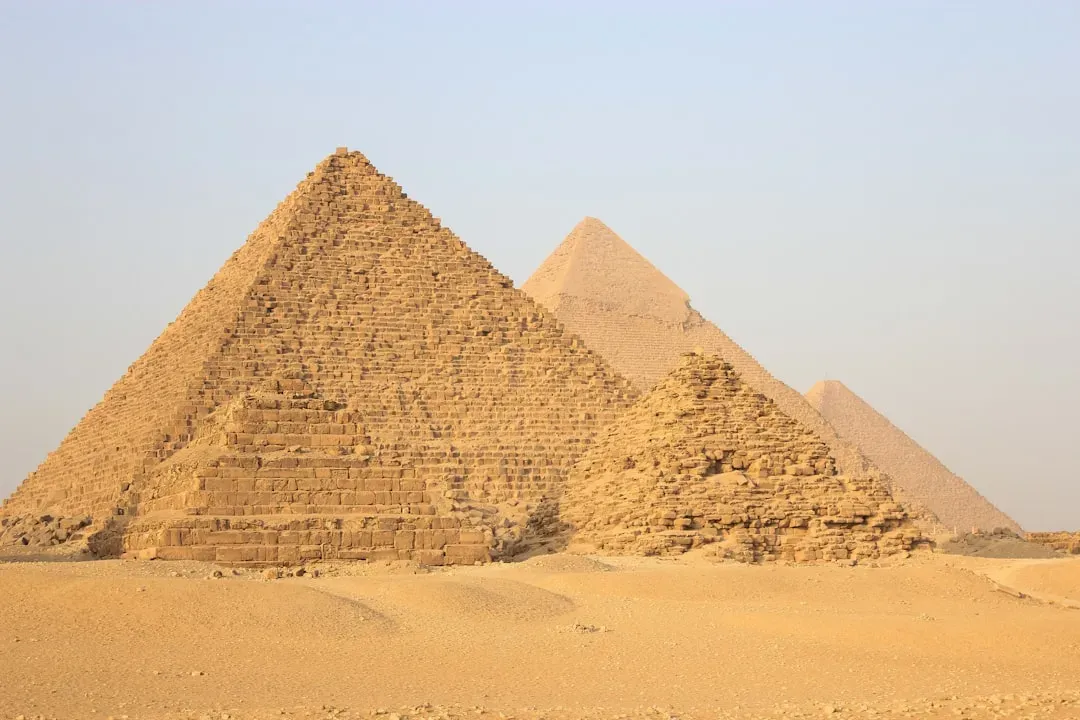
This is where things get genuinely controversial, and archaeologists are split right down the middle.
Italian scientists using satellite radar imaging claim to have detected eight massive hollow shafts plunging straight down beneath the Khafre pyramid, ending more than 3,500 feet below the plateau in enormous cubic chambers measuring 260 feet per side – bigger than many modern sports stadiums.
The pyramids are the tip of the iceberg. It’s just a hat to complete something that is located underneath.
Biondi
Mainstream Egyptologists remain deeply skeptical of these radar claims, and rightly so – a claim this extraordinary needs extraordinary peer-reviewed proof before anyone starts rewriting the history books.
Fast Facts
- Claimed shafts: 8 hollow vertical structures beneath the Khafre pyramid
- Depth: more than 3,500 feet below the plateau
- Chamber size: roughly 260 feet per side, larger than many modern stadiums
- Status: not yet confirmed by peer-reviewed excavation; mainstream Egyptologists remain skeptical
#9 – Pompeii Was Mid-Construction When Vesuvius Erupted
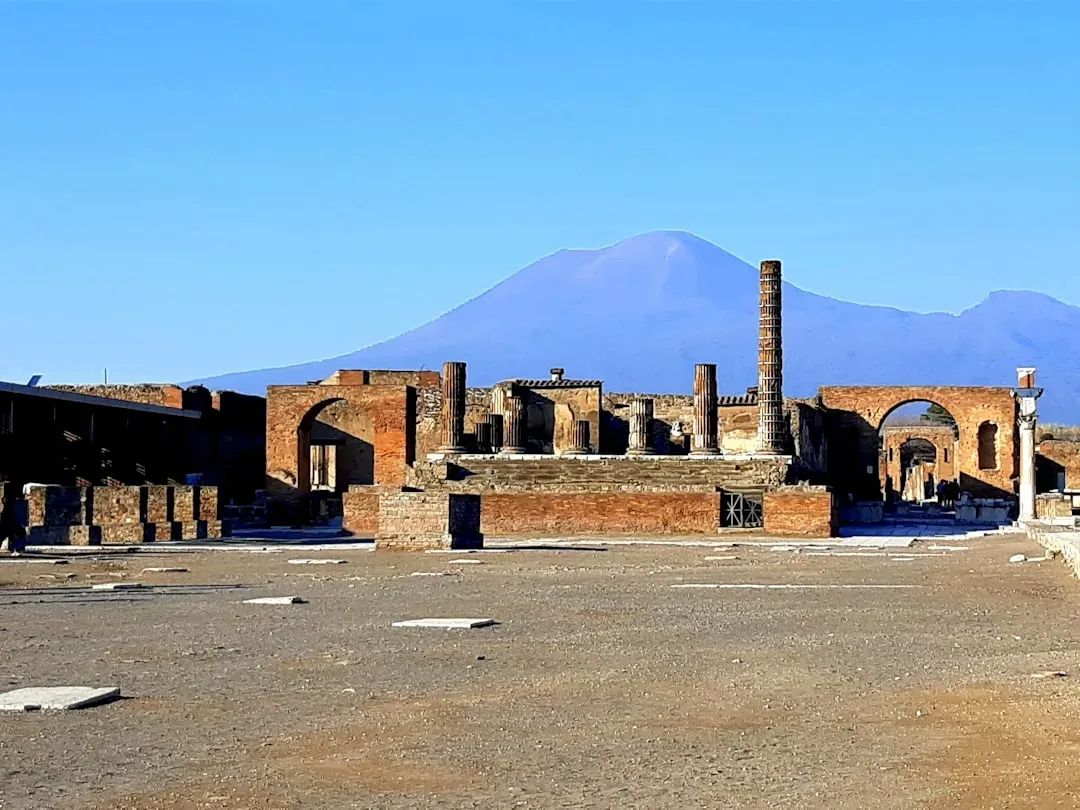
Pompeii wasn’t a finished, polished city frozen in time. It was an active construction zone the moment disaster struck.
In 2024, archaeologists discovered a construction site that appears to have been actively in use the moment Vesuvius erupted, complete with the tools workers left behind – including amphorae used to mix plaster and cement from lime, plus lead weights and iron hoes.
Archaeologist Gabriel Zuchtriegel noted that this site reveals the same engineering methods behind Rome’s most famous landmarks – the techniques that eventually gave rise to the Colosseum, the Pantheon, and the Baths of Caracalla. Pompeii wasn’t just a city; it was a live construction lab, caught permanently mid-project.
#8 – People Secretly Moved Back Into Pompeii’s Ruins
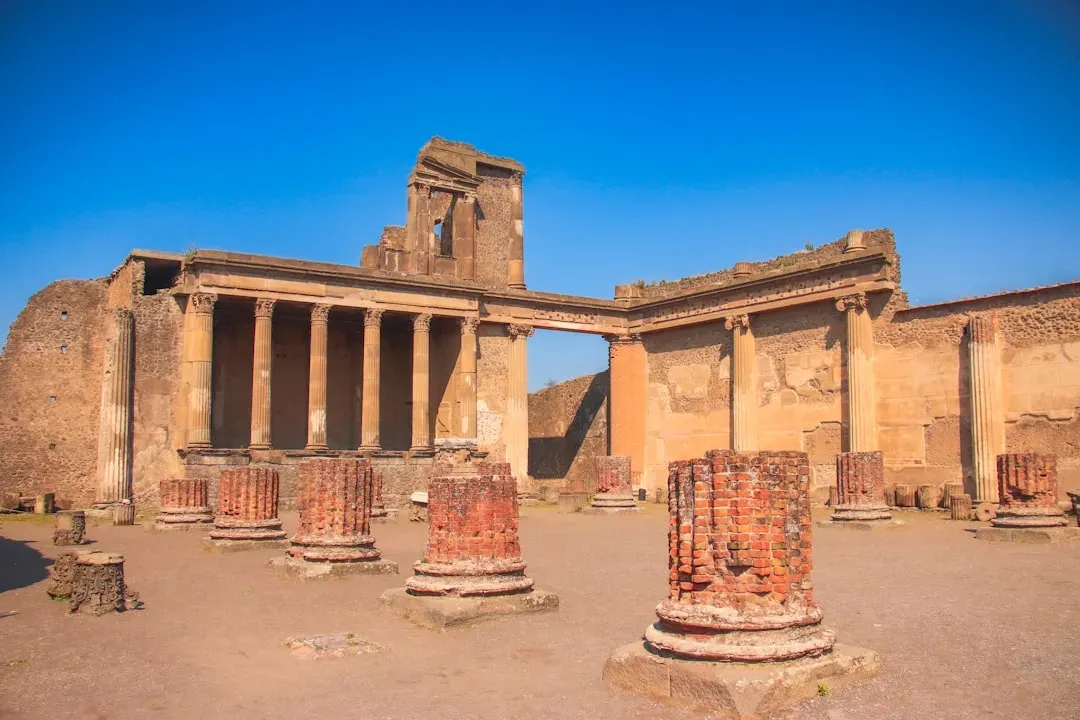
For centuries, everyone assumed Pompeii was abandoned the second Vesuvius stopped erupting. New evidence says people actually crept back in.
Researchers now have strong archaeological proof supporting a long-speculated theory: survivors and settlers returned to live among Pompeii’s ruins after the devastating AD 79 eruption.
Picture that for a second – people rebuilding shelters on top of a buried city, living among the ash-covered ghosts of their neighbors. This wasn’t a quick tourist curiosity for ancient Romans; it was recognized as usable, valuable land worth resettling. That single detail humanizes the disaster in a way most textbook accounts never do.
#7 – Pompeii’s Walls Hid an Entire Secret Cult Scene
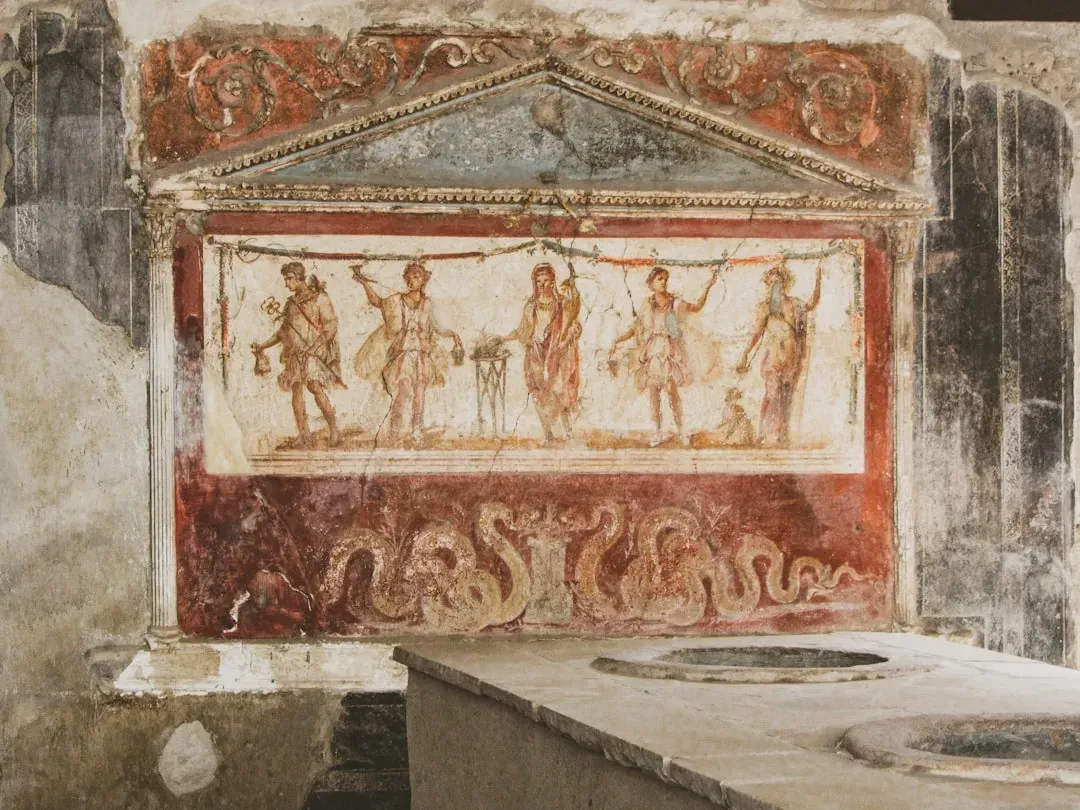
Behind ordinary plaster in Pompeii, archaeologists found an elaborate, room-sized party scene nobody expected to survive intact.
A newly uncovered series of frescoes, found in 2025, offers a detailed showcase of Dionysian revelry, believed to depict rites tied to the wine god’s cult. Other frescoes across the site keep revealing surprisingly candid glimpses of everyday Roman indulgence, including food scenes.
One earlier fresco even depicted what looks suspiciously like an ancient version of pizza – focaccia bread garnished with pomegranates and dates, served alongside a goblet of wine, discovered back in 2023. Pompeii’s walls weren’t decoration – they were a running diary of Roman appetite, ritual, and pleasure.
#6 – A Lost Maya King’s Death Mask Just Resurfaced in the Jungle
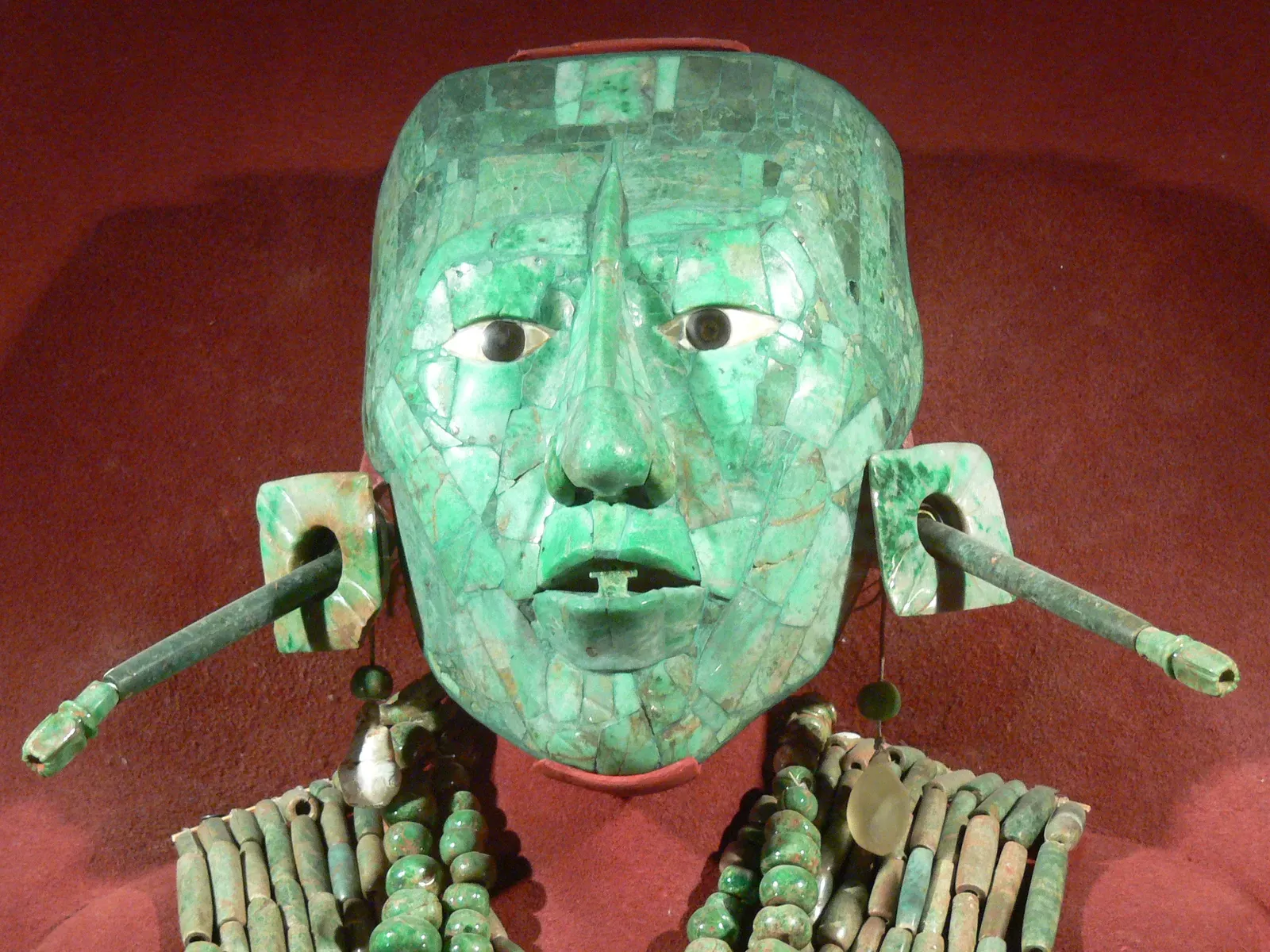
Deep in the Belize jungle, archaeologists found a jade mask belonging to a king most people have never heard of – and it’s rewriting Maya political history.
Archaeologists Arlen and Diane Chase discovered a mosaic death mask believed to belong to the Maya ruler Te K’ab Chaak at the ancient city of Caracol, part of a larger trove of artifacts revealing new details about the civilization.
This wasn’t a random burial – Te K’ab Chaak is believed to be the founder of an entire royal dynasty. Finding his tomb intact, with the mask still associated with the trove, gives historians a rare direct link between myth-like dynastic founders and real, physical remains. That’s the kind of confirmation archaeologists wait entire careers for.
#5 – Cleopatra’s Tomb May Finally Be Within Reach
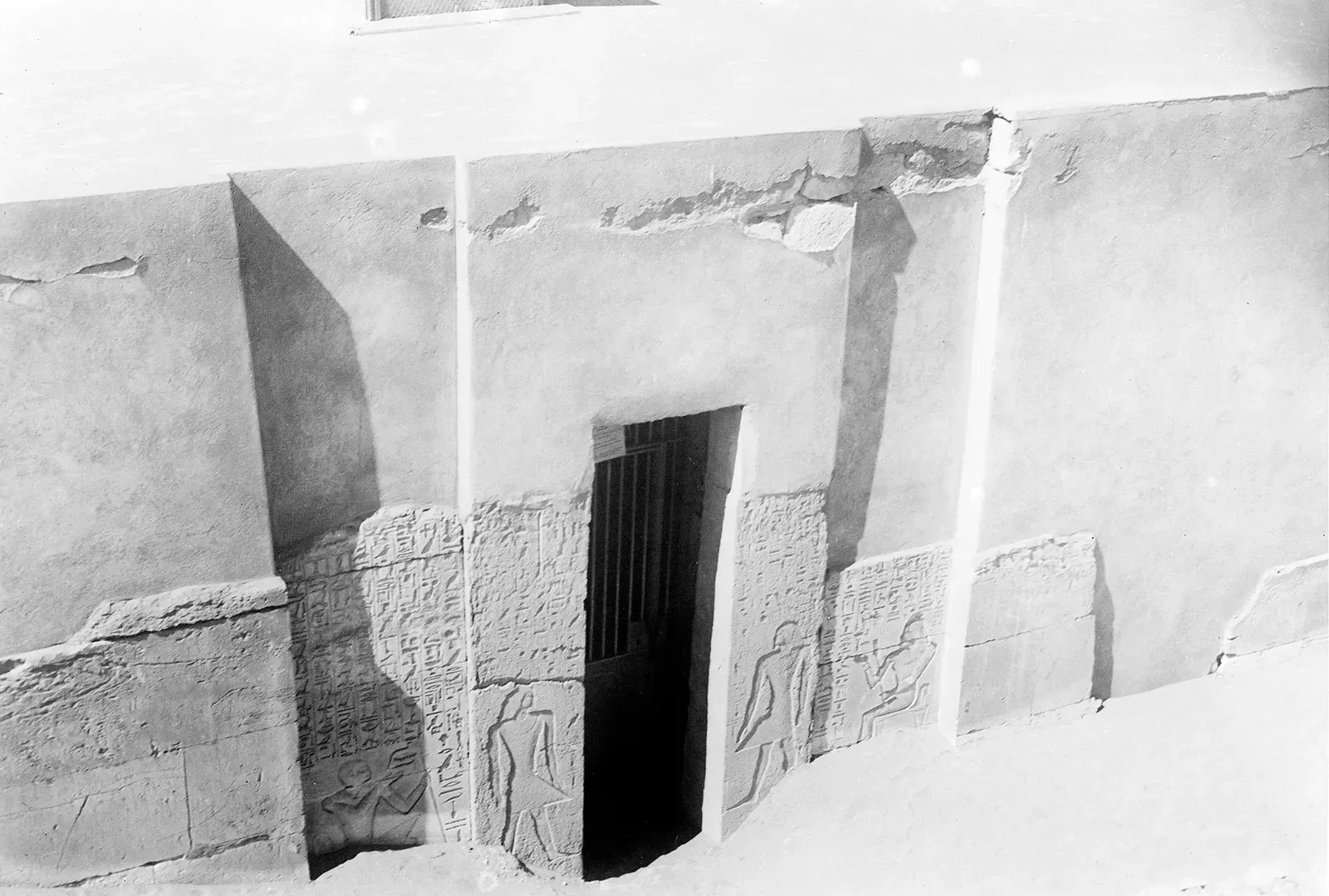
For 2,000 years, Cleopatra’s actual burial place has been one of history’s most tantalizing unsolved mysteries. That might finally be changing.
Archaeologist Kathleen Martínez, working alongside Titanic discoverer Bob Ballard, uncovered a sunken landscape near the ruins of Taposiris Magna believed to be a crucial clue in solving the mystery of the queen’s tomb.
The team believes they’ve found an entire lost port, swallowed by the sea centuries ago. Amphorae, multiple anchors, a polished floor, and towering columns all point to an ancient harbor lost to the water at Taposiris Magna. If the theory holds, this could finally close one of antiquity’s most romanticized cold cases.
#4 – A Pharaoh’s Tomb Was Found for the First Time Since Tutankhamun
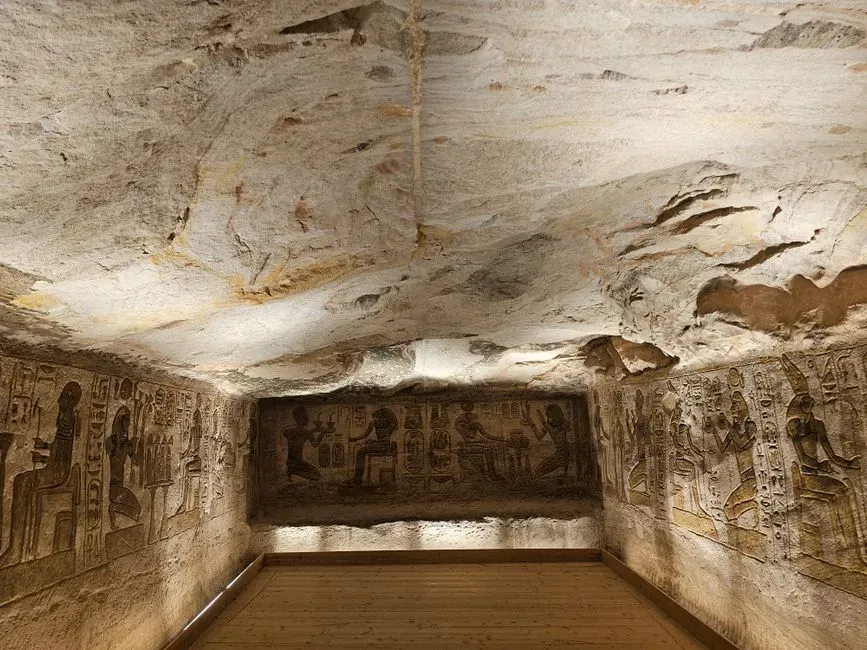
This one made headlines worldwide for a reason: it hadn’t happened in over a century.
The tomb of Pharaoh Thutmose II was unearthed in the Valley of the Kings, a vast royal necropolis near ancient Thebes and modern Luxor – the first pharaonic tomb discovery there since Tutankhamun’s in 1922. Thutmose ruled roughly 3,500 years ago and was the great-great-great-great-great grandfather of Tutankhamun.
Think about that timeline for a second – over 100 years passed between major royal tomb discoveries in one of the most excavated places on Earth. That alone tells you how much of ancient Egypt is still hiding beneath the sand, waiting for the right team with the right technology.
Worth Knowing
- The tomb’s entrance was actually first spotted in October 2022, about 2.4 kilometers west of the Valley of the Kings.
- Archaeologists initially mistook it for a queen’s tomb because it sat so close to the burial places of Thutmose III’s wives.
- It took a joint Egyptian-British team from the New Kingdom Research Foundation, led by Piers Litherland, years of digging to confirm the true owner.
- Thutmose II reigned roughly 1492 to 1479 BCE, right in the heart of the 18th Dynasty’s golden age.
#3 – The Great Pyramid Just Gave Up a Corridor Nobody Knew Existed
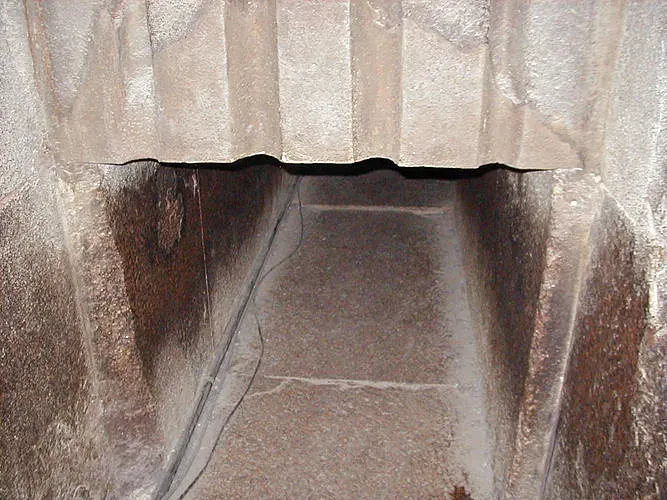
Even at over 4,500 years old, the Great Pyramid of Giza is still surprising the scientists who study it most closely.
Using non-invasive scanning technology, the ScanPyramids project detected a nine-meter-long hidden corridor perched directly above the pyramid’s main entrance. Its function wasn’t immediately clear, but officials said it could lead to further discoveries.
The gabled ceiling of the secret tunnel suggests it was built to lighten the load on the structure.
Mostafa Waziri, Egypt’s Supreme Council of Antiquities
Even a “boring” engineering explanation is still a genuine secret that sat undiscovered for 4,500 years.
#2 – Scientists Finally Sequenced DNA From the Age of the Pyramids
For 40 years, this was considered nearly impossible. Egypt’s brutal heat destroys DNA faster than almost anywhere else on Earth.
Researchers from the Francis Crick Institute and Liverpool John Moores University successfully extracted and sequenced the oldest Egyptian genome ever recovered, from a man who lived roughly 4,500 to 4,800 years ago – right around the age of the first pyramids.
The results genuinely shocked geneticists: a fifth of his ancestry traced back to Mesopotamia, not just North Africa. He shared about 80 percent of his ancestry with North African populations, but the remaining 20 percent came from western Asia, especially Mesopotamia. A leading Harvard geneticist called the breakthrough “incredibly exciting and important” – hard proof of cultural exchange that pottery and hieroglyphs alone could never confirm.
#1 – AI Just Read Words Sealed Inside a Scroll for 2,000 Years
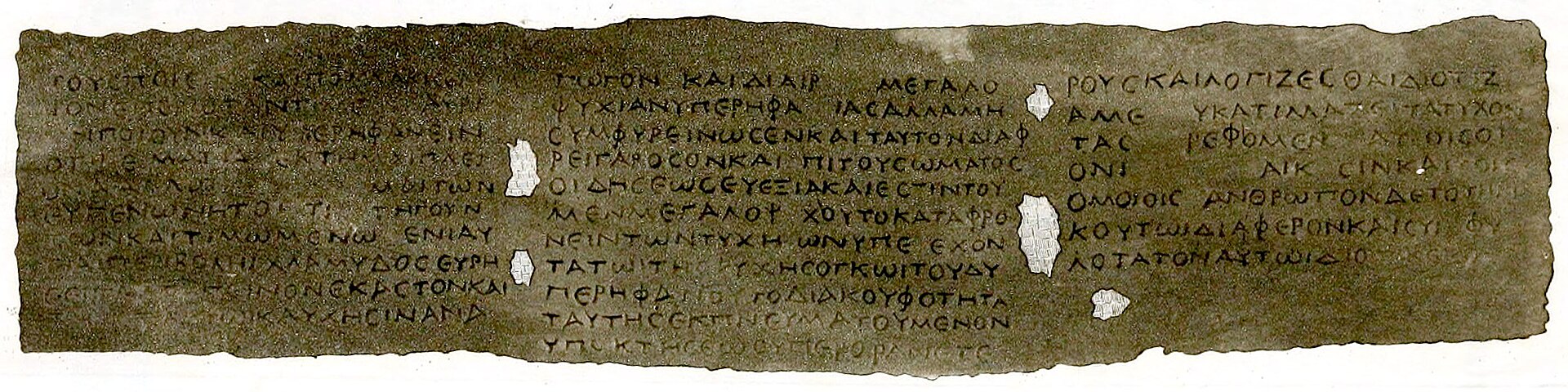
This is the discovery that genuinely feels like science fiction, and it’s real.
The Herculaneum scrolls, carbonized solid by the eruption that buried Pompeii and Herculaneum in 79 AD, were long considered unreadable without destroying them completely. Contestants in a global competition called the Vesuvius Challenge trained machine-learning models to detect carbon ink on CT scans of the rolled-up papyrus – without ever physically opening it.
In 2026, an entire scroll was virtually unwrapped and read end to end for the first time in human history. PHerc.1667 became the first Herculaneum scroll scholars could read as a complete argument instead of scattered fragments. An entire ancient library, silenced by fire for two millennia, is finally speaking again.
Why It Stands Out
- The Vesuvius Challenge launched in March 2023, founded by tech entrepreneurs Nat Friedman and Daniel Gross alongside computer scientist Brent Seales.
- Its $700,000 grand prize was claimed in early 2024 by three young researchers based in Germany, Switzerland, and Nebraska.
- Their winning submission decoded roughly 2,000 characters, far surpassing the contest’s original 140-character minimum.
- By 2026, the same open techniques finally unlocked an entire scroll from start to finish.
The Bottom Line

If there’s one honest takeaway from all of this, it’s that we’ve barely scratched the surface of what the ancient world is willing to tell us.
DNA labs, radar imaging, and AI have done more to crack open antiquity in the past two years than entire generations of shovels ever did, and frankly, that should make historians a little uncomfortable about how much of the “settled” past was actually just an educated guess.
The radar “mega-city” claims deserve real skepticism – extraordinary claims need extraordinary proof. But the DNA results, the tombs, and the AI-read scrolls are undeniable. The ancient world isn’t finished talking, and honestly, it might be the loudest it’s been in centuries.