
Most people assume every great civilization eventually gets “cracked” by some brilliant linguist with a coffee-stained notebook and a lot of patience. Egyptian hieroglyphs fell. Cuneiform fell. Even Linear B, the ancient Greek script that stumped scholars for half a century, eventually gave up its secrets in 1952.
But here’s the uncomfortable truth nobody likes to admit: dozens of ancient writing systems have never been read by a single living person, and some may never be. Entire libraries of human thought, ritual, and record-keeping sit in museum vaults as beautiful, meaningless shapes. Here’s what linguists, archaeologists, and codebreakers actually say about the writings that have defeated every attempt at translation.
#14 – The Vinča Symbols
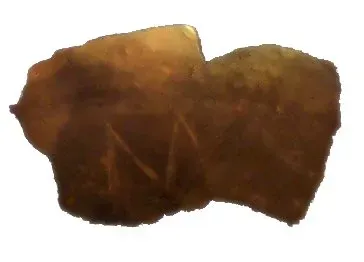
Long before Sumerians pressed their first cuneiform wedge into clay, someone in the Balkans was carving strange marks onto pottery, spindle whorls, and figurines. If these markings turn out to be true writing, they would rewrite the entire timeline of human communication.
The Vinča culture flourished in southeastern Europe thousands of years before Mesopotamian and Egyptian scripts appeared, and archaeologists have recovered thousands of artifacts stamped with repeated abstract signs. Some researchers argue this makes Vinča symbols the oldest form of writing on Earth, predating Sumer by over a millennium. Other scholars push back hard, insisting these are decorative or symbolic marks tied to religious ritual rather than a system for encoding language.
The debate itself is the real story here: nobody can even agree on whether this counts as writing, let alone what it says. Without multiple long inscriptions or a bilingual text to compare it against, the Vinča symbols remain frozen in scholarly limbo.
#13 – The Inca Quipu
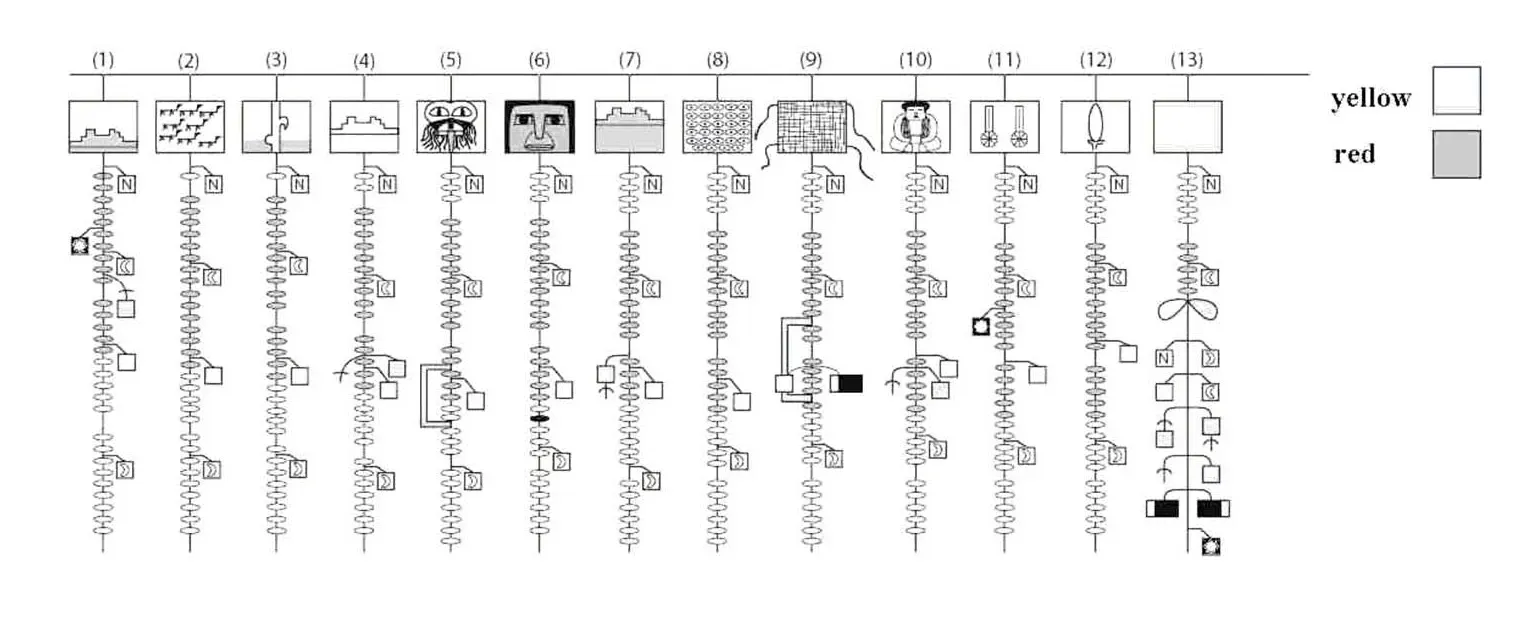
Here’s a controversial opinion: the Inca Empire may have had a fully literate bureaucracy, and modern historians simply can’t read the paperwork. Instead of ink and parchment, the Inca recorded information using knotted cords called quipu, twisted into elaborate hanging arrangements of color, spacing, and knot type.
Researchers have confirmed that quipu encoded numerical data with impressive precision, functioning almost like a physical spreadsheet for census figures, tribute records, and tax counts. That part is settled science. What remains fiercely debated is whether quipu also encoded narrative language, meaning some cords might contain stories, histories, or laws rather than just numbers. If that theory is correct, an entire archive of Inca literature is sitting in museums, completely unread.
Fast Facts
- Quipu cords were typically made from spun and dyed cotton or camelid wool.
- Knot position, type, and color combinations could represent a decimal counting system.
- Hundreds of quipu specimens survive today in museum and university collections worldwide.
- Trained specialists called quipucamayocs were the only people who could reliably read them.
The Spanish conquest destroyed the human network of quipu-readers, called quipucamayocs, severing the oral tradition needed to interpret them. Without that living knowledge, scholars are left reverse-engineering a system built for hands and memory, not eyes.
#12 – The Isthmian Script of Mesoamerica
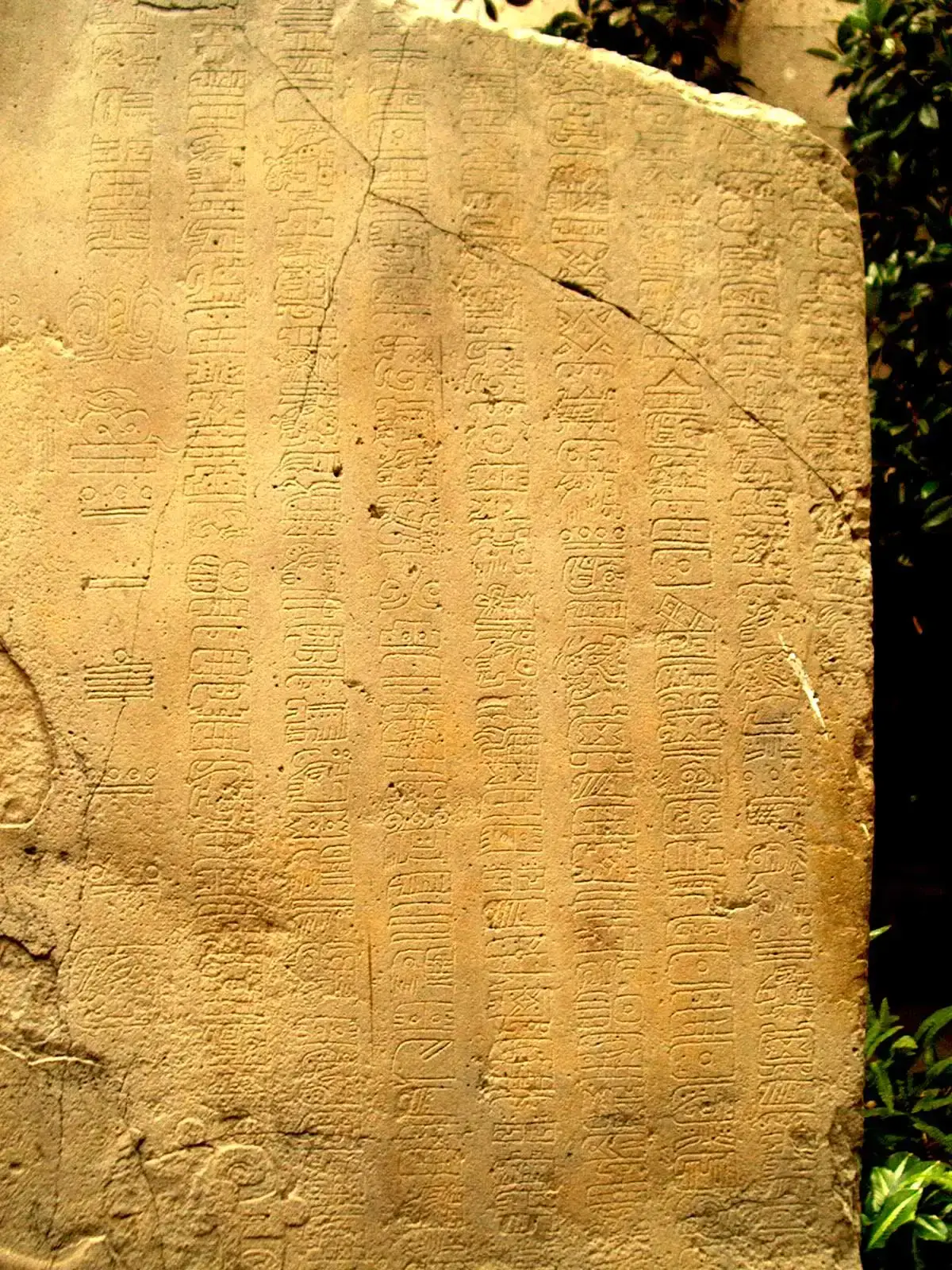
Most people have never heard of Isthmian script, and that’s exactly the problem. Overshadowed by the flashier Maya glyphs, this early Mesoamerican writing system may actually predate them, and it remains largely unreadable.
Found on artifacts like the La Mojarra Stela near Mexico’s Gulf Coast, Isthmian script is packed with tightly spaced glyphs that some researchers connect to the Olmec or their immediate successors. A handful of scholars have proposed partial readings, suggesting connections to early Mixe-Zoquean languages, but these attempts remain contested rather than confirmed. The frustrating twist: this could be one of the very first writing systems invented anywhere in the Americas, and we still can’t confirm what it says.
Unlike Maya script, which had the benefit of colonial-era chroniclers and surviving descendant languages to help crack it, Isthmian writing has almost no comparative bridge to the present. Its glyphs seem to blend logographic signs with phonetic elements, but without more inscriptions, any translation stays speculative at best.
#11 – The Khitan Large Script
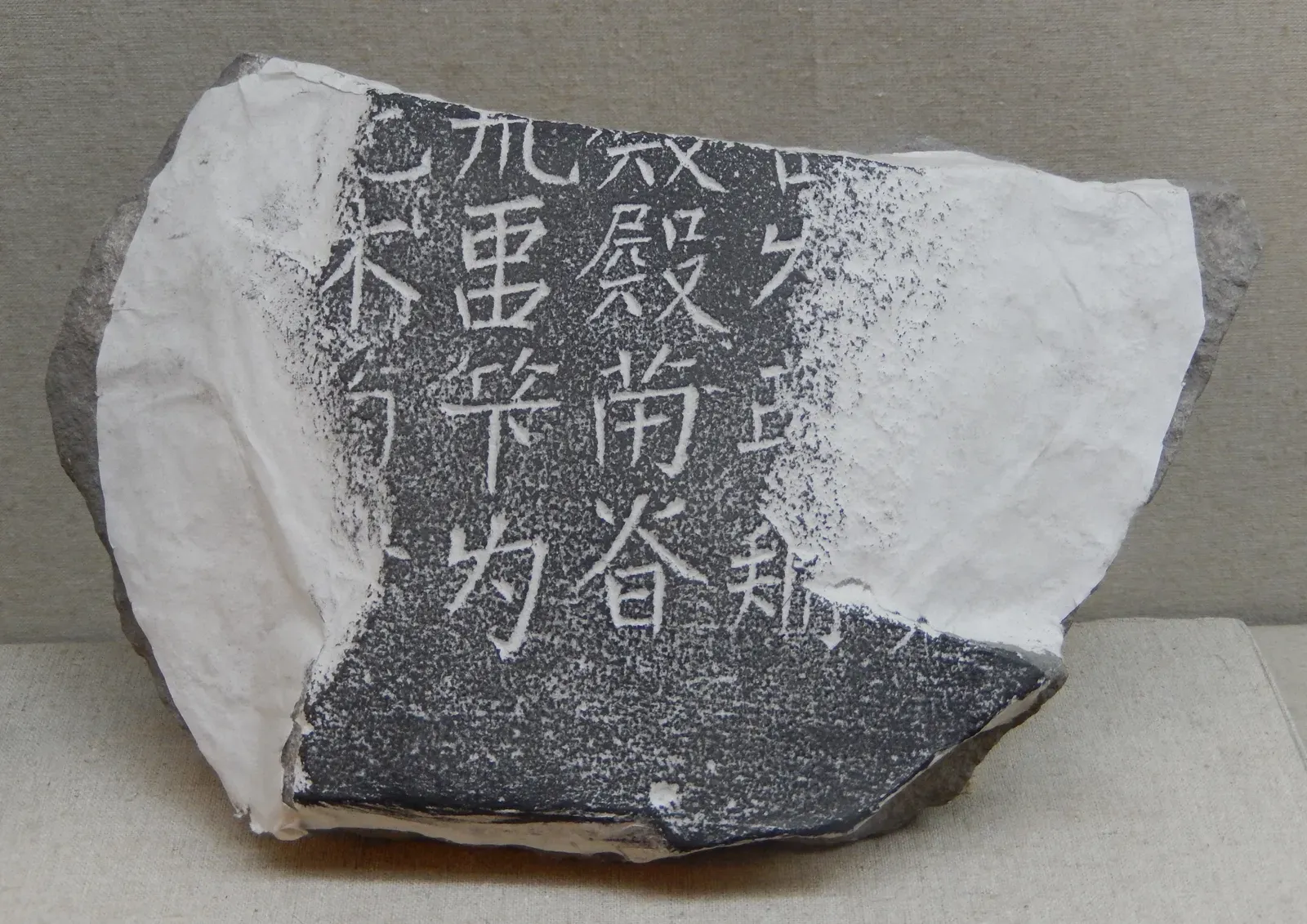
Most ancient scripts die out because a civilization vanishes. The Khitan large script is stranger: it died out because the people who invented it deliberately buried the knowledge of how to read it.
The Khitan people ruled a vast empire in northern China and Mongolia during the 10th century, and they created not one but two writing systems, the large script and the small script, seemingly to keep official records distinct from their Chinese neighbors’ bureaucracy. Progress has been made on the smaller of the two scripts, but the large script continues to resist systematic decipherment. Startlingly, entire monumental inscriptions covered in Khitan large script have been sitting in plain sight for centuries, essentially unreadable.
Part of the challenge is that the Khitan language itself is only partially reconstructed, since it belongs to a poorly documented branch of the Mongolic-Para-Mongolic language family. Scholars are essentially trying to solve two puzzles simultaneously: the script’s phonetic values and the grammar of a language nobody speaks anymore.
#10 – The Singapore Stone
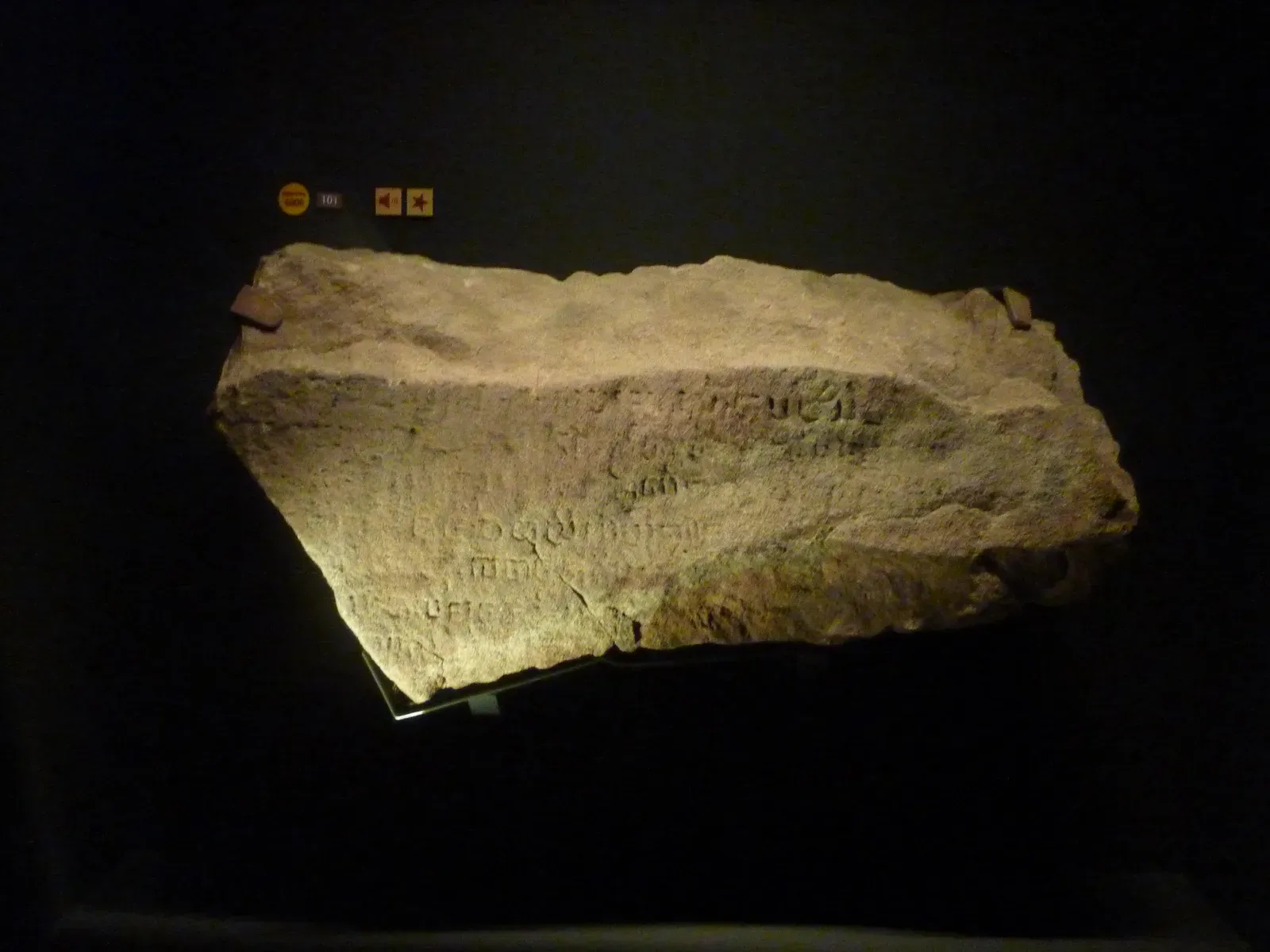
Most tourists walking through modern Singapore have no idea their city once bore a mysterious inscribed boulder, and even fewer know that colonial officials essentially destroyed the evidence needed to ever read it.
The stone was found at the Singapore River, once part of a larger boulder that sat at the mouth of the river. Historians believe the inscription dates back centuries and may have been carved by early Malay, Javanese, or even South Indian visitors, but the script style doesn’t cleanly match any single known writing system from the region. The most maddening detail: British colonial engineers blew up the original boulder in 1843 to widen the river, leaving only a few fragments of the inscription behind.
What survives today is a battered chunk of sandstone with faint traces of characters, nowhere near enough text to reconstruct grammar or vocabulary. Some scholars suspect it relates to early Sumatran or Javanese scripts tied to regional trade networks, but with this little material, that theory can’t be tested properly.
#9 – The Rohonc Codex
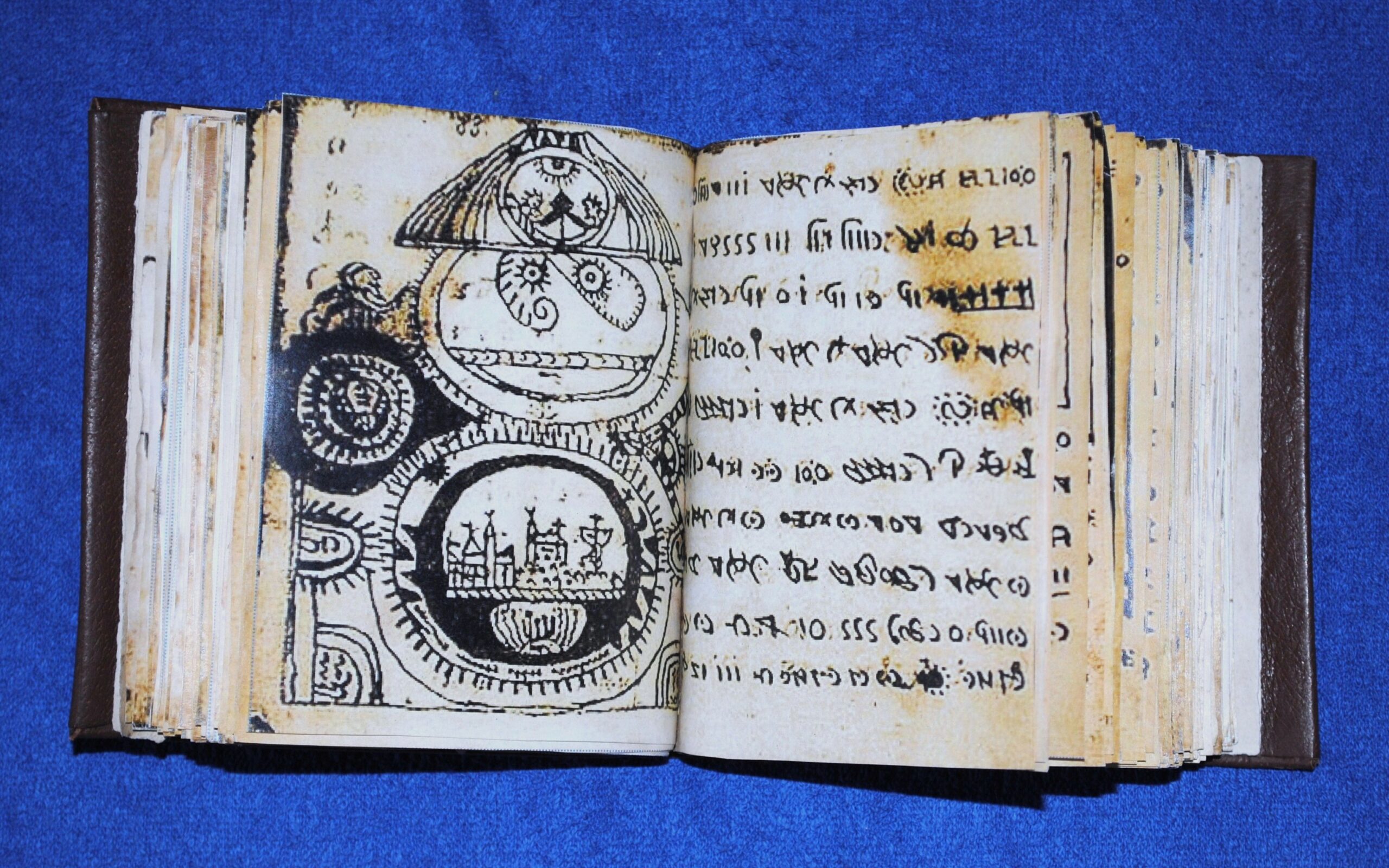
Picture a book nearly 450 pages long, filled with symbols that don’t match any known alphabet on Earth, sitting quietly in a Hungarian academic library for over a century. That is exactly the situation with the Rohonc Codex, and nobody has cracked it.
The manuscript contains unique symbols that total ten times more than any known alphabet in history, yet nobody knows for certain what the Rohonc Codex says or who created it. Its pages blend religious imagery from wildly different traditions, with illustrations and symbols that echo Christian, pagan, and Muslim origins side by side. What’s genuinely unsettling is that many Hungarian scholars suspect the whole thing is an elaborate hoax, yet the internal patterns behave too consistently to be pure gibberish.
At a Glance
- Housed at the Library of the Hungarian Academy of Sciences since the 1800s.
- Illustrations blend Christian, pagan, and Muslim religious imagery on the same pages.
- Proposed origins range from a genuine lost language to an elaborate 18th or 19th-century forgery.
- No researcher has ever produced a confirmed, verifiable sentence from the text.
That contradiction is what keeps researchers coming back. The patterns of the text follow those of authentic languages, meaning whoever created it either invented a genuinely functional writing system or was an extraordinarily meticulous forger. Either way, the codex has never surrendered a single confirmed sentence.
#8 – Cretan Hieroglyphs
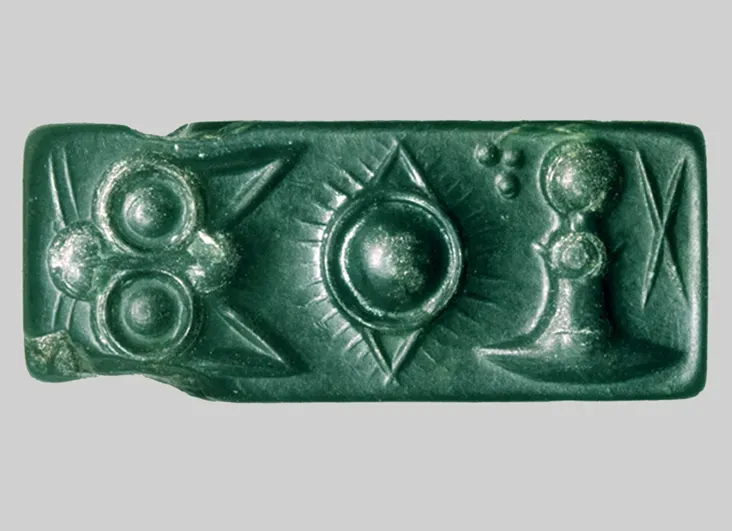
Everyone’s heard of Egyptian hieroglyphs. Almost nobody’s heard of their contemporary cousin from Crete, a completely separate writing system that developed on the same island as the more famous Linear A, and remains just as unreadable.
Cretan hieroglyphs were used on the island at the beginning of the second millennium BCE, existing alongside and possibly overlapping with Linear A before that script eventually took over. They’re contemporary with the earliest Egyptian hieroglyphs and may represent a similar mixed system of ideograms and phonetic signs. The kicker: despite looking like Egypt’s famous script, Cretan hieroglyphs are almost certainly unrelated, just an independent invention that happens to resemble it.
The core problem holding back decipherment is quantity. The small number of inscriptions and their brief nature make it difficult for linguists to draw meaningful conclusions about the script and the language it encodes. Until archaeologists unearth a longer text or a bilingual artifact, Cretan hieroglyphs will stay a footnote to their more famous Minoan siblings.
#7 – Proto-Elamite
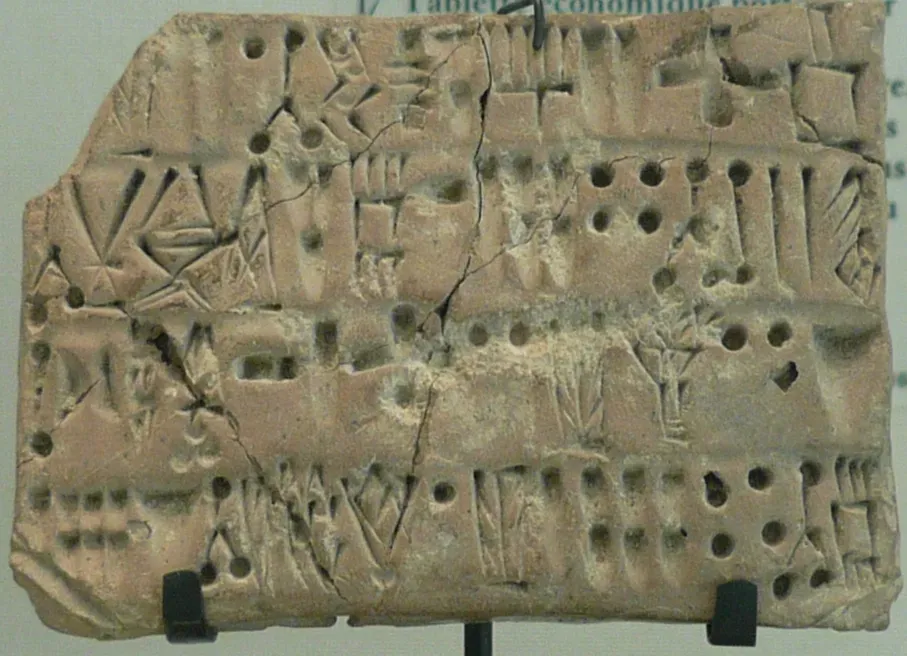
Most historians agree writing began in Mesopotamia. Fewer realize that at almost the exact same time, an entirely separate script was developing next door in ancient Iran, and it has never been read.
Proto-Elamite, one of the earliest known writing systems in ancient Iran, dates back to approximately 3100 BCE and combines pictographic and abstract symbols with a consistent linear arrangement. It’s often lumped in as a cousin of cuneiform, but the resemblance is only surface-level: Proto-Elamite favors more abstract, less standardized symbols with a much heavier emphasis on tabular organization. What’s genuinely strange is that this writing system vanished after roughly two centuries of use, seemingly abandoned entirely.
Worth Knowing
- Emerged in the Susa region of ancient Iran around 3100 BCE.
- Mixes numerical notation with pictographic symbols in tightly organized rows and columns.
- Used for roughly two centuries before disappearing from the archaeological record.
- The Louvre Museum holds one of the largest collections and digitized its tablets in 2013.
Recent digitization efforts have given researchers unprecedented access to the surviving tablets. Many of them now live in the Louvre Museum, and in 2013 the museum partnered with the Cuneiform Digital Library Initiative to digitize all of its Proto-Elamite texts. Even with better images and searchable databases, the symbols refuse to yield a consistent phonetic reading.
#6 – The Cypro-Minoan Syllabary
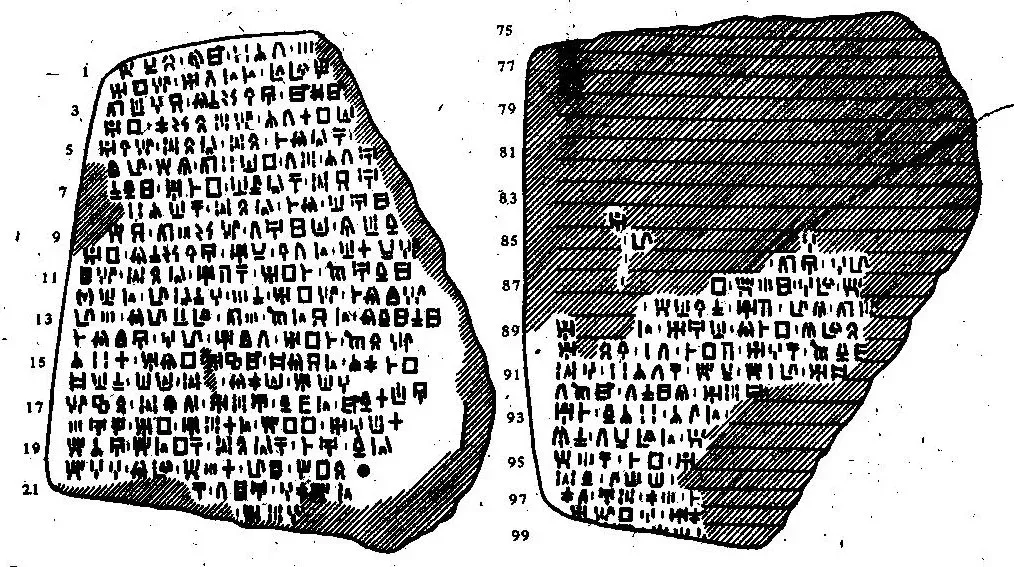
While most ancient Mediterranean scripts eventually connect to something readable, Cypro-Minoan sits in an odd dead zone: related to two different decipherable scripts, yet stubbornly unreadable itself.
The Cypro-Minoan syllabary is an undeciphered script used on Cyprus and by its trading partners during the Late Bronze Age and Early Iron Age. The name was coined by Arthur Evans in 1909 because of its visual similarity to Linear A on Minoan Crete, from which it’s thought to be derived. It later gave rise to the readable Cypriot syllabary, which makes this script feel tantalizingly close to cracking. The frustrating part is that it sits directly between two scripts we understand, Linear A before it and Cypriot syllabary after it, yet Cypro-Minoan itself won’t budge.
Roughly 250 surviving objects carry the script, clay balls, cylinders, and tablets found at sites around Cyprus and as far away as the ancient city of Ugarit on the Syrian coast. That geographic spread hints at a busy trading language, but without knowing what tongue it represents, translation stays impossible.
#5 – The Phaistos Disc
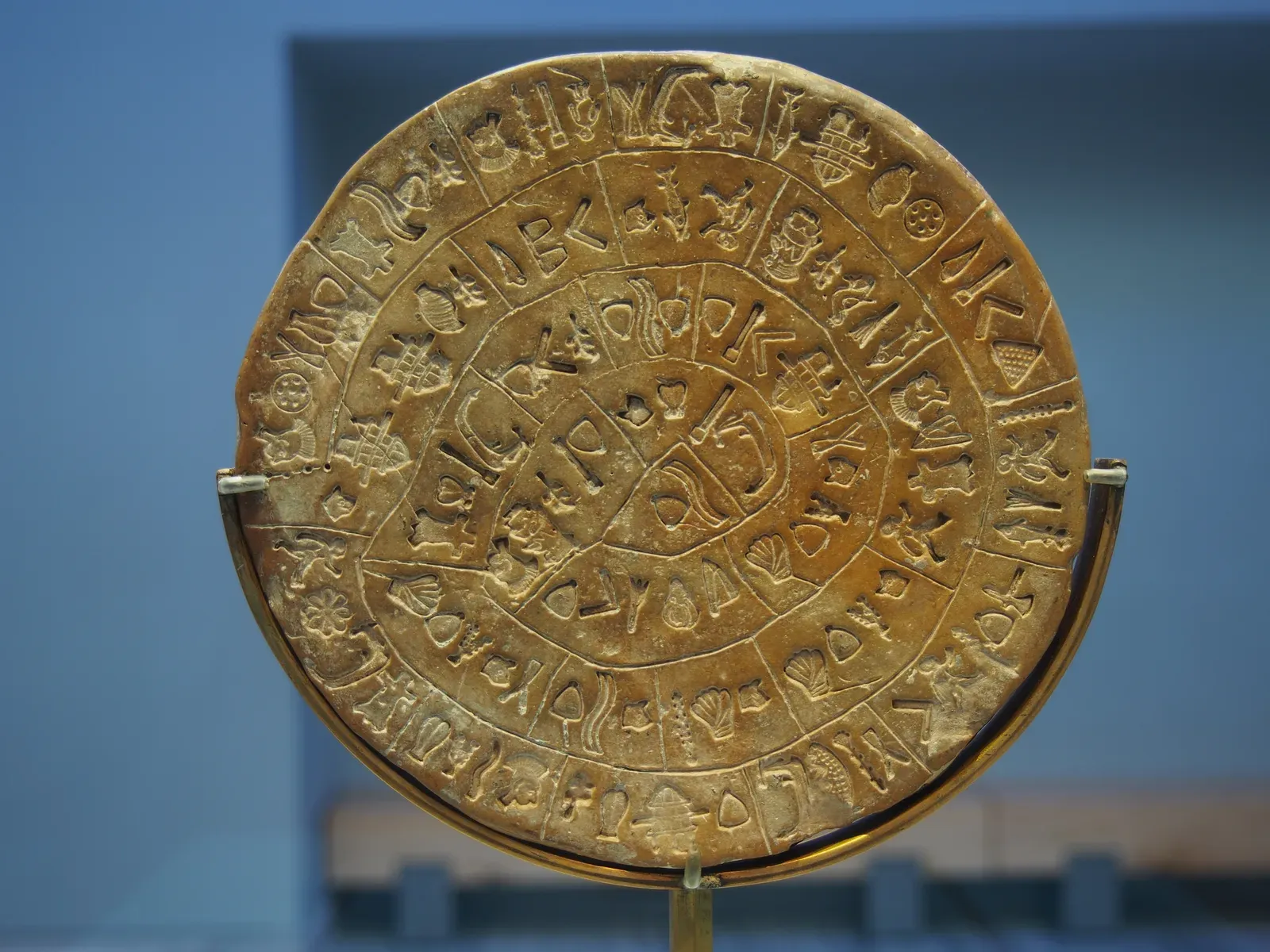
If ancient mysteries had a mascot, it would be this six-inch clay disc, covered in spiraling stamped symbols, that has generated more wild decipherment claims than almost any artifact on Earth, and exactly zero accepted ones.
Discovered in 1908 by Italian archaeologist Luigi Pernier during excavations at the Minoan palace of Phaistos, the fired clay disc is roughly six inches across and stamped on both sides with symbols arranged in a spiral, 241 impressions made from just 45 distinct signs. What makes it genuinely bizarre is that the symbols were stamped, not carved, meaning someone created individual seal-stamps for repeated use, essentially an early printing technology with no known parallel anywhere else in the ancient world.
Because it’s a single, isolated artifact, there’s simply nothing to compare it against. It has been “translated” hundreds of times since that 1908 discovery, with proposed readings ranging from religious hymns to agricultural almanacs to navigational charts, though none can be verified because the text is too short and the script is unparalleled. Even cutting-edge AI pattern-matching hasn’t moved the needle.
#4 – The Indus Valley Script
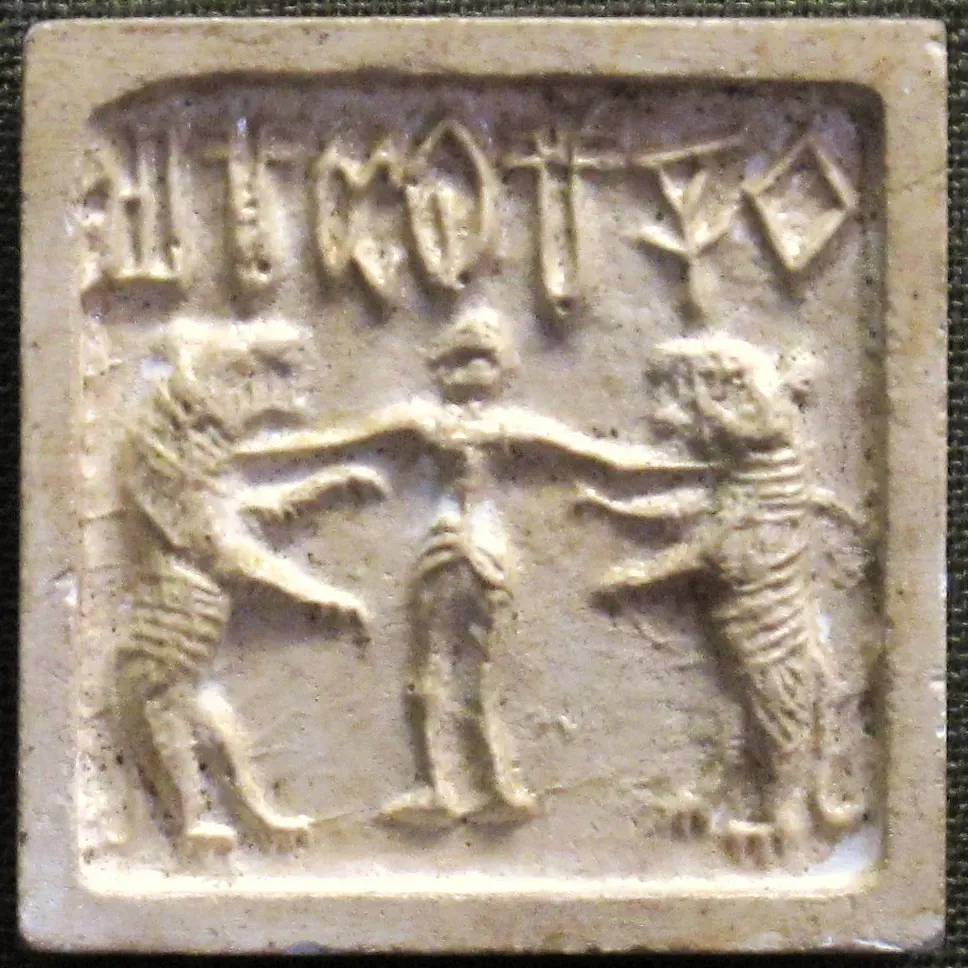
Here’s an opinion that will annoy plenty of history buffs: the Indus Valley Civilization may not have had “writing” in the way we normally define it, and honestly, we might never know for certain either way.
The script comes from the Indus Valley Civilization, used between roughly 2600 and 1900 BCE, with thousands of examples discovered across sites like Harappa and Mohenjo-daro, most carved into small stamp seals likely used in trade. That sounds promising, but there’s a catch: the vast majority of inscriptions are extremely short, sometimes just a handful of signs, making it almost impossible to identify grammar or build meaning. Archaeological context offers only partial help too, since the cities were repeatedly rebuilt, disrupting the original placement of artifacts. Startlingly, some linguists now openly question whether this “script” encodes spoken language at all, rather than serving as a system of trade symbols or clan markers.
Quick Compare
- Indus script: over 400 unique signs, but most inscriptions run five signs or fewer.
- Sumerian cuneiform: began as simple pictographs, evolved into full grammar with long administrative and literary texts.
- Egyptian hieroglyphs: combined phonetic and logographic signs across lengthy monumental and religious inscriptions.
- The short average length of Indus texts is the single biggest reason full decipherment keeps failing.
The debate has real stakes. If it’s not a full writing system, then no “Harappan language” is waiting to be uncovered at all. With no known descendant language and no bilingual texts to lean on, even AI-assisted pattern recognition has only managed partial statistical insights, nowhere close to an actual translation.
#3 – Linear A
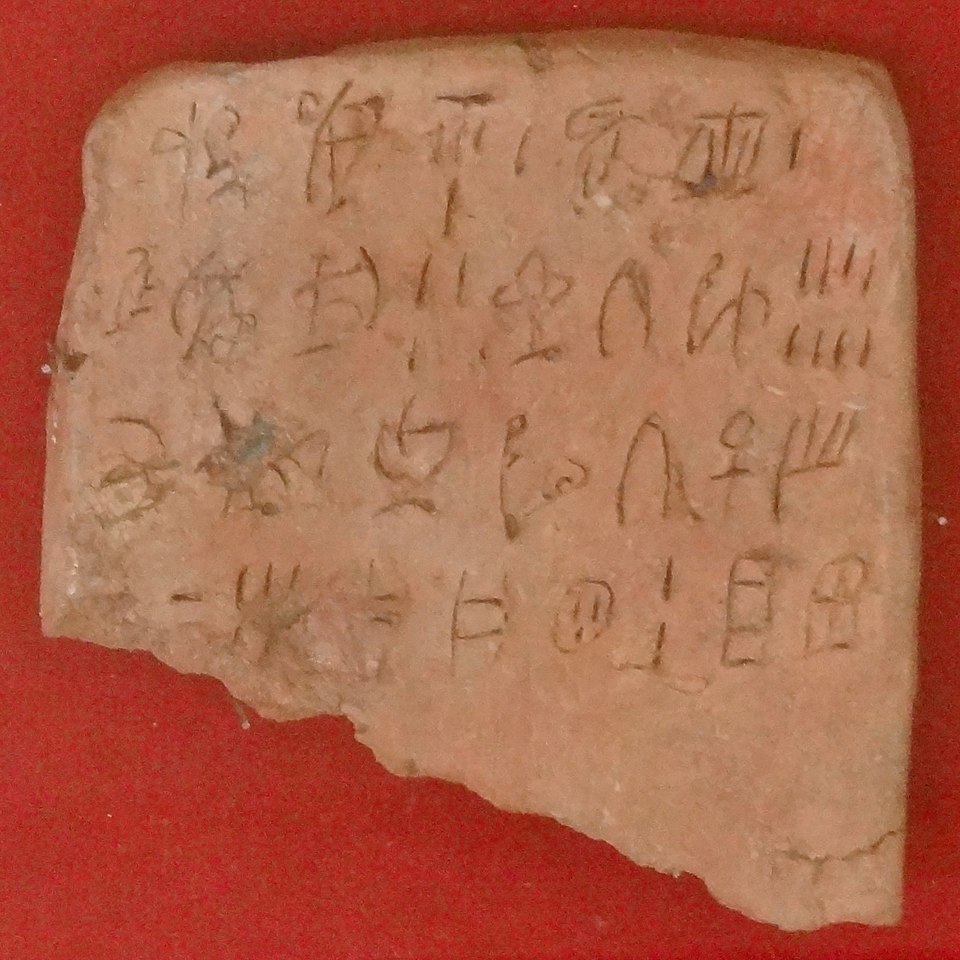
Most people assume Linear A must be closely related to its famous cousin Linear B, which was triumphantly deciphered in 1952 as an early form of Greek. That assumption is exactly what has misled decipherment attempts for decades.
Linear A follows patterns similar to Linear B, and most Linear A tablets appear to be administrative records recording things such as people, places and commodities, according to archaeologist Brent Davis. The problem is the underlying language. Scholars strongly suspect it encodes a completely non-Greek, non-Indo-European tongue often called “Minoan,” and genetics hasn’t helped clarify things either. DNA studies of ancient remains indicate the Minoans were descendants of Neolithic European settlers, probably from ancient Anatolia via Europe to the Aegean, with DNA most closely related to modern inhabitants of Crete. The genuinely surprising part is that scholars can read the individual symbols using Linear B’s phonetic values, they just don’t understand a single word the resulting sounds spell out.
More than a century of excavation hasn’t solved the underlying issue. A conclusion reached half a century ago hasn’t been overturned by subsequent scholarship or by any amount of additional inscription discovery; more than 120 years of excavation on Crete have not moved the corpus across that threshold. Without a bilingual inscription or a related living language, Linear A stays maddeningly half-open.
#2 – Rongorongo
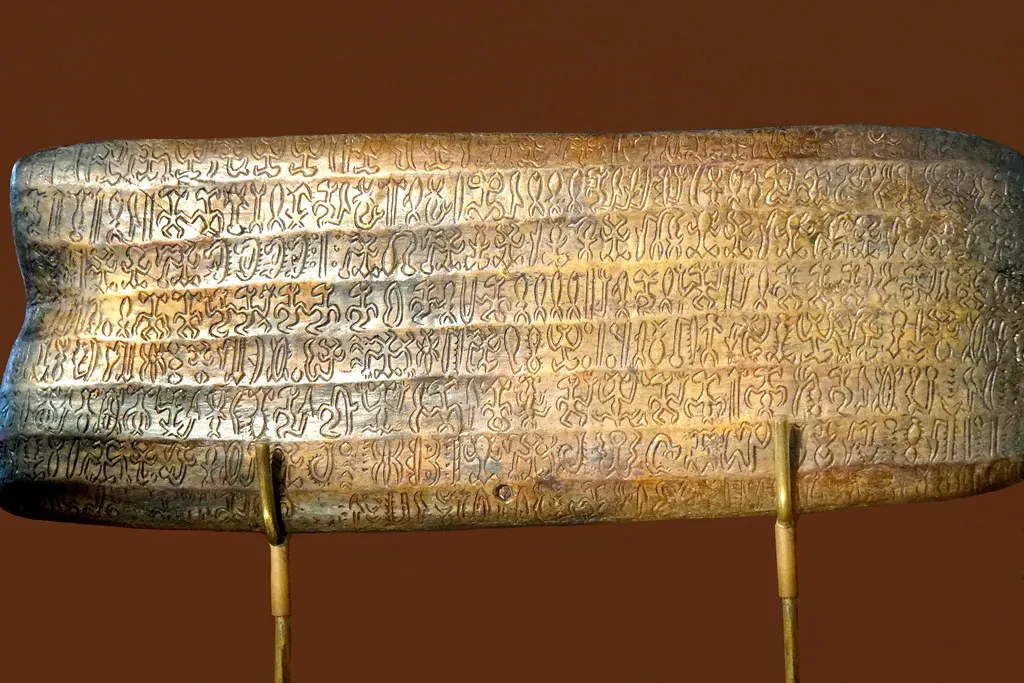
Most people picture Easter Island and think only of the giant stone heads. Almost nobody realizes the island also produced its own independent writing system, one that colonial violence nearly wiped from existence before anyone could study it.
In January 1864, a missionary arrived on Rapa Nui and noted wooden tablets and staffs covered in rows of miniature carved figures running in neat lines across carefully prepared surfaces, and 160 years later, nobody knows what to make of them; the script remains completely undeciphered. What makes this genuinely heartbreaking rather than just mysterious is that the people who could read it were largely wiped out. The Peruvian slave raids of 1862 and 1863 were not incidental to the collapse of the rongorongo tradition; they removed the specific human chain that carried the knowledge.
Recent science has at least settled one question. A wooden tablet inscribed with the undeciphered rongorongo script dates to the 15th century, long before Europeans arrived, suggesting the Rapa Nui people invented their own script without European influence. Only about 27 tablets are known to have survived, comprising roughly 15,000 characters and more than 400 different glyphs, and outside of one partial lunar calendar fragment, not a single sentence has ever been confidently read.
#1 – The Voynich Manuscript
![#1 - The Voynich Manuscript (Beinecke Rare Book & Manuscript Library, Yale University ([1])., Public domain)](https://nvmwebsites-budwg5g9avh3epea.z03.azurefd.net/dws/bfad9d8f172a769fab9a860d9787dabc.webp)
If there’s one artifact that deserves the top spot, it’s this one: a 240-page medieval book, written in a language nobody on Earth recognizes, illustrated with plants that don’t exist and diagrams that match no known astronomical system.
Radiocarbon testing has at least nailed down its age, even if nothing else about it is settled. Carbon-dating places the vellum’s creation sometime between 1404 and 1438, meaning it predates the Gutenberg Bible by roughly 250 years, though the author, origin, and language remain a complete mystery. The most controversial theory in the field: statistical analysis of the text shows genuine linguistic structure, which strongly argues against the popular idea that it’s simply an elaborate hoax.
Why It Stands Out
- Written in a wholly unknown alphabet with no proven link to any language, dead or living.
- Filled with detailed illustrations of plants that don’t match any known species.
- Contains astronomical and astrological diagrams unlike any documented tradition.
- Carbon-dated to the early 1400s, ruling out many later hoax theories tied to printing-era forgers.
Every code-breaking technique imaginable has been thrown at it, from Renaissance-era cipher analysis to modern computer linguistics. In 2003, computer scientist Gordon Rugg demonstrated that similar text could be generated with a Cardan grille, an encryption device introduced around 1550, but the carbon dating seriously weakens the hoax hypothesis, since it would imply the expensive vellum was kept unused for over a century. Today it sits behind glass at Yale’s Beinecke Library, still whispering a secret nobody has managed to translate.
The Bottom Line
What ties these fourteen mysteries together isn’t a lack of effort, it’s a lack of raw material. Most undeciphered scripts share the same three killers: too few surviving texts, no bilingual “Rosetta Stone” to cross-reference, and languages with no living descendants. That’s why Voynichese, Rongorongo, and the Indus script have outlasted supercomputers and international research teams alike.
Personally, the most likely to fall next is Linear A, simply because scholars can already sound out its symbols; it’s the language behind them that’s missing. The Voynich Manuscript, on the other hand, may never be solved, and honestly, part of its appeal is that it might stay that way forever. Which one of these do you think will finally get cracked first? Drop your theory in the comments.