
“Extinct” is supposed to be the final word. No sequels, no plot twist, case closed. Except science keeps quietly reopening the file: a “gone forever” bird calls from a swamp nobody searched properly, a “wiped out” fish turns up whole in a fisherman’s net, a tortoise’s genes resurface on an island where it was never supposed to exist again.
That’s the uncomfortable secret behind this list. Some of these extinction declarations were never really about proof – they were about giving up the search. Below are 15 species officially marked extinct, and the messy, sometimes thrilling evidence that has scientists quietly hedging their bets.
#15 – Thylacine (Tasmanian Tiger)
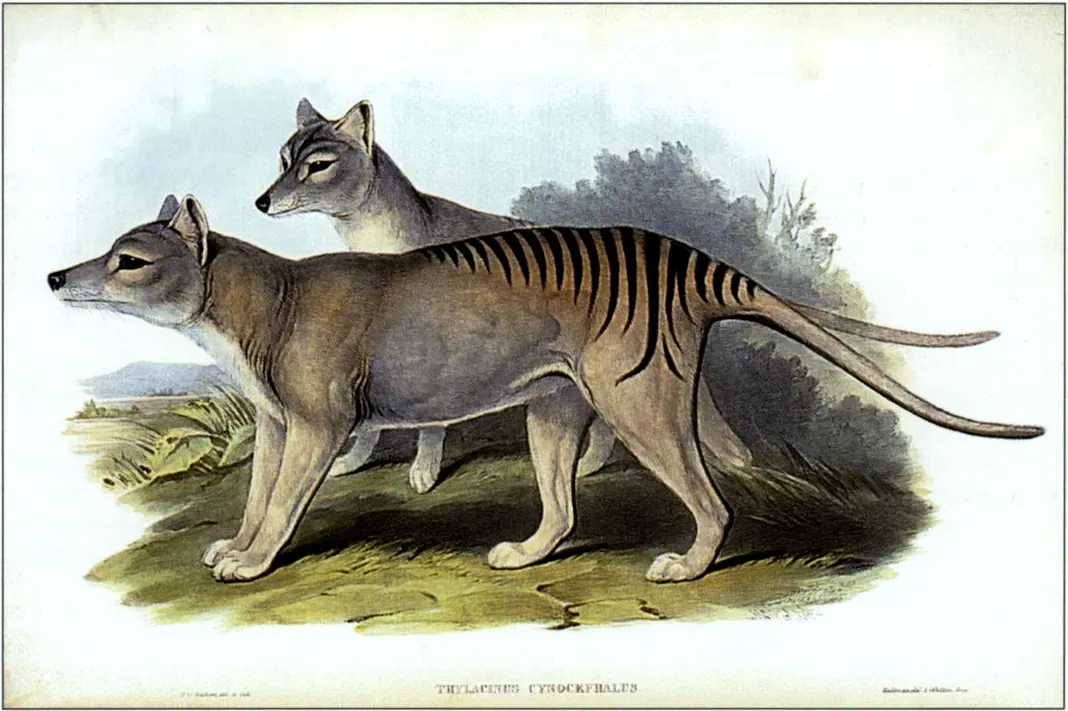
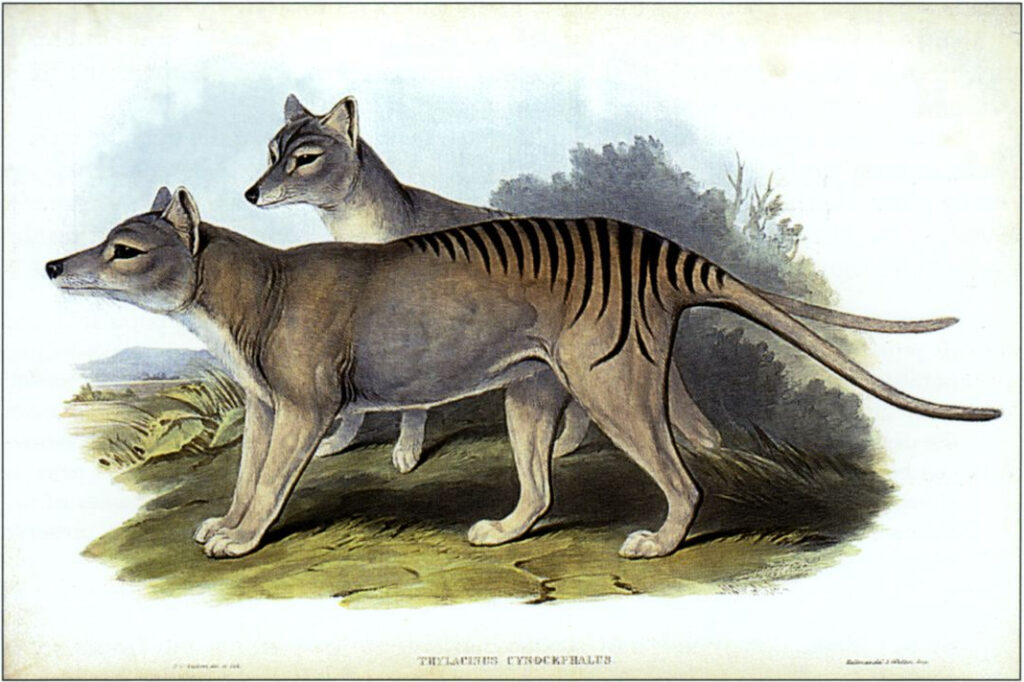
The claim that won’t die: the world’s most famous “extinct” predator may be hiding in plain sight in modern Australia.
Officially, the thylacine was declared extinct in 1936 after the last captive animal died in a Tasmanian zoo. But hundreds of alleged sightings have been logged since, from farmers, park rangers, and even police officers. Most are anecdotal, but some reports come with tracks and blurry footage that don’t quite match dogs or foxes. What fuels the debate is just how wildly under-surveyed Tasmania’s rugged southwest still is – there are valleys where almost no one goes, ever.
Fast Facts
- Officially declared extinct by the IUCN in 1982, and by the Australian government in 1986
- The last known thylacine, nicknamed “Benjamin,” died on September 7, 1936, at Beaumaris Zoo in Hobart
- Tasmania granted the species legal protection just 59 days before that death
- An estimated 5,000 thylacines roamed Tasmania at the time of European settlement
Behind closed doors, some field biologists quietly admit that declaring the thylacine “definitely gone” was more a bureaucratic necessity than a proven fact. Others push back hard, arguing that a large carnivore leaves too many signs to hide for this long. That split is exactly why grant money still funds camera-trap projects in key hotspots today.
#14 – Ivory-Billed Woodpecker
The ghost bird of the American South refuses to die in the public imagination – and possibly not in the swamps either.
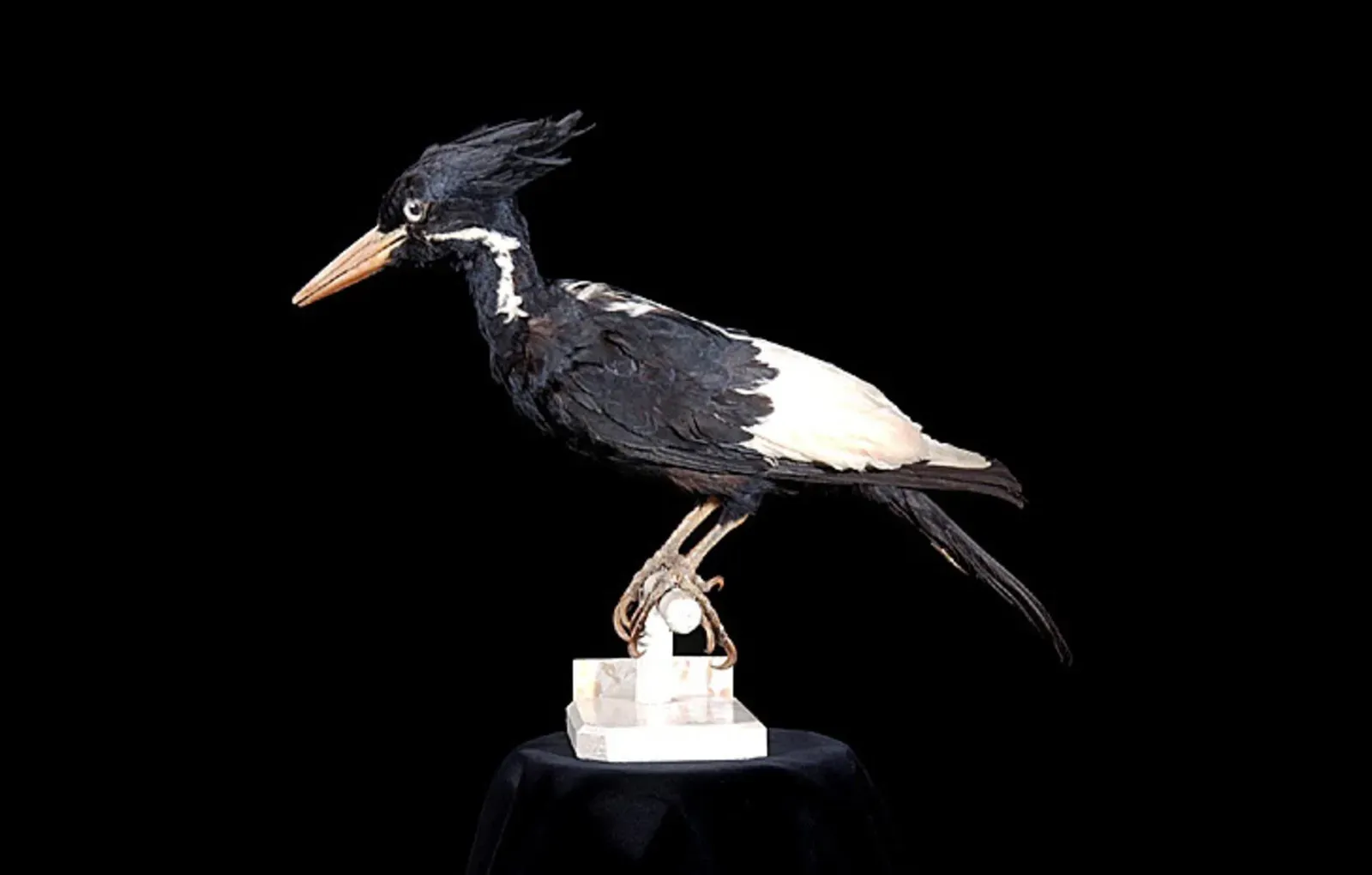
The ivory-billed woodpecker was written off after logging obliterated most of its bottomland forest habitat. Yet credible-enough reports keep surfacing from Louisiana, Arkansas, and Florida, triggering expensive search campaigns. In 2005, a famous paper claimed rediscovery in Arkansas based on a short video and field notes. Many ornithologists were unconvinced, insisting the clip showed a common pileated woodpecker instead, and the “rediscovery” became one of the most polarizing debates in modern birding.
Despite official efforts to list the species as extinct, a handful of researchers insist recent audio recordings and drone footage show something bigger and different than a pileated. Critics counter that wishful thinking and low-quality evidence are a dangerous mix. Either way, the U.S. still has pocket swamps almost no one enters, and if a huge woodpecker can hide anywhere, it’s there.
#13 – Baiji (Yangtze River Dolphin)
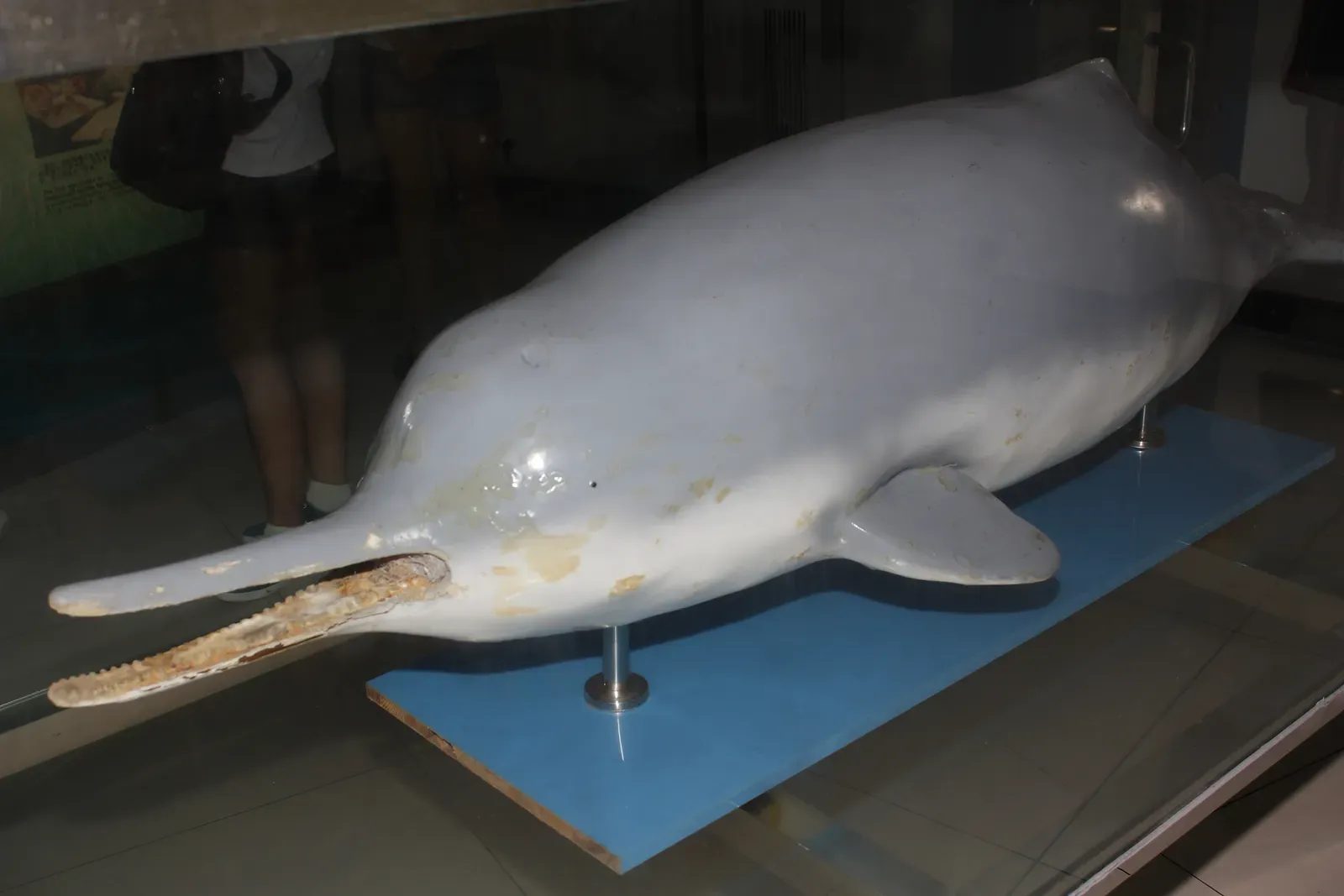
China’s “goddess of the Yangtze” might not be completely gone, even after a formal extinction declaration.
A massive 2006 survey famously concluded the baiji was “functionally extinct” after a six-week, near-continuous search failed to turn up a single dolphin in the Yangtze River. Since then, pollution, ship traffic, and damming have only gotten worse. On paper, the story is over. Yet fishermen and local boat captains have reported strange, pale dolphins in stretches of the river well after 2006, with at least one sighting backed by audio recordings that don’t match other known species.
Chinese authorities tread carefully here, because acknowledging possible survivors means admitting the extinction declaration and conservation management may have been premature. Some marine biologists now argue we should think in terms of “extinct in practice” versus “absolutely none remain” – a distinction the public hates. If a remnant population survives, it’s almost certainly too small to be viable, but for a species we already held a funeral for, the whispers are unsettling.
#12 – Pinta Island Tortoise (Lonesome George’s Kind)
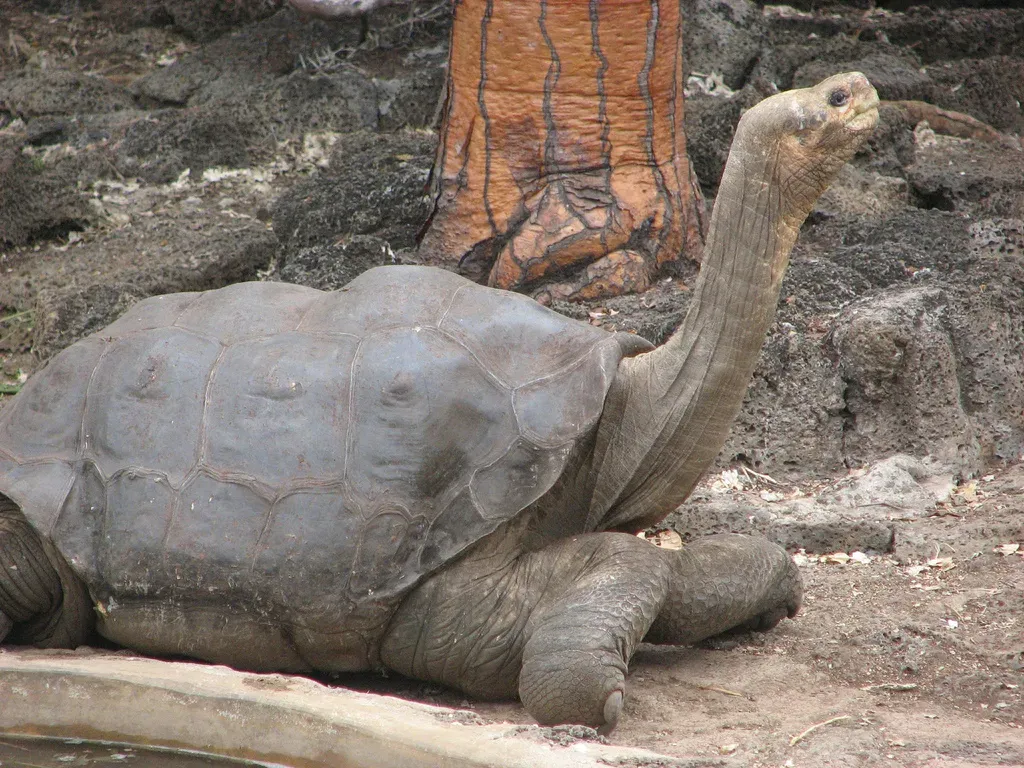
The species that died with Lonesome George in 2012 might not be as genetically “extinct” as we told the world.
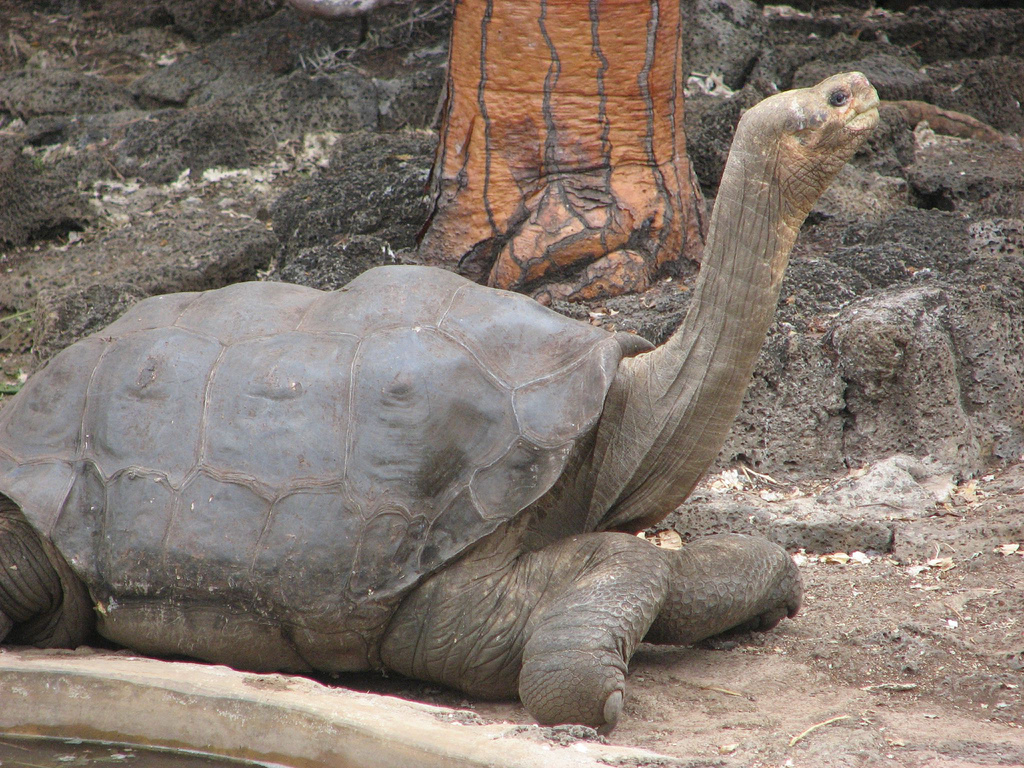
When Lonesome George, the last known Pinta Island tortoise, died in captivity, it became the ultimate symbol of extinction – one animal, one island, one failure. Then geneticists started testing tortoises from neighboring islands and found individuals with clear Pinta ancestry roaming free, likely descendants of animals moved by sailors in the 19th and 20th centuries. Pure-bred Pintas may be gone, but their genetic legacy isn’t.
Some researchers argue that selectively breeding these hybrids could “recreate” a functional Pinta-like population. Others say that’s just branding – a conservation PR trick dressed up as recovery. The argument exposes how flexible, even political, our definitions of “species” and “extinction” really are. Are we mourning a genome, a shell pattern, or a role in the ecosystem? Depending on your answer, Pinta Island tortoises might be less extinct than advertised.
#11 – Japanese River Otter
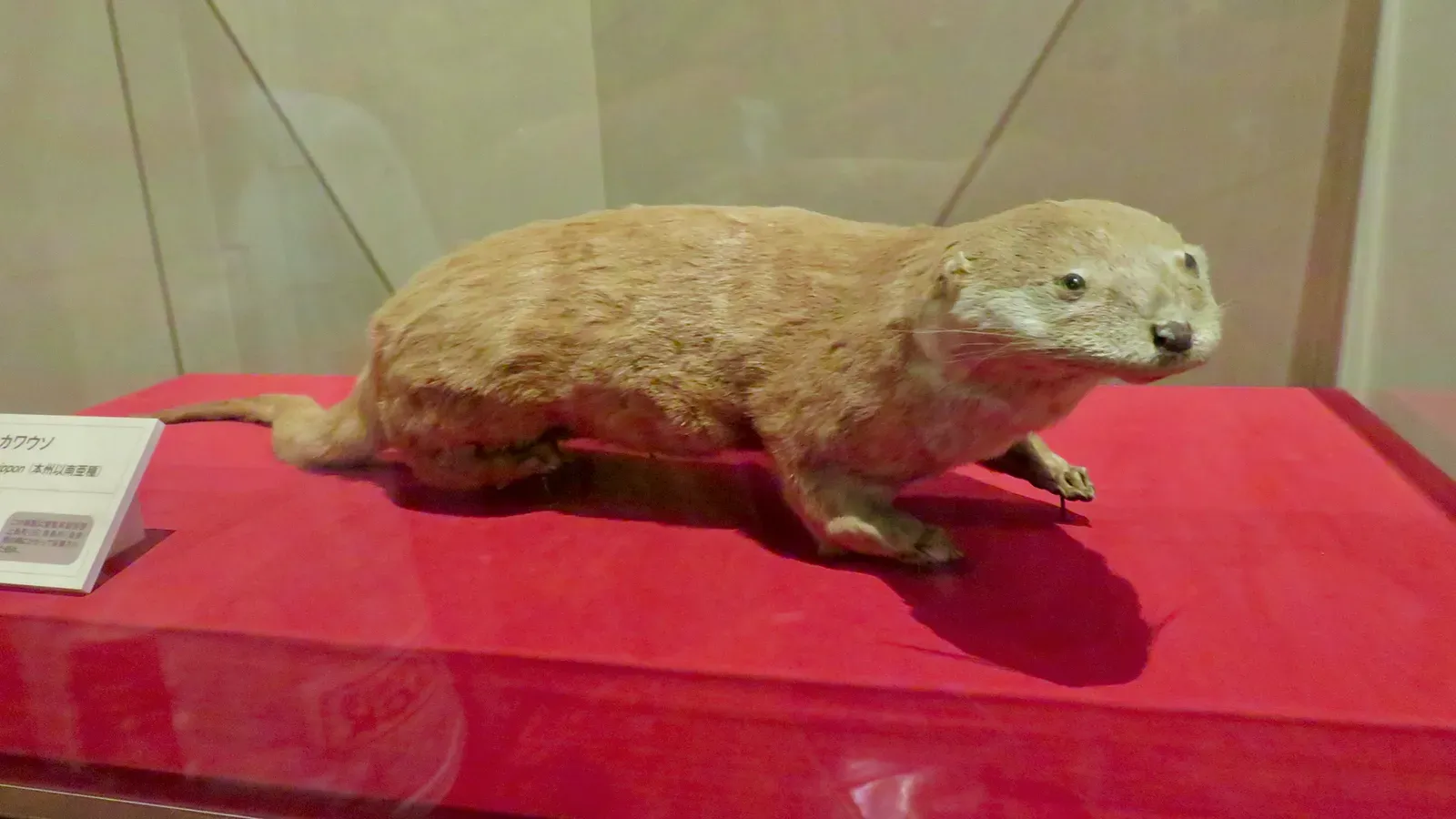
Japan’s national otter may have slipped from the record before it slipped from reality.
Officially declared extinct in 2012, the Japanese river otter hadn’t had a verified specimen since the 1970s. Heavy hunting and polluted rivers seemed to seal its fate. But over the last decade, camera traps and eyewitness reports on Shikoku and Kyushu have captured brief, tantalizing images of otter-like animals in streams where the species once thrived. DNA tests on collected droppings came back inconclusive, leaving the door annoyingly open.
Government agencies have every incentive to keep the extinction label, since reversing it would mean admitting invasive species and water-management policy failed even worse than reported. Local communities tell a different story, insisting “kawauso” still visit their rivers at night. Critics point to introduced Eurasian otters or feral mink causing confusion, but until a clean DNA sample or live capture appears, the Japanese river otter exists in scientific limbo.
#10 – South Island Kōkako
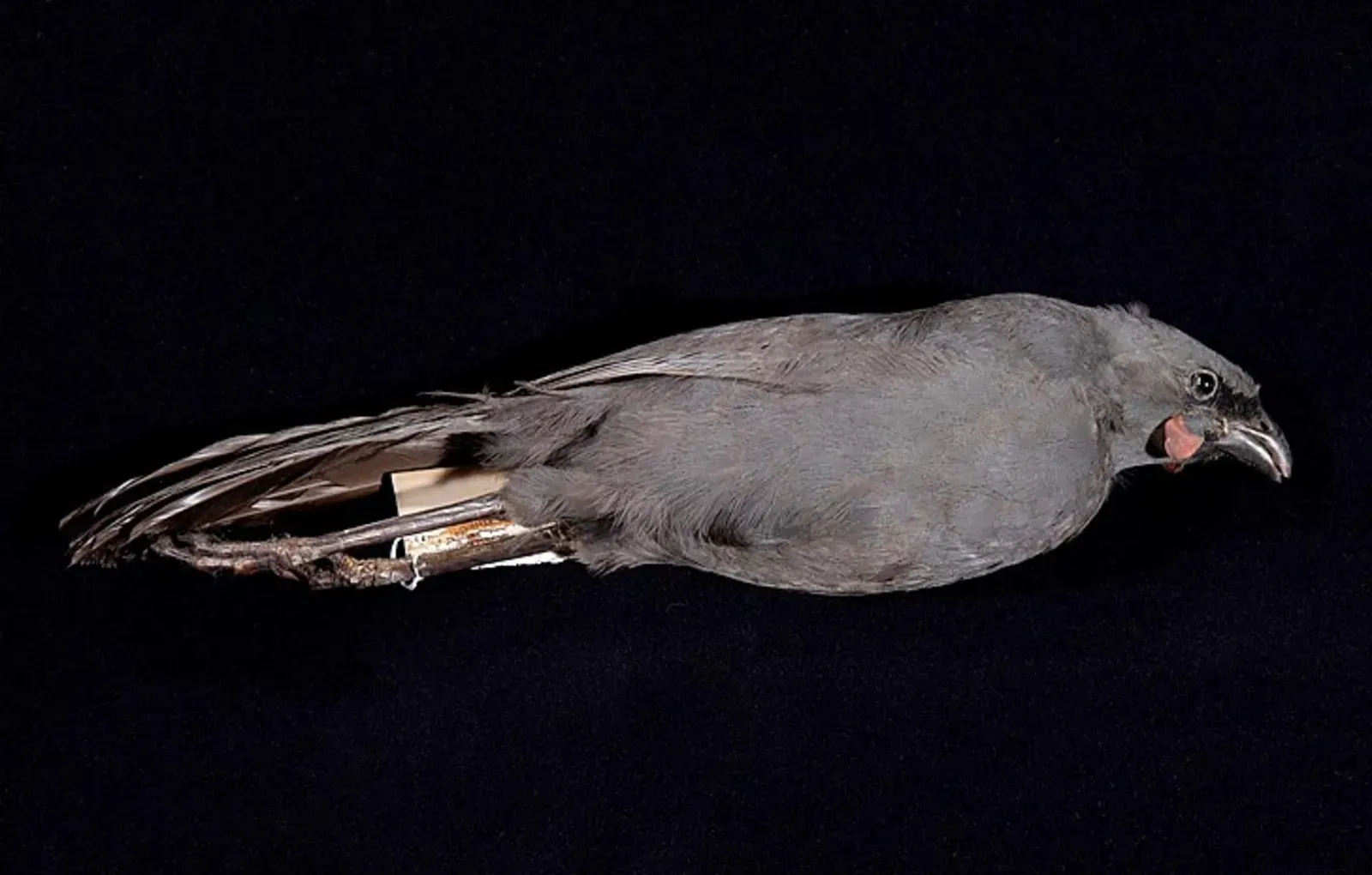
A New Zealand songbird believed lost for decades keeps ghosting experts with a single, eerie note.
The South Island kōkako hasn’t had a confirmed record since the 1960s and was declared extinct in 2007. Yet birders, hunters, and trampers in remote beech forests continue to report a distinctive, haunting call and glimpses of a slate-grey bird with a black mask. New Zealand’s Department of Conservation has paid out rewards for proof, and multiple search teams have scoured the Fiordland and West Coast backcountry with audio recorders and camera traps. So far, nothing conclusive – which is exactly what keeps the argument alive.
Worth Knowing
- No confirmed sighting since the 1960s, with an official extinction declaration in 2007
- New Zealand’s Department of Conservation has offered rewards for solid proof of survival
- Search teams have combed Fiordland and the West Coast with audio recorders and camera traps
- Some experts now prefer “data-deficient” over a confirmed extinct label
Some ornithologists say the calls are misidentified tui or other native birds. Others counter that a few surviving kōkako, living at ultra-low densities, could easily evade standard survey techniques in brutal terrain. The species is now listed as “data-deficient” by some experts rather than comfortably extinct – a bureaucratic way of saying, “We honestly don’t know.”
#9 – Eastern Cougar (Eastern Puma)
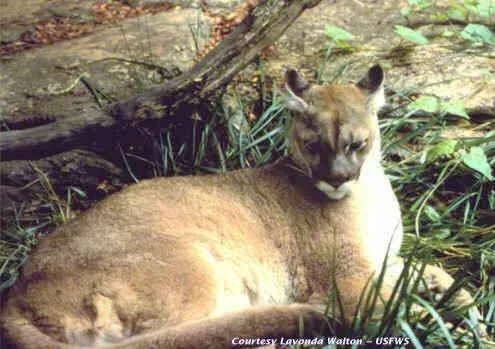
North America may still have big, wild cats in places the maps insist they don’t exist.
The U.S. Fish and Wildlife Service officially declared the eastern cougar extinct in 2011, arguing that any big cats spotted in the East are western dispersers or escaped captives. That sounds neat until you realize there are hundreds of detailed sightings every year across Appalachia, New England, and the Southeast, plus tracks, scat, and occasional road-killed animals whose origins are murky. Most biologists shrug and call them “wayward westerns,” but that’s partly an assumption.
The uncomfortable truth is that long-distance dispersal of cougars is now proven, and the genetic line between “eastern” and “western” was never a brick wall. That raises a spicy question: if an animal functionally identical to the eastern cougar recolonizes its old range, is that species still “extinct”? Many experts now say the eastern subspecies concept was flawed from the start. Rural communities, meanwhile, swear the big cats never really left, and that clash of lived experience versus paperwork is exactly where extinction myths collapse.
#8 – Lord Howe Island Stick Insect (“Tree Lobster”)
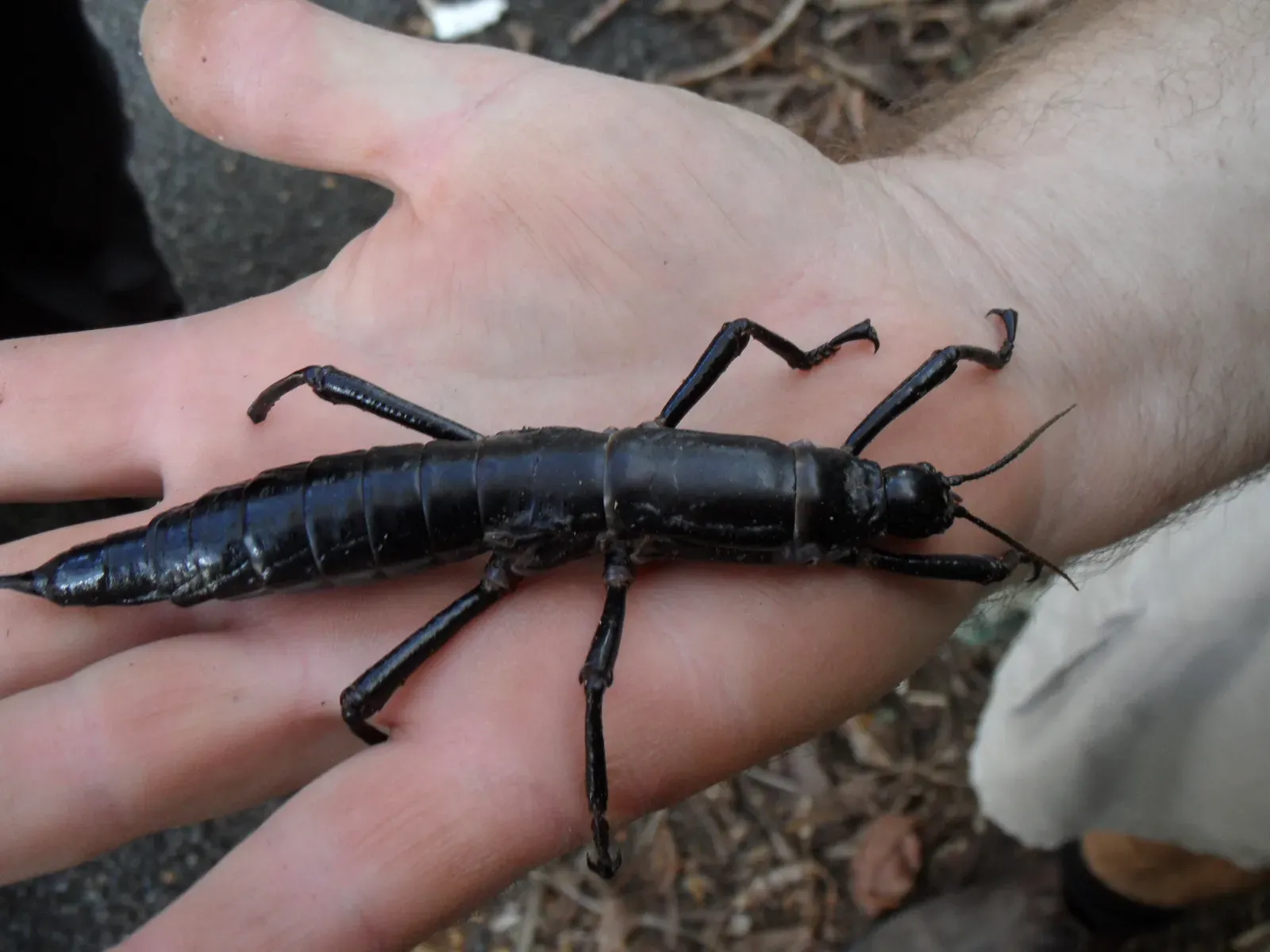
This giant bug literally came back from a rock where it “couldn’t possibly” have survived.
Once common on Lord Howe Island in the Tasman Sea, the stick insect was wiped out by invasive rats in the early 1900s – or so biologists thought. Decades later, climbers on a sheer volcanic stack called Ball’s Pyramid found fresh droppings and then live, hand-sized stick insects clinging to a single patch of bushes on a cliff ledge. Genetic testing showed they were essentially the same species as the supposedly extinct insects from Lord Howe.
Why It Stands Out
- Wiped out on Lord Howe Island after rats colonized the island following a 1918 shipwreck
- Rediscovered in 2001 on Ball’s Pyramid, a sheer volcanic sea stack roughly 23 km offshore
- The entire known survivors were found clinging to a single shrub on a narrow ledge
- Melbourne Zoo has since bred thousands of descendants for eventual reintroduction
Here’s the twist: for years after rats arrived, locals kept reporting big “tree lobsters” on the main island, but those accounts were dismissed as confusion or folklore. Only after the Ball’s Pyramid rediscovery did scientists reconsider those stories. Today, captive breeding programs are re-establishing the species on rat-free Lord Howe – a rare feel-good story, and a brutal indictment of how quickly we stamp “extinct” on anything we stop looking for properly.
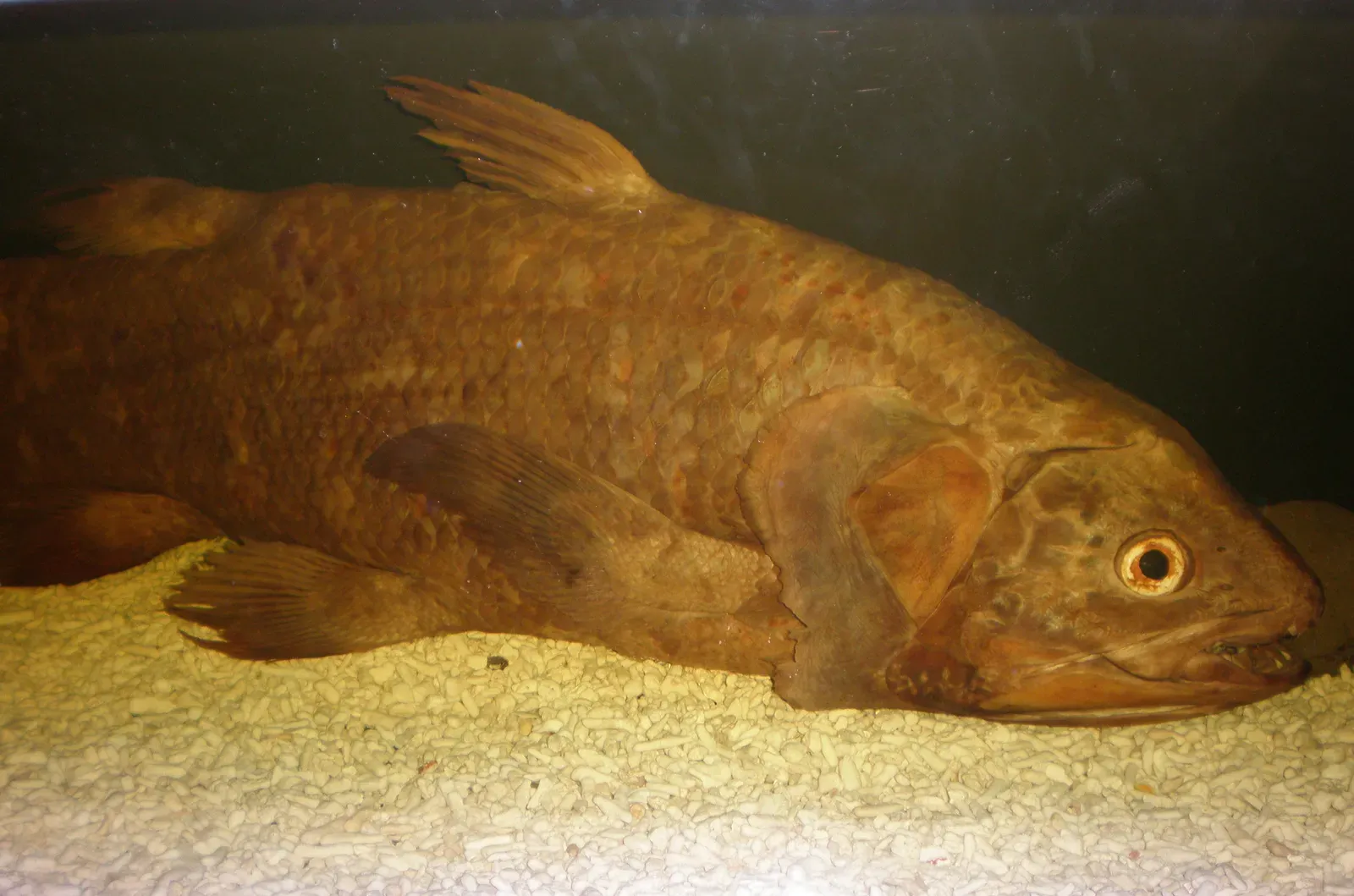
#7 – Coelacanth (The Original “Living Fossil”)
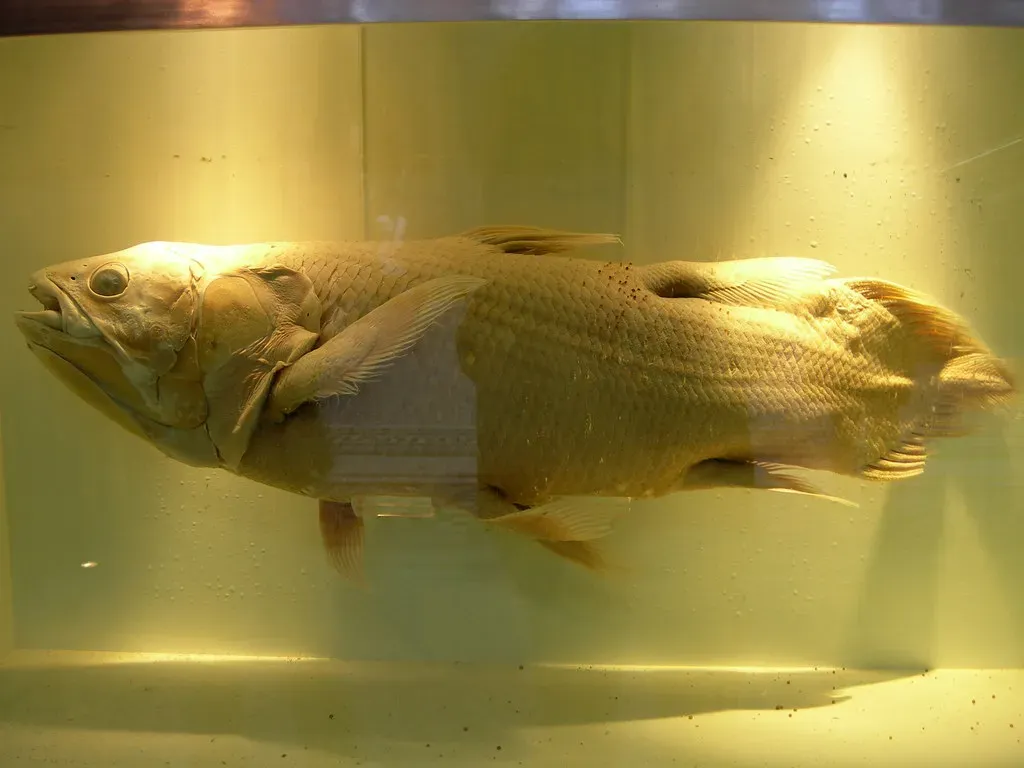
This fish single-handedly proves we are terrible at declaring ocean species extinct.
Coelacanths were thought to have died out with the dinosaurs 66 million years ago, known only from fossils. Then, in 1938, a South African trawler pulled up a strange blue fish, and a museum curator realized she was holding a creature science had killed off on paper for millions of years. Since then, living coelacanth populations have been found off East Africa and Indonesia, hiding in deep submarine caves.
I would not have been more surprised if I had seen a dinosaur walking down the street.
J.L.B. Smith, ichthyologist who identified the first coelacanth
Critics will argue the coelacanth isn’t a modern “declared extinct” case, but that’s exactly the point – it revealed how superficial our knowledge of deep water really is. If a two-meter “extinct” fish can quietly persist at depth, the confidence with which we’ve written off smaller, less charismatic marine species starts to look arrogant. Some marine biologists now openly say we should almost never use the word “extinct” in the open ocean without decades of targeted survey data.
#6 – Javan Tiger
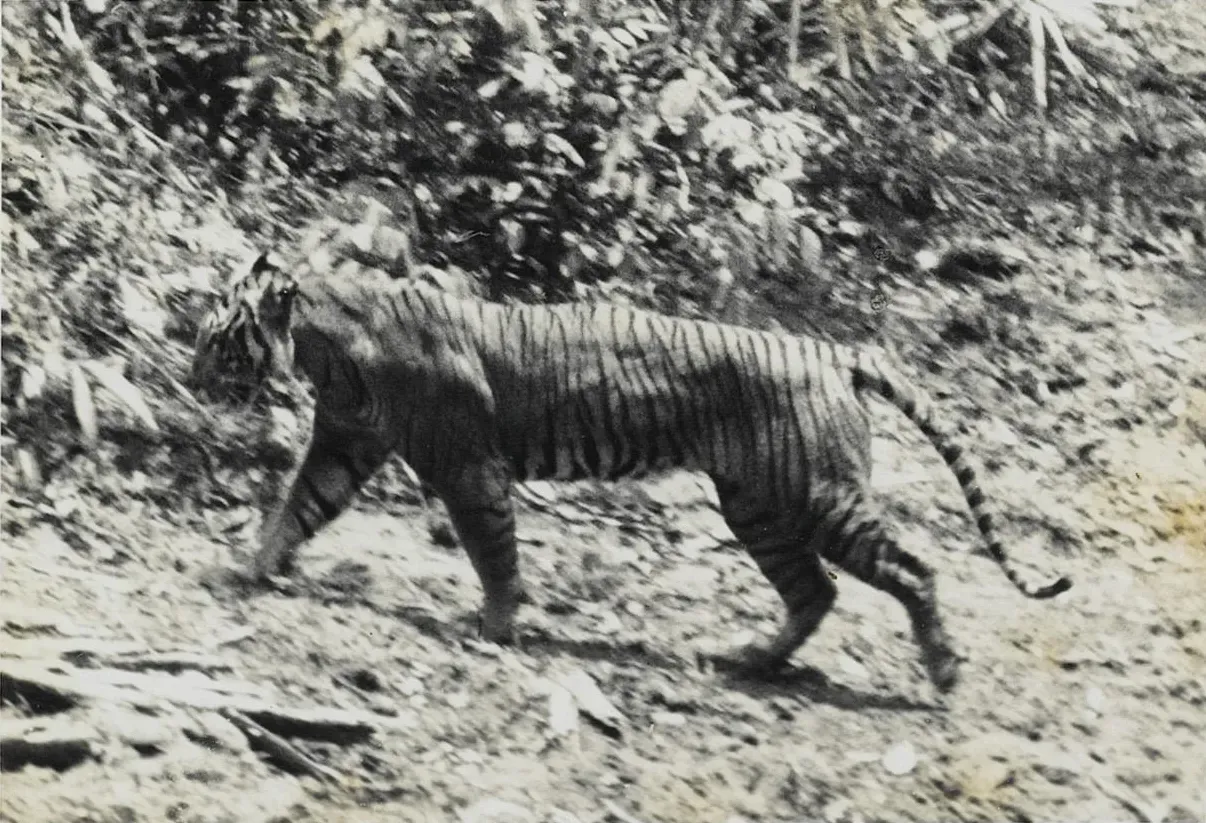
Indonesia’s “extinct” island tiger might still be haunting the wrong forests.
The Javan tiger was declared extinct by the 1970s after massive deforestation and trophy hunting, leaving only grainy old photos and faded skins in museums. Yet foresters, farmers, and rangers in Java’s Meru Betiri National Park have continued reporting tiger-like tracks, scratch marks, and kills. Several studies have tried to verify these with camera traps, but the results are frustratingly ambiguous – blurred shapes, half-prints, nothing that would convince a skeptical committee.
Some scientists argue there’s a real chance a tiny, ultra-cryptic population survived longer than we thought, or still exists in numbers too low to detect easily. Others insist the signs belong to large feral dogs or leopard cats, and that desperate hope is clouding judgment. What’s fascinating is that even Indonesian authorities have hesitated to permanently close the book – official documents sometimes still refer to the Javan tiger in the present tense.
#5 – Caribbean Monk Seal
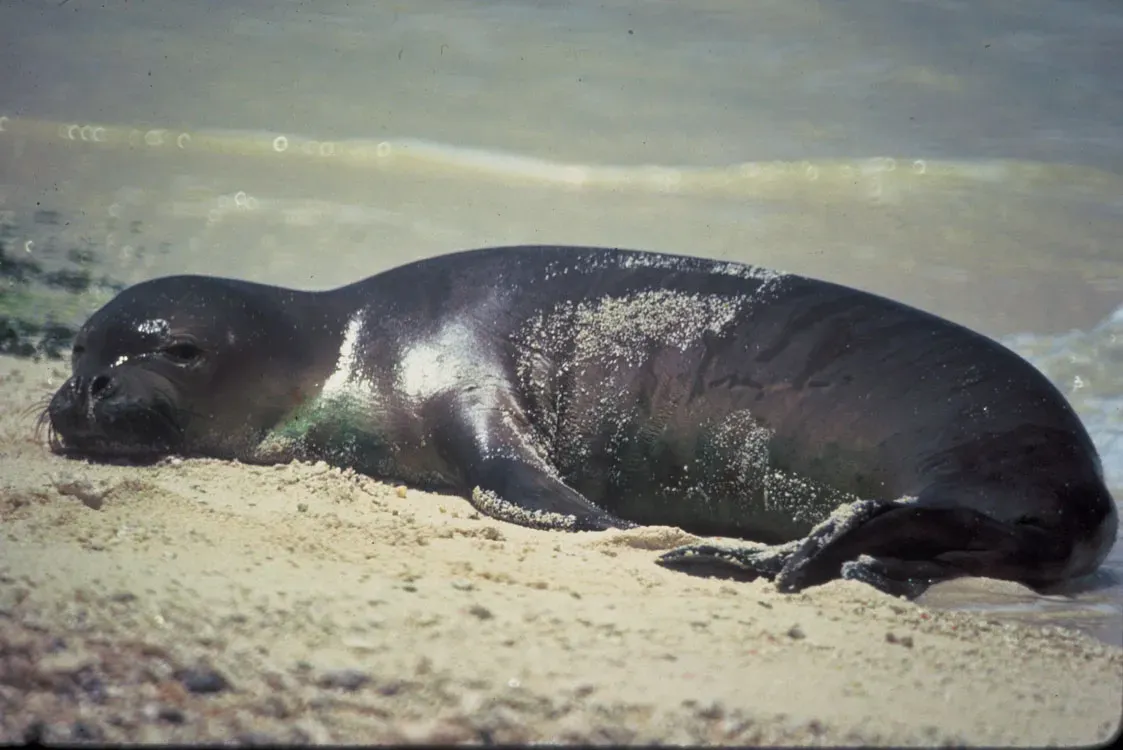
A “confirmed extinct” seal still pops up in fisherman stories and confusing photos.
The Caribbean monk seal was declared extinct in 2008, making it the only seal species humans have officially wiped out through hunting. The last confirmed individual was seen in the 1950s. Since then, unverified reports of unfamiliar seals have come from fishermen and divers around remote reefs and cays, occasionally backed by low-quality photos that don’t quite fit the better-known Hawaiian or Mediterranean monk seals.
Marine mammal experts are blunt: the odds that a breeding population of a large, air-breathing mammal has escaped all surveys in relatively shallow, often-visited Caribbean waters are slim. Still, the history of botched marine “extinctions” makes some biologists cautious about absolute language. Climate-driven range shifts could also bring other monk seal species into the region, meaning genuine sightings might get dismissed as “impossible” based on outdated maps. Either we mis-killed a species, or we’re mis-reading the ocean today – neither option is comforting.
#4 – New Caledonian Owlet-Nightjar
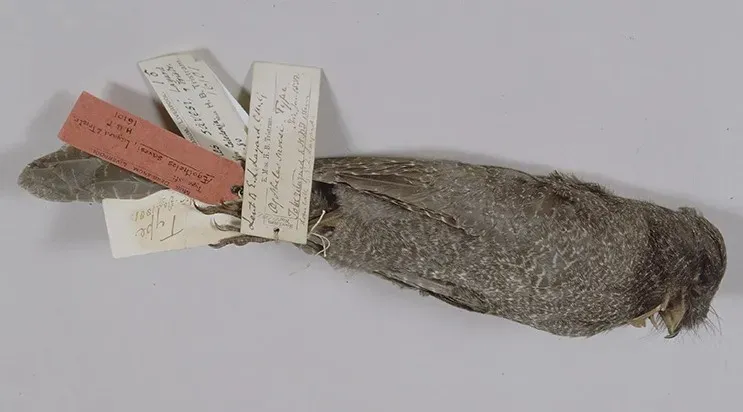
One of the world’s most mysterious birds may still be alive simply because nobody has looked properly.
Known from a single specimen collected in 1880, the New Caledonian owlet-nightjar went straight into the “probably extinct” drawer for over a century. Then, in 1998, an ornithologist reported seeing a strange, large nightjar-like bird in remote forest, with calls unlike any known species on the island. Targeted surveys since then have failed to relocate the bird, but those efforts cover a microscopic fraction of New Caledonia’s dense, mountainous habitat.
This is where conservation gets awkward: funding agencies don’t like paying to search for birds that “almost certainly” don’t exist. Yet multiple experts now argue that cryptic, nocturnal species can evade standard survey methods for decades without any real trouble. There’s a philosophical question buried in here too – how many person-hours in the field actually earn the word “extinct”? For the owlet-nightjar, some scientists say we’re nowhere near that threshold yet.
#3 – Colossal Squid Cousins and “Extinct” Deep-Sea Cephalopods
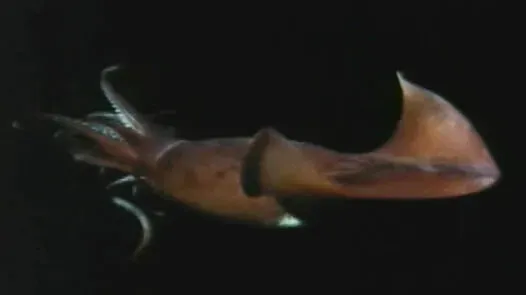
Several squid species listed as extinct may simply be living where our technology still can’t follow.
Deep-sea cephalopods are a taxonomic mess. Many species are known from a single arm, a beak, or a torn mantle pulled from a whale’s stomach decades ago, then never seen again. Some were quietly marked “possibly extinct” or dropped from field guides altogether. Yet high-definition ROV cameras and deep-sea expeditions over the last 20 years keep turning up bizarre, giant squids that don’t quite match any described species, suggesting our catalog is badly incomplete.
When a name vanishes from a database, the public reads that as “gone forever.” In reality, some of these lineages likely still exist in low numbers, or were folded into other species thanks to poor early descriptions. A few deep-sea biologists now argue we should almost never use “extinct” for midwater invertebrates – “unknown” is more honest. That view is controversial, but the pattern is clear: the deeper you go, the less confidence we deserve.
#2 – Pink-Headed Duck
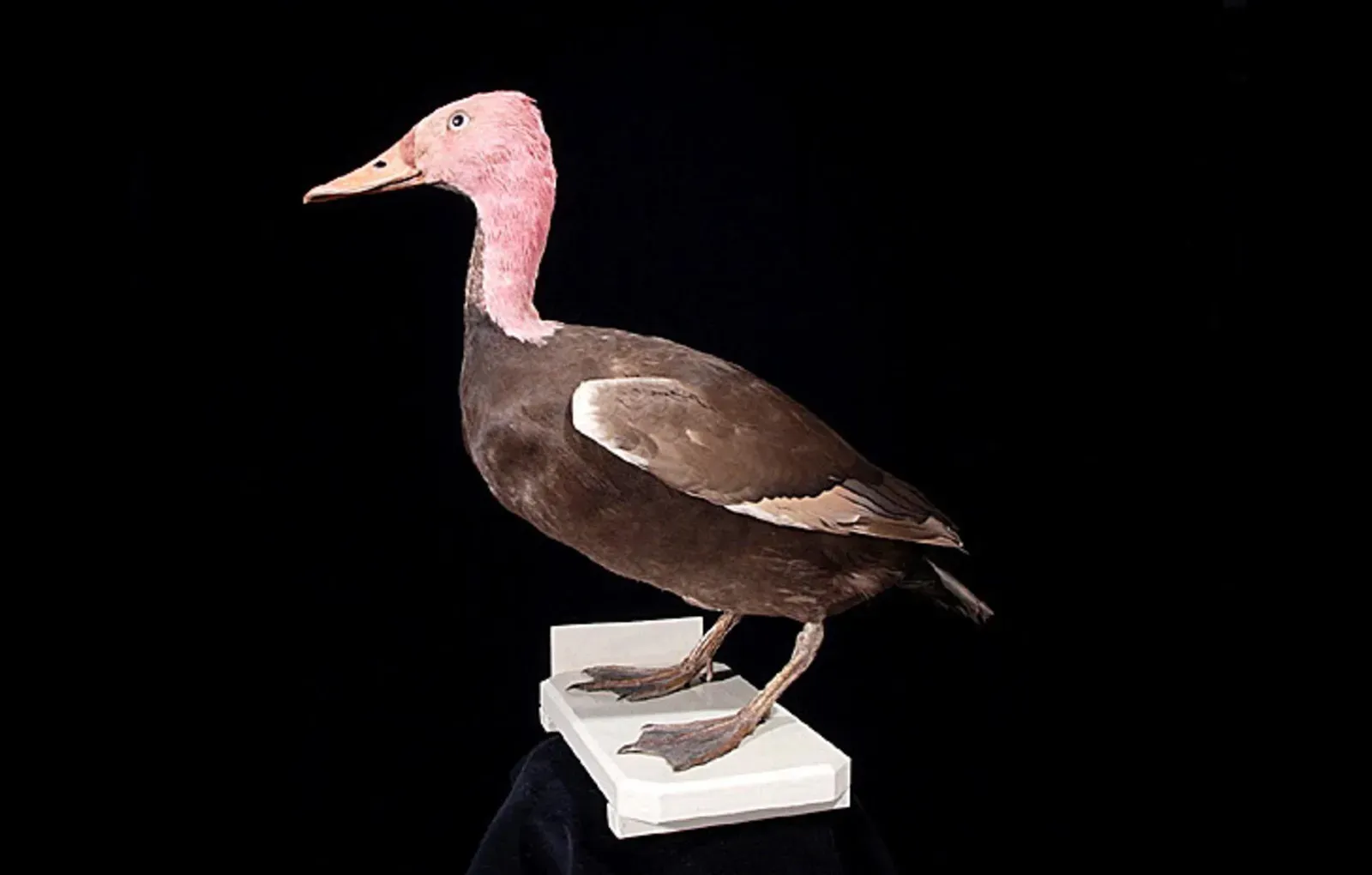
This bizarre, bubble-gum-headed duck might still be flapping around in some of Asia’s least visited wetlands.
Last reliably seen in India and Myanmar in the mid-20th century, the pink-headed duck is one of birding’s most sought-after ghosts. Over the years, locals in remote parts of Myanmar have described a shy, crepuscular duck with a pale or pinkish head that hides in overgrown oxbow lakes and marshes, but surveys have been rare and often politically constrained. The species is currently listed as “critically endangered (possibly extinct),” which is a technical way of saying, “We’re not ready to call it.”
Here’s the uncomfortable bit: lowland wetlands in South and Southeast Asia are among the least systematically surveyed habitats on Earth, especially in conflict-affected or restricted regions. A highly secretive, low-density duck that avoids open water could hide easily among millions of more common waterfowl. Some ornithologists think the bird is gone. Others quietly keep space on their life lists, just in case.
#1 – The Golden Toad and the Amphibians We Keep Getting Wrong
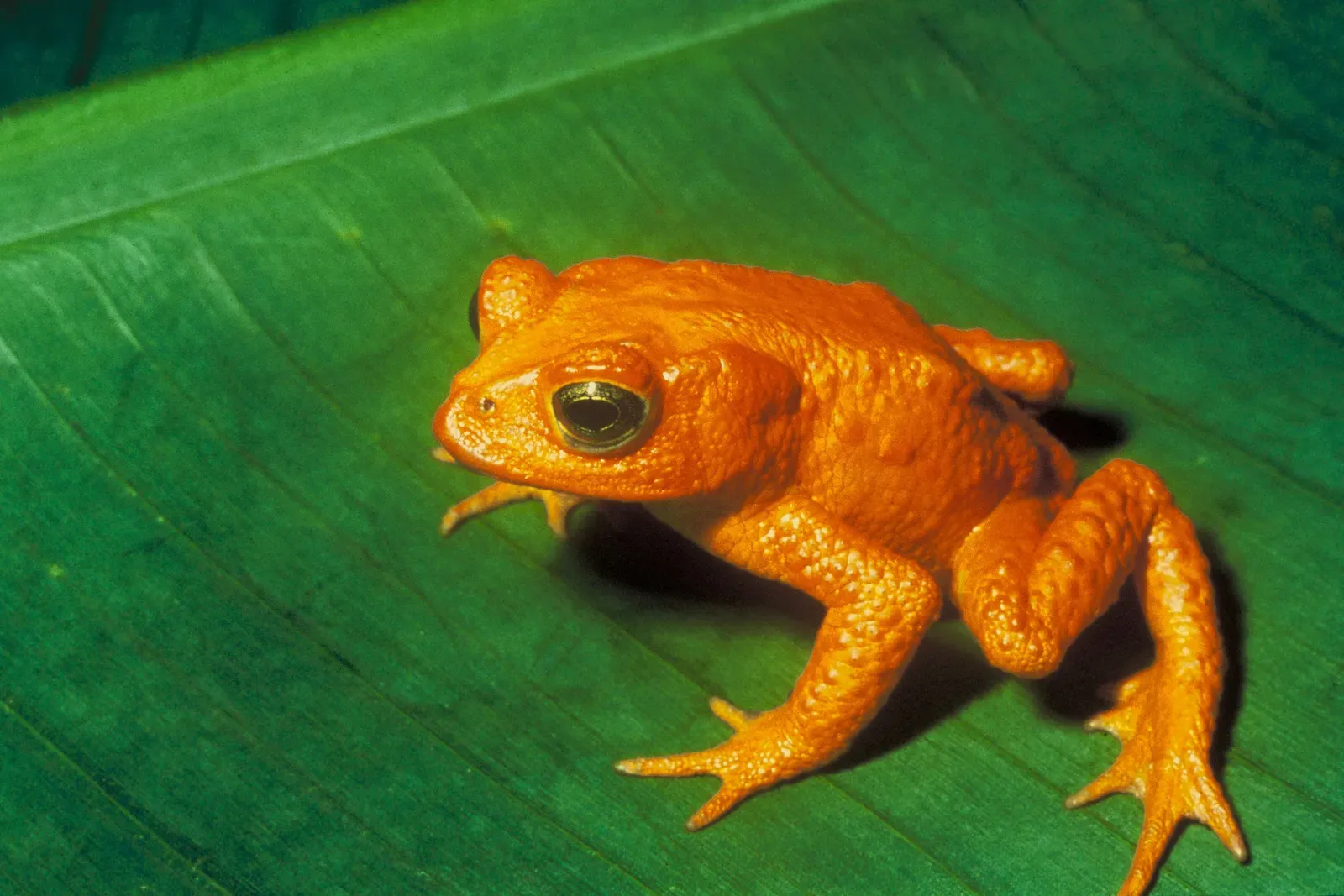
Our most famous “extinct” frog may really be gone – but its story proves we’re probably wrong about dozens of other amphibians.
The golden toad of Costa Rica vanished in the late 1980s, almost certainly due to a mix of climate shifts and the fungal disease chytridiomycosis. It’s widely taught as a textbook extinction case. Yet in those same regions and similar cloud forests, herpetologists keep “rediscovering” frogs and salamanders written off for decades, sometimes after finding a single surviving pocket in one valley. The Hula painted frog in Israel, declared extinct in the 1990s and then found alive again in 2011, shows exactly how amphibians can cling on in shockingly small refuges.
Quick Compare
- Golden Toad: vanished in the late 1980s, never rediscovered despite decades of targeted searches
- Hula Painted Frog: declared extinct in the 1990s, found alive again in a tiny wetland in 2011
- The lesson: two near-identical “final” declarations, two completely different endings
The golden toad itself probably is gone, and pretending otherwise would be dishonest. But its tidy narrative has distorted public understanding, because we treat amphibian extinctions as precise, dated events when many species actually flicker in and out of detectability. Some persist in tiny, unsurveyed seeps or caves; others hybridize, blurring the taxonomic lines entirely. Field biologists will tell you quietly: for dozens of “extinct” frogs and salamanders, we just don’t know – and pretending we do is the real mistake.
The Bottom Line
If you came in thinking extinction was a clean, binary switch, these 15 cases should feel deeply uncomfortable. From the thylacine to the golden toad’s amphibian cousins, the pattern is brutal: we often declare species gone when what’s actually extinct is our funding, our patience, or our political will to keep looking. In oceans, deep forests, and disputed borders, the data are thin, but the paperwork is confident. That mix is exactly backwards.
This doesn’t mean every rumor is true or every blurry photo is a cryptid. In several of these cases, the odds of survival are genuinely tiny. But a few – the Lord Howe stick insect, the coelacanth – show how embarrassingly wrong we can be when we mistake “we stopped looking” for “it’s gone.” The honest position is messy: skeptical of shaky evidence, but just as skeptical of neat extinction stories that tidy up our guilt.
So which species on this list do you think is still out there – and which “extinct” animal would you bet the experts are dead wrong about?